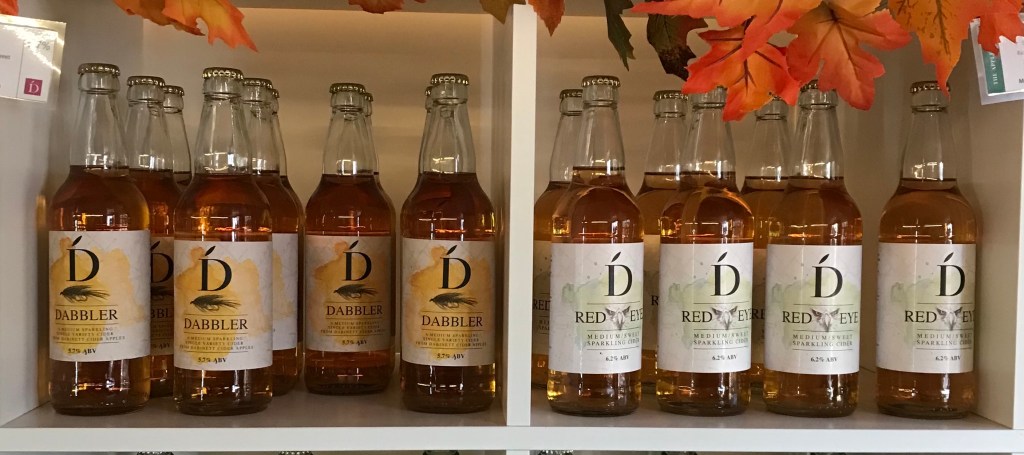
Dunham Massey is a civil parish just outside of the city of Manchester. The parish is a mix of ancient farmland and small settlements such as Dunham Town which despite the name is a village. The area is notable for the quality of its local produce such as the ciders produced by the excellent Dunham Press whose apple crops come from their own 200 year old orchards. They are the only cider producer in the North of England that we know of.

As well as their own ciders and apple juices, their shop (which is just across the way from their press) stocks guests ciders from across the UK (and even the USA) and beers from their neighbours, the Dunham Massey Brewing Co. – a local craft brewer of quality. Farm shops in the area stock an extensive range of local produce.
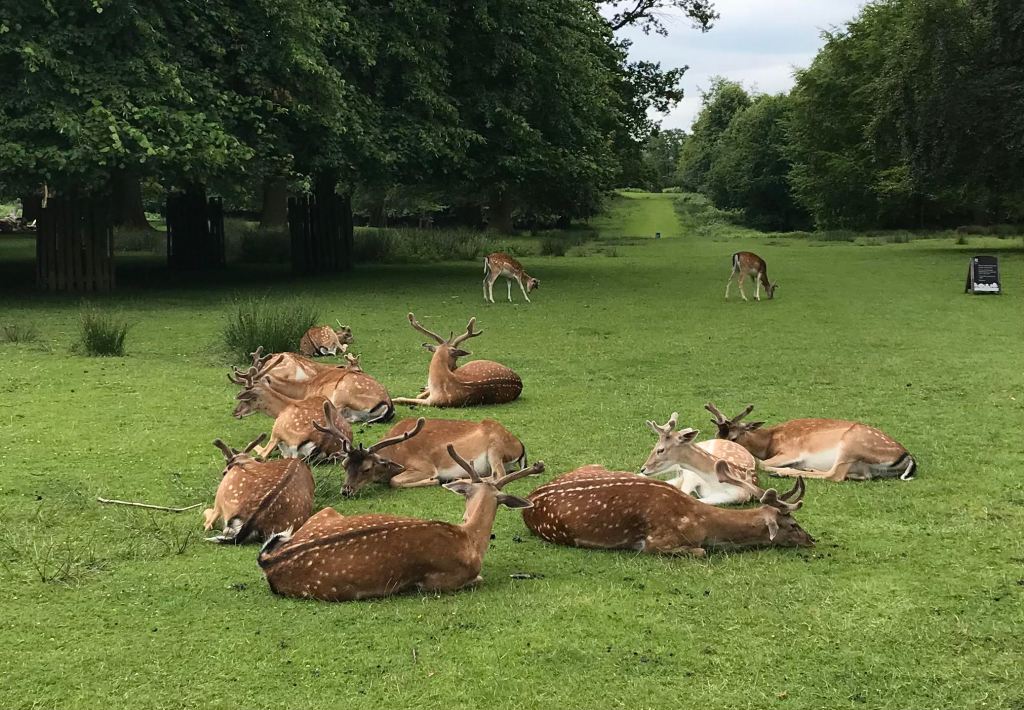
The main attraction in the locale is the nearby Georgian house and its attendant deer park. Both are extremely popular places to visit. The park itself with its ancient enclosed wall, trails and grazing deer is a particular favourite with everyone who goes there. Even royalty have visited including Emperor Haile Selassie of Ethiopia. Selassie visited the estate at Dunham Massey at the special invitation of his friend, the 10th Earl of Dunham, Roger Grey. The Emperor stayed at the house for four days in 1938.
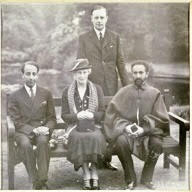
Roger Grey was a member of the local branch of the League of Nations which had been formed in 1920. The League, a kind of precursor to the United Nations, was the first worldwide intergovernmental body and its principal mission was to preserve and enable peaceful coexistence between nations. The League had strongly condemned Italy’s invasion of Ethiopia in 1936. The invasion had prompted Selassie to flee to England where he lived in exile until 1941.
Grey and the Emperor became firm friends and in honour of his guest, the Earl not only flew the Ethiopian flag from the main house during the Emperor’s visit but on each anniversary of the latter’s birthday, the 23rd of July each year. This practice continued until Grey’s death in 1976 but it was revived last year when once again the Ethiopian flag (with the Lion of Judah at its centre) flew from the main house. The flag is now flown annually on each anniversary of the Emperor’s birthday.
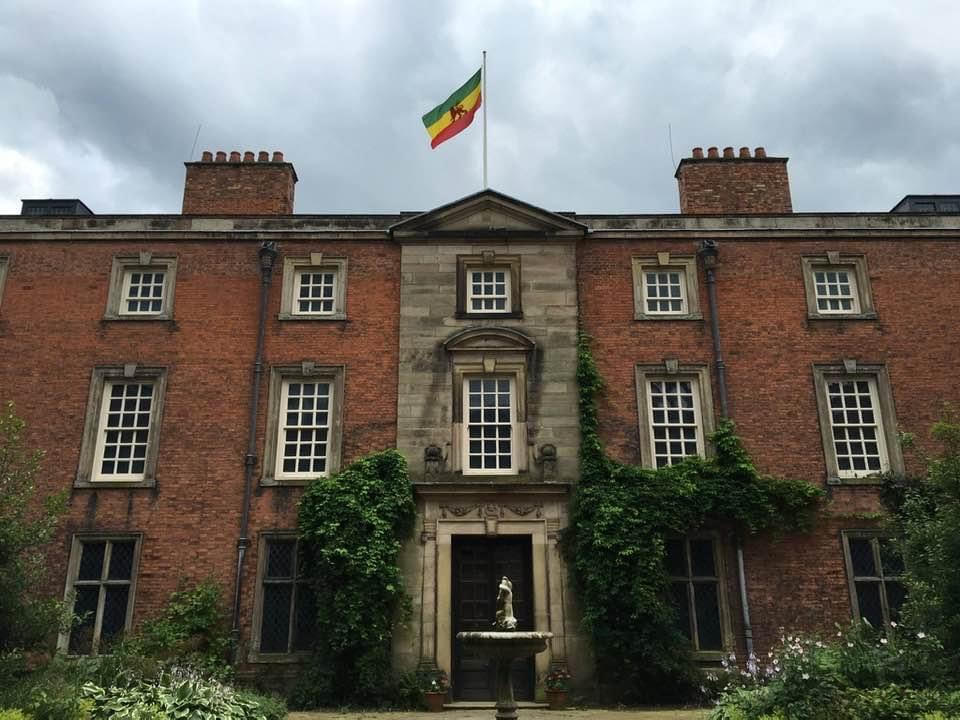
We visited the park that day and noticed the flag flying from the centre of the house. A group of Rastafarians were gathered nearby.
The Rastafarian religion was developed in Jamaica in the 1930s from the interpretation of a prophecy by local activist Marcus Garvey. Rastafarians ascribe divinity to Haile Selassie who many regard as God incarnate.
Today Rastafari is an established religious and social movement in Jamaica as well as other countries with a significant Jamaican diaspora such as the UK, USA and Canada. There is a Rastafarian community in nearby Manchester.
The diet of strict Rastafarians is vegetarian or vegan. A vegetarian diet was adapted by the Rastafarians from indentured Indian labours (known locally as ‘East Indians’).
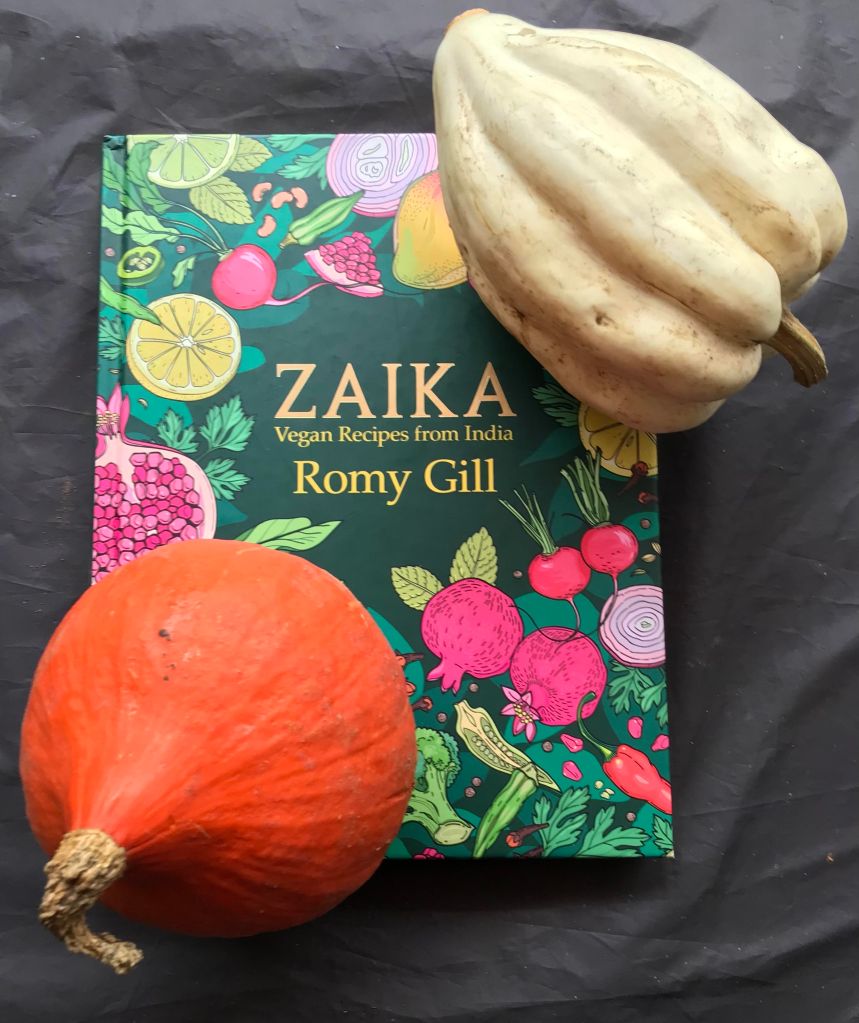
The founder of Rastafarianism, Leonard Howell, was apparently influenced by the food ate by those indentured Indians and that is how a vegetarian diet became a part of the religion (and it is fair to say that Indian spices and recipes have undoubtably influenced the food culture of Jamaica as whole).
The Vegetarian Society of the United Kingdom has its HQ a short walk from Dunham Massey. The Society has a cookery school and holds regular classes from tutors across a range of international cuisines. We particularly recommend the Indian food cookery classes taught by Lajina Leal.
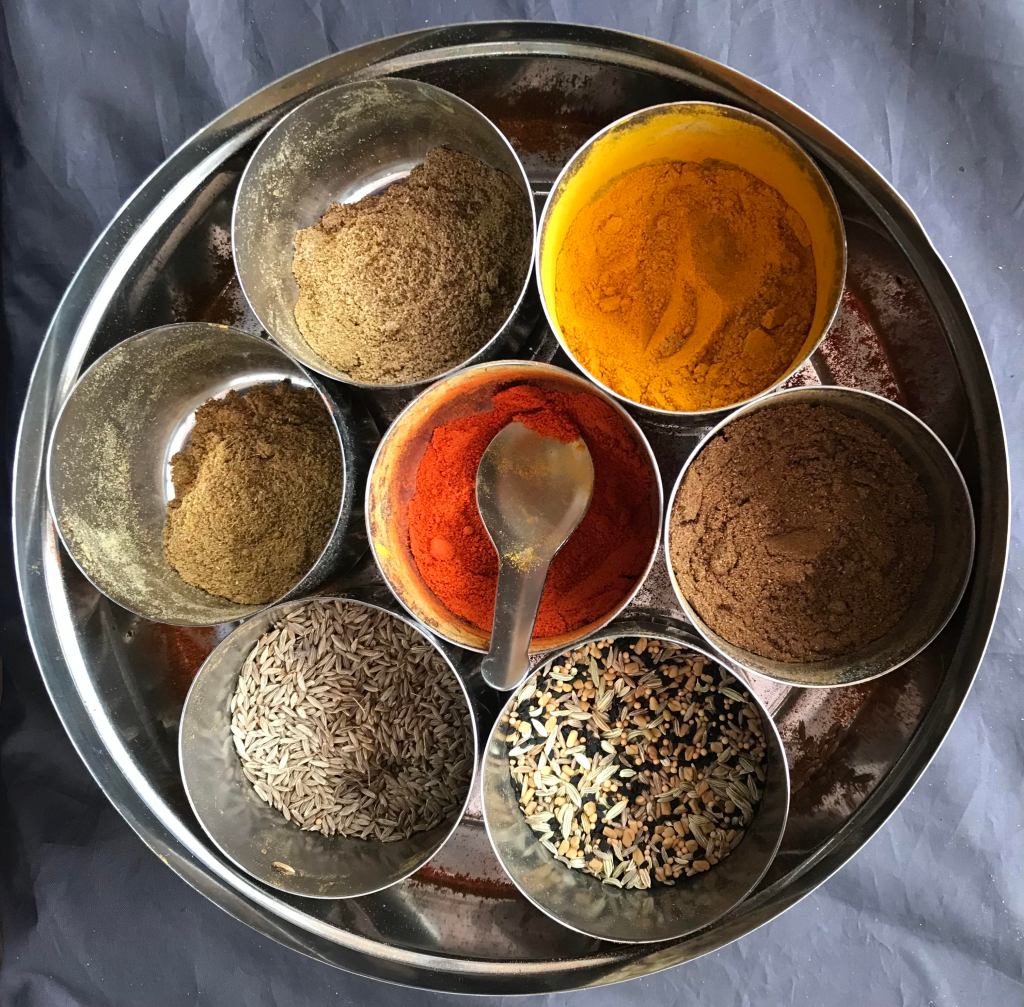
‘Ital is vital’ as they say!

 FOOD, FILMS 'N' TINGS