BUSAN: SOUTH KOREA-ON-SEA

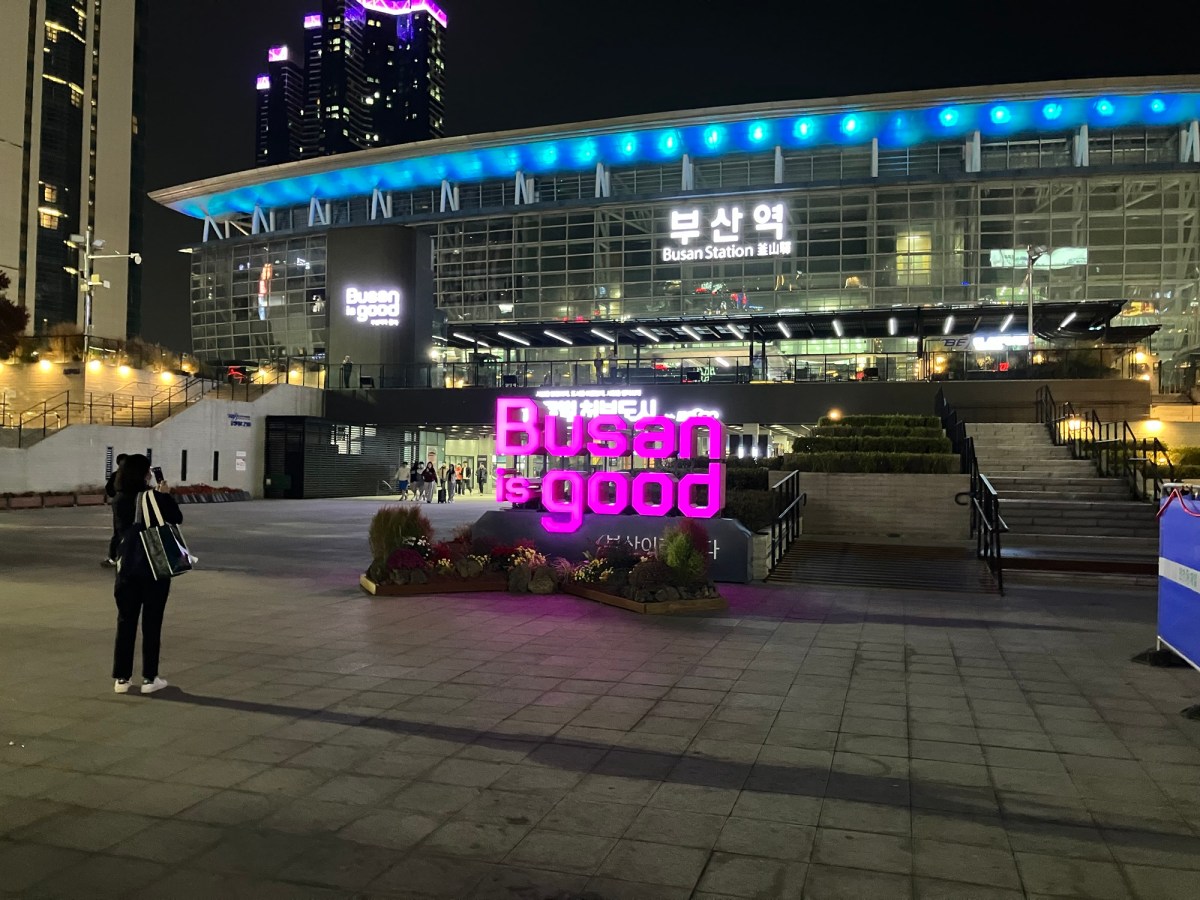
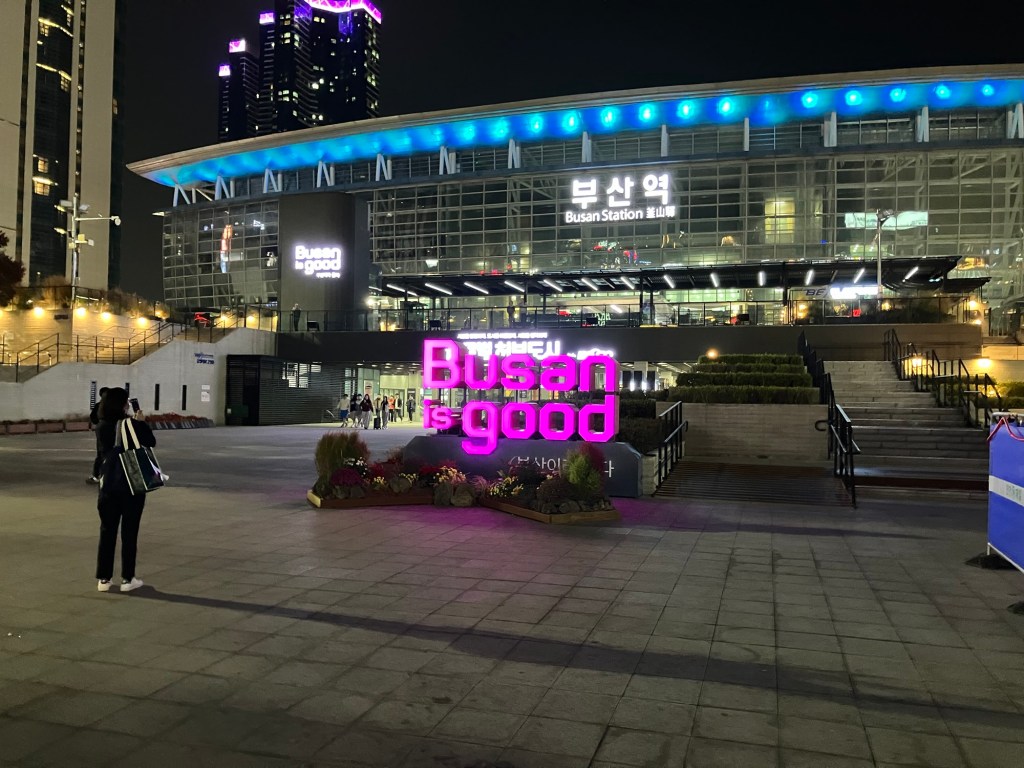
Busan station

Arriving on the express train from the country’s crowded capital Seoul, the southern city of Busan immediately feels warmer and far more relaxed in comparison. Seoul, although highly rated as the metropolis it undoubtably is, seems sprawling, over crowded and far more work-a day in comparison to its southern sister. After the pace and intensity of the capital, Busan feels looser, more rugged, more communal and less stressed than the country’s mega city. 

Busan is South Korea’s second-largest city and its most important port.  Located on the southeastern tip of the Korean Peninsula, the city faces the Korea Strait and serves as the country’s gateway to the sea. 
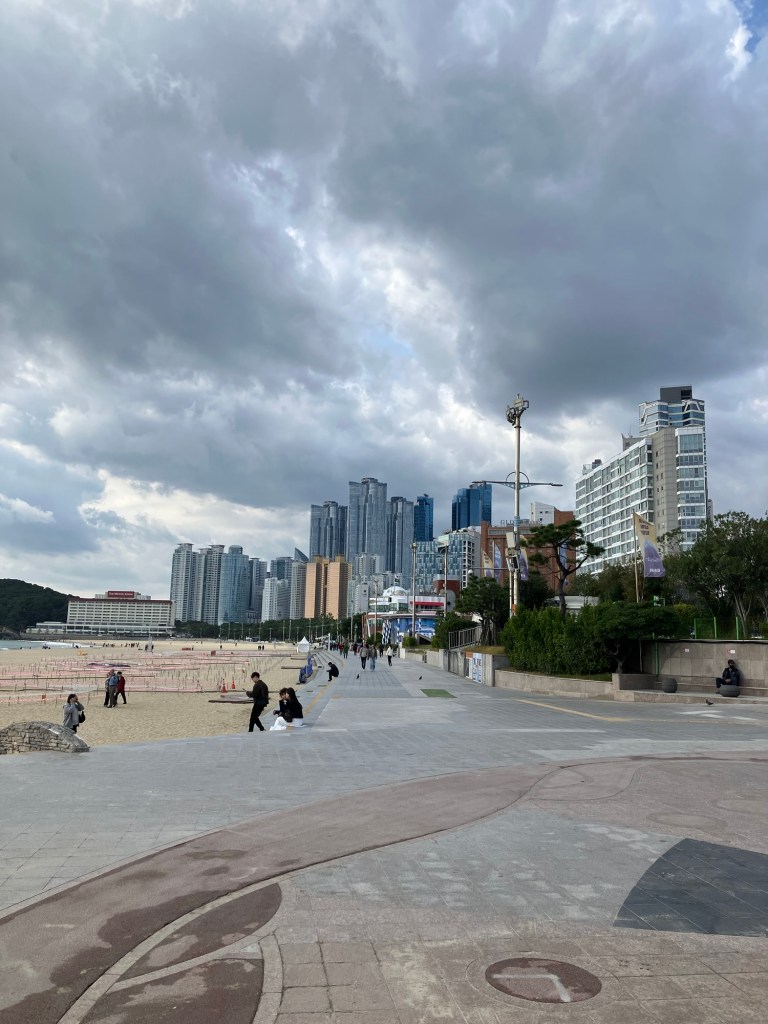
Haeundae Beach in Busan

Japan’s third largest island Kyushu and the state capital, Fukuoka lies just over a 100 miles away and Busan is a particularly popular destination for discerning Japanese tourists as well as South Korean citizens who are drawn by its excellent beaches.
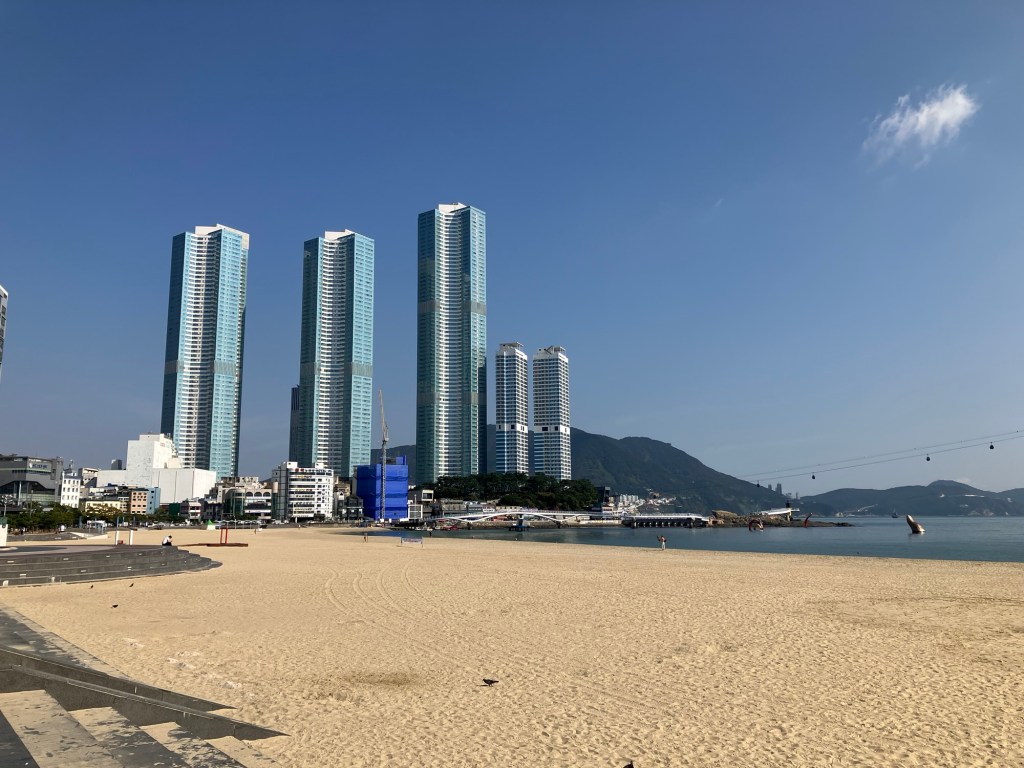
Songdo beach in Busan

The city’s urban landscape is framed by rugged mountains and sandy beaches. Steep, forested hills descend into dense urban neighbourhoods, while rivers like the Nakdonggang—the longest in South Korea—flow into wide estuaries near the coast. This dramatic landscape gives the city its distinctive layered skyline.

Busan is home to over 3 million people. Each district has its own character, from the bustling commercial hubs of Seomyeon and Haeundae to historic hillside communities like the city’s Chinatown whose gate faces the modern train station. The city’s coastal location has long attracted migrants, traders, and fishermen, contributing to a more open and pragmatic local identity compared to inland cities.
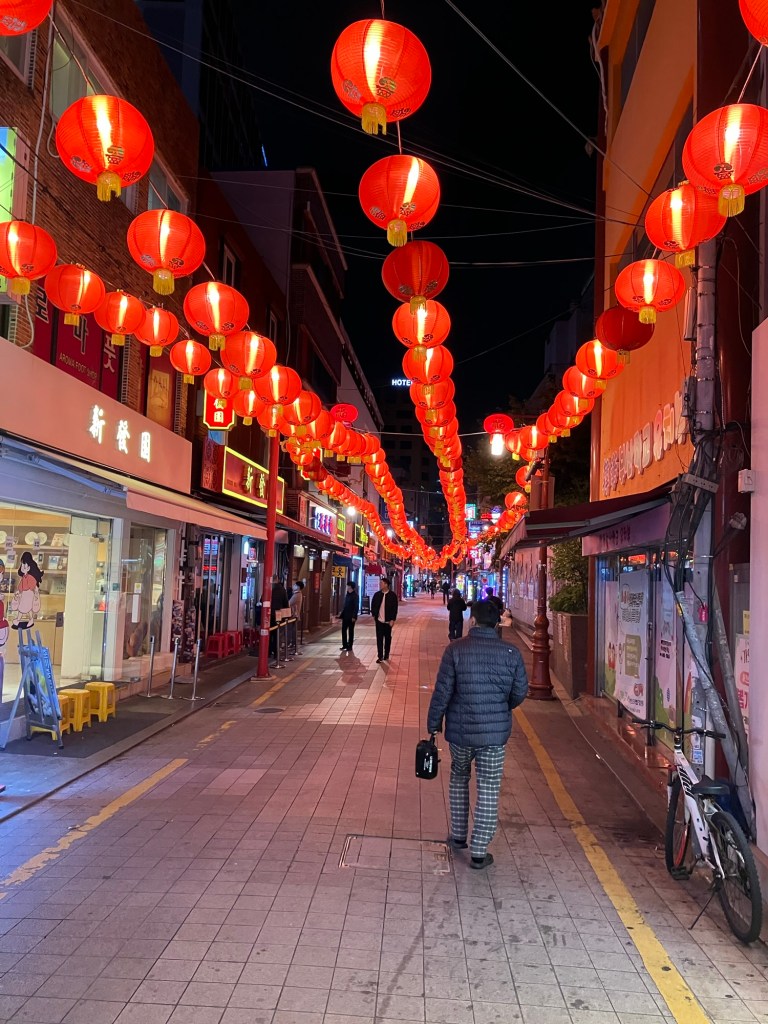
Chinatown in Busan

Culturally, Busan plays a crucial role in South Korea. It is best known internationally for the Busan International Film Festival (BIFF), Asia’s most influential film festival, which has positioned the city as a hub for cinema and creative industries (of which more later).
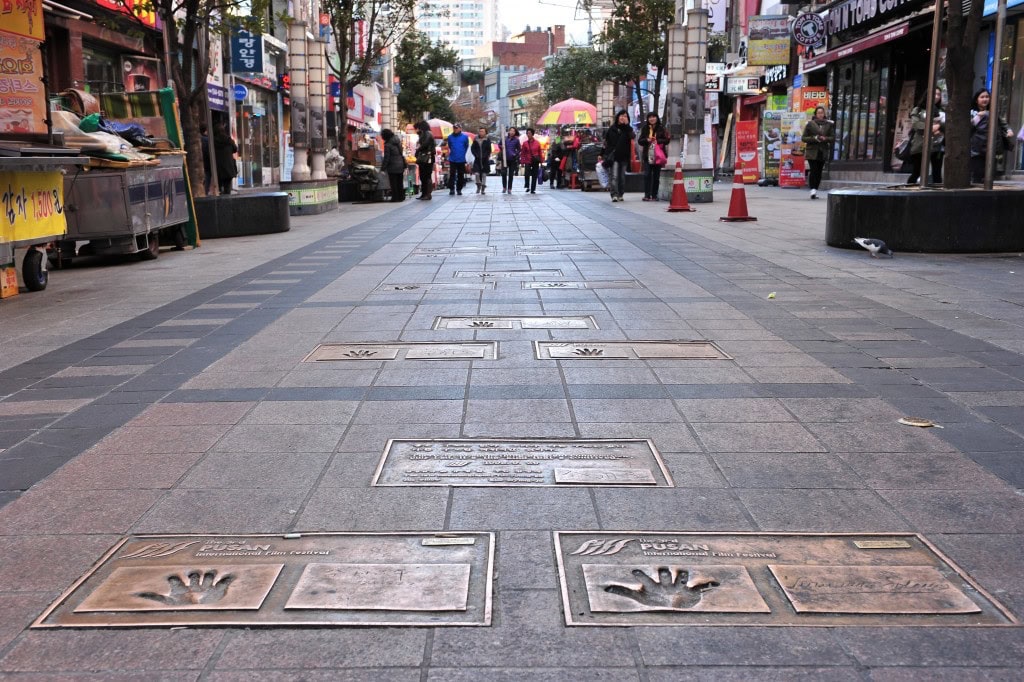
BIFF Square in Busan

Food culture is a cornerstone of Busan’s identity. The city is famous for fresh seafood, bustling fish markets like Jagalchi, and regional noodle specialties and spicy fish cakes (‘Eomuk’). These everyday traditions reflect Busan’s working-port roots and strong connection to the sea. 
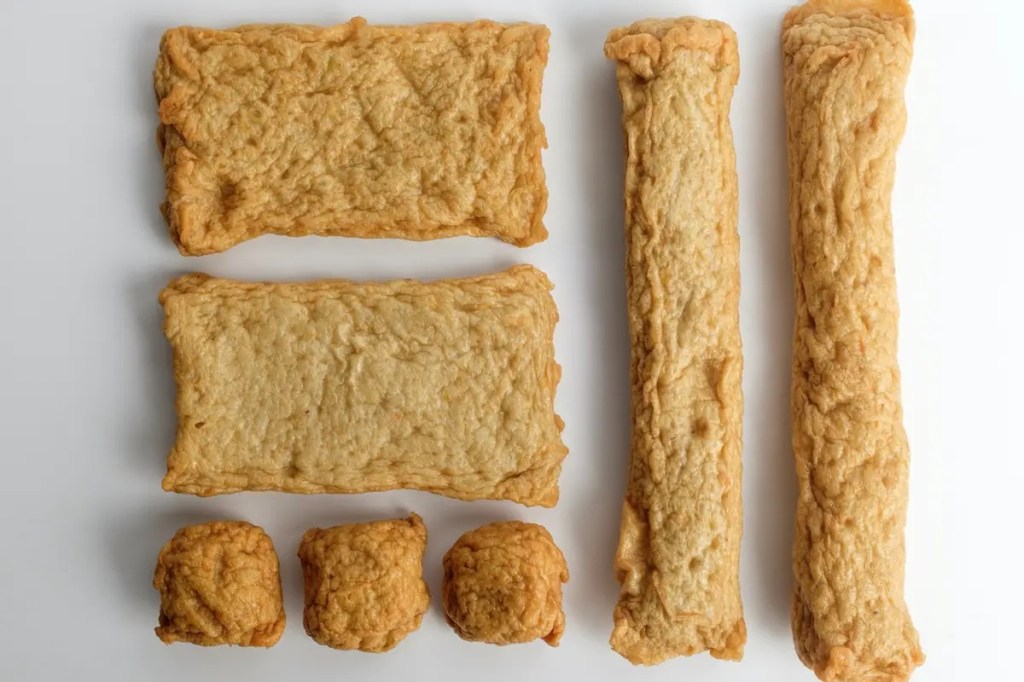
Eomuk fish cakes

As a whole, Korean food seems based on resourcefulness and occasional scarcity in the use of most, if not all  parts of a core ingredient whether animal (intestines, blood sausages) or vegetables such as mugwort for dishes such as rice cakes. Seafood can also be adventurous to some with dishes based on the still twitching i.e. newly severed, Octopus tentacles known as Sannakji to the visually odd sea pineapples known as Meongge and sea worms known locally as Gaebul. These, and other fish and seafood items are best experienced at the huge Jagalchi Fish Market, where the catch from the morning fleets arrives to be sold, wholesale and retail. Jagalchi is the country’s largest seafood market, offering a “market-to-table” experience where visitors buy fresh, live seafood on the first floor and have it prepared in restaurants on the second floor. Typical dishes would include Jangeo-gui (Grilled Eel), Saengseon-gui (grilled fish) and Maeuntang (a fiery fish stew).
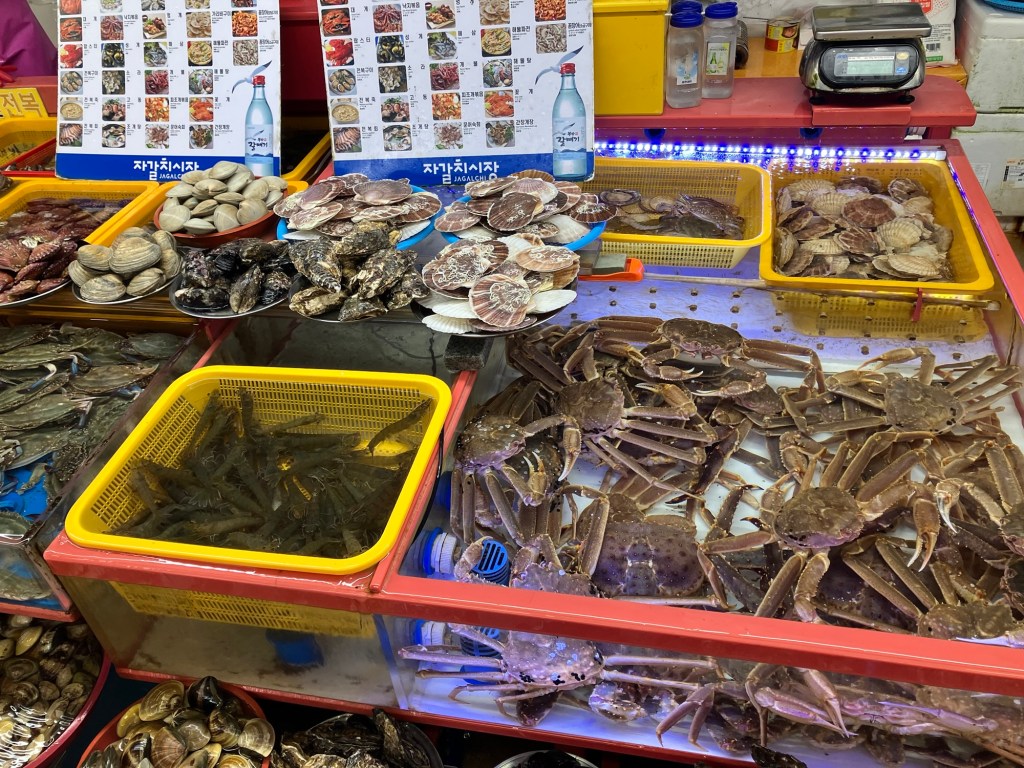
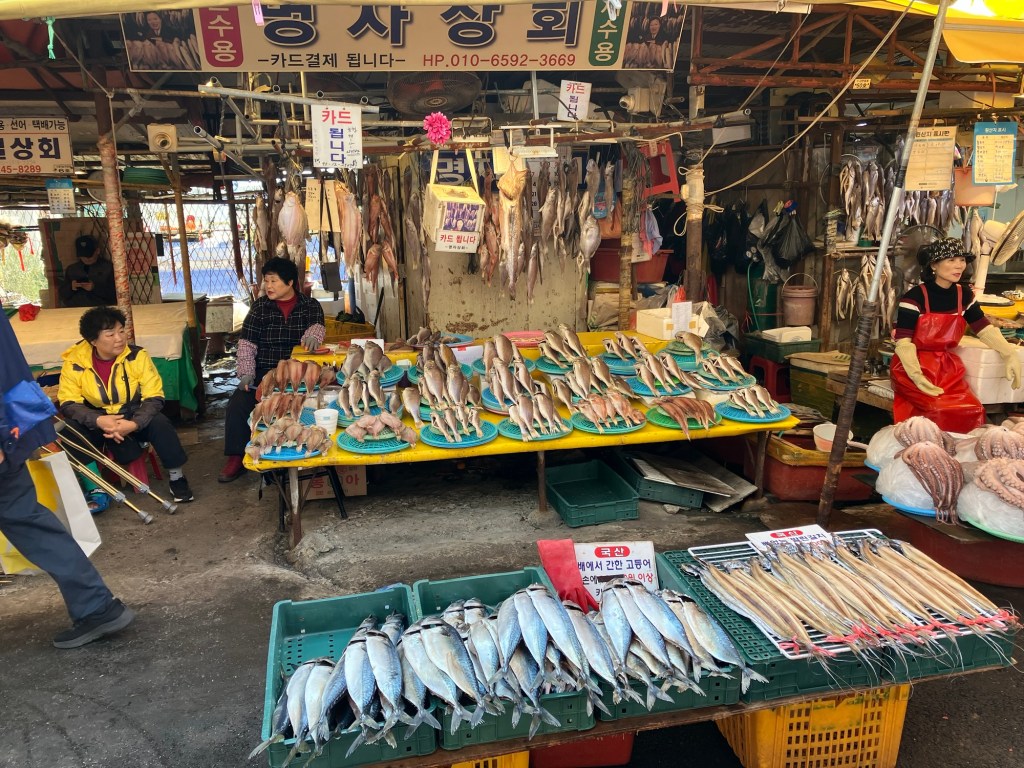
Jalgachi market
Jalgachi market

In addition to fish and seafood the city serves excellent Chinese dumplings at restaurants such as Shinbalwon (known for 60+ years of handmade, popular dumplings) and Janaseonghyang (famous for large, crispy fried dumplings, the restaurant was featured in the film ‘Old Boy’). Both restaurants are in Chinatown, opposite the main train station.
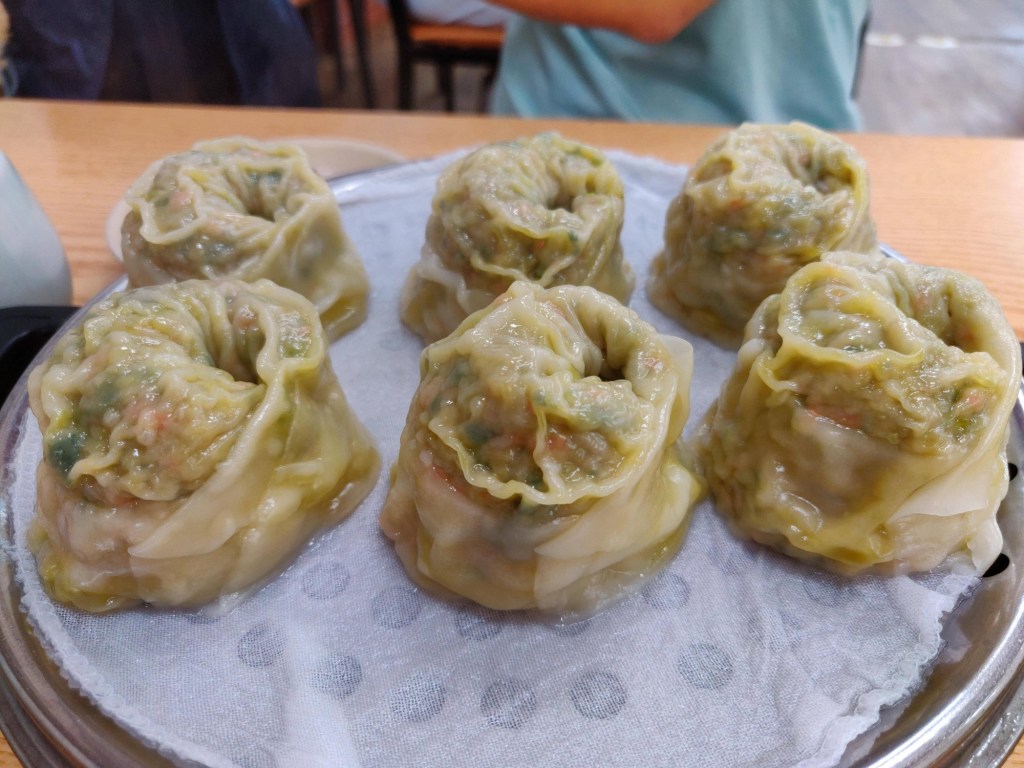
Shinbalwon dumplings

We tried Dwaeji Gukbap, a cloudy pork soup served with rice on the side and a tray of condiments including shrimp paste, chives, and pepper. We also ate Milmyeon, an icy broth for which the city is especially known. The dish is very popular way to both cool down and nourish during the foetid heat of a Korean summer. Milmyeon, made of wheat and potato starch noodles was born out of post-war scarcity in the 1950’s when , the more traditional buckwheat noodles were substituted for the latter. Post-war scarcity reshaped Korean cuisine. In the 1950s, wheat flour and starch from U.S. military aid were more accessible than traditional ingredients, while buckwheat remained familiar and adaptable. Milmyeon emerged as a pragmatic hybrid—stretching buckwheat noodles with American supplies to recreate Pyongyang-style cold noodles in the South.
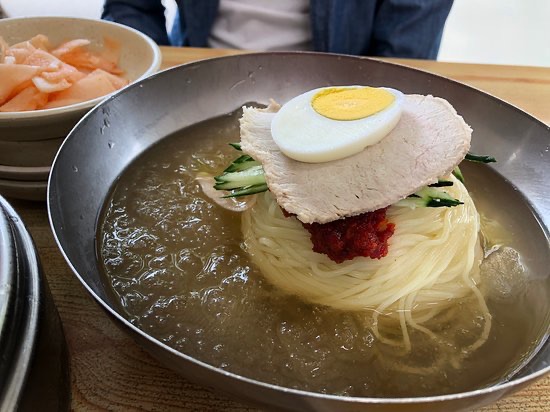
Milmeyon

In fact the years following the Korean War, food in South Korea was defined by scarcity. Farmland had been destroyed, supply chains were broken, and hunger was widespread. In this environment, U.S. Army rations—originally intended for American soldiers—began to play an unexpected role in Korean everyday life.

Canned goods such as Spam, hot dogs, corned beef, baked beans, powdered milk, and margarine entered local markets through U.S. military aid, nearby base economies, and informal resale. These foods were unfamiliar and highly processed, but they were calorie-dense, reliable, and available when traditional ingredients were not. Koreans adapted them using familiar seasonings like kimchi, garlic, gochujang, and chili flakes, creating entirely new dishes rather than simply copying American food.

The most famous example is Budae Jjjigae, or “army base stew.” Made with Spam, sausages, canned beans, and noodles, combined with Korean spices and broth, the dish emerged as a practical solution to hunger. For decades, it carried associations of poverty and dependence on foreign aid. Today, however, Budae Jjigae is a popular comfort food, rebranded as a nostalgic classic and served in restaurants across Korea.
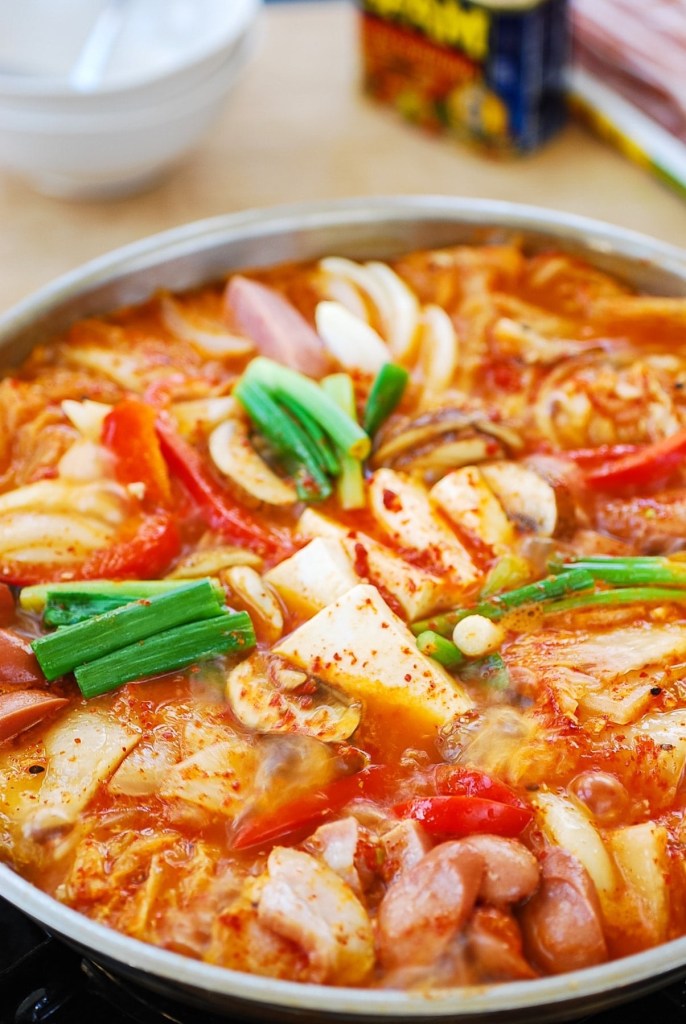
Budae Jjjigae

Beyond individual dishes, U.S. rations helped introduce new flavor profiles—saltiness, sweetness, fat, and dairy—that were less common in traditional Korean cuisine. They also familiarised consumers with processed and shelf-stable foods, contributing to the rise of instant noodles, factory-made sausages, and quick meals during Korea’s rapid industrialization from the 1960s onward.
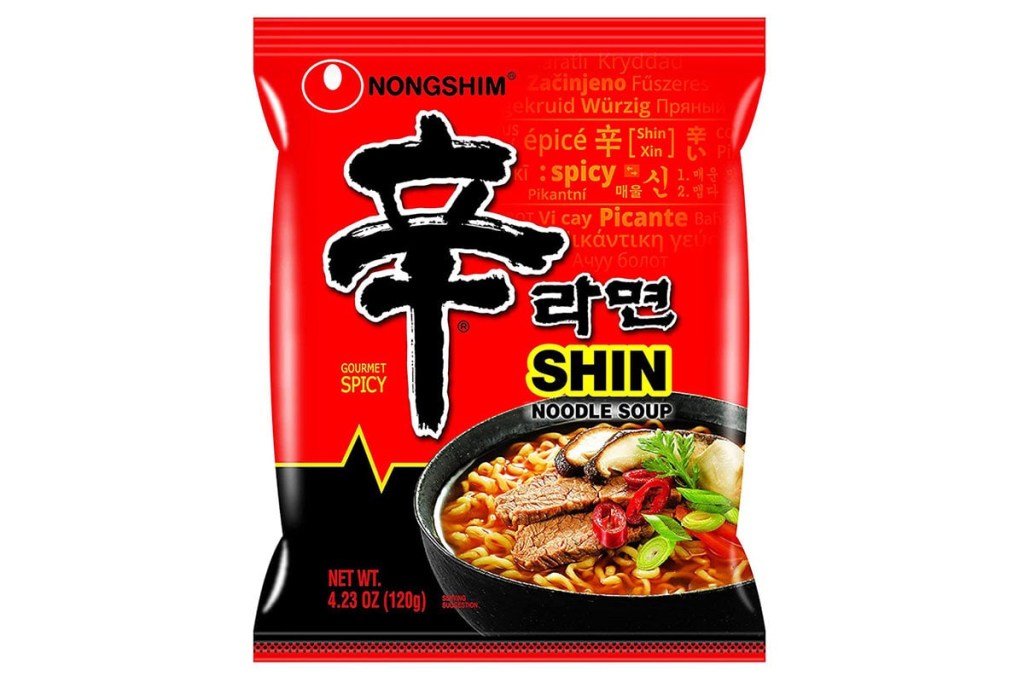
The ever popular Korean instant noodles

What began as wartime survival food ultimately became part of Korea’s modern culinary identity. The influence of U.S. Army rations reflects not imitation, but adaptation—showing how Korean cuisine absorbed hardship and transformed it into something enduring and distinctly its own.

When people talk about American influence in Korea, the conversation often stops at spam, PX snacks, and camptown diners. But the U.S. military presence left far deeper cultural footprints—especially in music and film — that still ripple through Korean popular culture today.

Beginning in the late 1940s and exploding after the Korean War, U.S. bases became unlikely incubators for Korean popular music. AFKN (American Forces Korea Network) radio blasted jazz, blues, country, and early rock ’n’ roll across the peninsula—sounds largely unavailable elsewhere. Korean musicians played in base clubs to earn steady pay, learning Western instruments, harmonies, and stagecraft firsthand. Groups like The Kim Sisters cut their teeth performing for American soldiers before becoming international acts, while artists such as Shin Joong-hyun, later called the “godfather of Korean rock,” absorbed psychedelic rock and soul through base gigs. This pipeline helped shape everything from Korean rock in the 1960s to the DNA of modern K-pop performance, the latter dominating Asia and much of the world.
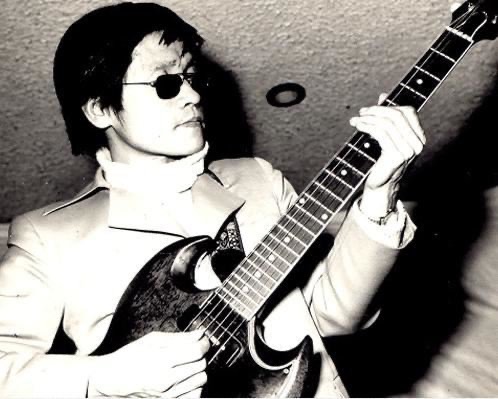
Shin Joong-hyun

Film influence was just as lasting. U.S. military bases regularly screened Hollywood movies—often on 16mm prints—exposing Korean directors, writers, and technicians to genres like noir, westerns, war films, and melodramas. These weren’t just entertainment; they were informal film schools. Editing rhythms, shot composition, and narrative tropes seeped into Korean cinema during its rebuilding years. American war films and later New Hollywood realism influenced how Korean filmmakers portrayed masculinity, conflict, and trauma. Even the dark humor and institutional critique seen decades later can trace a line back to works like MASH*—a U.S. film about Korea that Koreans watched with complicated fascination.

MASH cast

Beyond screens and stages, the U.S. army left behind a cultural transmission system: radios, projectors, records, and rehearsal spaces. Korea didn’t simply copy American culture—it absorbed, reworked, and ultimately transformed it, nowhere more so than in Film, a creative sector the country excels in. 

In recent years Korean cinema has enjoyed a remarkable surge in global visibility and influence, driven by both artistic achievements and broader cultural momentum. Films like Parasite helped break major international barriers by winning top accolades such as the Academy Award for Best Picture, establishing Korean filmmaking as a serious contender on the world stage rather than a niche curiosity. Korean films are now distributed widely, reaching audiences in over 130 countries, and directors such as Bong Joon-ho and Park Chan-wook are household names in global auteur circles.  

Parasite

A key part of this rise has been the Busan International Film Festival (BIFF). Founded in 1995, Busan has grown into one of Asia’s premier film festivals, acting as a bridge between Korean, Asian, and international cinema. It brings thousands of industry professionals, critics, and cinephiles together, showcasing hundreds of films each year — including world premieres and independent works that might otherwise struggle to gain attention.  

Busan’s strategic evolution — such as introducing competitive sections, spotlighting Asian voices, and expanding market platforms like the Asian Contents & Film Market — has helped position Korean film within global industry networks. This exposure not only elevates Korean filmmakers but also fosters co-productions, distribution deals, and cultural dialogue across borders.  BIFF has played a central role in raising Korean cinema’s international profile by serving as a high-visibility showcase, a business hub for industry deal-making, and a cultural meeting point that draws attention far beyond Korea’s domestic market. 
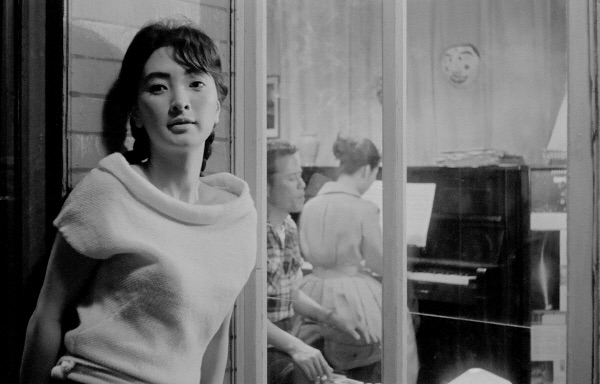
The Housemaid (1960)

The following Korean films are recommended viewing in our opinion.

The Housemaid (1960) – Kim Ki-young

A manipulative housemaid gradually destroys the fragile middle-class family that hires her.

Oldboy (2003) – Park Chan-wook

A man imprisoned for 15 years without explanation is suddenly released and seeks revenge on whoever ruined his life.

Parasite (2019) – Bong Joon-ho

A poor family infiltrates the lives of a wealthy household through deception, exposing brutal class inequality. 

Decision to Leave (2022) – Park Chan-wook

A detective investigating a suspicious death becomes emotionally entangled with the victim’s enigmatic wife.

Bleak Night (2010) – Yoon Sung-hyun (BIFF-discovered indie)

A father retraces his son’s final months and uncovers the toxic friendships that led to the boy’s tragic death.

The 31st Busan International Film Festival takes place from October 6th to 15th 2026.

부산은 좋아요

Japan, food and Bourdain

To some in the West, Japan can seem like a land of cliches, no more so than with preconcoeved notions of it’s food. 

Here are some of the more common misconceptions 

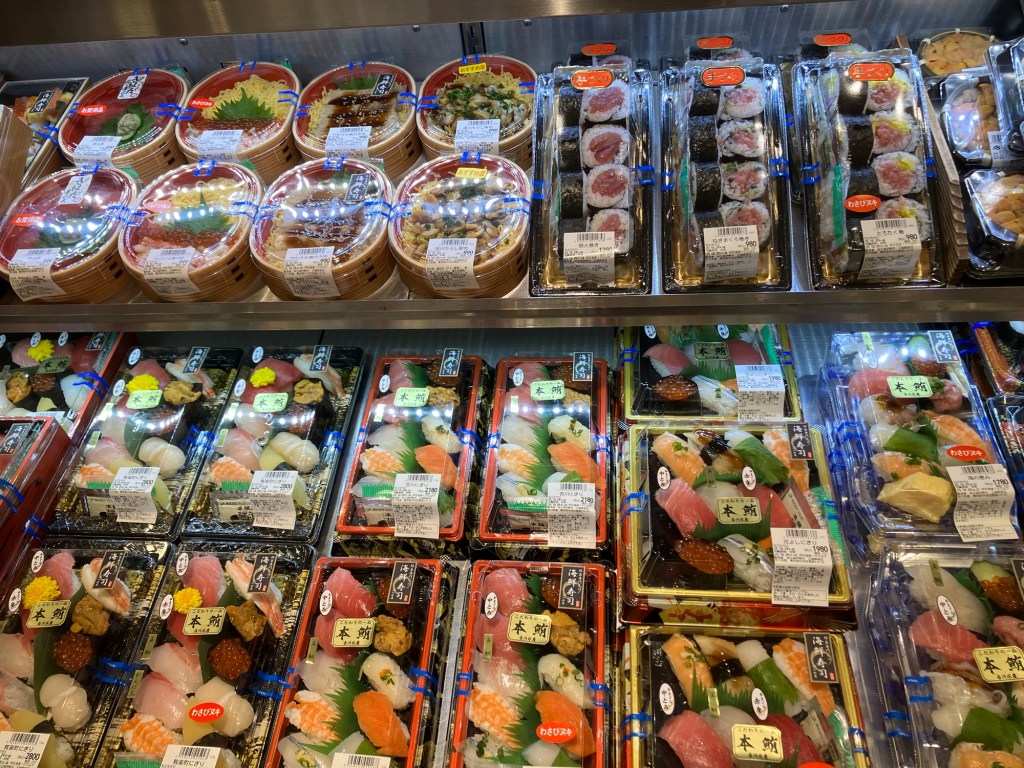
All Japanese food is sushi: While sushi is indeed a popular dish, Japanese cuisine is incredibly diverse and includes a wide range of dishes that have nothing to do with sushi, such as ramen, udon, soba, okonomiyaki, and more.

Japanese food is always healthy: While many Japanese dishes are indeed healthy, there are also plenty of indulgent and unhealthy dishes, like ramen with its high sodium content, or fried foods like tempura and katsu.

 All Japanese food is raw: While raw fish and seafood are popular ingredients in Japanese cuisine and sushi itself is much beloved in the country, the average Japanese person doesn’t eat sushi as often as one would think. In fact,  most Japanese people eat sushi about 2-3 times a month, although this can vary depending on personal preferences and the season and it is hardly a staple of the daily diet for most people.

Westerners often perceive Japanese food, particularly high-end sushi and sashimi, to be expensive. This perception is fueled by the high prices found at upscale Japanese restaurants in Western countries, as well as media portrayals of luxurious Japanese dining experiences. Additionally, ingredients like fresh seafood and imported Japanese products can drive up the cost of Japanese cuisine outside of Japan.

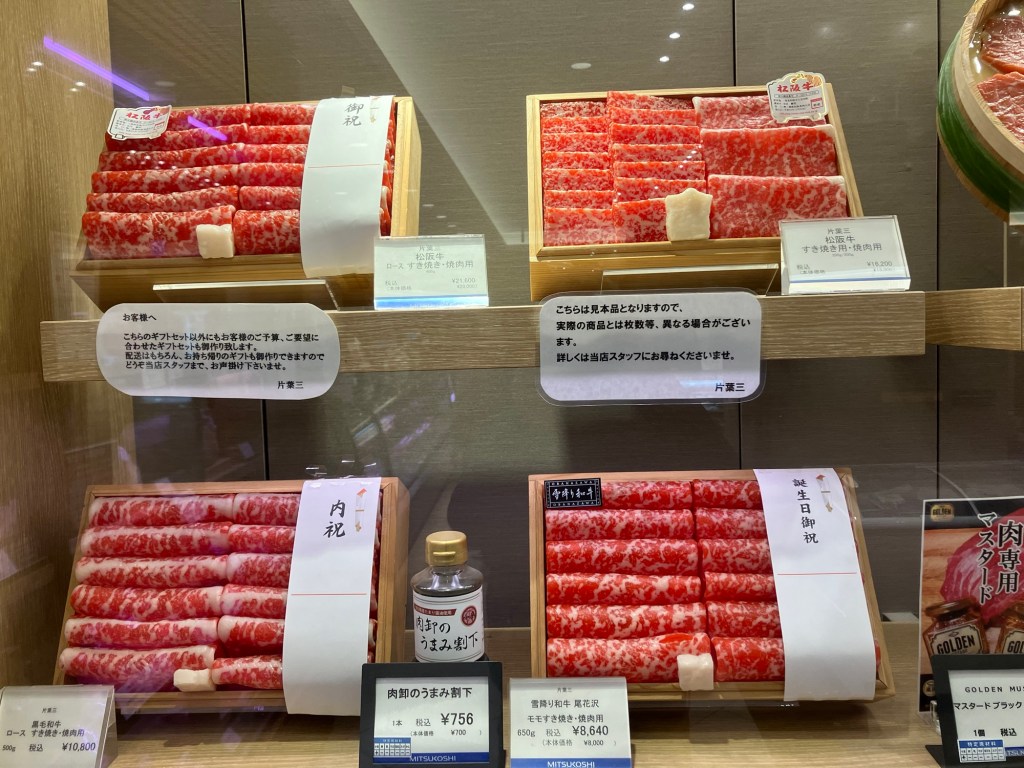
Kobe beef

However, in reality, everyday Japanese food in Japan is not necessarily expensive. In fact, many dishes like ramen, yakitori, and udon can be quite affordable, especially at local, non-touristy eateries. Street food and local markets also offer budget-friendly options for those looking to sample a variety of Japanese flavors without breaking the bank.

Market pickles

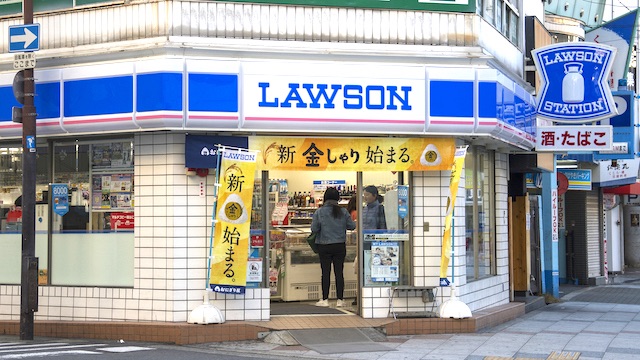
And do not forget convenience stores ( collectively ‘konbini’). Not only do they seem to sell everything you might need, they can also be a source of simple, tasty convenience food. 

The three main convenience stores in Japan are:

* 7-Eleven: The largest convenience store chain in Japan, with over 20,000 stores. It’s often referred to by its nickname “Seben.”

* FamilyMart: The second-largest convenience store chain (and our personal favourite), with around 16,000 stores. It’s commonly nicknamed “Famima.”

* Lawson: The third-largest convenience store chain, with around 14,000 stores. It’s usually called “Losson.” Idolised by the late chef/presenter Anthony Bourdain for their divine egg mayonnaise sandwiches.

Japanese convenience stores are known for their wide range of food items, including:

* Bento boxes: A variety of prepared meals, including sushi, noodles, and rice dishes. (Far better Bento boxes can be found in any decent department store food court or train station (‘Ekiben’).

Bento boxes

* Onigiri: Triangular-shaped rice balls wrapped in seaweed.

* Sandwiches: Western-style sandwiches with fillings such as egg salad, tuna, and ham. Lawson stores were idolised by the late chef/presenter Anthony Bourdain for their egg mayonnaise sandwiches (good) although we prefer the Family Store take on this simple take out which are even better in our opinion.

Classic egg mayonnaise sandwich and Onigiri

* Oden: A type of Japanese hot pot that includes ingredients such as daikon, tofu, and fish cakes.

* Snacks: Japanese and Western snacks, such as chips, crackers, and candy.

So whilst the perception of Japanese food as expensive persists in Western countries, it’s important to remember that this is only one aspect of a diverse and multifaceted culinary landscape. 

A good place to start is with typical daily meals. Whilst they may vary depending on the individual and the region, here’s a general overview of what an average Japanese person might eat in a day:

Breakfast: A traditional Japanese breakfast often includes steamed rice, miso soup*, grilled fish, pickled vegetables, and perhaps a piece of fruit.

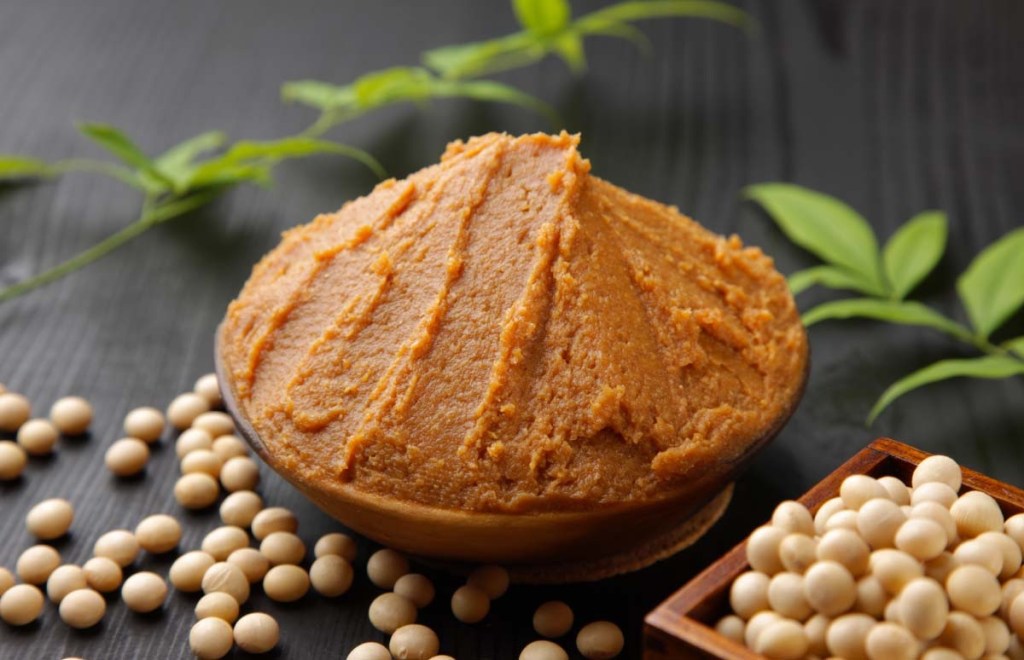
*Miso soup is made from a stock called dashi, which is typically made from dried kelp (kombu) and dried fish flakes (katsuobushi). Miso paste, a fermented soybean paste, is added to the broth, lending its rich, savory flavor and cloudy appearance to the soup. In addition to the broth and miso paste, miso soup usually includes cubes of soft tofu and slices of green onion. Depending on regional and seasonal variations, other ingredients such as mushrooms, carrots, daikon radish, or clams can also be added to the soup.

Miso paste

Lunch: For lunch, a Japanese person might enjoy a bento box, which is a meal consisting of rice, vegetables, and protein (like fish or meat) arranged in a compartmentalized container. Another popular option is ramen or udon noodles.

Dinner: At dinner time, families might gather together to share a meal of various dishes, such as tempura, teriyaki, or sushi.

Let’s examine these three meals in more detail.

Tempura is a dish that consists of seafood, vegetables, or sometimes meat, lightly battered and deep-fried to create a crispy, golden-brown coating. Tempura is often served with a dipping sauce made from soy sauce, mirin, and sugar, and is sometimes accompanied by grated daikon radish or ginger.

Teriyaki is a cooking technique where food, typically chicken or other proteins like beef, pork, fish, or tofu, is grilled or broiled with a sweet and savory sauce. Teriyaki sauce is made from a mixture of soy sauce, mirin (a sweet rice wine), sugar, and sometimes sake or ginger. The food is usually marinated in the teriyaki sauce before cooking, then brushed with additional sauce while grilling or broiling to create a rich, sweet-salty flavor and a beautiful shine.

Sushi features vinegared rice (sushi-meshi) combined with various ingredients, such as raw fish, seafood, vegetables etc. The word “sushi” actually refers to the seasoned rice, rather than the raw fish that is often associated with it.

There are several types of sushi, including:

– Nigiri: A small, oblong mound of sushi rice topped with a slice of raw fish, seafood, or other ingredients.

– Maki: Rice and other ingredients rolled together inside a sheet of dried seaweed (nori) and sliced into bite-sized pieces.

– Sashimi: Sliced raw fish or seafood served without rice.

– Temaki: Similar to maki, but hand-rolled into a cone shape.

– Chirashi: Sushi rice topped with a variety of ingredients, similar to a rice bowl.

Sushi is typically served with soy sauce, wasabi, and pickled ginger.

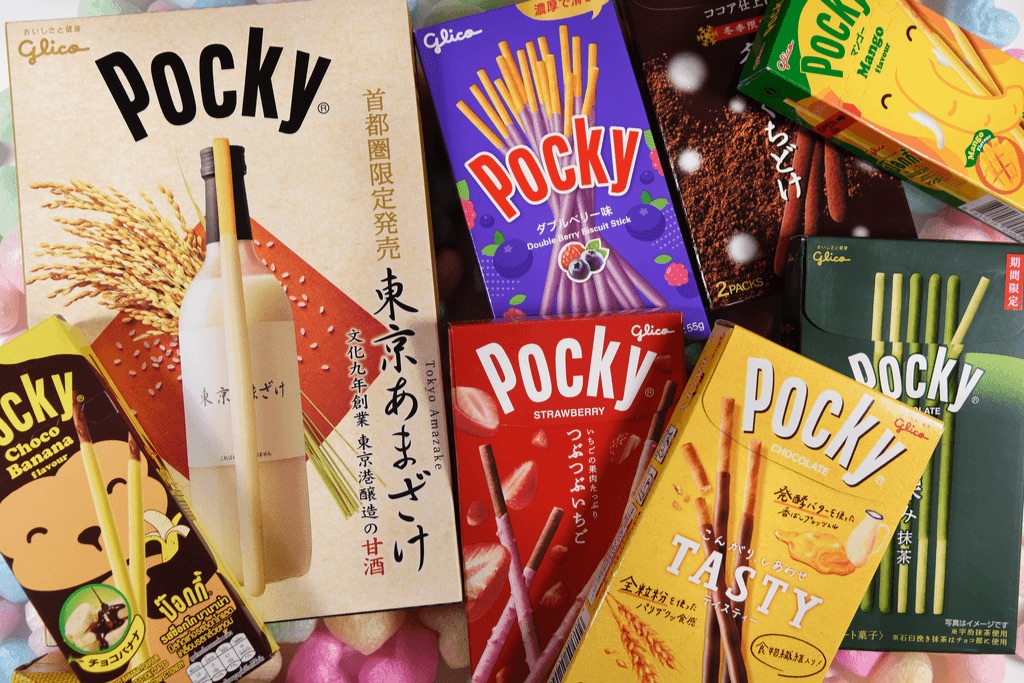
In between meals, Japanese people often enjoy snacks such as onigiri (rice balls) or pocky (chocolate-covered biscuit sticks).

Pocky sticks

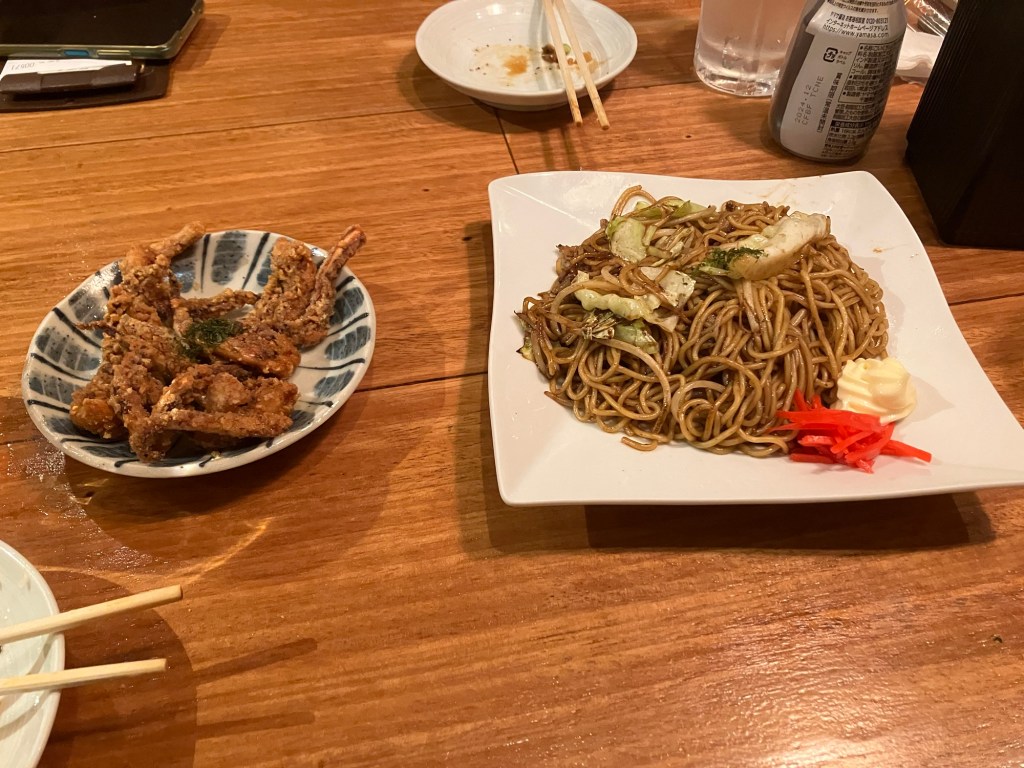
(Please note that if you have not made it back home in time to sample dinner, it is maybe because you and your friends/colleagues have been drinking and eating at an izakaya. An izakaya is a type of Japanese bar that is similar to a pub or tapas bar. It’s an informal place where people can go after work to have drinks and snacks.The food served at izakayas is designed to be shared and typically goes well with beer. The menu can include a variety of dishes, such as yakitori (typically grilled chicken meat, offal and skin) gyoza, sashimi and nakazuke (fermented cucumber) and noodles.

Yakitori
Nakazuke
Izakaya noodles

If you are ever in Japan, visiting an izakaya is a great way to experience the local culture and cuisine in a fun and relaxed setting.

Noodles are beloved in Japan and arguably second only to rice as a staple.

Dig in or rather slurp on!

Ramen: Thin, wheat-based noodles served in a savory broth that can be made from pork, chicken, fish, or vegetables. The broth is often flavored with soy sauce, miso, or salt, and is typically topped with sliced pork, soft-boiled egg, and green onions. Ramen is famous for its rich, complex flavors and regional variations.

Udon: Thick, chewy noodles made from wheat flour that can be served hot or cold. Udon noodles are usually served in a hot broth made from fish or meat stock, topped with ingredients like tempura, green onions, and slices of fried tofu. In the summer, chilled udon noodles are often served with a soy-based dipping sauce.

Soba: Thin, delicate noodles made from buckwheat flour that can be served hot or cold. Soba noodles are usually served with a dipping sauce made from soy sauce, mirin, and dashi, and are often garnished with sliced green onions and wasabi. In the winter, hot soba noodles are served in a clear broth.

Whilst the 1985 film “Tampopo” directed by Juzo Itami introduced Western audiences to ramen and the passion for noodles in Japan, it was arguably the late TV presenter, chef and raconteur extraordinaire Anthony Bourdain whose shows include  ‘No Reservations’ and ‘Parts Unknown’ who really introduced a worldwide audience to the delights of Japanese cuisine. Bourdain was fascinated with the country and it’s food commenting:-

“I love Tokyo. If I had to eat only in one city for the rest of my life, Tokyo would be it. Most chefs I know would agree with me.”

“You can pick almost any restaurant in Japan and be almost sure you’ll get a great meal.”

Bourdain photo from The Travel Channel

Bourdain’s appreciation for Japanese cuisine was clear, and he enjoyed exploring the many different flavors and textures of the country’s street food and high-end restaurants alike.

In 2013  Bourdain introduced ‘Parts Unknown’ which  premiered on CNN. The concept behind the series was to take viewers on a journey around the world, exploring lesser-known destinations, their cultures, and their cuisines. The show was a departure from traditional travel and food shows, and it quickly gained a devoted following of fans who appreciated Bourdain’s honesty, humor, and willingness to challenge preconceived notions about different cultures. Japan and its food culture were celebrated in repeatedly in whole and part episodes of the series notably “Hokkaido” and “Masa’s Japan”. 

The “Hokkaido” episode of “Parts Unknown” aired in 2017, and it featured Bourdain exploring that northernmost island its culture and its food. This was a part of Japan valley visited by those in the West and so his show was as illuminating as it was entertaining 

The “Masa’s Japan” episode of Parts Unknown aired in 2016 and focused on Bourdain’s travels through Japan with legendary sushi chef Masayoshi “Masa” Takayama. During their journey, Bourdain and Masa explored the urban center of Kanazawa, Masa’s rural hometown of Nasushiobara, and the sushi restaurant in Tokyo where Masa began to learn his craft. The episode offered viewers a glimpse into Japan’s rich culinary history and culture, as well as the inspiring story of Masa’s journey from small-town boy to world-renowned chef. The episode reminded us of the 2011 documentary by David Gelb, “Jiro Dreams of Sushi” which follows the life and work of Jiro Ono, a master sushi chef who runs the renowned sushi restaurant Sukiyabashi Jiro in Tokyo. 

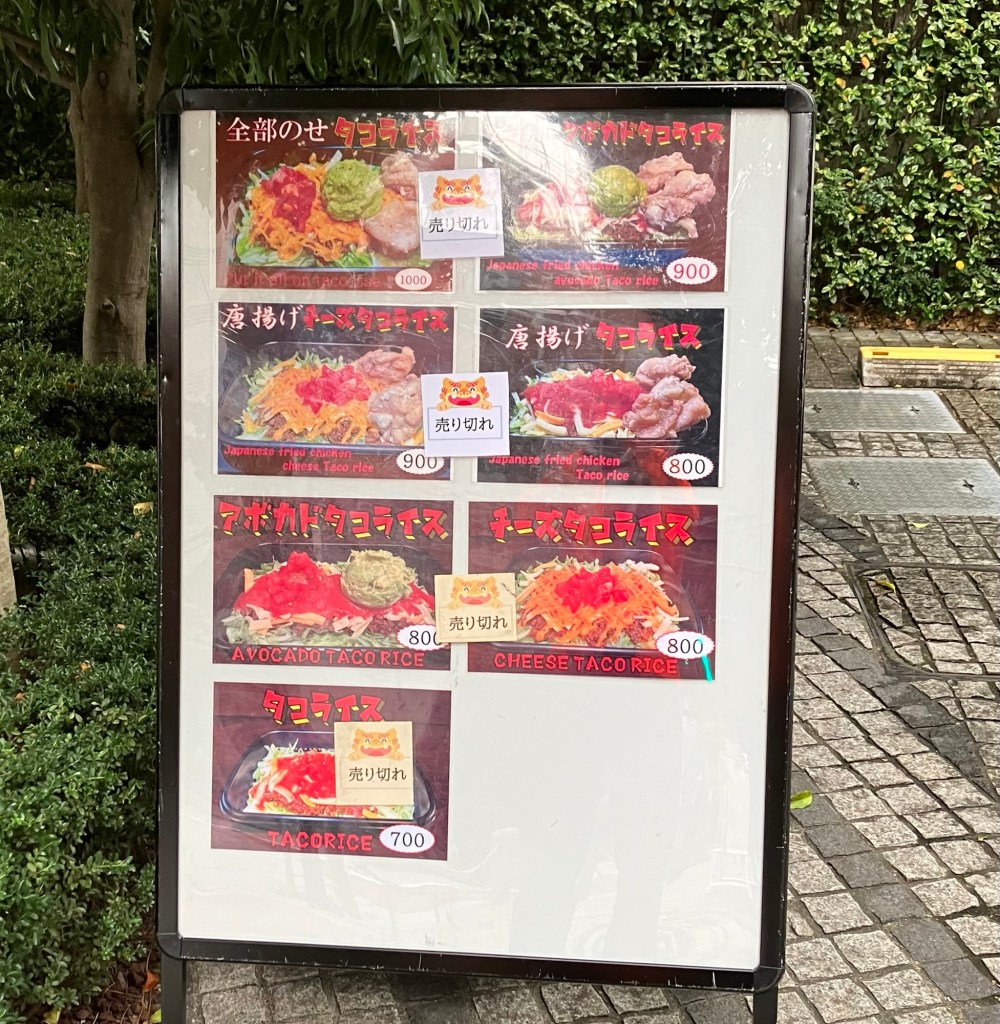
Bourdain also travelled and reported from the Japanese island of Okinawa. One particular speciality from that island caught his eye was taco rice aka Okinawa taco.

Okinawa taco

Taco rice, or “takoraisu” in Japanese, is a popular dish that originated in Okinawa, Japan. It’s a fusion of Mexican and Japanese cuisines, and it’s essentially a Tex-Mex taco served over a bed of steamed rice. 

Taco rice is made with seasoned ground beef, lettuce, cheese, tomatoes, and fresh salsa served on top of steamed rice. It was first created in 1984 by a Japanese restaurant owner who wanted to cater to the American military stationed in Okinawa. The dish became a hit not only among the American military but also among the locals.

Taco rice is now a beloved comfort food in Japan and has spread beyond Okinawa to other parts of the country.

Taco rice combos

And when it comes to street foods in Japan, these are our three favourites:-

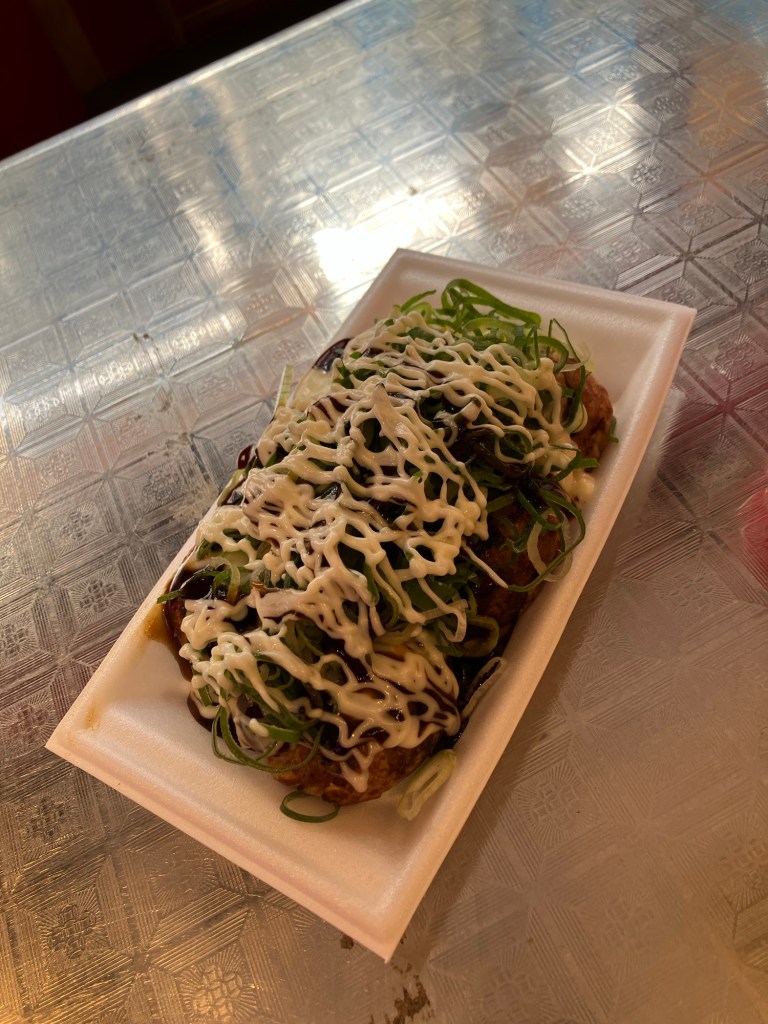
Takoyaki – fried batter balls filled with diced octopus and topped with takoyaki sauce, mayonnaise, and bonito flakes. Especially popular in Osaka.

Takoyaki in Osaka

Takoyaki sauce is a sweet and savory sauce that is made from a combination of ingredients such as Worcestershire sauce, mentsuyu (noodle soup base), ketchup, and sugar. 

Takoyaki

Okonomiyaki – a savory Japanese pancake that can be customized with a variety of ingredients, such as eggs, vegetables, seafood, and meat, and cooked on a hot griddle called a teppan.

There are several regional variations of okonomiyaki in Japan, with the most famous being the Osaka and Hiroshima styles. In Osaka, the ingredients are mixed into the batter and cooked together, while in Hiroshima, the ingredients are layered on top of a thin pancake.

Okonomiyaki is typically served with a sweet and savory sauce, mayonnaise, and bonito flakes.

Okonomiyaki

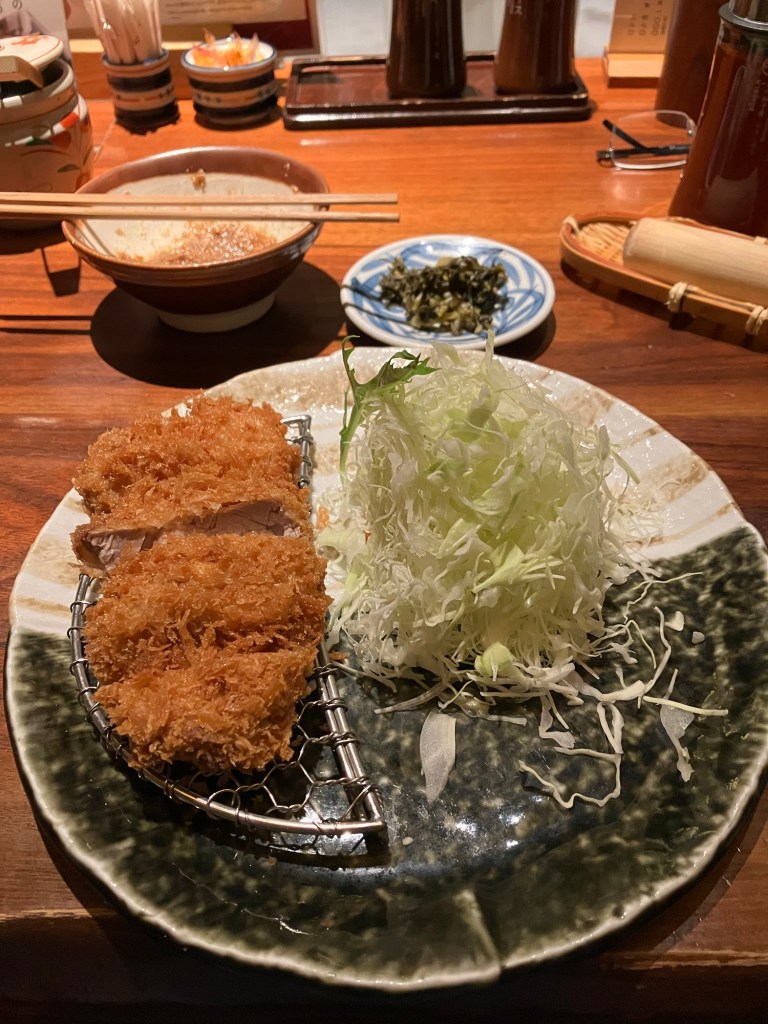
Menchi Katsu – popular throughout Japan and especially Tokyo’s Akasuka district. Menchi katsu is a Japanese ground meat cutlet that is coated in panko breadcrumbs and deep-fried until crispy and golden. It’s often served as a snack or as part of a bento box lunch. Typically served with shredded cabbage and a sweet and savoury dipping sauce.

Katsu

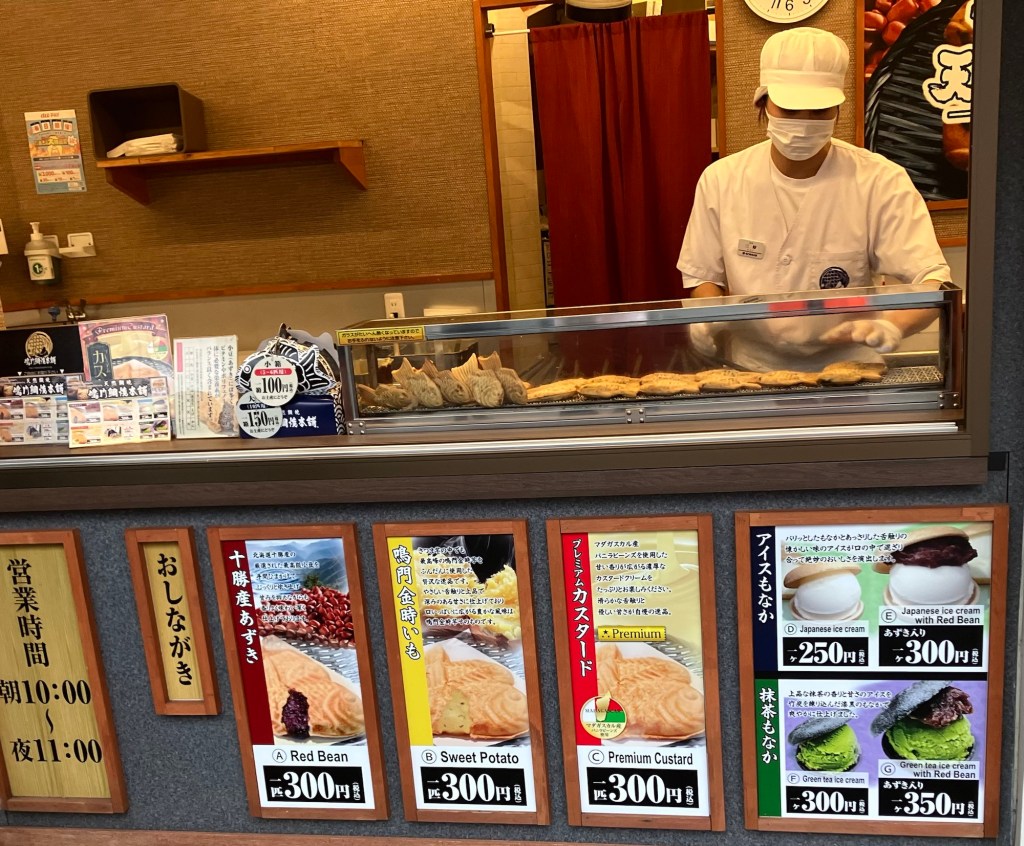
And for afters? Try Taiyaki, a fish-shaped pancake that is filled with sweet bean paste and is available anywhere and everywhere.

Taiyaki

“Meshiagare” – bon appétit!

Black Sabbath, Brum and Balti

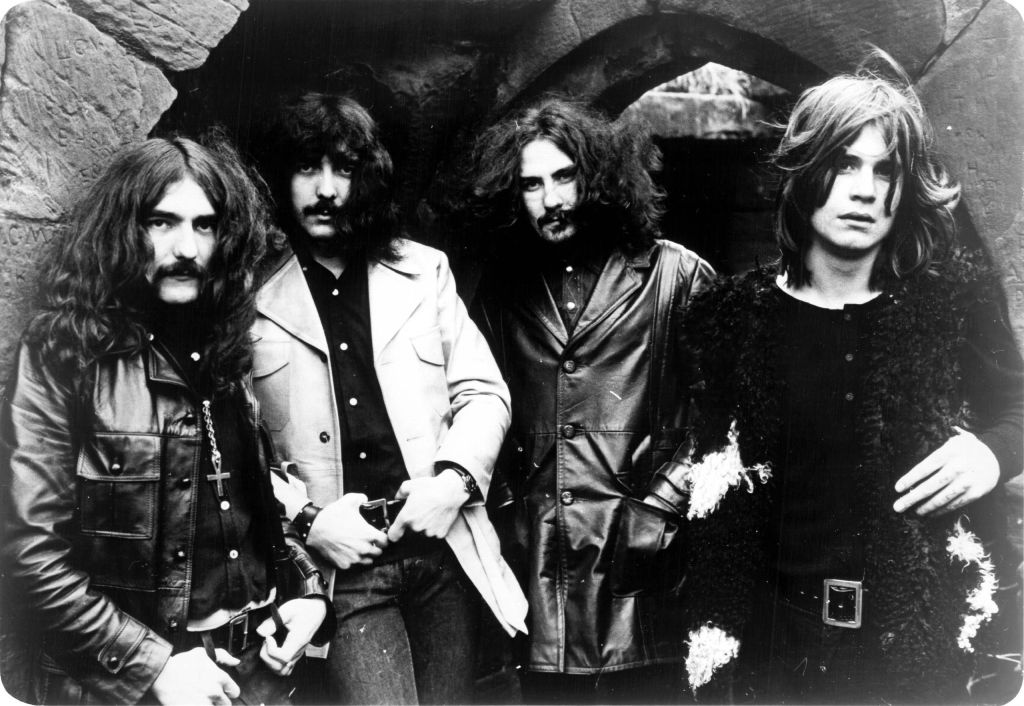
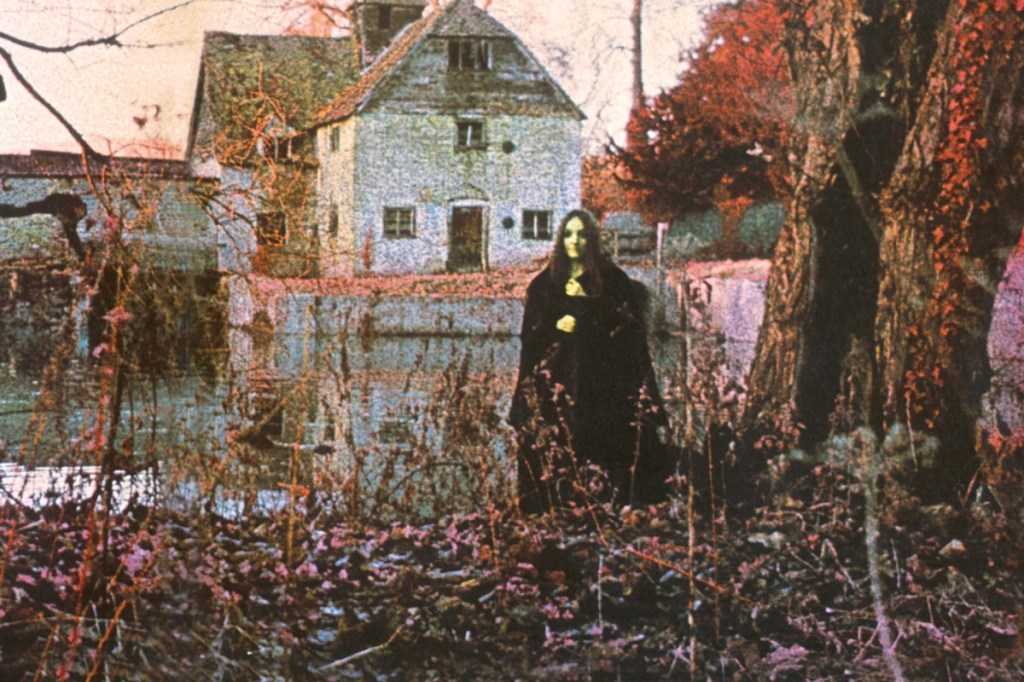
Black Sabbath

Birmingham (colloquially ‘Brum’) is the second largest city in the UK. It is famous for its industry and cultural heritage. It was the early childhood home of author J.R.R. Tolkien .

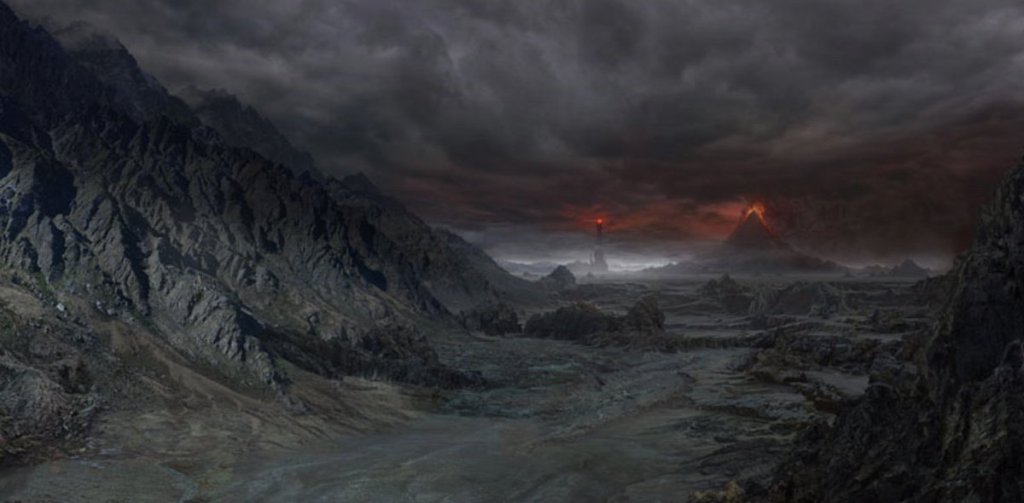
In the fictional world created by Tolkien in the epic Lord of the Rings , Mordor was the name given to the fictional land of darkness, fire and smoke of the evil Sauron.

“Fire glowed amid the smoke. Mount Doom was burning, and a great reek rising. Then at last his gaze was held: wall upon wall, battlement upon battlement, black, immeasurably strong, mountain of iron, gate of steel, tower of adamant, he saw it: Barad-dûr, Fortress of Sauron. All hope left him’’.

Mordor

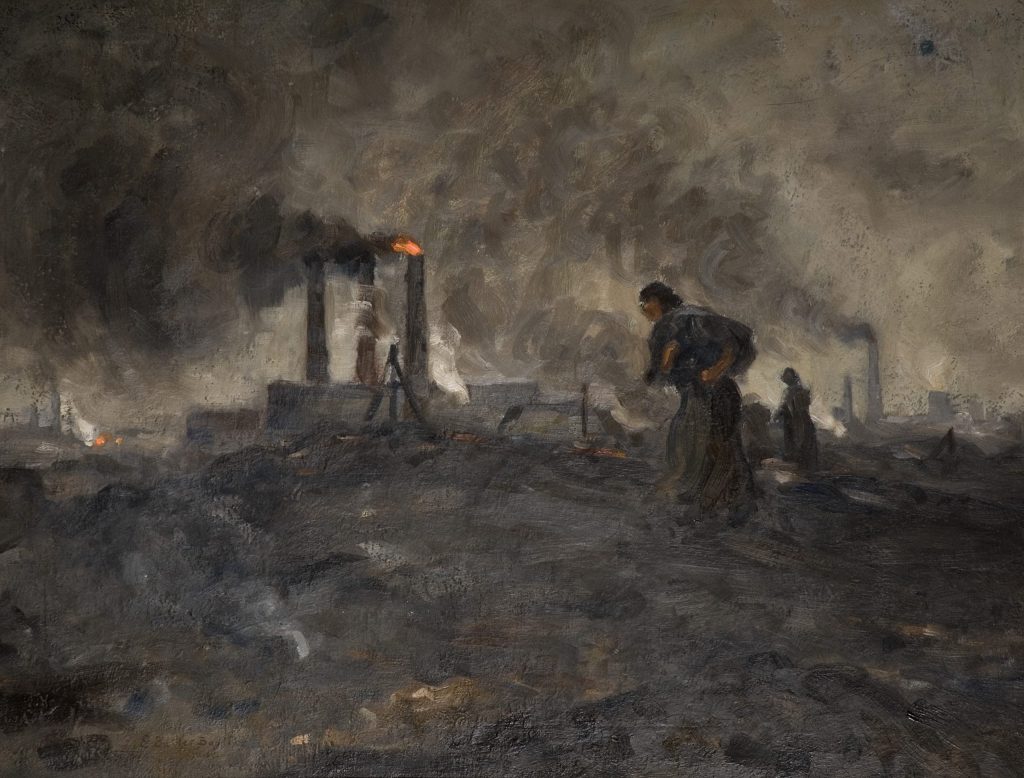
An influence on Tolkien and the fictional Mordor was the ‘Black Country’, an area of the West Midlands around the city of Birmingham  named from the smoke and pollution from the thousands of foundries, forges and iron works in the area.

The Black Country

When I was a kid, you’d come up this hill, and all of that’ – and he gestures to the valley in front of us – ‘was on fire. The foundries and the forges and the ironworks. The potteries. The whole place glowed – sheets of sparks, 50 foot high. The fires never went out. It looked like hell. That’s what your Lord of the Rings is about. Tolkien was from round here. He was writing about how the industrial revolution turned the Midlands from Hobbiton to Mordor.’ (Journalist and broadcaster Caitlin Moran recalls her father’s comment in her memoir ‘How to build a girl’).

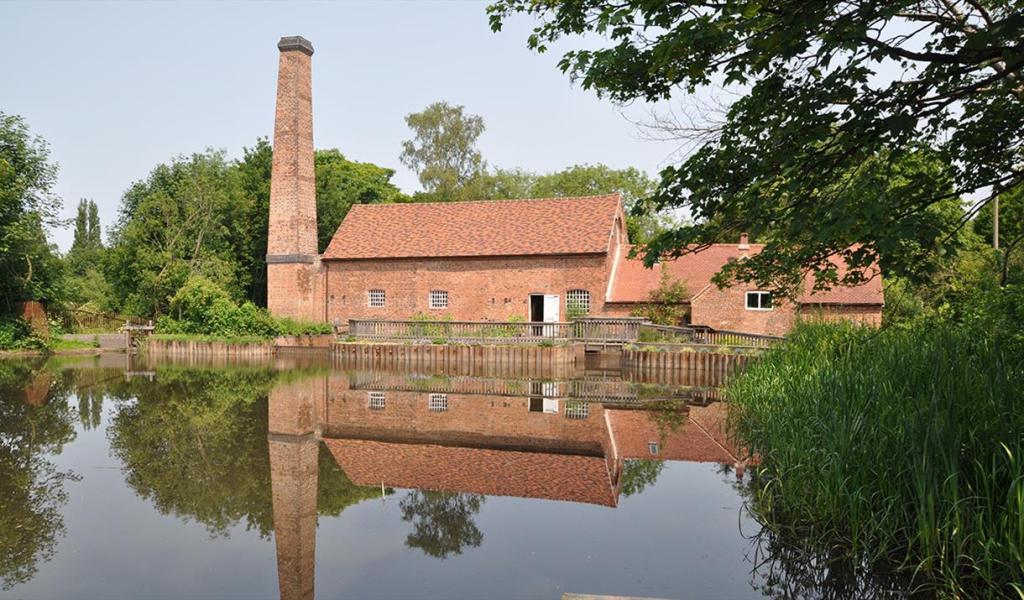
Tolkien’s early childhood home was in the Worcestershire countryside, just south of Birmingham in the village of Sarehole. The idyllic village is said to be the model for ‘The Shire’, the home of his Hobbits. The 250 year old water mill in the village was the basis Tolkien used for’the great mill’ in The Hobbit. Tolkien also based the bad-tempered miller in The Lord of the Rings on the actual miller at the Sarehole mill. The mill can still be visited today.

The Mill at Sarehole

 A Few miles to the North West of Sarehole (itself now a part of the Birmingham conurbation) lay the real Mordor, the smoke and din of the Black Country. Unsurprisingly, given it’s industrial heritage, Birmingham is the undisputed home of heavy metal music, and there is no better example of heavy metal than Black Sabbath.

Four famous Brummies

Black Sabbath were formed in Birmingham in 1968 by four local lads (‘Brummies’). The band is the true pioneer of the genre known as ‘heavy metal’ music, a far darker and deeper sound than the then prevailing blues rock with it’s psychedelic and pastoral overtones and more than a hint of ‘the Shires’ about it. There was certainly nothing pastoral about the music created by Sabbath’s band members, Geezer Butler (bass), singer Ozzie Osbourne, Bill Ward (drums) and guitarist Tony Iommi. The music the band created was the sound of the factory floor and the pounding of the iron foundry best exemplified by the buzz and drone of Iommi’s unique guitar work. The fact that the tips of two of his fingers were missing from an industrial accident at the foundry where he worked only contributed to the band’s sound as he developed his unique style in spite of injuries that would have finished the career of most guitarists.

The band’s lyrics often touched on themes of war, doom and black magic although there was nothing of the satanist about any of the band members. Taking their name from. 1963 Boris Karloff move the band were more influenced by the graphic novels of writer Dennis Wheatley than black magic itself. Wheatley’s occult based fiction was doing the rounds in cheap paperbacks at the time and his books were a particular favourite of the band’s main lyricist, Geezer Butler.

The Devil rides out

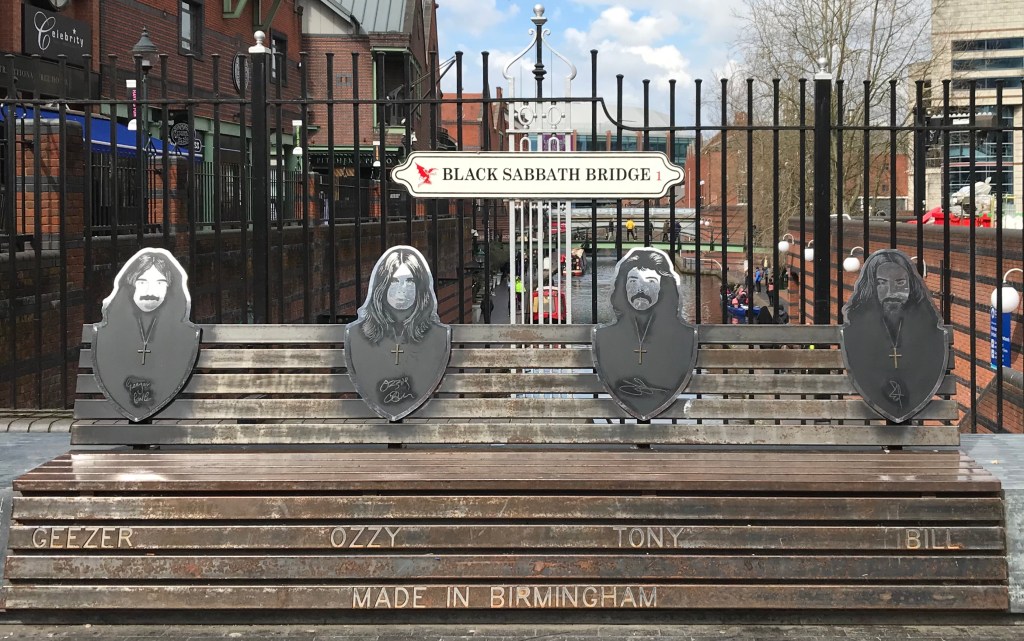
In the city centre, Birmingham has commemorated the band with a memorial celebrating 50 years. It is not a city to shout aloud about itself or its heroes and the quiet modesty of the Black Sabbath memorial signage and bench are typically understated examples of the way the city announces itself and the achievements of its sons and daughters.

Black Sabbah bridge

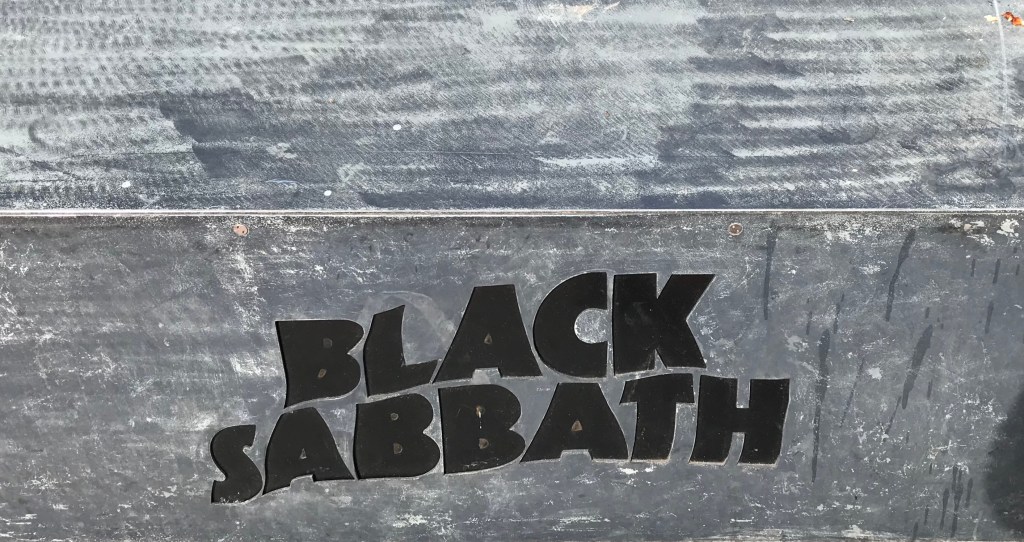
Created by Egyptian Artist Tarek Abdelkawi from an idea by Mohammed Osama, the bench was forged in Birmingham and has images of the four original band members. It is inscribed ‘Geezer Ozzy Tony Bill  Made in Birmingham’.

Black Sabbath bench

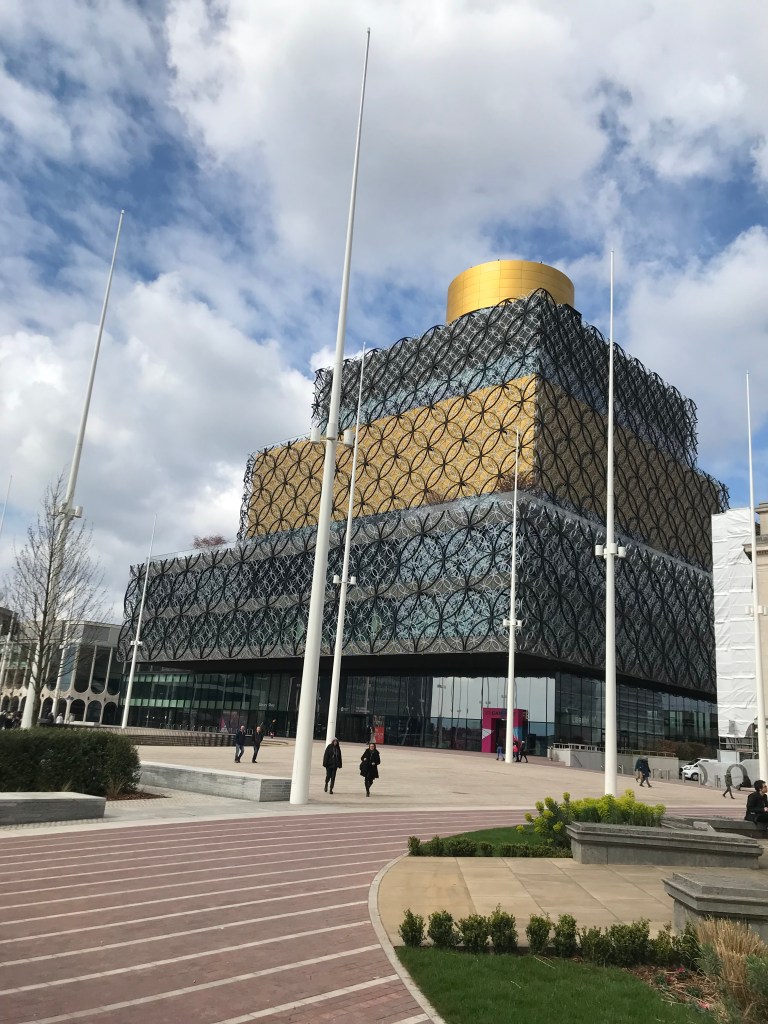
The bridge and bench can be found where Broad Street crosses the canal in the city centre a short walk away from the city’s stunning public library. The library was designed by a Dutch architect, Francine Houben of Mecanoo, Delft (and if you love great design, the Dutch are way ahead in our opinion),

Birmingham public library

The library was formally opening on 3 September 2013 by Nobel Prize winner Malala Yousafza, who as a schoolgirl survived an attempted assasination by the Taliban. She lives in Birmingham, ‘her second home’ although her birthplace of Swat, Pakistan is the place she holds dearest. She is a fan of Justin Bieber apparently although we forgive her if she is not enamoured of her adopted city’s real heroes, Black Sabbath. 

Malala at the opening of the Public Library

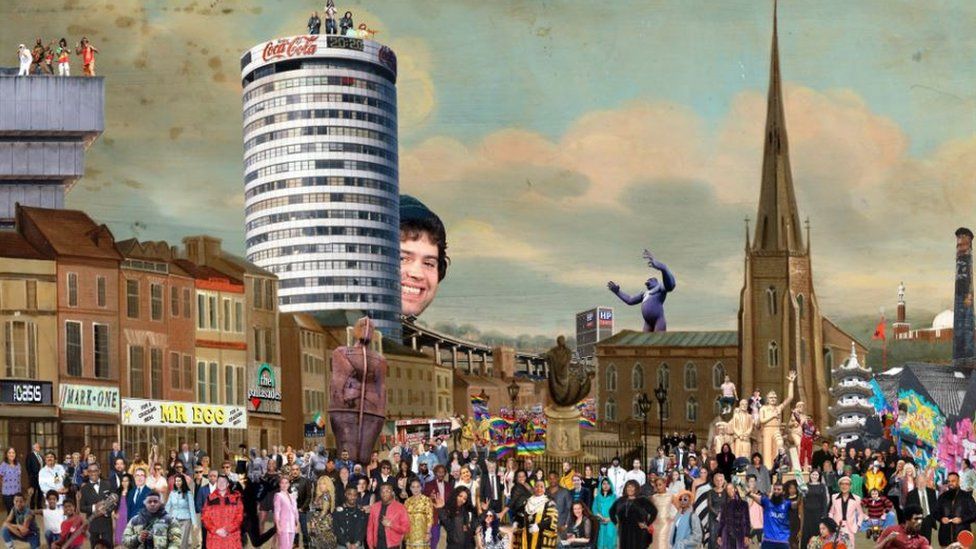
Nevertheless, the world of satirical art recently brought both Malala and the four musicians together in a work entitled ‘Benny’s Babbies’*

*Benny was the name of a character in the old TV soap opera ‘Crossroads’ which was based around the Birmingham area. The term ‘Babbies’ is local Birmingham slang for ‘Baby’s’ being a reference to the local celebrities in the picture.

Benny’s Babbies. Benny himself smiles behind the Rotunda

The artwork is by the legendary ‘Coldwar Steve’, a locally born artist whose satirical work is nationally admired. He is a former probation officer who began making photomontage art on the bus to his job. “Birmingham is unparalleled in the sheer diversity of its contributions to British culture” he said of the artwork. Malala is pictured in green with other local celebrities including the former Mayor, Yvonne Mosquito.

Local celebrities

Black Sabbath can be seen performing from the top of another local landmark, the Rotunda building.

On the roof of the Rotunda

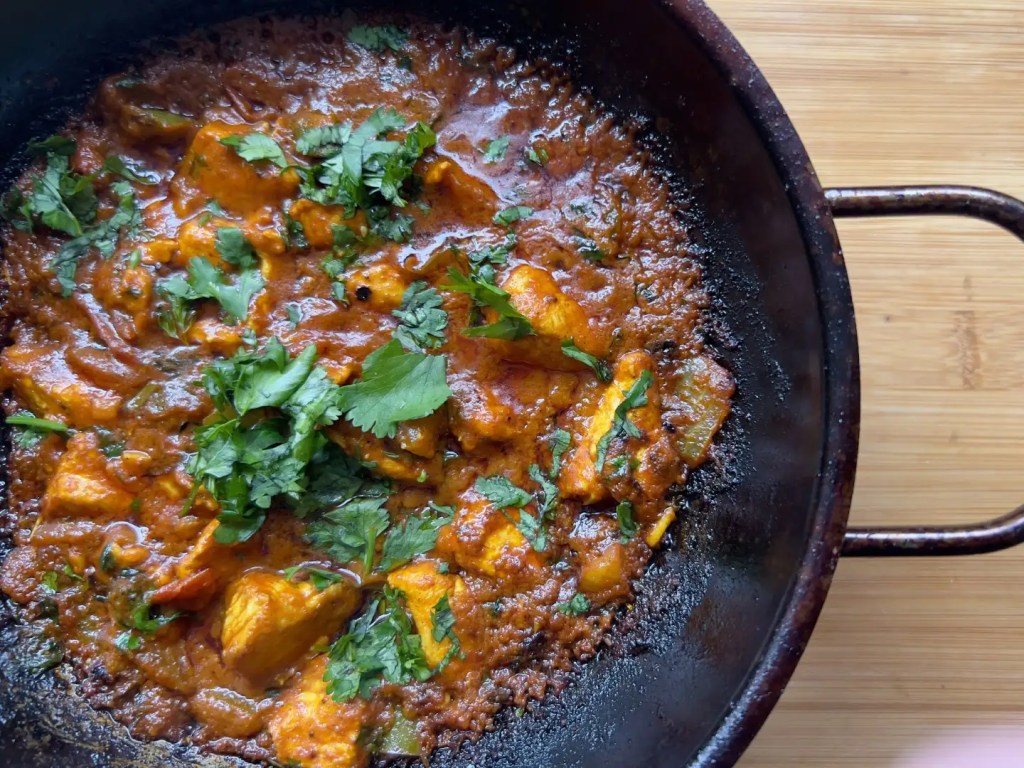
If Black Sabbath are synonymous with heavy metal music, the ‘balti’ has become synonymous with the city’s food. A ‘balti’  is a highly spiced ‘curry’ served in a double handled steel dish known as a ‘balti bowl’ (or karahi in Pakistan). The best bowls are ‘blackened’, seasoned over time like a great wok.

Balti

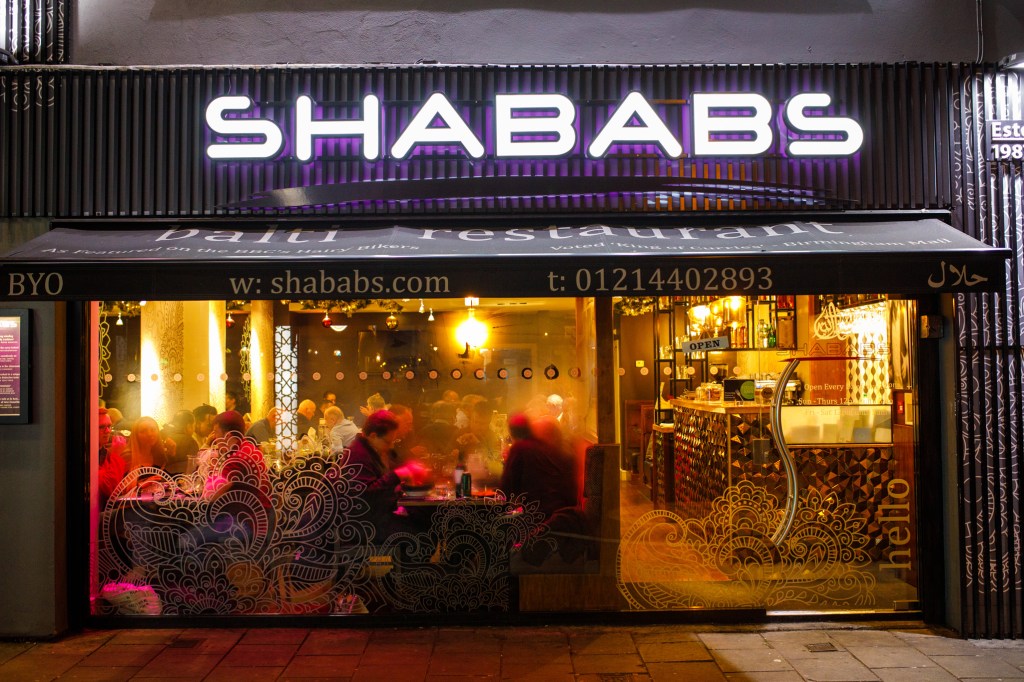
Balti dishes are served in many restaurants in the United Kingdom. The precise origins of the balti style of cooking are uncertain. Some believe the style to have been invented in Birmingham, while others believe it originated in the northern Pakistani region of Baltistan in Kashmir from where it spread to Britain. Wherever it’s origin, a balti dish is best had in Birmingham in our opinion and the ‘balti triangle’, an area of many restaurants just south of the city centre, is a must if you like your food spicy. We like Shababs on Ladypool Road in particular.

Shababs

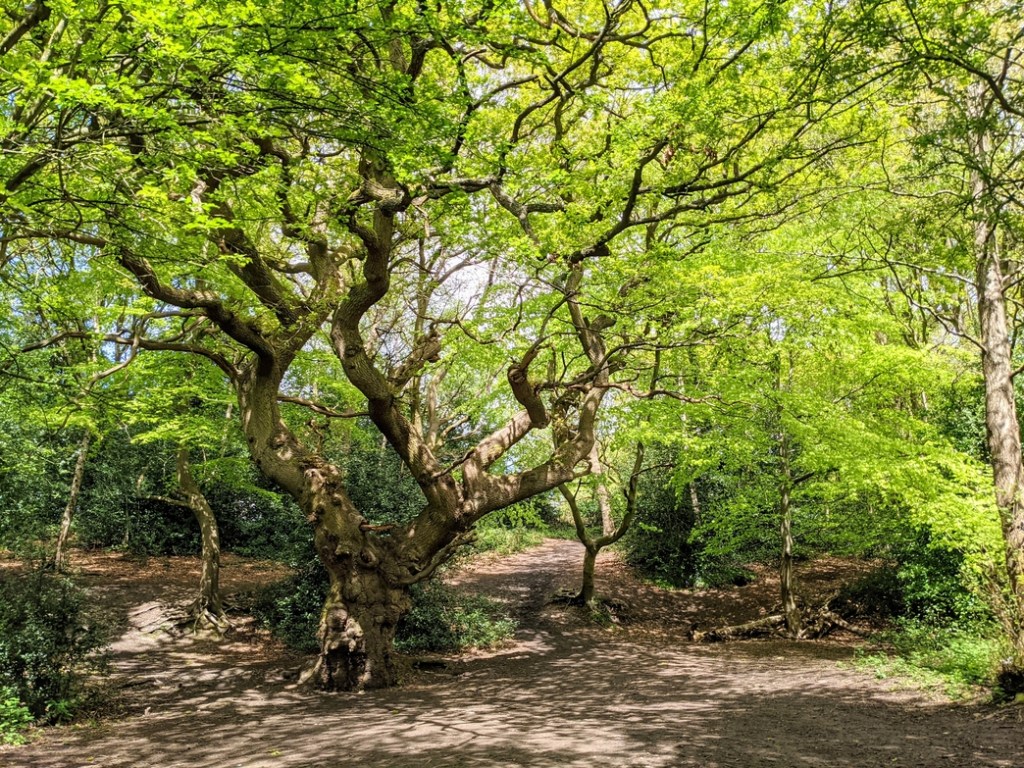
A short drive south of Shababs is Moseley Bog, a nature reserve and a childhood playground of Tolkien’s. The bog inspired the ‘old forest’ in both The Hobbit and The Lord of Rings.

Moseley Bog

Tolkien acted as an early reference for Sabbath’s ‘The Wizard’ with its influence of the character of Gandalf in its lyrics. 

“….. yet still, by the lake a young girl waits, unseeing she believes herself unseen, she smiles, faintly at the distant tolling bell, and the still falling rain”
Heavy Metal made in Birmingham