Penang; Laksa and Sandiwara

Penang is Malaysia’s most culturally significant state due to its history as a trading port, its ethnic diversity, and its preserved heritage. The capital, George Town developed in the late 18th century after the British established it. Because it was a major maritime hub connecting Asia and Europe, migrants from China, India, the Malay Peninsula, and the Middle East settled there, shaping a highly multicultural society.

Ethnically, Penang differs somewhat from Malaysia’s national demographic balance. The population consists mainly of ethnic Chinese (around 40–45%), Malays (around 40%), and Indians (about 10%), alongside smaller Eurasian and other communities. This mix helped create the distinctive Peranakan culture, which blends Chinese and Malay traditions.
Chinese popular culture plays a major role in the cultural life of Penang, reflecting the large Chinese Malaysian community that has lived on the island since the 18th-century trading era. In the capital George Town, Chinese cultural traditions are visible in festivals, language, media, religion, and everyday entertainment.

Festivals are one of the most visible expressions. Celebrations such as Chinese New Year, the Mid‑Autumn Festival, and the Penang-based Nine Emperor Gods Festival involve temple rituals, street processions, food stalls, and community performances. These events combine traditional religious practices with modern popular entertainment such as concerts and stage shows.

Language and media also reinforce Chinese cultural influence. Mandarin and southern Chinese dialects such as Hokkien are widely spoken in Penang, and residents often consume pop music, television dramas, and films from China, Hong Kong, and Taiwan. This media circulation shapes local tastes in fashion, music, and youth culture.

Performing arts and community institutions are another key element. Clan associations and temples often sponsor opera performances, lion dances, and other cultural events that blend heritage with contemporary entertainment. These activities help maintain cultural identity while remaining part of Penang’s multicultural environment.

Overall, Chinese popular culture in Penang is both a preservation of heritage and a living, evolving influence that shapes the island’s festivals, entertainment, language, and public life.

This diversity produced a distinctive cultural blend seen in Penang’s architecture, religions, languages, and cuisine. George Town’s historic center—famous for temples, mosques, colonial buildings, and shophouses—was designated a UNESCO World Heritage Site in 2008 for its unique multicultural urban heritage.
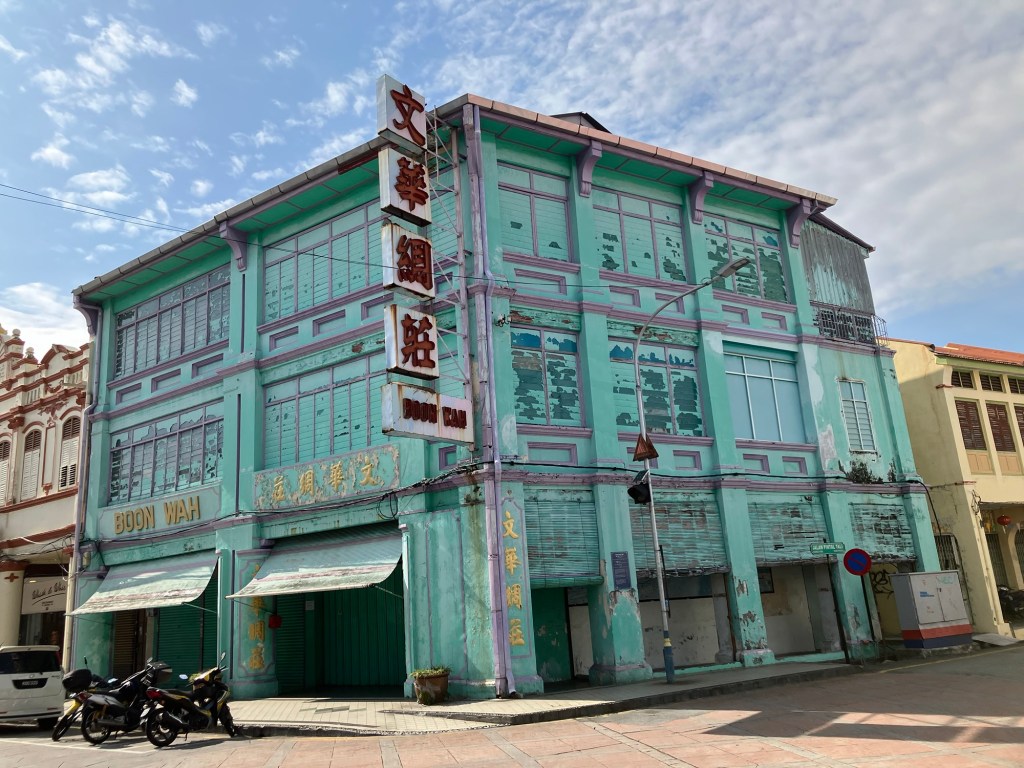
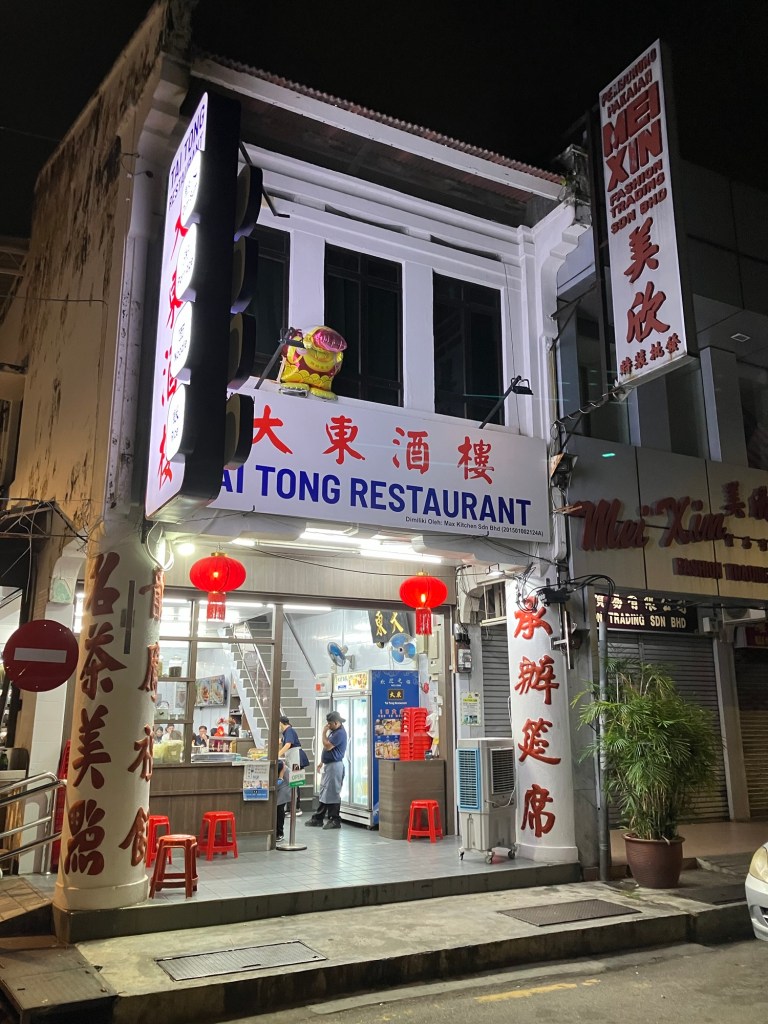
George Town, on Penang island, is renowned for its historic shophouses and diverse architectural landscape. These narrow, elongated buildings combine commercial spaces on the ground floor with residential quarters above, reflecting a practical yet elegant design. Influenced by Chinese, Malay, Indian, and European styles, many feature ornate facades, wooden shutters, and vibrant tiles. Beyond shophouses, the city showcases colonial-era buildings, mosques, temples, and clan houses that tell stories of its multicultural past. Carefully preserved and restored, these structures contribute to George Town’s UNESCO World Heritage status, making it a living museum where history, culture, and daily life coexist harmoniously.

The food culture of George Town is one of the main reasons the city is internationally famous. Located in Penang, George Town developed as a historic trading port where Malay, Chinese, Indian, and other migrant communities mixed their culinary traditions. This blending produced one of Southeast Asia’s most distinctive street-food cultures, making the city widely regarded as Malaysia’s food capital. 

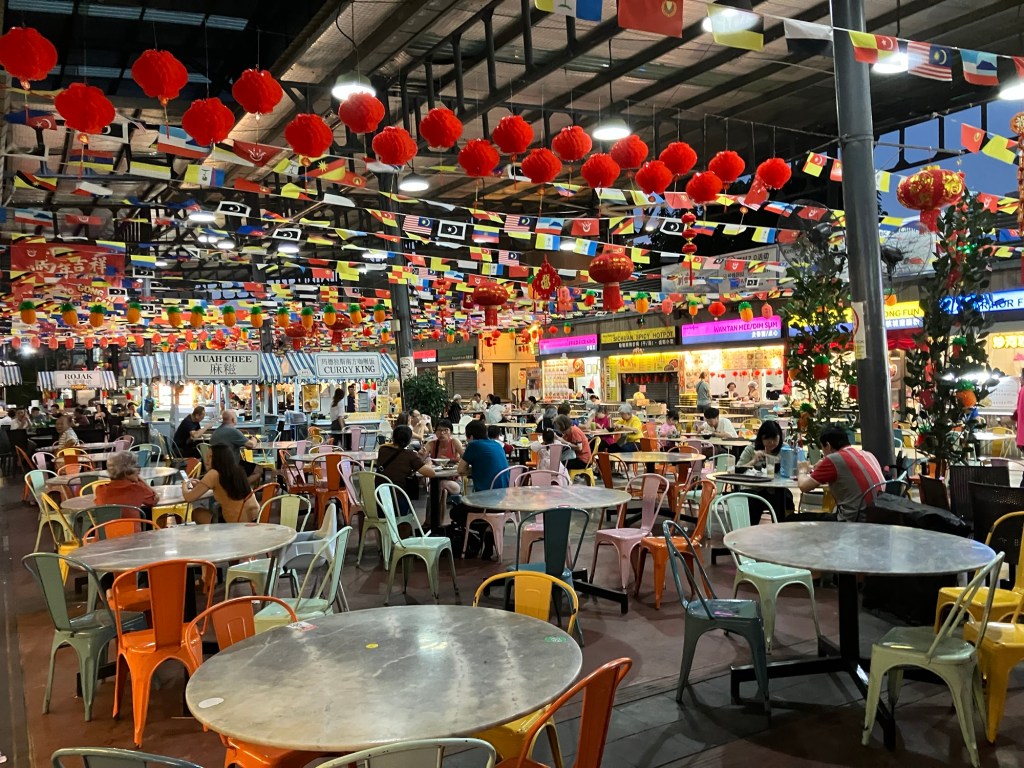
Street stalls and mobile food carts—locally called hawker stalls—are central to this reputation. Rather than formal restaurants, many of the most famous dishes are cooked by individual vendors working from small carts or roadside stalls, often specializing in a single recipe perfected over decades. These vendors typically operate in open-air food courts or along busy streets, especially in evening markets.
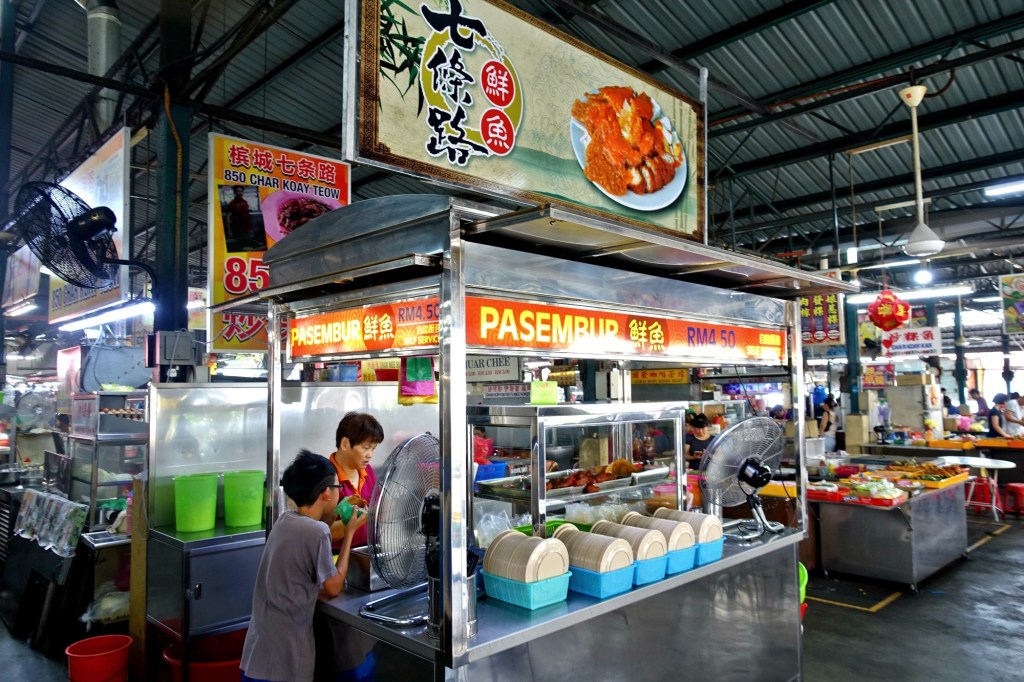
Signature dishes associated with George Town’s hawker culture include;

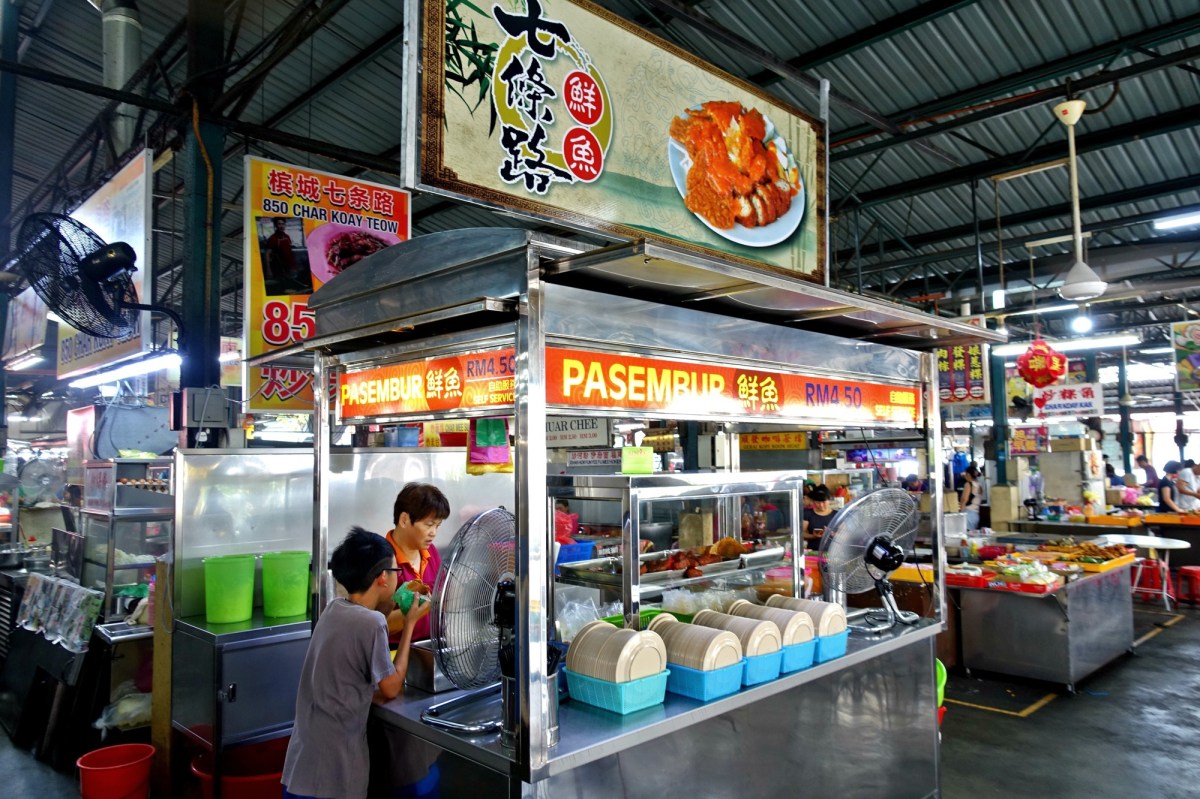
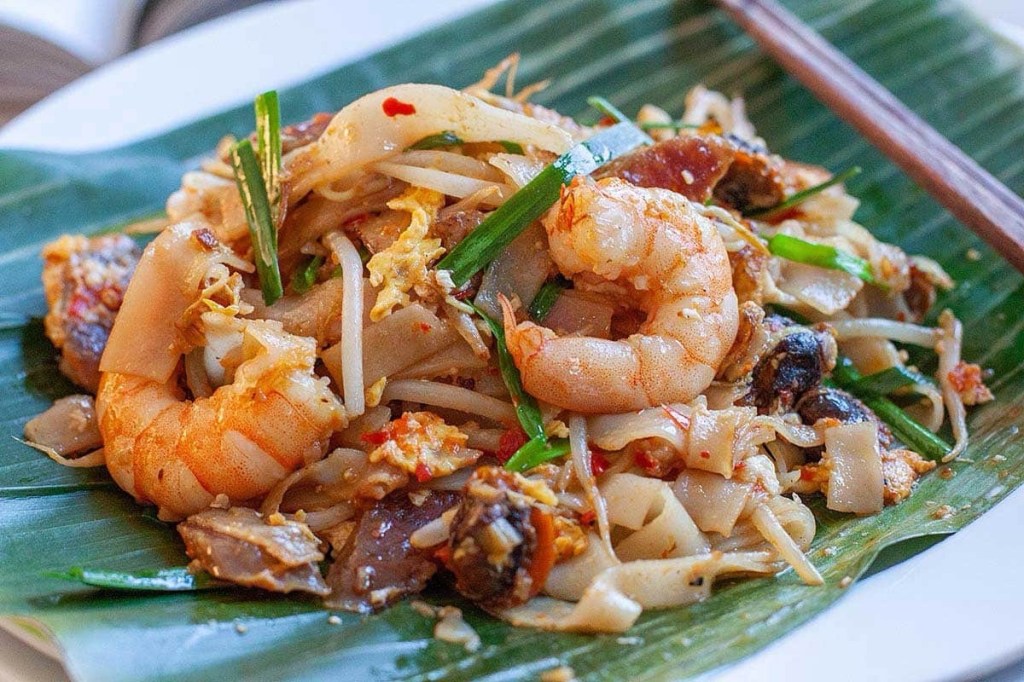
Char Kway Teow

A popular street-food noodle dish made by stir-frying flat rice noodles in a very hot wok with soy sauce, chilli, prawns, cockles, egg, Chinese sausage and bean sprouts. It is known for its smoky “wok hei” flavour and is one of Penang’s most iconic hawker dishes.
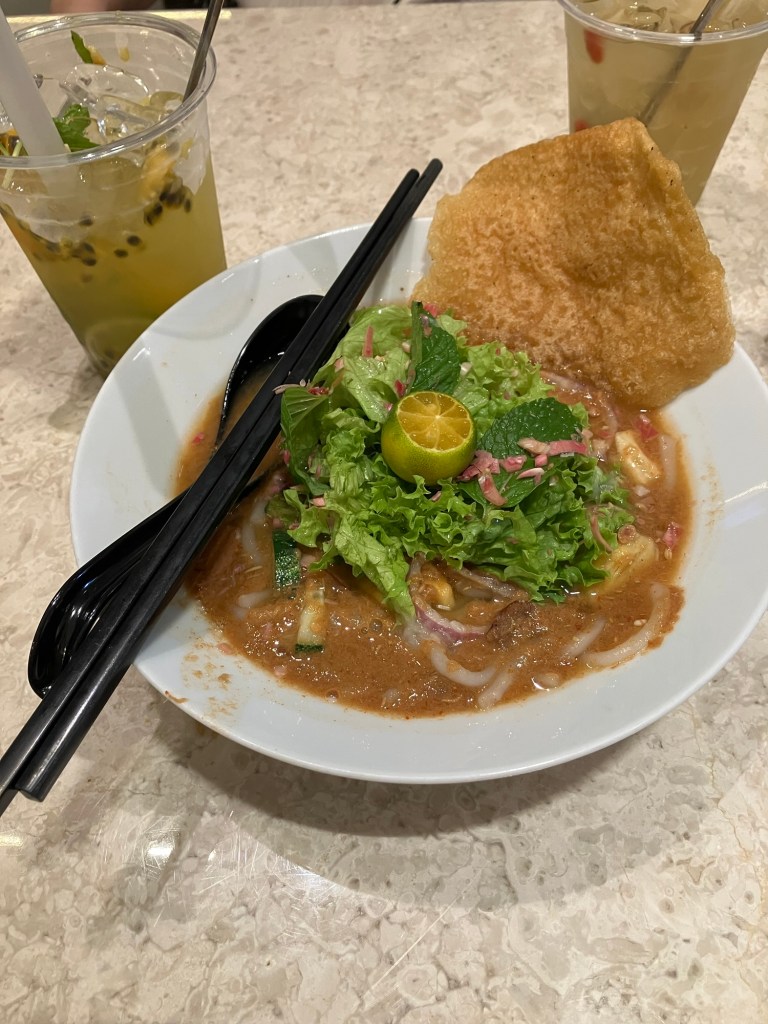
Assam Laksa

A tangy noodle soup based on tamarind (asam), giving it a sour, spicy broth. It usually contains shredded mackerel, rice noodles, herbs, cucumber, pineapple and mint, topped with shrimp paste for depth of flavour.
Nasi mandarin

A meal of steamed rice served with a selection of curries and side dishes such as fried chicken, fish, okra or squid. Originating with Indian Muslim traders in Penang, it is known for rich gravies poured over the rice.

Rojak

A sweet, spicy and savoury salad combining fruits and vegetables such as pineapple, cucumber, bean sprouts and tofu, tossed in a thick sauce made from shrimp paste, palm sugar, chilli and lime.

Nonya cuisine

A distinctive culinary tradition developed by the Peranakan community, blending Chinese cooking techniques with Malay ingredients such as coconut milk, lemongrass, galangal and chilli. The cuisine is known for complex flavours, aromatic spices and colourful dishes, and is a key part of Penang’s multicultural food heritage.
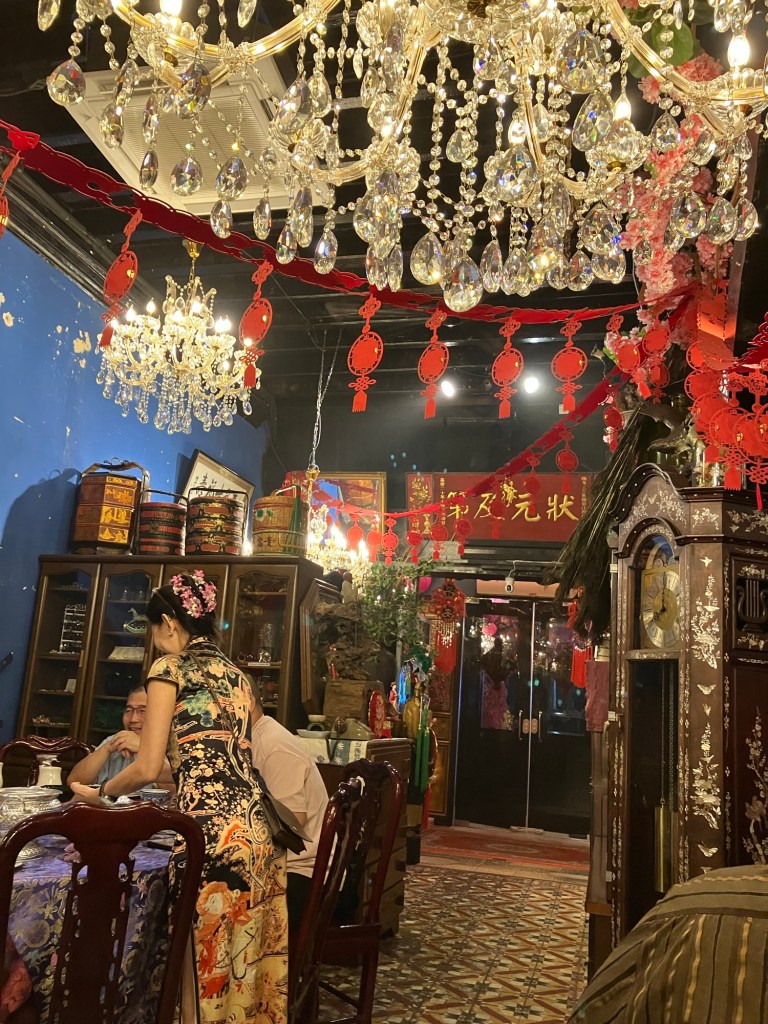
Ayam Pongteh – chicken stew braised with fermented soybean paste and potatoes

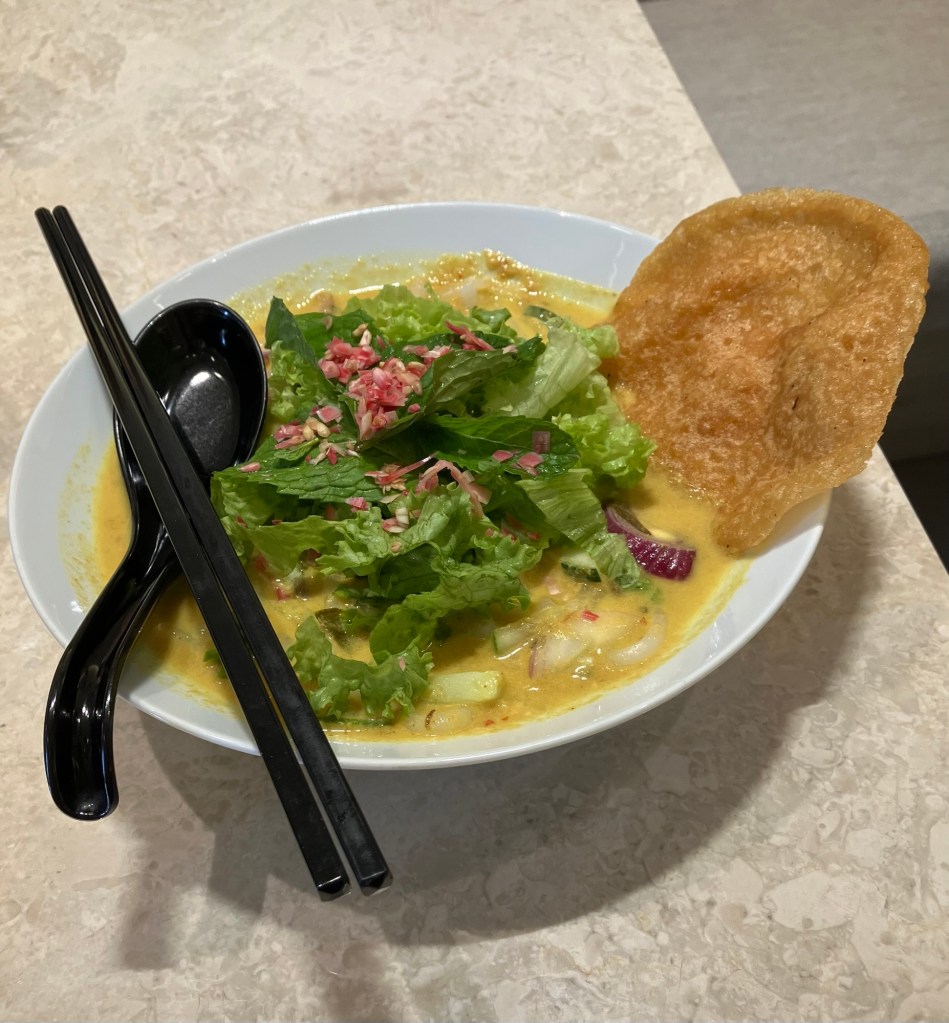
Laksa Lemak – a rich, spicy coconut noodle soup often associated with Penang.
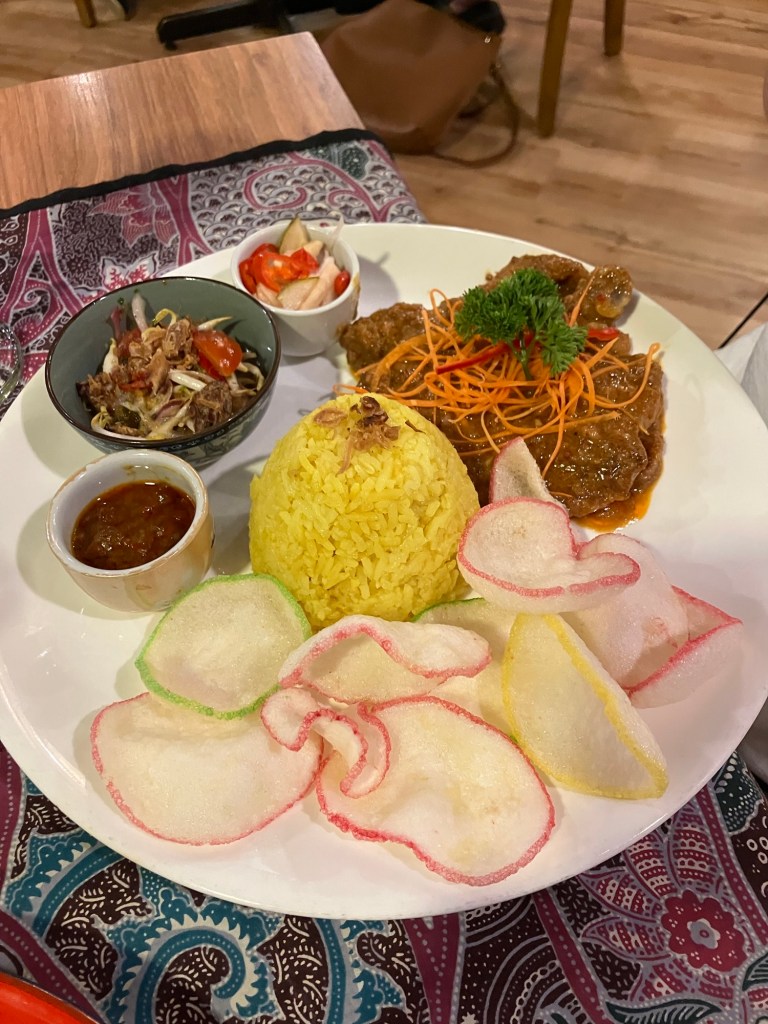
Kueh Pie Tee – crispy pastry cups filled with a savory mix of vegetables and prawns

The famous blue rice in Nonya (Peranakan) cuisine is called Nasi Kerabu or, more specifically in Peranakan cooking, Nasi Ulam with blue pea rice. The striking blue color comes naturally from the petals of the butterfly pea flower, which are soaked to extract their pigment before cooking the rice.

The rice is most often served with herbs, sambal, and accompaniments like fish or chicken, giving it a fragrant, fresh, and slightly tangy flavor profile.

The importance of this food scene is cultural as well as economic. Food tourism has become a major attraction for visitors exploring the historic streets of George Town’s UNESCO World Heritage area
Sean Baker is an American independent filmmaker known for portraying marginalized communities with realism, empathy, and non-professional actors. His career began in the early 2000s with low-budget features such as Take Out (co-directed with Shih-Ching Tsou). These early works established Baker’s interest in everyday struggles and naturalistic storytelling.

He gained wider attention with Starlet which explored an unlikely friendship in California’s adult-film industry. Baker’s breakthrough came with Tangerine, a vibrant comedy-drama about two transgender sex workers in Los Angeles. Shot entirely on iPhones, the film was praised for its innovative production style and energetic depiction of urban life.

Baker achieved international acclaim with The Florida Project, drama about childhood and poverty near Disney World. The film was widely celebrated, and Willem Dafoe received an Academy Award nomination for Best Supporting Actor.

He continued exploring overlooked communities in Red Rocket, a darkly comic portrait of a washed-up adult film actor returning to his Texas hometown. Baker’s work reached a new peak with Anora, a Cannes-winning drama that further cemented his reputation as one of the most distinctive voices in contemporary independent cinema, blending social realism with humor and compassion.
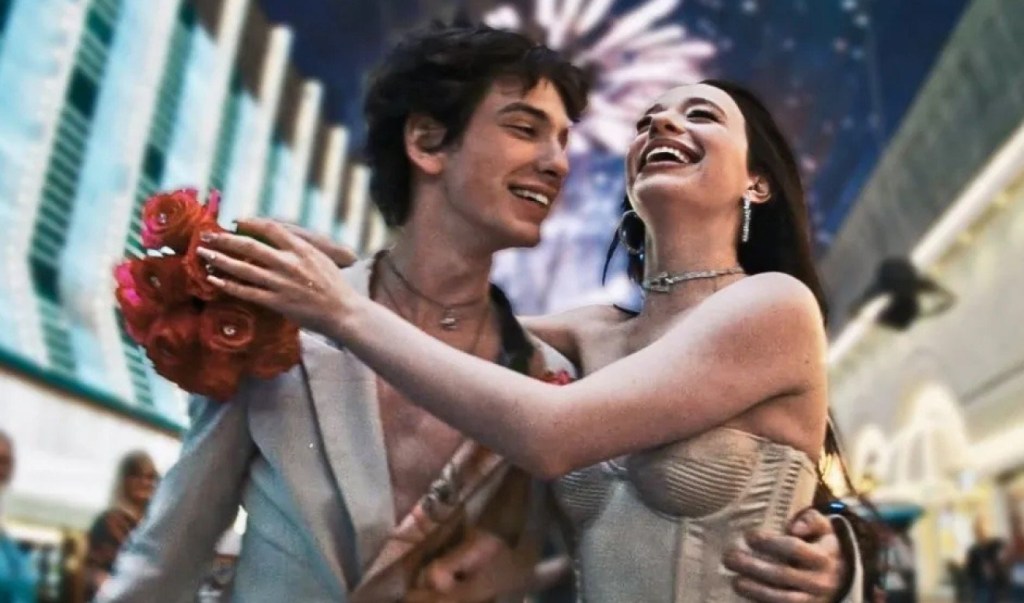
Sandiwara is a short drama written and directed by Sean Baker and starring Michelle Yeoh. Running about 10–11 minutes, the film follows five different Malaysian women—each played by Yeoh—who appear in a bustling night-market setting and deliver monologues reflecting different aspects of contemporary Malaysian life and identity. The characters include figures such as a critic, a hawker, a waitress, a vlogger and a singer, creating a mosaic of voices that highlight everyday culture, food traditions and personal stories. The project continues Baker’s minimalist filmmaking style: it was shot quickly on an iPhone and focuses on intimate, character-driven storytelling rather than elaborate production.  
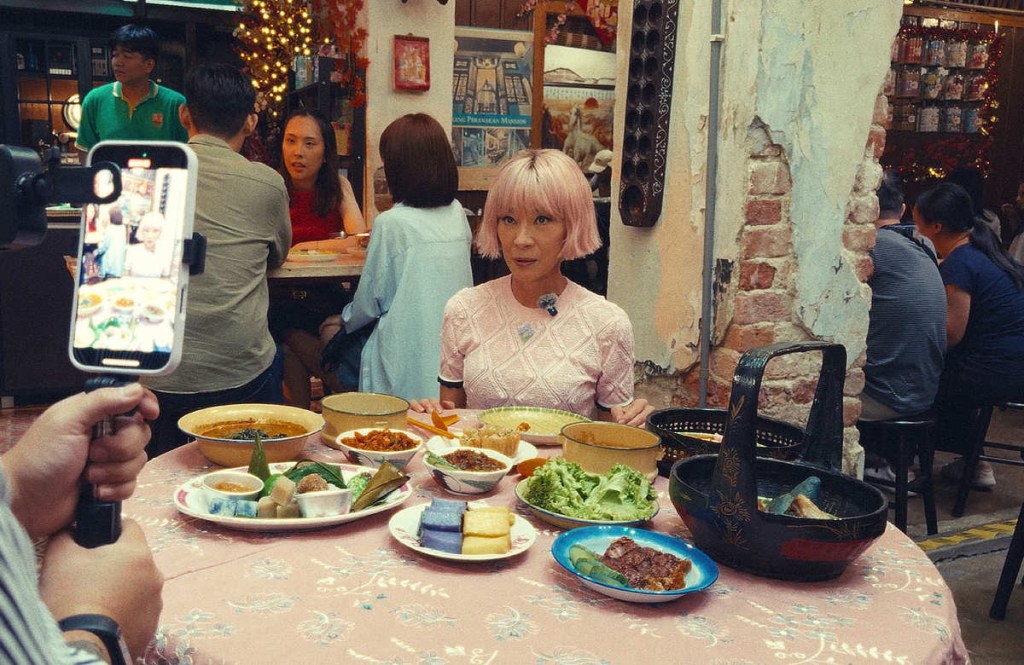
Penang was chosen largely for creative and collaborative reasons. The short was produced through the residency programme of the London fashion house Self-Portrait, founded by Penang-born designer Han Chong. The programme invites artists to create projects inspired by Chong’s hometown, and Baker used the opportunity to immerse himself in the island’s street life, cuisine and multicultural atmosphere.  

The island was selected through this collaboration and for its rich cultural environment, which Baker described as allowing the team to “celebrate Malaysian culture in a big way.”  

The film premiered at the Berlin International Film Festival before being released online in February 2026.
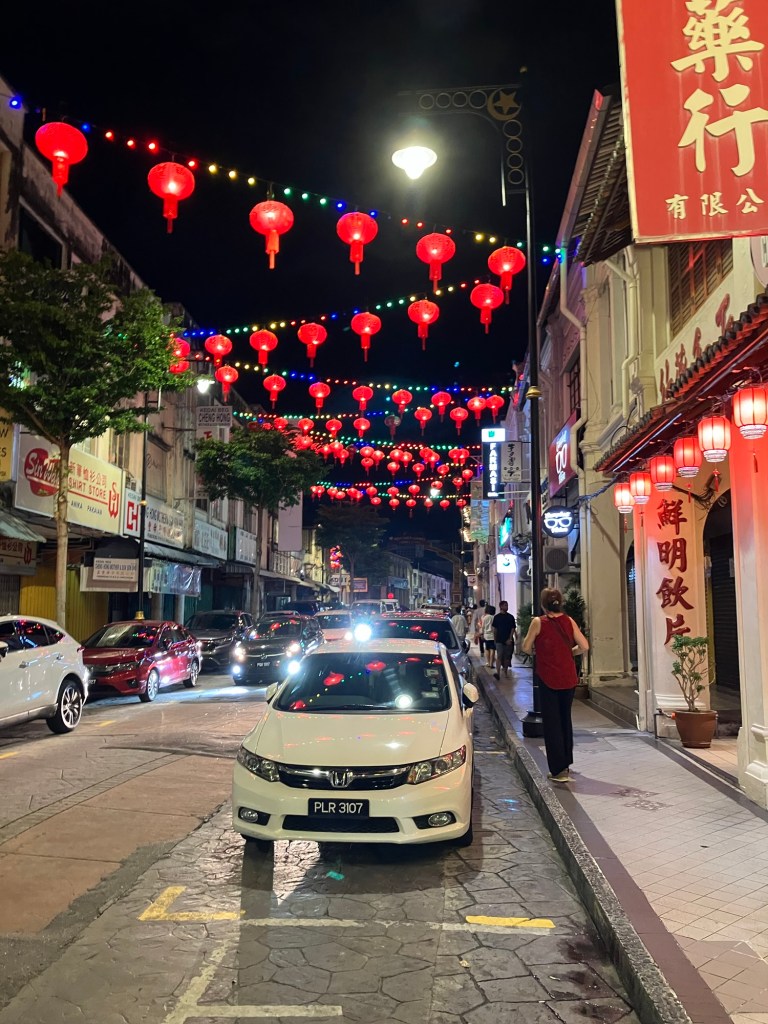
“Penang is an island covered with coconut palms and washed by a sea of the most exquisite blue. Georgetown, with its white houses and green shutters, lies along the shore, and behind it rise the wooded hills… It is a place in which it is very easy to idle away the days.” Somerset Maugham

“Penang is a most suitable place for living and leisure—the sea is blue, the hills are green, and the streets are clean and quiet.” Yu Dafu (a  noted Chinese writer who travelled throughout Malaysia in the 1930’s). His impression is strikingly similar to Maugham’s and is focused on the calm beauty and livability.
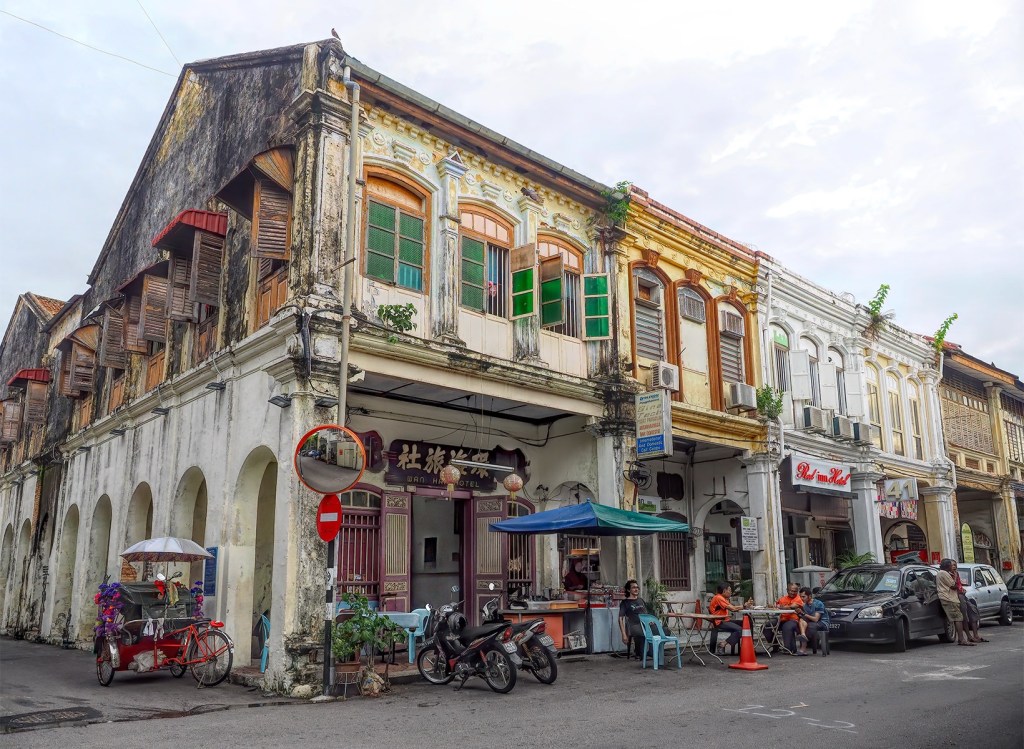
Although still a very liveable place, Penang island is now highly developed with hi-rise buildings in abundance, re-claimed land developments and traffic congestion which show that nothing remains the same for ever.

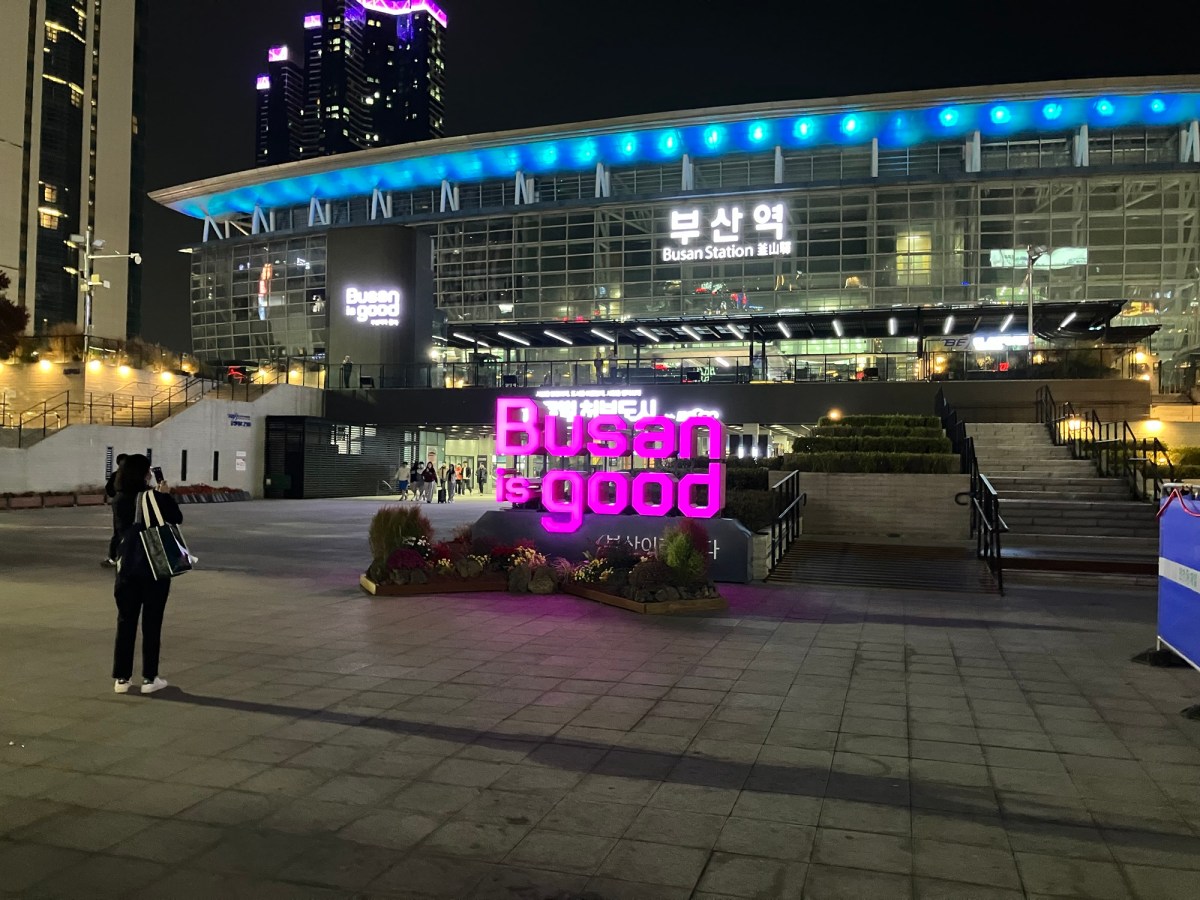
BUSAN: SOUTH KOREA-ON-SEA

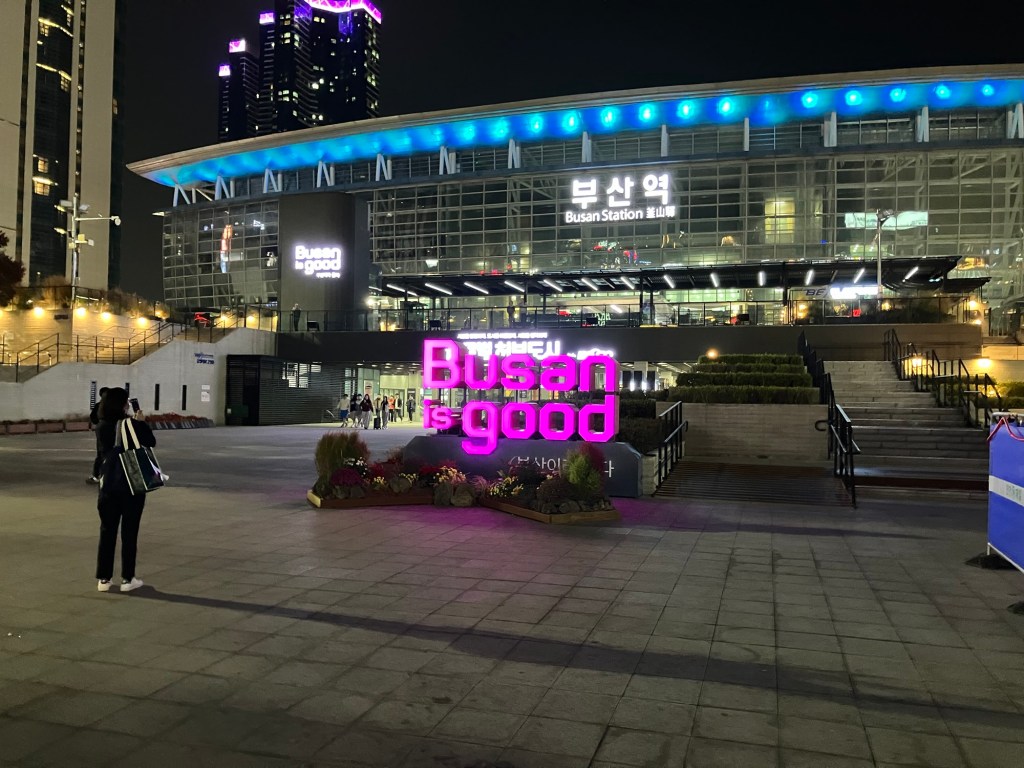
Busan station

Arriving on the express train from the country’s crowded capital Seoul, the southern city of Busan immediately feels warmer and far more relaxed in comparison. Seoul, although highly rated as the metropolis it undoubtably is, seems sprawling, over crowded and far more work-a day in comparison to its southern sister. After the pace and intensity of the capital, Busan feels looser, more rugged, more communal and less stressed than the country’s mega city. 
Busan is South Korea’s second-largest city and its most important port.  Located on the southeastern tip of the Korean Peninsula, the city faces the Korea Strait and serves as the country’s gateway to the sea. 

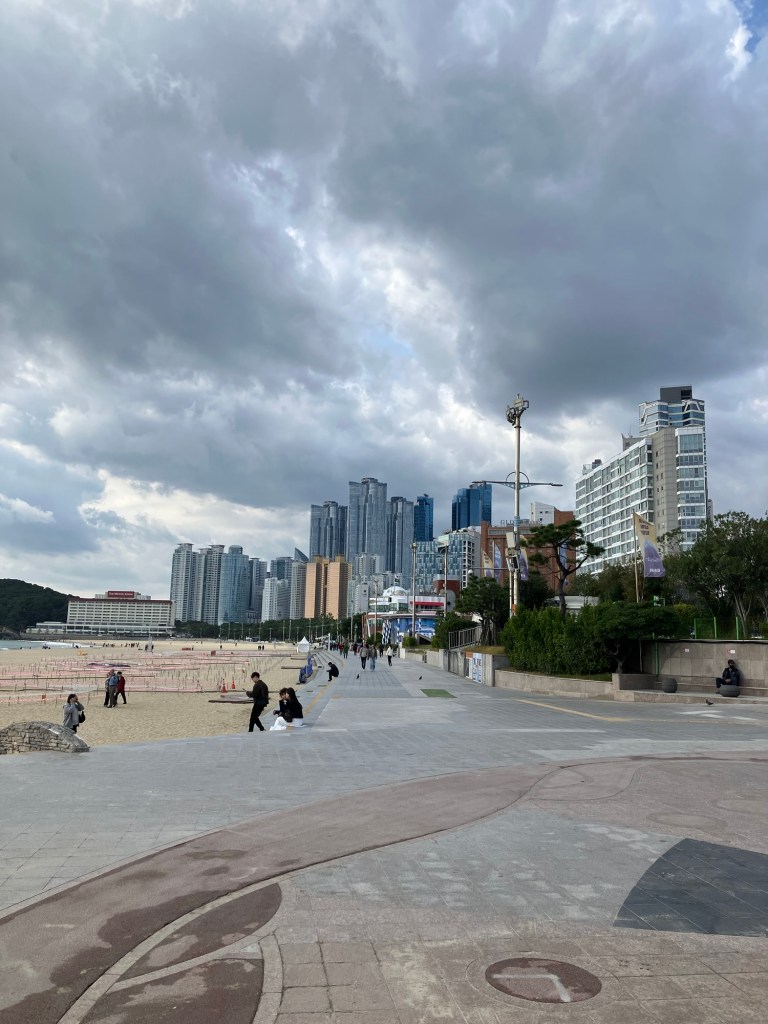
Haeundae Beach in Busan

Japan’s third largest island Kyushu and the state capital, Fukuoka lies just over a 100 miles away and Busan is a particularly popular destination for discerning Japanese tourists as well as South Korean citizens who are drawn by its excellent beaches.

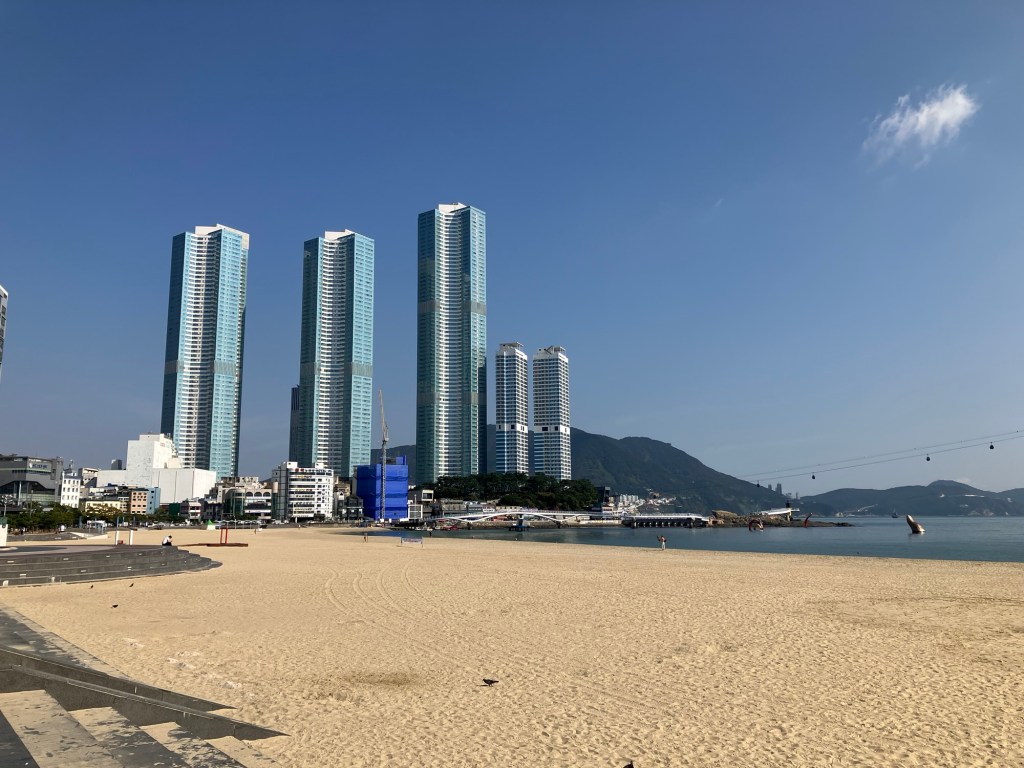
Songdo beach in Busan

The city’s urban landscape is framed by rugged mountains and sandy beaches. Steep, forested hills descend into dense urban neighbourhoods, while rivers like the Nakdonggang—the longest in South Korea—flow into wide estuaries near the coast. This dramatic landscape gives the city its distinctive layered skyline.

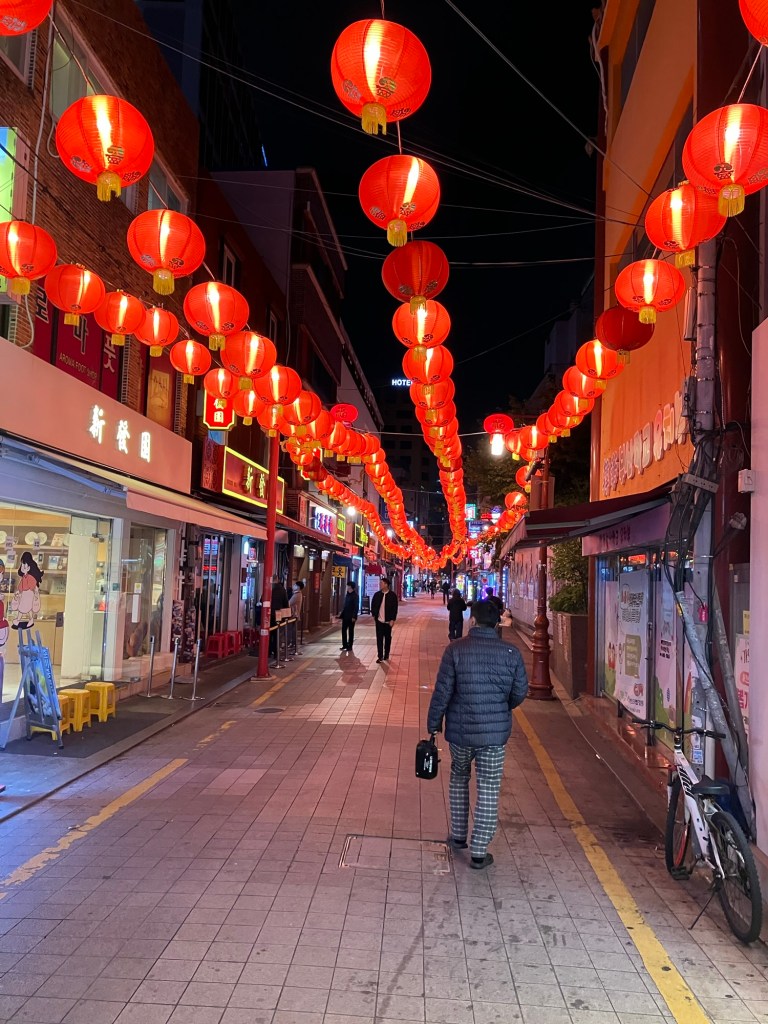
Busan is home to over 3 million people. Each district has its own character, from the bustling commercial hubs of Seomyeon and Haeundae to historic hillside communities like the city’s Chinatown whose gate faces the modern train station. The city’s coastal location has long attracted migrants, traders, and fishermen, contributing to a more open and pragmatic local identity compared to inland cities.

Chinatown in Busan

Culturally, Busan plays a crucial role in South Korea. It is best known internationally for the Busan International Film Festival (BIFF), Asia’s most influential film festival, which has positioned the city as a hub for cinema and creative industries (of which more later).

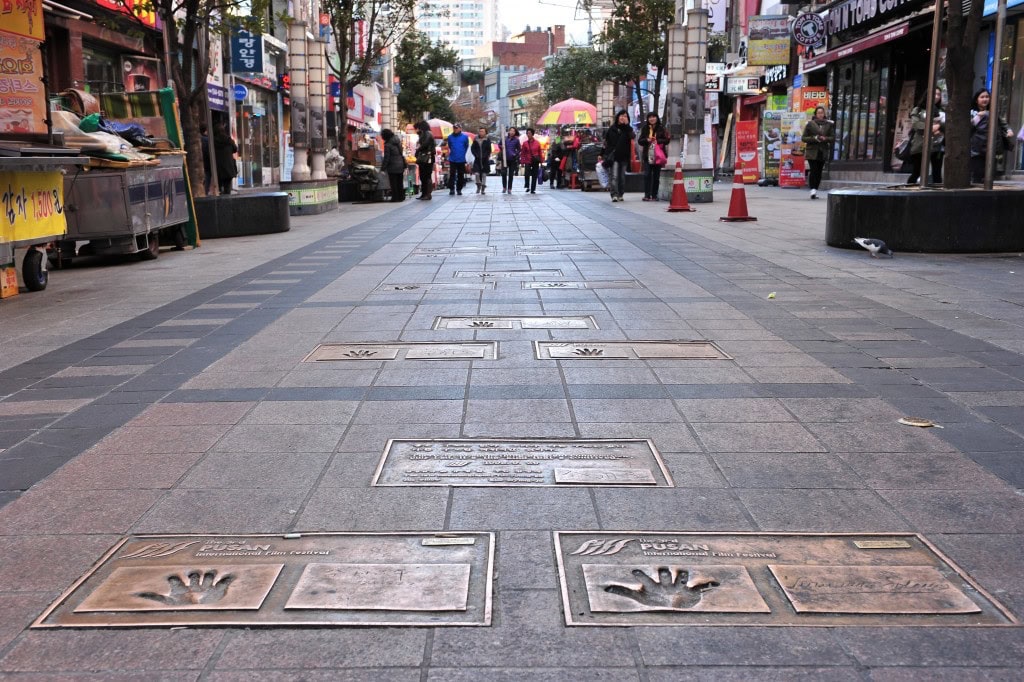
BIFF Square in Busan

Food culture is a cornerstone of Busan’s identity. The city is famous for fresh seafood, bustling fish markets like Jagalchi, and regional noodle specialties and spicy fish cakes (‘Eomuk’). These everyday traditions reflect Busan’s working-port roots and strong connection to the sea. 

Eomuk fish cakes

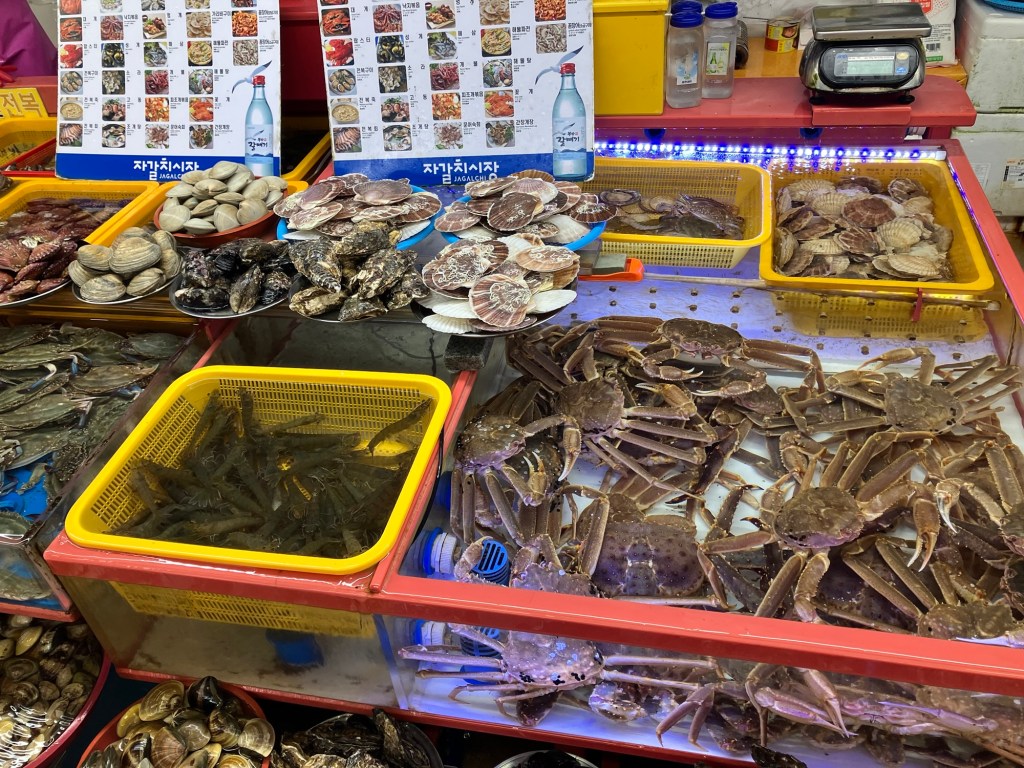
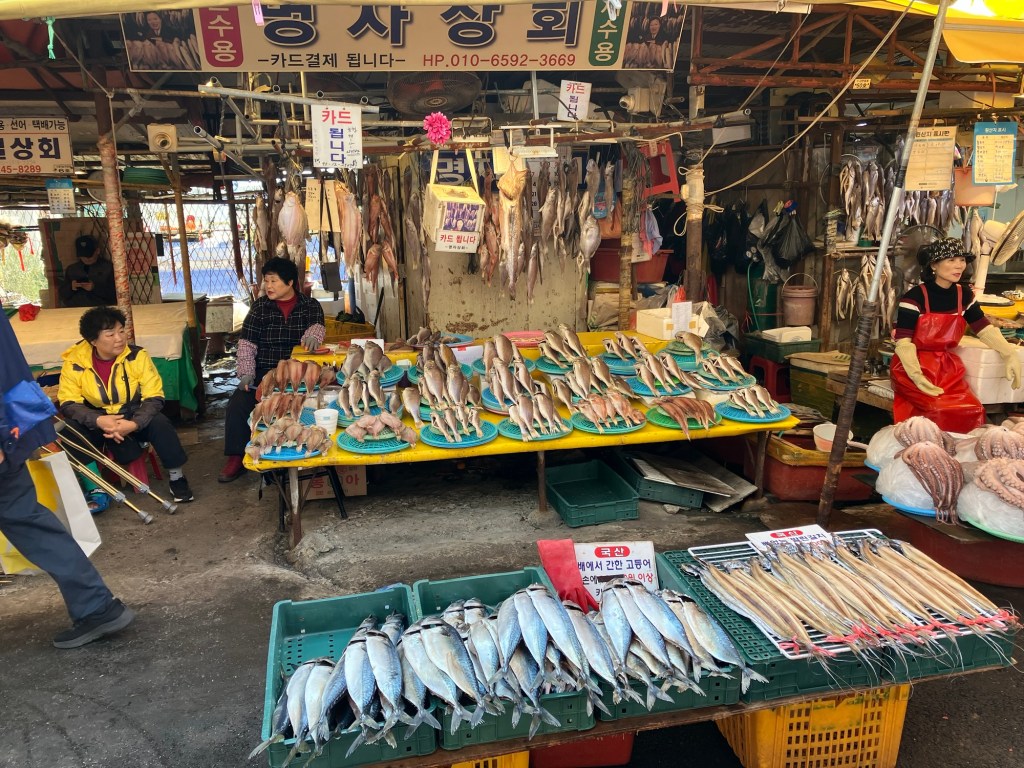
As a whole, Korean food seems based on resourcefulness and occasional scarcity in the use of most, if not all  parts of a core ingredient whether animal (intestines, blood sausages) or vegetables such as mugwort for dishes such as rice cakes. Seafood can also be adventurous to some with dishes based on the still twitching i.e. newly severed, Octopus tentacles known as Sannakji to the visually odd sea pineapples known as Meongge and sea worms known locally as Gaebul. These, and other fish and seafood items are best experienced at the huge Jagalchi Fish Market, where the catch from the morning fleets arrives to be sold, wholesale and retail. Jagalchi is the country’s largest seafood market, offering a “market-to-table” experience where visitors buy fresh, live seafood on the first floor and have it prepared in restaurants on the second floor. Typical dishes would include Jangeo-gui (Grilled Eel), Saengseon-gui (grilled fish) and Maeuntang (a fiery fish stew).

Jalgachi market
Jalgachi market

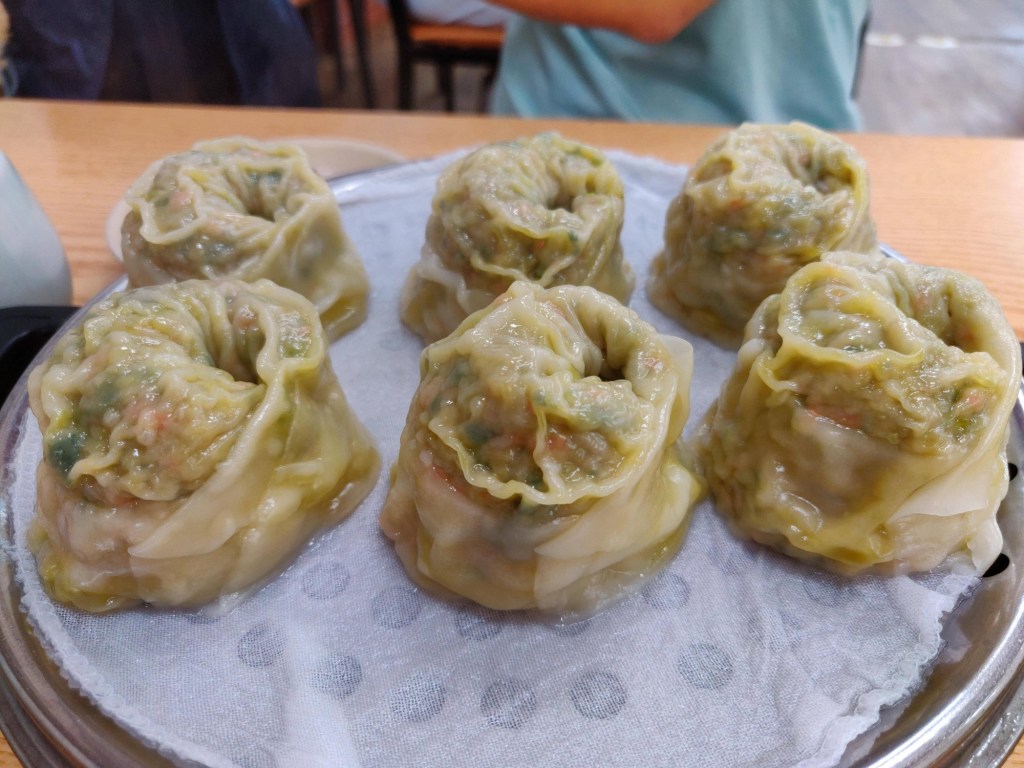
In addition to fish and seafood the city serves excellent Chinese dumplings at restaurants such as Shinbalwon (known for 60+ years of handmade, popular dumplings) and Janaseonghyang (famous for large, crispy fried dumplings, the restaurant was featured in the film ‘Old Boy’). Both restaurants are in Chinatown, opposite the main train station.

Shinbalwon dumplings

We tried Dwaeji Gukbap, a cloudy pork soup served with rice on the side and a tray of condiments including shrimp paste, chives, and pepper. We also ate Milmyeon, an icy broth for which the city is especially known. The dish is very popular way to both cool down and nourish during the foetid heat of a Korean summer. Milmyeon, made of wheat and potato starch noodles was born out of post-war scarcity in the 1950’s when , the more traditional buckwheat noodles were substituted for the latter. Post-war scarcity reshaped Korean cuisine. In the 1950s, wheat flour and starch from U.S. military aid were more accessible than traditional ingredients, while buckwheat remained familiar and adaptable. Milmyeon emerged as a pragmatic hybrid—stretching buckwheat noodles with American supplies to recreate Pyongyang-style cold noodles in the South.

Milmeyon

In fact the years following the Korean War, food in South Korea was defined by scarcity. Farmland had been destroyed, supply chains were broken, and hunger was widespread. In this environment, U.S. Army rations—originally intended for American soldiers—began to play an unexpected role in Korean everyday life.

Canned goods such as Spam, hot dogs, corned beef, baked beans, powdered milk, and margarine entered local markets through U.S. military aid, nearby base economies, and informal resale. These foods were unfamiliar and highly processed, but they were calorie-dense, reliable, and available when traditional ingredients were not. Koreans adapted them using familiar seasonings like kimchi, garlic, gochujang, and chili flakes, creating entirely new dishes rather than simply copying American food.

The most famous example is Budae Jjjigae, or “army base stew.” Made with Spam, sausages, canned beans, and noodles, combined with Korean spices and broth, the dish emerged as a practical solution to hunger. For decades, it carried associations of poverty and dependence on foreign aid. Today, however, Budae Jjigae is a popular comfort food, rebranded as a nostalgic classic and served in restaurants across Korea.

Budae Jjjigae

Beyond individual dishes, U.S. rations helped introduce new flavor profiles—saltiness, sweetness, fat, and dairy—that were less common in traditional Korean cuisine. They also familiarised consumers with processed and shelf-stable foods, contributing to the rise of instant noodles, factory-made sausages, and quick meals during Korea’s rapid industrialization from the 1960s onward.

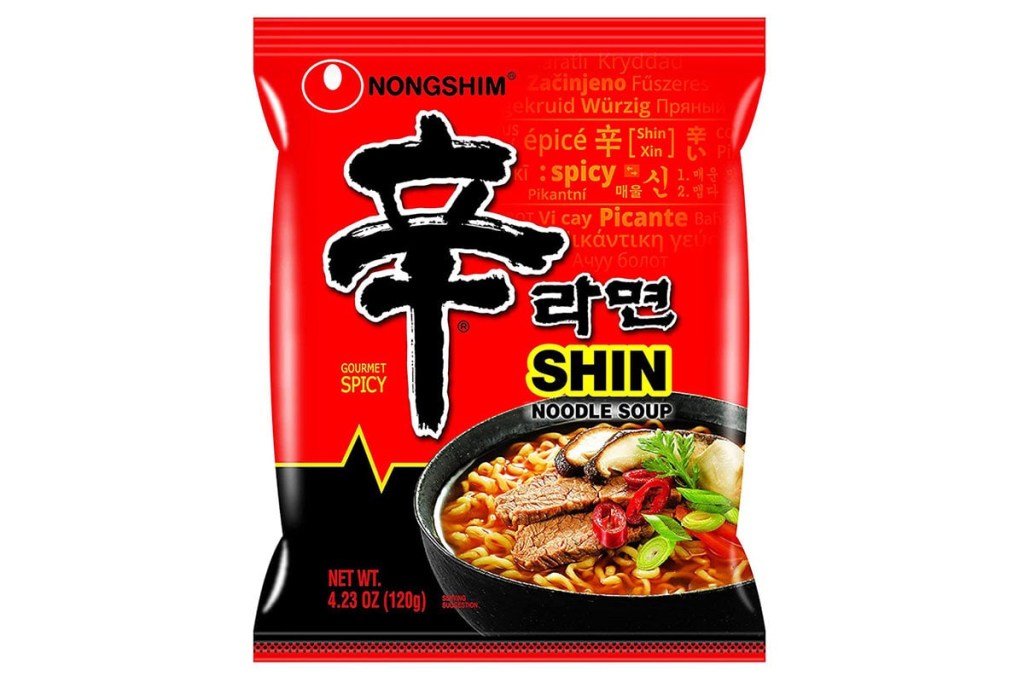
The ever popular Korean instant noodles

What began as wartime survival food ultimately became part of Korea’s modern culinary identity. The influence of U.S. Army rations reflects not imitation, but adaptation—showing how Korean cuisine absorbed hardship and transformed it into something enduring and distinctly its own.

When people talk about American influence in Korea, the conversation often stops at spam, PX snacks, and camptown diners. But the U.S. military presence left far deeper cultural footprints—especially in music and film — that still ripple through Korean popular culture today.

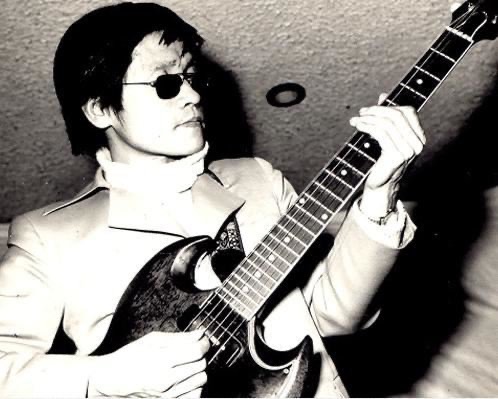
Beginning in the late 1940s and exploding after the Korean War, U.S. bases became unlikely incubators for Korean popular music. AFKN (American Forces Korea Network) radio blasted jazz, blues, country, and early rock ’n’ roll across the peninsula—sounds largely unavailable elsewhere. Korean musicians played in base clubs to earn steady pay, learning Western instruments, harmonies, and stagecraft firsthand. Groups like The Kim Sisters cut their teeth performing for American soldiers before becoming international acts, while artists such as Shin Joong-hyun, later called the “godfather of Korean rock,” absorbed psychedelic rock and soul through base gigs. This pipeline helped shape everything from Korean rock in the 1960s to the DNA of modern K-pop performance, the latter dominating Asia and much of the world.

Shin Joong-hyun

Film influence was just as lasting. U.S. military bases regularly screened Hollywood movies—often on 16mm prints—exposing Korean directors, writers, and technicians to genres like noir, westerns, war films, and melodramas. These weren’t just entertainment; they were informal film schools. Editing rhythms, shot composition, and narrative tropes seeped into Korean cinema during its rebuilding years. American war films and later New Hollywood realism influenced how Korean filmmakers portrayed masculinity, conflict, and trauma. Even the dark humor and institutional critique seen decades later can trace a line back to works like MASH*—a U.S. film about Korea that Koreans watched with complicated fascination.

MASH cast

Beyond screens and stages, the U.S. army left behind a cultural transmission system: radios, projectors, records, and rehearsal spaces. Korea didn’t simply copy American culture—it absorbed, reworked, and ultimately transformed it, nowhere more so than in Film, a creative sector the country excels in. 

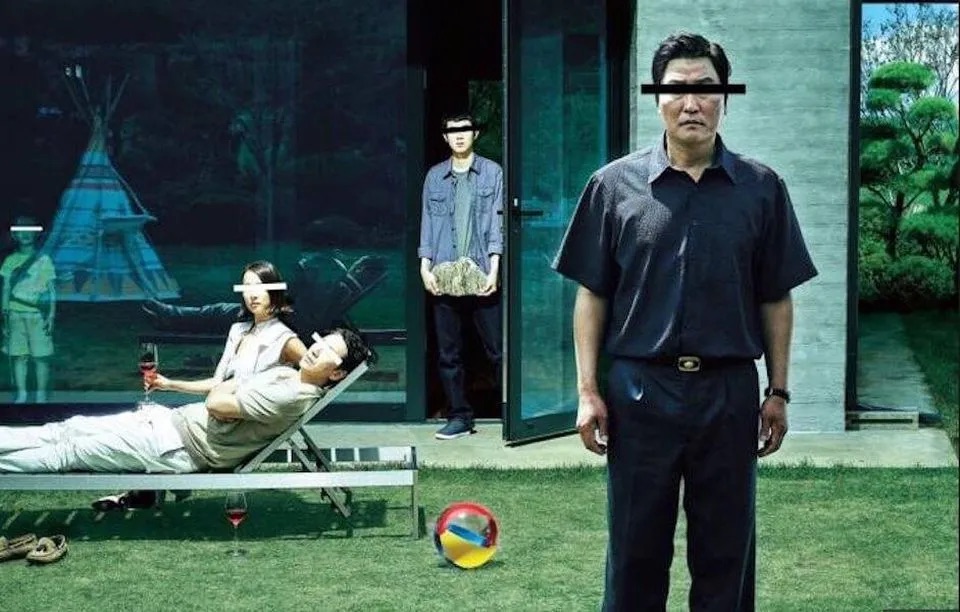
In recent years Korean cinema has enjoyed a remarkable surge in global visibility and influence, driven by both artistic achievements and broader cultural momentum. Films like Parasite helped break major international barriers by winning top accolades such as the Academy Award for Best Picture, establishing Korean filmmaking as a serious contender on the world stage rather than a niche curiosity. Korean films are now distributed widely, reaching audiences in over 130 countries, and directors such as Bong Joon-ho and Park Chan-wook are household names in global auteur circles.  

Parasite

A key part of this rise has been the Busan International Film Festival (BIFF). Founded in 1995, Busan has grown into one of Asia’s premier film festivals, acting as a bridge between Korean, Asian, and international cinema. It brings thousands of industry professionals, critics, and cinephiles together, showcasing hundreds of films each year — including world premieres and independent works that might otherwise struggle to gain attention.  

Busan’s strategic evolution — such as introducing competitive sections, spotlighting Asian voices, and expanding market platforms like the Asian Contents & Film Market — has helped position Korean film within global industry networks. This exposure not only elevates Korean filmmakers but also fosters co-productions, distribution deals, and cultural dialogue across borders.  BIFF has played a central role in raising Korean cinema’s international profile by serving as a high-visibility showcase, a business hub for industry deal-making, and a cultural meeting point that draws attention far beyond Korea’s domestic market. 

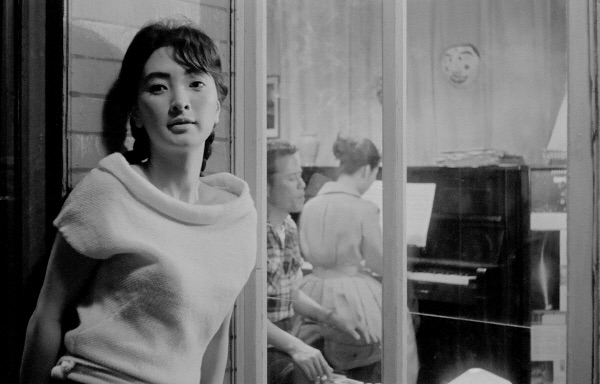
The Housemaid (1960)

The following Korean films are recommended viewing in our opinion.

The Housemaid (1960) – Kim Ki-young

A manipulative housemaid gradually destroys the fragile middle-class family that hires her.

Oldboy (2003) – Park Chan-wook

A man imprisoned for 15 years without explanation is suddenly released and seeks revenge on whoever ruined his life.

Parasite (2019) – Bong Joon-ho

A poor family infiltrates the lives of a wealthy household through deception, exposing brutal class inequality. 

Decision to Leave (2022) – Park Chan-wook

A detective investigating a suspicious death becomes emotionally entangled with the victim’s enigmatic wife.

Bleak Night (2010) – Yoon Sung-hyun (BIFF-discovered indie)

A father retraces his son’s final months and uncovers the toxic friendships that led to the boy’s tragic death.

The 31st Busan International Film Festival takes place from October 6th to 15th 2026.

부산은 좋아요

Gdánsk, Oskar and Lech

An old city, dating back to the 10th century, Gdańsk  suffered almost total destruction during WW2. The city’s subsequent reconstruction and most importantly, the crucial part it played in the Solidarity movement of the 1980’s means that today, Gdańsk is the third most visited city in Poland after Warsaw and Kraków and it is deservedly viewed by the rest of the country as an independent minded and resilient cultural hotspot.

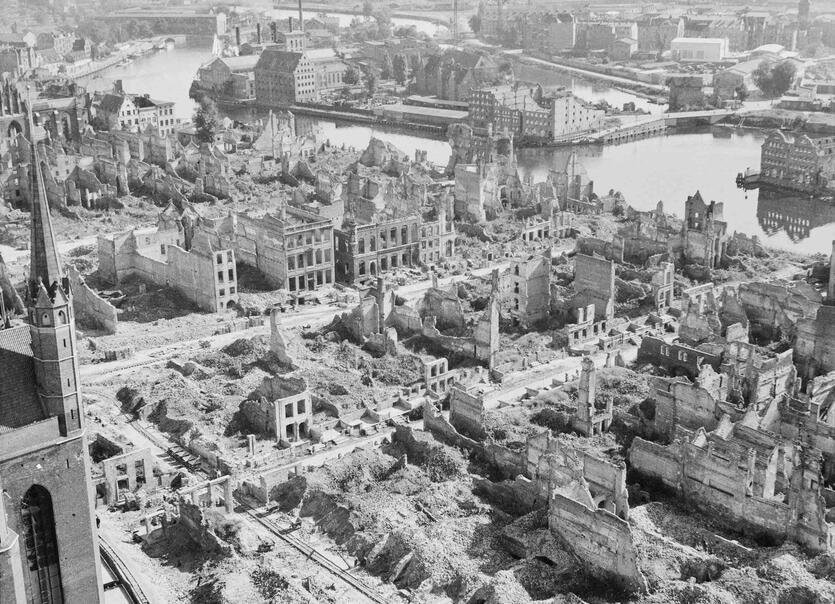
The city we came to know starts after 1945. The destruction of Gdańsk during  WWII was devastating. The centre of Gdańsk was 95% destroyed, with extensive damage from bombing and shelling.

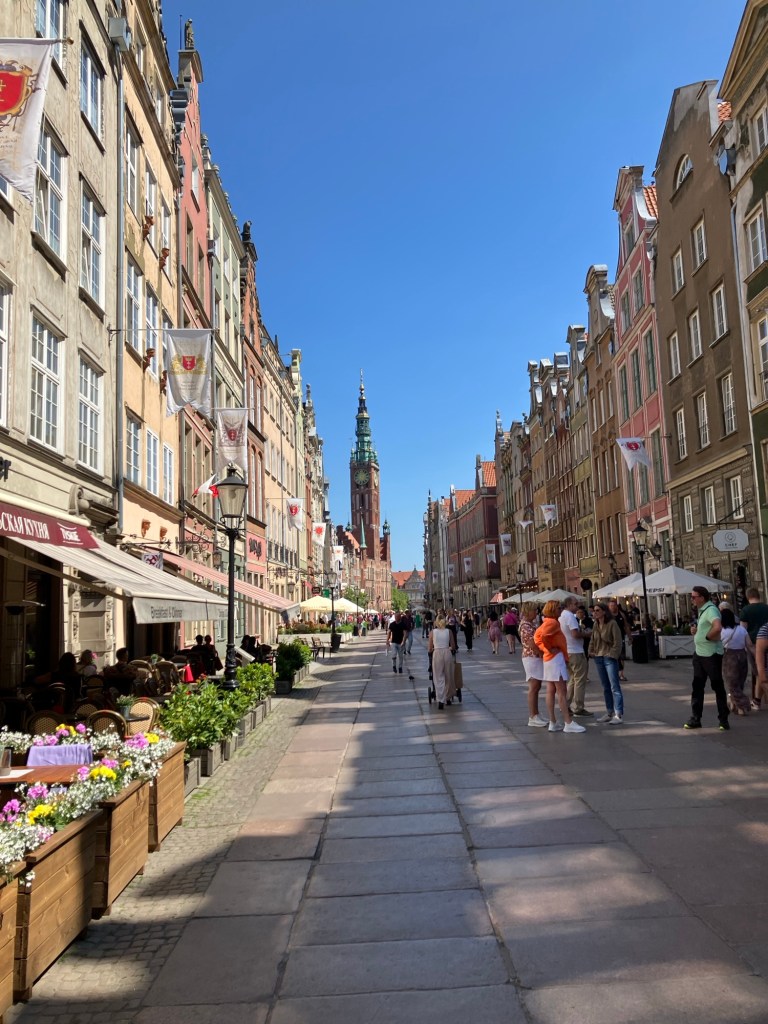
After the war, the city was rebuilt from the ground up, thanks to the efforts of several generations of Polish people. Reconstruction took more than 70 years and continues to this day. As with the old town in Warsaw (levelled in an act of wanton vindictiveness by the Nazi’s after the Warsaw uprising), the older parts of Gdańsk were rebuilt according to the way the city was before WW2. During the rebuilding, a variety of historical records were consulted to ensure that the city was reconstructed as faithfully as possible. Artisans and architects were brought in to recreate the Old Town in its historical form by using traditional methods and materials.

The Old Town today

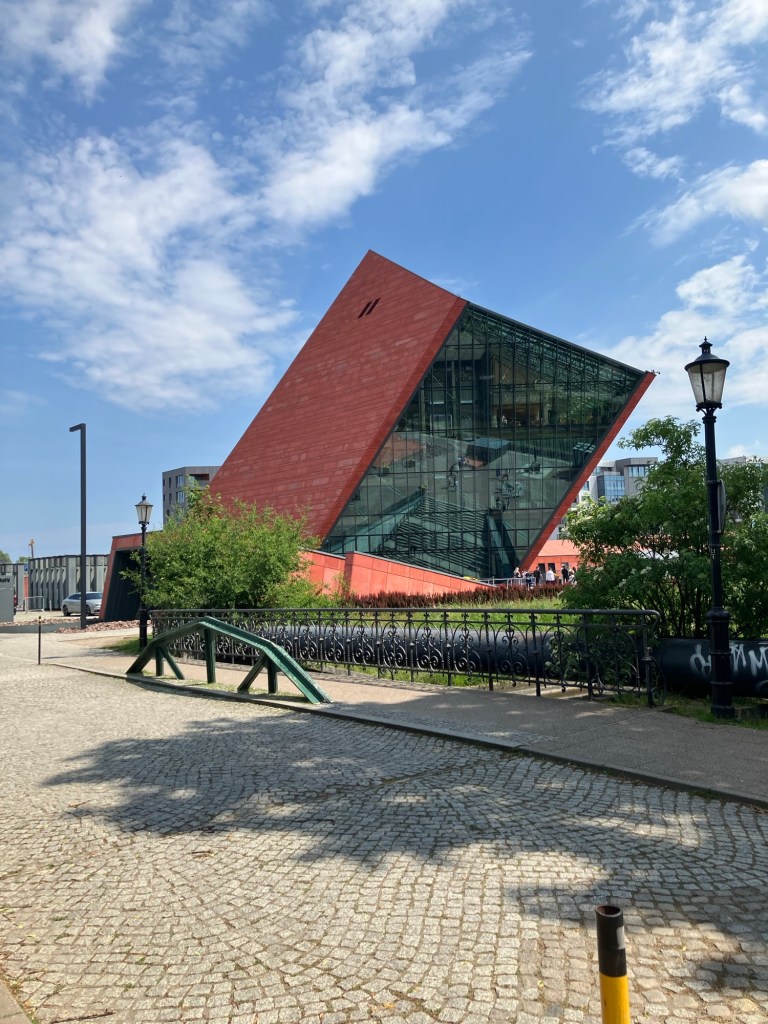
Today the Old Town is a UNESCO World Heritage site and it is one of Europe’s best historic centres. Whilst Gdańsk is very much a modern, forward thinking Polish city, the past is still a dark shadow. It is hard to overstate the sheer ruin brought on the country during WW2 and thereafter The most immediately destructive era, the years 1939 -1945 with the invasion of Poland by both Nazi and Soviet forces, the eventual rout of the former and the re-occupation of the country by the latter is brilliantly detailed within the city’s Museum of the Second World War (‘Muzeum II Wojny ŚwiatoweItj’) which opened in 2017, making it a relatively new addition to Gdańsk’s cultural landscape. 

The Museum of the Second World War

Visitors to the museum can expect to learn more about the events that led up to the war, as well as its impact on Poland and the rest of the world. Of particular note in our opinion, are the re- creation of a typically Polish family apartment before, during and after the Nazi occupation (and to follow, Soviet rule), with the rooms changing as the war and Nazi and Soviet occupations progressed. The exhibition is especially for children under the age of 12, taking them on a journey through time, exploring different moments and events during World War II including the recreation of a typical pre – war Polish schoolroom. The museum’s website at https://muzeum1939.pl/en describes this most important exhibit as follows:-

The first exhibit is a reconstruction of a Warsaw family’s apartment during three different periods: September 3rd, 1939 – a few days after the outbreak of World War II, March 8th, 1943 – during the German occupation, and May 8th, 1945 – on the day of Germany’s surrender. These interiors show the living conditions of a well-educated Polish family from Warsaw. The changing elements of the interior decor reflect the shifting political, social and economic situation of the occupied country during the fighting. The exhibition is designed to make visitors aware of the deteriorating living conditions from year to year, the difficulties with food supplies, the rules imposed by the occupants, as well as the methods of coping with these difficulties. The exhibition also focuses on showing the attitudes of family members, describing their involvement in anti-German activities and civil forms of resistance – including the secret underground education of children. An important thread in the story is also the fate of the Jewish population, exemplified by the fate of the family’s pre-war Jewish neighbours. The journey through the occupation years takes place with the Jankowski family of four. To create this history, typical elements taken from wartime biographies of Polish intellectuals were used.

Interior design of the Museum

The museum is located very near to the Polish Post Office which played a significant role during the beginning of World War II. On September 1, 1939, at the start of the German invasion of Poland, the Post Office in was attacked by German police and SS units. At the time, the Post Office was a Polish enclave in the predominantly German-populated Free City of Danzig (now Gdańsk). The Polish employees at the Post Office, numbering around 50, were members of the Polish Military Transit Depot and were considered a threat by the Germans. They defended the Post Office against the German attack. Despite being outnumbered and outgunned, the Polish defenders held out for nearly 15 hours.

The defenders of the Post Office finally surrendered after the Germans brought in heavier weapons and set the building on fire. Six people were killed during the battle, and the survivors were arrested and put on trial. Despite their status as combatants, they were sentenced to death for illegally using weapons. All but four of the sentences were later commuted to life imprisonment, and the remaining four were executed.

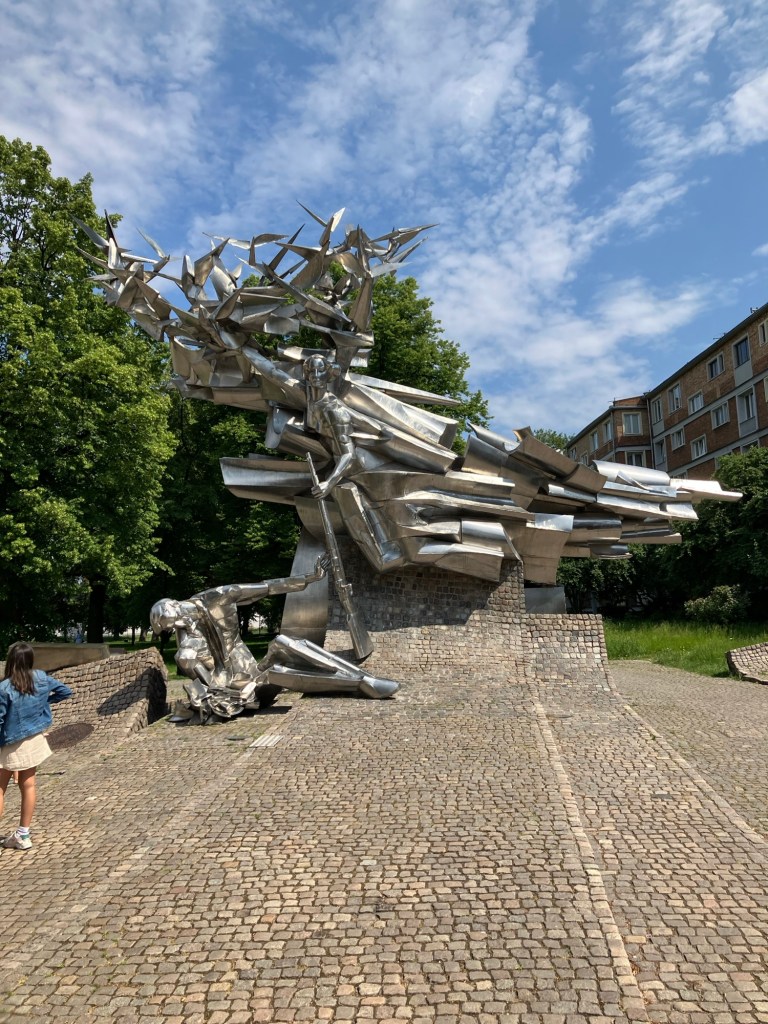
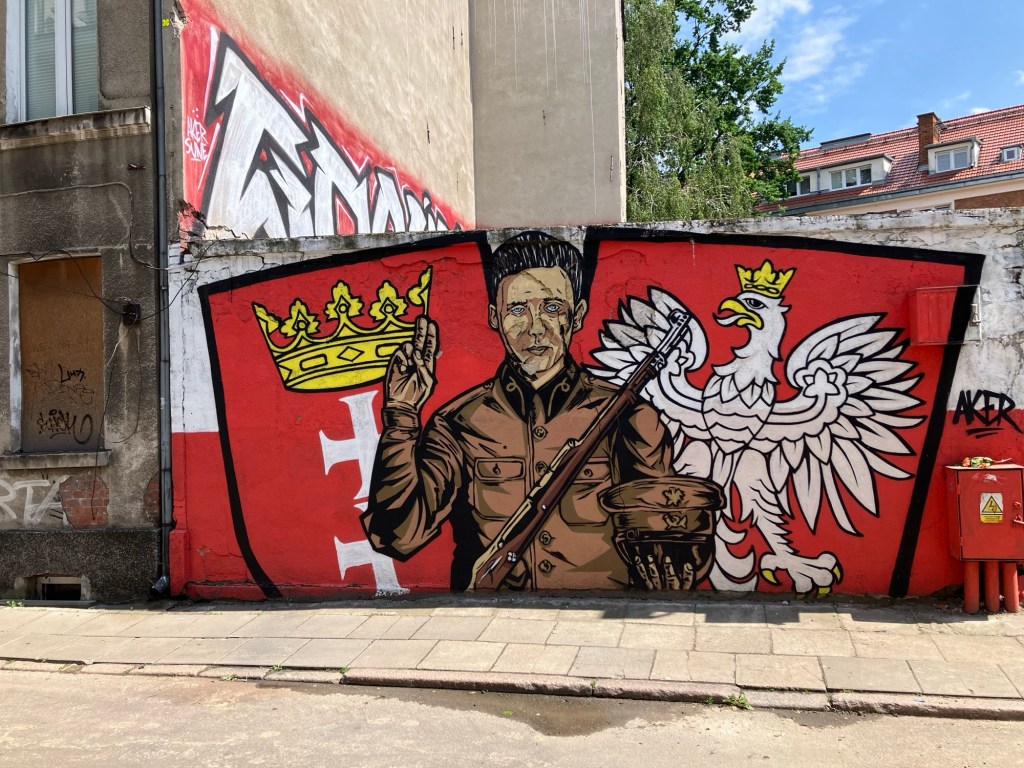
The defence of the Polish Post Office in Gdańsk has become a symbol of Polish resistance against the German invasion and the beginning of World War II. Today, a monument stands in front of the Post Office building to commemorate the heroic actions of its defenders as well as related graffiti art murals on near by walls.

The Post Office memorial
Related mural

The defence of the Post Office is featured in Chapter 18 of The Tin Drum by the German author, Günter Grass, a native of Gdánsk or rather Danzig as it was known when the city was annexed by Germany. His literary work, and in particular, The Tin Drum, the first part of his Danzig Trilogy (‘Cat and Mouse’ and ‘Dog Years’ were to follow) certainly brought the city and it’s post 1925 history to the world’s attention.

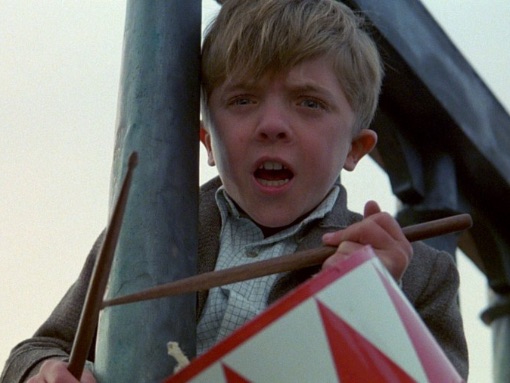
The Tin Drum is a story about a boy named Oskar Matzerath, who refuses to grow up and wills himself to remain a child. Born in the early 20th century in the city of Danzig (Gdańsk), Oskar is a witness to the rise of Nazism and the horrors of World War II. 

Oskar and his drum

The story begins with Oskar’s birth and his refusal to leave the womb until his mother promises him a tin drum. On his third birthday, he decides to stop growing and throws himself down the stairs, using his tin drum as a weapon against the chaos around him.

“I will not grow, I will not grow, I will not grow. I will stay in Danzig, I will stay with my tin drum, I will stay a child forever.”

‘I will stay a child forever’

As Oskar grows older, he remains physically a child but develops a sharp intellect and a unique perspective on the world. He becomes an observer of the hypocrisy and injustice around him, using his drumming and screaming as a form of protest, especially against the stupidity and ugliness of the Nazi’s and their supporters.

Throughout the novel, Oskar interacts with a range of characters, including his family, friends, and various figures in the city of Danzig. He witnesses the rise of the Nazi party, the increasing violence against outsiders, and the eventual destruction of his hometown.

In the end, Oskar ends up in a mental institution, where he recounts his life story. Through his narration, Grass offers a powerful critique of war and the impact it has on individuals and communities.

Original book cover art work

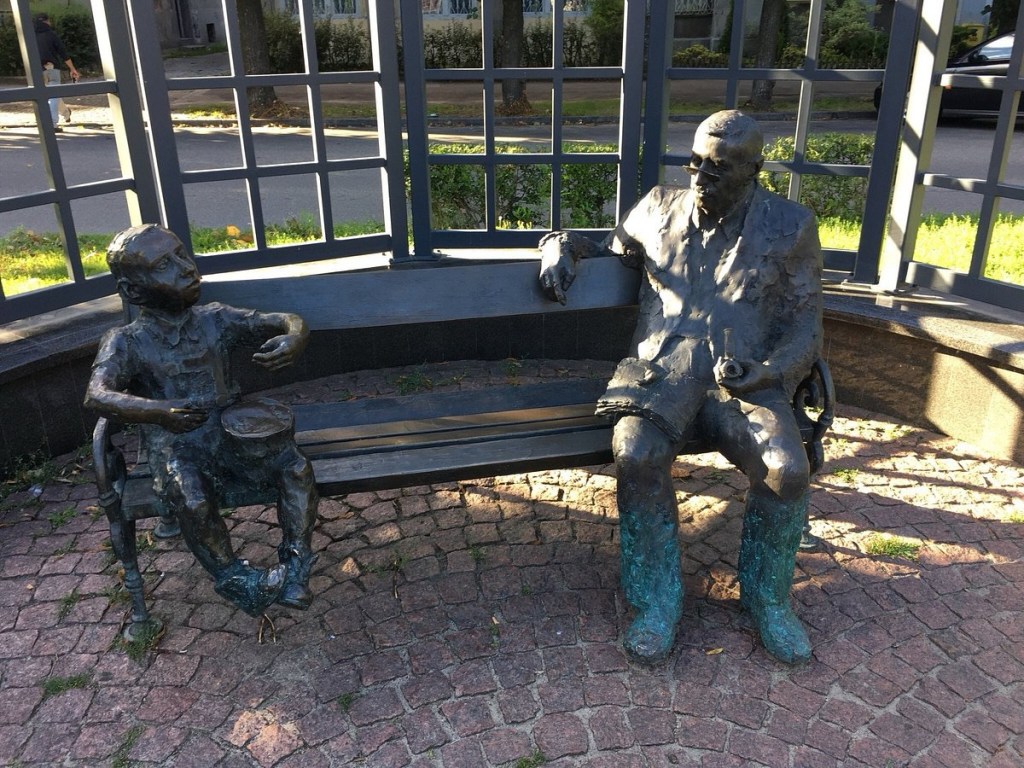
There  are several memorials and tributes to Günter Grass  in Gdansk  including an art Gdansk gallery dedicated to his work, a monument to Grass in the district where The Tin Drum was set and perhaps most famously, the Little Oskar statue, commemorating Grass’s most famously work and literary character. That  statue is part of a larger monument called “Oskar’s Bench”, ocated in plac Generała Józefa Wybickiego in Gdańsk. The statue depicts Gunter Grass sitting on a bench opposite a statue of Oskar. The two figures appear to be in conversation or alternatively, Grass is reading to Oskar from the book on his lap. The book has a snail crawling across it, a reference to another of Grass’s works, “From the Diary.”

Oskar and Gűnter

The novel remains the best known work by Günter Grass and it is one of the most celebrated works in the German language. 

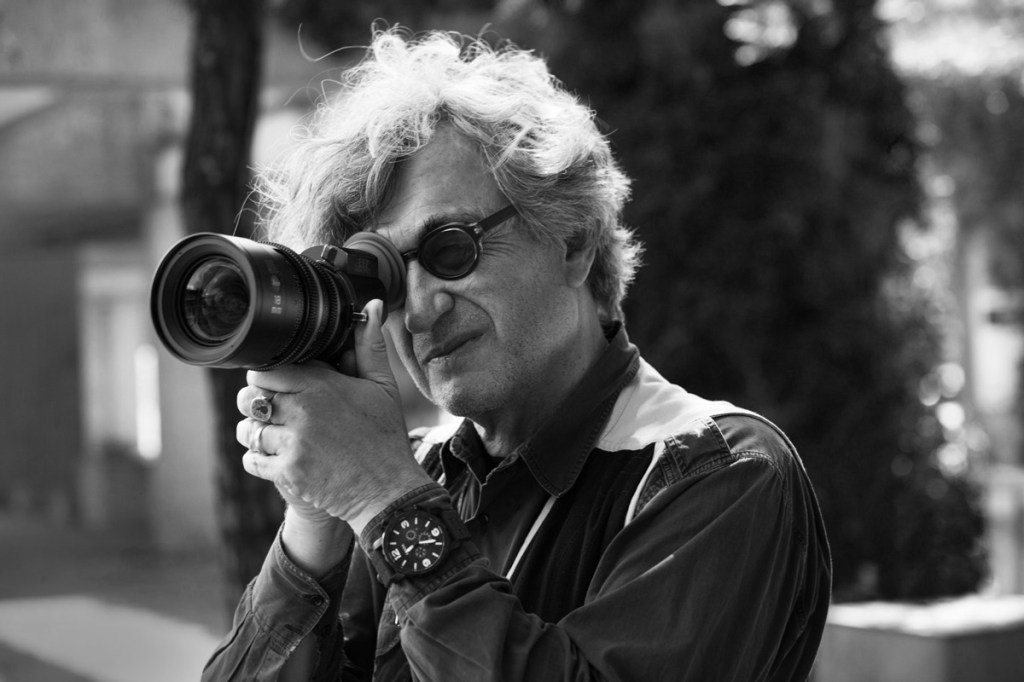
The film adaptation of the novel by acclaimed German director Wim Wenders, released in 1979, stays true to the novel’s plot and themes, featuring a remarkable performance by the actor David Bennent as Oskar. It was a critical success, winning the Palme d’Or at the 1979 Cannes Film Festival and the Academy Award for Best Foreign Language Film in 1980.

Wim Wenders

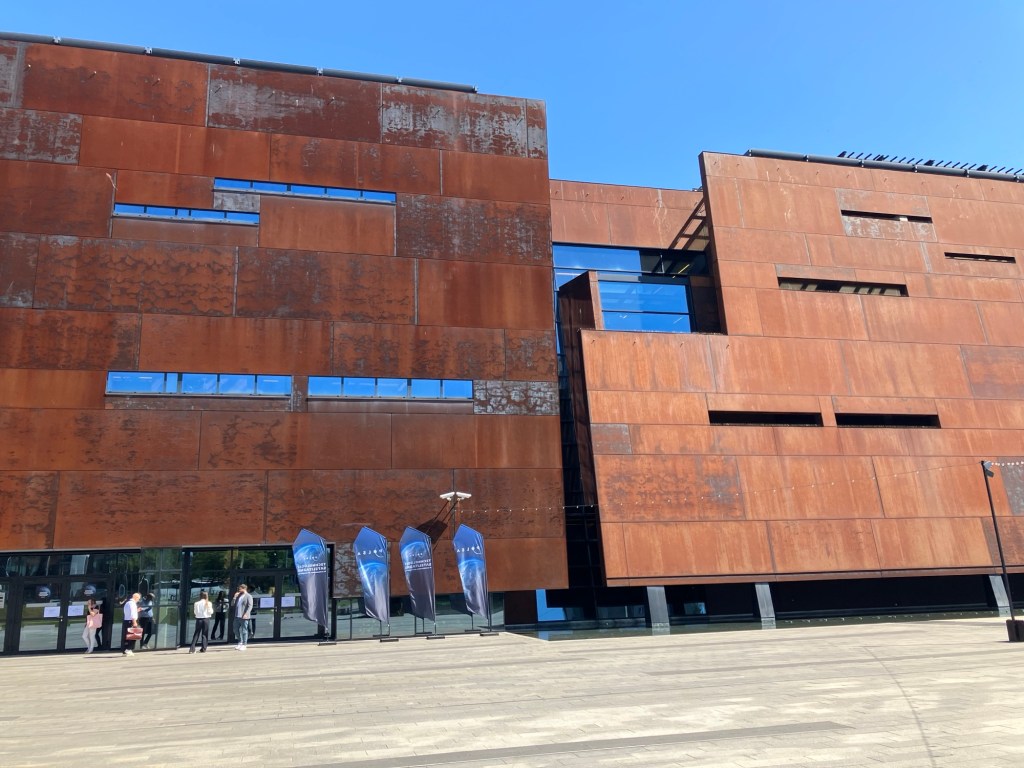
Gdańsk is home to another iconic museum which, like the Museum of the Second World War, documents remarkable events in the city and Poland’s recent history. The Museum in question is the Solidarity Museum, also known as the European Solidarity Centre. It is dedicated to the history of the Solidarity movement, a Polish trade union and civil resistance organisation that played a pivotal role in the country’s struggle for democracy and workers’ rights during the communist era.

The Solidarity Museum

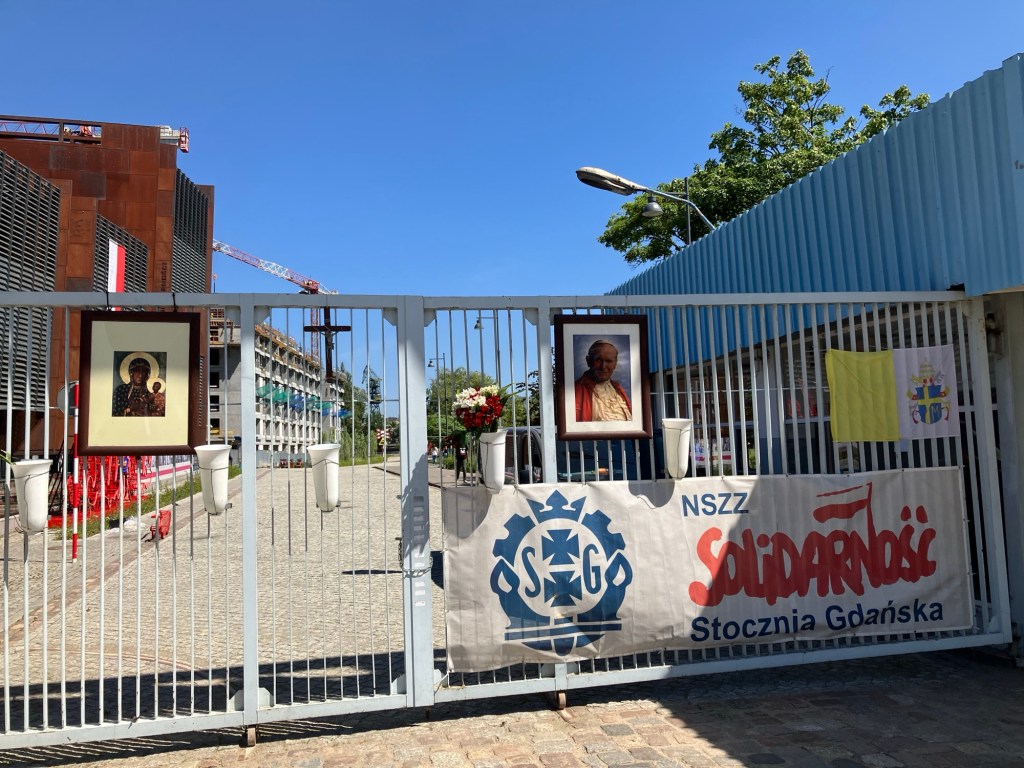
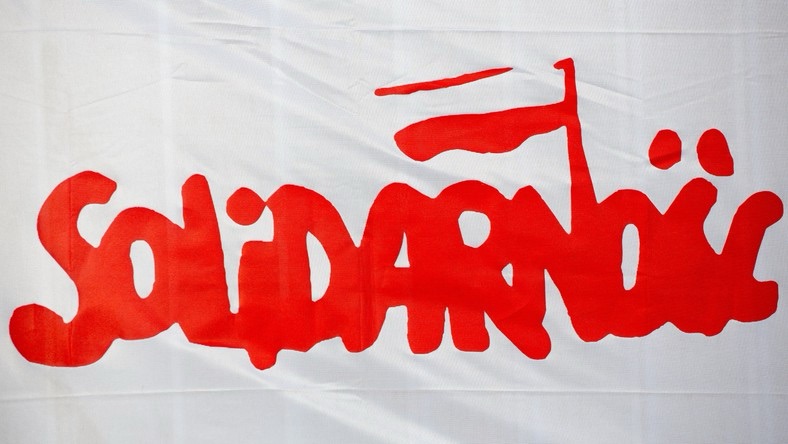
Situated in the northern part of the city, adjacent to the Gdańsk shipyard (‘ Stocznia Gdańska in Polish, formerly known as the Lenin Shipyard), the Museum opened in 2014. Its design, by Polish firm FORT Architects, was inspired by the hulls of ships built at the Gdańsk Shipyard, where the Solidarity (“Solidarność”) trade union movement was born in 1980. The movement was created when the Communist government of Poland signed an agreement allowing for the creation of independent trade unions. The charismatic Lech Wałęsa, a labor activist, was instrumental in the formation of Solidarity and became its chairman. The union quickly gained popularity and represented most of the Polish workforce, with a membership of about 10 million people.

The shipyard’s main entrance

Solidarity advocated for economic reforms, free elections, and the involvement of trade unions in decision-making processes. The union’s growing influence led to a series of controlled strikes in 1981, pressuring the government to negotiate. However, the Polish government, under pressure from the Soviet Union, eventually suppressed the union and imposed martial law.

Despite being forced underground, Solidarity continued to operate as an illegal organisation until 1989 when the government recognised its legality. In the 1989 national elections, Solidarity candidates won most of the contested seats in the assembly and formed a coalition government. The union played a significant role in the fall of communism in Poland and the transition to a free market economy.

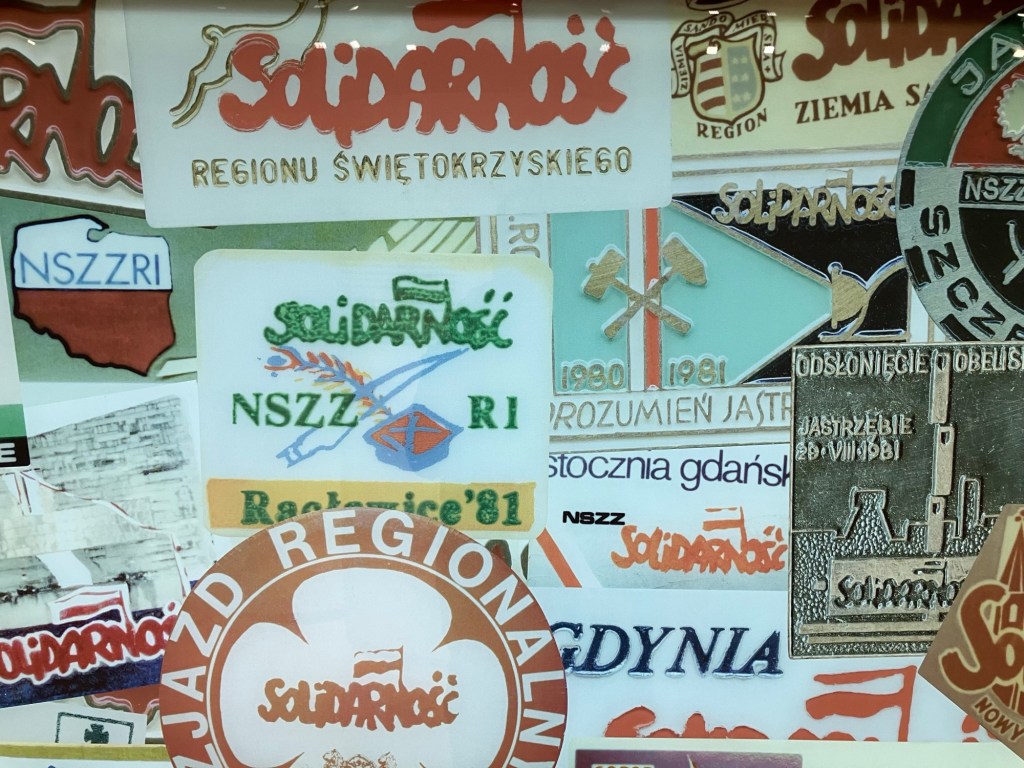
The movement’s distinctive logo

Lech Wałęsa’s leadership and determination were crucial in the formation and perseverance of Solidarity. He was awarded the Nobel Peace Prize in 1983 for his efforts and is considered a symbol of the struggle for freedom and democracy in Poland and throughout Eastern Europe.

Lech Wałęsa

Solidarity was the first independent labor union in a Soviet-bloc country and quickly grew into a broad, non-violent, anti-Communist social movement. It played a significant role in the fall of communism in Poland and beyond. 

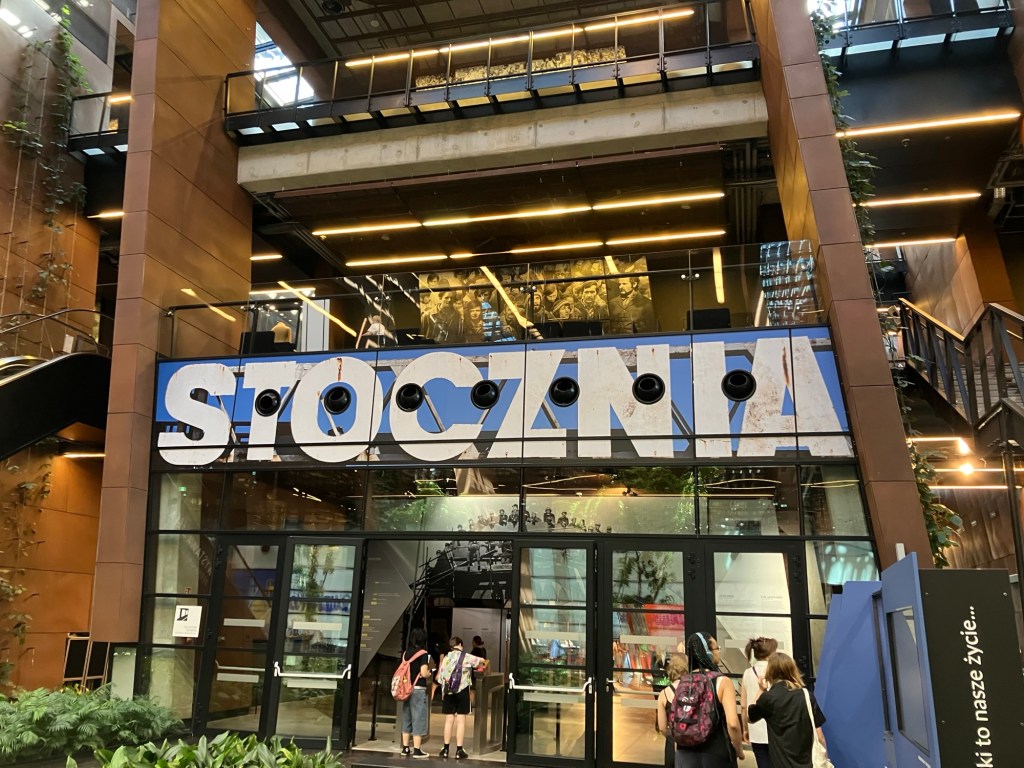
The Solidarity movement is clearly documented and celebrated in the city’s Solidarity Museum, also known as the European Solidarity Centre.

Exhibits at the Museum include the original boards with the 21 demands of the Solidarity movement, which are included in UNESCO’s Memory of the World Register. Other exhibits feature dioramas and props that recreate the economic hardships of Poland in the 1980s, slideshows and film reels that document political uprisings and the imposition of martial law, and interactive displays that tell the stories of the individuals who shaped the movement.

The museum entrance

As the leader of the movement, Lech Walesa is obviously the most prominent figure in the Solidarity museum and the Museum’s exhibitions depict Walesa as a hero of the movement, highlighting his role in leading the strikes at the shipyard. which led to the formation of Solidarity. 

Inside the museum

After Poland became independent, Walesa continued to play a significant role in Polish politics. He served as the country’s first democratically elected president from 1990 to 1995, and he remains an important figure in Polish history and a symbol of the struggle for freedom and democracy.

Another important figure in Poland was the Film Director, Andrzej Wajda. Often referred to as the “Father of Polish cinema” or the “Father of the Polish Film School” he directed a number of films that engaged with contemporary Polish history.  With his work internationally recognised and he won numerous plaudits on the world  stage including an Academy Award for lifetime achievement in 2014 (presented by Jane Fonda no less). 

Andrzej Wajda

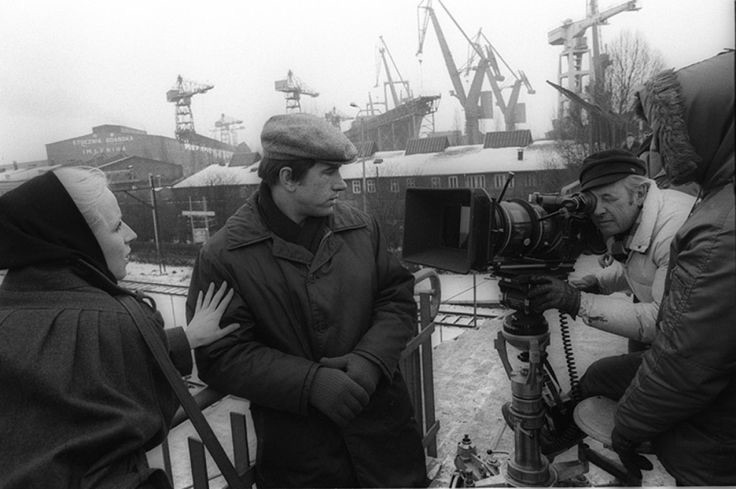
Andrzej Wajda made several films that dealt with the Solidarity movement, the most prominent of which is “Man of Iron” (1981). This film tells the story of a young Polish worker named Maciej Tomczyk, who becomes involved in the Solidarity movement and the struggle for workers’ rights in Poland in the early 1980s and it was made during a time of political upheaval in Poland. Its release coincided with the government’s crackdown on the Solidarity movement. Lech Walesa is featured prominently in the film.

Filming ‘Man of Iron’ in 1981

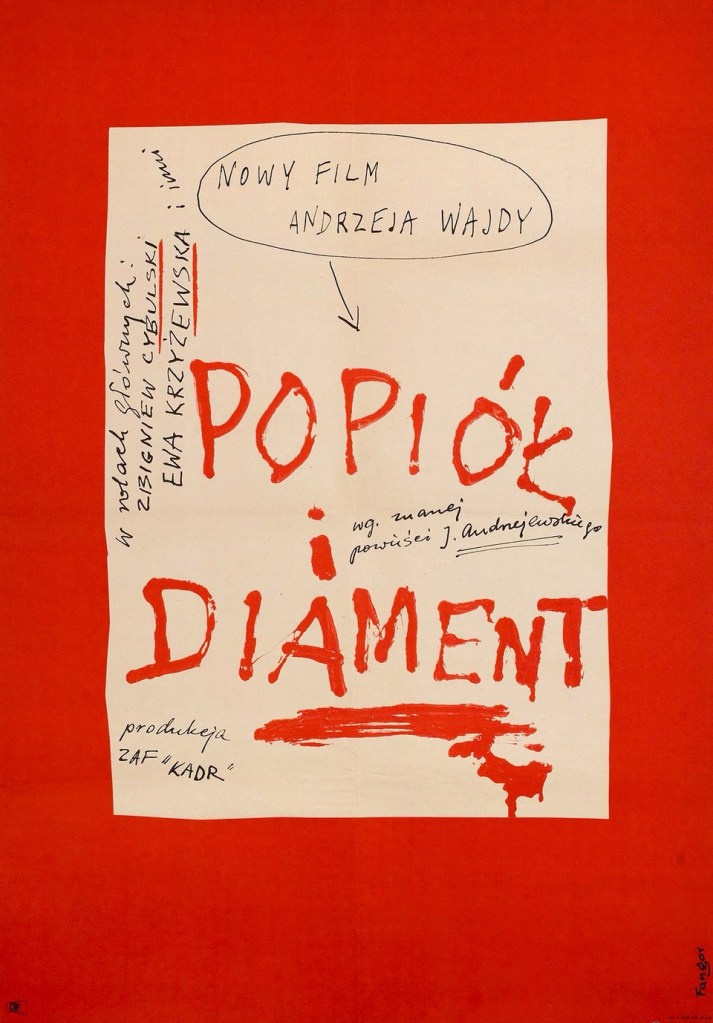
Wajda also made several films about World War II, including his famous “War Trilogy,” which consists of “A Generation” (1955), “Kanal” (1957), and “Ashes and Diamonds” (1958). These films are considered classics of Polish cinema and deal with different aspects of the war and its impact on Polish society.

Polish language poster for Ashes and Diamonds, Wajda’s masterpiece

In “A Generation,” Wajda explores the experiences of young people living under Nazi occupation in Warsaw, while “Kanal” follows a group of Polish resistance fighters as they try to escape the city through the sewers during the Warsaw Uprising. “Ashes and Diamonds,” meanwhile, takes place in the aftermath of the war and deals with the complex political situation in Poland as the country begins to rebuild.

Wim Wenders paid tribute to Andrzej Wajda at the European Film Awards (EFA) in 2016. Wenders spoke warmly  of Wajda’s contributions to cinema, highlighting the importance of truth, freedom, and solidarity in his work. Wajda had previously been awarded a lifetime achievement award by the EFA in 1990. Wenders was awarded the same recognition by the EFA in 2024. 

(The European Film Awards (EFA) is an annual awards ceremony of the European Film Academy which is dedicated to promoting the interests of the European film industry on the world stage).

‘’Gdansk is a city that has always been at the forefront of social and political change, and that is something that I have tried to capture in my films.” 

Andrzej Wajda

Leipzig, Bach and Kaffee

J.S. Bach

Leipzig is a city located in the eastern part of Germany in the state of Saxony. Although badly bombed during WWW2 and unsympathetically rebuilt under Soviet rule, it is still an attractive city, popular with visitors (especially classical music aficionados) as during the 18th and 19th centuries it was a centre of learning and culture, with famous composers like Johann Sebastian Bach, Felix Mendelssohn, and Richard Wagner all working in the city.

Bach is particularly associated with the city. He spent the last 27 years of his life in Leipzig, from 1723 until his death in 1750. During this time, he held the prestigious position of Cantor, or Directore Chori Musici Lipsiensis, which meant he was responsible for directing the choir and music in the city’s churches.

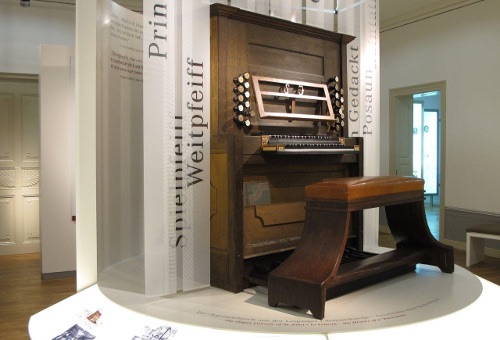
The Organ console from Johanniskirche, St. John’s Church, which Bach was known to have tested and played after its installation.

In addition to his work as Cantor, Bach was also a respected organist and harpsichordist. He was involved in the design and construction of several organs in Leipzig’s churches. In particular, St. Thomas Church (Thomaskirche) and St. Nicholas Church (Nikolaikirche) both have strong associations with Johann Sebastian Bach.

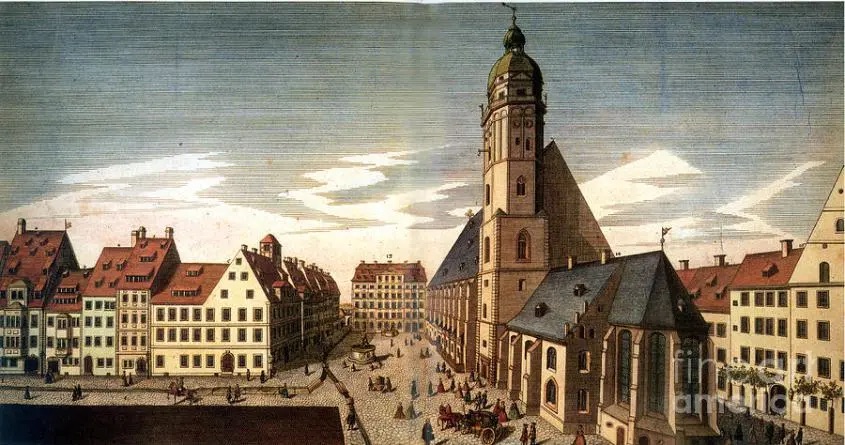
St. Thomas church

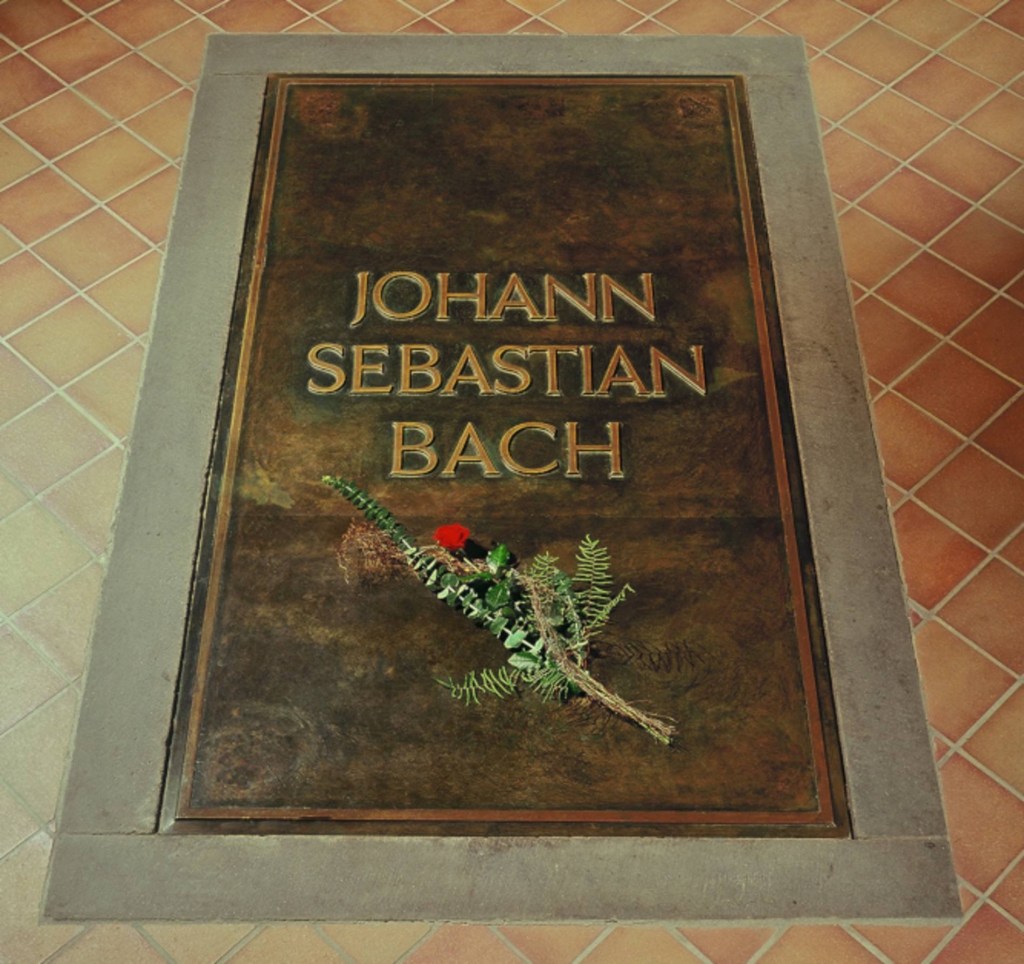
At St.Thomas Church, Bach served as the music Director (Thomascantor) from 1723 until his death in 1750. Many of his most famous works, including the St. Matthew Passion, were premiered at the church. He is buried in the church crypt and his grave is marked with his name as the sole inscription. ‘Joh. Sebast Bach’. The crypt was not the original resting place for his bones as his body was originally buried in an unmarked grave in the cemetery of St. John’s Church (Johanniskirche). The church , which was located just outside the city’s Grimma Gate, was destroyed by aerial bombing during WW2.

Over time, the exact location of Bach’s grave was lost, but in 1894, church officials decided to search for Bach’s remains during renovations at the church. According to local lore, Bach was buried “six paces from the south door of the church,” and excavators focused their search in that area. On October 22, 1894, diggers found a plot that matched the description and discovered Bach’s oak coffin, one of only twelve oak coffins buried at the church in the year of Bach’s death. The bones were transported in an open zinc casket on the back of a handcart to St.Thomas Church. The remains were later confirmed to be those of Bach through various analyses, and in 1950, 55 years after the discovery, Bach’s remains were reinterred at St. Thomas Church in Leipzig, to commemorate his role there as Cantor.

Here lies….

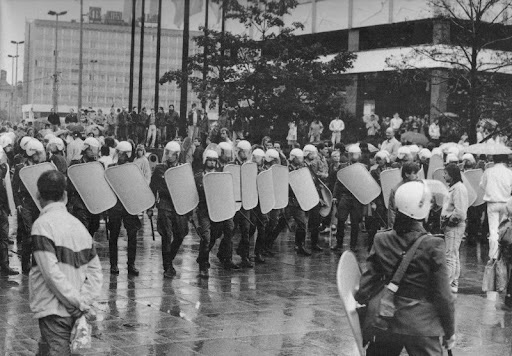
However it was St. Thomas Church which was to play a key role in the protests against the Soviet controlled German Democratic Republic (‘GDR’) in 1989. The protests began in September 1989 with a weekly prayer service at St. Nicholas Church. Protesters gathered in front of the church and marched to Augustusplatz, where they held peaceful candlelit demonstrations to demand democratic reforms and the right to travel freely. These peaceful demonstrations, known as the “Monday demonstrations,” grew in size and intensity over the following weeks, with tens of thousands of people taking to the streets to call for freedom and democracy.

Leipzig demonstration

On October 9, 1989, the largest of these demonstrations took place, with over 70,000 people marching through Leipzig’s streets. The GDR security forces did not intervene, marking a turning point in the protests. Within weeks, the Berlin Wall fell, and the East German government collapsed.

Leipzig’s role in these events is often referred to as the “Peaceful Revolution” and is considered a key moment in the broader movement for freedom and democracy in Eastern Europe.

Leipzig played a crucial role in the fall of the GDR, as it was the site of peaceful protests that eventually led to the opening of East Germany’s borders and the end of communist rule.

Despite attempts by the East German authorities to suppress the protests, they continued to grow in size and spread to other cities across East Germany, leading to the eventual reunification of Germany.

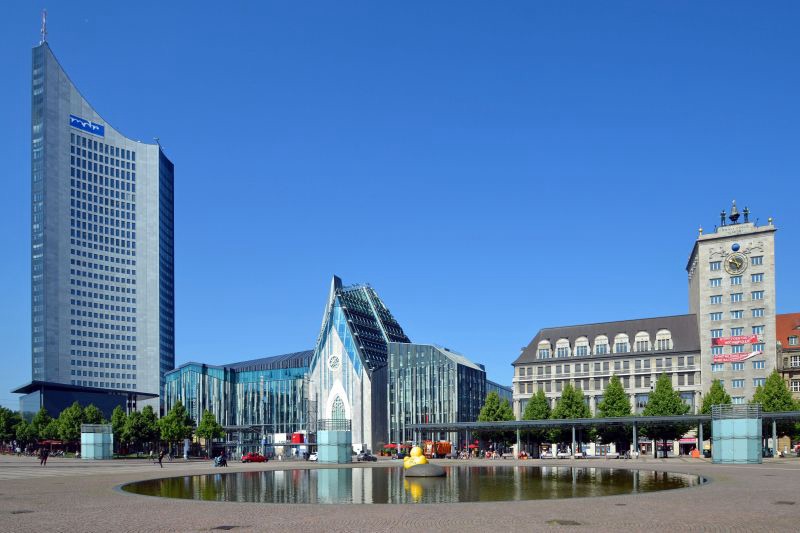
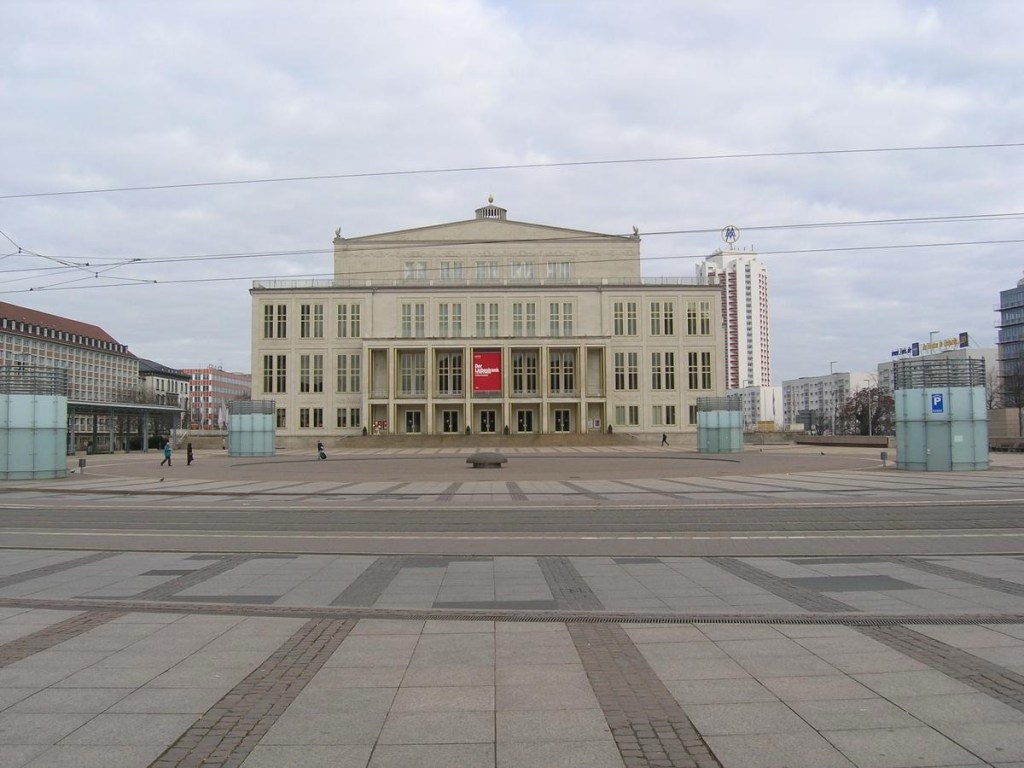
Those original protesters in September 1989 had headed away from St. Nicholas Church to Augustusplatz, the most important public space in Leipzig. The square is surrounded by a jumble of disparate architectural styles culminating in the monolithic Opera House which stands at the northern end of the square.

Augustplatz

The history of the Leipzig Opera House is one of destruction and reconstruction. The original venue, known as the Oper am Brühl, was built in 1693 and opened its doors that year. Unfortunately, this original opera house was found to be in a dangerous state in 1719, leading to its closure in 1720 and demolition in 1729. A new venue was eventually built in 1842 (‘the Semperoper’) but this was destroyed by fire in 1869.

The original Leipzig opera house, known as the Oper am Brühl, was built in 1693 and opened its doors on May 8th of that year. Unfortunately, the original opera house was found to be in a dangerous state in 1719, leading to its closure in 1720 and demolition in 1729. It took a while for a new opera house to be built in the city, the Semperoper which was constructed in 1841 but destroyed by fire in 1869. A further opera house was created, the Neues Theater which served as the city’s premier music venue until it too was destroyed during the air raids of World War II in 1943.

The Neues Theater hosted many famous musicians and performers, including Richard Wagner, who premiered his opera “Die Meistersinger von Nürnberg” at the theater in 1868. Other notable musicians who performed at the Neues Theater included Giuseppe Verdi, Pyotr Ilyich Tchaikovsky, and Johannes Brahms.

After the destruction of the Neues Theater during the war, it was not until 1960 that a new opera house, the current Leipzig Opera, was built on Augustusplatz.

The Leipzig Opera House was the only new opera building constructed in East Germany during the 41 years of the GDR regime, and it remains an important, if somewhat unsightly, cultural landmark in the city today.

The Opera House in Leipzig

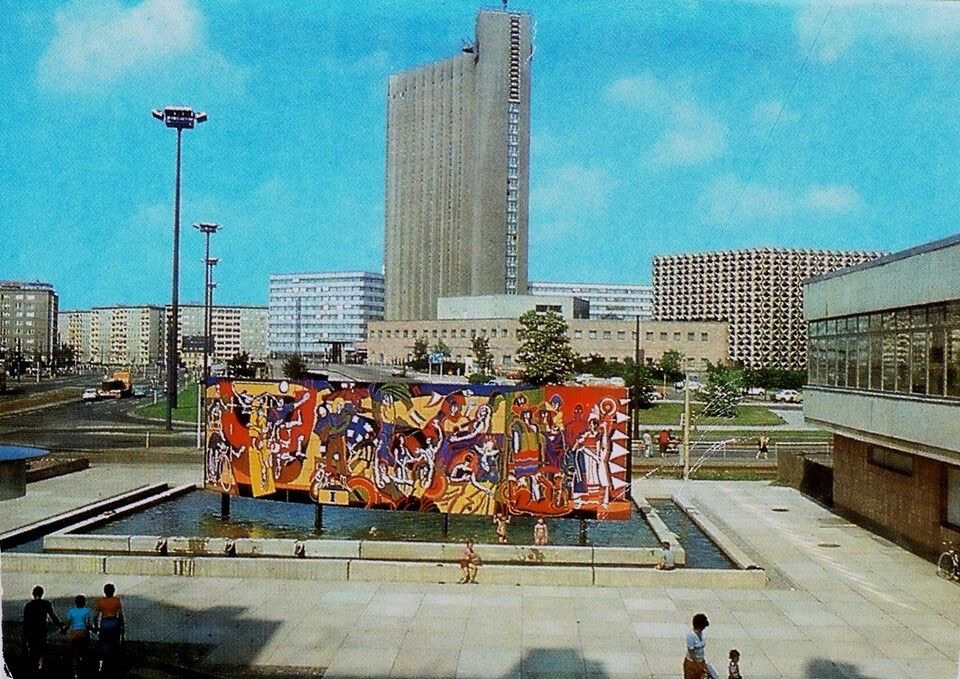
The opera house was designed in the socialist modernist (aka socialist realist) style that was prevalent in East Germany and elsewhere in the Soviet controlled territories of East and Central Europe during the 1950s and 1960s. Monumentality, uniformity, a functional design and simplicity are all key characteristics of the style, one you can see embodied not only in the opera house in Leipzig but also in the Palace of the Parliament in Bucharest, the Stadthalle in Chemnitz (formerly Karl-Marx Stadt) and the Palace of Culture and Science in Warsaw.

Old post card view of Chemnitz with the StadtHalle to the rear on the right

Leipzig declined as a city during the Communist years but is now very much on the up, especially with the young and creative who are flocking to a city dubbed the ‘new Berlin’ for its arts scene, cheap rents and overall ‘vibe’. To date it has avoided obvious gentrification with the negatives that process entails although how long the city can avoid the pitfalls of ‘hip’ popularity which have befallen other cities.

In particular, the city’s local authority has been especially supportive of the arts and it has helped to create an environment where creativity and innovation can flourish by providing funding and resources to help transform former industrial sites into creative hubs. It has also encouraged the development of new art galleries and exhibition spaces. As a result, the city is attracting artists from all over Germany and elsewhere in Europe with its affordable studio space. In particular, the Leipziger Baumwollspinnerei is especially noteworthy in this respect. It is a 10-hectare industrial site in the city’s Lindenau district where over 100 artists’ studios and eleven galleries and exhibition spaces, with approximately 120 independent artists creating their work on the site. Resident artists pay rent to have a studio or exhibition space at the Leipziger Baumwollspinnerei. The rents are comparatively low with some paying around 200 Euros per month for a shared studio. Other noteworthy creative spaces include the Taptenwerk, with its mix of galleries, workshops, Westwerk with its artist’s studios and Monopol, the former liqueur warehouse which now houses painters, actors, musicians with it’s pertinent motto of ‘leben, kunst and gutes karma’ (‘love, art and good culture’). Leipzig seems to be avoiding (at least for the present) the fate which has befallen other former creative hot spots such as London and New York when the onset of gentrification is so advanced, only the wealthy can afford to live in formerly bohemian neighbourhoods, where your neighbours are no longer writers per se but copywriters.

Leipziger Baumwollspinnerei

Alongside its art scene, Leipzig is home to a proud coffee house culture which, although far less vibrant than a city like Vienna, are still great places for both a kaffee and. Leipziger Lerche, a ubiquitous treat in the city of shortcrust pastry filled with crushed almonds, nuts and strawberry jam. Although Bach’s favourite coffee house in the city, Cafe Zimmermann (where several of his work including the Coffee Cantata were first performed) is no more, there are still around 11 popular cafes and coffee roasteries in the city.

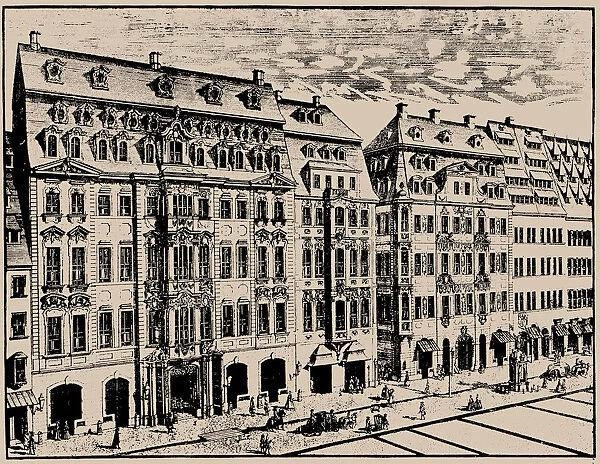
Cafe Zimmerman

Our favourite coffee house is the Cafe Riquet in the centre of Leipzig, standing as it does between car parks. The surrounding area, like much of Leipzig, was heavily bombed during World War II. The cafe itself suffered significant damage, with large parts of the pagoda and first floor being burnt. However, the building was able to survive the war, and was eventually restored to its former glory.

Cafe Riquet

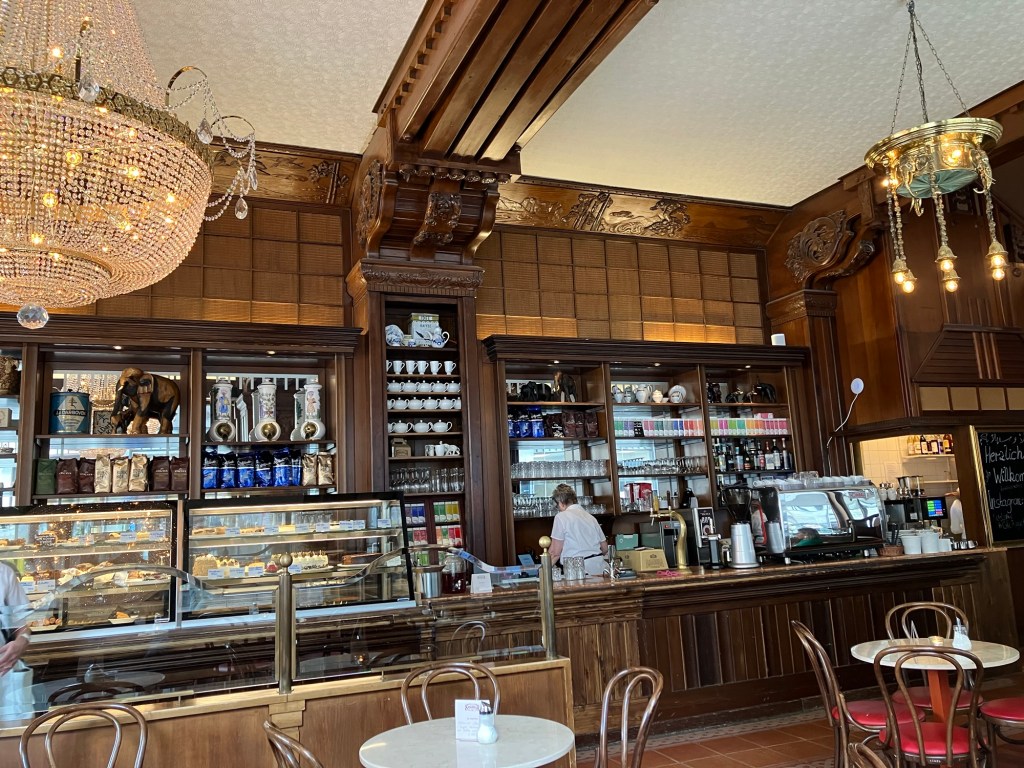
The original Cafe Riquet in Leipzig was founded in 1745 by a French Huguenot named Jean George Riquet. He established Riquet & Co, a company that specialized in importing exotic items like tea, coffee, and chocolate. The owner later included a public coffee dispenser and the cafe grew from that. The current building, with its two elephant sculpture heads flanking the entrance, was built in 1908. The interior features ornate wooden carvings, vintage furniture and wooden panels that create a warm atmosphere and a place to linger, especially on a cold day.

The interior

The café is known for its speciality coffee (variously Kaffee Riquet, Elefantenkaffee, and Pharisäer) and cakes, including, of course the Leipziger Lerche.

Food wise, whilst you can eat well in Leipzig (and the city has no shortage of Munich style beer halls), overall other German cities we have visited recently (e.g. Kőln, Hamburg and Munich) have a far more diverse restaurant scene in our opinion.

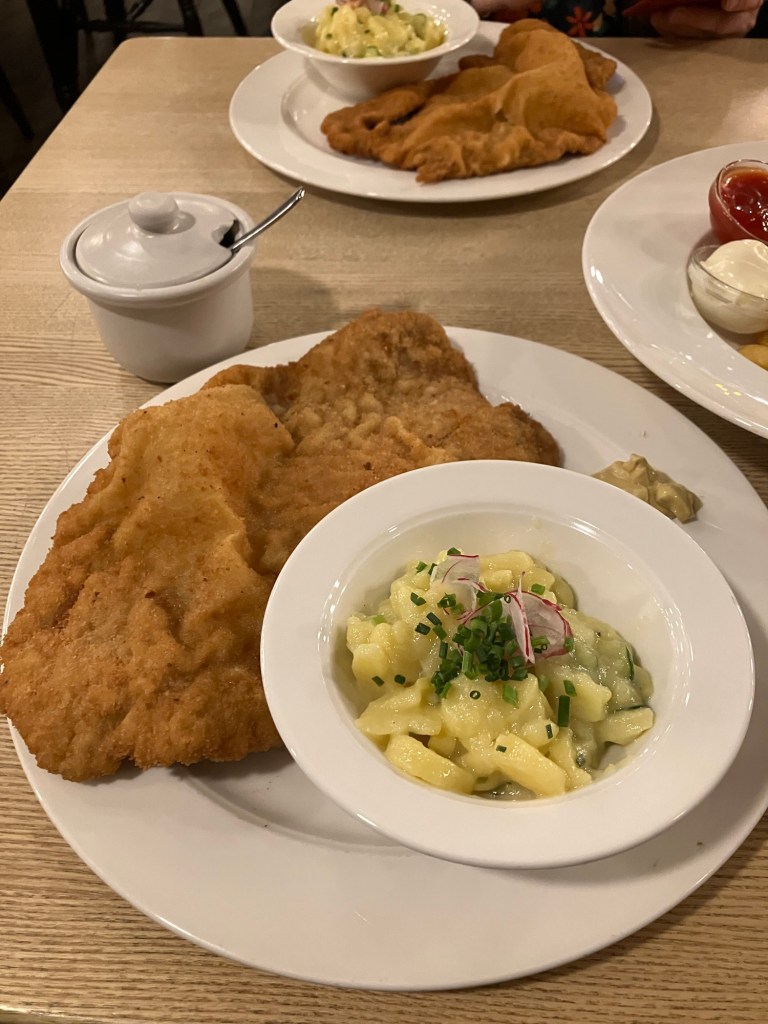
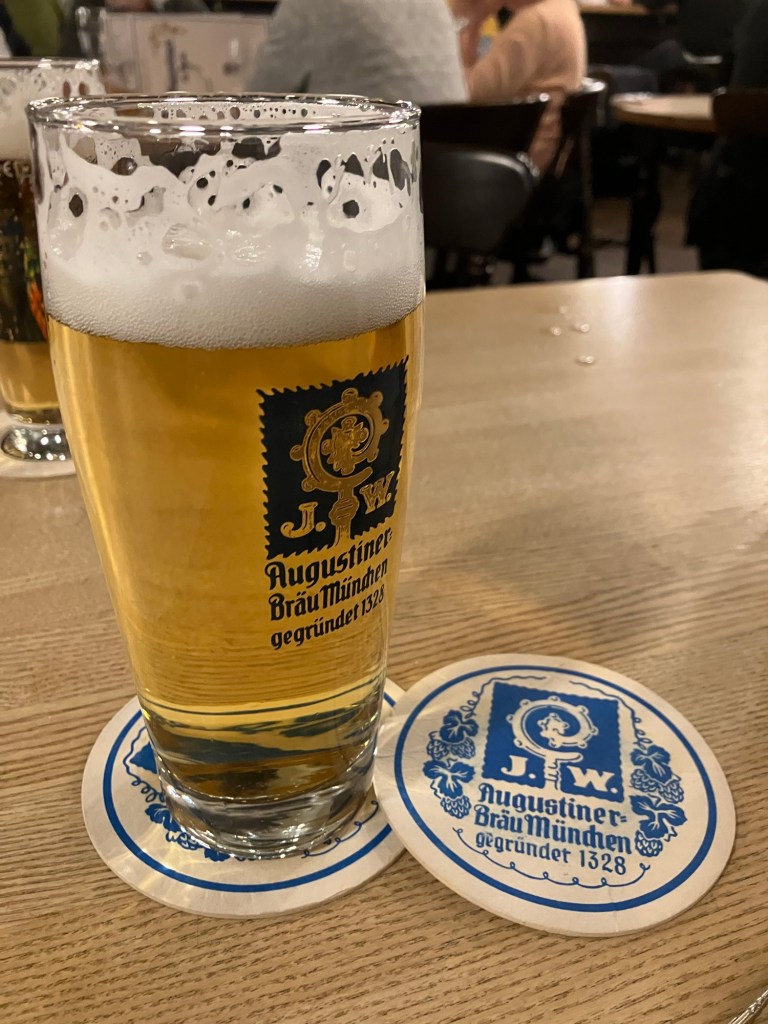
Still, if you want a schnitzel and a beer…..

Schnitzel and potato salad
Prost!

Manchester, Hong Kong and Jamaica

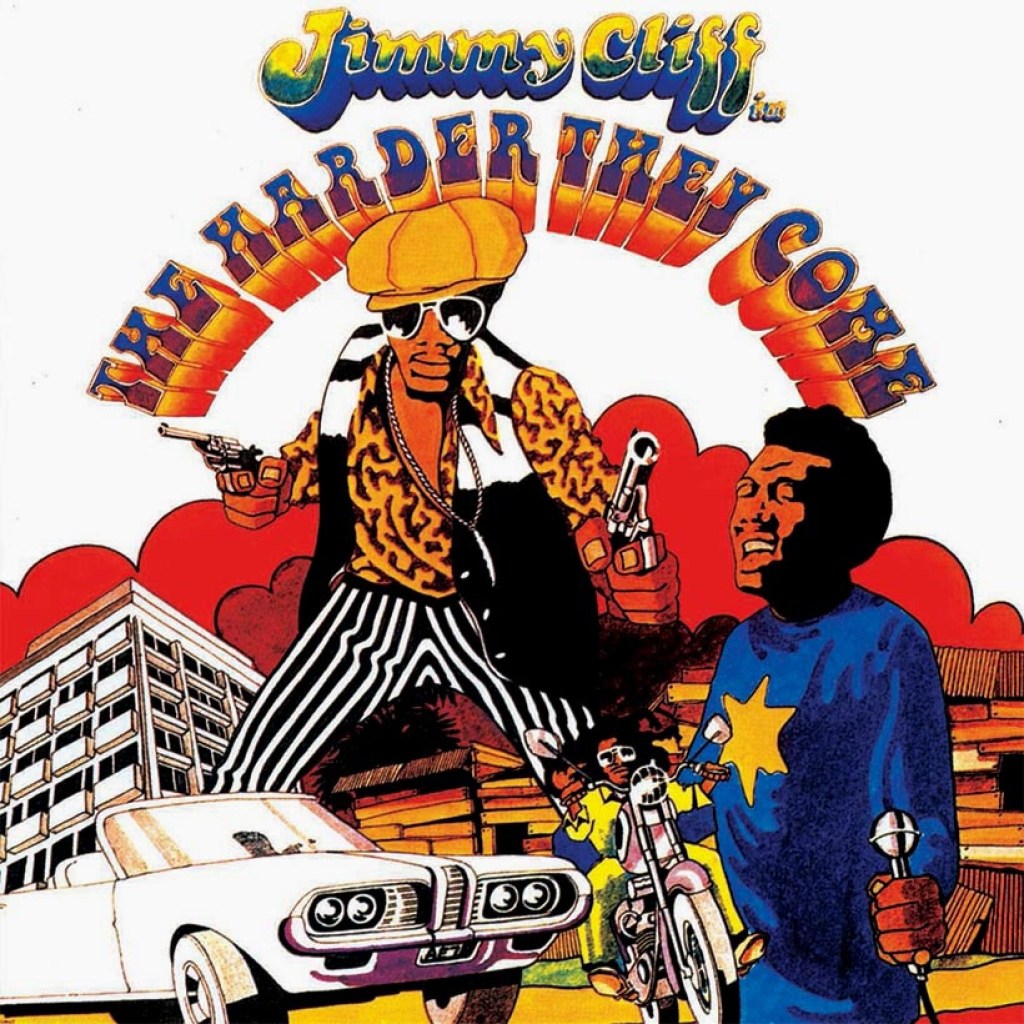
The soundtrack of this seminal Jamaican film was produced by Leslie Kong

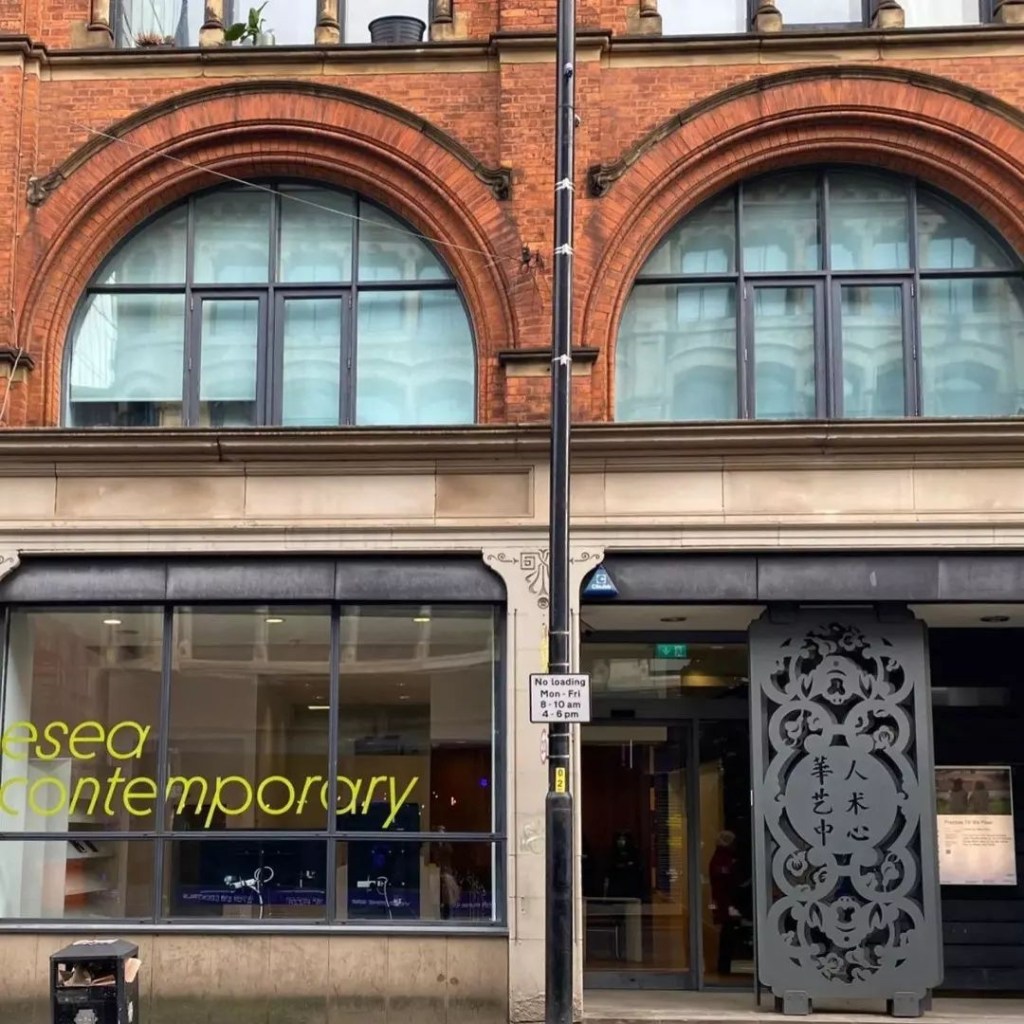
ESEA Contemporary is an art gallery in Manchester in the North of England that specializes in presenting and platforming artists and art practices that are informed by East and Southeast Asian (ESEA) cultural backgrounds. It is located in an award-winning building in the Northern Quarter part of the city and it is home to a diverse range of exhibitions, events, and educational programs that explore the unique perspectives and experiences of ESEA artists. ESEA Contemporary was previously known as the Centre for Chinese Contemporary Art, but it underwent a major rebranding in 2022 to better reflect the diverse range of cultures and identities represented by the artists it works with.

ESEA Contemporary Chinese Arts

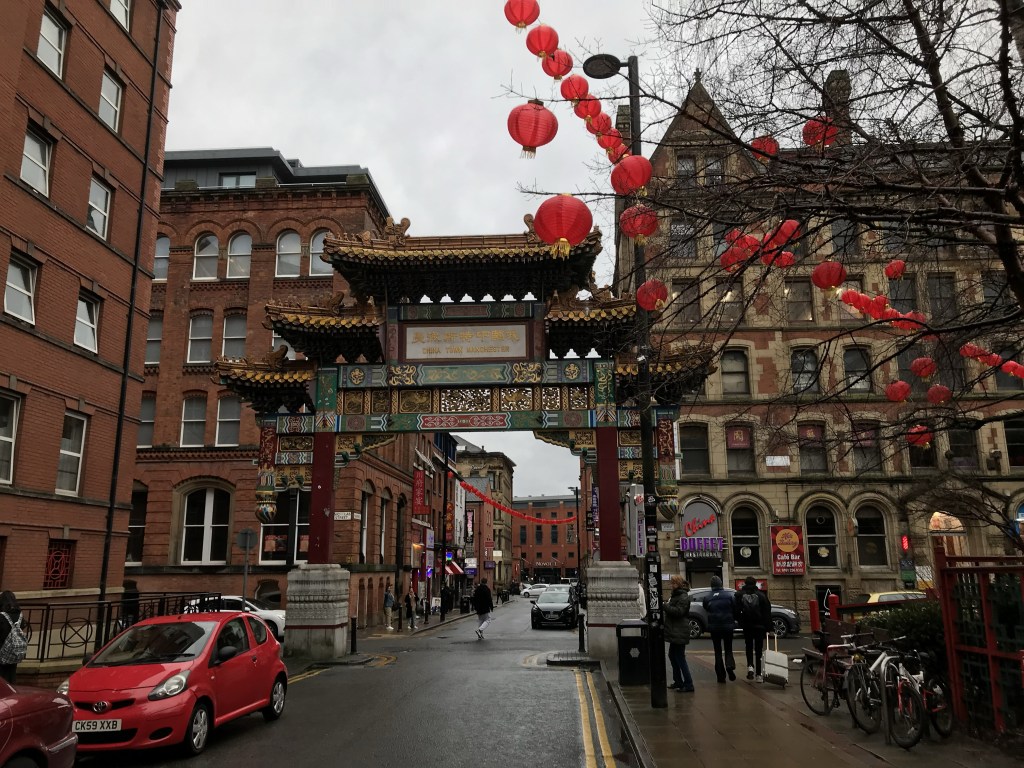
Manchester has a significant Chinese community, and it has been a hub for Chinese immigration to the UK for many years. The city’s Chinatown is one of the largest in Europe, and is home to many restaurants, shops, and cultural institutions. The Chinese community in Manchester is very diverse, with people from different regions of China and different generations, and they have made a significant contribution to the city’s culture and economy. There are also several Chinese community organizations and cultural events, such as the annual Chinese New Year celebrations, which help to promote Chinese culture and traditions in the city.

Chinatown in Manchester under the grey skies

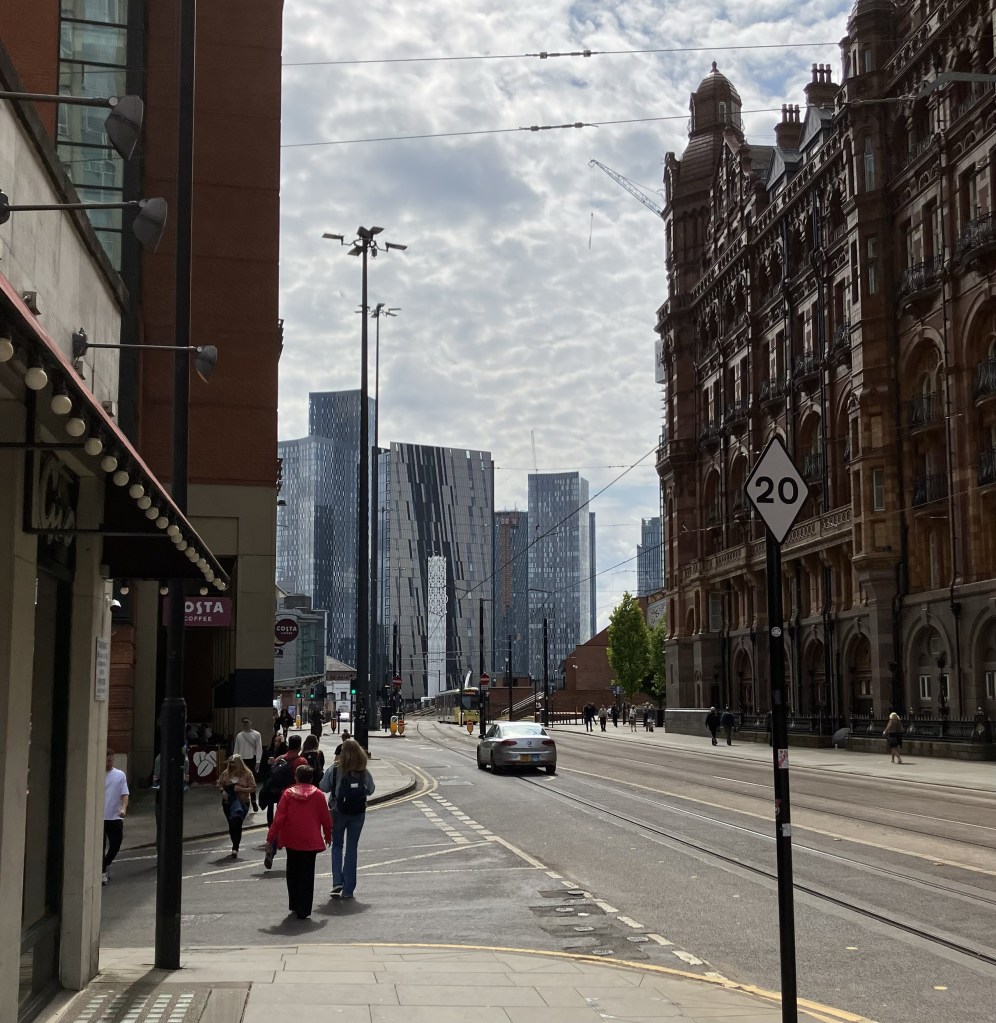
In addition, there has been significant Chinese investment in Manchester in recent years. China has been looking to expand its investment in the UK, and Manchester has been one of the key targets for investment. One of the largest investments has been in real estate development, with Chinese firms investing in luxury apartments, office buildings, and mixed-use developments in the city. Chinese companies have also invested in infrastructure projects, such as transportation and renewable energy, in the Manchester area. There has also been investment in the education sector, with Chinese companies supporting local universities and colleges.

A growing skyline

There had also been a significant influx of people from Hong Kong settling in Manchester in recent years. In fact, Manchester is now considered one of the top destinations for Hong Kong migrants in the UK. The UK government has also created a new visa scheme specifically for Hong Kong residents which has made it easier for them to move to the UK, including Manchester and other parts of the North West such as Liverpool, bringing their culture and art with them and enriching their adopted homeland accordingly.

Artist Dinu Li

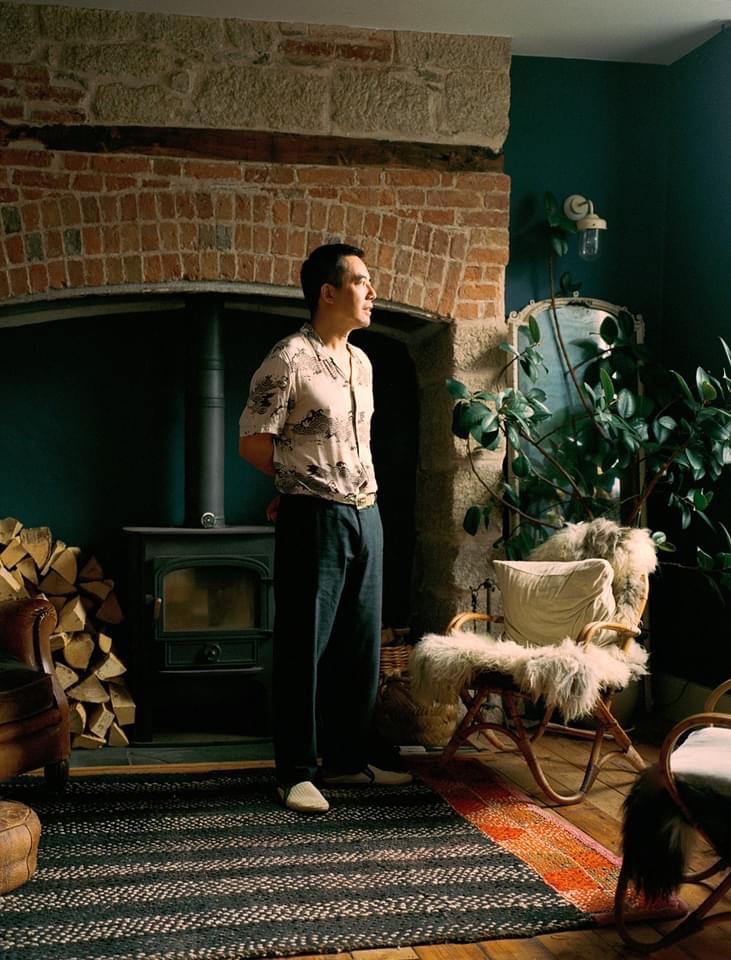
Dinu Li is an artist who was born in Hong Kong and who currently lives and works in Cornwall, UK. He graduated with a degree in photography from Liverpool John Moores University in 2001. Li’s work often explores the intersection of personal and cultural histories, and he works across a range of media, including moving image, photography, installation, and performance. He is particularly interested in how history and memory are constructed and how they can be reinterpreted through art. His work has been exhibited internationally, and he has had significant artistic recognition for his work.

Li is currently exhibiting at ESEA (‘A Phantom’s Vibe’).

The exhibition’s guide pamphlet provides the following background information:-

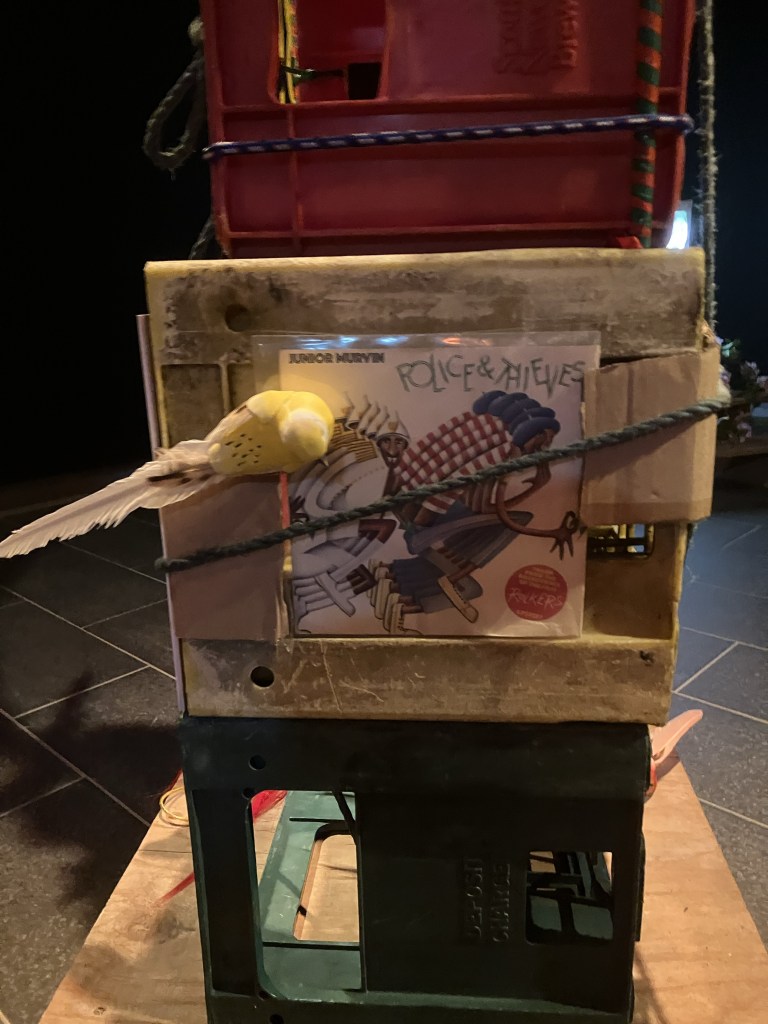
Li’s work in the exhibition, combines autobiographical allegories with a tapestry of cultural influences. Visitors are taken from the night markets of Hong Kong to the blues parties of Hulme* and Moss Side* via Jamaican recording studios, owned by the descendants of Chinese indentured labourers**. The reggae classic ‘Always Together’ *** runs through the heart of the exhibition, where music becomes a medium for cultures to meet, mix, and become hybrid.

Dinu Li, Reggae
and Hong Kong
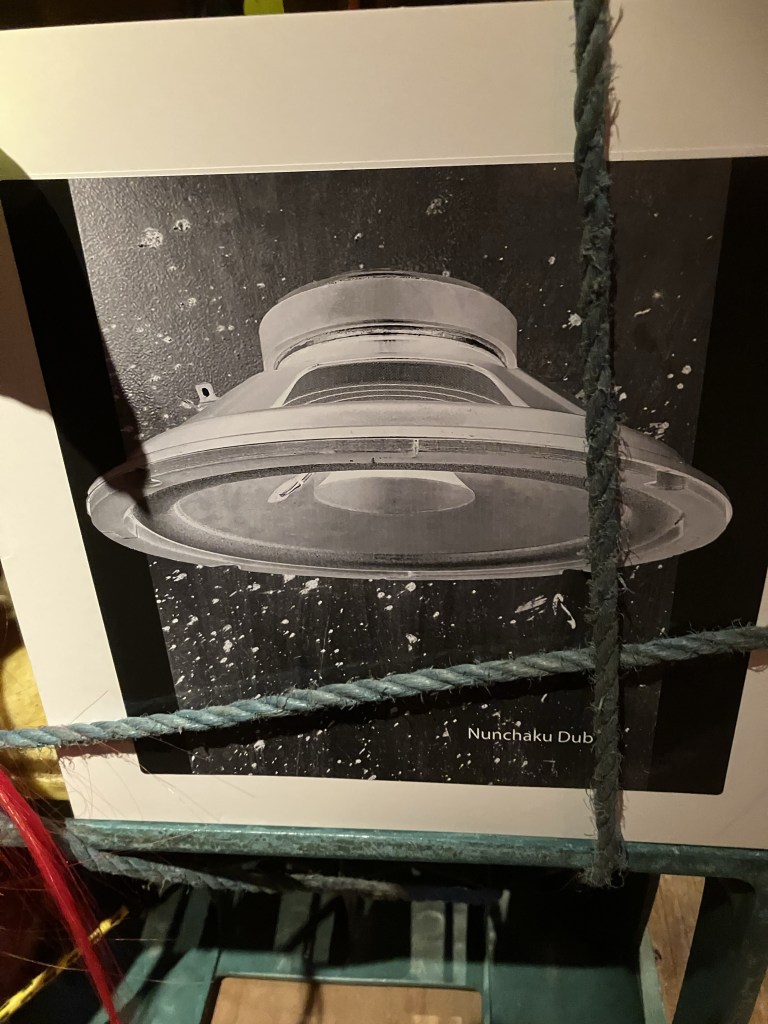
Dinu Li, Reggae
and Hong Kong
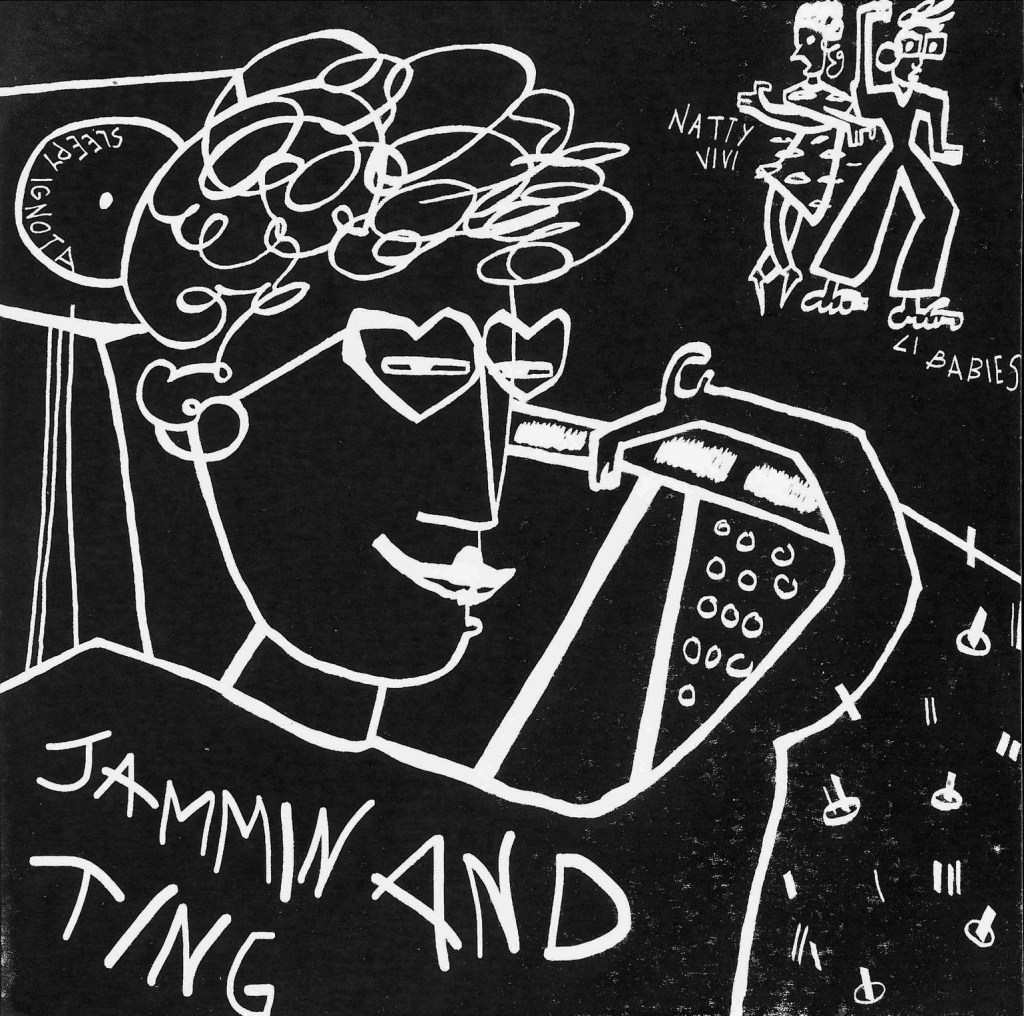
Dinu Li, Reggae
and Hong Kong

As a child wandering through the working – class districts of Hong Kong, Li overheard ‘ Always Together’*** by Stephen Cheng mistaking it for a Chinese folk classic. Years later, this song, unexpectedly, repaired, like a phantom at one of the inner–city blues parties**** Li frequented during his 1980s, Manchester youth, and decades after that, the song once again re-emerged on YouTube. The song soundtracks Dinu Li’s exhibition.

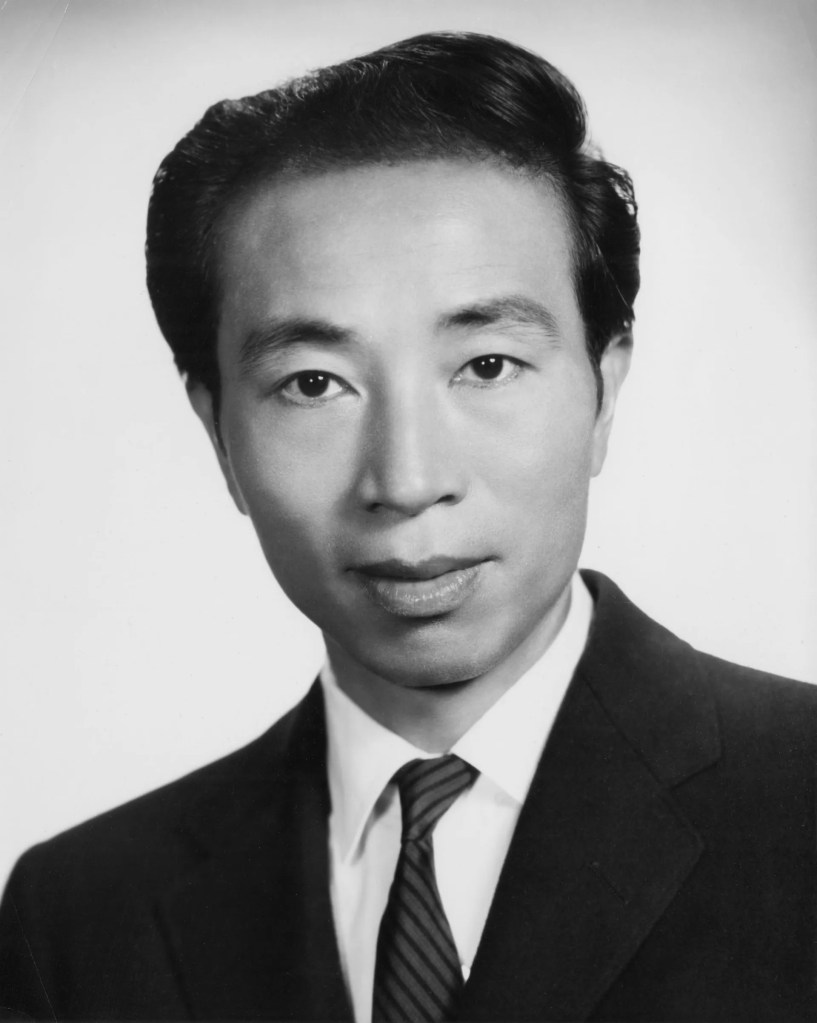
Stephen Cheng

It wasn’t until much later that Li learned that the song was actually recorded in Jamaica in 1967, in one of the small number of Chinese recording studios*****, some of which helped shape the sounds of key artists such as Dennis Brown and Augustus Pablo. Through his work tracing the history of early reggae, Li’s exhibition,’ A Phantom’s Vibe’, serves as a means of unearthing, the underrepresented history of the Chinese in Jamaica, subverting mainstream cultural hegemony.

*Hulme and Moss Side are districts of Manchester where many members of the city‘s Afro-Caribbean community live.

** Chinese people first started coming to Jamaica around 1850 when they arrived on the island mostly as indentured labourers, brought by the British from China to work on the sugar plantations to replace the unpaid labour of the island’s black population following the end of slavery. Indentured labour is a form of debt bondage whereby the labourer ‘agrees’ to work for no pay for a number of years to pay off the cost incurred in their migration to the Caribbean.

*** ‘Always Together’ is a reggae record recorded in 1967 in Jamaica, by the Chinese singer Stephen Cheng (misspelled as ‘Chang’ when the record was released). The song is unusual because although the title is in English, the song itself is sung in Chinese with the lyrics originating from “Alishan Girl,” a Taiwanese folk song, which dates back to the 1940s. The track was put together by Stephen Cheng and the Jamaican musician and producer Byron Lee (himself of a Jamaican Chinese background) when Cheng visited the island from his home in New York.

**** after hours parties often playing reggae in peoples homes or basements etc.

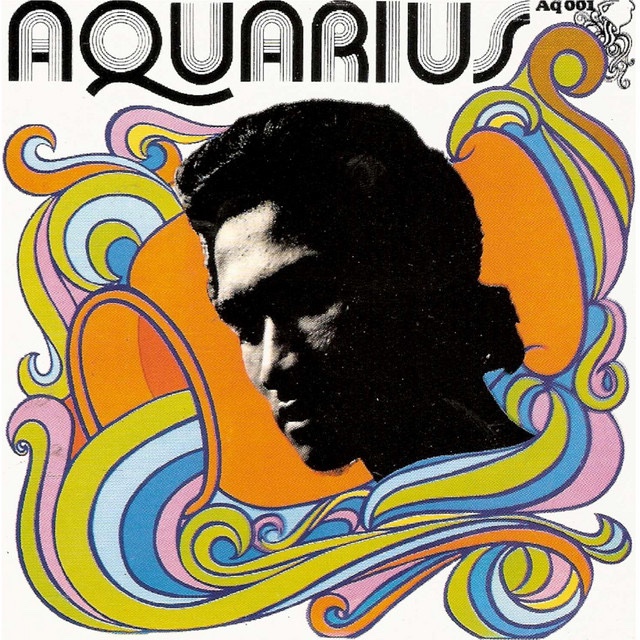
***** several Jamaicans with Chinese roots played a key part in the development of the island’s beloved popular music, reggae and it’s older sister, rock steady. They established some of the first record shops and studios on the island, providing a platform for emerging reggae artists to record and distribute their music. Jamaicans of Chinese origin in the music industry included Vincent and Patricia Chin who created the influential VP Records, Leslie Kong of Beverley’s Records (the producer of the legendary soundtrack to ‘The Harder They Come’), Herman Chin-Loy of Aquarius records (who produced what was arguably the first dub album, ‘Aquarius Dub’ in 1974) and the Hookim brothers who owned Channel One studios where they created the radical ‘rockers’ sound which dominated the Jamaican music scene in the late 1970’s.

The Hookim brothers at Channel One produced this rockers classic in 1976
Herman Chin-Loy created arguably the first ever Dub album in 1974

The installation highlights how the music and culture of reggae have been adapted and reinterpreted in Hong Kong, and how they have provided a means for people to express their identity and resistance in the face of colonialism.

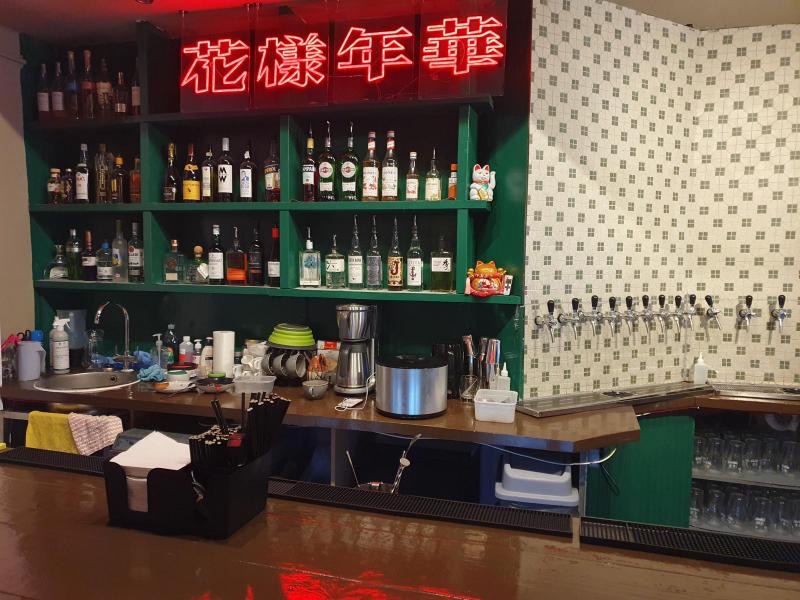
Harcourt bar in South Manchester

The Harcourt bar in southern Manchester is named after Harcourt Road in Hong Kong. This road is in turn named after Sir Cecil Harcourt, who was a British colonial administrator in Hong Kong in the early 20th century. The bar is inspired by Hong Kong culture and cuisine, and the menu features authentic Hong Kong street food. It has picked up justifiably rave reviews.

The bar was created and opened by a married couple from Hong Kong, Priscilla So and Brian Hung. They were inspired by their experience working in the craft beer industry, as well as their love of Hong Kong culture. The bar is designed to be a modern take on a traditional Hong Kong-style pub, with a focus on craft beer and Hong Kong-inspired food. The bar offers a variety of Hong Kong-style dishes, including bars snacks prawn toast and smashed cucumber as well as a wide selection of craft beers.

Before opening the bar, Brian took up a position as a barrel ageing manager for the independent Manchester based Cloudwater brewery. The bar wisely stocks, a range of award winning Cloudwater beers (see https://cloudwaterbrew.co).

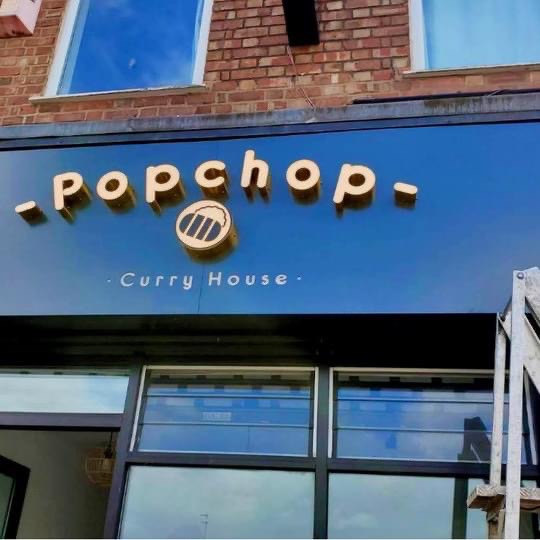
Popchop in East Manchester

The influence of emigres from Hong Kong on Manchester’s food scene continues apace with the likes of Popchop Curry House in the east of the city. Popchop serves up Hong Kong style curried meats and rice to a fanatical clientele. The owner came to Manchester from Hong Kong a couple of years ago, His recipes are based on his father’s renowned restaurant Sun King Yuen in the Wan Chai district of Hong Kong which is which is famous for its curry dishes.

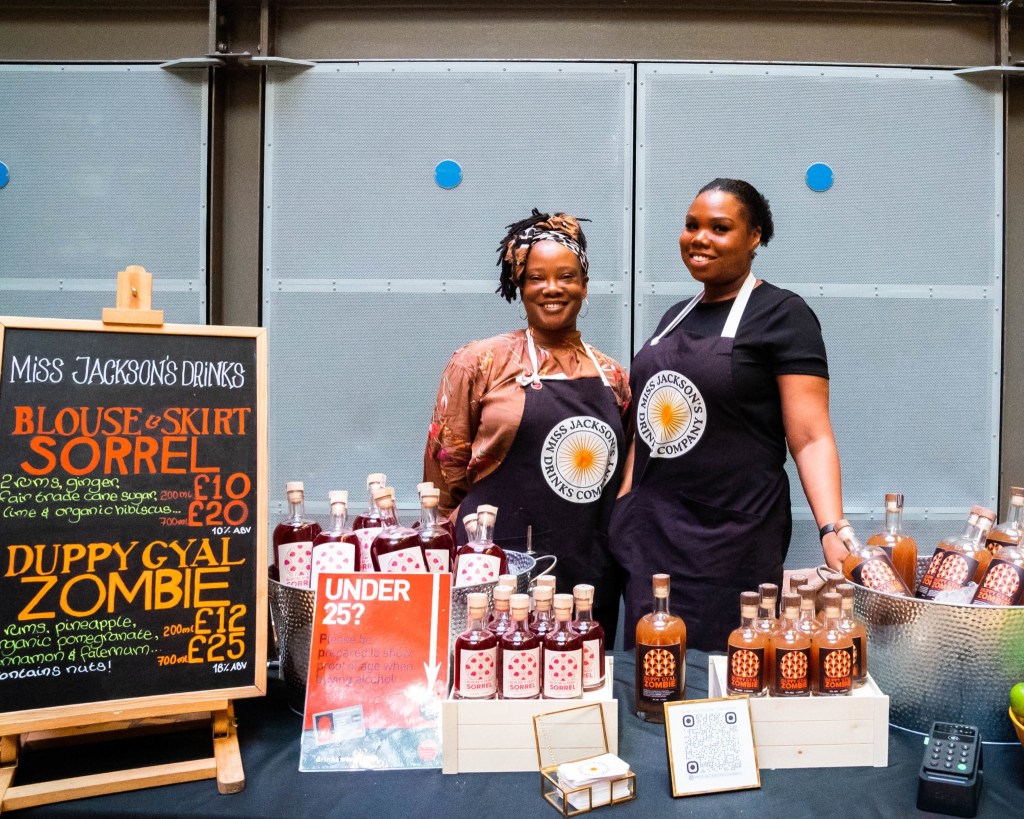
And turning to the Caribbean influence on food culture in the city we must mention Miss Jackson’s Drinks Company, a relatively new venture based in Manchester which was set up by two sisters.

‘Miss Jackson’s Drinks’

Their website at https://www.missjacksonsdrinks.com comments:

‘The story starts with us, two Jackson sisters from South Manchester. Inspired by our Caribbean heritage, we sustainably source the bright flavours of Jamaica and shake them down with premium spirits’

The sisters have created and marketed two liqueurs to date, Duppy Gyal Zombie and our favourite, Blouse and Skirt Sorrel.

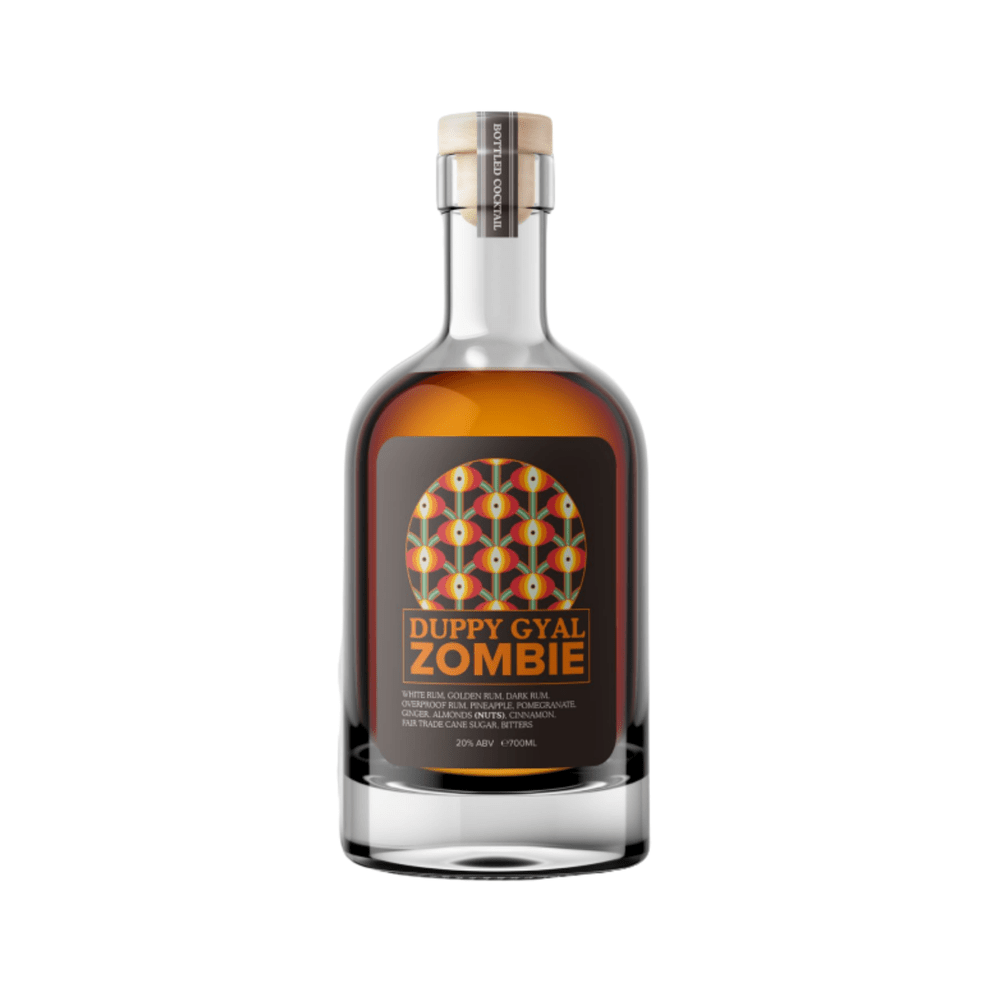
Duppy Gyal Zombie

Duppy Gyal Zombie is a combination of different rums with limes, pomegranate juice, pineapple and bitters.

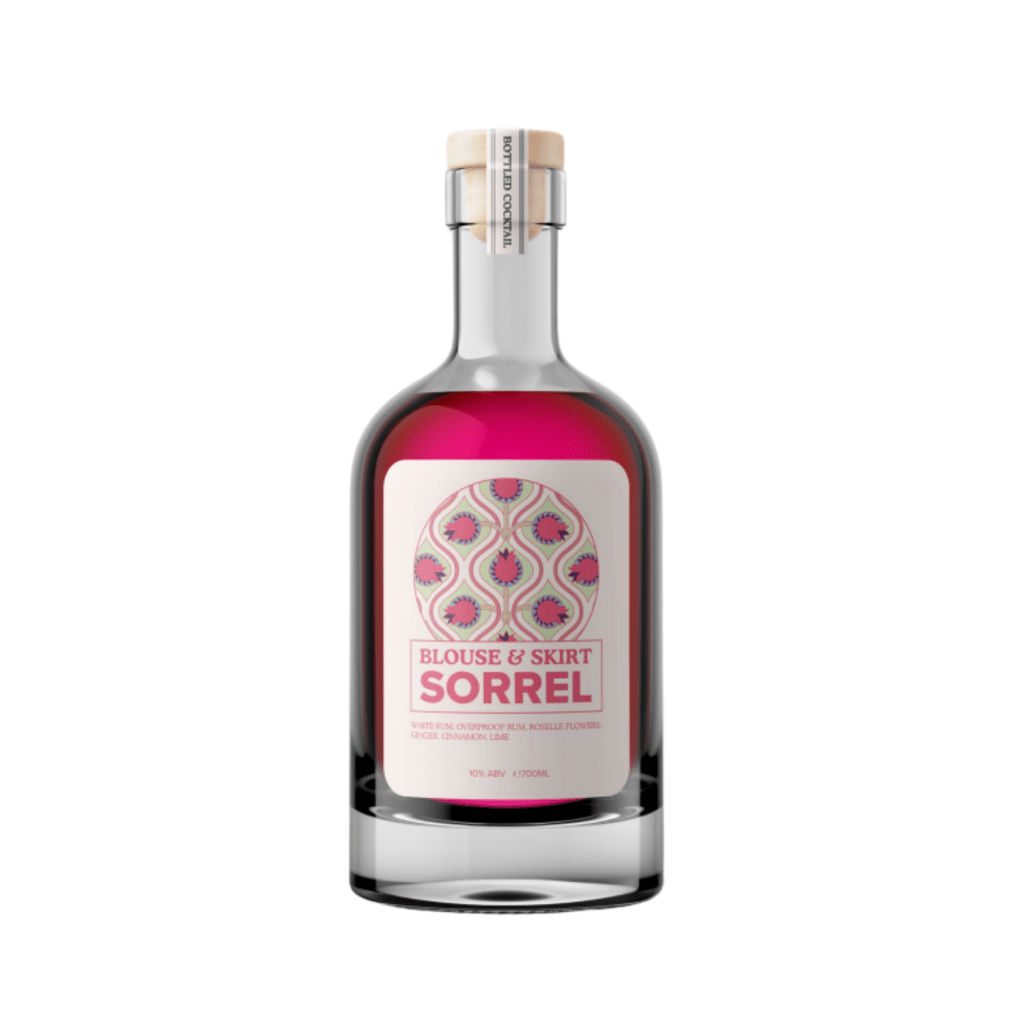
Blouse & Skirt Sorrel

Blouse and Skirt Sorrel is a combination of different rums, ginger, lime juice, cane sugar and of course, Sorrel. In Jamaica, ‘Sorrel’ are the dried flowers used to make a type of sweet hibiscus tea commonly made from the Roselle flower which is popular throughout the Caribbean and West Africa where the ‘red tea’ made from the flowers originates.

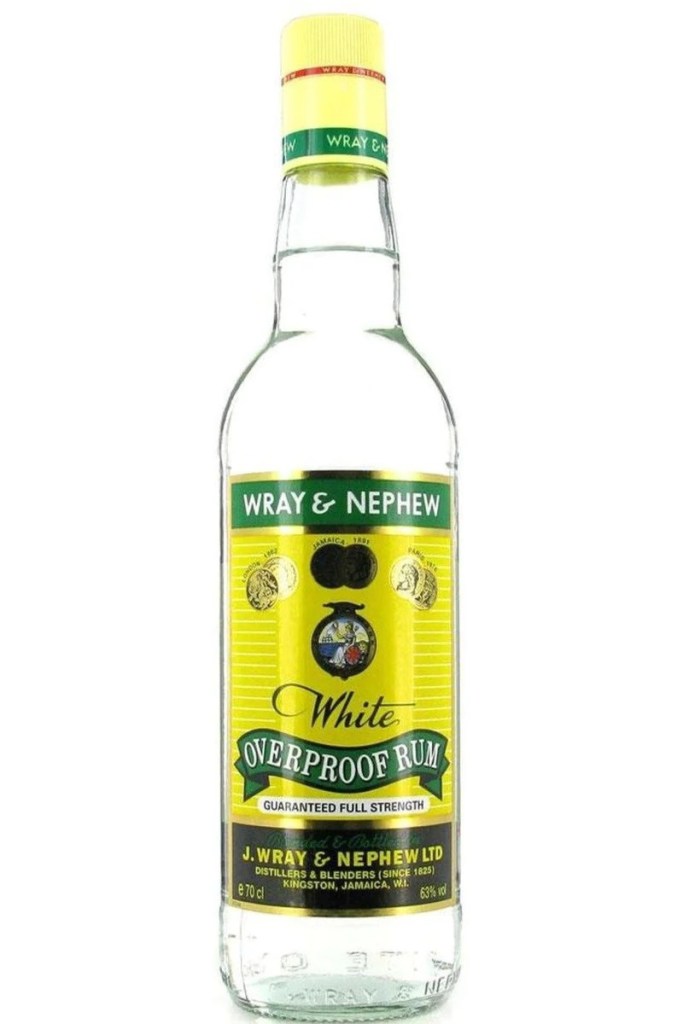
Overproof Jamaican rum

‘Take her to Jamaica where the rum come from

The rum come from, the rum come from

Take her to Jamaica where the rum come from

And you can have some fun’