

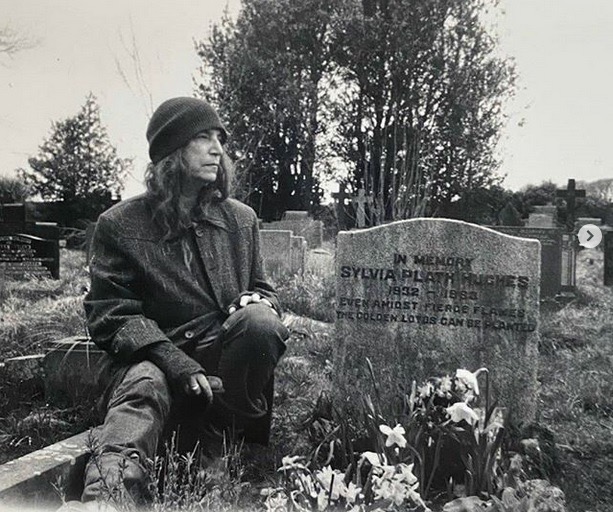
Court Green is a house in the county of Devon in the far south west of England. It was the home of poets Ted Hughes and Sylvia Plath. Plath wrote most of her celebrated Ariel collection of poems whilst living with Hughes at Court Green. When the couple separated, Plath moved to London with her two small children to the house where WB Yeats had once lived. It was here that she committed suicide in 1963.
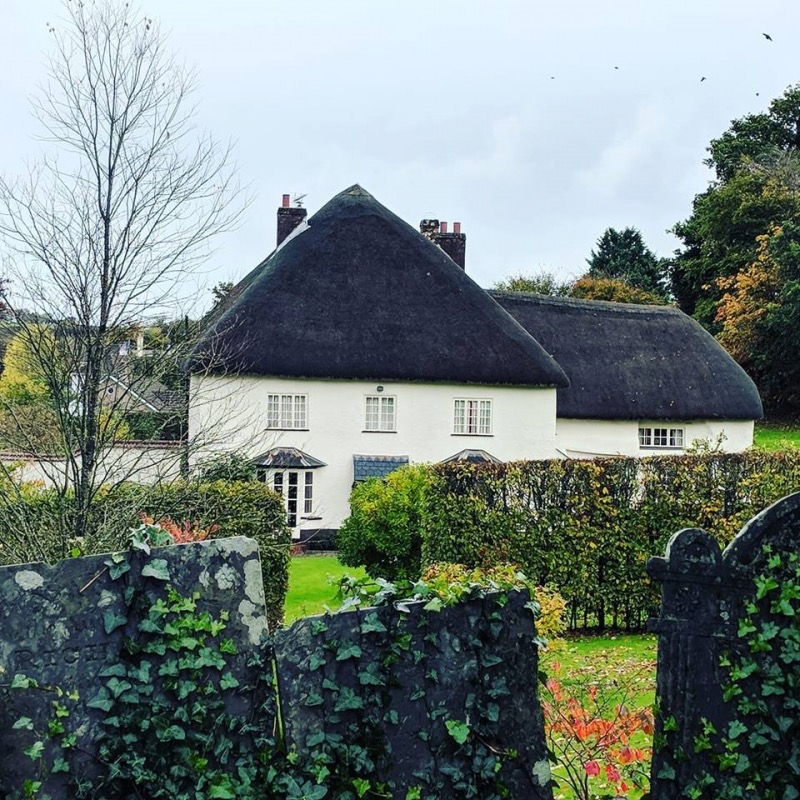
Hughes continued to live in the house until his death in 1998. A ‘secret’ stone memorial lays on a remote hillside on nearby Dartmoor. The memorial, especially requested by Hughes, lay undiscovered in its moorland location for years until it was uncovered by walkers. Although the memorial stone and its whereabouts were known to friends of Hughes, it’s exact location was kept secret to prevent it becoming a shrine to the poet.
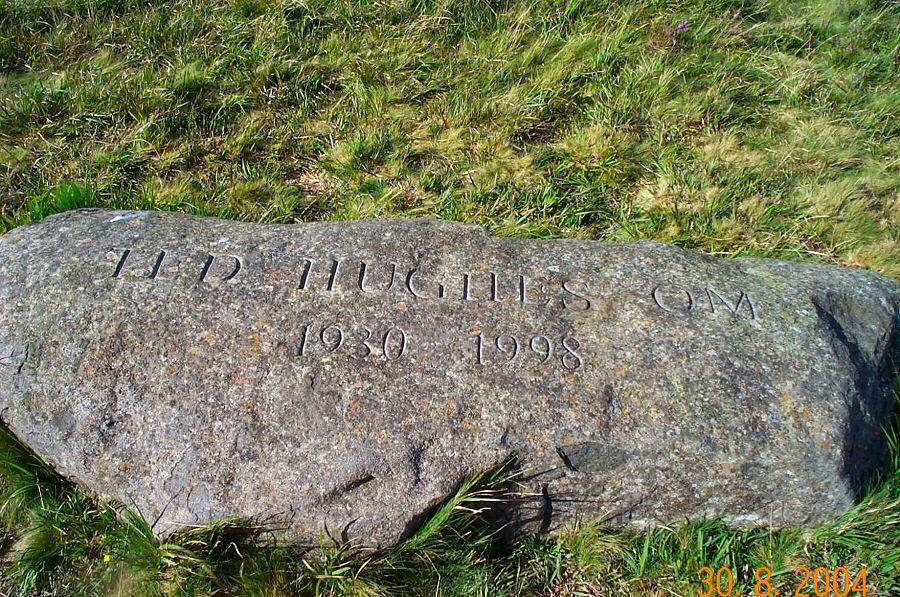
By way of a contrast, the grave of the poet’s former wife, Sylvia Plath is very much a shrine to the late author, attracting visitors from across the world.
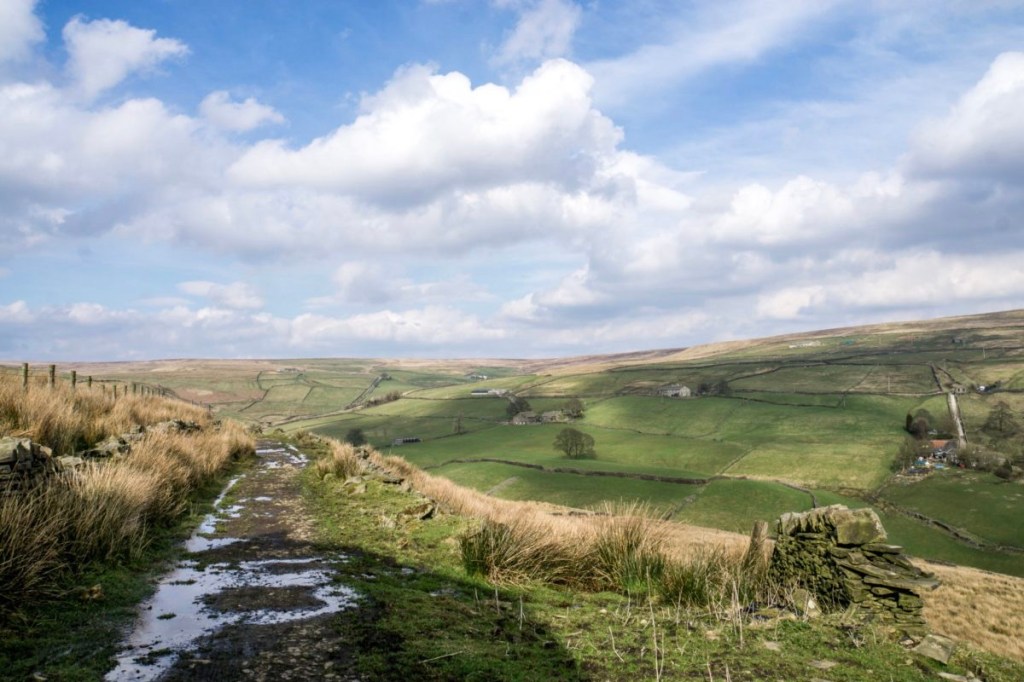
Sylvia Plath is buried in St. Thomas’ Churchyard in the village of Heptonstall in West Yorkshire. The village lies above the historic town of Hebden Bridge. It is surrounded by rugged moorland. Although she had separated from Hughes at the time of her death, they were not divorced. Hughes was from the village of Mytholmroyd near to Heptonstall, and he chose the latter as the site of her burial.
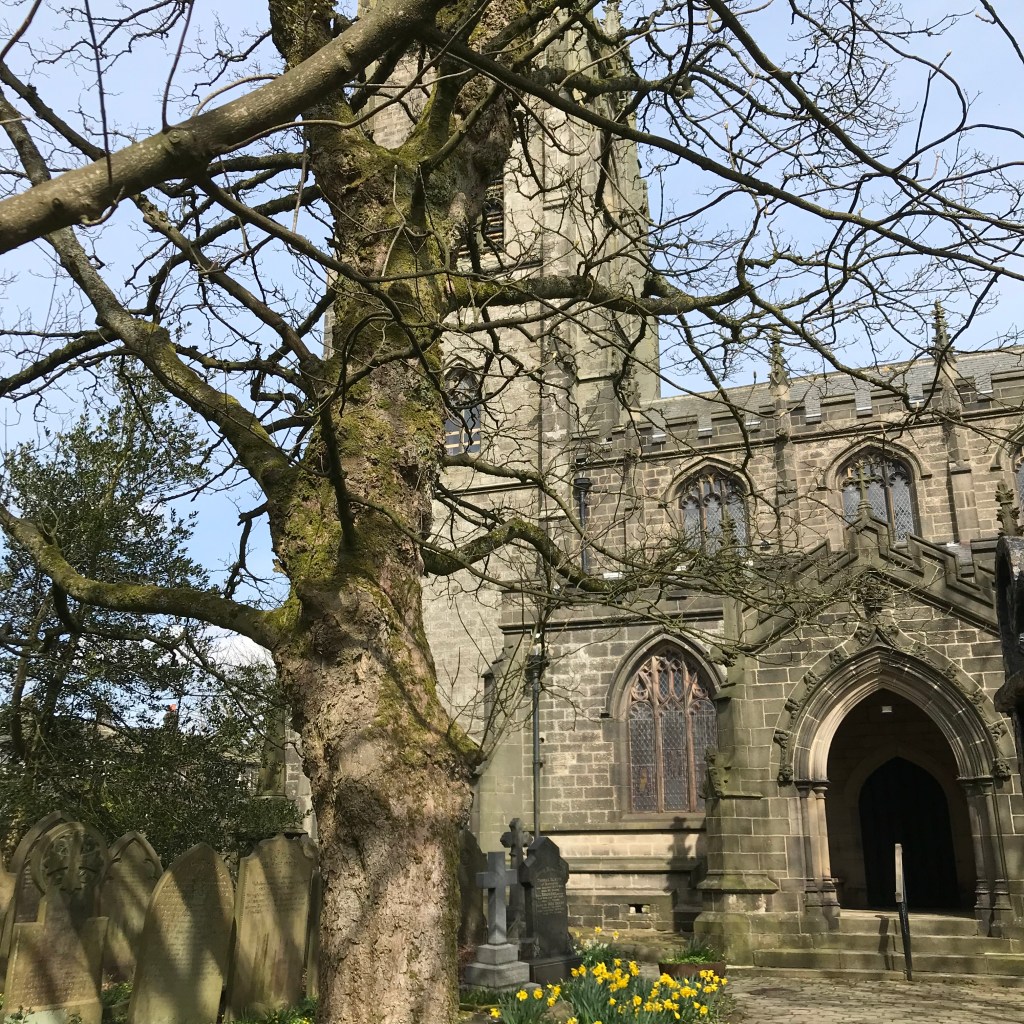
Heptonstall is, a small, cobblestoned settlement of a couple of pubs, a post office , a gift shop and a great café for coffee and cakes. It is a mixed community made up of those from the locale and incomers to the area attracted by the village’s picturesque beauty.

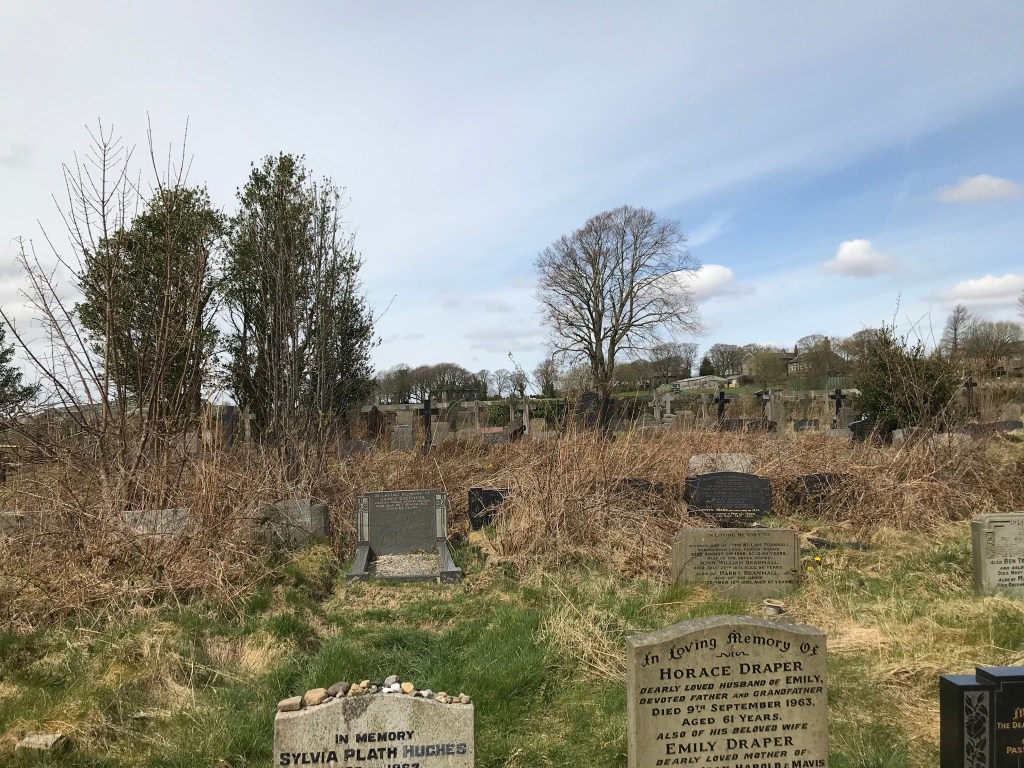
Sylvia Plath’s grave can be found in the New Cemetery which is to the left of the church. As you approach the headstones looking for her plot, an elderly gentleman called Stuart may well be waiting close by to guide you to the site. He is a charming, helpful individual who has lived in the village his whole life. He knew the Hughes family and although he did not know Sylvia Plath, his care in maintaining her grave and his assistance to the many admirers of her work who come from far and wide to visit the site, has earned him the gratitude of her surviving daughter Frieda (Plath’s son Nicolas committed suicide in Alaska in 2009). Stuart keeps a record of the number of visitors to the site and where they are from. As well as visitors from the UK, well wishers from all over the world (especially the US) make their way to the grave, many leaving a pen in a container under the headstone which has been left there for that purpose.
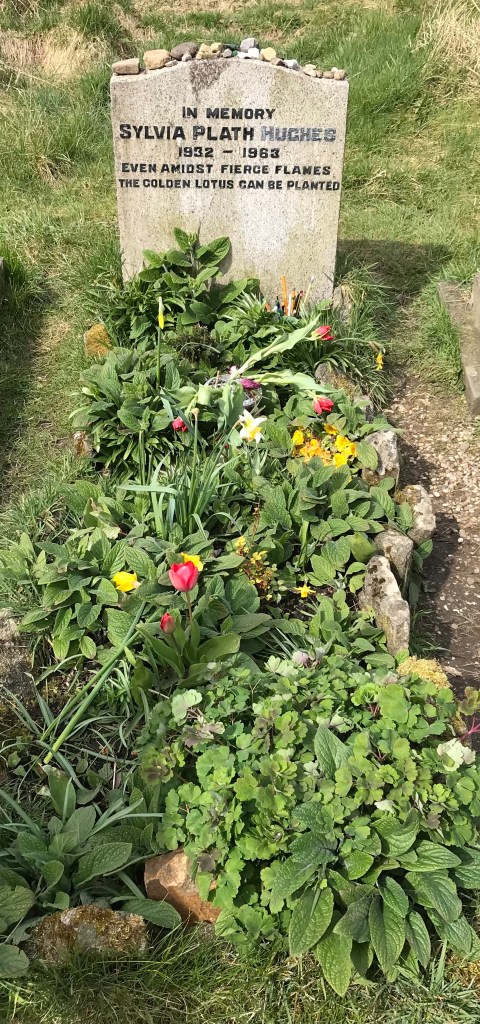
When we visited, the full name Sylvia Plath Hughes was clearly visible on the headstone although the name Hughes appeared to be somewhat faded. Stuart explained that some admirers of the poet blamed Ted Hughes for her suicide and tried to deface the name Hughes on the headstone. Stuart had cleaned up their attempts and had been personally thanked by Frieda for his efforts apparently.
One American visitor is poet and musician Patti Smith who has made the journey to the grave several times. Her memoirs ‘M Train’ from 2015 recounts her three visits to Plath’s grave including one she made with her sister who was keen to visit nearby Brontë country, a location especially popular with Japanese visitors who are especially enamoured of the sisters.
Smith is reverential towards other great artists and her M Train memoir describes her visits to the Japanese gravestones of poet and ultra nationalist Yukio Mishima, Ryūnosuke Akutugawa, father of the Japanese short story, and the revered author Osamu Dazai. All three had committed suicide.

The grave of another American poet, Asa Benveniste also lies in the churchyard. His gravestone reads “Foolish Enough to Have Been a Poet”. Benveniste was not only a poet but a publisher as well. As the founder of the Trigram Press in London in 1965 he specialised in publishing the work of Beat Generation writers including William Burroughs and Gregory Corso.
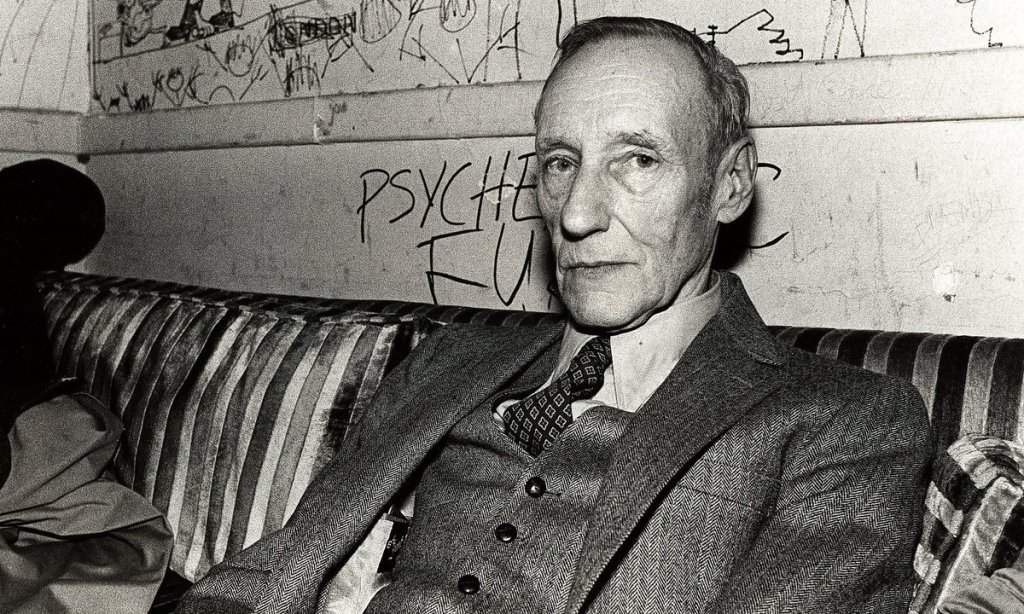
Patti Smith is a clear fan of the Beat writers. She told the Beatdom literary journal in 2012
‘I was very attached to William [Burroughs]. I knew Gregory, Gregory Corso, very well…
I was very privileged to know these people and I had different relationships with them all. Gregory was very, very important to me in my learning process of how to deliver poems live…and in my reading list.
But William was the one I was most attached to. I just adored him. I had sort of a crush on him when I was younger and he was very good to me.’
Asa Benveniste once ran a bookshop in the nearby town of Hebden Bridge, a cultural place in its own right. The town has an excellent venue in The Trades Club where many great performers (including Patti Smith) have played over the years.

We do not know whether Patti Smith visited the grave of Asa Benveniste when she visited Heptonstall as she does not mention the poet’s grave in her writing to the best of our knowledge.
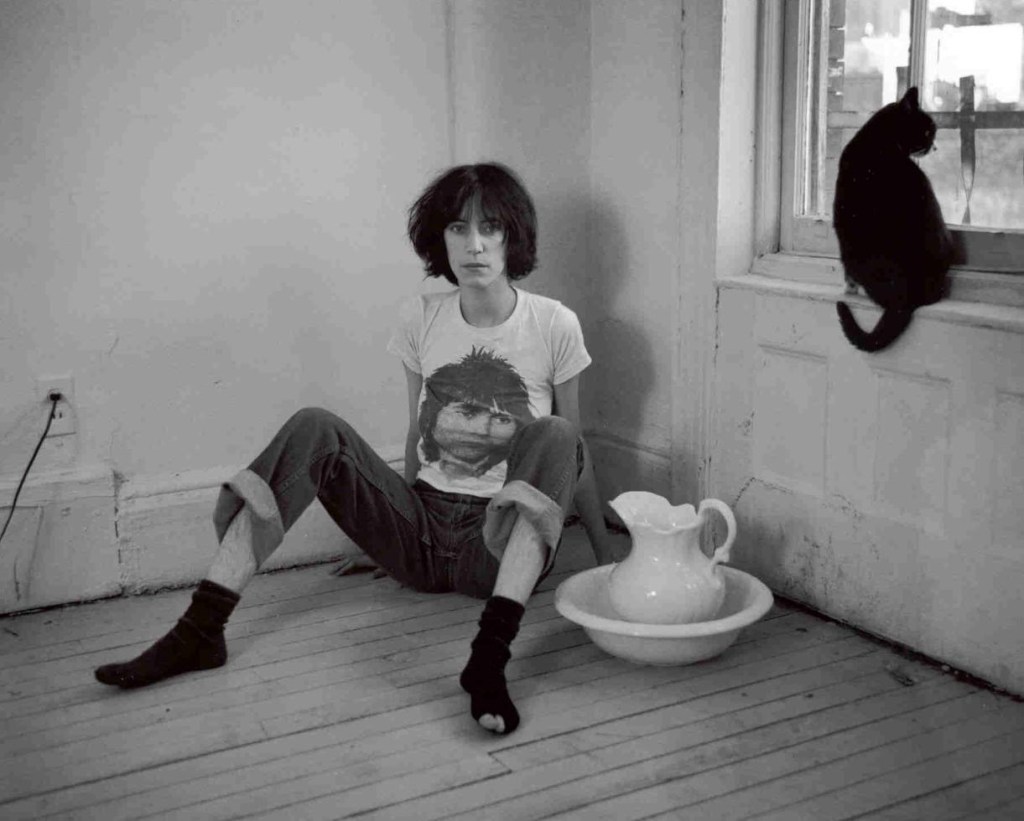
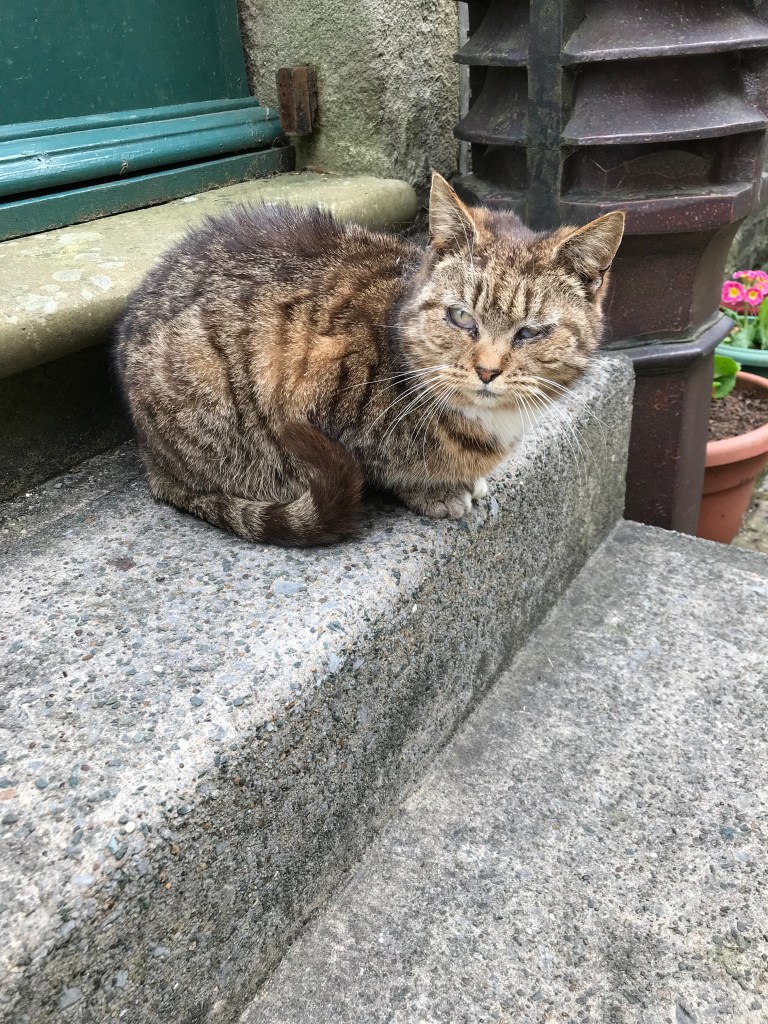
What we do know is that Patti Smith is, like us, a cat lover having kept the animals since childhood.
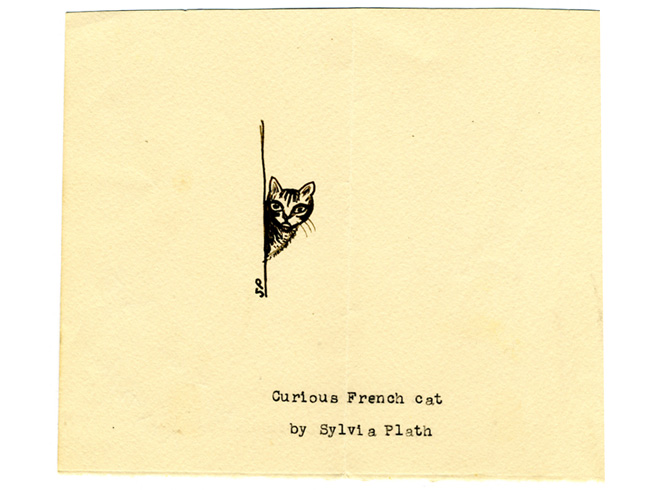
Sylvia Plath was certainly a feline admirer. As well as writing the poem ‘Ella Mason And Her Eleven Cats’ she created the following drawing in 1956.
The churchyard at St. Thomas’ is no stranger to cats. Whilst we stood before Plath’s headstone, a large black beastie who Stuart named as Otto was roaming through the graves a few feet away. When we approached him he slunk further into the brambles, his tail swishing behind him.
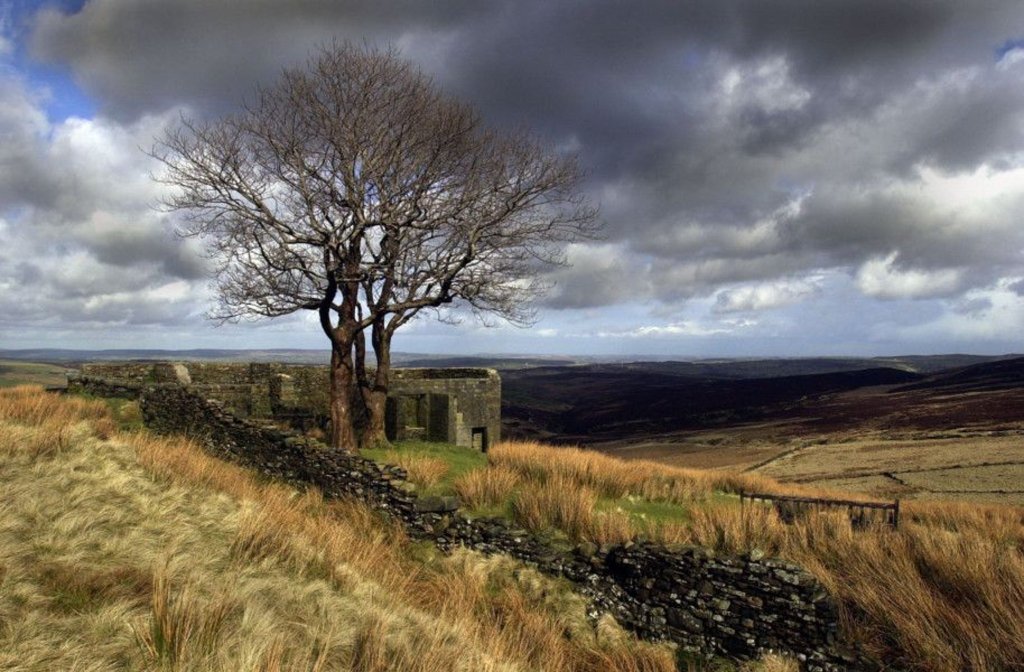
Sylvia Plath was both influenced by the wild Yorkshire moors and by the Brontë sisters and Wuthering Heights in particular. The Brontë family home was at Haworth, a few miles from Heptonstall.
Plath wrote the following in a letter to her mother in the US in 1956 after a visit to the moors and the Brontë home in Haworth in 1956.
‘I never thought I could like any country as well as the ocean, but these moors are really even better, with the great luminous emerald lights changing always, and the animals and wildness. Read Wuthering Heights again here and really felt it this time more than ever. ‘
After visiting the grave on an especially bleak winter’s day, Smith made the following comment in her excellent book M Train:
It was such a desolate place in winter, so lonely. Why had her husband buried her here? I wondered. Why not New England by the sea, where she was born, where salt winds could spiral over the name PLATH etched in her native stone?
In an extract from her Journals, Plath describes the moors in a way that only someone who loves them can:
‘…..across the slow heave, hill on hill from any other direction across bog down to the middle of the world, green-slimed, boots squelchy – brown peat – earth untouched except by grouse foot – bluewhite spines of gorse, the burnt-sugar bracken – all eternity, wildness, loneliness – peat-colored water – the house – small, lasting, pebbles on roof, name scrawls on rock – inhospitable two trees on the lee side of the hill where the long winds come, piece the light in a stillness. The furious ghosts nowhere but in the heads of the visitors & the yellow-eyed shag sheep.’
In 1961 Plath wrote her own poem entitled ‘Wuthering Heights’ an extract from which reads
The sky leans on me, me, the one upright
Among all horizontals.
The grass is beating its head distractedly.
It is too delicate
For a life in such company;
In 2013 Patti Smith played a small acoustic set at the Brontë schoolroom in Haworth in aid of the Brontë society. She is an enthusiastic admirer of the sisters as is her own sister, Linda who also visited at the time. She gave a ‘shout out’ to Wuthering Heights’ Heathcliff and Cathy at the gig apparently.
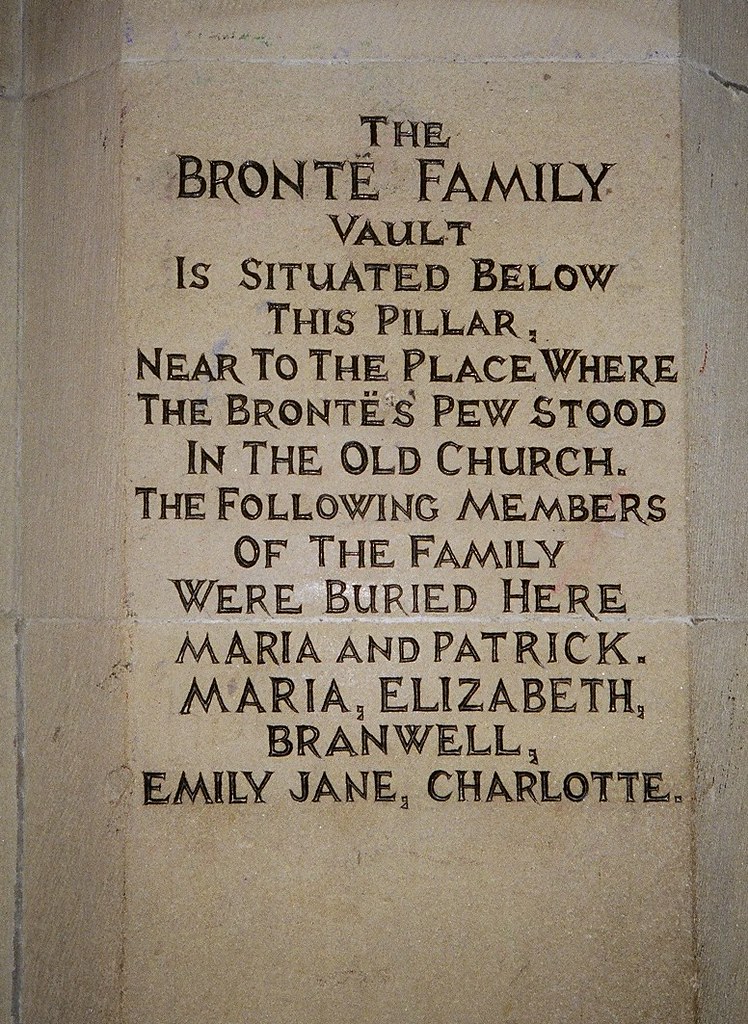
Emily Brontë is buried in the family vault at St. Michael and All Angels’ Church, Haworth.
The village of Heptonstall and the adjacent town of Hebden Bridge are a part of the Upper Calder Valley which includes Cragg Vale which is situated high on the Pennine moorland.
Cragg Vale has two breweries, Vocation (www.vocationbrewery.com) and the Little Valley brewery (www.littlevalleybrewery.co.uk).
Our favourite brews locally are the Little Valley beers. The brewery has been around since 2005 when it was formed after a Dutch farmers son met a Geordie lady (i.e someone from Newcastle in the North East of England) whilst cycling in Kathmandu.
Their beers are 100% organic and better tasting for it in our opinion.

With all these words about poets, Japan, beer and cats, we thought we would ‘attempt’ a Haiku for you.
A Haiku
Wintry eventide
A tiny tabby cat purrs
Enjoying the beer

 FOOD, FILMS 'N' TINGS