To some in the West, Japan can seem like a land of cliches, no more so than with preconcoeved notions of it’s food.
Here are some of the more common misconceptions
All Japanese food is sushi: While sushi is indeed a popular dish, Japanese cuisine is incredibly diverse and includes a wide range of dishes that have nothing to do with sushi, such as ramen, udon, soba, okonomiyaki, and more.
Japanese food is always healthy: While many Japanese dishes are indeed healthy, there are also plenty of indulgent and unhealthy dishes, like ramen with its high sodium content, or fried foods like tempura and katsu.
All Japanese food is raw: While raw fish and seafood are popular ingredients in Japanese cuisine and sushi itself is much beloved in the country, the average Japanese person doesn’t eat sushi as often as one would think. In fact, most Japanese people eat sushi about 2-3 times a month, although this can vary depending on personal preferences and the season and it is hardly a staple of the daily diet for most people.
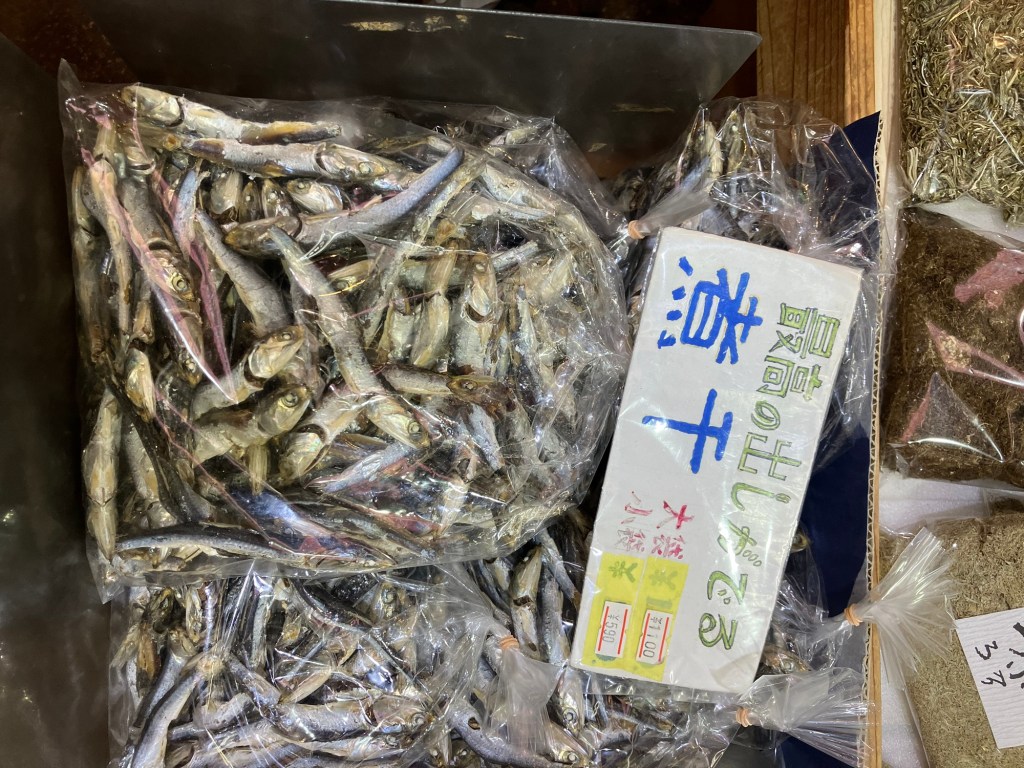
Westerners often perceive Japanese food, particularly high-end sushi and sashimi, to be expensive. This perception is fueled by the high prices found at upscale Japanese restaurants in Western countries, as well as media portrayals of luxurious Japanese dining experiences. Additionally, ingredients like fresh seafood and imported Japanese products can drive up the cost of Japanese cuisine outside of Japan.
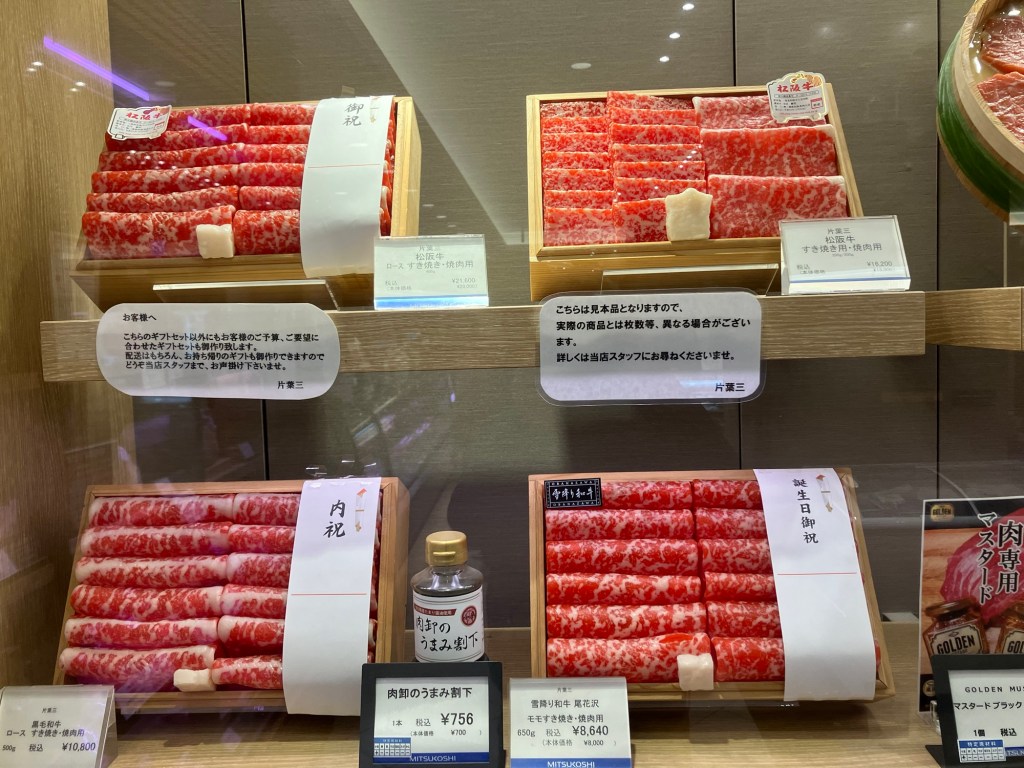
However, in reality, everyday Japanese food in Japan is not necessarily expensive. In fact, many dishes like ramen, yakitori, and udon can be quite affordable, especially at local, non-touristy eateries. Street food and local markets also offer budget-friendly options for those looking to sample a variety of Japanese flavors without breaking the bank.

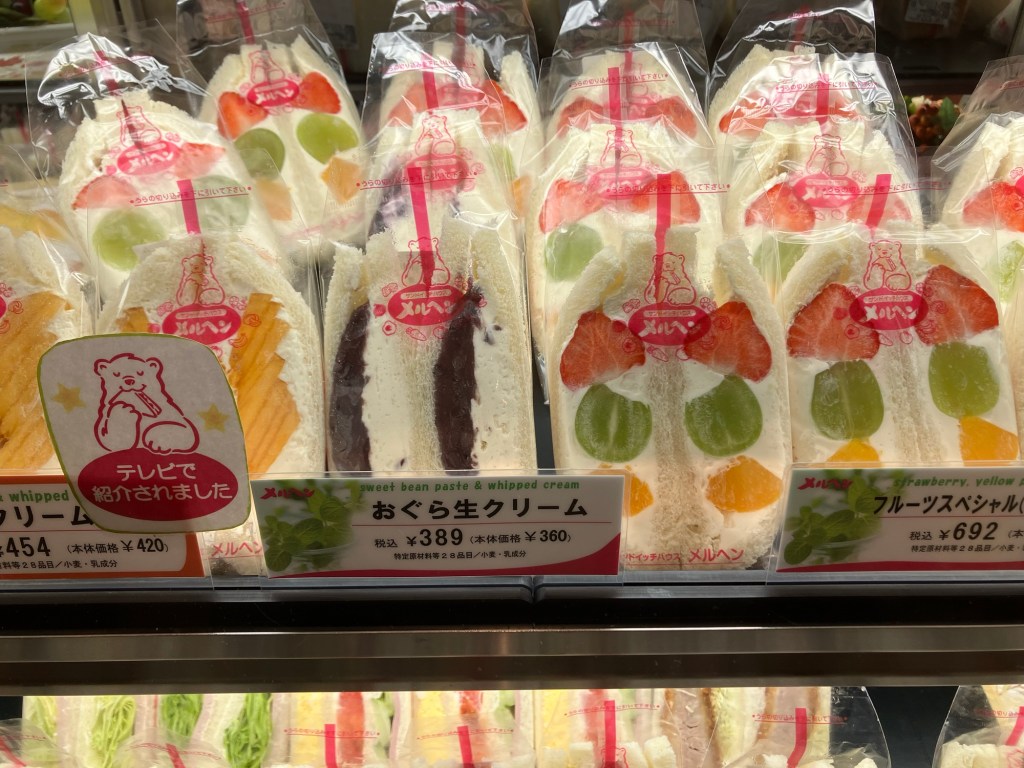
And do not forget convenience stores ( collectively ‘konbini’). Not only do they seem to sell everything you might need, they can also be a source of simple, tasty convenience food.
The three main convenience stores in Japan are:
* 7-Eleven: The largest convenience store chain in Japan, with over 20,000 stores. It’s often referred to by its nickname “Seben.”
* FamilyMart: The second-largest convenience store chain (and our personal favourite), with around 16,000 stores. It’s commonly nicknamed “Famima.”
* Lawson: The third-largest convenience store chain, with around 14,000 stores. It’s usually called “Losson.” Idolised by the late chef/presenter Anthony Bourdain for their divine egg mayonnaise sandwiches.
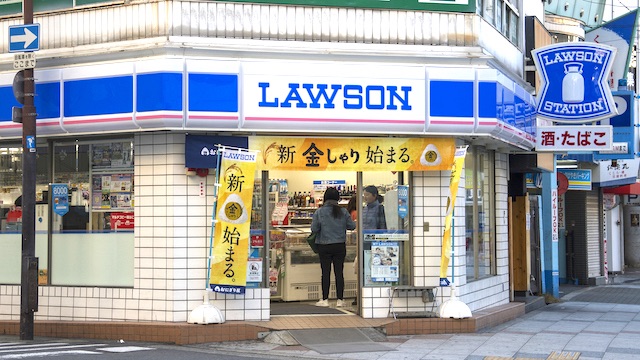
Japanese convenience stores are known for their wide range of food items, including:
* Bento boxes: A variety of prepared meals, including sushi, noodles, and rice dishes. (Far better Bento boxes can be found in any decent department store food court or train station (‘Ekiben’).
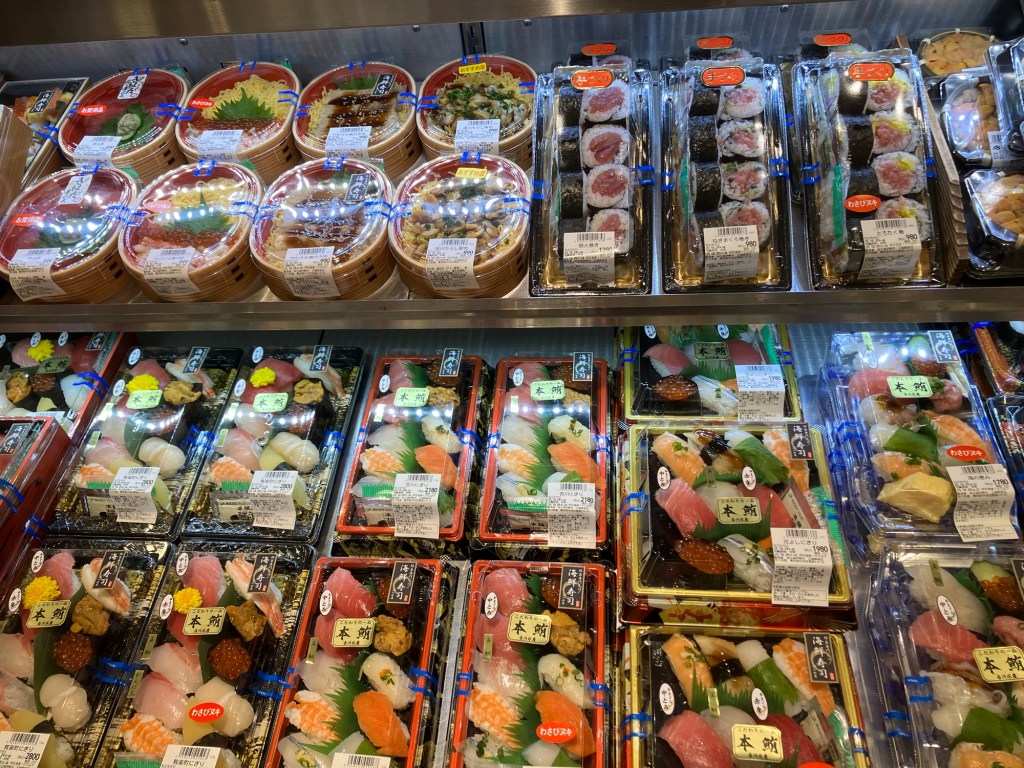
* Onigiri: Triangular-shaped rice balls wrapped in seaweed.
* Sandwiches: Western-style sandwiches with fillings such as egg salad, tuna, and ham. Lawson stores were idolised by the late chef/presenter Anthony Bourdain for their egg mayonnaise sandwiches (good) although we prefer the Family Store take on this simple take out which are even better in our opinion.

* Oden: A type of Japanese hot pot that includes ingredients such as daikon, tofu, and fish cakes.
* Snacks: Japanese and Western snacks, such as chips, crackers, and candy.
So whilst the perception of Japanese food as expensive persists in Western countries, it’s important to remember that this is only one aspect of a diverse and multifaceted culinary landscape.
A good place to start is with typical daily meals. Whilst they may vary depending on the individual and the region, here’s a general overview of what an average Japanese person might eat in a day:
Breakfast: A traditional Japanese breakfast often includes steamed rice, miso soup*, grilled fish, pickled vegetables, and perhaps a piece of fruit.
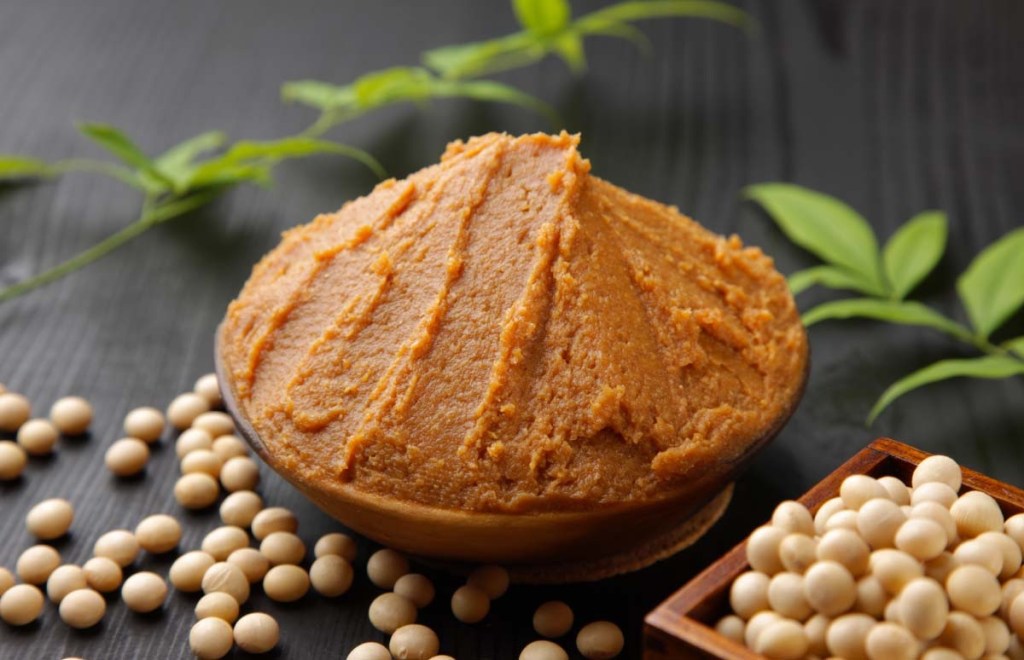
*Miso soup is made from a stock called dashi, which is typically made from dried kelp (kombu) and dried fish flakes (katsuobushi). Miso paste, a fermented soybean paste, is added to the broth, lending its rich, savory flavor and cloudy appearance to the soup. In addition to the broth and miso paste, miso soup usually includes cubes of soft tofu and slices of green onion. Depending on regional and seasonal variations, other ingredients such as mushrooms, carrots, daikon radish, or clams can also be added to the soup.
Lunch: For lunch, a Japanese person might enjoy a bento box, which is a meal consisting of rice, vegetables, and protein (like fish or meat) arranged in a compartmentalized container. Another popular option is ramen or udon noodles.
Dinner: At dinner time, families might gather together to share a meal of various dishes, such as tempura, teriyaki, or sushi.
Let’s examine these three meals in more detail.
Tempura is a dish that consists of seafood, vegetables, or sometimes meat, lightly battered and deep-fried to create a crispy, golden-brown coating. Tempura is often served with a dipping sauce made from soy sauce, mirin, and sugar, and is sometimes accompanied by grated daikon radish or ginger.
Teriyaki is a cooking technique where food, typically chicken or other proteins like beef, pork, fish, or tofu, is grilled or broiled with a sweet and savory sauce. Teriyaki sauce is made from a mixture of soy sauce, mirin (a sweet rice wine), sugar, and sometimes sake or ginger. The food is usually marinated in the teriyaki sauce before cooking, then brushed with additional sauce while grilling or broiling to create a rich, sweet-salty flavor and a beautiful shine.
Sushi features vinegared rice (sushi-meshi) combined with various ingredients, such as raw fish, seafood, vegetables etc. The word “sushi” actually refers to the seasoned rice, rather than the raw fish that is often associated with it.
There are several types of sushi, including:
– Nigiri: A small, oblong mound of sushi rice topped with a slice of raw fish, seafood, or other ingredients.
– Maki: Rice and other ingredients rolled together inside a sheet of dried seaweed (nori) and sliced into bite-sized pieces.
– Sashimi: Sliced raw fish or seafood served without rice.
– Temaki: Similar to maki, but hand-rolled into a cone shape.
– Chirashi: Sushi rice topped with a variety of ingredients, similar to a rice bowl.
Sushi is typically served with soy sauce, wasabi, and pickled ginger.
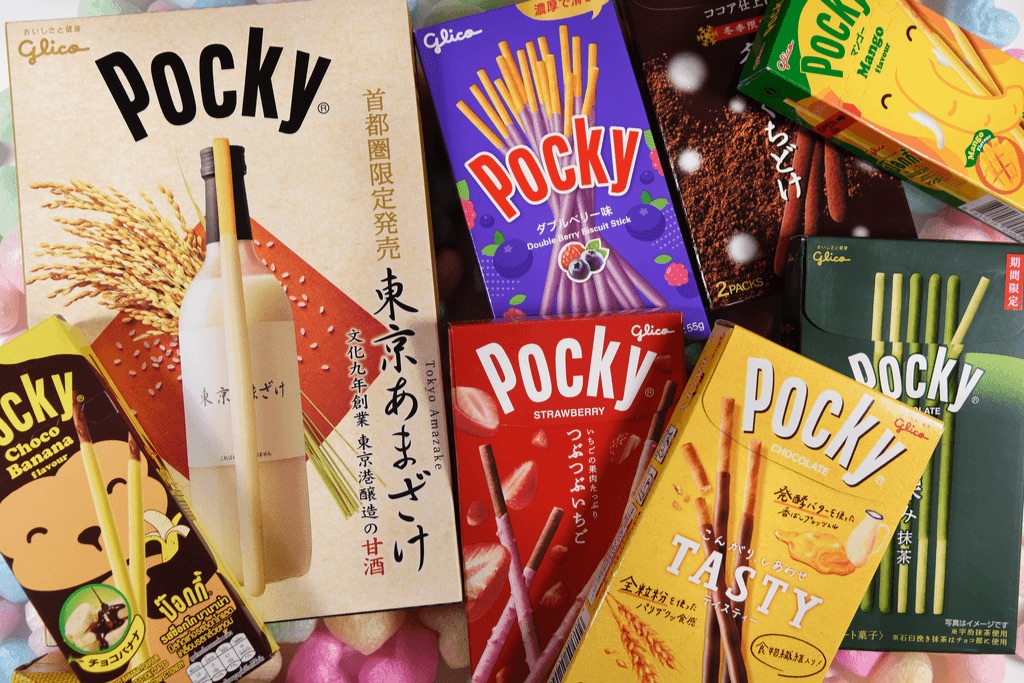
In between meals, Japanese people often enjoy snacks such as onigiri (rice balls) or pocky (chocolate-covered biscuit sticks).
(Please note that if you have not made it back home in time to sample dinner, it is maybe because you and your friends/colleagues have been drinking and eating at an izakaya. An izakaya is a type of Japanese bar that is similar to a pub or tapas bar. It’s an informal place where people can go after work to have drinks and snacks.The food served at izakayas is designed to be shared and typically goes well with beer. The menu can include a variety of dishes, such as yakitori (typically grilled chicken meat, offal and skin) gyoza, sashimi and nakazuke (fermented cucumber) and noodles.


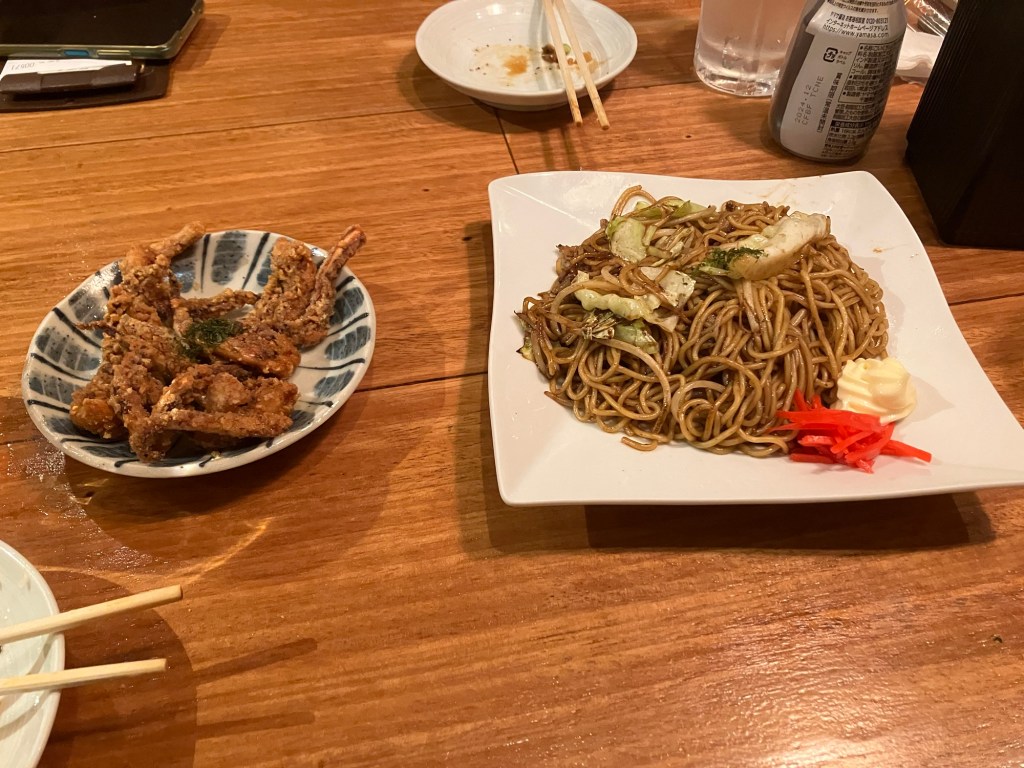
If you are ever in Japan, visiting an izakaya is a great way to experience the local culture and cuisine in a fun and relaxed setting.
Noodles are beloved in Japan and arguably second only to rice as a staple.
Dig in or rather slurp on!
Ramen: Thin, wheat-based noodles served in a savory broth that can be made from pork, chicken, fish, or vegetables. The broth is often flavored with soy sauce, miso, or salt, and is typically topped with sliced pork, soft-boiled egg, and green onions. Ramen is famous for its rich, complex flavors and regional variations.

Udon: Thick, chewy noodles made from wheat flour that can be served hot or cold. Udon noodles are usually served in a hot broth made from fish or meat stock, topped with ingredients like tempura, green onions, and slices of fried tofu. In the summer, chilled udon noodles are often served with a soy-based dipping sauce.

Soba: Thin, delicate noodles made from buckwheat flour that can be served hot or cold. Soba noodles are usually served with a dipping sauce made from soy sauce, mirin, and dashi, and are often garnished with sliced green onions and wasabi. In the winter, hot soba noodles are served in a clear broth.

Whilst the 1985 film “Tampopo” directed by Juzo Itami introduced Western audiences to ramen and the passion for noodles in Japan, it was arguably the late TV presenter, chef and raconteur extraordinaire Anthony Bourdain whose shows include ‘No Reservations’ and ‘Parts Unknown’ who really introduced a worldwide audience to the delights of Japanese cuisine. Bourdain was fascinated with the country and it’s food commenting:-
“I love Tokyo. If I had to eat only in one city for the rest of my life, Tokyo would be it. Most chefs I know would agree with me.”
“You can pick almost any restaurant in Japan and be almost sure you’ll get a great meal.”

Bourdain’s appreciation for Japanese cuisine was clear, and he enjoyed exploring the many different flavors and textures of the country’s street food and high-end restaurants alike.
In 2013 Bourdain introduced ‘Parts Unknown’ which premiered on CNN. The concept behind the series was to take viewers on a journey around the world, exploring lesser-known destinations, their cultures, and their cuisines. The show was a departure from traditional travel and food shows, and it quickly gained a devoted following of fans who appreciated Bourdain’s honesty, humor, and willingness to challenge preconceived notions about different cultures. Japan and its food culture were celebrated in repeatedly in whole and part episodes of the series notably “Hokkaido” and “Masa’s Japan”.
The “Hokkaido” episode of “Parts Unknown” aired in 2017, and it featured Bourdain exploring that northernmost island its culture and its food. This was a part of Japan valley visited by those in the West and so his show was as illuminating as it was entertaining
The “Masa’s Japan” episode of Parts Unknown aired in 2016 and focused on Bourdain’s travels through Japan with legendary sushi chef Masayoshi “Masa” Takayama. During their journey, Bourdain and Masa explored the urban center of Kanazawa, Masa’s rural hometown of Nasushiobara, and the sushi restaurant in Tokyo where Masa began to learn his craft. The episode offered viewers a glimpse into Japan’s rich culinary history and culture, as well as the inspiring story of Masa’s journey from small-town boy to world-renowned chef. The episode reminded us of the 2011 documentary by David Gelb, “Jiro Dreams of Sushi” which follows the life and work of Jiro Ono, a master sushi chef who runs the renowned sushi restaurant Sukiyabashi Jiro in Tokyo.
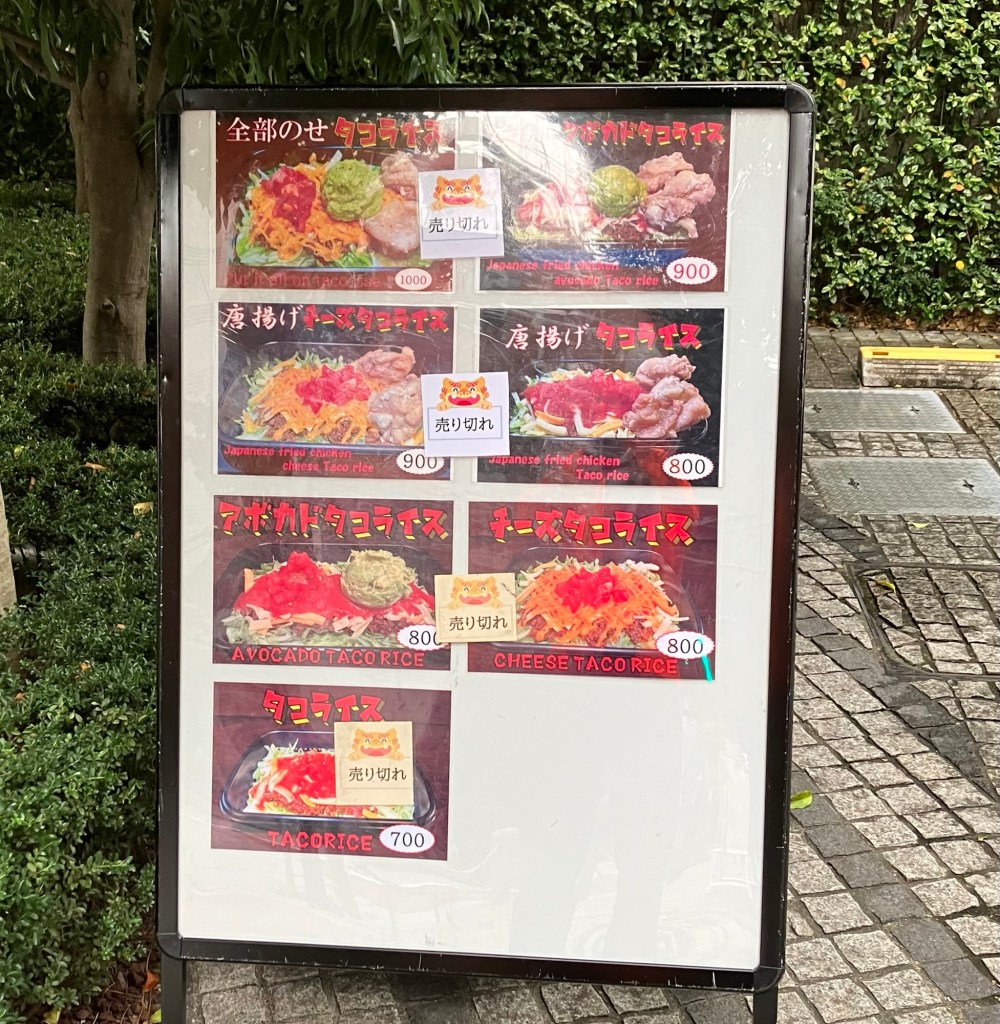
Bourdain also travelled and reported from the Japanese island of Okinawa. One particular speciality from that island caught his eye was taco rice aka Okinawa taco.

Taco rice, or “takoraisu” in Japanese, is a popular dish that originated in Okinawa, Japan. It’s a fusion of Mexican and Japanese cuisines, and it’s essentially a Tex-Mex taco served over a bed of steamed rice.
Taco rice is made with seasoned ground beef, lettuce, cheese, tomatoes, and fresh salsa served on top of steamed rice. It was first created in 1984 by a Japanese restaurant owner who wanted to cater to the American military stationed in Okinawa. The dish became a hit not only among the American military but also among the locals.
Taco rice is now a beloved comfort food in Japan and has spread beyond Okinawa to other parts of the country.
And when it comes to street foods in Japan, these are our three favourites:-
Takoyaki – fried batter balls filled with diced octopus and topped with takoyaki sauce, mayonnaise, and bonito flakes. Especially popular in Osaka.

Takoyaki sauce is a sweet and savory sauce that is made from a combination of ingredients such as Worcestershire sauce, mentsuyu (noodle soup base), ketchup, and sugar.
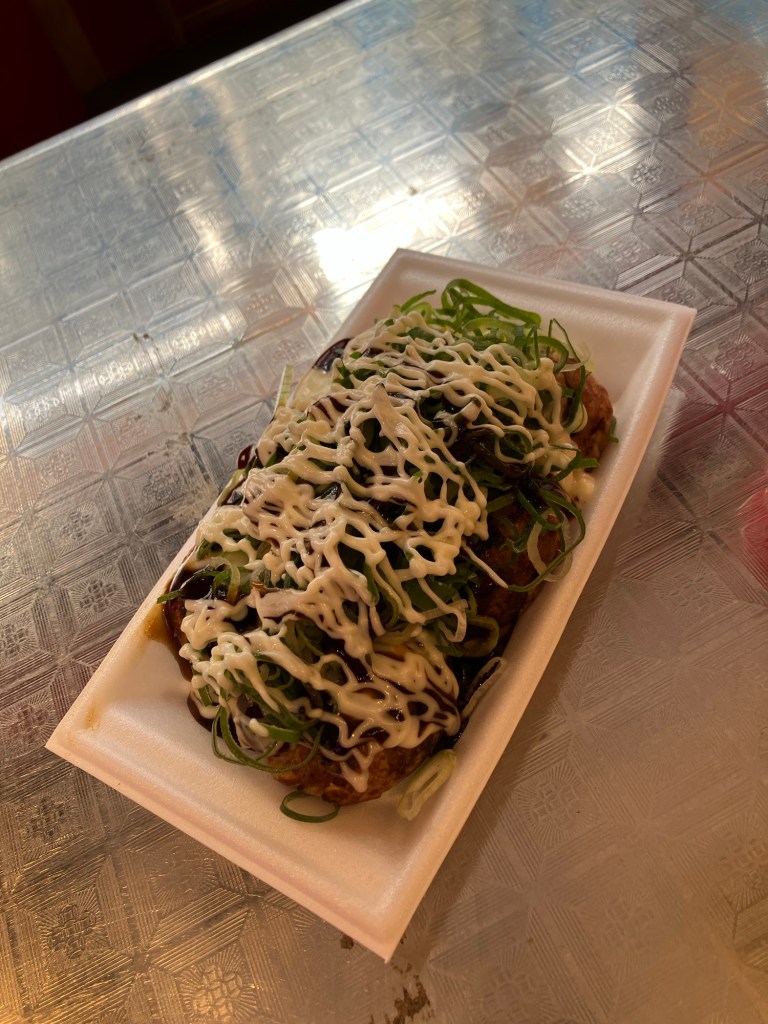
Okonomiyaki – a savory Japanese pancake that can be customized with a variety of ingredients, such as eggs, vegetables, seafood, and meat, and cooked on a hot griddle called a teppan.
There are several regional variations of okonomiyaki in Japan, with the most famous being the Osaka and Hiroshima styles. In Osaka, the ingredients are mixed into the batter and cooked together, while in Hiroshima, the ingredients are layered on top of a thin pancake.
Okonomiyaki is typically served with a sweet and savory sauce, mayonnaise, and bonito flakes.

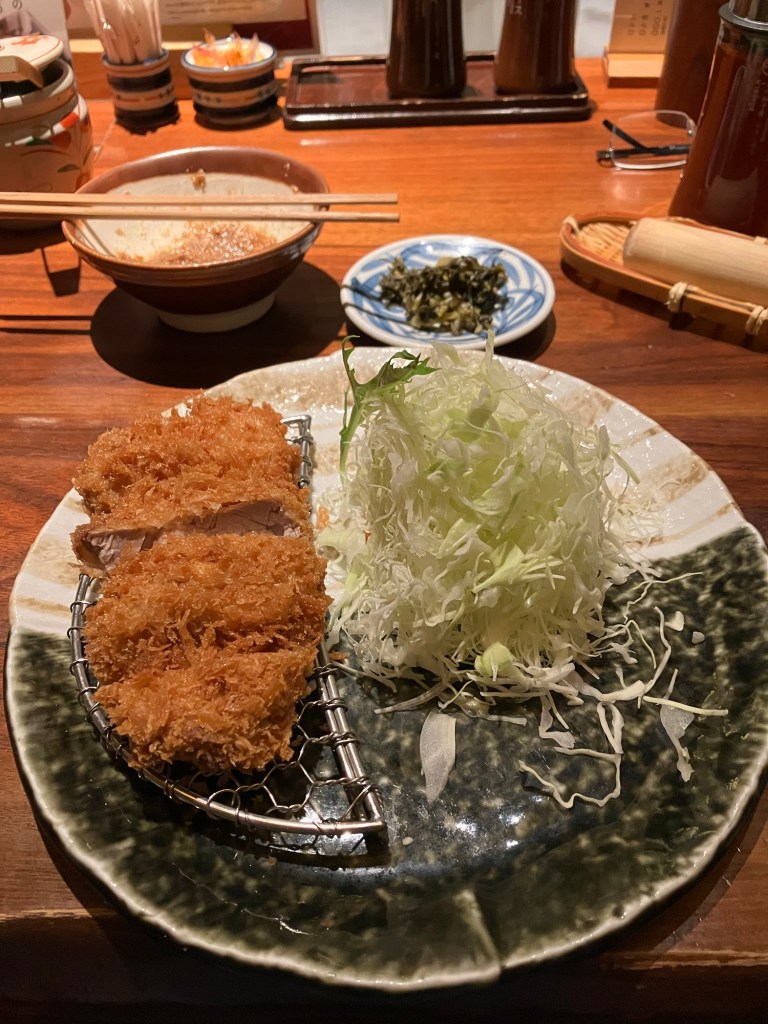
Menchi Katsu – popular throughout Japan and especially Tokyo’s Akasuka district. Menchi katsu is a Japanese ground meat cutlet that is coated in panko breadcrumbs and deep-fried until crispy and golden. It’s often served as a snack or as part of a bento box lunch. Typically served with shredded cabbage and a sweet and savoury dipping sauce.
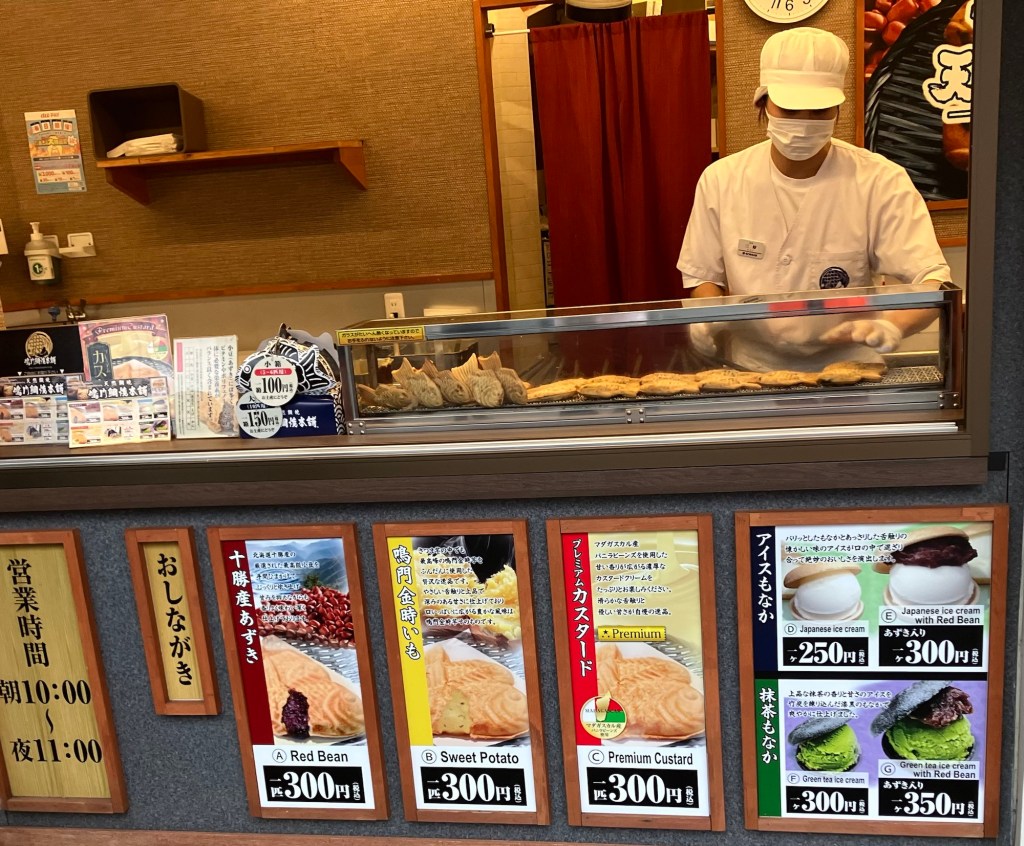
And for afters? Try Taiyaki, a fish-shaped pancake that is filled with sweet bean paste and is available anywhere and everywhere.
“Meshiagare” – bon appétit!

 FOOD, FILMS 'N' TINGS