LIQUEUR, WITCHES AND BLACK CATS

Burnley, a town in the county of Lancashire in the North West of England is not the sort of place that you would regularly find in the Financial Times newspaper. Usually the ‘FT’ reserves its comments to the wealthier parts of England, usually in the South of the country and usually in London. Nevertheless it was pleasure that we came across a fascinating article in a recent ‘FT Weekend’ on Burnley and the town’s reputation as the biggest market in the UK for the French liqueur, Bénédictine. The article is behind a ‘paywall’ and so are unable to link to it here. Nevertheless, we were fascinated to learn that this Northern industrial town was of so much importance to the French producers of this drink.

The French company has an international market for its product in France, the UK, USA and, of course, Singapore where it is a constituent of the famous ‘Singapore Sling’ cocktail.
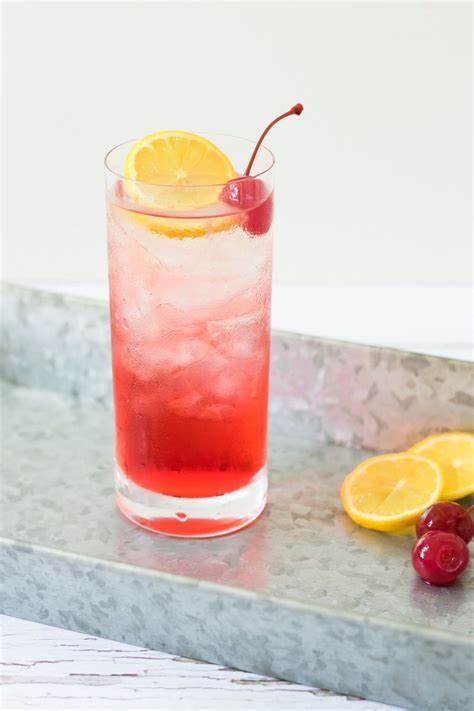
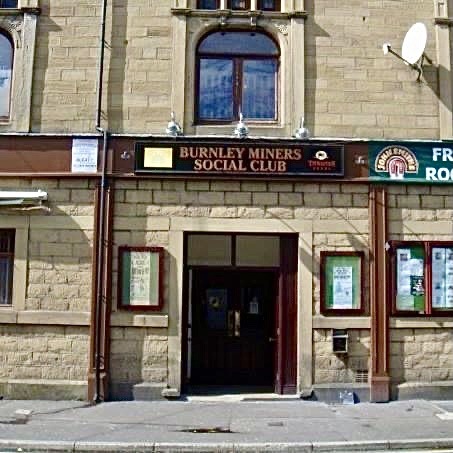
When the war finally ended, the soldiers of the East Lancashire Regiment brought their taste for the drink back to England and two towns such as Burnley where it is immensely popular usually in the form of a ‘Bene and (h)ot’, Bénédictine mixed with hot water and a slice of lemon. So popular is the drink that the Burnley Miners Club in the town apparently orders around 1000 bottles a year when most bars might order one or two in that time (unless they serve a lot of Singapore Slings of course!).
The venerable old football club, Burnley FC (who play at the delightfully named ‘Turf Moor’ ground) serves ‘Bene and ot’ to its match day fans making it (probably) the only League club where supporters are real enthusiasts for the French liqueur. 

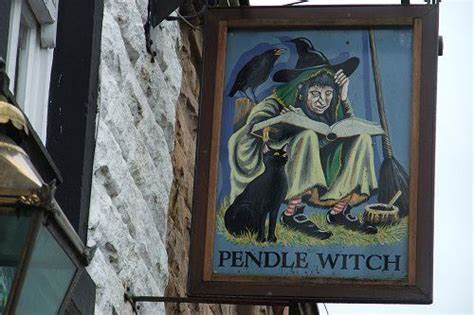
Burnley is also the home to several breweries, our favourite being Moorehouse who are based in the town. They have been brewing for 150 years. They produce a superb range of core, craft and small range beers some of whose names (Blond Witch, White Witch, Straw Dog, Black Cat, Pendle Witches Brew) refer to the legends and tales of the nearby Pendle Hill.

Pendle Hill

Pendle Hill is an eerie and haunting old hunting ground of mystery and infamy.

The Moorhouse website quotes the following lines about ‘Mystical Pendle’:-

When the mist rolls in, as it often does, the hill is enveloped in a veil of secrecy and intrigue. It is this atmosphere and eerie presence that still lingers on and can be felt across the moorland and woodland alike. Especially when the mist lingers, or in the dead of night, that this land of rich myths and legends comes to life.

Pendle is known as one of the most haunted parts of Britain and it is forever associated with the Witch Trials of 1612 and the execution by hanging of 10 local women accused of the craft.

The names of Moorhouse’s Blond Witch, White Witch and Pendle Witches Brew beers clearly refer to those infamous trials but the names of two of their other core ales, Straw Dog and Black Cat are worth a further explanation.
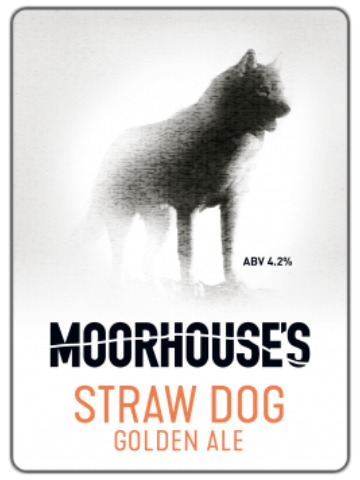
Straw Dog is the name the brewery gave to a quality golden ale referring (as their website explains) to the locally infamous Demdike, the colloquial name of of one of the alleged witches, Elizabeth Southerns, ‘who gave her soul to a devilish hound, which would carry out her devilish deeds’.

Our personal favourite, the dark mild Black Cat with its luscious overtones of chocolate and mocha, is quite low in alcoholic content, 3.4 ABV (a shock to any Belgians reading this!). It is therefore ideal as a ‘session beer’ i.e. one to enjoy in quantity with your friends over a long winter’s evening without slurring your words as a result! As for its name, once again the Moorhouse’s website explains the connection with the Pendle Witches by noting ‘still guarding Malkin Tower, the Black Cat patrols the ruins, warding off insolent travellers to protect its master’s estate’. Malkin Tower was the home of Elizabeth Southerns aka ‘Demdike’.

The following is an interesting link on Malkin Tower :-

http://www.pendlefolk.com/malkin-tower-rachel-and-andrew-turner-on-their-quest-to-find-the-witches-house/

The name Malkin itself is derived from ‘Grimalkin’, an archaic term for a cat. Cats themselves were thought to be the Witches familiar.

‘I come, Grimalkin’ says the First Witch in Macbeth.

‘Tis he that villain Grimalkin

Madam Malkin was the name of a witch in the Harry Potter books.

Above, the 16th century St Mary’s Church at Newchurch in Pendle where the tombstone known as the Witches’ Grave and the “Eye of God” are to be found. One of the accused at the Trials was alleged to have desecrated graves in this churchyard to collect skulls and teeth.

The Bard himself

Black Isle Beer

Drink organic.

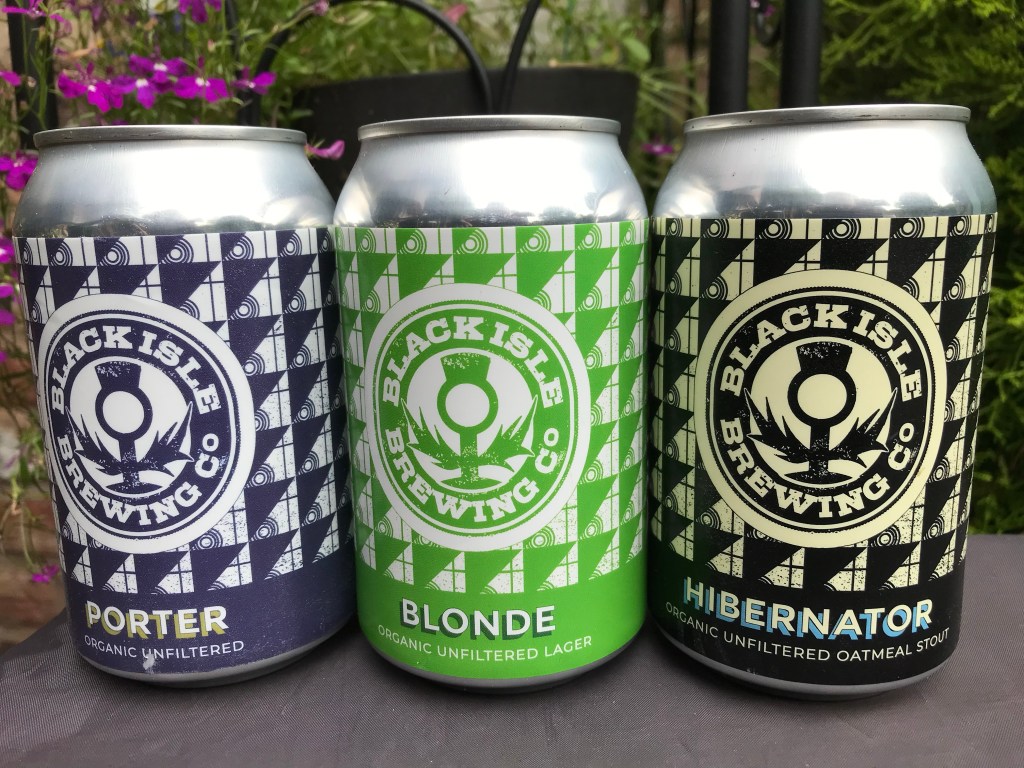
Our favourite beer at the moment comes from the Black Isle Brewery based near Inverness in Scotland, currently the only organic brewery in that country. The quality of their ingredients and the care they take in brewing is evident in the taste of their marvellous beers.

The brewery produces a great range of core beers from lager through to porter and an array of specials including an Imperial Stout named ‘Hibernator’ (Sam Smiths brewery in Yorkshire also do a great Imperial) They also produce a stronger than an elephant beer named ‘The Big Sleep’. As their website points out ‘The Big Sleep’ is not the gangster’s euphemism for death. It is instead a reference to the long Scottish winter (the label features a sleeping bear in hibernation) – just the climate for a glass of this strong beer! Our own winters can be pretty grim and so we will have to order a bottle or two for later in the year!

They have an internet shop where you can buy their beer and other merchandise. Brewery visits can also be arranged.

Their website is at https://www.blackislebrewery.com

Highly recommended.

As the brewery is based in Scotland and as we are pretty near to Salford here in NW England (also a great place for some truly original beers especially the Pomona Island Brew Co see https://www.pomonaislandbrew.co.uk) we thought we’d link you a song by the Anglo-Scot, Ewan MacColl. Born in Salford to Scottish parents he was the author of the much loved song ‘Dirty Old Town’. Although highly popular in Ireland, having been covered by the Dubliners and the Pogues, the song is not actually about the Emerald Isle itself but is actually about Salford https://www.irishpost.com/entertainment/dirty-old-town-is-about-england-not-ireland-as-secrets-about-famous-pogues-and-dubliners-song-are-revealed-209720.

Euan MacColl

The song has been adopted and adapted by fans of near by Liverpool FC to sing the praises of their Dutch maestro, Virgil Van Dijk.

https://youtu.be/qlJ4scOSsCs

Drink organic.

LA MALANGA

Malanga as metaphor

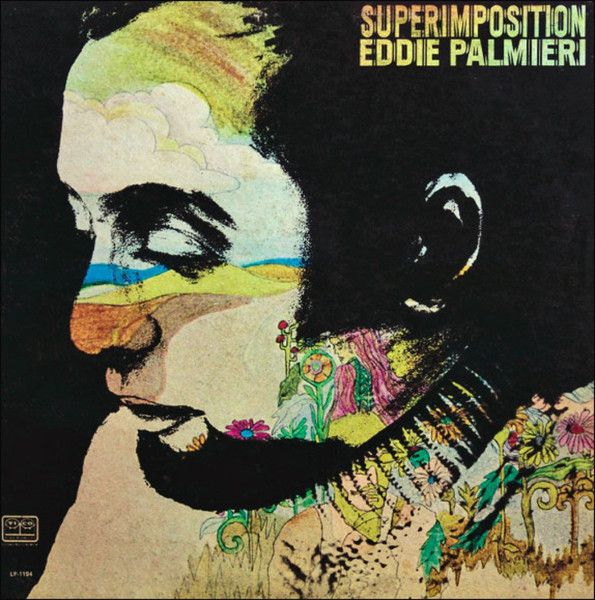
Superimposition was a later Eddie Palmieri album with a track named ‘La Malanga’ although the vegetable serves as a more explicit metaphor in this song (https://www.youtube.com/watch?v=OH4ZXqEMBxI

Se acabó ya la malanga y no puedo comer
No sé lo que hacer, no puedo come

Que si no puedo jamar
Oye que hambre me da.
Dame malanga mamá
Mira quiero malanga

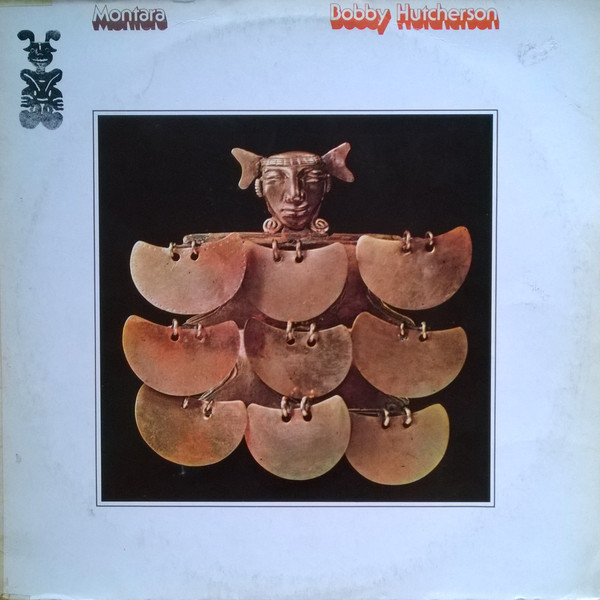
The great vibes player, Bobby Hutcherson, cut a version of this song on his latin music influenced ‘Montara’ album (https://www.youtube.com/watch?v=cgWAOU-ATVU). The cover photograph is an exhibit from the wonderful Gold Museum in Bogota which you should try and visit if you are ever in that city.

MALANGA AMARILLA

Yellow malanga and Cuban jam

Staying with the malanga theme, the late Cuban double bass player Cachao recorded the benchmark ‘Malanga Amarilla’ in 1957 as a part of the famous ‘Cuban Jam Sessions’ series of recordings at Panart studios (later the national studio and record label ‘Egrem’) which were made with the very best Havana musicians after they had finished playing the local clubs very late at night orearly in the morning if you prefer. A series of five records were released with Cachao’s superb ‘Cuban Jam Sessions In Minature’ his debut album and one of his very best. The album featured the famous ‘Malanga Amarilla’ with his brother Orestes López on piano on this recording. The two brothers were major innovators and were credited with the mambo.

Malanga Amarilla was later covered by the Colombian singer Toto La Momposina https://www.youtube.com/watch?v=AmzyR07cbYY . As her name suggests, she is from the city of Mompox on the Carribean coast.

Staying with Colombia, the song was also cut by La Sonora Carrulseles https://www.youtube.com/watch?v=3WQ916dNFgM

Malanga Amarilla was also covered by the wonderful El Gran Combo of Puerto Rico https://www.youtube.com/watch?v=YnIeXrnR3f0


MALANGA, TARO AND PATRA

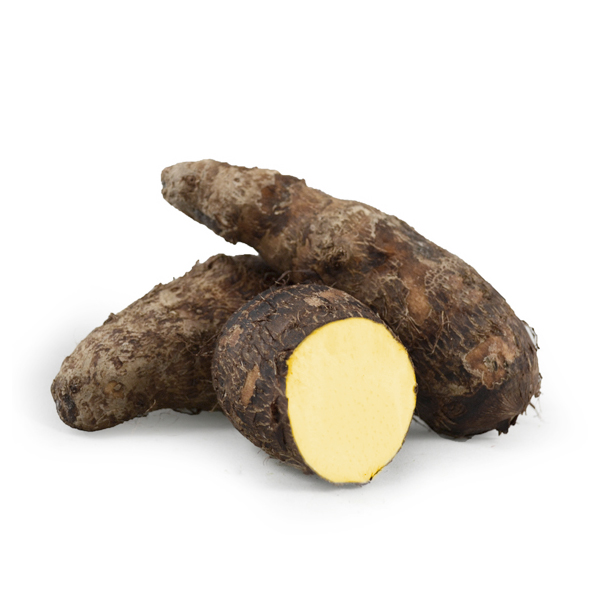
Malanga is part of the Aracere species which includes Taro, a similar root vegetable. Colocasia Aracere is a tropical plant mainly known for its edible tubers known as taro, dasheen, malanga, eddo and cocoyam depending on the region.

Patra is a dish from Gujarat in India and it is one of our favourites. It is made from Colocasia leaves, gram flour and spices. A great recipe is located here if you want to try and make this dish yourself https://www.tarladalal.com/patra-gujarati-patra-alu-vadi-33322r

Patra

ONE ONE COCO FULL BASKET

The root vegetable Taro (aka Dasheen) of the Colocasia family is also called ‘Coco’ in Jamaica (‘Malanga’ in Cuba).

A great video on root vegetables in Jamaica is here:-

The vegetable is mentioned in the Jamaican proverb ‘one one coco full basket’ which roughly interpreted means that success doesn’t come quickly and easily but is a gradual process just as gathering and filling a basket with coco is undertaken one item at a time.

You can hear this old proverb in the lyrics of ‘One one coco’, an early track by the legendary reggae star Gregory Isaacs. Isaac’s cut the tune for producer Gussie Clarke near the start of his career as a singer in the early 70’s. In a typically masterful performance Isaacs sings:

So go on and have your fun
Lord knows
I’ll work and wait till my day come
Cos any man who try hard will make it
Just practice
One one coco full basket

This was not the only proverb in the song as the lyrics go on to note:

Cause what you need now
I really ain’t got
But old time people say
Every dog have him four o’clock

‘Every dog have him four o’clock’ means ‘every dog has his day’ i.e. even the humblest person has their moment of glory.

The Isaac’s track was used as the basis for Big Youth’s ‘One of these fine days’ from the ground breaking ‘Screaming Target’ album around the same time. Like Isaac’s Big Youth was more or less at the start of his career at this time going on to considerable fame later on in the Seventies, especially with his album ‘Dreadlocks Dread’, our own favorite from the man.

Producer Gussie Clarke provides the version (but not a dub as it is a ‘straight from the desk’ instrumental).


Is it our imagination or does the tape slow down towards the end of this track?

Follow our Blog

Get new content delivered directly to your inbox.