Manchester, icons and thali

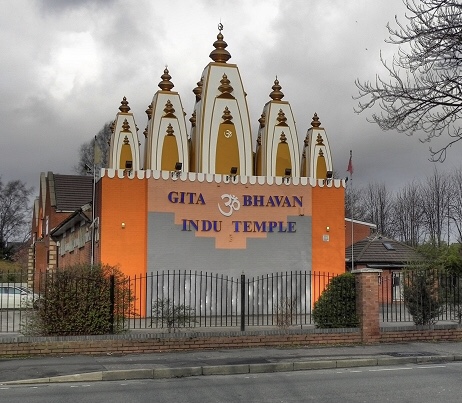
Gita Bhavan Hindu Temple in Chorlton

Chorlton is a suburb of the Northern English city of Manchester. The district has become increasingly identified with left leaning young professional couples and their families. It is also home to one of Manchester’s biggest gay communities. 

Rightly or wrongly, Chorlton is regarded as a bohemian enclave with its independent bars and restaurants, vegan supermarket (the workers co-operative ‘Unicorn’) and unusual boutiques.

The suburb is a great place to eat and drink and whilst we could fill several columns on the local culinary scene, we will be more specific by concentrating solely on some of the Indian food (especially vegetarian) to be found in the locale.
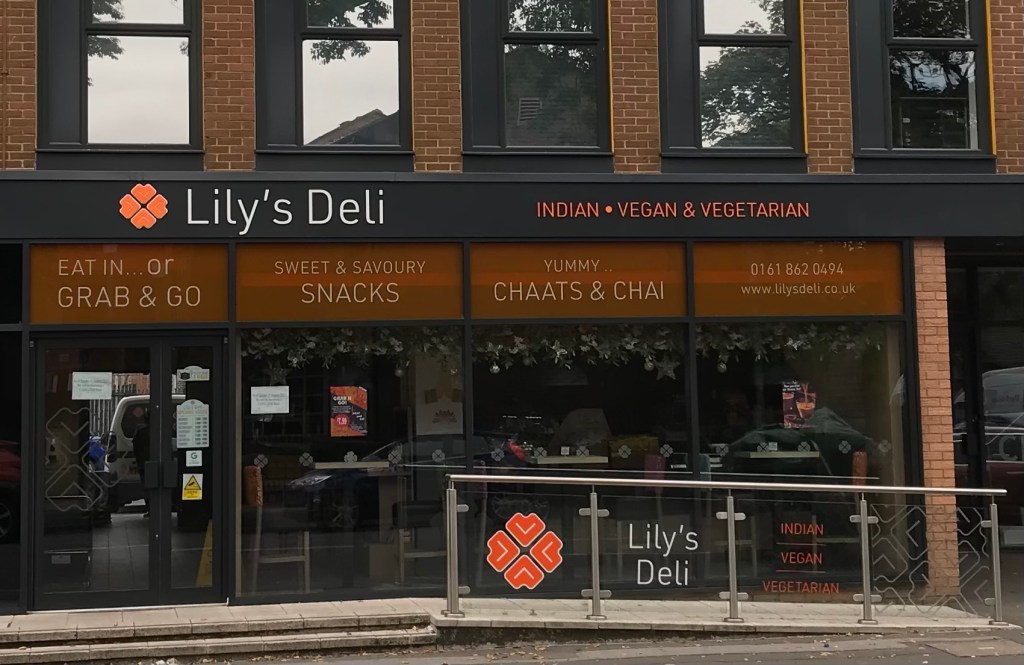
Lily’s in Chorlton

Lily’s deli on Manchester Road in Chorlton is an outlet of the award winning Lily’s Vegetarian Indian restaurant in Ashton-under-Lyne, a town which is just to the east of Manchester. The Chorlton deli is the first of two outlets in the city, the other being in the very trendy inner area of Ancoats.

Lily’s stocks an impressive range of Indian groceries and spices as well and spicy snacks such as dal vada, chakli, bonda, battered chillis and their famous ‘atomic bombs’, potato’s coated in batter injected with a fiery masala. Not for the faint hearted!

They also make and sell Indian cakes and their barfi flavoured with figs or dates is our favourite.
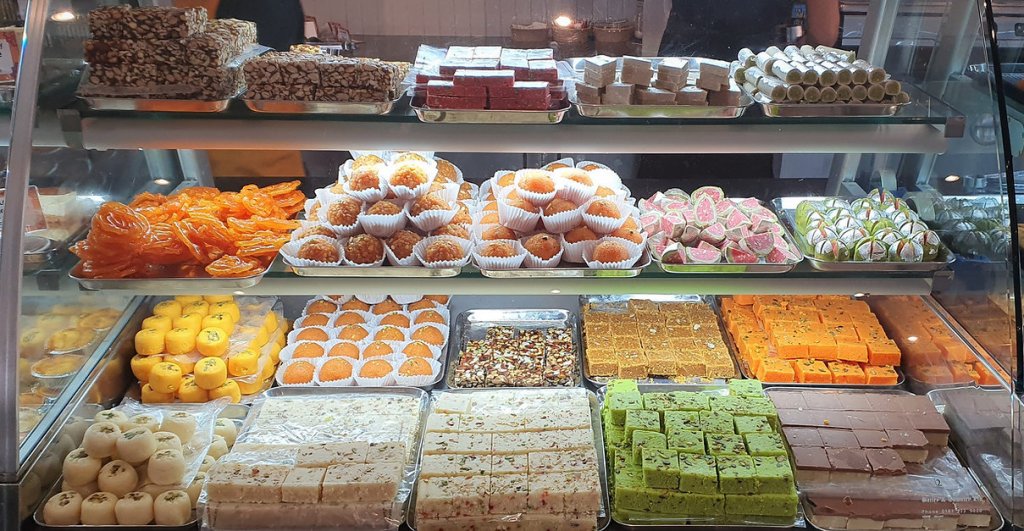
Barfi and much more at Lily’s

A short walk from Lily’s deli is the Chappati Café which serves great value thalis on Indian trays with the menu changing daily. Recommended.
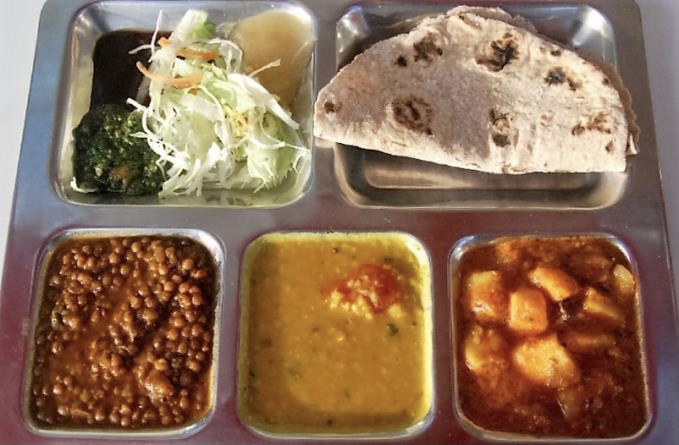
Thali at Chappati Café

A further short walk from the Chappati Café is the small but beautifully decorated restaurant called Roti. The restaurant has the only Indo/Scots menu in Manchester. As well as Indian street food favourites, Roti also serves its own version of the Scottish staple ‘mince and tatties’ (spiced meat in chole potatoes), haggis pakora and even scotch egg (boiled egg wrapped in pork seasoned with chaat masala). Although the restaurant serves a full selection of alcoholic and non-alcoholic drinks, we were surprised to see that Irn Bru, Scotland’s best loved soda, was missing from the list!
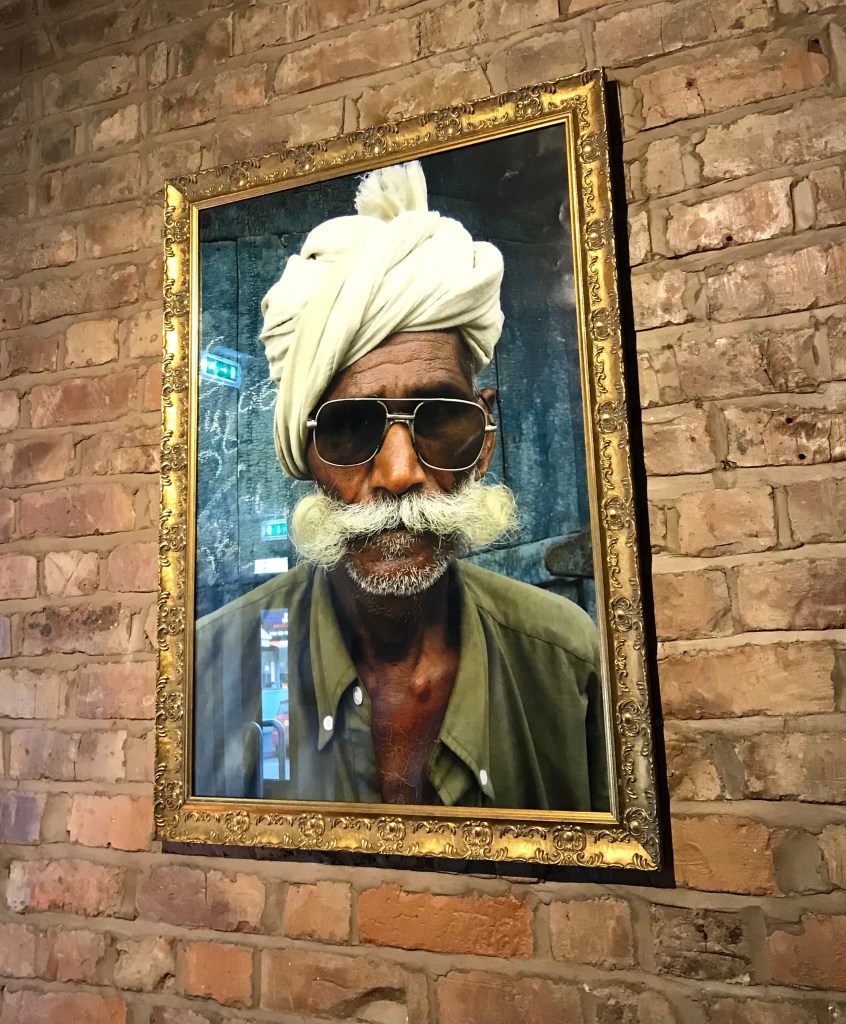
Roti interior

Further away from Roti and opposite the vast Southern Cemetery (of which, more below) is Amma’s Canteen. The restaurant serves fresh, home cooked style Southern Indian dishes including their much loved Dosa, a thin ‘pancake’ made from a batter of fermented rice and lentils stuffed with spicy goodness.
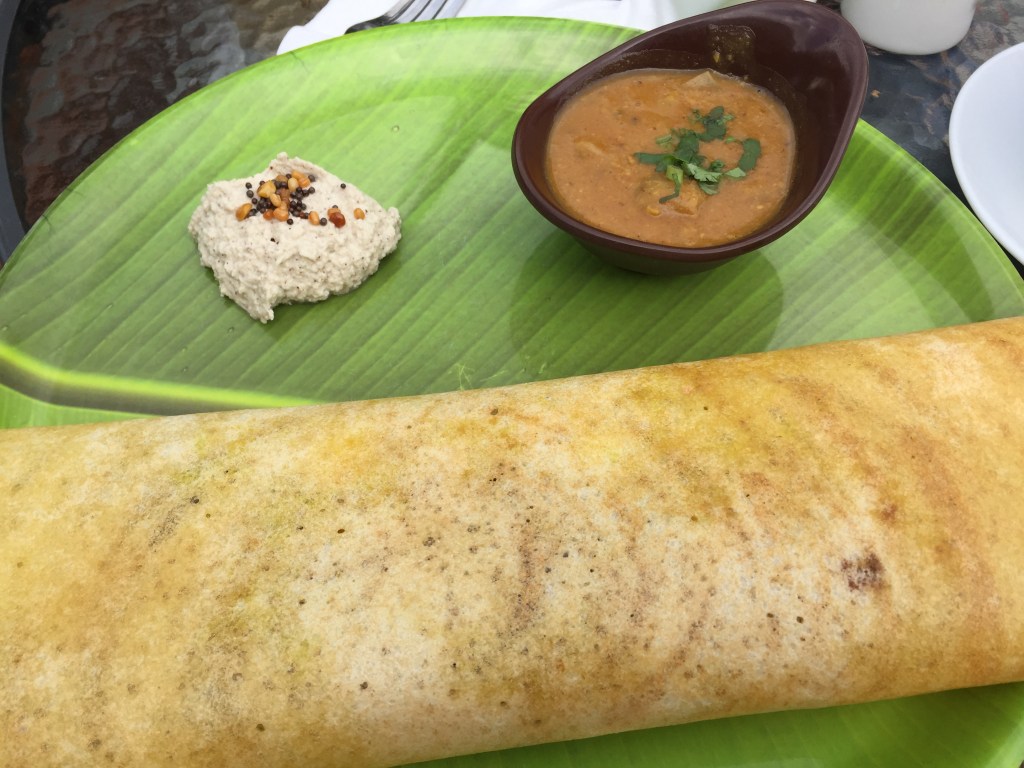
Masala Dosa at Amma’s Canteen

As noted above, the vast Southern Cemetery lies across the way from Amma’s Canteen. It is the second largest cemetery in Europe and the final resting place of important local figures such as the legendary Manchester United manager, Sir Matt Busby and the iconic Tony Wilson, the co-creator of the influential music label Factory Records. Wilson did more than almost anyone in putting the city’s popular culture on the map. Even a decade and a half after his death in 2007, he is still having a positive effect on the city in our opinion. 
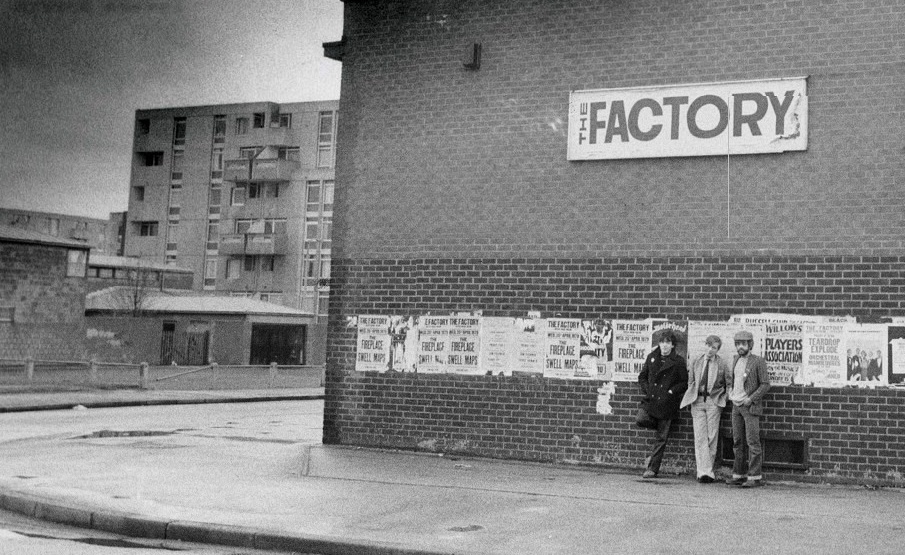
Wilson (centre) in a suitably grim Manchester backdrop in the 1970’s

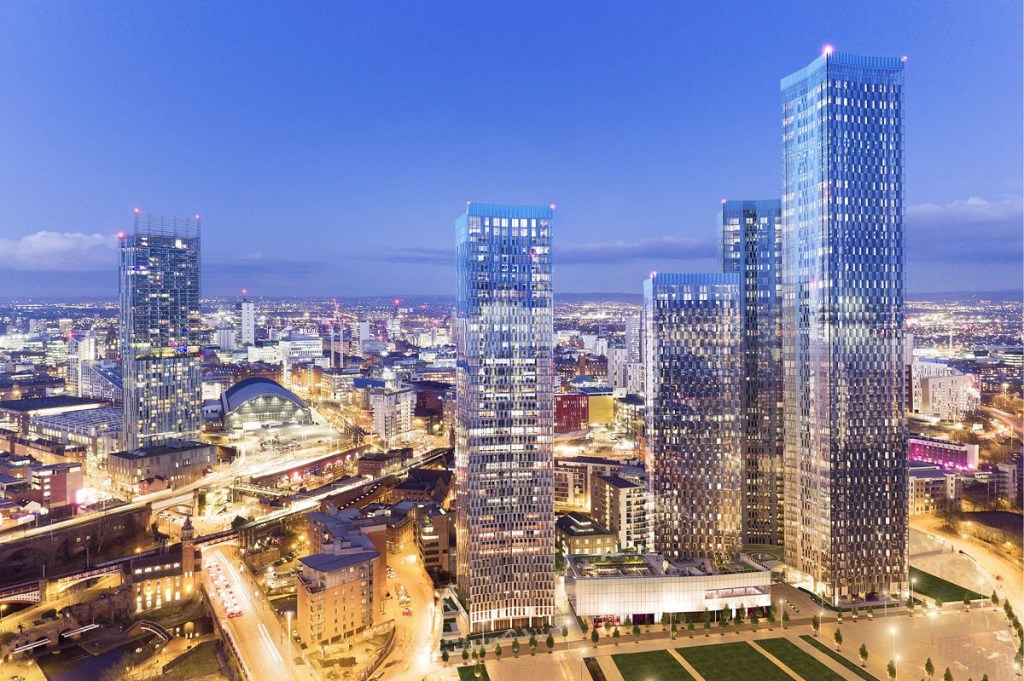
Anyone who is familiar with the recent history of Manchester, the city’s rise from the grim post industrial decay of the 1970s into the modern, vibrant environment it is today, will be aware of the part Wilson played in invigorating the popular culture of the world’s first modern city.
Radical and still changing

Designer Peter Saville who worked closely with Wilson commented ‘Tony created a new understanding of Manchester; the resonance of Factory goes way beyond the music. Young people often dream of going to another place to achieve their goals. Tony provided the catalyst and context for Mancunians to do that without having to go anywhere’.

In a small nation, too often in thrall to its capital, Wilson more than anyone else in his generation, emphasised the fact that great art and culture was not the sole preserve of London but was very much alive elsewhere in the country and in the North in particular.

Writer Paul Morley, himself born in the city, analysed Wilson’s life and legacy in incredible detail in his book ‘From Manchester with love’.
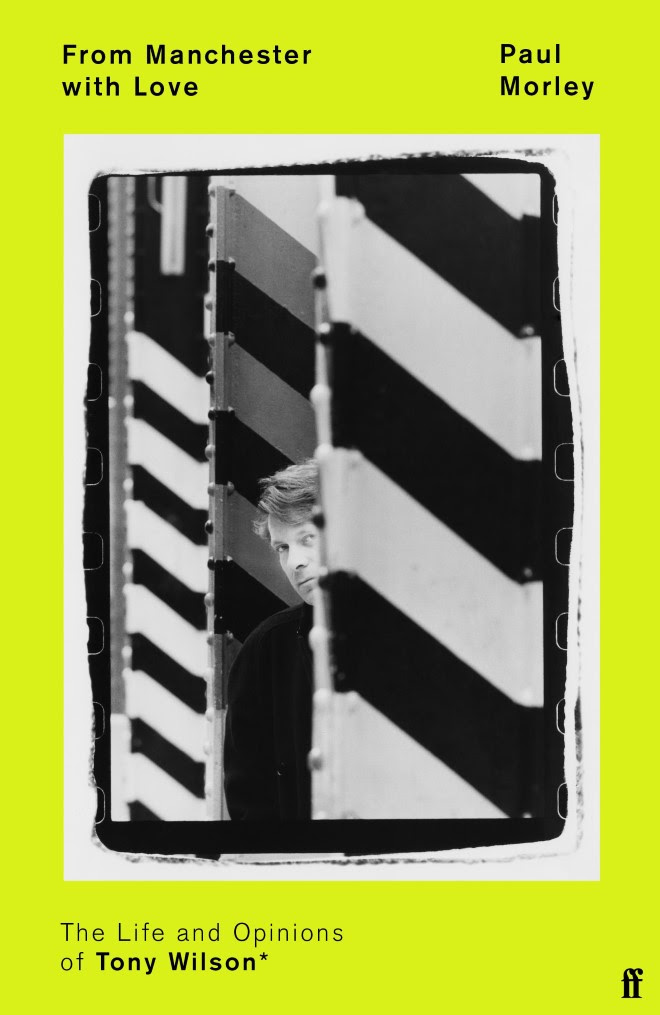
Lengthy but illuminating

Saville designed Wilson’s black granite headstone with architect Ben Kelly . The headstone sits in repose amongst the crosses and columns of its neighbours in the Southern Cemetery.
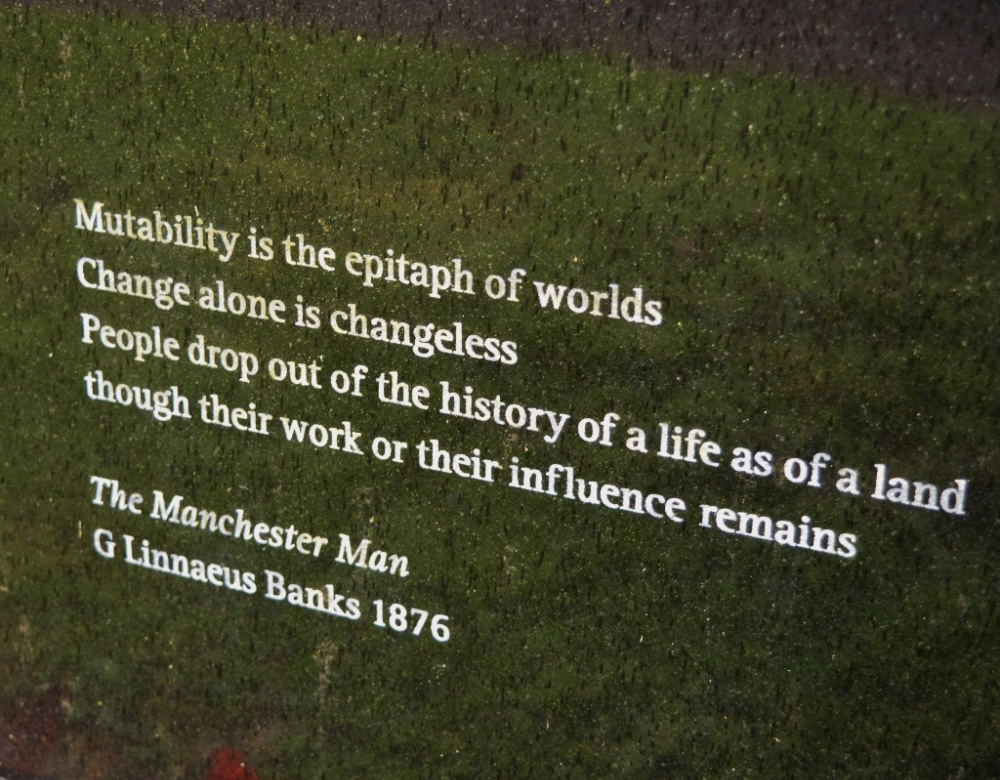
Inscription on Wilson’s headstone

Several examples of graffiti art featuring Tony Wilson have cropped up in the city including the following in Chorlton with its quote from the man himself (although sadly, ‘Wilson’ was incorrectly spelt in this instance).
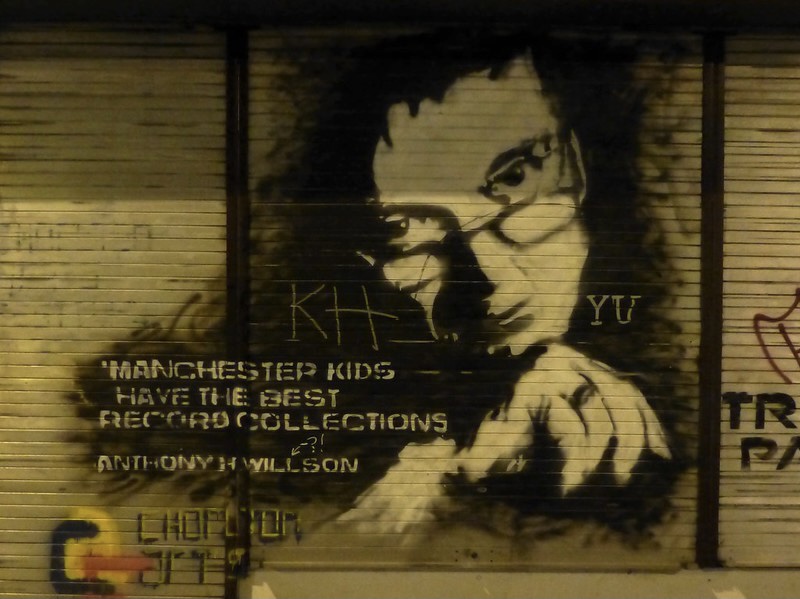
So it goes

Across the road from the Wilson mural is a stencil of the iconic Quentin Crisp by celebrated artist Stewy (www.stewy.uk).

The openly gay Quentin Crisp was a writer, humorist and actor who was famously played by the late actor John Hurt in the 1975 autobiography which was broadcast on national TV in the UK to great acclaim under the title ‘The Naked Civil Servant’. 

Crisp has only a somewhat tenuous link with Chorlton, the suburb being the place where he died in 1999 after staying with a friend there. He was cremated at the Southern Cemetery.

The Naked Civil Servant himself

Stewy’s stencil of Quentin Crisp is on the corner of Keppel Road in Chorlton. Keppel Road was where the Gibb brothers (better known as the Bee Gees) once lived and where they first practiced their harmonies together.

The brothers would, of course, go on to immense success globally. They were especially popular in the US and their mainstream take on disco music sold by the millions.
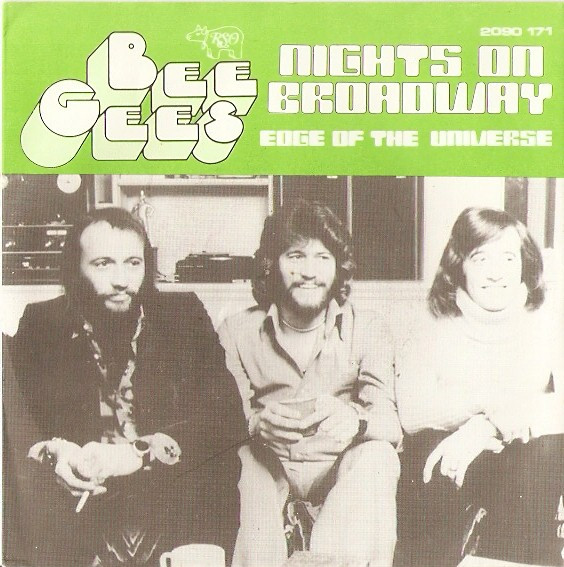
The brothers Gibb

Crisp was also a success in the US and in New York in particular. The city was where his Broadway show ‘An evening with Quentin Crisp’ was staged to great acclaim.
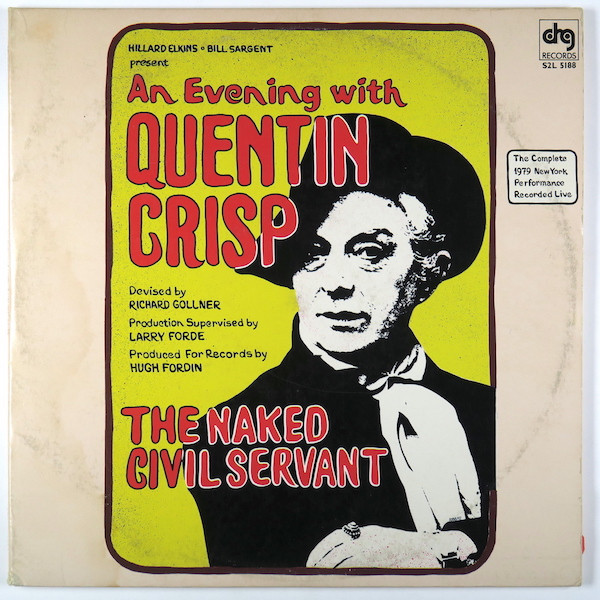
Soundtrack to the show.

Stewy also created a stencil artwork of Tony Wilson in the city as well as one of the ‘Bard of Salford’ (Salford being the city across the river from Manchester) John Copper Clarke, to whom Wilson gave his first break on TV. 

The bard himself

We’ll leave John Cooper Clarke with the last word.

Kung Fu International

Liverpool. Art, Poets and Pubs

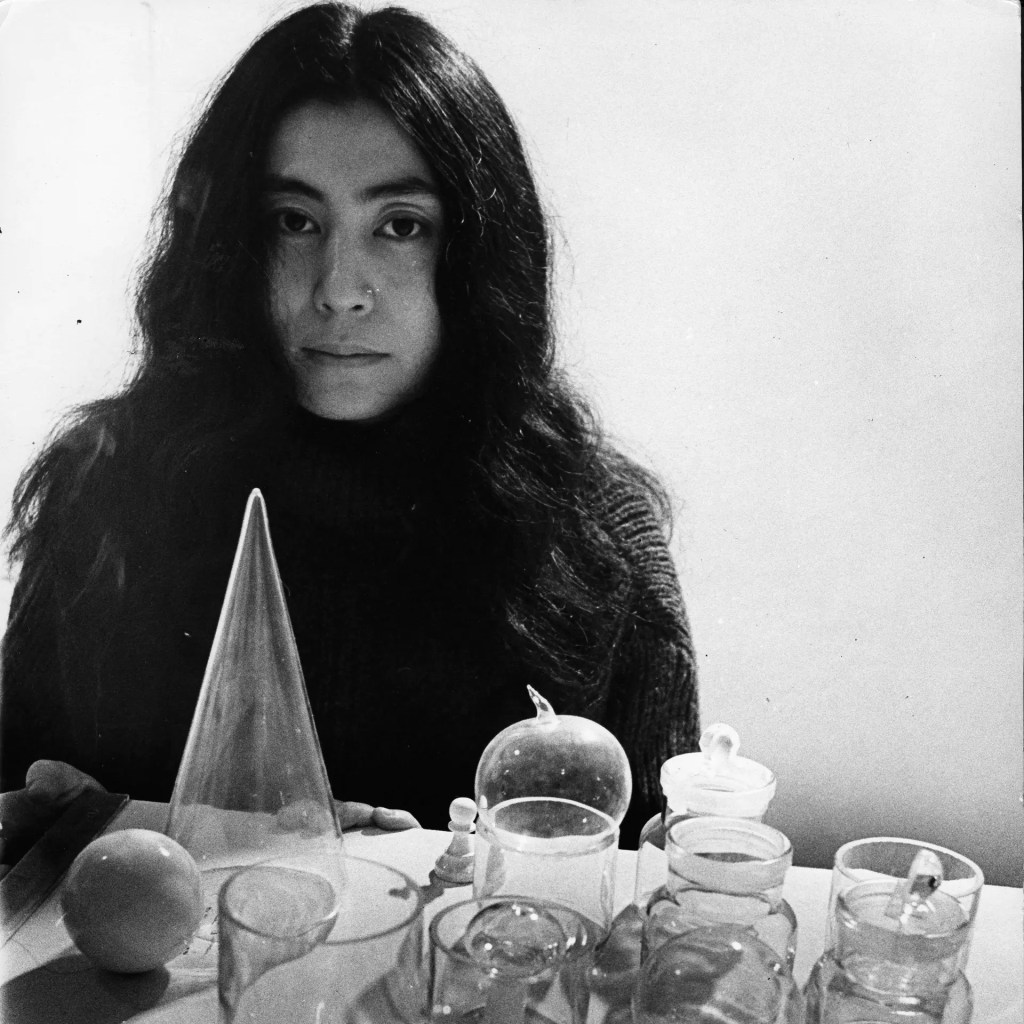
Yoko Ono at the Bluecoat Gallery, Liverpool in 1967

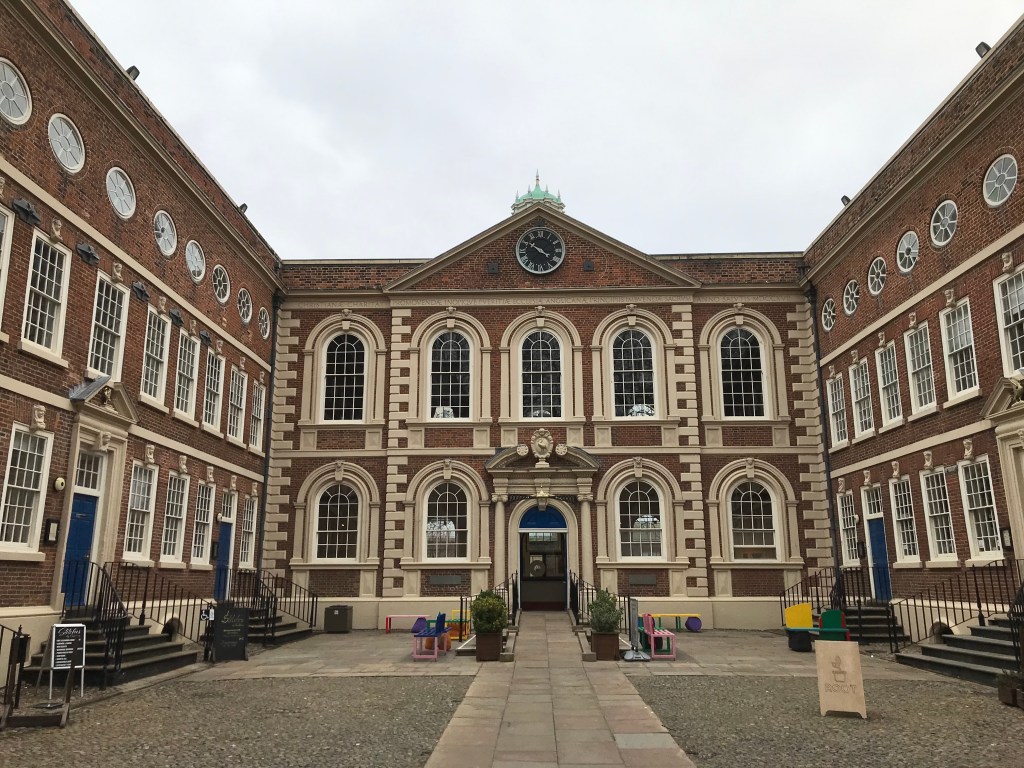
The Bluecoat gallery in Liverpool in the North West of England is a beautiful contemporary arts centre set in a 300 years old building. The gallery is centrally based and although it is surrounded by dull retail stores, it is an oasis of calm and a great place to while away some time. As well as the gallery, there is a cafe, a book store and the contemporary houseplant shop ‘Root’.

Bluecoat gallery

At the reception you are greeted by a commissioned work by the artist Babak Ganjei.

Past, present and future acknowledged

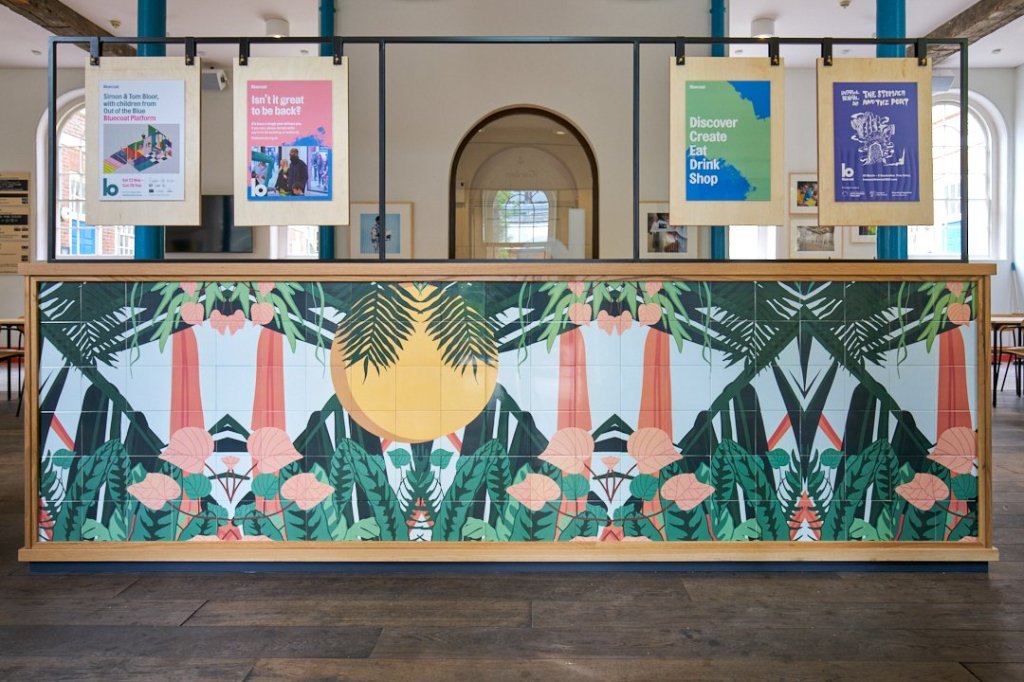
Another commissioned work on display in the foyer is the frieze ‘Summer’ by local artist Sumuyya Khader.

Summer by Sumuyya Khader

Sumuyya Khader (exhibiting under the programme title ‘Always Black Never Blue’) was one of three artists featured in the gallery on the day we visited along with London based Rosa-Johan Uddoh (‘Practice Makes Perfect’) and Deborah Roberts (‘A Look Inside’).

Deborah Roberts – ‘A Look Inside’
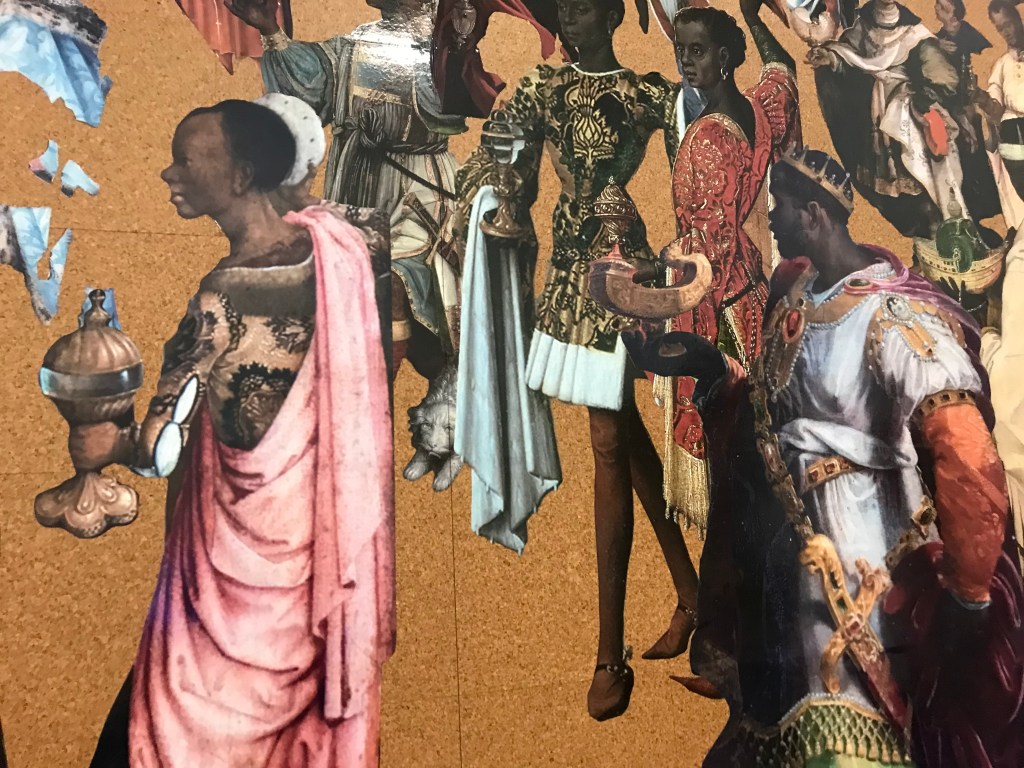
‘Balthazar’ – Rosa-Johan Uddoh

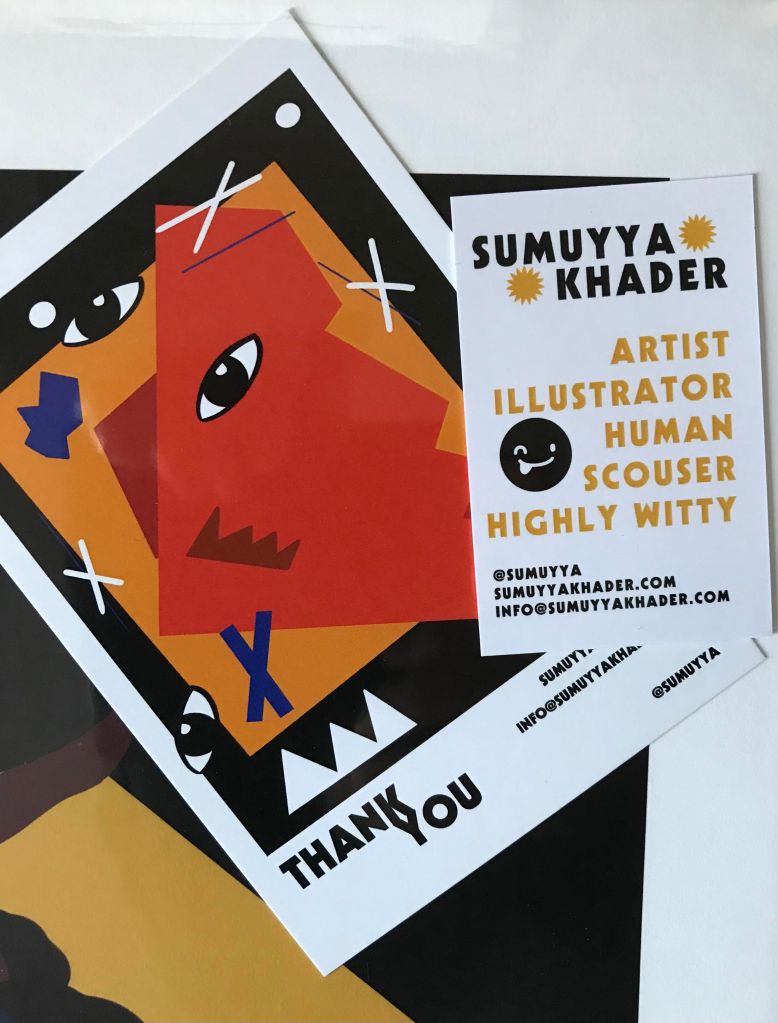
As noted above, the exhibition introduced us to the work of Sumuyya Khader. This was her first UK solo show in a public gallery. Khader has a studio in Liverpool 8 (of which more later) and runs Granby Press (named after the area’s most important and iconic thoroughfare, Granby Street), a community based printing project .

Her LinkedIn entry notes

Currently in conversations to develop a Black culture & history centre in the L8 area of Liverpool. A space for past, present and future with a focus on education and support‘.

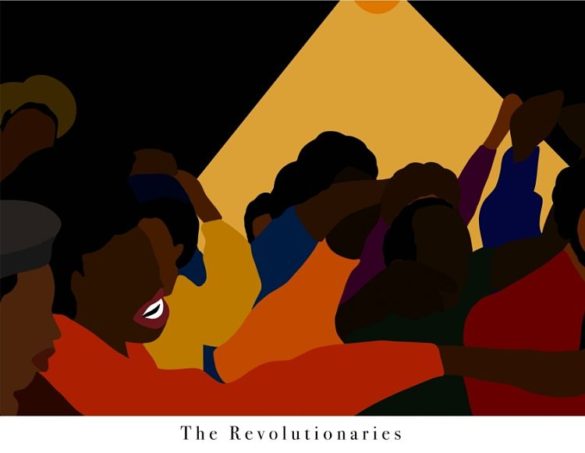
We managed to buy a print of one of Sumuyya Khader’s works from her online shop at https://www.sumuyyakhader.com. The print we ordered, ‘The Revolutionaries’ is inspired by the film director Steve McQueen’s film, ‘Lovers Rock’, part of a series of five films he made under the title ‘Small Axe’ (‘if you are the big three, we are the small axe’ sang Bob Marley) charting the lives of Black Britains from the 60s to the 80s. The films were recently shown by the BBC.

‘Lovers Rock’ is a film of a London house party in the 1970’s. Reggae is the party’s soundtrack. The most memorable moment in the film is the that where the guests are seen dancing to Janet Kay’s lovers rock hit ‘Silly Games’ and then singing the song as an acapella. The thundering reggae instrumental ‘Kunte Kinte Dub’ (credited to The Revolutionaries, the house band at the Channel 1 recording studio in Jamaica) follows not long afterwards. The Dub provokes joy and excitement in the partygoers with its trade mark synth line and bellowing foghorn introduction, the scene ultimately influencing the content and title of Khader’s work above.

‘Scouser.Highly witty’

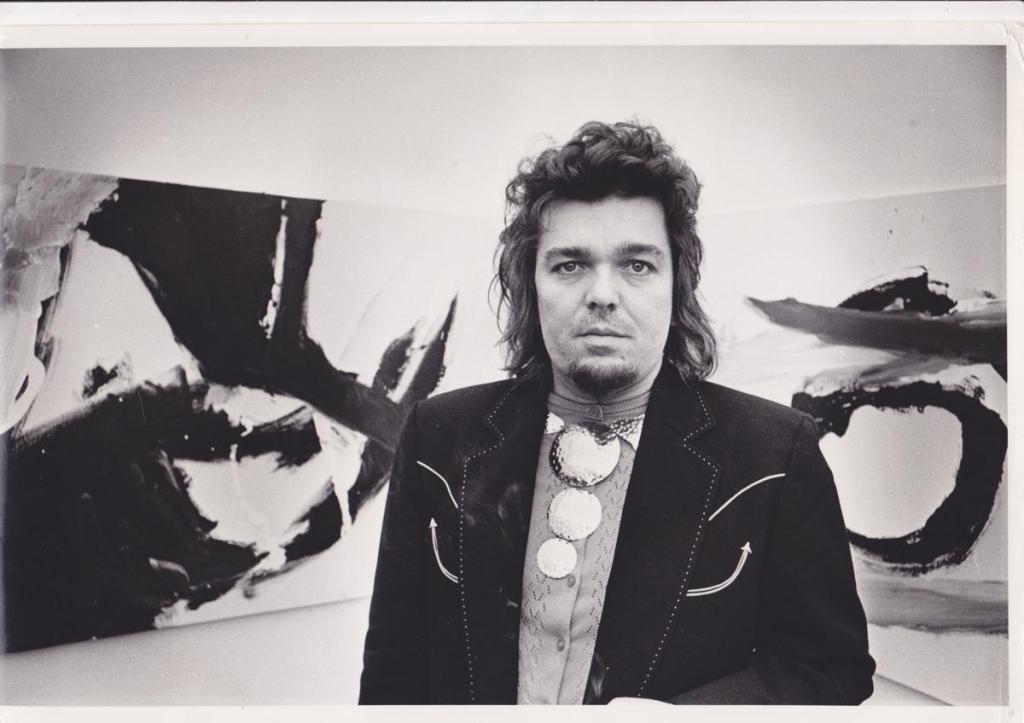
The Bluecoat has a venerable reputation for staging innovative artists. Looking at a list of past exhibitors at the gallery we came across an entry for Don Van Vliet, better known as R&B legend Captain Beefheart. The Captain was a ‘total artist’, a painter, singer, writer and performer. His exhibition at the Bluecoat, way back in 1972, was the first time the Captain’s painting had been publicly exhibited anywhere in the world.

Captain Beefheart at the Bluecoat in 1972

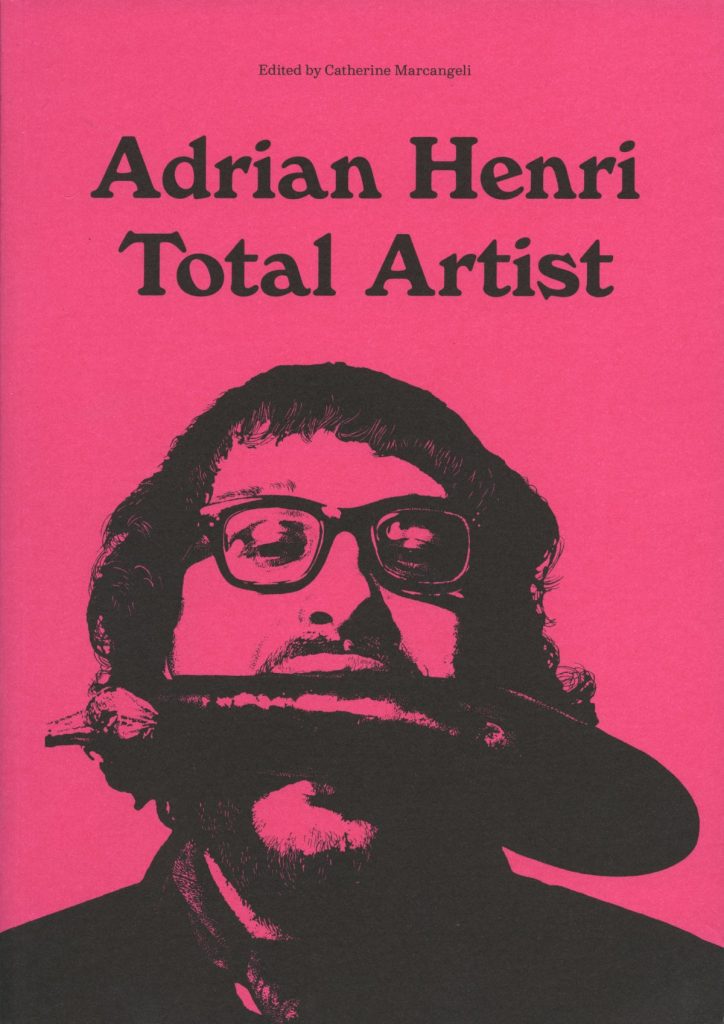
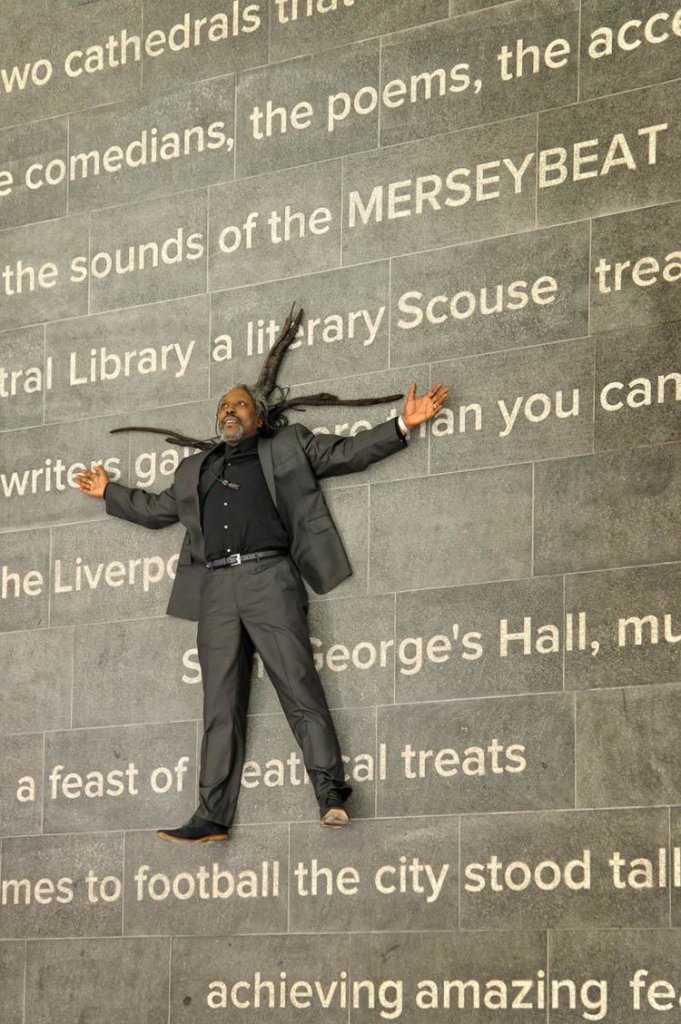
Another ‘total artist’ who embraced music, art, writing and performance, was local innovator Adrian Henri. Henri is probably best known as one of the Liverpool poets who came to prominence in the 1960’s and the founder of the poetry-rock group Liverpool Scene. Henri and his compatriots, Roger McGough and Brian Patten brought the influential ‘Mersey Beat’ poetry to the UK and beyond by using the same language, the same people and their lives as the Beatles were using in their songs. As well as poetry and performance, Henri was an established artist who exhibited several times at the Bluecoat.

An aubergine, presumably from Granby Street

Henri lived for much of his life in Liverpool 8, amidst the crumbling Georgian streets near the Art College and Anglican cathedral. As he noted ‘I cannot imagine what it would have been like to be a poet and not live here; or, indeed, whether I would have become a poet at all’.

His work ‘Autobiography’ lists the names of streets in the in and around Liverpool 8.

Rodney St pavement stretching to infinity

Italian garden by the priest’s house

seen through the barred doorway on Catherine St

pavingstones worn smooth for summer feet

St James Rd my first home in Alan’s flat

shaken intolerable by Cathedral bells on Sundays

Falkner Sq. Gardens heaped with red leaves to kick in autumn

Gambier Terrace loud Beatle guitars from the first floor

Sam painting beckoning phantoms hiding behind painted words bright colours in the flooded catfilled basement

Granby Street bright bazaars for aubergines and coriander

Blackburne House girls laughing at bus-stops in the afternoon

Blackburne Place redbrick Chirico tower rushing back after love at dinnertime. 

Another poet, another ‘total artist’ of Liverpool 8 is the writer and performer Levi Tafari. 

Levi Tafari

Born in Liverpool 8 to Jamaican parents Levi Tafari’s Wikipedia entry notes:-

Tafari self-identifies as an Urban Griot (the griot being the traditional consciousness raiser, storyteller, newscaster and political agitator)’.

As Tafari himself says ‘Liverpudlians are affectionately known as scousers, and scouse is a stew made of many ingredients’. He is a formally trained French chef and an alumni of the Liverpool 8 Writers Workshop. He is an established poet and performer who has taken his work all over the world.

Levi Tafari

Another Liverpool 8 poet and artist is Malik Al Nasir. After a tough early start in life he met the legendary writer, poet, musician, activist and ‘total artist’ Gil Scott Heron, the legendary influence behind rap (and much else) on a visit to the city. Gil took Malik under his wing and encouraged and mentored him through a masters degree and into a life of poetry and creativity.

Malik Al Nasir’s powerful memoir ‘Letters to Gil’ explores his ‘story of surviving physical and racial abuse and discovering a new sense of self-worth under the wing of the great artist, poet and civil rights activist Gil Scott-Heron’. The forward to the book is by another noted poet, Manchester born Lemn Sissay.

Malik and Gil

Liverpool is still a great city for characterful pubs. Pubs have been closing en masse throughout the UK during the past few years. Many have been successfully turned into ‘gastro pubs’ combining quality food, drink and hopefully ambiance. Nevertheless, there are still ‘traditional’ boozers left, especially in Liverpool and we’ll mention a few here (even if they serve decent food along with the drinks!).

Adrian Henri is there to help us. His ‘Poem for Liverpool 8’ mentions some of the pubs he frequented in the city although all of the following are on their way to Liverpool 8 from the city centre rather than in the district itself.

drunk jammed in the tiny bar in The Cracke

drunk in the crowded cutglass Philharmonic

drunk in noisy Jukebox O’Connor’s

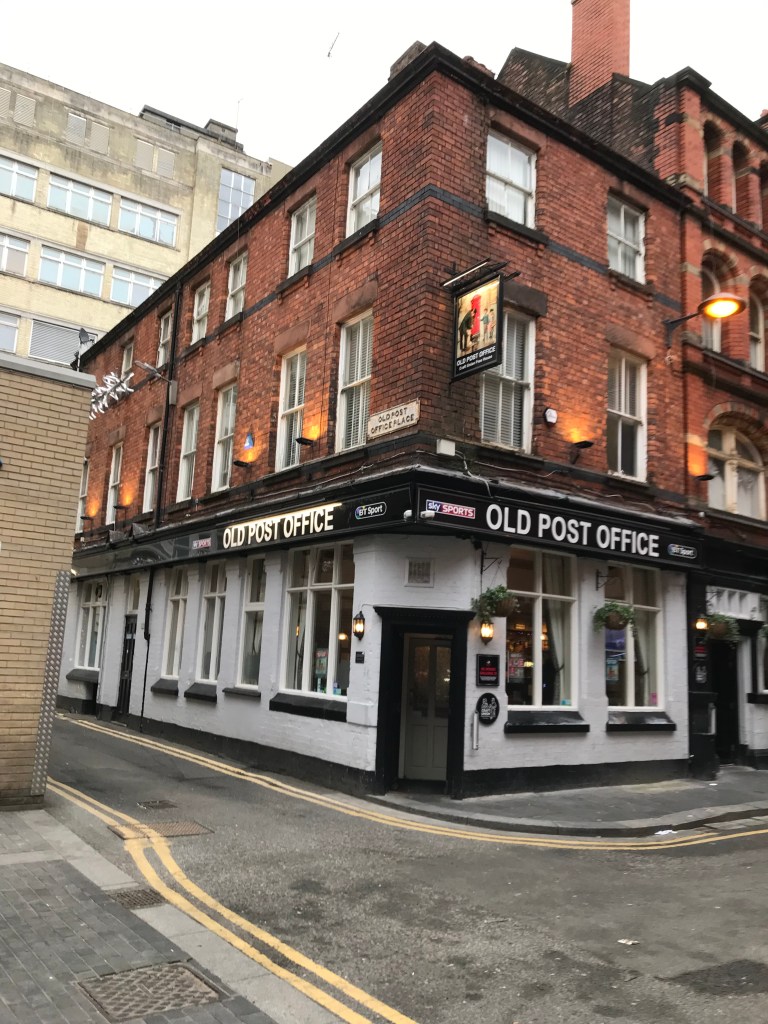
As you leave the Bluecoat, immediately to your right is the venerable ‘Old Post Office’ public house. The Old Post Office is an old fashioned ‘does what it says on the tin’ Victorian pub and it is a delightful place to while away an hour or two.

Mine’s a lager top

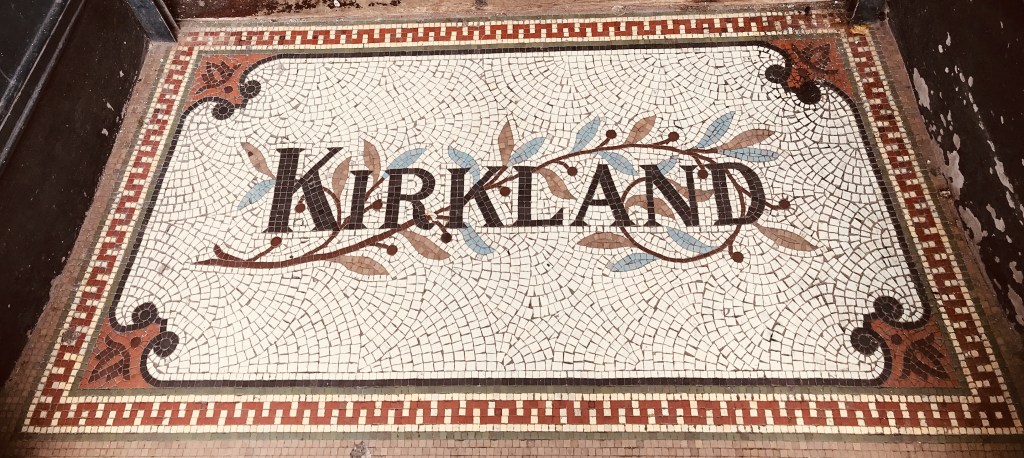
Other great pubs follow as you move away from the city centre itself. Around a 10 minutes walk from the Bluecoat as you walk up Hardman Street towards the Philharmonic Hall and Georgian terraces, is the Fly in the Loaf bar (although we always refer to it by its old name of ‘Kirklands’). With its long interior bar, tiled floor and mosaicked entrance, it was a formerly called Kirklands Bakery as the external signage notes saying  ‘Vienna Bakery – Bakers to the Queen – Kirkland Bros – Scotch Confectioners’ and ‘By Royal Appointment’ (to Queen Victoria no less!). Although the bar may not be as consequential as it was in the 70s and 80s when it was a preferred haunt of local footballers and celebrities, it is still a great place for a drink and ambiance!

Tiled entrance to the Fly in the Loaf and the old name of the bakery

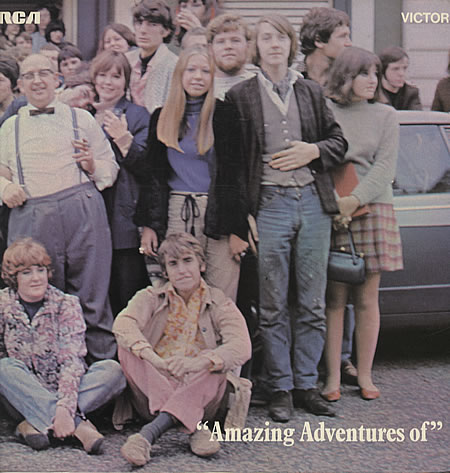
On the other side of the road to the Fly in the Loaf was an old bar called O’Connor’s Tavern which had been both a synagogue and then a morgue in a previous existence. The Tavern had a legendary jukebox and was popular with the Mersey Poets including of course, Adrian Henri. Henri once met Yoko Ono at the Bluecoat where she was exhibiting (in 1967, she returned to the gallery in 2008) and took her for a drink at O’Connors. Regulars of the Tavern, including the landlord are featured on the cover of The Liverpool Scene album ‘Amazing Adventures of’.

The Liverpool Scene with Adrian Henri

O’Connors is long gone and the site has changed hands several times since those days. Showing our age, we remember it when it was a wood lined bar called ‘Chaucers’.

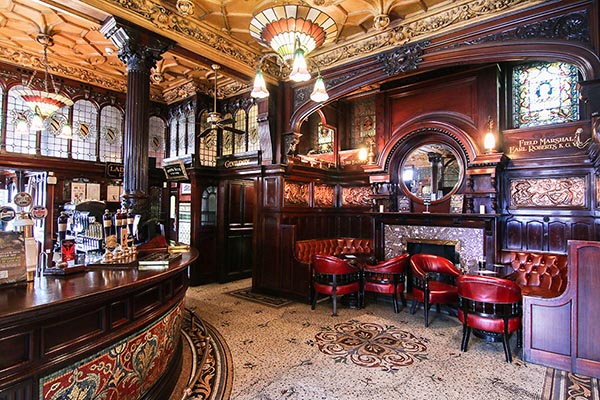
A short walk further up the hill will bring you to The Philharmonic pub (‘the Phil’) surely one of the UK’s most spectacular ‘boozers’. The Phil is a Grade 1 listed building and if you ever get the chance to visit Liverpool, do stop for a drink here.

The Phil

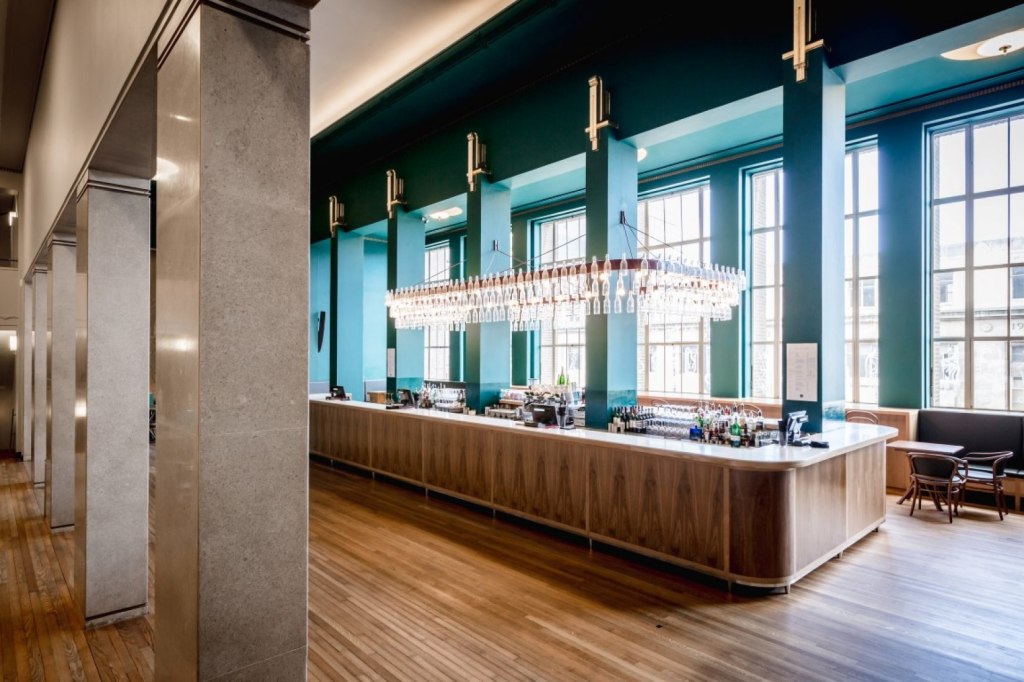
Across the road from The Phil is the Philharmonic Hall. Although a concert venue (and in particular, we remember seeing jazz poet Gil Scott Heron perform there), the Hall’s upstairs bar is an Art Deco masterpiece and worth a visit in its own right.

Philharmonic Hall bar

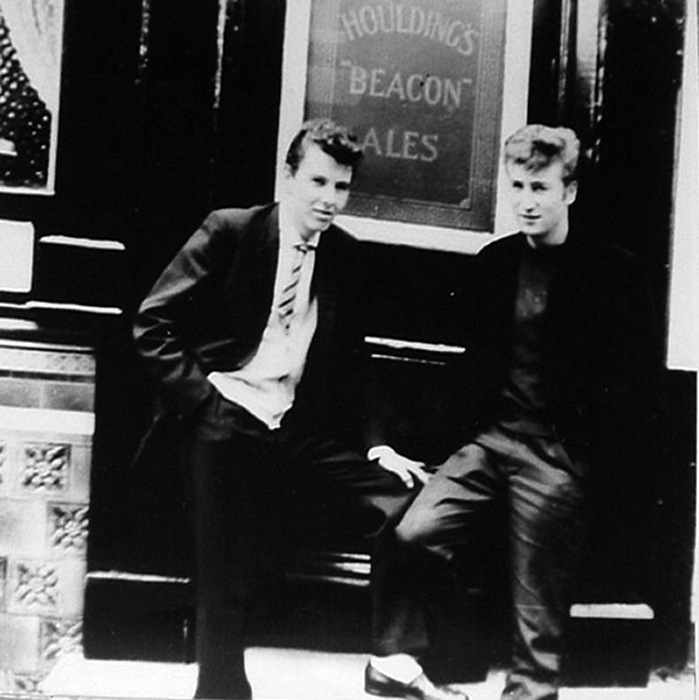
Another short walk away from the Hall takes you to ‘Ye Cracke’, a legendary pub not only frequented by Adrian Henri and John Lennon but by generations of students from the nearby Art College.

John Lennon outside Ye Cracke in 1958

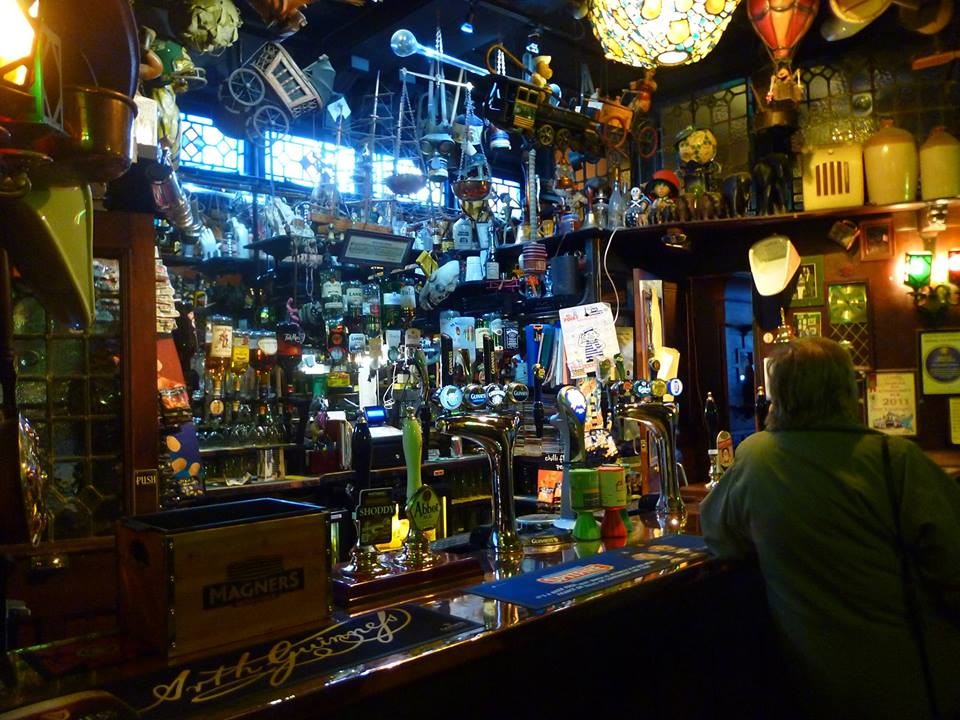
Away from Ye Cracke and into the outskirts of Liverpool 8 proper is Peter Kavanghs pub. Our personal favourite in the UK, we’ve never seen such a great mix of people drinking in one bar before. Ambiance galore!

Peter Kavanaghs

We’ll leave Gil Scott Heron to have the last word.
‘A good poet feels what his community feels.

Like if you stub your toe, the rest of your body hurts’.

Rotterdam, kapsalon and kopstoot

Rotterdam Blaak railway and metro station

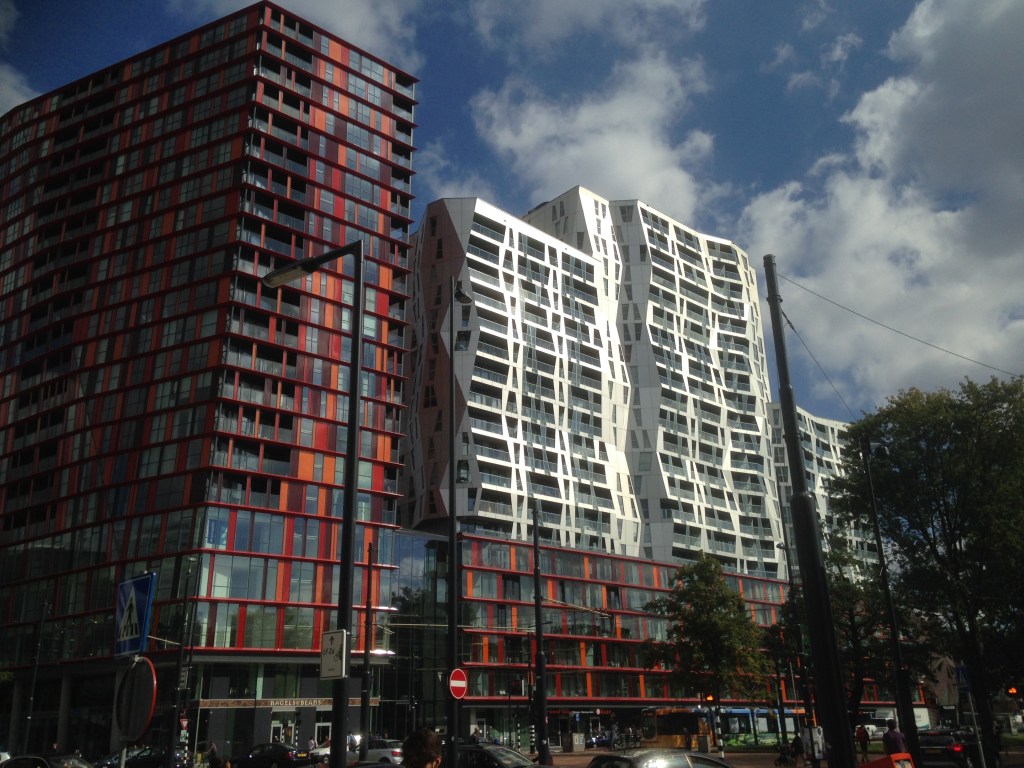
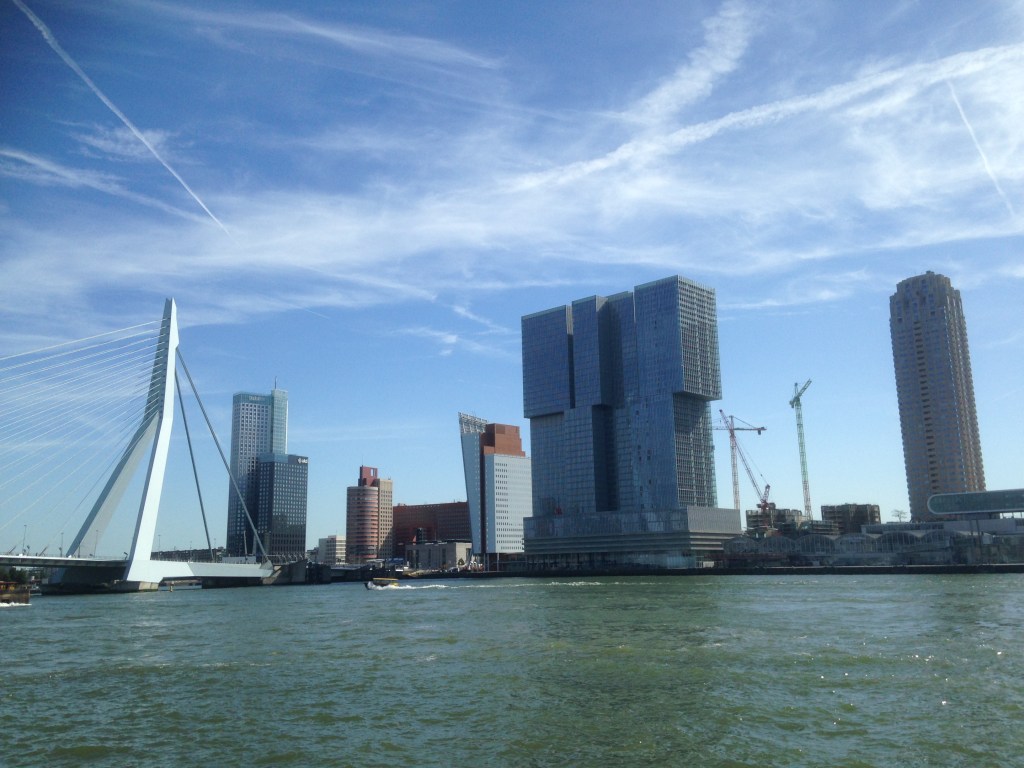
Rotterdam is the second city of the Netherlands and Europe’s biggest seaport. Like other European port cities such as Liverpool and Hamburg, Rotterdam was badly damaged by aerial bombing during the Second World War. Much of its old medieval centre was destroyed and unlike its big sister, Amsterdam, the city is very much a modern construct in its centre and in its awesome shipping zone.

Central

Seaport

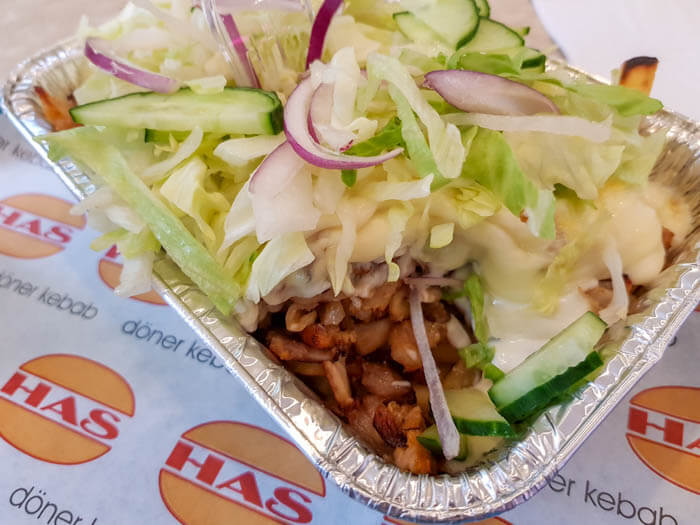
Modern Dutch architecture is superb. Futuristic design greets you as you arrive at the city’s Centraal station. Known locally as the ‘kapsalonbak’, the station is named after the late night post ‘kapsalon’, a snack of meat kebab, chips, and melted cheese with them roof of the station apparently resembling the takeaway’s metal tray.

Centraal Station

Kapsalonbak – hopefully with extra chilli sauce!

Not the best cuisine on offer in the city but after over indulgence at the local bar, it is just what the doctor ordered!

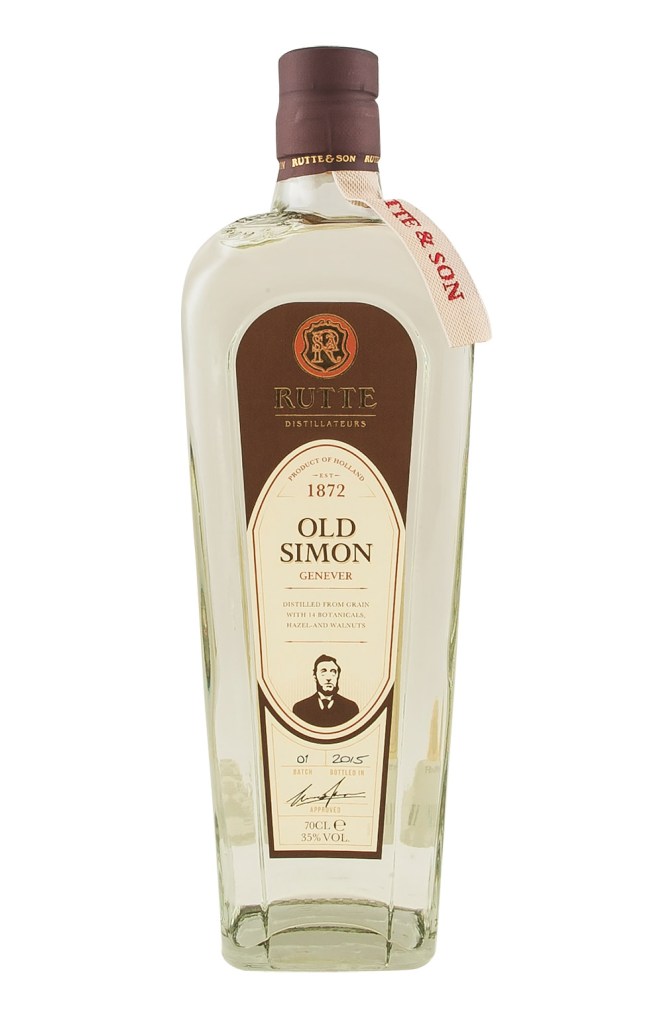
Genever, sometimes known as Dutch gin (although it tastes nothing like a ‘London dry’), is a malt grain-based spirit distilled in Holland or Belgium. Botanicals such as juniper are added resulting in a punchy, nutty drink with a pretty powerful kick. It is the origin of the phrase ‘Dutch courage’ after all.

Traditionally served in a tulip shaped glass, the spirit is either ‘old’ (‘oude’) or ‘young’ (jonge’). These terms do not refer to the ageing process itself but rather to the distillation procedure used in its manufacture. The distillation of the young genever results in a lighter, cheaper product with the ‘old’ better suited to slower imbibing. Young genever is the sort of drink you would have with a chaser of beer at the bar (known as a ‘kopstoot’ or ‘headbutt’) with your rowdy friends!

Kopstoot

We think that an oude genever is best enjoyed when it is mixed into a cocktail such as a ‘Martinez’ with sweet vermouth, orange Curaçao or cherry liqueur, bitters, a twist of lemon and plenty of ice. We recommend ‘Oude Simon’, a genever made by the Rutte family distillers in Dordrecht, just outside of Rotterdam. The spirit is named after Simon Rutte who founded the distillery in the town some 150 years ago.

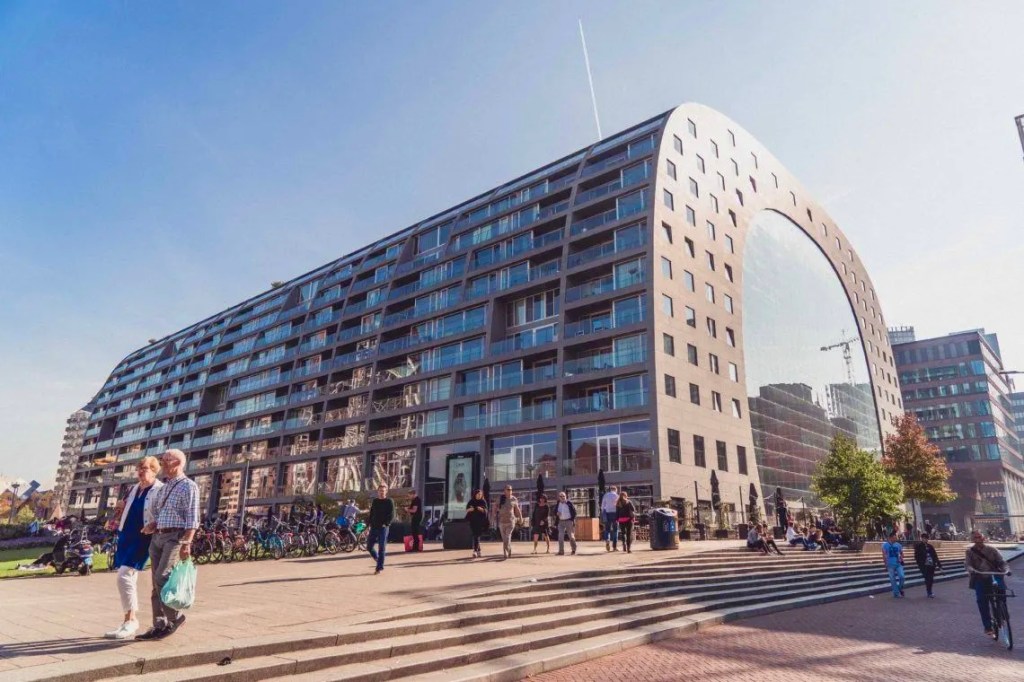
There are two especially beautiful modern constructs in Rotterdam, both designed by local architects MVRDV see https://www.mvrdv.nl/ These two buildings are the recent Depot Boijimans van Beuningen and the iconic Markthal.

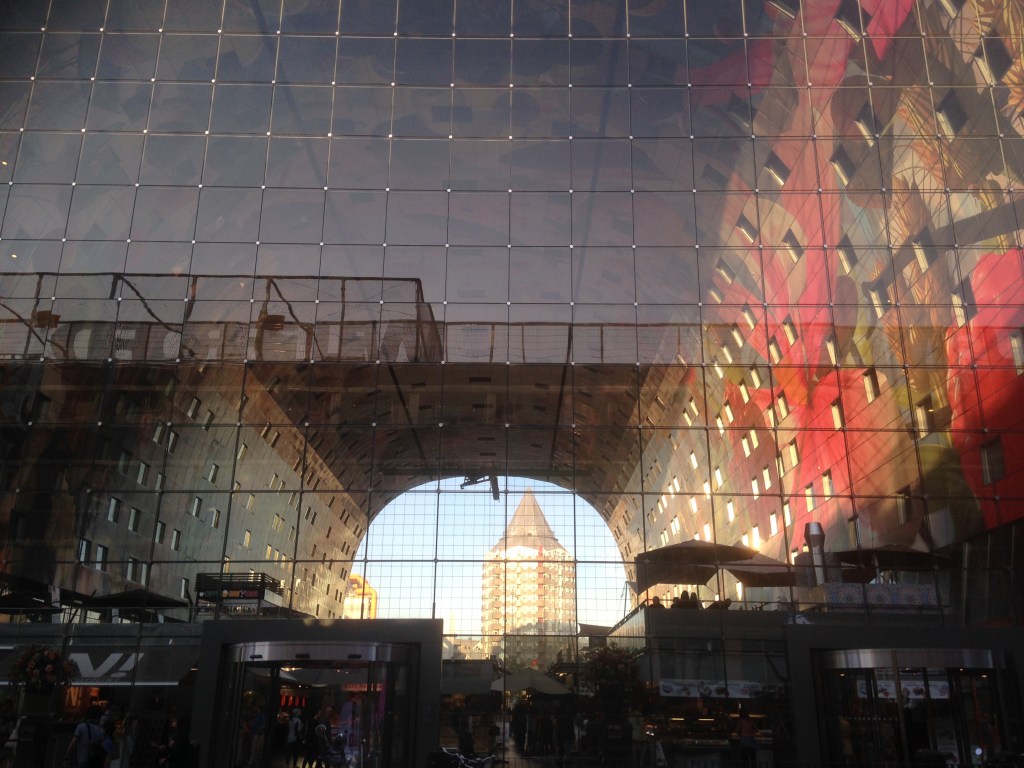
Markthal

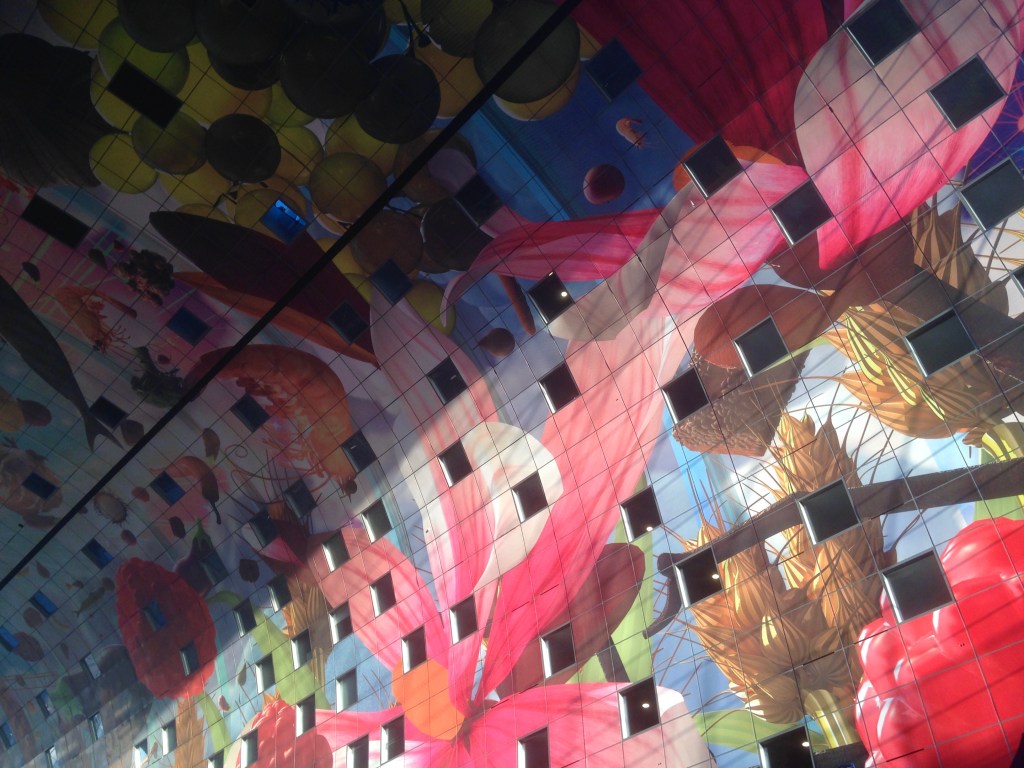
Dominating a central Rotterdam space the size of Tiananmen Square, the Markthal (‘Market Hall’) is a giant ground floor court surrounded by restaurants and bars with apartments and offices on the upper levels. The building’s inner arch is covered in an 11, 000 sq metre mural called ‘The Horn of Plenty’ which depicts typical produce to be found in the food hall. The mural was produced by Dutch artists Arno Coenen and Iris Roskam.

Through the central entrance

Interior mural

Interior mural

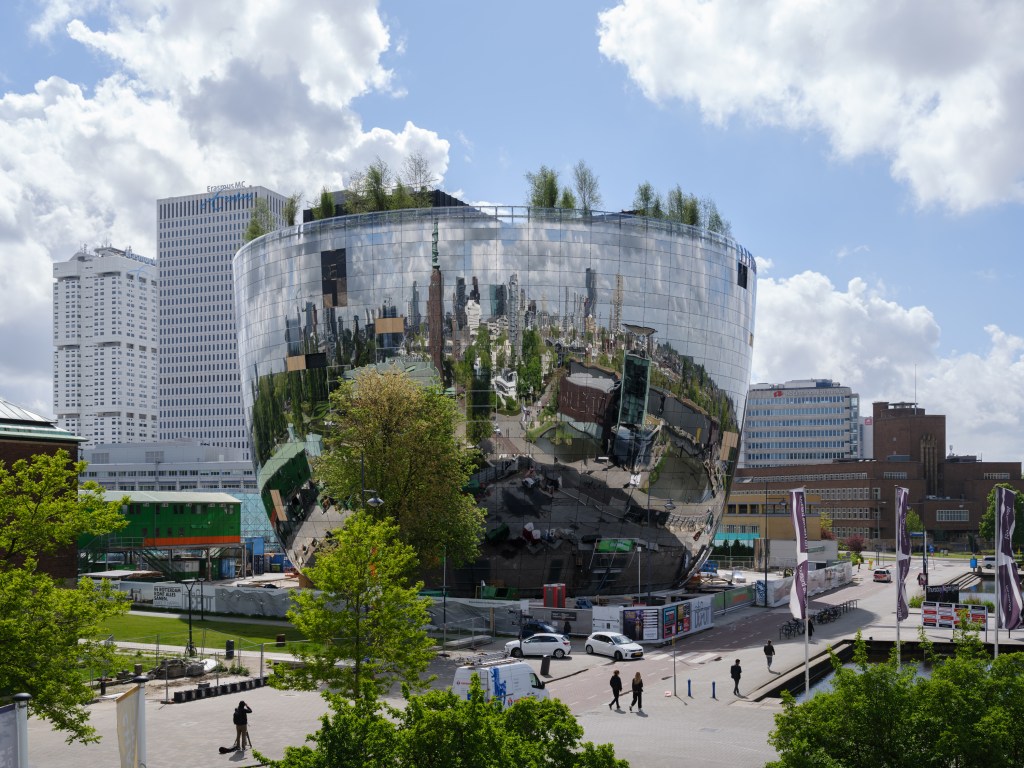
The second MVRDV building we would like to mention is the Depot Boijimans van Beuningen. The building is the world’s first publicly assessable arts storage facility. It is located next to the museum of the same name in the city’s Museumpark, an urban parkland area. Visitors to the Depot will find more than 150,000 art works housed together arranged in different storage compartments. Information on the preservation and management of this huge and diverse collection is freely available to visitors. Usually these works would be hidden from view in storage in the bowels of the museum metaphorically ‘gathering dust’.

Depot Boijimans van Beuningen

A great port city should have a great football club. Liverpool has two and Hamburg’s best loved team are FC St. Pauli. Rotterdam has the legendary Feynoord, arch rivals to Amsterdam’s Ajax.

Feynoord fans are known for their pyrotechinics

Next time you visit the Netherlands, make sure you visit Rotterdam.

LIQUEUR, WITCHES AND BLACK CATS

Burnley, a town in the county of Lancashire in the North West of England is not the sort of place that you would regularly find in the Financial Times newspaper. Usually the ‘FT’ reserves its comments to the wealthier parts of England, usually in the South of the country and usually in London. Nevertheless it was pleasure that we came across a fascinating article in a recent ‘FT Weekend’ on Burnley and the town’s reputation as the biggest market in the UK for the French liqueur, Bénédictine. The article is behind a ‘paywall’ and so are unable to link to it here. Nevertheless, we were fascinated to learn that this Northern industrial town was of so much importance to the French producers of this drink.

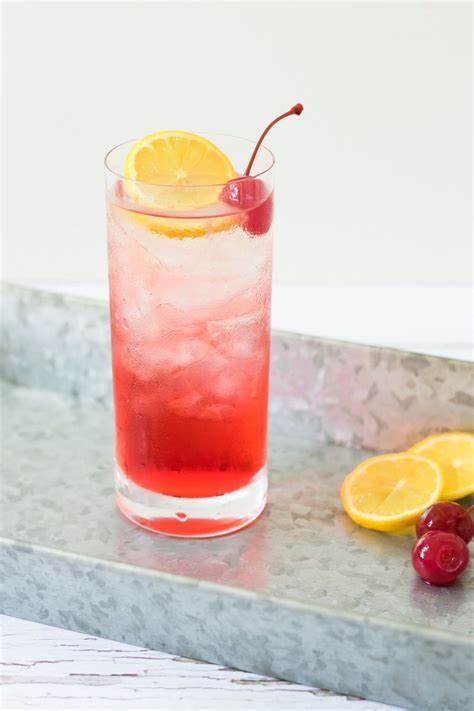
The French company has an international market for its product in France, the UK, USA and, of course, Singapore where it is a constituent of the famous ‘Singapore Sling’ cocktail.

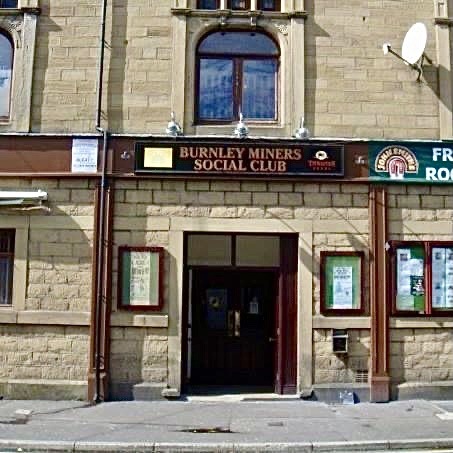
When the war finally ended, the soldiers of the East Lancashire Regiment brought their taste for the drink back to England and two towns such as Burnley where it is immensely popular usually in the form of a ‘Bene and (h)ot’, Bénédictine mixed with hot water and a slice of lemon. So popular is the drink that the Burnley Miners Club in the town apparently orders around 1000 bottles a year when most bars might order one or two in that time (unless they serve a lot of Singapore Slings of course!).

The venerable old football club, Burnley FC (who play at the delightfully named ‘Turf Moor’ ground) serves ‘Bene and ot’ to its match day fans making it (probably) the only League club where supporters are real enthusiasts for the French liqueur. 

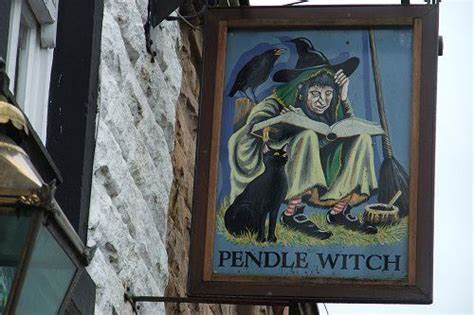
Burnley is also the home to several breweries, our favourite being Moorehouse who are based in the town. They have been brewing for 150 years. They produce a superb range of core, craft and small range beers some of whose names (Blond Witch, White Witch, Straw Dog, Black Cat, Pendle Witches Brew) refer to the legends and tales of the nearby Pendle Hill.

Pendle Hill

Pendle Hill is an eerie and haunting old hunting ground of mystery and infamy.

The Moorhouse website quotes the following lines about ‘Mystical Pendle’:-

When the mist rolls in, as it often does, the hill is enveloped in a veil of secrecy and intrigue. It is this atmosphere and eerie presence that still lingers on and can be felt across the moorland and woodland alike. Especially when the mist lingers, or in the dead of night, that this land of rich myths and legends comes to life.

Pendle is known as one of the most haunted parts of Britain and it is forever associated with the Witch Trials of 1612 and the execution by hanging of 10 local women accused of the craft.

The names of Moorhouse’s Blond Witch, White Witch and Pendle Witches Brew beers clearly refer to those infamous trials but the names of two of their other core ales, Straw Dog and Black Cat are worth a further explanation.

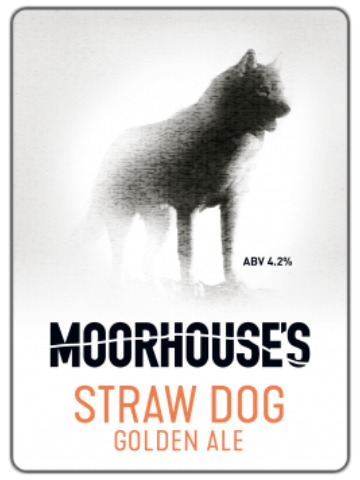
Straw Dog is the name the brewery gave to a quality golden ale referring (as their website explains) to the locally infamous Demdike, the colloquial name of of one of the alleged witches, Elizabeth Southerns, ‘who gave her soul to a devilish hound, which would carry out her devilish deeds’.

Our personal favourite, the dark mild Black Cat with its luscious overtones of chocolate and mocha, is quite low in alcoholic content, 3.4 ABV (a shock to any Belgians reading this!). It is therefore ideal as a ‘session beer’ i.e. one to enjoy in quantity with your friends over a long winter’s evening without slurring your words as a result! As for its name, once again the Moorhouse’s website explains the connection with the Pendle Witches by noting ‘still guarding Malkin Tower, the Black Cat patrols the ruins, warding off insolent travellers to protect its master’s estate’. Malkin Tower was the home of Elizabeth Southerns aka ‘Demdike’.

The following is an interesting link on Malkin Tower :-

http://www.pendlefolk.com/malkin-tower-rachel-and-andrew-turner-on-their-quest-to-find-the-witches-house/

The name Malkin itself is derived from ‘Grimalkin’, an archaic term for a cat. Cats themselves were thought to be the Witches familiar.

‘I come, Grimalkin’ says the First Witch in Macbeth.

‘Tis he that villain Grimalkin

Madam Malkin was the name of a witch in the Harry Potter books.

Above, the 16th century St Mary’s Church at Newchurch in Pendle where the tombstone known as the Witches’ Grave and the “Eye of God” are to be found. One of the accused at the Trials was alleged to have desecrated graves in this churchyard to collect skulls and teeth.
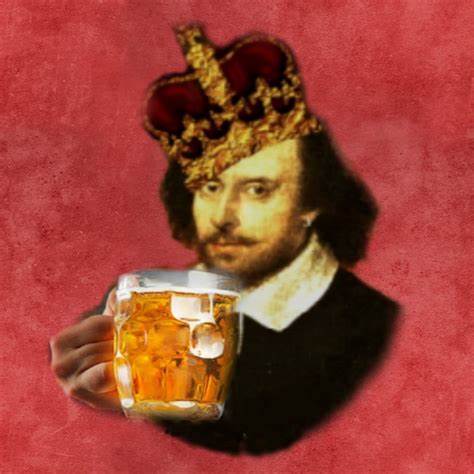
The Bard himself

The Cheshire Cat goes organic

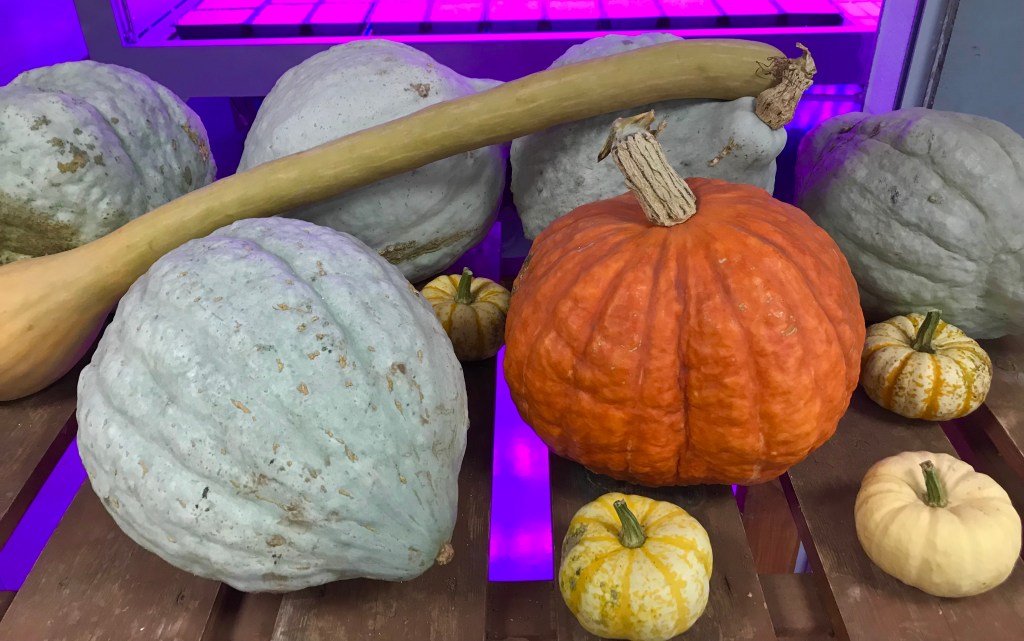
Growing @ Field 28 is a family run organic farm and food store located near the village of Daresbury in Cheshire in the North West of England.

Using a combination of pesticide free vegetables grown on the surrounding fields and high quality baby leaf and micro greens grown indoors, Growing @ Field 28 is a most welcome addition to the local field scene. It is a part of the distinct move by farmers away from mass produced food.

As well as supplying restaurents with high quality produce there is also a food store at their site selling fruit and vegetables, eggs, bread and cakes and more!

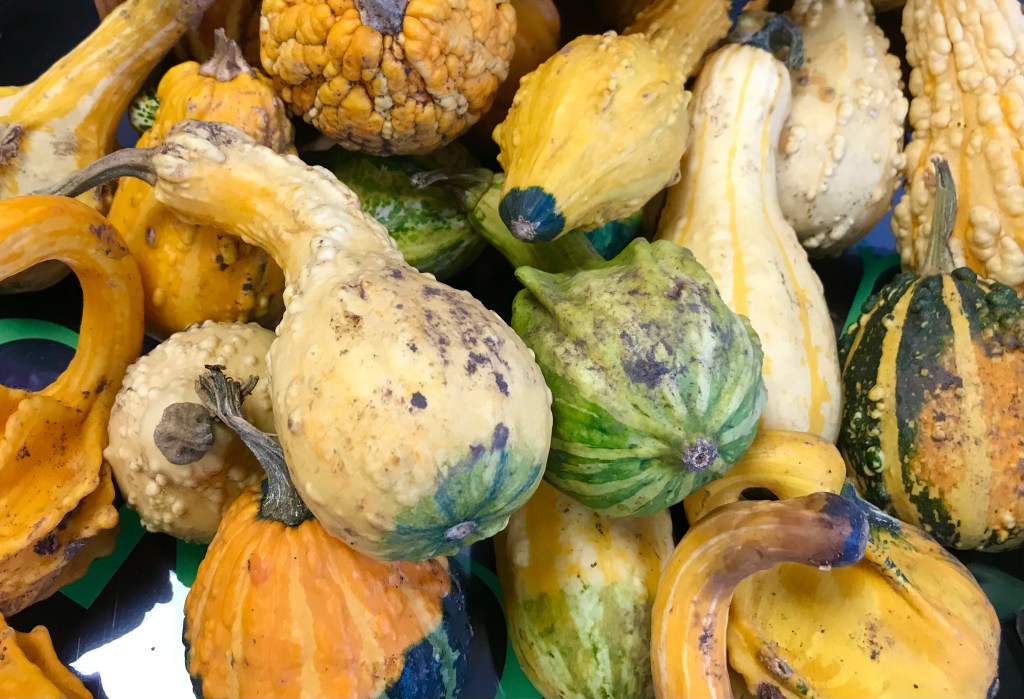
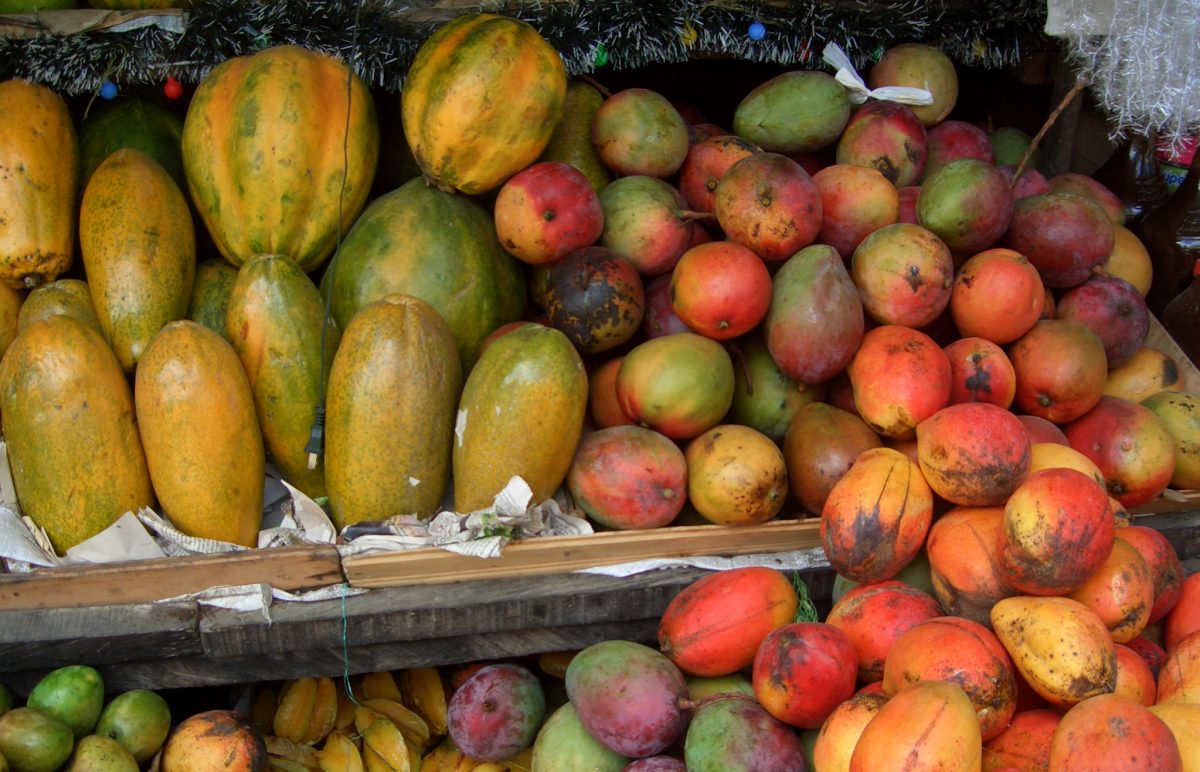
Squashes of all types

Growing @ Field 28 is well worth a visit. Their website is at https://www.field28.com.

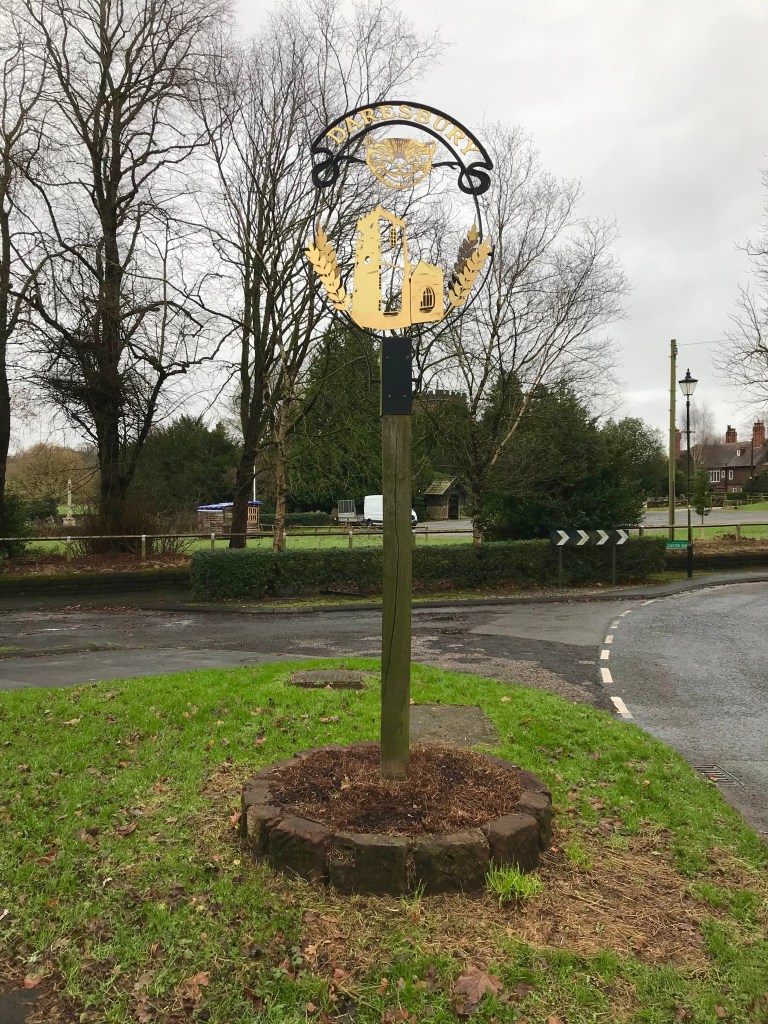
A short distance away is the village of Daresbury itself. The village, as well as being a delightful place to visit in its own right, also has an historical association with Lewis Carroll of ‘Alice in Wonderland’ fame. That association is clearly noted throughout the village.

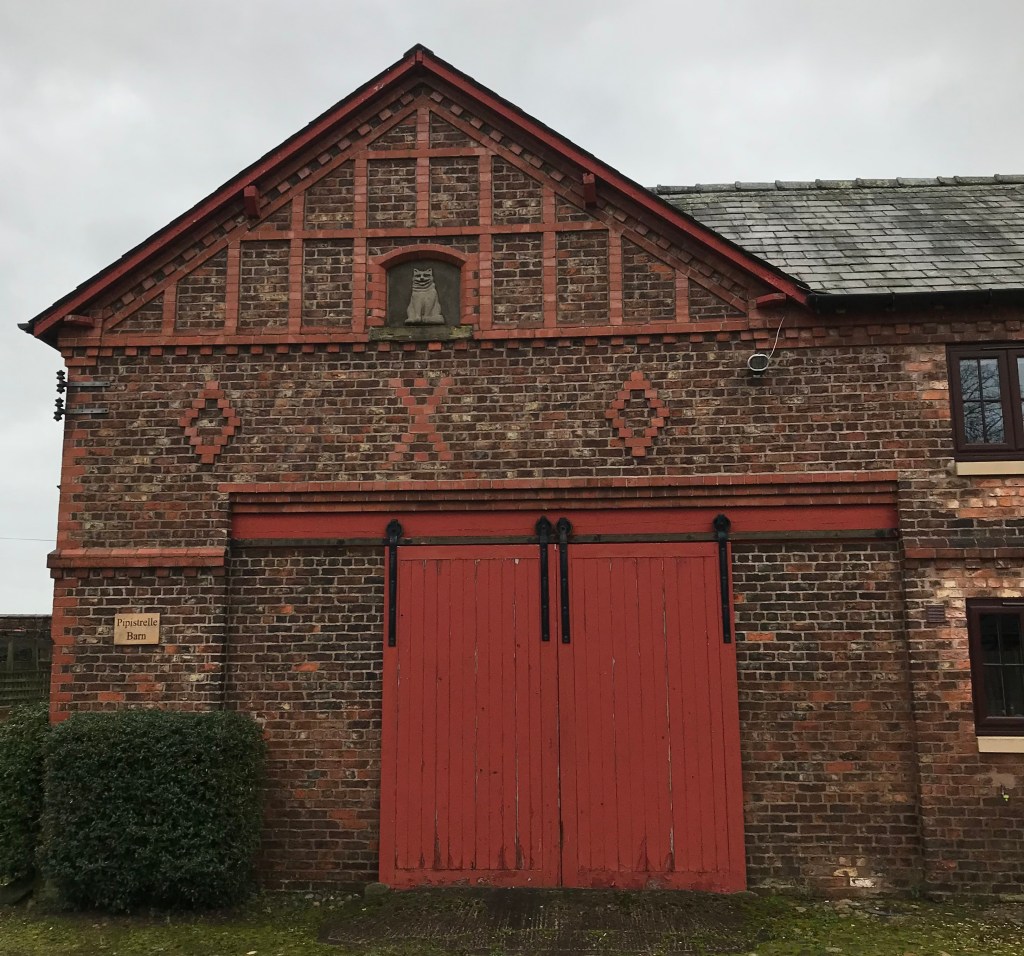
The Cheshire Cat greets you as you enter the village. We are in Cheshire after all!
Here he is again
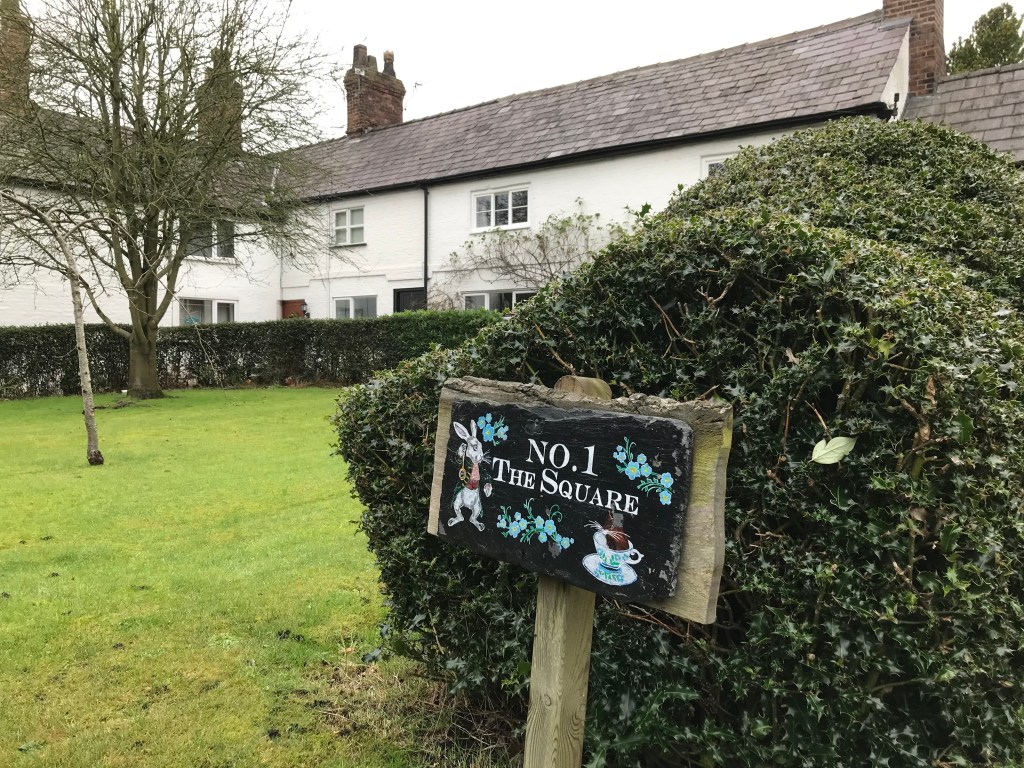
The March Hare and a cup of tea

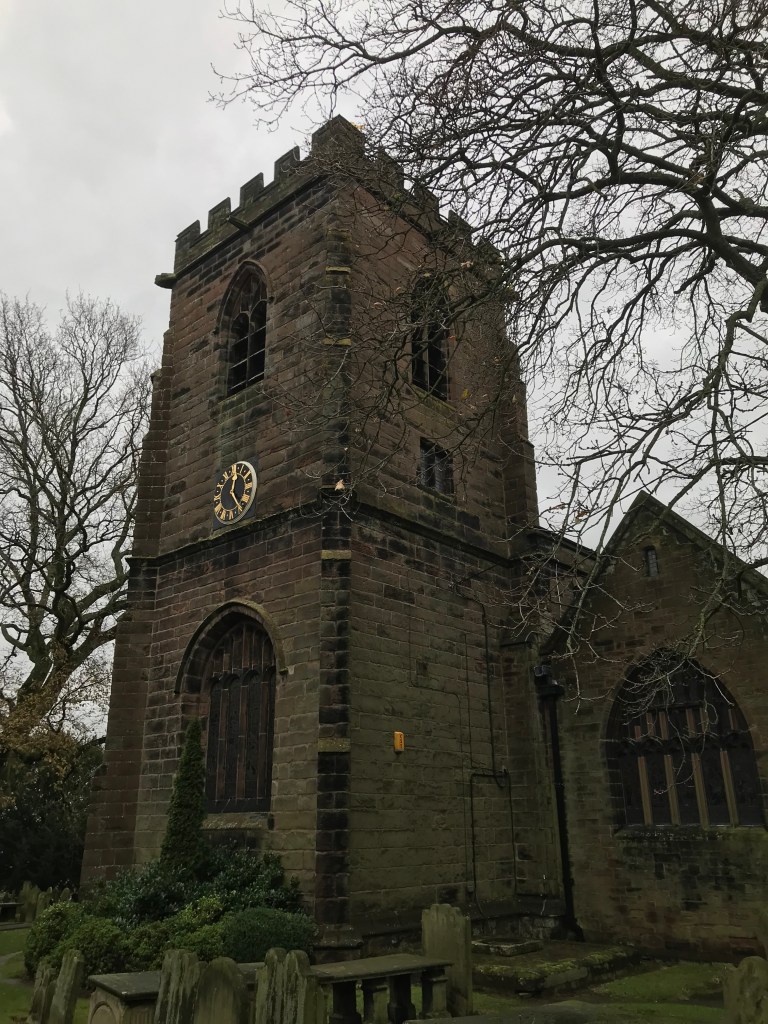
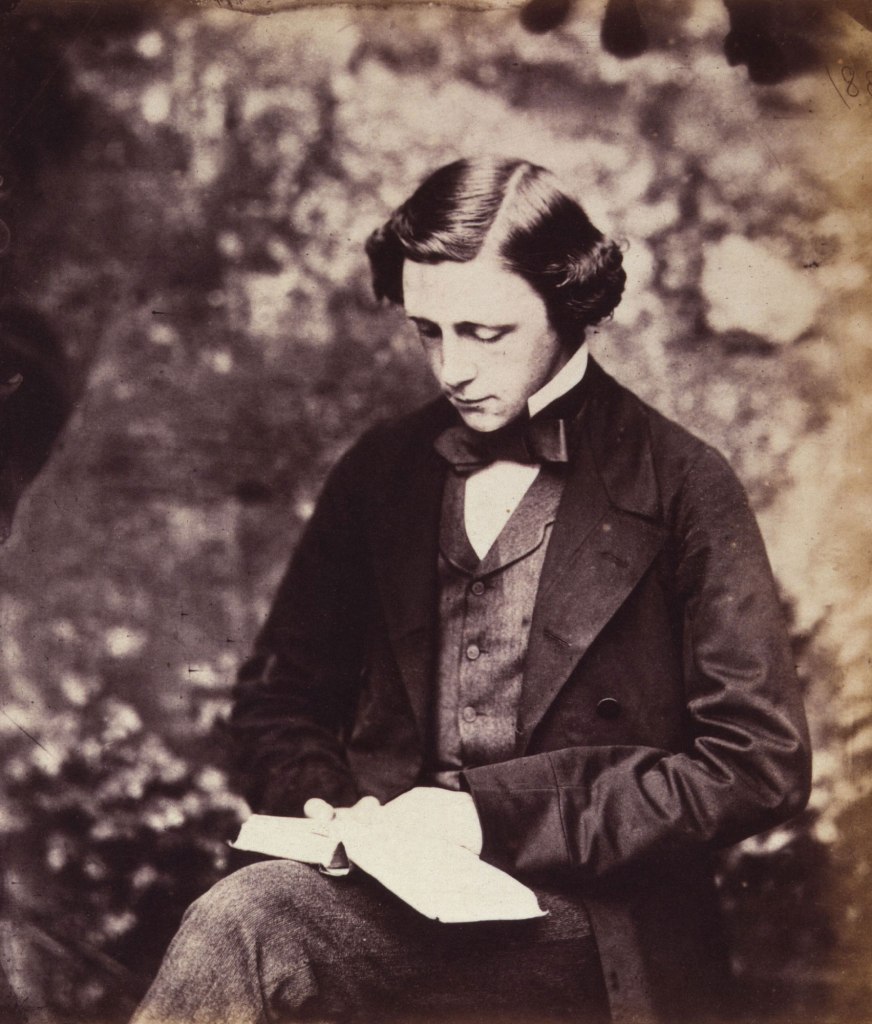
Lewis Carroll was the pen name of Charles Lutwidge Dodgson, the third son of the Reverend Charles Dodgson, the vicar of All Saints, Daresbury from 1827 – 1843.

All Saints church

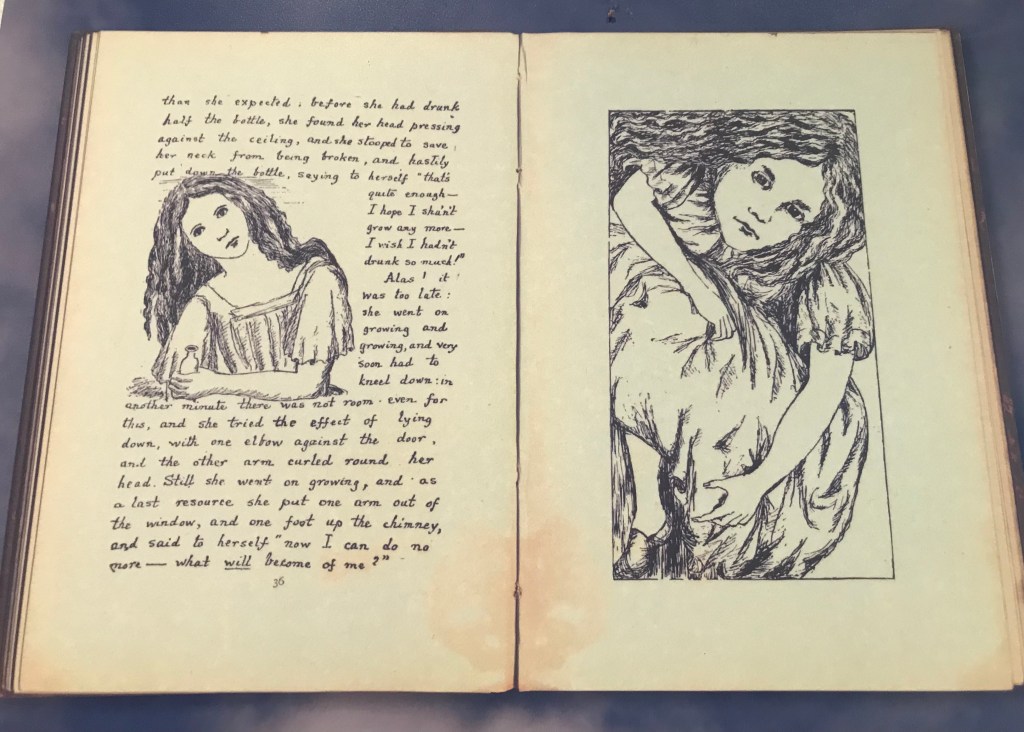
The church is the site of the Lewis Carroll centre. The centre, which attacts visitors from all around the world, is free to visit. It has lots of information on the author and the characters he created.

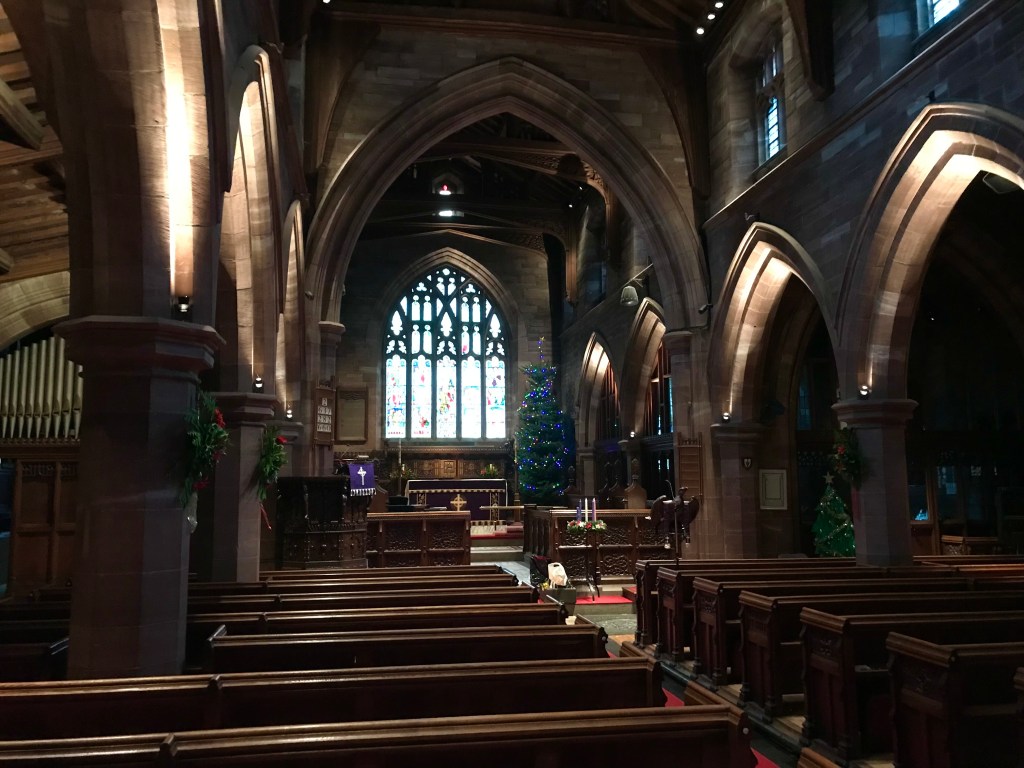
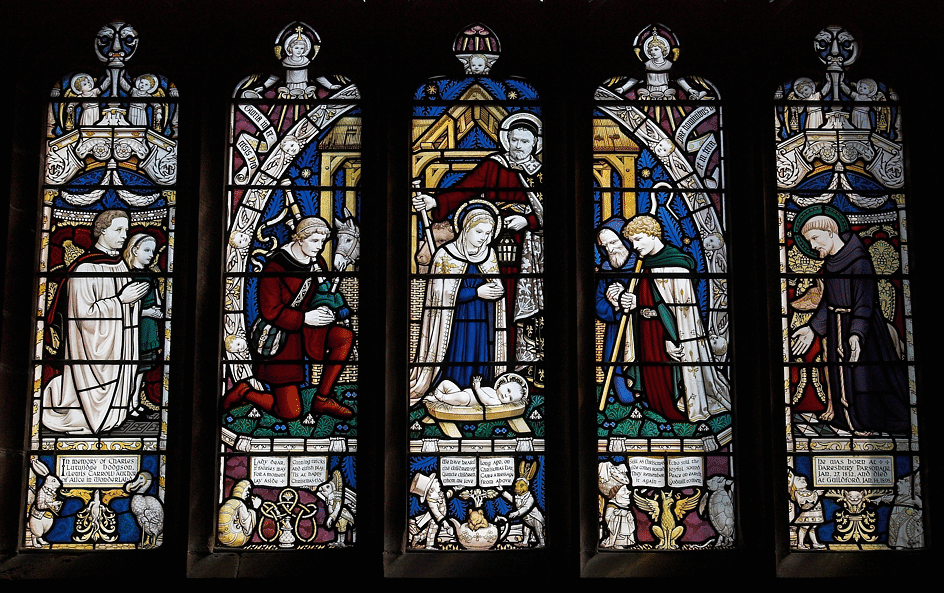
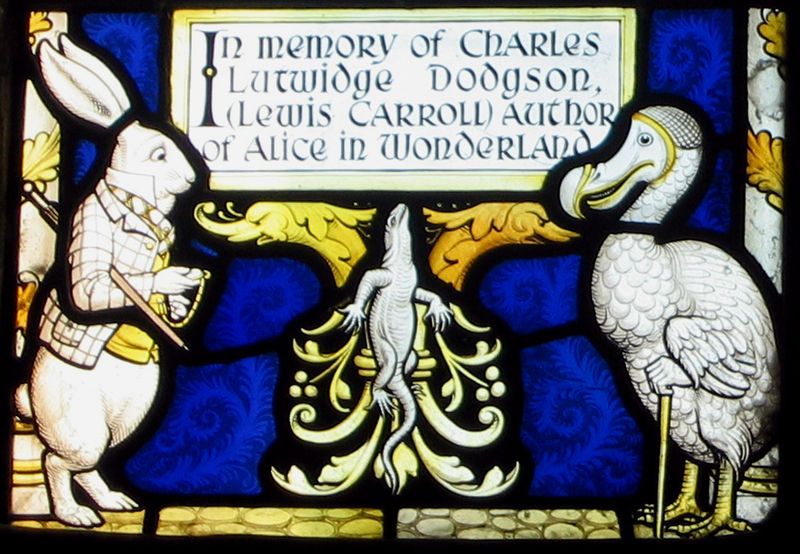
Stained glass windows in the chapel reference the novel.

The White Rabbit

For more details on the centre see http://www.lewiscarrollcentre.org.uk .

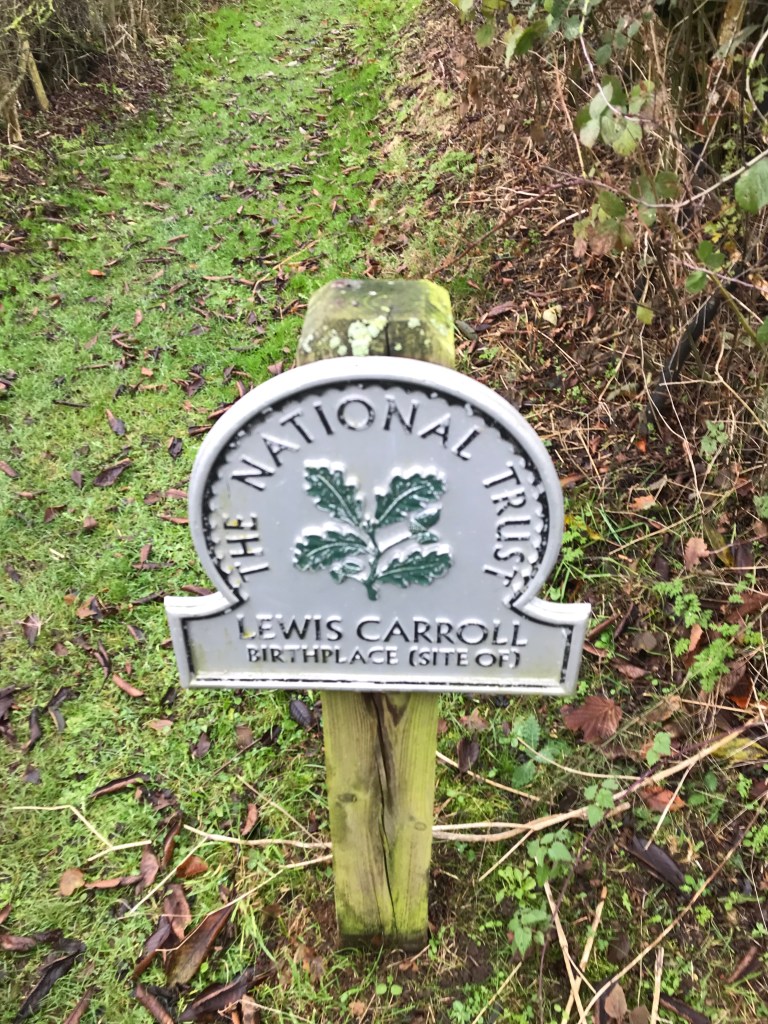
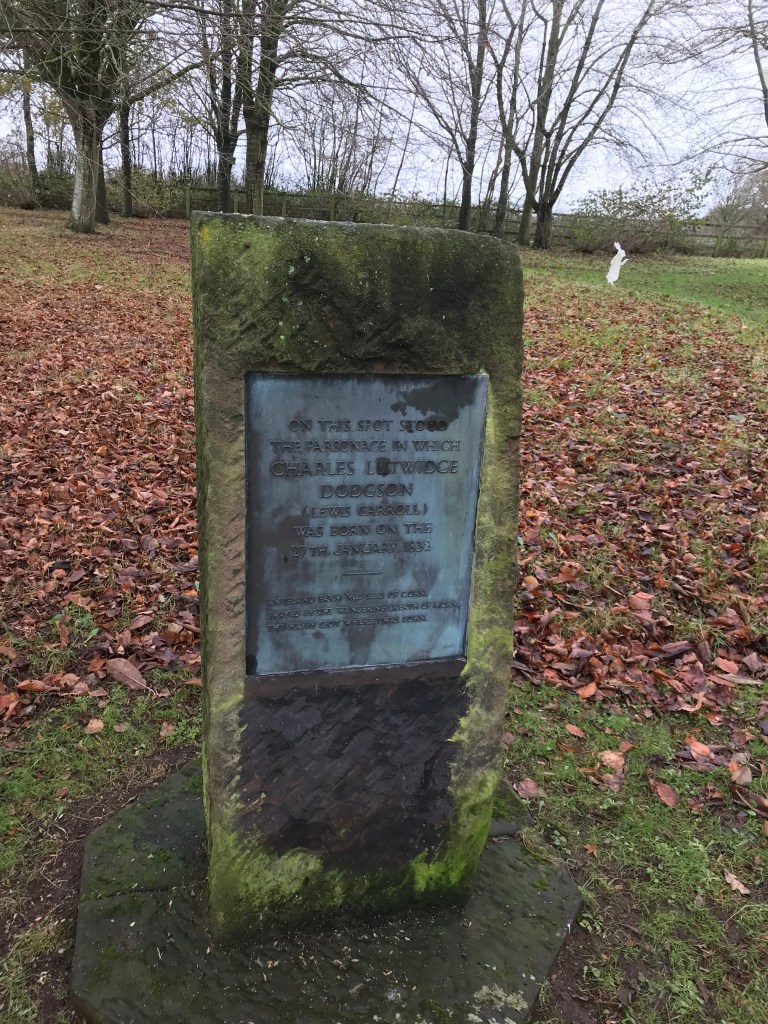
Lewis Carroll was born at the parsonage about 1.5 miles from the village.

The site is clearly marked and to reach it, simply follow the various white rabbit signs.

At the site of the parsonage

Sadly, the parsonage burnt down a number of years ago although its main entrance and outline are clearly marked in wrought iron. The foundations are visible and a sculpture of a dormouse sits where the Well once stood.

Lewis Carroll lived at the parsonage until he was 11 and then moved with his family to North Yorkshire.

An island farm mid seas of corn,
Swayed by the wandering breath of morn,
The happy spot where I was born

- Lewis Carroll