Court Green, Plath, Patti and Beer

Patti Smith

Court Green is a house in the county of Devon in the far south west of England. It was the home of poets Ted Hughes and Sylvia Plath. Plath wrote most of her celebrated Ariel collection of poems whilst living with Hughes at Court Green. When the couple separated, Plath moved to London with her two small children to the house where WB Yeats had once lived. It was here that she committed suicide in 1963.
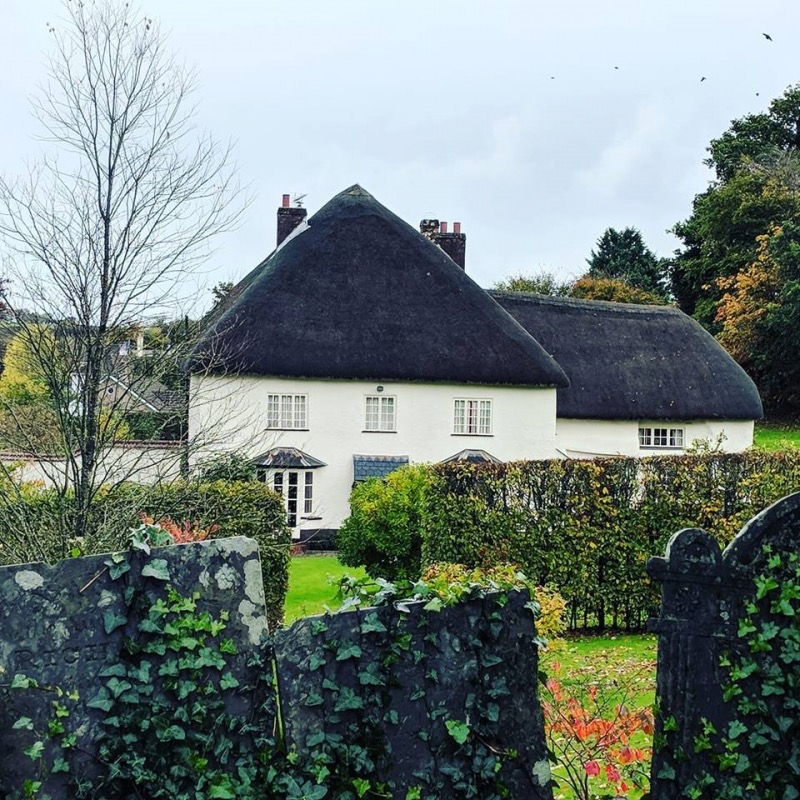
Court Green

Hughes continued to live in the house until his death in 1998. A ‘secret’ stone memorial lays on a remote hillside on nearby Dartmoor. The memorial, especially requested by Hughes, lay undiscovered in its moorland location for years until it was uncovered by walkers. Although the memorial stone and its whereabouts were known to friends of Hughes, it’s exact location was kept secret to prevent it becoming a shrine to the poet.
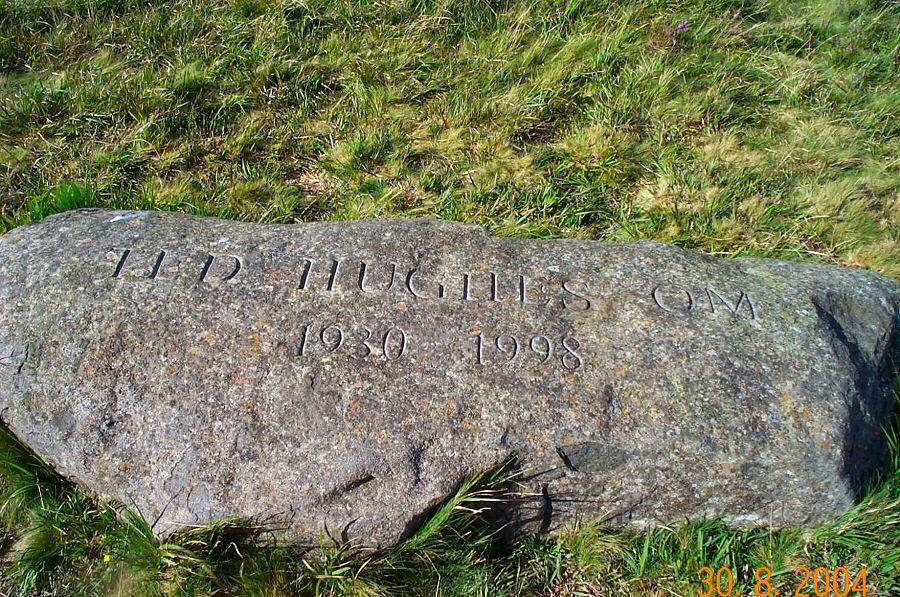
Dartmoor memorial

By way of a contrast, the grave of the poet’s former wife, Sylvia Plath is very much a shrine to the late author, attracting visitors from across the world.
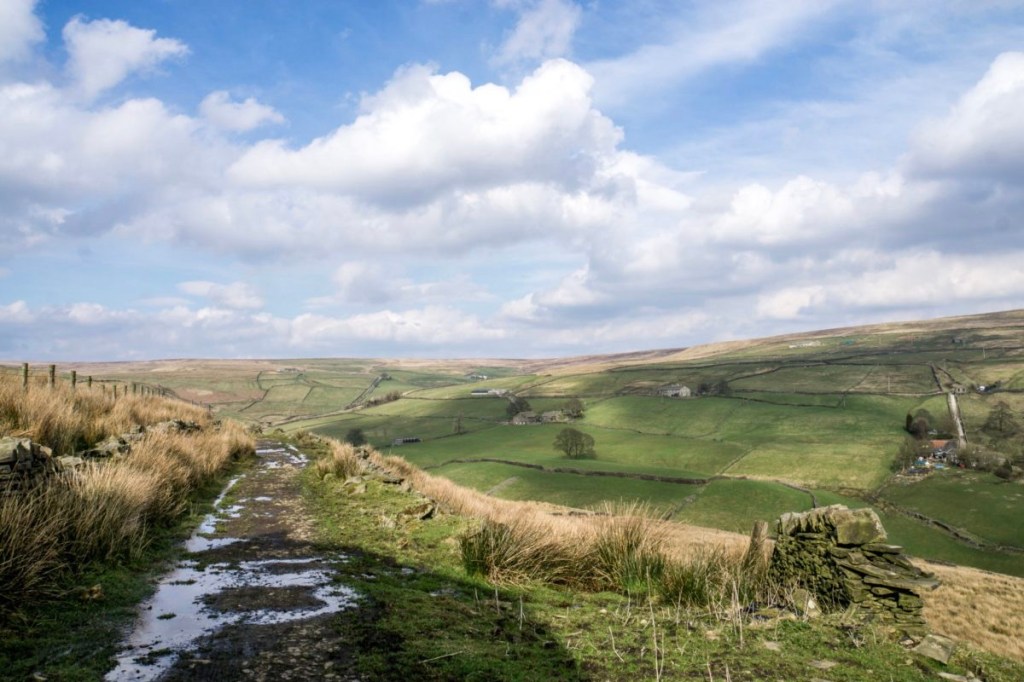
The moors around Heptonstall

Sylvia Plath is buried in St. Thomas’ Churchyard in the village of Heptonstall in West Yorkshire. The village lies above the historic town of Hebden Bridge. It is surrounded by rugged moorland. Although she had separated from Hughes at the time of her death, they were not divorced. Hughes was from the village of Mytholmroyd near to Heptonstall, and he chose the latter as the site of her burial.
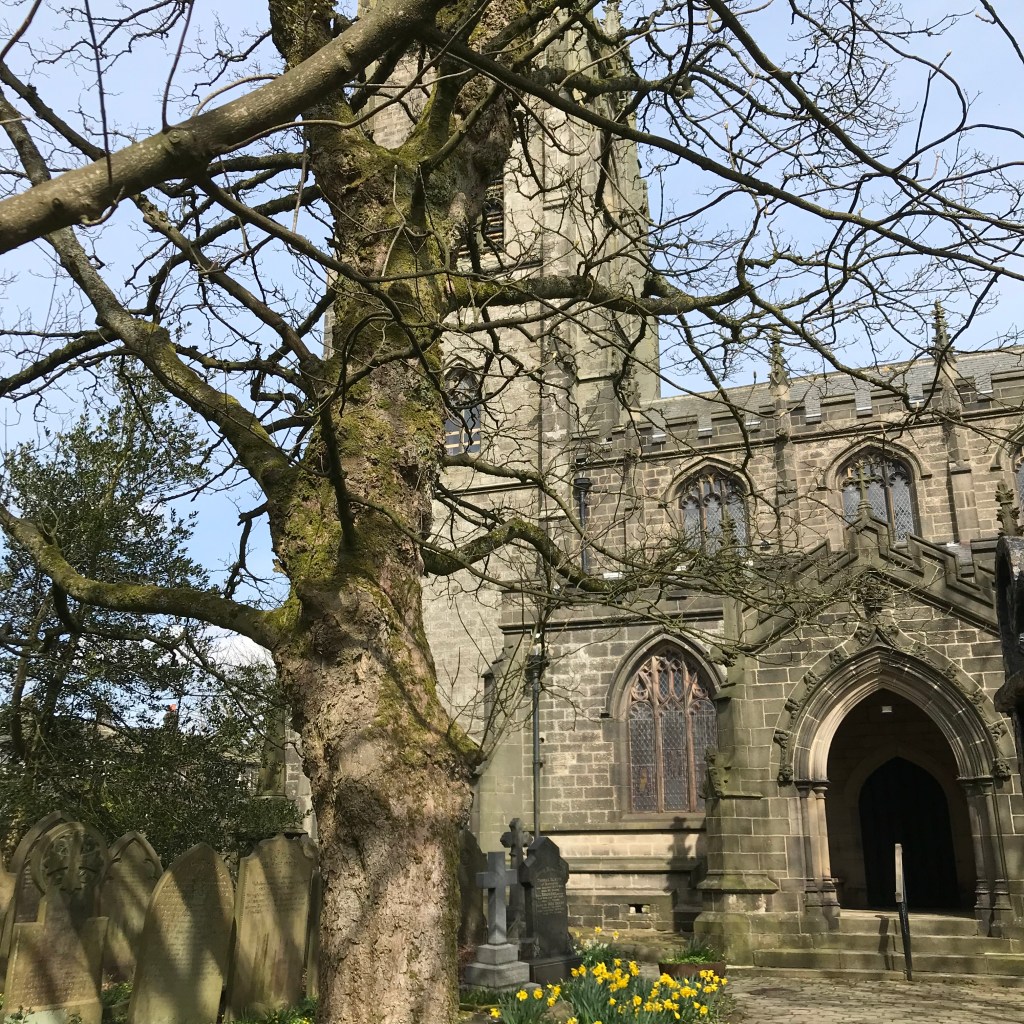
St Thomas’ church

Heptonstall is, a small, cobblestoned settlement of a couple of pubs, a post office , a gift shop and a great café for coffee and cakes. It is a mixed community made up of those from the locale and incomers to the area attracted by the village’s picturesque beauty.

Heptonstall houses

Sylvia Plath’s grave can be found in the New Cemetery which is to the left of the church. As you approach the headstones looking for her plot, an elderly gentleman called Stuart may well be waiting close by to guide you to the site. He is a charming, helpful individual who has lived in the village his whole life. He knew the Hughes family and although he did not know Sylvia Plath, his care in maintaining her grave and his assistance to the many admirers of her work who come from far and wide to visit the site, has earned him the gratitude of her surviving daughter Frieda (Plath’s son Nicolas committed suicide in Alaska in 2009). Stuart keeps a record of the number of visitors to the site and where they are from. As well as visitors from the UK, well wishers from all over the world (especially the US) make their way to the grave, many leaving a pen in a container under the headstone which has been left there for that purpose.
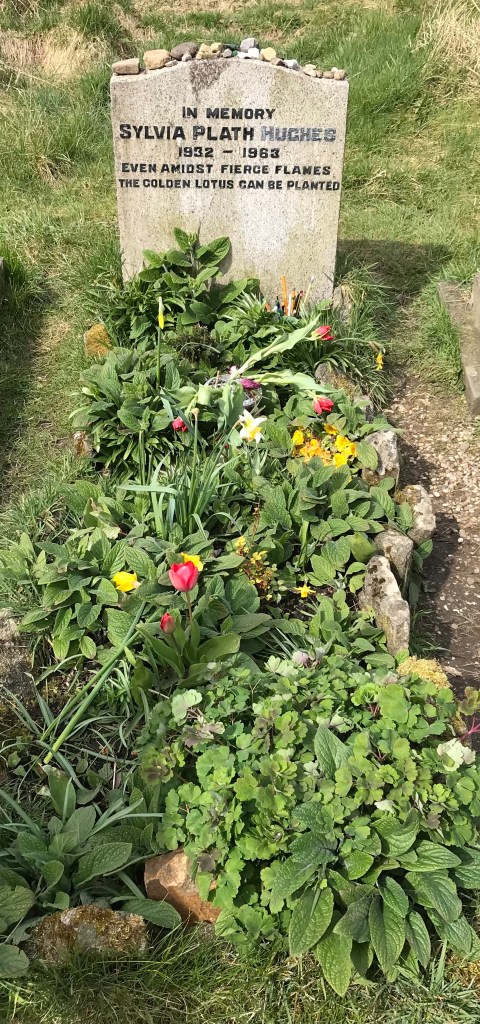
The jar full of pens is just about visible

When we visited, the full name Sylvia Plath Hughes was clearly visible on the headstone although the name Hughes appeared to be somewhat faded. Stuart explained that some admirers of the poet blamed Ted Hughes for her suicide and tried to deface the name Hughes on the headstone. Stuart had cleaned up their attempts and had been personally thanked by Frieda for his efforts apparently.

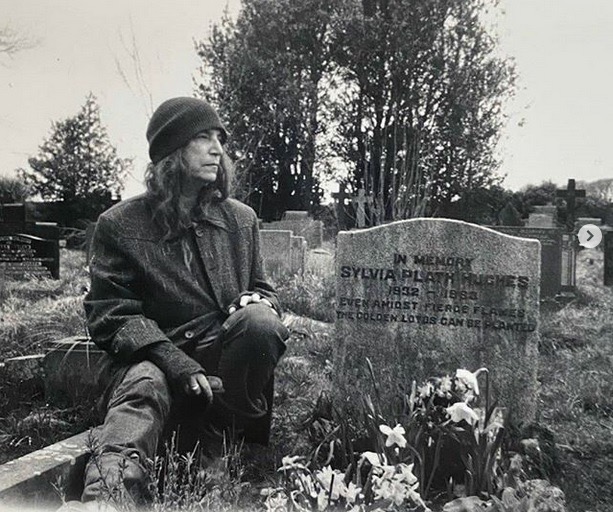
One American visitor is poet and musician Patti Smith who has made the journey to the grave several times. Her memoirs ‘M Train’ from 2015 recounts her three visits to Plath’s grave including one she made with her sister who was keen to visit nearby Brontë country, a location especially popular with Japanese visitors who are especially enamoured of the sisters.

Smith is reverential towards other great artists and her M Train memoir describes her visits to the Japanese gravestones of poet and ultra nationalist Yukio Mishima, Ryūnosuke Akutugawa, father of the Japanese short story, and the revered author Osamu Dazai. All three had committed suicide.
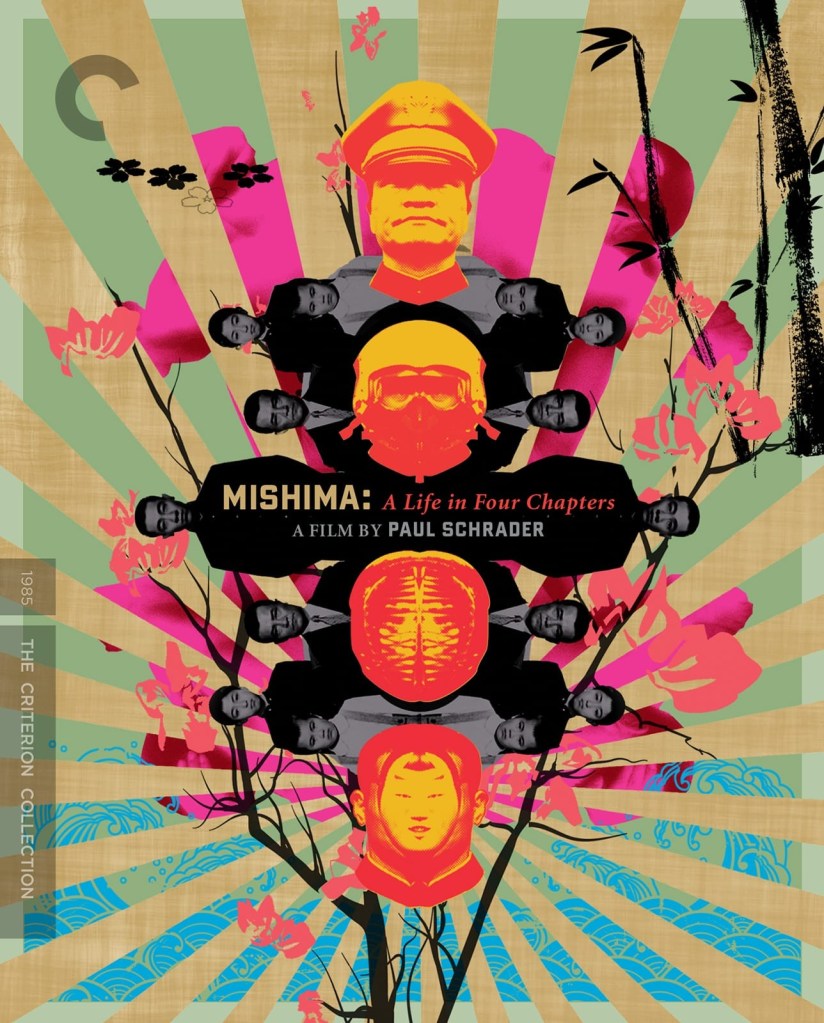
Schrader’s outstanding ‘Mishima: A Life in Four Chapters’

The grave of another American poet, Asa Benveniste also lies in the churchyard. His gravestone reads “Foolish Enough to Have Been a Poet”. Benveniste was not only a poet but a publisher as well. As the founder of the Trigram Press in London in 1965 he specialised in publishing the work of Beat Generation writers including William Burroughs and Gregory Corso.
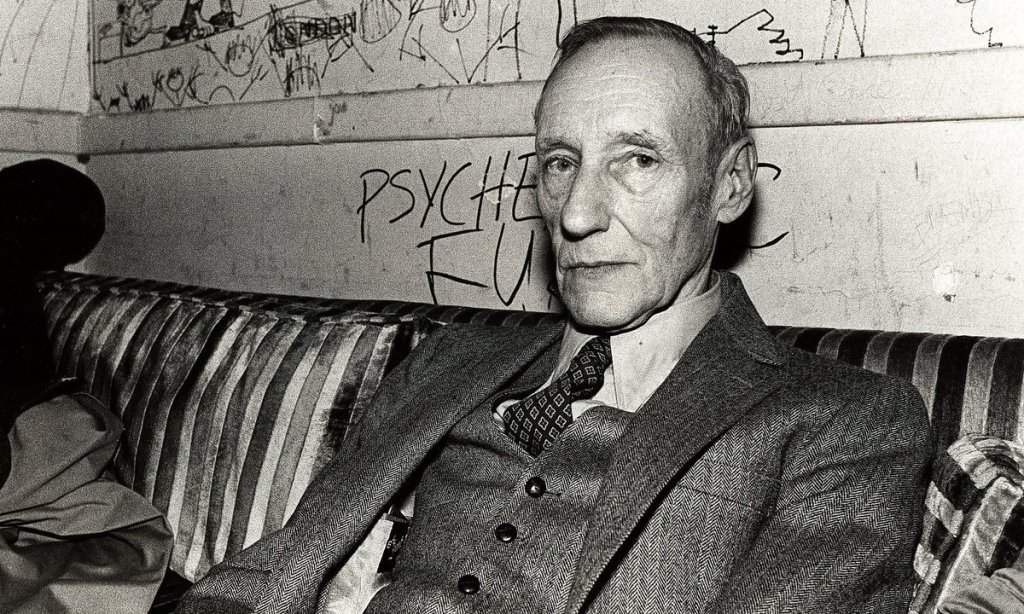
William Burroughs

Patti Smith is a clear fan of the Beat writers. She told the Beatdom literary journal in 2012

‘I was very attached to William [Burroughs]. I knew Gregory, Gregory Corso, very well…

I was very privileged to know these people and I had different relationships with them all. Gregory was very, very important to me in my learning process of how to deliver poems live…and in my reading list.

But William was the one I was most attached to. I just adored him. I had sort of a crush on him when I was younger and he was very good to me.’

Asa Benveniste once ran a bookshop in the nearby town of Hebden Bridge, a cultural place in its own right. The town has an excellent venue in The Trades Club where many great performers (including Patti Smith) have played over the years.

The Trades Club

We do not know whether Patti Smith visited the grave of Asa Benveniste when she visited Heptonstall as she does not mention the poet’s grave in her writing to the best of our knowledge. 

What we do know is that Patti Smith is, like us, a cat lover having kept the animals since childhood. 
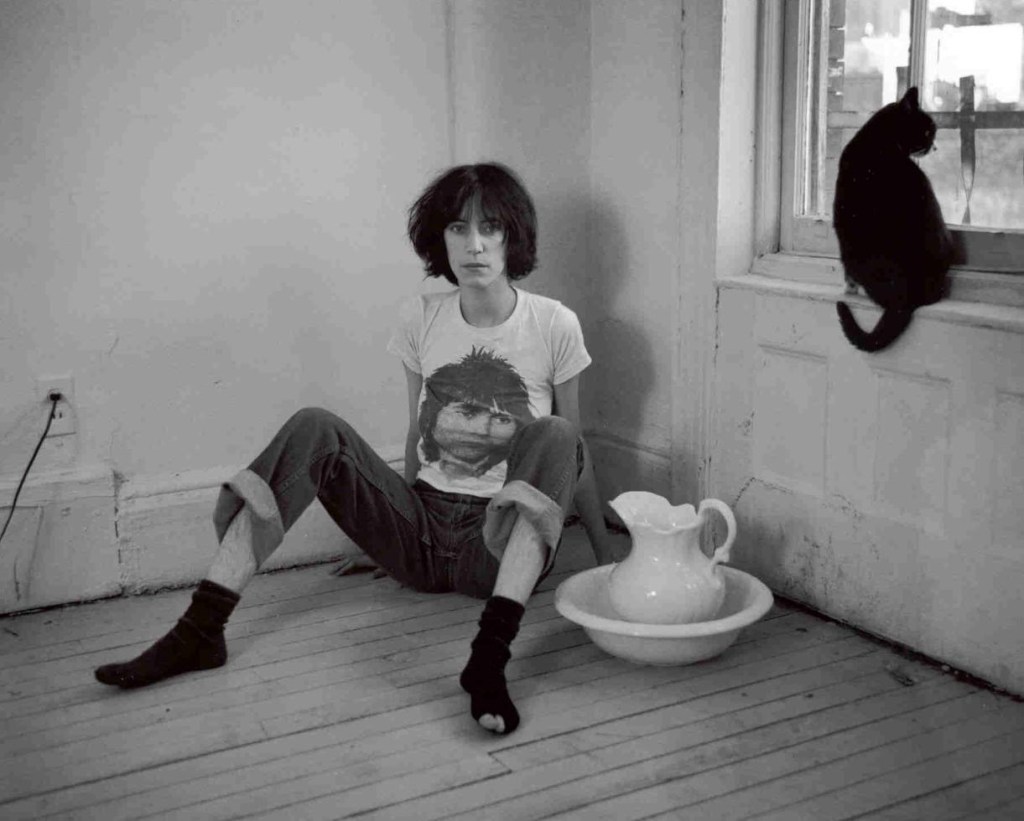
Patti Smith in 1974. Photo by Robert Mapplethorpe

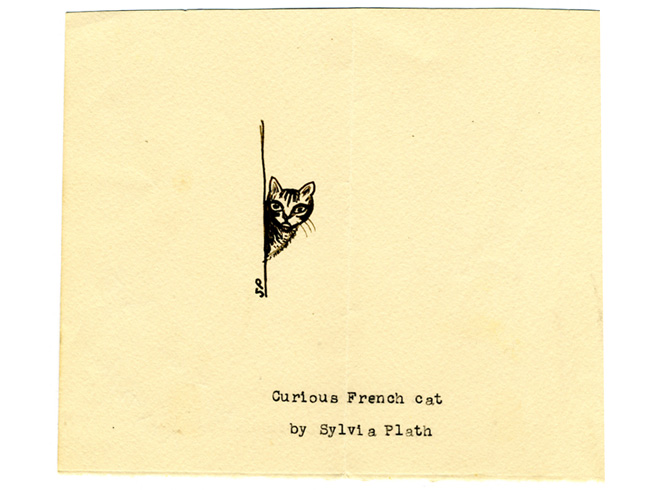
Sylvia Plath was certainly a feline admirer. As well as writing the poem ‘Ella Mason And Her Eleven Cats’ she created the following drawing in 1956.
The churchyard at St. Thomas’ is no stranger to cats. Whilst we stood before Plath’s headstone, a large black beastie who Stuart named as Otto was roaming through the graves a few feet away. When we approached him he slunk further into the brambles, his tail swishing behind him.
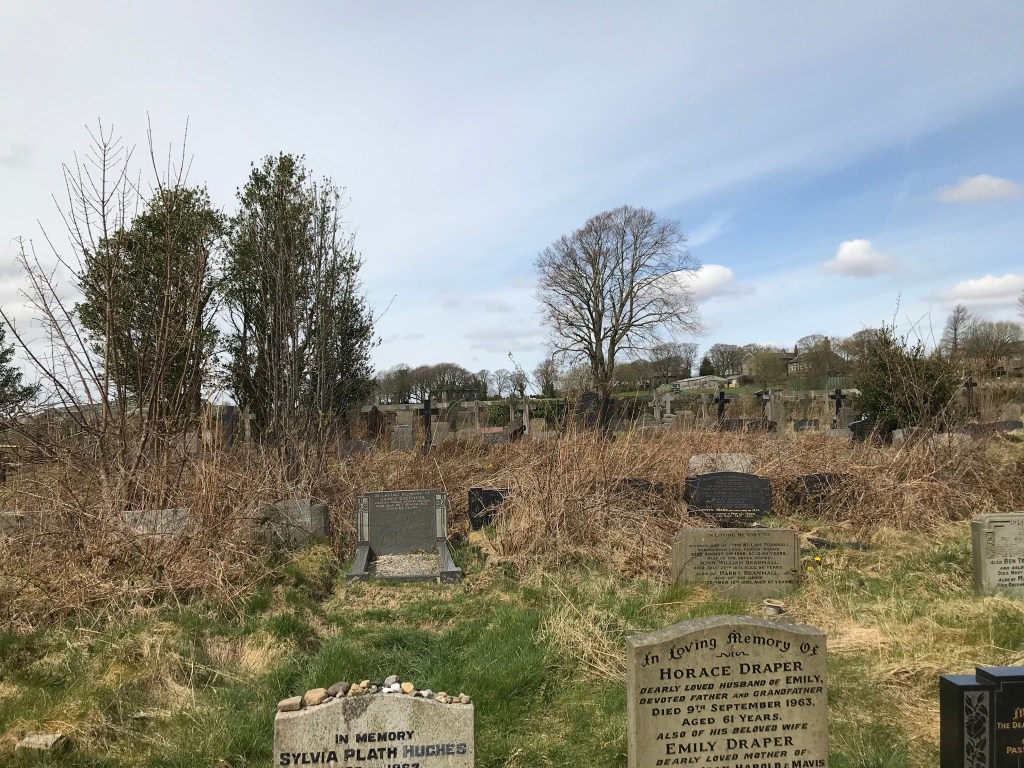
Otto is in this photo if you look hard

Sylvia Plath was both influenced by the wild Yorkshire moors and by the Brontë sisters and Wuthering Heights in particular. The Brontë family home was at Haworth, a few miles from Heptonstall.

Plath wrote the following in a letter to her mother in the US in 1956 after a visit to the moors and the Brontë home in Haworth in 1956.

I never thought I could like any country as well as the ocean, but these moors are really even better, with the great luminous emerald lights changing always, and the animals and wildness. Read Wuthering Heights again here and really felt it this time more than ever. 

After visiting the grave on an especially bleak winter’s day, Smith made the following comment in her excellent book M Train:

It was such a desolate place in winter, so lonely. Why had her husband buried her here? I wondered. Why not New England by the sea, where she was born, where salt winds could spiral over the name PLATH etched in her native stone?

In an extract from her Journals, Plath describes the moors in a way that only someone who loves them can:

…..across the slow heave, hill on hill from any other direction across bog down to the middle of the world, green-slimed, boots squelchy – brown peat – earth untouched except by grouse foot – bluewhite spines of gorse, the burnt-sugar bracken – all eternity, wildness, loneliness – peat-colored water – the house – small, lasting, pebbles on roof, name scrawls on rock – inhospitable two trees on the lee side of the hill where the long winds come, piece the light in a stillness. The furious ghosts nowhere but in the heads of the visitors & the yellow-eyed shag sheep.’

In 1961 Plath wrote her own poem entitled ‘Wuthering Heights’ an extract from which reads

The sky leans on me, me, the one upright

Among all horizontals.

The grass is beating its head distractedly.

It is too delicate

For a life in such company;
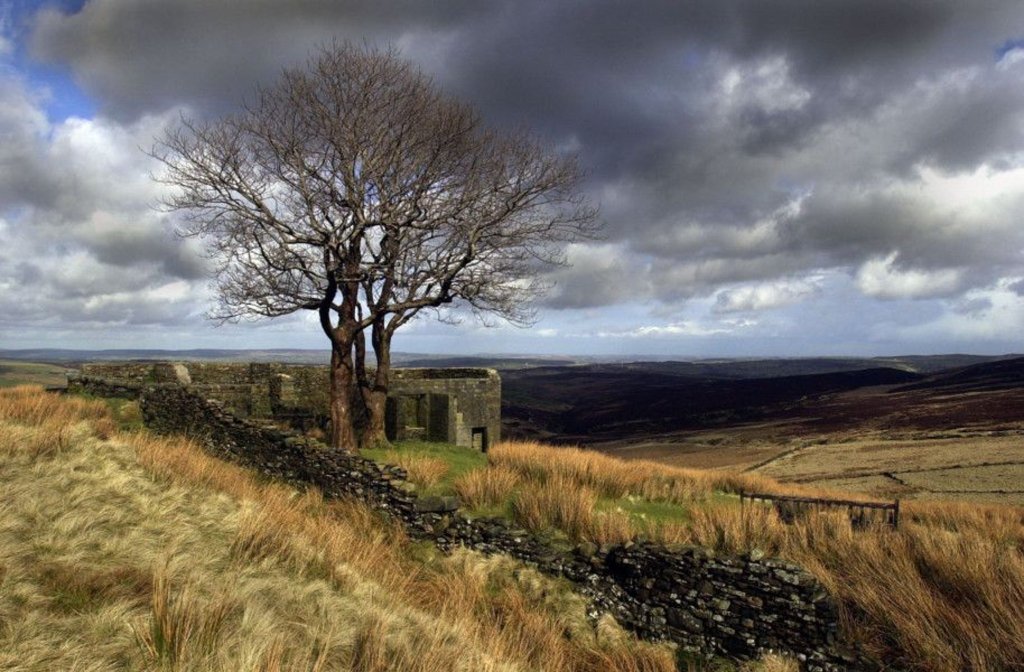
In 2013 Patti Smith played a small acoustic set at the Brontë schoolroom in Haworth in aid of the Brontë society. She is an enthusiastic admirer of the sisters as is her own sister, Linda who also visited at the time. She gave a ‘shout out’ to Wuthering Heights’ Heathcliff and Cathy at the gig apparently.

Emily Brontë is buried in the family vault at St. Michael and All Angels’ Church, Haworth.
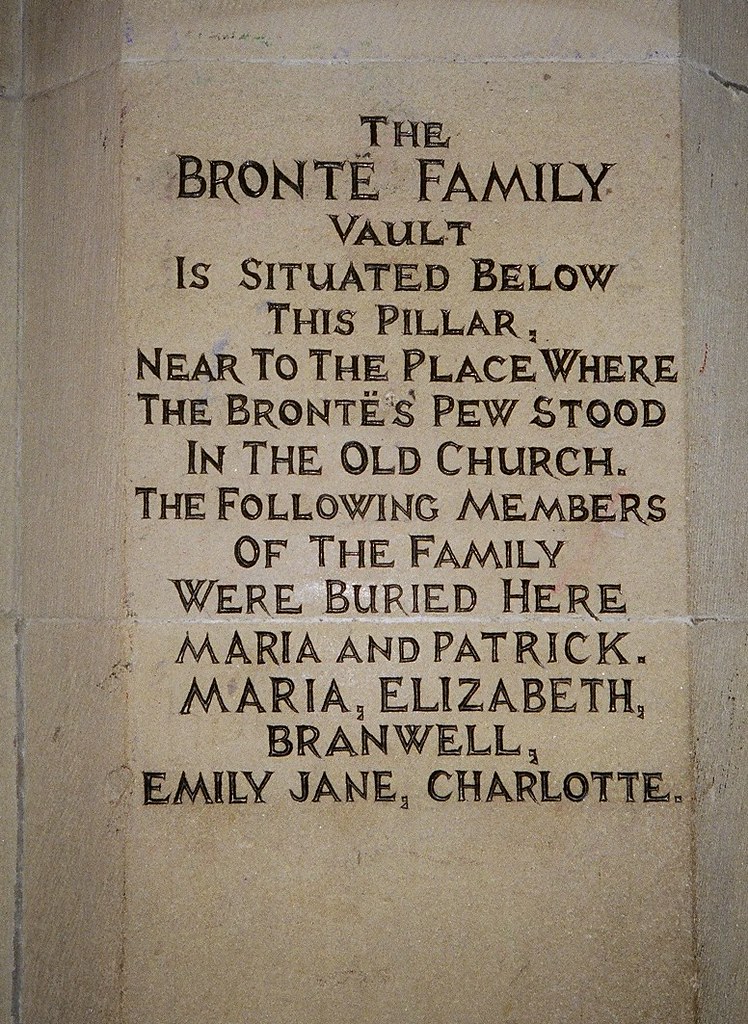
St. Michael and All Angels’ Church, Haworth.

The village of Heptonstall and the adjacent town of Hebden Bridge are a part of the Upper Calder Valley which includes Cragg Vale which is situated high on the Pennine moorland.

Cragg Vale has two breweries, Vocation (www.vocationbrewery.com) and the Little Valley brewery (www.littlevalleybrewery.co.uk).

Our favourite brews locally are the Little Valley beers. The brewery has been around since 2005 when it was formed after a Dutch farmers son met a Geordie lady (i.e someone from Newcastle in the North East of England) whilst cycling in Kathmandu.

Their beers are 100% organic and better tasting for it in our opinion.

Little Valley beers

With all these words about poets, Japan, beer and cats, we thought we would ‘attempt’ a Haiku for you.

A Haiku

Wintry eventide

A tiny tabby cat purrs

Enjoying the beer
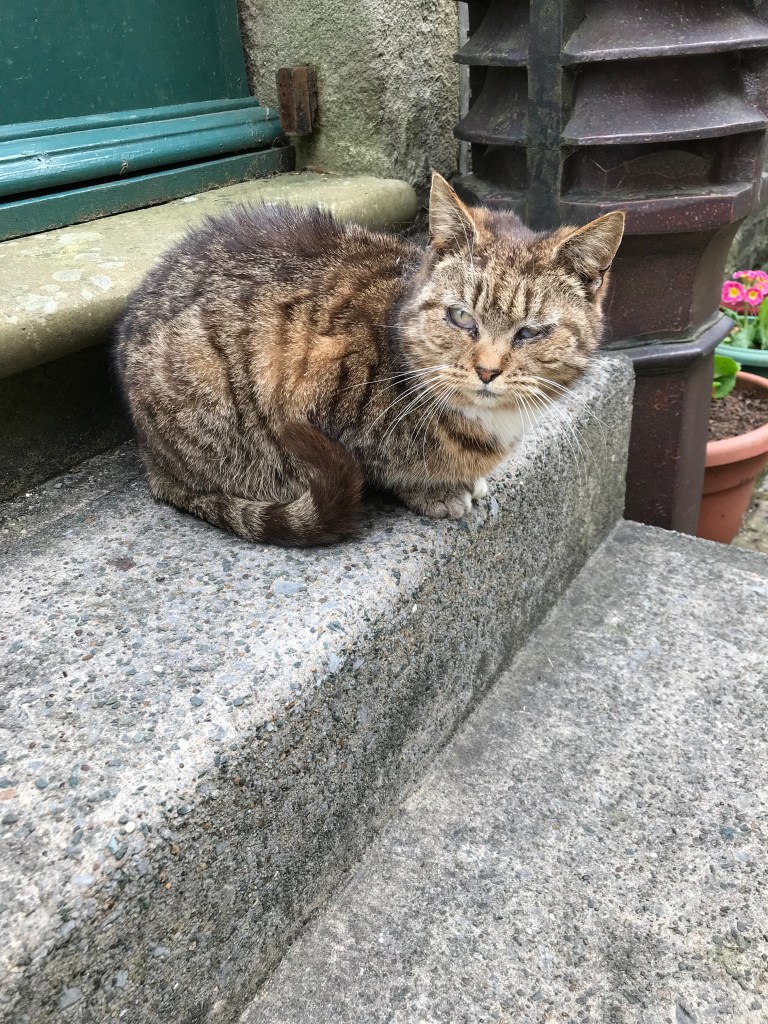
Another Heptonstall cat

Manchester, Refuge and Nico

The Kimpton Hotel & Restaurant Group is a San Francisco based chain specialising in unique boutique accommodation. Their ‘Clocktower’ hotel in Manchester in the North West of England is no exception. Housed in the Victorian era gothic architecture of the offices of the former Refuge Assurance Company, the distinctive terracotta facade of this imposing building together with the clocktower which gives the hotel its name, dominates this corner of the city.

The hotel lobby is especially impressive with its elegant glass dome and marbled walls and floors.

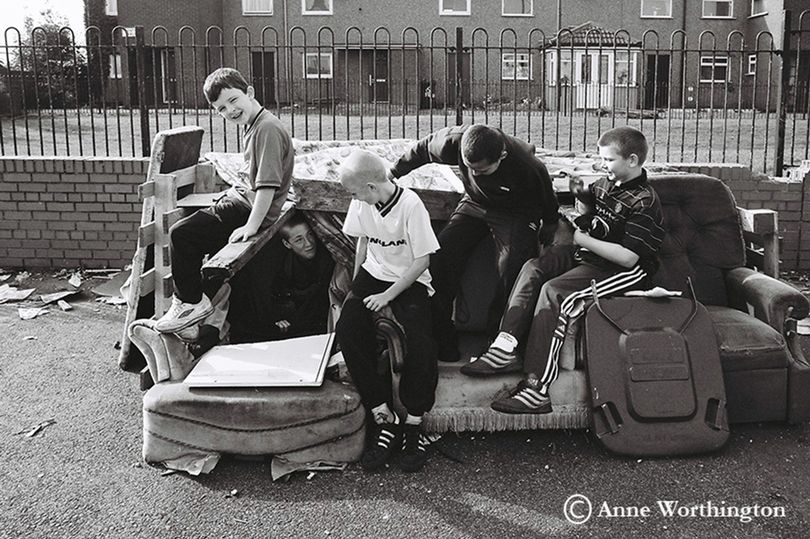
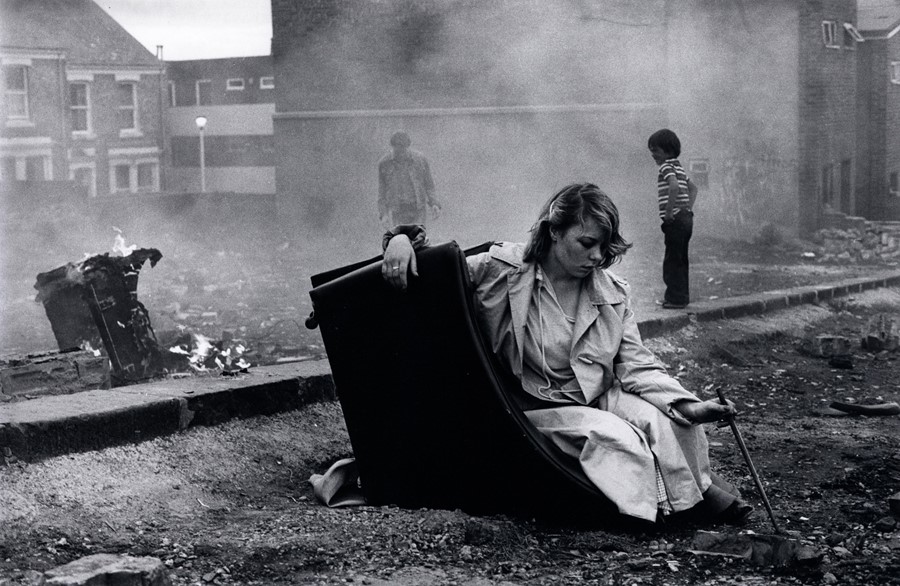
The Kimpton Clocktower often puts on small photographic exhibitions. As a part of the celebration of International Women’s Day on the 8th March, the hotel is currently hosting an exhibition of the works of photographers Anne Worthington (locally born) and the late Tish Murta who was from South Shields in the blighted North East of England. Both photographers captured the lives of ordinary people in poor communities. Worthington and Murta between them produced some of the best photographs nationally, photographs that are a long way from the society portraits of Cecil Beaton and Earl Snowdon and better for it in our opinion.

Anne Worthington photo of Manchester
Tish Murta photo of the NE of England

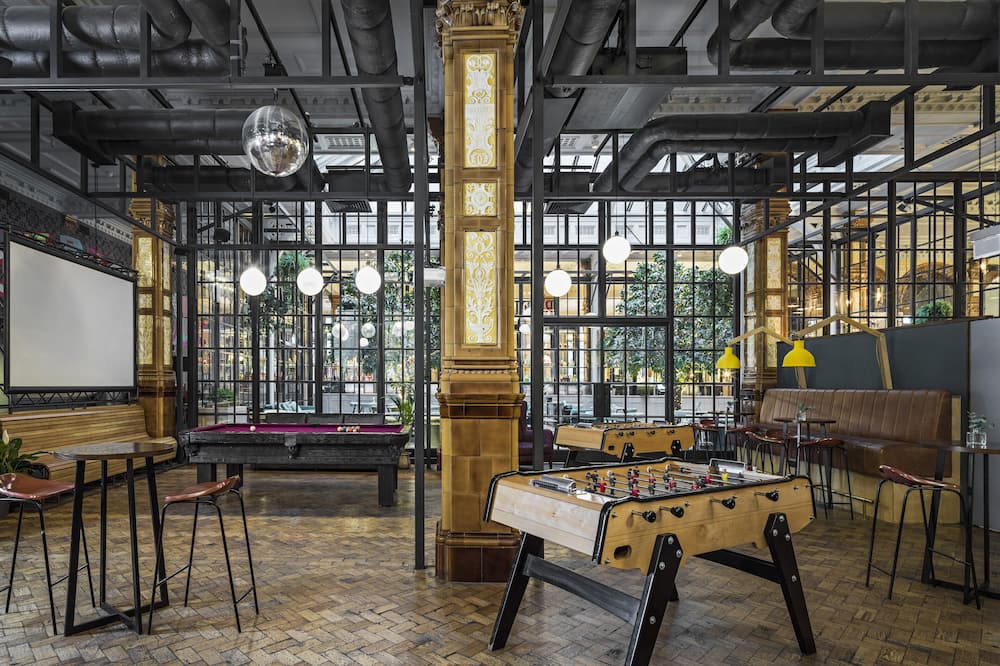
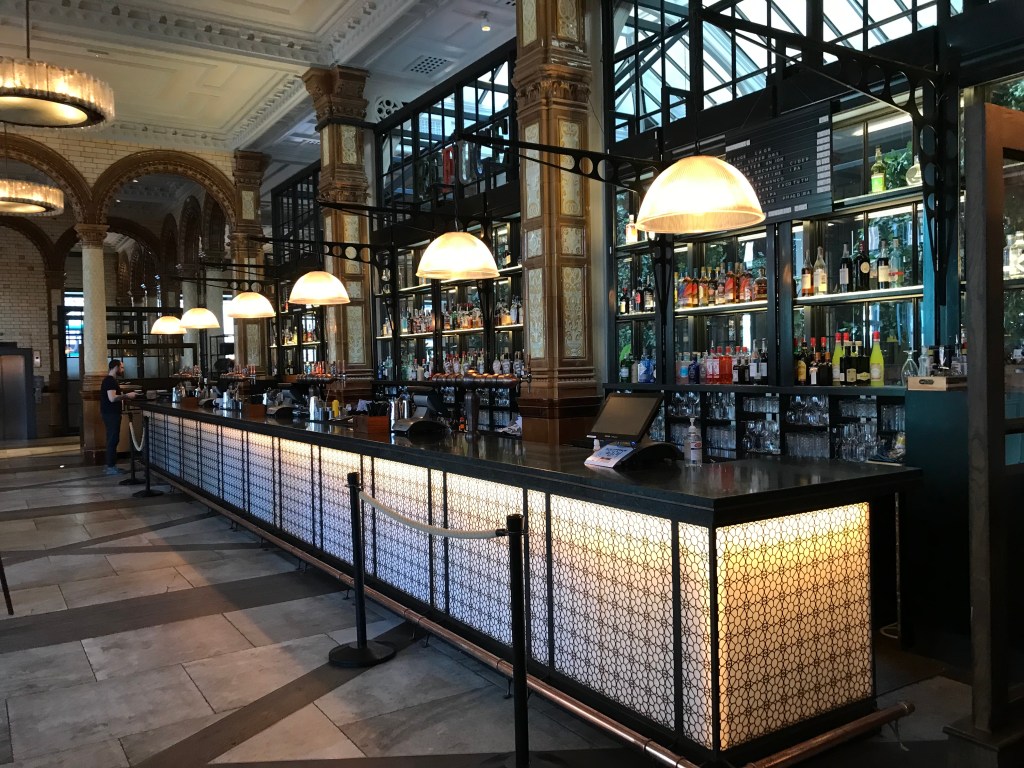
The hotel houses one of the most amenable spaces in the city,  ‘The Refuge’ with its restaurant specialising in an ever changing small plate menu, games room (the ‘Den’ with its football machines), an indoor Winter Garden (under glass – this is Manchester after all!), and a beautiful Public Bar.

The Den
The Public Bar

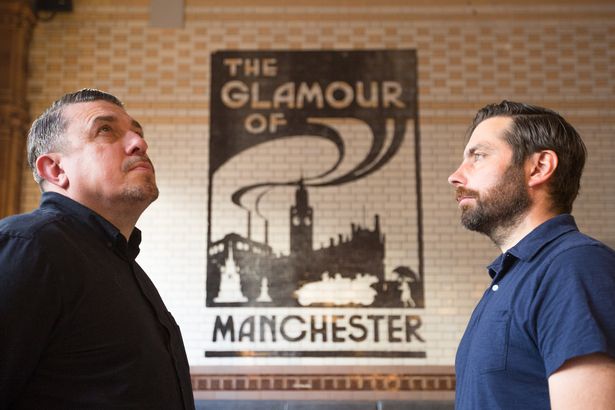
The Refuge was created when local DJ’s Justin Crawford and Luke Cowdrey, aka ‘The Unabombers’, joined forces with a business group and brought their own personality and expertise into the design and overall ‘feel of the recreational area of the hotel. They are also the force behind the popular Elektrik bar and Volta eatery, both situated in the south of the city

Luke and Justin at The Refuge

However, it was as ‘The Unabombers’ DJ duo that Luke and Justin made a name for themselves internationally. Their influential nights named ‘The Electric Chair’ were based just a few minutes walk away from where The Refuge is now situated, at a small below stairs venue known as the ‘Music Box’. The Electric Chair cemented the duo’s reputation for hosting a truly underground night which attracted with only the very best national and international DJ’s. We are not talking about any of the many dreadful ‘hands in the air, piano breakdown’ type DJ’s who were legion at the time but innovators such as François K, Danny Krivit and of course Joe Claussel.  Claussel from New York’s legendary Body & Soul was asked about The Electric Chair and commented: ‘I rarely play in the UK, but I can’t explain in words how great that party was. To me it’s all about energy and that place had one of the greatest energies I’ve experienced as a DJ anywhere.’ 

The legendary Joe Claussel

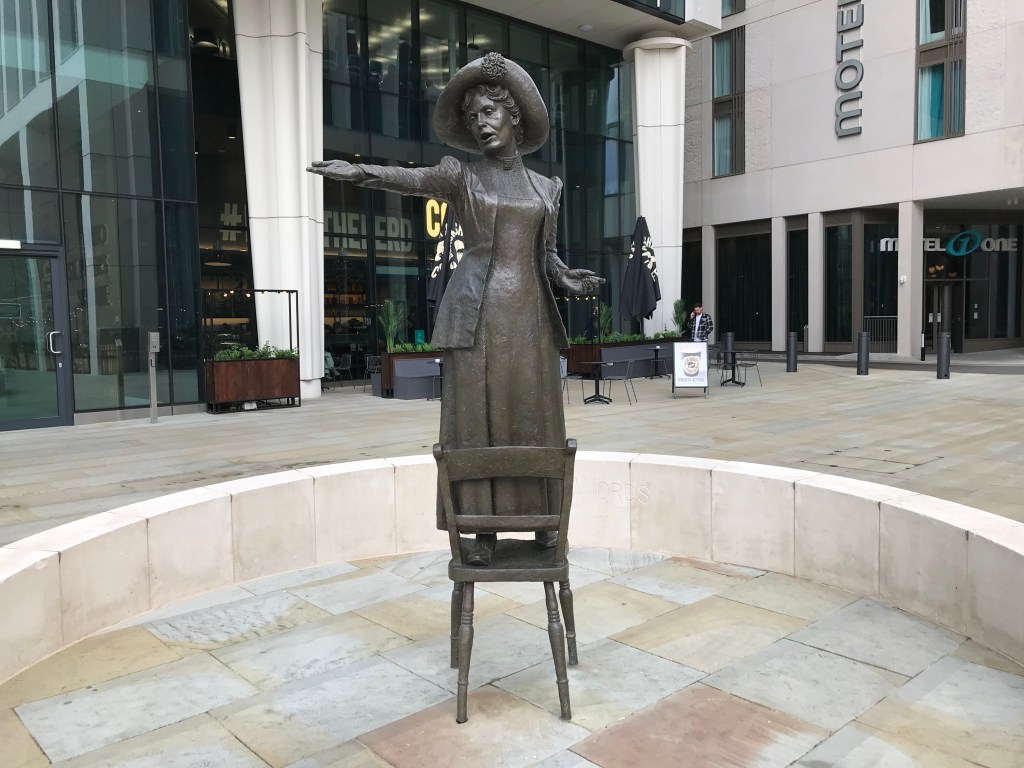
A short walk from the former Music Box venue will find you in the centrepiece of St Peter’s Square with its statue of suffragette and political activist Emmeline Pankhurst, named by TIME magazine in 1999 as one of the top 100 most important persons of the 20th Century. She was born in the nearby district of Moss Side and she is best remembered for organising the UK suffragette movement and helping women win the right to vote for parliamentary representation.

Emmeline Pankhurst

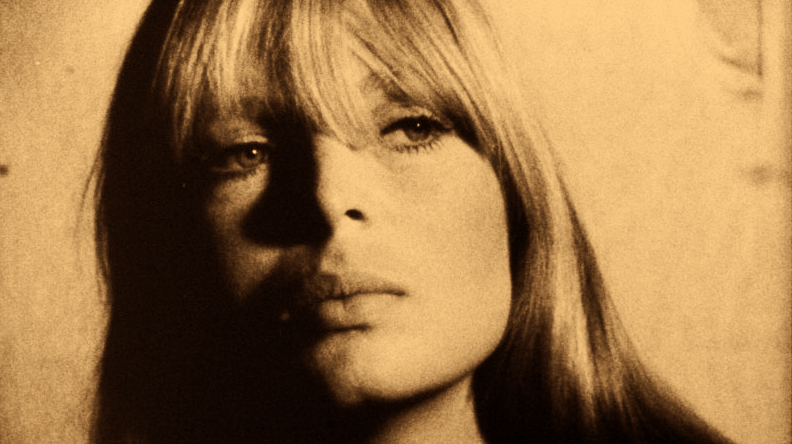
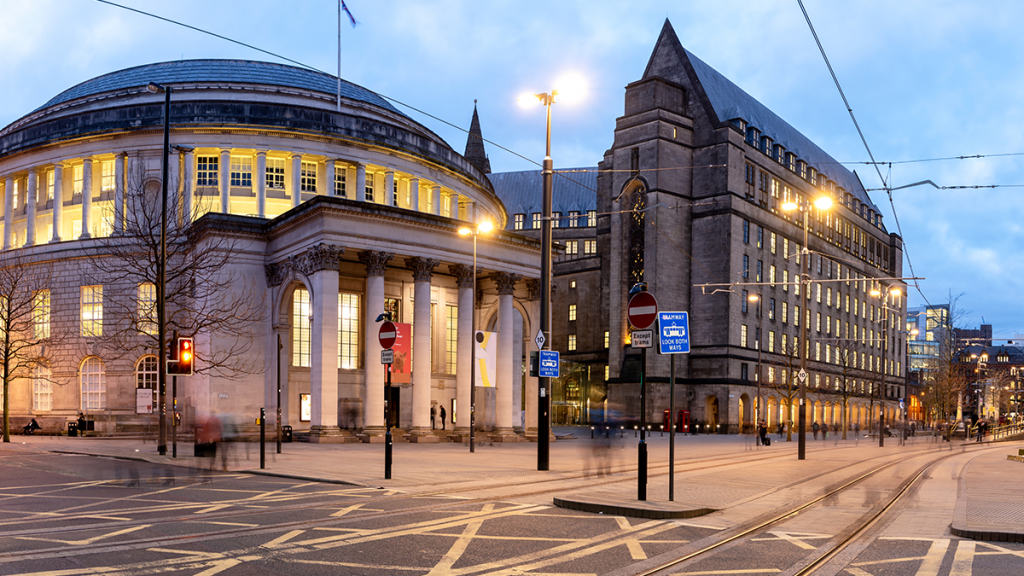
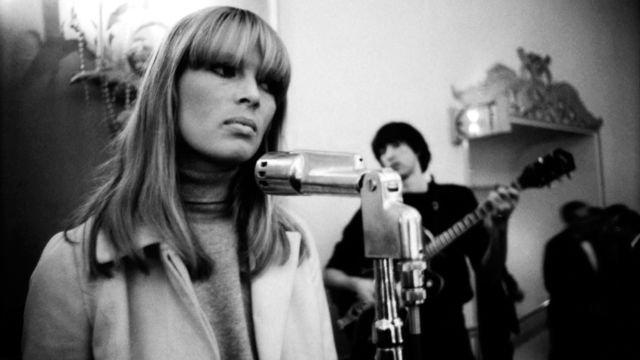
Across from Pankhurst’s statue is the city’s refurbished central library and theatre where another unique woman, Christa Päffgen aka Nico recorded her live album ‘Heroine’ in 1980 when she was living in the city. The album was released some 15 years after the concert was held to great acclaim. 

Central Library

Nico had been, of course, the muse of the film director Fellini, a model for Vogue and Chanel, an associate of Andy Warhol and a former girlfriend of French actor Alain Delon and singer Bob Dylan. Although an early member of the Velvet Underground in New York, in our opinion it is her remarkable (some would say ‘difficult’) solo work that is her greatest legacy with two albums in particular, The Marble Index in 1968 and Desertshore in 1970 being  exemplary works, quite unlike anything heard before or since. Strange and disquieting.

Frozen Warnings

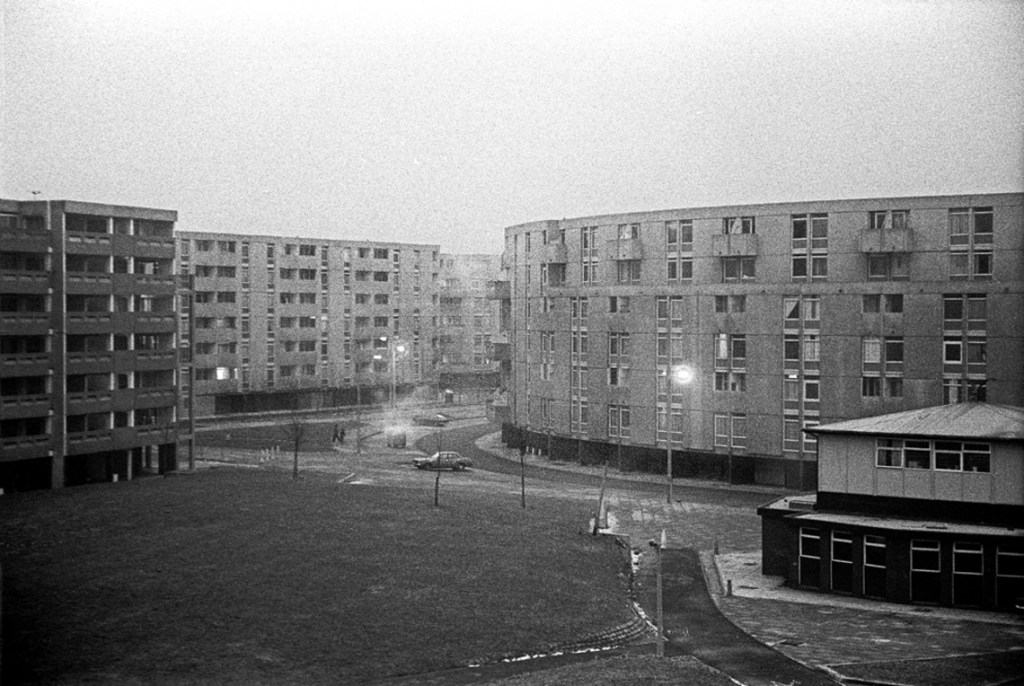
At the time Nico lived in Manchester the city was not in good state. It was grubby with high unemployment and pretty dilapidated. It was not an attractive place at the time.

Hulme district of Manchester – early 80’s

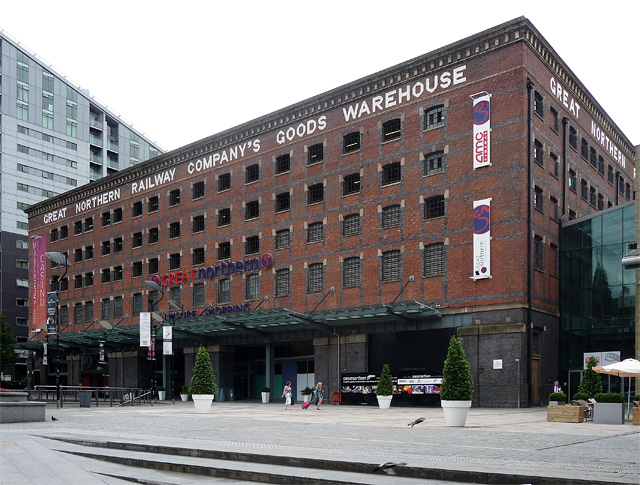
Local guitarist Martin Bramah who played with Nico commented however that “she didn’t see the grubby, industrial city I grew up in. She’d gaze at the Victorian architecture and say this is so romantic.” Her pianist at the time, James Young echoed her apparent affection for the city  noting ‘Nico liked Manchester. It was a dark gothic city and was in a state of semi-dereliction at the time; empty Victorian warehouses, factories closing down. She said it reminded her of Berlin, the ruined city of her youth.” 

A Manchester warehouse now

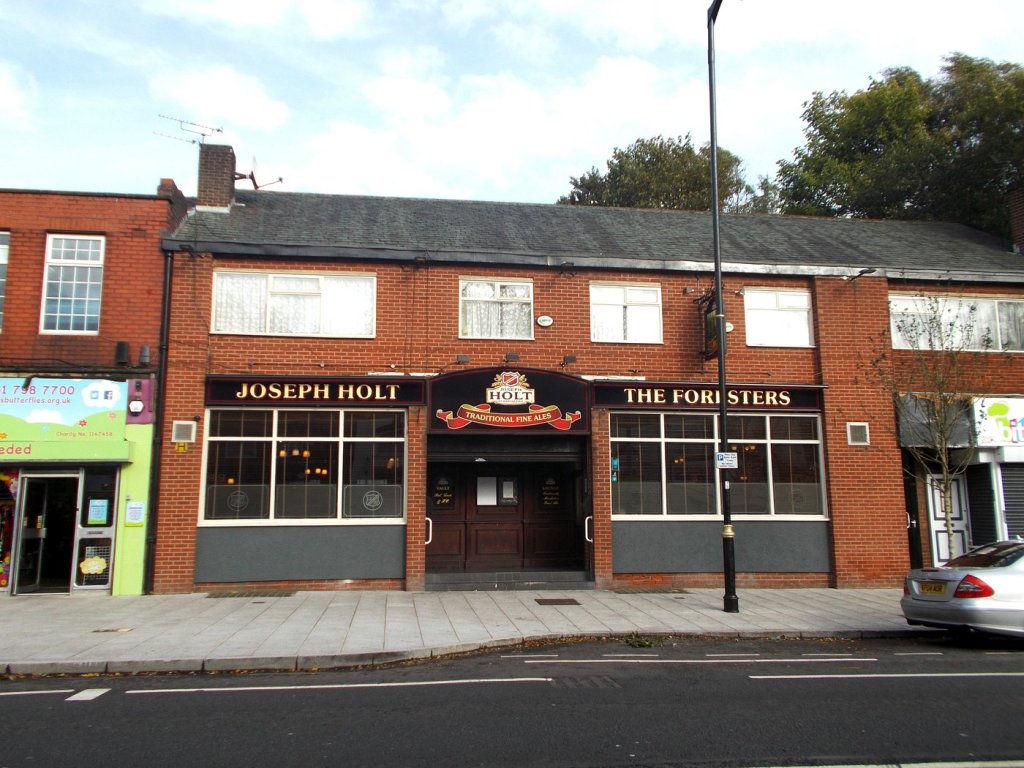
Nico enjoyed a beer and a game of pool with the locals pubs in Hulme and The Foresters in Salford being some of her haunts.

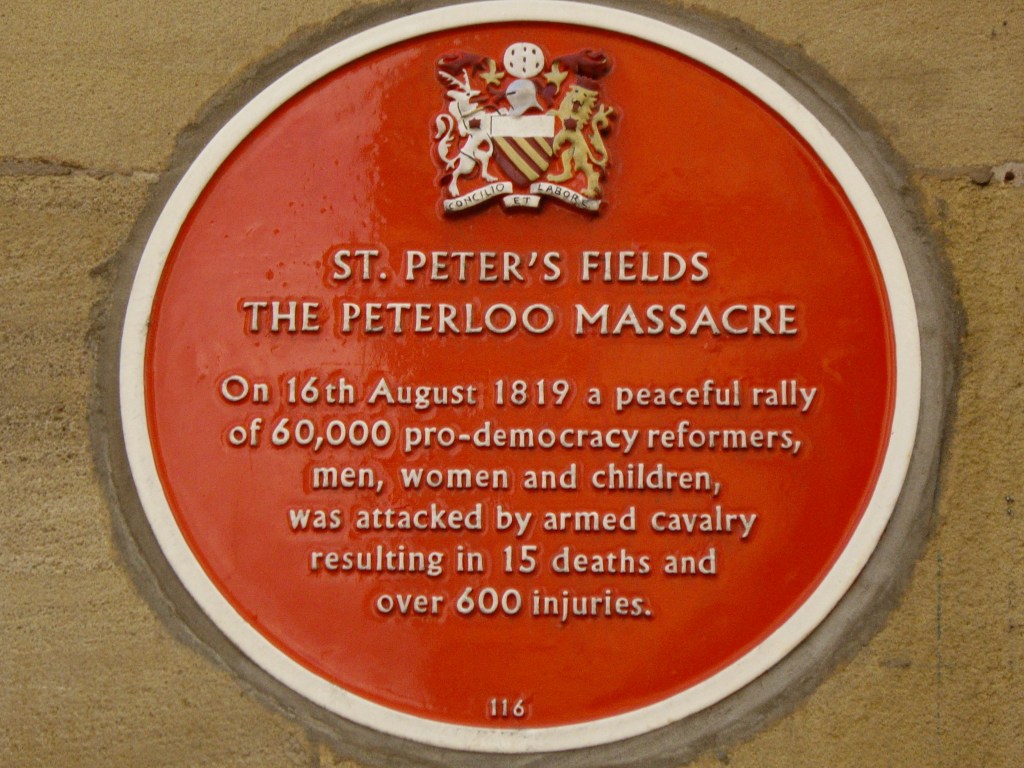
Across from the Central Library is a monument to the Peterloo massacre of 1819 when 15 protesters were murdered by cavalry as they charged into a crowd of around 60,000 people in St Peter’s Square who had gathered there to demand votes for all and the reform of parliamentary representation.

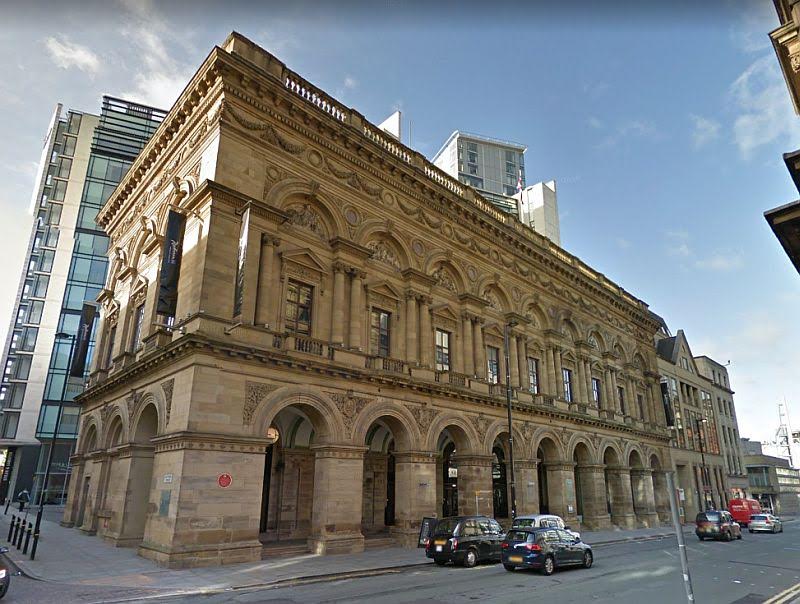
A few doors down is the site of the old Free Trade Hall now a Radisson hotel with its highly rated contemporary Japanese restaurant. The old Free Trade Hall is best remembered locally as a concert venue for everything from classical to popular music. The Hall was famously the venue for the cry of ‘Judas’ which greeted the formerly strictly acoustic Bob Dylan when he introduced his new electric band to the audience in 1966. The concert and the taunt of ‘Judas’ are immortalised on the bootleg recording The Bootleg Series, Vol. 4 released some 32 years after the event.

Free Trade Hall facade

The ‘Judas’ heckle at the Free Trade Hall:-

Judas!

We’ll leave the last word to Nico. Apparently when asked how she would like to be remembered, she remarked: “By a tombstone.” 

Manchester, icons and thali

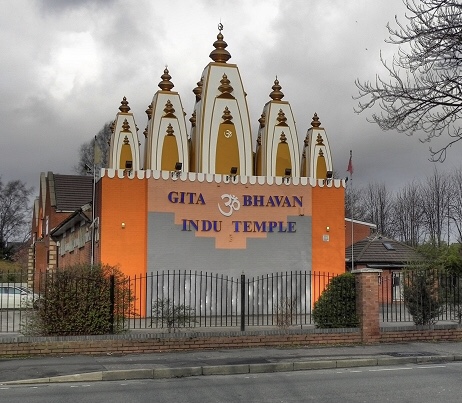
Gita Bhavan Hindu Temple in Chorlton

Chorlton is a suburb of the Northern English city of Manchester. The district has become increasingly identified with left leaning young professional couples and their families. It is also home to one of Manchester’s biggest gay communities. 

Rightly or wrongly, Chorlton is regarded as a bohemian enclave with its independent bars and restaurants, vegan supermarket (the workers co-operative ‘Unicorn’) and unusual boutiques.

The suburb is a great place to eat and drink and whilst we could fill several columns on the local culinary scene, we will be more specific by concentrating solely on some of the Indian food (especially vegetarian) to be found in the locale.

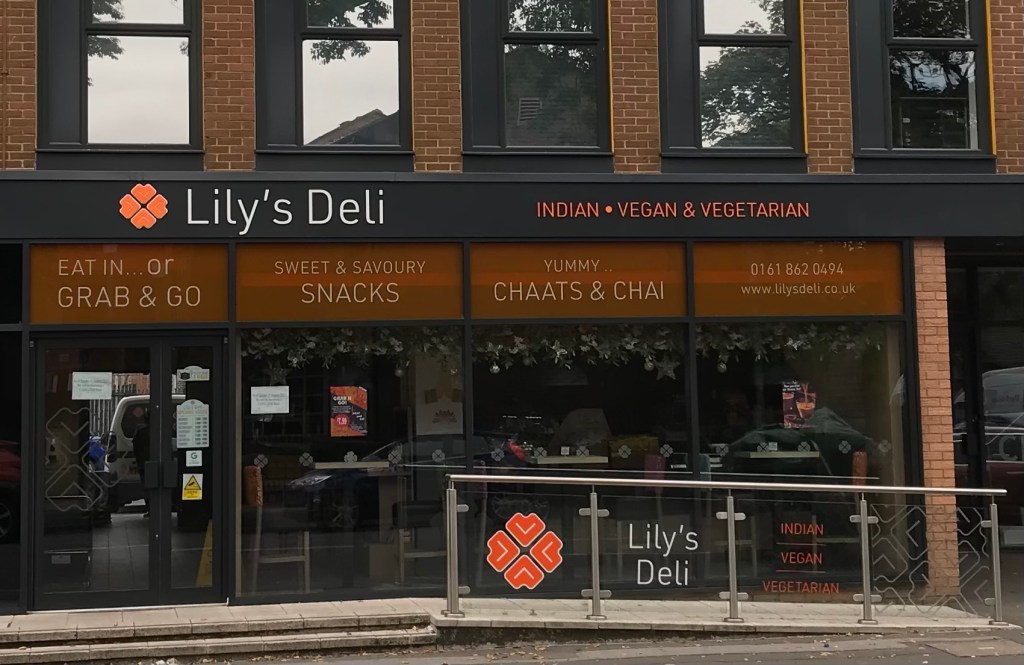
Lily’s in Chorlton

Lily’s deli on Manchester Road in Chorlton is an outlet of the award winning Lily’s Vegetarian Indian restaurant in Ashton-under-Lyne, a town which is just to the east of Manchester. The Chorlton deli is the first of two outlets in the city, the other being in the very trendy inner area of Ancoats.

Lily’s stocks an impressive range of Indian groceries and spices as well and spicy snacks such as dal vada, chakli, bonda, battered chillis and their famous ‘atomic bombs’, potato’s coated in batter injected with a fiery masala. Not for the faint hearted!

They also make and sell Indian cakes and their barfi flavoured with figs or dates is our favourite.

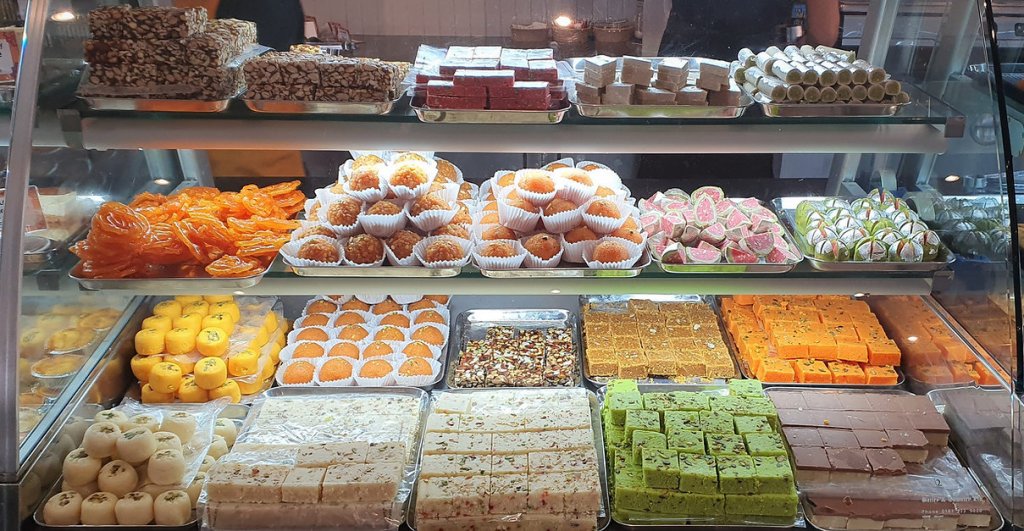
Barfi and much more at Lily’s

A short walk from Lily’s deli is the Chappati Café which serves great value thalis on Indian trays with the menu changing daily. Recommended.

Thali at Chappati Café

A further short walk from the Chappati Café is the small but beautifully decorated restaurant called Roti. The restaurant has the only Indo/Scots menu in Manchester. As well as Indian street food favourites, Roti also serves its own version of the Scottish staple ‘mince and tatties’ (spiced meat in chole potatoes), haggis pakora and even scotch egg (boiled egg wrapped in pork seasoned with chaat masala). Although the restaurant serves a full selection of alcoholic and non-alcoholic drinks, we were surprised to see that Irn Bru, Scotland’s best loved soda, was missing from the list!

Roti interior

Further away from Roti and opposite the vast Southern Cemetery (of which, more below) is Amma’s Canteen. The restaurant serves fresh, home cooked style Southern Indian dishes including their much loved Dosa, a thin ‘pancake’ made from a batter of fermented rice and lentils stuffed with spicy goodness.

Masala Dosa at Amma’s Canteen

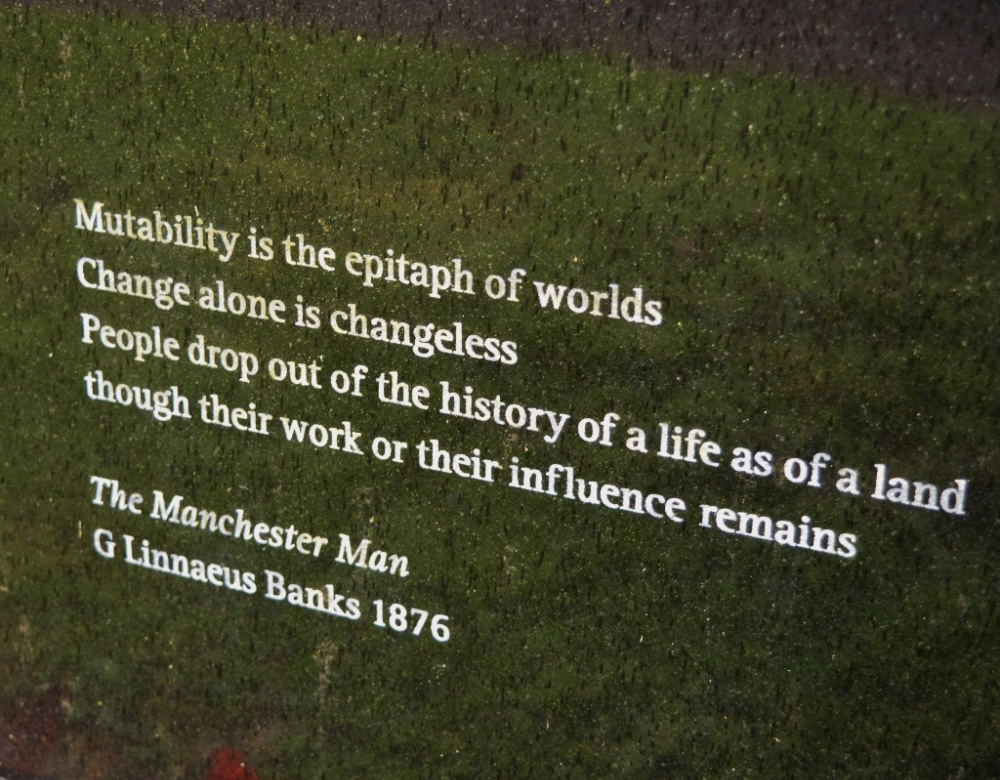
As noted above, the vast Southern Cemetery lies across the way from Amma’s Canteen. It is the second largest cemetery in Europe and the final resting place of important local figures such as the legendary Manchester United manager, Sir Matt Busby and the iconic Tony Wilson, the co-creator of the influential music label Factory Records. Wilson did more than almost anyone in putting the city’s popular culture on the map. Even a decade and a half after his death in 2007, he is still having a positive effect on the city in our opinion. 

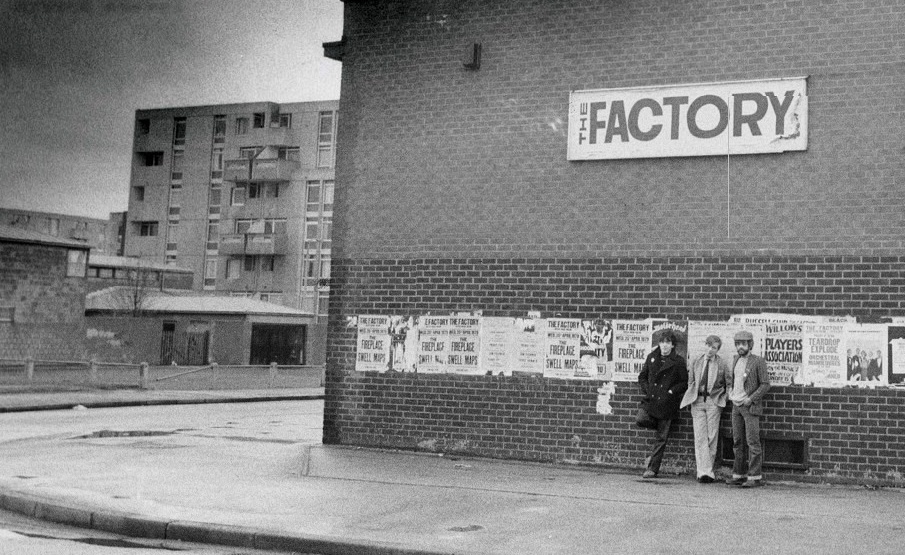
Wilson (centre) in a suitably grim Manchester backdrop in the 1970’s

Anyone who is familiar with the recent history of Manchester, the city’s rise from the grim post industrial decay of the 1970s into the modern, vibrant environment it is today, will be aware of the part Wilson played in invigorating the popular culture of the world’s first modern city.

Radical and still changing

Designer Peter Saville who worked closely with Wilson commented ‘Tony created a new understanding of Manchester; the resonance of Factory goes way beyond the music. Young people often dream of going to another place to achieve their goals. Tony provided the catalyst and context for Mancunians to do that without having to go anywhere’.

In a small nation, too often in thrall to its capital, Wilson more than anyone else in his generation, emphasised the fact that great art and culture was not the sole preserve of London but was very much alive elsewhere in the country and in the North in particular.

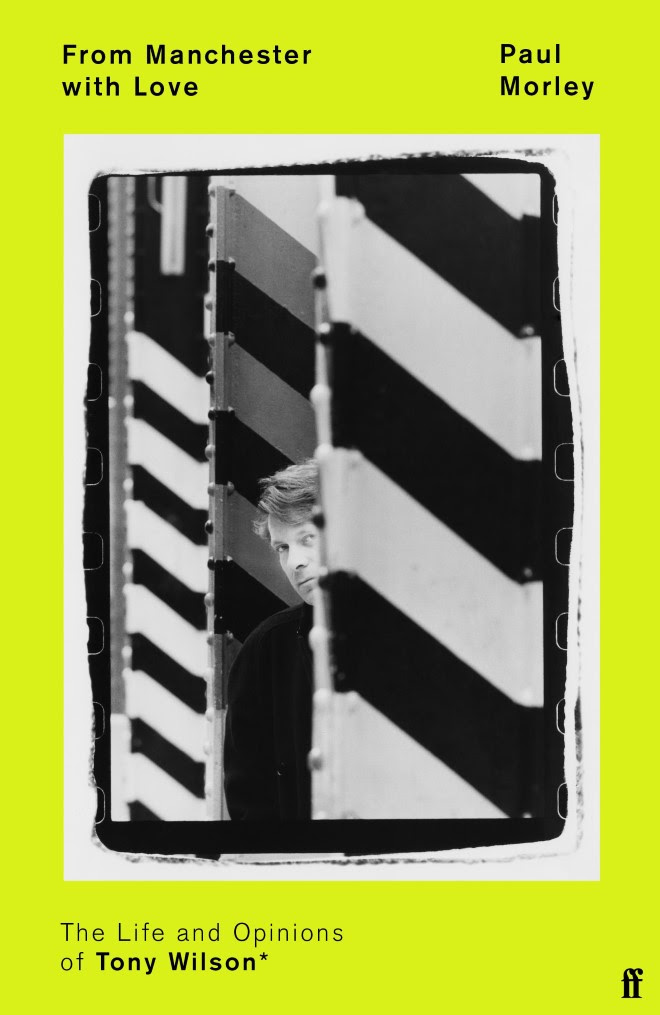
Writer Paul Morley, himself born in the city, analysed Wilson’s life and legacy in incredible detail in his book ‘From Manchester with love’.

Lengthy but illuminating

Saville designed Wilson’s black granite headstone with architect Ben Kelly . The headstone sits in repose amongst the crosses and columns of its neighbours in the Southern Cemetery.

Inscription on Wilson’s headstone

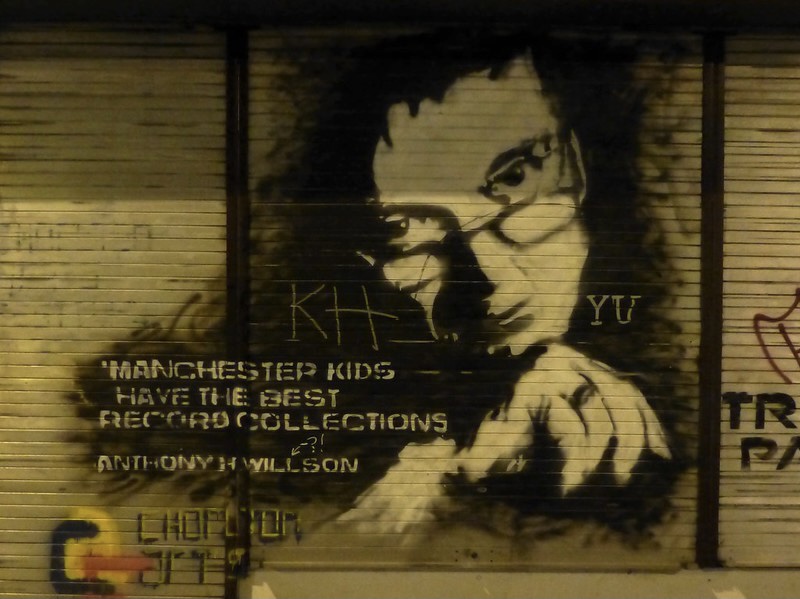
Several examples of graffiti art featuring Tony Wilson have cropped up in the city including the following in Chorlton with its quote from the man himself (although sadly, ‘Wilson’ was incorrectly spelt in this instance).

So it goes

Across the road from the Wilson mural is a stencil of the iconic Quentin Crisp by celebrated artist Stewy (www.stewy.uk).

The openly gay Quentin Crisp was a writer, humorist and actor who was famously played by the late actor John Hurt in the 1975 autobiography which was broadcast on national TV in the UK to great acclaim under the title ‘The Naked Civil Servant’. 

Crisp has only a somewhat tenuous link with Chorlton, the suburb being the place where he died in 1999 after staying with a friend there. He was cremated at the Southern Cemetery.

The Naked Civil Servant himself

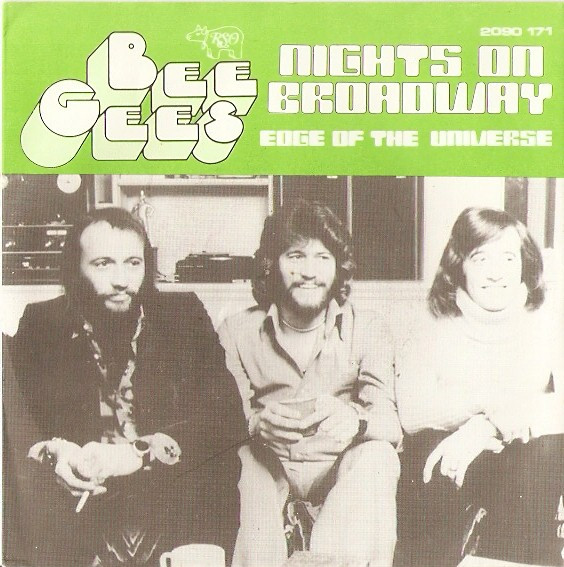
Stewy’s stencil of Quentin Crisp is on the corner of Keppel Road in Chorlton. Keppel Road was where the Gibb brothers (better known as the Bee Gees) once lived and where they first practiced their harmonies together.

The brothers would, of course, go on to immense success globally. They were especially popular in the US and their mainstream take on disco music sold by the millions.

The brothers Gibb

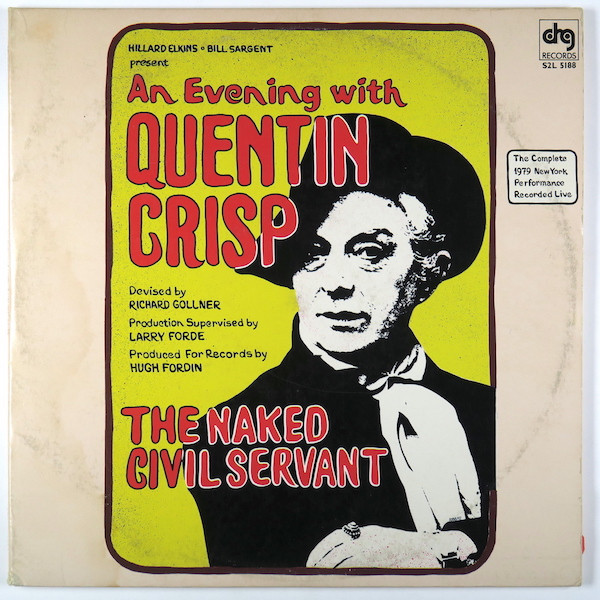
Crisp was also a success in the US and in New York in particular. The city was where his Broadway show ‘An evening with Quentin Crisp’ was staged to great acclaim.

Soundtrack to the show.

Stewy also created a stencil artwork of Tony Wilson in the city as well as one of the ‘Bard of Salford’ (Salford being the city across the river from Manchester) John Copper Clarke, to whom Wilson gave his first break on TV. 

The bard himself

We’ll leave John Cooper Clarke with the last word.

Kung Fu International

Liverpool. Art, Poets and Pubs

Yoko Ono at the Bluecoat Gallery, Liverpool in 1967

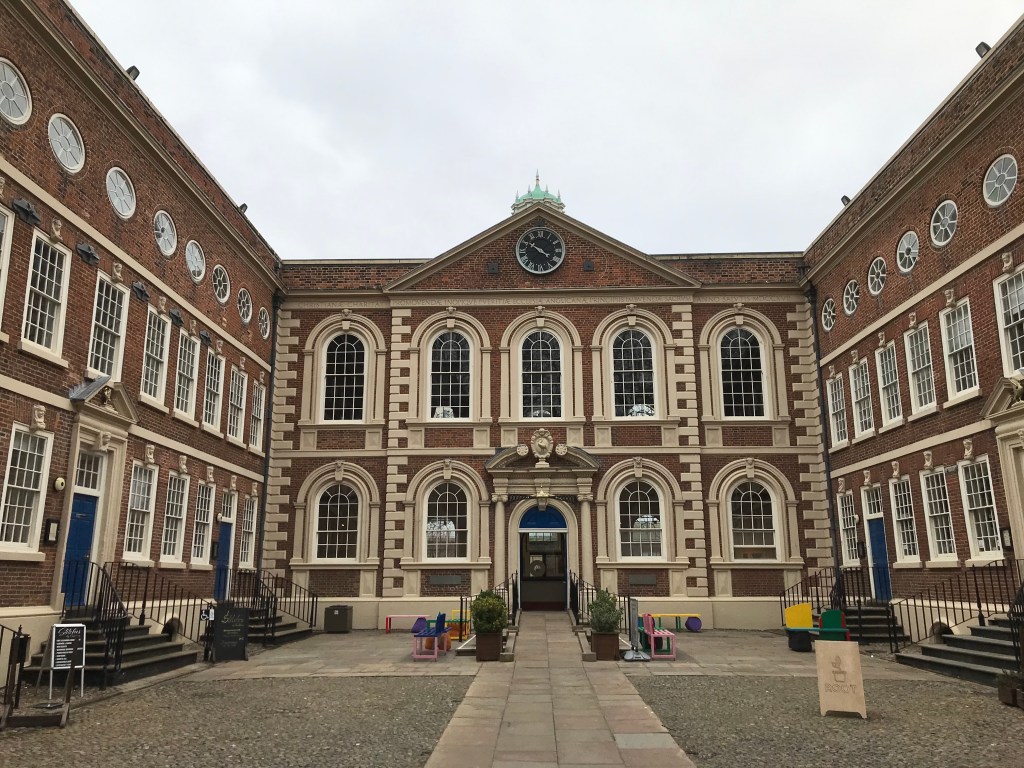
The Bluecoat gallery in Liverpool in the North West of England is a beautiful contemporary arts centre set in a 300 years old building. The gallery is centrally based and although it is surrounded by dull retail stores, it is an oasis of calm and a great place to while away some time. As well as the gallery, there is a cafe, a book store and the contemporary houseplant shop ‘Root’.

Bluecoat gallery

At the reception you are greeted by a commissioned work by the artist Babak Ganjei.

Past, present and future acknowledged

Another commissioned work on display in the foyer is the frieze ‘Summer’ by local artist Sumuyya Khader.

Summer by Sumuyya Khader

Sumuyya Khader (exhibiting under the programme title ‘Always Black Never Blue’) was one of three artists featured in the gallery on the day we visited along with London based Rosa-Johan Uddoh (‘Practice Makes Perfect’) and Deborah Roberts (‘A Look Inside’).

Deborah Roberts – ‘A Look Inside’
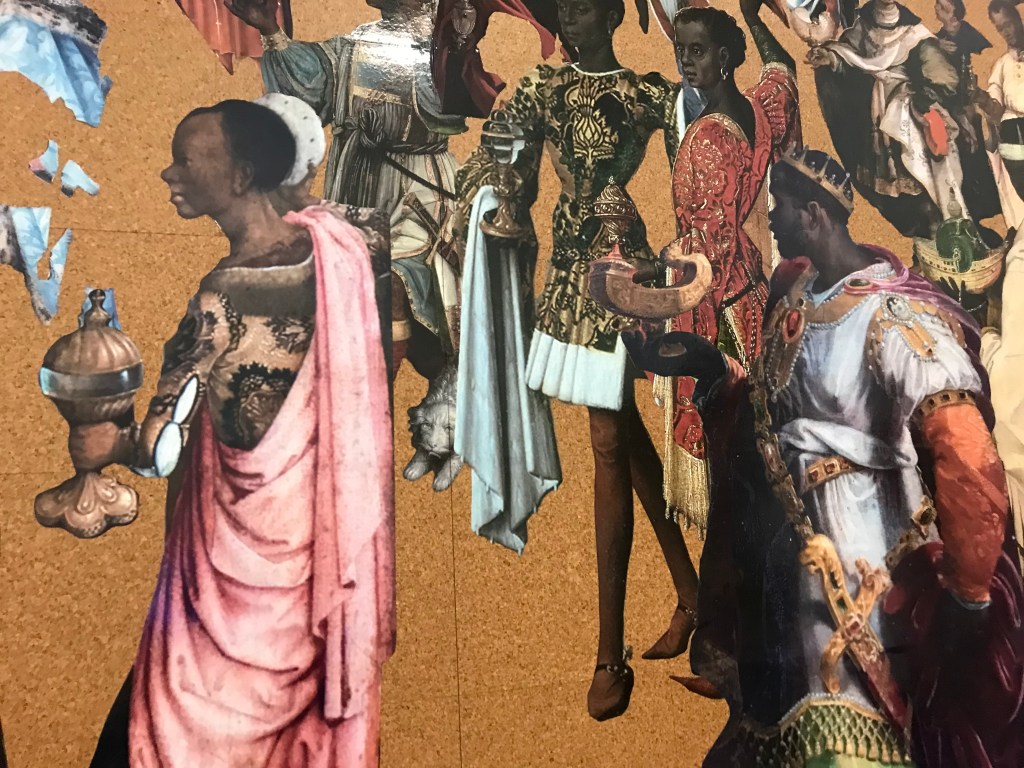
‘Balthazar’ – Rosa-Johan Uddoh

As noted above, the exhibition introduced us to the work of Sumuyya Khader. This was her first UK solo show in a public gallery. Khader has a studio in Liverpool 8 (of which more later) and runs Granby Press (named after the area’s most important and iconic thoroughfare, Granby Street), a community based printing project .

Her LinkedIn entry notes

Currently in conversations to develop a Black culture & history centre in the L8 area of Liverpool. A space for past, present and future with a focus on education and support‘.

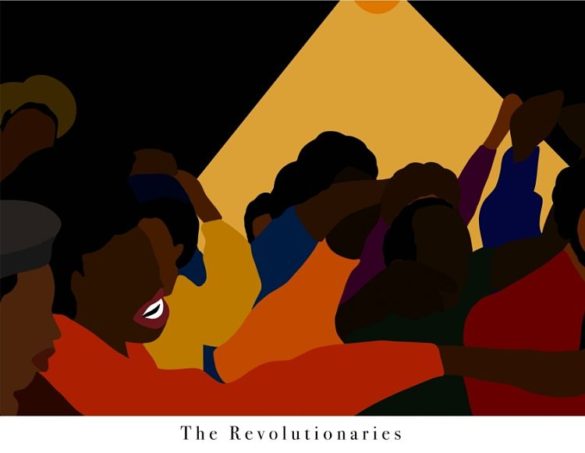
We managed to buy a print of one of Sumuyya Khader’s works from her online shop at https://www.sumuyyakhader.com. The print we ordered, ‘The Revolutionaries’ is inspired by the film director Steve McQueen’s film, ‘Lovers Rock’, part of a series of five films he made under the title ‘Small Axe’ (‘if you are the big three, we are the small axe’ sang Bob Marley) charting the lives of Black Britains from the 60s to the 80s. The films were recently shown by the BBC.

‘Lovers Rock’ is a film of a London house party in the 1970’s. Reggae is the party’s soundtrack. The most memorable moment in the film is the that where the guests are seen dancing to Janet Kay’s lovers rock hit ‘Silly Games’ and then singing the song as an acapella. The thundering reggae instrumental ‘Kunte Kinte Dub’ (credited to The Revolutionaries, the house band at the Channel 1 recording studio in Jamaica) follows not long afterwards. The Dub provokes joy and excitement in the partygoers with its trade mark synth line and bellowing foghorn introduction, the scene ultimately influencing the content and title of Khader’s work above.

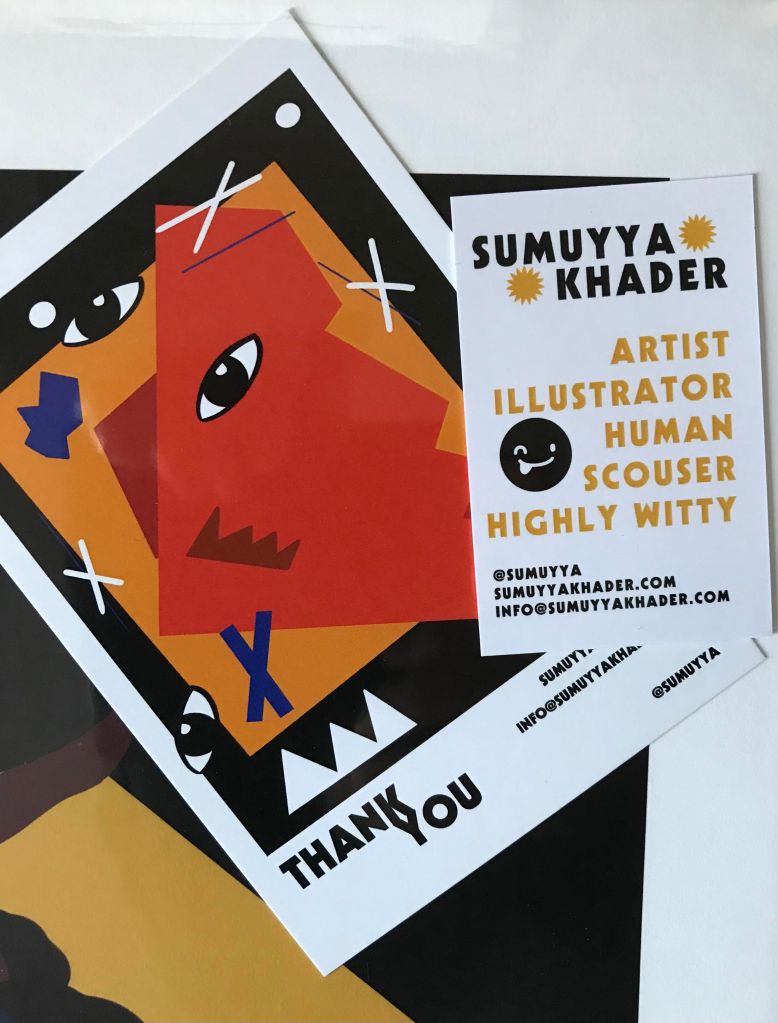
‘Scouser.Highly witty’

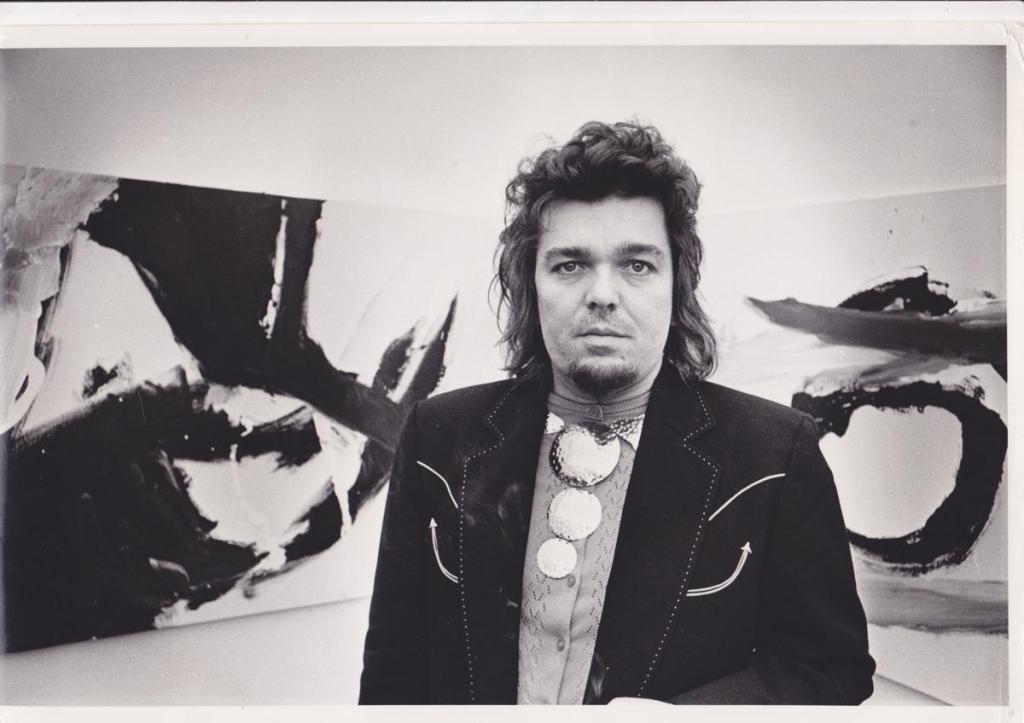
The Bluecoat has a venerable reputation for staging innovative artists. Looking at a list of past exhibitors at the gallery we came across an entry for Don Van Vliet, better known as R&B legend Captain Beefheart. The Captain was a ‘total artist’, a painter, singer, writer and performer. His exhibition at the Bluecoat, way back in 1972, was the first time the Captain’s painting had been publicly exhibited anywhere in the world.

Captain Beefheart at the Bluecoat in 1972

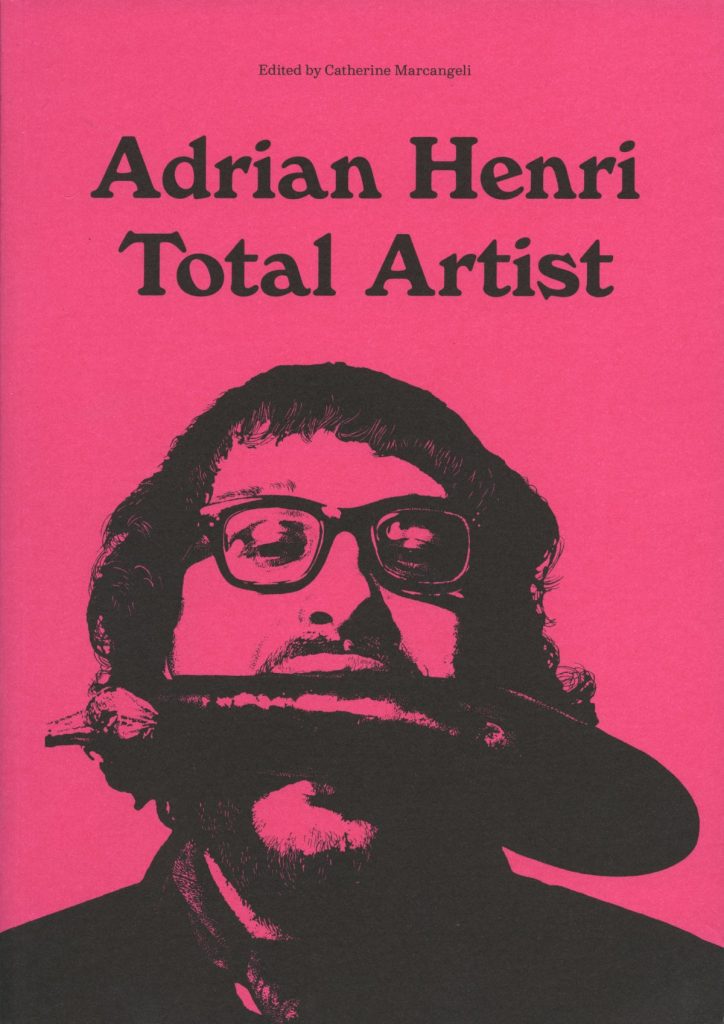
Another ‘total artist’ who embraced music, art, writing and performance, was local innovator Adrian Henri. Henri is probably best known as one of the Liverpool poets who came to prominence in the 1960’s and the founder of the poetry-rock group Liverpool Scene. Henri and his compatriots, Roger McGough and Brian Patten brought the influential ‘Mersey Beat’ poetry to the UK and beyond by using the same language, the same people and their lives as the Beatles were using in their songs. As well as poetry and performance, Henri was an established artist who exhibited several times at the Bluecoat.

An aubergine, presumably from Granby Street

Henri lived for much of his life in Liverpool 8, amidst the crumbling Georgian streets near the Art College and Anglican cathedral. As he noted ‘I cannot imagine what it would have been like to be a poet and not live here; or, indeed, whether I would have become a poet at all’.

His work ‘Autobiography’ lists the names of streets in the in and around Liverpool 8.

Rodney St pavement stretching to infinity

Italian garden by the priest’s house

seen through the barred doorway on Catherine St

pavingstones worn smooth for summer feet

St James Rd my first home in Alan’s flat

shaken intolerable by Cathedral bells on Sundays

Falkner Sq. Gardens heaped with red leaves to kick in autumn

Gambier Terrace loud Beatle guitars from the first floor

Sam painting beckoning phantoms hiding behind painted words bright colours in the flooded catfilled basement

Granby Street bright bazaars for aubergines and coriander

Blackburne House girls laughing at bus-stops in the afternoon

Blackburne Place redbrick Chirico tower rushing back after love at dinnertime. 

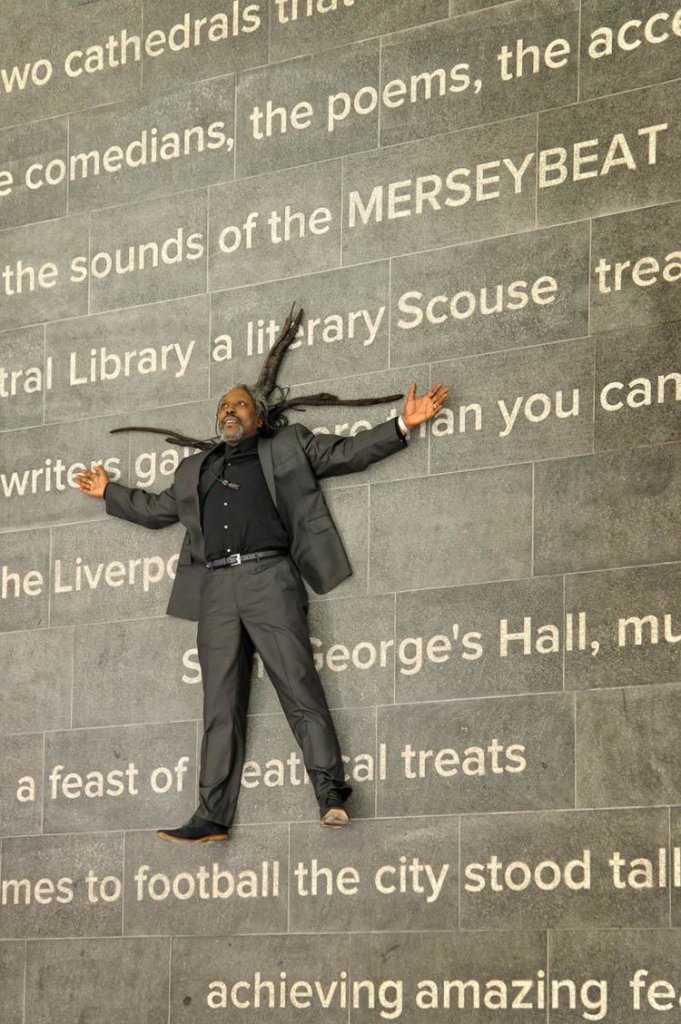
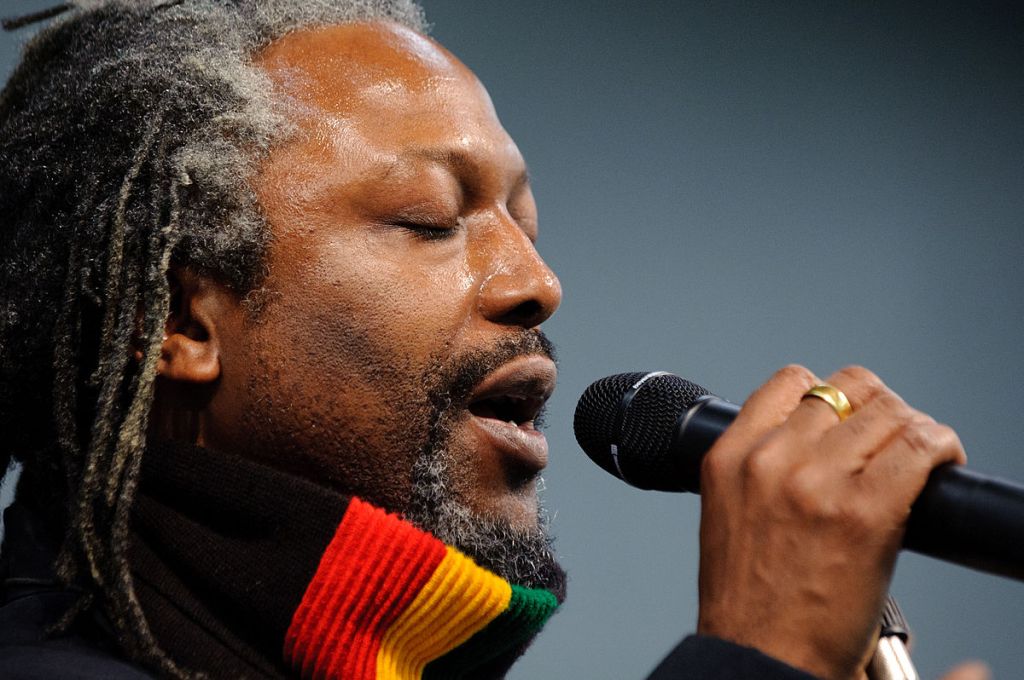
Another poet, another ‘total artist’ of Liverpool 8 is the writer and performer Levi Tafari. 

Levi Tafari

Born in Liverpool 8 to Jamaican parents Levi Tafari’s Wikipedia entry notes:-

Tafari self-identifies as an Urban Griot (the griot being the traditional consciousness raiser, storyteller, newscaster and political agitator)’.

As Tafari himself says ‘Liverpudlians are affectionately known as scousers, and scouse is a stew made of many ingredients’. He is a formally trained French chef and an alumni of the Liverpool 8 Writers Workshop. He is an established poet and performer who has taken his work all over the world.

Levi Tafari

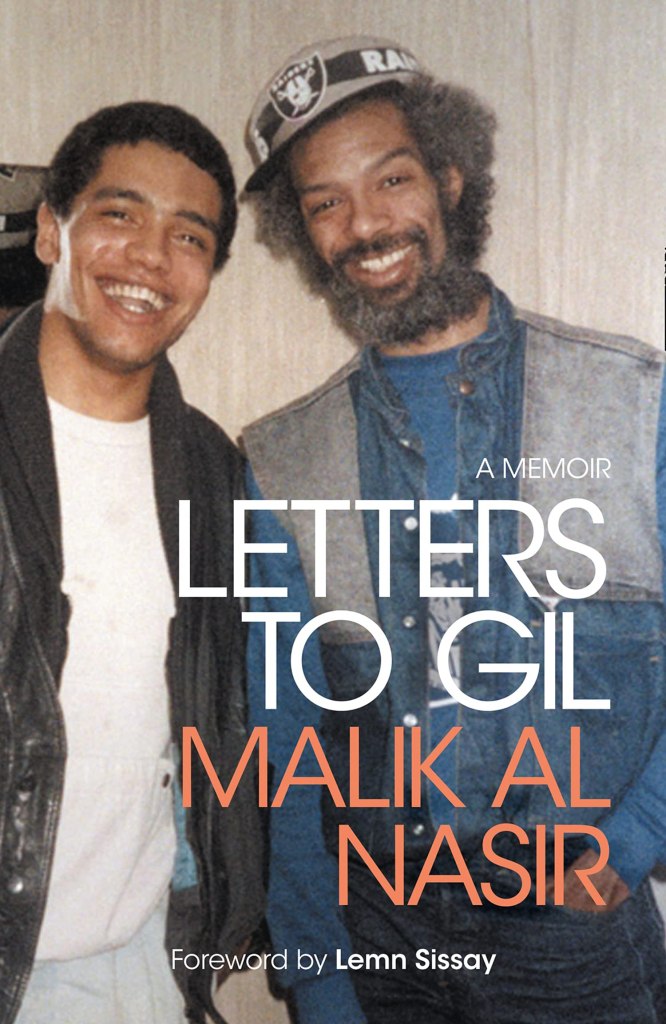
Another Liverpool 8 poet and artist is Malik Al Nasir. After a tough early start in life he met the legendary writer, poet, musician, activist and ‘total artist’ Gil Scott Heron, the legendary influence behind rap (and much else) on a visit to the city. Gil took Malik under his wing and encouraged and mentored him through a masters degree and into a life of poetry and creativity.

Malik Al Nasir’s powerful memoir ‘Letters to Gil’ explores his ‘story of surviving physical and racial abuse and discovering a new sense of self-worth under the wing of the great artist, poet and civil rights activist Gil Scott-Heron’. The forward to the book is by another noted poet, Manchester born Lemn Sissay.

Malik and Gil

Liverpool is still a great city for characterful pubs. Pubs have been closing en masse throughout the UK during the past few years. Many have been successfully turned into ‘gastro pubs’ combining quality food, drink and hopefully ambiance. Nevertheless, there are still ‘traditional’ boozers left, especially in Liverpool and we’ll mention a few here (even if they serve decent food along with the drinks!).

Adrian Henri is there to help us. His ‘Poem for Liverpool 8’ mentions some of the pubs he frequented in the city although all of the following are on their way to Liverpool 8 from the city centre rather than in the district itself.

drunk jammed in the tiny bar in The Cracke

drunk in the crowded cutglass Philharmonic

drunk in noisy Jukebox O’Connor’s

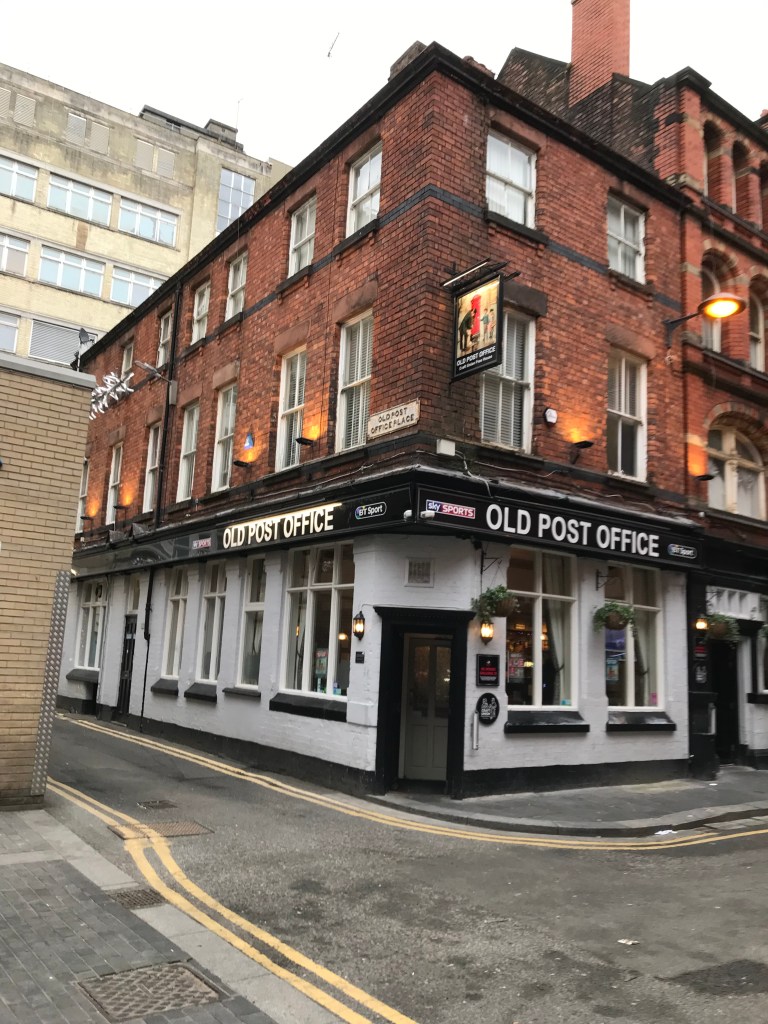
As you leave the Bluecoat, immediately to your right is the venerable ‘Old Post Office’ public house. The Old Post Office is an old fashioned ‘does what it says on the tin’ Victorian pub and it is a delightful place to while away an hour or two.

Mine’s a lager top

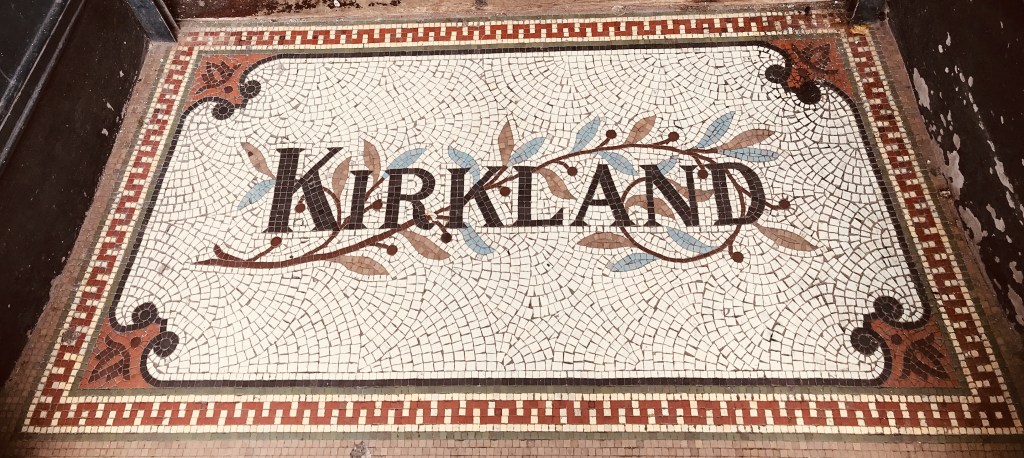
Other great pubs follow as you move away from the city centre itself. Around a 10 minutes walk from the Bluecoat as you walk up Hardman Street towards the Philharmonic Hall and Georgian terraces, is the Fly in the Loaf bar (although we always refer to it by its old name of ‘Kirklands’). With its long interior bar, tiled floor and mosaicked entrance, it was a formerly called Kirklands Bakery as the external signage notes saying  ‘Vienna Bakery – Bakers to the Queen – Kirkland Bros – Scotch Confectioners’ and ‘By Royal Appointment’ (to Queen Victoria no less!). Although the bar may not be as consequential as it was in the 70s and 80s when it was a preferred haunt of local footballers and celebrities, it is still a great place for a drink and ambiance!

Tiled entrance to the Fly in the Loaf and the old name of the bakery

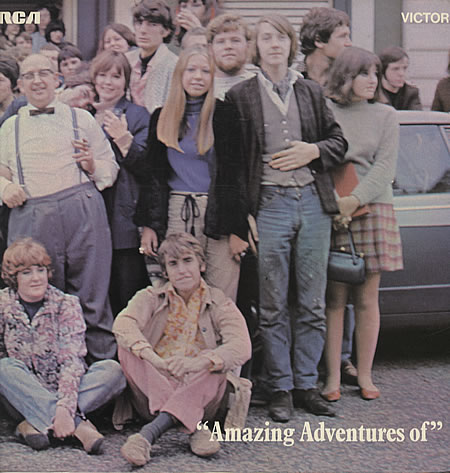
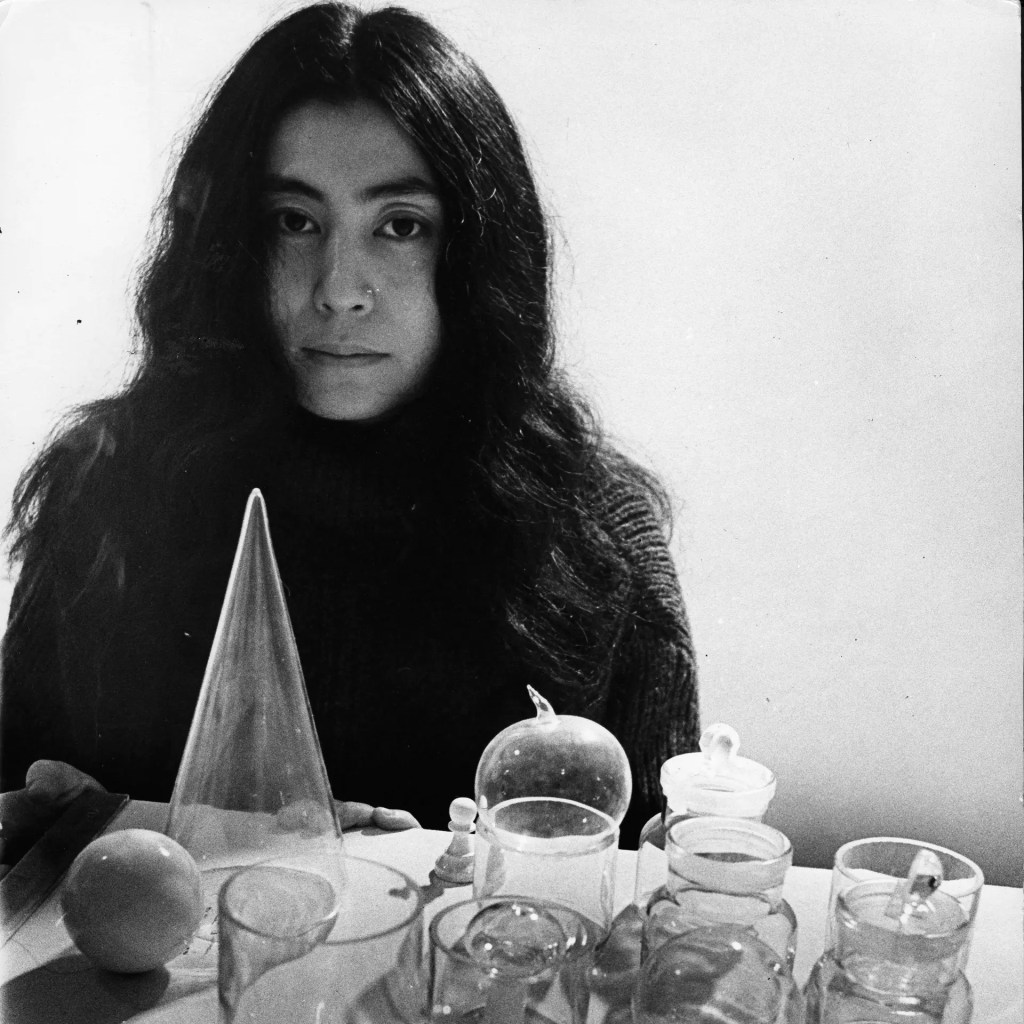
On the other side of the road to the Fly in the Loaf was an old bar called O’Connor’s Tavern which had been both a synagogue and then a morgue in a previous existence. The Tavern had a legendary jukebox and was popular with the Mersey Poets including of course, Adrian Henri. Henri once met Yoko Ono at the Bluecoat where she was exhibiting (in 1967, she returned to the gallery in 2008) and took her for a drink at O’Connors. Regulars of the Tavern, including the landlord are featured on the cover of The Liverpool Scene album ‘Amazing Adventures of’.

The Liverpool Scene with Adrian Henri

O’Connors is long gone and the site has changed hands several times since those days. Showing our age, we remember it when it was a wood lined bar called ‘Chaucers’.

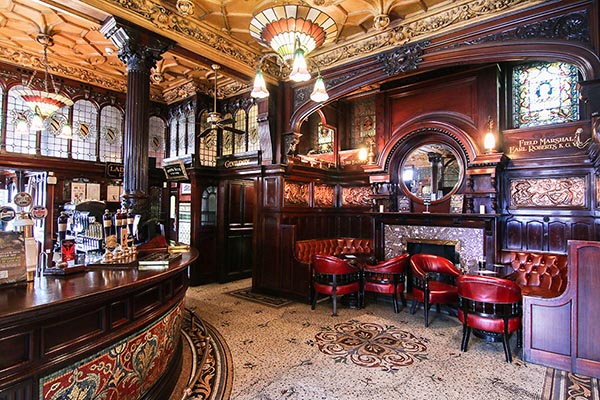
A short walk further up the hill will bring you to The Philharmonic pub (‘the Phil’) surely one of the UK’s most spectacular ‘boozers’. The Phil is a Grade 1 listed building and if you ever get the chance to visit Liverpool, do stop for a drink here.

The Phil

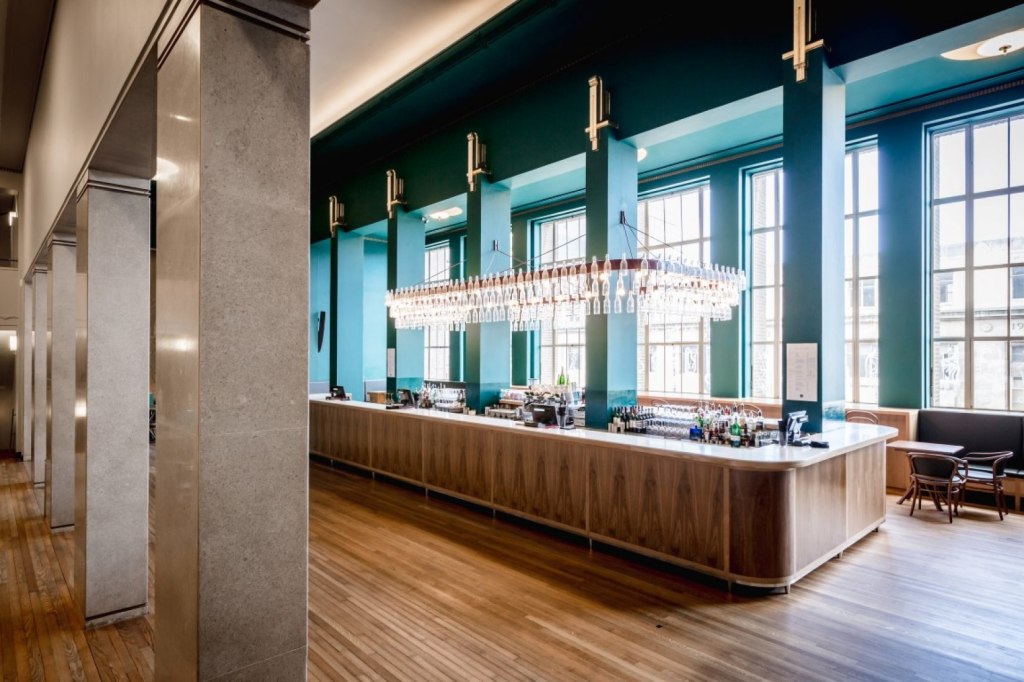
Across the road from The Phil is the Philharmonic Hall. Although a concert venue (and in particular, we remember seeing jazz poet Gil Scott Heron perform there), the Hall’s upstairs bar is an Art Deco masterpiece and worth a visit in its own right.

Philharmonic Hall bar

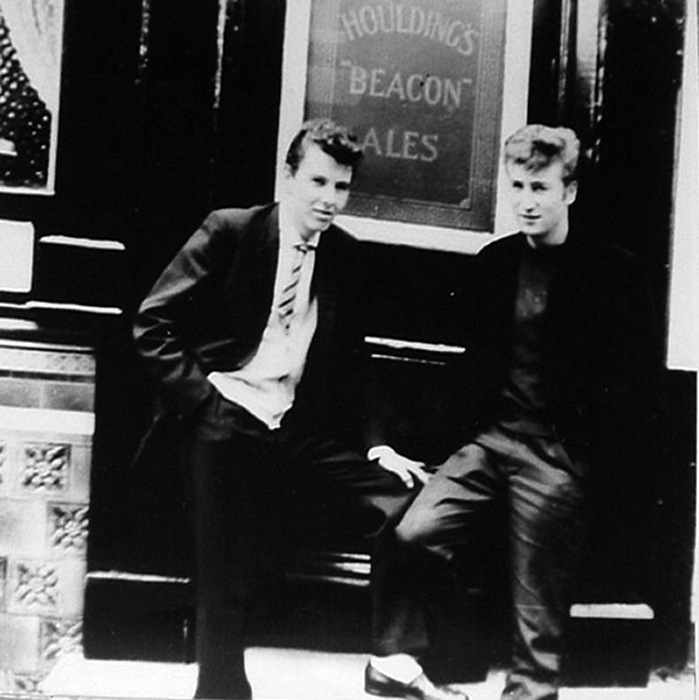
Another short walk away from the Hall takes you to ‘Ye Cracke’, a legendary pub not only frequented by Adrian Henri and John Lennon but by generations of students from the nearby Art College.

John Lennon outside Ye Cracke in 1958

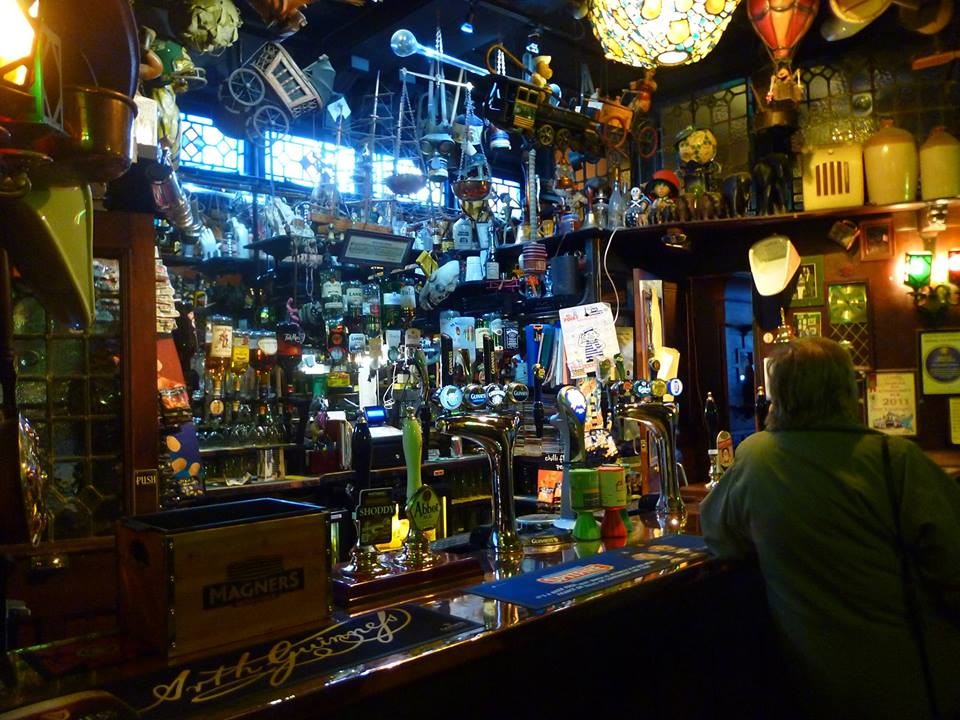
Away from Ye Cracke and into the outskirts of Liverpool 8 proper is Peter Kavanghs pub. Our personal favourite in the UK, we’ve never seen such a great mix of people drinking in one bar before. Ambiance galore!

Peter Kavanaghs

We’ll leave Gil Scott Heron to have the last word.

‘A good poet feels what his community feels.

Like if you stub your toe, the rest of your body hurts’.

Rotterdam, kapsalon and kopstoot

Rotterdam Blaak railway and metro station

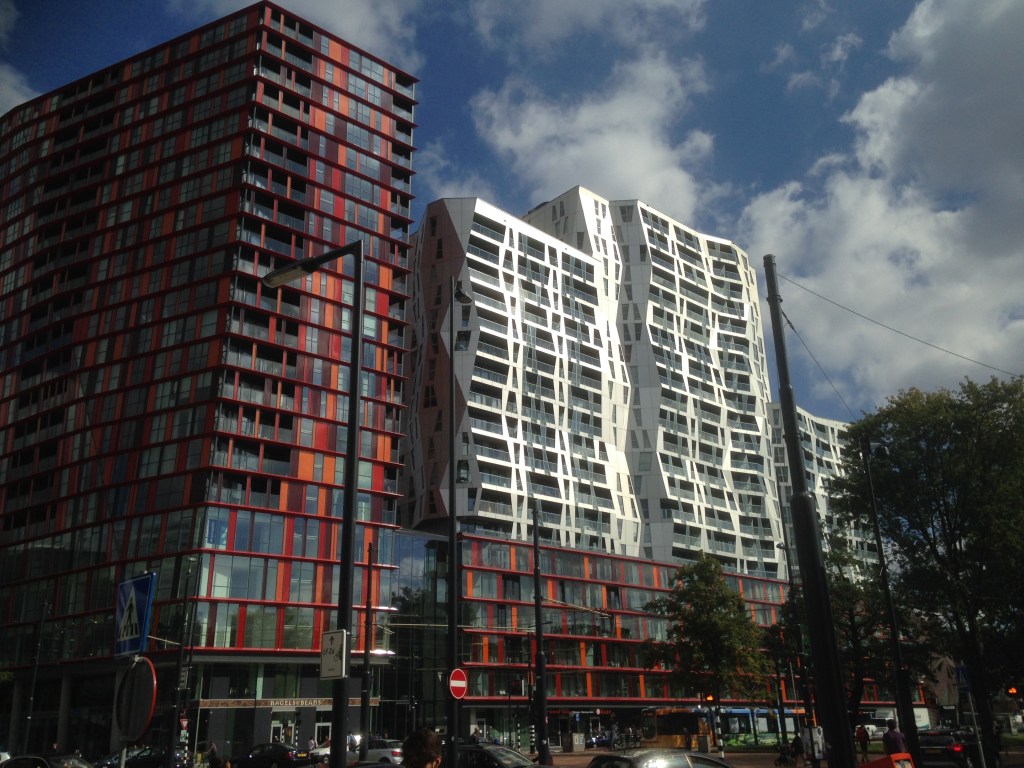
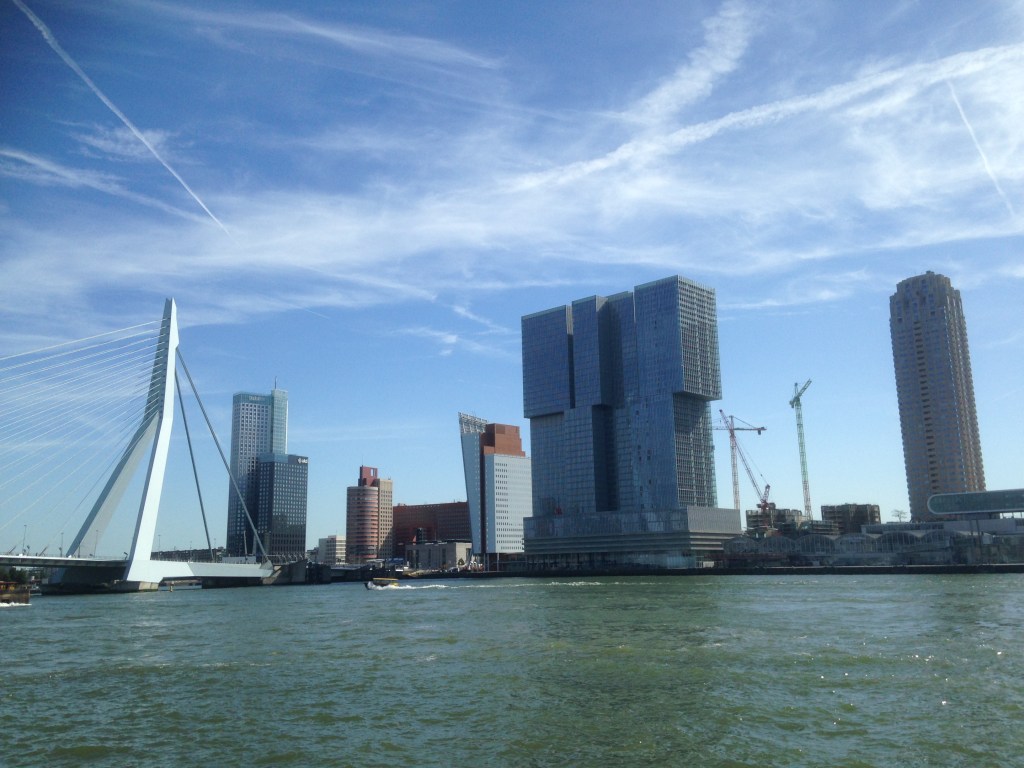
Rotterdam is the second city of the Netherlands and Europe’s biggest seaport. Like other European port cities such as Liverpool and Hamburg, Rotterdam was badly damaged by aerial bombing during the Second World War. Much of its old medieval centre was destroyed and unlike its big sister, Amsterdam, the city is very much a modern construct in its centre and in its awesome shipping zone.

Central

Seaport

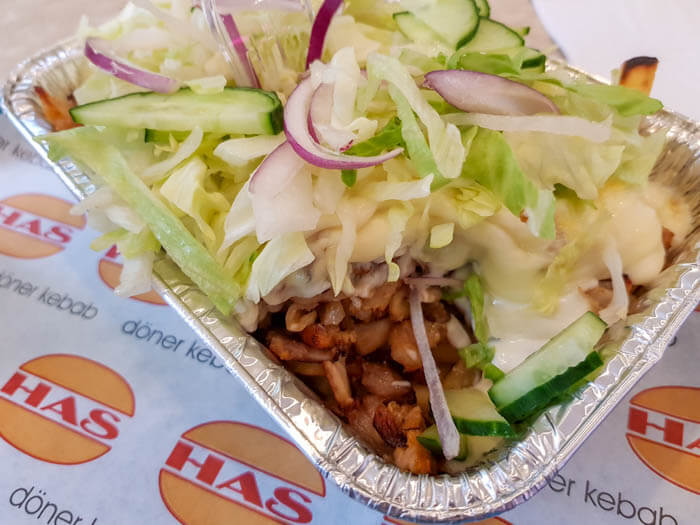
Modern Dutch architecture is superb. Futuristic design greets you as you arrive at the city’s Centraal station. Known locally as the ‘kapsalonbak’, the station is named after the late night post ‘kapsalon’, a snack of meat kebab, chips, and melted cheese with them roof of the station apparently resembling the takeaway’s metal tray.

Centraal Station

Kapsalonbak – hopefully with extra chilli sauce!

Not the best cuisine on offer in the city but after over indulgence at the local bar, it is just what the doctor ordered!

Genever, sometimes known as Dutch gin (although it tastes nothing like a ‘London dry’), is a malt grain-based spirit distilled in Holland or Belgium. Botanicals such as juniper are added resulting in a punchy, nutty drink with a pretty powerful kick. It is the origin of the phrase ‘Dutch courage’ after all.

Traditionally served in a tulip shaped glass, the spirit is either ‘old’ (‘oude’) or ‘young’ (jonge’). These terms do not refer to the ageing process itself but rather to the distillation procedure used in its manufacture. The distillation of the young genever results in a lighter, cheaper product with the ‘old’ better suited to slower imbibing. Young genever is the sort of drink you would have with a chaser of beer at the bar (known as a ‘kopstoot’ or ‘headbutt’) with your rowdy friends!
Kopstoot

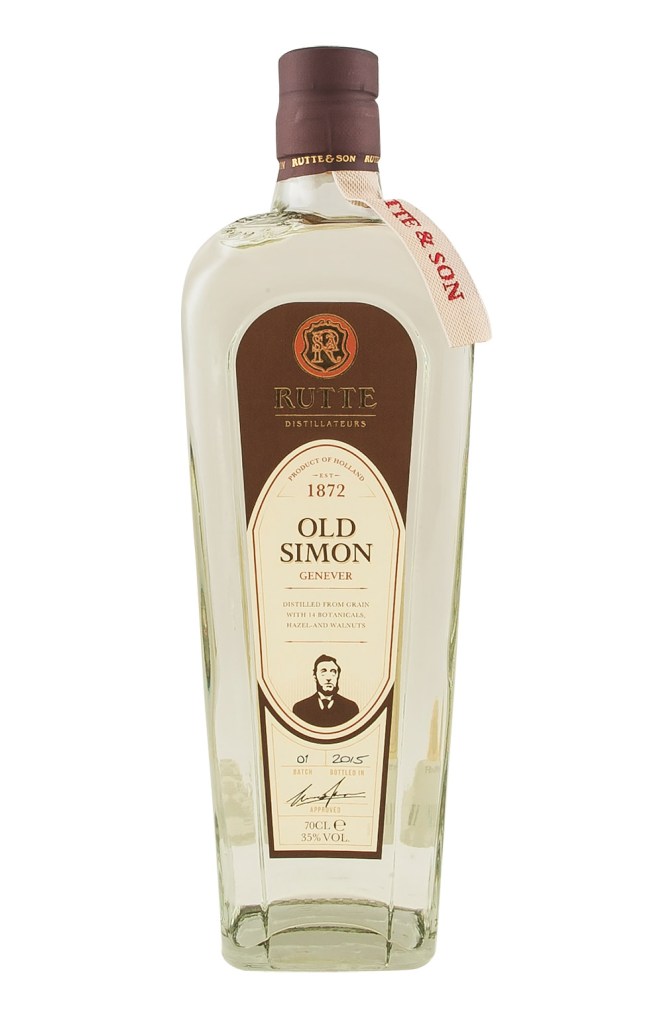
We think that an oude genever is best enjoyed when it is mixed into a cocktail such as a ‘Martinez’ with sweet vermouth, orange Curaçao or cherry liqueur, bitters, a twist of lemon and plenty of ice. We recommend ‘Oude Simon’, a genever made by the Rutte family distillers in Dordrecht, just outside of Rotterdam. The spirit is named after Simon Rutte who founded the distillery in the town some 150 years ago.
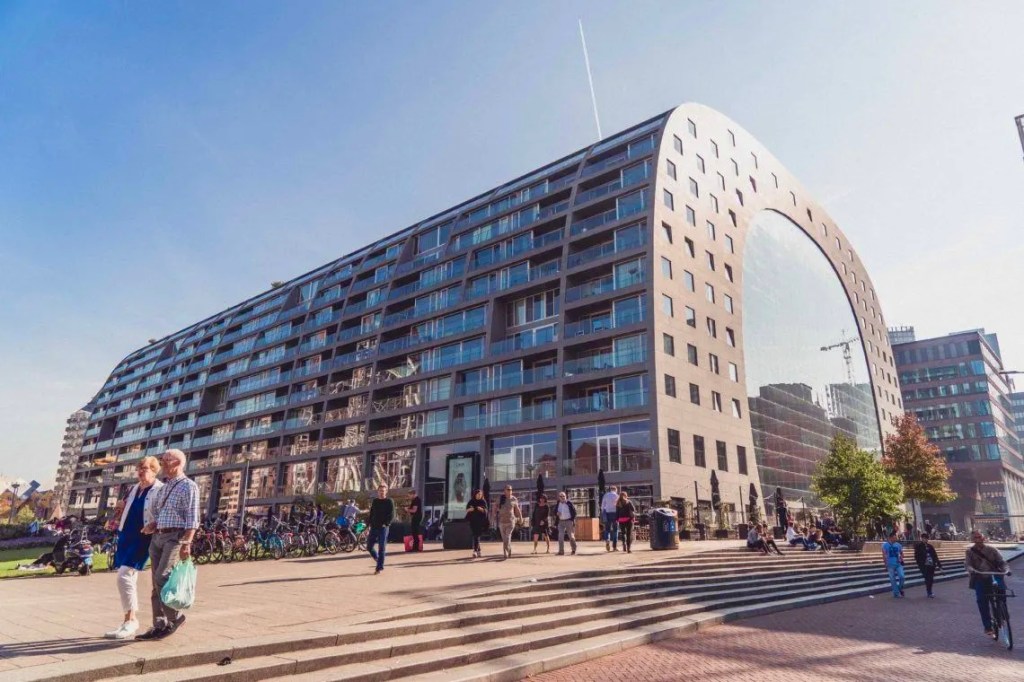
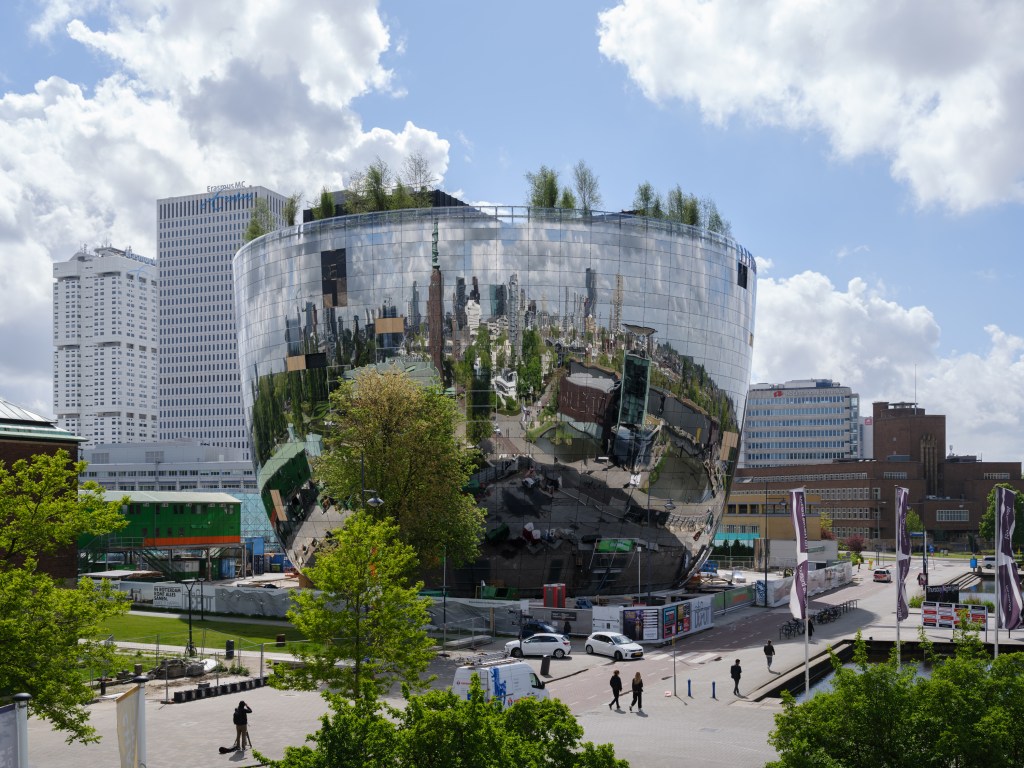
There are two especially beautiful modern constructs in Rotterdam, both designed by local architects MVRDV see https://www.mvrdv.nl/ These two buildings are the recent Depot Boijimans van Beuningen and the iconic Markthal.

Markthal

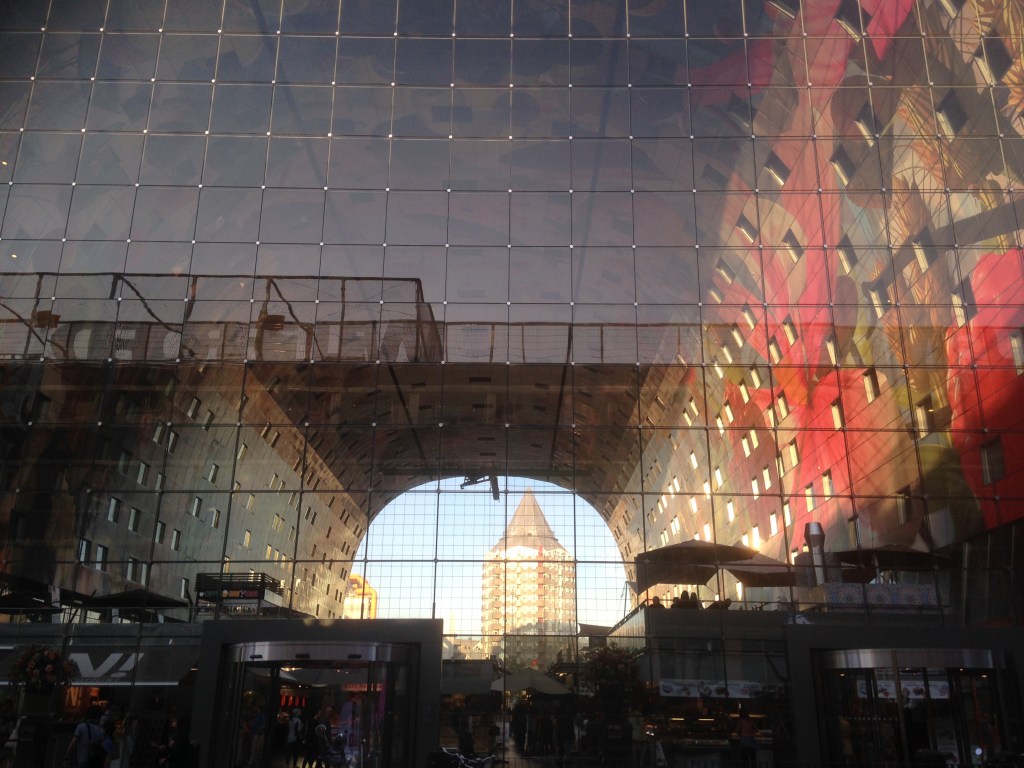
Dominating a central Rotterdam space the size of Tiananmen Square, the Markthal (‘Market Hall’) is a giant ground floor court surrounded by restaurants and bars with apartments and offices on the upper levels. The building’s inner arch is covered in an 11, 000 sq metre mural called ‘The Horn of Plenty’ which depicts typical produce to be found in the food hall. The mural was produced by Dutch artists Arno Coenen and Iris Roskam.

Through the central entrance

Interior mural

Interior mural

The second MVRDV building we would like to mention is the Depot Boijimans van Beuningen. The building is the world’s first publicly assessable arts storage facility. It is located next to the museum of the same name in the city’s Museumpark, an urban parkland area. Visitors to the Depot will find more than 150,000 art works housed together arranged in different storage compartments. Information on the preservation and management of this huge and diverse collection is freely available to visitors. Usually these works would be hidden from view in storage in the bowels of the museum metaphorically ‘gathering dust’.

Depot Boijimans van Beuningen

A great port city should have a great football club. Liverpool has two and Hamburg’s best loved team are FC St. Pauli. Rotterdam has the legendary Feynoord, arch rivals to Amsterdam’s Ajax.

Feynoord fans are known for their pyrotechinics

Next time you visit the Netherlands, make sure you visit Rotterdam.