Liverpool. Art and Mowgli

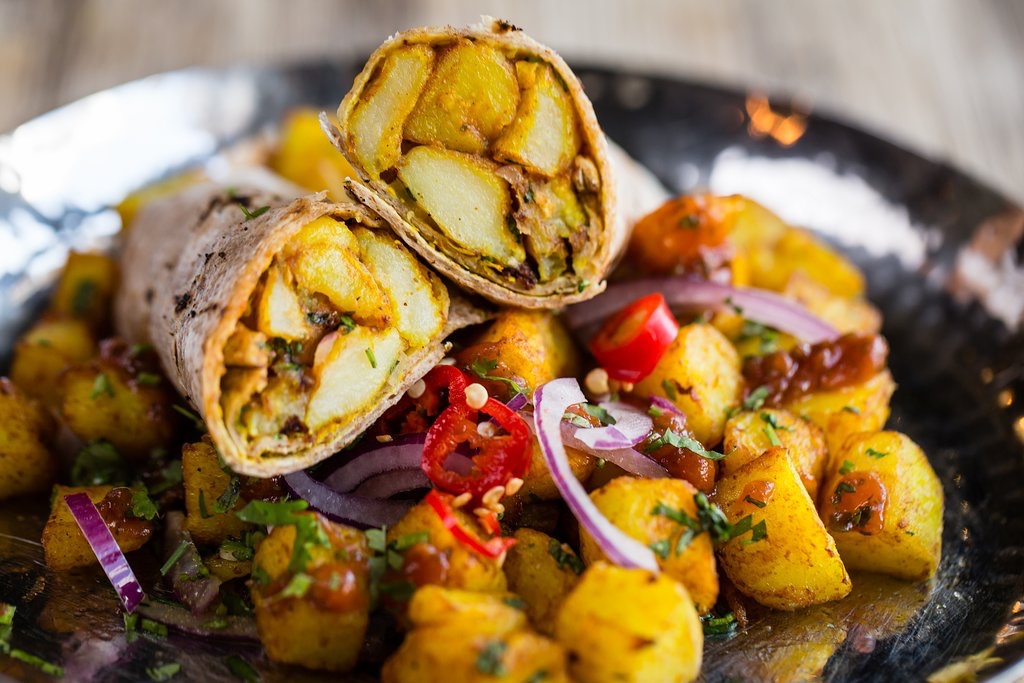
Chip butty at Mowgli

The city of Liverpool lies at the mouth of the Mersey river as it empties into Liverpool Bay, the Irish Sea and the Atlantic.

Liverpool was once known as the ‘second city of the British Empire’ because of it’s massive port, huge merchant fleet and the sheer volume of international trade that flowed in and out of the Mersey.

The names of docks in the city, of which there were 43, often had monarchal themes or the names of historical figures and events such as Victoria, Albert, Nelson, Waterloo and Trafalgar. These names resonate with a sense of privilege and entitlement, of glories past and of times lost which ultimately lie somewhat at odds with the city’s independent streak and its cosmopolitan and inclusive nature. Despite setbacks, the city has a clear sense of itself despite the contempt and neglect of successive establishment governments in London. ‘Managed decline’ was Goverment policy for the city in the 1980’s.
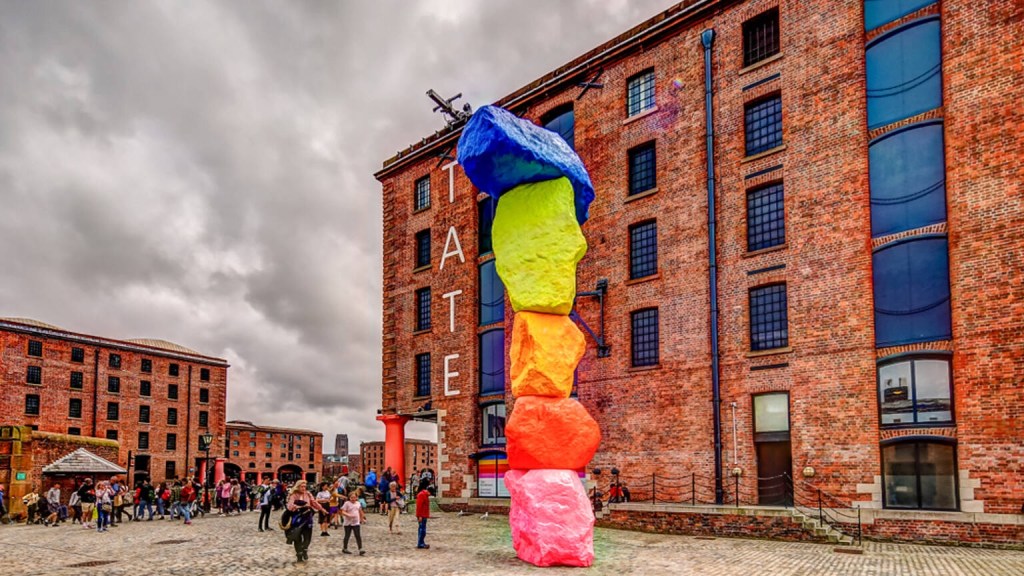
Tate Museum at the Albert Dock, Liverpool

The Tate Gallery Liverpool in the city’s restored Albert Dock was opened in 1988 by the Prince of Wales (now King Charles III) as the northern outpost of the Tate Gallery in London. Funding for the Tate Gallery came from the industrialist Henry Tate in 1889. Tate had made a considerable fortune from the refining of sugar in Liverpool derived from cane grown in the Caribbean. Slavery had been abolished by the time Tate came into sugar refining but the product was made using raw cane originally from former space plantations. After abolition of the slave trade in the UK in 1807, indentured (bonded) labourers from India and China cut the cane along with the descendants of slaves. Although Tate was neither a slave-owner or slave-trader, the business of sugar refining cannot be separated from the history of plantation slavery and the bonded labour which followed it’s abolition
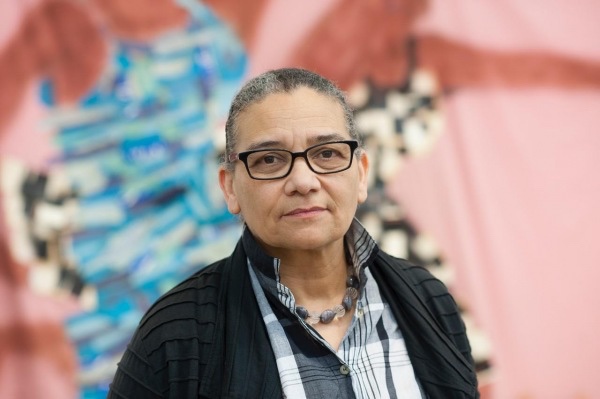
Lubaina Himid

The artist Lubaina Himid (https://www.royalacademy.org.uk/art-artists/name/lubaina-himid-ra-elect), although based further to the north of the City in Preston (she is a professor of Contemporary Art at the University of Lancashire), is nevertheless closely linked with Liverpool. Himid, born in Zanzibar which was then a colony of the United Kingdom where she was brought up. She left at an early age and was brought up in the UK where she ultimately graduated from the prestigious Royal College of Art.
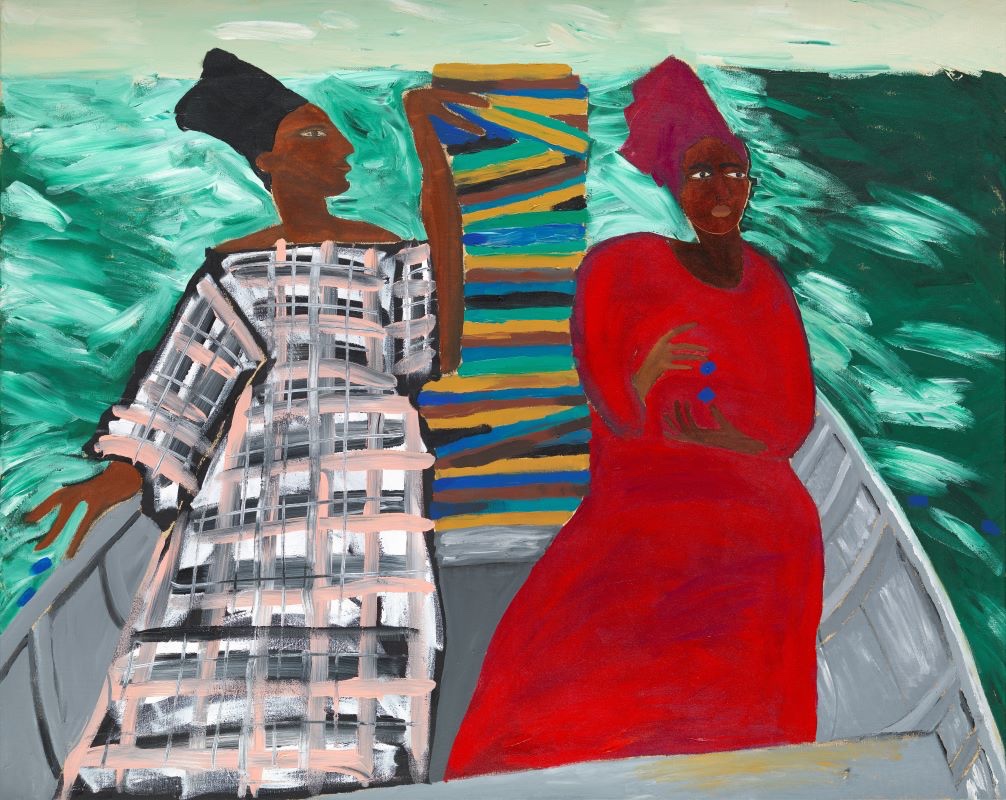
Between the Two my Heart is Balanced

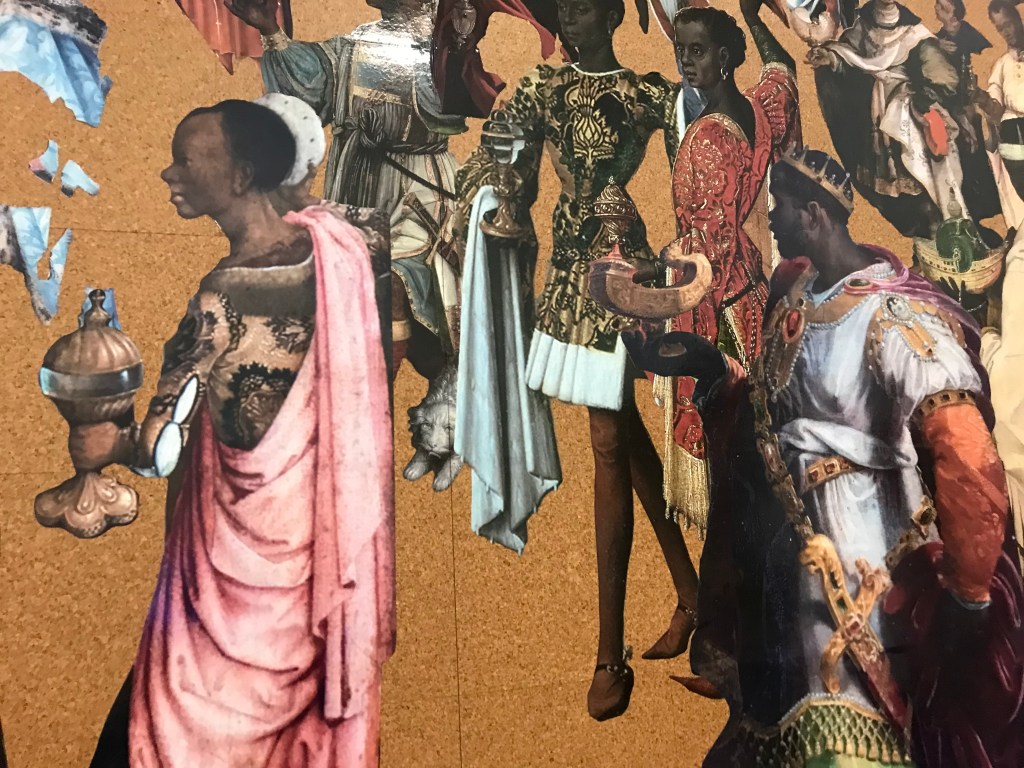
A widely admired and established artist she has exhibited widely in Liverpool, (she is currently exhibiting at the city’s Biennial – ‘Between the Two my Heart is Balanced’) most notably at the International Museum of Slavery in 2017 when she gifted the museum an installation of 20 figures entitled ‘Naming the Money’. According to the Museum the installation ‘addresses how Europe’s wealthy classes spent their money and flaunted their power in the 18th and 19th centuries, by using enslaved African men and women. The highly individual sculptural figures, each with their own profession and life story, demonstrate how enslavement was disguised and glamorised’.
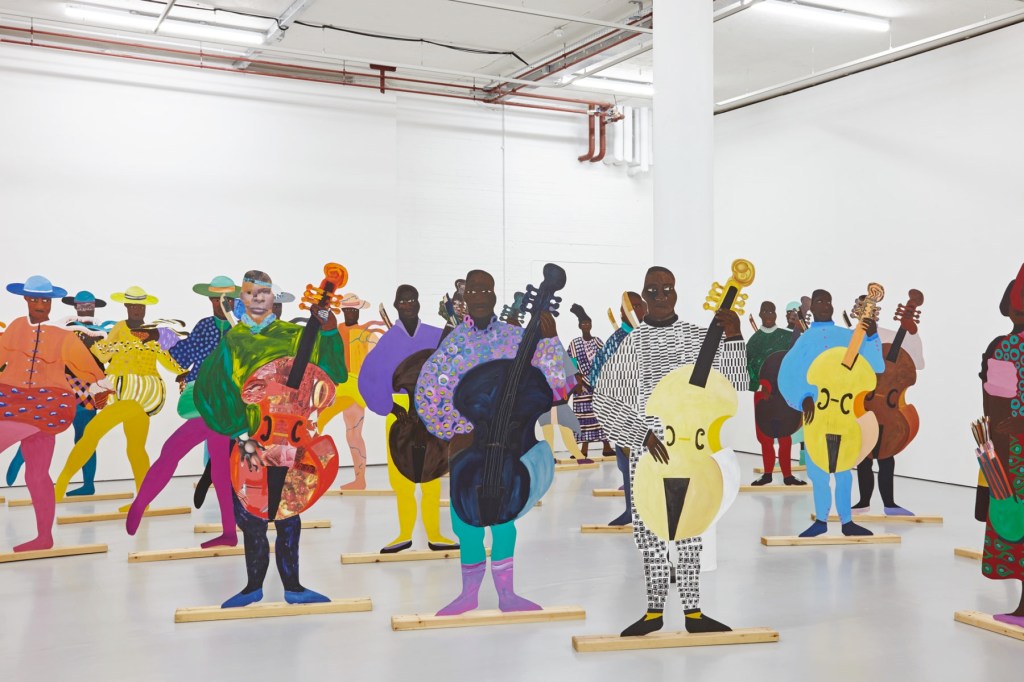
Naming the Money

Reviewing Naming the Money art critic Luisa Buck noted: “Himid’s work has long been concerned with black creativity, history and identity and this animated throng represents the Africans who were brought to Europe as slave servants. There are drummers, dog trainers, dancers, potters, cobblers, gardeners and players of the viola da gamba, all decked out in vivid versions of 17th century costume. Labels on their backs identify each individual, giving both their original African names and occupations as well those imposed by their new European owners, and these poignant texts also form part of an evocative soundtrack, interspersed with snatches of Cuban, Irish, Jewish and African music.”

Himid has also exhibited at the Tate Gallery Liverpool where her installation ‘The Carrot Piece’ from 1985 is on permanent display.
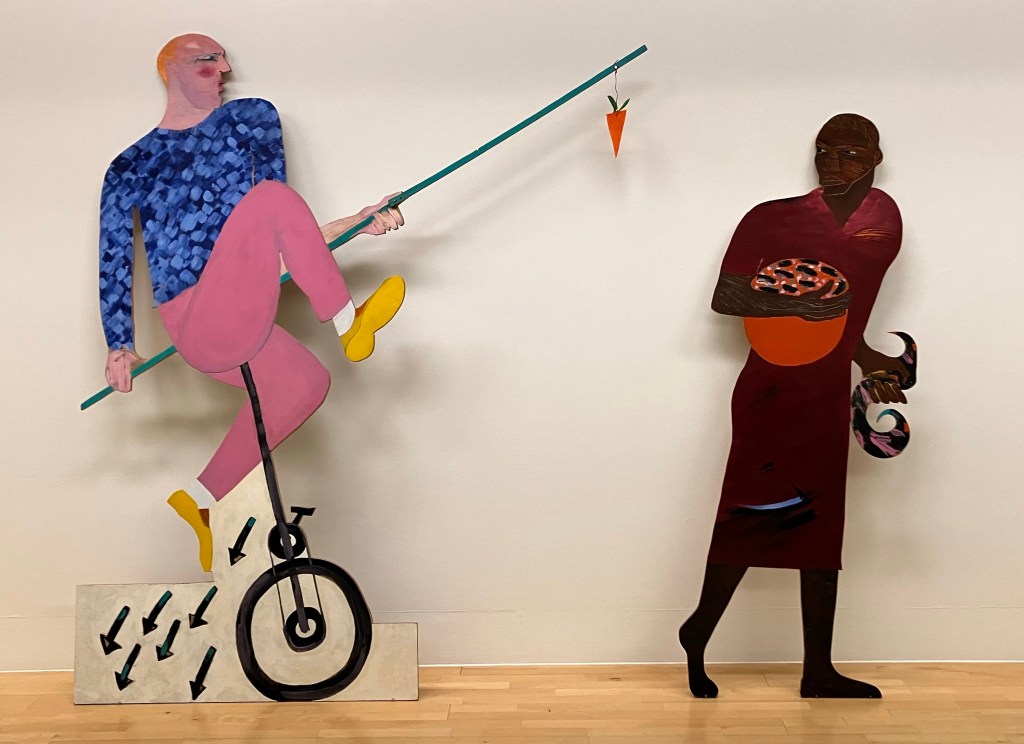
The Carrot Piece

As one can see, the white male figure is pursuing the black female figure and is trying to tempt her with a carrot on a stick, the latter device being a metaphor for the use of a combination of reward and punishment to induce a desired behaviour. Capture and surrender. The piece is political and Himid commented that the work was made at a time art galleries ‘needed to be seen’ to be including black people into their exhibitions but did so in a patronising and controlling manner. She commented ‘we as black women understood how we were being patronised … to be cajoled and distracted by silly games and pointless offers. We understood, but we knew what sustained us… and what we really needed to make a positive cultural contribution: self-belief, inherited wisdom, education and love.’

Himid was appointed an MBE (a ‘Member of the British Empire’) by the late Queen Elizabeth II in 2010 ‘for services to black women’s art’. In 2017 she won the prestigious Turner Prize winner, the first black woman to do so. She was promoted to a CBE (‘Commander of the British Empire) in 2018 for services to art.

Maryam Wahid

As well as being Lubaina Himid’s home, Preston is currently the venue for the UK’s biggest outdoor photography festival with the works of several international photographers displayed in parks and on walls across the city. Included in the exhibition is a series of photographs by Birmingham based artist Maryam Wahid (https://www.maryamwahid.com) being stunning images from her project ‘The Hijab’, photographic portraits of women in Britain wearing and adopting the garment to their own style.
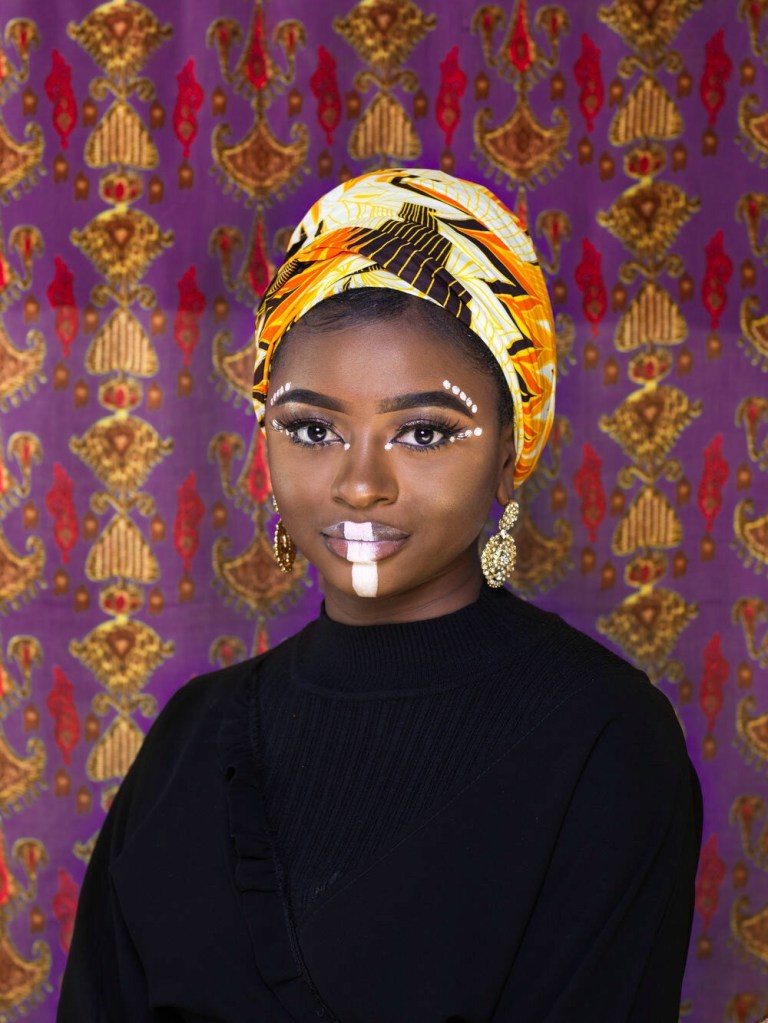
The Hijab by Maryam Wahid

The hijab is a covering for the hair and neck, often a head scarf worn by some Moslem woman as a mark of modesty. It is a most misunderstood garment which some countries in the West, such as France, Sweden and Austria have placed restrictions on.

The Hijab by Maryam Wahid

Whilst modest attire by both men and women is a matter of Islamic law, the wearing of the hijab is not a required convention, it is not one of the *Five Pillars of the Faith. Whether or not a woman wears a hijab is more likely a matter of personal choice, at least in the West, despite the misplaced efforts of some governments to restrict and demonise it’s use in day to day dress.

*The Five Pillars are the core beliefs and practices of Islam:

• Profession of Faith (shahada). The belief that “There is no god but God, and Muhammad is the Messenger of God” is central to Islam. …

• Prayer (salat). …

• Alms (zakat). …

• Fasting (sawm). …

• Pilgrimage (hajj)

Wahid’s photographic project explores the different and highly individual ways the hijab is worn by Muslim women in the UK in a startling series of portraits, two of which are reproduced above.
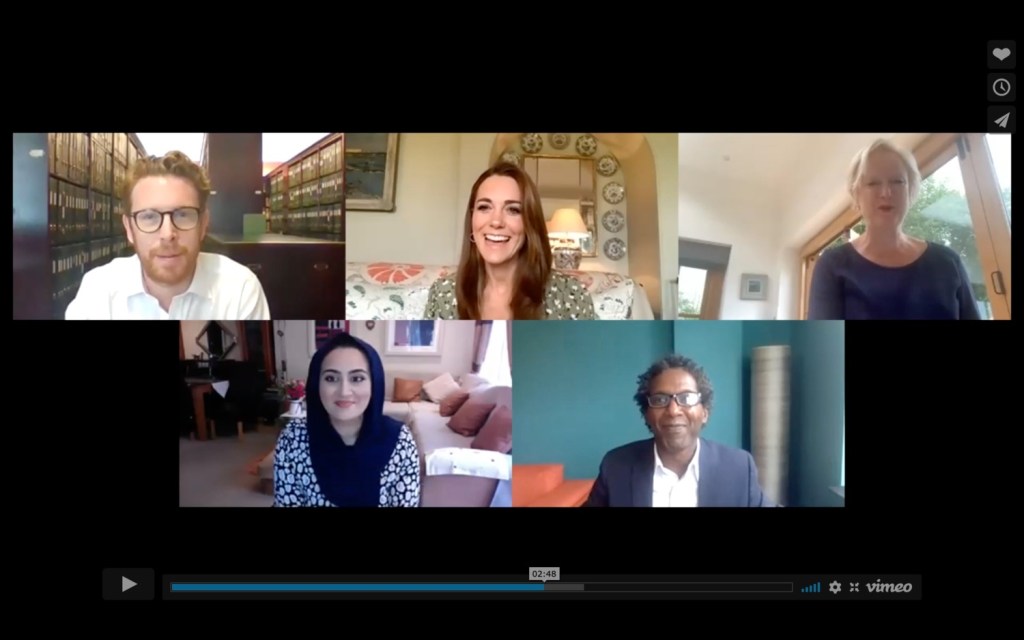
Maryam Wahid with HRH

In 2020 Wahid was invited by Her Royal Highness The Duchess of Cambridge to judge the photography competition Hold Still 2020 for the National Portrait Gallery in London.
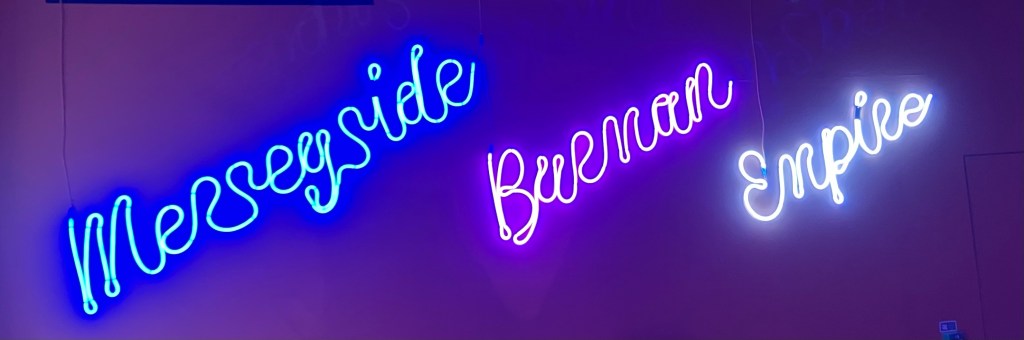
Merseyside Burman Empire

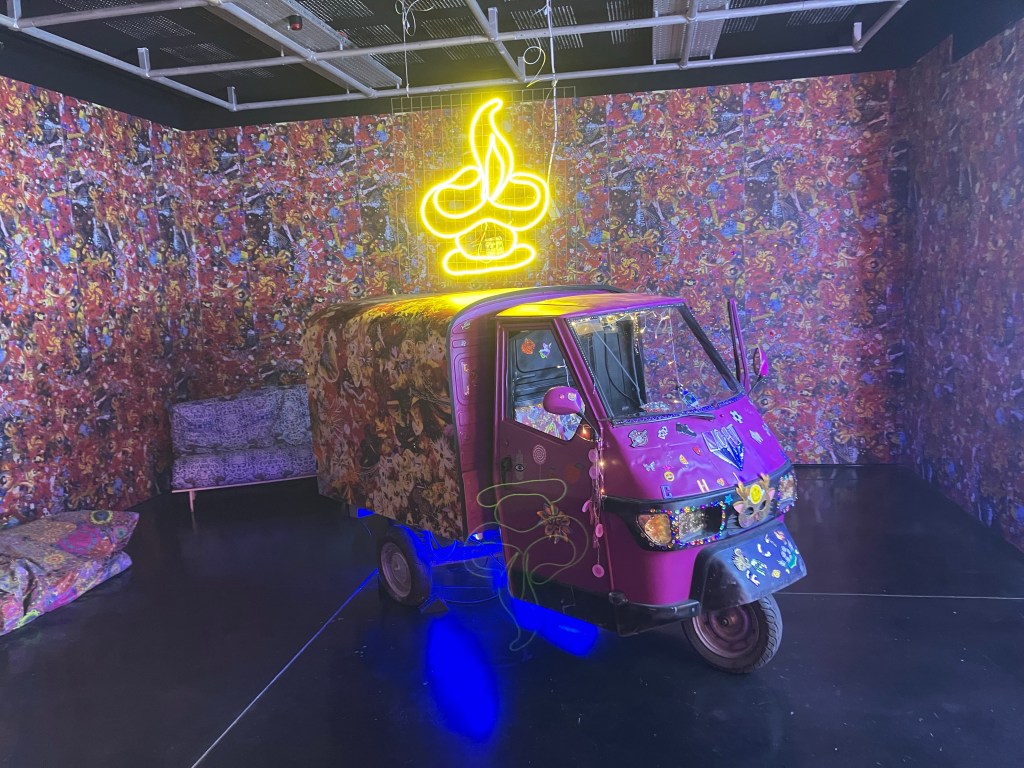
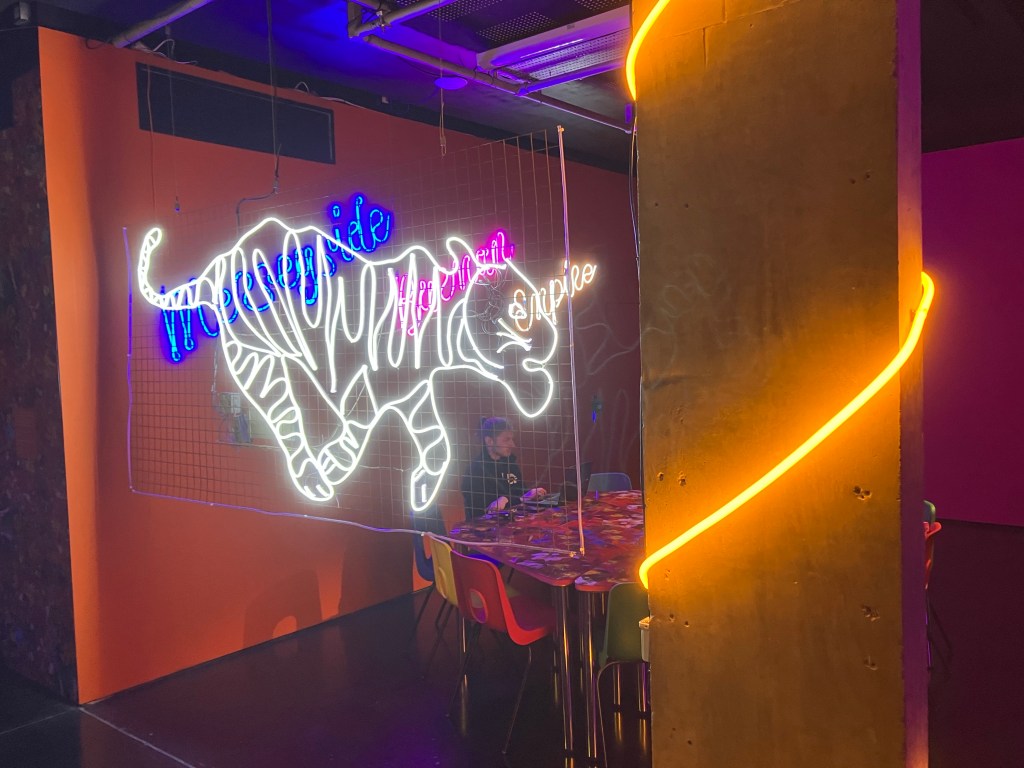
Back to Liverpool and FACT (https://www.fact.co.uk), a multi media arts venue near the city centre. FACT is currently exhibiting exciting new work by Chila Kumari Singh Burman (http://www.chila-kumari-burman.co.uk) entitled ‘Merseyside Burman Empire’. The ‘Empire’ is an imaginary living room covered in wallpaper decorated with stylised images of Indian women, Hindu deities, plastic jewellery. The installation also features several neon designs including a giant tiger. The centrepiece of the space is an ultra colourful tuk tuk.
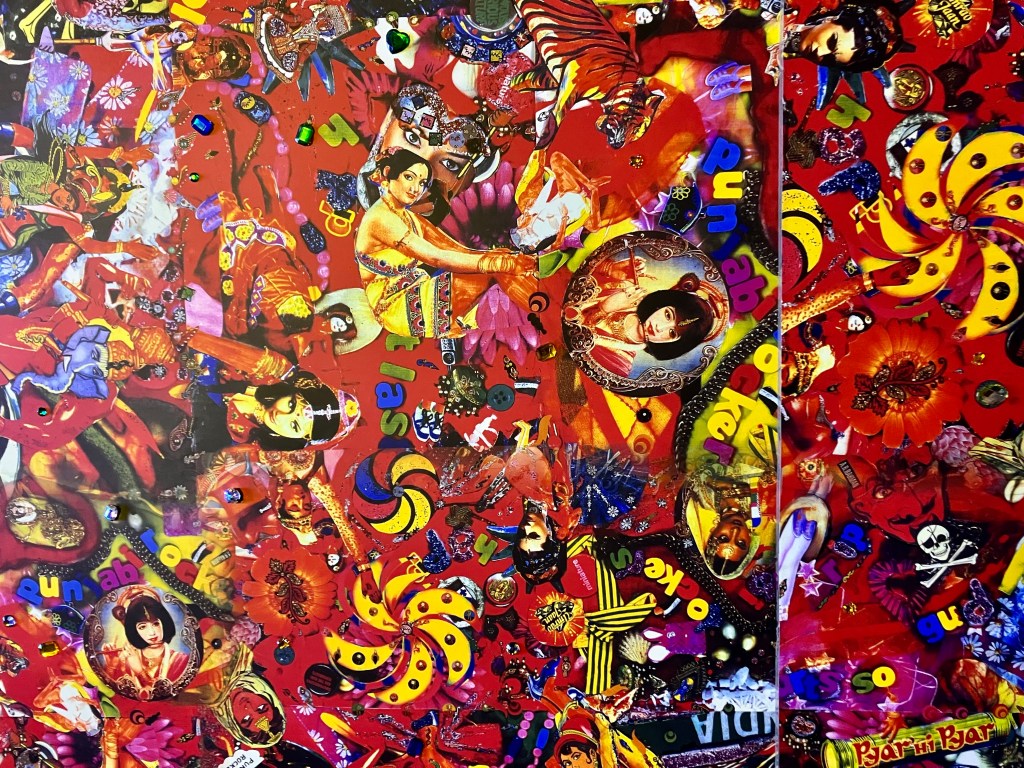
Wallpaper design
Neon Tiger
Tuk Tuk

Burman is very much a local artist as she was born in the docker’s suburb of Bootle to Punjabi- Hindu parents. She combines images from Indian and Western pop cultures and was recently appointed an MBE for her services to visual arts.
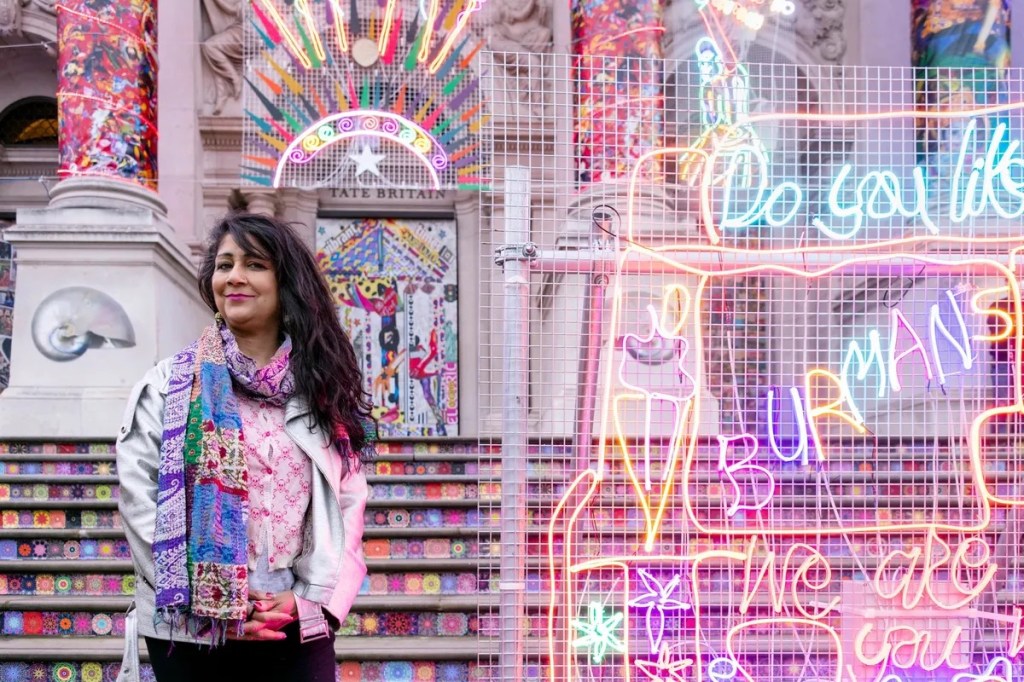
Chila Kumari Burman

Another woman with SE Asian forbears who is making a definable mark on the culture of the UK is Nisha Katona, A former Law graduate of Liverpool John Moores University, a Barrister for 20 years, a restauranteur, food writer, TV presenter and entrepreneur, Katona is a virtually unstoppable force in the re popularisation of Indian food in the UK. Traditionally, whilst the food served in British Indian restaurants was (and still is) massively popular, the food would often bear little relation to the food cooked in Indian homes – or from street vendors who will often specialise in creating one perfect dish. As anyone who has visited India will tell you,the best food in the country is served at home or on the street and Katona was determined to revolutionise the Indian food scene in the UK with ‘tiffins full of intense bright flavours’.

Nisha Katona

Originally from the town of Ormskirk just outside Liverpool, Katona opened her first restaurant in the city in 2014 under the now much loved brand name, ‘Mowgli’ with its distinctive logo of an Indian monkey. The food at a Mowgli restaurant is always fresh, nicely spiced and beautifully presented making the restaurant a firm favourite with couples and families. Each venue is individually designed by Katona herself and is subtlety different in appearance from other Mowgli restaurants. New branches are opening slowly and carefully throughout the UK. Nevertheless, it is Liverpool that is closest to Katona’s heart. She has been quoted as saying that she owes her success to the city.
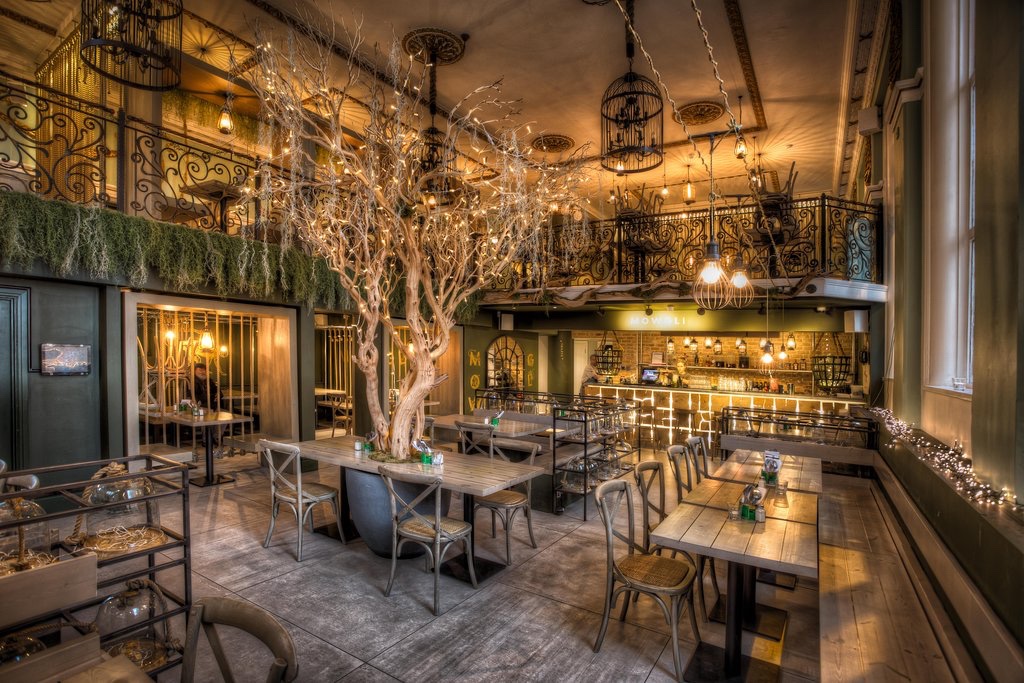
Mowgli, Liverpool

Everyone loves the food and atmosphere at Mowgli!
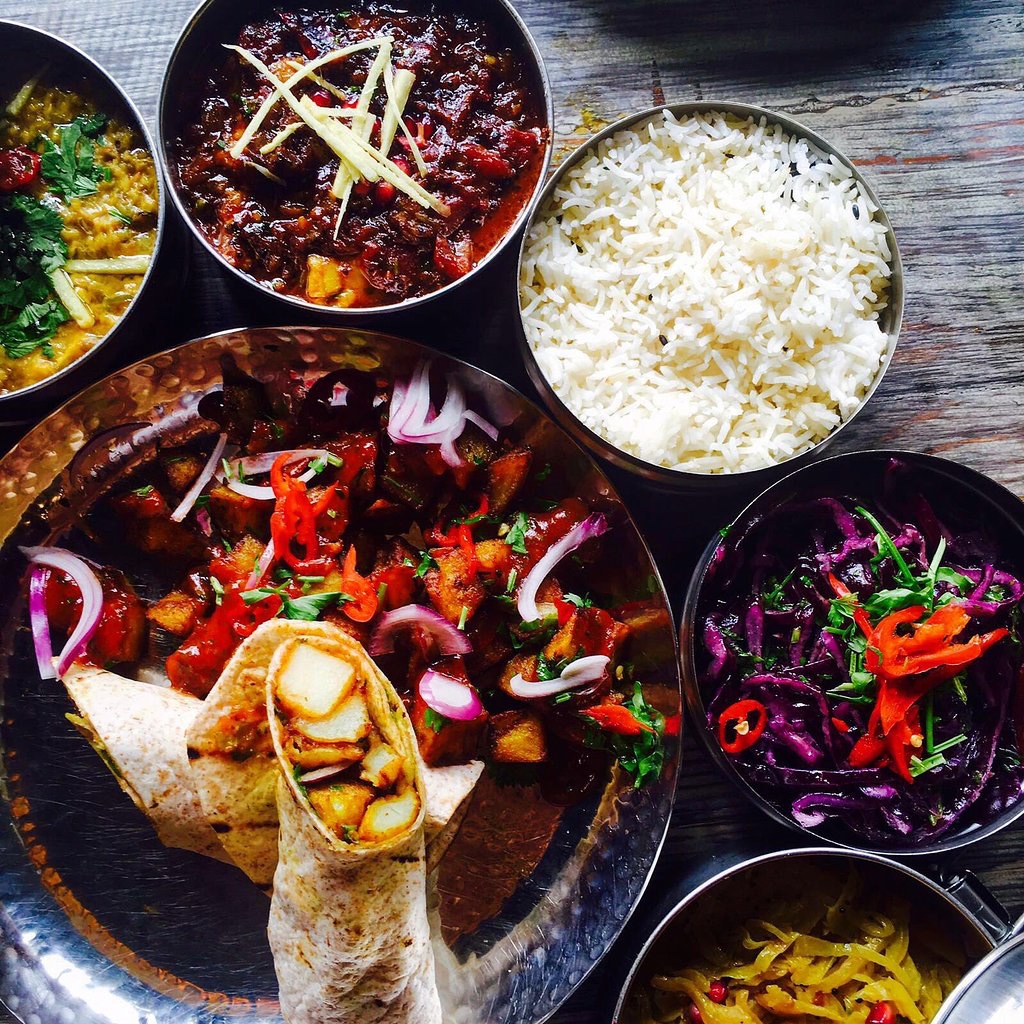
‘Intense bright flavours’

Finally, we are genuinely sorry to hear of the death of Jamie Reid, artist, Situationist and revolutionary thinker in Liverpool this week. Reid is perhaps best known for his work with the Sex Pistols in the 1970’s and for co-opting monarchal images into politically satirical situations.
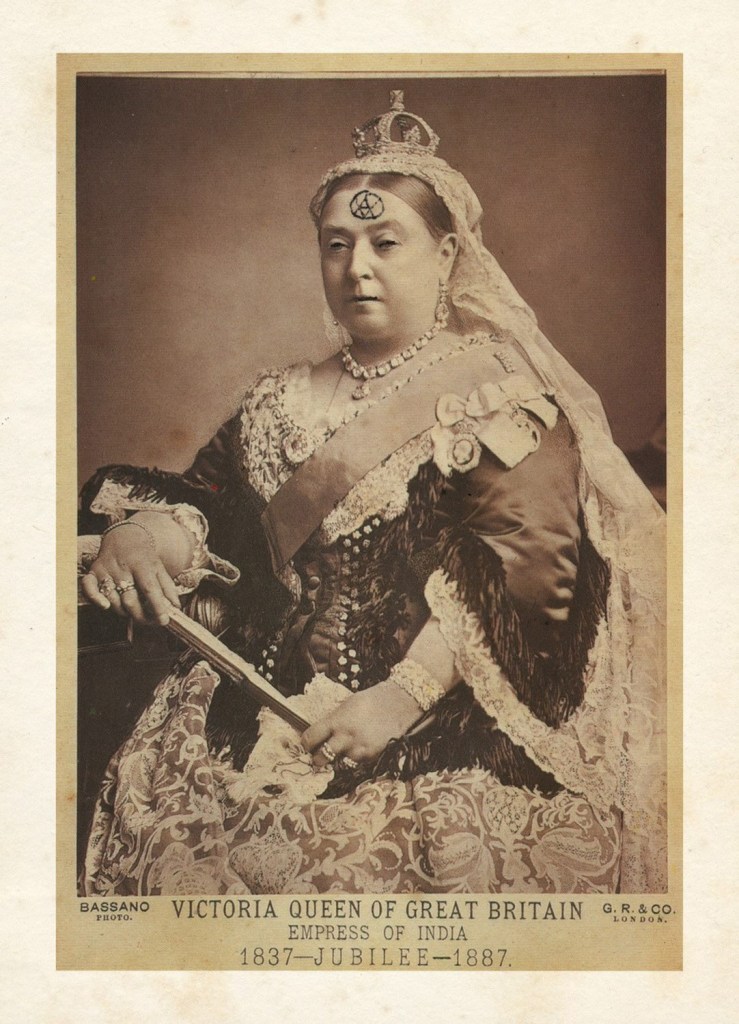
Dear old Queen Vic as anarchist Empress of India by Jamie Reid

‘Now we rise and we are everywhere’.
Köln, Kölsch and Cola

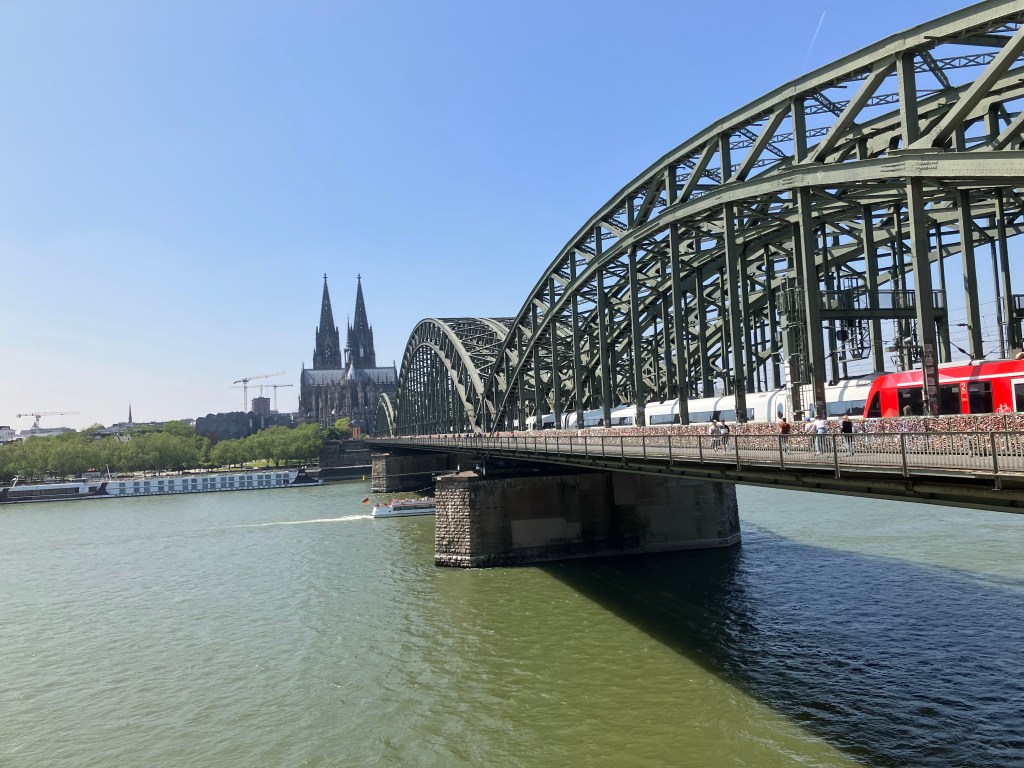
Cathedral and Hohenzollern bridge

Köln (aka ‘Cologne’) is the fourth largest city in Germany. Devastated by the extensive bombing campaigns of Allied aircraft during WW2, the city is essentially one of concrete, steel and glass and some what ‘thrown up’ in nature. So great was the bombing devastation that is some way past the interchange at Barbarossa Platz (where the southbound U Bahn to nearby Bonn rises to the surface), before you are amongst the older suburbs of turn of the century housing. Köln is, not a pretty city and there is, a fair amount of homelessness (even in the airport) and urban grime. Like Berlin or Hamburg, there is nothing neat or ‘twee’ about the place. Nevertheless, the city is friendly, cultural and full of character and it reminds us in a way of Manchester in the North of England.

Eigelstein Torburg in Köln

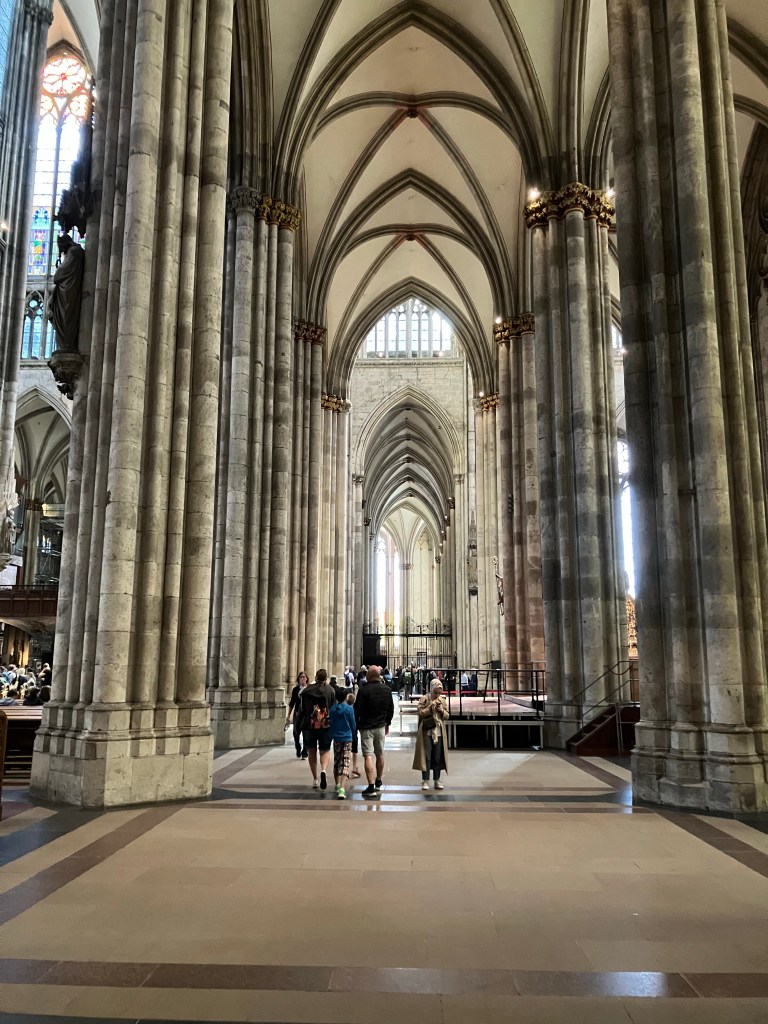
Three key city landmarks spring to mind. Most important amongst them is the Cathedral, the Kölner Dom, it’s outline of blackened sandstone visible from miles around. It is the largest Gothic church in Northern Europe and is Germany’s most visited landmark.

Dom

Second in importance in our opinion is the Hohenzollern bridge with its three distinctive arches. It runs east of the main train station and crosses the Rhine. It is used by both pedestrians and trains and with the exception of the walls of hideous ‘love padlocks’ which line the railway fences along the bridge, it is an otherwise pleasant way to walk across the Rhine to the other side.

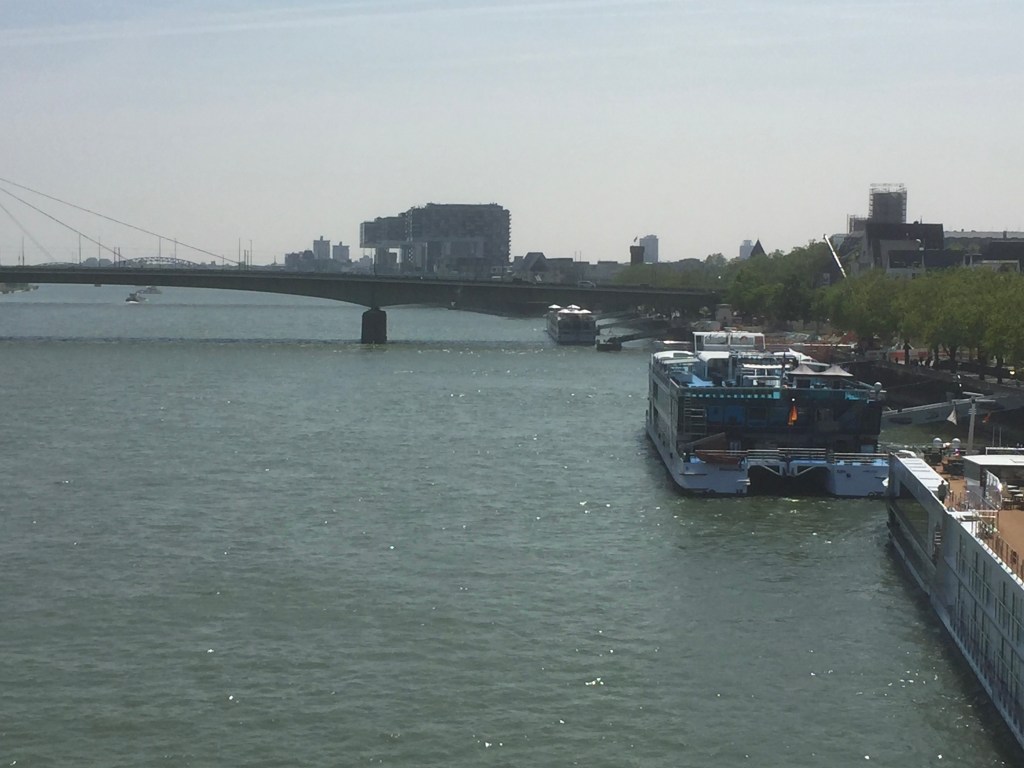
Rhine view from the bridge

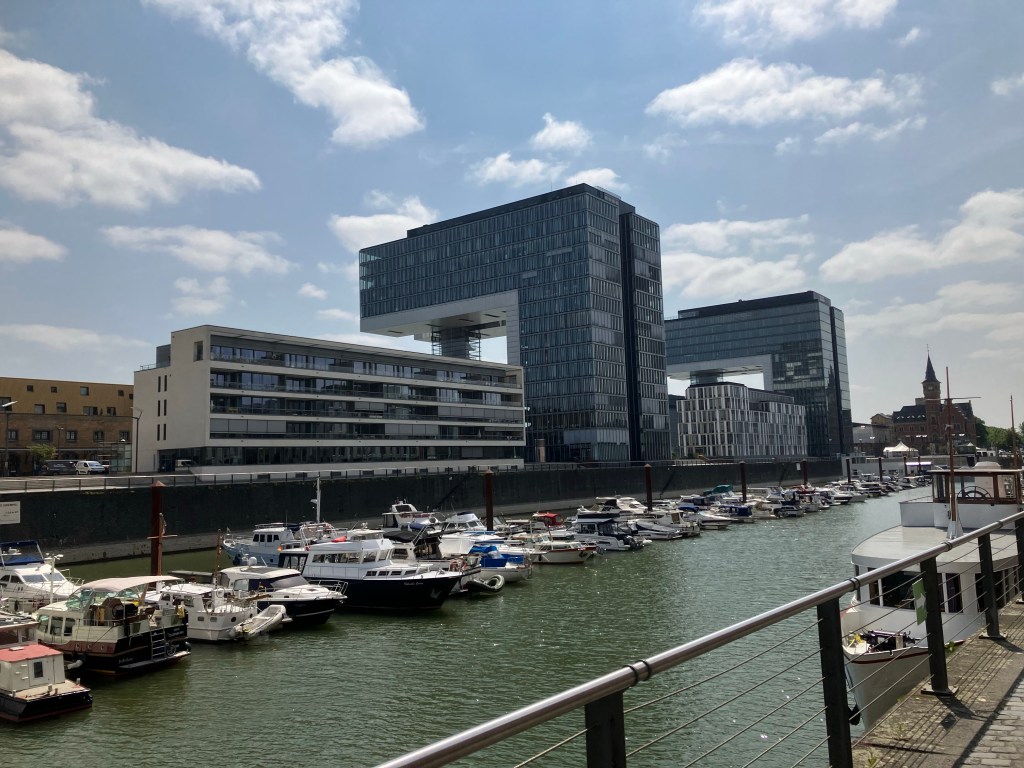
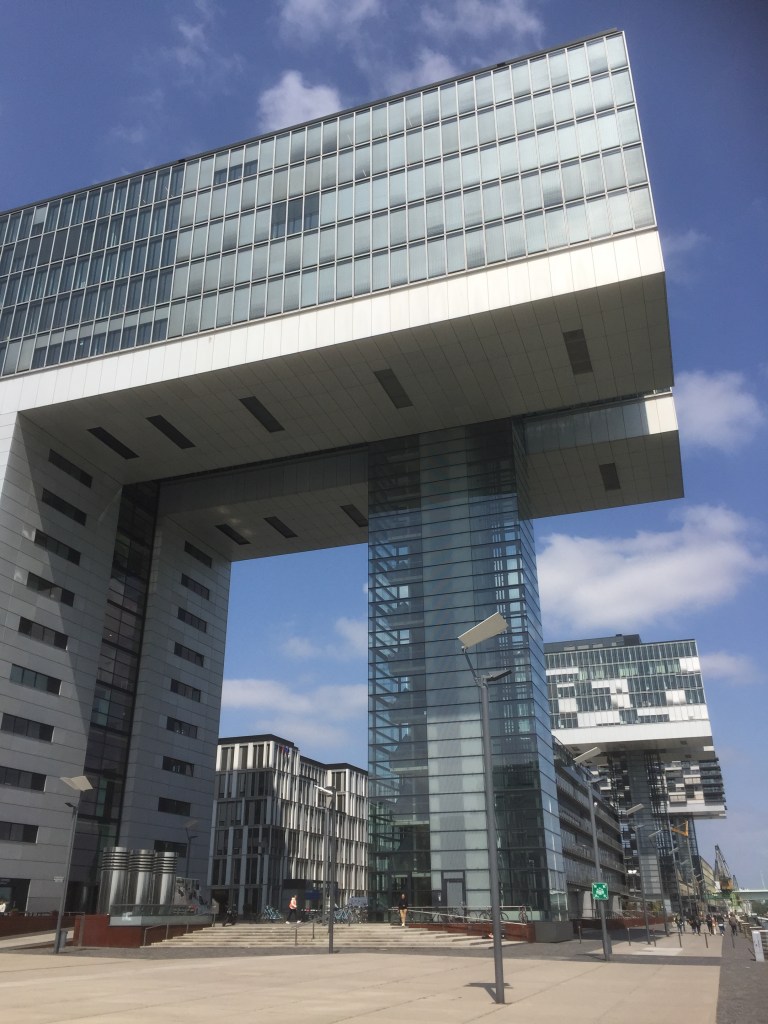
Clearly visible from the bridge are another city landmark, the three Kranhaus buildings of the Rhineauhafen urban regeneration area. The area was once a commercial harbour for loading and unloading goods from Rhine barges. Now the area’s most eye catching buildings, the three ‘Kranhaus’ loom over the river as if they were modern day harbour cranes of glass and steel.

Kranhaus
Kranhaus

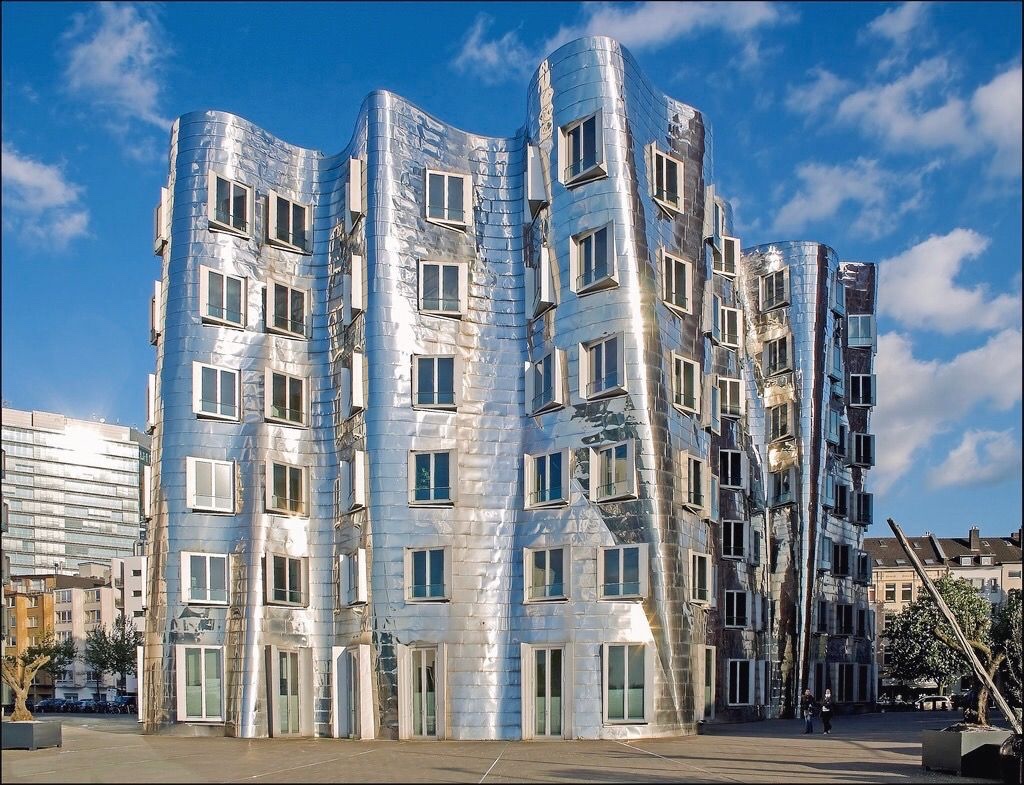
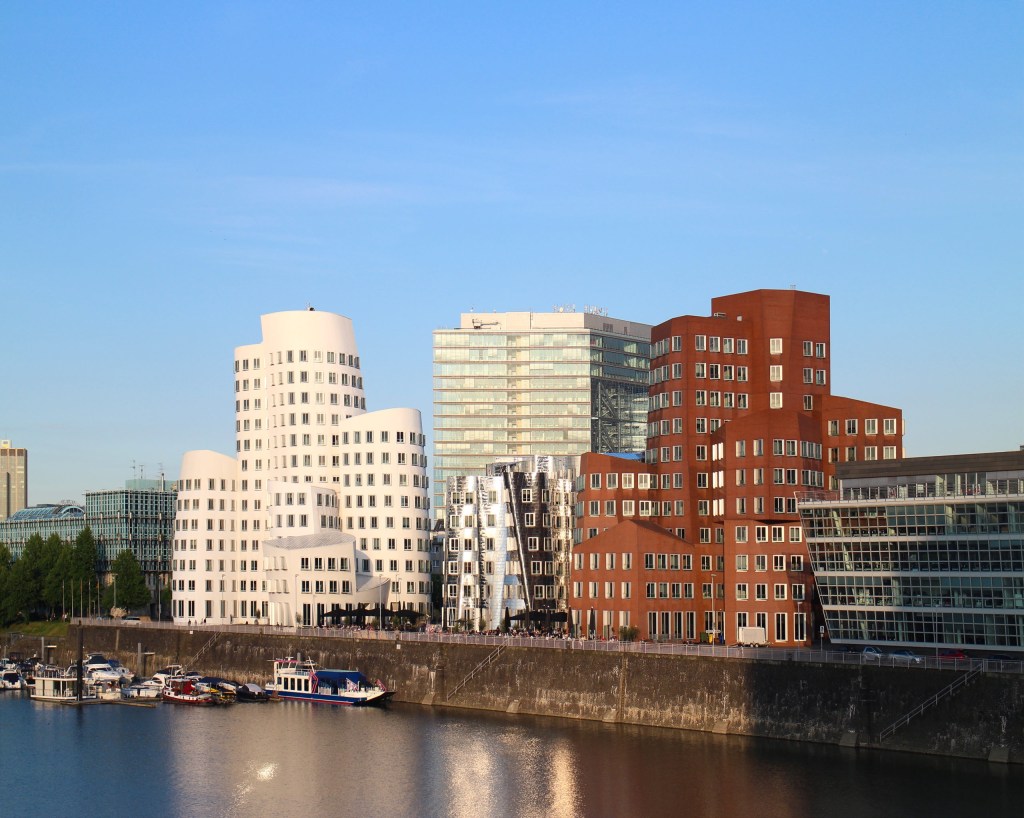
Rhineauhafen is a commercial and aesthetic success in our opinion as is the revitalised MedienHafen district of nearby Düsseldorf, another former harbour area now a media industry district distinguished and enlightened by impressive architecture including Frank Gehry’s Neuer Zollhof buildings

Neuer Zollhof
Neuer Zollhof

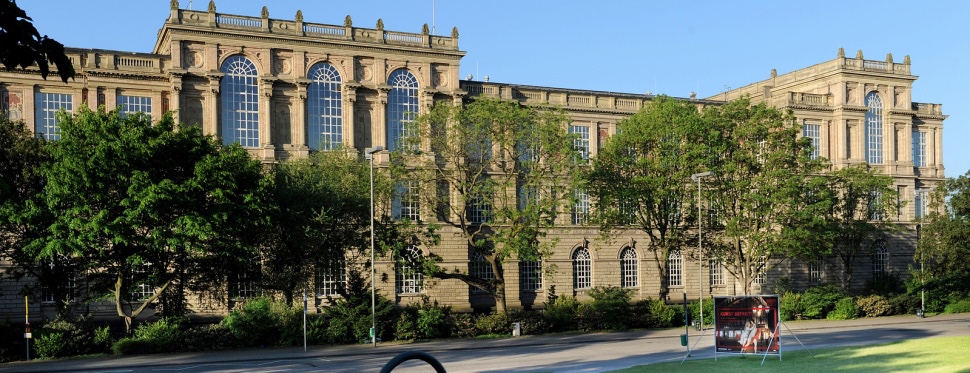
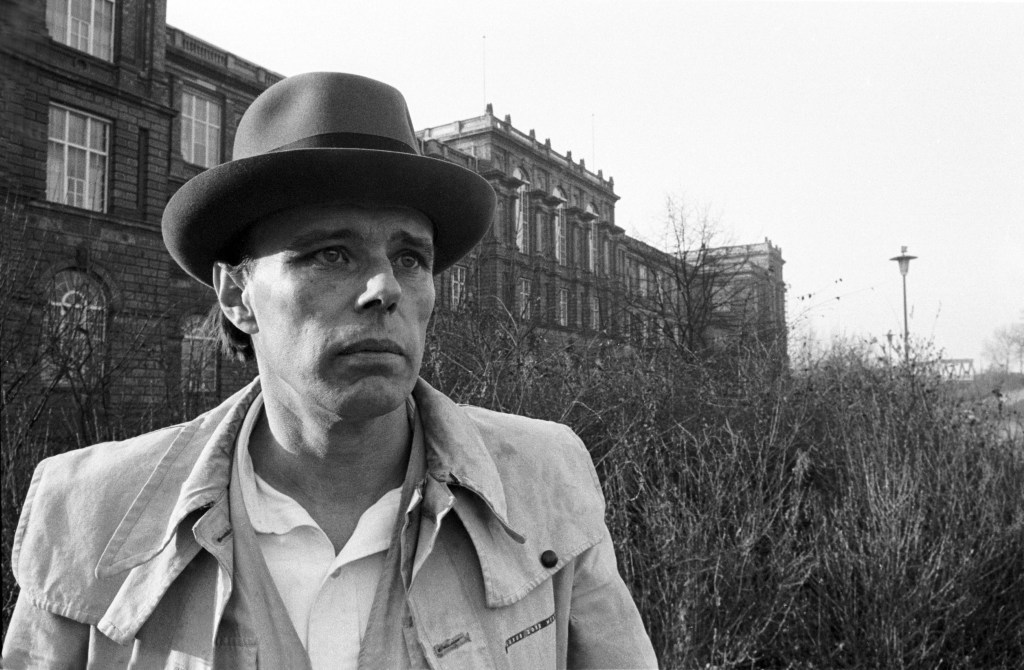
Düsseldorf is forever associated with the artist Joseph Beuys who was the professor of monumental sculpture at the city’s art college, the Kunstakademie. The artist Paul Klee had also taught at the Academy.

Kunstakademie, Düsseldorf
Joseph Beuys outside the Kunstakademie. ‘Wer nicht denken will, fliegt raus’.

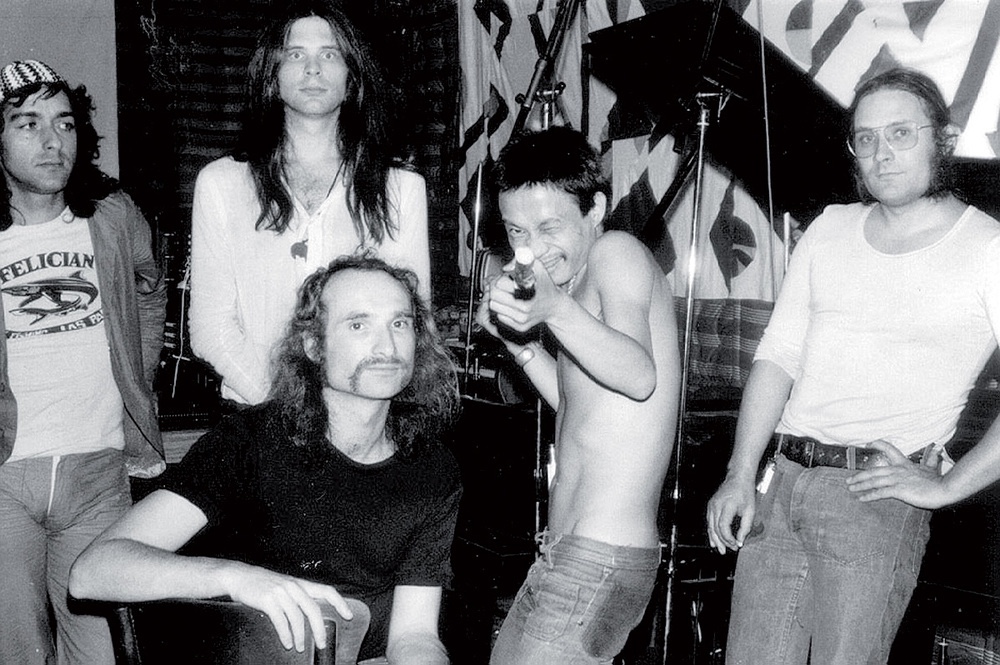
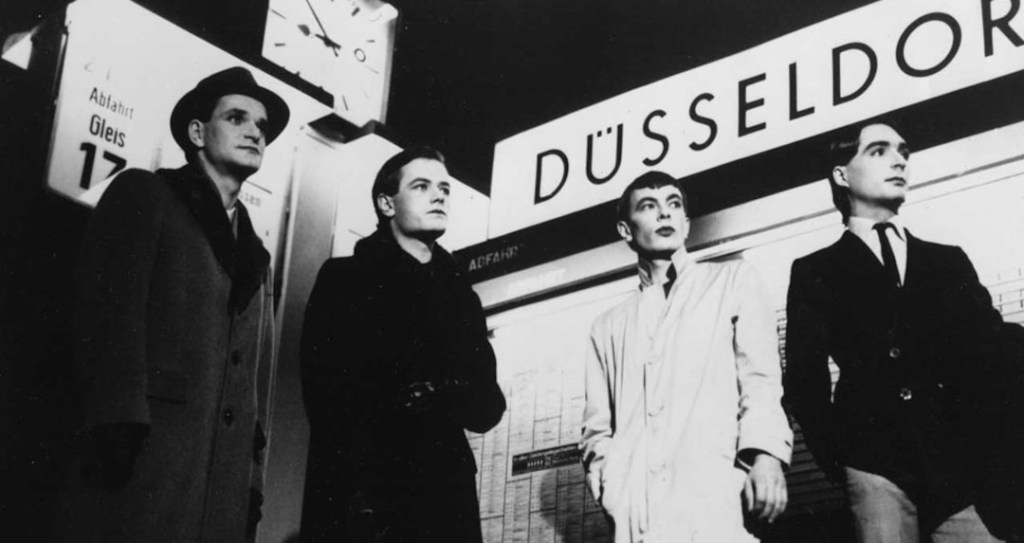
Kõln and Düsseldorf between them produced two of Germany‘s most innovative and influential music groups, Can from Köln and Kraftwerk from Düsseldorf. You cannot underestimate the influence the music of these two groups had on popular Western musical culture from Rock to Techno, from Hip Hop to Electronica. If you add Donna Summer (who was identified with the Munich scene) to the work of Can and Kraftwerk you more or less have the blueprint for the electronic dance music of the UK and USA which was to evolve in the 80s and 90s

Can
Kraftwerk

Kraftwerk even extended their influence to London’s ‘Ebony Steel Band’. They who covered Kraftwerk songs in their 2021 album ‘Pan Machine’. The album’s name is a pun on Kraftwerk’s 1978 album ‘Man Machine’, a ‘Pan’ being the nickname of the oil drums played in a Steel Band.

Man Machine
Pan Machine

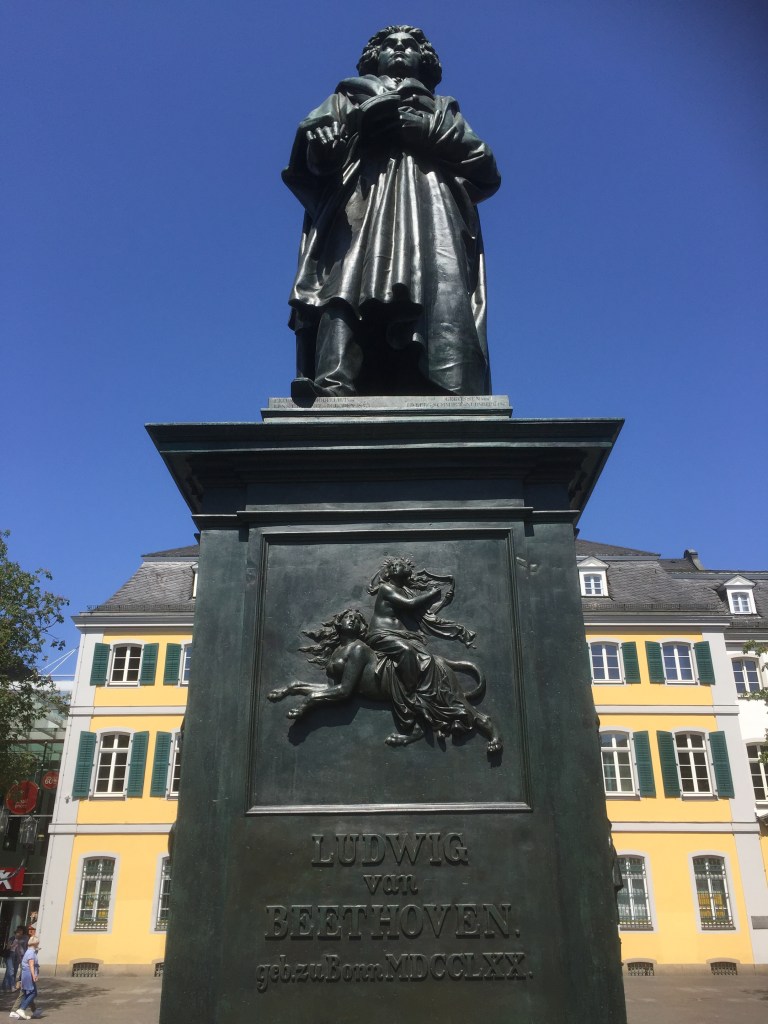
As for classical music, the nearby city of Bonn (easily reached from Köln by U- Bahn) is the birthplace of Beethoven. His family home, the Beethoven House, is the most popular attraction in the city for visitors.

Ludwig Van at home in Bonn

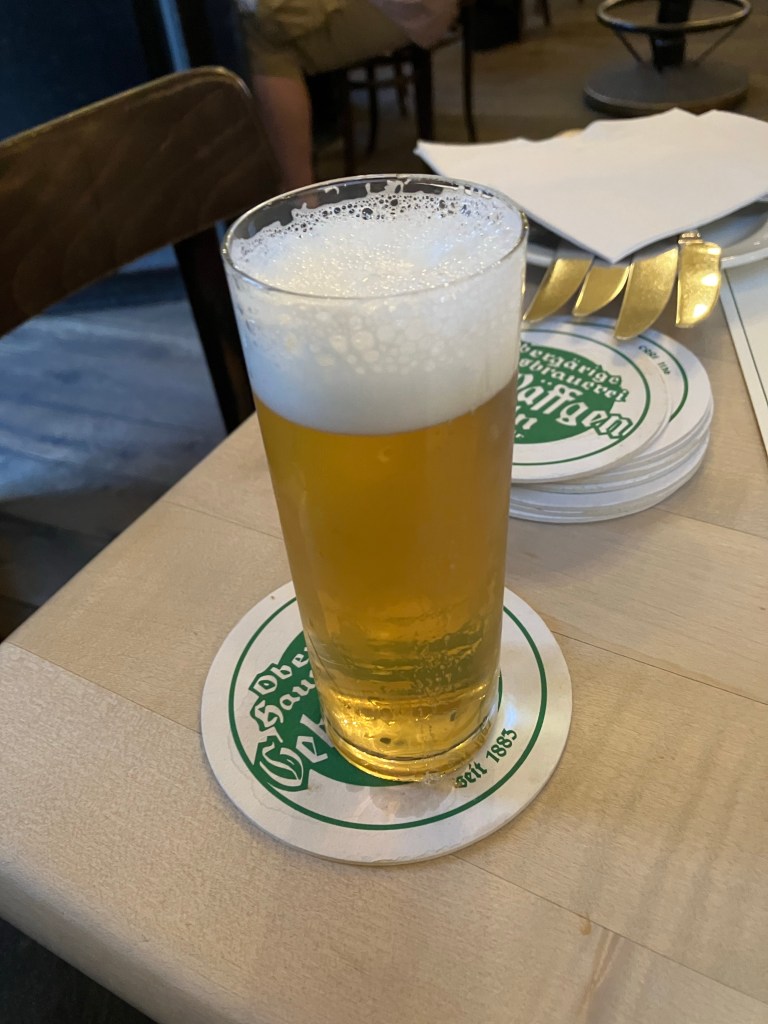
Köln is especially well known for two popular drinks, the first is a soda (‘afri cola’) and the second is the local style of beer known as ‘Kölsch’.

Kölsch

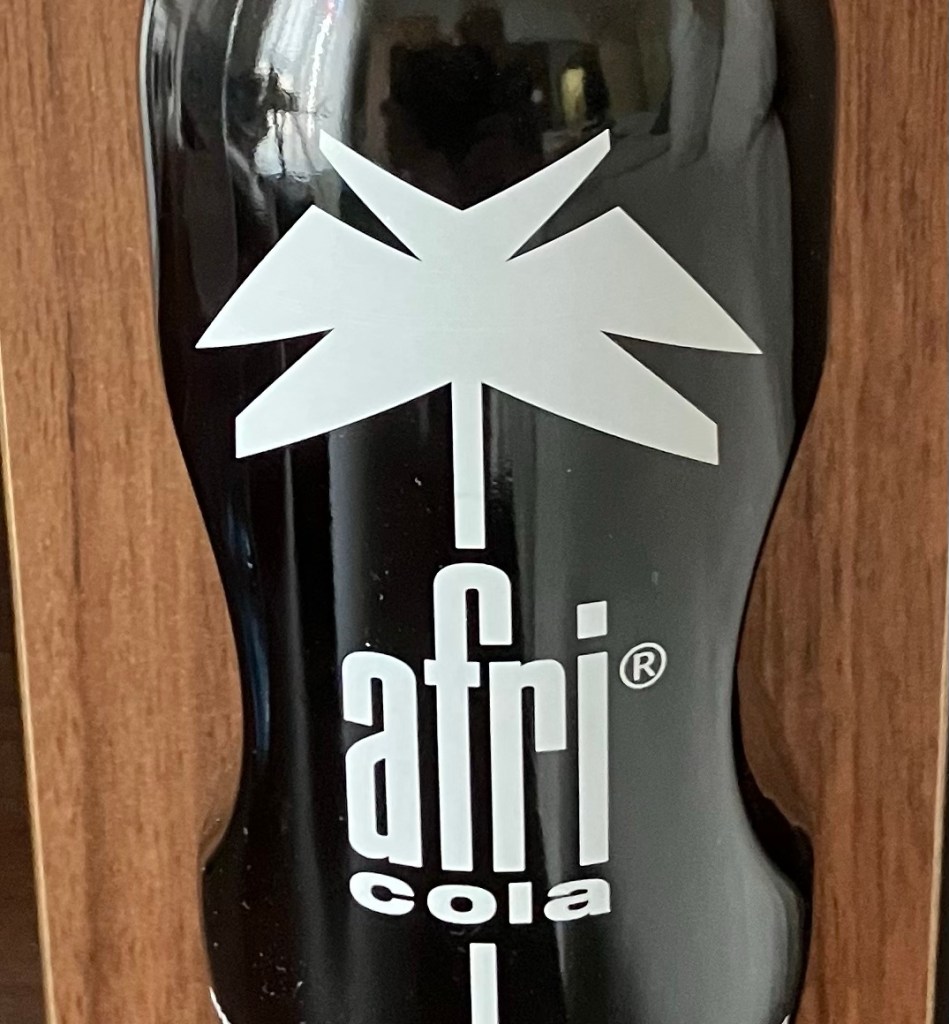
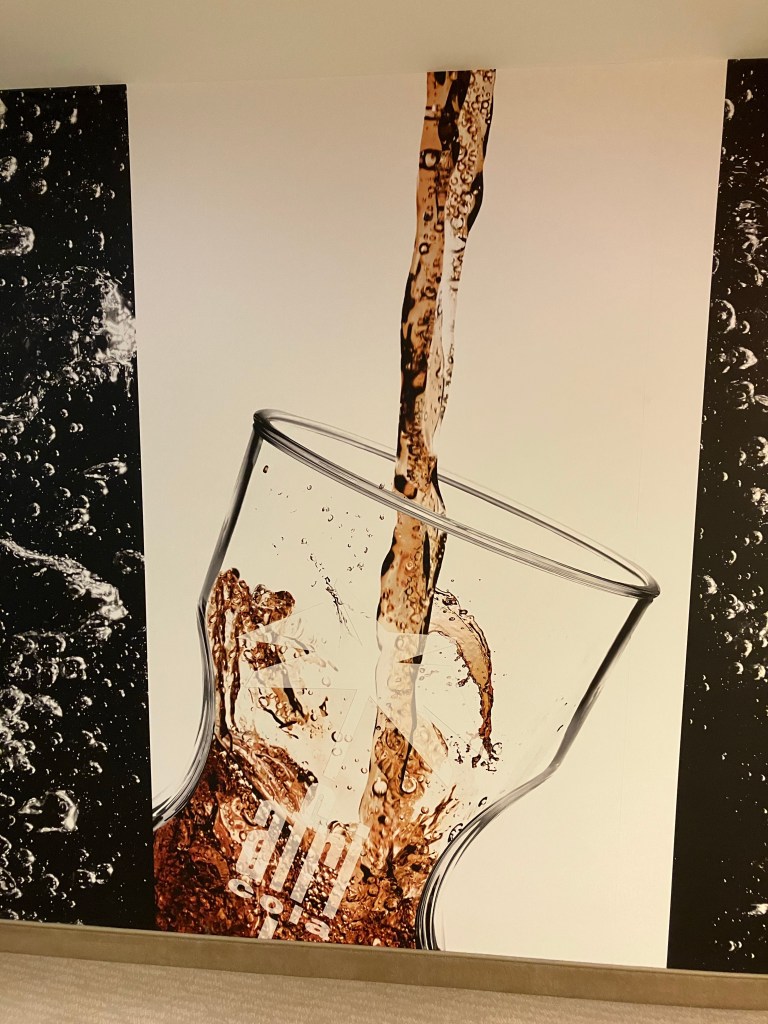
Afri cola is a very high caffeine (250m/L to Coca Cola’s 32 m/L), ‘old fashioned’ tasting local soda, first manufactured in Köln in 1931. The birthplace of the drink can be found in the grounds of the Courtyard by Marriot hotel on Dagobertstraße, north of the main train station. The original stoneware tanks used in the production process of the drink‘s syrups are housed in the hotel’s reception area, afri cola graphics adorn the walls.

The distinctive branding
Hotel mural

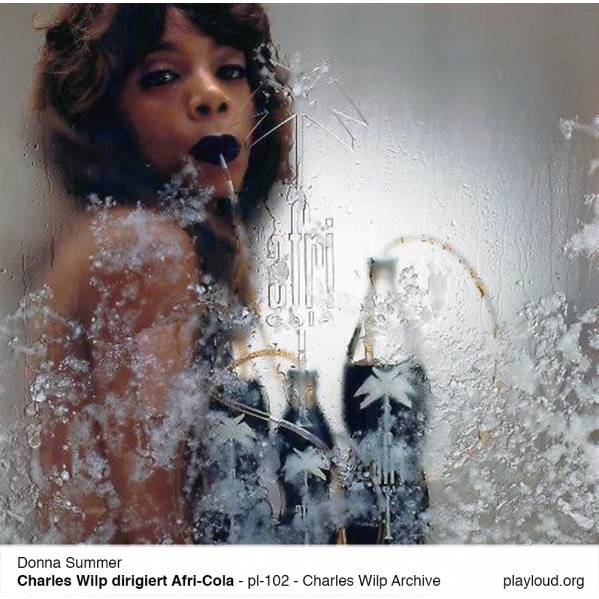
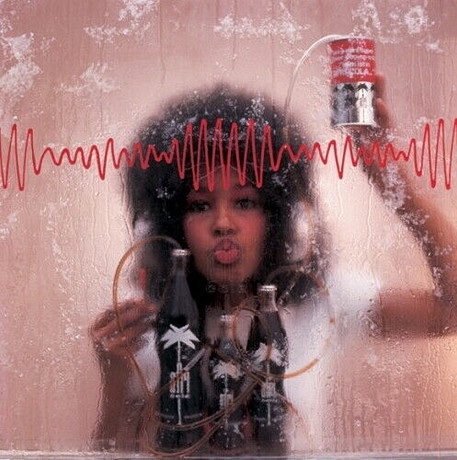
The drink’s popularity peaked in the 60’s when the brand was advertised on German TV via a ‘risqué’ TV commercial by Ad Director Charles Wilp whose 1968 creation for the brand featured super stars of the day Donna Summer, Marianne Faithfull, Amanda Lear, and Marsha Hunt as well as a leather clad biker and a moustachioed Vietnam era US soldier with the commercial set to a discordant sound track.

A young Donna Summer
The iconic Marsha Hunt

https://youtu.be/RW-_8okYW5I – follow the link to the 1968 advert, well worth watching.

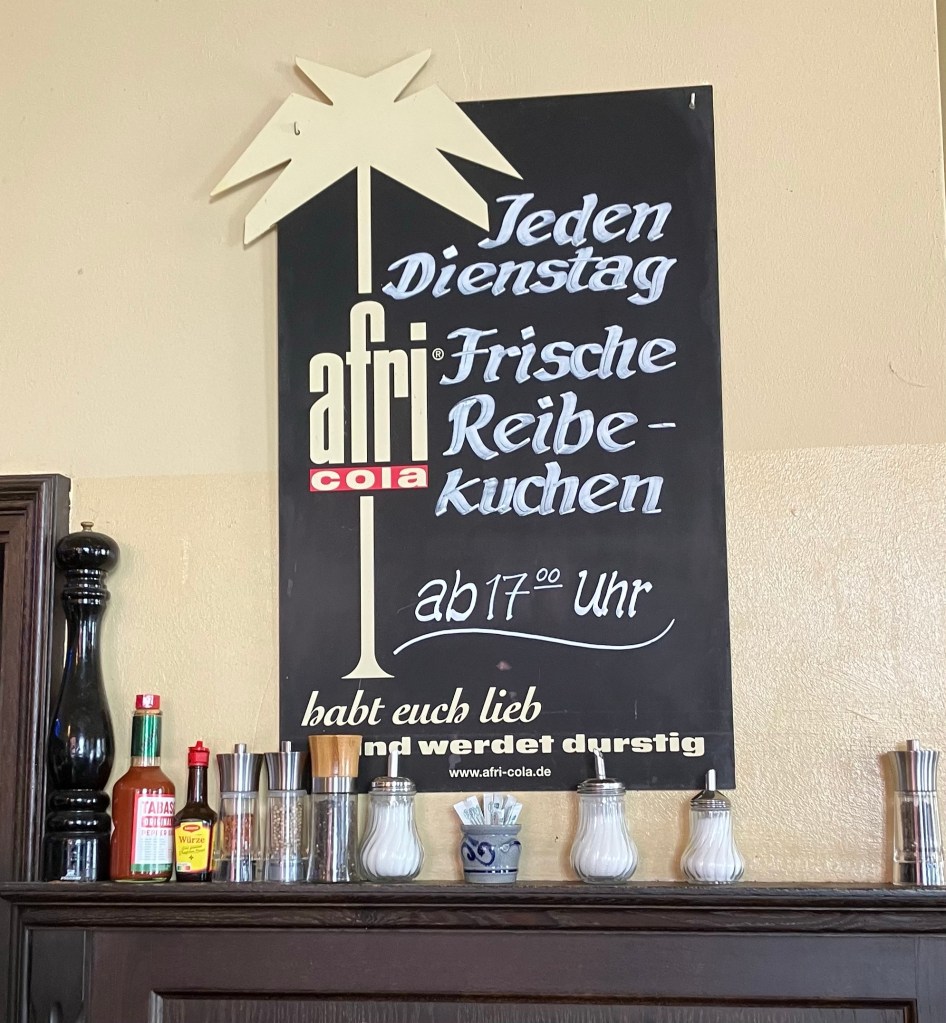
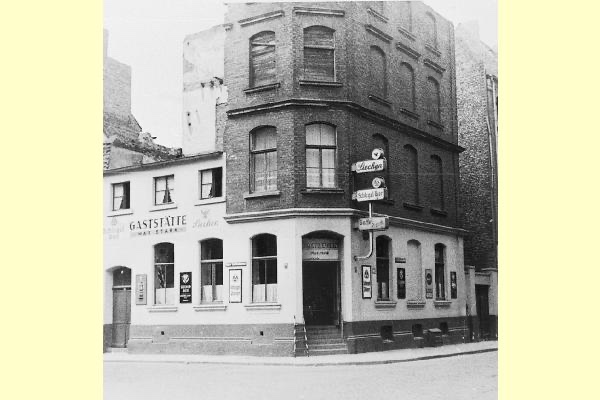
Although it had been hugely successful, the drink was more or less discontinued by the 1990’s. Foreign competition from the likes of Coca-Cola, a change in the recipe and a reduction in the caffeine content all contributed to the brands’s demise. However, the drink was revived thereafter with its original, taste, high caffeine content and logo resurrected. The drink is readily available all over the city including at an atmospheric bar/restaurant, the Gaststätte Max Stark on Unter Kahlenhausen, near the cola’s original source on Dagobertstraße.

afri cola in the Max Stark

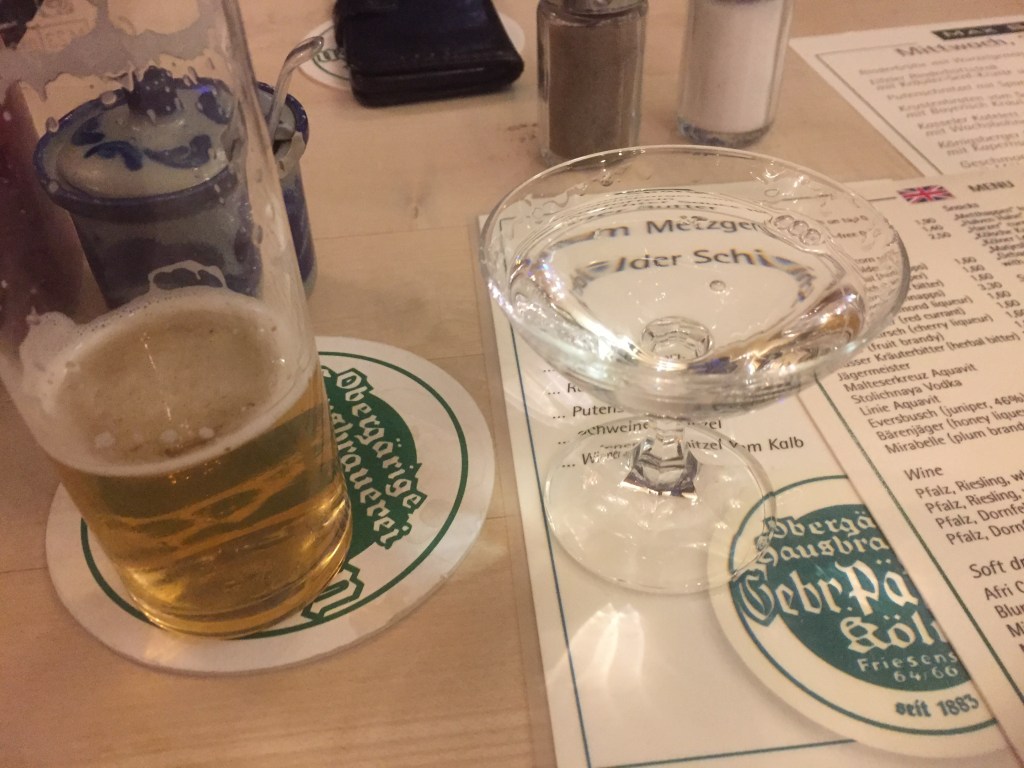
The Max Stark is also a great place to drink a glass of the city’s unique beer, Kölsch. a light, fine tasting drink. The term Kölsch is a protected designation of origin in the EU and it can only be used for a specific type of beer made within 50km of Köln and which has been brewed to a defined standard.

The Max Stark back in the day

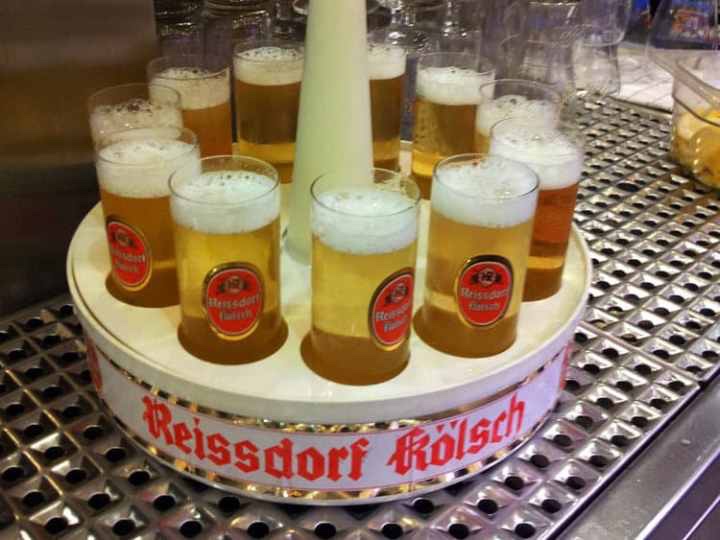
Kölsch is served in a tall, thin glass known as a ‘stange’ in small 200mm measures. The glasses keep the beer cold and help it to retain a frothy head.

Kölsch is traditionally served by rather ‘stern’ waiter known as a ‘kobe’ who circles the bar handing patrons glasses of Kölsch from a circular tray known as a ‘kranz’ . Each time a customer takes a beer the waiter marks a piece of card with the tally. As is the custom with the Brazilian currasqueria, the kobe will continue serving until the customer places a beer mat over the glass indicating that they have had enough.

Kölsch, stange and kranz

Inside, the bar is cool and dark. Older regulars line the tables to the left as you walk inside. To the right is the main restaurant area with it’s fulsome plates of German food and, of course, Kölsch.

Fill ‘er up!

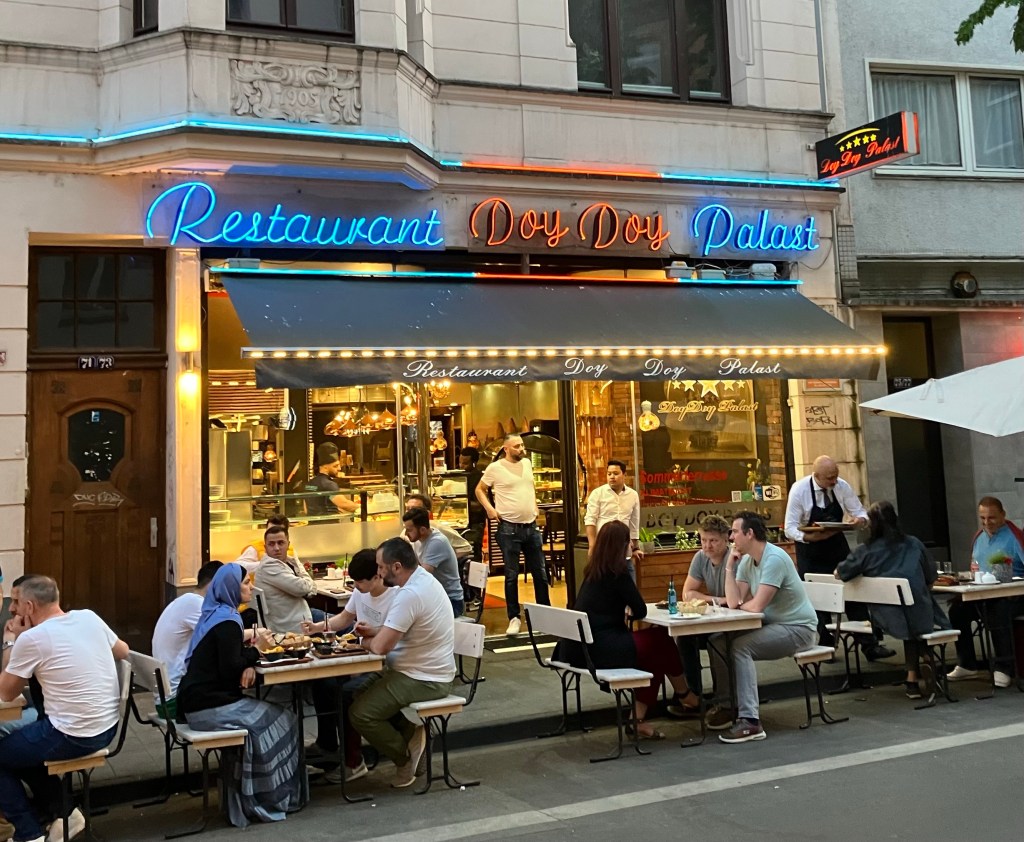
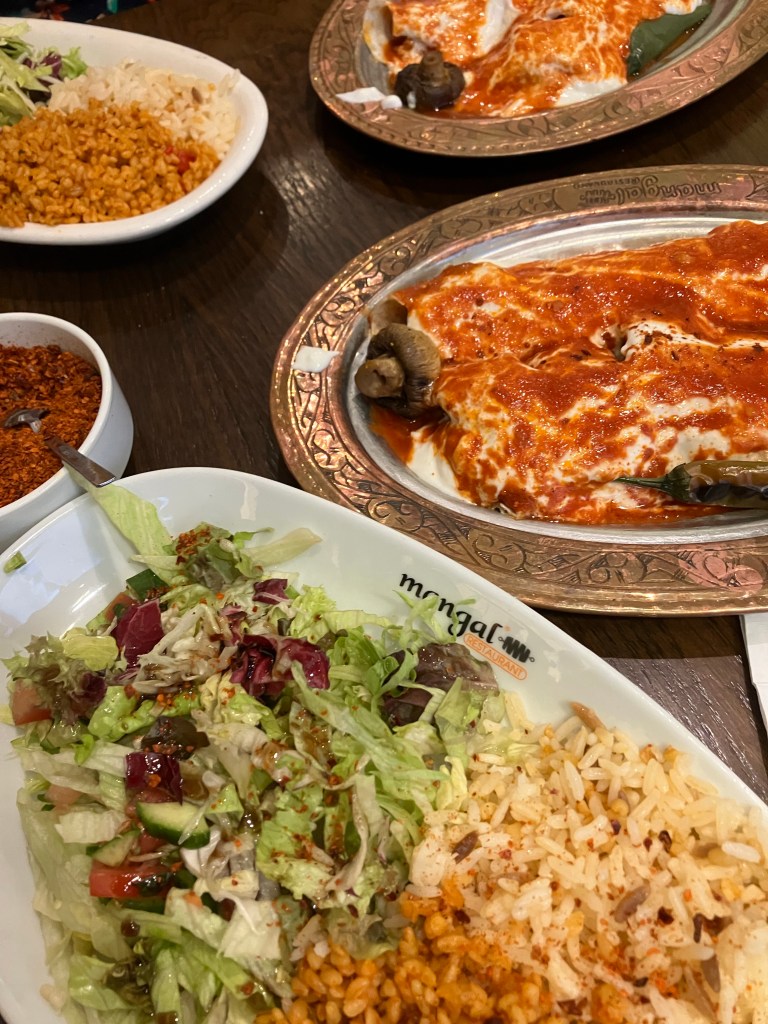
Nevertheless, in our opinion it is Turkish food that reigns supreme in the city.

Prost!

Manchester, icons and thali

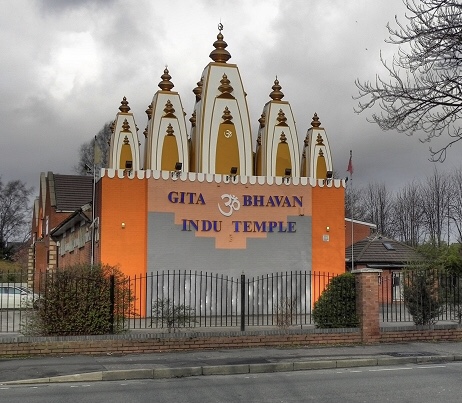
Gita Bhavan Hindu Temple in Chorlton

Chorlton is a suburb of the Northern English city of Manchester. The district has become increasingly identified with left leaning young professional couples and their families. It is also home to one of Manchester’s biggest gay communities. 

Rightly or wrongly, Chorlton is regarded as a bohemian enclave with its independent bars and restaurants, vegan supermarket (the workers co-operative ‘Unicorn’) and unusual boutiques.

The suburb is a great place to eat and drink and whilst we could fill several columns on the local culinary scene, we will be more specific by concentrating solely on some of the Indian food (especially vegetarian) to be found in the locale.

Lily’s in Chorlton

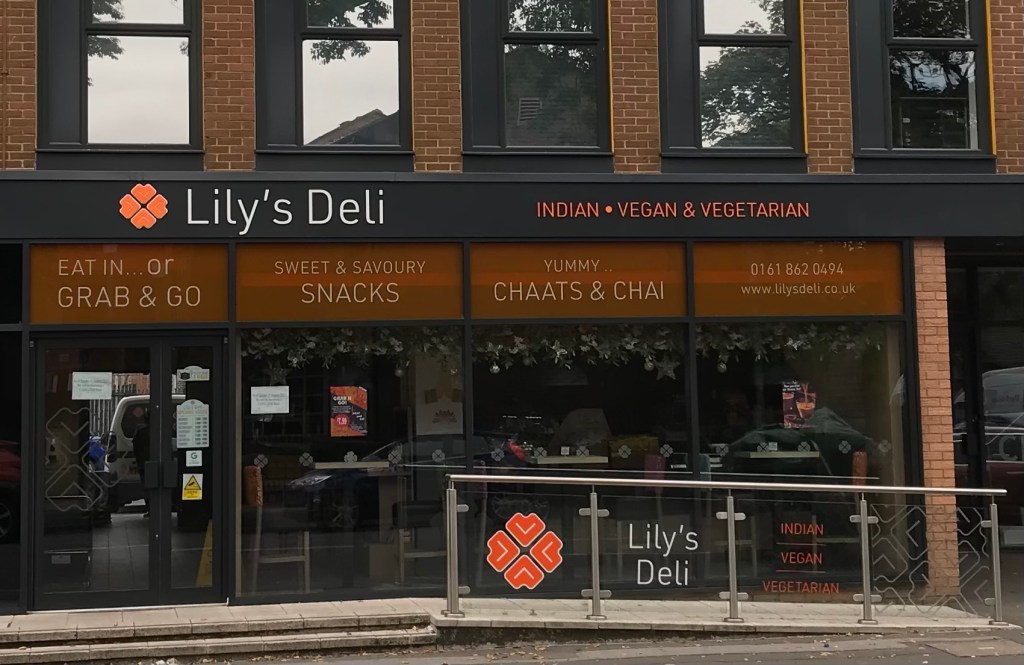
Lily’s deli on Manchester Road in Chorlton is an outlet of the award winning Lily’s Vegetarian Indian restaurant in Ashton-under-Lyne, a town which is just to the east of Manchester. The Chorlton deli is the first of two outlets in the city, the other being in the very trendy inner area of Ancoats.

Lily’s stocks an impressive range of Indian groceries and spices as well and spicy snacks such as dal vada, chakli, bonda, battered chillis and their famous ‘atomic bombs’, potato’s coated in batter injected with a fiery masala. Not for the faint hearted!

They also make and sell Indian cakes and their barfi flavoured with figs or dates is our favourite.

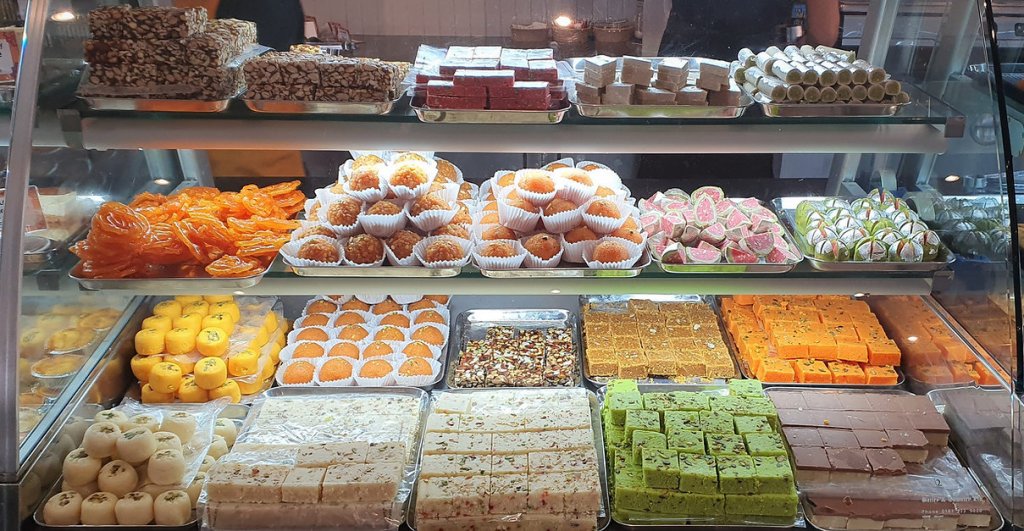
Barfi and much more at Lily’s

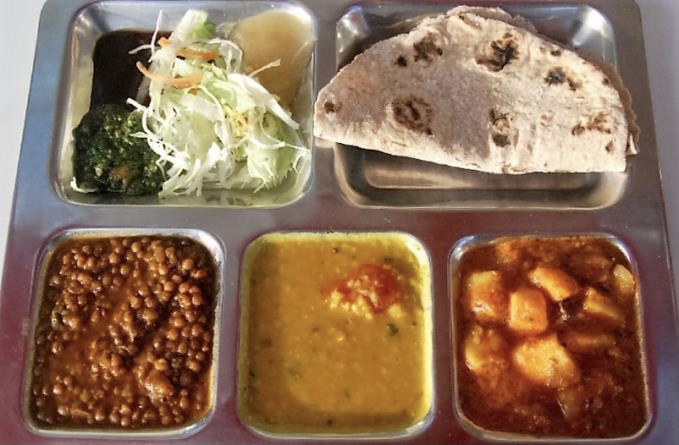
A short walk from Lily’s deli is the Chappati Café which serves great value thalis on Indian trays with the menu changing daily. Recommended.

Thali at Chappati Café

A further short walk from the Chappati Café is the small but beautifully decorated restaurant called Roti. The restaurant has the only Indo/Scots menu in Manchester. As well as Indian street food favourites, Roti also serves its own version of the Scottish staple ‘mince and tatties’ (spiced meat in chole potatoes), haggis pakora and even scotch egg (boiled egg wrapped in pork seasoned with chaat masala). Although the restaurant serves a full selection of alcoholic and non-alcoholic drinks, we were surprised to see that Irn Bru, Scotland’s best loved soda, was missing from the list!

Roti interior

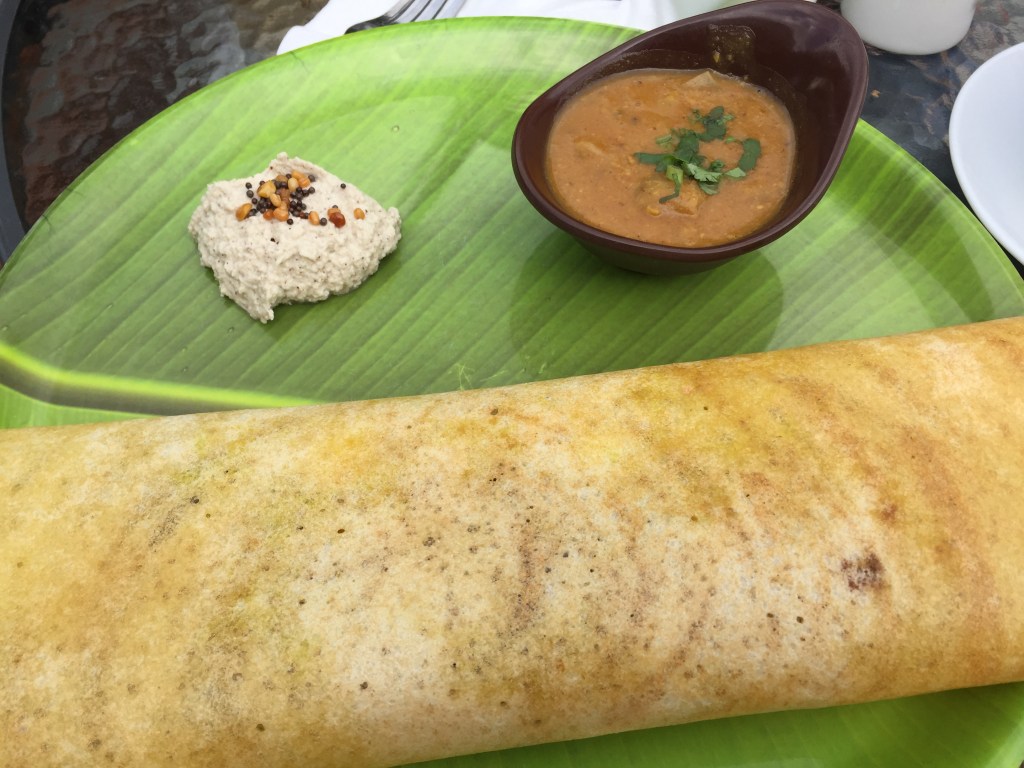
Further away from Roti and opposite the vast Southern Cemetery (of which, more below) is Amma’s Canteen. The restaurant serves fresh, home cooked style Southern Indian dishes including their much loved Dosa, a thin ‘pancake’ made from a batter of fermented rice and lentils stuffed with spicy goodness.

Masala Dosa at Amma’s Canteen

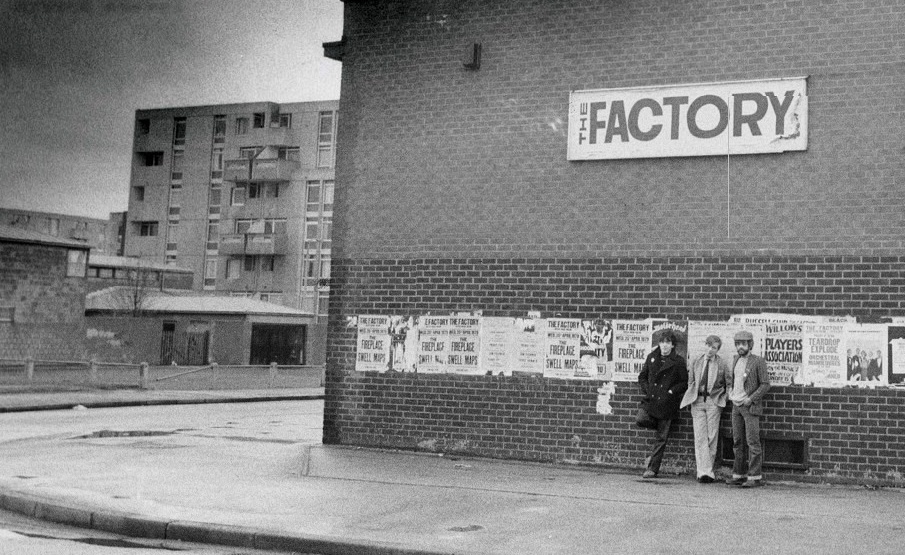
As noted above, the vast Southern Cemetery lies across the way from Amma’s Canteen. It is the second largest cemetery in Europe and the final resting place of important local figures such as the legendary Manchester United manager, Sir Matt Busby and the iconic Tony Wilson, the co-creator of the influential music label Factory Records. Wilson did more than almost anyone in putting the city’s popular culture on the map. Even a decade and a half after his death in 2007, he is still having a positive effect on the city in our opinion. 

Wilson (centre) in a suitably grim Manchester backdrop in the 1970’s

Anyone who is familiar with the recent history of Manchester, the city’s rise from the grim post industrial decay of the 1970s into the modern, vibrant environment it is today, will be aware of the part Wilson played in invigorating the popular culture of the world’s first modern city.

Radical and still changing

Designer Peter Saville who worked closely with Wilson commented ‘Tony created a new understanding of Manchester; the resonance of Factory goes way beyond the music. Young people often dream of going to another place to achieve their goals. Tony provided the catalyst and context for Mancunians to do that without having to go anywhere’.
In a small nation, too often in thrall to its capital, Wilson more than anyone else in his generation, emphasised the fact that great art and culture was not the sole preserve of London but was very much alive elsewhere in the country and in the North in particular.

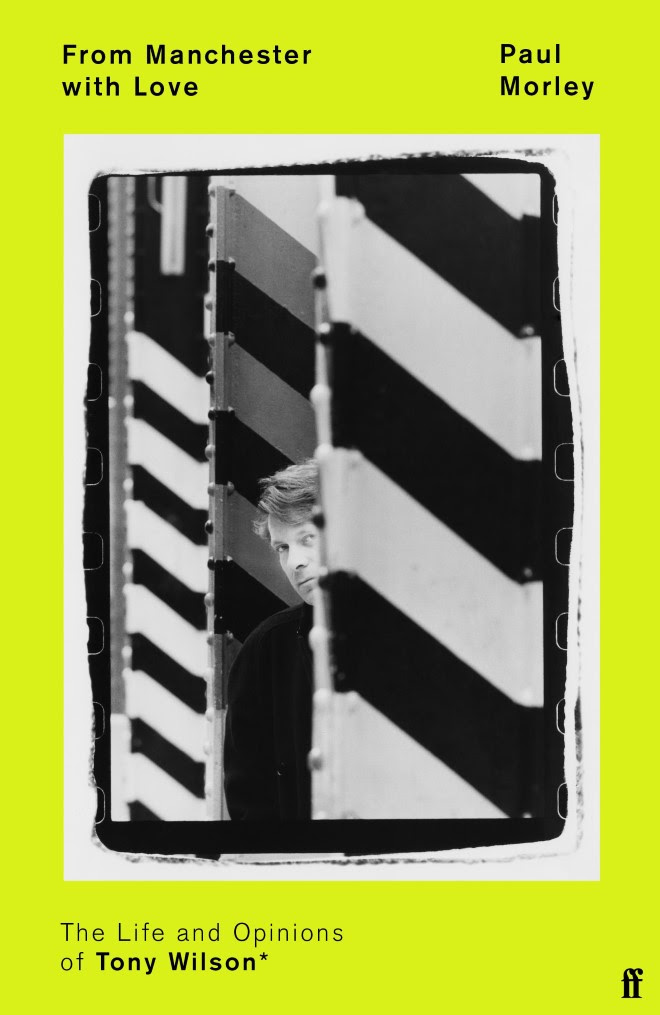
Writer Paul Morley, himself born in the city, analysed Wilson’s life and legacy in incredible detail in his book ‘From Manchester with love’.
Lengthy but illuminating

Saville designed Wilson’s black granite headstone with architect Ben Kelly . The headstone sits in repose amongst the crosses and columns of its neighbours in the Southern Cemetery.

Inscription on Wilson’s headstone

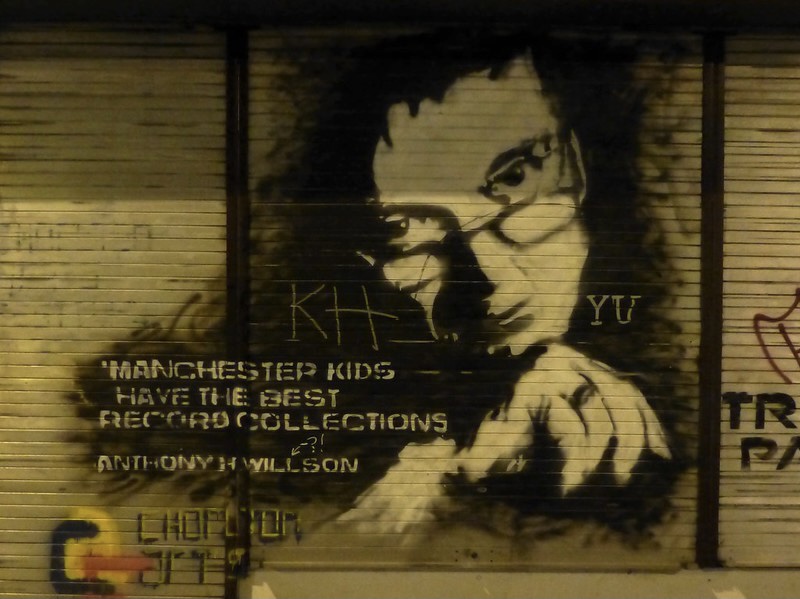
Several examples of graffiti art featuring Tony Wilson have cropped up in the city including the following in Chorlton with its quote from the man himself (although sadly, ‘Wilson’ was incorrectly spelt in this instance).

So it goes

Across the road from the Wilson mural is a stencil of the iconic Quentin Crisp by celebrated artist Stewy (www.stewy.uk).

The openly gay Quentin Crisp was a writer, humorist and actor who was famously played by the late actor John Hurt in the 1975 autobiography which was broadcast on national TV in the UK to great acclaim under the title ‘The Naked Civil Servant’. 
Crisp has only a somewhat tenuous link with Chorlton, the suburb being the place where he died in 1999 after staying with a friend there. He was cremated at the Southern Cemetery.
The Naked Civil Servant himself

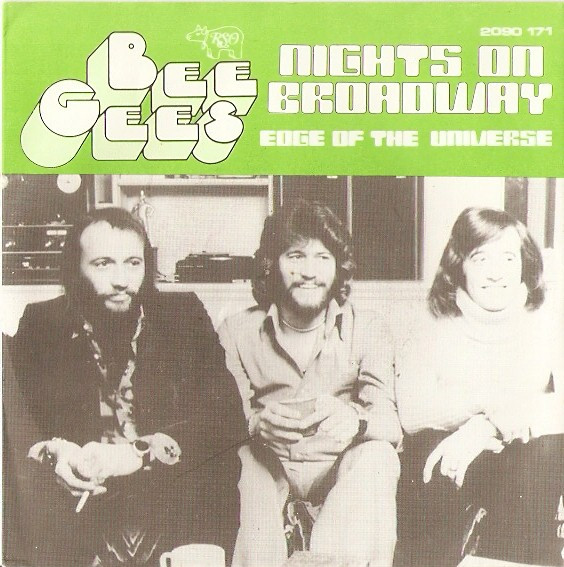
Stewy’s stencil of Quentin Crisp is on the corner of Keppel Road in Chorlton. Keppel Road was where the Gibb brothers (better known as the Bee Gees) once lived and where they first practiced their harmonies together.

The brothers would, of course, go on to immense success globally. They were especially popular in the US and their mainstream take on disco music sold by the millions.

The brothers Gibb

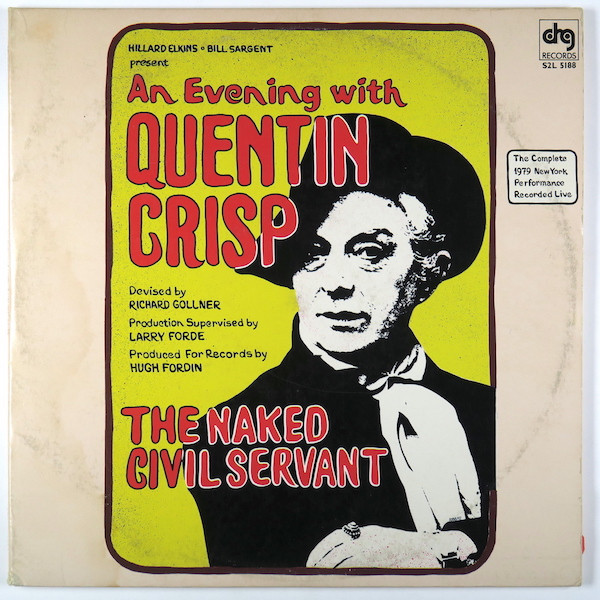
Crisp was also a success in the US and in New York in particular. The city was where his Broadway show ‘An evening with Quentin Crisp’ was staged to great acclaim.

Soundtrack to the show.

Stewy also created a stencil artwork of Tony Wilson in the city as well as one of the ‘Bard of Salford’ (Salford being the city across the river from Manchester) John Copper Clarke, to whom Wilson gave his first break on TV. 

The bard himself

We’ll leave John Cooper Clarke with the last word.

Kung Fu International

Liverpool. Art, Poets and Pubs

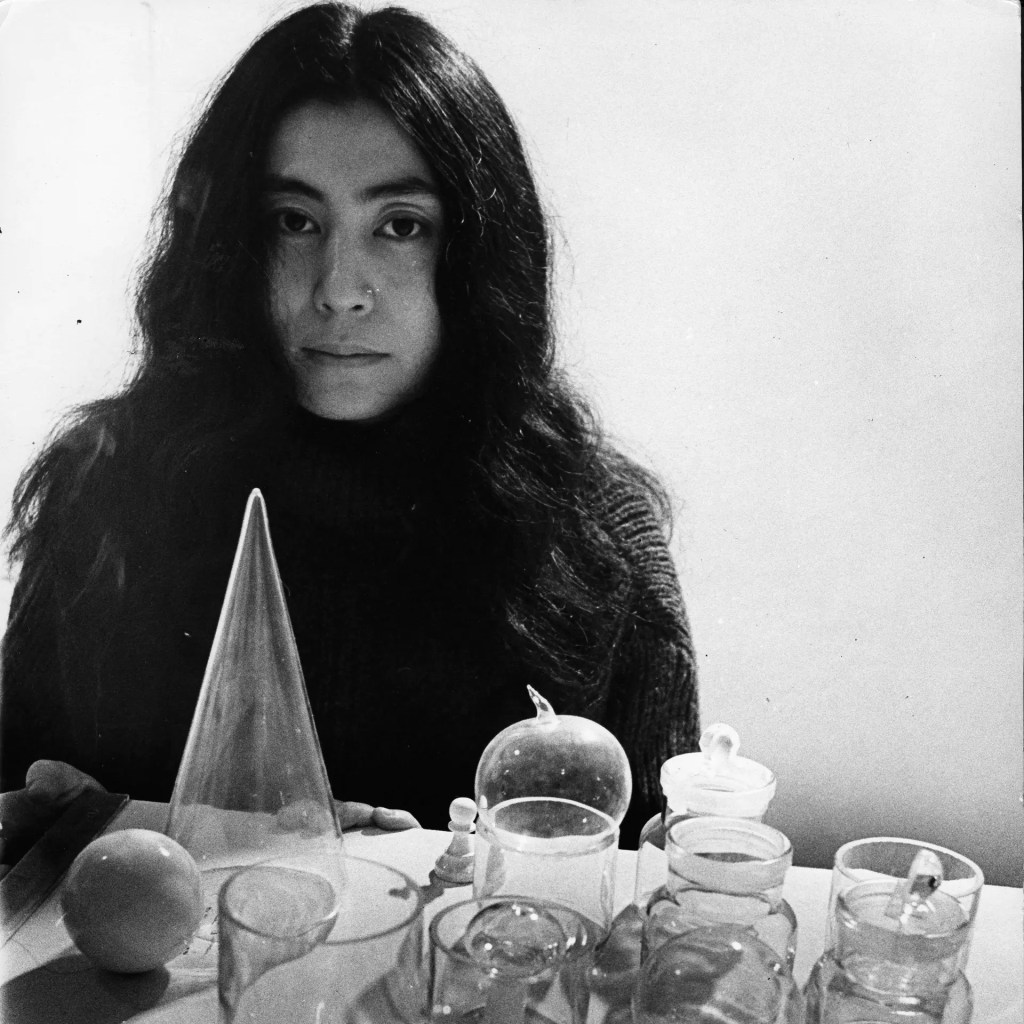
Yoko Ono at the Bluecoat Gallery, Liverpool in 1967

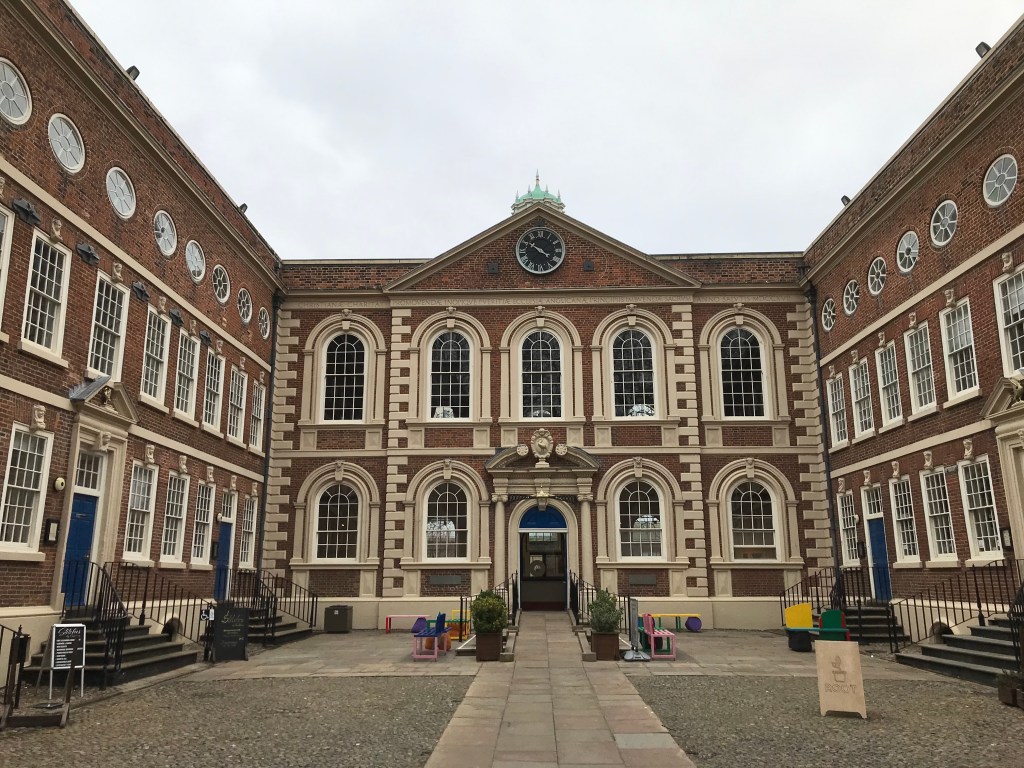
The Bluecoat gallery in Liverpool in the North West of England is a beautiful contemporary arts centre set in a 300 years old building. The gallery is centrally based and although it is surrounded by dull retail stores, it is an oasis of calm and a great place to while away some time. As well as the gallery, there is a cafe, a book store and the contemporary houseplant shop ‘Root’.

Bluecoat gallery

At the reception you are greeted by a commissioned work by the artist Babak Ganjei.

Past, present and future acknowledged

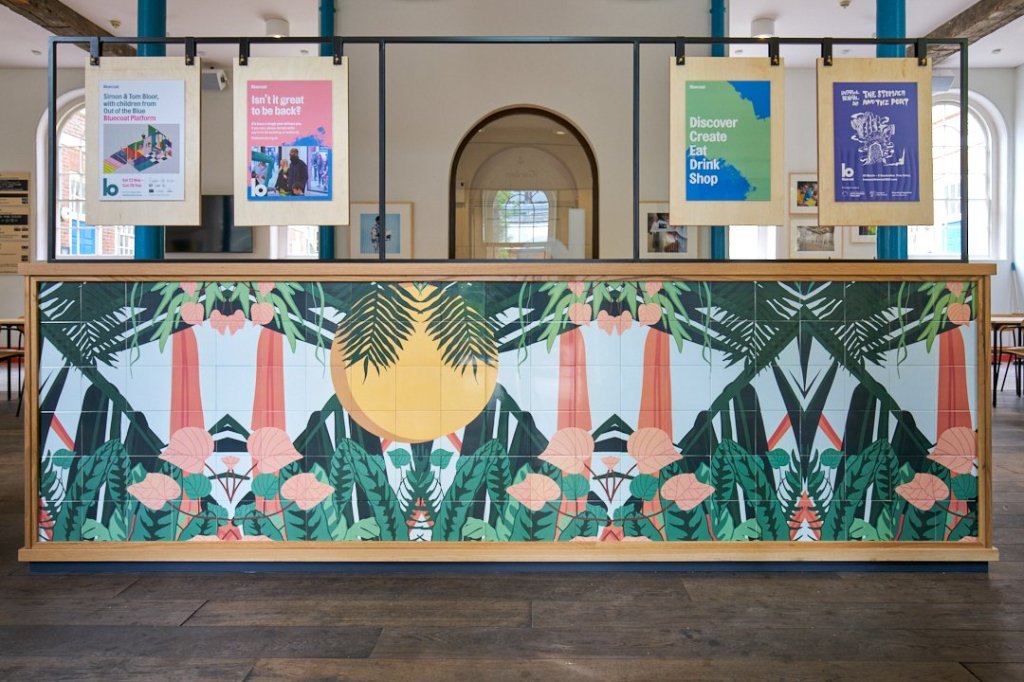
Another commissioned work on display in the foyer is the frieze ‘Summer’ by local artist Sumuyya Khader.

Summer by Sumuyya Khader

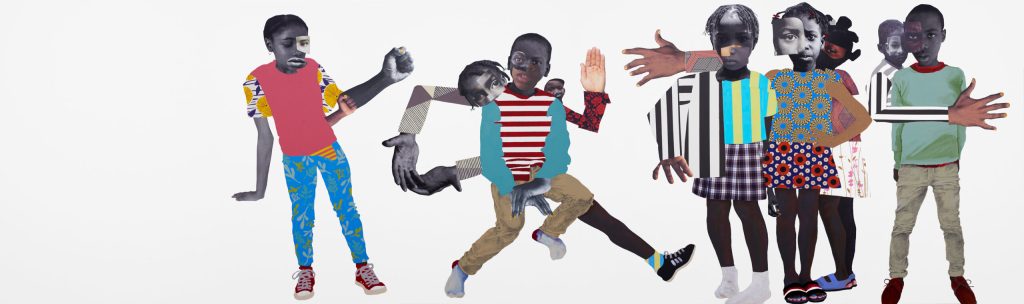
Sumuyya Khader (exhibiting under the programme title ‘Always Black Never Blue’) was one of three artists featured in the gallery on the day we visited along with London based Rosa-Johan Uddoh (‘Practice Makes Perfect’) and Deborah Roberts (‘A Look Inside’).

Deborah Roberts – ‘A Look Inside’
‘Balthazar’ – Rosa-Johan Uddoh

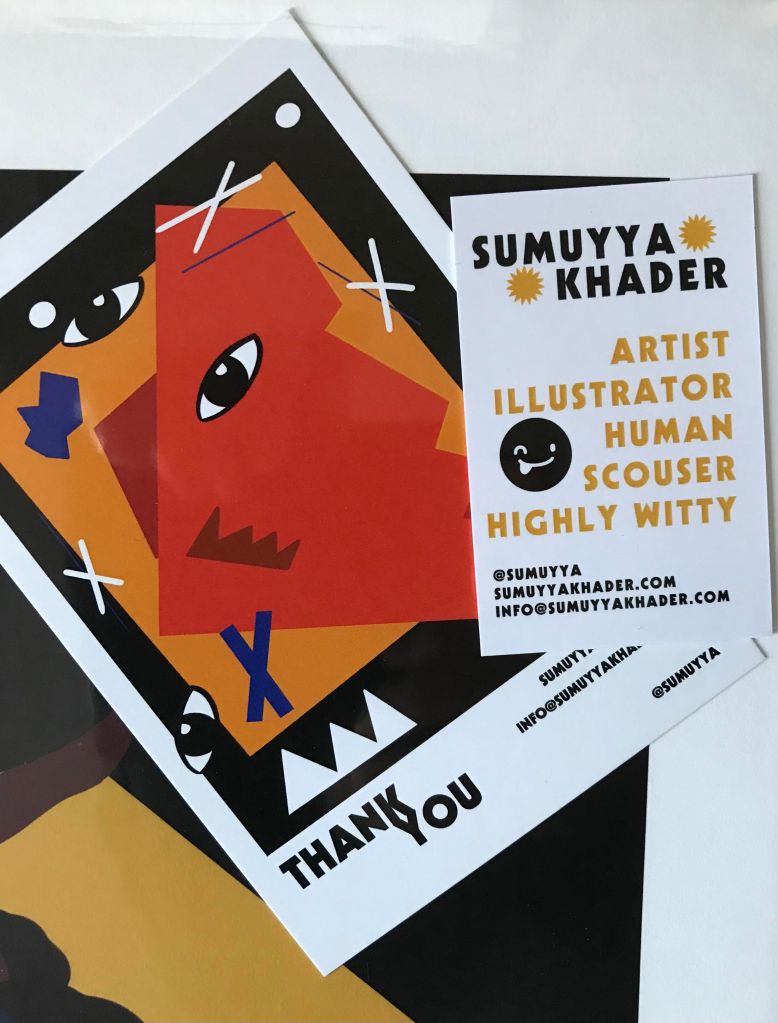
As noted above, the exhibition introduced us to the work of Sumuyya Khader. This was her first UK solo show in a public gallery. Khader has a studio in Liverpool 8 (of which more later) and runs Granby Press (named after the area’s most important and iconic thoroughfare, Granby Street), a community based printing project .

Her LinkedIn entry notes

Currently in conversations to develop a Black culture & history centre in the L8 area of Liverpool. A space for past, present and future with a focus on education and support‘.

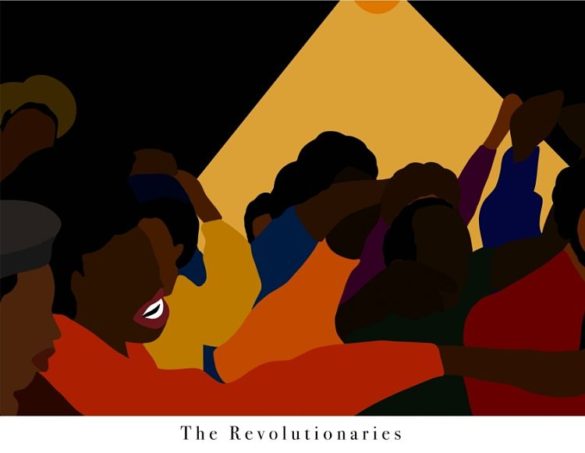
We managed to buy a print of one of Sumuyya Khader’s works from her online shop at https://www.sumuyyakhader.com. The print we ordered, ‘The Revolutionaries’ is inspired by the film director Steve McQueen’s film, ‘Lovers Rock’, part of a series of five films he made under the title ‘Small Axe’ (‘if you are the big three, we are the small axe’ sang Bob Marley) charting the lives of Black Britains from the 60s to the 80s. The films were recently shown by the BBC.

‘Lovers Rock’ is a film of a London house party in the 1970’s. Reggae is the party’s soundtrack. The most memorable moment in the film is the that where the guests are seen dancing to Janet Kay’s lovers rock hit ‘Silly Games’ and then singing the song as an acapella. The thundering reggae instrumental ‘Kunte Kinte Dub’ (credited to The Revolutionaries, the house band at the Channel 1 recording studio in Jamaica) follows not long afterwards. The Dub provokes joy and excitement in the partygoers with its trade mark synth line and bellowing foghorn introduction, the scene ultimately influencing the content and title of Khader’s work above.

‘Scouser.Highly witty’

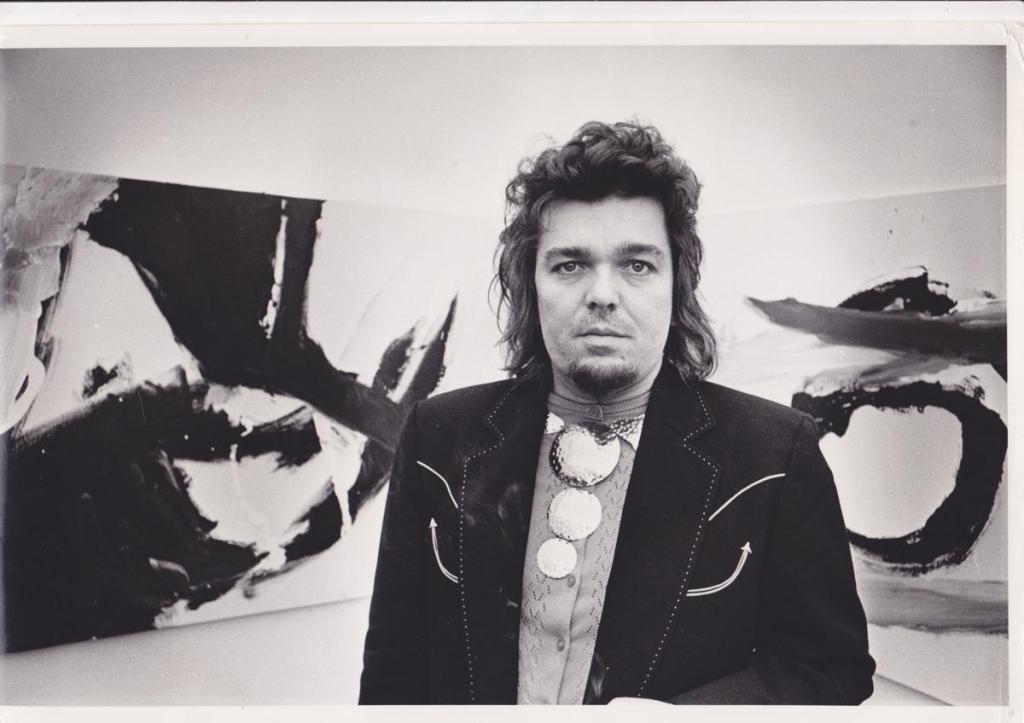
The Bluecoat has a venerable reputation for staging innovative artists. Looking at a list of past exhibitors at the gallery we came across an entry for Don Van Vliet, better known as R&B legend Captain Beefheart. The Captain was a ‘total artist’, a painter, singer, writer and performer. His exhibition at the Bluecoat, way back in 1972, was the first time the Captain’s painting had been publicly exhibited anywhere in the world.

Captain Beefheart at the Bluecoat in 1972

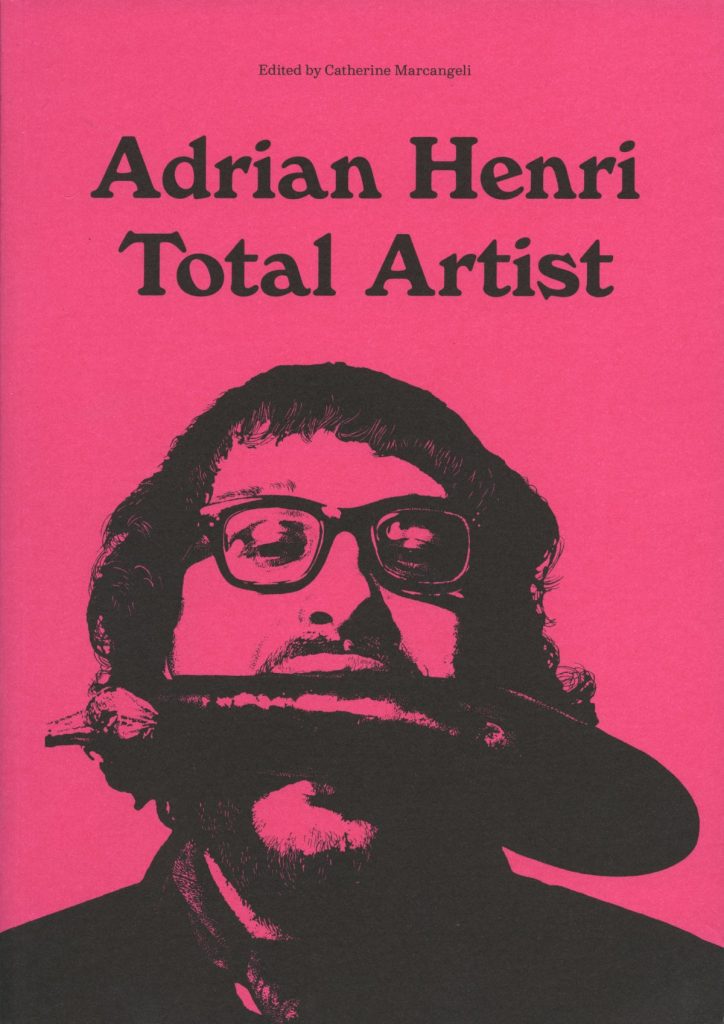
Another ‘total artist’ who embraced music, art, writing and performance, was local innovator Adrian Henri. Henri is probably best known as one of the Liverpool poets who came to prominence in the 1960’s and the founder of the poetry-rock group Liverpool Scene. Henri and his compatriots, Roger McGough and Brian Patten brought the influential ‘Mersey Beat’ poetry to the UK and beyond by using the same language, the same people and their lives as the Beatles were using in their songs. As well as poetry and performance, Henri was an established artist who exhibited several times at the Bluecoat.

An aubergine, presumably from Granby Street

Henri lived for much of his life in Liverpool 8, amidst the crumbling Georgian streets near the Art College and Anglican cathedral. As he noted ‘I cannot imagine what it would have been like to be a poet and not live here; or, indeed, whether I would have become a poet at all’.

His work ‘Autobiography’ lists the names of streets in the in and around Liverpool 8.

Rodney St pavement stretching to infinity

Italian garden by the priest’s house

seen through the barred doorway on Catherine St

pavingstones worn smooth for summer feet

St James Rd my first home in Alan’s flat

shaken intolerable by Cathedral bells on Sundays

Falkner Sq. Gardens heaped with red leaves to kick in autumn

Gambier Terrace loud Beatle guitars from the first floor

Sam painting beckoning phantoms hiding behind painted words bright colours in the flooded catfilled basement

Granby Street bright bazaars for aubergines and coriander

Blackburne House girls laughing at bus-stops in the afternoon

Blackburne Place redbrick Chirico tower rushing back after love at dinnertime. 

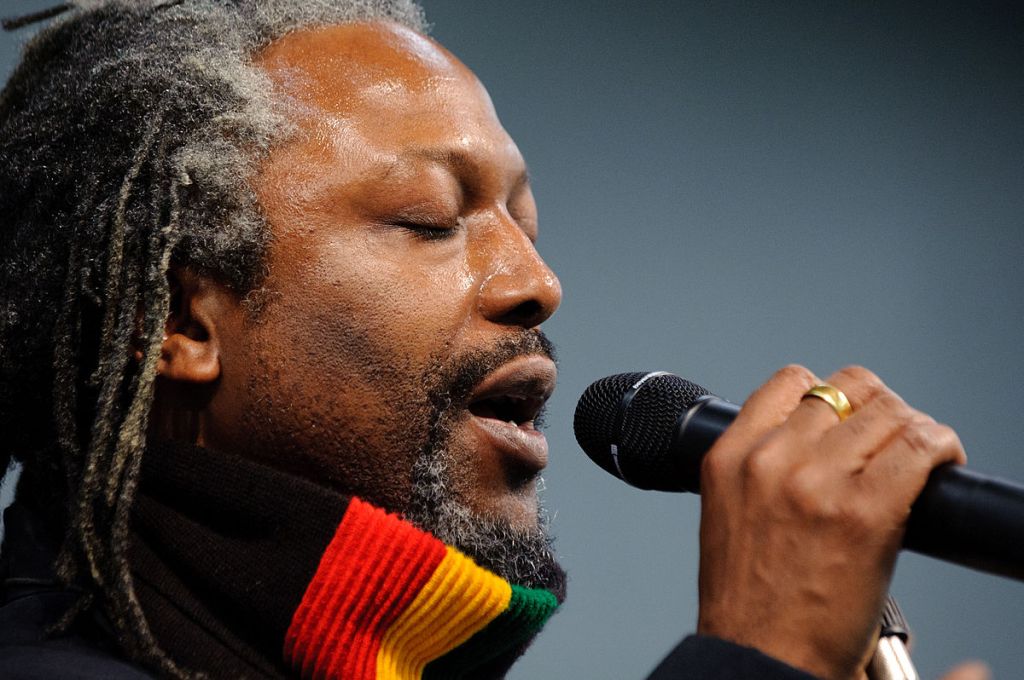
Another poet, another ‘total artist’ of Liverpool 8 is the writer and performer Levi Tafari. 

Levi Tafari

Born in Liverpool 8 to Jamaican parents Levi Tafari’s Wikipedia entry notes:-

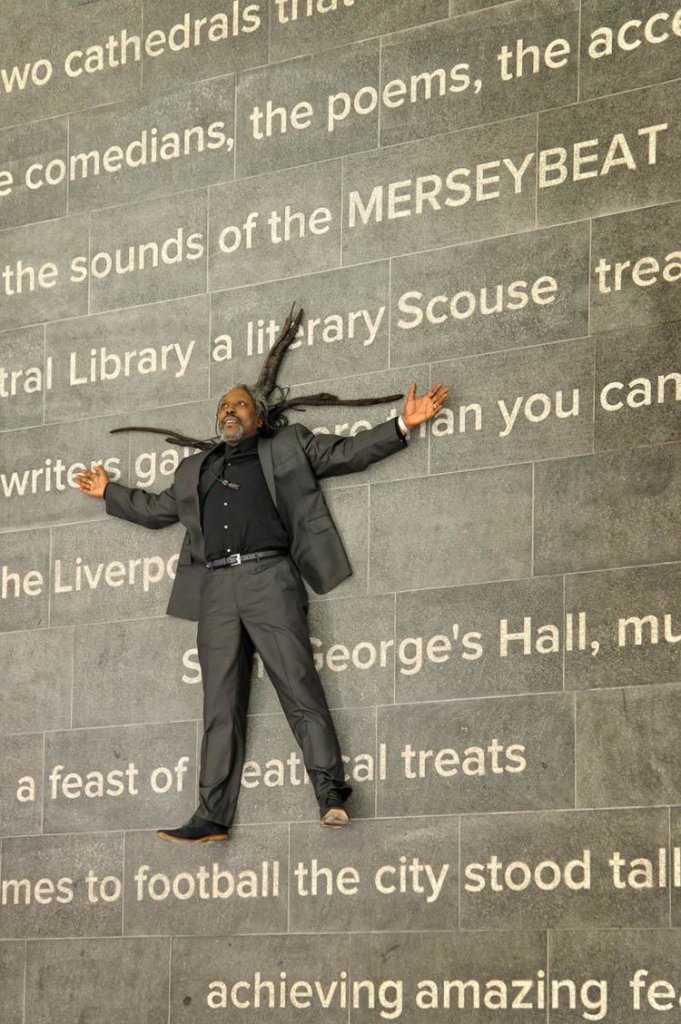
Tafari self-identifies as an Urban Griot (the griot being the traditional consciousness raiser, storyteller, newscaster and political agitator)’.

As Tafari himself says ‘Liverpudlians are affectionately known as scousers, and scouse is a stew made of many ingredients’. He is a formally trained French chef and an alumni of the Liverpool 8 Writers Workshop. He is an established poet and performer who has taken his work all over the world.

Levi Tafari

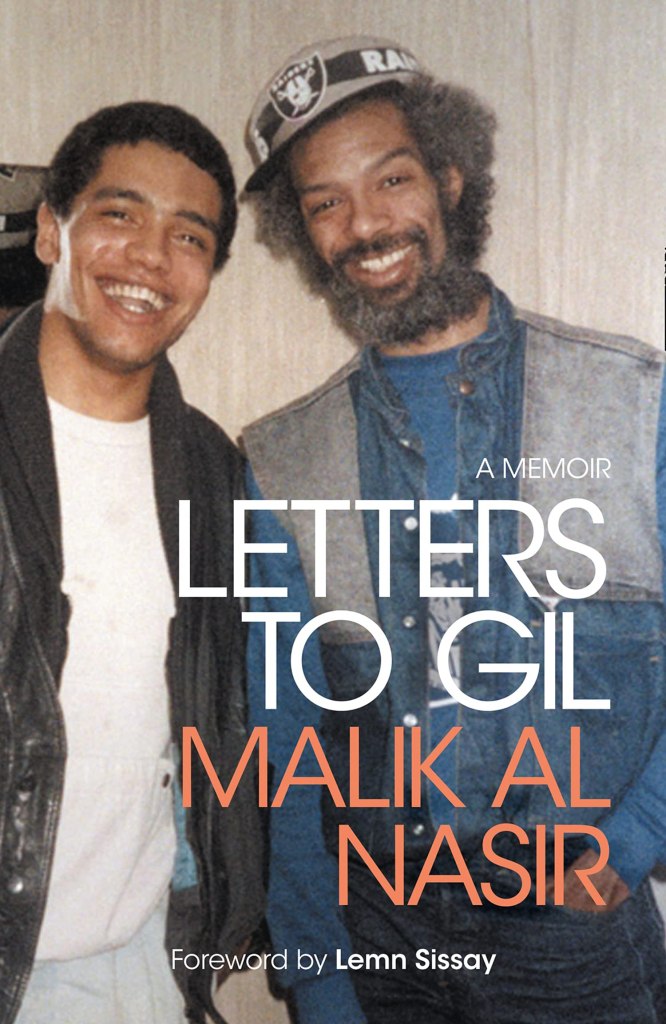
Another Liverpool 8 poet and artist is Malik Al Nasir. After a tough early start in life he met the legendary writer, poet, musician, activist and ‘total artist’ Gil Scott Heron, the legendary influence behind rap (and much else) on a visit to the city. Gil took Malik under his wing and encouraged and mentored him through a masters degree and into a life of poetry and creativity.

Malik Al Nasir’s powerful memoir ‘Letters to Gil’ explores his ‘story of surviving physical and racial abuse and discovering a new sense of self-worth under the wing of the great artist, poet and civil rights activist Gil Scott-Heron’. The forward to the book is by another noted poet, Manchester born Lemn Sissay.

Malik and Gil

Liverpool is still a great city for characterful pubs. Pubs have been closing en masse throughout the UK during the past few years. Many have been successfully turned into ‘gastro pubs’ combining quality food, drink and hopefully ambiance. Nevertheless, there are still ‘traditional’ boozers left, especially in Liverpool and we’ll mention a few here (even if they serve decent food along with the drinks!).

Adrian Henri is there to help us. His ‘Poem for Liverpool 8’ mentions some of the pubs he frequented in the city although all of the following are on their way to Liverpool 8 from the city centre rather than in the district itself.

drunk jammed in the tiny bar in The Cracke

drunk in the crowded cutglass Philharmonic

drunk in noisy Jukebox O’Connor’s

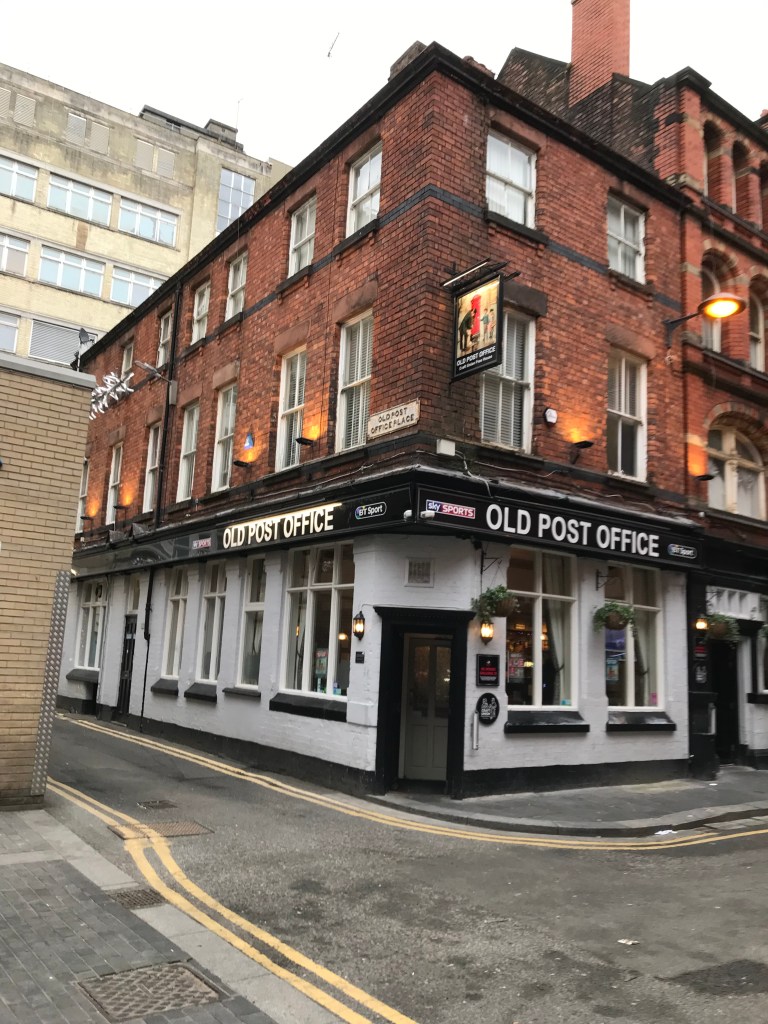
As you leave the Bluecoat, immediately to your right is the venerable ‘Old Post Office’ public house. The Old Post Office is an old fashioned ‘does what it says on the tin’ Victorian pub and it is a delightful place to while away an hour or two.

Mine’s a lager top

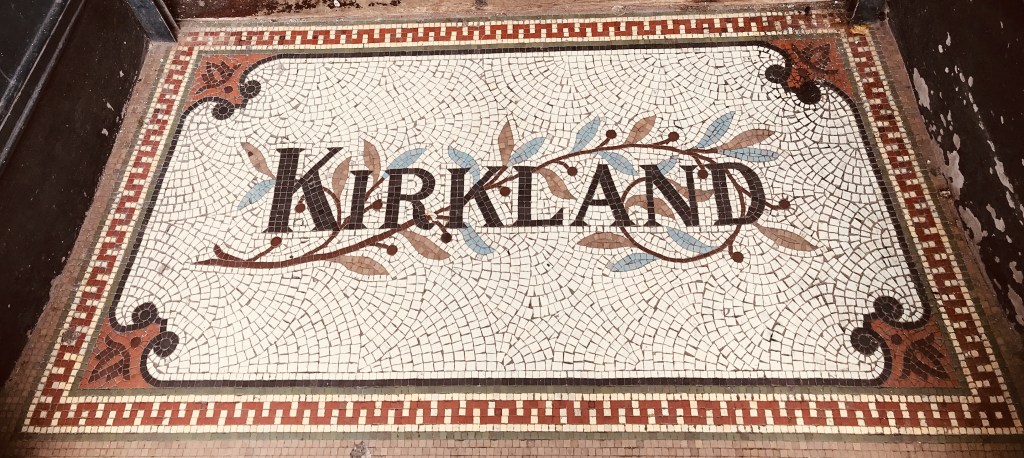
Other great pubs follow as you move away from the city centre itself. Around a 10 minutes walk from the Bluecoat as you walk up Hardman Street towards the Philharmonic Hall and Georgian terraces, is the Fly in the Loaf bar (although we always refer to it by its old name of ‘Kirklands’). With its long interior bar, tiled floor and mosaicked entrance, it was a formerly called Kirklands Bakery as the external signage notes saying  ‘Vienna Bakery – Bakers to the Queen – Kirkland Bros – Scotch Confectioners’ and ‘By Royal Appointment’ (to Queen Victoria no less!). Although the bar may not be as consequential as it was in the 70s and 80s when it was a preferred haunt of local footballers and celebrities, it is still a great place for a drink and ambiance!

Tiled entrance to the Fly in the Loaf and the old name of the bakery

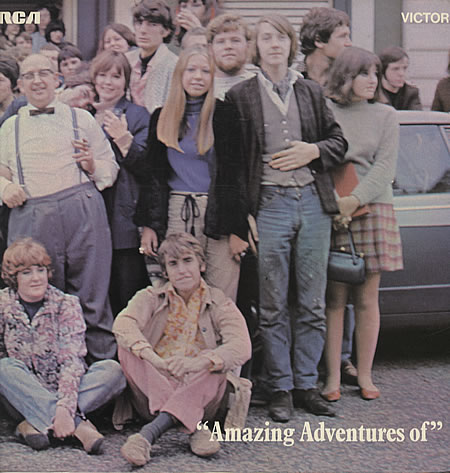
On the other side of the road to the Fly in the Loaf was an old bar called O’Connor’s Tavern which had been both a synagogue and then a morgue in a previous existence. The Tavern had a legendary jukebox and was popular with the Mersey Poets including of course, Adrian Henri. Henri once met Yoko Ono at the Bluecoat where she was exhibiting (in 1967, she returned to the gallery in 2008) and took her for a drink at O’Connors. Regulars of the Tavern, including the landlord are featured on the cover of The Liverpool Scene album ‘Amazing Adventures of’.

The Liverpool Scene with Adrian Henri

O’Connors is long gone and the site has changed hands several times since those days. Showing our age, we remember it when it was a wood lined bar called ‘Chaucers’.

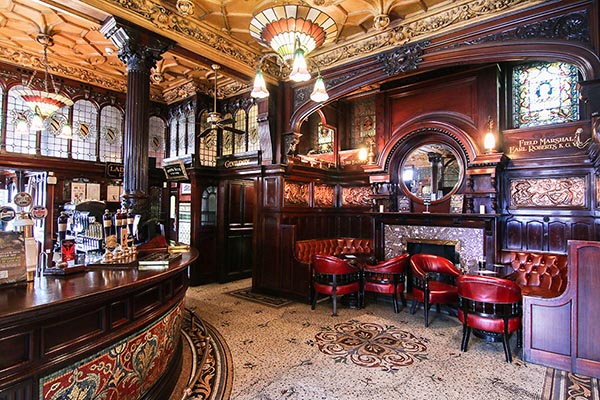
A short walk further up the hill will bring you to The Philharmonic pub (‘the Phil’) surely one of the UK’s most spectacular ‘boozers’. The Phil is a Grade 1 listed building and if you ever get the chance to visit Liverpool, do stop for a drink here.

The Phil

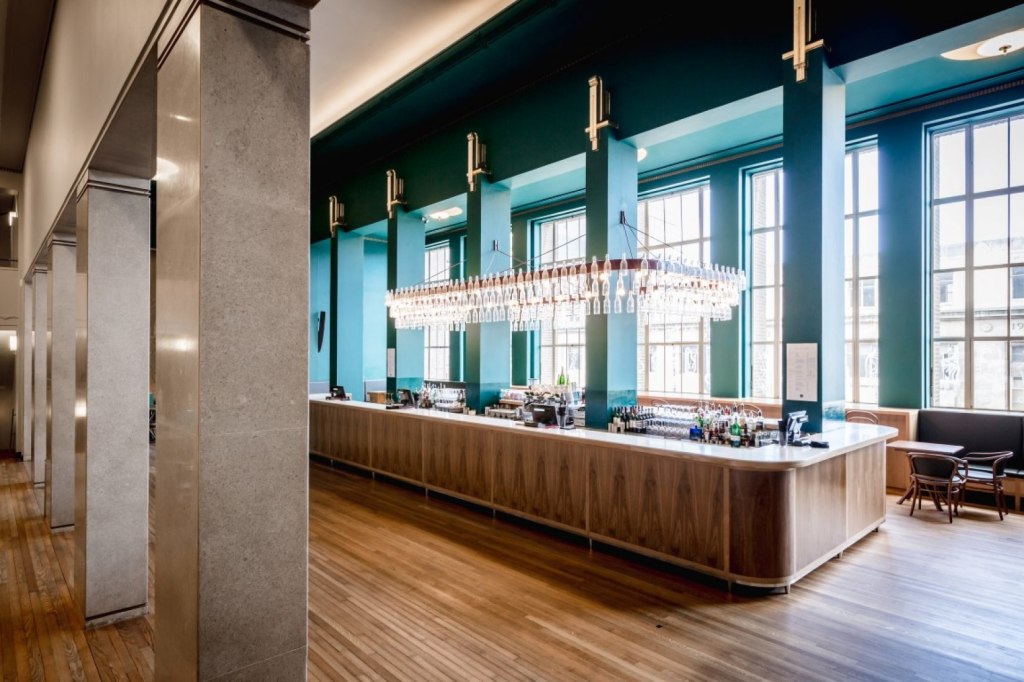
Across the road from The Phil is the Philharmonic Hall. Although a concert venue (and in particular, we remember seeing jazz poet Gil Scott Heron perform there), the Hall’s upstairs bar is an Art Deco masterpiece and worth a visit in its own right.

Philharmonic Hall bar

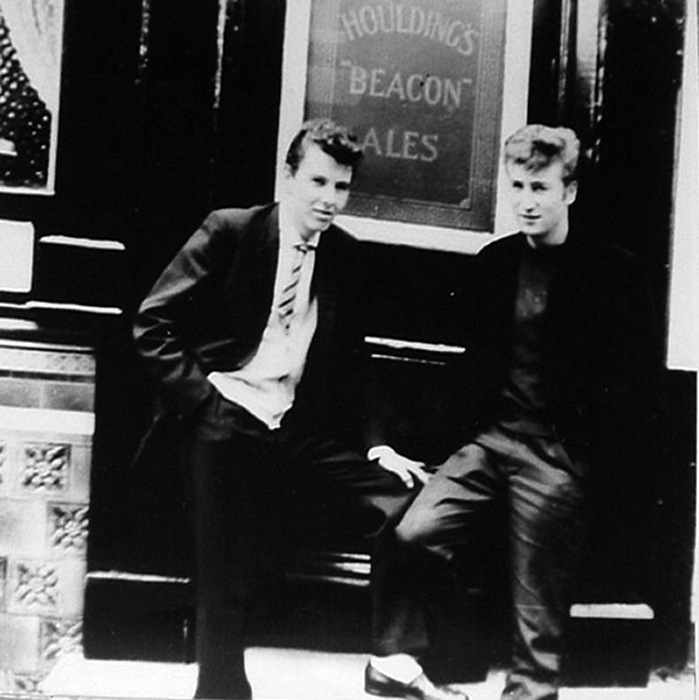
Another short walk away from the Hall takes you to ‘Ye Cracke’, a legendary pub not only frequented by Adrian Henri and John Lennon but by generations of students from the nearby Art College.

John Lennon outside Ye Cracke in 1958

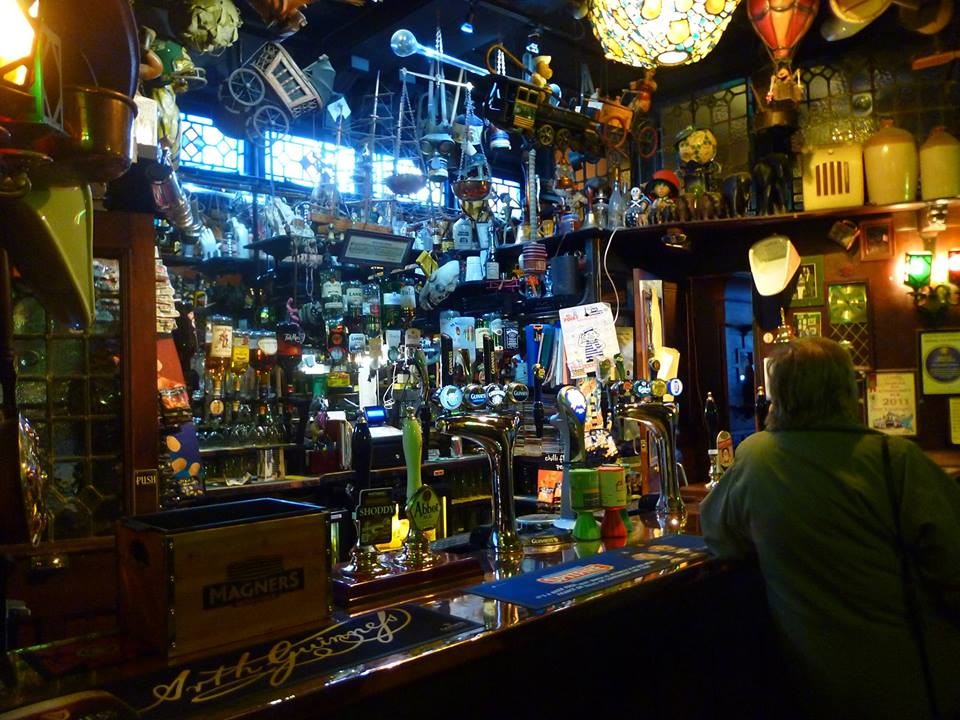
Away from Ye Cracke and into the outskirts of Liverpool 8 proper is Peter Kavanghs pub. Our personal favourite in the UK, we’ve never seen such a great mix of people drinking in one bar before. Ambiance galore!

Peter Kavanaghs

We’ll leave Gil Scott Heron to have the last word.

‘A good poet feels what his community feels.

Like if you stub your toe, the rest of your body hurts’.

Treacle and Joy Division

Macclesfield is a market town in East Cheshire in the North West of England. It is not too far away from Manchester. The town has a real character to it and it is surrounded by gorgeous countryside with the Peak District National Park nearby. The town is also a key film location for the popular Peaky Blinders television series.

The North West has undergone something of a culinary renascence in the past few years. There is an increased emphasis on quality local produce with a talented group of local chefs creating great food from across the world. 

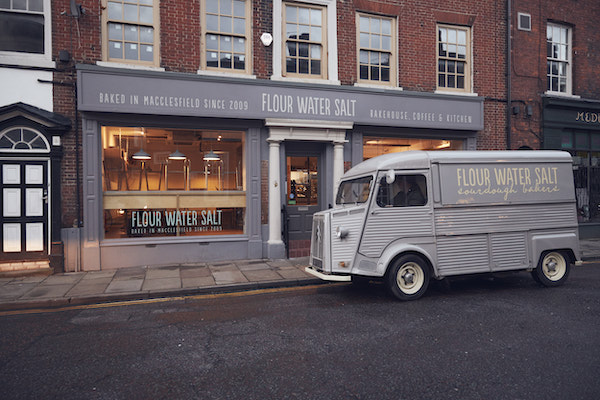
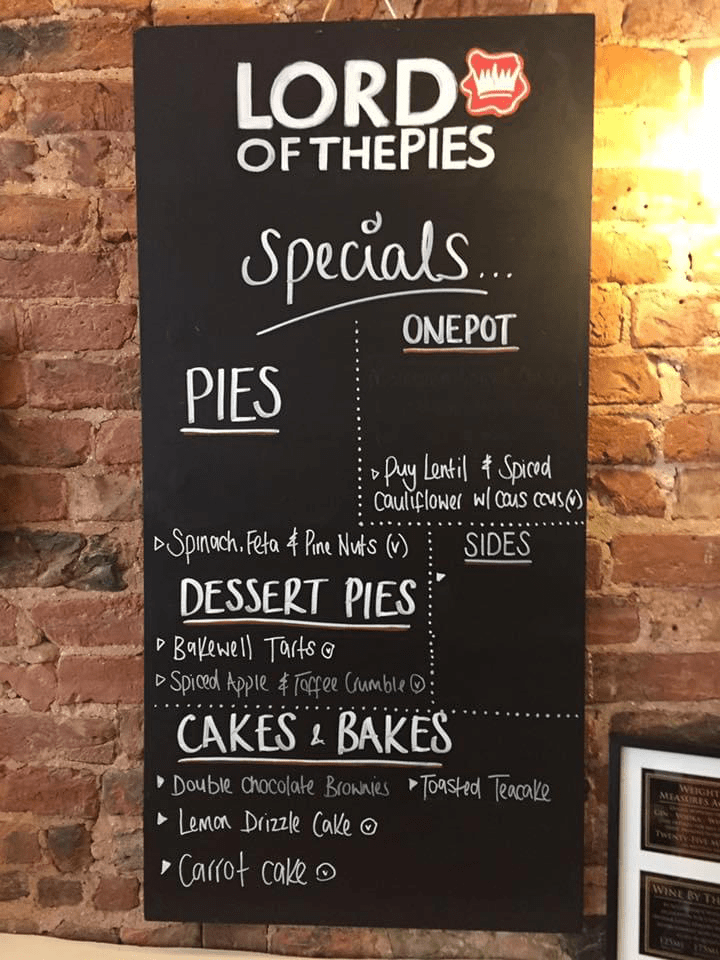
Macclesfield is a part of this change and we especially like the bread and pastries at Flour Water Salt and the iconic Lord of the Pies.

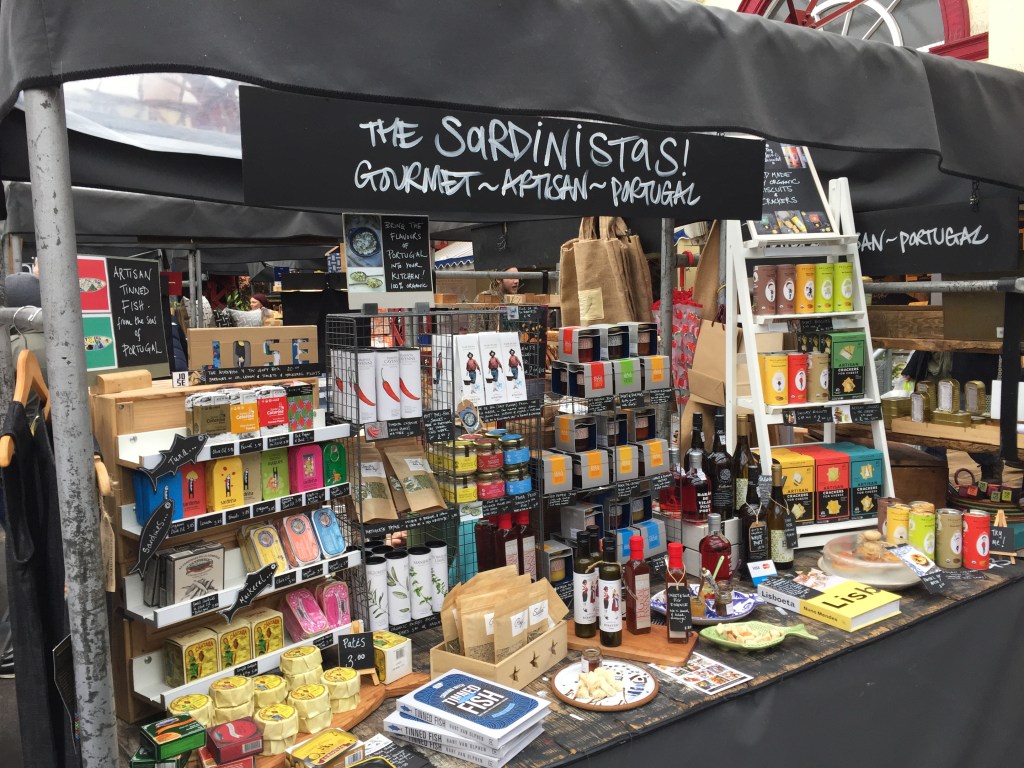
A particular local favourite of ours is the monthly Treacle Market which is held in the centre of town. It is a lively mix of food stalls, crafts and antiques.

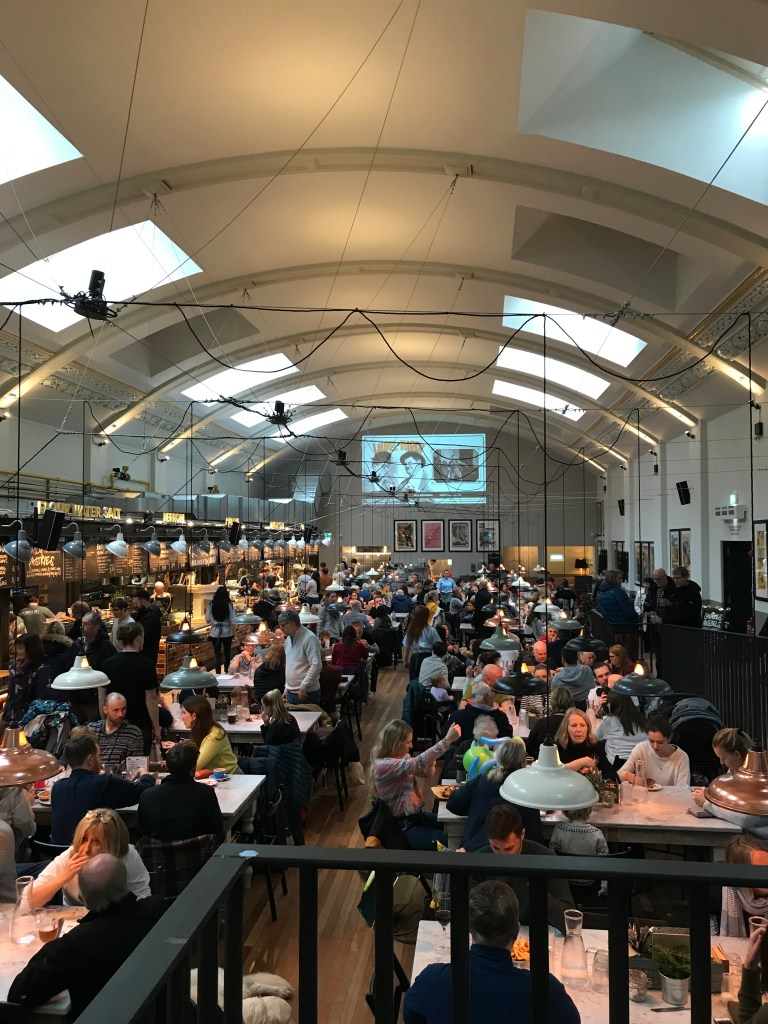
Nearby is the food hall at the Picturedrome, a beautifully restored former cinema dating back to 1911 which is now an atmospheric food hall

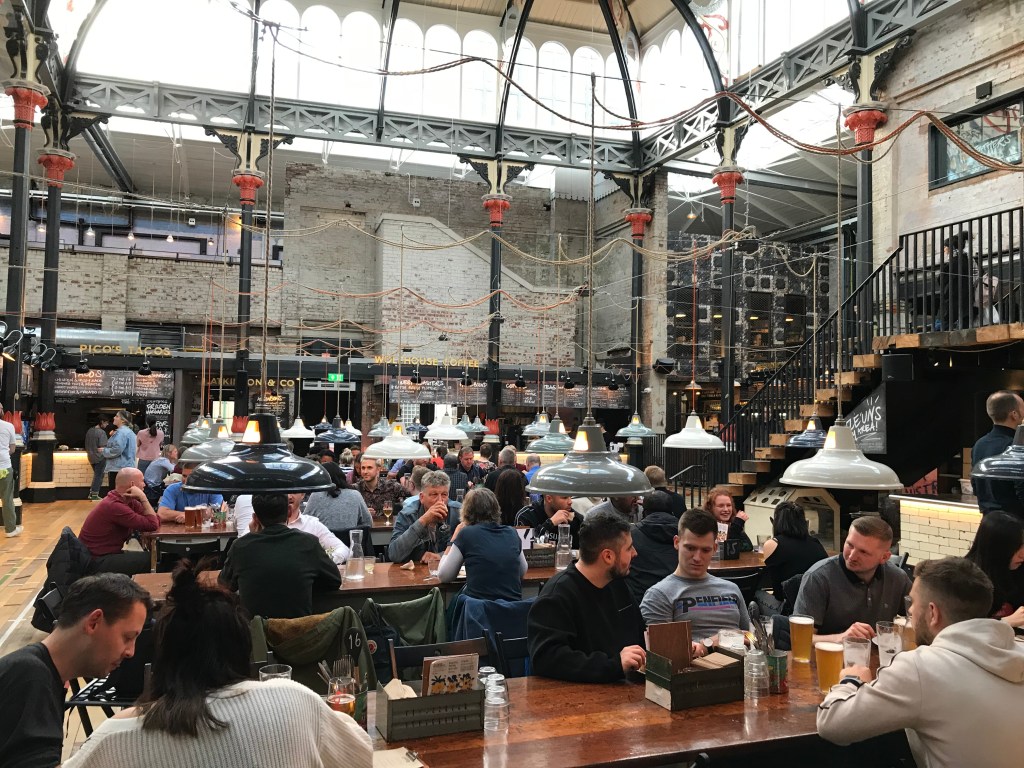
The Picturedrome is a sister to two Manchester food halls, Altrincham Market House in the south of the city and the more central Mackie Mayor.

Altrincham Market House

The Mackie Mayor

The Mackie Mayor is a few doors down from the the iconic music venue, the Band on the Wall. Anyone who is anyone will have played at the Band on the Wall at some time or other including of course, local legends Joy Division, one of the most influential groups to have ever come from England. 

(This video has over 23 million views on You Tube)

We never saw the group play as Joy Division but we did see them perform under their old name ‘Warsaw’ which they changed shortly thereafter so as to avoid confusion with a similarly named band.

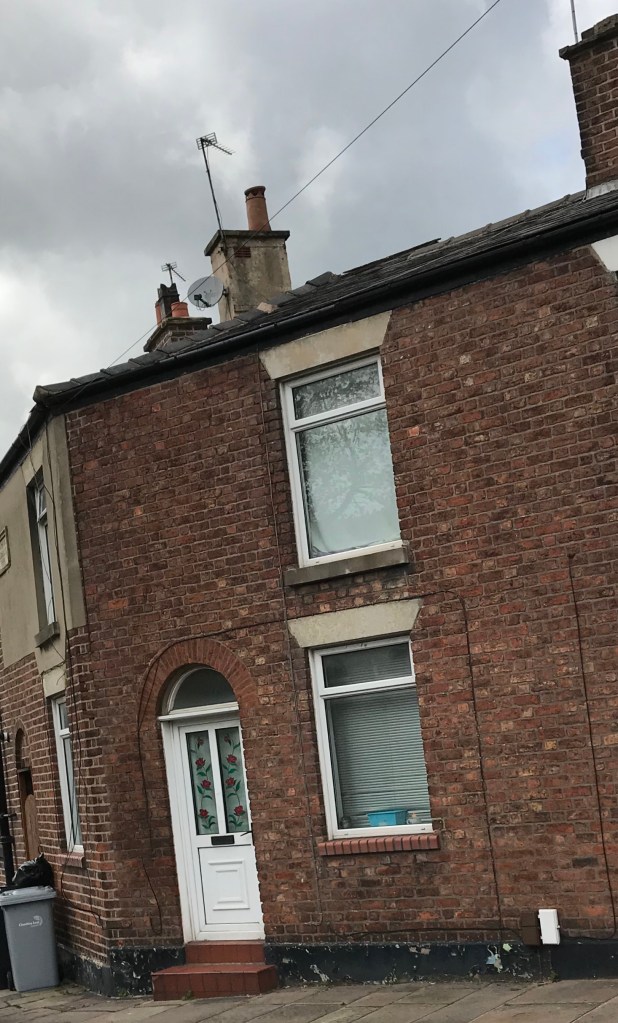
Joy Division have a particular link with Macclesfield, the town where their singer, Ian Curtis grew up in (he was born in nearby Manchester). The town is also sadly the place where he passed away. The house where he lived until he died in 1980 is still there. It is a short walk from the town centre.

Joy Division drummer Drummer Steven Morris was born in the town and lives nearby.

After his death, Curtis’ band mates and keyboardist Gillian Gilbert formed New Order and the rest, as they say, is history.

Like ourselves, Curtis was a fan of reggae. 

In her memoir ‘Touching from a distance’ Curtis’ widow Deborah notes:-

“Ian always had an interest in reggae music; Bob Marley and Toots and the Maytals already figured in his diverse record collection. Moving into that area of Manchester (i.e. south) gave Ian the opportunity to throw himself into the local culture. He began to spend much of his time in a record shop in Moss Side shopping centre, listening to different reggae bands”.

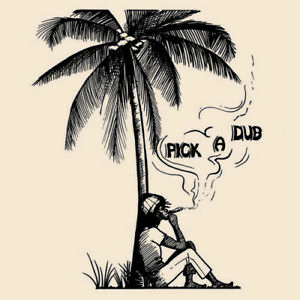
Curtis was a big fan of recordings by the Jamaican producer Keith Hudson (whose 1974 album ‘Pick a Dub’ is much loved by us) with his favourite being the latter’s 1975 number ‘Turn the heater on’ (England was much colder than Jamaica. Hudson was resident in London at the time after all!). 

‘Turn the heater on’ was later recorded by New Order as a tribute to Ian Curtis. It was broadcast on DJ John Peel’s  show in 1982. At the time, Peel was one of the very few national DJ’s to play reggae on the airwaves.

The first artist to be recorded by Keith Hudson was the veteran Dennis Alcapone back in 1969. Alcapone recorded a football tribute ‘World Cup Football’ in 1981 to exalt the Brazilian national squad and to call for more black players in the England football side to make a better team as a result. (The rhythm Alcapone toasts over on this track is the classic ‘Rope in’ by Cornell Campbell. See also ‘Fattie Boom Boom’ by the late Ranking Dread).

New Order also recorded their own officially sanctioned football song for the 1990 World Cup, ‘World In Motion’

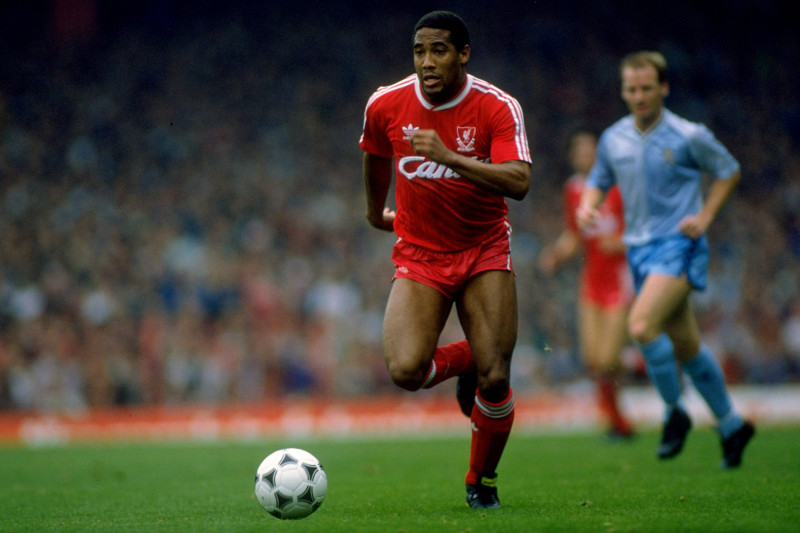
As well as undoubtably being the best official football song from England, ‘World In Motion’ is notable for the rap by the beloved Liverpool/England player John Barnes.