Category: Uncategorized

Share this:

Japan, food and Bourdain
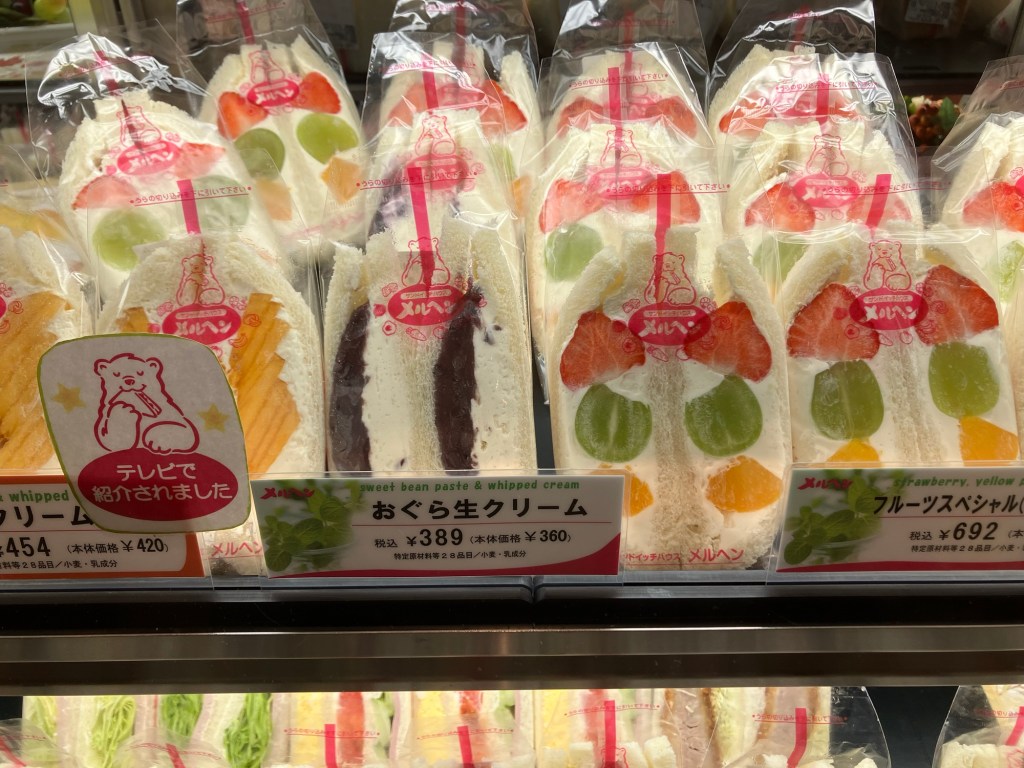
To some in the West, Japan can seem like a land of cliches, no more so than with preconcoeved notions of it’s food.
Here are some of the more common misconceptions
All Japanese food is sushi: While sushi is indeed a popular dish, Japanese cuisine is incredibly diverse and includes a wide range of dishes that have nothing to do with sushi, such as ramen, udon, soba, okonomiyaki, and more.
Japanese food is always healthy: While many Japanese dishes are indeed healthy, there are also plenty of indulgent and unhealthy dishes, like ramen with its high sodium content, or fried foods like tempura and katsu.
All Japanese food is raw: While raw fish and seafood are popular ingredients in Japanese cuisine and sushi itself is much beloved in the country, the average Japanese person doesn’t eat sushi as often as one would think. In fact, most Japanese people eat sushi about 2-3 times a month, although this can vary depending on personal preferences and the season and it is hardly a staple of the daily diet for most people.
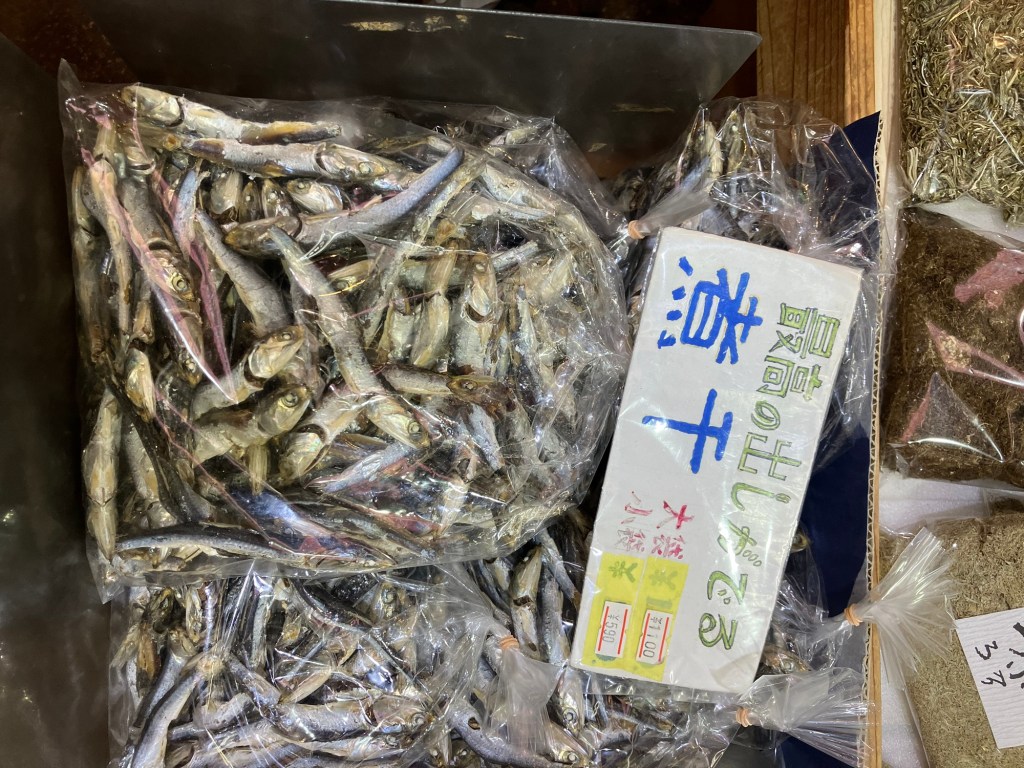
Westerners often perceive Japanese food, particularly high-end sushi and sashimi, to be expensive. This perception is fueled by the high prices found at upscale Japanese restaurants in Western countries, as well as media portrayals of luxurious Japanese dining experiences. Additionally, ingredients like fresh seafood and imported Japanese products can drive up the cost of Japanese cuisine outside of Japan.
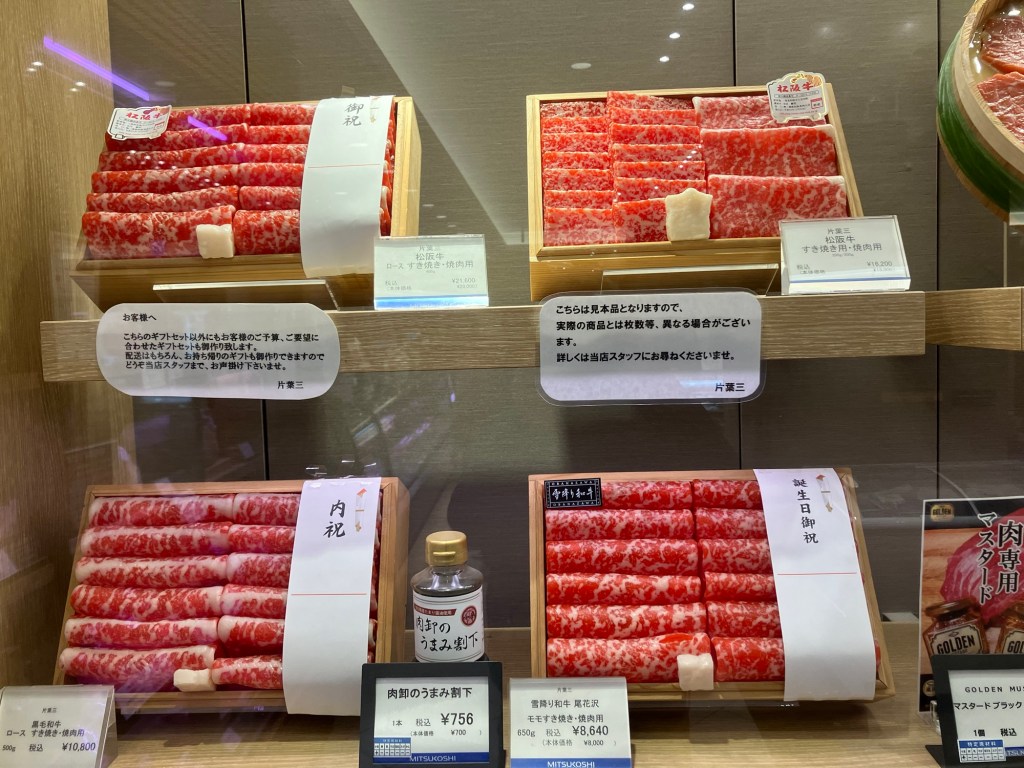
However, in reality, everyday Japanese food in Japan is not necessarily expensive. In fact, many dishes like ramen, yakitori, and udon can be quite affordable, especially at local, non-touristy eateries. Street food and local markets also offer budget-friendly options for those looking to sample a variety of Japanese flavors without breaking the bank.

And do not forget convenience stores ( collectively ‘konbini’). Not only do they seem to sell everything you might need, they can also be a source of simple, tasty convenience food.
The three main convenience stores in Japan are:
* 7-Eleven: The largest convenience store chain in Japan, with over 20,000 stores. It’s often referred to by its nickname “Seben.”
* FamilyMart: The second-largest convenience store chain (and our personal favourite), with around 16,000 stores. It’s commonly nicknamed “Famima.”
* Lawson: The third-largest convenience store chain, with around 14,000 stores. It’s usually called “Losson.” Idolised by the late chef/presenter Anthony Bourdain for their divine egg mayonnaise sandwiches.
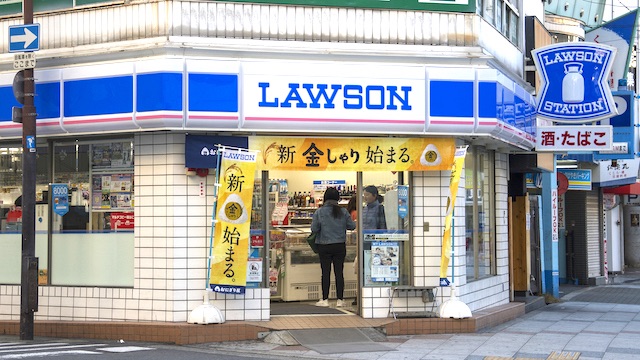
Japanese convenience stores are known for their wide range of food items, including:
* Bento boxes: A variety of prepared meals, including sushi, noodles, and rice dishes. (Far better Bento boxes can be found in any decent department store food court or train station (‘Ekiben’).
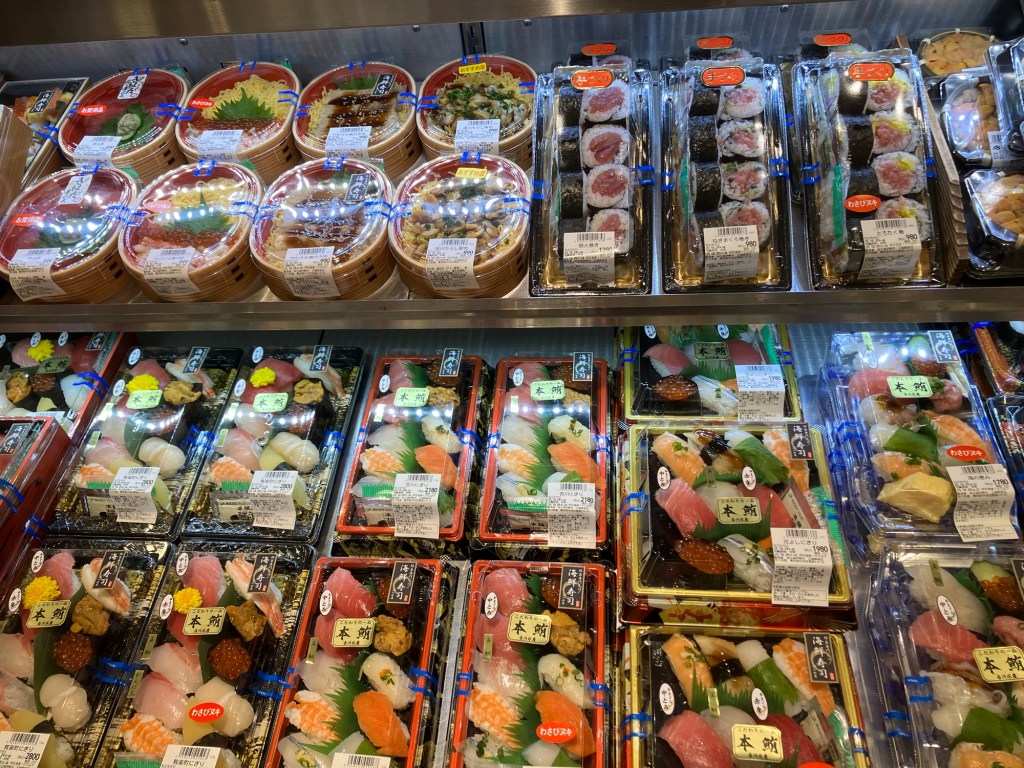
* Onigiri: Triangular-shaped rice balls wrapped in seaweed.
* Sandwiches: Western-style sandwiches with fillings such as egg salad, tuna, and ham. Lawson stores were idolised by the late chef/presenter Anthony Bourdain for their egg mayonnaise sandwiches (good) although we prefer the Family Store take on this simple take out which are even better in our opinion.

* Oden: A type of Japanese hot pot that includes ingredients such as daikon, tofu, and fish cakes.
* Snacks: Japanese and Western snacks, such as chips, crackers, and candy.
So whilst the perception of Japanese food as expensive persists in Western countries, it’s important to remember that this is only one aspect of a diverse and multifaceted culinary landscape.
A good place to start is with typical daily meals. Whilst they may vary depending on the individual and the region, here’s a general overview of what an average Japanese person might eat in a day:
Breakfast: A traditional Japanese breakfast often includes steamed rice, miso soup*, grilled fish, pickled vegetables, and perhaps a piece of fruit.
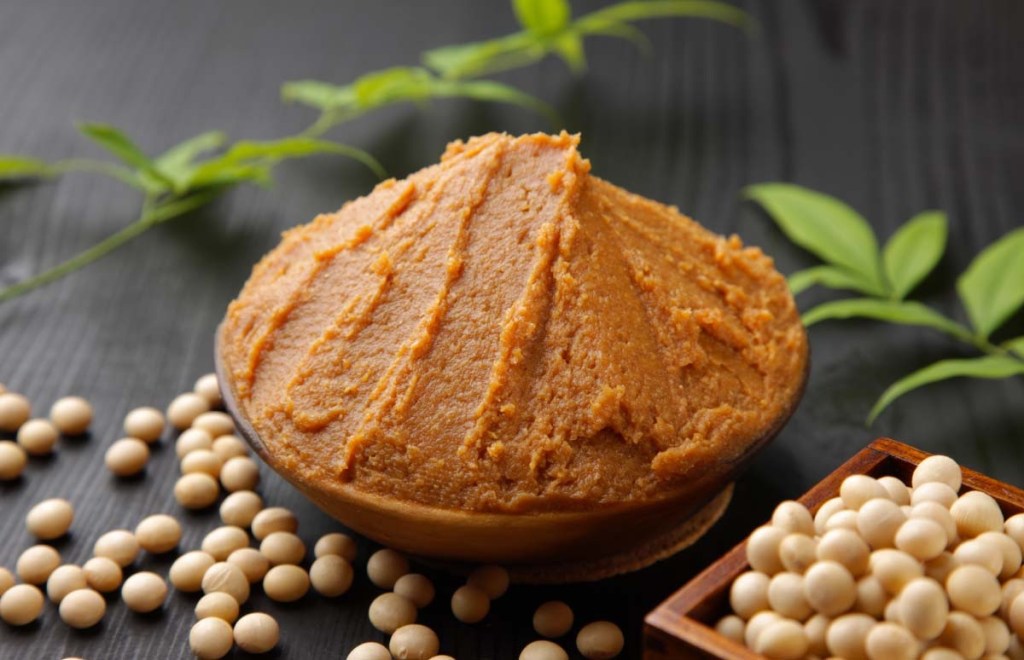
*Miso soup is made from a stock called dashi, which is typically made from dried kelp (kombu) and dried fish flakes (katsuobushi). Miso paste, a fermented soybean paste, is added to the broth, lending its rich, savory flavor and cloudy appearance to the soup. In addition to the broth and miso paste, miso soup usually includes cubes of soft tofu and slices of green onion. Depending on regional and seasonal variations, other ingredients such as mushrooms, carrots, daikon radish, or clams can also be added to the soup.
Lunch: For lunch, a Japanese person might enjoy a bento box, which is a meal consisting of rice, vegetables, and protein (like fish or meat) arranged in a compartmentalized container. Another popular option is ramen or udon noodles.
Dinner: At dinner time, families might gather together to share a meal of various dishes, such as tempura, teriyaki, or sushi.
Let’s examine these three meals in more detail.
Tempura is a dish that consists of seafood, vegetables, or sometimes meat, lightly battered and deep-fried to create a crispy, golden-brown coating. Tempura is often served with a dipping sauce made from soy sauce, mirin, and sugar, and is sometimes accompanied by grated daikon radish or ginger.
Teriyaki is a cooking technique where food, typically chicken or other proteins like beef, pork, fish, or tofu, is grilled or broiled with a sweet and savory sauce. Teriyaki sauce is made from a mixture of soy sauce, mirin (a sweet rice wine), sugar, and sometimes sake or ginger. The food is usually marinated in the teriyaki sauce before cooking, then brushed with additional sauce while grilling or broiling to create a rich, sweet-salty flavor and a beautiful shine.
Sushi features vinegared rice (sushi-meshi) combined with various ingredients, such as raw fish, seafood, vegetables etc. The word “sushi” actually refers to the seasoned rice, rather than the raw fish that is often associated with it.
There are several types of sushi, including:
– Nigiri: A small, oblong mound of sushi rice topped with a slice of raw fish, seafood, or other ingredients.
– Maki: Rice and other ingredients rolled together inside a sheet of dried seaweed (nori) and sliced into bite-sized pieces.
– Sashimi: Sliced raw fish or seafood served without rice.
– Temaki: Similar to maki, but hand-rolled into a cone shape.
– Chirashi: Sushi rice topped with a variety of ingredients, similar to a rice bowl.
Sushi is typically served with soy sauce, wasabi, and pickled ginger.
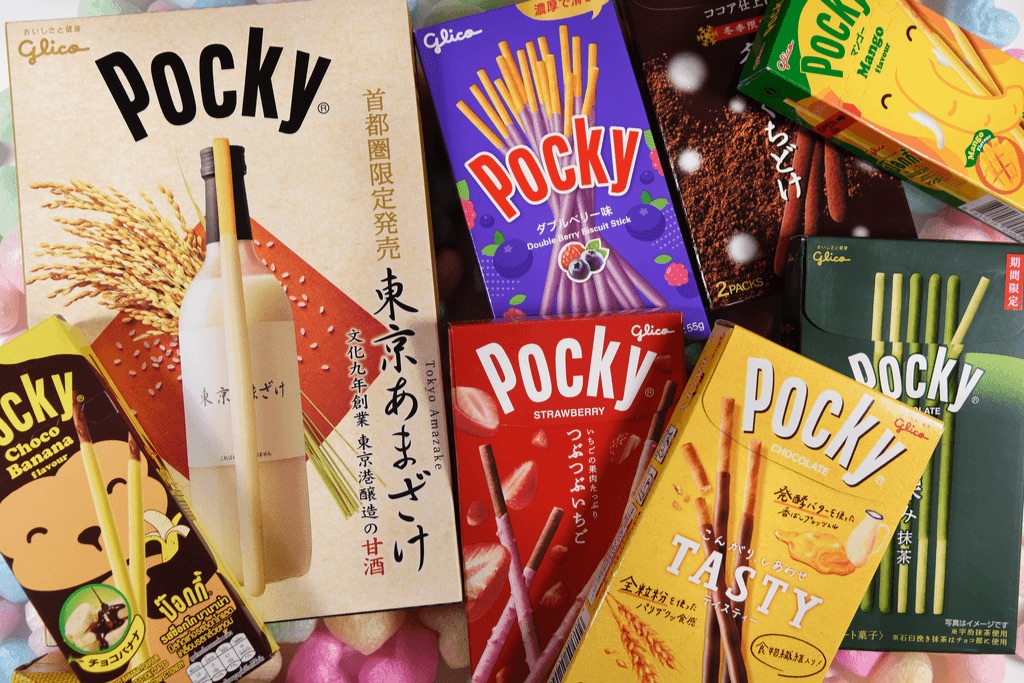
In between meals, Japanese people often enjoy snacks such as onigiri (rice balls) or pocky (chocolate-covered biscuit sticks).
(Please note that if you have not made it back home in time to sample dinner, it is maybe because you and your friends/colleagues have been drinking and eating at an izakaya. An izakaya is a type of Japanese bar that is similar to a pub or tapas bar. It’s an informal place where people can go after work to have drinks and snacks.The food served at izakayas is designed to be shared and typically goes well with beer. The menu can include a variety of dishes, such as yakitori (typically grilled chicken meat, offal and skin) gyoza, sashimi and nakazuke (fermented cucumber) and noodles.


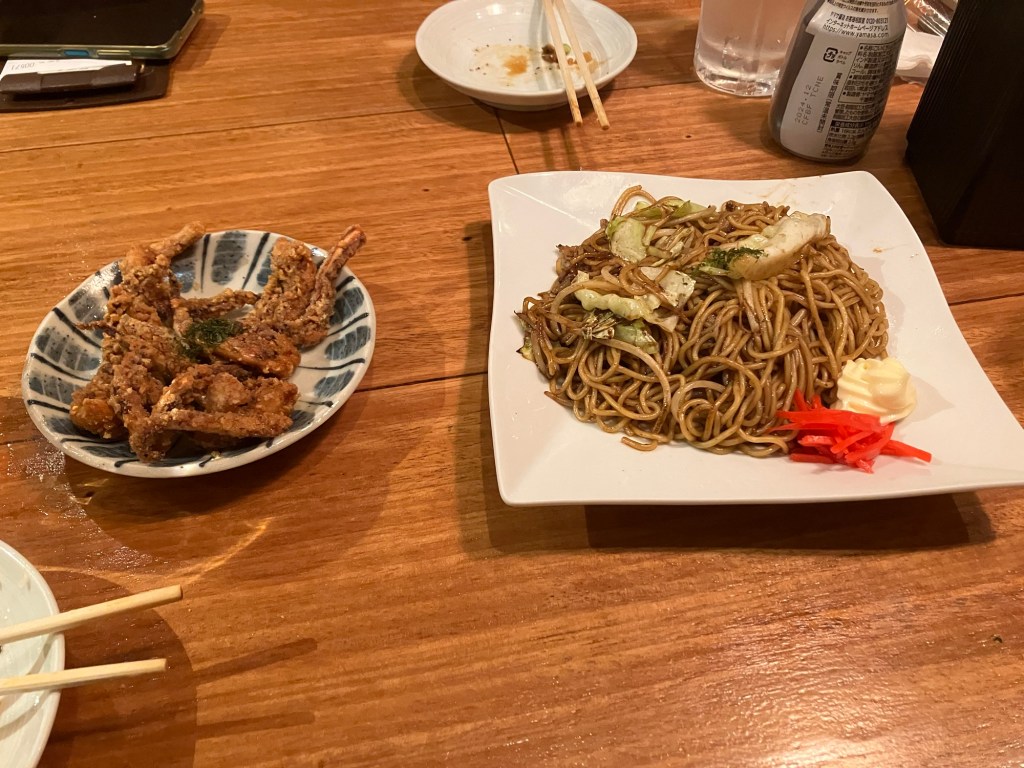
If you are ever in Japan, visiting an izakaya is a great way to experience the local culture and cuisine in a fun and relaxed setting.
Noodles are beloved in Japan and arguably second only to rice as a staple.
Dig in or rather slurp on!
Ramen: Thin, wheat-based noodles served in a savory broth that can be made from pork, chicken, fish, or vegetables. The broth is often flavored with soy sauce, miso, or salt, and is typically topped with sliced pork, soft-boiled egg, and green onions. Ramen is famous for its rich, complex flavors and regional variations.

Udon: Thick, chewy noodles made from wheat flour that can be served hot or cold. Udon noodles are usually served in a hot broth made from fish or meat stock, topped with ingredients like tempura, green onions, and slices of fried tofu. In the summer, chilled udon noodles are often served with a soy-based dipping sauce.

Soba: Thin, delicate noodles made from buckwheat flour that can be served hot or cold. Soba noodles are usually served with a dipping sauce made from soy sauce, mirin, and dashi, and are often garnished with sliced green onions and wasabi. In the winter, hot soba noodles are served in a clear broth.

Whilst the 1985 film “Tampopo” directed by Juzo Itami introduced Western audiences to ramen and the passion for noodles in Japan, it was arguably the late TV presenter, chef and raconteur extraordinaire Anthony Bourdain whose shows include ‘No Reservations’ and ‘Parts Unknown’ who really introduced a worldwide audience to the delights of Japanese cuisine. Bourdain was fascinated with the country and it’s food commenting:-
“I love Tokyo. If I had to eat only in one city for the rest of my life, Tokyo would be it. Most chefs I know would agree with me.”
“You can pick almost any restaurant in Japan and be almost sure you’ll get a great meal.”
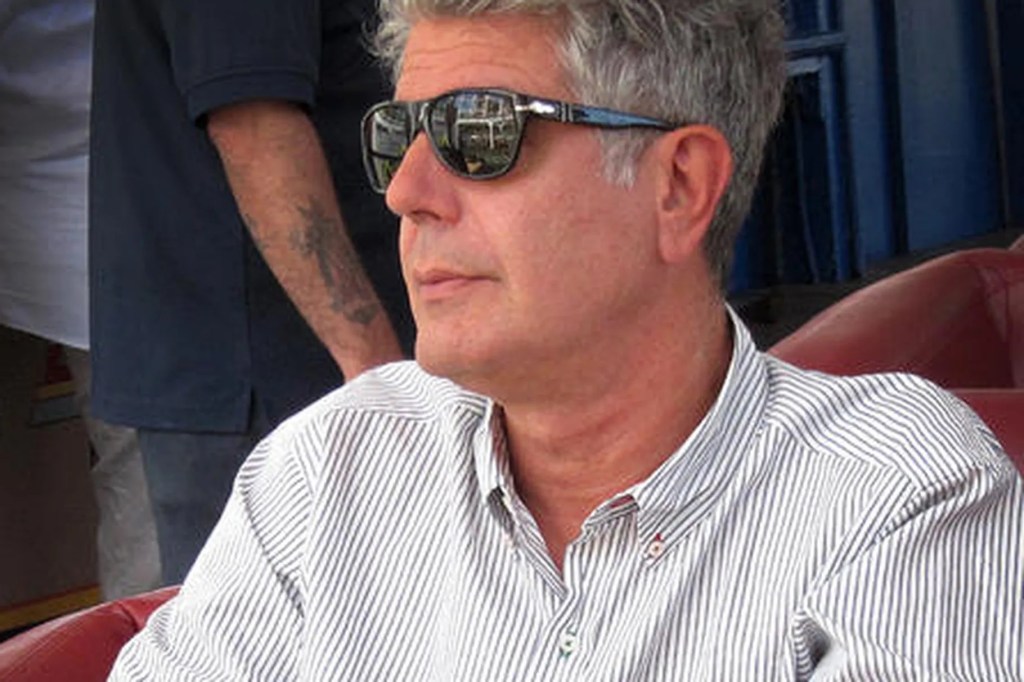
Bourdain’s appreciation for Japanese cuisine was clear, and he enjoyed exploring the many different flavors and textures of the country’s street food and high-end restaurants alike.
In 2013 Bourdain introduced ‘Parts Unknown’ which premiered on CNN. The concept behind the series was to take viewers on a journey around the world, exploring lesser-known destinations, their cultures, and their cuisines. The show was a departure from traditional travel and food shows, and it quickly gained a devoted following of fans who appreciated Bourdain’s honesty, humor, and willingness to challenge preconceived notions about different cultures. Japan and its food culture were celebrated in repeatedly in whole and part episodes of the series notably “Hokkaido” and “Masa’s Japan”.
The “Hokkaido” episode of “Parts Unknown” aired in 2017, and it featured Bourdain exploring that northernmost island its culture and its food. This was a part of Japan valley visited by those in the West and so his show was as illuminating as it was entertaining
The “Masa’s Japan” episode of Parts Unknown aired in 2016 and focused on Bourdain’s travels through Japan with legendary sushi chef Masayoshi “Masa” Takayama. During their journey, Bourdain and Masa explored the urban center of Kanazawa, Masa’s rural hometown of Nasushiobara, and the sushi restaurant in Tokyo where Masa began to learn his craft. The episode offered viewers a glimpse into Japan’s rich culinary history and culture, as well as the inspiring story of Masa’s journey from small-town boy to world-renowned chef. The episode reminded us of the 2011 documentary by David Gelb, “Jiro Dreams of Sushi” which follows the life and work of Jiro Ono, a master sushi chef who runs the renowned sushi restaurant Sukiyabashi Jiro in Tokyo.
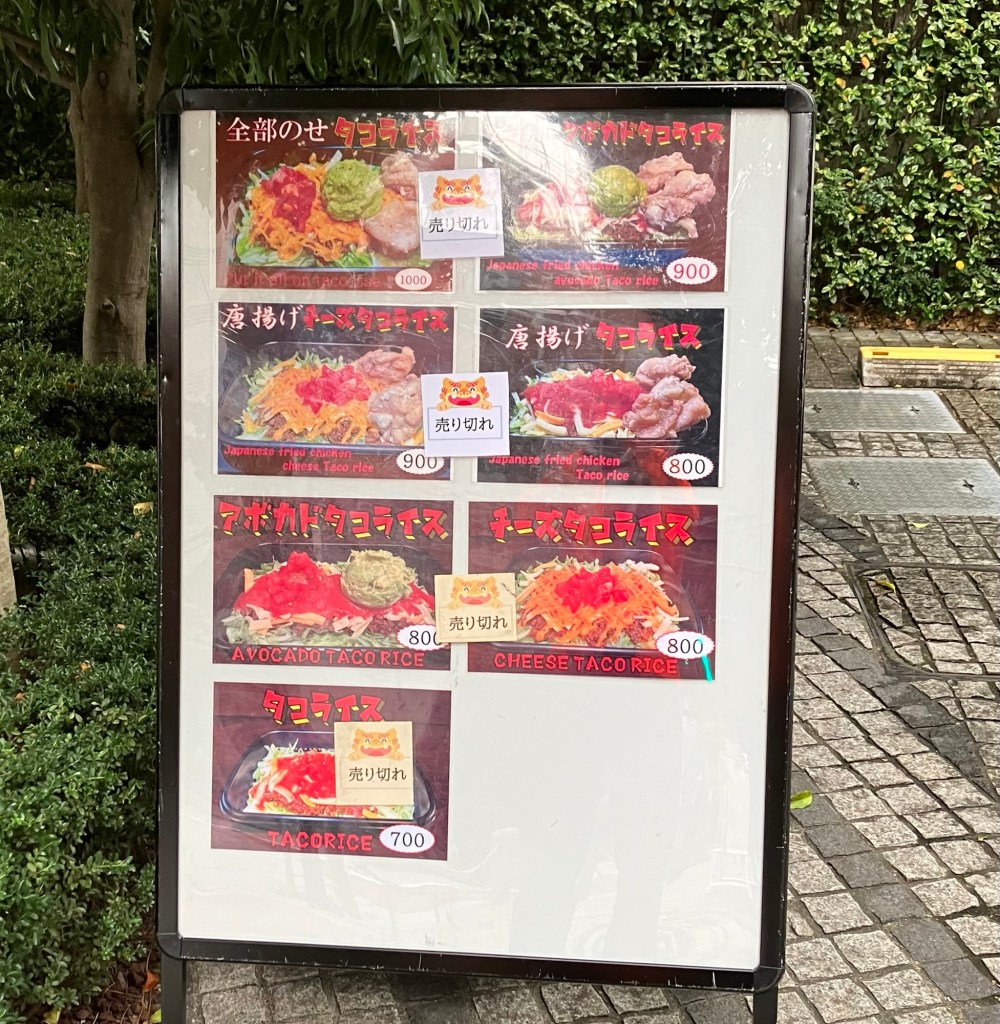
Bourdain also travelled and reported from the Japanese island of Okinawa. One particular speciality from that island caught his eye was taco rice aka Okinawa taco.

Taco rice, or “takoraisu” in Japanese, is a popular dish that originated in Okinawa, Japan. It’s a fusion of Mexican and Japanese cuisines, and it’s essentially a Tex-Mex taco served over a bed of steamed rice.
Taco rice is made with seasoned ground beef, lettuce, cheese, tomatoes, and fresh salsa served on top of steamed rice. It was first created in 1984 by a Japanese restaurant owner who wanted to cater to the American military stationed in Okinawa. The dish became a hit not only among the American military but also among the locals.
Taco rice is now a beloved comfort food in Japan and has spread beyond Okinawa to other parts of the country.
And when it comes to street foods in Japan, these are our three favourites:-
Takoyaki – fried batter balls filled with diced octopus and topped with takoyaki sauce, mayonnaise, and bonito flakes. Especially popular in Osaka.

Takoyaki sauce is a sweet and savory sauce that is made from a combination of ingredients such as Worcestershire sauce, mentsuyu (noodle soup base), ketchup, and sugar.
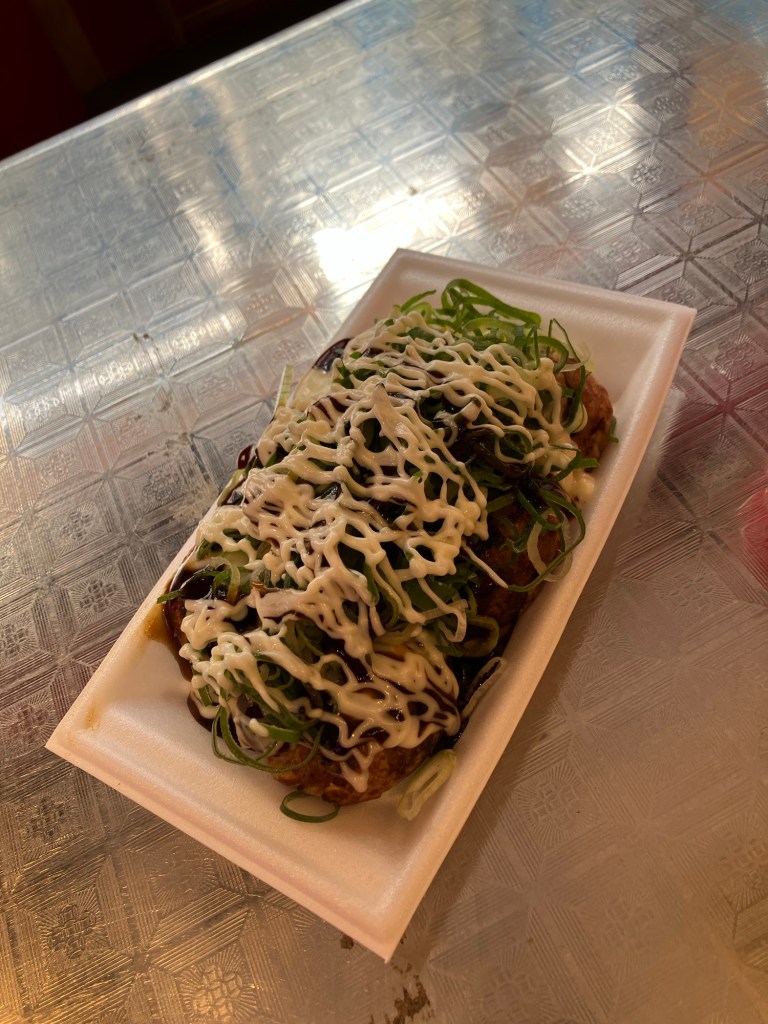
Okonomiyaki – a savory Japanese pancake that can be customized with a variety of ingredients, such as eggs, vegetables, seafood, and meat, and cooked on a hot griddle called a teppan.
There are several regional variations of okonomiyaki in Japan, with the most famous being the Osaka and Hiroshima styles. In Osaka, the ingredients are mixed into the batter and cooked together, while in Hiroshima, the ingredients are layered on top of a thin pancake.
Okonomiyaki is typically served with a sweet and savory sauce, mayonnaise, and bonito flakes.

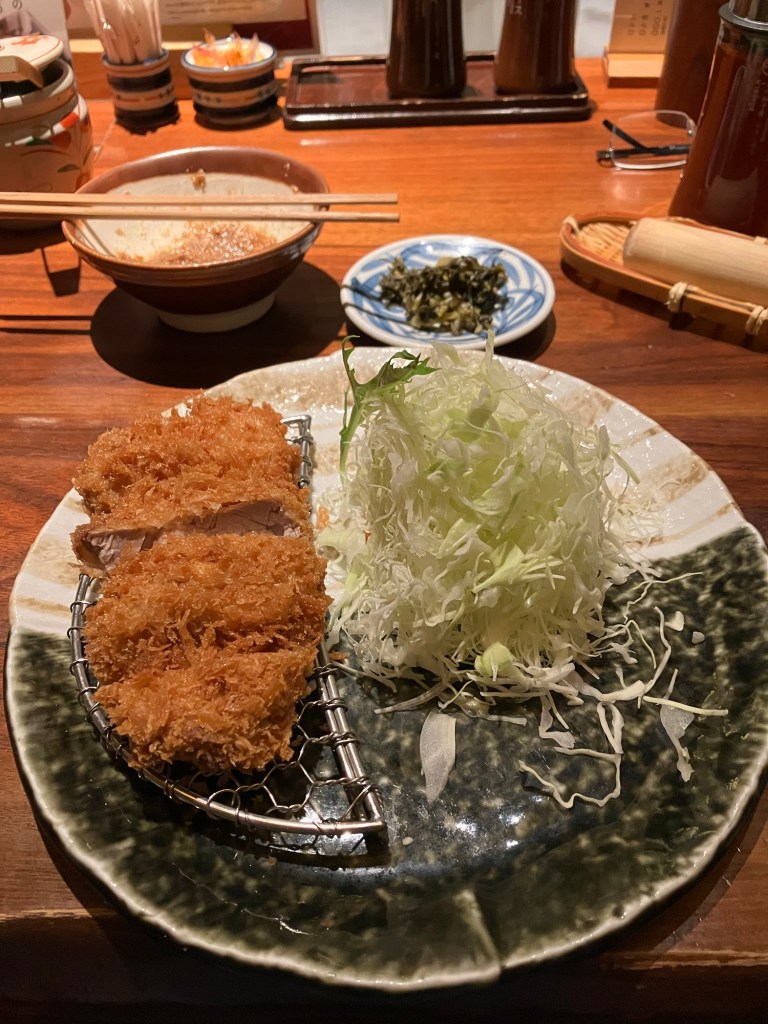
Menchi Katsu – popular throughout Japan and especially Tokyo’s Akasuka district. Menchi katsu is a Japanese ground meat cutlet that is coated in panko breadcrumbs and deep-fried until crispy and golden. It’s often served as a snack or as part of a bento box lunch. Typically served with shredded cabbage and a sweet and savoury dipping sauce.
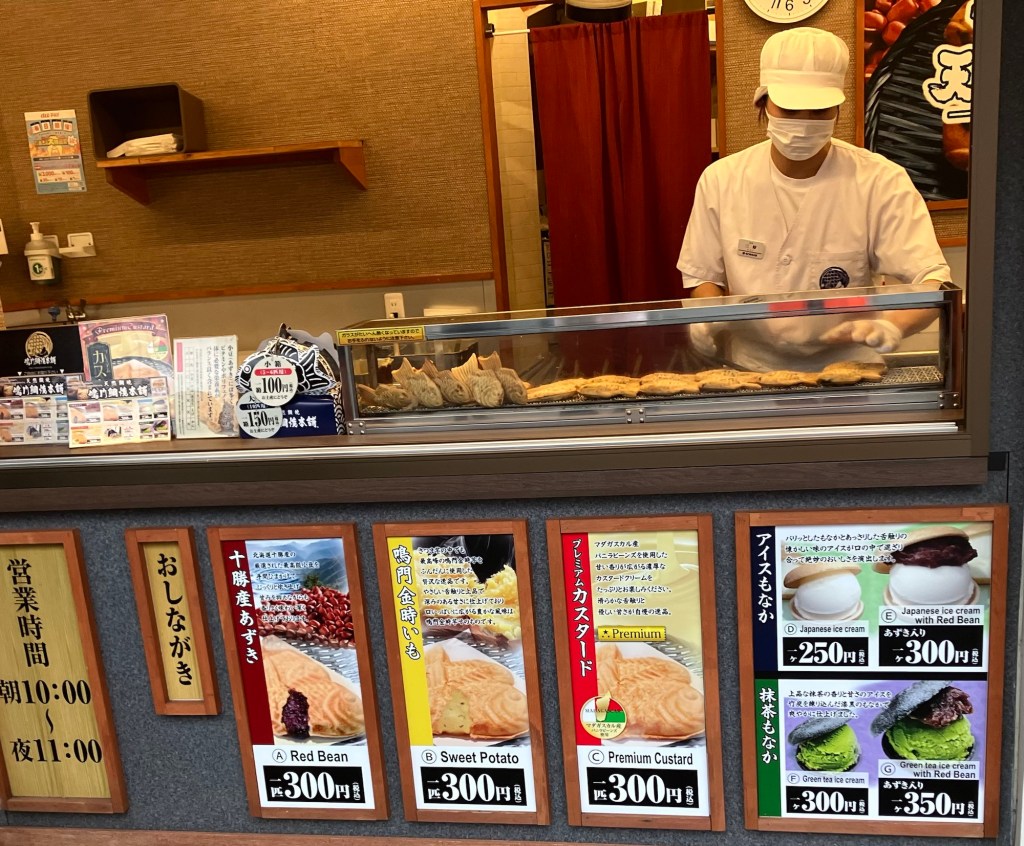
And for afters? Try Taiyaki, a fish-shaped pancake that is filled with sweet bean paste and is available anywhere and everywhere.
“Meshiagare” – bon appétit!
Share this:

Black Sabbath, Brum and Balti
Birmingham (colloquially ‘Brum’) is the second largest city in the UK. It is famous for its industry and cultural heritage. It was the early childhood home of author J.R.R. Tolkien .
In the fictional world created by Tolkien in the epic Lord of the Rings , Mordor was the name given to the fictional land of darkness, fire and smoke of the evil Sauron.
“Fire glowed amid the smoke. Mount Doom was burning, and a great reek rising. Then at last his gaze was held: wall upon wall, battlement upon battlement, black, immeasurably strong, mountain of iron, gate of steel, tower of adamant, he saw it: Barad-dûr, Fortress of Sauron. All hope left him’’.
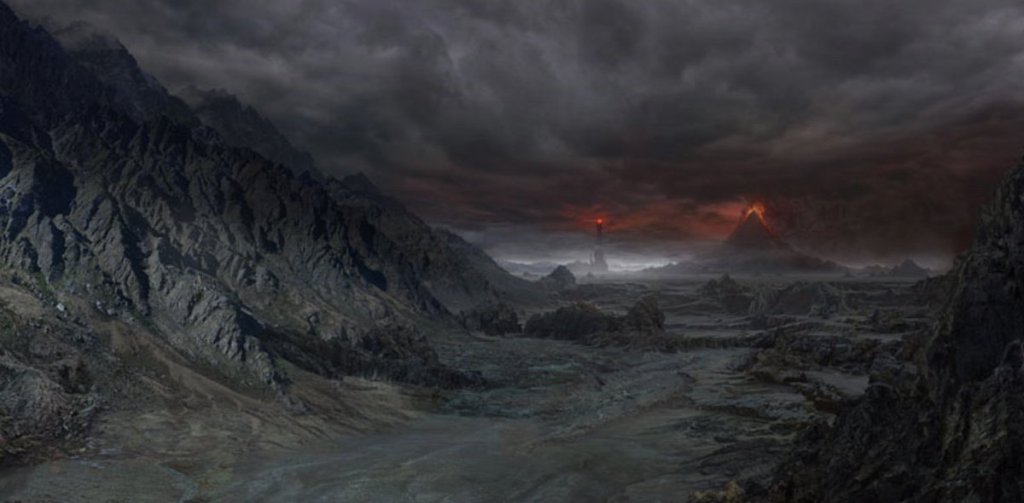
An influence on Tolkien and the fictional Mordor was the ‘Black Country’, an area of the West Midlands around the city of Birmingham named from the smoke and pollution from the thousands of foundries, forges and iron works in the area.
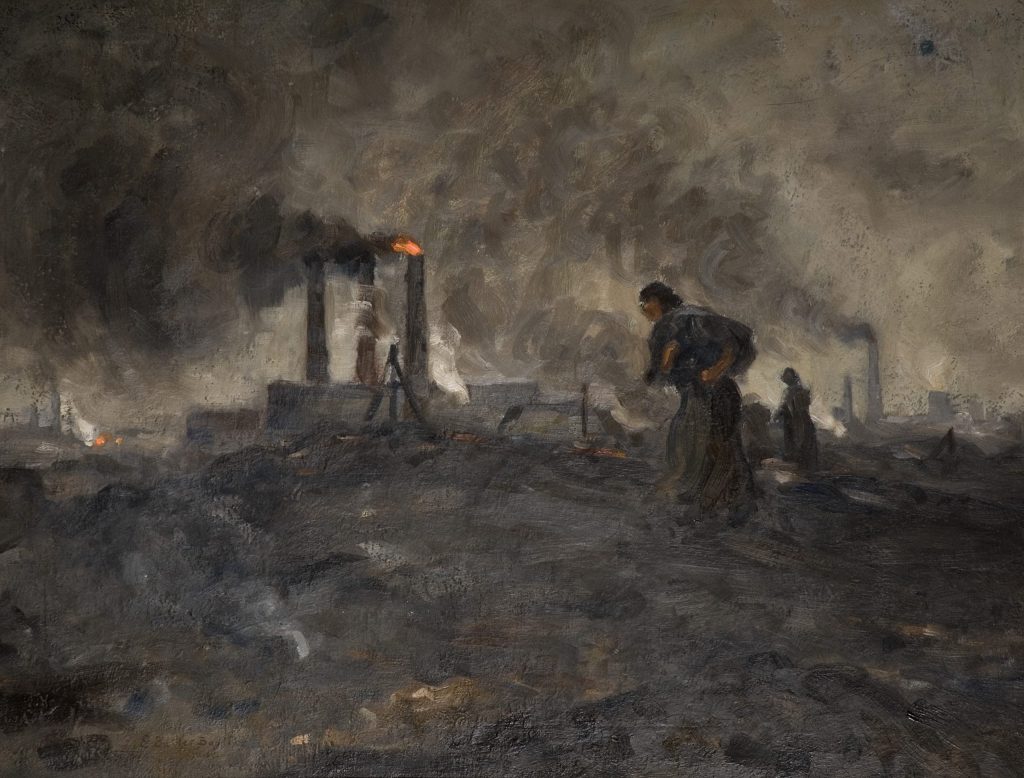
‘When I was a kid, you’d come up this hill, and all of that’ – and he gestures to the valley in front of us – ‘was on fire. The foundries and the forges and the ironworks. The potteries. The whole place glowed – sheets of sparks, 50 foot high. The fires never went out. It looked like hell. That’s what your Lord of the Rings is about. Tolkien was from round here. He was writing about how the industrial revolution turned the Midlands from Hobbiton to Mordor.’ (Journalist and broadcaster Caitlin Moran recalls her father’s comment in her memoir ‘How to build a girl’).
Tolkien’s early childhood home was in the Worcestershire countryside, just south of Birmingham in the village of Sarehole. The idyllic village is said to be the model for ‘The Shire’, the home of his Hobbits. The 250 year old water mill in the village was the basis Tolkien used for’the great mill’ in The Hobbit. Tolkien also based the bad-tempered miller in The Lord of the Rings on the actual miller at the Sarehole mill. The mill can still be visited today.
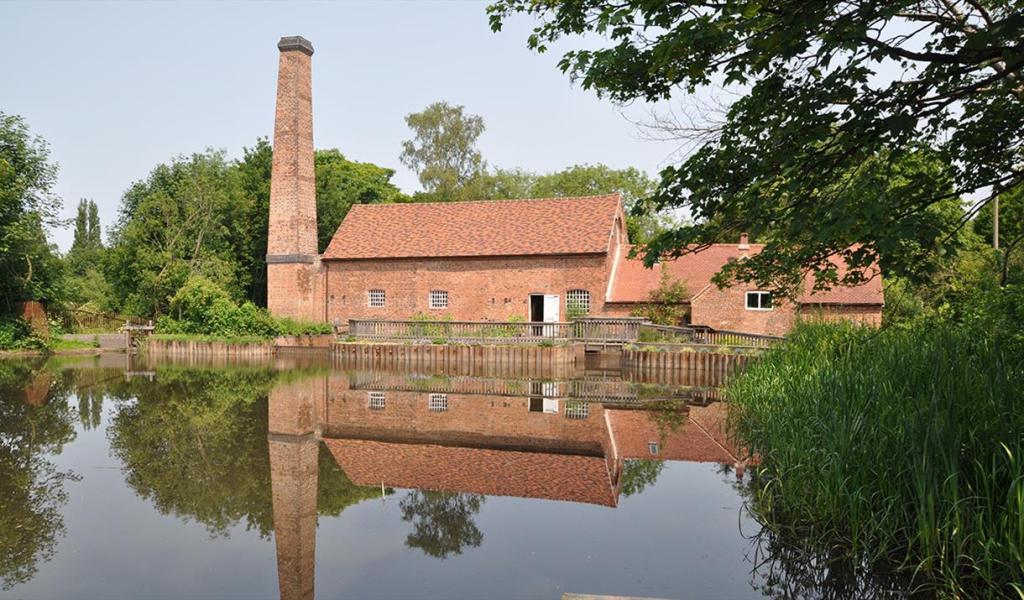
A Few miles to the North West of Sarehole (itself now a part of the Birmingham conurbation) lay the real Mordor, the smoke and din of the Black Country. Unsurprisingly, given it’s industrial heritage, Birmingham is the undisputed home of heavy metal music, and there is no better example of heavy metal than Black Sabbath.

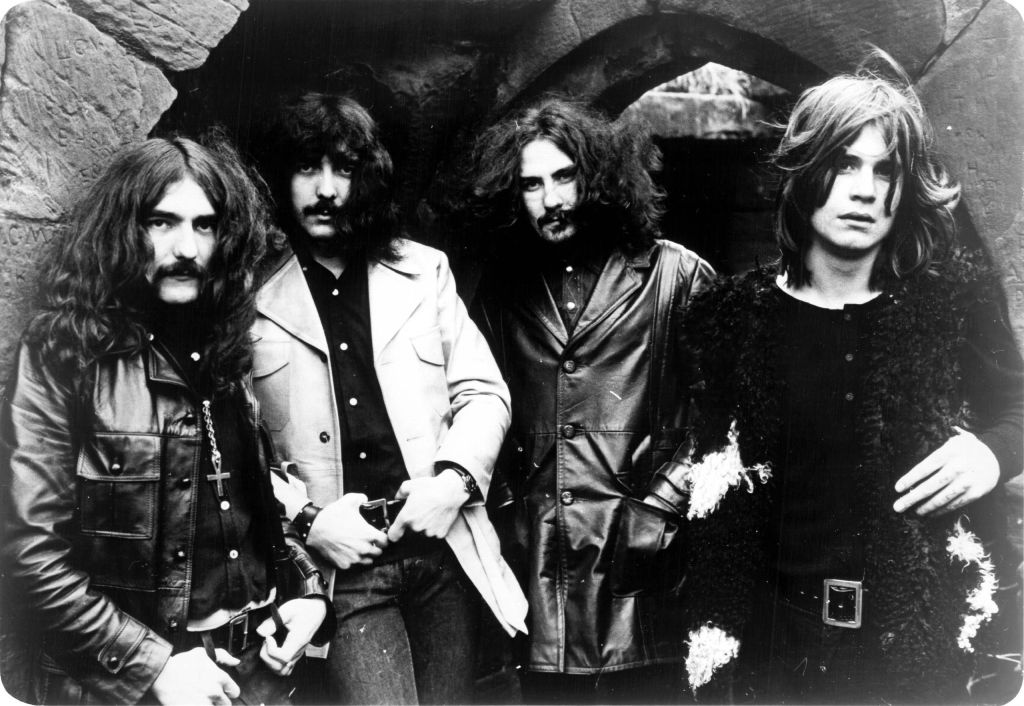
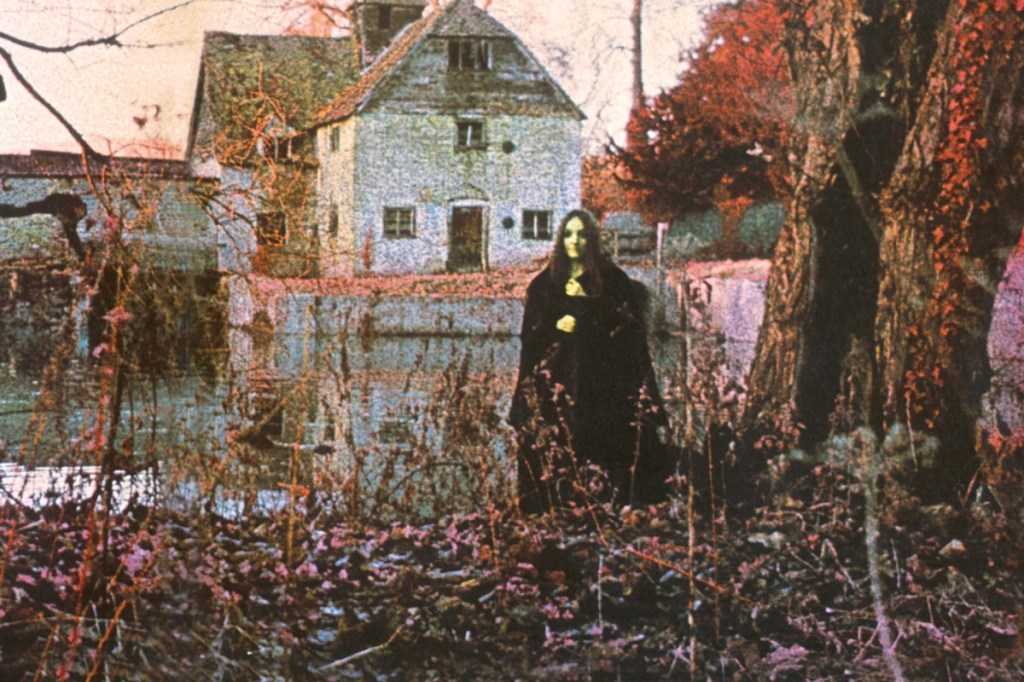
Black Sabbath were formed in Birmingham in 1968 by four local lads (‘Brummies’). The band is the true pioneer of the genre known as ‘heavy metal’ music, a far darker and deeper sound than the then prevailing blues rock with it’s psychedelic and pastoral overtones and more than a hint of ‘the Shires’ about it. There was certainly nothing pastoral about the music created by Sabbath’s band members, Geezer Butler (bass), singer Ozzie Osbourne, Bill Ward (drums) and guitarist Tony Iommi. The music the band created was the sound of the factory floor and the pounding of the iron foundry best exemplified by the buzz and drone of Iommi’s unique guitar work. The fact that the tips of two of his fingers were missing from an industrial accident at the foundry where he worked only contributed to the band’s sound as he developed his unique style in spite of injuries that would have finished the career of most guitarists.
The band’s lyrics often touched on themes of war, doom and black magic although there was nothing of the satanist about any of the band members. Taking their name from. 1963 Boris Karloff move the band were more influenced by the graphic novels of writer Dennis Wheatley than black magic itself. Wheatley’s occult based fiction was doing the rounds in cheap paperbacks at the time and his books were a particular favourite of the band’s main lyricist, Geezer Butler.

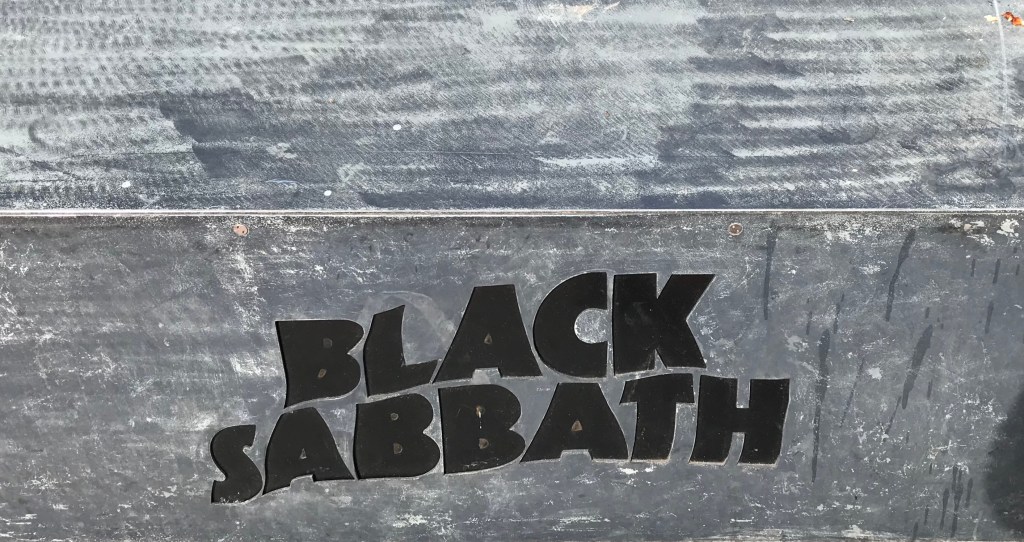
In the city centre, Birmingham has commemorated the band with a memorial celebrating 50 years. It is not a city to shout aloud about itself or its heroes and the quiet modesty of the Black Sabbath memorial signage and bench are typically understated examples of the way the city announces itself and the achievements of its sons and daughters.
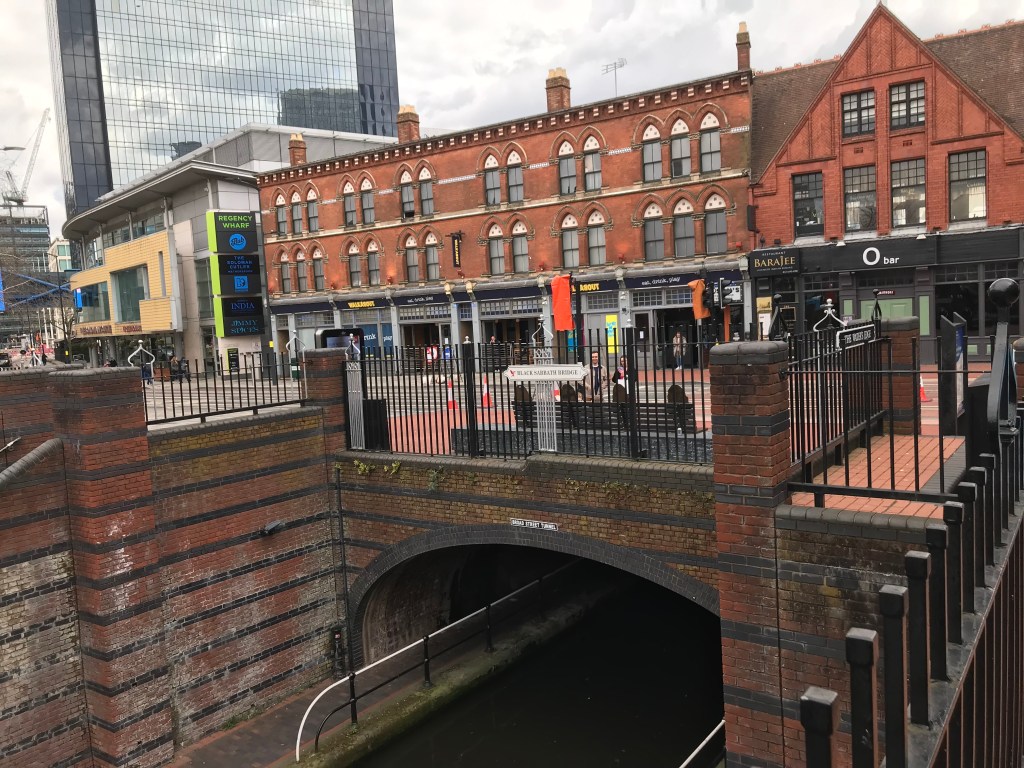
Created by Egyptian Artist Tarek Abdelkawi from an idea by Mohammed Osama, the bench was forged in Birmingham and has images of the four original band members. It is inscribed ‘Geezer Ozzy Tony Bill Made in Birmingham’.
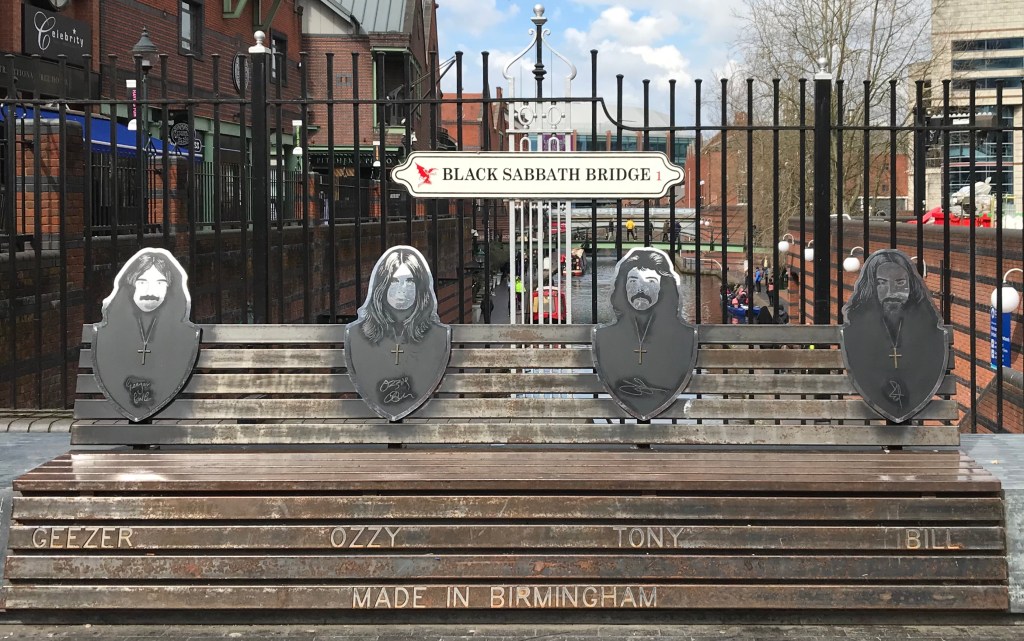
The bridge and bench can be found where Broad Street crosses the canal in the city centre a short walk away from the city’s stunning public library. The library was designed by a Dutch architect, Francine Houben of Mecanoo, Delft (and if you love great design, the Dutch are way ahead in our opinion),
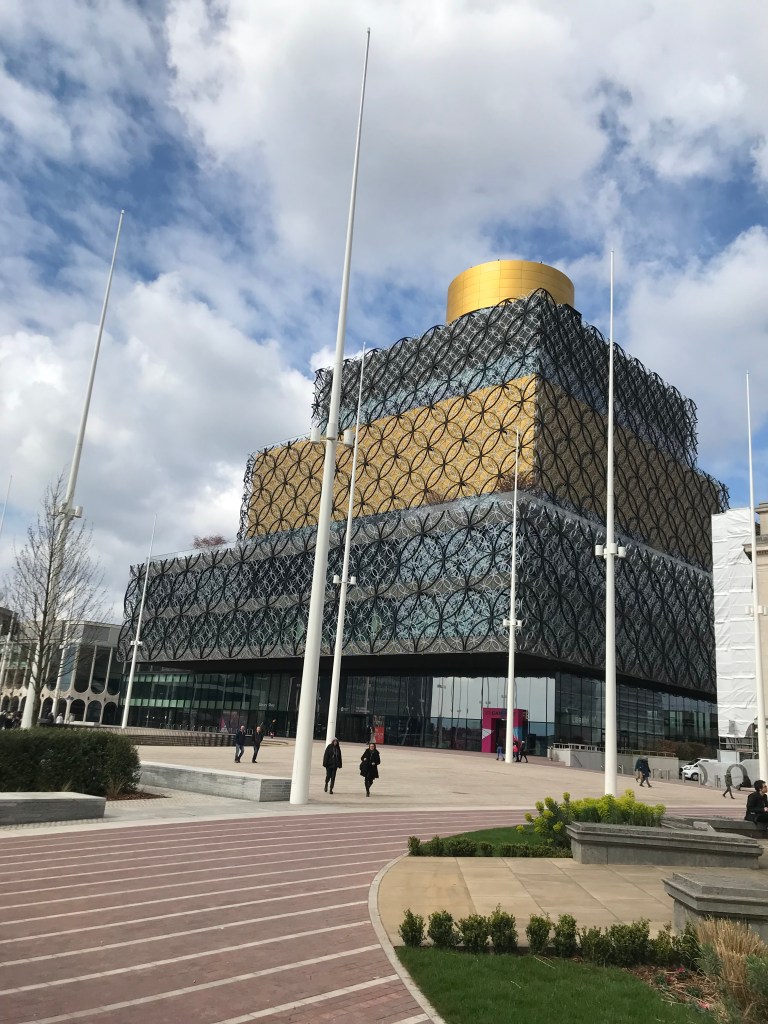
The library was formally opening on 3 September 2013 by Nobel Prize winner Malala Yousafza, who as a schoolgirl survived an attempted assasination by the Taliban. She lives in Birmingham, ‘her second home’ although her birthplace of Swat, Pakistan is the place she holds dearest. She is a fan of Justin Bieber apparently although we forgive her if she is not enamoured of her adopted city’s real heroes, Black Sabbath.

Nevertheless, the world of satirical art recently brought both Malala and the four musicians together in a work entitled ‘Benny’s Babbies’*
*Benny was the name of a character in the old TV soap opera ‘Crossroads’ which was based around the Birmingham area. The term ‘Babbies’ is local Birmingham slang for ‘Baby’s’ being a reference to the local celebrities in the picture.
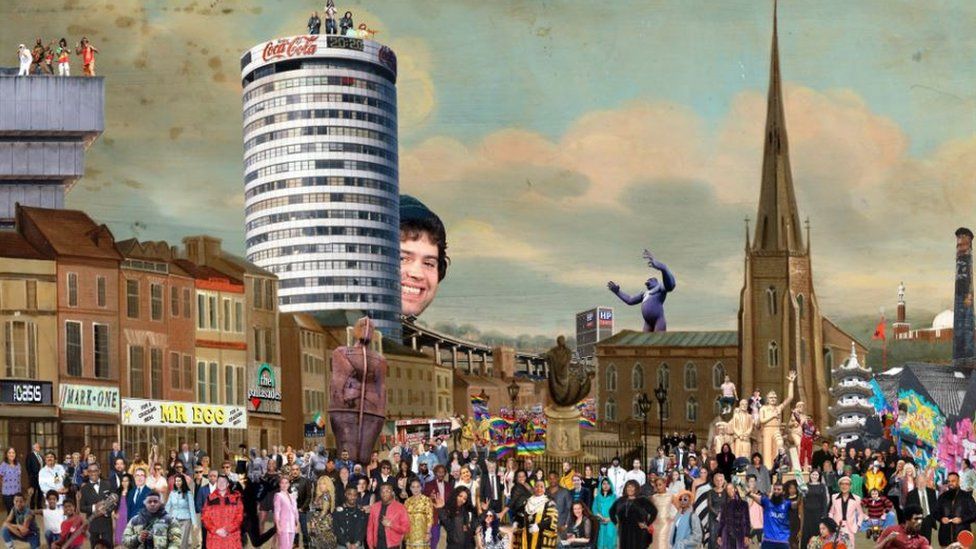
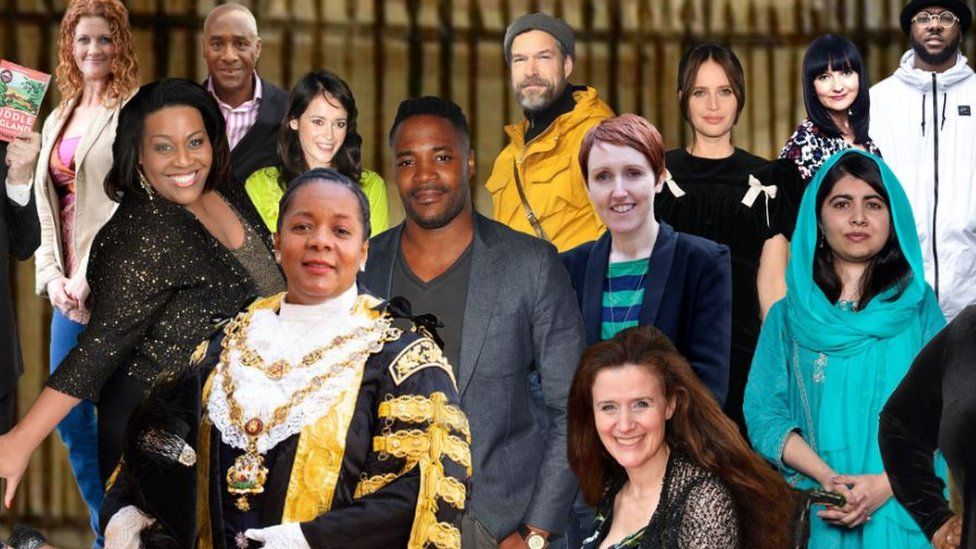
The artwork is by the legendary ‘Coldwar Steve’, a locally born artist whose satirical work is nationally admired. He is a former probation officer who began making photomontage art on the bus to his job. “Birmingham is unparalleled in the sheer diversity of its contributions to British culture” he said of the artwork. Malala is pictured in green with other local celebrities including the former Mayor, Yvonne Mosquito.
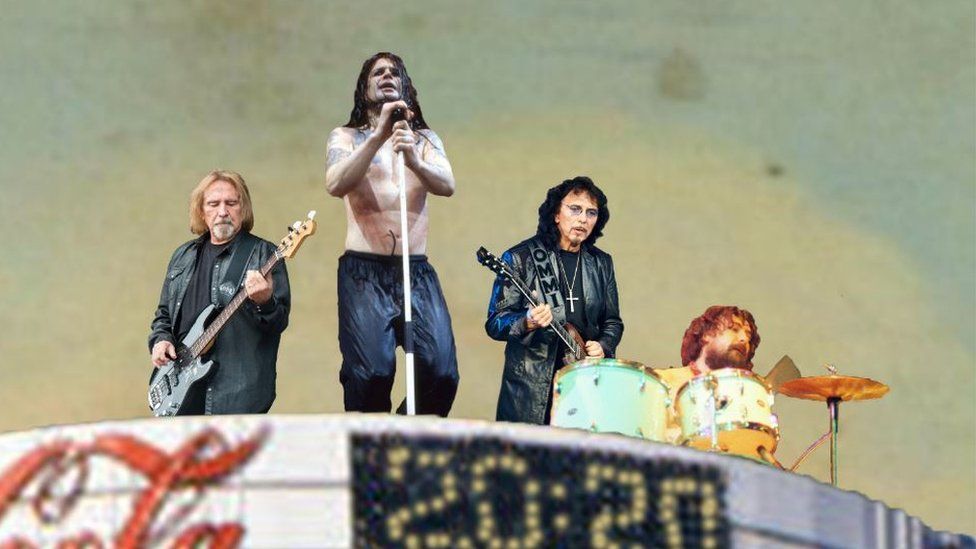
Black Sabbath can be seen performing from the top of another local landmark, the Rotunda building.
If Black Sabbath are synonymous with heavy metal music, the ‘balti’ has become synonymous with the city’s food. A ‘balti’ is a highly spiced ‘curry’ served in a double handled steel dish known as a ‘balti bowl’ (or karahi in Pakistan). The best bowls are ‘blackened’, seasoned over time like a great wok.
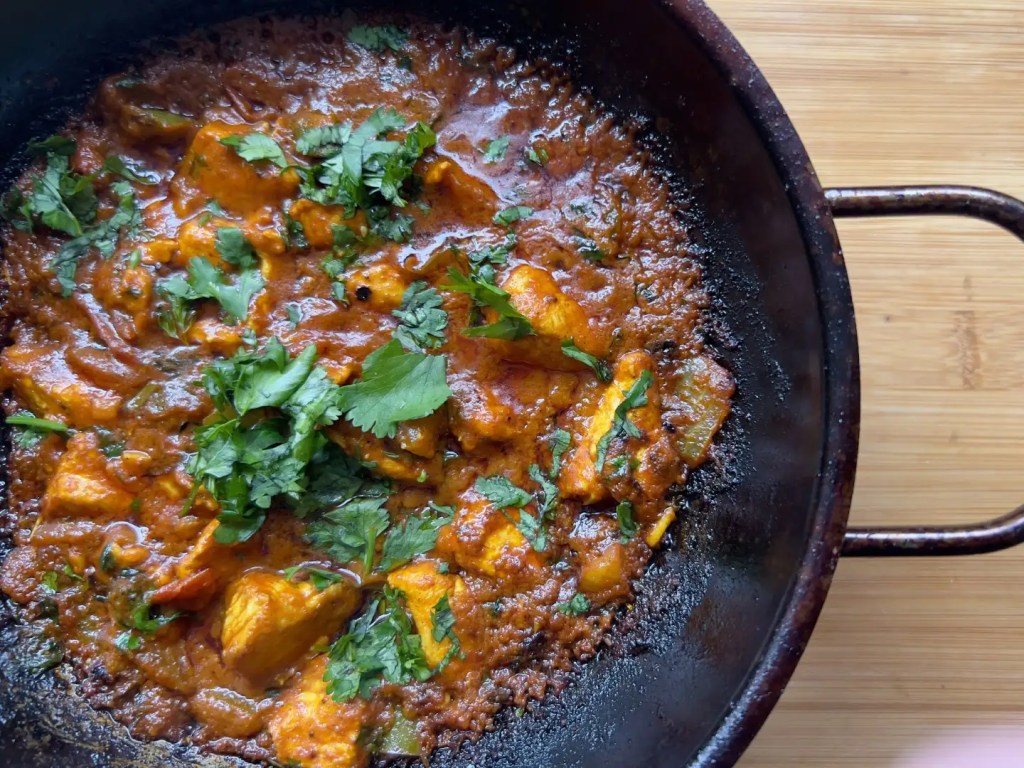
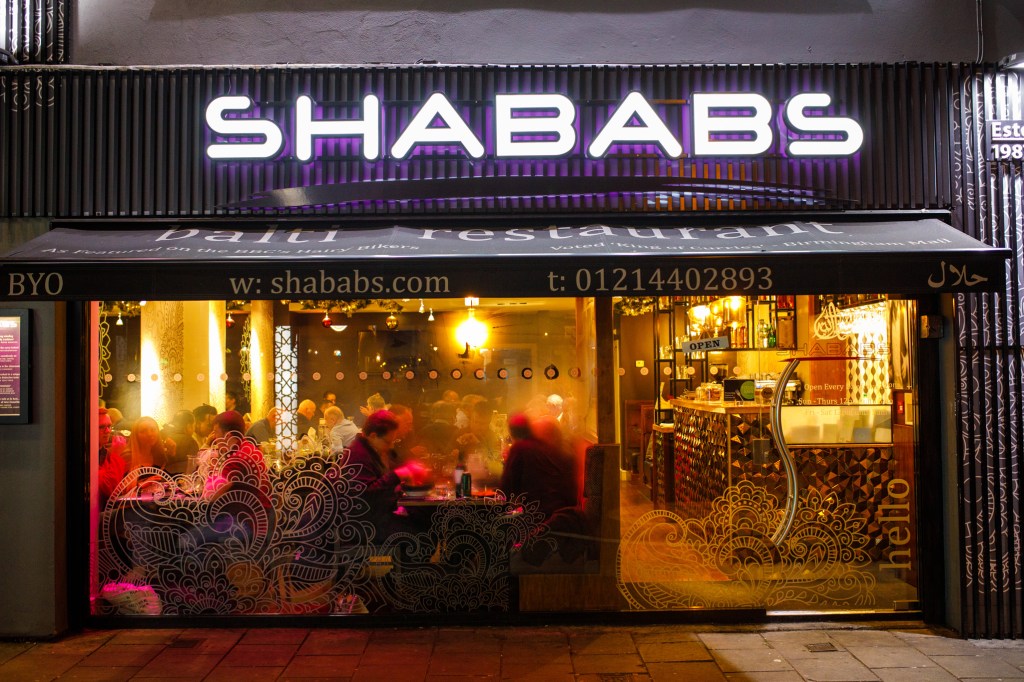
Balti dishes are served in many restaurants in the United Kingdom. The precise origins of the balti style of cooking are uncertain. Some believe the style to have been invented in Birmingham, while others believe it originated in the northern Pakistani region of Baltistan in Kashmir from where it spread to Britain. Wherever it’s origin, a balti dish is best had in Birmingham in our opinion and the ‘balti triangle’, an area of many restaurants just south of the city centre, is a must if you like your food spicy. We like Shababs on Ladypool Road in particular.
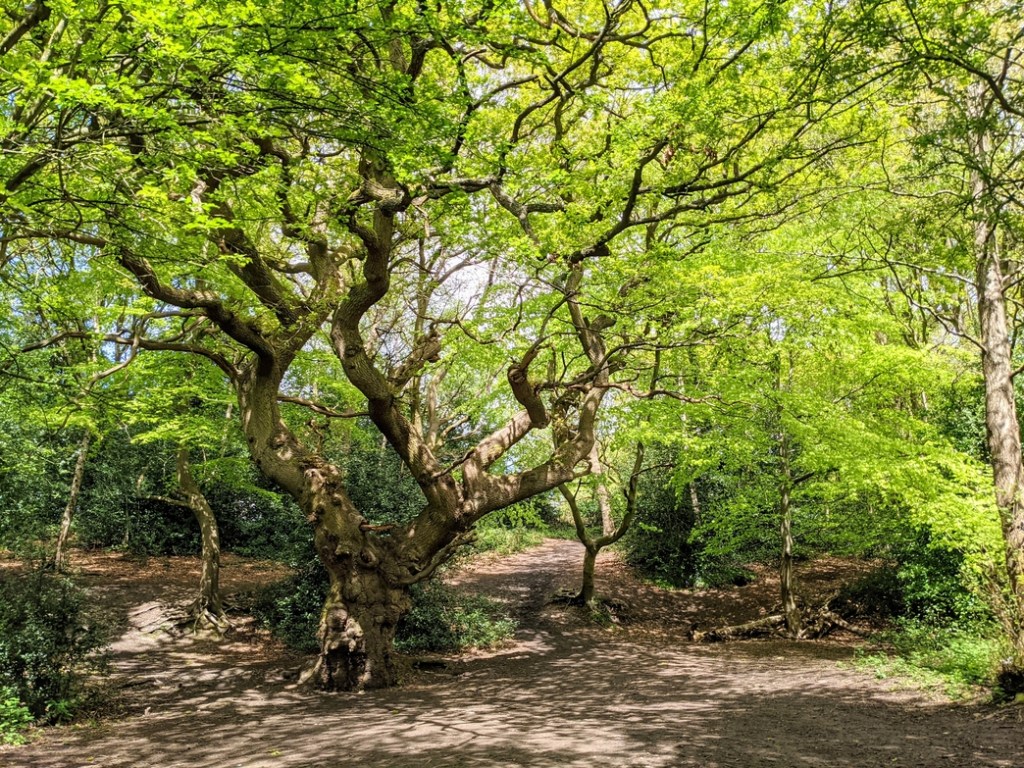
A short drive south of Shababs is Moseley Bog, a nature reserve and a childhood playground of Tolkien’s. The bog inspired the ‘old forest’ in both The Hobbit and The Lord of Rings.
Tolkien acted as an early reference for Sabbath’s ‘The Wizard’ with its influence of the character of Gandalf in its lyrics.
Share this:

Andrew Logan, Sex Pistols and the Jubilee
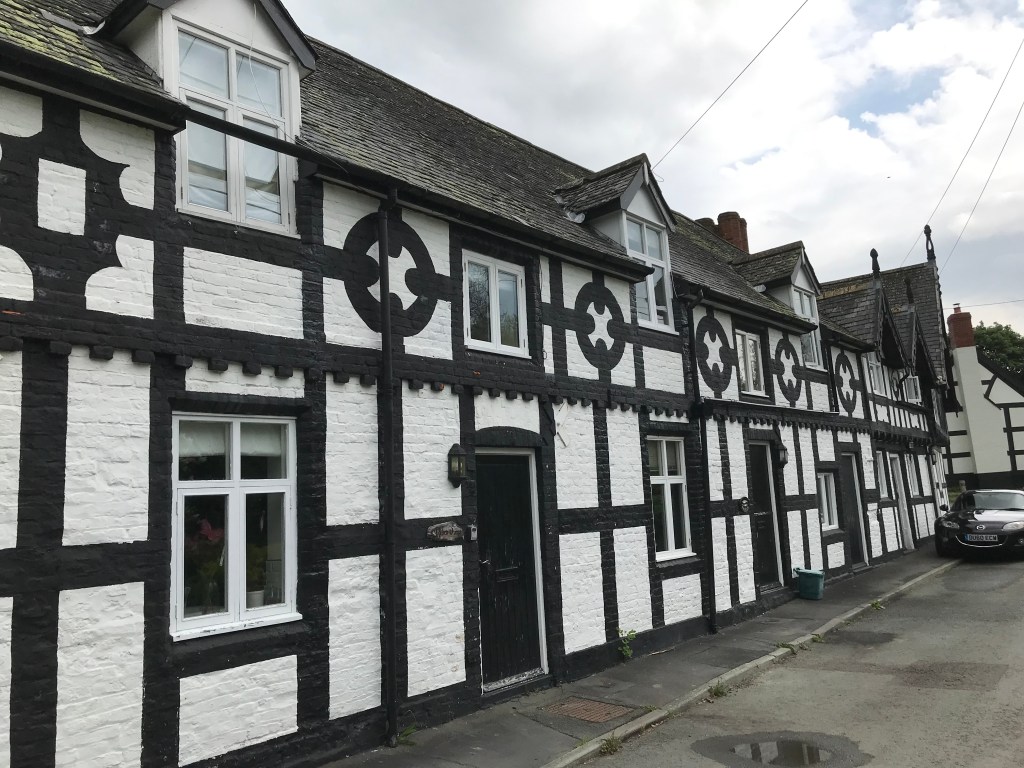
Berriew is a village in the county of Montgomeryshire in mid Wales. It is an attractive and historic settlement which is well known for its half timbered houses. The river Rhiew runs through the village.
Of particular interest to visitors is the Andrew Logan Museum of Sculpture which is located just over the river from the church.

A more dazzling and unexpected place in such a tranquil rural setting is hard to imagine.
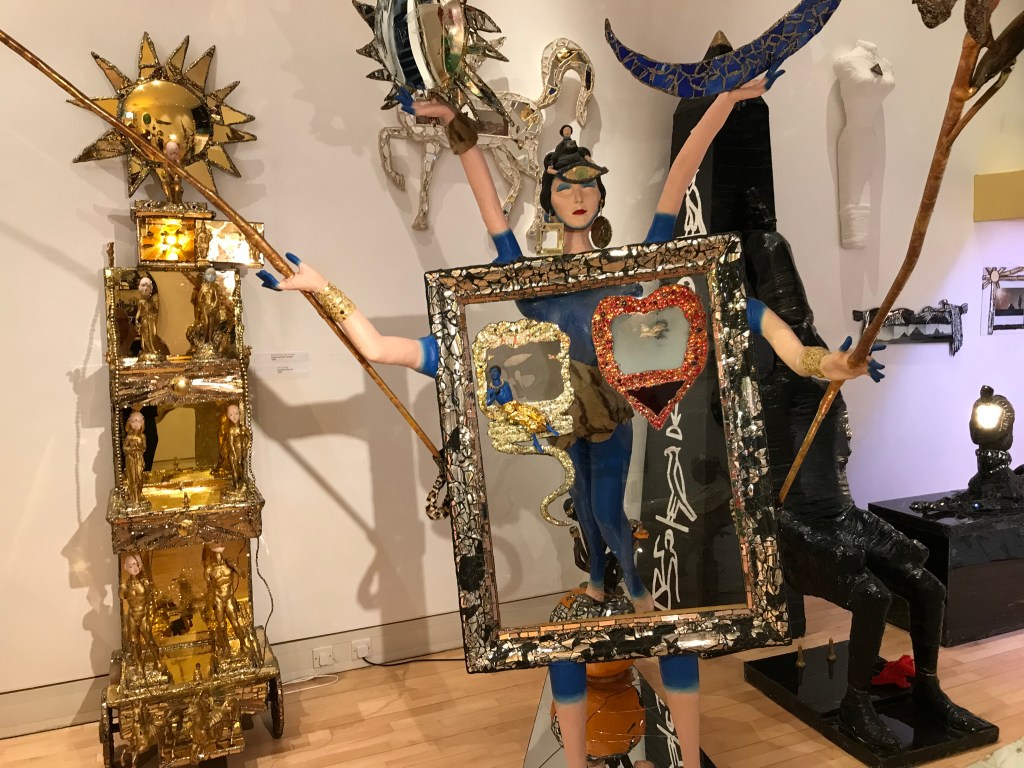
The museum houses Logan’s breathtaking sculptures, ceramics, jewellery and paintings – all created by the artist from the 60’s onwards.
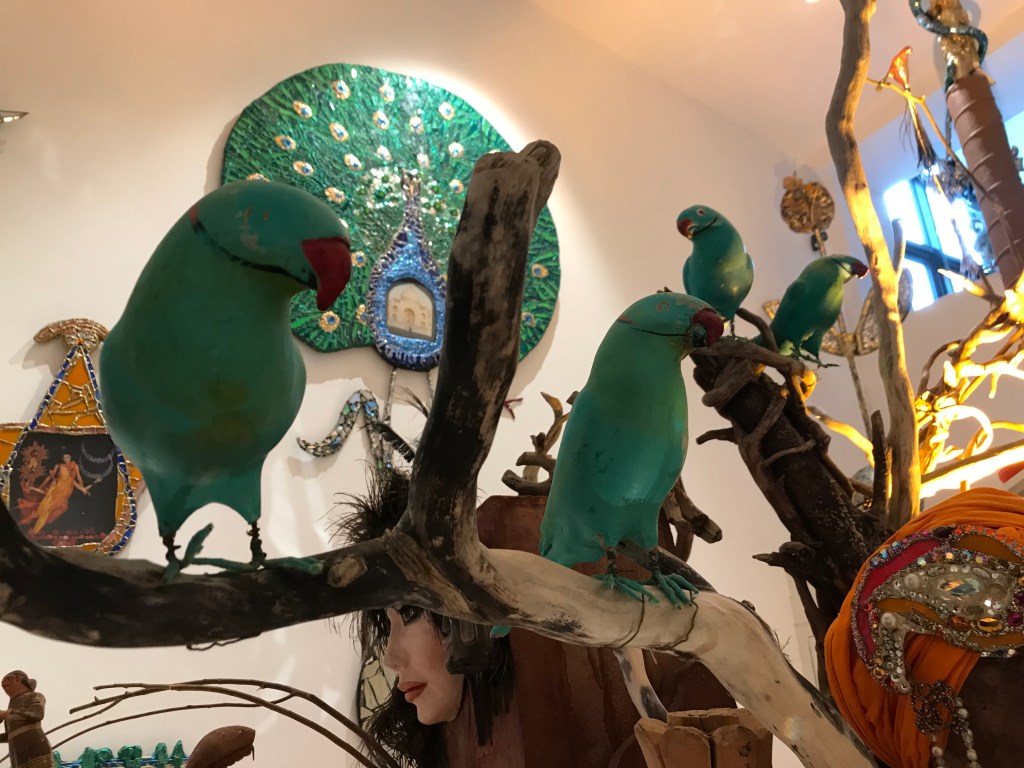

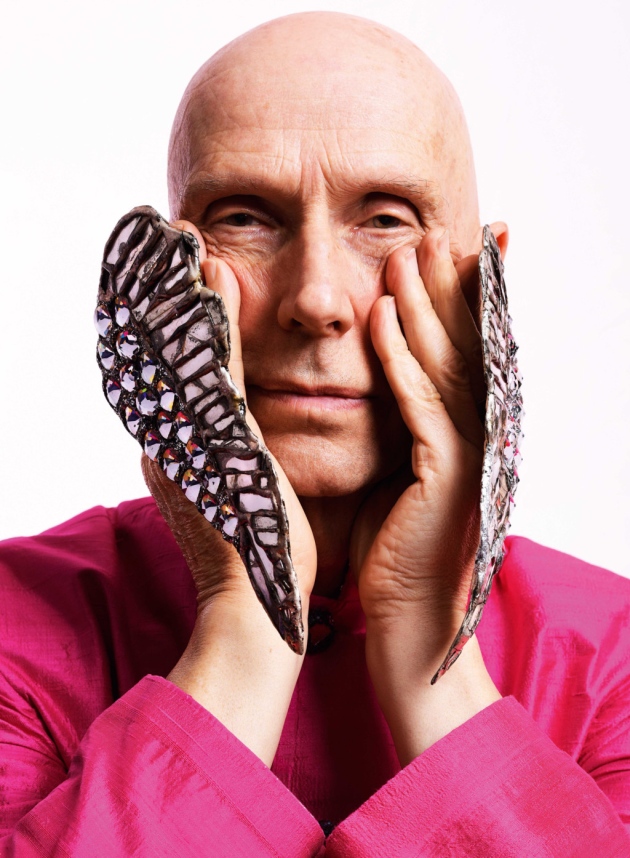
Logan is also the name behind the ‘living sculpture’ of the Alternative Miss World pageant, a raucous and glittering send up of the Miss World competition whose contestants might be drag queens, actors, celebrities and performance artists.
The contestants and their costumes are suitable outrageous. The judging panel has included artist Grayson Perry, fashion designer Zandra Rhodes and comedienne Ruby Wax. Guests have included the infamous drag queen, Divine aka actor Harris Glenn Milstead.
(Did somebody mention Cha Cha heels)?
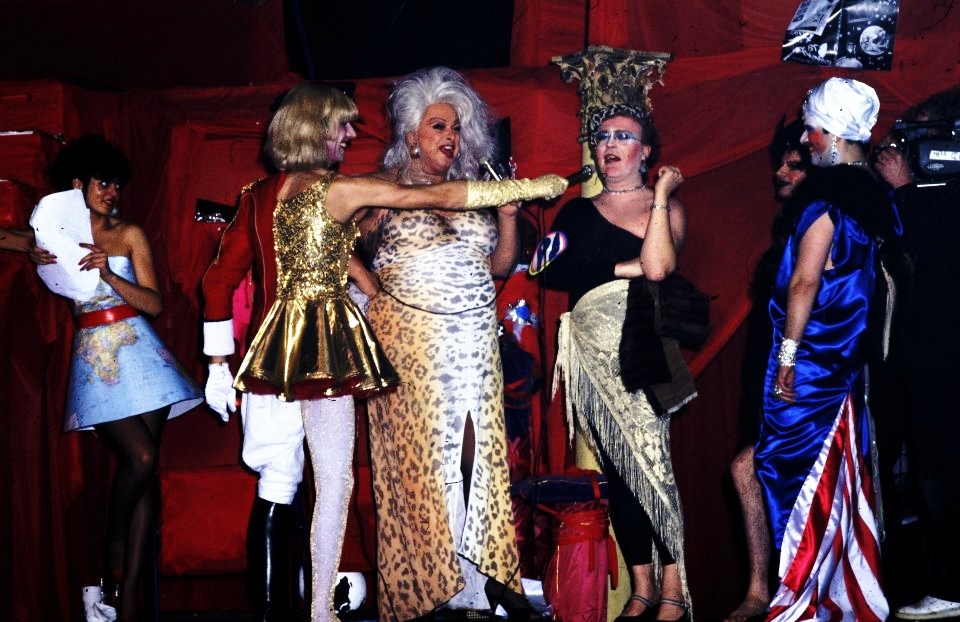
Divine was a friend of Logan’s and featured in his work. The artist was also friendly with film maker Derek Jarman who appeared as Miss Crepe Suzette in the 1975 Alternative Miss World pageant.
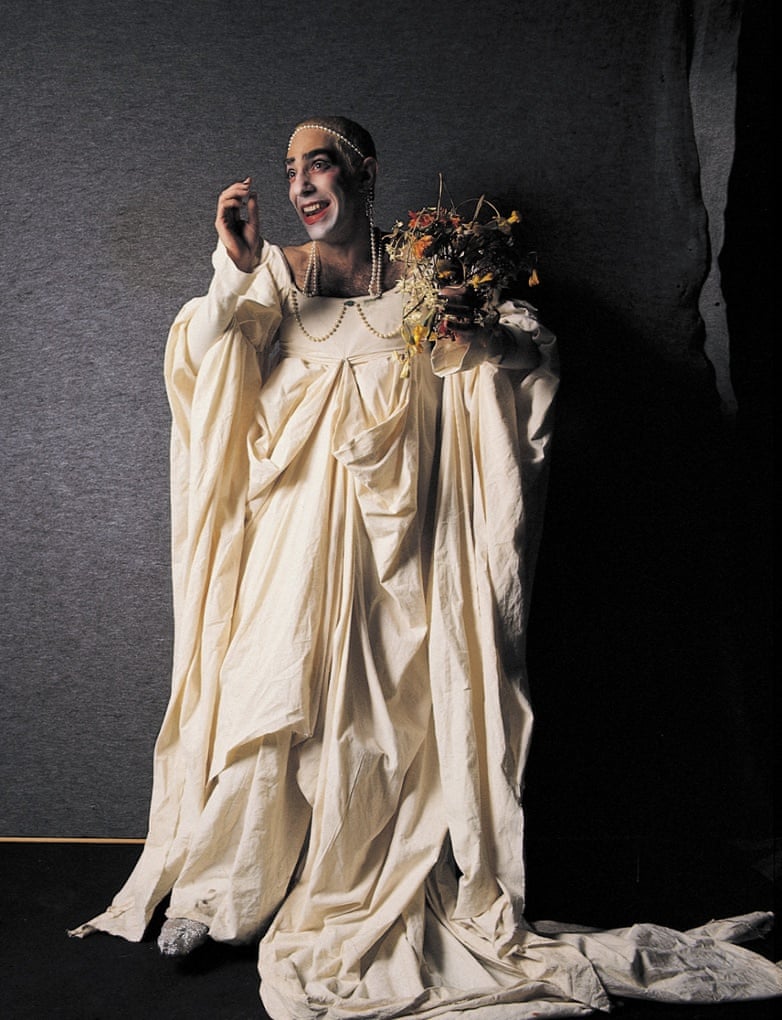
Images from the world of British monarchy feature often in Logan’s work especially Crowns, Sceptres and Orbs. Logan himself is not averse to wearing a crown.
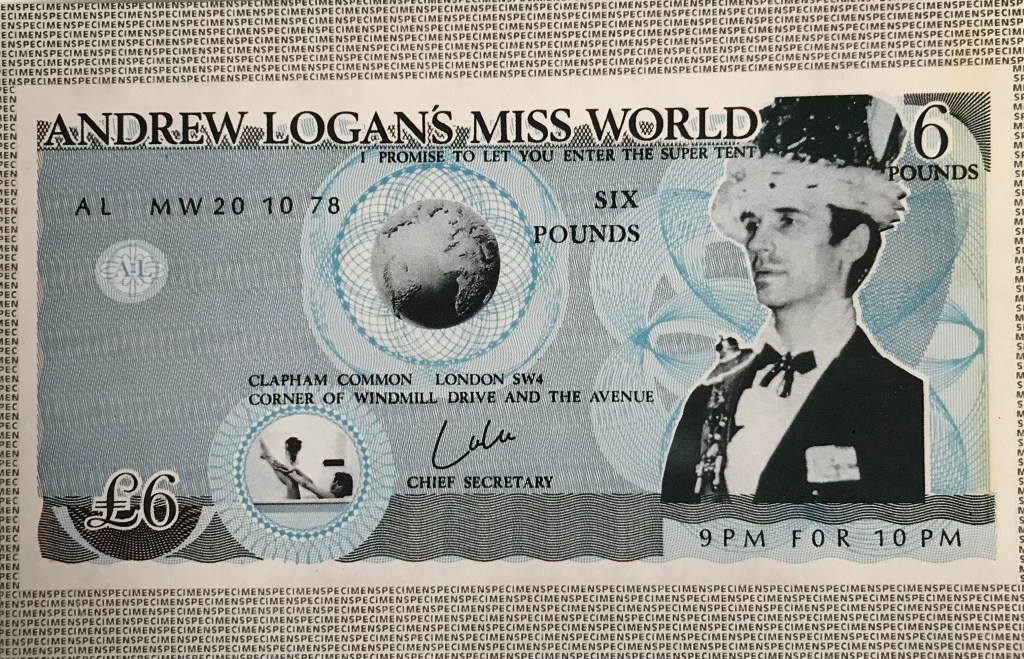
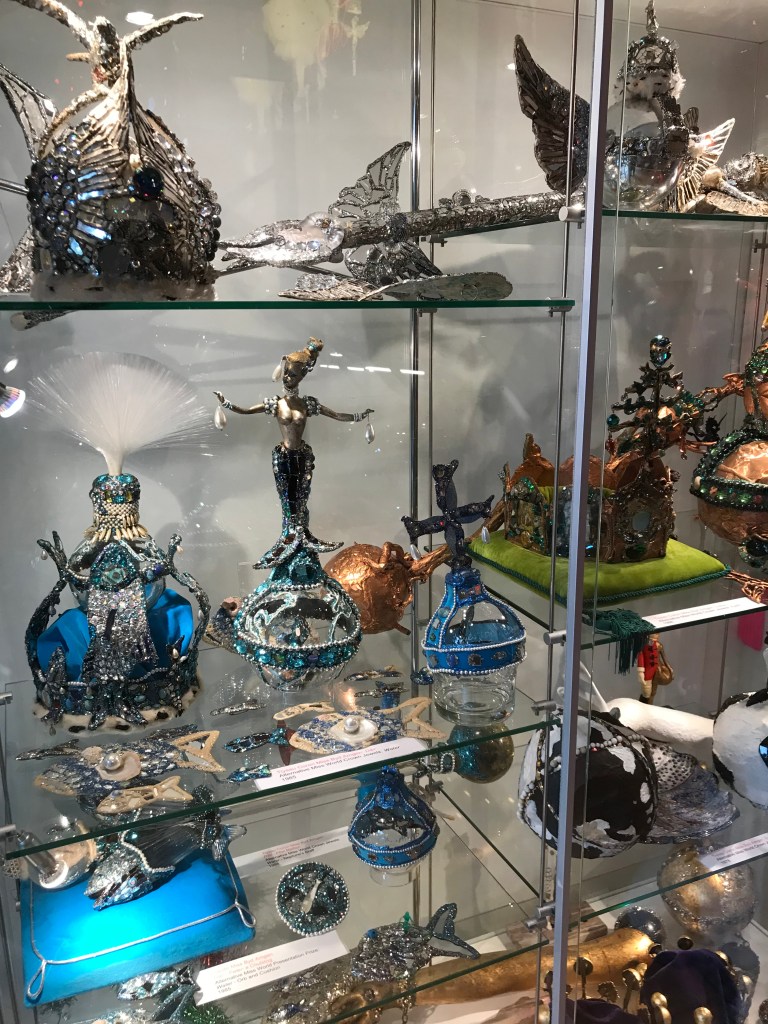
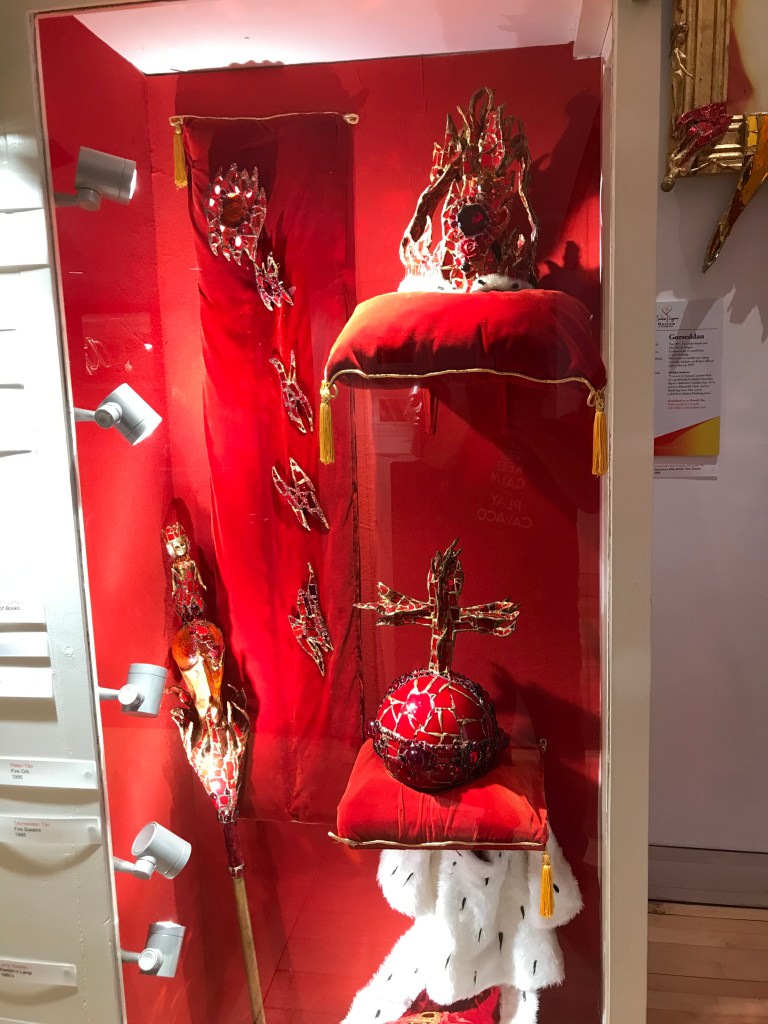
Queen Elizabeth II is the longest serving British monarch. Her Platinum Jubilee this year marks 70 years on the throne. National celebrations will take place in the UK this year, as they did in 2002 (Golden Jubilee) and 1977 (Silver Jubilee).
The Silver Jubilee in 1977 was, as the Platinum Jubilee in 2022 will be, set in a state of parlous economic problems. ‘Hoy como ayer’ indeed but without any sense of nostalgia for those long gone days.
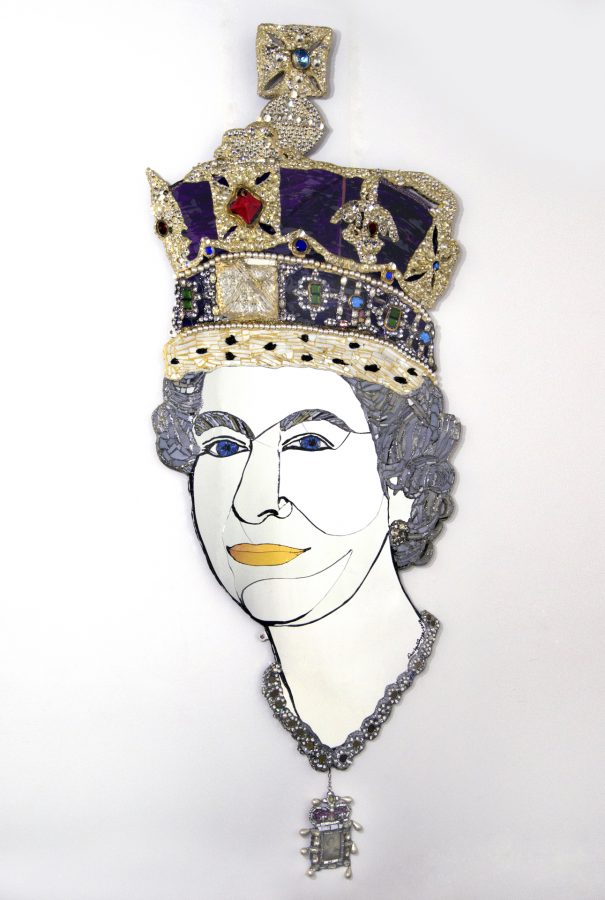
Logan has depicted Queen Elizabeth II in his work at the time of a Jubilee.
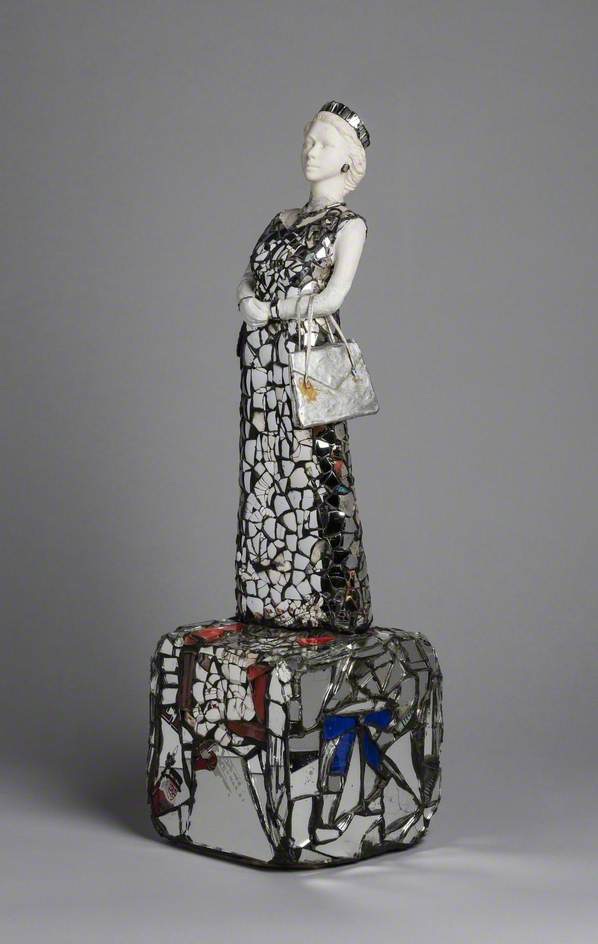
Yale Unversity’s British Arts Centre celebrated the Queens ‘Diamond Jubilee’ (60 years on the throne) in 2012 with an exhibition of work by 15 artists from the UK. Logan’s portrait of the Queen was installed in the entrance court
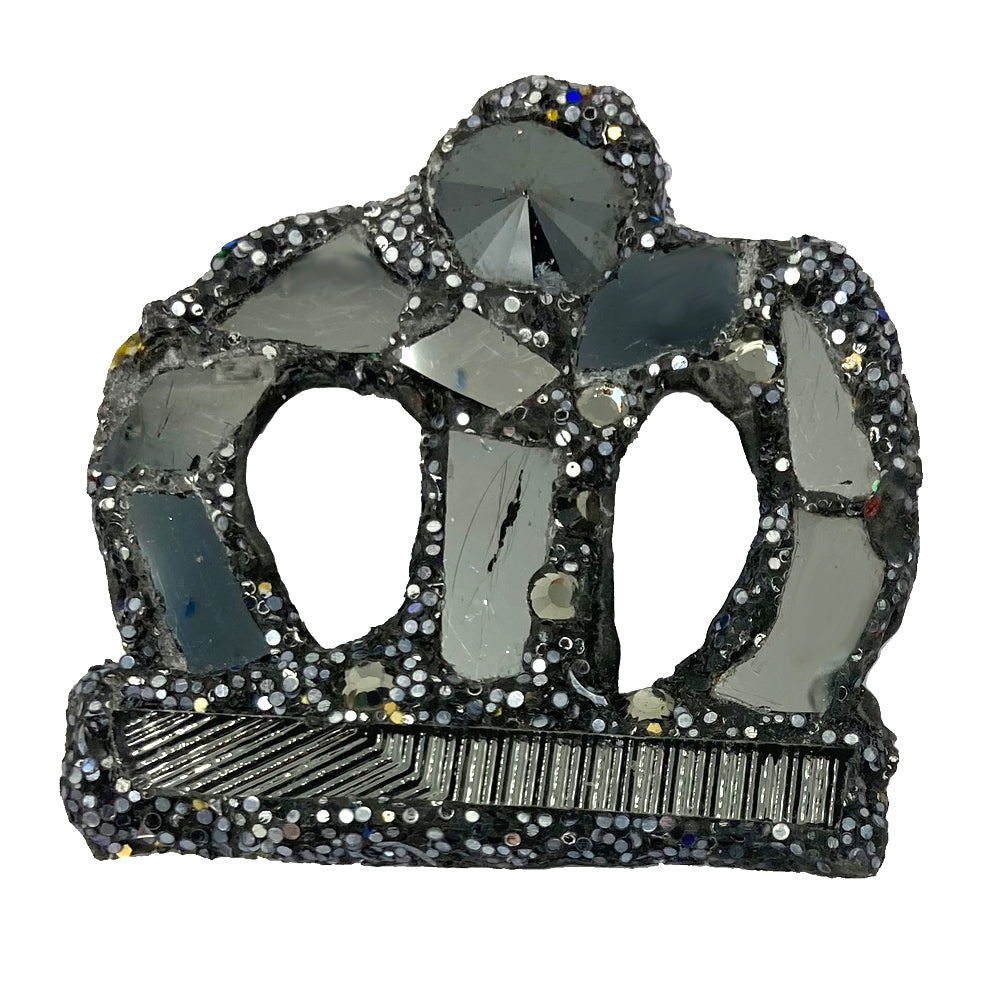
For the 2022 Platinum Jubilee, Logan has designed and made Crown broaches.
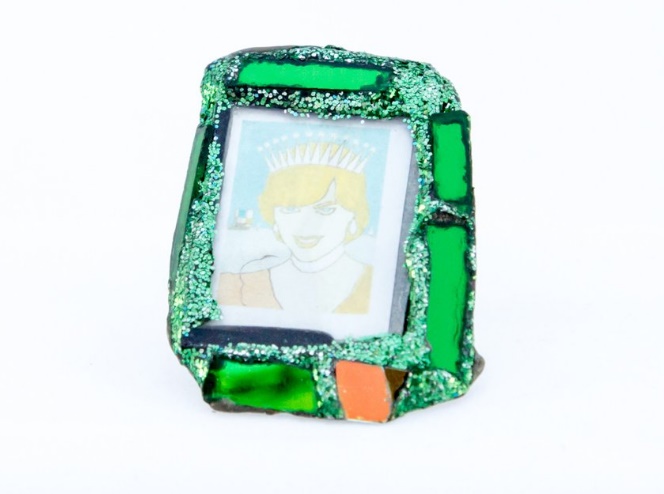
Diana, the most iconic Princess of Wales of all time was also the subject of Logan’s work.
Logan also owns The Lion Art Hotel & Restaurant in the village, a short walk from the museum itself. The Lion was formerly a coaching inn. Whilst the building still looks like a pub from outside, the bar and dining areas have been totally transformed by Logan himself.
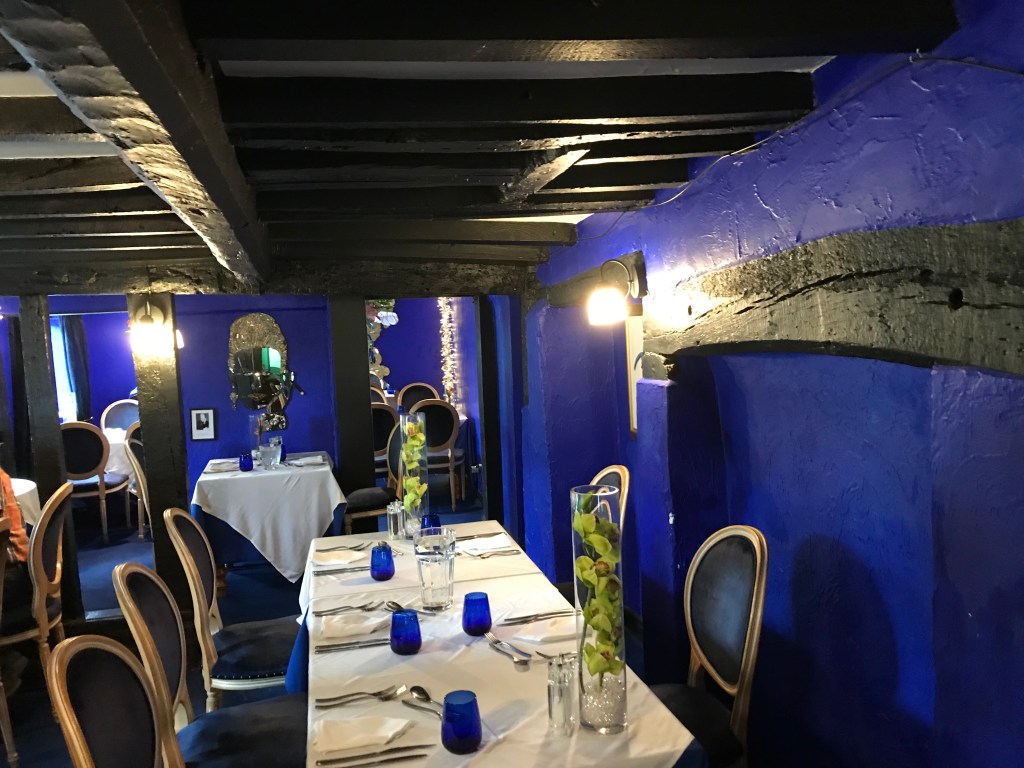
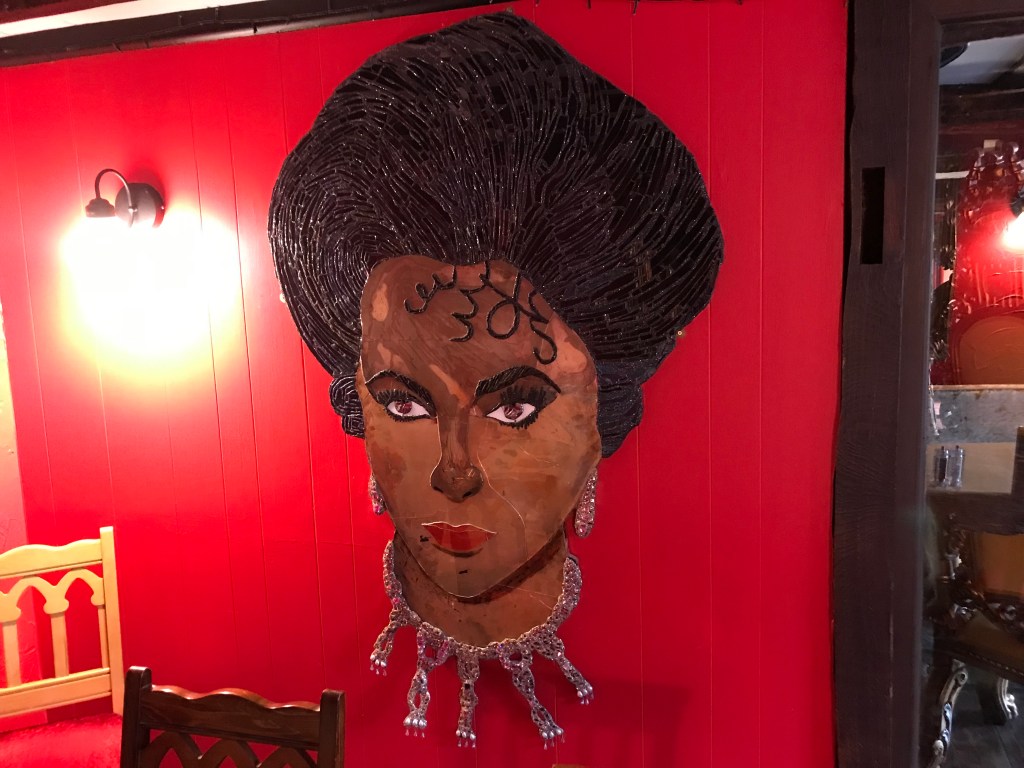
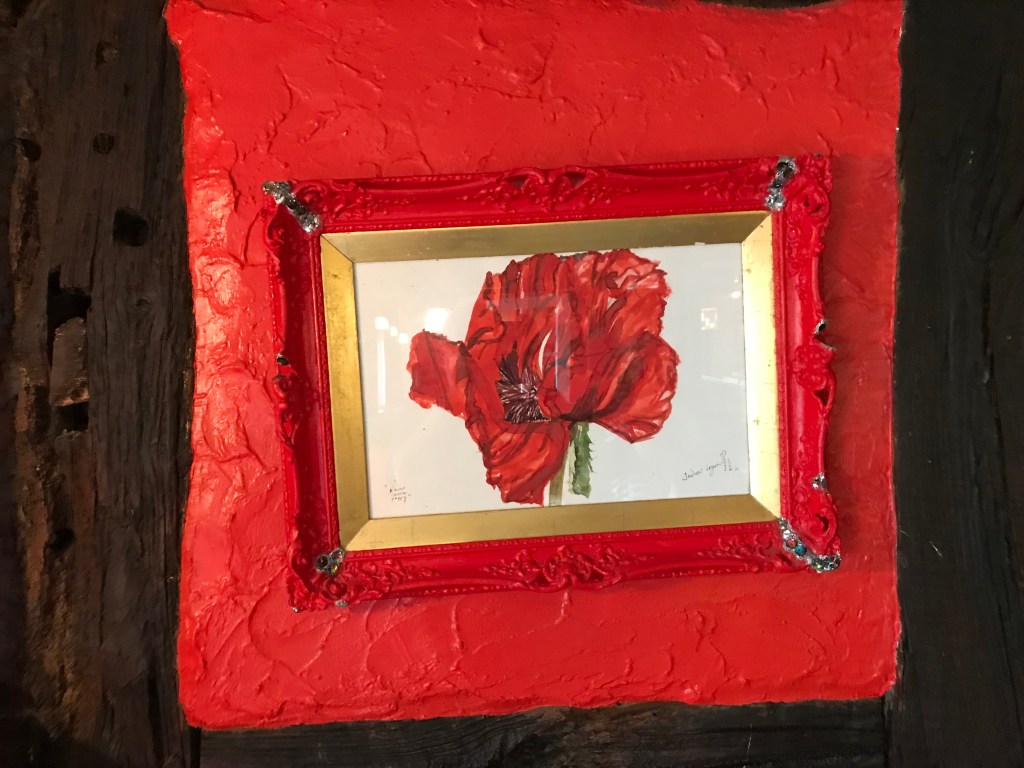
The same unique transformation also applies to the 7 guest rooms themselves.
As well as drinks The Lion offers beautifully cooked food sourced from local Welsh ingredients. A truly inspired place to eat, drink and sleep.
The first time we heard of Andrew Logan was via the nascent Sex Pistols group who played at one of the artist’s parties at his Bermondsey studio in February 1976, an early gig for them.
Rare footage of the band filmed by film maker Derek Jarman playing live at this party exists although the sound ( the track ‘Satellite’) is taken from a live concert the group gave at Chelmsford Prison later in the year.
The Sex Pistol’s notoriety grew quickly. Loved by their fans, they were hated by everyone else to an extent that no other band has experienced in the UK before or since. A little later in the year and in time for the Queens Silver Jubilee, the Sex Pistols released their second single, God Save The Queen with its apt coda of ‘no future, no future for you’.
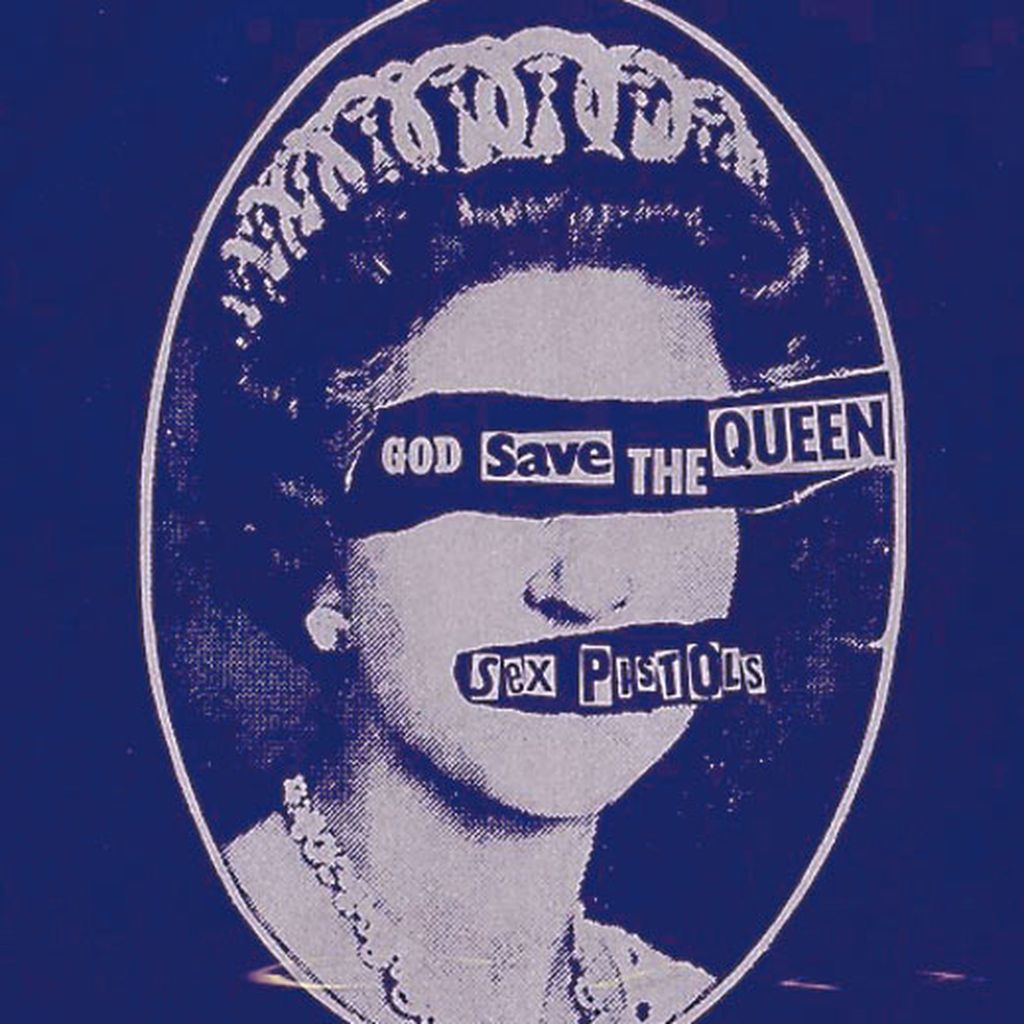
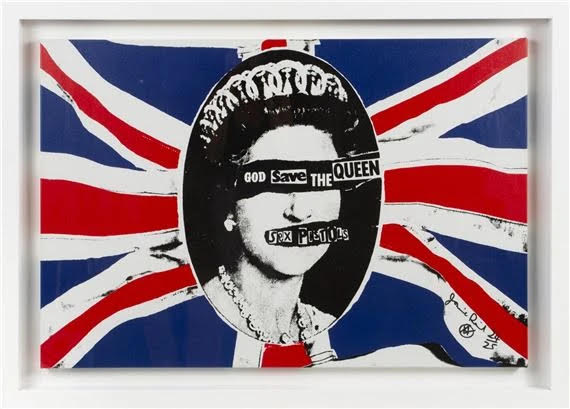
Wrapped in a purple and silver cover ( purple is the colour associated with royalty and wealth and silver was chosen for the Silver Jubilee) together with a photograph of the Queen herself with superimposed ‘blackmail’ lettering spelling out the song’s title and the band’s name, the design was a triumph for artist Jamie Reid.
Reid was heavily associated with artwork for the Sex Pistols, designing their record sleeves, logos and posters and used images of Queen Elizabeth II again and again in his work.
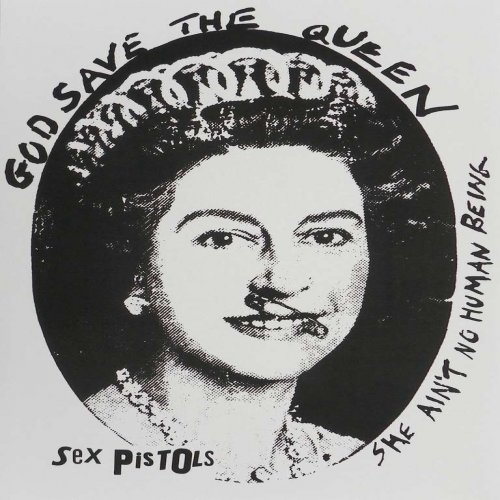
Hugely controversial to an extent unrivalled before or after in the UK, the song was not produced specifically for the Jubilee, nor was it, as assumed by many, to be an assault on the Monarchy. Nevertheless, it was hugely successful despite being banned from the airwaves with members of the band violently attacked by thugs defending the same establishment order that despised them.
The lyrics were written by the band’s vocalist John Lydon who later commentated: “It was expressing my point of view on the Monarchy in general and on anybody that begs your obligation with no thought. That’s unacceptable to me. You have to earn the right to call on my friendship and my loyalty’’.
“I was never pro them or anti them. I just think if we’re going to have a monarchy it may as well work properly. I mean, we pay for it, after all‘.
The film maker Derek Jarman directed the 1978 film Jubilee featuring established actors and a cast of ‘punks’.
The film’s title is a referance to the Silver Jubilee of Queen Elizabeth II the previous year.
An angel in the form of Ariel (from Shakespeare’s The Tempest) transports Elizabeth I (played by the actress Jenny Runacre) to a run down, desolate London of the 1970’s where she meets a group of violent young women. She finds out that her future predecessor, Queen Elizabeth II, has been assassinated and Buckingham Palace has been turned into a recording studio. Our favourite performer in the film is the late Pamela Rooke, better known simply as ‘Jordan’, as the character ‘Amyl Nitrate’ in the film.
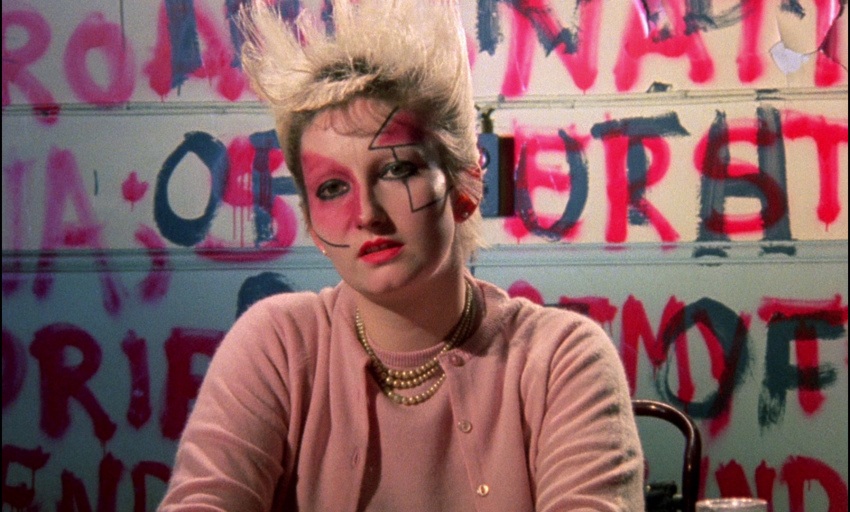
Jordan was iconic for her unique style. She was an early friend of the Sex Pistols and worked at the Sex clothes boutique (owned by designer Vivienne Westwood and the Pistol’s manager Malcolm Mclaren) where the group hung out.
Vivienne Westwood is now Dame Vivienne Westwood OBE having the honour bestowed upon her by Queen Elizabeth II for her services to fashion.
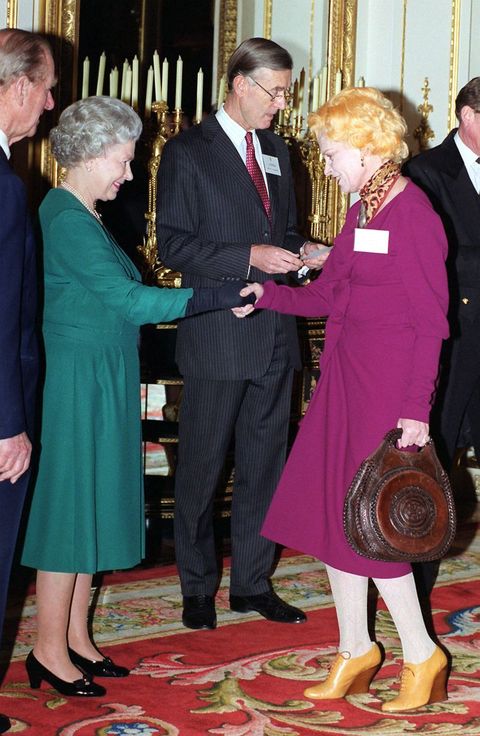
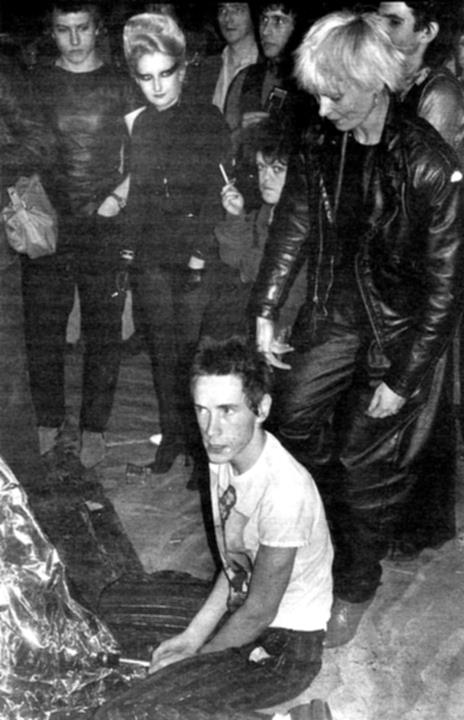
Jordan accompanied the Sex Pistols and Vivienne Westwood to their appearance at Andrew Logan’s Bermondsey studio for his February 1976 party
Speaking of icons…..‘there ain’t nothing like a Dame’.
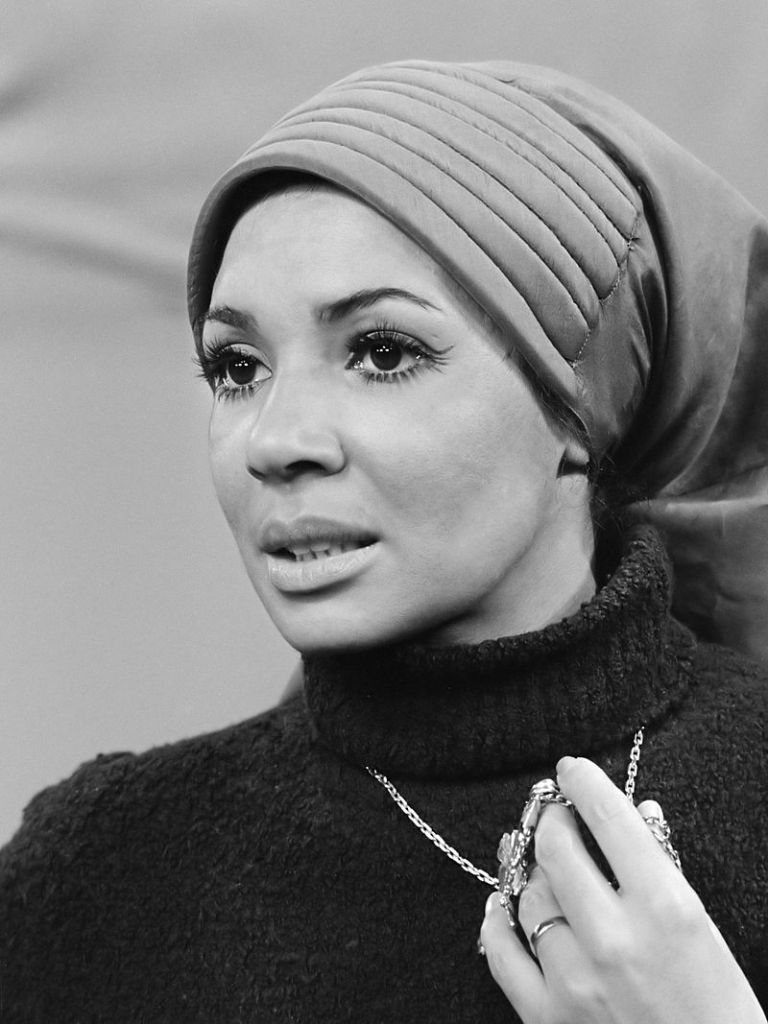
Dame Shirley Veronica Bassey DBE is a Welsh legend and one of the most popular singers in Britain. She is also another artist associated with Jubilee year.
Bassey is renowned as the voice behind the Bond title songs, Goldfinger (a Grammy winner) and Diamonds Are Forever. Her performance of Goldfinger apparently influenced the Queen of Soul, Aretha Franklin. For a singer there can be no higher accolade.
Bassey was appointed a Dame Commander of the Order of the British Empire(DBE) by Queen Elizabeth II in 1999 for services to the performing arts. She was one of the line-up of artists in June 2012 who performed at the Queens 60th (Diamond) Jubilee Party at Buckingham Palace singing “Diamonds Are Forever”.
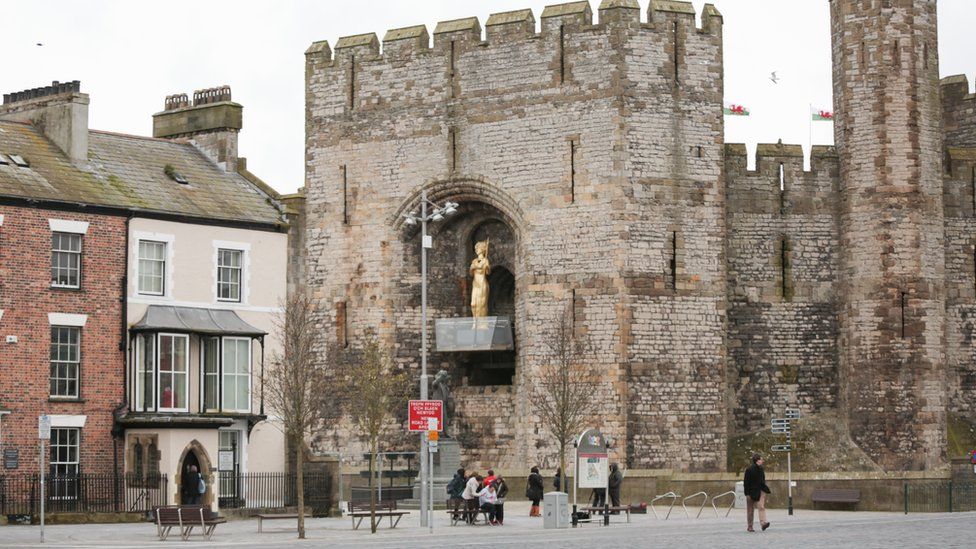
A 20 feet high golden statue of Dame Shirley was unveiled a few years ago at Caernarfon castle on the Welsh coast, the castle where Prince Charles was crowned Prince of Wales by Queen Elizabeth II. Dame Shirley was sculpted in the pose of warrior queen Boudica (‘Buddug’ in the Welsh language). Boudica was an ancient Celtic queen who led a revolt against Roman rule in ancient Britain. The Welsh are a Celtic people and many there feel an affinity with Boudica even though she hailed from England where she was the Queen of a Celtic tribe.
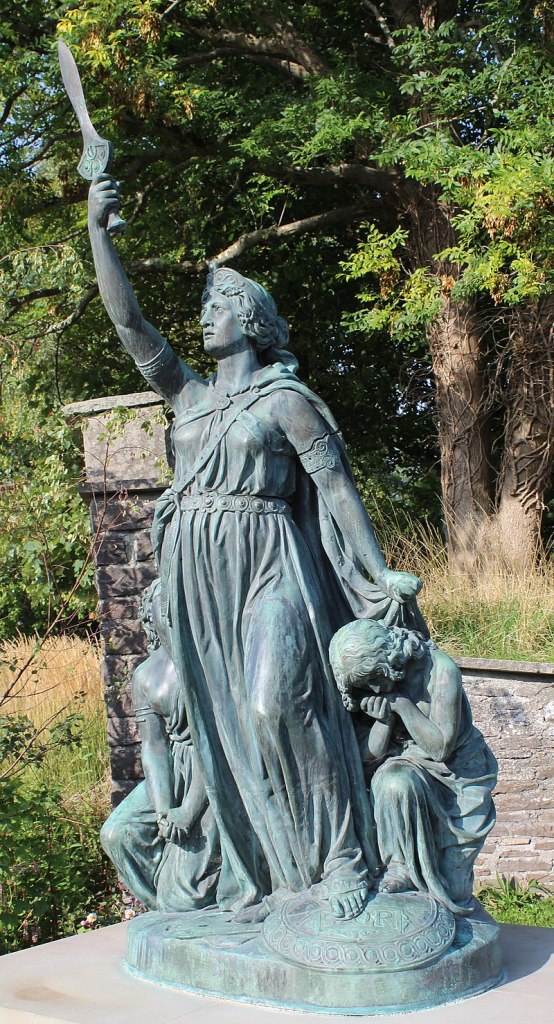
Artist Jamie Reid has also referenced Boudica in his work.
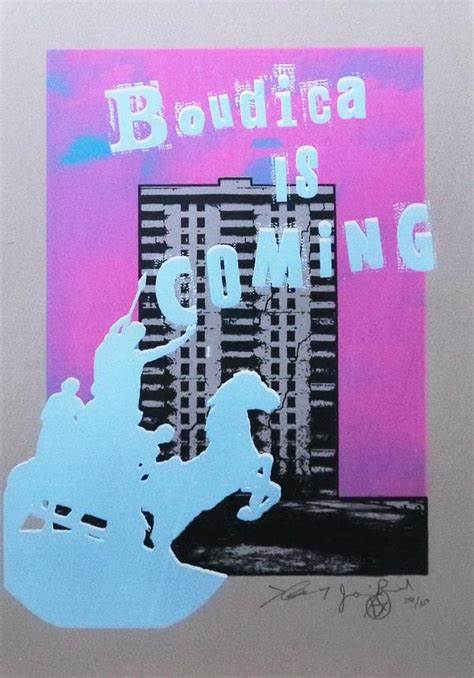
ONE more….

Happy Jubilee.

 FOOD, FILMS 'N' TINGS