
Birmingham (colloquially ‘Brum’) is the second largest city in the UK. It is famous for its industry and cultural heritage. It was the early childhood home of author J.R.R. Tolkien .
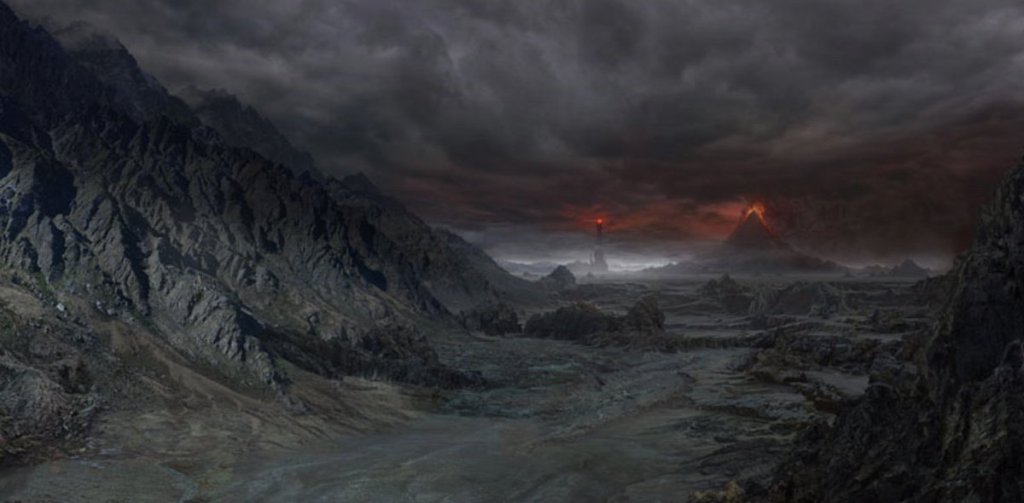
In the fictional world created by Tolkien in the epic Lord of the Rings , Mordor was the name given to the fictional land of darkness, fire and smoke of the evil Sauron.
“Fire glowed amid the smoke. Mount Doom was burning, and a great reek rising. Then at last his gaze was held: wall upon wall, battlement upon battlement, black, immeasurably strong, mountain of iron, gate of steel, tower of adamant, he saw it: Barad-dûr, Fortress of Sauron. All hope left him’’.
An influence on Tolkien and the fictional Mordor was the ‘Black Country’, an area of the West Midlands around the city of Birmingham named from the smoke and pollution from the thousands of foundries, forges and iron works in the area.
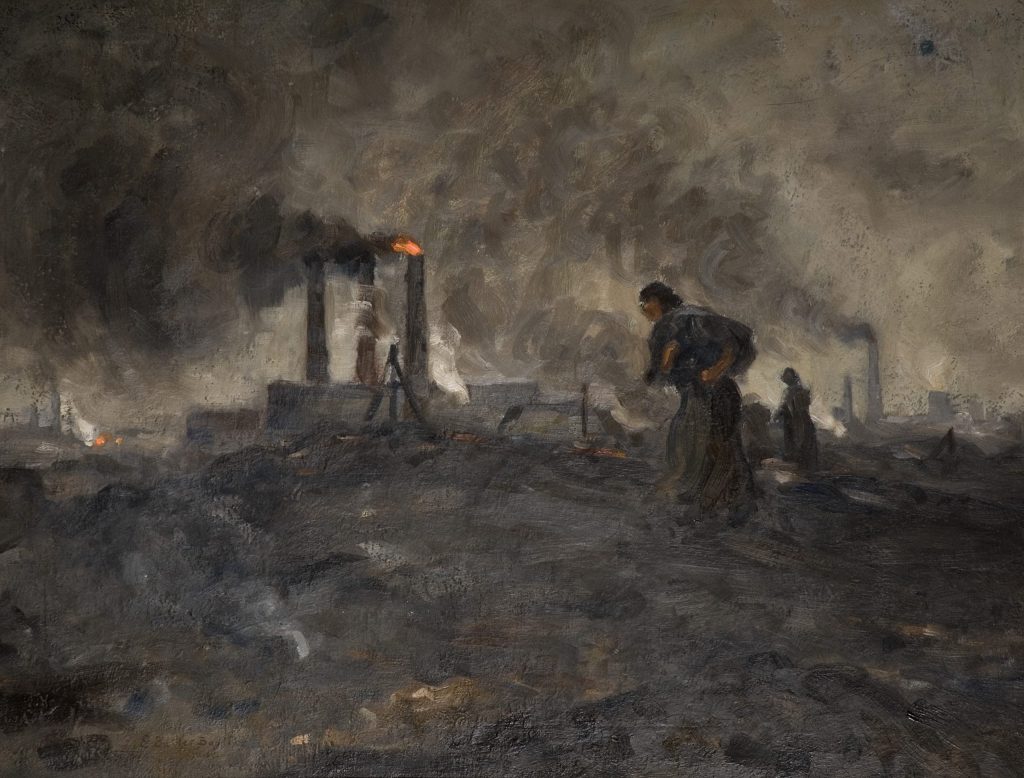
‘When I was a kid, you’d come up this hill, and all of that’ – and he gestures to the valley in front of us – ‘was on fire. The foundries and the forges and the ironworks. The potteries. The whole place glowed – sheets of sparks, 50 foot high. The fires never went out. It looked like hell. That’s what your Lord of the Rings is about. Tolkien was from round here. He was writing about how the industrial revolution turned the Midlands from Hobbiton to Mordor.’ (Journalist and broadcaster Caitlin Moran recalls her father’s comment in her memoir ‘How to build a girl’).
Tolkien’s early childhood home was in the Worcestershire countryside, just south of Birmingham in the village of Sarehole. The idyllic village is said to be the model for ‘The Shire’, the home of his Hobbits. The 250 year old water mill in the village was the basis Tolkien used for’the great mill’ in The Hobbit. Tolkien also based the bad-tempered miller in The Lord of the Rings on the actual miller at the Sarehole mill. The mill can still be visited today.
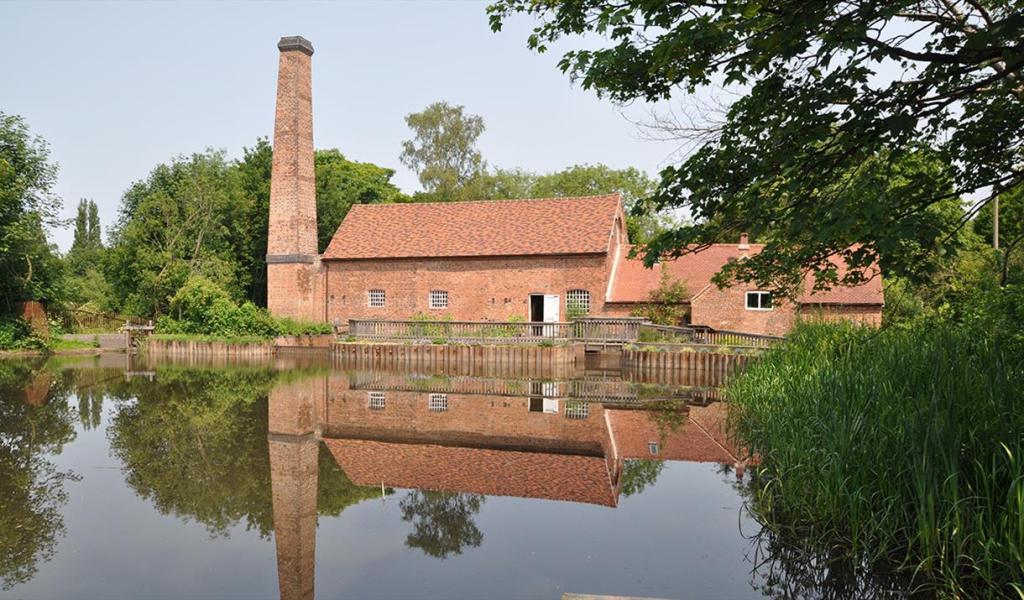
A Few miles to the North West of Sarehole (itself now a part of the Birmingham conurbation) lay the real Mordor, the smoke and din of the Black Country. Unsurprisingly, given it’s industrial heritage, Birmingham is the undisputed home of heavy metal music, and there is no better example of heavy metal than Black Sabbath.

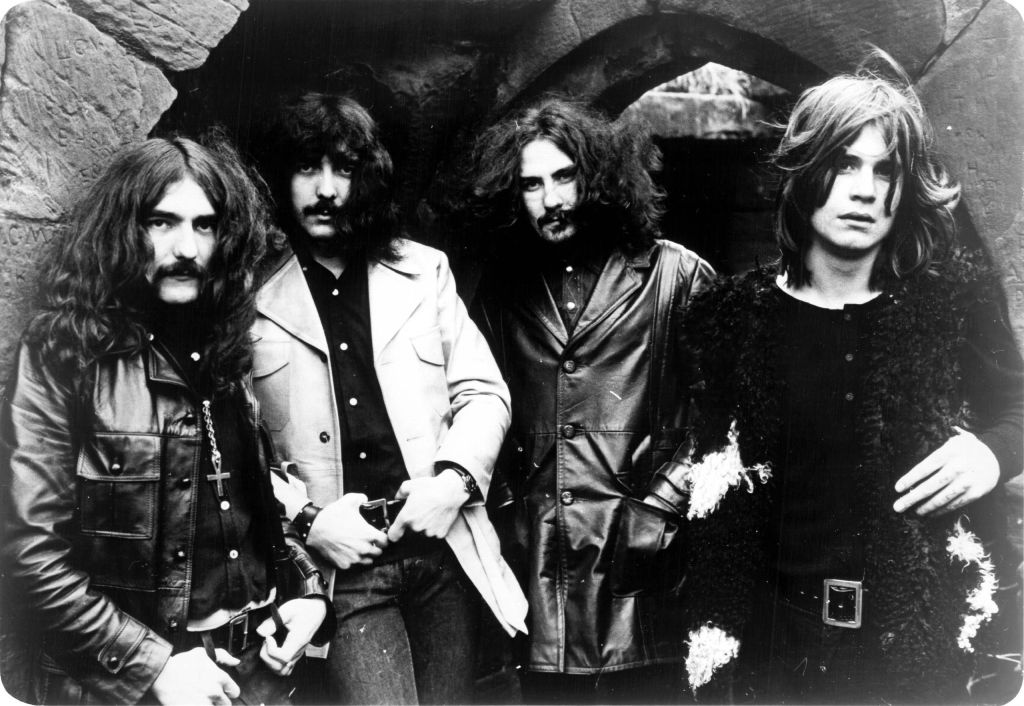
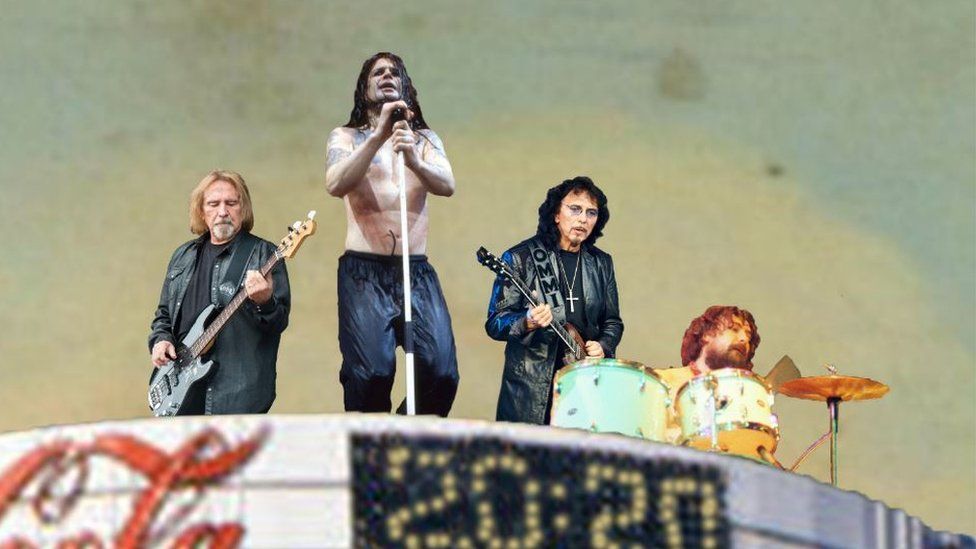
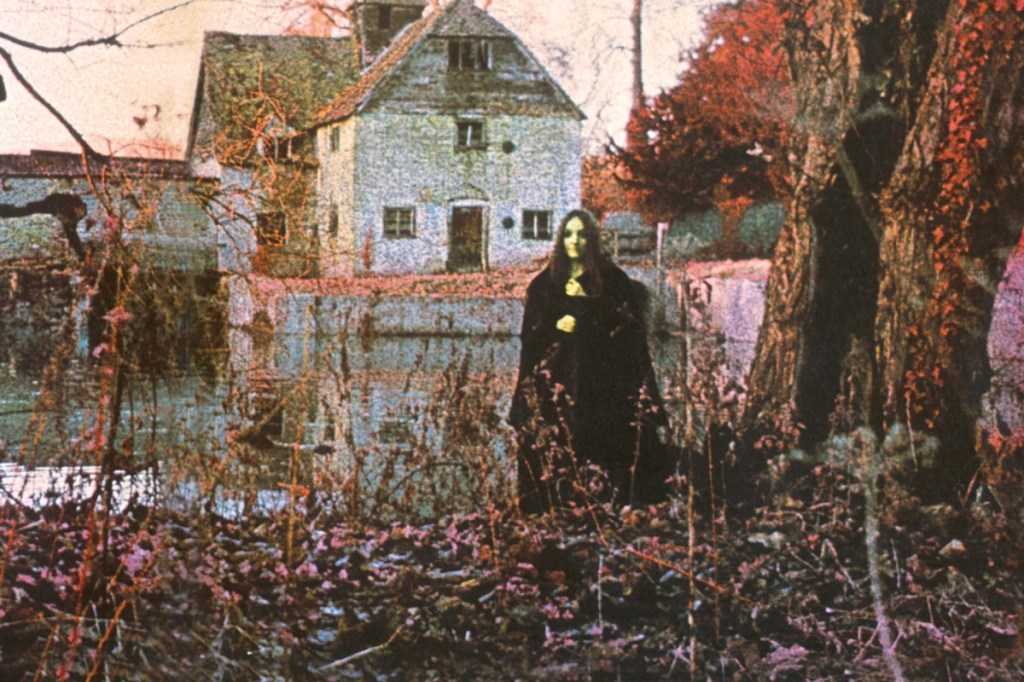
Black Sabbath were formed in Birmingham in 1968 by four local lads (‘Brummies’). The band is the true pioneer of the genre known as ‘heavy metal’ music, a far darker and deeper sound than the then prevailing blues rock with it’s psychedelic and pastoral overtones and more than a hint of ‘the Shires’ about it. There was certainly nothing pastoral about the music created by Sabbath’s band members, Geezer Butler (bass), singer Ozzie Osbourne, Bill Ward (drums) and guitarist Tony Iommi. The music the band created was the sound of the factory floor and the pounding of the iron foundry best exemplified by the buzz and drone of Iommi’s unique guitar work. The fact that the tips of two of his fingers were missing from an industrial accident at the foundry where he worked only contributed to the band’s sound as he developed his unique style in spite of injuries that would have finished the career of most guitarists.
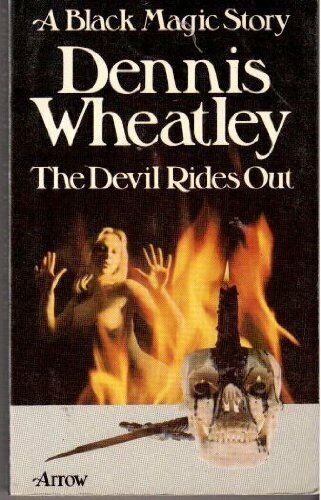
The band’s lyrics often touched on themes of war, doom and black magic although there was nothing of the satanist about any of the band members. Taking their name from. 1963 Boris Karloff move the band were more influenced by the graphic novels of writer Dennis Wheatley than black magic itself. Wheatley’s occult based fiction was doing the rounds in cheap paperbacks at the time and his books were a particular favourite of the band’s main lyricist, Geezer Butler.
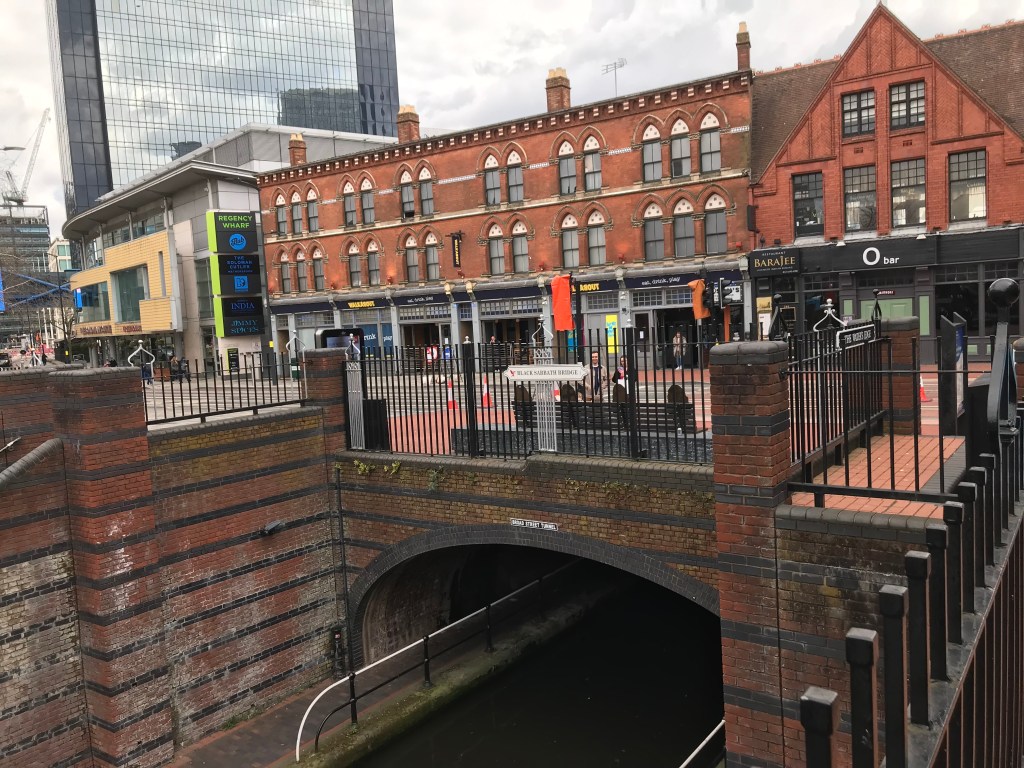
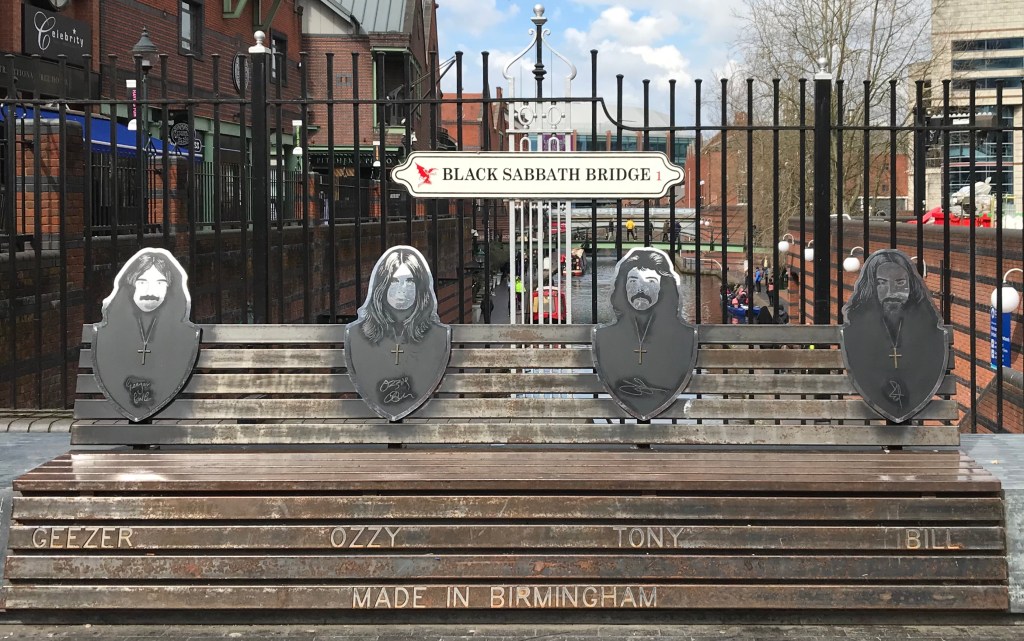
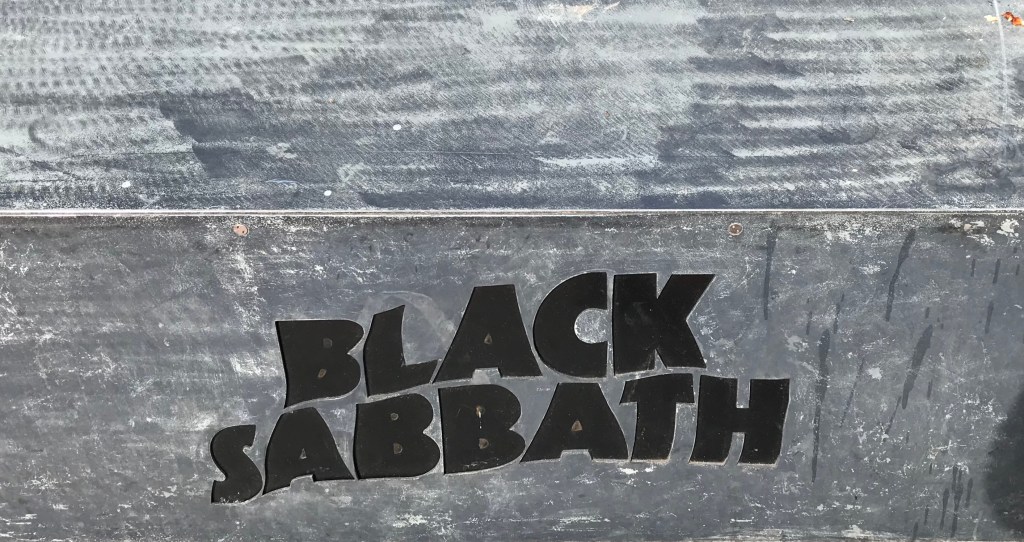
In the city centre, Birmingham has commemorated the band with a memorial celebrating 50 years. It is not a city to shout aloud about itself or its heroes and the quiet modesty of the Black Sabbath memorial signage and bench are typically understated examples of the way the city announces itself and the achievements of its sons and daughters.
Created by Egyptian Artist Tarek Abdelkawi from an idea by Mohammed Osama, the bench was forged in Birmingham and has images of the four original band members. It is inscribed ‘Geezer Ozzy Tony Bill Made in Birmingham’.
The bridge and bench can be found where Broad Street crosses the canal in the city centre a short walk away from the city’s stunning public library. The library was designed by a Dutch architect, Francine Houben of Mecanoo, Delft (and if you love great design, the Dutch are way ahead in our opinion),
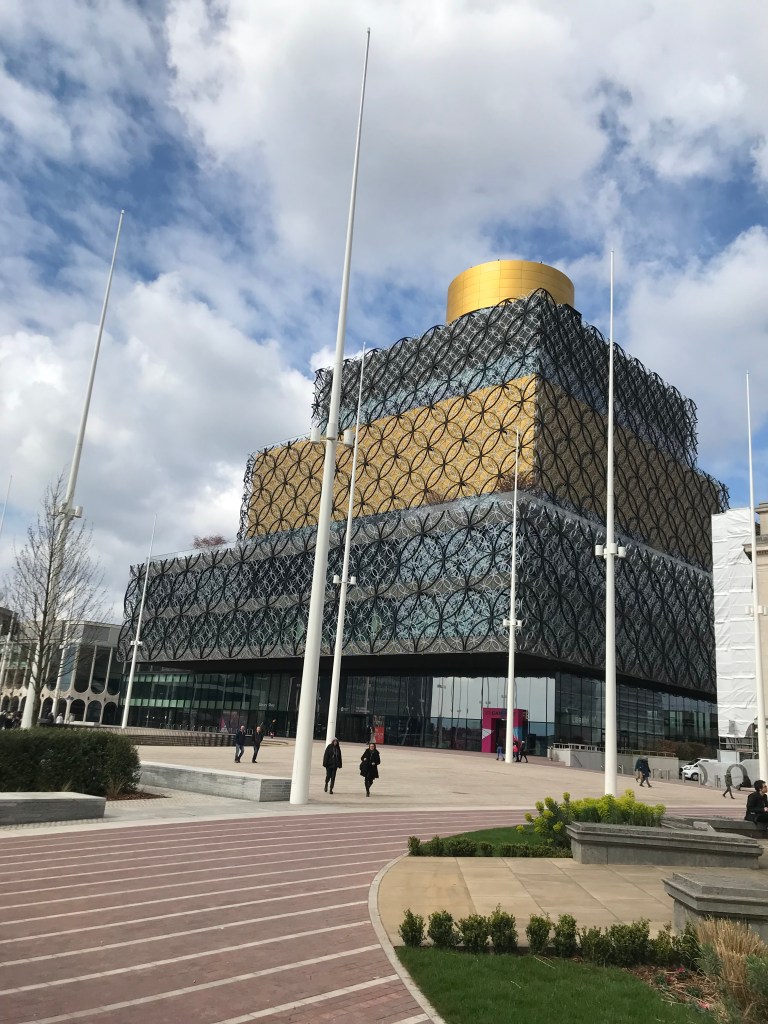
The library was formally opening on 3 September 2013 by Nobel Prize winner Malala Yousafza, who as a schoolgirl survived an attempted assasination by the Taliban. She lives in Birmingham, ‘her second home’ although her birthplace of Swat, Pakistan is the place she holds dearest. She is a fan of Justin Bieber apparently although we forgive her if she is not enamoured of her adopted city’s real heroes, Black Sabbath.

Nevertheless, the world of satirical art recently brought both Malala and the four musicians together in a work entitled ‘Benny’s Babbies’*
*Benny was the name of a character in the old TV soap opera ‘Crossroads’ which was based around the Birmingham area. The term ‘Babbies’ is local Birmingham slang for ‘Baby’s’ being a reference to the local celebrities in the picture.
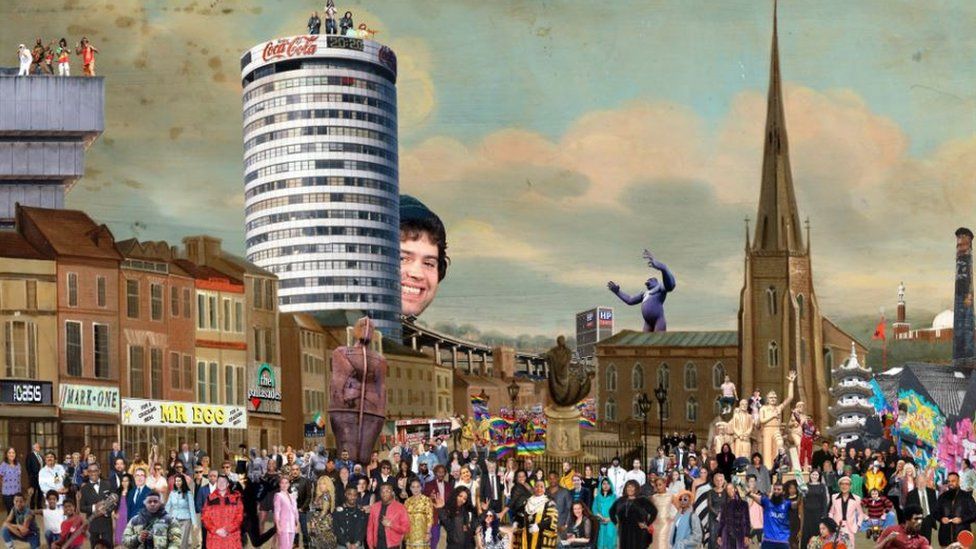
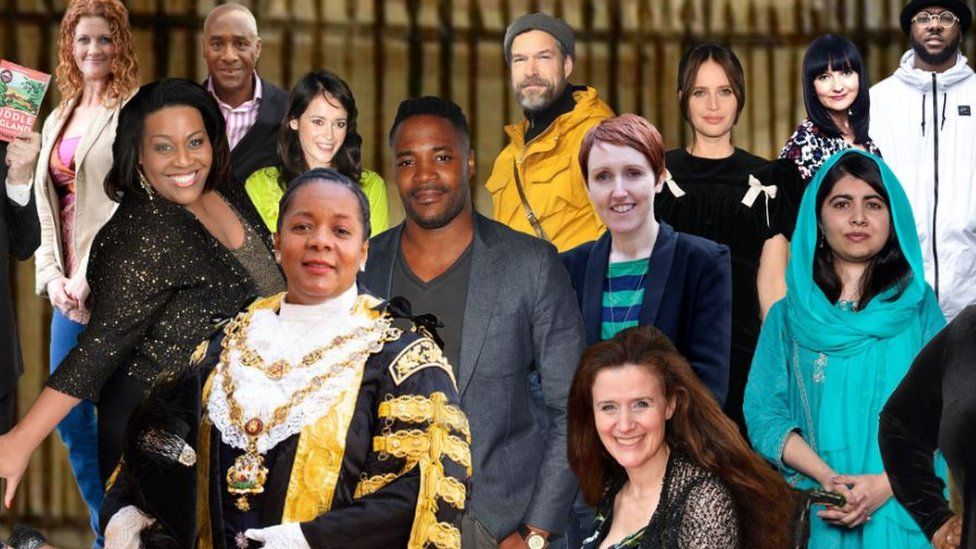
The artwork is by the legendary ‘Coldwar Steve’, a locally born artist whose satirical work is nationally admired. He is a former probation officer who began making photomontage art on the bus to his job. “Birmingham is unparalleled in the sheer diversity of its contributions to British culture” he said of the artwork. Malala is pictured in green with other local celebrities including the former Mayor, Yvonne Mosquito.
Black Sabbath can be seen performing from the top of another local landmark, the Rotunda building.
If Black Sabbath are synonymous with heavy metal music, the ‘balti’ has become synonymous with the city’s food. A ‘balti’ is a highly spiced ‘curry’ served in a double handled steel dish known as a ‘balti bowl’ (or karahi in Pakistan). The best bowls are ‘blackened’, seasoned over time like a great wok.

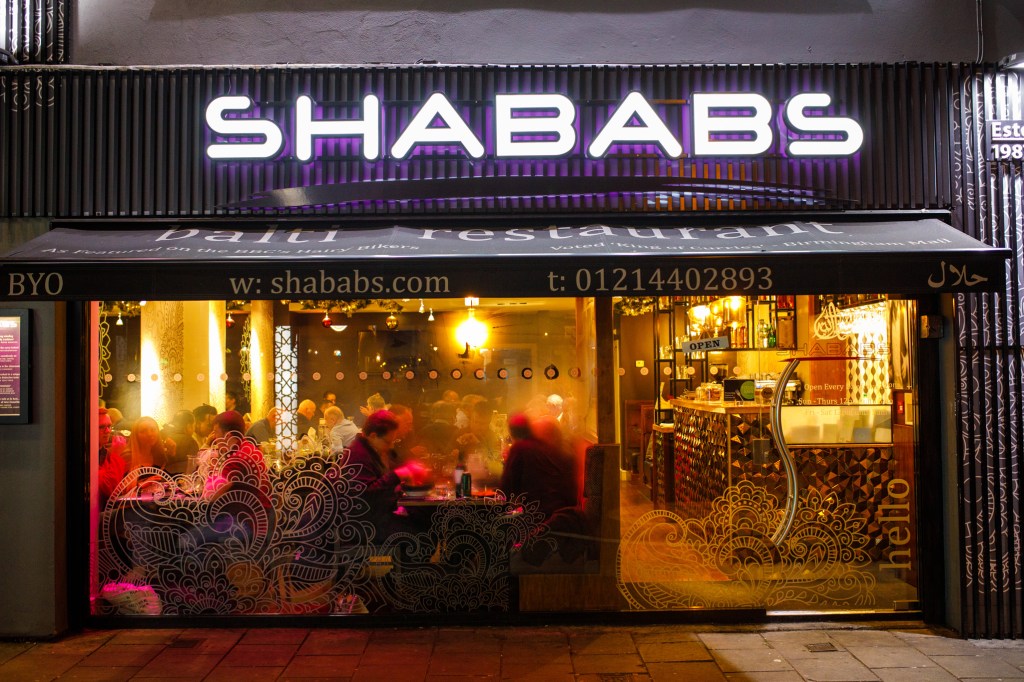
Balti dishes are served in many restaurants in the United Kingdom. The precise origins of the balti style of cooking are uncertain. Some believe the style to have been invented in Birmingham, while others believe it originated in the northern Pakistani region of Baltistan in Kashmir from where it spread to Britain. Wherever it’s origin, a balti dish is best had in Birmingham in our opinion and the ‘balti triangle’, an area of many restaurants just south of the city centre, is a must if you like your food spicy. We like Shababs on Ladypool Road in particular.
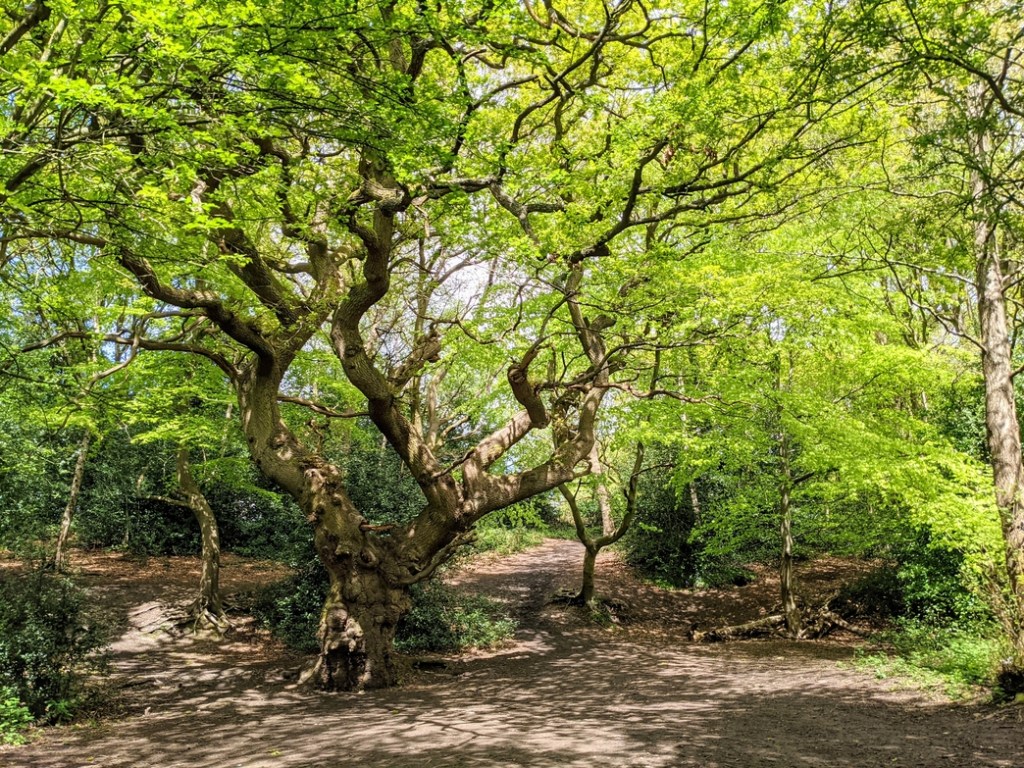
A short drive south of Shababs is Moseley Bog, a nature reserve and a childhood playground of Tolkien’s. The bog inspired the ‘old forest’ in both The Hobbit and The Lord of Rings.
Tolkien acted as an early reference for Sabbath’s ‘The Wizard’ with its influence of the character of Gandalf in its lyrics.

 FOOD, FILMS 'N' TINGS