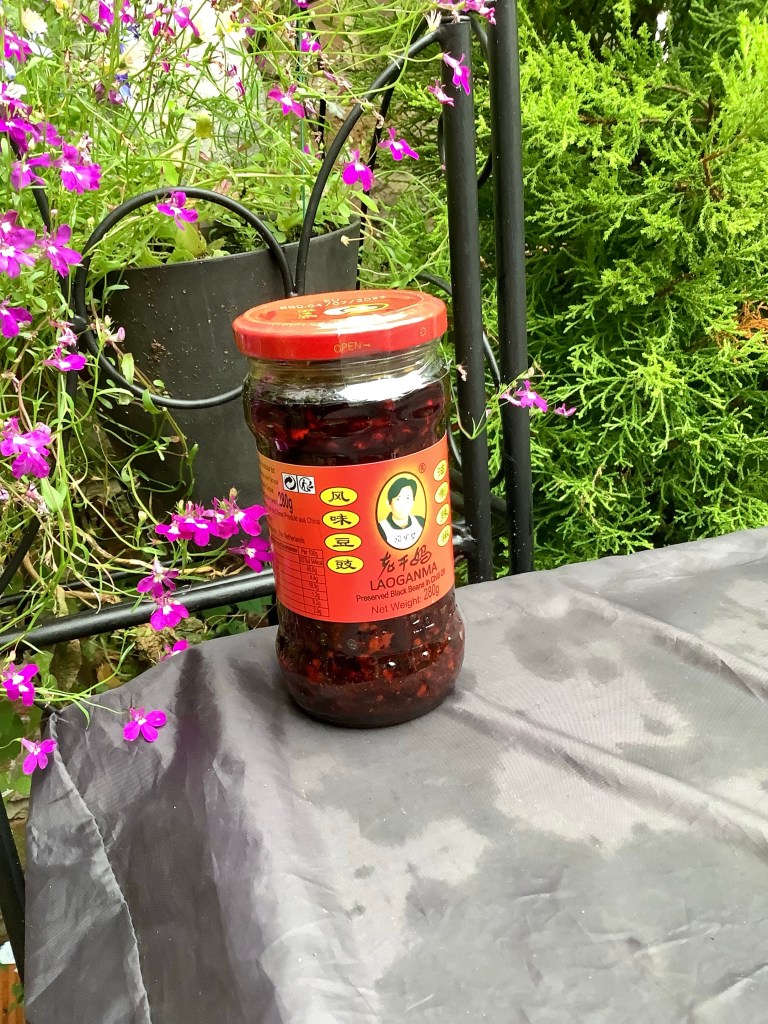
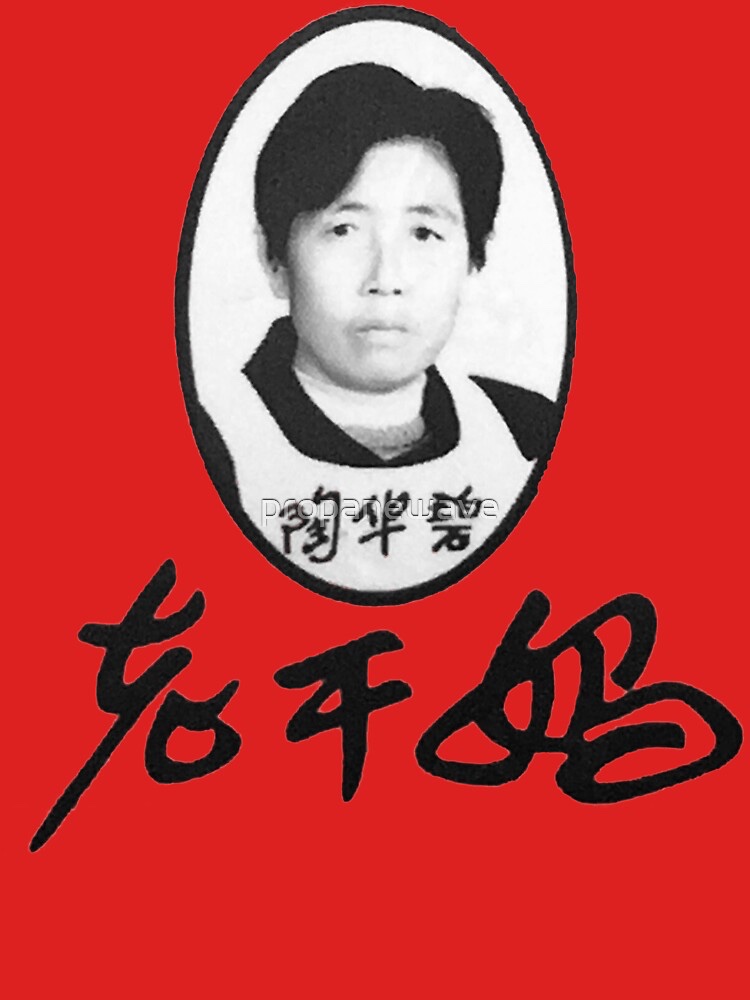
‘Laoganma’ are a much loved brand of chilli cooking sauces from China. Roughly translated ‘Laoganma’ means ‘old godmother’ and the founder of the brand, Tao Huabi, can be clearly seen on the label.
Tao Huabi started a small noodle shop featuring her own home made chilli and soy bean sauces in Guizhou in 1989. The sauces became so popular that several years later, she opened up her first small factory. From these humble beginnings, the brand became the most popular chilli sauce in China. It now has a multi-million $ turnover and it is sold all over the world.
We love Laoganma sauces and highly recommend them. They taste strong and flavoursome. Our favourite is the black bean chilli sauce which is rich and dark. The ‘crispy chilli’ flavour is also highly popular.
The sauces are available internationally and you should be able to find them in any store selling a decent selection of Chinese food.
Stir fry the sauce with vegetables (we like pak choi and broccoli florets) with some meat or tofu, add soy sauce and Shaoxing rice wine. Combine with noodles and a sprinkle of sesame seeds, a dash of coriander and your meal is ready in no time!
Whilst we are on the subject of China, we cannot help but add a link to the old Chinese boxing form of Zui Yuan aka ‘drunken fist’. We knew there was a fighting style of ‘drunken boxing’ as we are fans of Jackie Chan’s old 1978 Kung Fu movie ‘Drunken Master’, a very popular comedy at the time, which features several great fight sequences. However, whilst watching the movie we did not realise that Jackie Chan was not simply pretending to be ‘drunk’ when confronting some opponents, he was enacting the ‘drunken boxing’ style rather than fooling around for the comedic effect.
A superb contemporary film of the style courtesy of the South China Post follows. If you like the Brazilian martial form Capoeira you will love drunken boxing because whilst the two forms are clearly distinct from one another, there are some similarities in our opinion.
A friend put us on to Emanuel Augustus known as the ‘greatest boxer you may have never have heard of’. Augustus incorporated ‘drunken’ movements into his boxing to riveting effect and the short documentary below gives you a good idea of the man’s style. If you thought that Muhammad Ali could dance around his opponents, check out the real life ‘Drunken Master’ in action.
Jackie Chan‘s movie was very popular in Jamaica and it influenced tracks by DJ’s such as General Echo and Ranking Joe (both tracks were called ‘Drunken Master’). Ranking Joe is still around thankfully but General Echo was murdered many years ago.
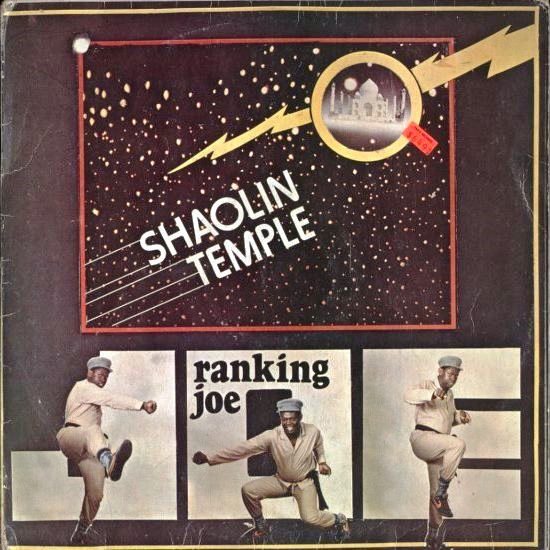
Ranking Joe’s aptly named ‘Shaolin Temple’ album was our favourite by the man.
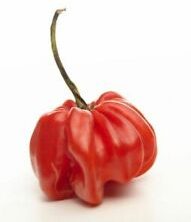
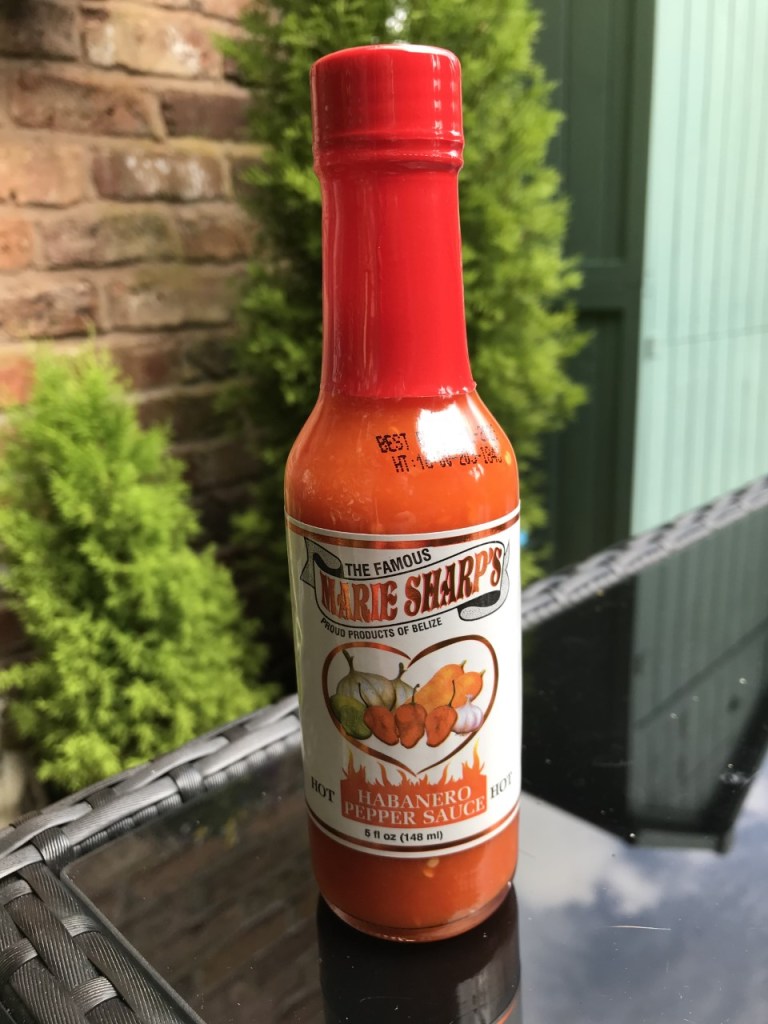
Wherever you go in Belize you will never be too far away from a bottle of Marie Sharp’s Habanero sauce. A bottle of this fine condiment was on every table in every restaurant, bar or cafe when we visited the country a few years ago – and rightly so as this is one of the world’s great hot pepper sauces!
The sauces have been made in Belize since 1981 and whilst there are several different flavours, the original Habanero is our preferred choice.
An attractive website for the sauces can be found here
The food in Belize is good and fresh being a mixture of different cultures – from tamales to rice and beans. The superb national beer Belikin goes extremely well with the food. Add a dash of Marie Sharp’s sauce of course!
We think that the musical culture of the country is best represented by the Garifuna, a people who are a mixture of Afro Caribbean and indigenous peoples such as the Arawaks. The late Andy Palacio was perhaps the best known Garifuna musician and we were lucky enough to see him and his band live.
A nice documentary on Garifuna music, food and culture from Honduras is here:-
‘Yo soy Garífuna’
The Arawaks along with the Taino were the original inhabitants of Jamaica as Joseph Hill and colleagues of the roots reggae vocal group Culture noted in their Joe Gibbs produced song ‘Pirate Days’.
Well before the Europeans invaded Jamaica and began dragging slaves from Africa to work the plantations there ‘the Arawaks was here first’ as the song notes.
We saw Culture live in 1978 and remember them with fond memories.
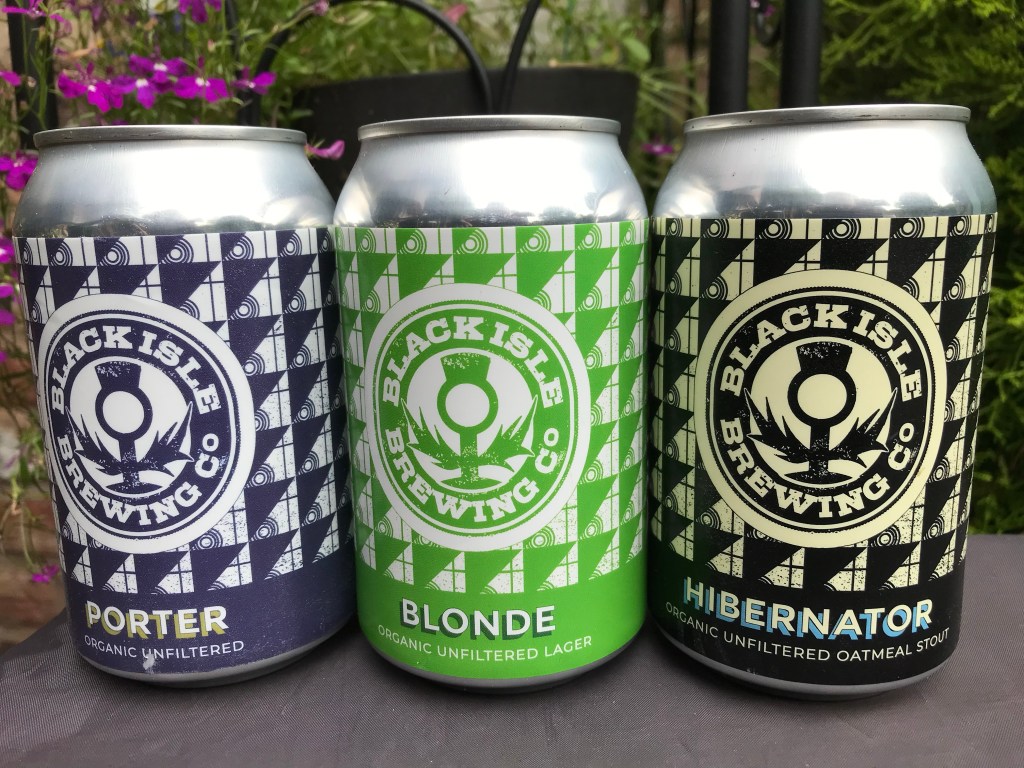
Our favourite beer at the moment comes from the Black Isle Brewery based near Inverness in Scotland, currently the only organic brewery in that country. The quality of their ingredients and the care they take in brewing is evident in the taste of their marvellous beers.
The brewery produces a great range of core beers from lager through to porter and an array of specials including an Imperial Stout named ‘Hibernator’ (Sam Smiths brewery in Yorkshire also do a great Imperial) They also produce a stronger than an elephant beer named ‘The Big Sleep’. As their website points out ‘The Big Sleep’ is not the gangster’s euphemism for death. It is instead a reference to the long Scottish winter (the label features a sleeping bear in hibernation) – just the climate for a glass of this strong beer! Our own winters can be pretty grim and so we will have to order a bottle or two for later in the year!
They have an internet shop where you can buy their beer and other merchandise. Brewery visits can also be arranged.
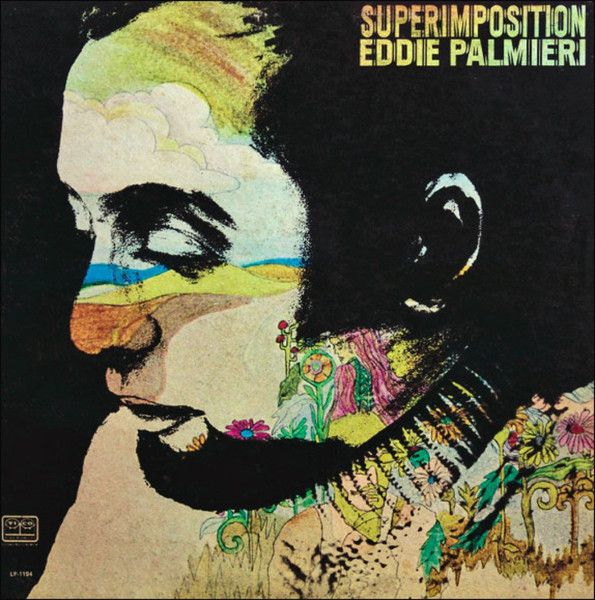
Superimposition was a later Eddie Palmieri album with a track named ‘La Malanga’ although the vegetable serves as a more explicit metaphor in this song (https://www.youtube.com/watch?v=OH4ZXqEMBxI
Se acabó ya la malanga y no puedo comer No sé lo que hacer, no puedo come
Que si no puedo jamar Oye que hambre me da. Dame malanga mamá Mira quiero malanga
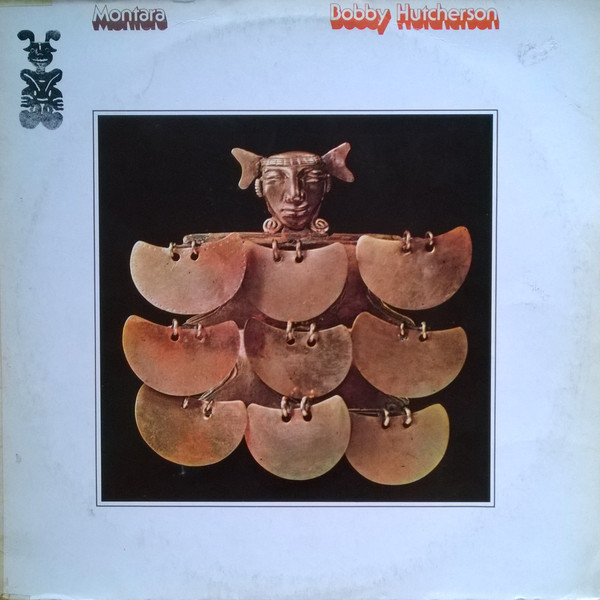
The great vibes player, Bobby Hutcherson, cut a version of this song on his latin music influenced ‘Montara’ album (https://www.youtube.com/watch?v=cgWAOU-ATVU). The cover photograph is an exhibit from the wonderful Gold Museum in Bogota which you should try and visit if you are ever in that city.
MALANGA AMARILLA
Yellow malanga and Cuban jam
Staying with the malanga theme, the late Cuban double bass player Cachao recorded the benchmark ‘Malanga Amarilla’ in 1957 as a part of the famous ‘Cuban Jam Sessions’ series of recordings at Panart studios (later the national studio and record label ‘Egrem’) which were made with the very best Havana musicians after they had finished playing the local clubs very late at night orearly in the morning if you prefer. A series of five records were released with Cachao’s superb ‘Cuban Jam Sessions In Minature’ his debut album and one of his very best. The album featured the famous ‘Malanga Amarilla’ with his brother Orestes López on piano on this recording. The two brothers were major innovators and were credited with the mambo.
Malanga Amarilla was later covered by the Colombian singer Toto La Momposina https://www.youtube.com/watch?v=AmzyR07cbYY . As her name suggests, she is from the city of Mompox on the Carribean coast.
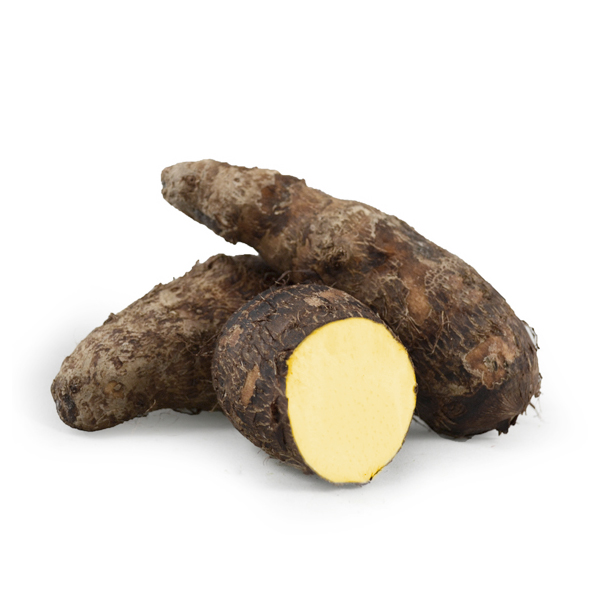
Malanga is part of the Aracere species which includes Taro, a similar root vegetable. Colocasia Aracere is a tropical plant mainly known for its edible tubers known as taro, dasheen, malanga, eddo and cocoyam depending on the region.
Patra is a dish from Gujarat in India and it is one of our favourites. It is made from Colocasia leaves, gram flour and spices. A great recipe is located here if you want to try and make this dish yourself https://www.tarladalal.com/patra-gujarati-patra-alu-vadi-33322r
Patra
ONE ONE COCO FULL BASKET
The root vegetable Taro (aka Dasheen) of the Colocasia family is also called ‘Coco’ in Jamaica (‘Malanga’ in Cuba).
A great video on root vegetables in Jamaica is here:-
The vegetable is mentioned in the Jamaican proverb ‘one one coco full basket’ which roughly interpreted means that success doesn’t come quickly and easily but is a gradual process just as gathering and filling a basket with coco is undertaken one item at a time.
You can hear this old proverb in the lyrics of ‘One one coco’, an early track by the legendary reggae star Gregory Isaacs. Isaac’s cut the tune for producer Gussie Clarke near the start of his career as a singer in the early 70’s. In a typically masterful performance Isaacs sings:
So go on and have your fun Lord knows I’ll work and wait till my day come Cos any man who try hard will make it Just practice One one coco full basket
This was not the only proverb in the song as the lyrics go on to note:
Cause what you need now I really ain’t got But old time people say Every dog have him four o’clock
‘Every dog have him four o’clock’ means ‘every dog has his day’ i.e. even the humblest person has their moment of glory.
The Isaac’s track was used as the basis for Big Youth’s ‘One of these fine days’ from the ground breaking ‘Screaming Target’ album around the same time. Like Isaac’s Big Youth was more or less at the start of his career at this time going on to considerable fame later on in the Seventies, especially with his album ‘Dreadlocks Dread’, our own favorite from the man.
Producer Gussie Clarke provides the version (but not a dub as it is a ‘straight from the desk’ instrumental).
Is it our imagination or does the tape slow down towards the end of this track?




 FOOD, FILMS 'N' TINGS