The city of Liverpool lies at the mouth of the Mersey river as it empties into Liverpool Bay, the Irish Sea and the Atlantic.
Liverpool was once known as the ‘second city of the British Empire’ because of it’s massive port, huge merchant fleet and the sheer volume of international trade that flowed in and out of the Mersey.
The names of docks in the city, of which there were 43, often had monarchal themes or the names of historical figures and events such as Victoria, Albert, Nelson, Waterloo and Trafalgar. These names resonate with a sense of privilege and entitlement, of glories past and of times lost which ultimately lie somewhat at odds with the city’s independent streak and its cosmopolitan and inclusive nature. Despite setbacks, the city has a clear sense of itself despite the contempt and neglect of successive establishment governments in London. ‘Managed decline’ was Goverment policy for the city in the 1980’s.
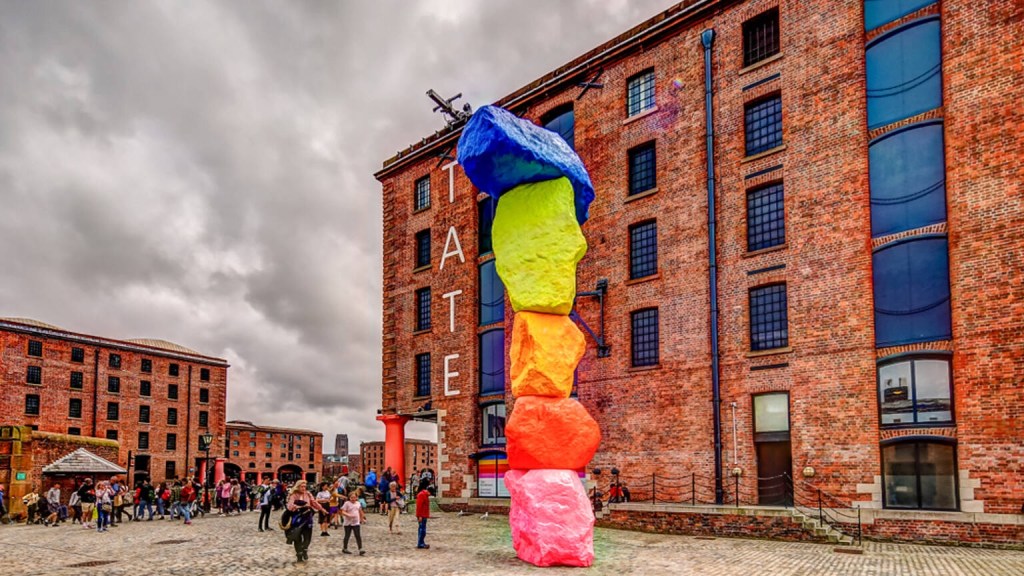
The Tate Gallery Liverpool in the city’s restored Albert Dock was opened in 1988 by the Prince of Wales (now King Charles III) as the northern outpost of the Tate Gallery in London. Funding for the Tate Gallery came from the industrialist Henry Tate in 1889. Tate had made a considerable fortune from the refining of sugar in Liverpool derived from cane grown in the Caribbean. Slavery had been abolished by the time Tate came into sugar refining but the product was made using raw cane originally from former space plantations. After abolition of the slave trade in the UK in 1807, indentured (bonded) labourers from India and China cut the cane along with the descendants of slaves. Although Tate was neither a slave-owner or slave-trader, the business of sugar refining cannot be separated from the history of plantation slavery and the bonded labour which followed it’s abolition
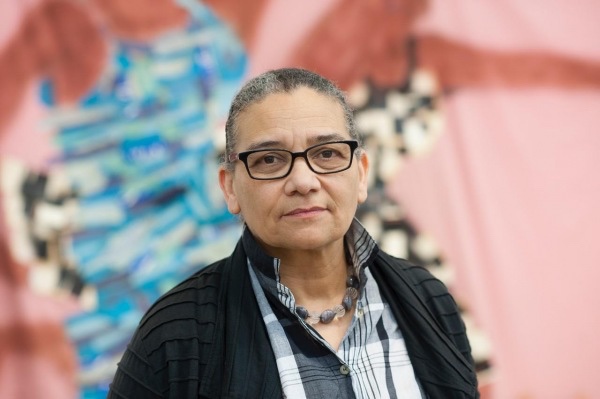
The artist Lubaina Himid (https://www.royalacademy.org.uk/art-artists/name/lubaina-himid-ra-elect), although based further to the north of the City in Preston (she is a professor of Contemporary Art at the University of Lancashire), is nevertheless closely linked with Liverpool. Himid, born in Zanzibar which was then a colony of the United Kingdom where she was brought up. She left at an early age and was brought up in the UK where she ultimately graduated from the prestigious Royal College of Art.
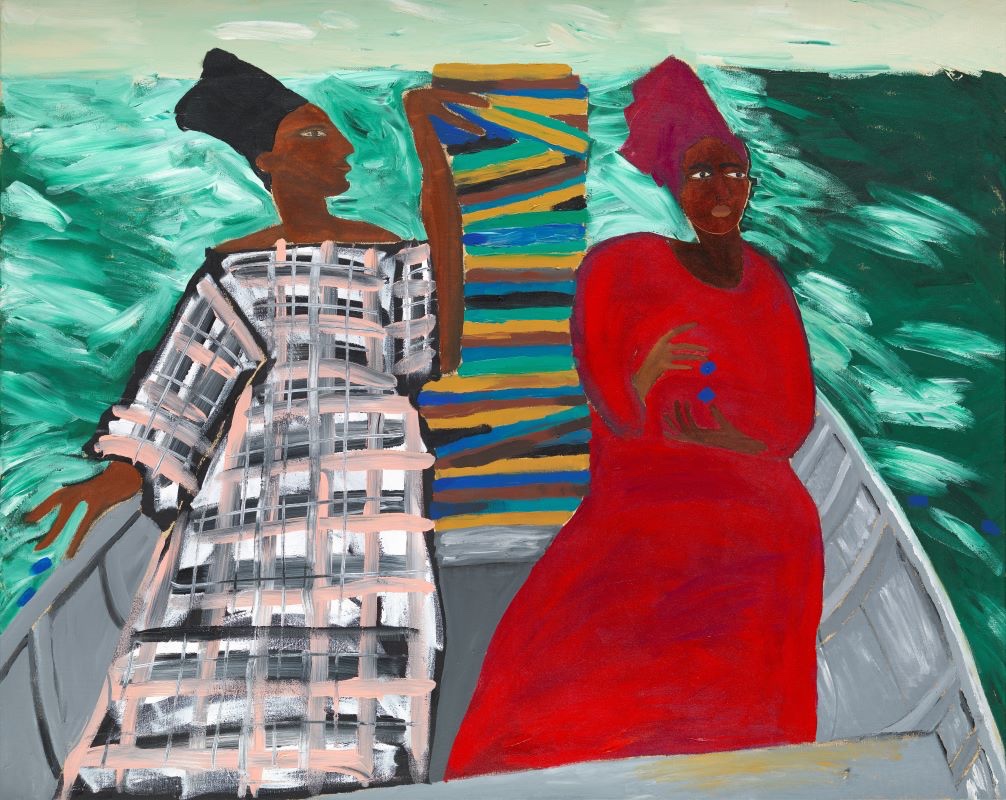
A widely admired and established artist she has exhibited widely in Liverpool, (she is currently exhibiting at the city’s Biennial – ‘Between the Two my Heart is Balanced’) most notably at the International Museum of Slavery in 2017 when she gifted the museum an installation of 20 figures entitled ‘Naming the Money’. According to the Museum the installation ‘addresses how Europe’s wealthy classes spent their money and flaunted their power in the 18th and 19th centuries, by using enslaved African men and women. The highly individual sculptural figures, each with their own profession and life story, demonstrate how enslavement was disguised and glamorised’.
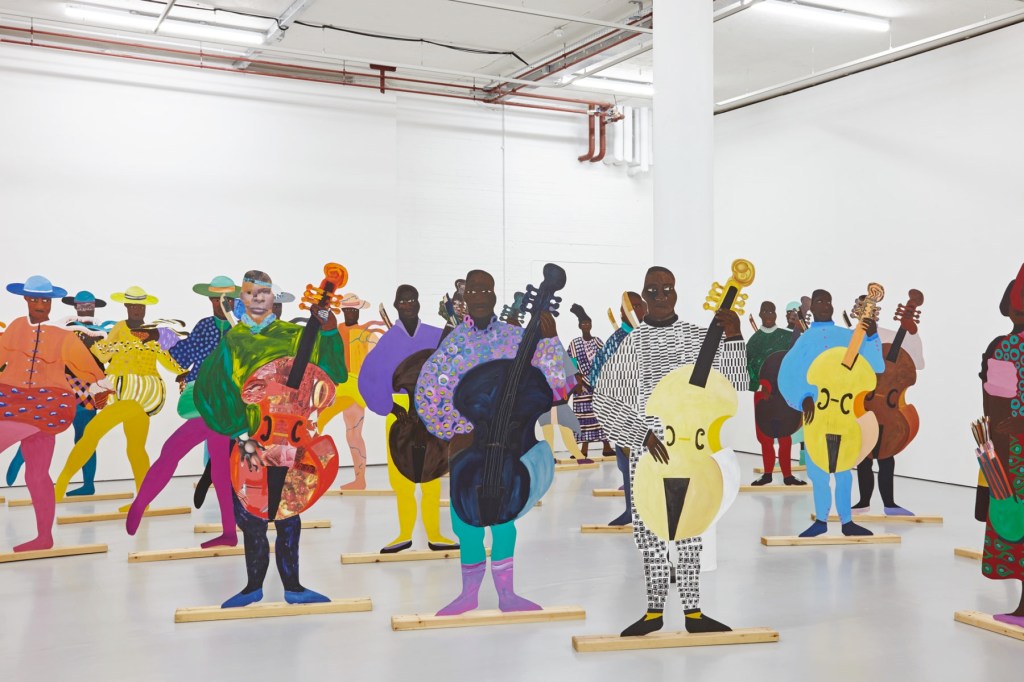
Reviewing Naming the Money art critic Luisa Buck noted: “Himid’s work has long been concerned with black creativity, history and identity and this animated throng represents the Africans who were brought to Europe as slave servants. There are drummers, dog trainers, dancers, potters, cobblers, gardeners and players of the viola da gamba, all decked out in vivid versions of 17th century costume. Labels on their backs identify each individual, giving both their original African names and occupations as well those imposed by their new European owners, and these poignant texts also form part of an evocative soundtrack, interspersed with snatches of Cuban, Irish, Jewish and African music.”
Himid has also exhibited at the Tate Gallery Liverpool where her installation ‘The Carrot Piece’ from 1985 is on permanent display.
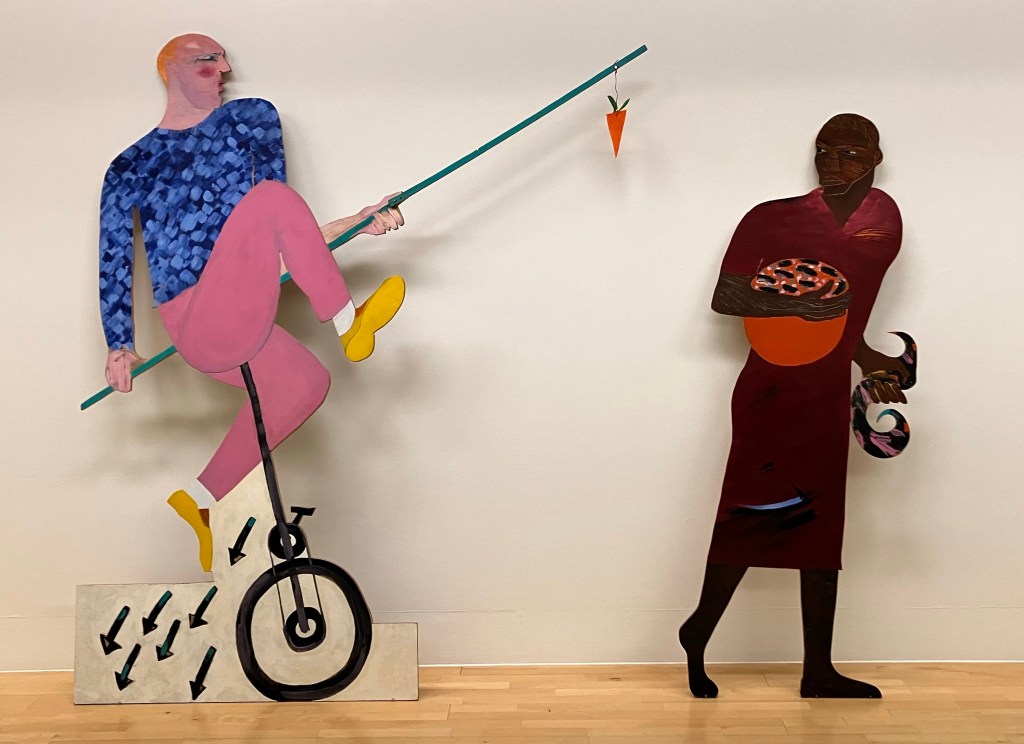
As one can see, the white male figure is pursuing the black female figure and is trying to tempt her with a carrot on a stick, the latter device being a metaphor for the use of a combination of reward and punishment to induce a desired behaviour. Capture and surrender. The piece is political and Himid commented that the work was made at a time art galleries ‘needed to be seen’ to be including black people into their exhibitions but did so in a patronising and controlling manner. She commented ‘we as black women understood how we were being patronised … to be cajoled and distracted by silly games and pointless offers. We understood, but we knew what sustained us… and what we really needed to make a positive cultural contribution: self-belief, inherited wisdom, education and love.’
Himid was appointed an MBE (a ‘Member of the British Empire’) by the late Queen Elizabeth II in 2010 ‘for services to black women’s art’. In 2017 she won the prestigious Turner Prize winner, the first black woman to do so. She was promoted to a CBE (‘Commander of the British Empire) in 2018 for services to art.
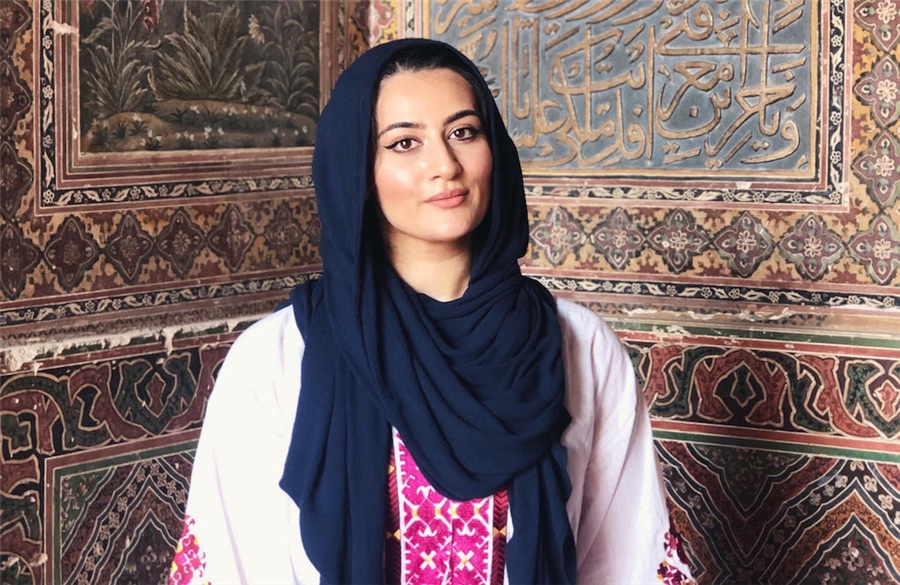
As well as being Lubaina Himid’s home, Preston is currently the venue for the UK’s biggest outdoor photography festival with the works of several international photographers displayed in parks and on walls across the city. Included in the exhibition is a series of photographs by Birmingham based artist Maryam Wahid (https://www.maryamwahid.com) being stunning images from her project ‘The Hijab’, photographic portraits of women in Britain wearing and adopting the garment to their own style.
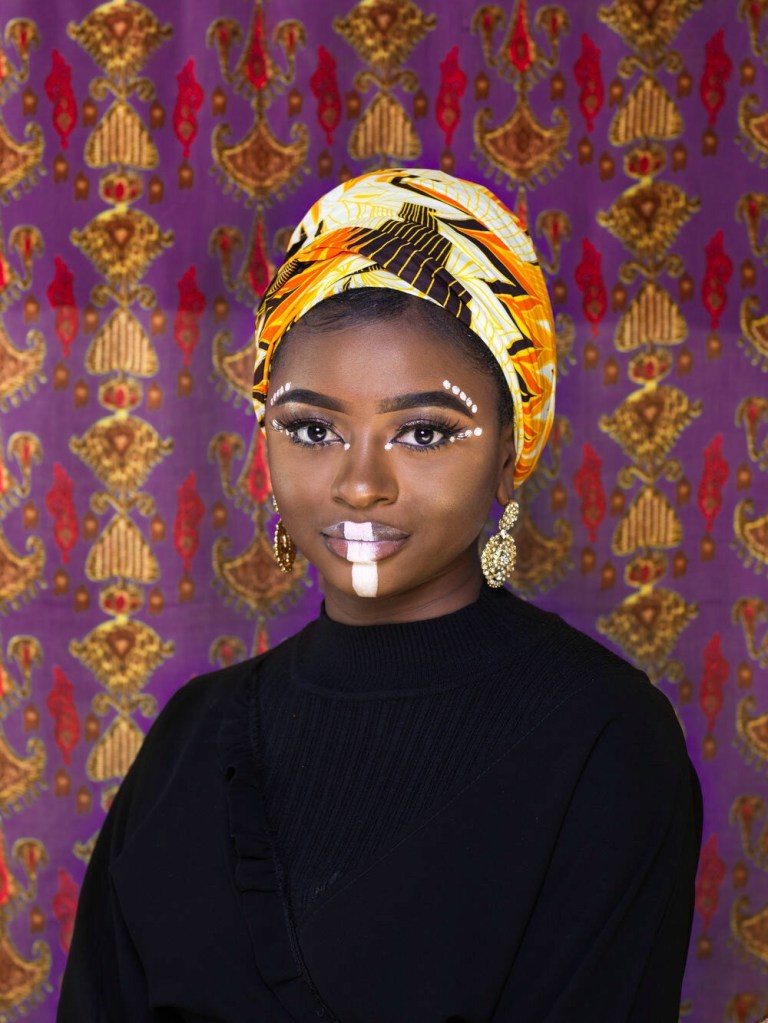
The hijab is a covering for the hair and neck, often a head scarf worn by some Moslem woman as a mark of modesty. It is a most misunderstood garment which some countries in the West, such as France, Sweden and Austria have placed restrictions on.
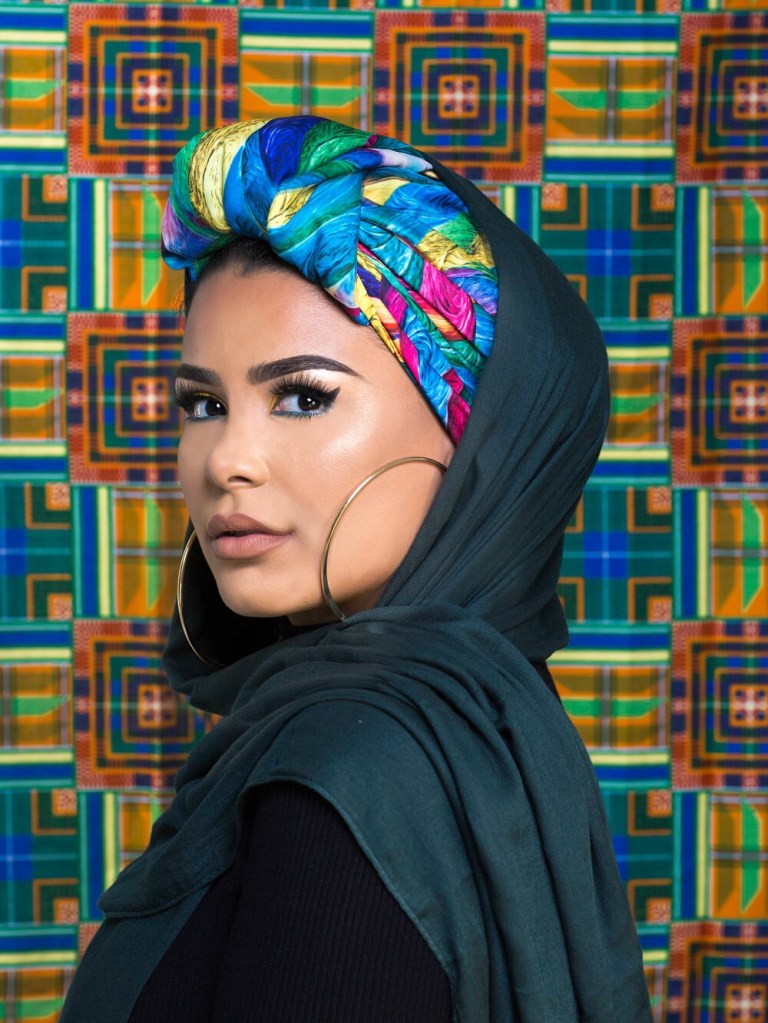
Whilst modest attire by both men and women is a matter of Islamic law, the wearing of the hijab is not a required convention, it is not one of the *Five Pillars of the Faith. Whether or not a woman wears a hijab is more likely a matter of personal choice, at least in the West, despite the misplaced efforts of some governments to restrict and demonise it’s use in day to day dress.
*The Five Pillars are the core beliefs and practices of Islam:
• Profession of Faith (shahada). The belief that “There is no god but God, and Muhammad is the Messenger of God” is central to Islam. …
• Prayer (salat). …
• Alms (zakat). …
• Fasting (sawm). …
• Pilgrimage (hajj)
Wahid’s photographic project explores the different and highly individual ways the hijab is worn by Muslim women in the UK in a startling series of portraits, two of which are reproduced above.
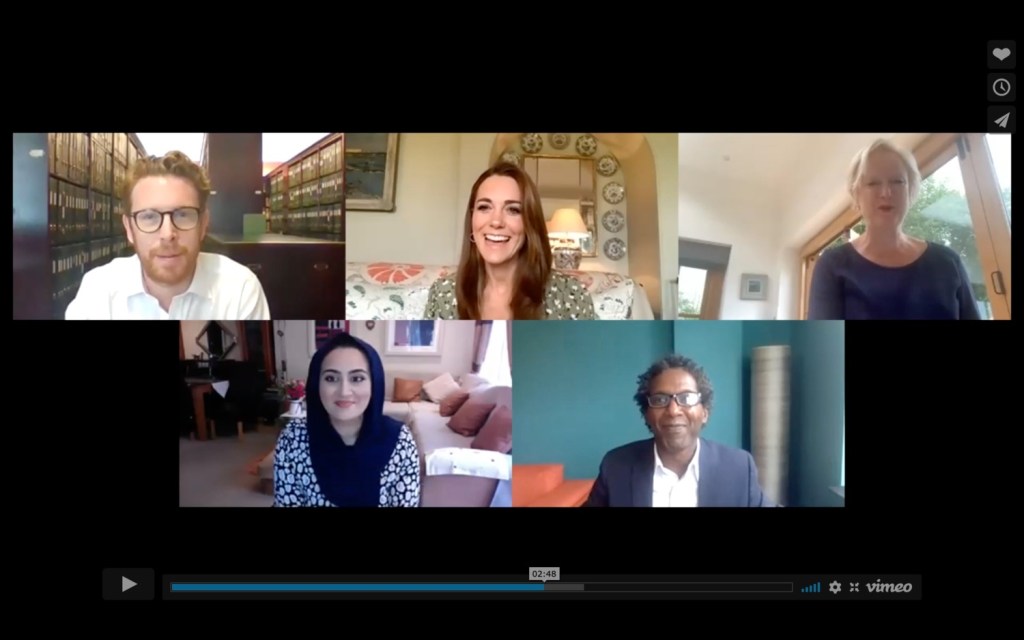
In 2020 Wahid was invited by Her Royal Highness The Duchess of Cambridge to judge the photography competition Hold Still 2020 for the National Portrait Gallery in London.
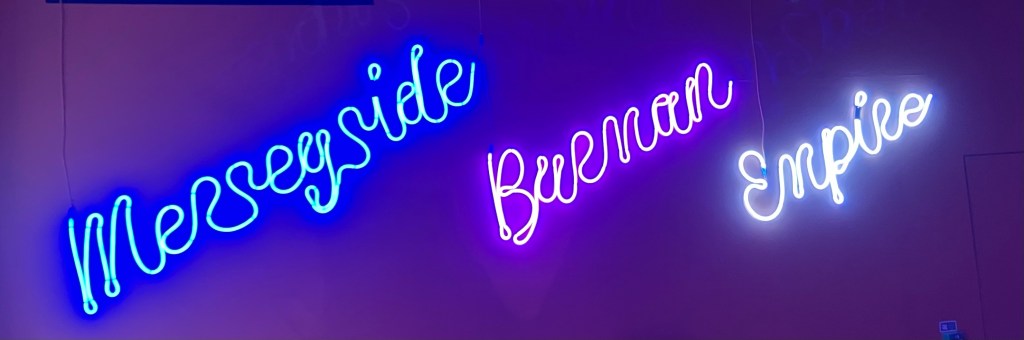
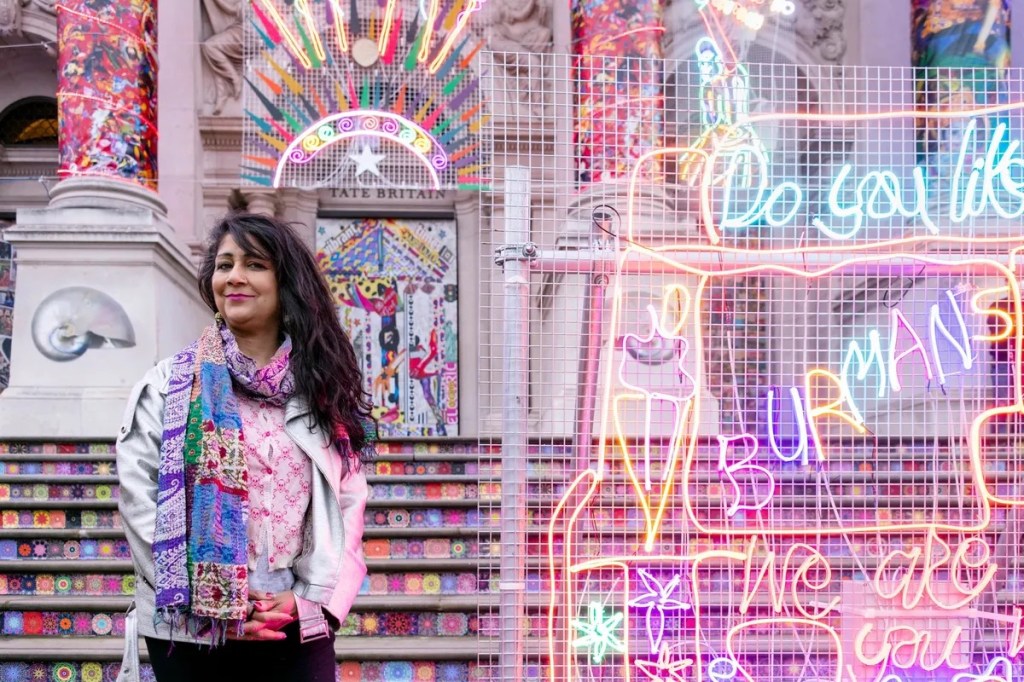
Back to Liverpool and FACT (https://www.fact.co.uk), a multi media arts venue near the city centre. FACT is currently exhibiting exciting new work by Chila Kumari Singh Burman (http://www.chila-kumari-burman.co.uk) entitled ‘Merseyside Burman Empire’. The ‘Empire’ is an imaginary living room covered in wallpaper decorated with stylised images of Indian women, Hindu deities, plastic jewellery. The installation also features several neon designs including a giant tiger. The centrepiece of the space is an ultra colourful tuk tuk.
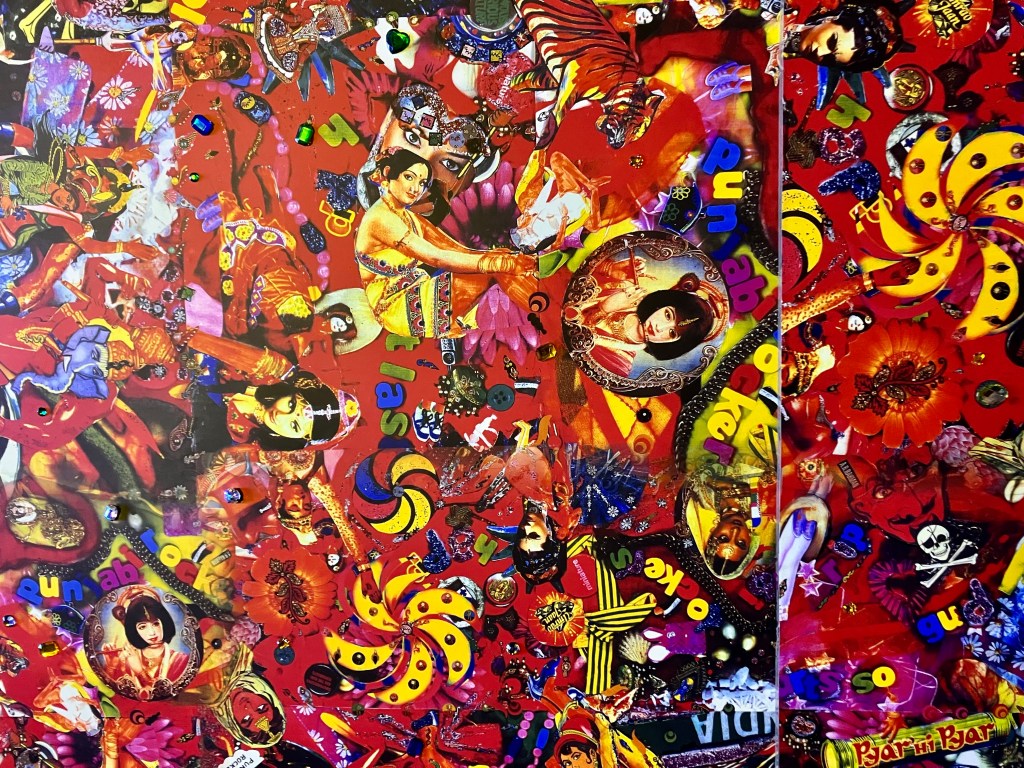
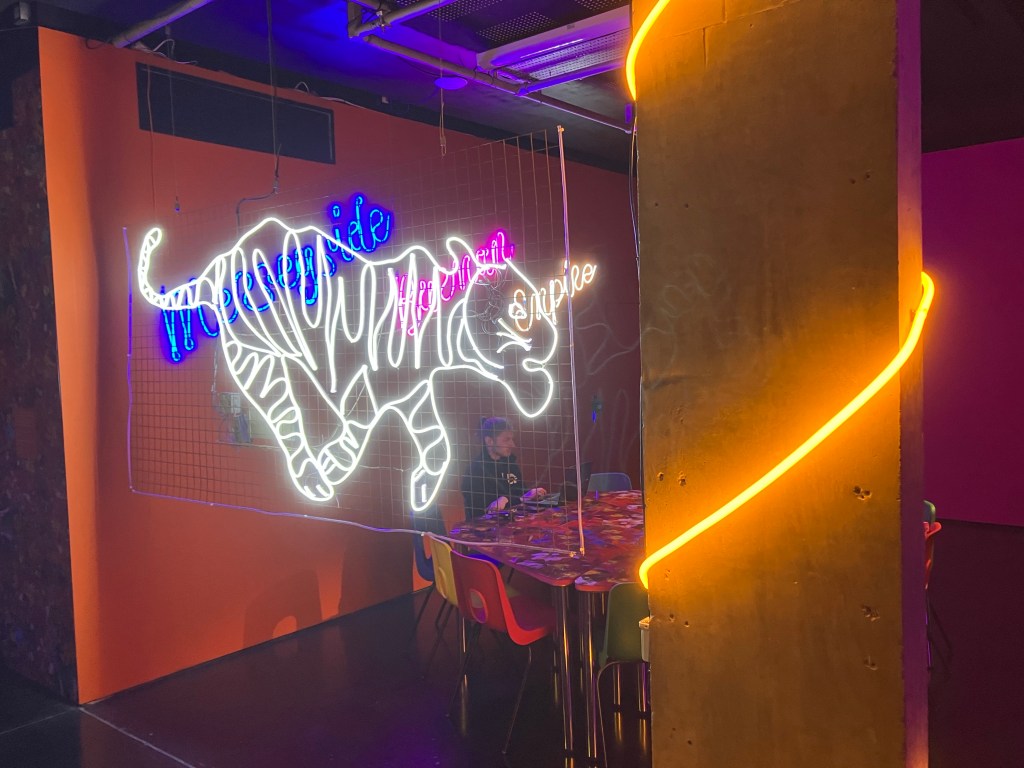
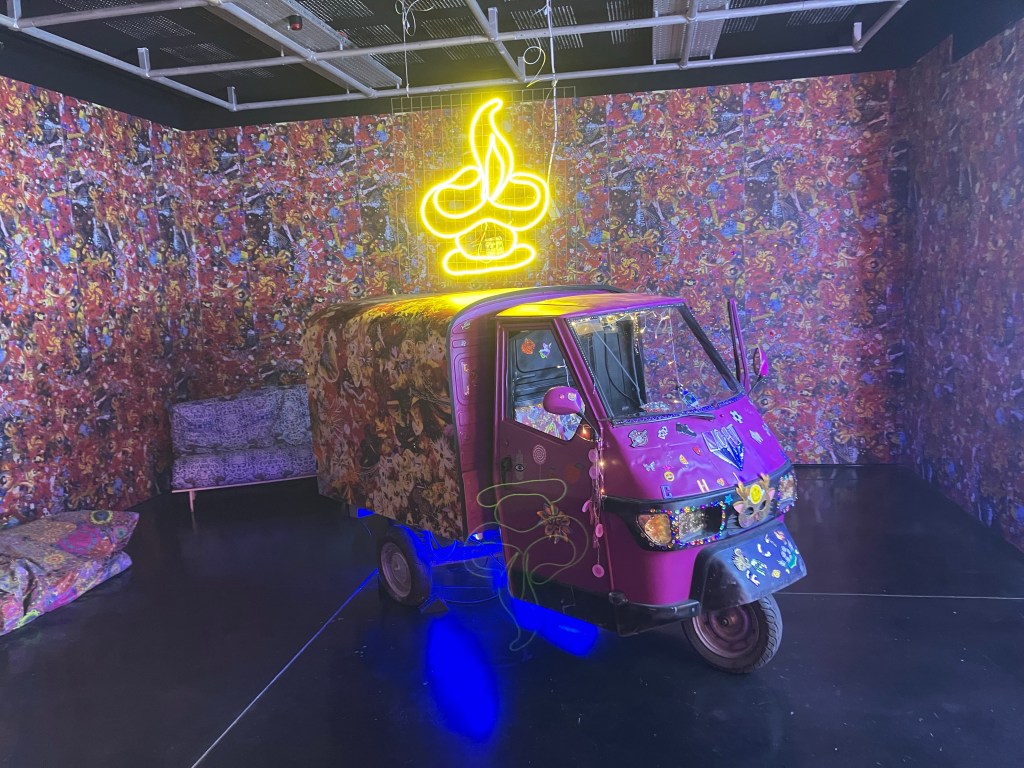
Burman is very much a local artist as she was born in the docker’s suburb of Bootle to Punjabi- Hindu parents. She combines images from Indian and Western pop cultures and was recently appointed an MBE for her services to visual arts.
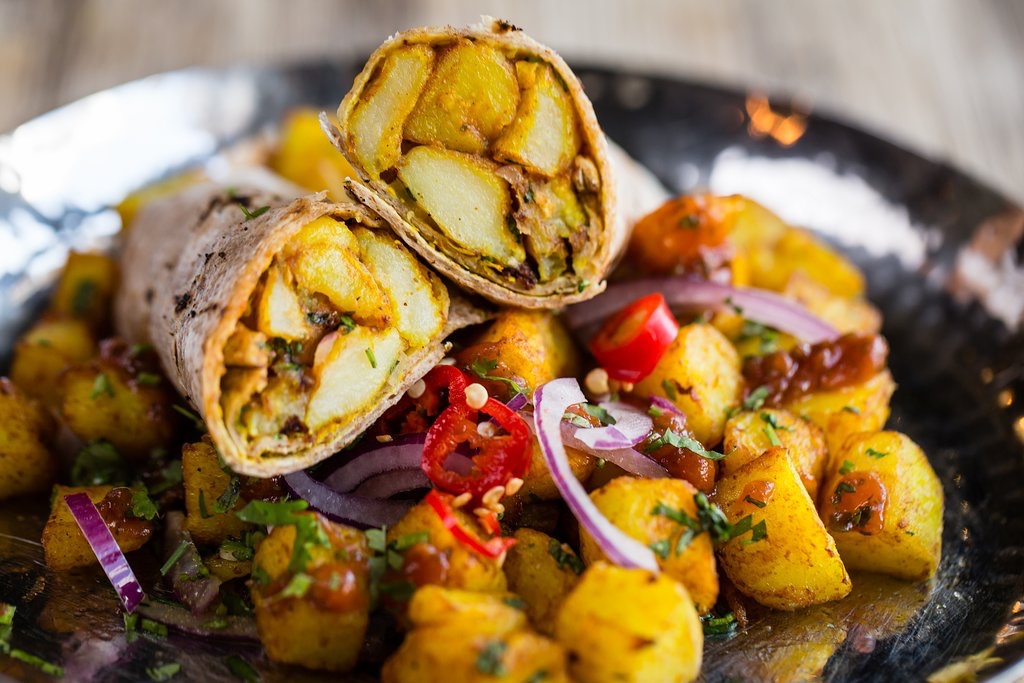
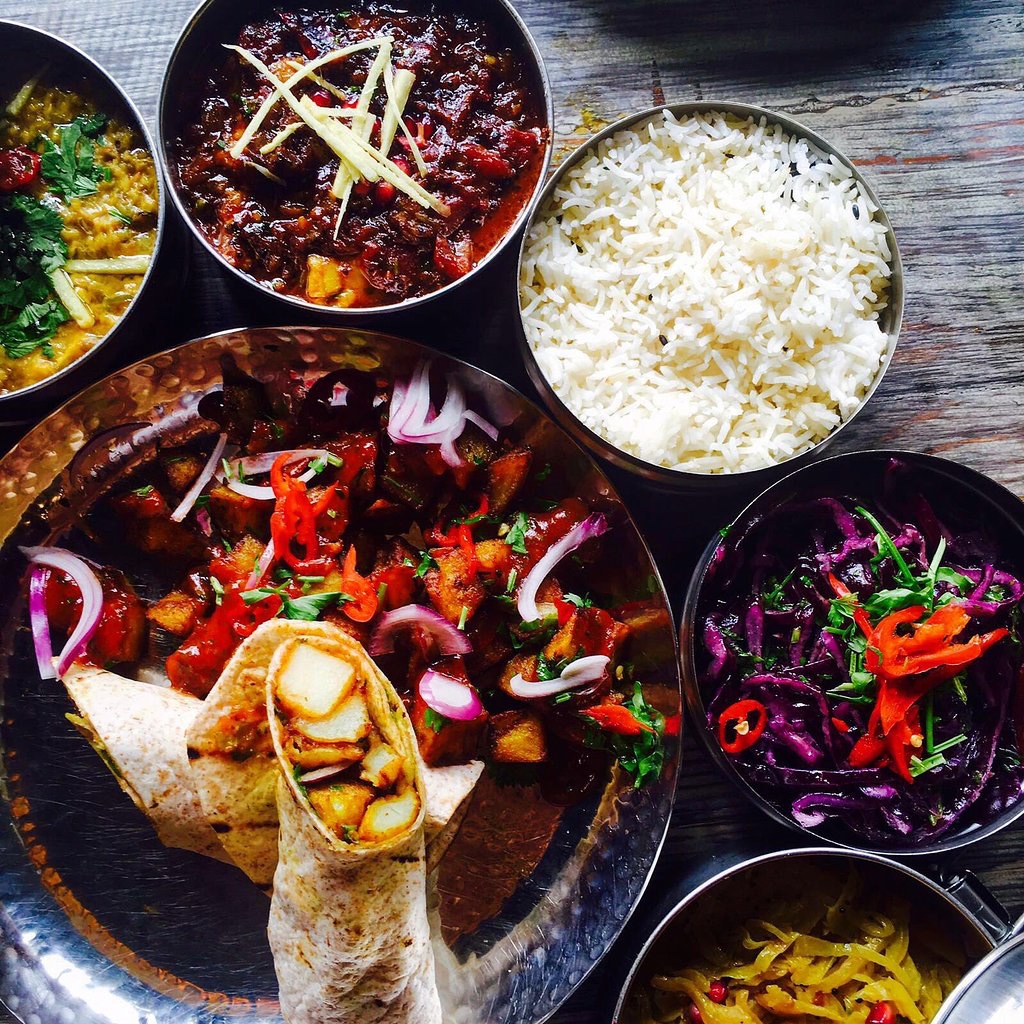
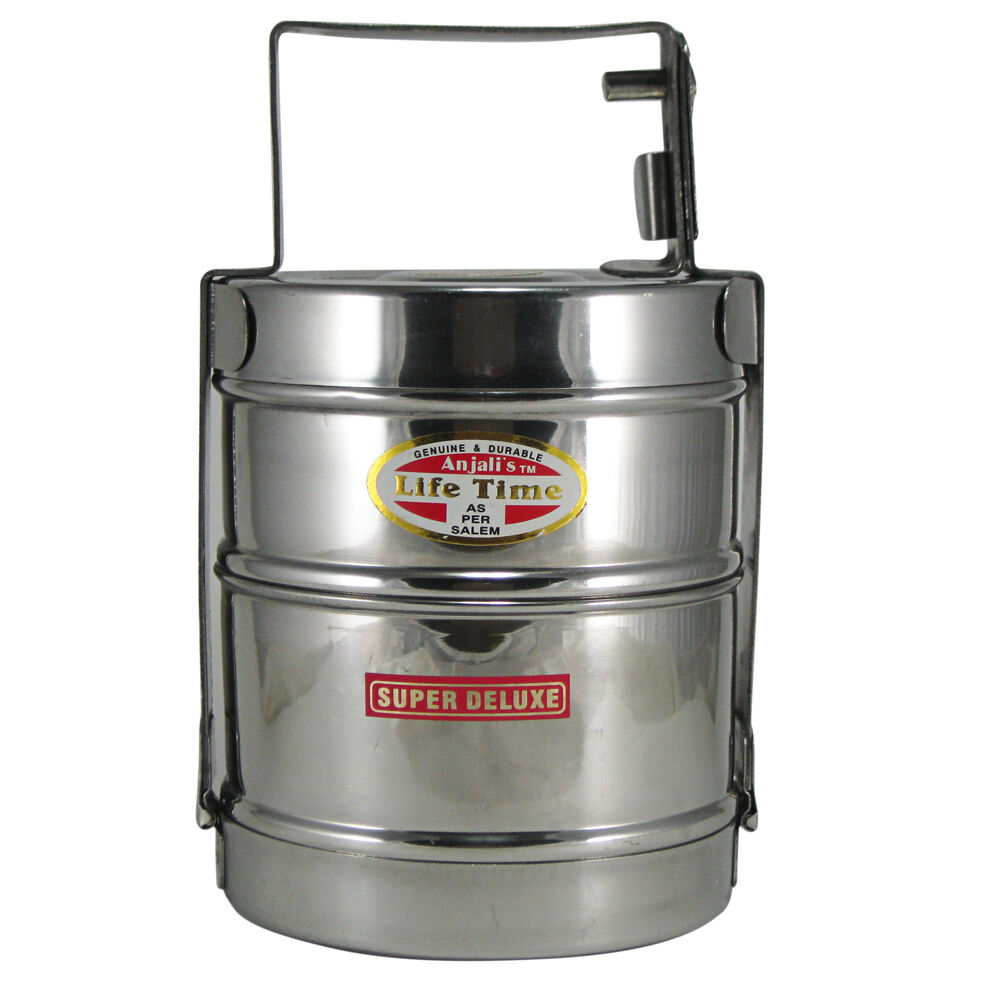
Another woman with SE Asian forbears who is making a definable mark on the culture of the UK is Nisha Katona, A former Law graduate of Liverpool John Moores University, a Barrister for 20 years, a restauranteur, food writer, TV presenter and entrepreneur, Katona is a virtually unstoppable force in the re popularisation of Indian food in the UK. Traditionally, whilst the food served in British Indian restaurants was (and still is) massively popular, the food would often bear little relation to the food cooked in Indian homes – or from street vendors who will often specialise in creating one perfect dish. As anyone who has visited India will tell you,the best food in the country is served at home or on the street and Katona was determined to revolutionise the Indian food scene in the UK with ‘tiffins full of intense bright flavours’.

Originally from the town of Ormskirk just outside Liverpool, Katona opened her first restaurant in the city in 2014 under the now much loved brand name, ‘Mowgli’ with its distinctive logo of an Indian monkey. The food at a Mowgli restaurant is always fresh, nicely spiced and beautifully presented making the restaurant a firm favourite with couples and families. Each venue is individually designed by Katona herself and is subtlety different in appearance from other Mowgli restaurants. New branches are opening slowly and carefully throughout the UK. Nevertheless, it is Liverpool that is closest to Katona’s heart. She has been quoted as saying that she owes her success to the city.
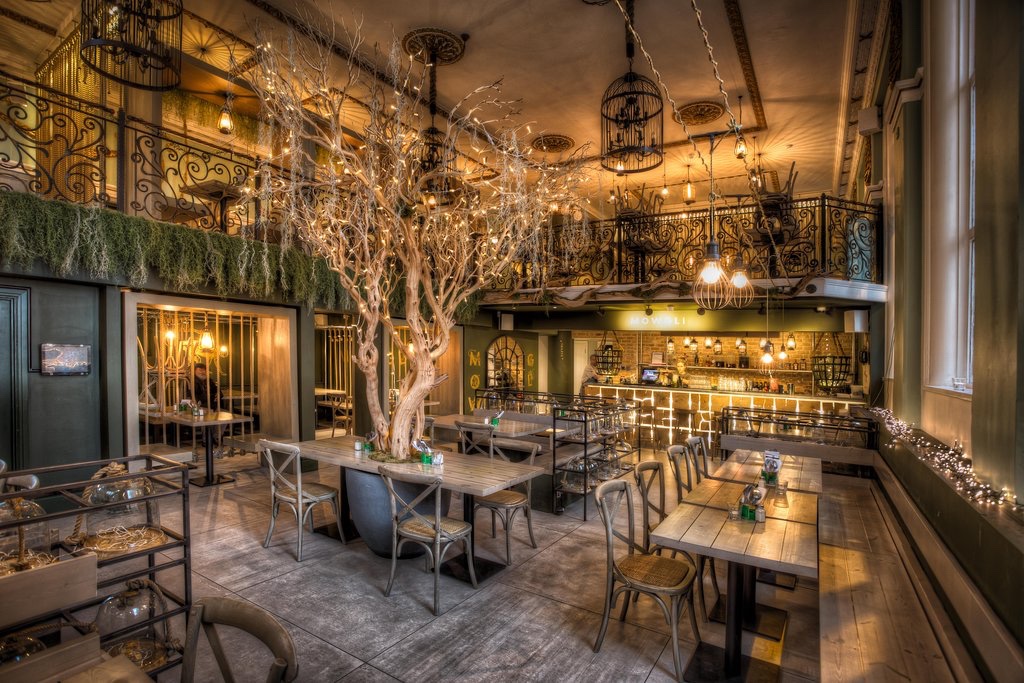
Everyone loves the food and atmosphere at Mowgli!
Finally, we are genuinely sorry to hear of the death of Jamie Reid, artist, Situationist and revolutionary thinker in Liverpool this week. Reid is perhaps best known for his work with the Sex Pistols in the 1970’s and for co-opting monarchal images into politically satirical situations.
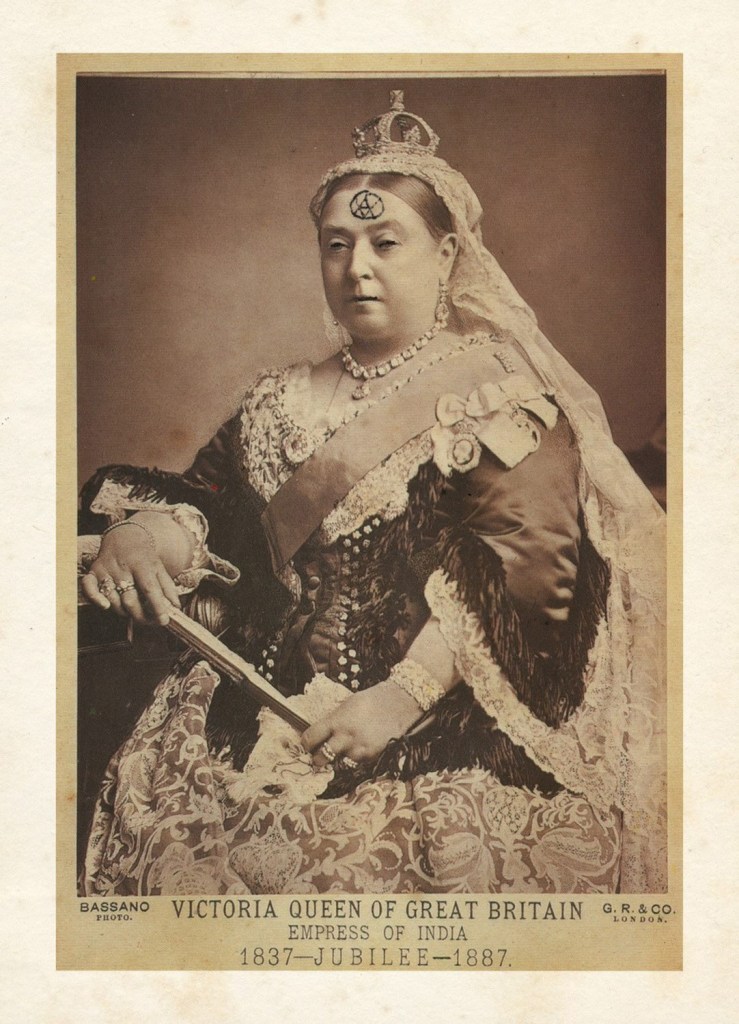
‘Now we rise and we are everywhere’.


 FOOD, FILMS 'N' TINGS