Köln (aka ‘Cologne’) is the fourth largest city in Germany. Devastated by the extensive bombing campaigns of Allied aircraft during WW2, the city is essentially one of concrete, steel and glass and some what ‘thrown up’ in nature. So great was the bombing devastation that is some way past the interchange at Barbarossa Platz (where the southbound U Bahn to nearby Bonn rises to the surface), before you are amongst the older suburbs of turn of the century housing. Köln is, not a pretty city and there is, a fair amount of homelessness (even in the airport) and urban grime. Like Berlin or Hamburg, there is nothing neat or ‘twee’ about the place. Nevertheless, the city is friendly, cultural and full of character and it reminds us in a way of Manchester in the North of England.

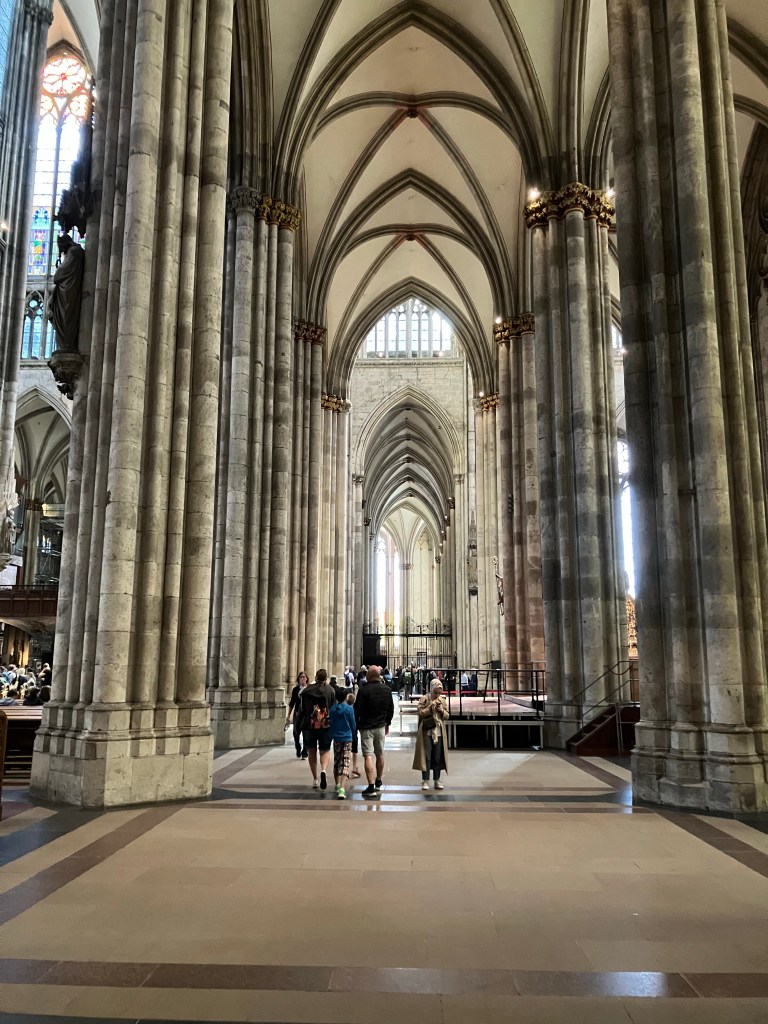
Three key city landmarks spring to mind. Most important amongst them is the Cathedral, the Kölner Dom, it’s outline of blackened sandstone visible from miles around. It is the largest Gothic church in Northern Europe and is Germany’s most visited landmark.
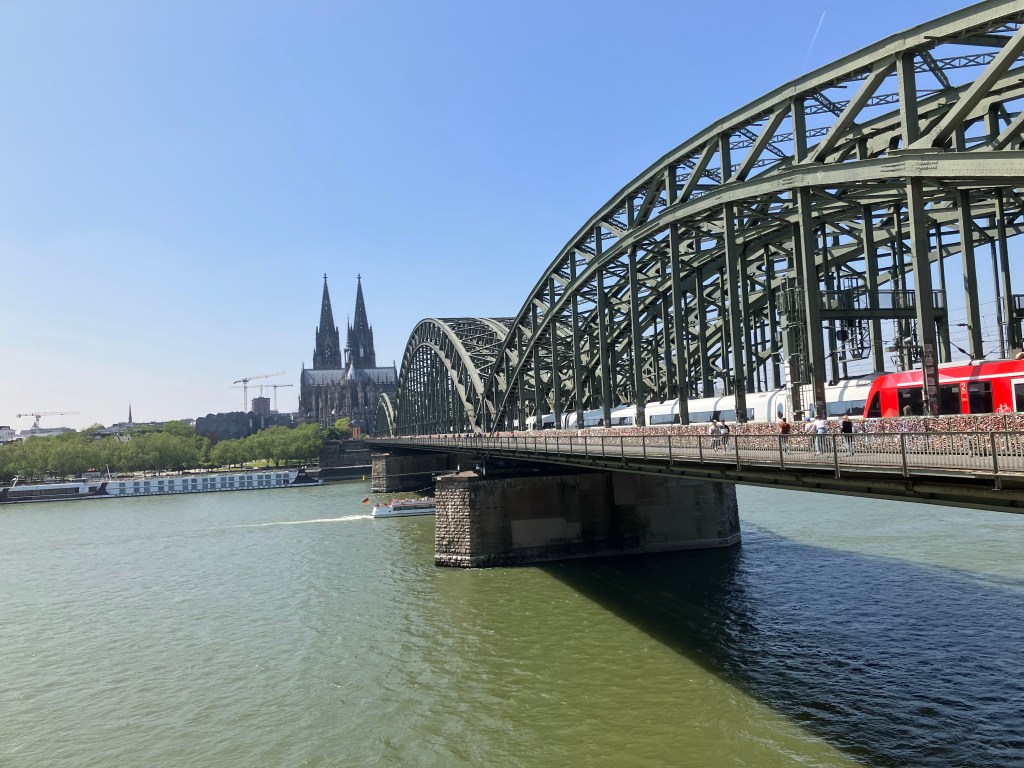
Second in importance in our opinion is the Hohenzollern bridge with its three distinctive arches. It runs east of the main train station and crosses the Rhine. It is used by both pedestrians and trains and with the exception of the walls of hideous ‘love padlocks’ which line the railway fences along the bridge, it is an otherwise pleasant way to walk across the Rhine to the other side.
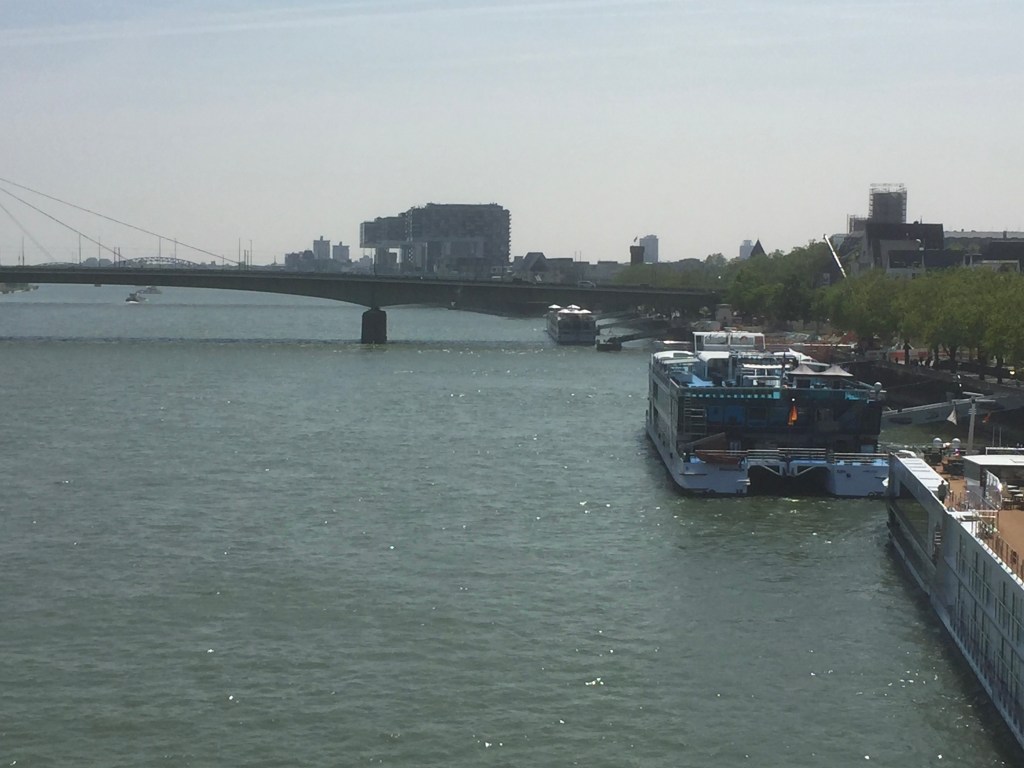
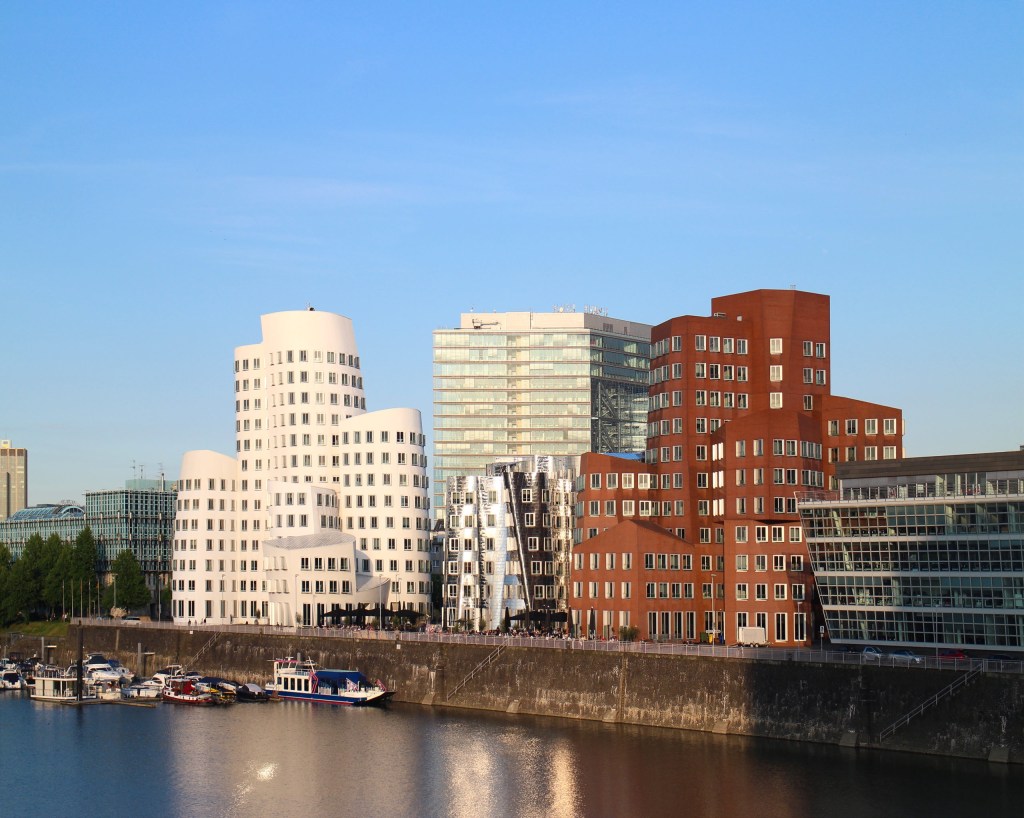
Clearly visible from the bridge are another city landmark, the three Kranhaus buildings of the Rhineauhafen urban regeneration area. The area was once a commercial harbour for loading and unloading goods from Rhine barges. Now the area’s most eye catching buildings, the three ‘Kranhaus’ loom over the river as if they were modern day harbour cranes of glass and steel.
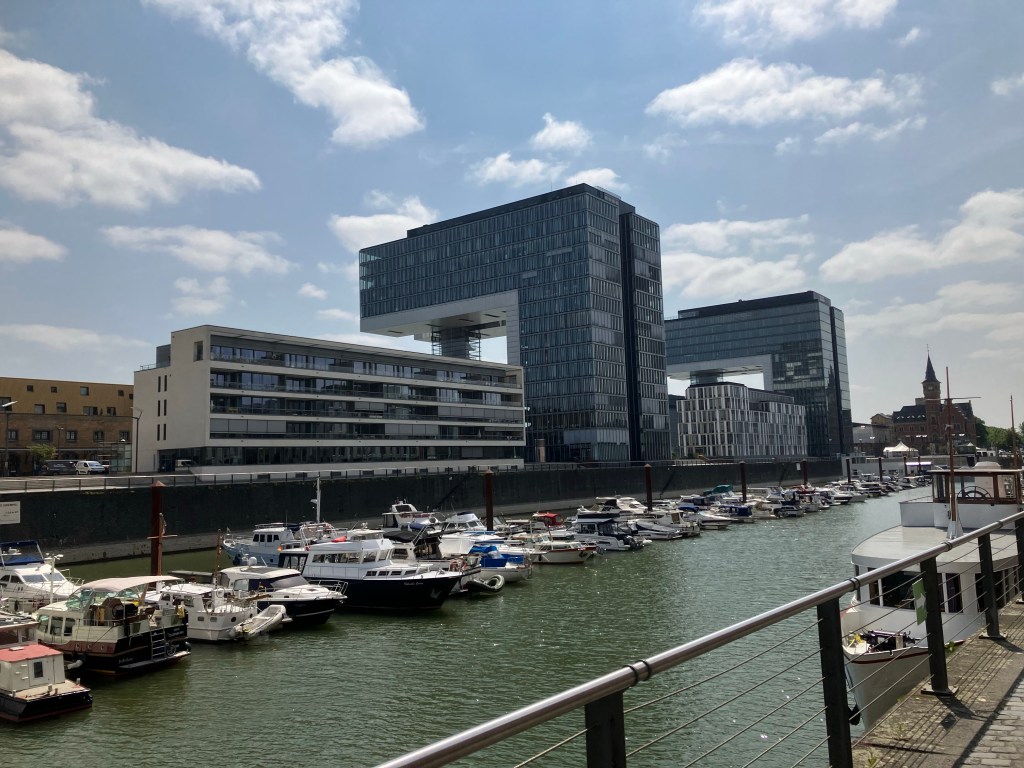
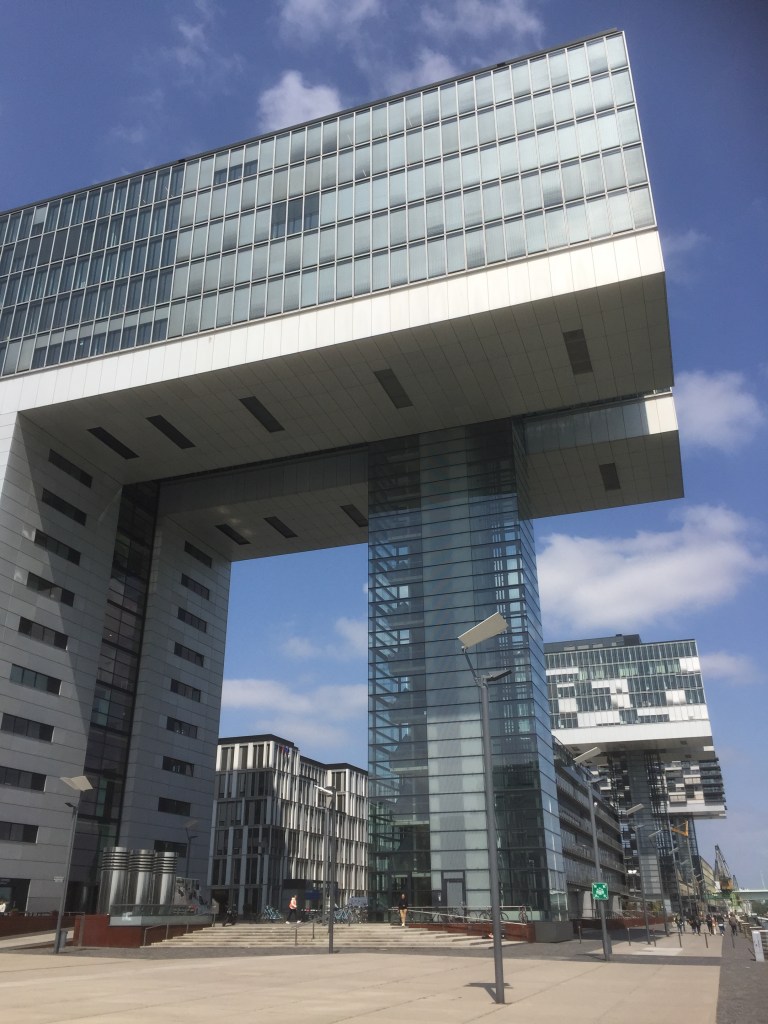
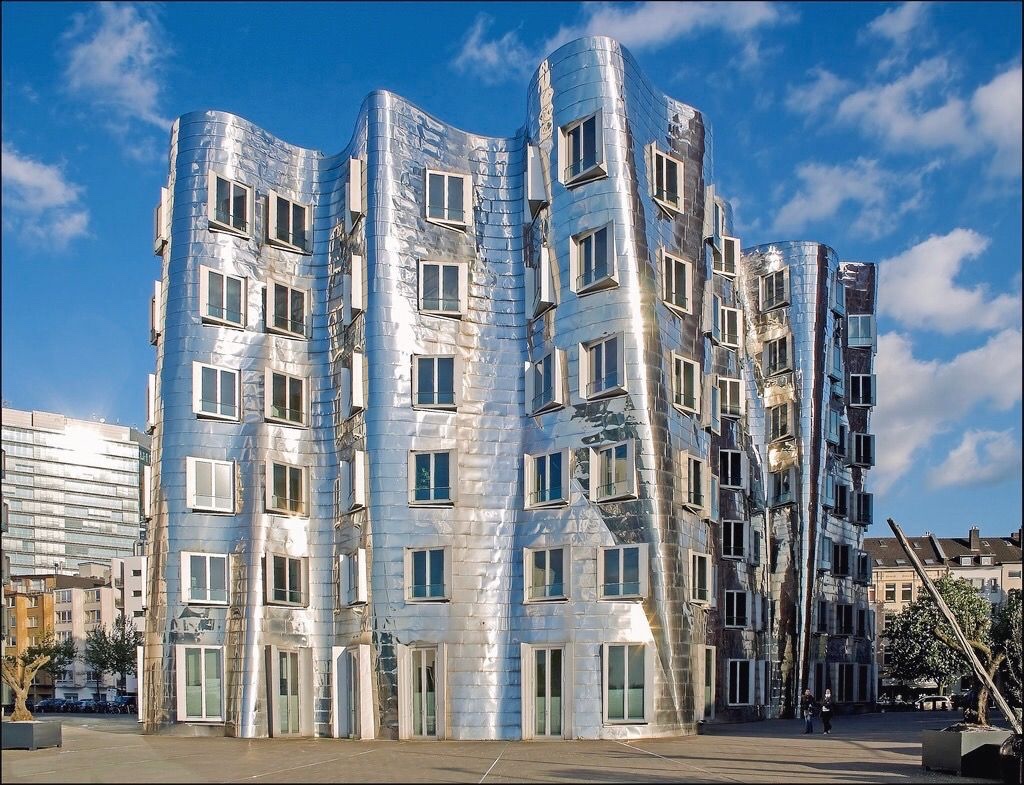
Rhineauhafen is a commercial and aesthetic success in our opinion as is the revitalised MedienHafen district of nearby Düsseldorf, another former harbour area now a media industry district distinguished and enlightened by impressive architecture including Frank Gehry’s Neuer Zollhof buildings
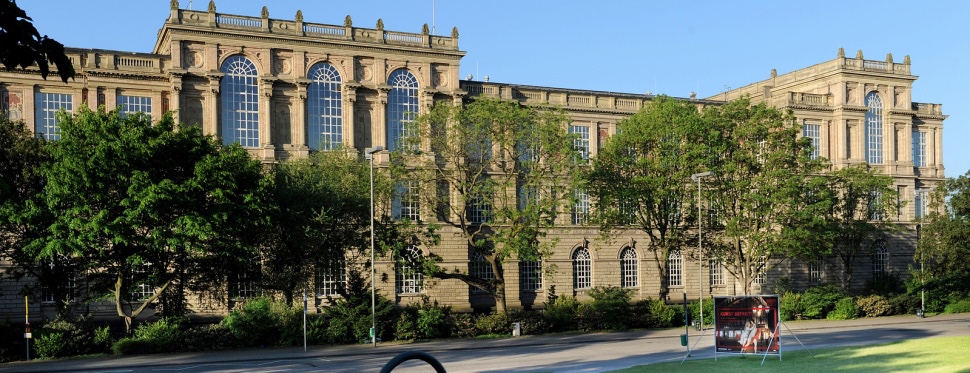
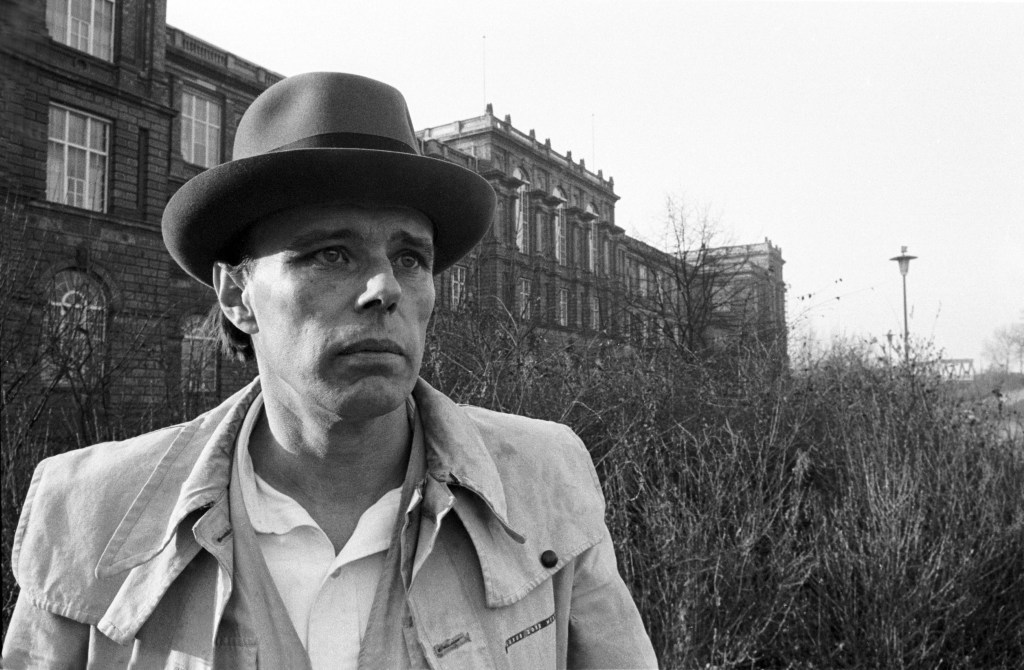
Düsseldorf is forever associated with the artist Joseph Beuys who was the professor of monumental sculpture at the city’s art college, the Kunstakademie. The artist Paul Klee had also taught at the Academy.
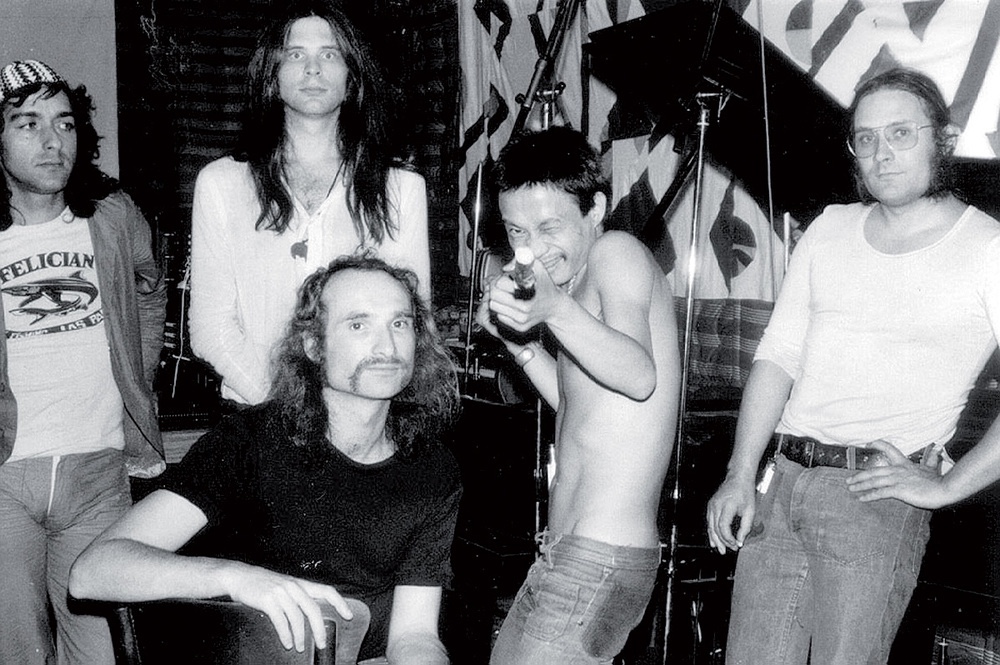
Kõln and Düsseldorf between them produced two of Germany‘s most innovative and influential music groups, Can from Köln and Kraftwerk from Düsseldorf. You cannot underestimate the influence the music of these two groups had on popular Western musical culture from Rock to Techno, from Hip Hop to Electronica. If you add Donna Summer (who was identified with the Munich scene) to the work of Can and Kraftwerk you more or less have the blueprint for the electronic dance music of the UK and USA which was to evolve in the 80s and 90s
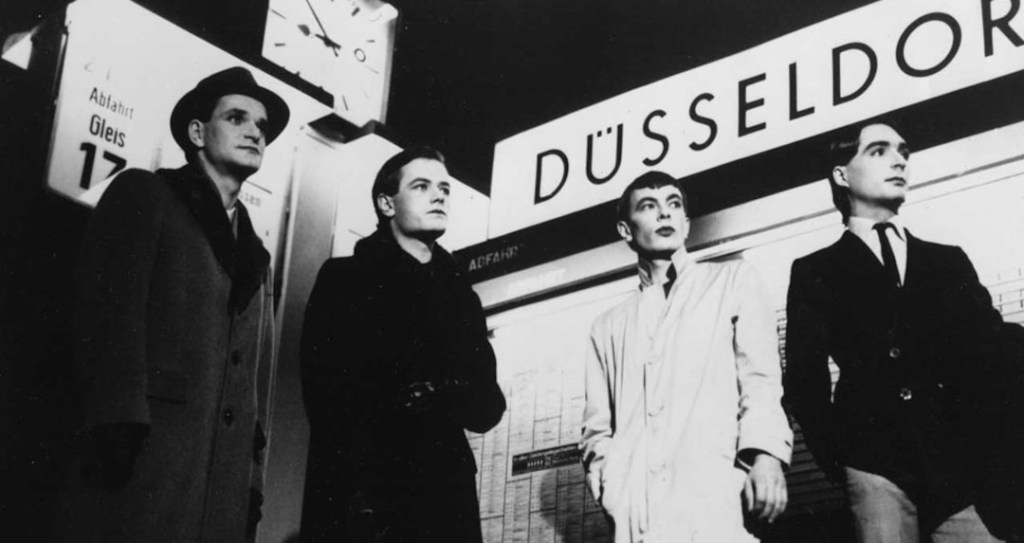
Kraftwerk even extended their influence to London’s ‘Ebony Steel Band’. They who covered Kraftwerk songs in their 2021 album ‘Pan Machine’. The album’s name is a pun on Kraftwerk’s 1978 album ‘Man Machine’, a ‘Pan’ being the nickname of the oil drums played in a Steel Band.


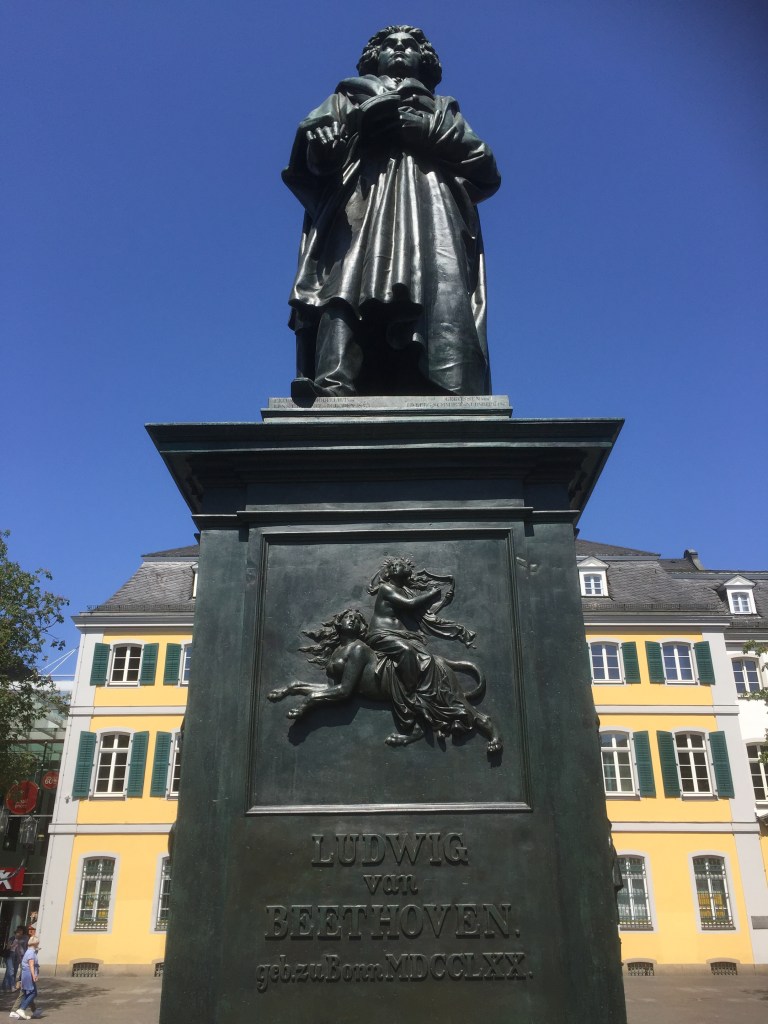
As for classical music, the nearby city of Bonn (easily reached from Köln by U- Bahn) is the birthplace of Beethoven. His family home, the Beethoven House, is the most popular attraction in the city for visitors.
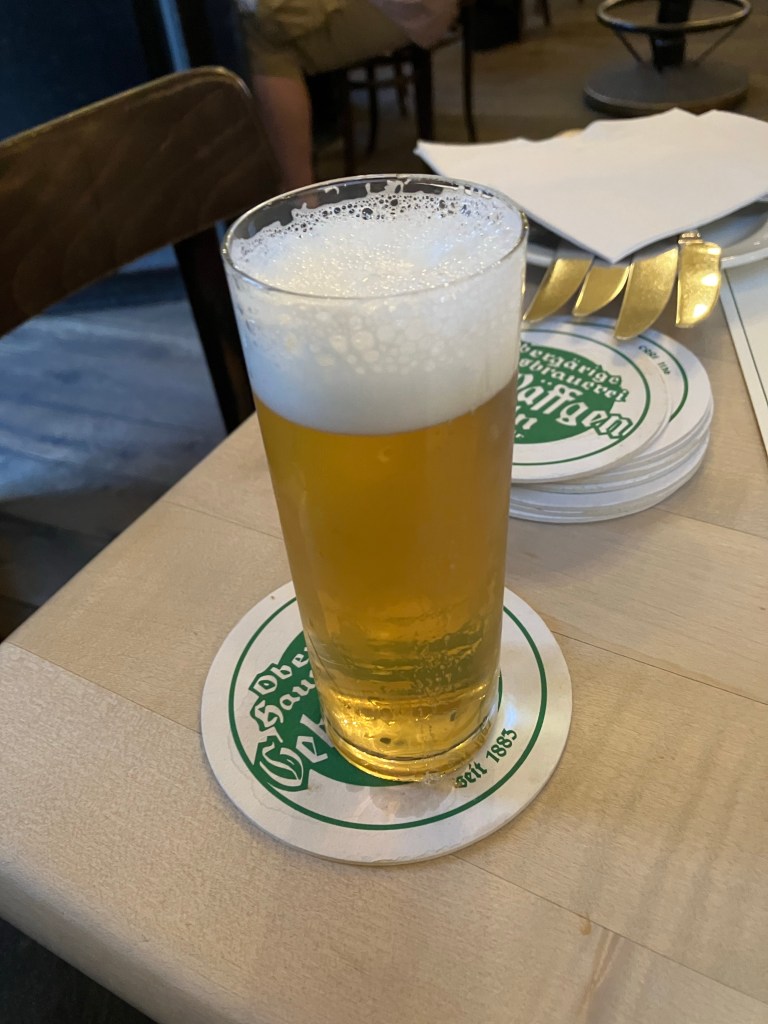
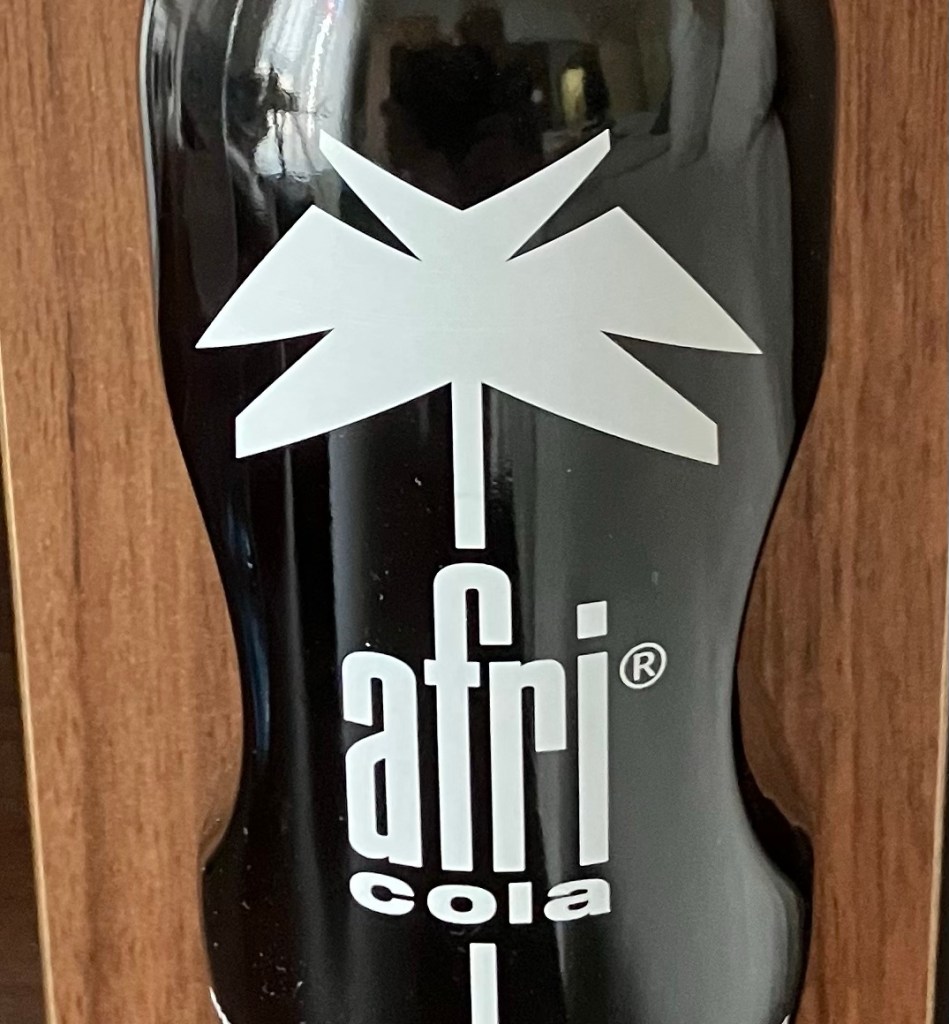
Köln is especially well known for two popular drinks, the first is a soda (‘afri cola’) and the second is the local style of beer known as ‘Kölsch’.
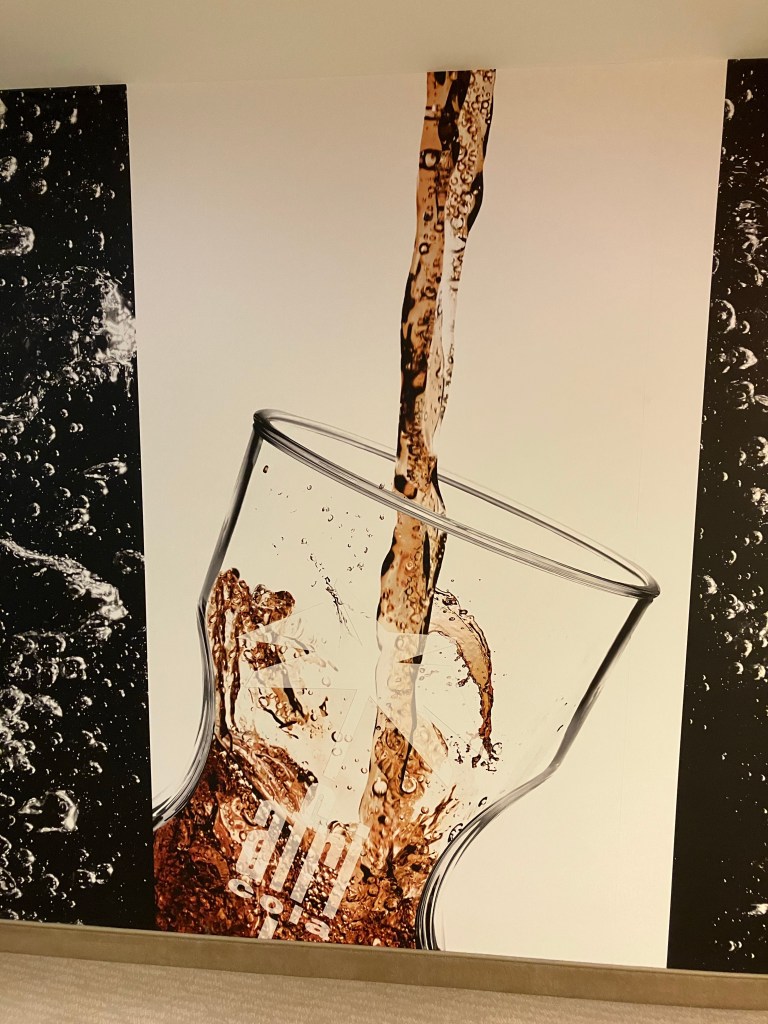
Afri cola is a very high caffeine (250m/L to Coca Cola’s 32 m/L), ‘old fashioned’ tasting local soda, first manufactured in Köln in 1931. The birthplace of the drink can be found in the grounds of the Courtyard by Marriot hotel on Dagobertstraße, north of the main train station. The original stoneware tanks used in the production process of the drink‘s syrups are housed in the hotel’s reception area, afri cola graphics adorn the walls.
The drink’s popularity peaked in the 60’s when the brand was advertised on German TV via a ‘risqué’ TV commercial by Ad Director Charles Wilp whose 1968 creation for the brand featured super stars of the day Donna Summer, Marianne Faithfull, Amanda Lear, and Marsha Hunt as well as a leather clad biker and a moustachioed Vietnam era US soldier with the commercial set to a discordant sound track.
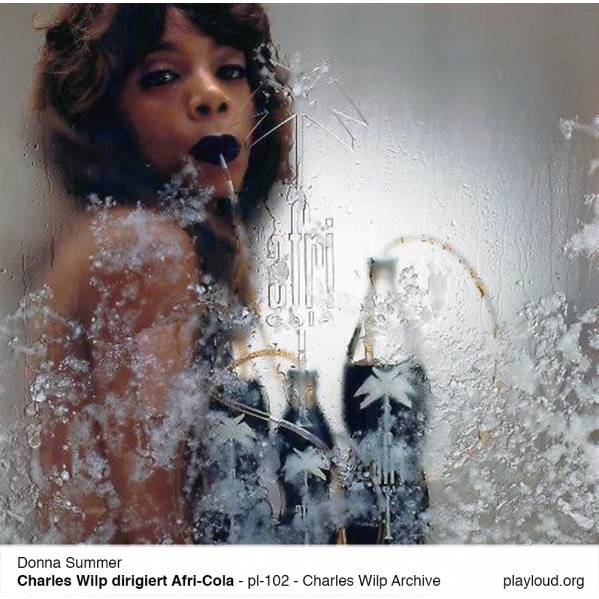
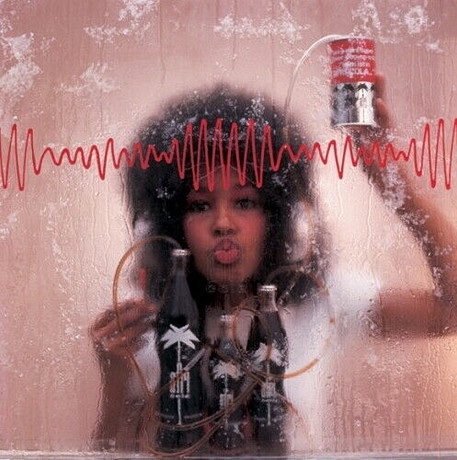
https://youtu.be/RW-_8okYW5I – follow the link to the 1968 advert, well worth watching.
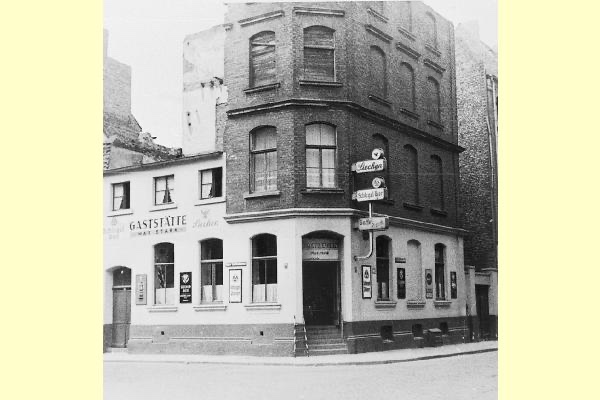
Although it had been hugely successful, the drink was more or less discontinued by the 1990’s. Foreign competition from the likes of Coca-Cola, a change in the recipe and a reduction in the caffeine content all contributed to the brands’s demise. However, the drink was revived thereafter with its original, taste, high caffeine content and logo resurrected. The drink is readily available all over the city including at an atmospheric bar/restaurant, the Gaststätte Max Stark on Unter Kahlenhausen, near the cola’s original source on Dagobertstraße.
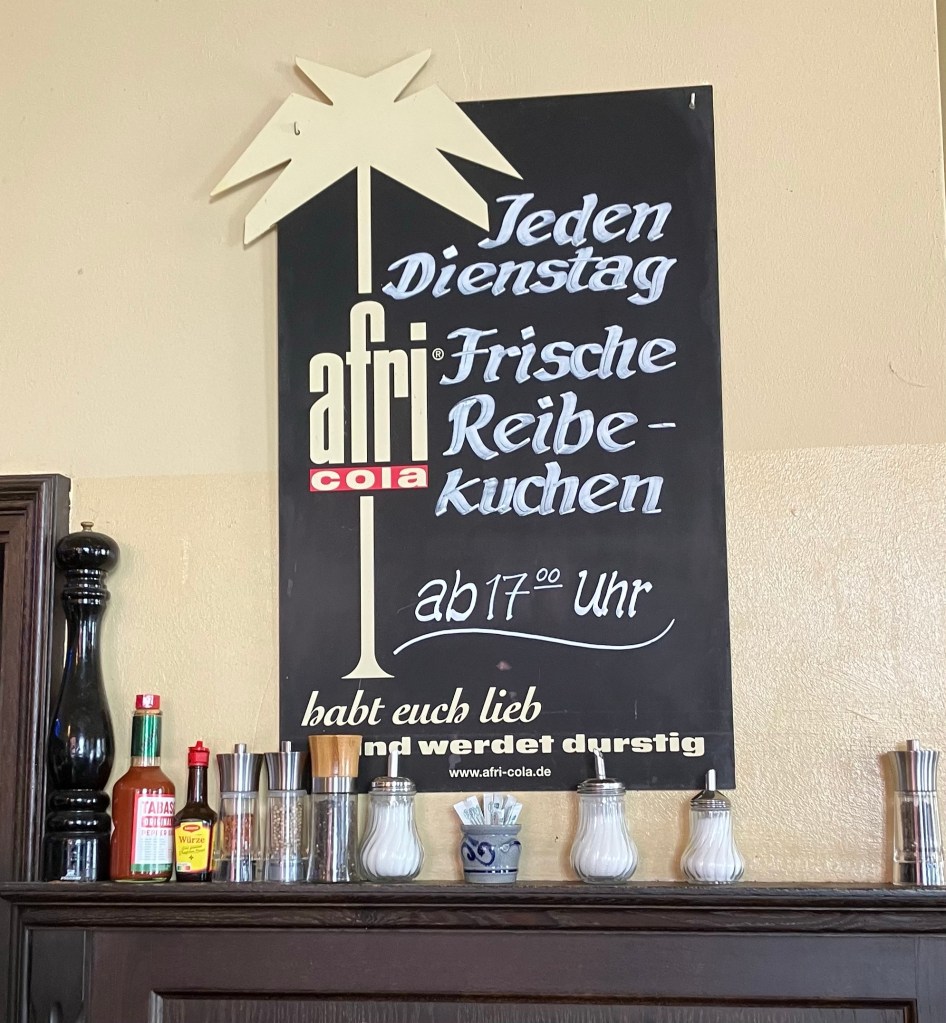
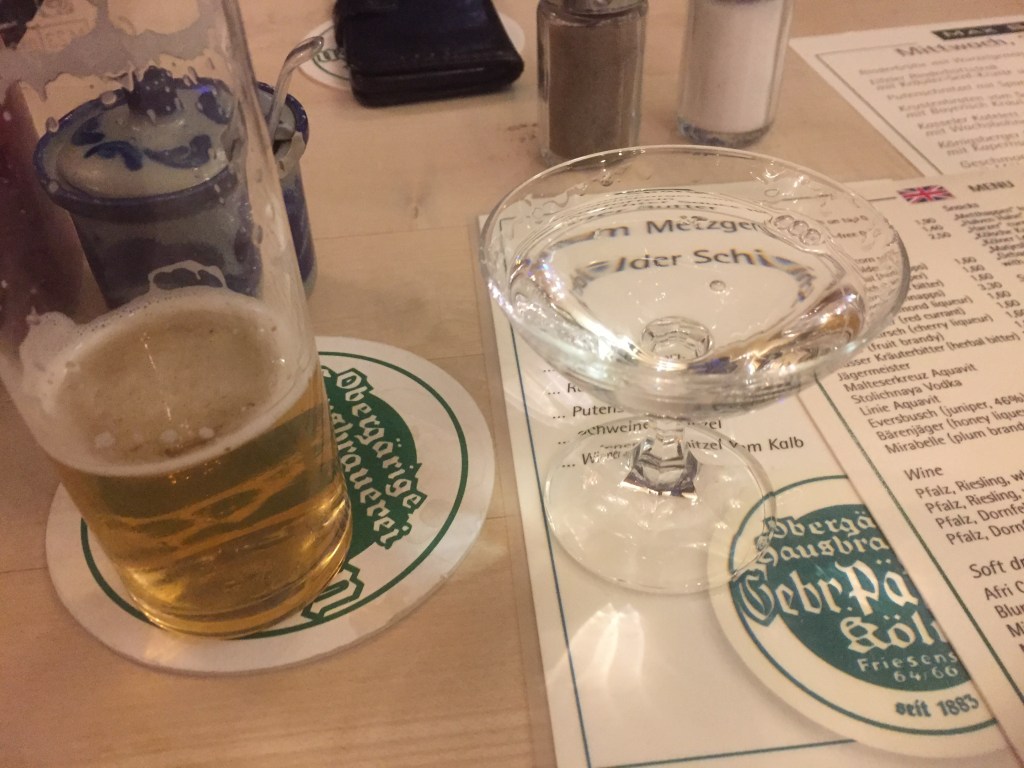
The Max Stark is also a great place to drink a glass of the city’s unique beer, Kölsch. a light, fine tasting drink. The term Kölsch is a protected designation of origin in the EU and it can only be used for a specific type of beer made within 50km of Köln and which has been brewed to a defined standard.
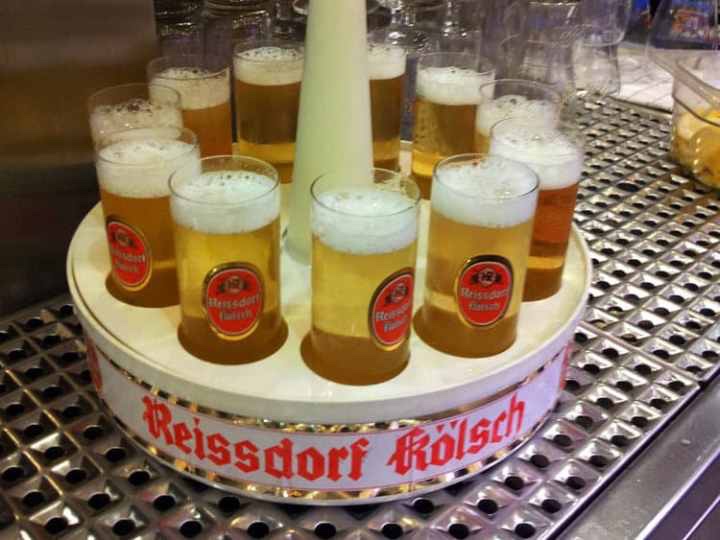
Kölsch is served in a tall, thin glass known as a ‘stange’ in small 200mm measures. The glasses keep the beer cold and help it to retain a frothy head.
Kölsch is traditionally served by rather ‘stern’ waiter known as a ‘kobe’ who circles the bar handing patrons glasses of Kölsch from a circular tray known as a ‘kranz’ . Each time a customer takes a beer the waiter marks a piece of card with the tally. As is the custom with the Brazilian currasqueria, the kobe will continue serving until the customer places a beer mat over the glass indicating that they have had enough.
Inside, the bar is cool and dark. Older regulars line the tables to the left as you walk inside. To the right is the main restaurant area with it’s fulsome plates of German food and, of course, Kölsch.

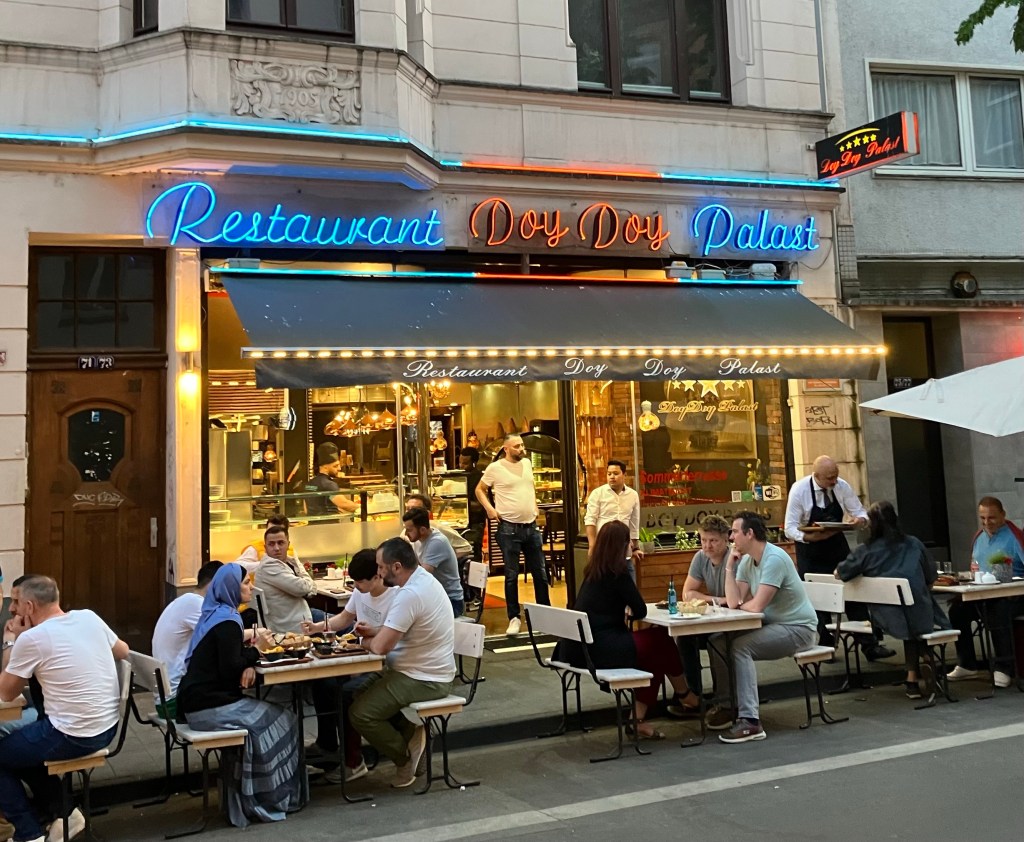
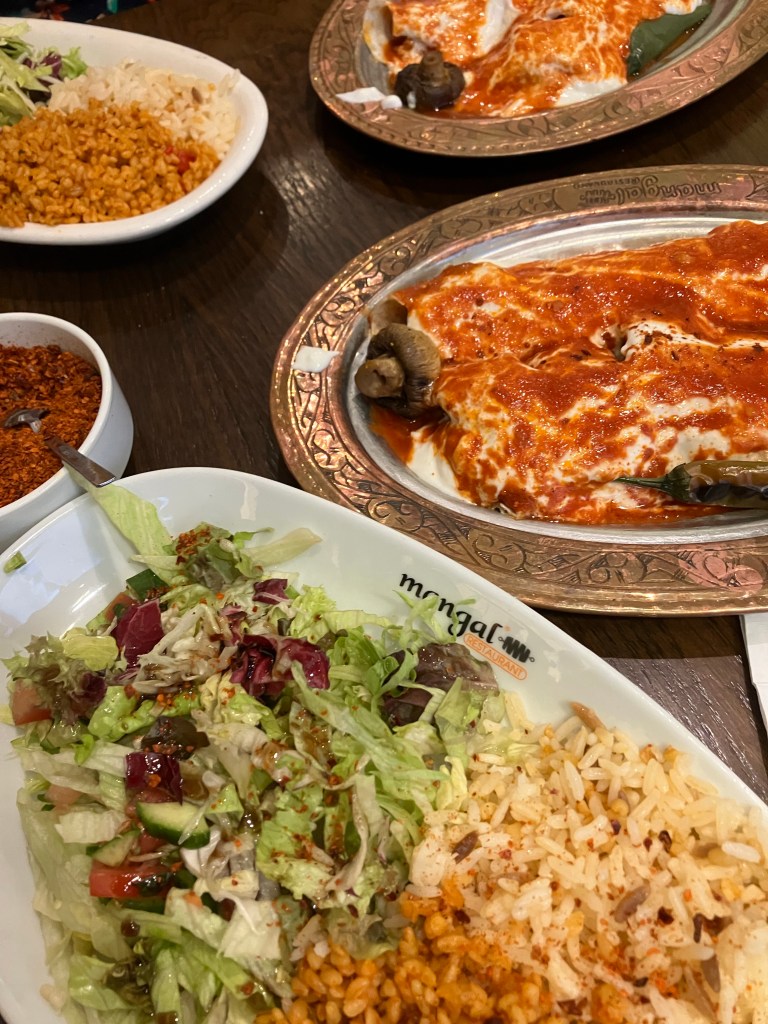
Nevertheless, in our opinion it is Turkish food that reigns supreme in the city.
Prost!

 FOOD, FILMS 'N' TINGS