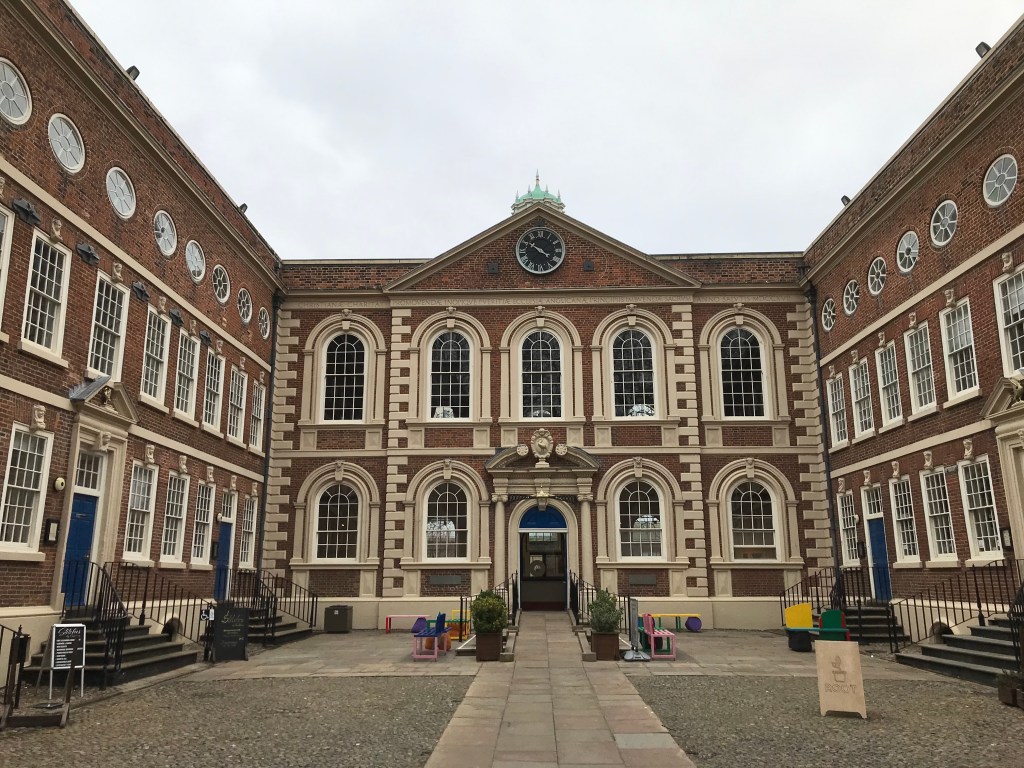
The Bluecoat gallery in Liverpool in the North West of England is a beautiful contemporary arts centre set in a 300 years old building. The gallery is centrally based and although it is surrounded by dull retail stores, it is an oasis of calm and a great place to while away some time. As well as the gallery, there is a cafe, a book store and the contemporary houseplant shop ‘Root’.
At the reception you are greeted by a commissioned work by the artist Babak Ganjei.

Another commissioned work on display in the foyer is the frieze ‘Summer’ by local artist Sumuyya Khader.
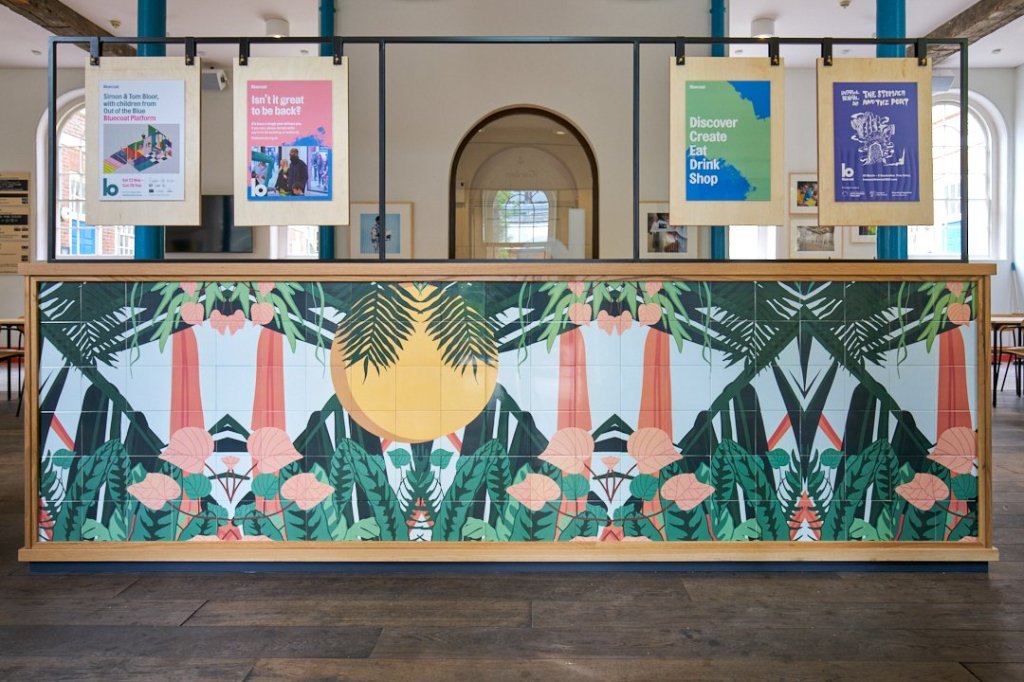
Sumuyya Khader (exhibiting under the programme title ‘Always Black Never Blue’) was one of three artists featured in the gallery on the day we visited along with London based Rosa-Johan Uddoh (‘Practice Makes Perfect’) and Deborah Roberts (‘A Look Inside’).
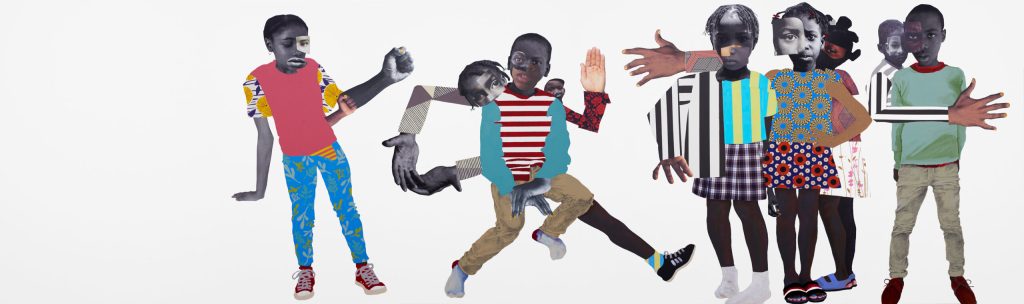
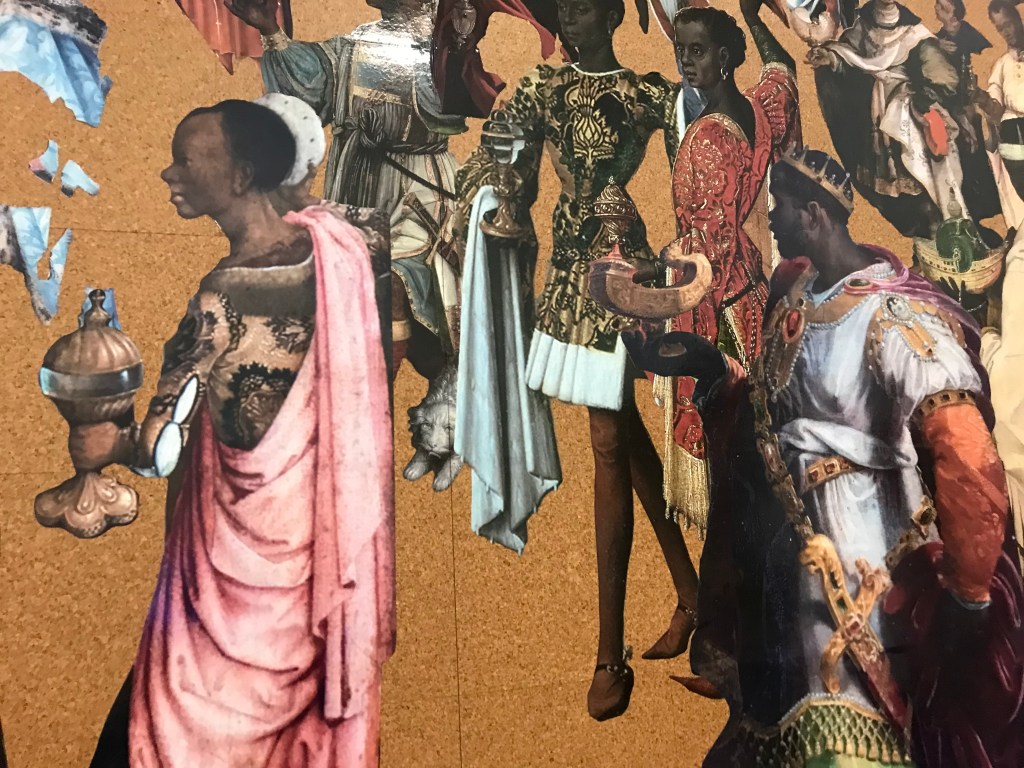
As noted above, the exhibition introduced us to the work of Sumuyya Khader. This was her first UK solo show in a public gallery. Khader has a studio in Liverpool 8 (of which more later) and runs Granby Press (named after the area’s most important and iconic thoroughfare, Granby Street), a community based printing project .
Her LinkedIn entry notes
‘Currently in conversations to develop a Black culture & history centre in the L8 area of Liverpool. A space for past, present and future with a focus on education and support‘.
We managed to buy a print of one of Sumuyya Khader’s works from her online shop at https://www.sumuyyakhader.com. The print we ordered, ‘The Revolutionaries’ is inspired by the film director Steve McQueen’s film, ‘Lovers Rock’, part of a series of five films he made under the title ‘Small Axe’ (‘if you are the big three, we are the small axe’ sang Bob Marley) charting the lives of Black Britains from the 60s to the 80s. The films were recently shown by the BBC.
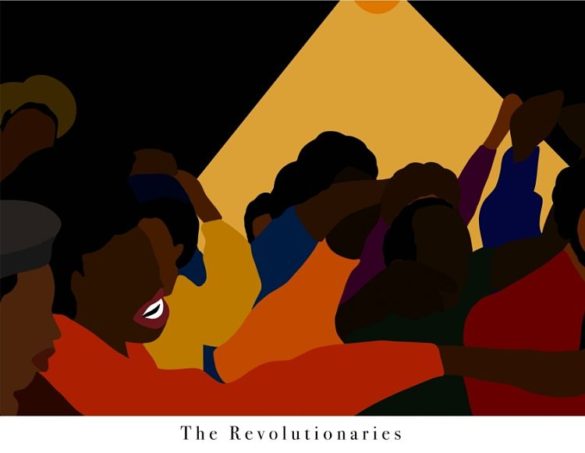
‘Lovers Rock’ is a film of a London house party in the 1970’s. Reggae is the party’s soundtrack. The most memorable moment in the film is the that where the guests are seen dancing to Janet Kay’s lovers rock hit ‘Silly Games’ and then singing the song as an acapella. The thundering reggae instrumental ‘Kunte Kinte Dub’ (credited to The Revolutionaries, the house band at the Channel 1 recording studio in Jamaica) follows not long afterwards. The Dub provokes joy and excitement in the partygoers with its trade mark synth line and bellowing foghorn introduction, the scene ultimately influencing the content and title of Khader’s work above.
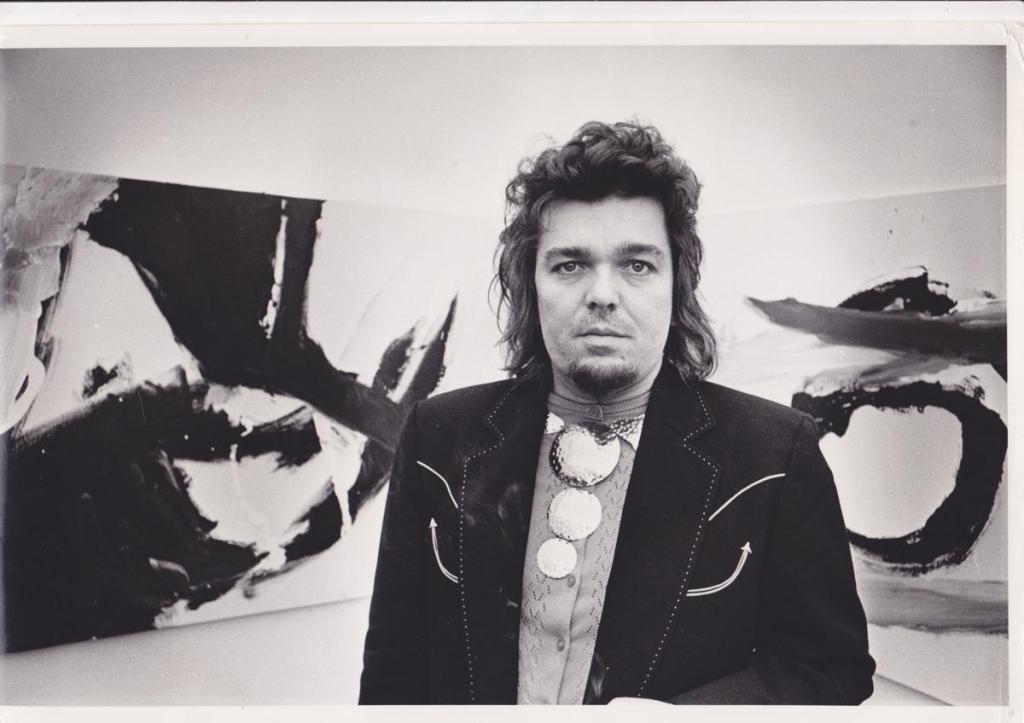
The Bluecoat has a venerable reputation for staging innovative artists. Looking at a list of past exhibitors at the gallery we came across an entry for Don Van Vliet, better known as R&B legend Captain Beefheart. The Captain was a ‘total artist’, a painter, singer, writer and performer. His exhibition at the Bluecoat, way back in 1972, was the first time the Captain’s painting had been publicly exhibited anywhere in the world.
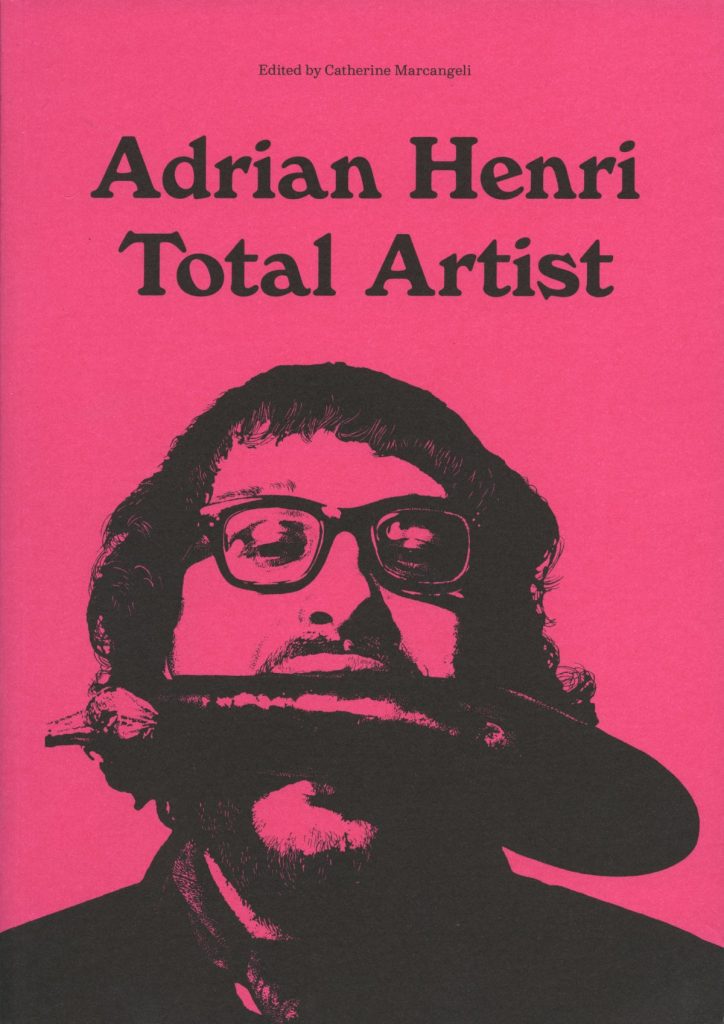
Another ‘total artist’ who embraced music, art, writing and performance, was local innovator Adrian Henri. Henri is probably best known as one of the Liverpool poets who came to prominence in the 1960’s and the founder of the poetry-rock group Liverpool Scene. Henri and his compatriots, Roger McGough and Brian Patten brought the influential ‘Mersey Beat’ poetry to the UK and beyond by using the same language, the same people and their lives as the Beatles were using in their songs. As well as poetry and performance, Henri was an established artist who exhibited several times at the Bluecoat.
Henri lived for much of his life in Liverpool 8, amidst the crumbling Georgian streets near the Art College and Anglican cathedral. As he noted ‘I cannot imagine what it would have been like to be a poet and not live here; or, indeed, whether I would have become a poet at all’.
His work ‘Autobiography’ lists the names of streets in the in and around Liverpool 8.
Rodney St pavement stretching to infinity
Italian garden by the priest’s house
seen through the barred doorway on Catherine St
pavingstones worn smooth for summer feet
St James Rd my first home in Alan’s flat
shaken intolerable by Cathedral bells on Sundays
Falkner Sq. Gardens heaped with red leaves to kick in autumn
Gambier Terrace loud Beatle guitars from the first floor
Sam painting beckoning phantoms hiding behind painted words bright colours in the flooded catfilled basement
Granby Street bright bazaars for aubergines and coriander
Blackburne House girls laughing at bus-stops in the afternoon
Blackburne Place redbrick Chirico tower rushing back after love at dinnertime.
Another poet, another ‘total artist’ of Liverpool 8 is the writer and performer Levi Tafari.
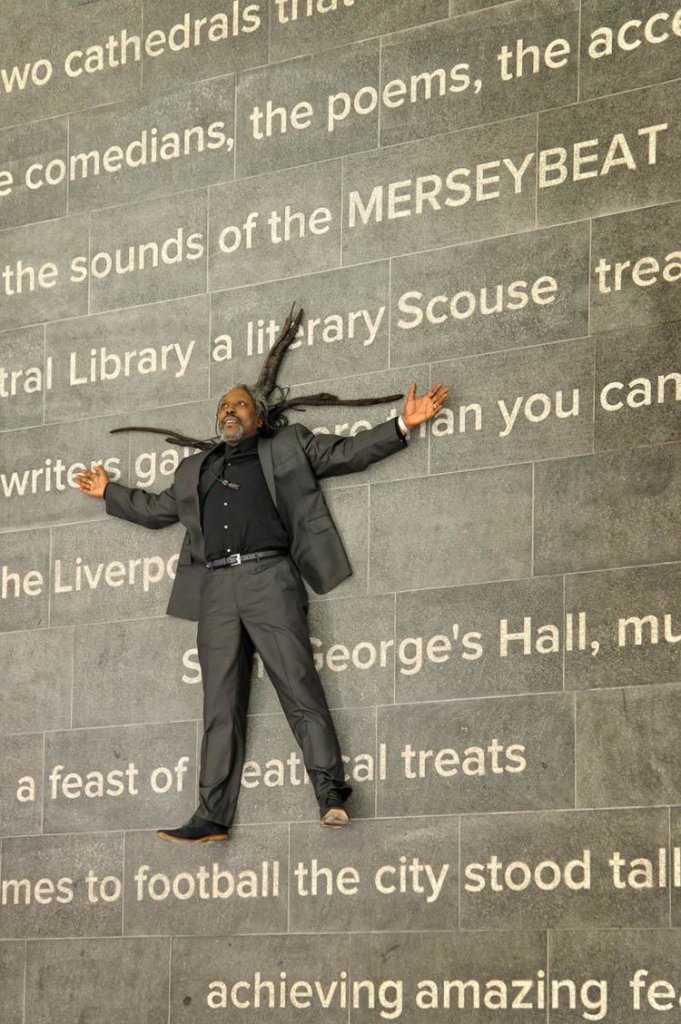
Born in Liverpool 8 to Jamaican parents Levi Tafari’s Wikipedia entry notes:-
‘Tafari self-identifies as an Urban Griot (the griot being the traditional consciousness raiser, storyteller, newscaster and political agitator)’.
As Tafari himself says ‘Liverpudlians are affectionately known as scousers, and scouse is a stew made of many ingredients’. He is a formally trained French chef and an alumni of the Liverpool 8 Writers Workshop. He is an established poet and performer who has taken his work all over the world.
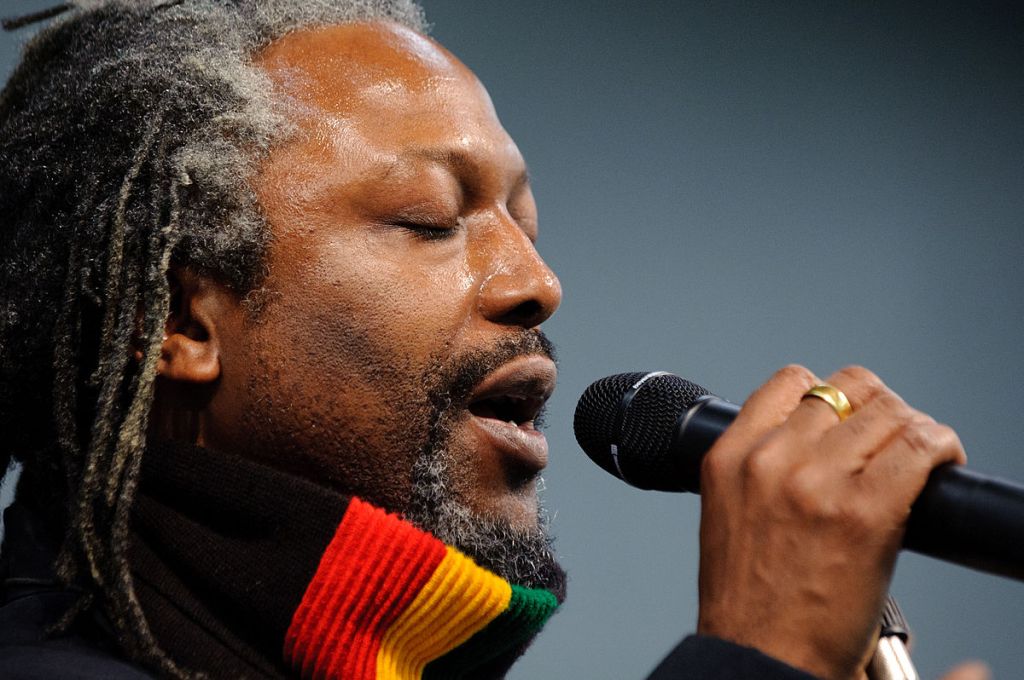
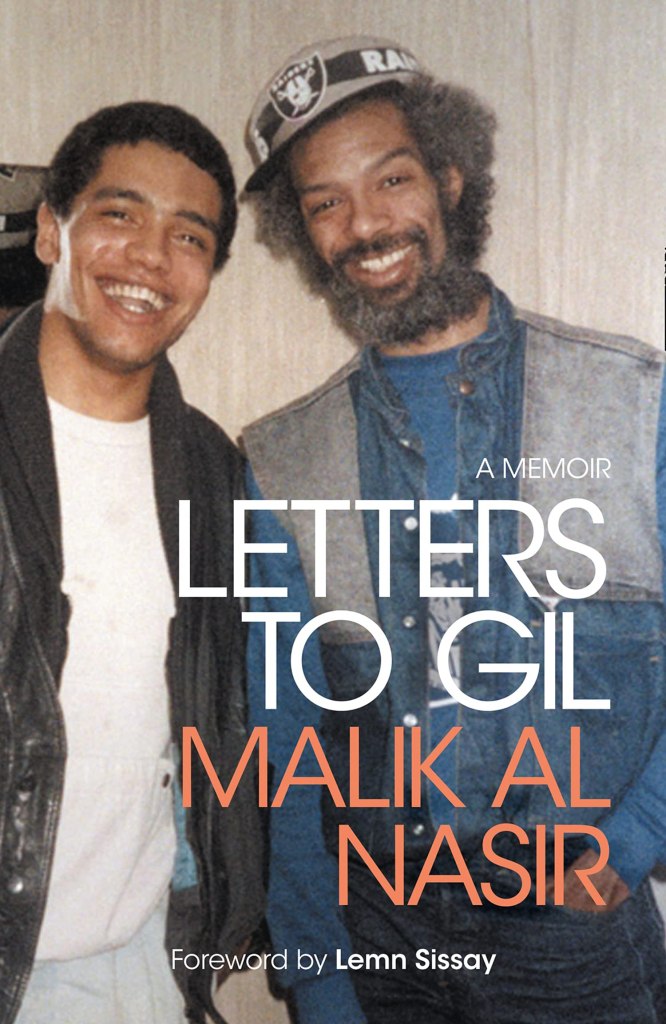
Another Liverpool 8 poet and artist is Malik Al Nasir. After a tough early start in life he met the legendary writer, poet, musician, activist and ‘total artist’ Gil Scott Heron, the legendary influence behind rap (and much else) on a visit to the city. Gil took Malik under his wing and encouraged and mentored him through a masters degree and into a life of poetry and creativity.
Malik Al Nasir’s powerful memoir ‘Letters to Gil’ explores his ‘story of surviving physical and racial abuse and discovering a new sense of self-worth under the wing of the great artist, poet and civil rights activist Gil Scott-Heron’. The forward to the book is by another noted poet, Manchester born Lemn Sissay.
Liverpool is still a great city for characterful pubs. Pubs have been closing en masse throughout the UK during the past few years. Many have been successfully turned into ‘gastro pubs’ combining quality food, drink and hopefully ambiance. Nevertheless, there are still ‘traditional’ boozers left, especially in Liverpool and we’ll mention a few here (even if they serve decent food along with the drinks!).
Adrian Henri is there to help us. His ‘Poem for Liverpool 8’ mentions some of the pubs he frequented in the city although all of the following are on their way to Liverpool 8 from the city centre rather than in the district itself.
drunk jammed in the tiny bar in The Cracke
drunk in the crowded cutglass Philharmonic
drunk in noisy Jukebox O’Connor’s
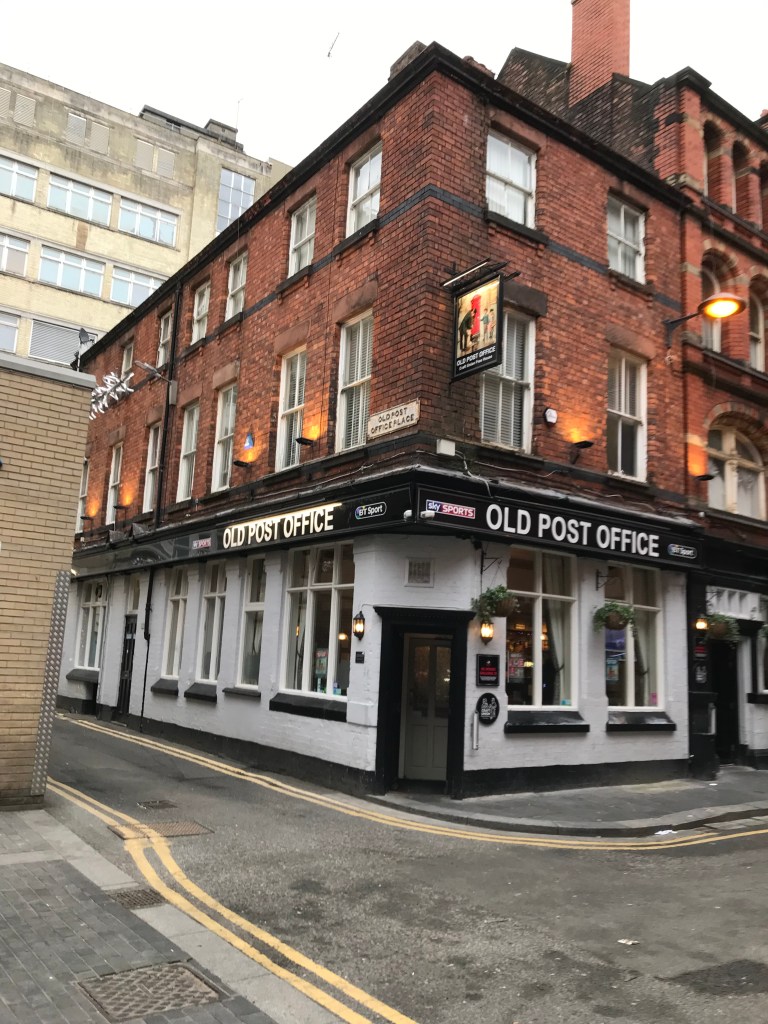
As you leave the Bluecoat, immediately to your right is the venerable ‘Old Post Office’ public house. The Old Post Office is an old fashioned ‘does what it says on the tin’ Victorian pub and it is a delightful place to while away an hour or two.
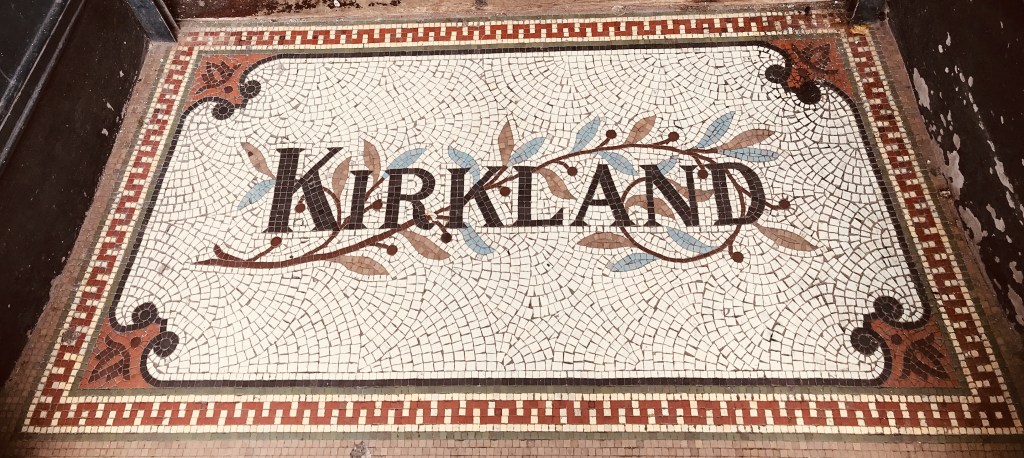
Other great pubs follow as you move away from the city centre itself. Around a 10 minutes walk from the Bluecoat as you walk up Hardman Street towards the Philharmonic Hall and Georgian terraces, is the Fly in the Loaf bar (although we always refer to it by its old name of ‘Kirklands’). With its long interior bar, tiled floor and mosaicked entrance, it was a formerly called Kirklands Bakery as the external signage notes saying ‘Vienna Bakery – Bakers to the Queen – Kirkland Bros – Scotch Confectioners’ and ‘By Royal Appointment’ (to Queen Victoria no less!). Although the bar may not be as consequential as it was in the 70s and 80s when it was a preferred haunt of local footballers and celebrities, it is still a great place for a drink and ambiance!
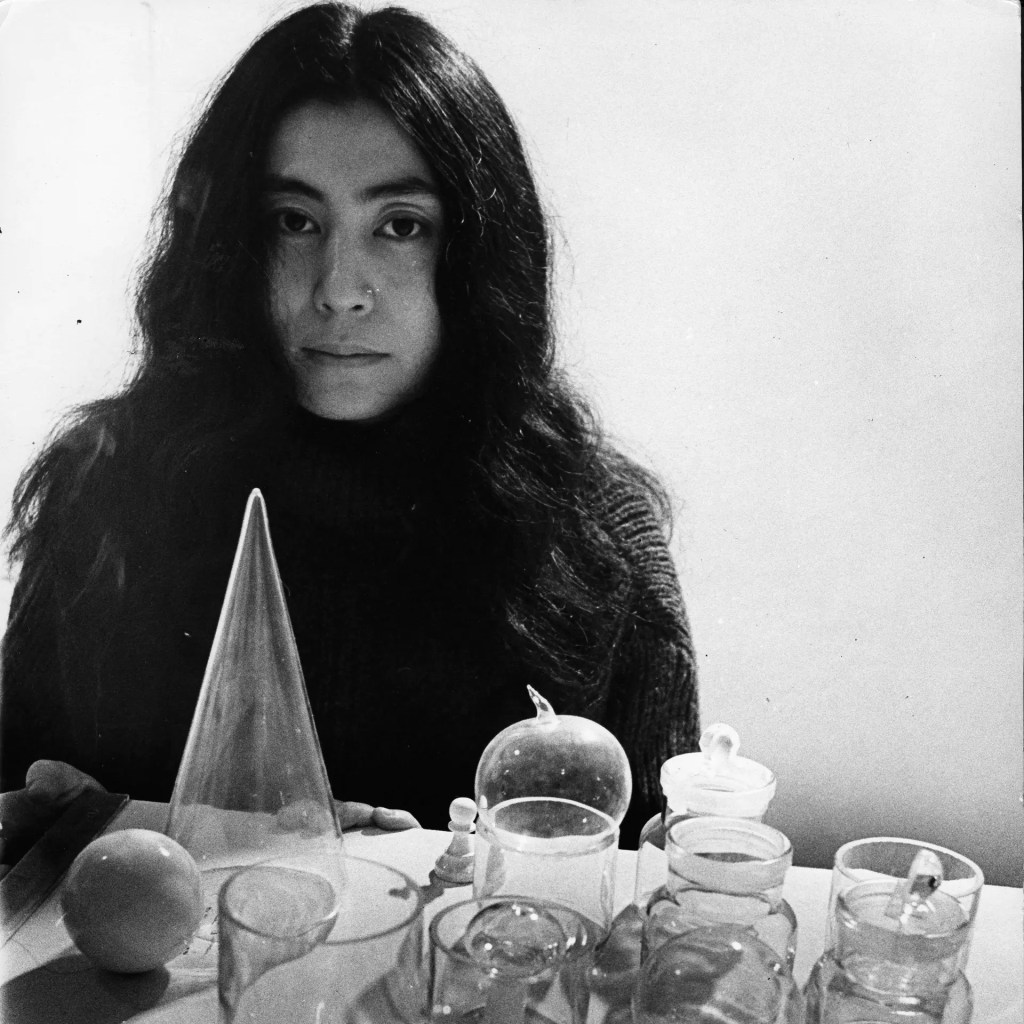
On the other side of the road to the Fly in the Loaf was an old bar called O’Connor’s Tavern which had been both a synagogue and then a morgue in a previous existence. The Tavern had a legendary jukebox and was popular with the Mersey Poets including of course, Adrian Henri. Henri once met Yoko Ono at the Bluecoat where she was exhibiting (in 1967, she returned to the gallery in 2008) and took her for a drink at O’Connors. Regulars of the Tavern, including the landlord are featured on the cover of The Liverpool Scene album ‘Amazing Adventures of’.
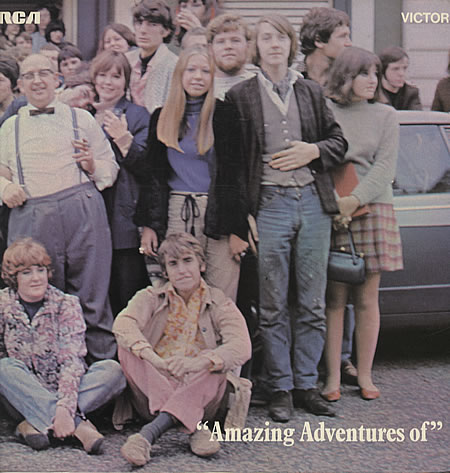
O’Connors is long gone and the site has changed hands several times since those days. Showing our age, we remember it when it was a wood lined bar called ‘Chaucers’.
A short walk further up the hill will bring you to The Philharmonic pub (‘the Phil’) surely one of the UK’s most spectacular ‘boozers’. The Phil is a Grade 1 listed building and if you ever get the chance to visit Liverpool, do stop for a drink here.
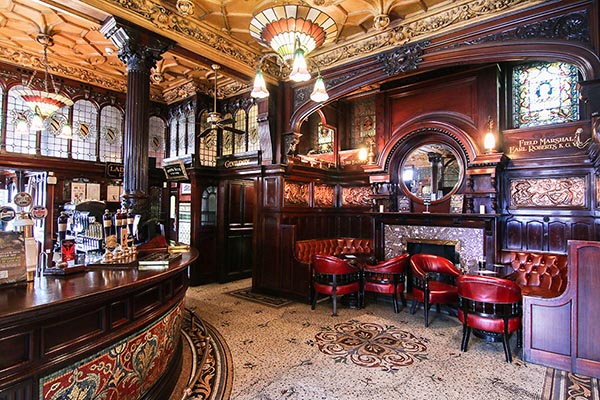
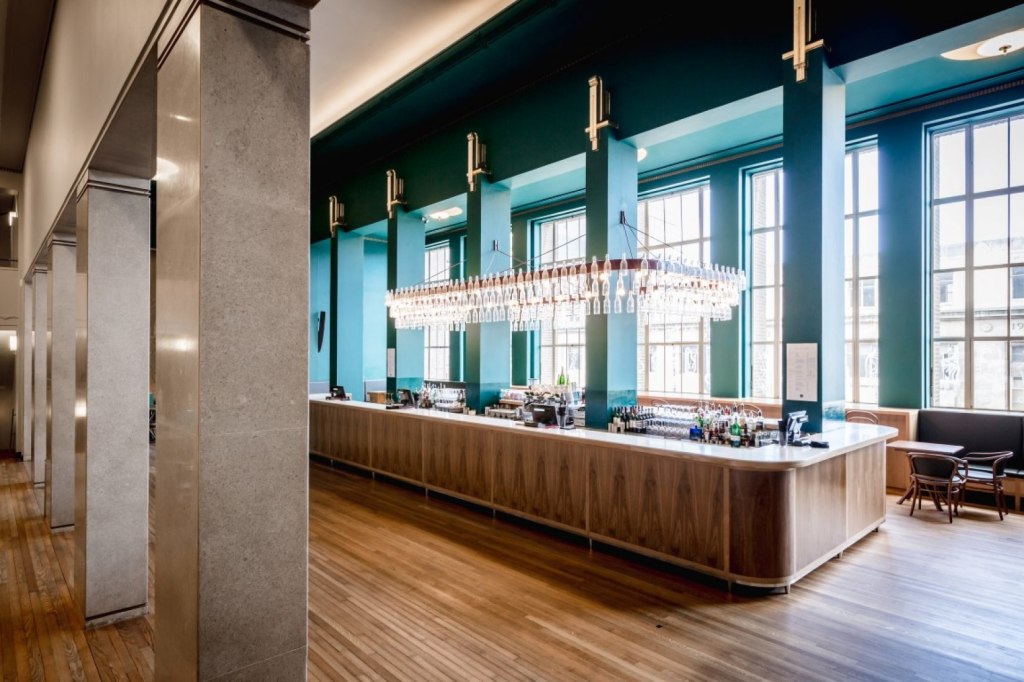
Across the road from The Phil is the Philharmonic Hall. Although a concert venue (and in particular, we remember seeing jazz poet Gil Scott Heron perform there), the Hall’s upstairs bar is an Art Deco masterpiece and worth a visit in its own right.
Another short walk away from the Hall takes you to ‘Ye Cracke’, a legendary pub not only frequented by Adrian Henri and John Lennon but by generations of students from the nearby Art College.
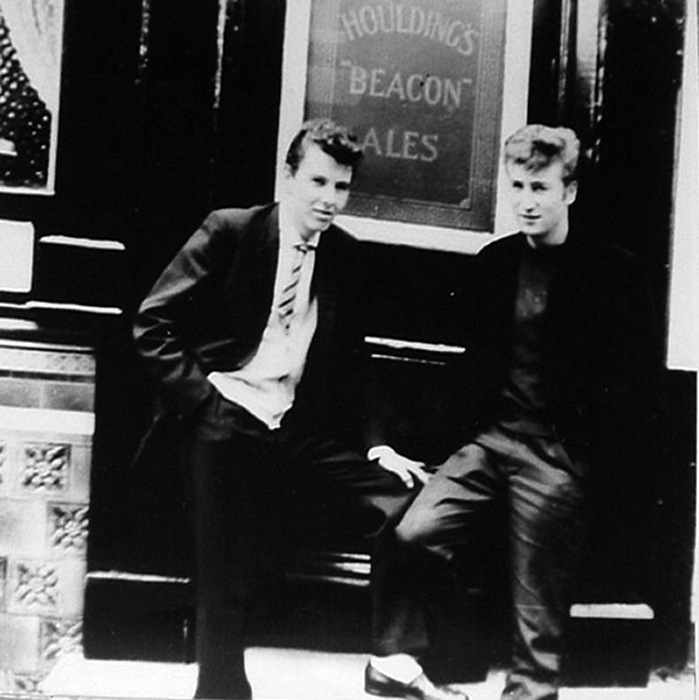
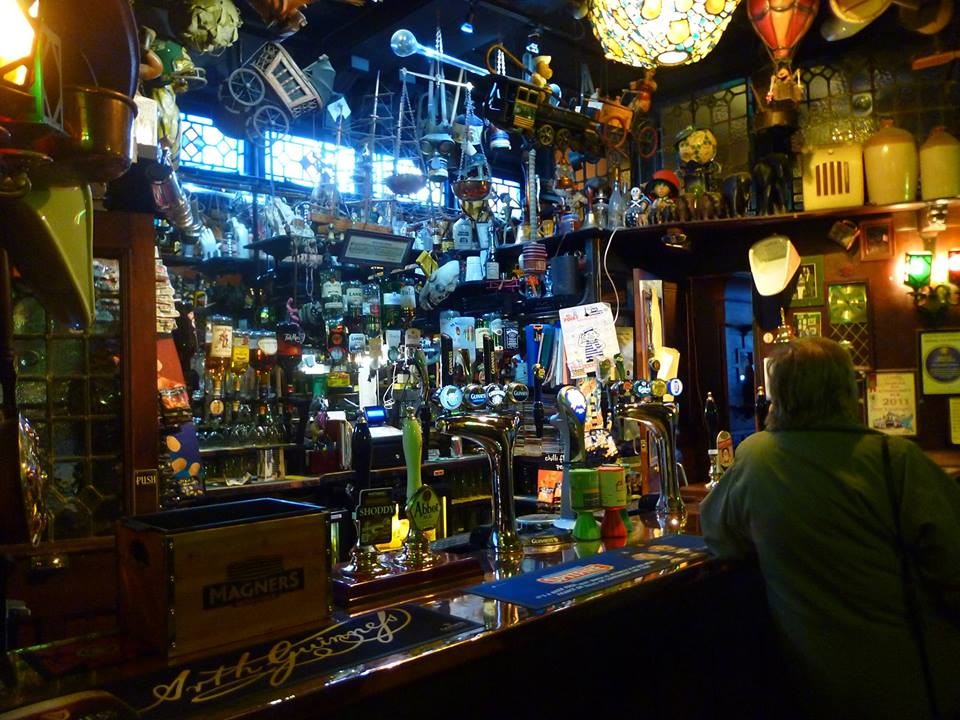
Away from Ye Cracke and into the outskirts of Liverpool 8 proper is Peter Kavanghs pub. Our personal favourite in the UK, we’ve never seen such a great mix of people drinking in one bar before. Ambiance galore!
We’ll leave Gil Scott Heron to have the last word.
‘A good poet feels what his community feels.
Like if you stub your toe, the rest of your body hurts’.
‘

 FOOD, FILMS 'N' TINGS