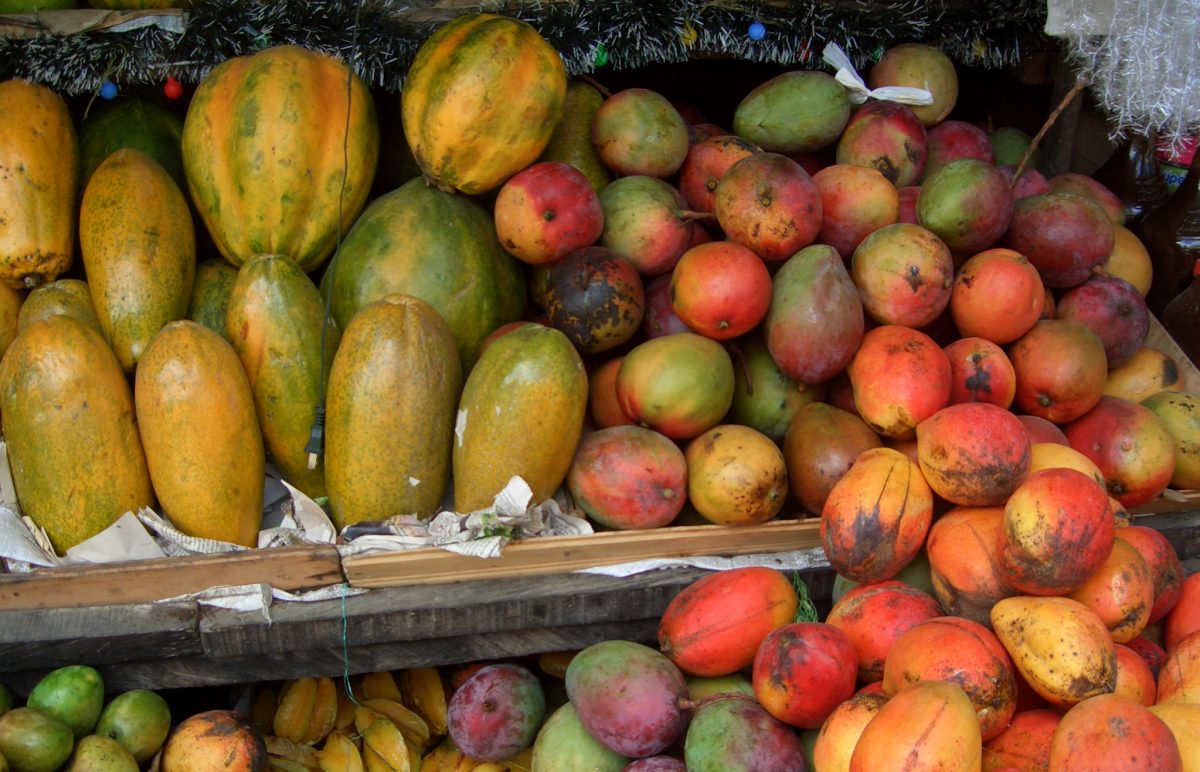
Salvador de Bahia

Salvador (‘São Salvador de Bahia de Todos os Santos’) is the state capital of that most culturally important province of Brasil, Bahia. 

The city itself is a combination of great beauty and culture, old wealth and a violent history, poverty and inequality. It is quite unlike anywhere else in Brasil we have visited. 

The centrepiece of the old historic quarter, the ‘Cidade Alta’, is called ‘Pelourinho’. With its cobbled streets of beautiful buildings, groups of tourists, churches and shops (together with a not insignificant security presence), Pelourinho (the name means ‘whipping post’) was once the site of the largest slave auction in the Americas and is now the most well known part of the city to visit.  Pelourinho kind of sums up the city’s inherent contradictions with great wealth and privilege side by side with poverty and crime.

The Jorge Amado museum in the Pelourinho is centred on the life and works of that revered Brasilian writer. A son of the town of Itabuna in the south of Bahia, much of Amado’s work is based in and around Salvador including the novel  ‘Dona Flor and her two husbands’. An internationally popular book, it became the most successful Brasilian film of all time when it was released in 1976. Its box office success was only equalled in 2010 with the release of the violent ‘Tropa de Elite’ (we prefer the warm comedy of ‘Dona Flor’ and its glimpses of the Cidade Alta before it was ‘cleaned up’). The film was notable for the performances of Sonia Braga as ‘Dona Flor’ and José Wilker as the reprobate ‘Vadinho’. Bahian food (our personal favourite in Brasil) with its clear African influences, features heavily in the book with each chapter introduced by a recipe from Dona Flor who runs cookery classes when she is not hiding her money from Vadinho. Her ‘Moqueca de Siri Mole’ (a seafood stew made from a local species of crab) features in the film and  a recipe from the Folha de São Paulo is at https://receitas.folha.com.br/receita/866

Our favourite dish from Bahia is ‘Bobo de Camarão’, a rich stew of shrimps, manioc flour, coconut and herbs. Palm oil (known locally as ‘dendê’) with its distinctive orange colour adds a characteristic flavour to the dish.

Our favourite novel by Jorge Amado is his 1937 work ‘Capitães de Areia’ (‘Sand Captains’ in English). This is a hard hitting novel of a gang of street urchins who make their living stealing and hustling in Salvador. For all its beauty and tourist popularity the city is awash with inequality and poverty and this novel, although over 80 years old, captures something of this harsh reality to dramatic effect. The novel is available in English and is highly recommended.

The musical culture of Salvador and the state of Bahia generally is well known in Brasil and throughout the world. Listing the famous musicians from this region would take time as there are so many but Ivete Sangalo, Gilberto Gil, Caetano Veloso and Maria Bethãnia are some of the most famous. Perhaps less well known but our personal favourites from the region are the samba legend Riachão and the influential Oscar da Penha, better known as ‘Batatinha’.

A live film of Batatinha singing his song ‘Direito de sambar’ is at

‘Direito de sambar’ is also featured in the 2011 film version of Amado’s ‘Capitães de Areia’.

The São Paulo singer Adriana Moreira based her entire first album on Batatinha’s  songs. Here she is singing ‘Direito de sambar’.

Her second album ‘Cordão’, released in 2012 is one of the best samba albums from Brasil in our opinion and this televised version of the song ‘Fuzuê’ is taken from the same long standing Brazilian music programme ‘Ensaio’ which also featured a broadcast of ‘Batatinha’ back in 1995.

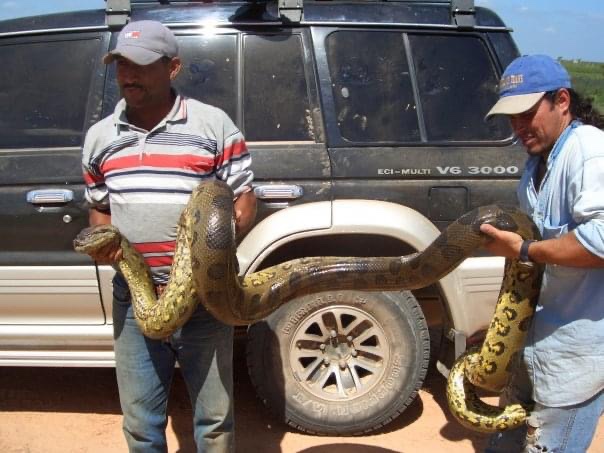
Venezuela and Piranha

Los Llanos are the huge flood plains of western Venezuela stretching from the mighty Orinoco river into Colombia east of the Andes. The area is quite simply one of the hottest places we have ever visited, almost too hot to move by about 10 o’clock in the morning until early in the evening.

The area was teeming with life from capybara, flamingos, anteaters and rattle snakes to pink dolphins, giant otters and anacondas. As well as caiman, the waterways were filled with piranha, the red bellied version being the most ferocious.

We went fishing for piranha with a line and hook and a chunk of chicken as bait. You simply throw the baited hook into the water, jerk the line the second the bait hits the surface and if you are quick enough you will pull out a piranha. The bait was eaten as soon as the hook hit the water and so we needed to act very quickly otherwise the fish escaped! The water was so full of piranha that we had pulled out a dozen or so in a matter of minutes.

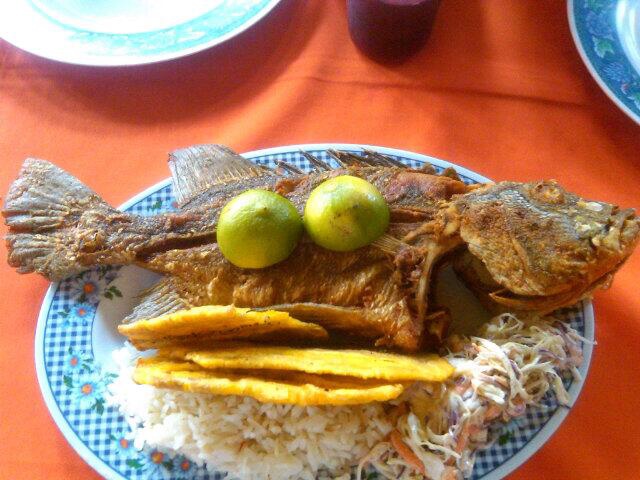
As well as piranha, a guy from the farm we were staying at was catching another type of fish, pávon (‘peacock bass’), to add to the piranha for the supper later that evening. Unlike piranha, pávon is not a species that is native to Venezuela having been imported by the Government in the sixties to control the amount of the former in the waterways. The breed spread like wildfire and they are so numerous that they are not too difficult to catch despite their competitive reputation. Pávon is a delicious fried fish and certainly preferable to piranha which we found very bony.

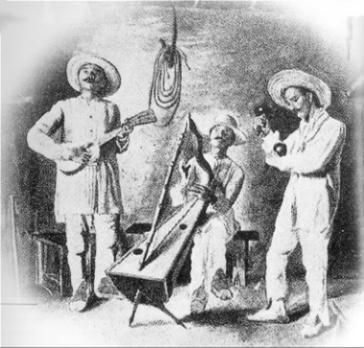
The local music of Los Llanos is ‘Joropo’ ‘(‘Joropo Llanero’), a musical style usually featuring a harp, a four stringed cuatro and maracas played together in a hard driving, folkloric style.

The time signature for this music is 6/8 making playing along on the maracas (as we did when invited to), fairly challenging when full of rum and Polar beer!

Black Isle Beer

Drink organic.

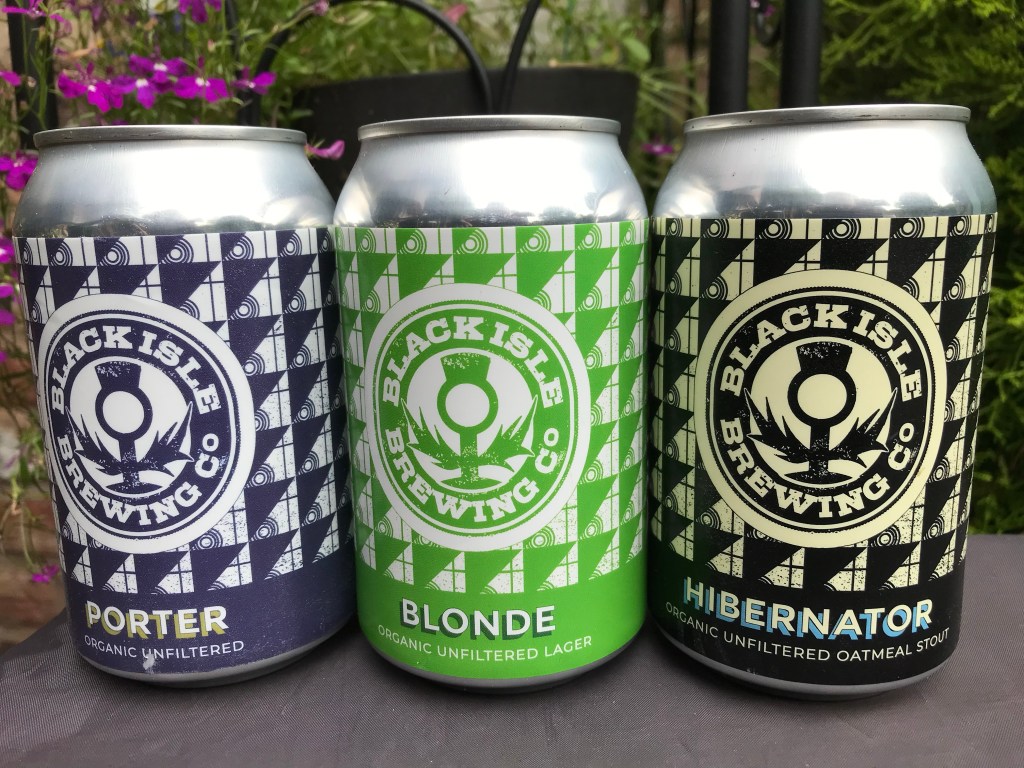
Our favourite beer at the moment comes from the Black Isle Brewery based near Inverness in Scotland, currently the only organic brewery in that country. The quality of their ingredients and the care they take in brewing is evident in the taste of their marvellous beers.

The brewery produces a great range of core beers from lager through to porter and an array of specials including an Imperial Stout named ‘Hibernator’ (Sam Smiths brewery in Yorkshire also do a great Imperial) They also produce a stronger than an elephant beer named ‘The Big Sleep’. As their website points out ‘The Big Sleep’ is not the gangster’s euphemism for death. It is instead a reference to the long Scottish winter (the label features a sleeping bear in hibernation) – just the climate for a glass of this strong beer! Our own winters can be pretty grim and so we will have to order a bottle or two for later in the year!

They have an internet shop where you can buy their beer and other merchandise. Brewery visits can also be arranged.

Their website is at https://www.blackislebrewery.com

Highly recommended.

As the brewery is based in Scotland and as we are pretty near to Salford here in NW England (also a great place for some truly original beers especially the Pomona Island Brew Co see https://www.pomonaislandbrew.co.uk) we thought we’d link you a song by the Anglo-Scot, Ewan MacColl. Born in Salford to Scottish parents he was the author of the much loved song ‘Dirty Old Town’. Although highly popular in Ireland, having been covered by the Dubliners and the Pogues, the song is not actually about the Emerald Isle itself but is actually about Salford https://www.irishpost.com/entertainment/dirty-old-town-is-about-england-not-ireland-as-secrets-about-famous-pogues-and-dubliners-song-are-revealed-209720.

Euan MacColl

The song has been adopted and adapted by fans of near by Liverpool FC to sing the praises of their Dutch maestro, Virgil Van Dijk.

https://youtu.be/qlJ4scOSsCs

Drink organic.

LA MALANGA

Malanga as metaphor

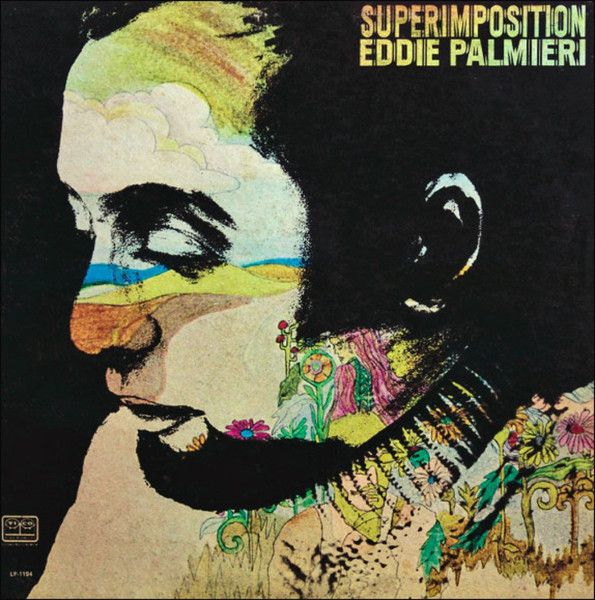
Superimposition was a later Eddie Palmieri album with a track named ‘La Malanga’ although the vegetable serves as a more explicit metaphor in this song (https://www.youtube.com/watch?v=OH4ZXqEMBxI

Se acabó ya la malanga y no puedo comer
No sé lo que hacer, no puedo come

Que si no puedo jamar
Oye que hambre me da.
Dame malanga mamá
Mira quiero malanga

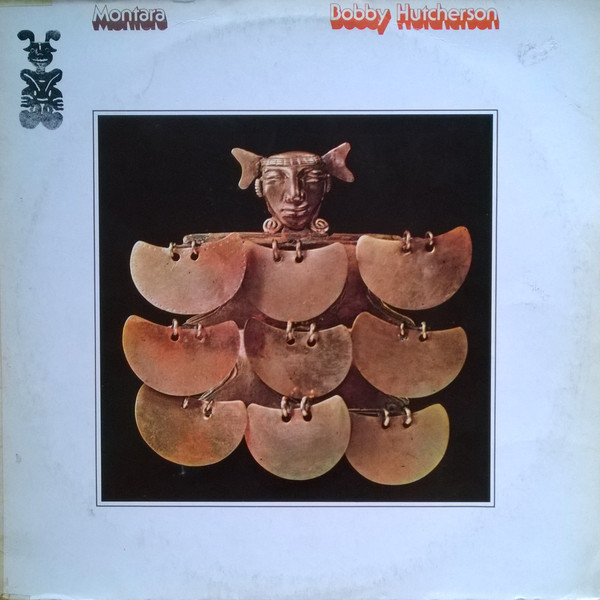
The great vibes player, Bobby Hutcherson, cut a version of this song on his latin music influenced ‘Montara’ album (https://www.youtube.com/watch?v=cgWAOU-ATVU). The cover photograph is an exhibit from the wonderful Gold Museum in Bogota which you should try and visit if you are ever in that city.

MALANGA AMARILLA

Yellow malanga and Cuban jam

Staying with the malanga theme, the late Cuban double bass player Cachao recorded the benchmark ‘Malanga Amarilla’ in 1957 as a part of the famous ‘Cuban Jam Sessions’ series of recordings at Panart studios (later the national studio and record label ‘Egrem’) which were made with the very best Havana musicians after they had finished playing the local clubs very late at night orearly in the morning if you prefer. A series of five records were released with Cachao’s superb ‘Cuban Jam Sessions In Minature’ his debut album and one of his very best. The album featured the famous ‘Malanga Amarilla’ with his brother Orestes López on piano on this recording. The two brothers were major innovators and were credited with the mambo.

Malanga Amarilla was later covered by the Colombian singer Toto La Momposina https://www.youtube.com/watch?v=AmzyR07cbYY . As her name suggests, she is from the city of Mompox on the Carribean coast.

Staying with Colombia, the song was also cut by La Sonora Carrulseles https://www.youtube.com/watch?v=3WQ916dNFgM

Malanga Amarilla was also covered by the wonderful El Gran Combo of Puerto Rico https://www.youtube.com/watch?v=YnIeXrnR3f0


MALANGA, TARO AND PATRA

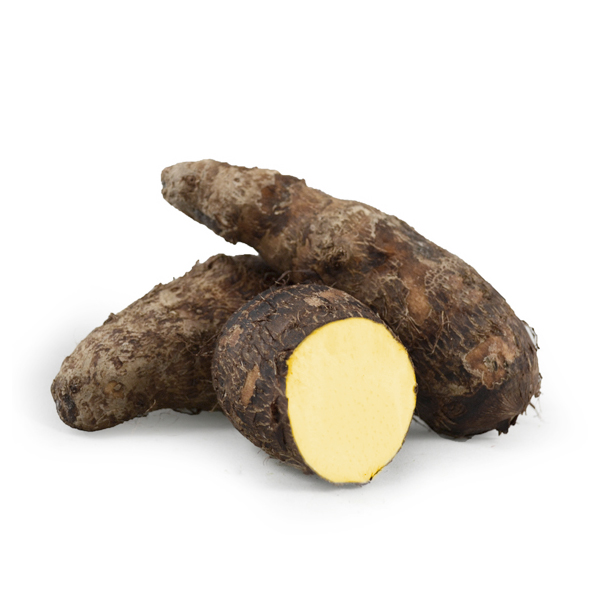
Malanga is part of the Aracere species which includes Taro, a similar root vegetable. Colocasia Aracere is a tropical plant mainly known for its edible tubers known as taro, dasheen, malanga, eddo and cocoyam depending on the region.

Patra is a dish from Gujarat in India and it is one of our favourites. It is made from Colocasia leaves, gram flour and spices. A great recipe is located here if you want to try and make this dish yourself https://www.tarladalal.com/patra-gujarati-patra-alu-vadi-33322r

Patra

ONE ONE COCO FULL BASKET

The root vegetable Taro (aka Dasheen) of the Colocasia family is also called ‘Coco’ in Jamaica (‘Malanga’ in Cuba).

A great video on root vegetables in Jamaica is here:-

The vegetable is mentioned in the Jamaican proverb ‘one one coco full basket’ which roughly interpreted means that success doesn’t come quickly and easily but is a gradual process just as gathering and filling a basket with coco is undertaken one item at a time.

You can hear this old proverb in the lyrics of ‘One one coco’, an early track by the legendary reggae star Gregory Isaacs. Isaac’s cut the tune for producer Gussie Clarke near the start of his career as a singer in the early 70’s. In a typically masterful performance Isaacs sings:

So go on and have your fun
Lord knows
I’ll work and wait till my day come
Cos any man who try hard will make it
Just practice
One one coco full basket

This was not the only proverb in the song as the lyrics go on to note:

Cause what you need now
I really ain’t got
But old time people say
Every dog have him four o’clock

‘Every dog have him four o’clock’ means ‘every dog has his day’ i.e. even the humblest person has their moment of glory.

The Isaac’s track was used as the basis for Big Youth’s ‘One of these fine days’ from the ground breaking ‘Screaming Target’ album around the same time. Like Isaac’s Big Youth was more or less at the start of his career at this time going on to considerable fame later on in the Seventies, especially with his album ‘Dreadlocks Dread’, our own favorite from the man.

Producer Gussie Clarke provides the version (but not a dub as it is a ‘straight from the desk’ instrumental).


Is it our imagination or does the tape slow down towards the end of this track?

Follow our Blog

Get new content delivered directly to your inbox.