Liverpool. Art, Poets and Pubs

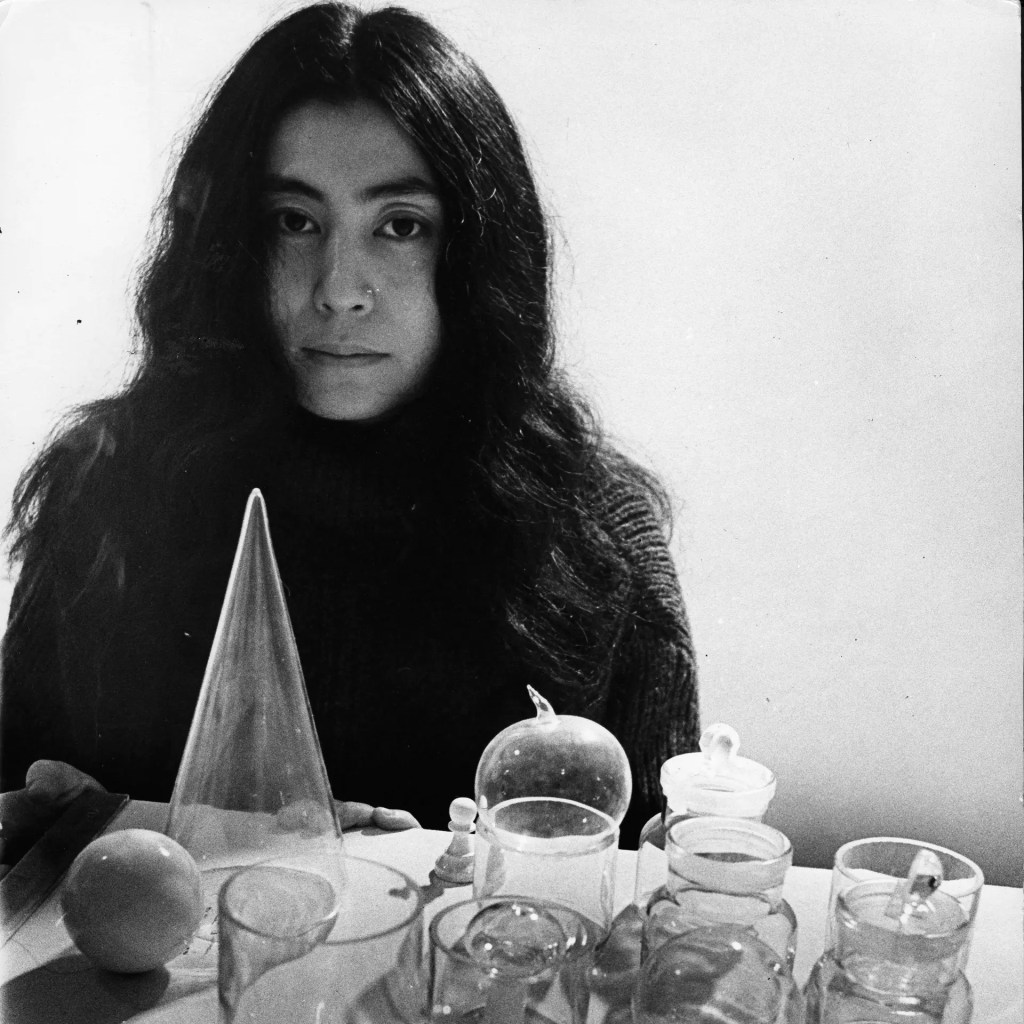
Yoko Ono at the Bluecoat Gallery, Liverpool in 1967

The Bluecoat gallery in Liverpool in the North West of England is a beautiful contemporary arts centre set in a 300 years old building. The gallery is centrally based and although it is surrounded by dull retail stores, it is an oasis of calm and a great place to while away some time. As well as the gallery, there is a cafe, a book store and the contemporary houseplant shop ‘Root’.
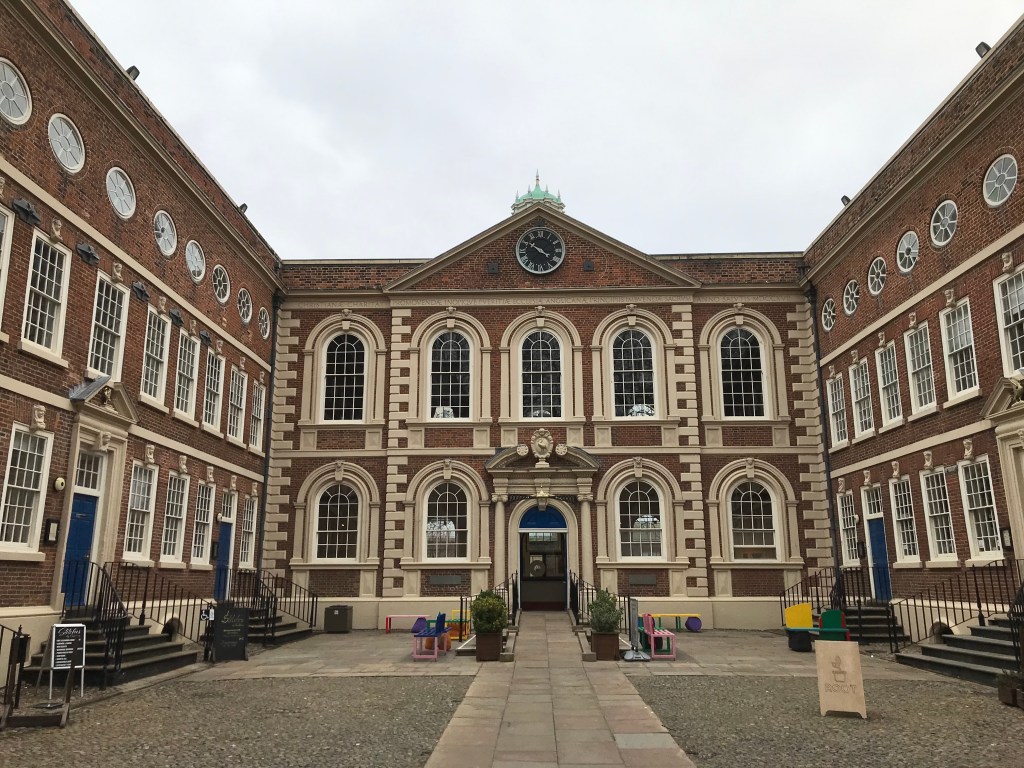
Bluecoat gallery

At the reception you are greeted by a commissioned work by the artist Babak Ganjei.

Past, present and future acknowledged

Another commissioned work on display in the foyer is the frieze ‘Summer’ by local artist Sumuyya Khader.
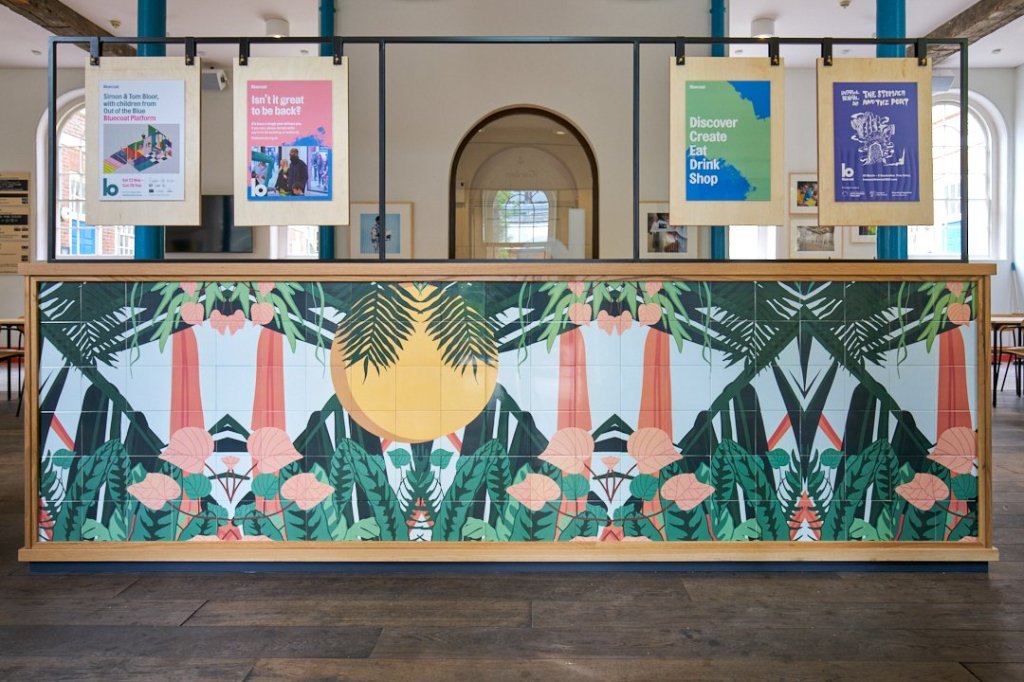
Summer by Sumuyya Khader

Sumuyya Khader (exhibiting under the programme title ‘Always Black Never Blue’) was one of three artists featured in the gallery on the day we visited along with London based Rosa-Johan Uddoh (‘Practice Makes Perfect’) and Deborah Roberts (‘A Look Inside’).

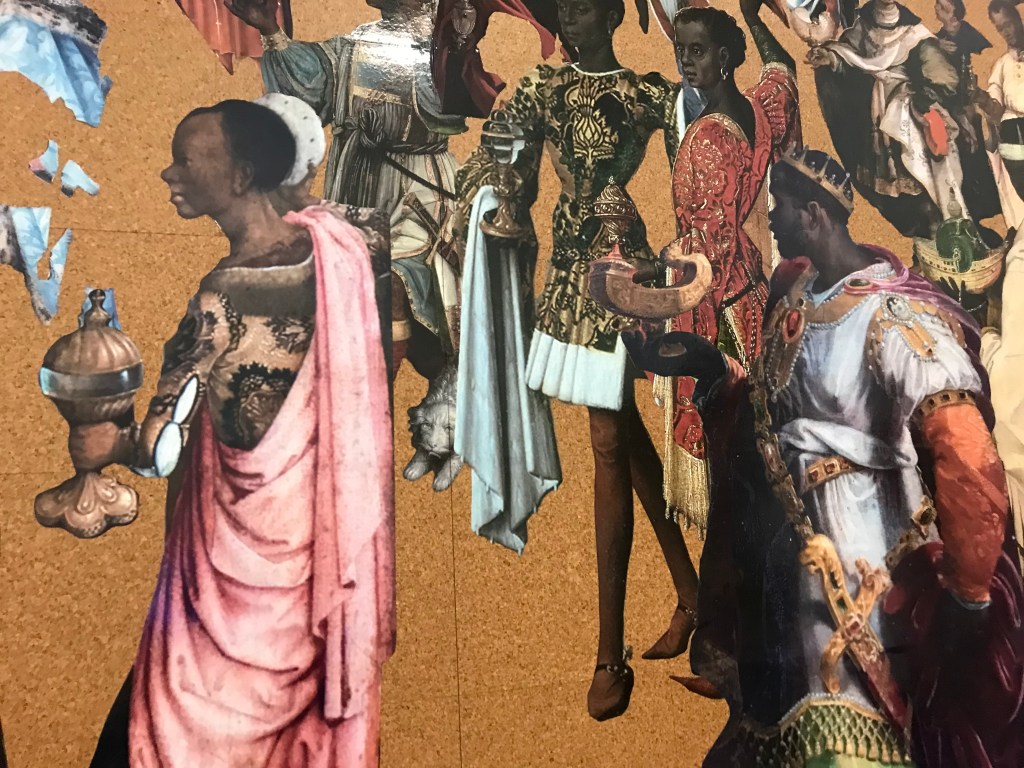
Deborah Roberts – ‘A Look Inside’
‘Balthazar’ – Rosa-Johan Uddoh

As noted above, the exhibition introduced us to the work of Sumuyya Khader. This was her first UK solo show in a public gallery. Khader has a studio in Liverpool 8 (of which more later) and runs Granby Press (named after the area’s most important and iconic thoroughfare, Granby Street), a community based printing project .

Her LinkedIn entry notes

Currently in conversations to develop a Black culture & history centre in the L8 area of Liverpool. A space for past, present and future with a focus on education and support‘.

We managed to buy a print of one of Sumuyya Khader’s works from her online shop at https://www.sumuyyakhader.com. The print we ordered, ‘The Revolutionaries’ is inspired by the film director Steve McQueen’s film, ‘Lovers Rock’, part of a series of five films he made under the title ‘Small Axe’ (‘if you are the big three, we are the small axe’ sang Bob Marley) charting the lives of Black Britains from the 60s to the 80s. The films were recently shown by the BBC.
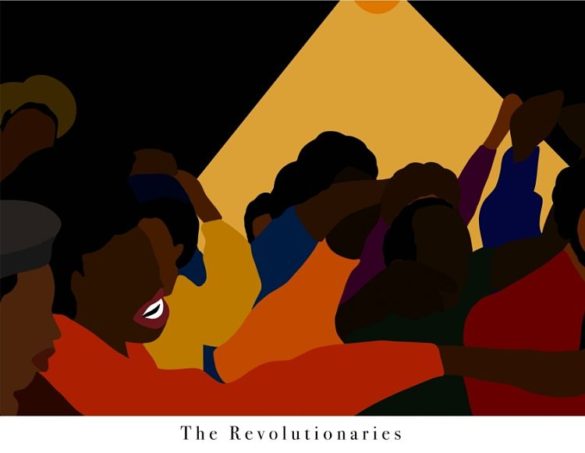
‘Lovers Rock’ is a film of a London house party in the 1970’s. Reggae is the party’s soundtrack. The most memorable moment in the film is the that where the guests are seen dancing to Janet Kay’s lovers rock hit ‘Silly Games’ and then singing the song as an acapella. The thundering reggae instrumental ‘Kunte Kinte Dub’ (credited to The Revolutionaries, the house band at the Channel 1 recording studio in Jamaica) follows not long afterwards. The Dub provokes joy and excitement in the partygoers with its trade mark synth line and bellowing foghorn introduction, the scene ultimately influencing the content and title of Khader’s work above.
‘Scouser.Highly witty’

The Bluecoat has a venerable reputation for staging innovative artists. Looking at a list of past exhibitors at the gallery we came across an entry for Don Van Vliet, better known as R&B legend Captain Beefheart. The Captain was a ‘total artist’, a painter, singer, writer and performer. His exhibition at the Bluecoat, way back in 1972, was the first time the Captain’s painting had been publicly exhibited anywhere in the world.
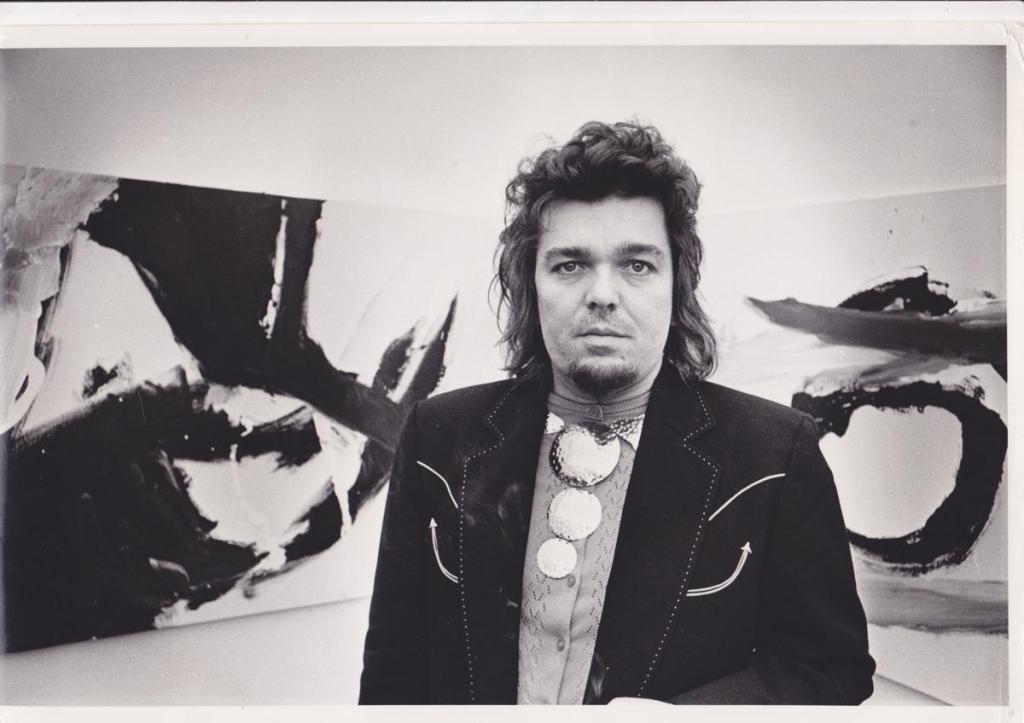
Captain Beefheart at the Bluecoat in 1972

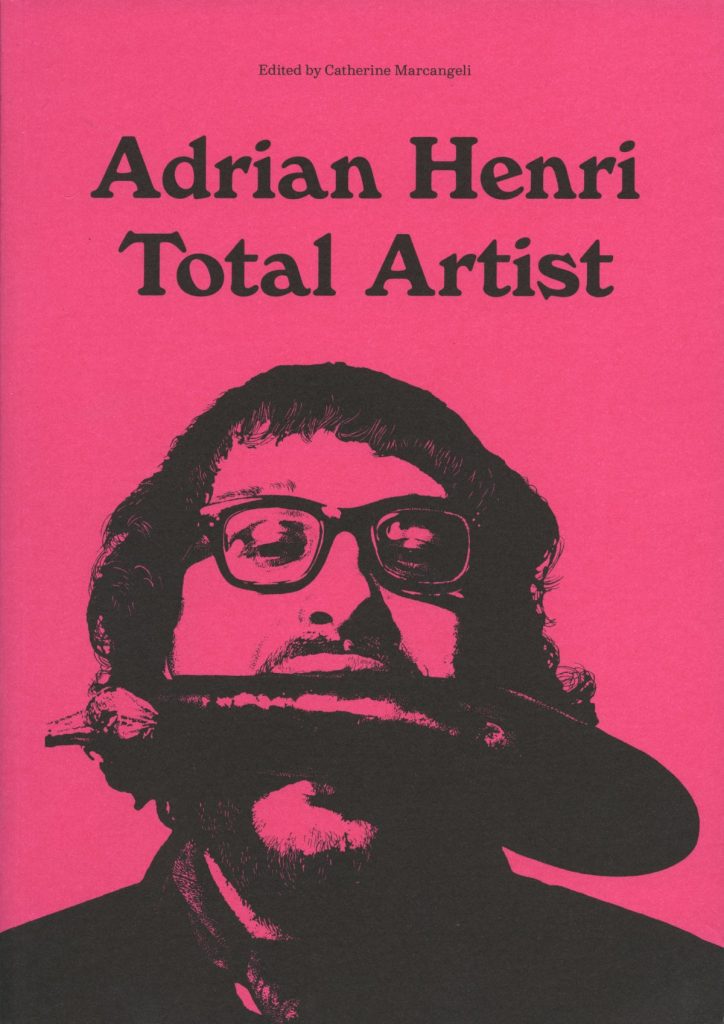
Another ‘total artist’ who embraced music, art, writing and performance, was local innovator Adrian Henri. Henri is probably best known as one of the Liverpool poets who came to prominence in the 1960’s and the founder of the poetry-rock group Liverpool Scene. Henri and his compatriots, Roger McGough and Brian Patten brought the influential ‘Mersey Beat’ poetry to the UK and beyond by using the same language, the same people and their lives as the Beatles were using in their songs. As well as poetry and performance, Henri was an established artist who exhibited several times at the Bluecoat.
An aubergine, presumably from Granby Street

Henri lived for much of his life in Liverpool 8, amidst the crumbling Georgian streets near the Art College and Anglican cathedral. As he noted ‘I cannot imagine what it would have been like to be a poet and not live here; or, indeed, whether I would have become a poet at all’.

His work ‘Autobiography’ lists the names of streets in the in and around Liverpool 8.

Rodney St pavement stretching to infinity

Italian garden by the priest’s house

seen through the barred doorway on Catherine St

pavingstones worn smooth for summer feet

St James Rd my first home in Alan’s flat

shaken intolerable by Cathedral bells on Sundays

Falkner Sq. Gardens heaped with red leaves to kick in autumn

Gambier Terrace loud Beatle guitars from the first floor

Sam painting beckoning phantoms hiding behind painted words bright colours in the flooded catfilled basement

Granby Street bright bazaars for aubergines and coriander

Blackburne House girls laughing at bus-stops in the afternoon

Blackburne Place redbrick Chirico tower rushing back after love at dinnertime. 

Another poet, another ‘total artist’ of Liverpool 8 is the writer and performer Levi Tafari. 
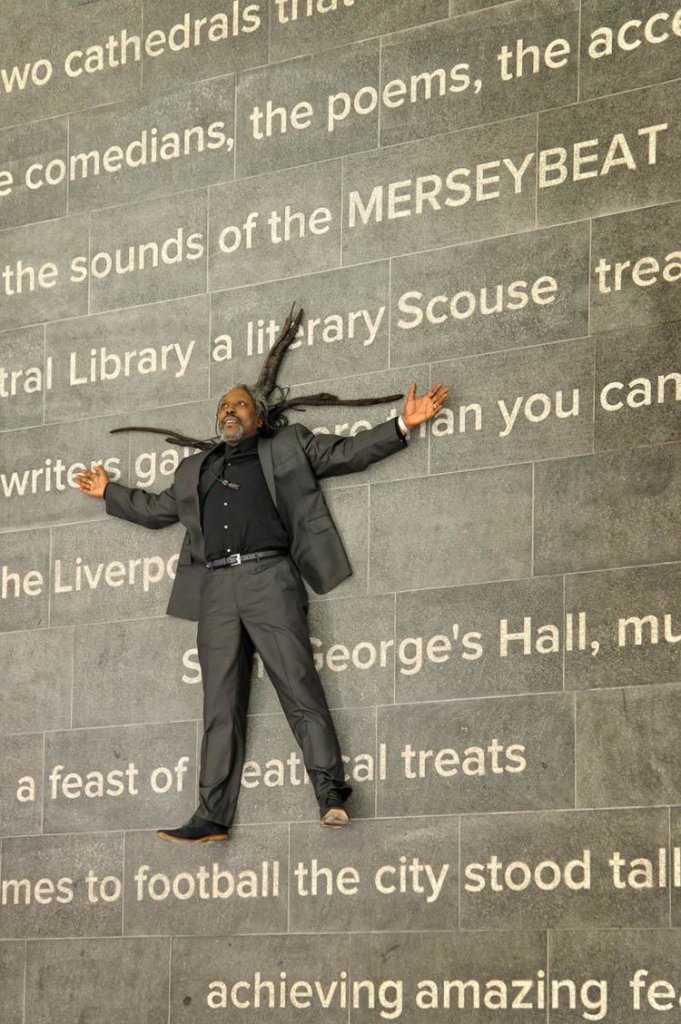
Levi Tafari

Born in Liverpool 8 to Jamaican parents Levi Tafari’s Wikipedia entry notes:-

Tafari self-identifies as an Urban Griot (the griot being the traditional consciousness raiser, storyteller, newscaster and political agitator)’.

As Tafari himself says ‘Liverpudlians are affectionately known as scousers, and scouse is a stew made of many ingredients’. He is a formally trained French chef and an alumni of the Liverpool 8 Writers Workshop. He is an established poet and performer who has taken his work all over the world.
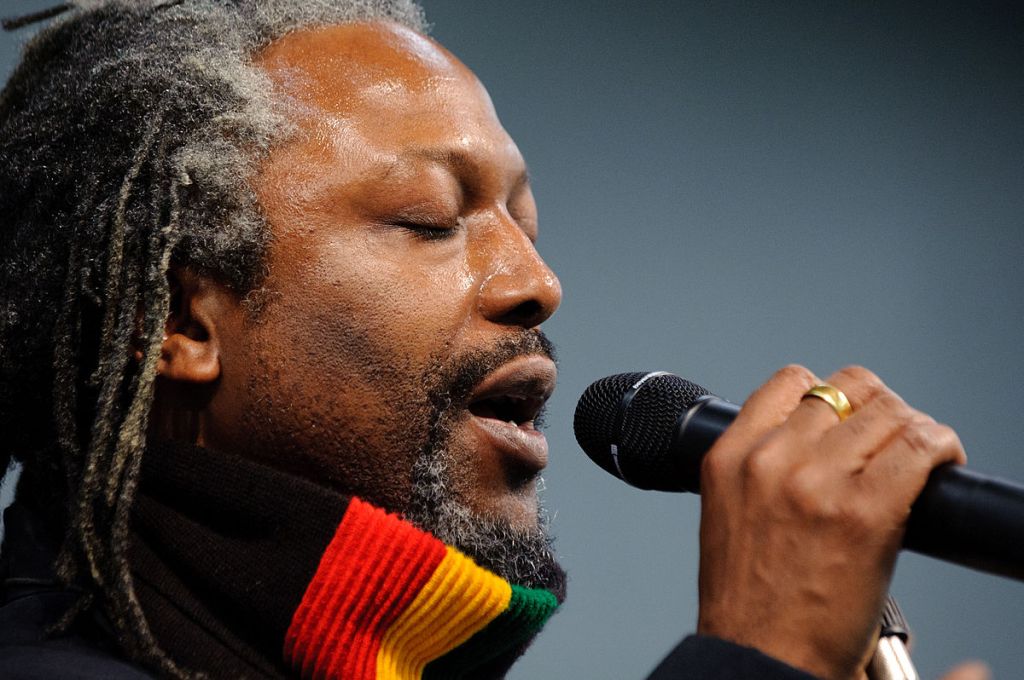
Levi Tafari

Another Liverpool 8 poet and artist is Malik Al Nasir. After a tough early start in life he met the legendary writer, poet, musician, activist and ‘total artist’ Gil Scott Heron, the legendary influence behind rap (and much else) on a visit to the city. Gil took Malik under his wing and encouraged and mentored him through a masters degree and into a life of poetry and creativity.

Malik Al Nasir’s powerful memoir ‘Letters to Gil’ explores his ‘story of surviving physical and racial abuse and discovering a new sense of self-worth under the wing of the great artist, poet and civil rights activist Gil Scott-Heron’. The forward to the book is by another noted poet, Manchester born Lemn Sissay.

Malik and Gil

Liverpool is still a great city for characterful pubs. Pubs have been closing en masse throughout the UK during the past few years. Many have been successfully turned into ‘gastro pubs’ combining quality food, drink and hopefully ambiance. Nevertheless, there are still ‘traditional’ boozers left, especially in Liverpool and we’ll mention a few here (even if they serve decent food along with the drinks!).

Adrian Henri is there to help us. His ‘Poem for Liverpool 8’ mentions some of the pubs he frequented in the city although all of the following are on their way to Liverpool 8 from the city centre rather than in the district itself.

drunk jammed in the tiny bar in The Cracke

drunk in the crowded cutglass Philharmonic

drunk in noisy Jukebox O’Connor’s

As you leave the Bluecoat, immediately to your right is the venerable ‘Old Post Office’ public house. The Old Post Office is an old fashioned ‘does what it says on the tin’ Victorian pub and it is a delightful place to while away an hour or two.
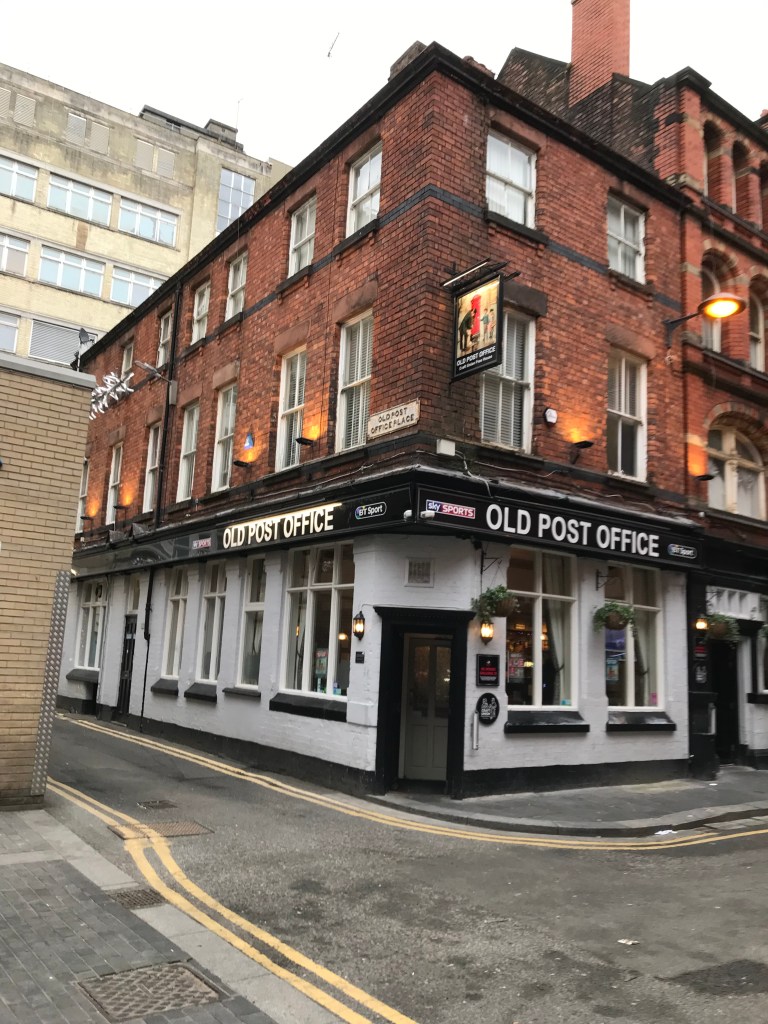
Mine’s a lager top

Other great pubs follow as you move away from the city centre itself. Around a 10 minutes walk from the Bluecoat as you walk up Hardman Street towards the Philharmonic Hall and Georgian terraces, is the Fly in the Loaf bar (although we always refer to it by its old name of ‘Kirklands’). With its long interior bar, tiled floor and mosaicked entrance, it was a formerly called Kirklands Bakery as the external signage notes saying  ‘Vienna Bakery – Bakers to the Queen – Kirkland Bros – Scotch Confectioners’ and ‘By Royal Appointment’ (to Queen Victoria no less!). Although the bar may not be as consequential as it was in the 70s and 80s when it was a preferred haunt of local footballers and celebrities, it is still a great place for a drink and ambiance!
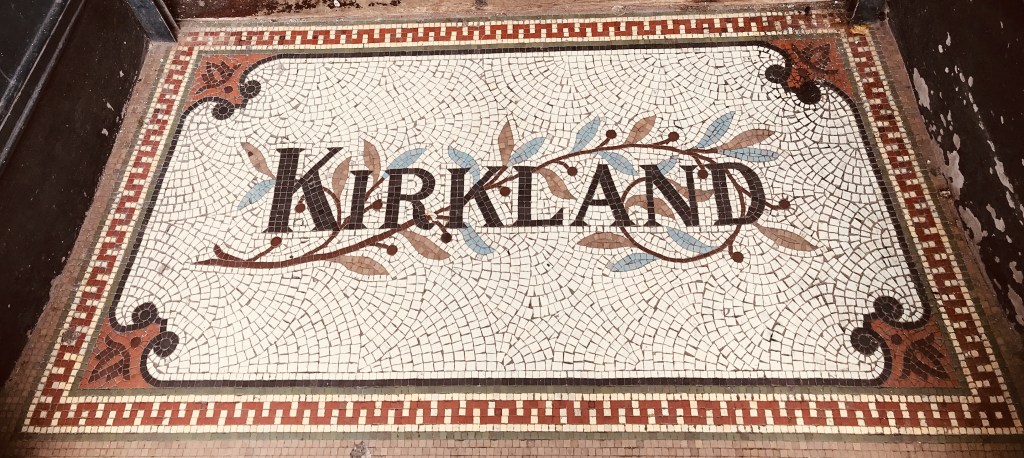
Tiled entrance to the Fly in the Loaf and the old name of the bakery

On the other side of the road to the Fly in the Loaf was an old bar called O’Connor’s Tavern which had been both a synagogue and then a morgue in a previous existence. The Tavern had a legendary jukebox and was popular with the Mersey Poets including of course, Adrian Henri. Henri once met Yoko Ono at the Bluecoat where she was exhibiting (in 1967, she returned to the gallery in 2008) and took her for a drink at O’Connors. Regulars of the Tavern, including the landlord are featured on the cover of The Liverpool Scene album ‘Amazing Adventures of’.
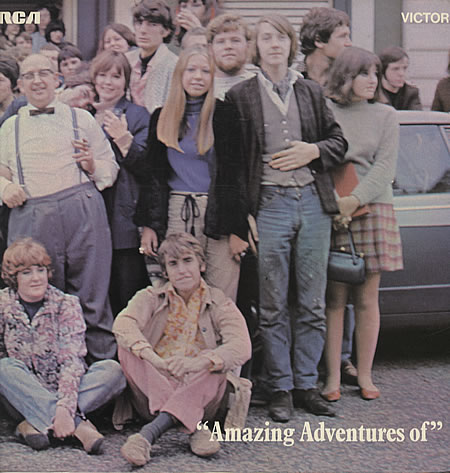
The Liverpool Scene with Adrian Henri

O’Connors is long gone and the site has changed hands several times since those days. Showing our age, we remember it when it was a wood lined bar called ‘Chaucers’.

A short walk further up the hill will bring you to The Philharmonic pub (‘the Phil’) surely one of the UK’s most spectacular ‘boozers’. The Phil is a Grade 1 listed building and if you ever get the chance to visit Liverpool, do stop for a drink here.
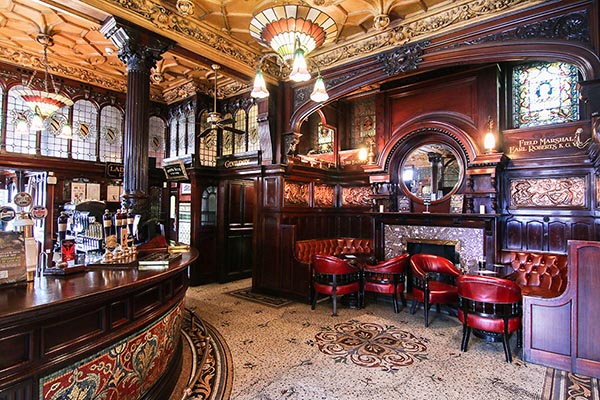
The Phil

Across the road from The Phil is the Philharmonic Hall. Although a concert venue (and in particular, we remember seeing jazz poet Gil Scott Heron perform there), the Hall’s upstairs bar is an Art Deco masterpiece and worth a visit in its own right.
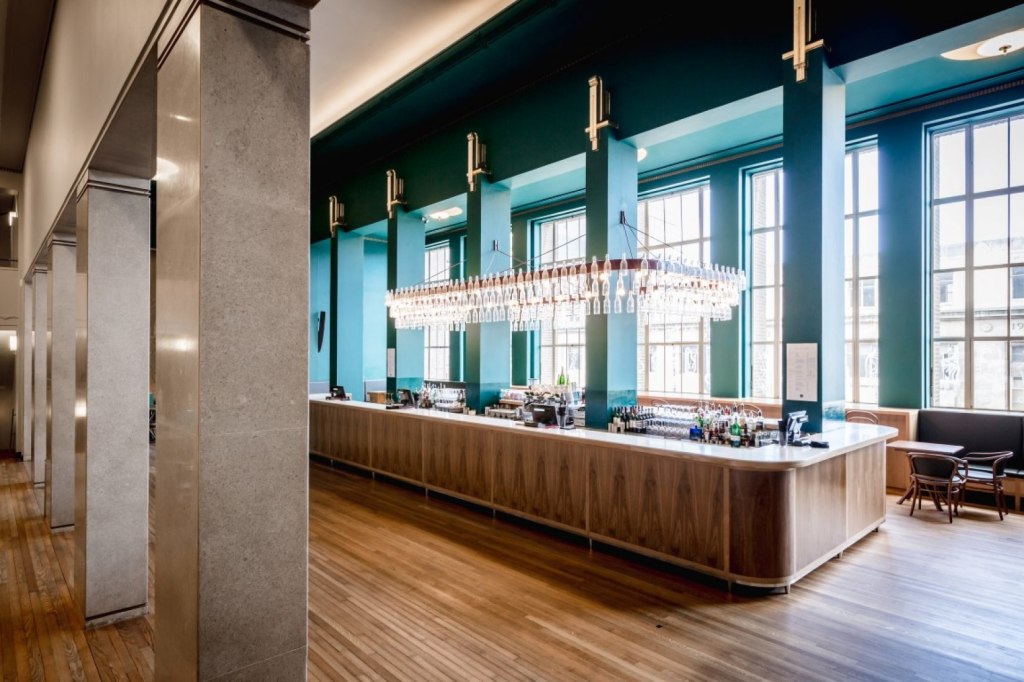
Philharmonic Hall bar

Another short walk away from the Hall takes you to ‘Ye Cracke’, a legendary pub not only frequented by Adrian Henri and John Lennon but by generations of students from the nearby Art College.
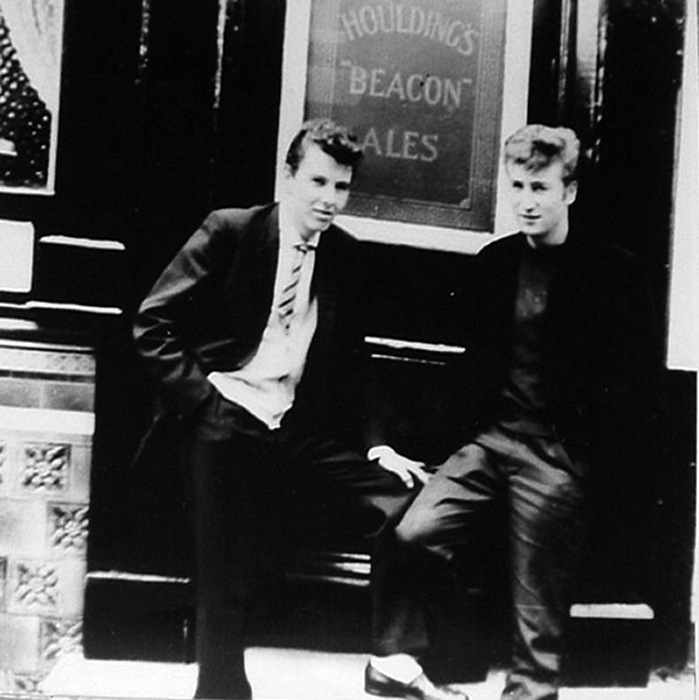
John Lennon outside Ye Cracke in 1958

Away from Ye Cracke and into the outskirts of Liverpool 8 proper is Peter Kavanghs pub. Our personal favourite in the UK, we’ve never seen such a great mix of people drinking in one bar before. Ambiance galore!
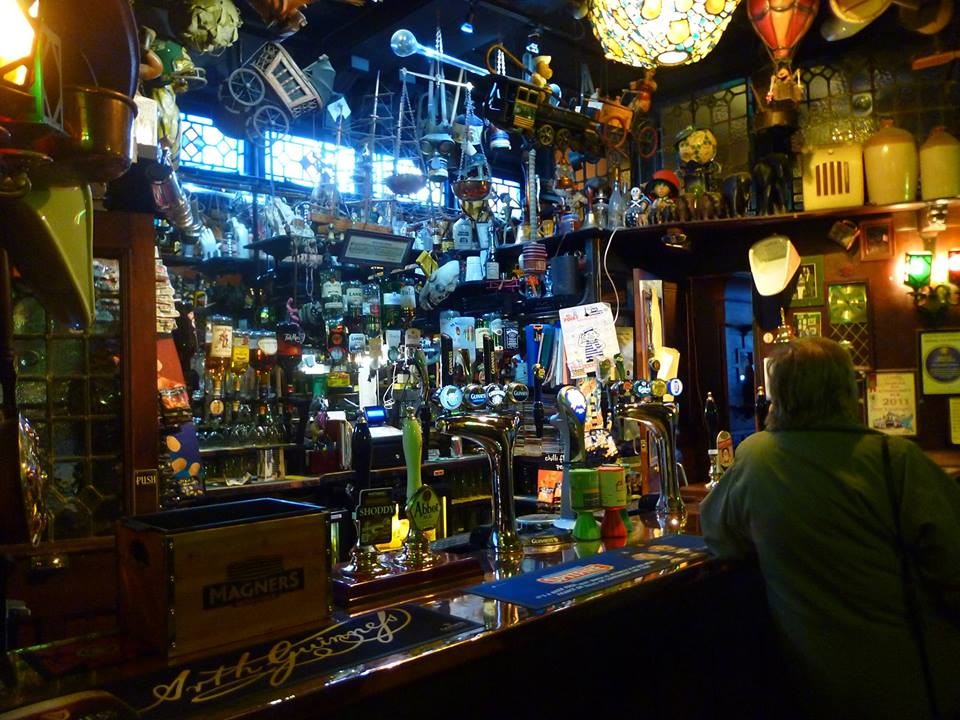
Peter Kavanaghs

We’ll leave Gil Scott Heron to have the last word.

‘A good poet feels what his community feels.

Like if you stub your toe, the rest of your body hurts’.

Salvador de Bahia

Salvador (‘São Salvador de Bahia de Todos os Santos’) is the state capital of that most culturally important province of Brasil, Bahia. 

The city itself is a combination of great beauty and culture, old wealth and a violent history, poverty and inequality. It is quite unlike anywhere else in Brasil we have visited. 

The centrepiece of the old historic quarter, the ‘Cidade Alta’, is called ‘Pelourinho’. With its cobbled streets of beautiful buildings, groups of tourists, churches and shops (together with a not insignificant security presence), Pelourinho (the name means ‘whipping post’) was once the site of the largest slave auction in the Americas and is now the most well known part of the city to visit.  Pelourinho kind of sums up the city’s inherent contradictions with great wealth and privilege side by side with poverty and crime.

The Jorge Amado museum in the Pelourinho is centred on the life and works of that revered Brasilian writer. A son of the town of Itabuna in the south of Bahia, much of Amado’s work is based in and around Salvador including the novel  ‘Dona Flor and her two husbands’. An internationally popular book, it became the most successful Brasilian film of all time when it was released in 1976. Its box office success was only equalled in 2010 with the release of the violent ‘Tropa de Elite’ (we prefer the warm comedy of ‘Dona Flor’ and its glimpses of the Cidade Alta before it was ‘cleaned up’). The film was notable for the performances of Sonia Braga as ‘Dona Flor’ and José Wilker as the reprobate ‘Vadinho’. Bahian food (our personal favourite in Brasil) with its clear African influences, features heavily in the book with each chapter introduced by a recipe from Dona Flor who runs cookery classes when she is not hiding her money from Vadinho. Her ‘Moqueca de Siri Mole’ (a seafood stew made from a local species of crab) features in the film and  a recipe from the Folha de São Paulo is at https://receitas.folha.com.br/receita/866

Our favourite dish from Bahia is ‘Bobo de Camarão’, a rich stew of shrimps, manioc flour, coconut and herbs. Palm oil (known locally as ‘dendê’) with its distinctive orange colour adds a characteristic flavour to the dish.

Our favourite novel by Jorge Amado is his 1937 work ‘Capitães de Areia’ (‘Sand Captains’ in English). This is a hard hitting novel of a gang of street urchins who make their living stealing and hustling in Salvador. For all its beauty and tourist popularity the city is awash with inequality and poverty and this novel, although over 80 years old, captures something of this harsh reality to dramatic effect. The novel is available in English and is highly recommended.

The musical culture of Salvador and the state of Bahia generally is well known in Brasil and throughout the world. Listing the famous musicians from this region would take time as there are so many but Ivete Sangalo, Gilberto Gil, Caetano Veloso and Maria Bethãnia are some of the most famous. Perhaps less well known but our personal favourites from the region are the samba legend Riachão and the influential Oscar da Penha, better known as ‘Batatinha’.

A live film of Batatinha singing his song ‘Direito de sambar’ is at

‘Direito de sambar’ is also featured in the 2011 film version of Amado’s ‘Capitães de Areia’.

The São Paulo singer Adriana Moreira based her entire first album on Batatinha’s  songs. Here she is singing ‘Direito de sambar’.

Her second album ‘Cordão’, released in 2012 is one of the best samba albums from Brasil in our opinion and this televised version of the song ‘Fuzuê’ is taken from the same long standing Brazilian music programme ‘Ensaio’ which also featured a broadcast of ‘Batatinha’ back in 1995.

Venezuela and Piranha

Los Llanos are the huge flood plains of western Venezuela stretching from the mighty Orinoco river into Colombia east of the Andes. The area is quite simply one of the hottest places we have ever visited, almost too hot to move by about 10 o’clock in the morning until early in the evening.

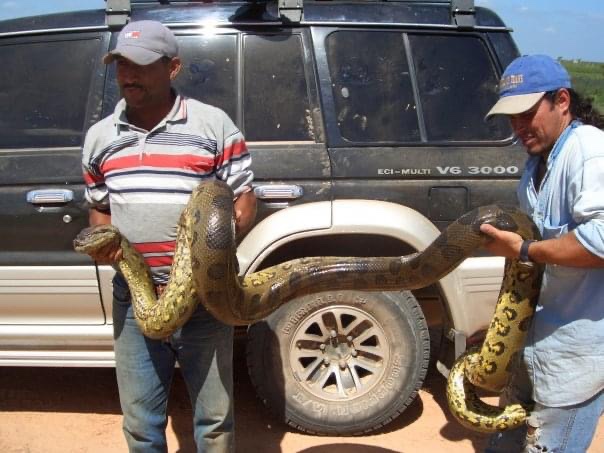
The area was teeming with life from capybara, flamingos, anteaters and rattle snakes to pink dolphins, giant otters and anacondas. As well as caiman, the waterways were filled with piranha, the red bellied version being the most ferocious.

We went fishing for piranha with a line and hook and a chunk of chicken as bait. You simply throw the baited hook into the water, jerk the line the second the bait hits the surface and if you are quick enough you will pull out a piranha. The bait was eaten as soon as the hook hit the water and so we needed to act very quickly otherwise the fish escaped! The water was so full of piranha that we had pulled out a dozen or so in a matter of minutes.

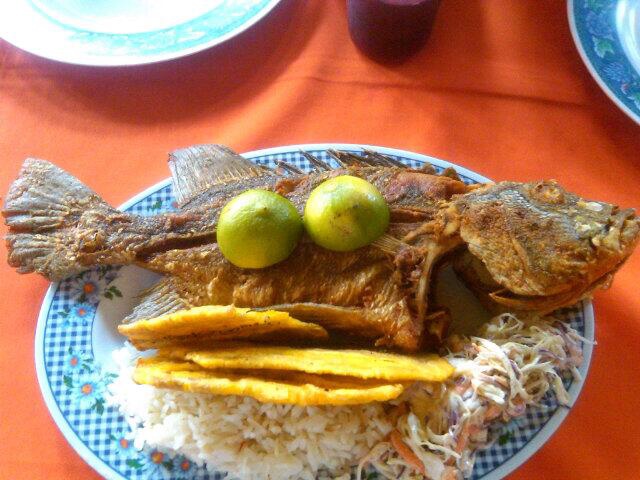
As well as piranha, a guy from the farm we were staying at was catching another type of fish, pávon (‘peacock bass’), to add to the piranha for the supper later that evening. Unlike piranha, pávon is not a species that is native to Venezuela having been imported by the Government in the sixties to control the amount of the former in the waterways. The breed spread like wildfire and they are so numerous that they are not too difficult to catch despite their competitive reputation. Pávon is a delicious fried fish and certainly preferable to piranha which we found very bony.

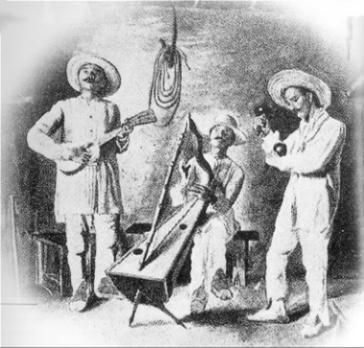
The local music of Los Llanos is ‘Joropo’ ‘(‘Joropo Llanero’), a musical style usually featuring a harp, a four stringed cuatro and maracas played together in a hard driving, folkloric style.

The time signature for this music is 6/8 making playing along on the maracas (as we did when invited to), fairly challenging when full of rum and Polar beer!

Black Isle Beer

Drink organic.

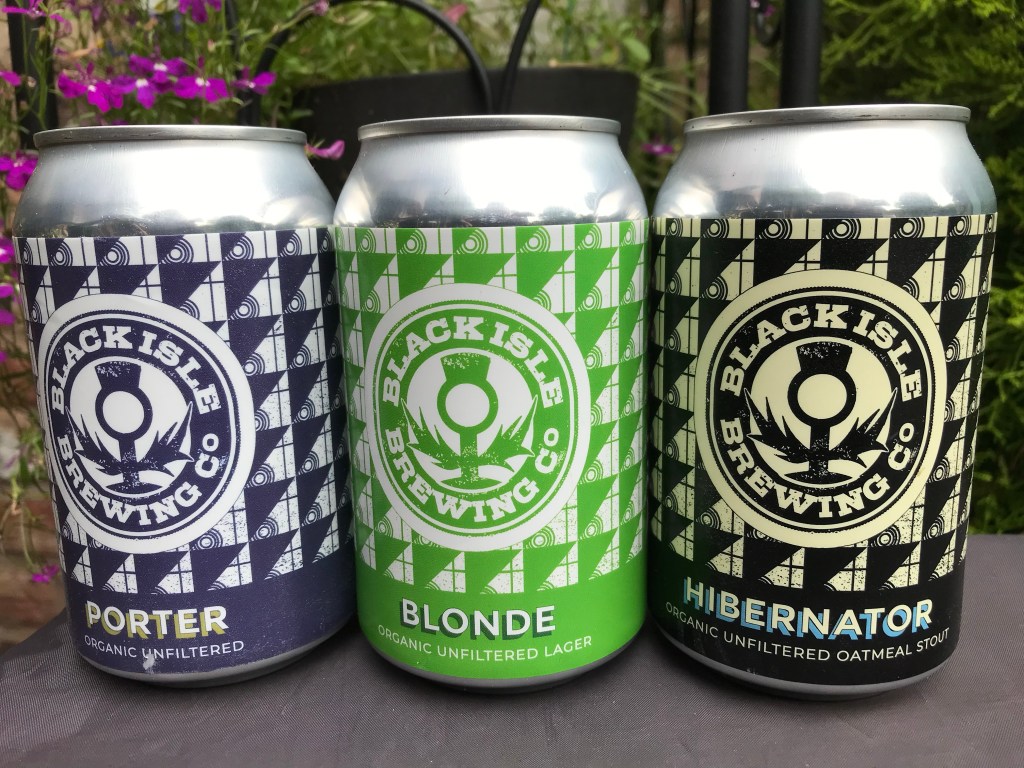
Our favourite beer at the moment comes from the Black Isle Brewery based near Inverness in Scotland, currently the only organic brewery in that country. The quality of their ingredients and the care they take in brewing is evident in the taste of their marvellous beers.

The brewery produces a great range of core beers from lager through to porter and an array of specials including an Imperial Stout named ‘Hibernator’ (Sam Smiths brewery in Yorkshire also do a great Imperial) They also produce a stronger than an elephant beer named ‘The Big Sleep’. As their website points out ‘The Big Sleep’ is not the gangster’s euphemism for death. It is instead a reference to the long Scottish winter (the label features a sleeping bear in hibernation) – just the climate for a glass of this strong beer! Our own winters can be pretty grim and so we will have to order a bottle or two for later in the year!

They have an internet shop where you can buy their beer and other merchandise. Brewery visits can also be arranged.

Their website is at https://www.blackislebrewery.com

Highly recommended.

As the brewery is based in Scotland and as we are pretty near to Salford here in NW England (also a great place for some truly original beers especially the Pomona Island Brew Co see https://www.pomonaislandbrew.co.uk) we thought we’d link you a song by the Anglo-Scot, Ewan MacColl. Born in Salford to Scottish parents he was the author of the much loved song ‘Dirty Old Town’. Although highly popular in Ireland, having been covered by the Dubliners and the Pogues, the song is not actually about the Emerald Isle itself but is actually about Salford https://www.irishpost.com/entertainment/dirty-old-town-is-about-england-not-ireland-as-secrets-about-famous-pogues-and-dubliners-song-are-revealed-209720.

Euan MacColl

The song has been adopted and adapted by fans of near by Liverpool FC to sing the praises of their Dutch maestro, Virgil Van Dijk.

https://youtu.be/qlJ4scOSsCs

Drink organic.

LA MALANGA

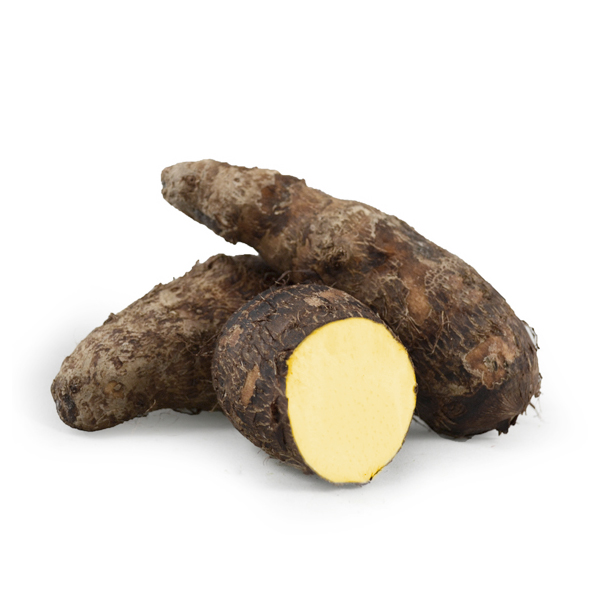
Malanga as metaphor

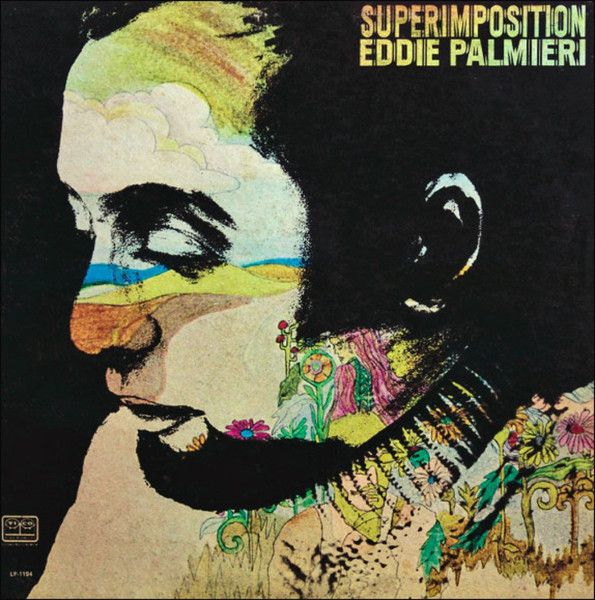
Superimposition was a later Eddie Palmieri album with a track named ‘La Malanga’ although the vegetable serves as a more explicit metaphor in this song (https://www.youtube.com/watch?v=OH4ZXqEMBxI

Se acabó ya la malanga y no puedo comer
No sé lo que hacer, no puedo come

Que si no puedo jamar
Oye que hambre me da.
Dame malanga mamá
Mira quiero malanga

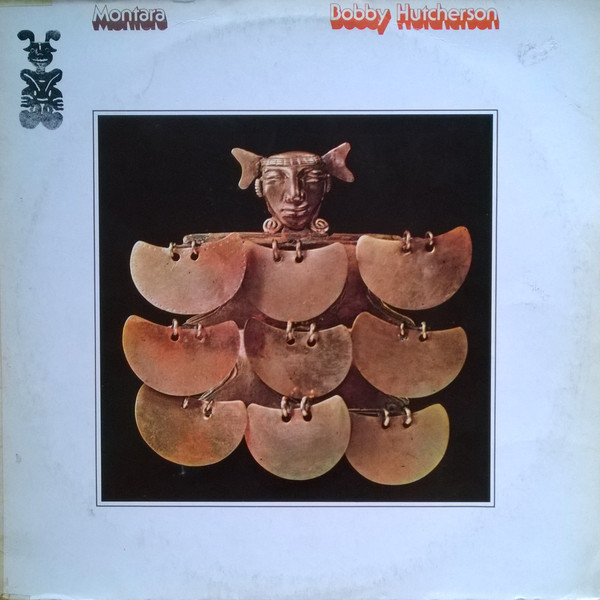
The great vibes player, Bobby Hutcherson, cut a version of this song on his latin music influenced ‘Montara’ album (https://www.youtube.com/watch?v=cgWAOU-ATVU). The cover photograph is an exhibit from the wonderful Gold Museum in Bogota which you should try and visit if you are ever in that city.

MALANGA AMARILLA

Yellow malanga and Cuban jam

Staying with the malanga theme, the late Cuban double bass player Cachao recorded the benchmark ‘Malanga Amarilla’ in 1957 as a part of the famous ‘Cuban Jam Sessions’ series of recordings at Panart studios (later the national studio and record label ‘Egrem’) which were made with the very best Havana musicians after they had finished playing the local clubs very late at night orearly in the morning if you prefer. A series of five records were released with Cachao’s superb ‘Cuban Jam Sessions In Minature’ his debut album and one of his very best. The album featured the famous ‘Malanga Amarilla’ with his brother Orestes López on piano on this recording. The two brothers were major innovators and were credited with the mambo.

Malanga Amarilla was later covered by the Colombian singer Toto La Momposina https://www.youtube.com/watch?v=AmzyR07cbYY . As her name suggests, she is from the city of Mompox on the Carribean coast.

Staying with Colombia, the song was also cut by La Sonora Carrulseles https://www.youtube.com/watch?v=3WQ916dNFgM

Malanga Amarilla was also covered by the wonderful El Gran Combo of Puerto Rico https://www.youtube.com/watch?v=YnIeXrnR3f0


MALANGA, TARO AND PATRA

Malanga is part of the Aracere species which includes Taro, a similar root vegetable. Colocasia Aracere is a tropical plant mainly known for its edible tubers known as taro, dasheen, malanga, eddo and cocoyam depending on the region.

Patra is a dish from Gujarat in India and it is one of our favourites. It is made from Colocasia leaves, gram flour and spices. A great recipe is located here if you want to try and make this dish yourself https://www.tarladalal.com/patra-gujarati-patra-alu-vadi-33322r

Patra

ONE ONE COCO FULL BASKET

The root vegetable Taro (aka Dasheen) of the Colocasia family is also called ‘Coco’ in Jamaica (‘Malanga’ in Cuba).

A great video on root vegetables in Jamaica is here:-

The vegetable is mentioned in the Jamaican proverb ‘one one coco full basket’ which roughly interpreted means that success doesn’t come quickly and easily but is a gradual process just as gathering and filling a basket with coco is undertaken one item at a time.

You can hear this old proverb in the lyrics of ‘One one coco’, an early track by the legendary reggae star Gregory Isaacs. Isaac’s cut the tune for producer Gussie Clarke near the start of his career as a singer in the early 70’s. In a typically masterful performance Isaacs sings:

So go on and have your fun
Lord knows
I’ll work and wait till my day come
Cos any man who try hard will make it
Just practice
One one coco full basket

This was not the only proverb in the song as the lyrics go on to note:

Cause what you need now
I really ain’t got
But old time people say
Every dog have him four o’clock

‘Every dog have him four o’clock’ means ‘every dog has his day’ i.e. even the humblest person has their moment of glory.

The Isaac’s track was used as the basis for Big Youth’s ‘One of these fine days’ from the ground breaking ‘Screaming Target’ album around the same time. Like Isaac’s Big Youth was more or less at the start of his career at this time going on to considerable fame later on in the Seventies, especially with his album ‘Dreadlocks Dread’, our own favorite from the man.

Producer Gussie Clarke provides the version (but not a dub as it is a ‘straight from the desk’ instrumental).


Is it our imagination or does the tape slow down towards the end of this track?

Follow our Blog

Get new content delivered directly to your inbox.