High Peak to the World’s End

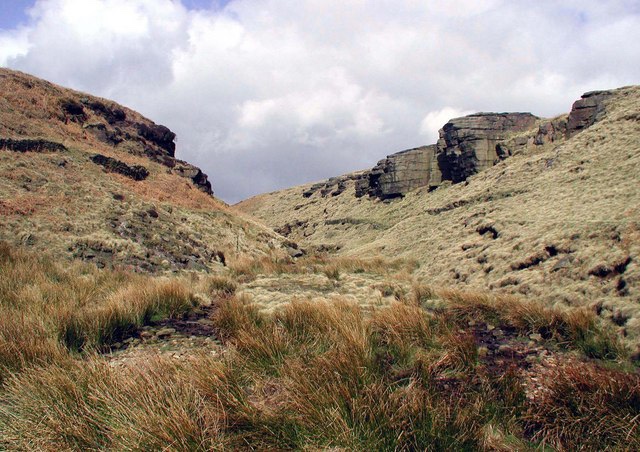
The village of Tintwhistle lies in the High Peak district in the county of Derbyshire in Northern England. The High Peak area is the more elevated section of the Dark Peak which is made of moorland and bogs. It’s limestone foundation is covered in sandstone and shale. In winter, with heavy rainfall and snow, the soil is almost always saturated with water and ice.
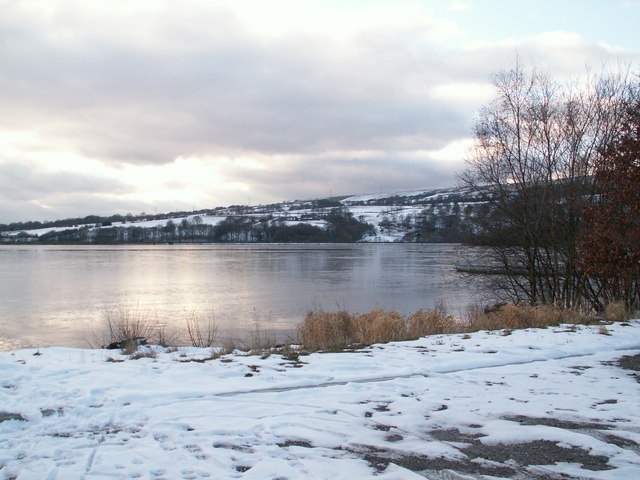
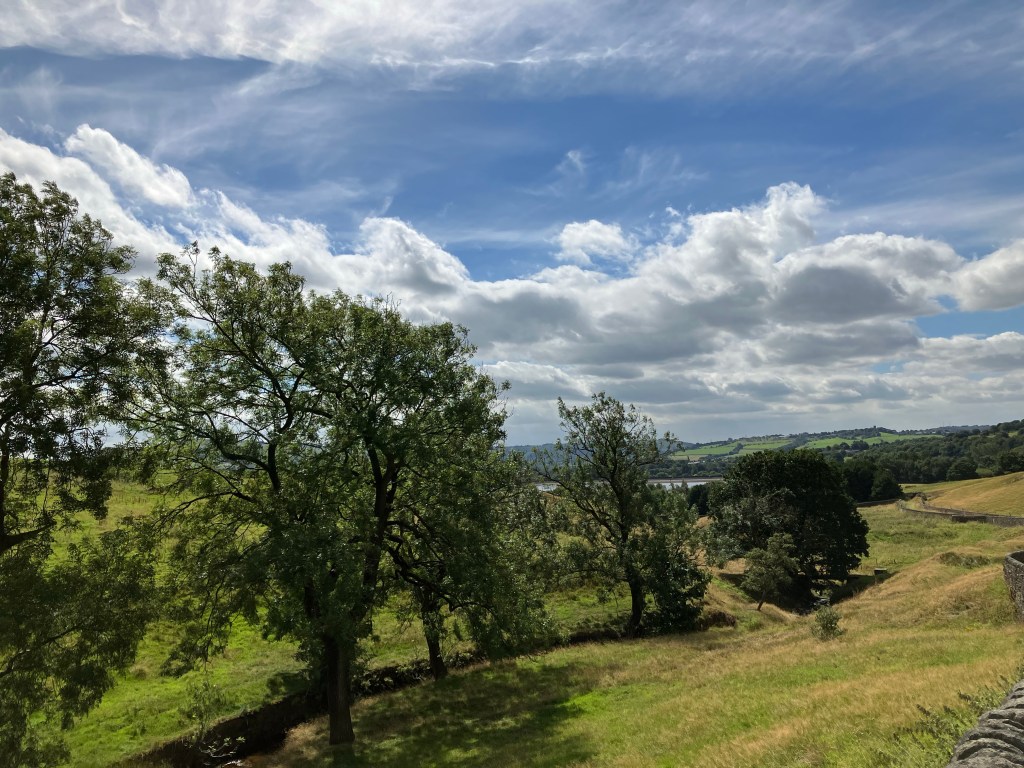
The countryside around the village is attractive but not a little wild and the fairly bucolic pastures soon give way to the moors themselves.
The most notable former resident of the village is the fashion designer and activist Vivienne Westwood. Westwood grew up in a row of stone cottages known as Millbrook located just outside the village on the main Manchester road. The village of Hollingsworth lies to the West, the town of Glossop to the South.
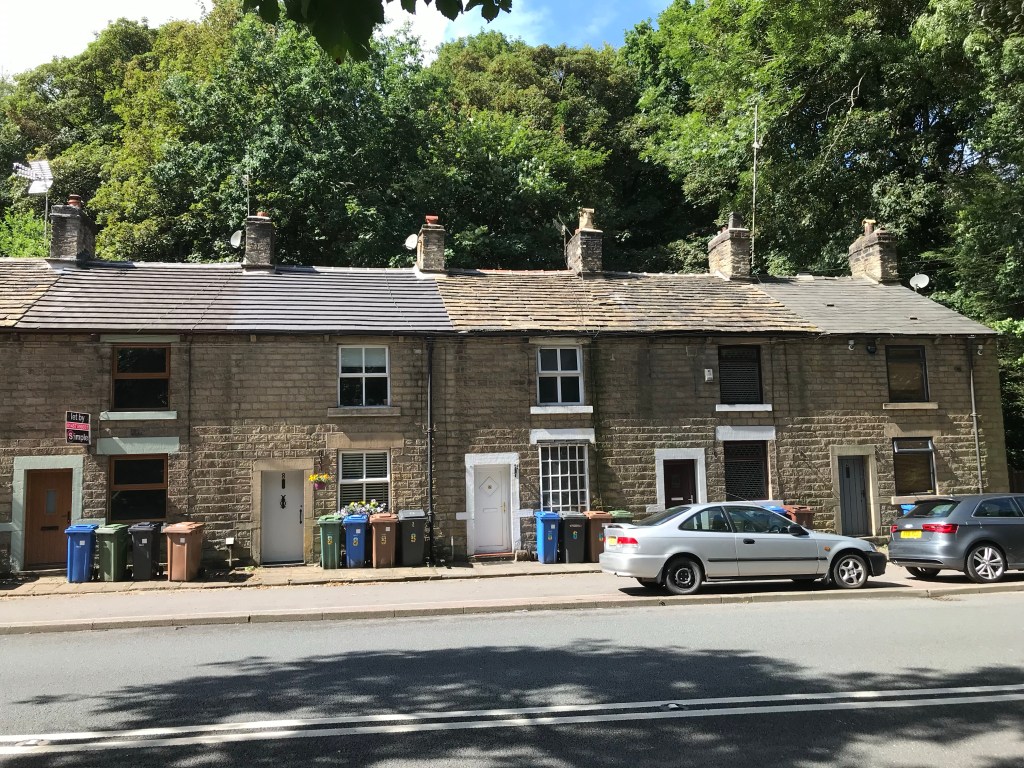
Westwood was born Vivienne Isabel Swire in Glossop. Her father was a storekeeper, her mother worked in the local cotton mill. The Millbrook cottages and the surrounding countryside was her playground. She went on to become the arguably best fashion designer (and certainly the most innovative) the UK has ever produced.
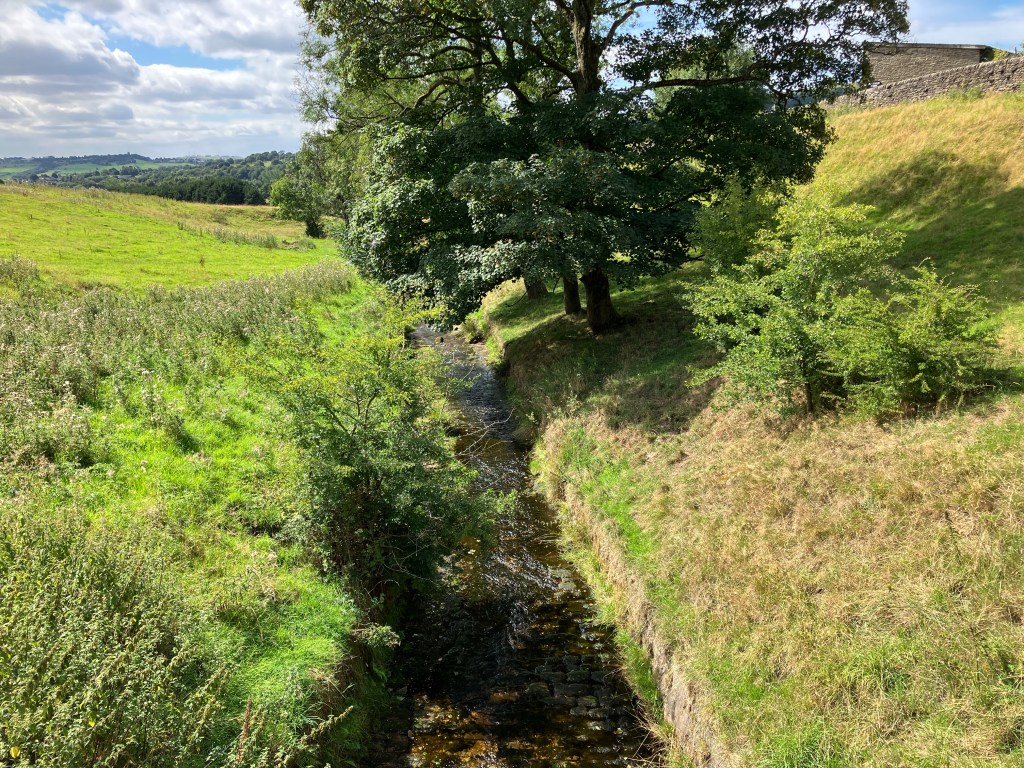
“Millbrook Cottages were at the bottom of an old quarry and from the earliest age my mother lifted me over our back wall to play in a dell where bluebells grew. As I grew up I was free to wander in a countryside which was beautiful and intimate until you got to the moors. After that it was wild and a little frightening”.

Although the city of Manchester (with its music clubs and art galleries) was not too far away, the Pennine area Westwood grew up in would have seemed culturally remote in the monochrome 1950’s.

“I lived in a part of the country that had grown up in the Industrial Revolution. I didn’t know about art galleries until I was 17. I’d never seen an art book, never been to the theatre.”
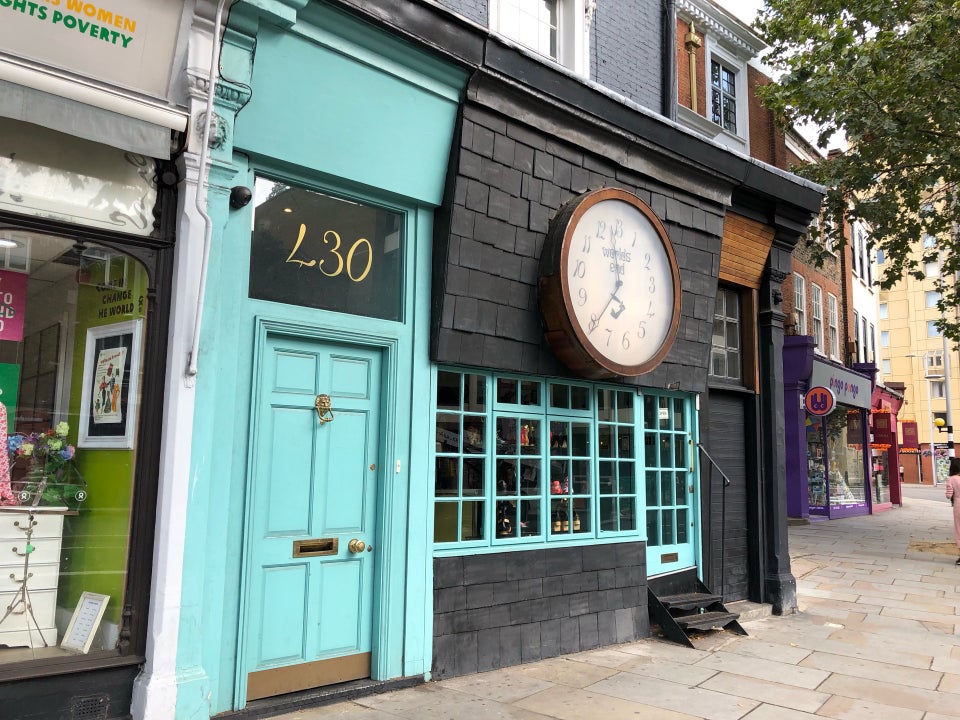
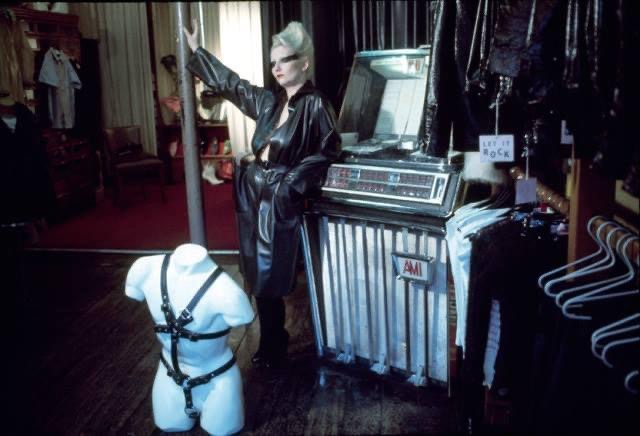
Westwood moved with her parents to London when she was 17 and she has lived in the city ever since. It is London, or rather her shop premises at 430 Kings Road, Chelsea that is for ever associated with her daring designs. From its rock’n’roll, fetish wear and punk roots in the 1970’s, the shop that was initially known as ‘Let it Rock’. It them became ‘Too Fast To Live, Too Young to Die’, then ‘Sex’, then ‘Seditionaries’ and finally ‘Worlds End’ as it is still known today. (World’s End is the name given to this eastern part of the district of Chelsea in London where the shop lies). With the changes of name, the designs and very nature of Westwood’s creations would abruptly change.
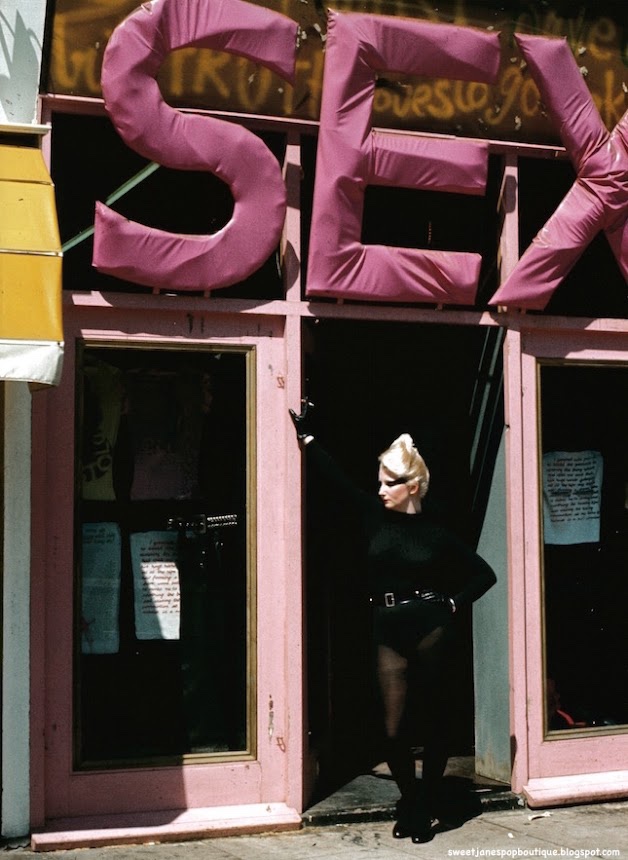
SEX at 430 Kings Road, Chelsea
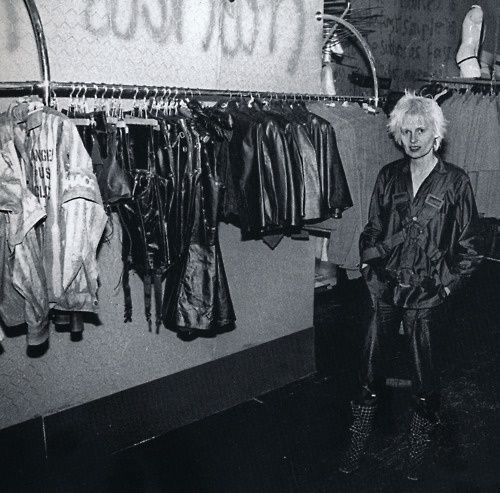
Vivienne Westwood in Seditionaries 1977
Worlds End storefront with the 13 hour clock face

In this year of the Queen’s Platinum Jubilee and her recent death, it is worth looking back at Westwood’s attitude to the Monarchy.

Initially, you could be forgiven for taking the view that Westwood was an out and out Republican. One of her initial designs featured a screen print of the famous Cecil Beaton portrait of the Monarch with a safety pin through her lips.
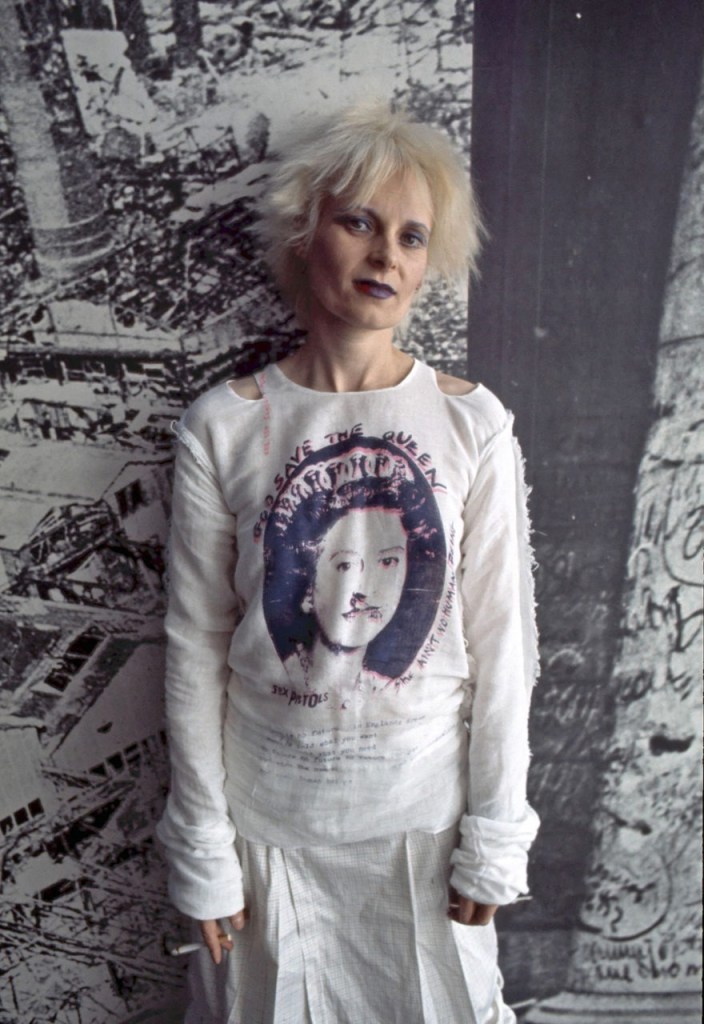
Her shop at 430 Kings Road helped clothe the Sex Pistols who stormed the UK music charts with their ultra controversial hit single ‘God save the Queen’ at the time of the latter’s Silver Jubilee in 1977.
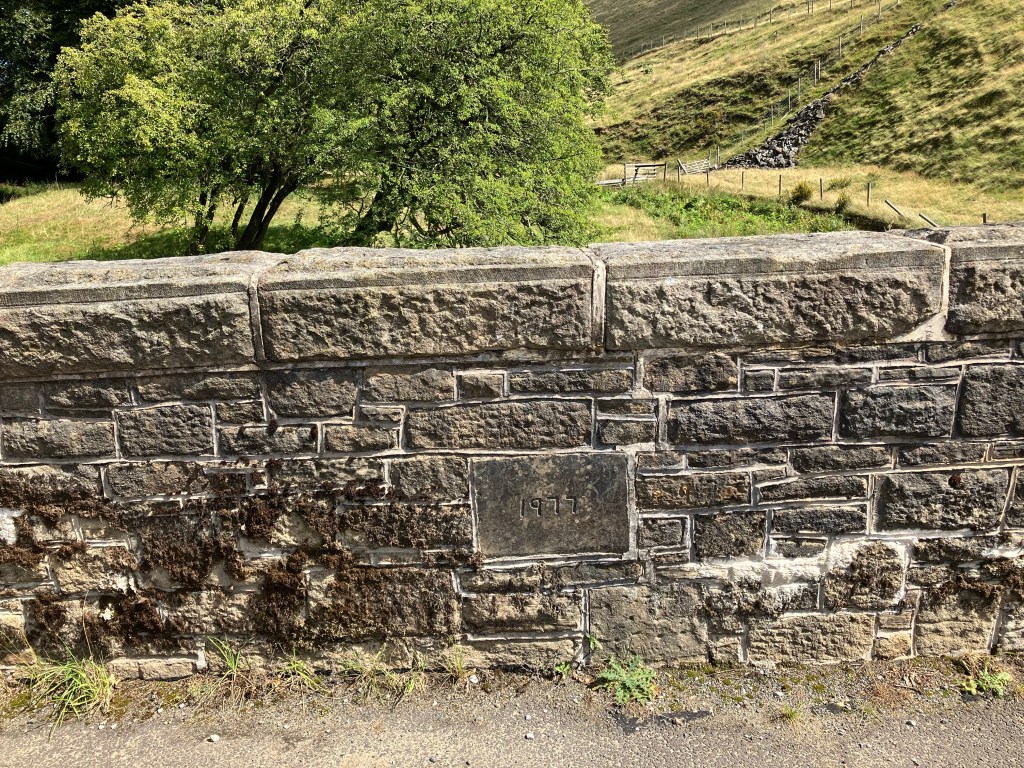
Bridge at Tintwistle built in 1977

Westwood herself was arrested and detained on the day of the Jubilee celebrations in 1977 following a very infamous boat trip with the Sex Pistols and various luminaries on board. The group belted out their songs as they sailed along the Thames until they passed the Houses of Parliament when their boat was detailed by a flotilla of police officers who promptly arrested all and sundry, including Westwood.
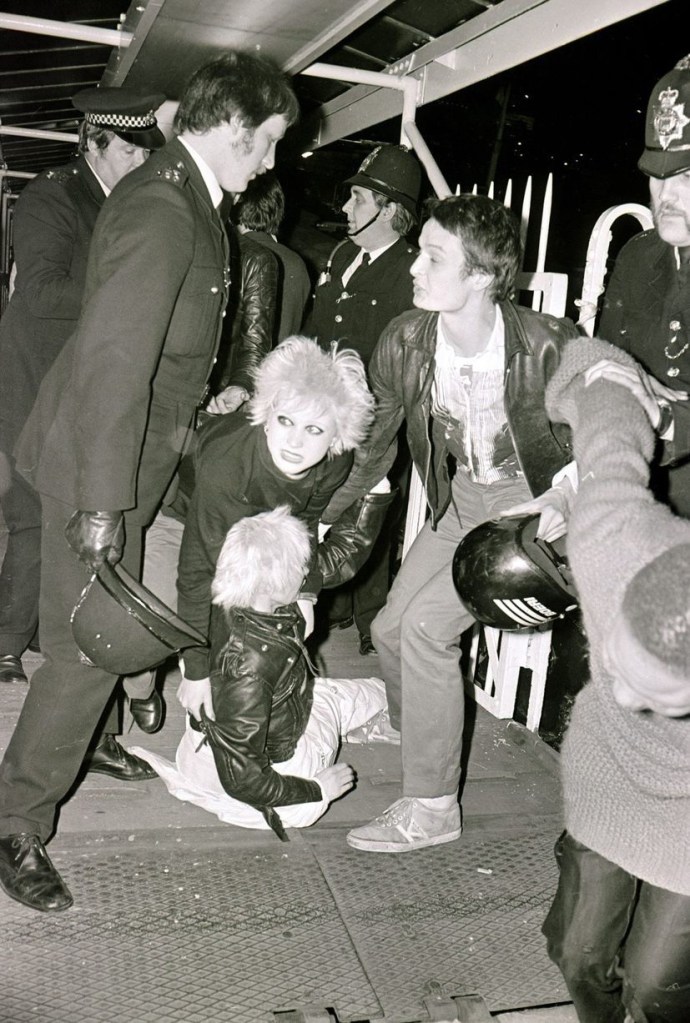
Nevertheless, Westwood is very much a monarchist who holds the Queen and the Hereditary monarchy in high regard.

“ The Queen performs a national service. She holds the country together. She is a figurehead of international diplomacy. We all owe her our gratitude’’.
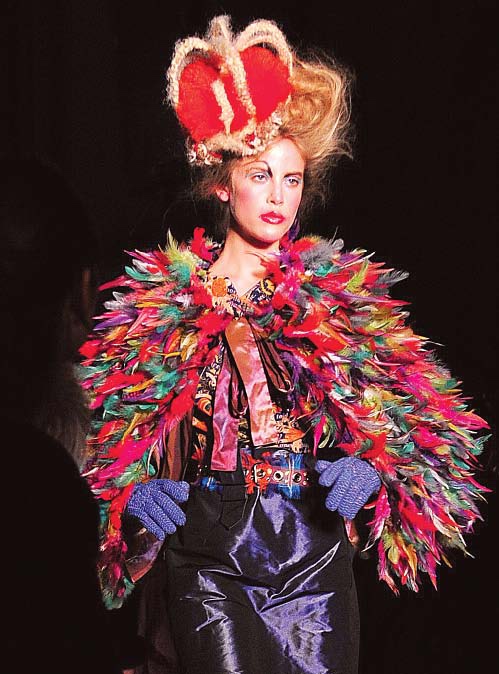
‘’I think that it is important that our Royal family is hereditary, the family members learn diplomacy by osmosis and develop a sense of duty to our country and the world.’’
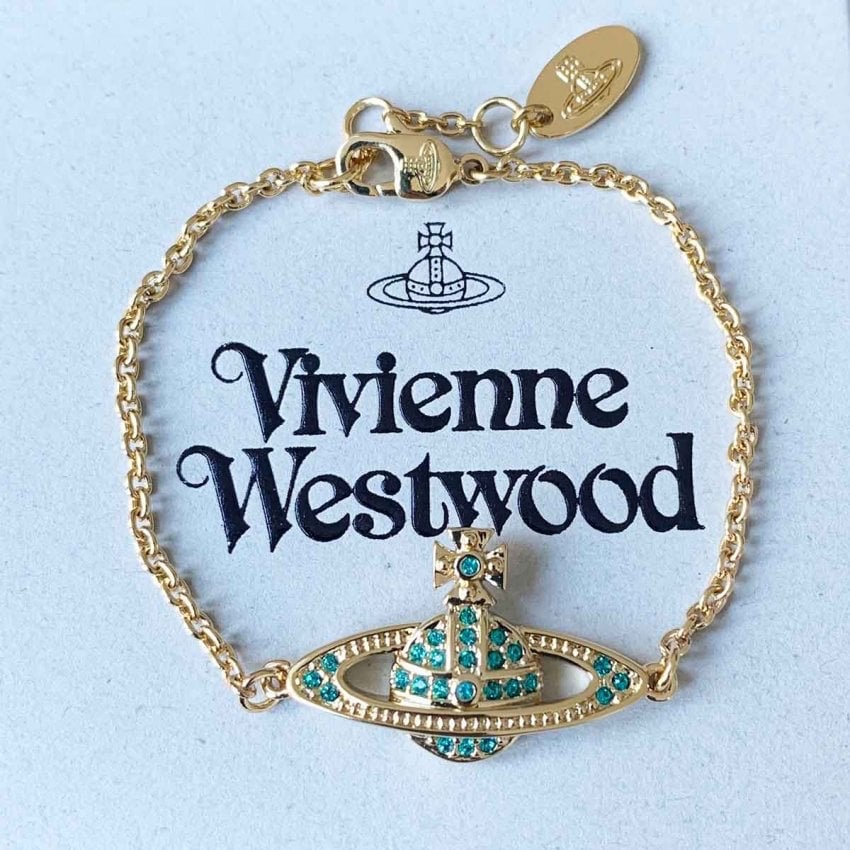
Westwood is very much an Anglophile and monarchist in her designs and she has often use royal images and traditional materials ranging from a Harris Tweed collection to worsted’s, tartan kilts and bondage jackets and to the choice of an Orb logo for her business logo.
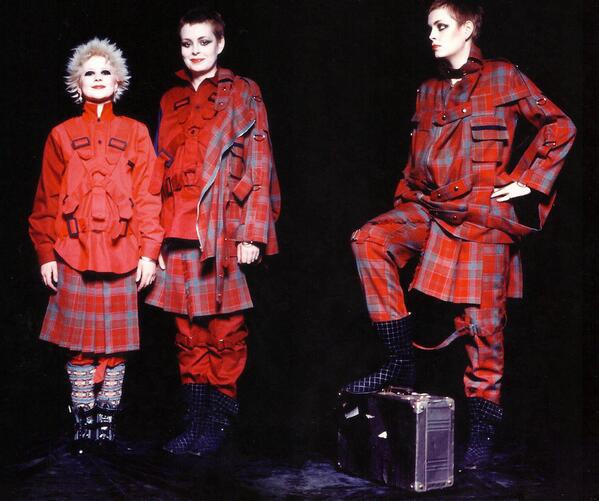
Her notorious 70’s rubber clothing was stitched and assembled by obscure fetish wear manufacturers in the North of England who had been making garments in the material for their specialist customers for many years.
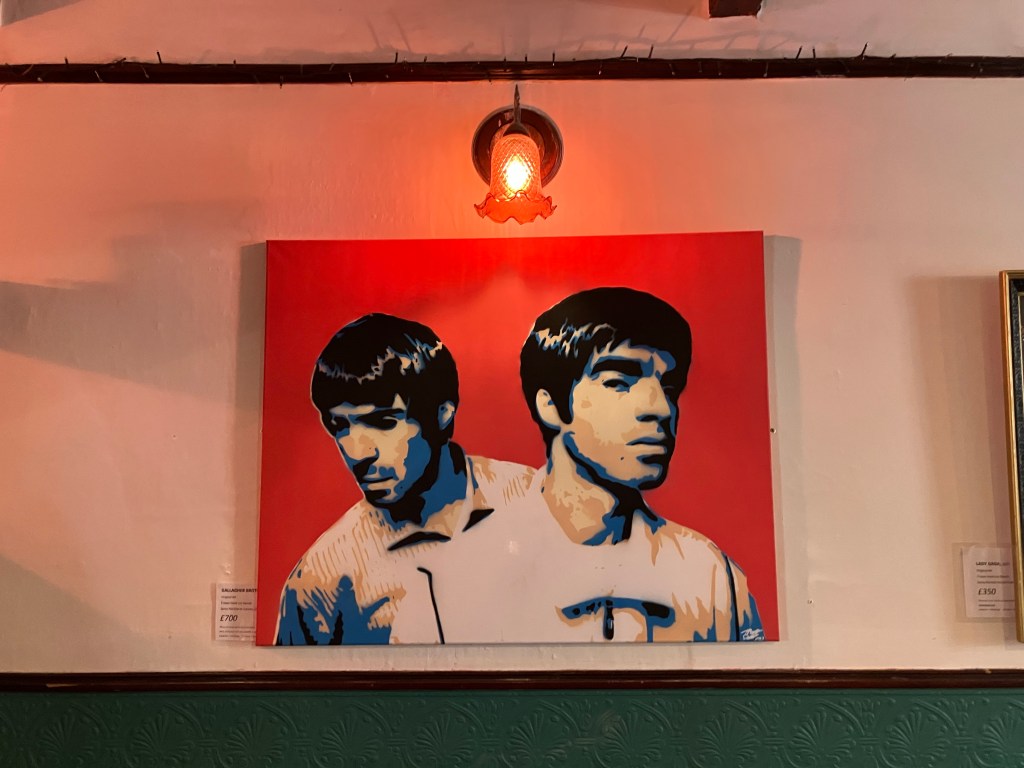
Westwood was born in Glossop, a town just South of her home in Tintwistle. Glossop is where she went to school. There was talk a few years ago about building a museum in the the town dedicated to her life and work but the idea was apparently rejected. A local graffiti artist, Deggy, recently created his own mural in the town in honour of Westwood.

Glossop is a handsome town with loads of character and it is certainly worth a visit in its own right. Our favourite place is The Globe pub on the High Street
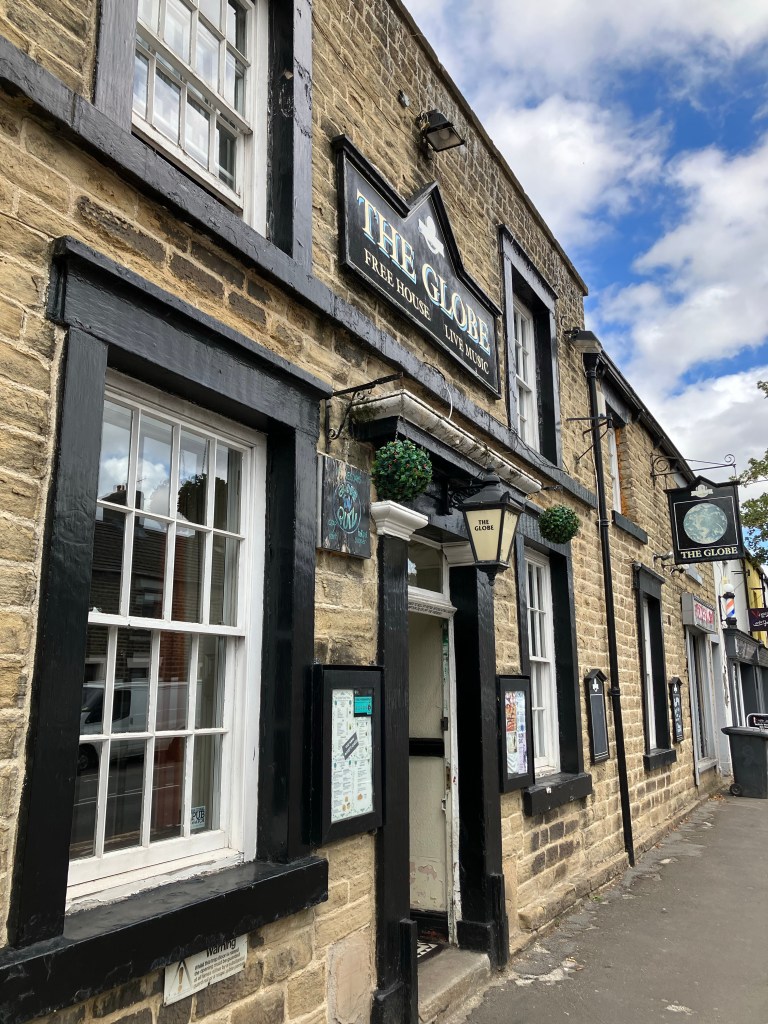
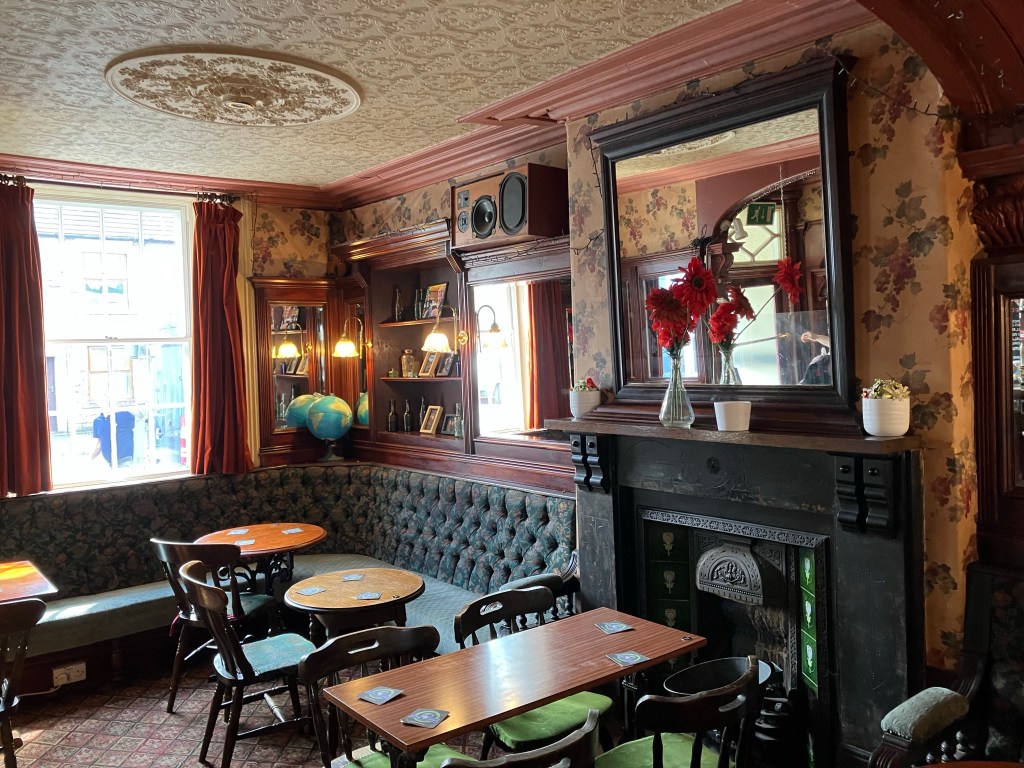
The pub is a well known music venue and it serves an exclusive Vegan menu of super cheap and very tasty bar classics. Recommended.
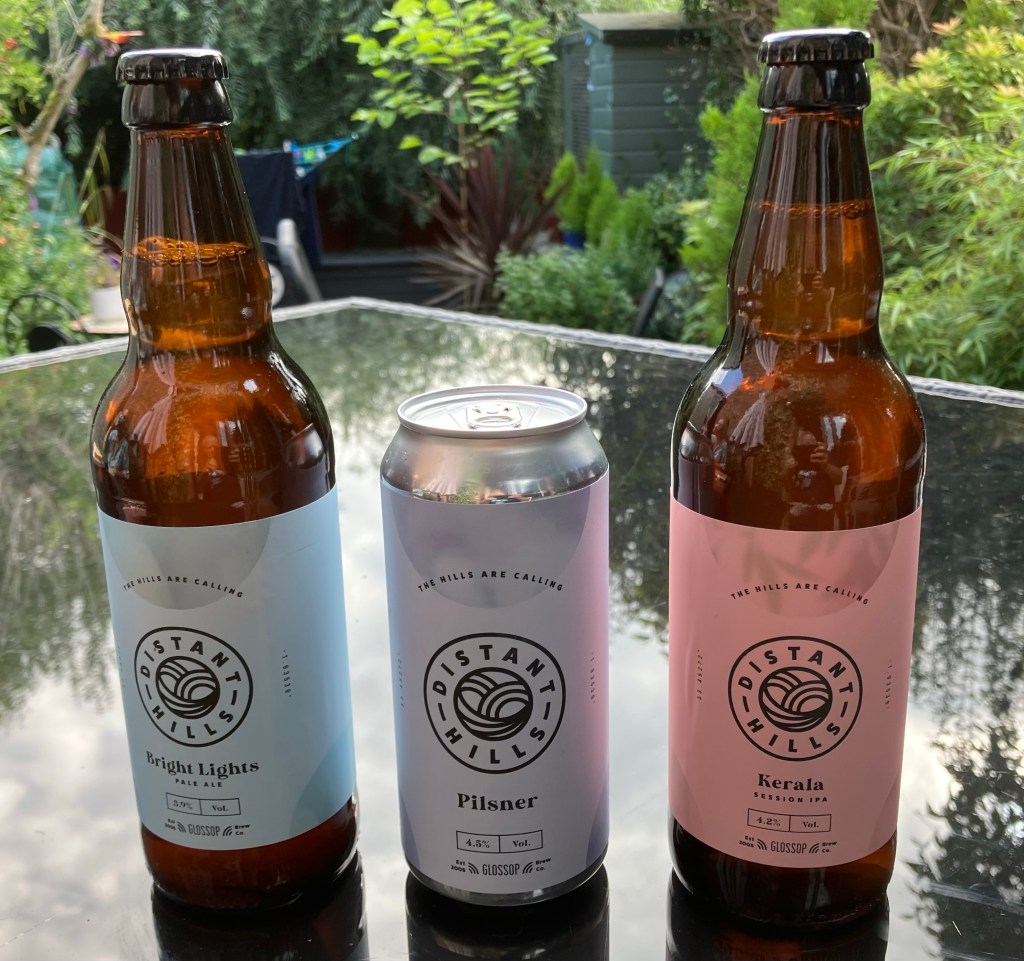
When it comes to beer, the local Distant Hills brewery and tap room is also a good bet.
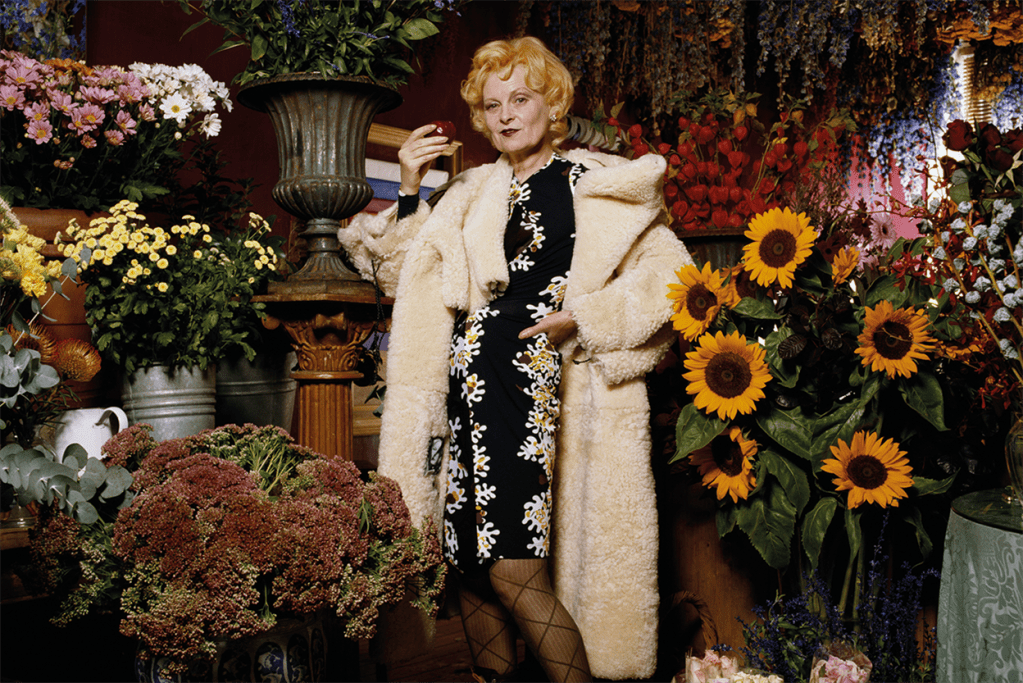
In 1992 Westwood received an OBE from Queen Elizabeth II. The Queen made her a Dame in 2006.
The Cheshire Cat goes organic

Growing @ Field 28 is a family run organic farm and food store located near the village of Daresbury in Cheshire in the North West of England.

Using a combination of pesticide free vegetables grown on the surrounding fields and high quality baby leaf and micro greens grown indoors, Growing @ Field 28 is a most welcome addition to the local field scene. It is a part of the distinct move by farmers away from mass produced food.

As well as supplying restaurents with high quality produce there is also a food store at their site selling fruit and vegetables, eggs, bread and cakes and more!

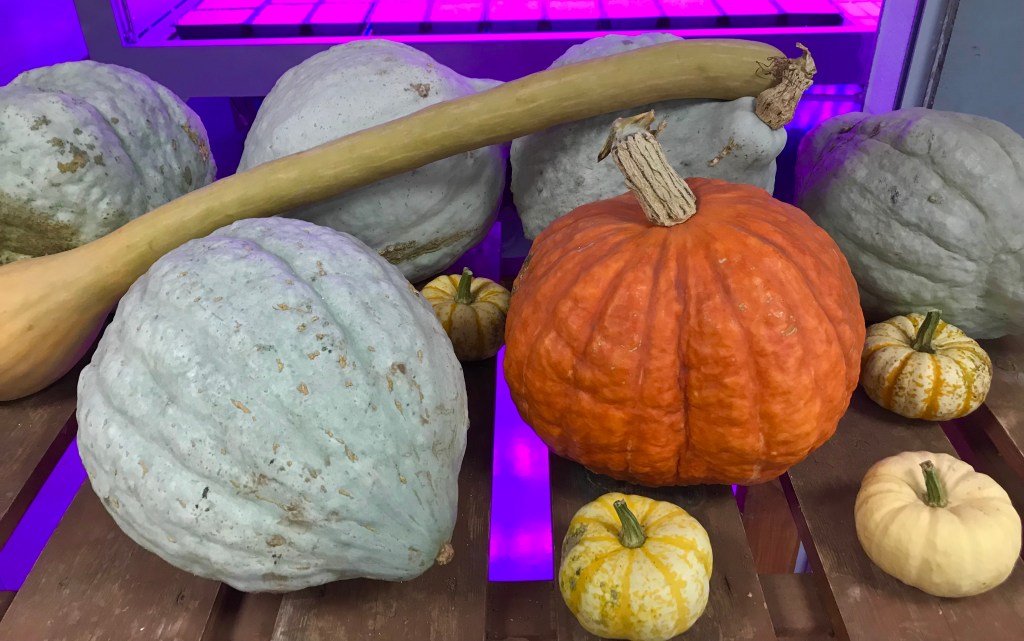
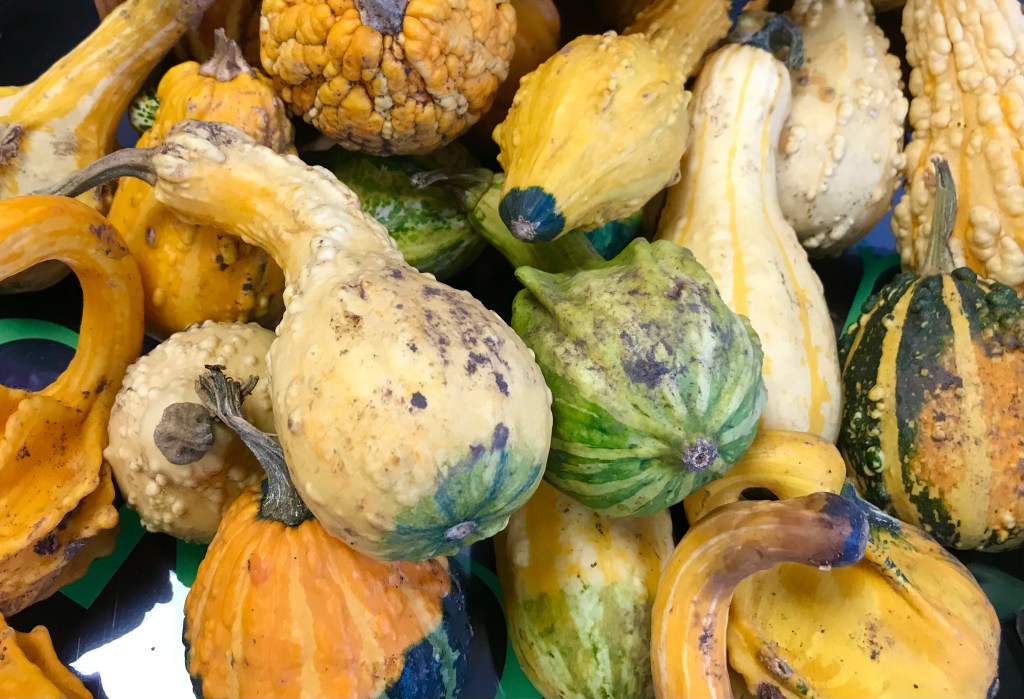
Squashes of all types

Growing @ Field 28 is well worth a visit. Their website is at https://www.field28.com.

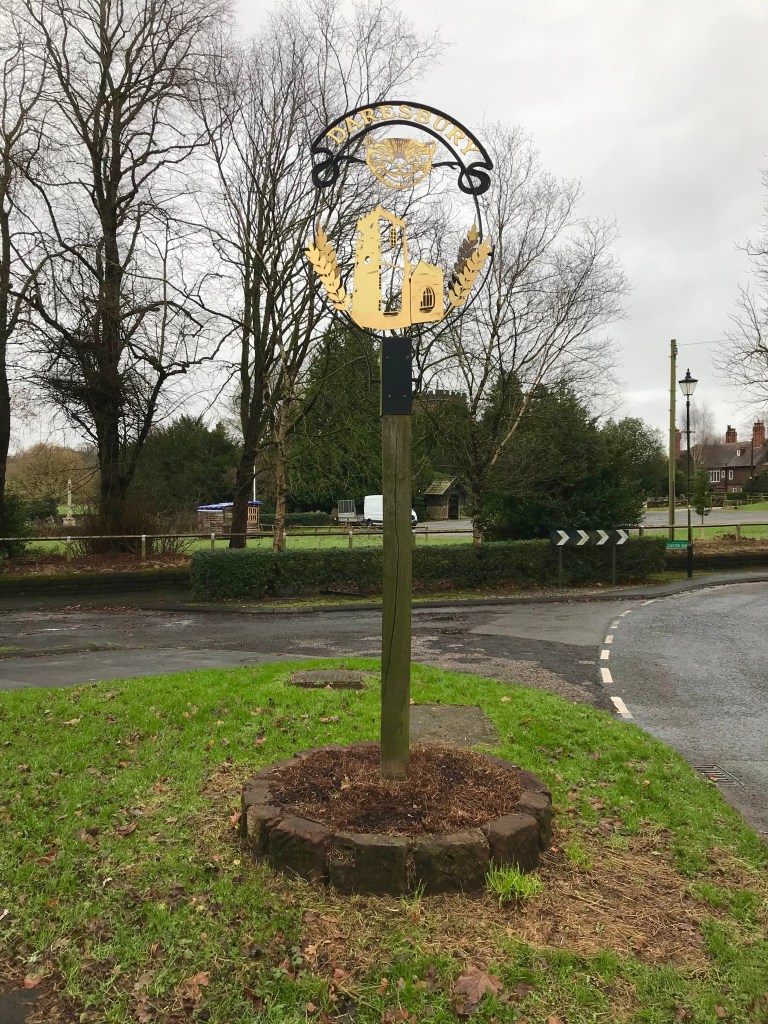
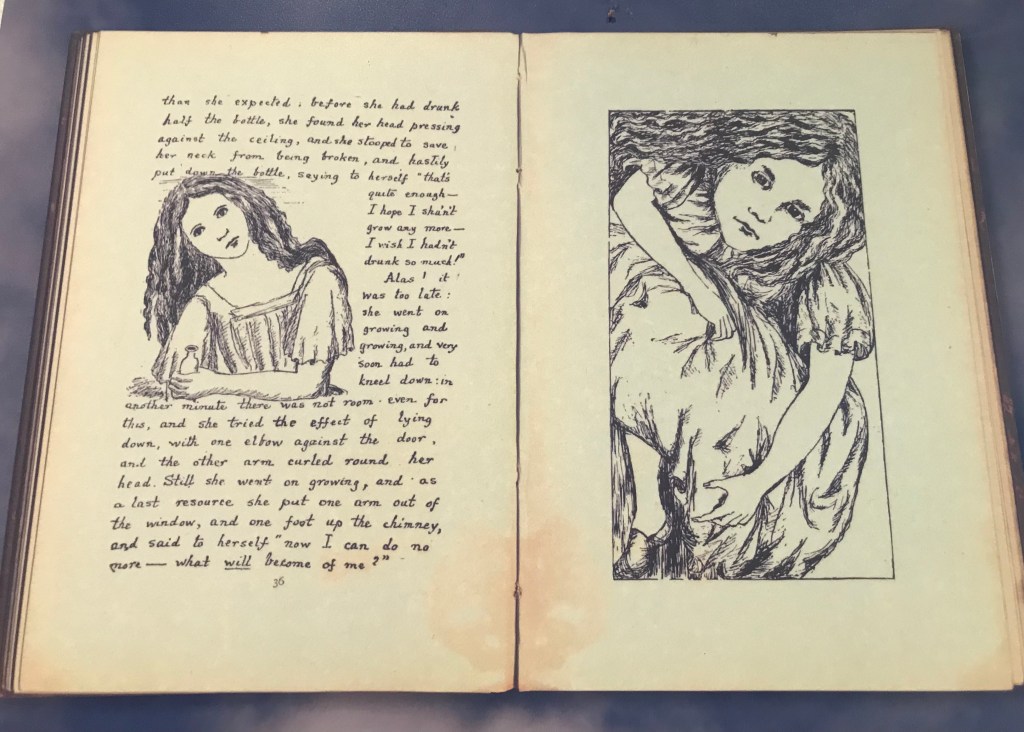
A short distance away is the village of Daresbury itself. The village, as well as being a delightful place to visit in its own right, also has an historical association with Lewis Carroll of ‘Alice in Wonderland’ fame. That association is clearly noted throughout the village.

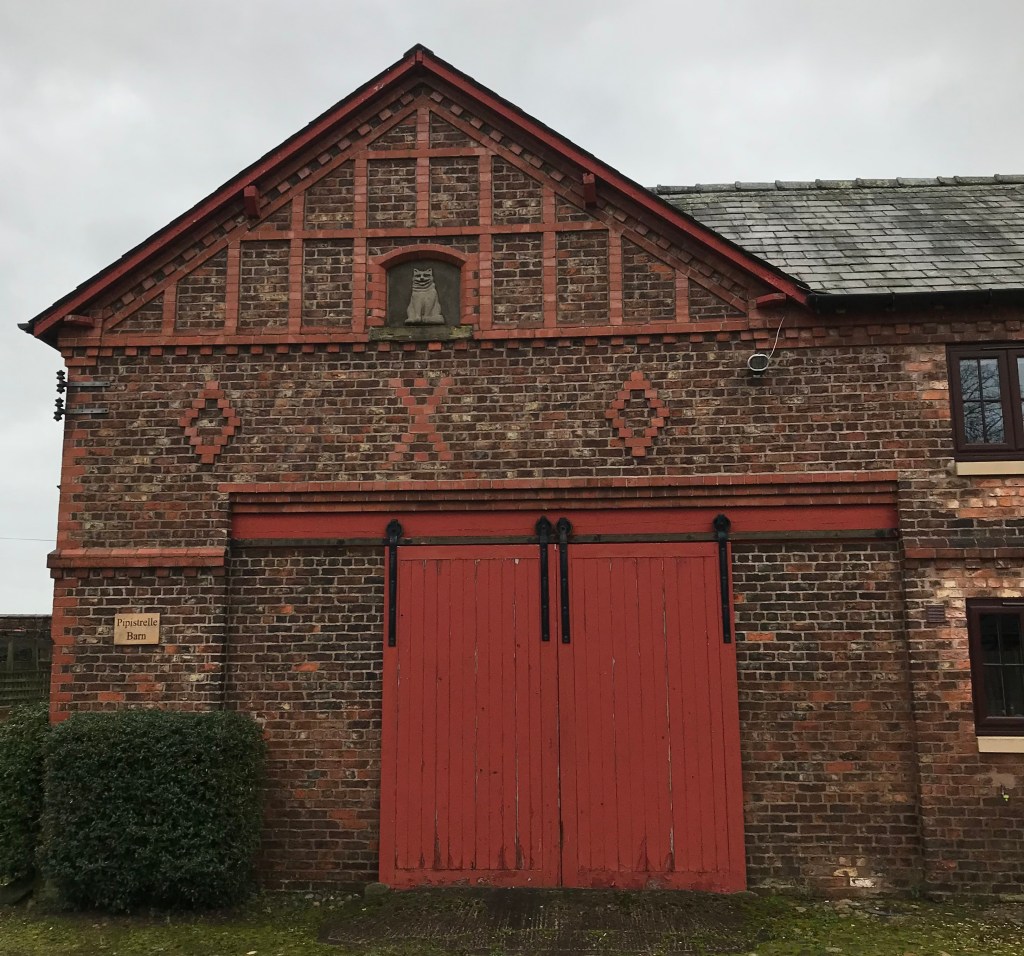
The Cheshire Cat greets you as you enter the village. We are in Cheshire after all!
Here he is again
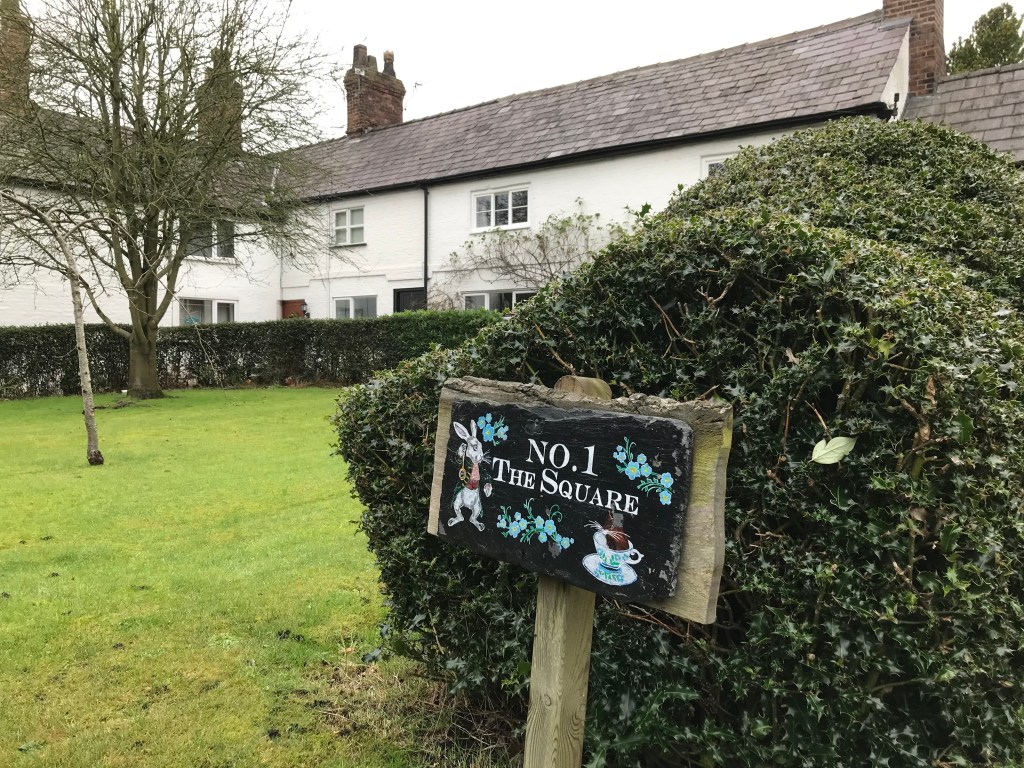
The March Hare and a cup of tea

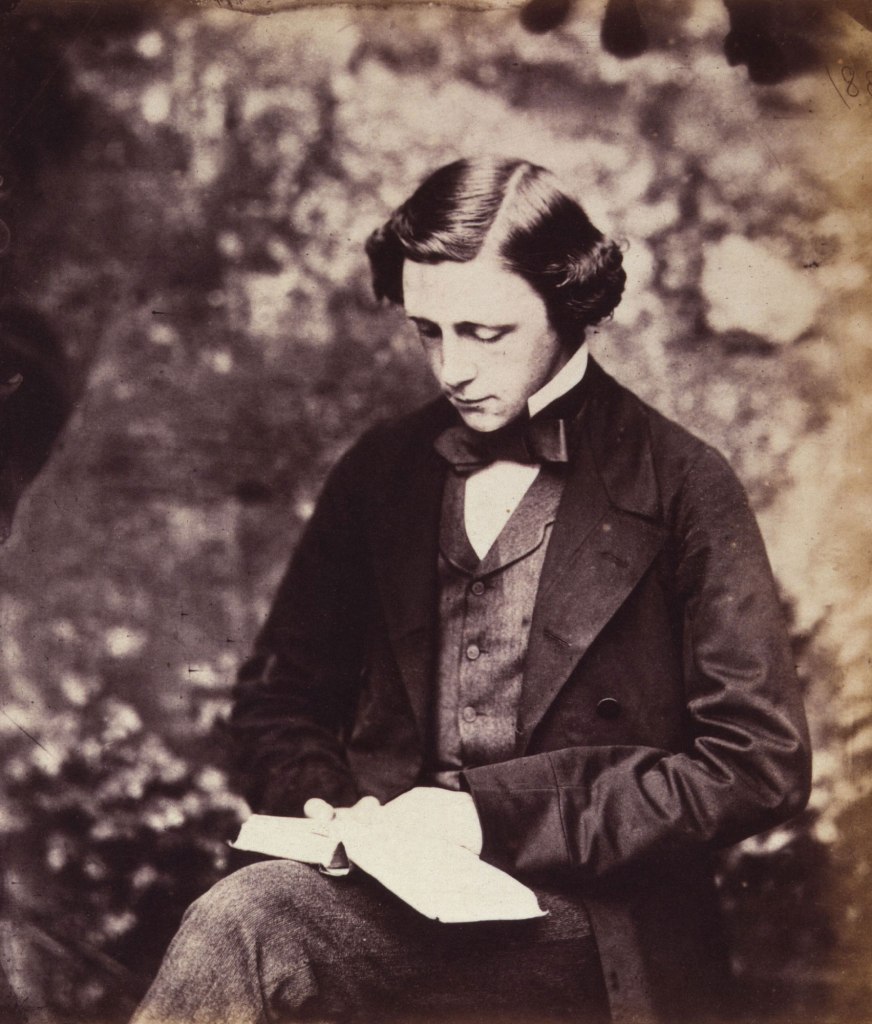
Lewis Carroll was the pen name of Charles Lutwidge Dodgson, the third son of the Reverend Charles Dodgson, the vicar of All Saints, Daresbury from 1827 – 1843.

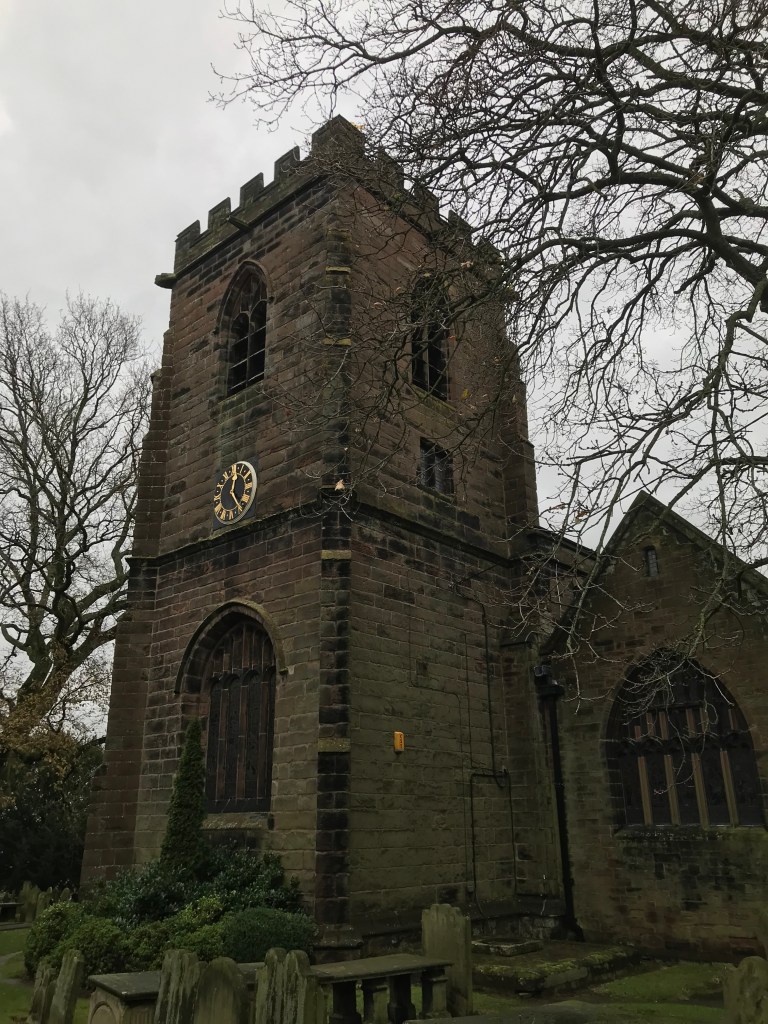
All Saints church

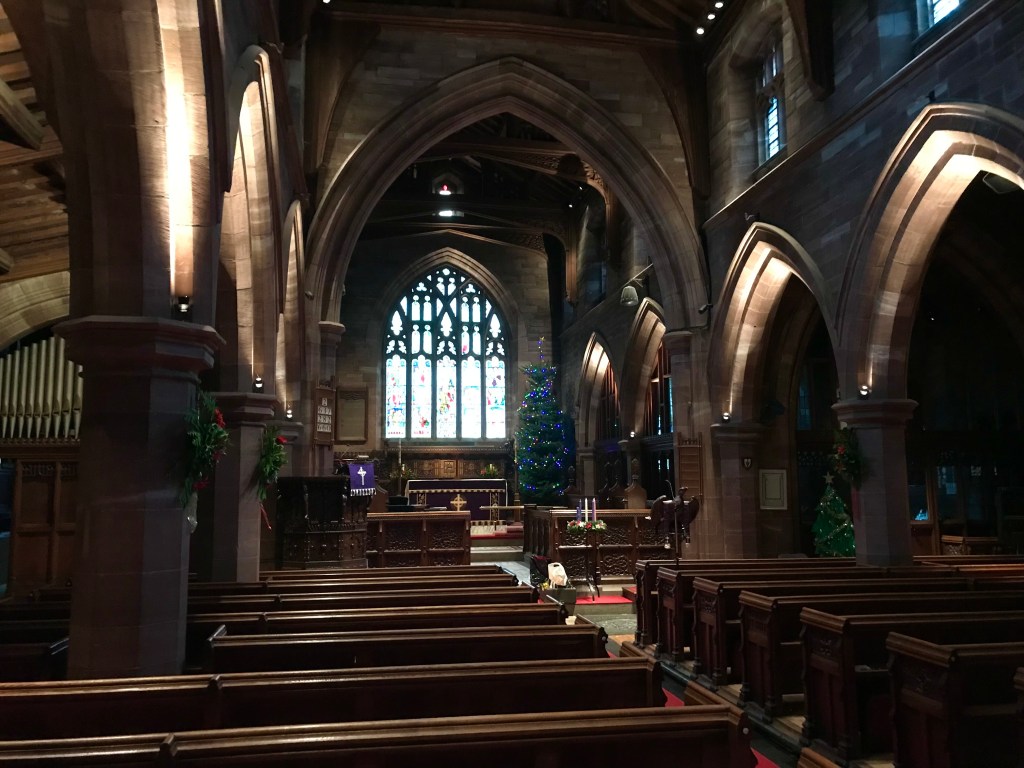
The church is the site of the Lewis Carroll centre. The centre, which attacts visitors from all around the world, is free to visit. It has lots of information on the author and the characters he created.

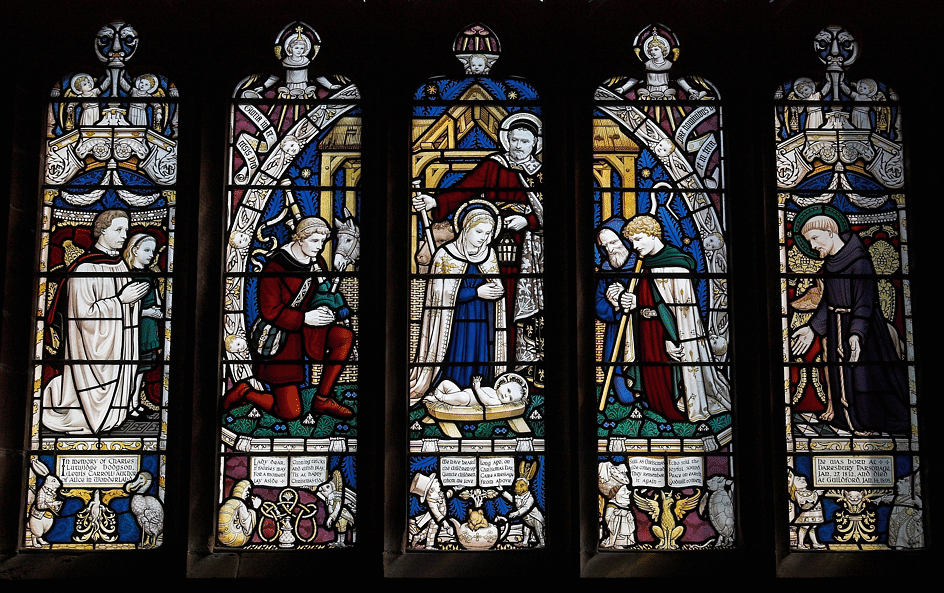
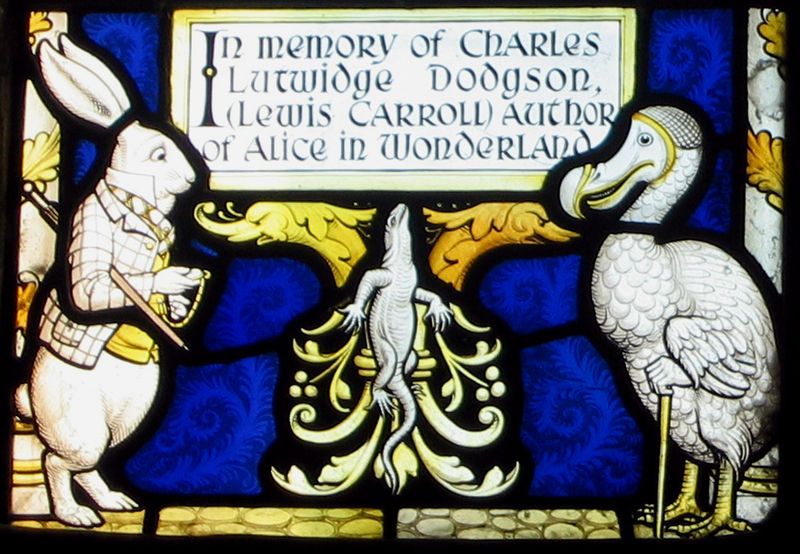
Stained glass windows in the chapel reference the novel.

The White Rabbit

For more details on the centre see http://www.lewiscarrollcentre.org.uk .

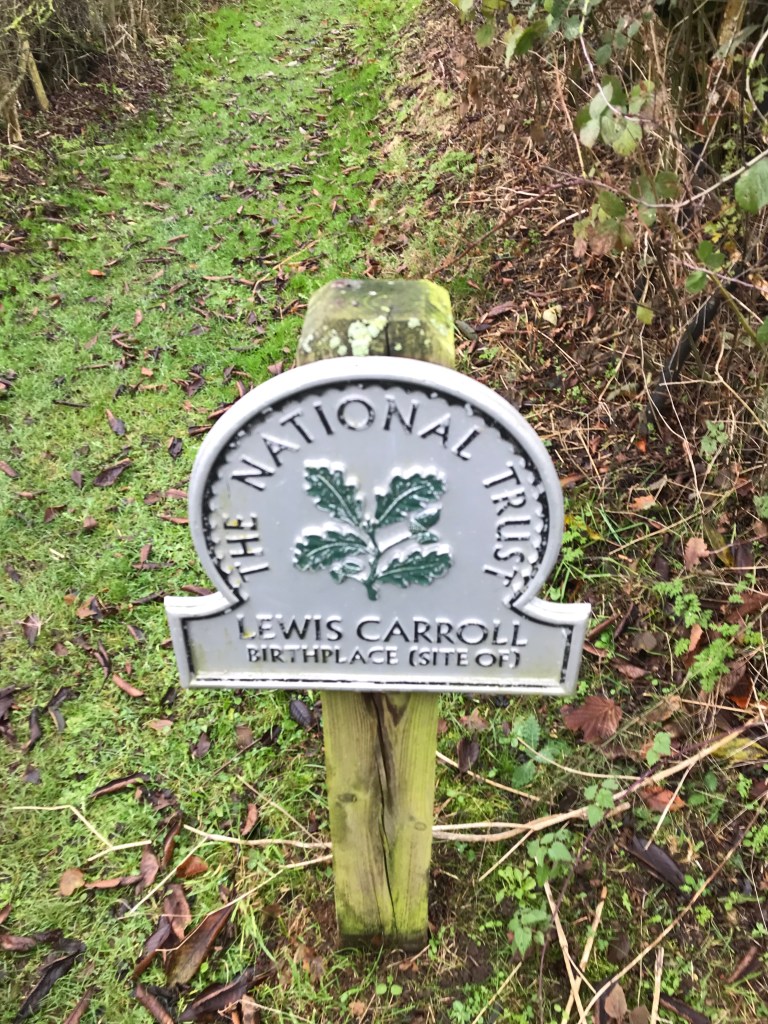
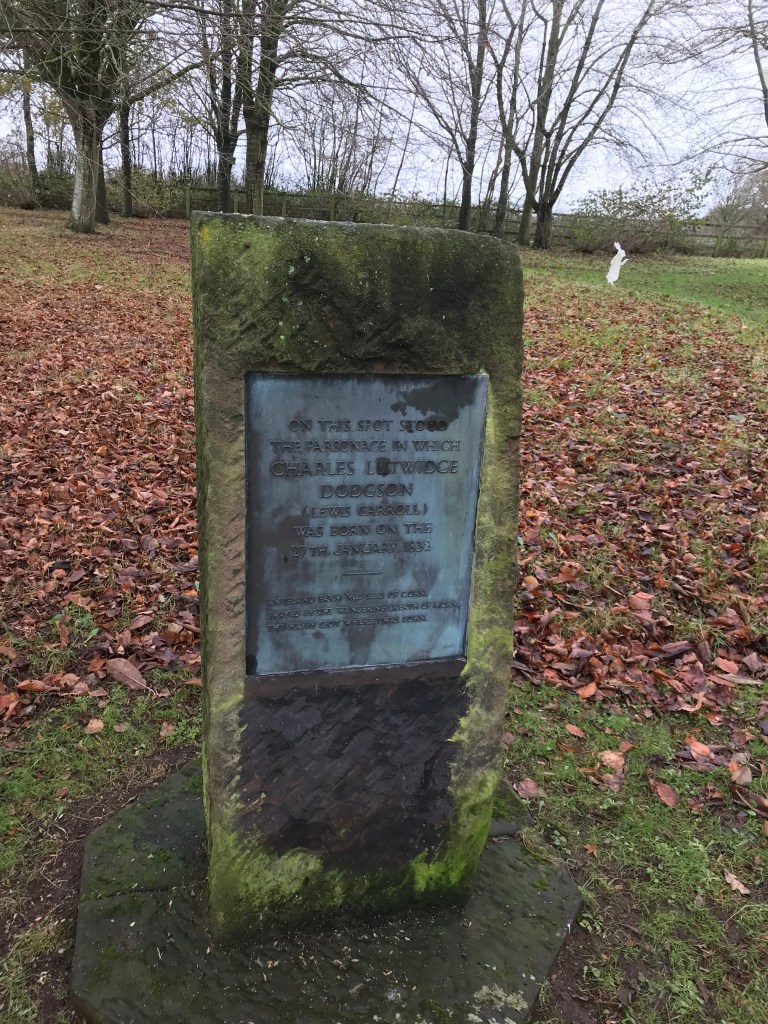
Lewis Carroll was born at the parsonage about 1.5 miles from the village.

The site is clearly marked and to reach it, simply follow the various white rabbit signs.

At the site of the parsonage

Sadly, the parsonage burnt down a number of years ago although its main entrance and outline are clearly marked in wrought iron. The foundations are visible and a sculpture of a dormouse sits where the Well once stood.

Lewis Carroll lived at the parsonage until he was 11 and then moved with his family to North Yorkshire.

An island farm mid seas of corn,
Swayed by the wandering breath of morn,
The happy spot where I was born

- Lewis Carroll

Cider and Selassie

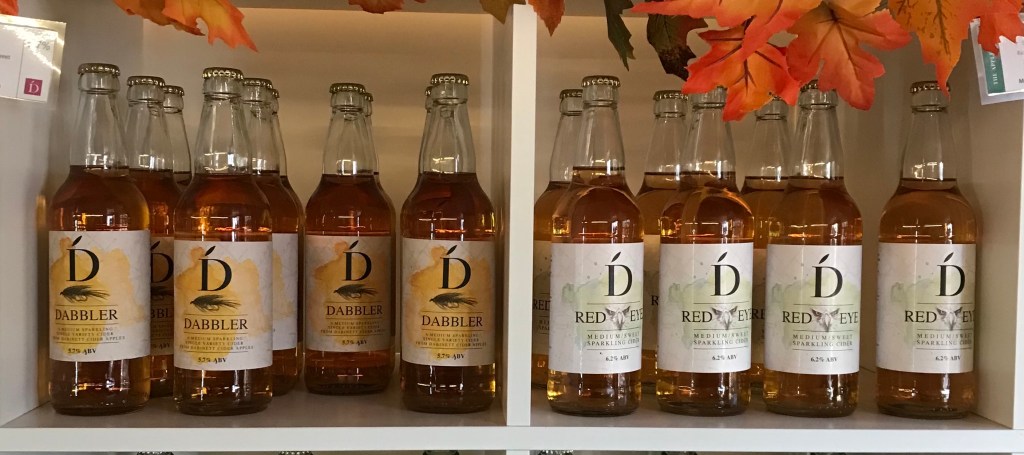
Dunham Massey is a civil parish just outside of the city of Manchester. The parish is a mix of ancient farmland and small settlements such as Dunham Town which despite the name is a village. The area is notable for the quality of its local produce such as the ciders produced by the excellent Dunham Press whose apple crops come from their own 200 year old orchards. They are the only cider producer in the North of England that we know of.

As well as their own ciders and apple juices, their shop (which is just across the way from their press) stocks guests ciders from across the UK (and even the USA) and beers from their neighbours, the Dunham Massey Brewing Co. – a local craft brewer of quality. Farm shops in the area stock an extensive range of local produce.

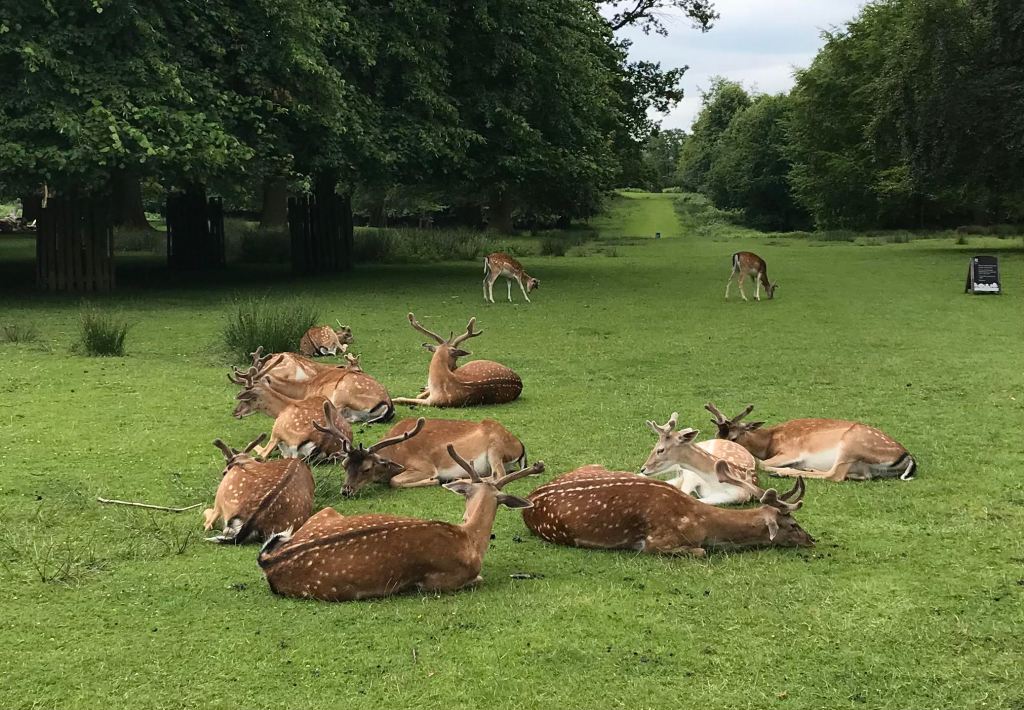
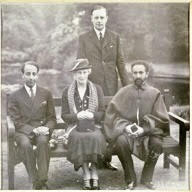
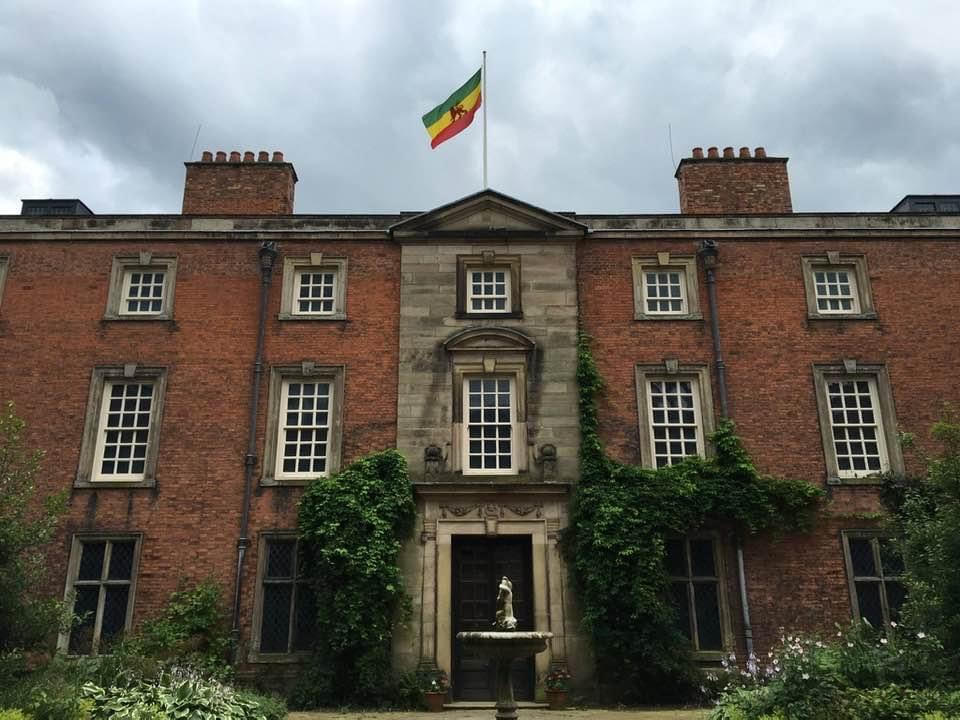
The main attraction in the locale is the nearby Georgian house and its attendant deer park. Both are extremely popular places to visit. The park itself with its ancient enclosed wall, trails and grazing deer is a particular favourite with everyone who goes there. Even royalty have visited including Emperor Haile Selassie of Ethiopia. Selassie visited the estate at Dunham Massey at the special invitation of his friend, the 10th Earl of Dunham, Roger Grey. The Emperor stayed at the house for four days in 1938.

Haile Selassie at Dunham Massey in 1938.

Roger Grey was a member of the local branch of the League of Nations which had been formed in 1920. The League, a kind of precursor to the United Nations, was the first worldwide intergovernmental body and its principal mission was to preserve and enable peaceful coexistence between nations. The League had strongly condemned Italy’s invasion of Ethiopia in 1936. The invasion had prompted Selassie to flee to England where he lived in exile until 1941.

Grey and the Emperor became firm friends and in honour of his guest, the Earl not only flew the Ethiopian flag from the main house during the Emperor’s visit but on each anniversary of the latter’s birthday, the 23rd of July each year. This practice continued until Grey’s death in 1976 but it was revived last year when once again the Ethiopian flag (with the Lion of Judah at its centre) flew from the main house. The flag is now flown annually on each anniversary of the Emperor’s birthday.

We visited the park that day and noticed the flag flying from the centre of the house. A group of Rastafarians were gathered nearby.

The Rastafarian religion was developed in Jamaica in the 1930s from the interpretation of a prophecy by local activist Marcus Garvey. Rastafarians ascribe divinity to Haile Selassie who many regard as God incarnate.

Today Rastafari is an established religious and social movement in Jamaica as well as other countries with a significant Jamaican diaspora such as the UK, USA and Canada. There is a Rastafarian community in nearby Manchester.

The diet of strict Rastafarians is vegetarian or vegan.  A vegetarian diet was adapted by the Rastafarians from indentured Indian labours (known locally as ‘East Indians’).

The founder of Rastafarianism, Leonard Howell, was apparently influenced by the food ate by those indentured Indians and that is how a vegetarian diet became a part of the religion (and it is fair to say that Indian spices and recipes have undoubtably influenced the food culture of Jamaica as whole).

The Vegetarian Society of the United Kingdom has its HQ a short walk from Dunham Massey. The Society has a cookery school and holds regular classes from tutors across a range of international cuisines. We particularly recommend the Indian food cookery classes taught by Lajina Leal.

‘Ital is vital’ as they say!

Time for tiffin

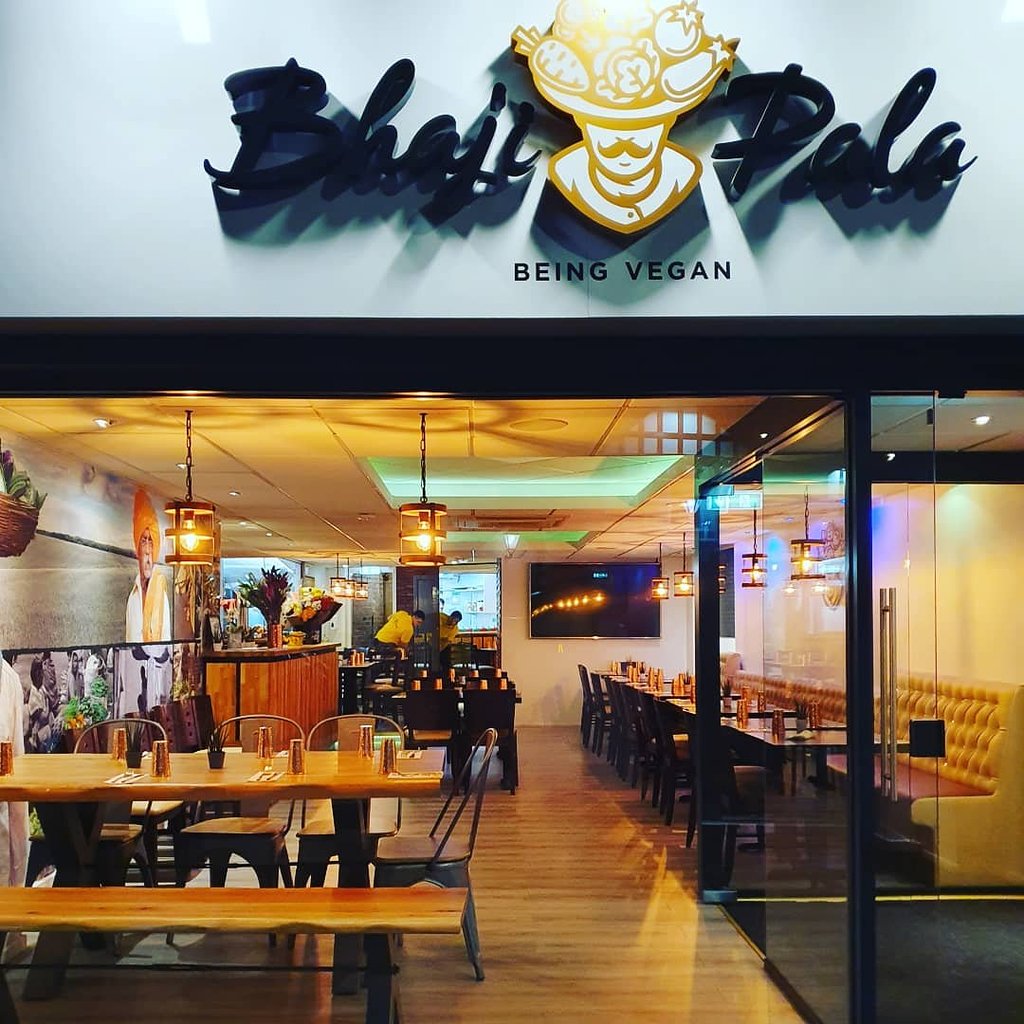
Bhaji Pala, which is based on a fairly unassuming street in Stockport up here in the North of England, is one of the best restaurants we have been to in the world. Whilst we love vegetarian food from India, Bhaji Pala is the first completely vegan restaurant we have visited.

The restaurant has been open for around 18 months or so and in that time it has gained an army of fans and national awards for the quality of its food.

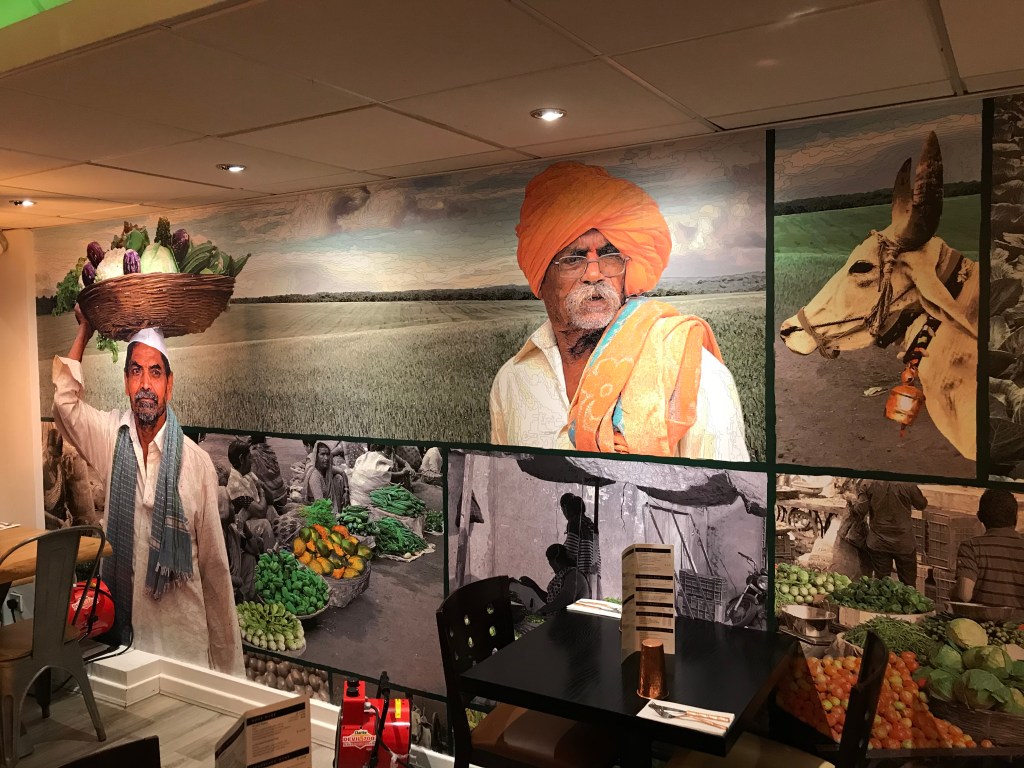
The restaurant is light and airy with an open kitchen and a wall of beautiful artwork.

Dishes that we enjoyed eating there included crispy karela (bitter melon) served in a brown paper cone, tandoori broccoli which was stunning, dum aloo and dudhi chana (bottle gourd) and much more! They also serve favourites such as dosas, uthapam and thalipeeth as well as a great range of desserts.

Recommended.

Of the many herbs/spices used in Indian cookery there are a couple we would like to give a special mention to.

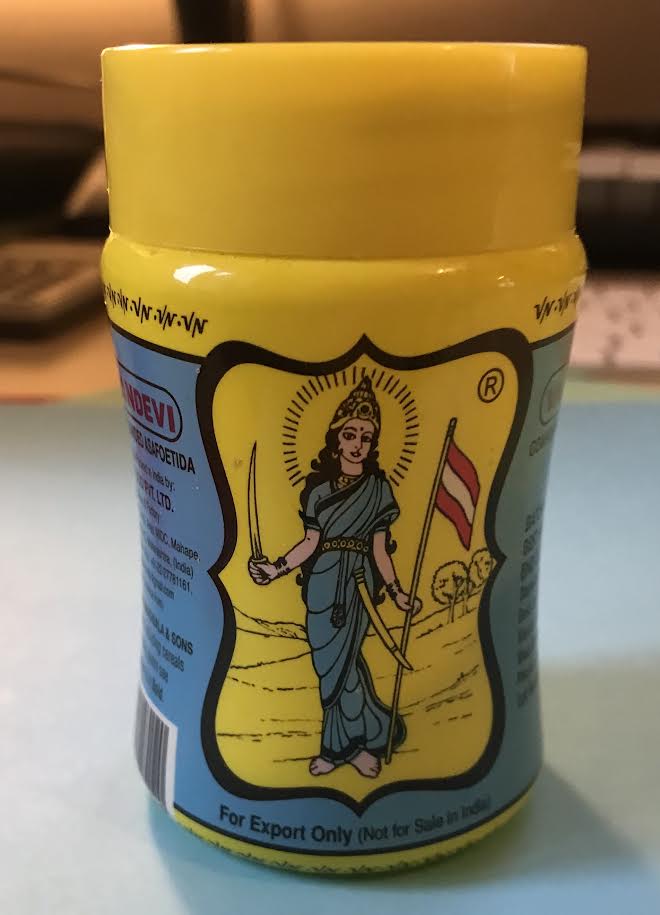
Firstly we love Asafeteida powder (known as ‘hing’ in Hindi), a gum extracted from a plant of the the fennel family. It is yellow in colour, adds a garlic/onion flavour when cooked for a few seconds in oil and is incredibly pungent. We always make sure our stock of this spice is kept in a sealed container which helps to keep it fresh and prevents the store cupboard from being overwhelmed by this strong smelling powder! 

Like fish sauce in South East Asian cooking, the smell of Asafetida can be initially a little off putting but once it is added to oil, it always adds its own magic to your cooking. Use a small amount and don’t over do it. The following is the brand from India that we use:-

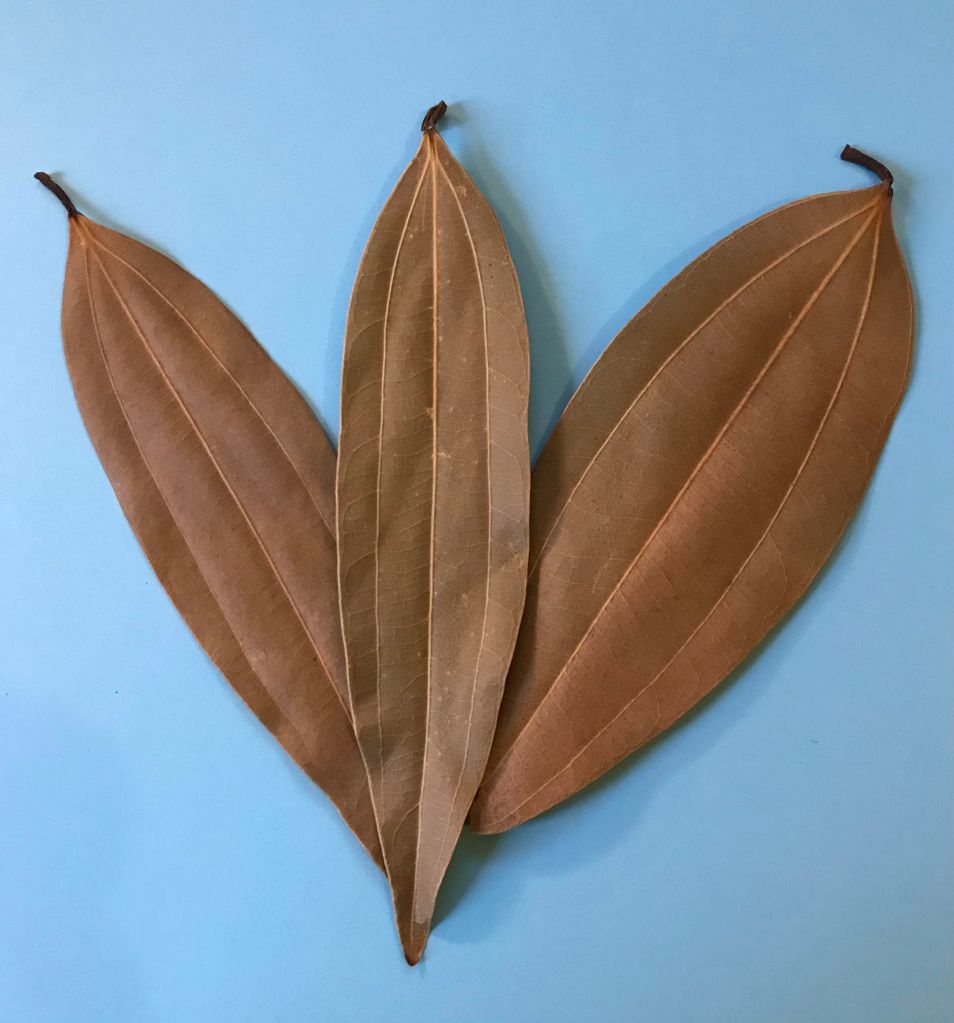
We are also great fans of Indian bay leaves from the Malabathrum plant. The leaves, which we buy dried, have an aromatic, cinnamon flavour and are a great addition to cooking. They are not to be confused with Mediterranean bay leaves which we also use in our cooking and which we grow in our garden. They are completely different and should not be substituted with one another. The Indian bay leaves have three veins as opposed to the central single vein of the Meditteranean bay and are a paler green in colour. Add a couple of the leaves to hot oil when you are tempering your whole spices and leave them in your dish as it cooks and they will impart a special flavour.

Whilst we are on the subject of India and its wonderful food we must mention the award winning film ‘The Lunchbox’ by Ritesh Batra which constructs episodes around the problem of a mistaken food delivery in Mumbai’s otherwise complex and efficient lunchbox system built around its army of ‘dabbahwallahs’:-


You might be thinking that the likes of Deliveroo where ahead of the game in home delivery. Not in Mumbai it seems as the dabbawallahs have been delivering delicious food for over 130 years – long before mobile ‘phones and ‘apps’!

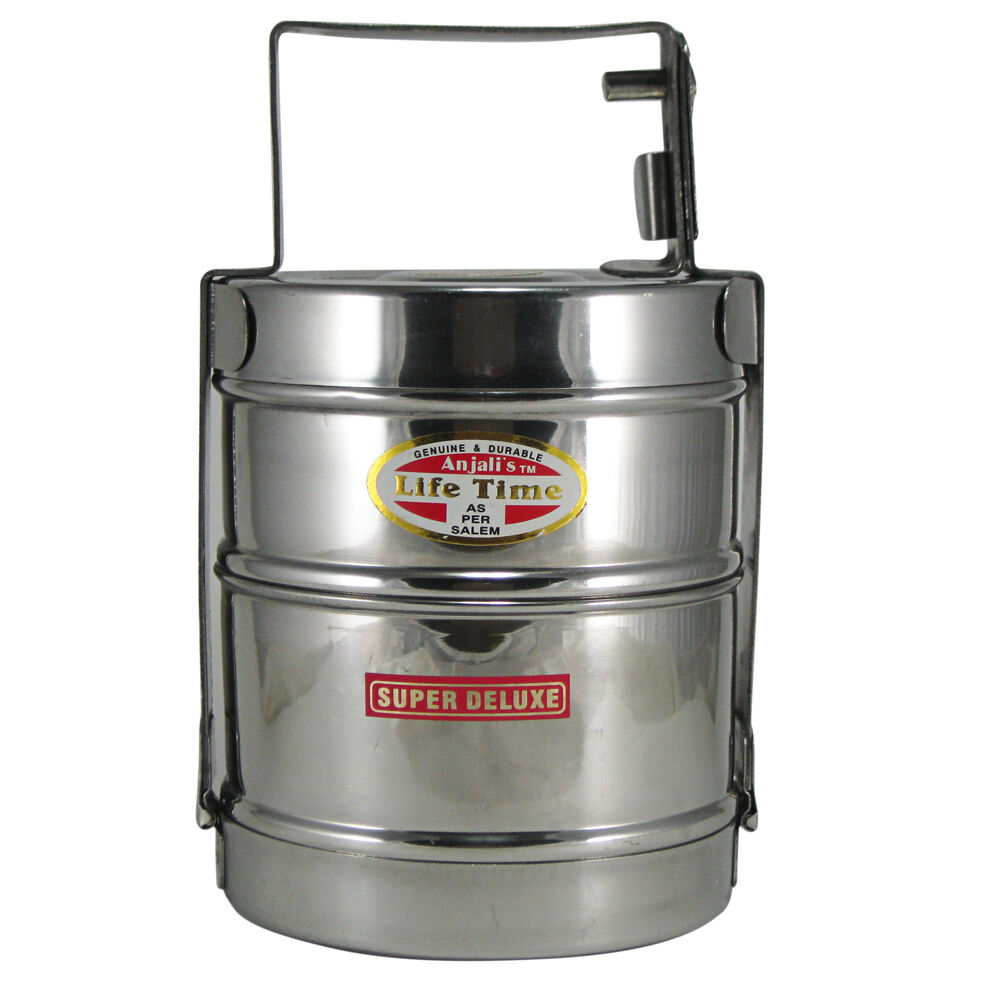
The food is delivered in tiered steel lunchboxes known as tiffins or dabbas. We’ve noticed that tiffin boxes are also being used by some local families who since the pandemic started have branched out and are now creating wonderful dishes at home for delivery to customers in the vicinity. This practice helps to cut down on plastic waste and it is definitely a far more aesthetic way for customers to receive this wonderful home cooked food!

Time for tiffin indeed!