High Peak to Wolf Hall

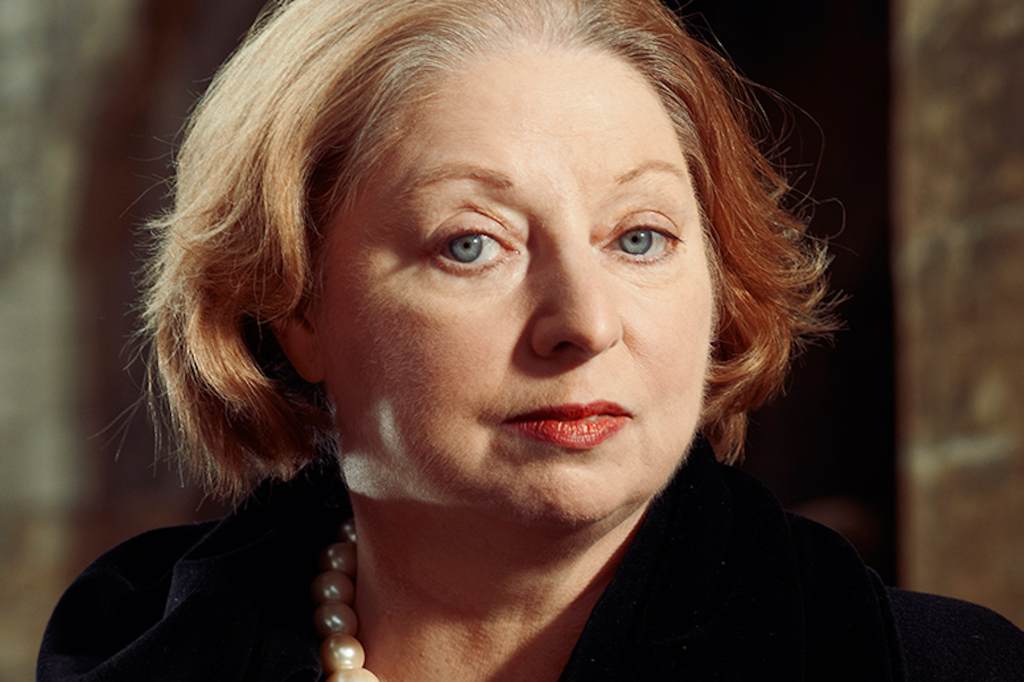
Hilary Mantel

A short walk from the house where Vivienne Westwood* grew up is the Derbyshire village of Hadfield.

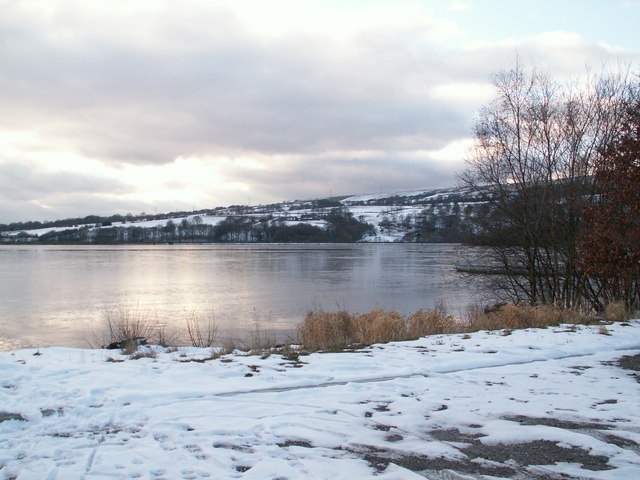
The village lies on the edge of the moors in the High Peak district of Derbyshire. The town of Glossop lies to the south.

Hadfield was the childhood home of celebrated author Hillary Mantel.

(*for Westwood see the previous post ‘High Peak to the World’s End’)
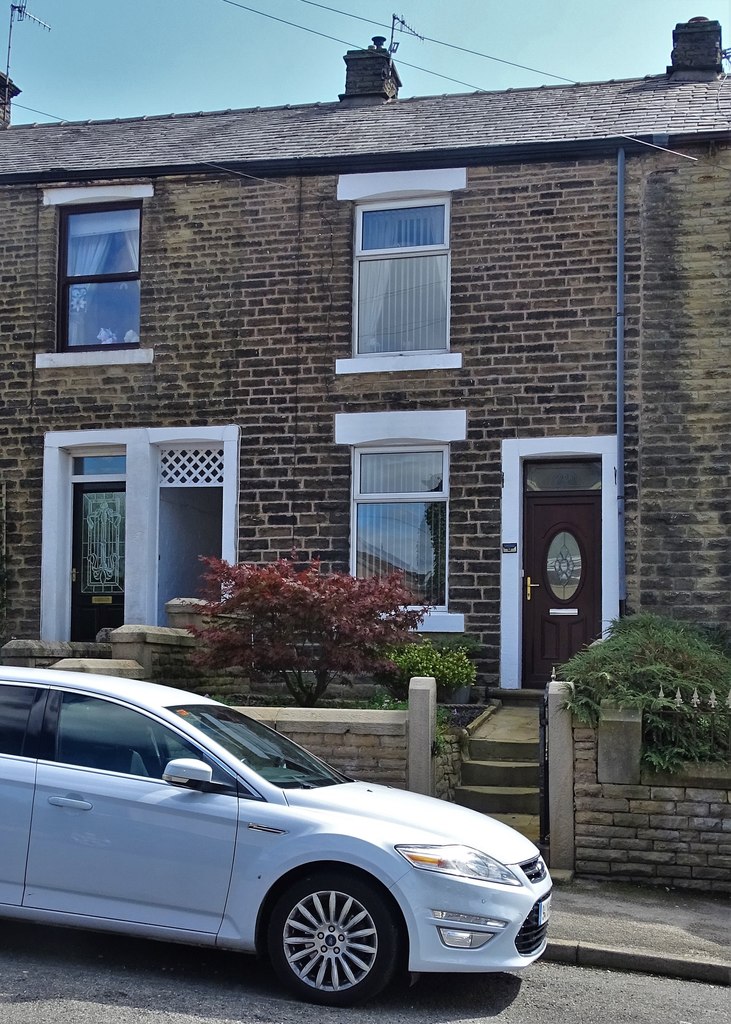
Mantel’s childhood home

Mantel passed away recently leaving behind a stunning legacy of work including her multi-million selling Wolf Hall trilogy.
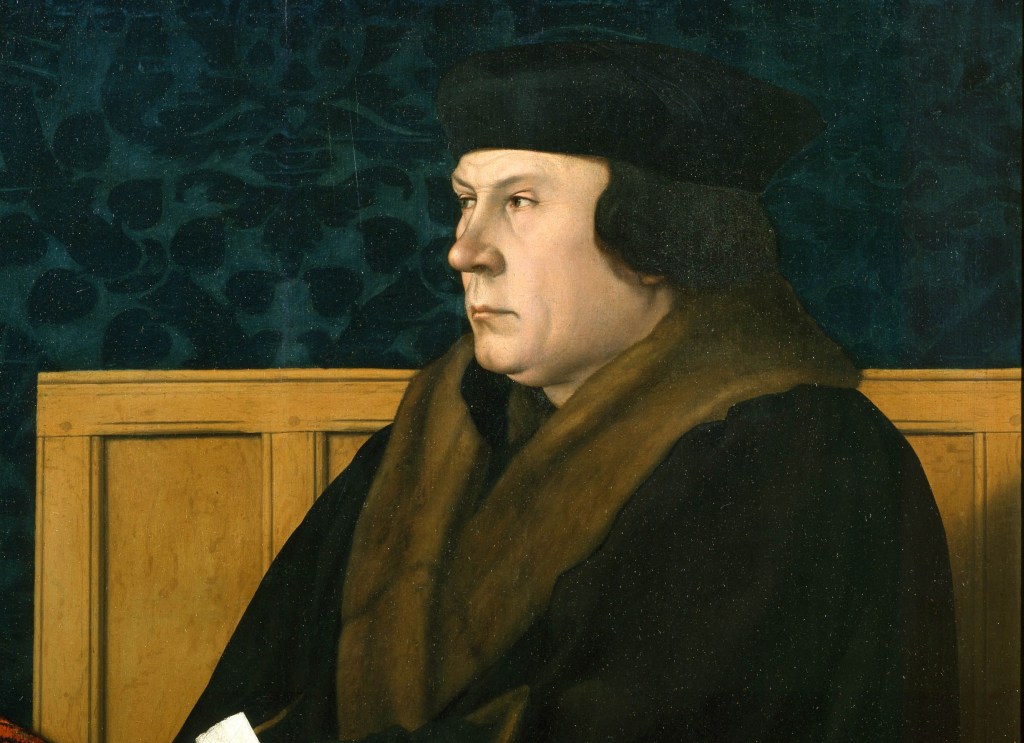
Thomas Cromwell whom readers of Wolf Hall will know

Mantel’s autobiography Giving Up The Ghost provides a sharp recollection of her childhood locale.

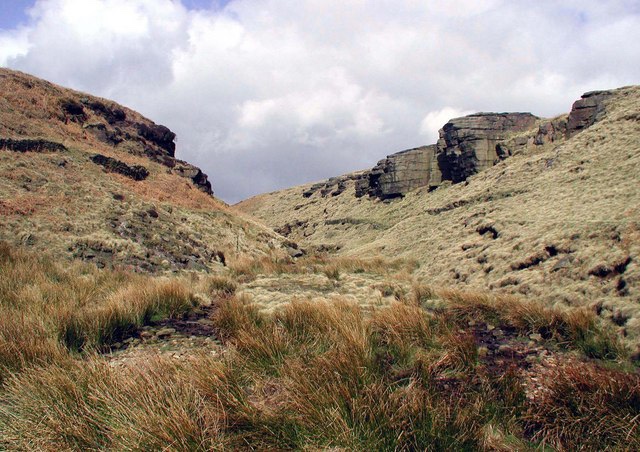
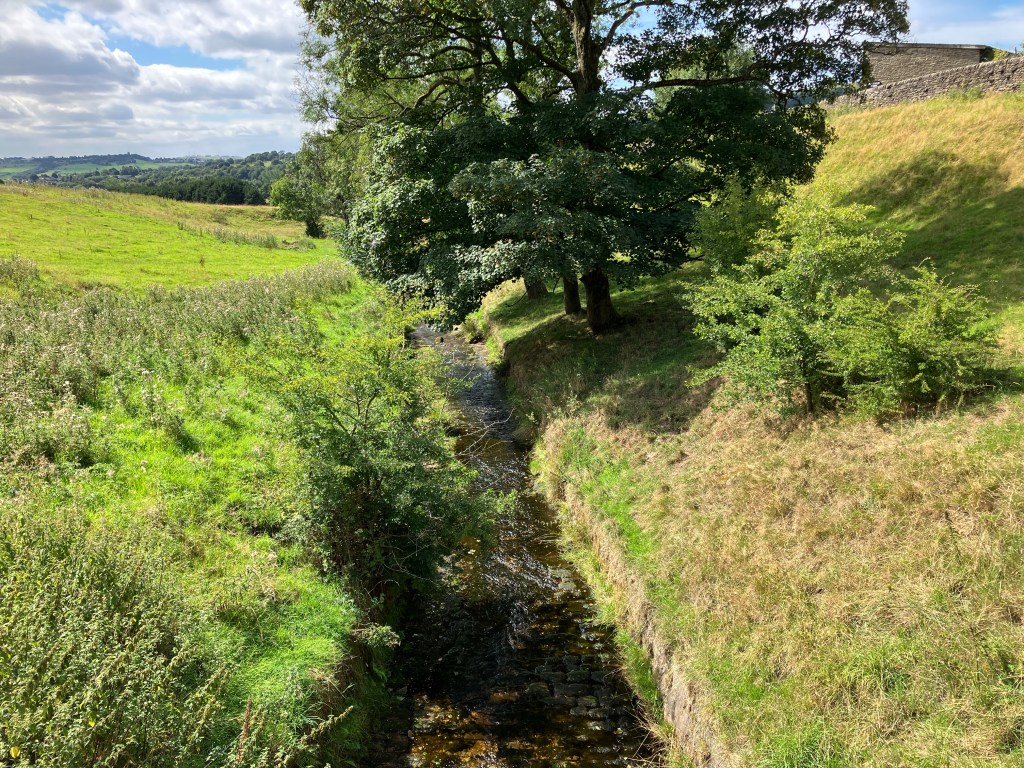
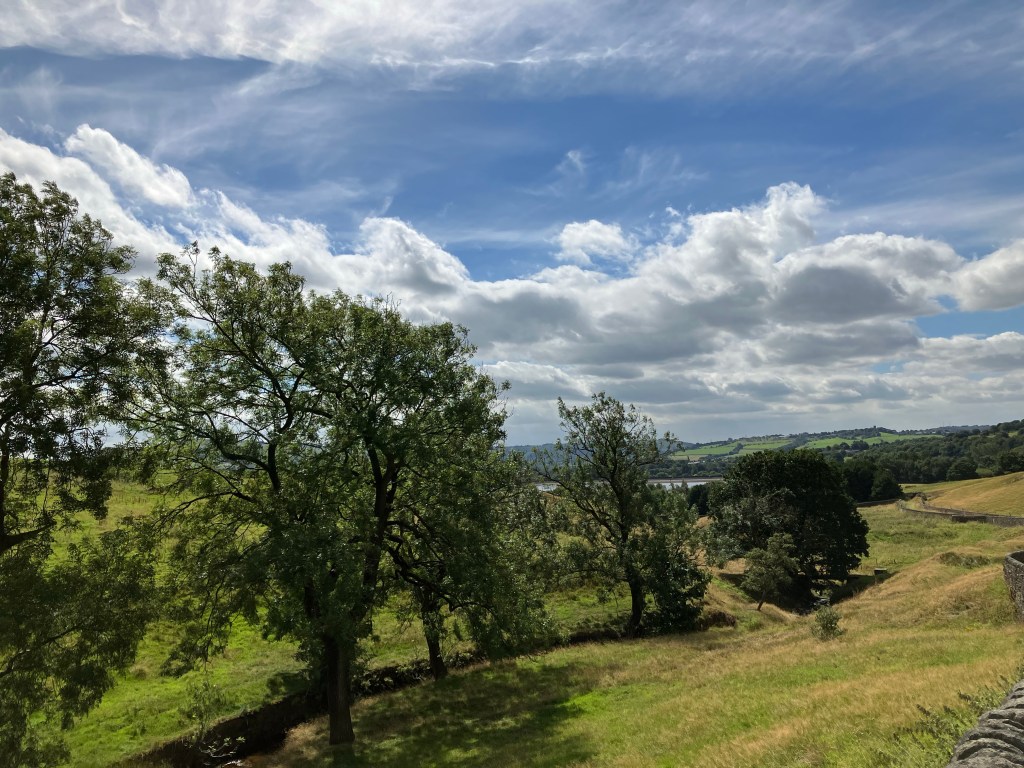
“…..the area where I grew up is on the fringes of the Peak District, a place of complex geology and inventive forms of human deprivation, of inhospitable uplands and steep-sided valleys. Tiny fields, bordered by drystone walls, lie like a worn blanket on a pauper: sharp angles of limestone protrude like bony spurs through a token covering of green. On high ground, in the deep winters of my early life, snow lasted till April. At the fringes of the Peak, where limestone gives way to sandstone, icy streams tumble over brown boulders. There are miles of moorland, flat, featureless, sodden—trackless, or traversed by ancient, faded bridleways.”
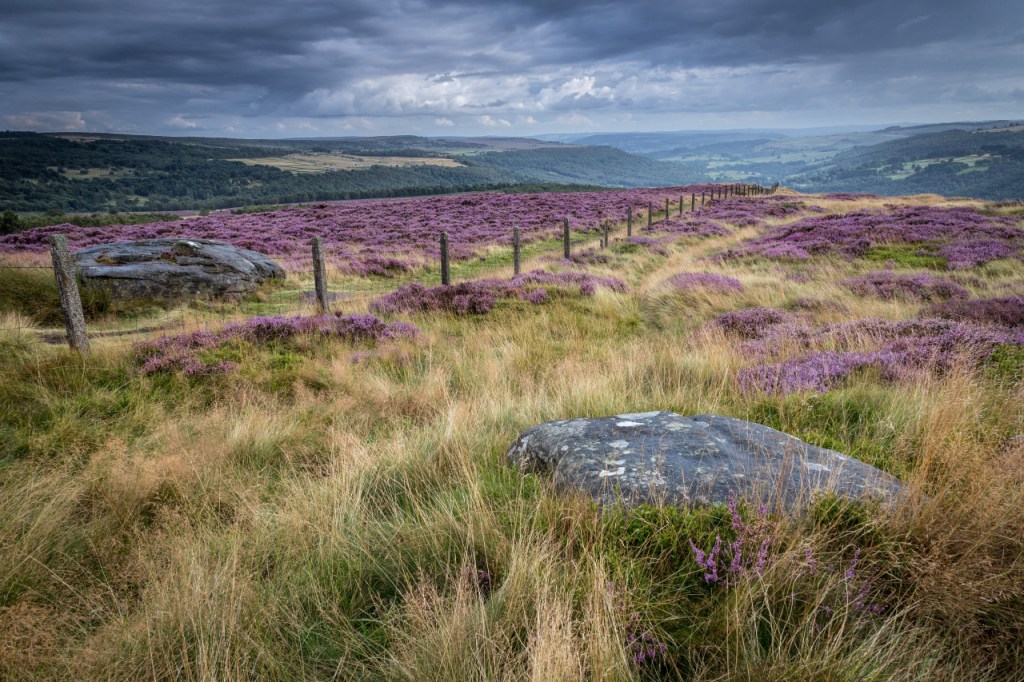
The High Peak

Another local, fashion designer Vivienne Westwood, was also cautious of the moors. She recollects:-

“As I grew up I was free to wander in a countryside which was beautiful and intimate until you got to the moors. After that it was wild and a little frightening. ”
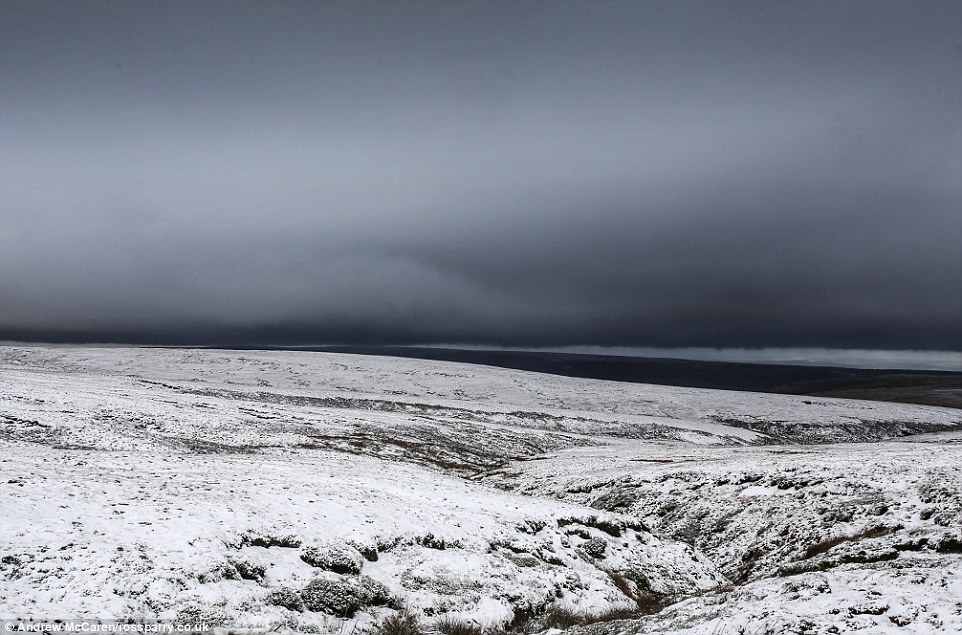
The moors in Winter

Mantel’s most famous work, the Wolf Hall trilogy are largely set in and around the court of King Henry VIII.
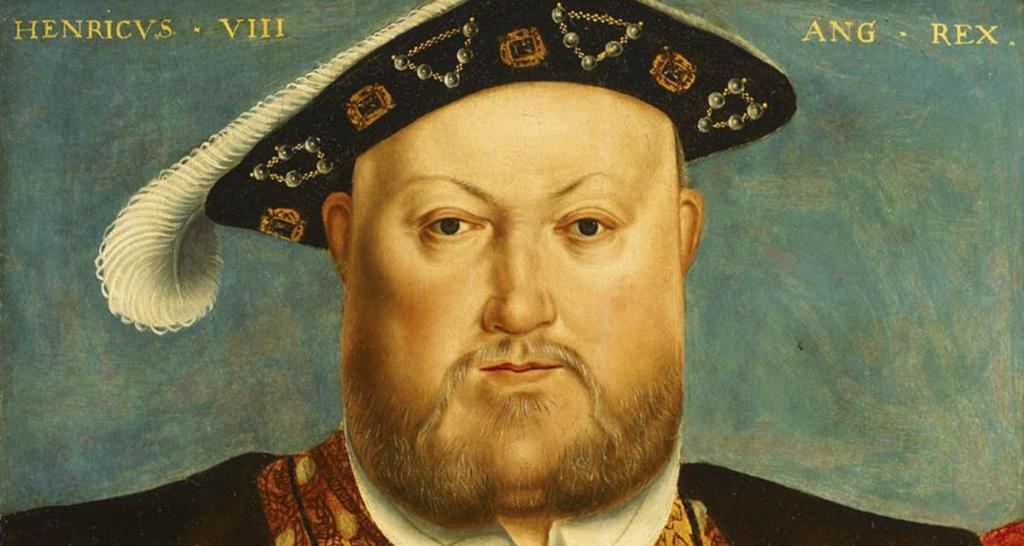
Henry VIII of the six wives

The first and most famous novel in the trilogy was named after the family seat of the Seymour family, Wolf Hall in Wiltshire. Jane Seymour, who became Henry VIII’s third wife, lived there with her family.

Henry and his then queen, Anne Boleyn, visited the Seymour family at Wolf Hall in the county of Wiltshire in 1535. Within 6 months of the visit Henry would marry Jane Seymour and Anne Boleyn  would be dead, executed for alleged adultery and incest. 

Anne Boleyn. A (very) distant relative

The original structure of Wolf Hall is largely gone and the remains were  incorporated into the current building.
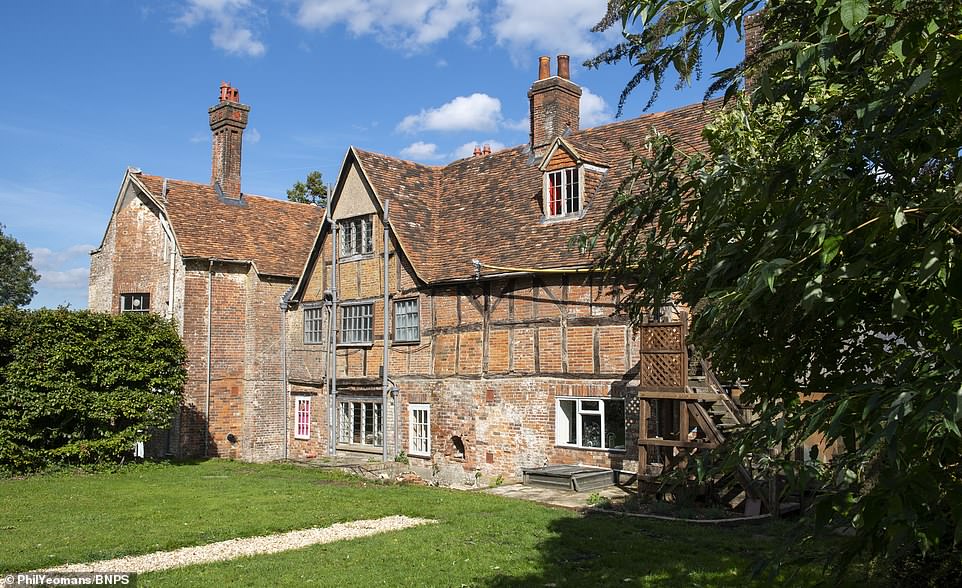
Site of Wolf Hall in Wiltshire

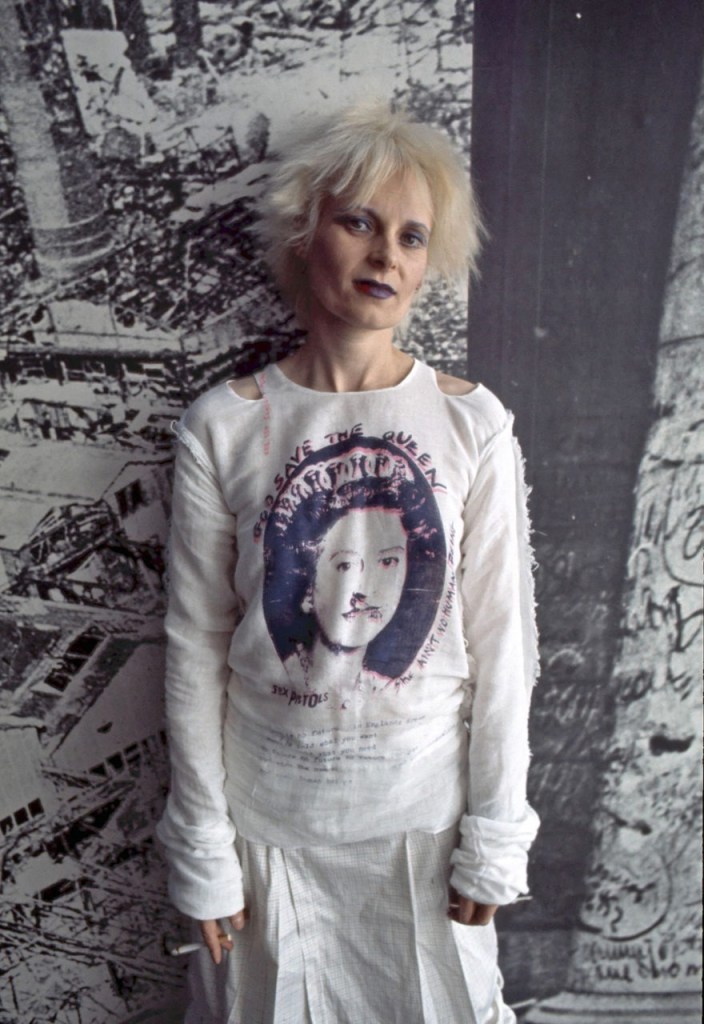
Westwood was once the subject of media inspired hatred after using an adapted image of Queen Elizabeth II in her fashion designs. She was roundly critised at the time for what were percieved as anti-monarchist sentiments. It is clear however from her later comments that she has great affection and respect for Elizabeth II.
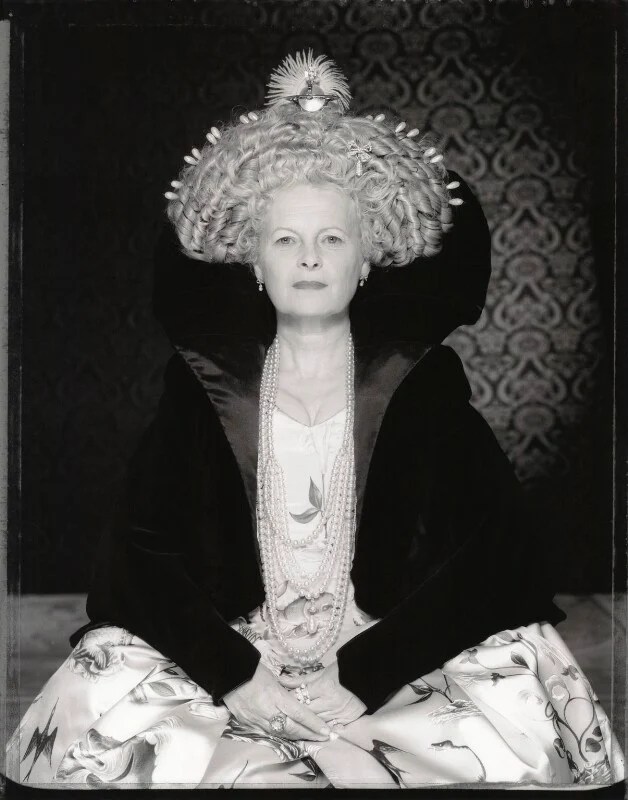
England’s dreaming

Mantel was also respectful of the monarchy. Nevertheless she thought that the institution was now in its endgame and would not last too much longer. She was a fan of Meghan Markle whom she thought had been especially badly treated by the English media in particular.
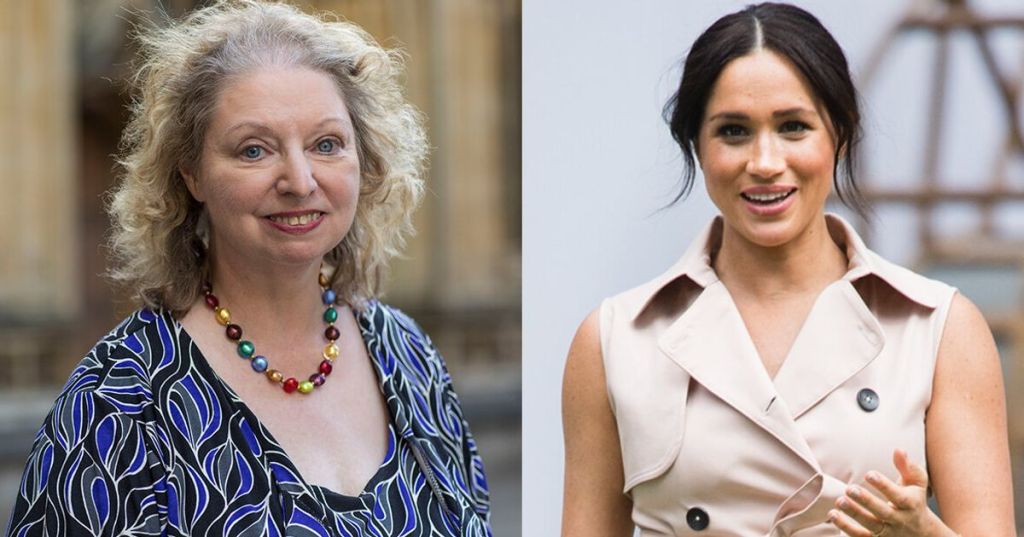
Mantel and Markle

Neither Westwood nor Mantel were admirers of the late Prime Minister, Margaret Thatcher. Thatcher was apparently disliked by Queen Elizabeth II as well. Westwood imitated Thatcher on the cover of Tatler magazine as an ‘April fool’ in 1989.
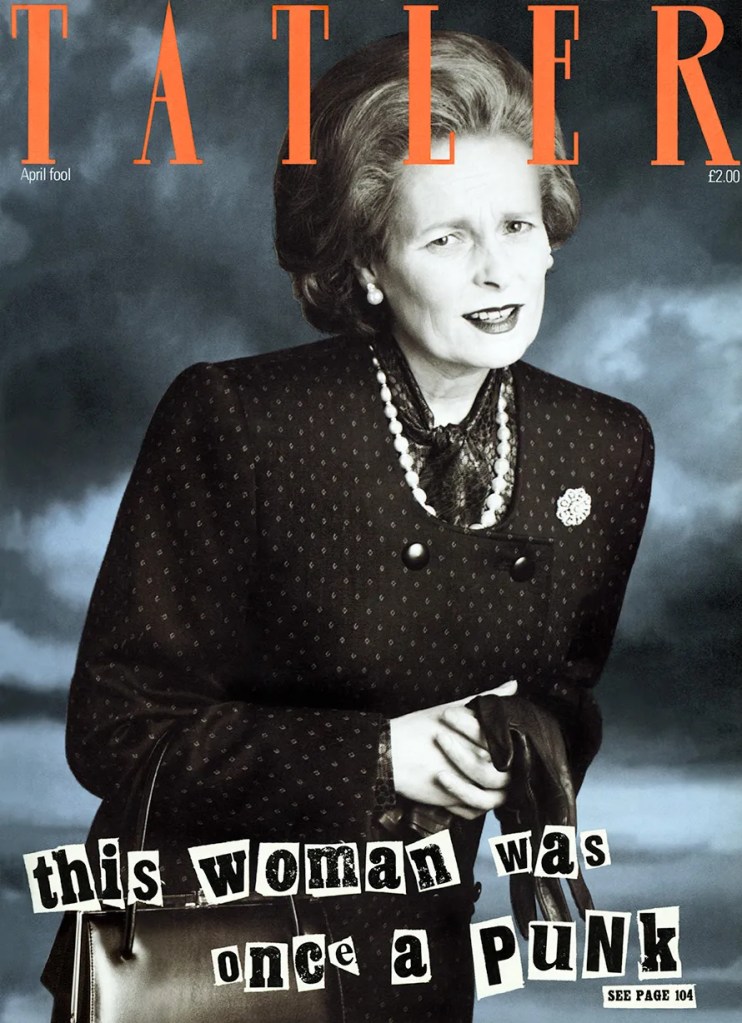
‘I am an Antichrist’

Mantel was even more open in her dislike of the politician. ‘I can still feel that boiling detestation’ she once said of Thatcher. Her short story The Assassination of Margaret Thatcher was sparked by a coincidence in her own life when she spotted Thatcher from the window of her London flat as the latter walked in the garden of the grounds of the adjacent private hospital after undergoing an eye operation.

Twenty years later and another iconic cover for Tatler.
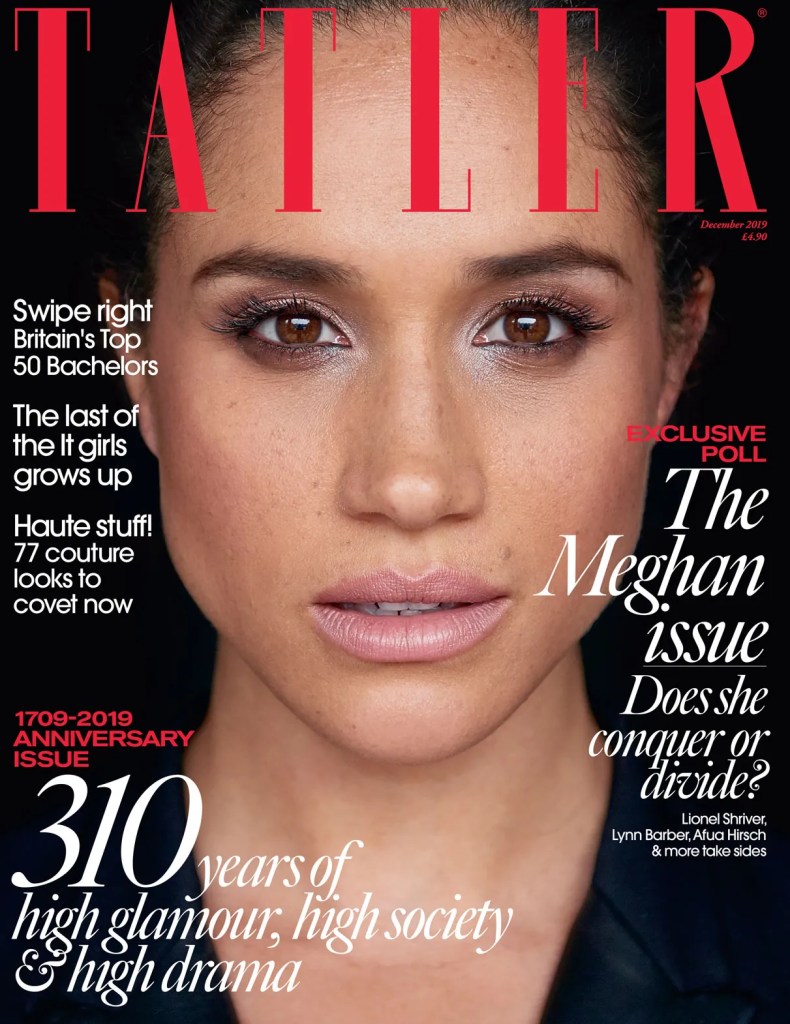
Markle on the cover of Tatler

Both Westwood and Mantel were made Dames by Queen Elizabeth II and Prince (now King) Charles respectively.

High Peak to the World’s End

The village of Tintwhistle lies in the High Peak district in the county of Derbyshire in Northern England. The High Peak area is the more elevated section of the Dark Peak which is made of moorland and bogs. It’s limestone foundation is covered in sandstone and shale. In winter, with heavy rainfall and snow, the soil is almost always saturated with water and ice.

The countryside around the village is attractive but not a little wild and the fairly bucolic pastures soon give way to the moors themselves.

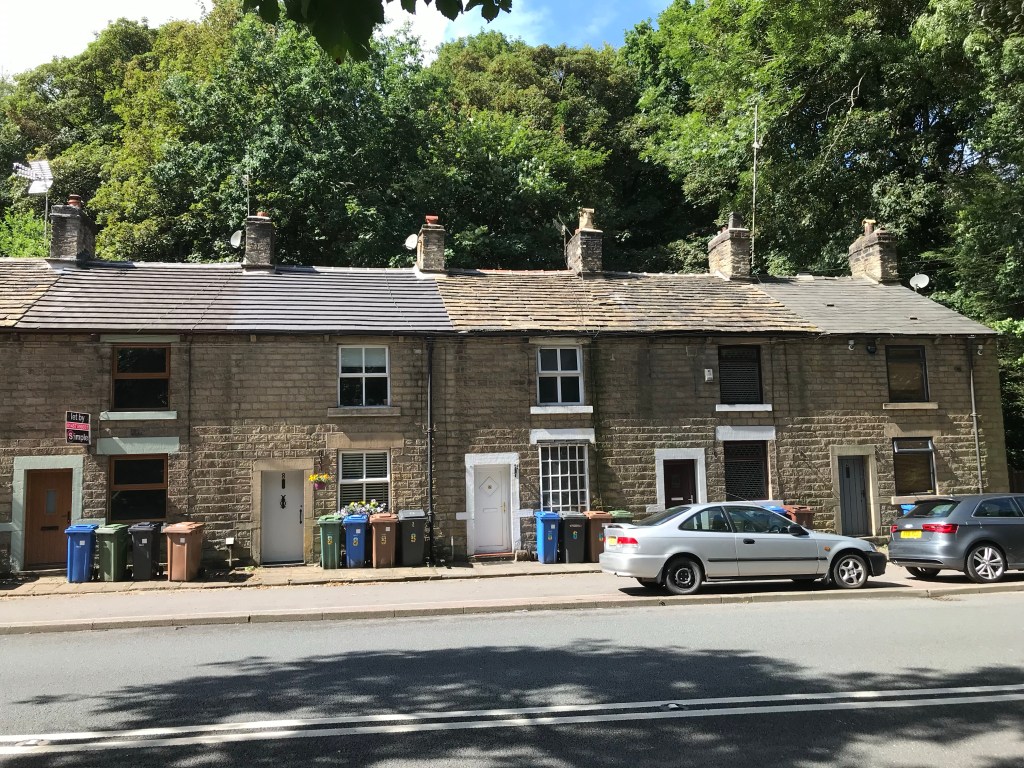
The most notable former resident of the village is the fashion designer and activist Vivienne Westwood. Westwood grew up in a row of stone cottages known as Millbrook located just outside the village on the main Manchester road. The village of Hollingsworth lies to the West, the town of Glossop to the South.

Westwood was born Vivienne Isabel Swire in Glossop. Her father was a storekeeper, her mother worked in the local cotton mill. The Millbrook cottages and the surrounding countryside was her playground. She went on to become the arguably best fashion designer (and certainly the most innovative) the UK has ever produced.

“Millbrook Cottages were at the bottom of an old quarry and from the earliest age my mother lifted me over our back wall to play in a dell where bluebells grew. As I grew up I was free to wander in a countryside which was beautiful and intimate until you got to the moors. After that it was wild and a little frightening”.

Although the city of Manchester (with its music clubs and art galleries) was not too far away, the Pennine area Westwood grew up in would have seemed culturally remote in the monochrome 1950’s.

“I lived in a part of the country that had grown up in the Industrial Revolution. I didn’t know about art galleries until I was 17. I’d never seen an art book, never been to the theatre.”

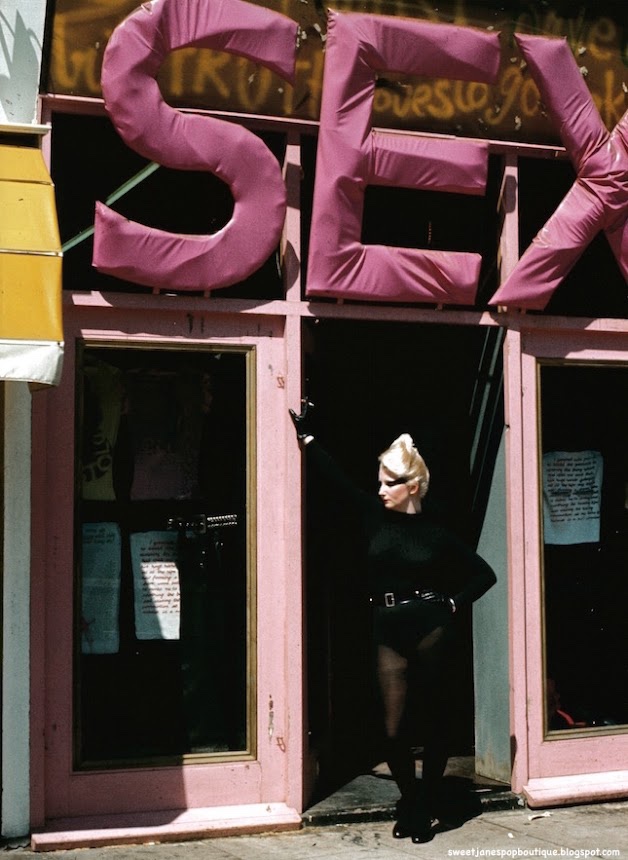
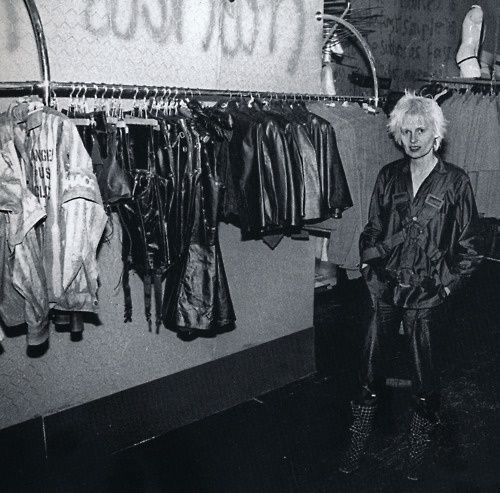
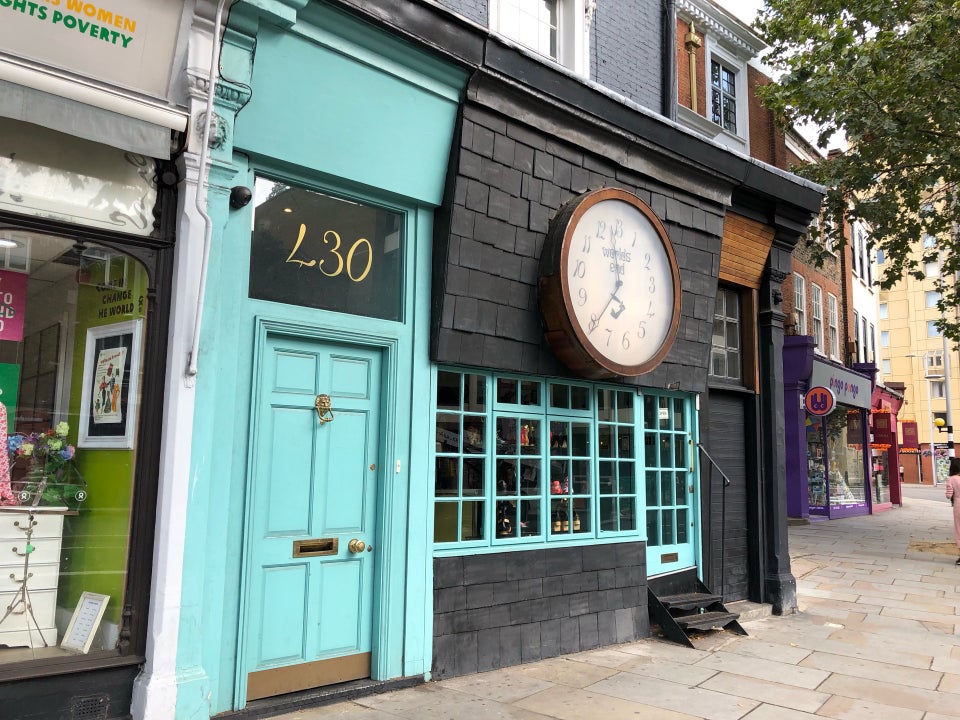
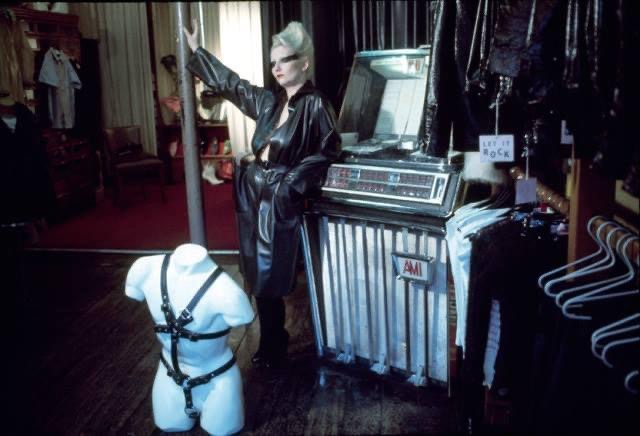
Westwood moved with her parents to London when she was 17 and she has lived in the city ever since. It is London, or rather her shop premises at 430 Kings Road, Chelsea that is for ever associated with her daring designs. From its rock’n’roll, fetish wear and punk roots in the 1970’s, the shop that was initially known as ‘Let it Rock’. It them became ‘Too Fast To Live, Too Young to Die’, then ‘Sex’, then ‘Seditionaries’ and finally ‘Worlds End’ as it is still known today. (World’s End is the name given to this eastern part of the district of Chelsea in London where the shop lies). With the changes of name, the designs and very nature of Westwood’s creations would abruptly change.

SEX at 430 Kings Road, Chelsea
Vivienne Westwood in Seditionaries 1977
Worlds End storefront with the 13 hour clock face

In this year of the Queen’s Platinum Jubilee and her recent death, it is worth looking back at Westwood’s attitude to the Monarchy.

Initially, you could be forgiven for taking the view that Westwood was an out and out Republican. One of her initial designs featured a screen print of the famous Cecil Beaton portrait of the Monarch with a safety pin through her lips.

Her shop at 430 Kings Road helped clothe the Sex Pistols who stormed the UK music charts with their ultra controversial hit single ‘God save the Queen’ at the time of the latter’s Silver Jubilee in 1977.

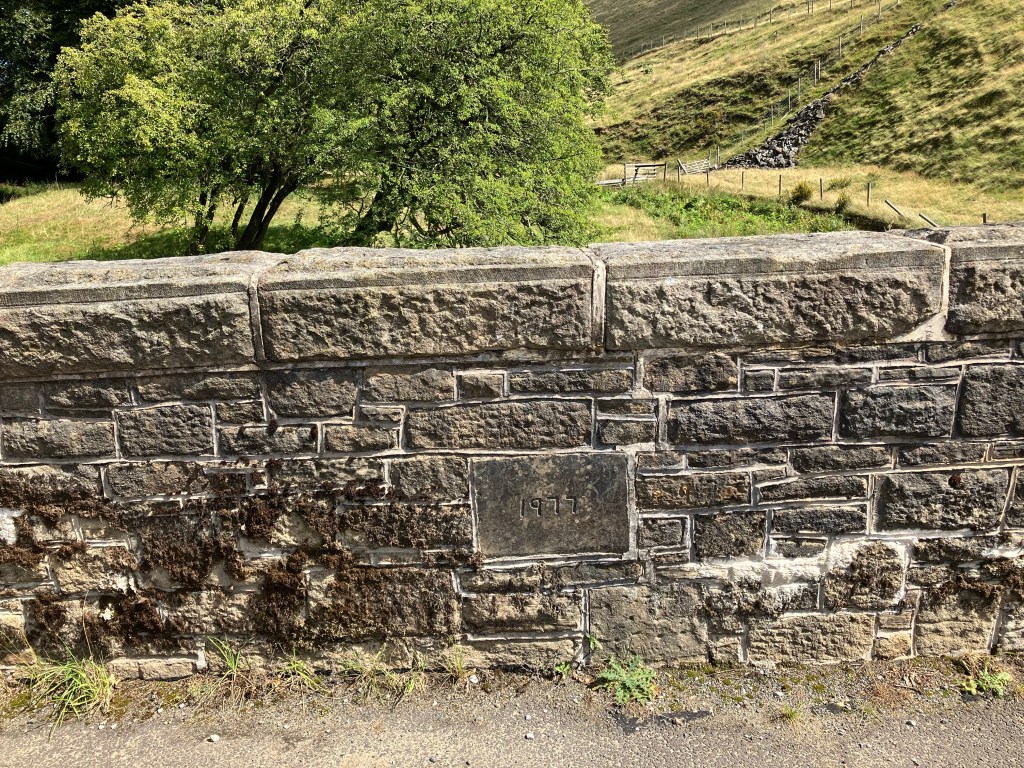
Bridge at Tintwistle built in 1977

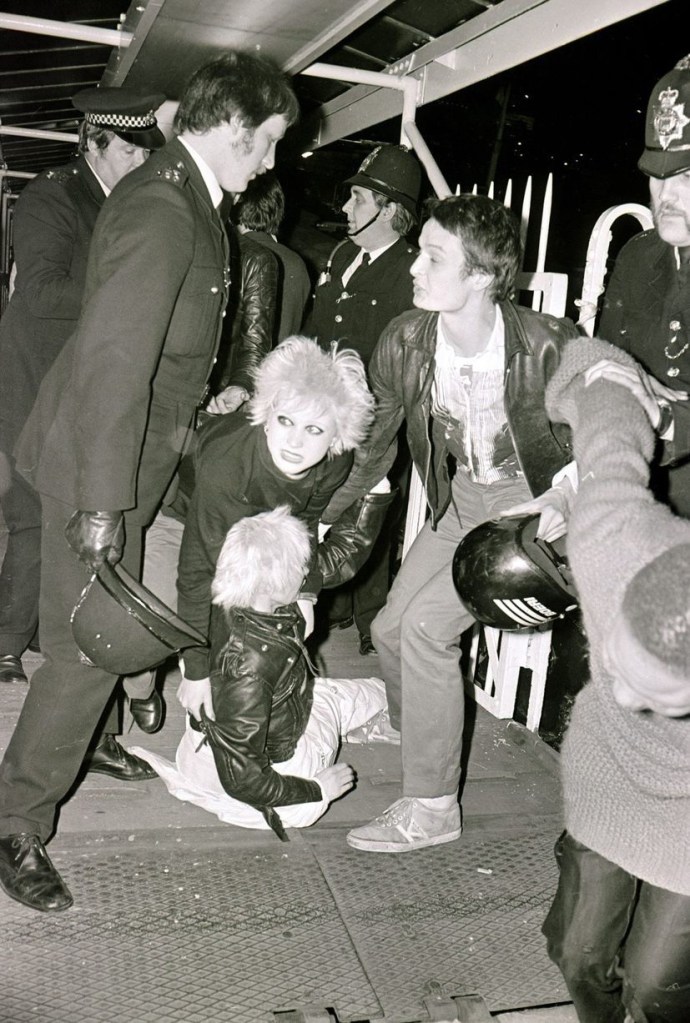
Westwood herself was arrested and detained on the day of the Jubilee celebrations in 1977 following a very infamous boat trip with the Sex Pistols and various luminaries on board. The group belted out their songs as they sailed along the Thames until they passed the Houses of Parliament when their boat was detailed by a flotilla of police officers who promptly arrested all and sundry, including Westwood.

Nevertheless, Westwood is very much a monarchist who holds the Queen and the Hereditary monarchy in high regard.

“ The Queen performs a national service. She holds the country together. She is a figurehead of international diplomacy. We all owe her our gratitude’’.

‘’I think that it is important that our Royal family is hereditary, the family members learn diplomacy by osmosis and develop a sense of duty to our country and the world.’’

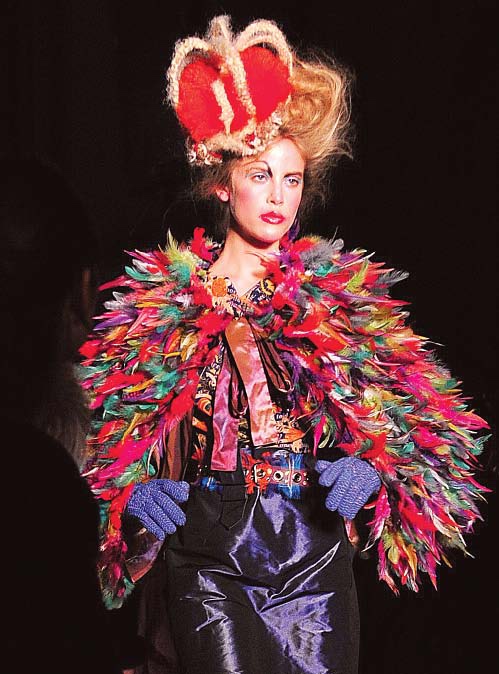
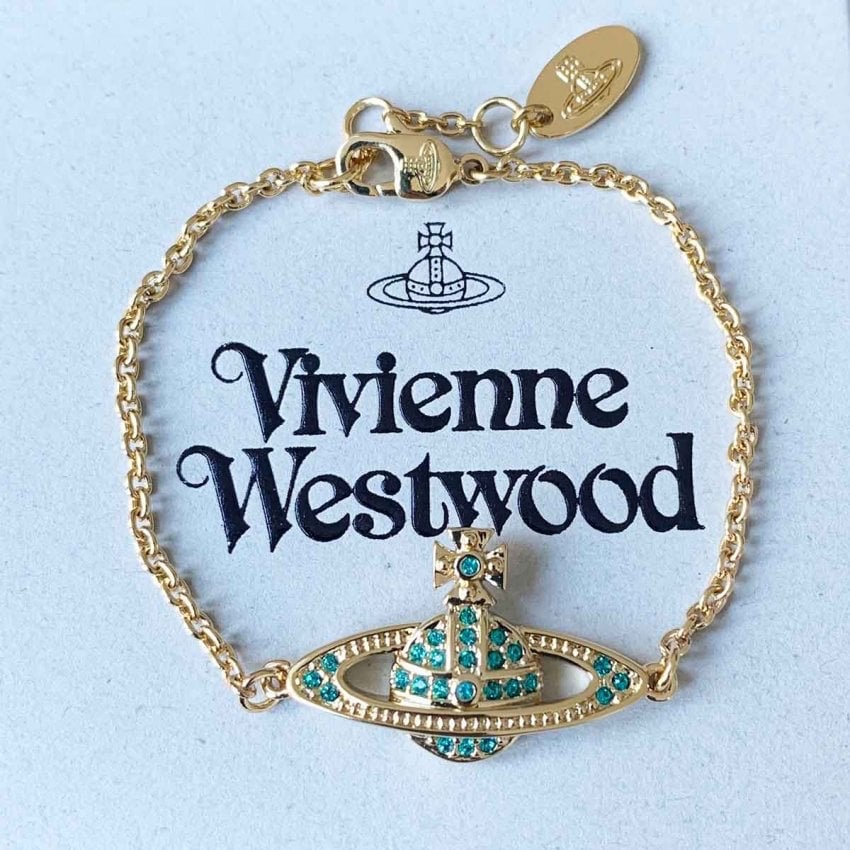
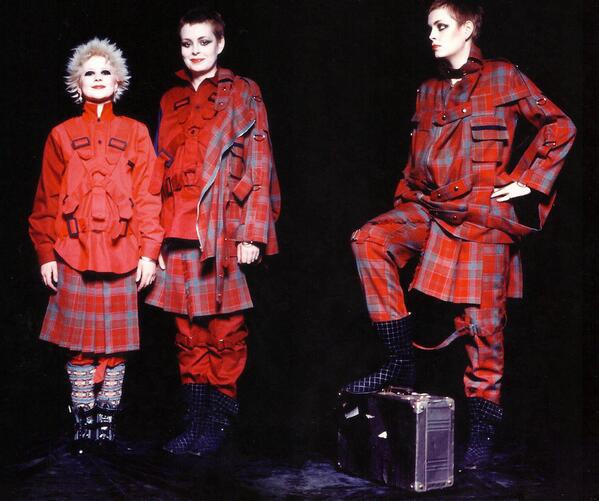
Westwood is very much an Anglophile and monarchist in her designs and she has often use royal images and traditional materials ranging from a Harris Tweed collection to worsted’s, tartan kilts and bondage jackets and to the choice of an Orb logo for her business logo.

Her notorious 70’s rubber clothing was stitched and assembled by obscure fetish wear manufacturers in the North of England who had been making garments in the material for their specialist customers for many years.

Westwood was born in Glossop, a town just South of her home in Tintwistle. Glossop is where she went to school. There was talk a few years ago about building a museum in the the town dedicated to her life and work but the idea was apparently rejected. A local graffiti artist, Deggy, recently created his own mural in the town in honour of Westwood.

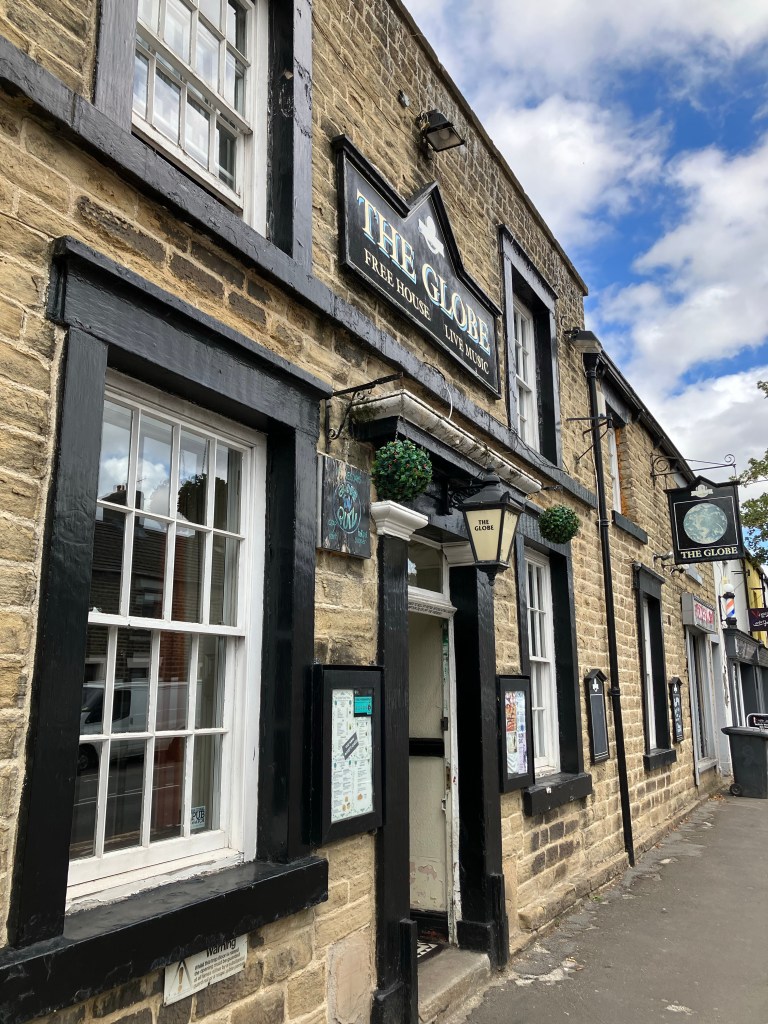
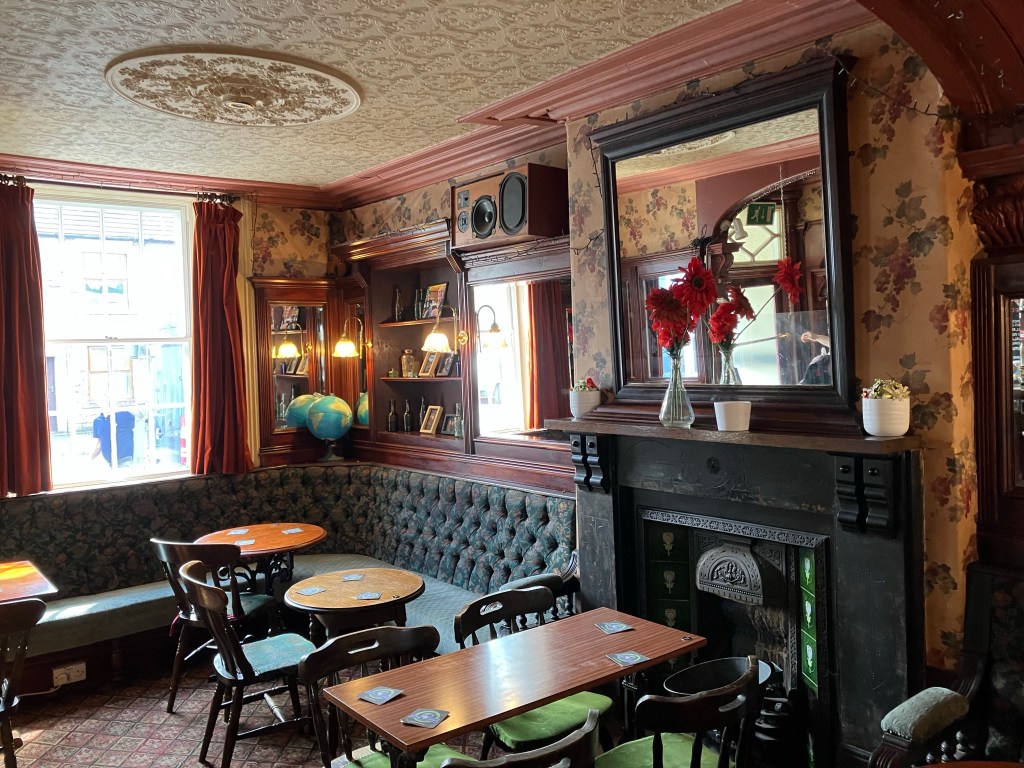
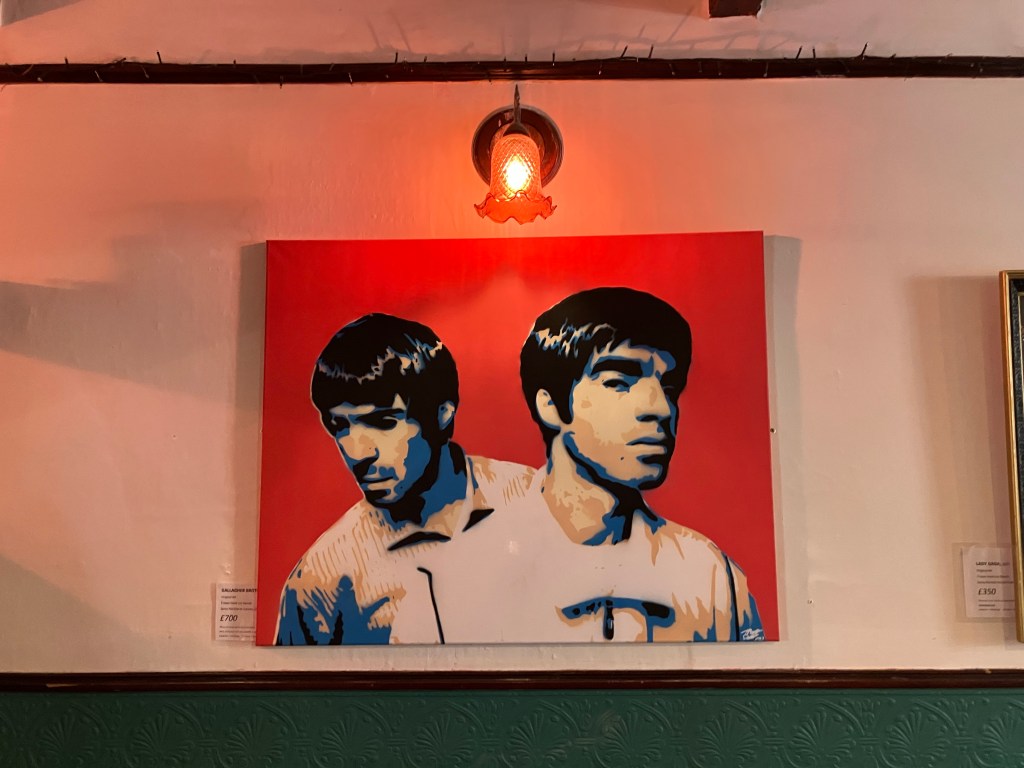
Glossop is a handsome town with loads of character and it is certainly worth a visit in its own right. Our favourite place is The Globe pub on the High Street

The pub is a well known music venue and it serves an exclusive Vegan menu of super cheap and very tasty bar classics. Recommended.

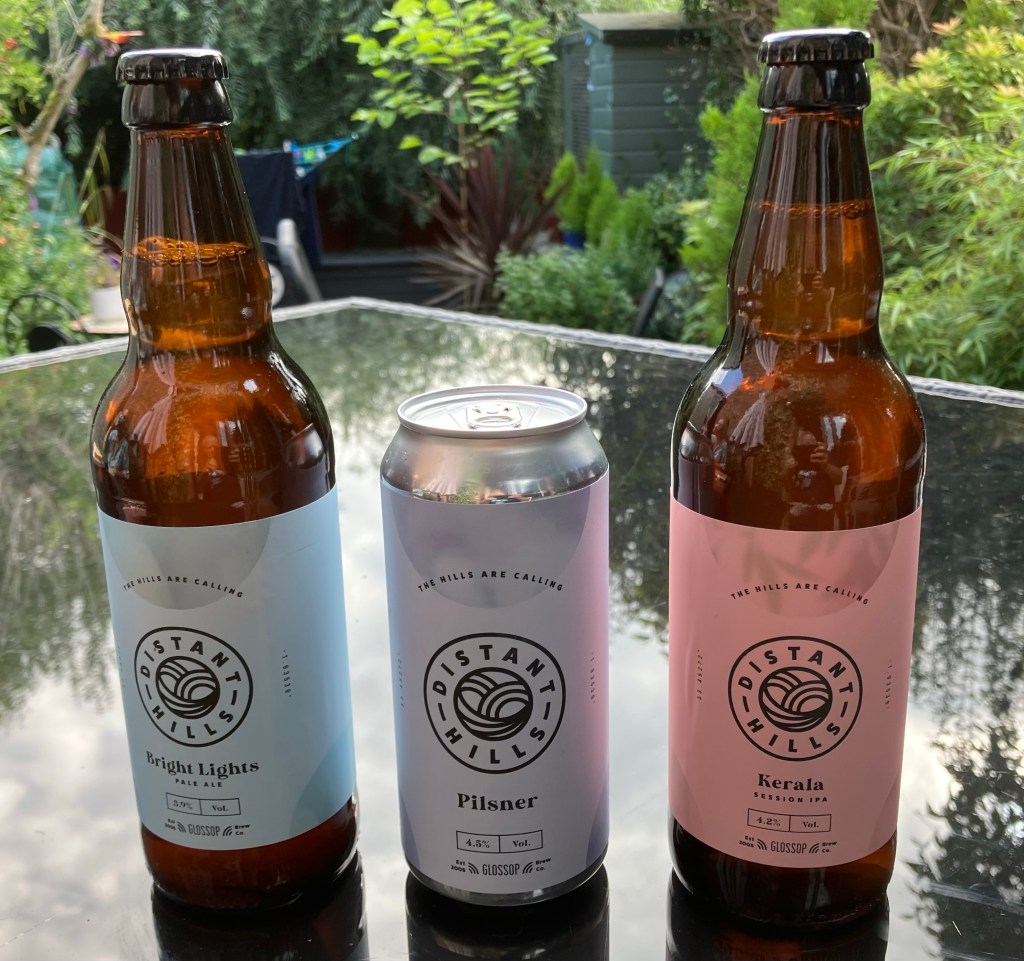
When it comes to beer, the local Distant Hills brewery and tap room is also a good bet.

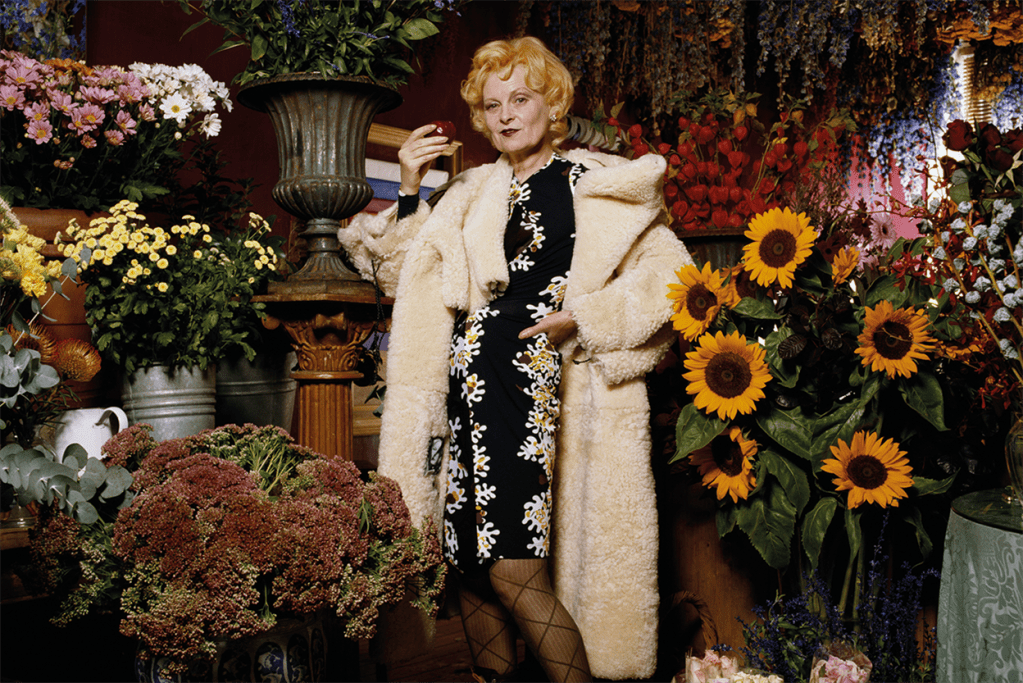
In 1992 Westwood received an OBE from Queen Elizabeth II. The Queen made her a Dame in 2006.