Marseille and pastis

When we first mooted the idea of visiting Marseille to our Parisian colleagues we were met with cries of surprise (‘quelle horreur’) and concerned attempts by them to direct us elsewhere in France! We got the distinct impression that the city was considered a lot different and perhaps a lot less satisfactory than other key locations such as Paris, Lyon and Bordeaux. This only made a visit to the city a more attractive proposition for us and we were not disappointed.
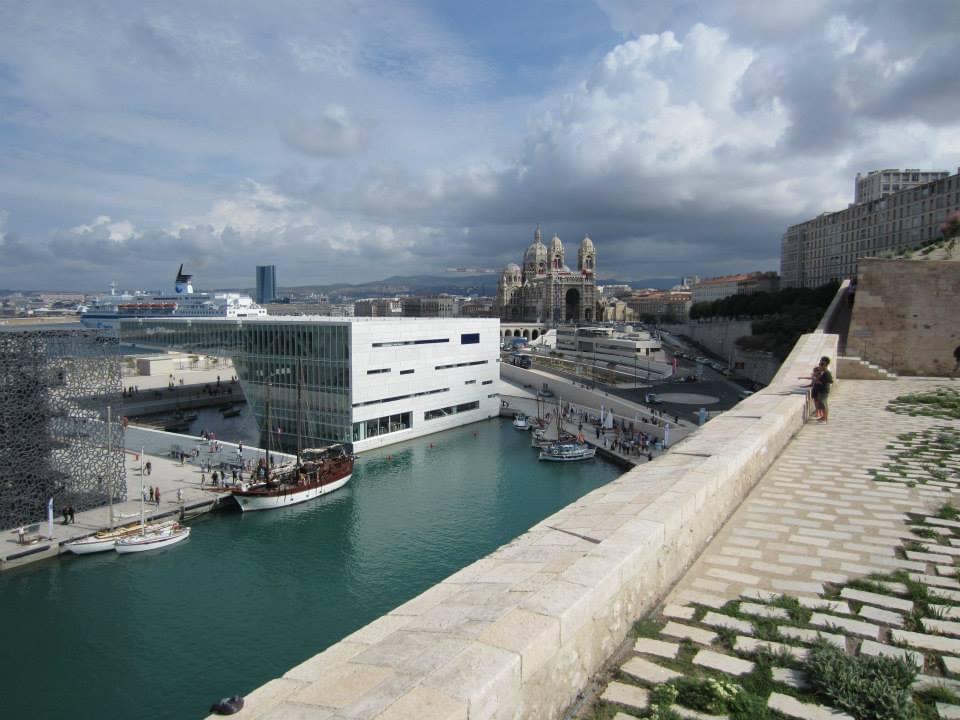
We don’t want to rely on the cliches of the ‘it’s like Naples or Liverpool’ kind (but see ‘Cities on the edge stand tall’  https://voxeurop.eu/en/cities-on-the-edge-stand-tall/) but we felt very at home walking in the streets of the Vieux Port and elsewhere. In particular, the families enjoying themselves at the ‘town beach’ at Plage des Catalans reminded us of a ‘day out at the seaside’ in the  North of England (with a lot more sunshine of course!).
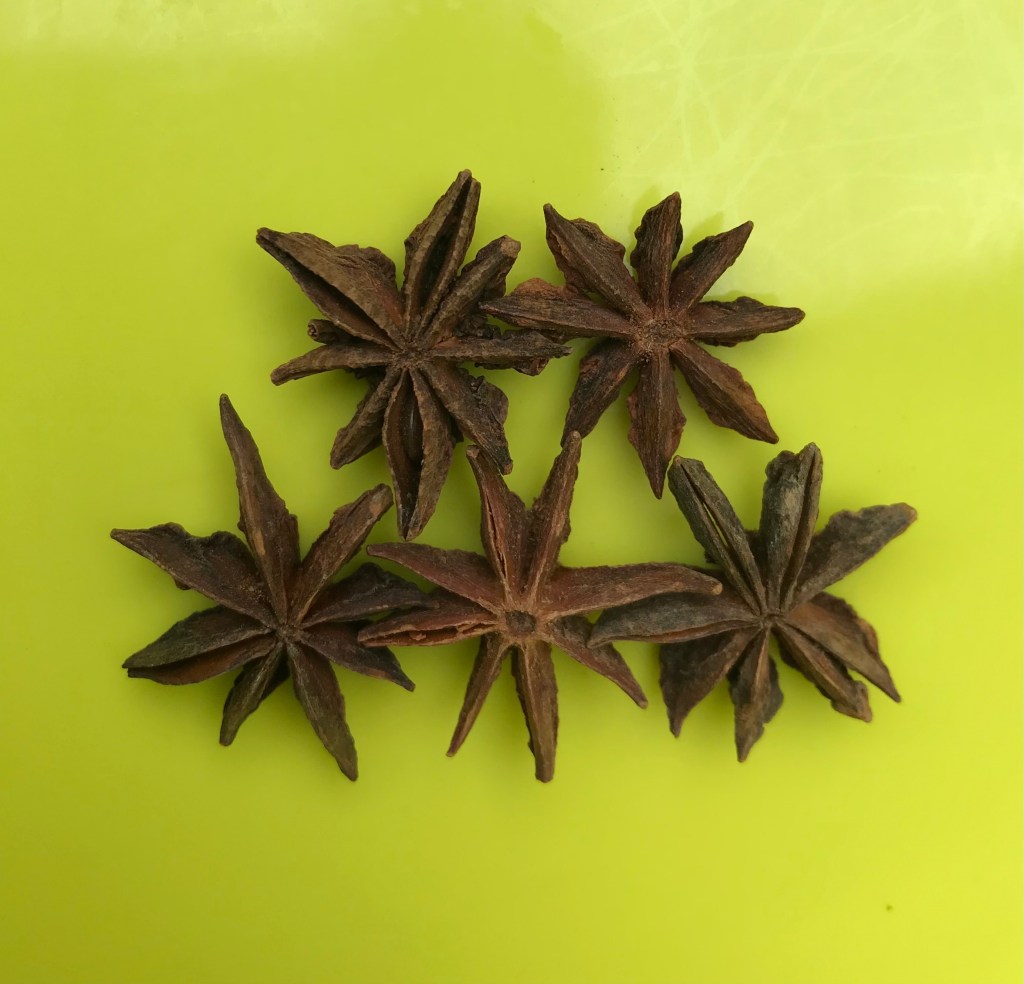
Marseille is the home of our favourite aperitif, pastis, a far more preferable drink in our opinion to other aniseed flavoured liquors such as sambuca, raki and the fearsome aguadiente of Colombia. Best drunk in combination with chilled water it is usually mixed in a ratio of around five parts of the latter to one part of the former. The liquor reacts with the water turning the spirit’s usual colour (which varies from brown to a golden shade), ‘milky’ in the reaction known as ‘louche’.

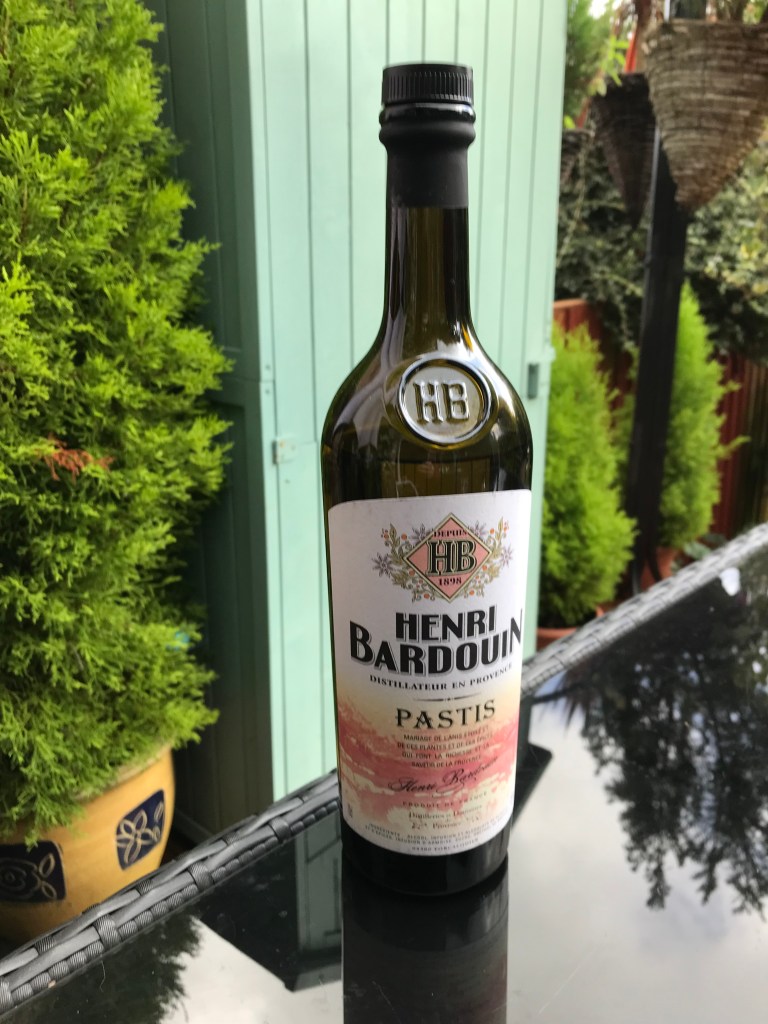
Pastis was first developed in Marseille by Paul Ricard in 1932 and today his brand along with its sister brand, ‘51’ are hugely popular and between them, probably the best selling in France. Although both of these drinks are fine, we prefer pastis produced by smaller producers of which there are several in Marseille and elsewhere in Provence. Our particular favourites are Henri Bardouin (https://www.distilleries-provence.com/en/cms/pastis) and Janot.
Pastis and its association with Marseille features in Deray’s fine 1970 gangster film ‘Borsalino’ with Alain Delon and Jean-Paul Belmondo. In the film the fictional distiller M. Boccace’s milky liqueur crops up in various bar scenes. The city’s atmospheric Le Panier district is prominent throughout. The film is great fun and well worth watching. Although set in the 1930’s, stylistically it kind of reminded us of Penn’s 1967 epic Bonnie and Clyde.

Marseille still has several smaller pastis producers. In particular we think that the superb pastis ‘Un Marseillais’ of the Cristal Limiñana distillery is worth mentioning (see https://cristal-liminana.com/en/).
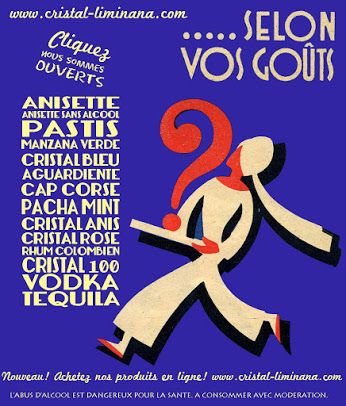
As the name Limiñana suggests, it was two Spanish brother who started producing Anis, the Spanish aniseed flavoured liquer, in Algiers in 1884. The Anis was sold in Algeria under the name Cristal Anis. The Cristal Limiñana business was later founded in Marseille in 1962 by one of the brothers who had Algeria left for France following independence in 1962. The same distillery still produces Cristal Anis as well as the aforementioned ‘Un Marseillais’. You can tour the distillery (appointment only) by contacting infos@cristal-liminana.com in advance to arrange a suitable date.

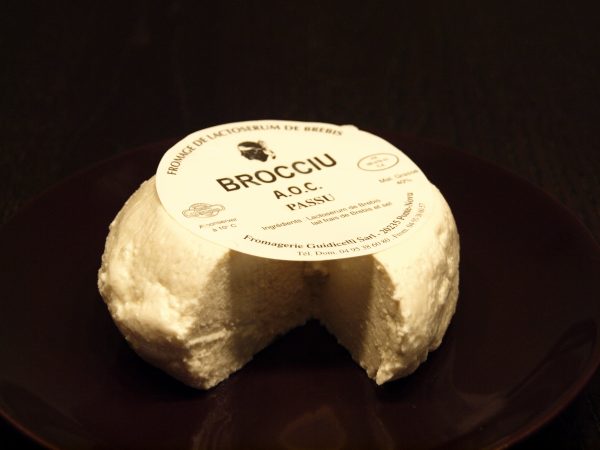
Although the most famous dish of the city is bouillabaisse, it was Corsican food and wine in Marseille that really caught our attention.
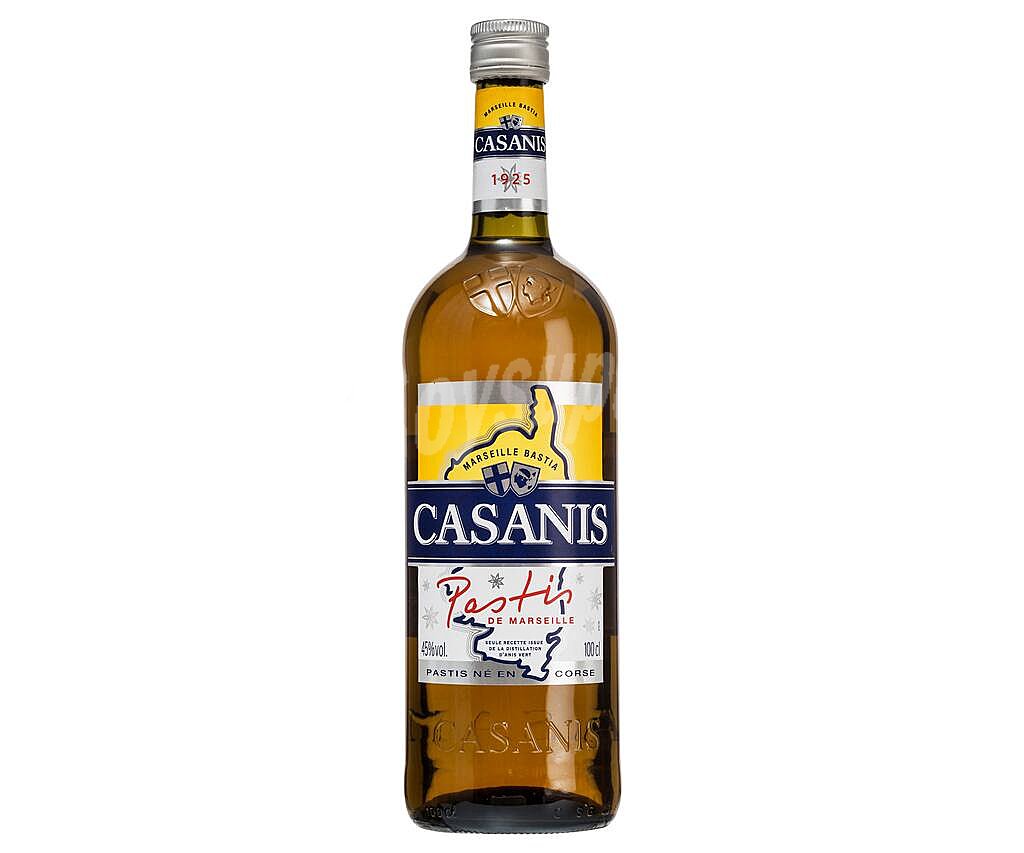
And of course, pastis. The brand Casanis was first distilled in Bastia, Corsica in 1925. The business was later transferred to Marseille where it is based today.
À votre santé!

(And whilst we are on the subject of Marseille, we recommend the much lauded 2009 movie by Jacques Audiard ‘A Prophet’. The film highlights the crime and deprivation which still haunt the city).

Salvador de Bahia

Salvador (‘São Salvador de Bahia de Todos os Santos’) is the state capital of that most culturally important province of Brasil, Bahia. 

The city itself is a combination of great beauty and culture, old wealth and a violent history, poverty and inequality. It is quite unlike anywhere else in Brasil we have visited. 

The centrepiece of the old historic quarter, the ‘Cidade Alta’, is called ‘Pelourinho’. With its cobbled streets of beautiful buildings, groups of tourists, churches and shops (together with a not insignificant security presence), Pelourinho (the name means ‘whipping post’) was once the site of the largest slave auction in the Americas and is now the most well known part of the city to visit.  Pelourinho kind of sums up the city’s inherent contradictions with great wealth and privilege side by side with poverty and crime.

The Jorge Amado museum in the Pelourinho is centred on the life and works of that revered Brasilian writer. A son of the town of Itabuna in the south of Bahia, much of Amado’s work is based in and around Salvador including the novel  ‘Dona Flor and her two husbands’. An internationally popular book, it became the most successful Brasilian film of all time when it was released in 1976. Its box office success was only equalled in 2010 with the release of the violent ‘Tropa de Elite’ (we prefer the warm comedy of ‘Dona Flor’ and its glimpses of the Cidade Alta before it was ‘cleaned up’). The film was notable for the performances of Sonia Braga as ‘Dona Flor’ and José Wilker as the reprobate ‘Vadinho’. Bahian food (our personal favourite in Brasil) with its clear African influences, features heavily in the book with each chapter introduced by a recipe from Dona Flor who runs cookery classes when she is not hiding her money from Vadinho. Her ‘Moqueca de Siri Mole’ (a seafood stew made from a local species of crab) features in the film and  a recipe from the Folha de São Paulo is at https://receitas.folha.com.br/receita/866

Our favourite dish from Bahia is ‘Bobo de Camarão’, a rich stew of shrimps, manioc flour, coconut and herbs. Palm oil (known locally as ‘dendê’) with its distinctive orange colour adds a characteristic flavour to the dish.

Our favourite novel by Jorge Amado is his 1937 work ‘Capitães de Areia’ (‘Sand Captains’ in English). This is a hard hitting novel of a gang of street urchins who make their living stealing and hustling in Salvador. For all its beauty and tourist popularity the city is awash with inequality and poverty and this novel, although over 80 years old, captures something of this harsh reality to dramatic effect. The novel is available in English and is highly recommended.

The musical culture of Salvador and the state of Bahia generally is well known in Brasil and throughout the world. Listing the famous musicians from this region would take time as there are so many but Ivete Sangalo, Gilberto Gil, Caetano Veloso and Maria Bethãnia are some of the most famous. Perhaps less well known but our personal favourites from the region are the samba legend Riachão and the influential Oscar da Penha, better known as ‘Batatinha’.

A live film of Batatinha singing his song ‘Direito de sambar’ is at

‘Direito de sambar’ is also featured in the 2011 film version of Amado’s ‘Capitães de Areia’.

The São Paulo singer Adriana Moreira based her entire first album on Batatinha’s  songs. Here she is singing ‘Direito de sambar’.

Her second album ‘Cordão’, released in 2012 is one of the best samba albums from Brasil in our opinion and this televised version of the song ‘Fuzuê’ is taken from the same long standing Brazilian music programme ‘Ensaio’ which also featured a broadcast of ‘Batatinha’ back in 1995.

AJIACO CALIENTE

‘Ajiaco caliente’ is a paean to Cuban soup

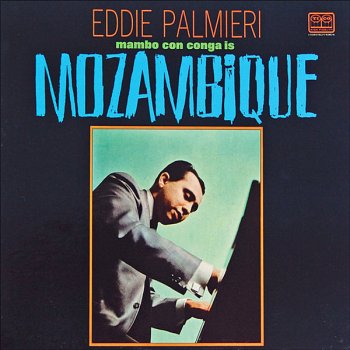
This article features a close link between music and food in the track ‘Ajiaco Caliente’ from the 1965 album ‘Mambo con Conga es Mozambique’ by the latin pianist par excellence Eddie Palmieri and his band ‘La Perfecta’.

La Perfecta were unusual at the time as the brass section was made up of two trombone players (https://youtu.be/74z32MK5P4U) lending the band a raw, ‘urban’ sound to music whose essential roots lay in the islands of Cuba and Puerto Rico. The trombone players included the great Barry Rogers (http://www.latinomusiccafe.com/2017/05/22/barry-rogers-remembering-his-legacy-to-latin-music/) who you can see and hear live on stage at the Cheetah club in the Bronx with the Fania All Stars see (https://www.youtube.com/watch?v=9MCUwCDuX4Y).

The Ajiaco referred to in the Eddie Palmieri number is the stew of the same name from Cuba, typically made from meat, yucca, plantain and (as the song itself name checks) malanga (https://www.healthline.com/health/malanga) a wonderful root vegetable popular throughout the Caribean, Africa and parts of Latin America. The only time we can recall eating Malanga* was in Pinar del Río, Cuba about 25 years ago and delicious it was too!

”Esta caliente el ajiaco

La yuca quema en la boca

Si me la entibias un poco podré comerla sabrosa, malanga”

The vocals on the song were expertly handled by Ismael Quintana and the recording itself features one of the best Palmieri piano solos .

We have been lucky to see Eddie Palmieri and his band live on several locations as well as his late brother Charlie Palmieri.

Of all the great latin music pianists, Eddie Palmieri is our favourite.

We’ve eaten Colombian Ajiaco before in Bogota. One of the world’s great soups it features potatoes, chicken, capers, cream , corn, scallions, avocado, herbs and spices in a rich, heart warming mixture to fill you up and to help you combat the chilly air at night in the city (https://theculturetrip.com/south-america/colombia/articles/why-ajiaco-is-bogotas-most-famous-dish/).

Venezuela and Piranha

Los Llanos are the huge flood plains of western Venezuela stretching from the mighty Orinoco river into Colombia east of the Andes. The area is quite simply one of the hottest places we have ever visited, almost too hot to move by about 10 o’clock in the morning until early in the evening.

The area was teeming with life from capybara, flamingos, anteaters and rattle snakes to pink dolphins, giant otters and anacondas. As well as caiman, the waterways were filled with piranha, the red bellied version being the most ferocious.

We went fishing for piranha with a line and hook and a chunk of chicken as bait. You simply throw the baited hook into the water, jerk the line the second the bait hits the surface and if you are quick enough you will pull out a piranha. The bait was eaten as soon as the hook hit the water and so we needed to act very quickly otherwise the fish escaped! The water was so full of piranha that we had pulled out a dozen or so in a matter of minutes.

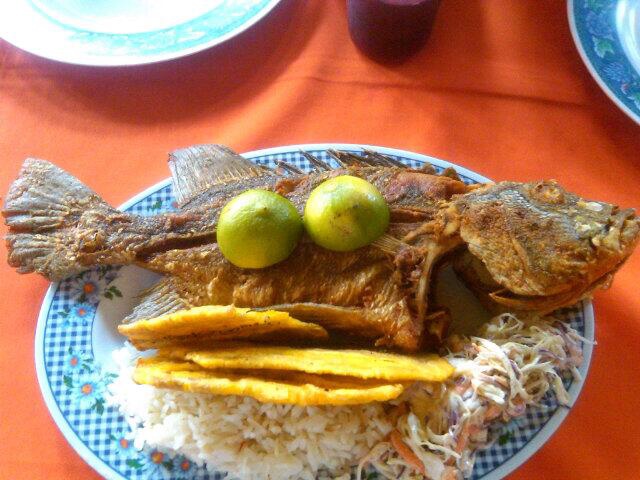
As well as piranha, a guy from the farm we were staying at was catching another type of fish, pávon (‘peacock bass’), to add to the piranha for the supper later that evening. Unlike piranha, pávon is not a species that is native to Venezuela having been imported by the Government in the sixties to control the amount of the former in the waterways. The breed spread like wildfire and they are so numerous that they are not too difficult to catch despite their competitive reputation. Pávon is a delicious fried fish and certainly preferable to piranha which we found very bony.

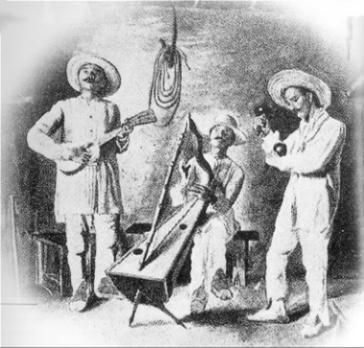
The local music of Los Llanos is ‘Joropo’ ‘(‘Joropo Llanero’), a musical style usually featuring a harp, a four stringed cuatro and maracas played together in a hard driving, folkloric style.

The time signature for this music is 6/8 making playing along on the maracas (as we did when invited to), fairly challenging when full of rum and Polar beer!

Laoganma and the Drunken Master

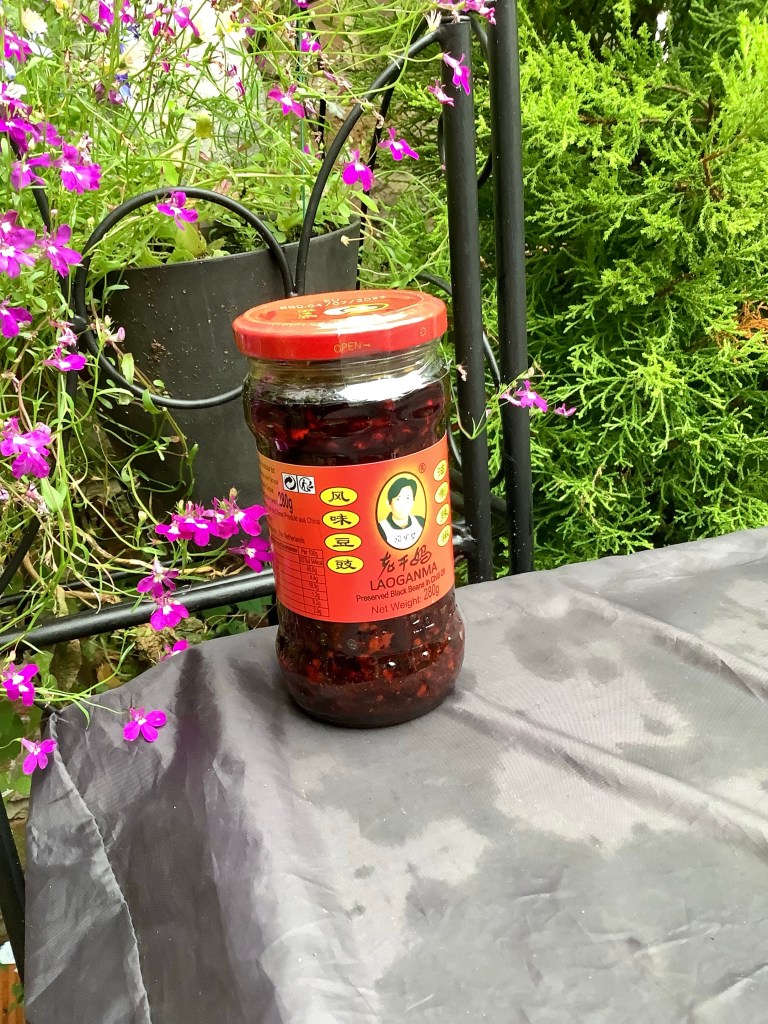
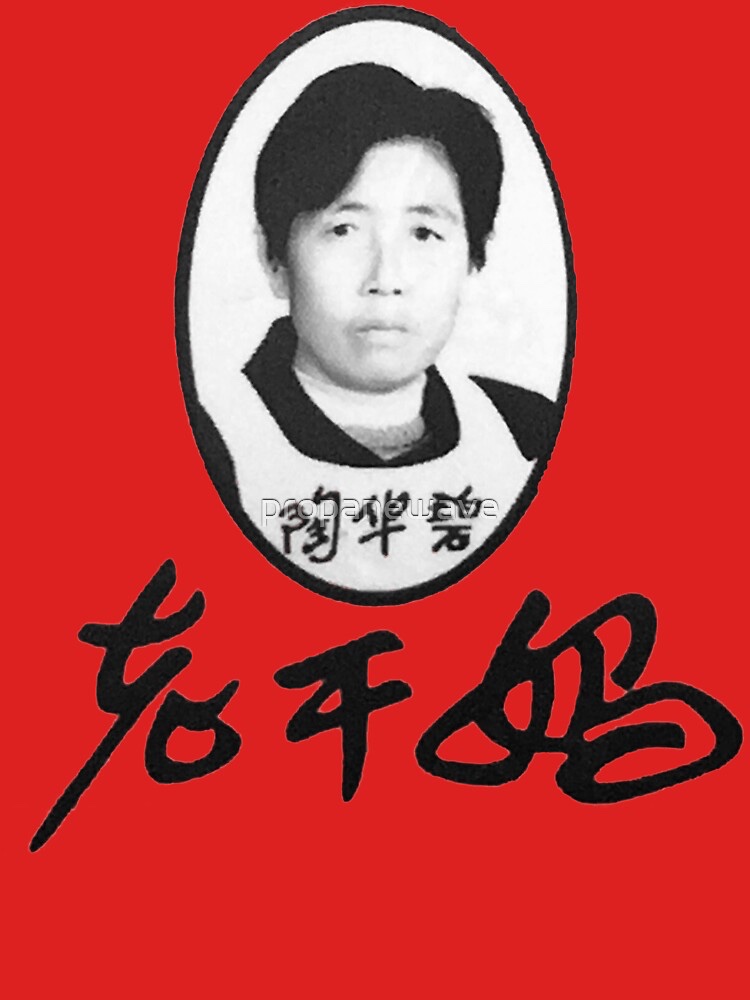
‘Laoganma’ are a much loved brand of chilli cooking sauces from China. Roughly translated ‘Laoganma’ means ‘old godmother’ and the founder of the brand, Tao Huabi, can be clearly seen on the label.

Tao Huabi started a small noodle shop featuring her own home made chilli and soy bean sauces in Guizhou in 1989. The sauces became so popular that several years later, she opened up her first small factory. From these humble beginnings, the brand became the most popular chilli sauce in China. It now has a multi-million $ turnover and it is sold all over the world.

We love Laoganma sauces and highly recommend them. They taste strong and flavoursome. Our favourite is the black bean chilli sauce which is rich and dark. The ‘crispy chilli’ flavour is also highly popular.

The sauces are available internationally and you should be able to find them in any store selling a decent selection of Chinese food.

Stir fry the sauce with vegetables (we like pak choi and broccoli florets) with some meat or tofu, add soy sauce and Shaoxing rice wine. Combine with noodles and a sprinkle of sesame seeds, a dash of coriander and your meal is ready in no time!

Whilst we are on the subject of China, we cannot help but add a link to the old Chinese boxing form of Zui Yuan aka ‘drunken fist’. We knew there was a fighting style of ‘drunken boxing’ as we are fans of Jackie Chan’s old 1978 Kung Fu movie ‘Drunken Master’, a very popular comedy at the time, which features several great fight sequences. However, whilst watching the movie we did not realise that Jackie Chan was not simply pretending to be ‘drunk’ when confronting some opponents, he was enacting the ‘drunken boxing’ style rather than fooling around for the comedic effect.

A superb contemporary film of the style courtesy of the South China Post follows. If you like the Brazilian martial form Capoeira you will love drunken boxing because whilst the two forms are clearly distinct from one another, there are some similarities in our opinion.

A friend put us on to Emanuel Augustus known as the ‘greatest boxer you may have never have heard of’. Augustus incorporated ‘drunken’ movements into his boxing to riveting effect and the short documentary below gives you a good idea of the man’s style. If you thought that Muhammad Ali could dance around his opponents, check out the real life ‘Drunken Master’ in action.

Jackie Chan‘s movie was very popular in Jamaica and it influenced tracks by DJ’s such as General Echo and Ranking Joe (both tracks were called ‘Drunken Master’). Ranking Joe is still around thankfully but General Echo was murdered many years ago.

Ranking Joe’s aptly named ‘Shaolin Temple’ album was our favourite by the man.