BUSAN: SOUTH KOREA-ON-SEA

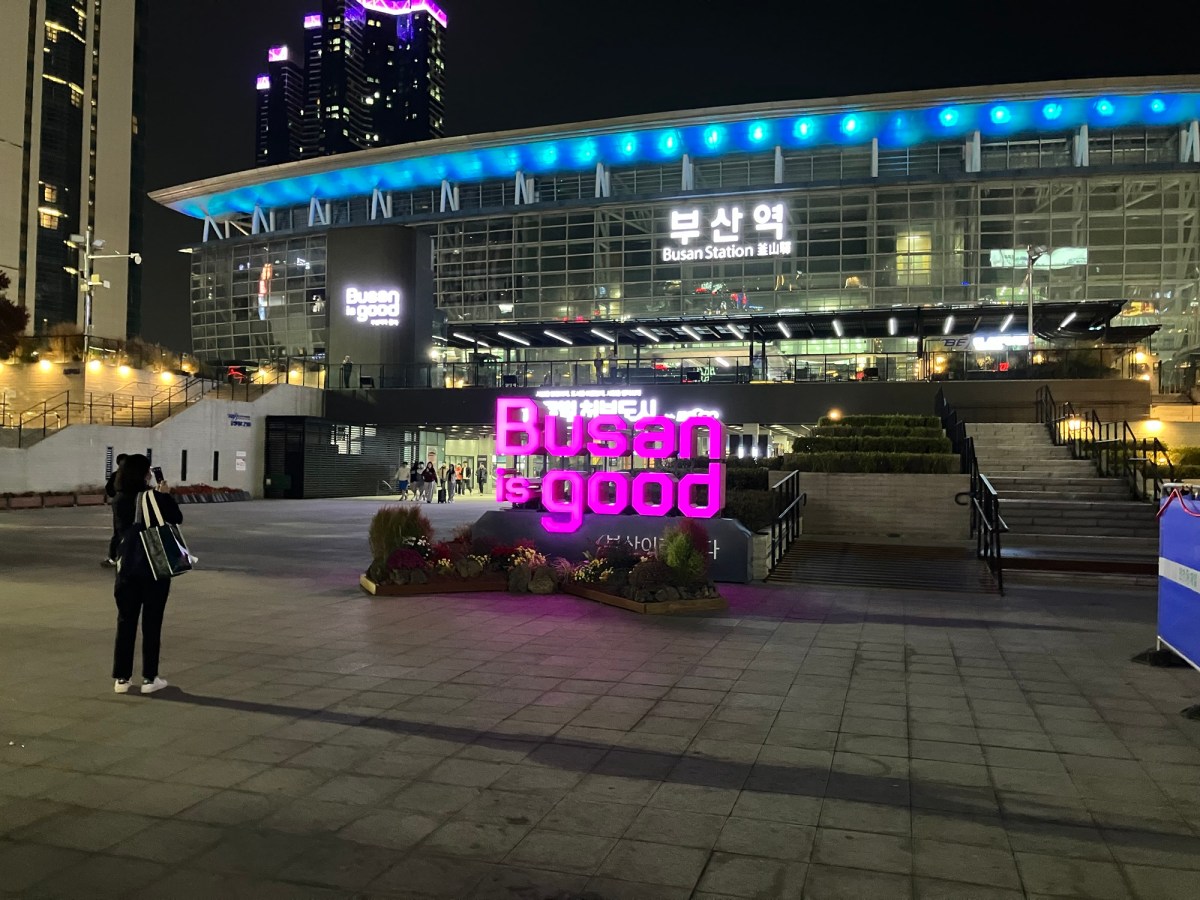
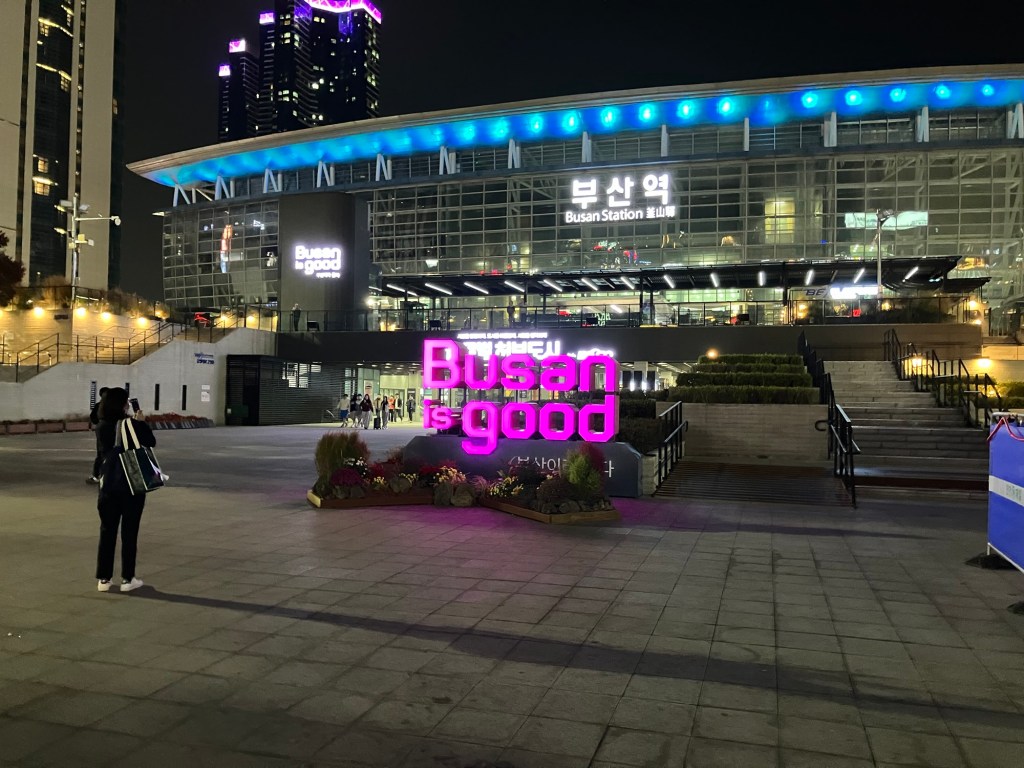
Busan station

Arriving on the express train from the country’s crowded capital Seoul, the southern city of Busan immediately feels warmer and far more relaxed in comparison. Seoul, although highly rated as the metropolis it undoubtably is, seems sprawling, over crowded and far more work-a day in comparison to its southern sister. After the pace and intensity of the capital, Busan feels looser, more rugged, more communal and less stressed than the country’s mega city. 

Busan is South Korea’s second-largest city and its most important port.  Located on the southeastern tip of the Korean Peninsula, the city faces the Korea Strait and serves as the country’s gateway to the sea. 
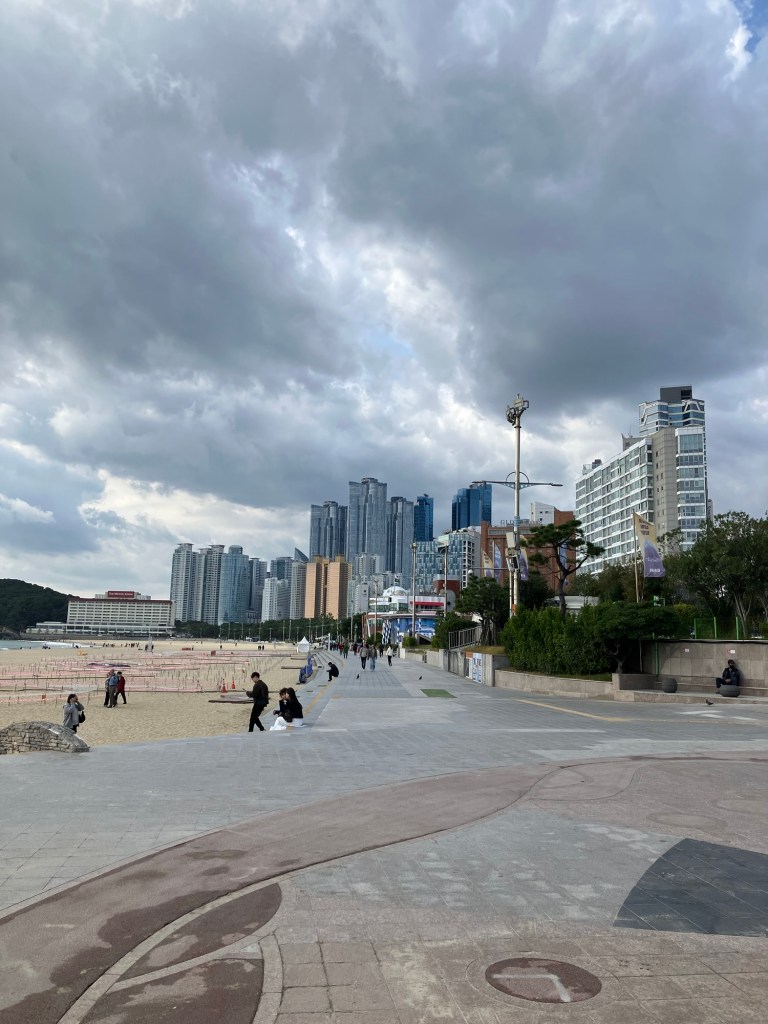
Haeundae Beach in Busan

Japan’s third largest island Kyushu and the state capital, Fukuoka lies just over a 100 miles away and Busan is a particularly popular destination for discerning Japanese tourists as well as South Korean citizens who are drawn by its excellent beaches.
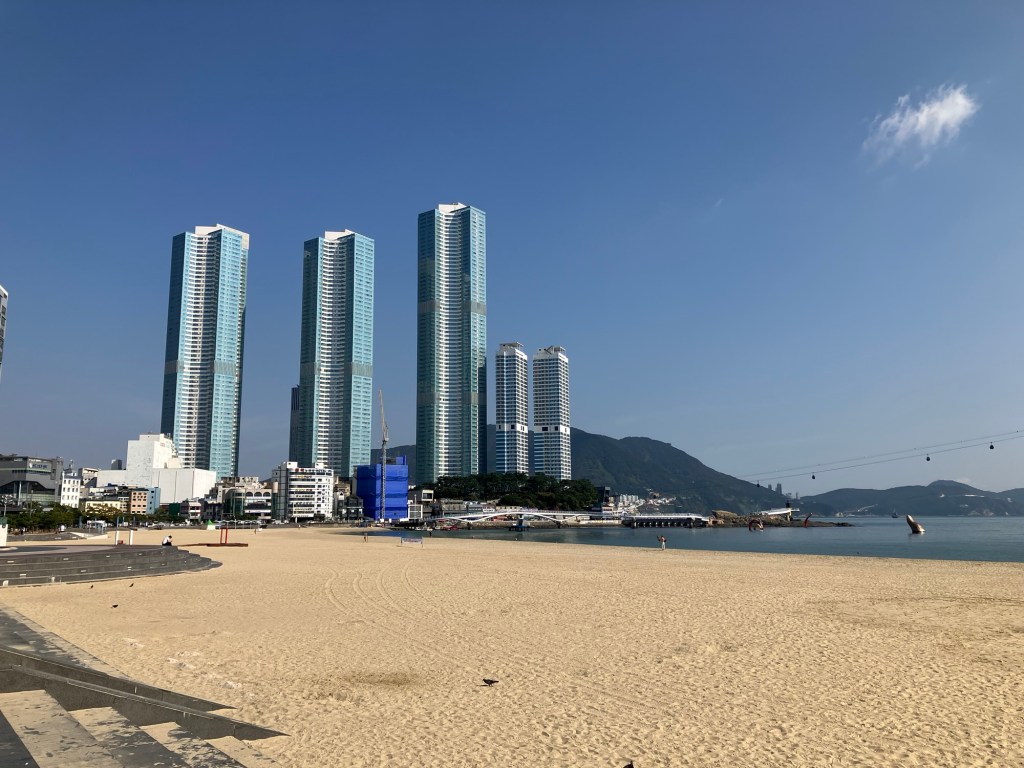
Songdo beach in Busan

The city’s urban landscape is framed by rugged mountains and sandy beaches. Steep, forested hills descend into dense urban neighbourhoods, while rivers like the Nakdonggang—the longest in South Korea—flow into wide estuaries near the coast. This dramatic landscape gives the city its distinctive layered skyline.

Busan is home to over 3 million people. Each district has its own character, from the bustling commercial hubs of Seomyeon and Haeundae to historic hillside communities like the city’s Chinatown whose gate faces the modern train station. The city’s coastal location has long attracted migrants, traders, and fishermen, contributing to a more open and pragmatic local identity compared to inland cities.
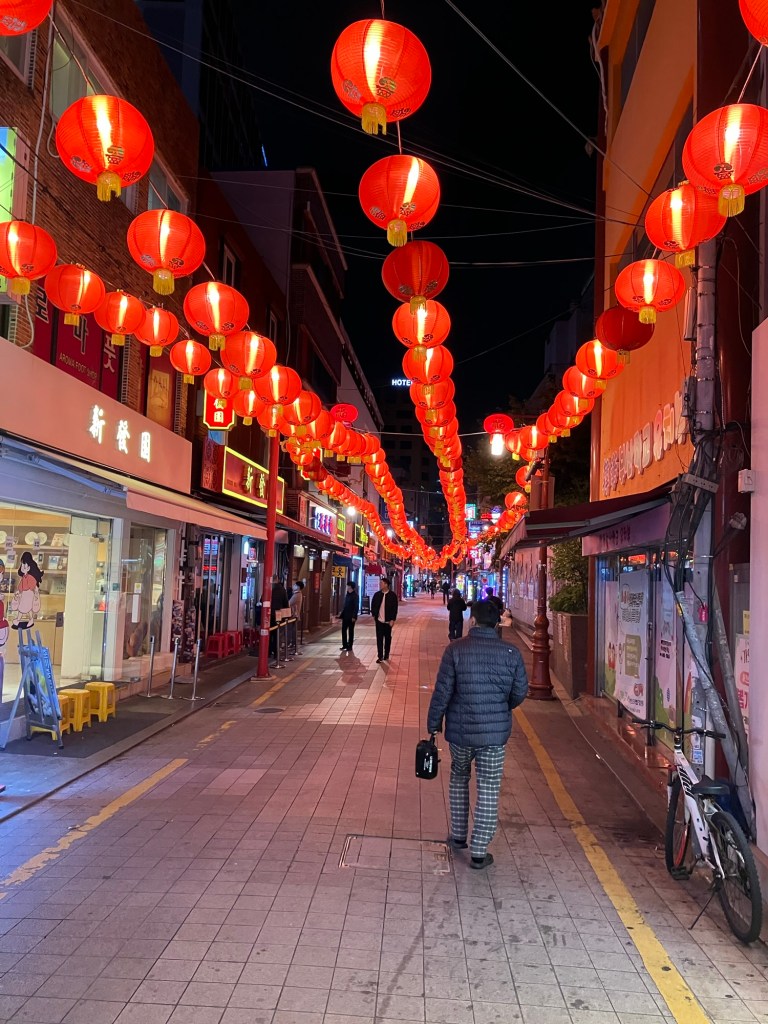
Chinatown in Busan

Culturally, Busan plays a crucial role in South Korea. It is best known internationally for the Busan International Film Festival (BIFF), Asia’s most influential film festival, which has positioned the city as a hub for cinema and creative industries (of which more later).
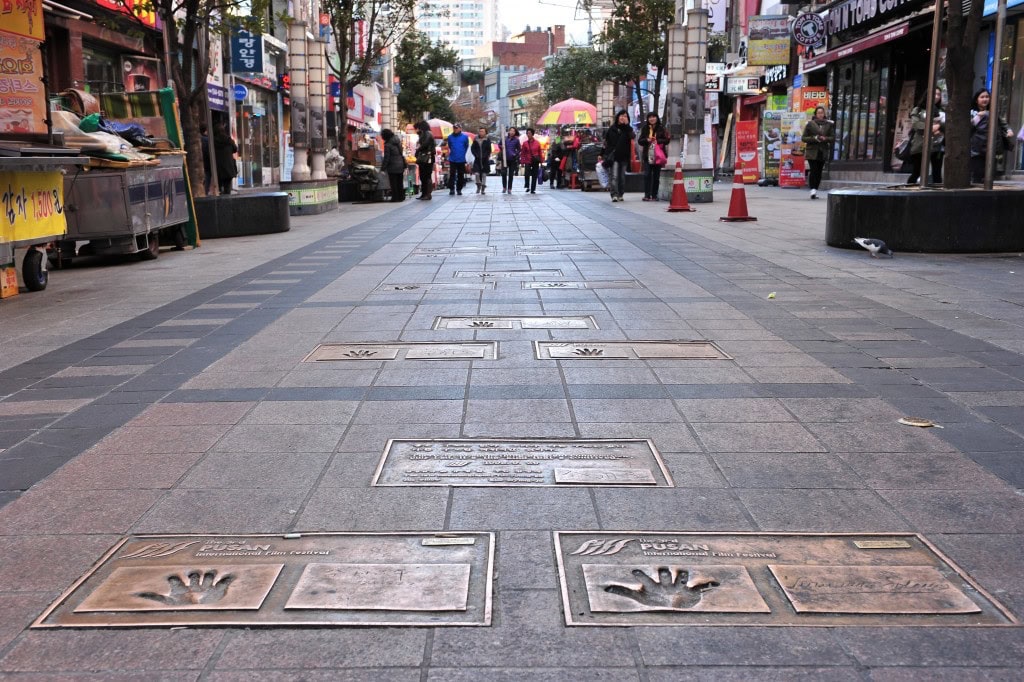
BIFF Square in Busan

Food culture is a cornerstone of Busan’s identity. The city is famous for fresh seafood, bustling fish markets like Jagalchi, and regional noodle specialties and spicy fish cakes (‘Eomuk’). These everyday traditions reflect Busan’s working-port roots and strong connection to the sea. 

Eomuk fish cakes

As a whole, Korean food seems based on resourcefulness and occasional scarcity in the use of most, if not all  parts of a core ingredient whether animal (intestines, blood sausages) or vegetables such as mugwort for dishes such as rice cakes. Seafood can also be adventurous to some with dishes based on the still twitching i.e. newly severed, Octopus tentacles known as Sannakji to the visually odd sea pineapples known as Meongge and sea worms known locally as Gaebul. These, and other fish and seafood items are best experienced at the huge Jagalchi Fish Market, where the catch from the morning fleets arrives to be sold, wholesale and retail. Jagalchi is the country’s largest seafood market, offering a “market-to-table” experience where visitors buy fresh, live seafood on the first floor and have it prepared in restaurants on the second floor. Typical dishes would include Jangeo-gui (Grilled Eel), Saengseon-gui (grilled fish) and Maeuntang (a fiery fish stew).
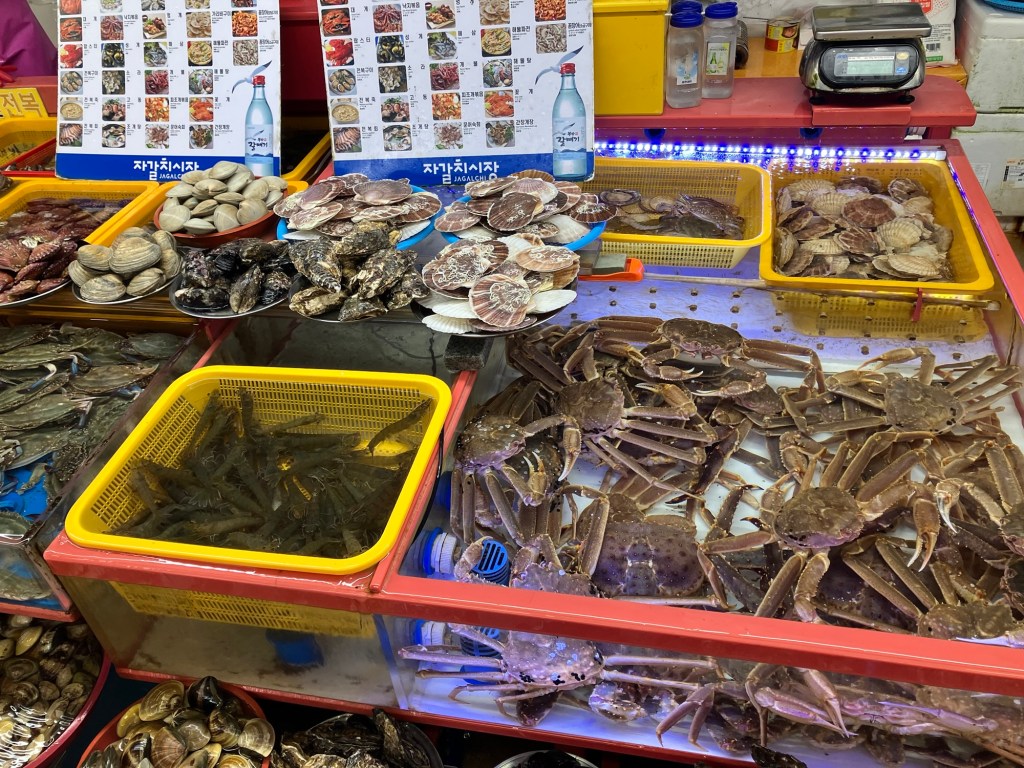
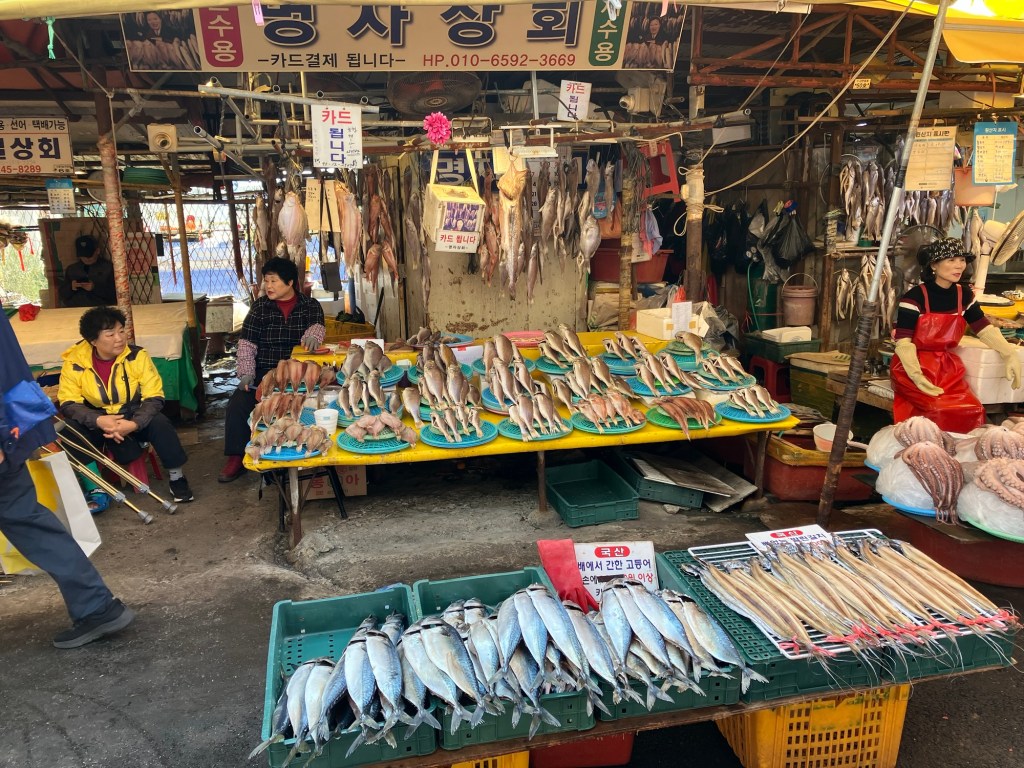
Jalgachi market
Jalgachi market

In addition to fish and seafood the city serves excellent Chinese dumplings at restaurants such as Shinbalwon (known for 60+ years of handmade, popular dumplings) and Janaseonghyang (famous for large, crispy fried dumplings, the restaurant was featured in the film ‘Old Boy’). Both restaurants are in Chinatown, opposite the main train station.
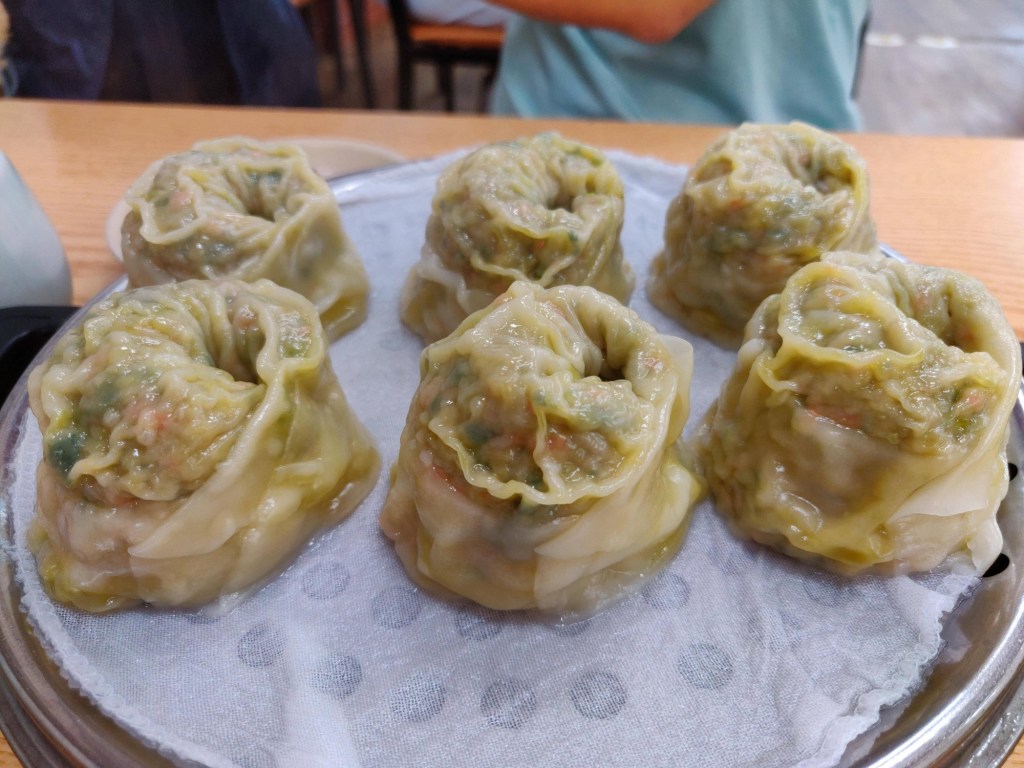
Shinbalwon dumplings

We tried Dwaeji Gukbap, a cloudy pork soup served with rice on the side and a tray of condiments including shrimp paste, chives, and pepper. We also ate Milmyeon, an icy broth for which the city is especially known. The dish is very popular way to both cool down and nourish during the foetid heat of a Korean summer. Milmyeon, made of wheat and potato starch noodles was born out of post-war scarcity in the 1950’s when , the more traditional buckwheat noodles were substituted for the latter. Post-war scarcity reshaped Korean cuisine. In the 1950s, wheat flour and starch from U.S. military aid were more accessible than traditional ingredients, while buckwheat remained familiar and adaptable. Milmyeon emerged as a pragmatic hybrid—stretching buckwheat noodles with American supplies to recreate Pyongyang-style cold noodles in the South.
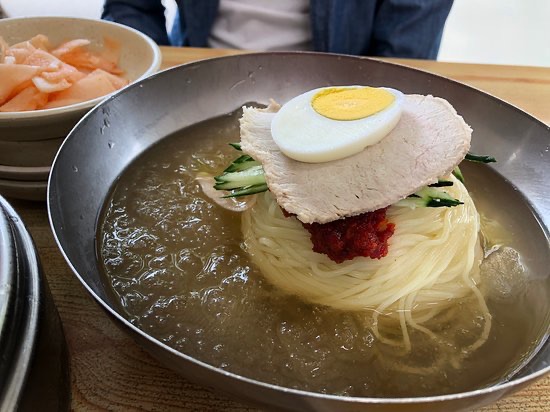
Milmeyon

In fact the years following the Korean War, food in South Korea was defined by scarcity. Farmland had been destroyed, supply chains were broken, and hunger was widespread. In this environment, U.S. Army rations—originally intended for American soldiers—began to play an unexpected role in Korean everyday life.

Canned goods such as Spam, hot dogs, corned beef, baked beans, powdered milk, and margarine entered local markets through U.S. military aid, nearby base economies, and informal resale. These foods were unfamiliar and highly processed, but they were calorie-dense, reliable, and available when traditional ingredients were not. Koreans adapted them using familiar seasonings like kimchi, garlic, gochujang, and chili flakes, creating entirely new dishes rather than simply copying American food.

The most famous example is Budae Jjjigae, or “army base stew.” Made with Spam, sausages, canned beans, and noodles, combined with Korean spices and broth, the dish emerged as a practical solution to hunger. For decades, it carried associations of poverty and dependence on foreign aid. Today, however, Budae Jjigae is a popular comfort food, rebranded as a nostalgic classic and served in restaurants across Korea.

Budae Jjjigae

Beyond individual dishes, U.S. rations helped introduce new flavor profiles—saltiness, sweetness, fat, and dairy—that were less common in traditional Korean cuisine. They also familiarised consumers with processed and shelf-stable foods, contributing to the rise of instant noodles, factory-made sausages, and quick meals during Korea’s rapid industrialization from the 1960s onward.
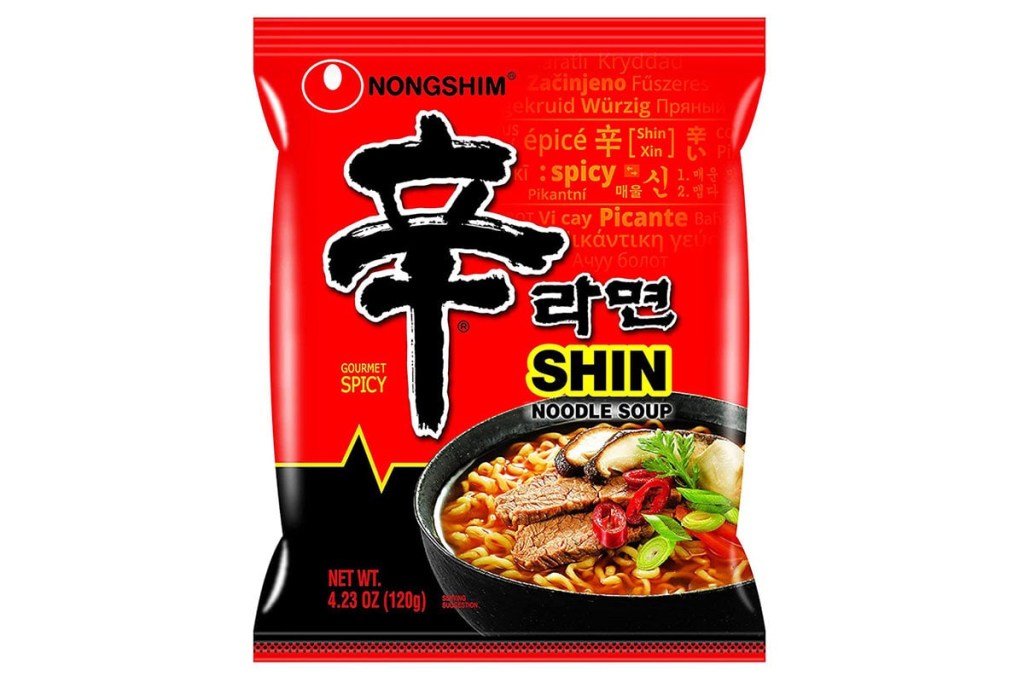
The ever popular Korean instant noodles

What began as wartime survival food ultimately became part of Korea’s modern culinary identity. The influence of U.S. Army rations reflects not imitation, but adaptation—showing how Korean cuisine absorbed hardship and transformed it into something enduring and distinctly its own.

When people talk about American influence in Korea, the conversation often stops at spam, PX snacks, and camptown diners. But the U.S. military presence left far deeper cultural footprints—especially in music and film — that still ripple through Korean popular culture today.

Beginning in the late 1940s and exploding after the Korean War, U.S. bases became unlikely incubators for Korean popular music. AFKN (American Forces Korea Network) radio blasted jazz, blues, country, and early rock ’n’ roll across the peninsula—sounds largely unavailable elsewhere. Korean musicians played in base clubs to earn steady pay, learning Western instruments, harmonies, and stagecraft firsthand. Groups like The Kim Sisters cut their teeth performing for American soldiers before becoming international acts, while artists such as Shin Joong-hyun, later called the “godfather of Korean rock,” absorbed psychedelic rock and soul through base gigs. This pipeline helped shape everything from Korean rock in the 1960s to the DNA of modern K-pop performance, the latter dominating Asia and much of the world.
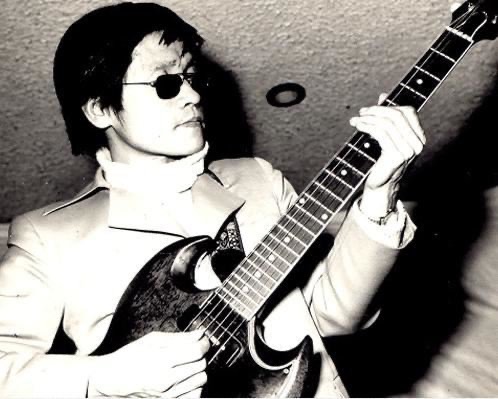
Shin Joong-hyun

Film influence was just as lasting. U.S. military bases regularly screened Hollywood movies—often on 16mm prints—exposing Korean directors, writers, and technicians to genres like noir, westerns, war films, and melodramas. These weren’t just entertainment; they were informal film schools. Editing rhythms, shot composition, and narrative tropes seeped into Korean cinema during its rebuilding years. American war films and later New Hollywood realism influenced how Korean filmmakers portrayed masculinity, conflict, and trauma. Even the dark humor and institutional critique seen decades later can trace a line back to works like MASH*—a U.S. film about Korea that Koreans watched with complicated fascination.

MASH cast

Beyond screens and stages, the U.S. army left behind a cultural transmission system: radios, projectors, records, and rehearsal spaces. Korea didn’t simply copy American culture—it absorbed, reworked, and ultimately transformed it, nowhere more so than in Film, a creative sector the country excels in. 

In recent years Korean cinema has enjoyed a remarkable surge in global visibility and influence, driven by both artistic achievements and broader cultural momentum. Films like Parasite helped break major international barriers by winning top accolades such as the Academy Award for Best Picture, establishing Korean filmmaking as a serious contender on the world stage rather than a niche curiosity. Korean films are now distributed widely, reaching audiences in over 130 countries, and directors such as Bong Joon-ho and Park Chan-wook are household names in global auteur circles.  
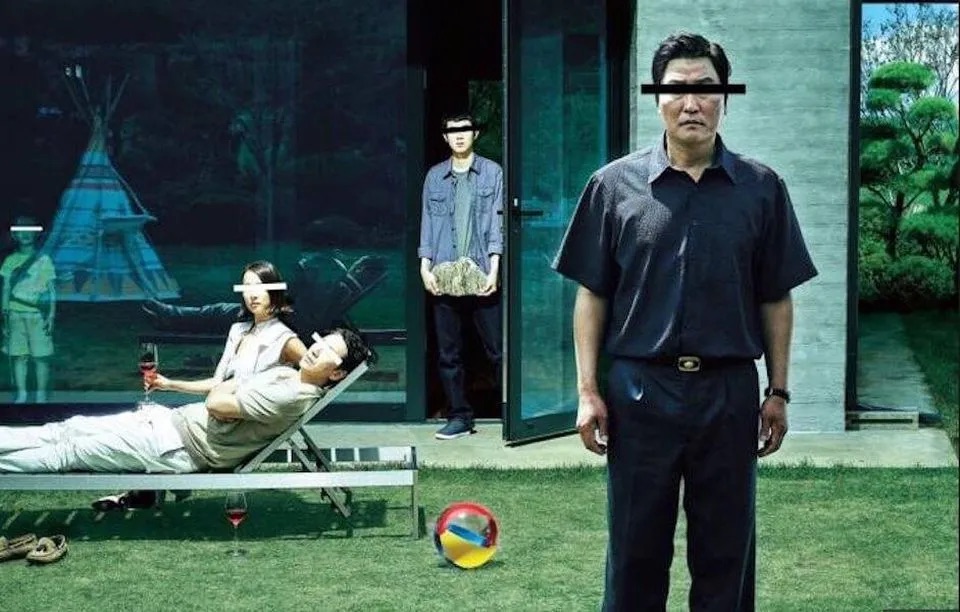
Parasite

A key part of this rise has been the Busan International Film Festival (BIFF). Founded in 1995, Busan has grown into one of Asia’s premier film festivals, acting as a bridge between Korean, Asian, and international cinema. It brings thousands of industry professionals, critics, and cinephiles together, showcasing hundreds of films each year — including world premieres and independent works that might otherwise struggle to gain attention.  

Busan’s strategic evolution — such as introducing competitive sections, spotlighting Asian voices, and expanding market platforms like the Asian Contents & Film Market — has helped position Korean film within global industry networks. This exposure not only elevates Korean filmmakers but also fosters co-productions, distribution deals, and cultural dialogue across borders.  BIFF has played a central role in raising Korean cinema’s international profile by serving as a high-visibility showcase, a business hub for industry deal-making, and a cultural meeting point that draws attention far beyond Korea’s domestic market. 
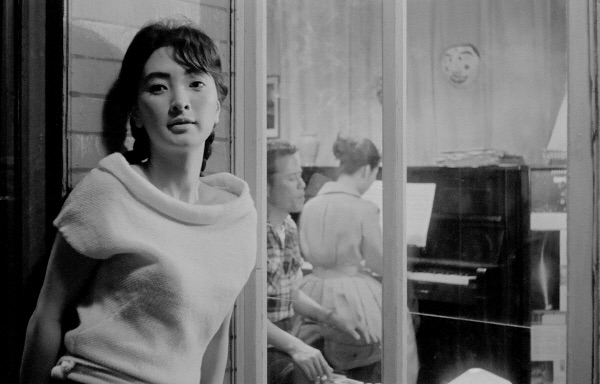
The Housemaid (1960)

The following Korean films are recommended viewing in our opinion.

The Housemaid (1960) – Kim Ki-young

A manipulative housemaid gradually destroys the fragile middle-class family that hires her.

Oldboy (2003) – Park Chan-wook

A man imprisoned for 15 years without explanation is suddenly released and seeks revenge on whoever ruined his life.

Parasite (2019) – Bong Joon-ho

A poor family infiltrates the lives of a wealthy household through deception, exposing brutal class inequality. 

Decision to Leave (2022) – Park Chan-wook

A detective investigating a suspicious death becomes emotionally entangled with the victim’s enigmatic wife.

Bleak Night (2010) – Yoon Sung-hyun (BIFF-discovered indie)

A father retraces his son’s final months and uncovers the toxic friendships that led to the boy’s tragic death.

The 31st Busan International Film Festival takes place from October 6th to 15th 2026.

부산은 좋아요

Manchester, Hong Kong and Jamaica

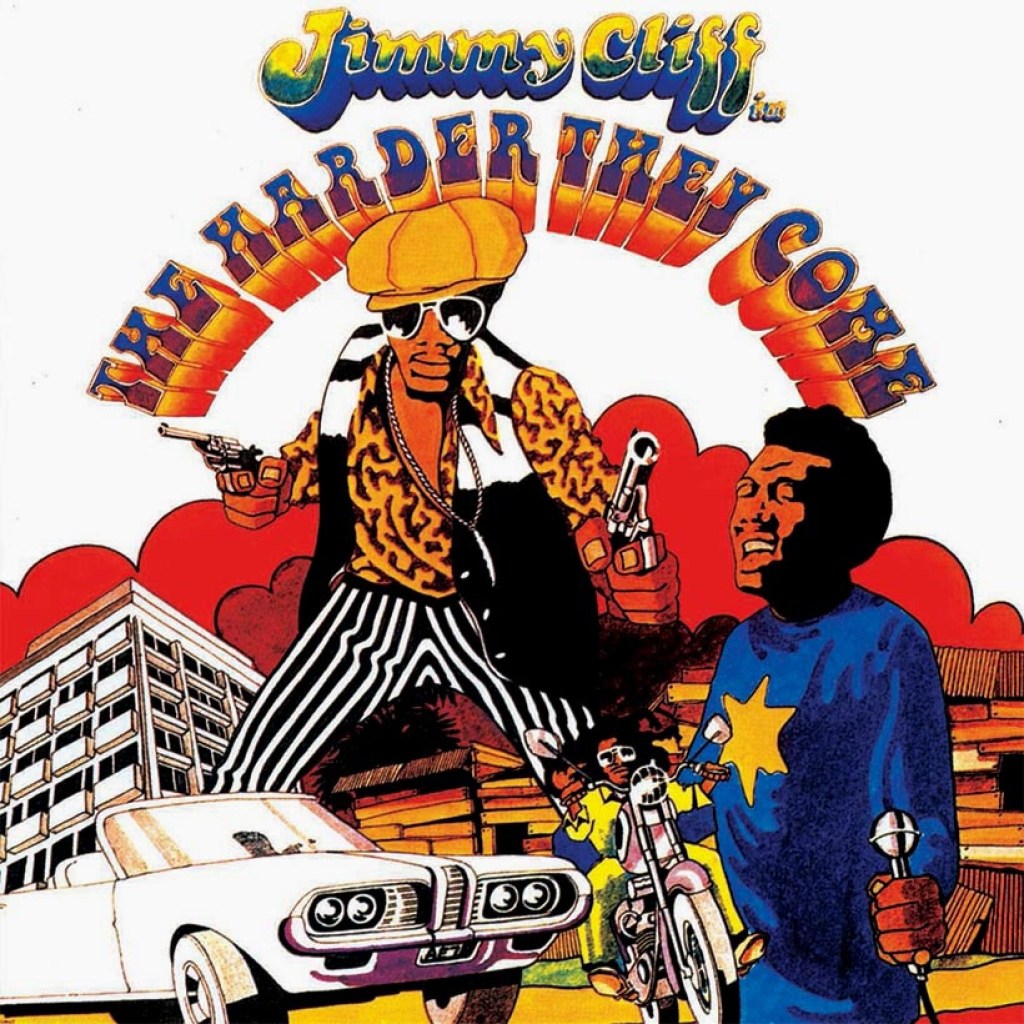
The soundtrack of this seminal Jamaican film was produced by Leslie Kong

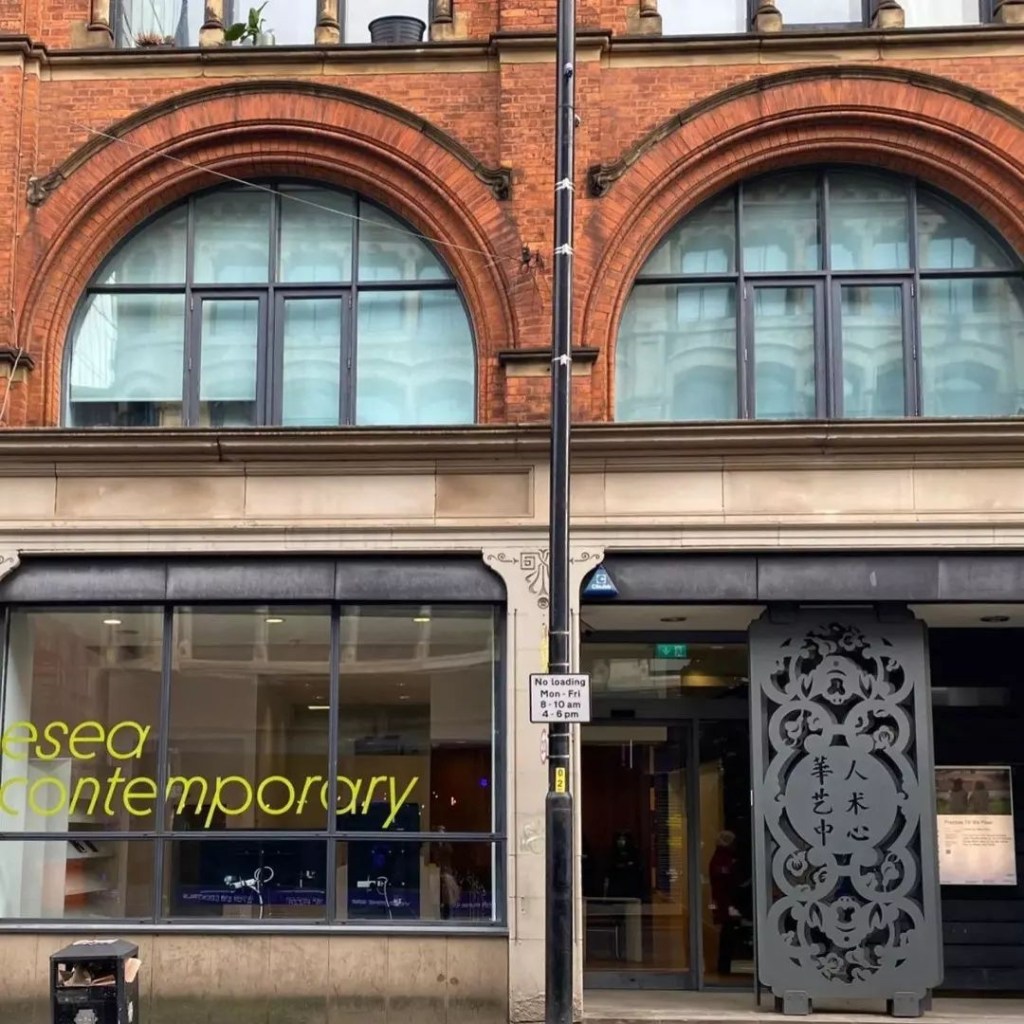
ESEA Contemporary is an art gallery in Manchester in the North of England that specializes in presenting and platforming artists and art practices that are informed by East and Southeast Asian (ESEA) cultural backgrounds. It is located in an award-winning building in the Northern Quarter part of the city and it is home to a diverse range of exhibitions, events, and educational programs that explore the unique perspectives and experiences of ESEA artists. ESEA Contemporary was previously known as the Centre for Chinese Contemporary Art, but it underwent a major rebranding in 2022 to better reflect the diverse range of cultures and identities represented by the artists it works with.

ESEA Contemporary Chinese Arts

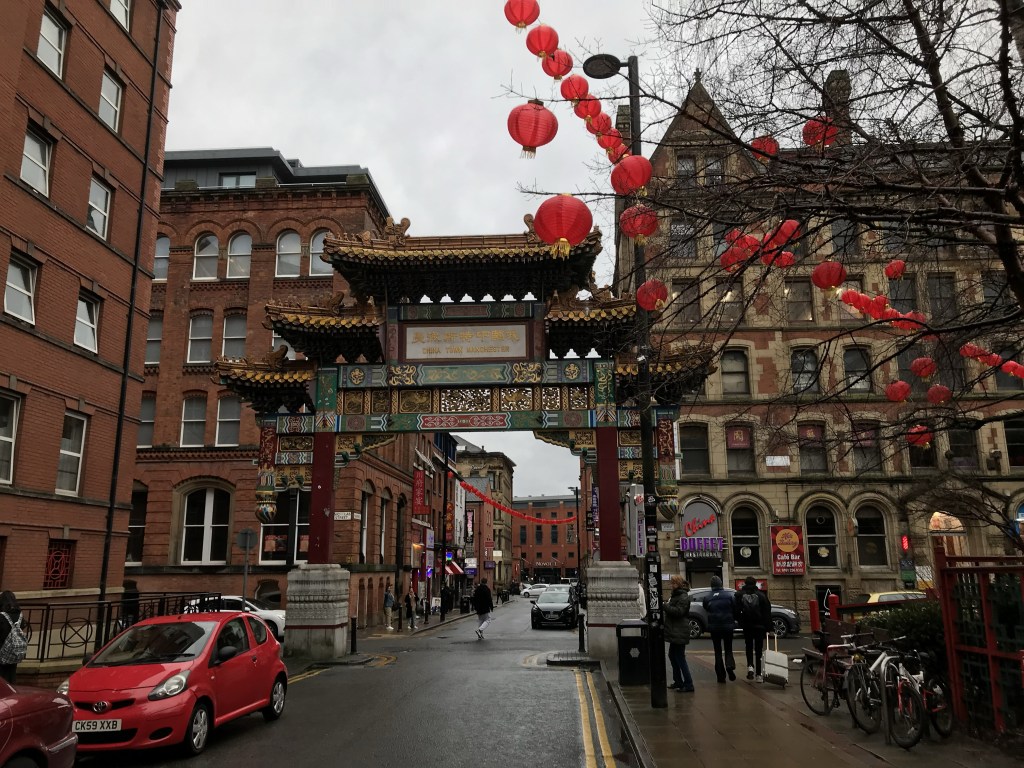
Manchester has a significant Chinese community, and it has been a hub for Chinese immigration to the UK for many years. The city’s Chinatown is one of the largest in Europe, and is home to many restaurants, shops, and cultural institutions. The Chinese community in Manchester is very diverse, with people from different regions of China and different generations, and they have made a significant contribution to the city’s culture and economy. There are also several Chinese community organizations and cultural events, such as the annual Chinese New Year celebrations, which help to promote Chinese culture and traditions in the city.

Chinatown in Manchester under the grey skies

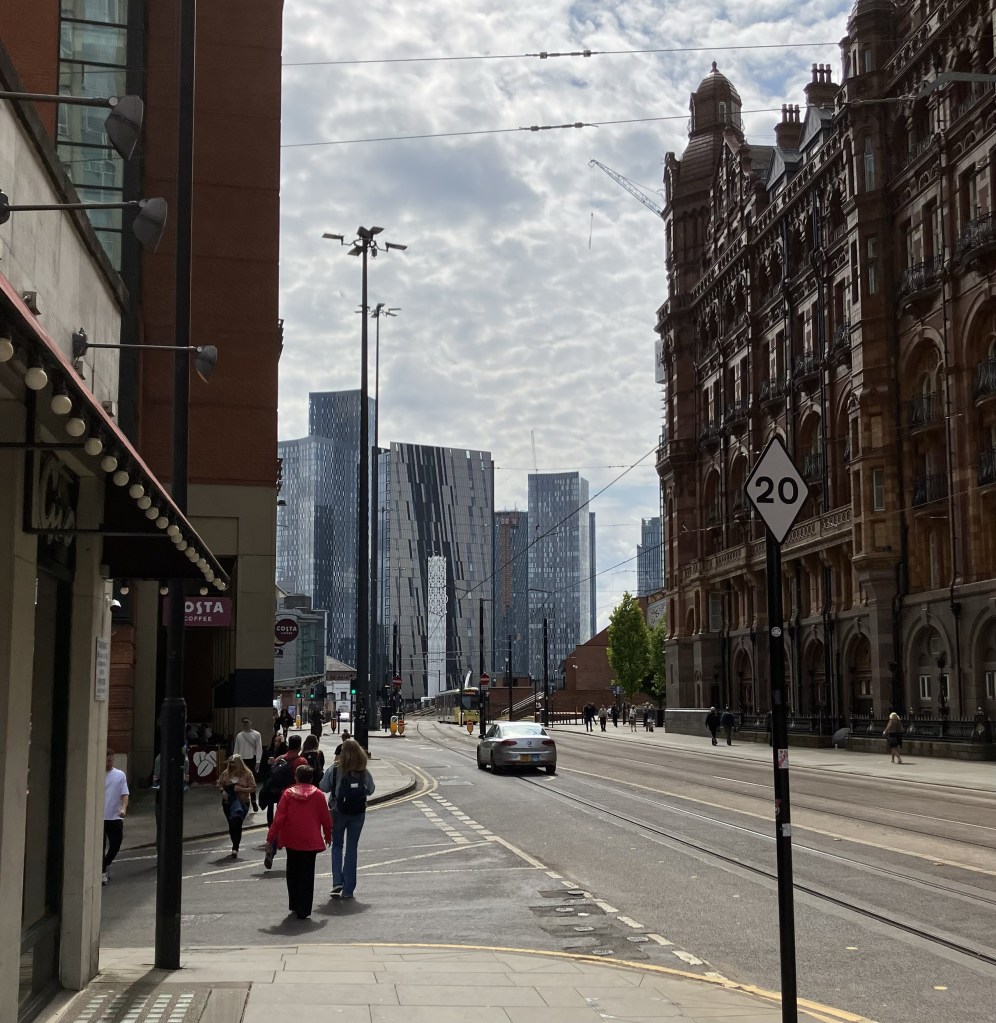
In addition, there has been significant Chinese investment in Manchester in recent years. China has been looking to expand its investment in the UK, and Manchester has been one of the key targets for investment. One of the largest investments has been in real estate development, with Chinese firms investing in luxury apartments, office buildings, and mixed-use developments in the city. Chinese companies have also invested in infrastructure projects, such as transportation and renewable energy, in the Manchester area. There has also been investment in the education sector, with Chinese companies supporting local universities and colleges.

A growing skyline

There had also been a significant influx of people from Hong Kong settling in Manchester in recent years. In fact, Manchester is now considered one of the top destinations for Hong Kong migrants in the UK. The UK government has also created a new visa scheme specifically for Hong Kong residents which has made it easier for them to move to the UK, including Manchester and other parts of the North West such as Liverpool, bringing their culture and art with them and enriching their adopted homeland accordingly.

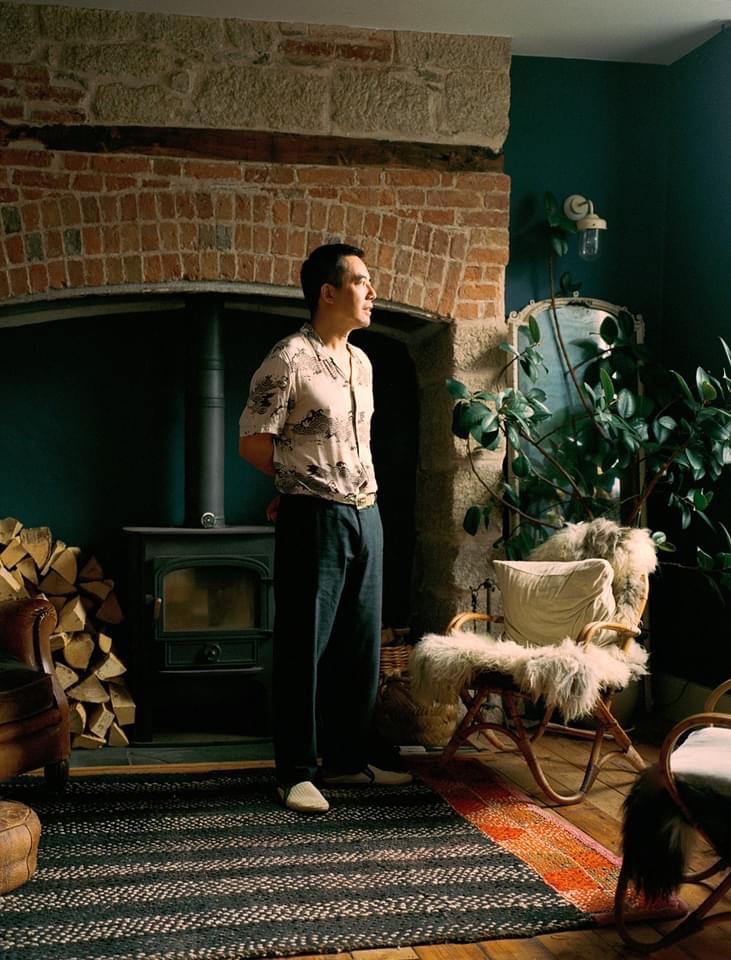
Artist Dinu Li

Dinu Li is an artist who was born in Hong Kong and who currently lives and works in Cornwall, UK. He graduated with a degree in photography from Liverpool John Moores University in 2001. Li’s work often explores the intersection of personal and cultural histories, and he works across a range of media, including moving image, photography, installation, and performance. He is particularly interested in how history and memory are constructed and how they can be reinterpreted through art. His work has been exhibited internationally, and he has had significant artistic recognition for his work.

Li is currently exhibiting at ESEA (‘A Phantom’s Vibe’).

The exhibition’s guide pamphlet provides the following background information:-

Li’s work in the exhibition, combines autobiographical allegories with a tapestry of cultural influences. Visitors are taken from the night markets of Hong Kong to the blues parties of Hulme* and Moss Side* via Jamaican recording studios, owned by the descendants of Chinese indentured labourers**. The reggae classic ‘Always Together’ *** runs through the heart of the exhibition, where music becomes a medium for cultures to meet, mix, and become hybrid.

Dinu Li, Reggae
and Hong Kong
Dinu Li, Reggae
and Hong Kong
Dinu Li, Reggae
and Hong Kong

As a child wandering through the working – class districts of Hong Kong, Li overheard ‘ Always Together’*** by Stephen Cheng mistaking it for a Chinese folk classic. Years later, this song, unexpectedly, repaired, like a phantom at one of the inner–city blues parties**** Li frequented during his 1980s, Manchester youth, and decades after that, the song once again re-emerged on YouTube. The song soundtracks Dinu Li’s exhibition.

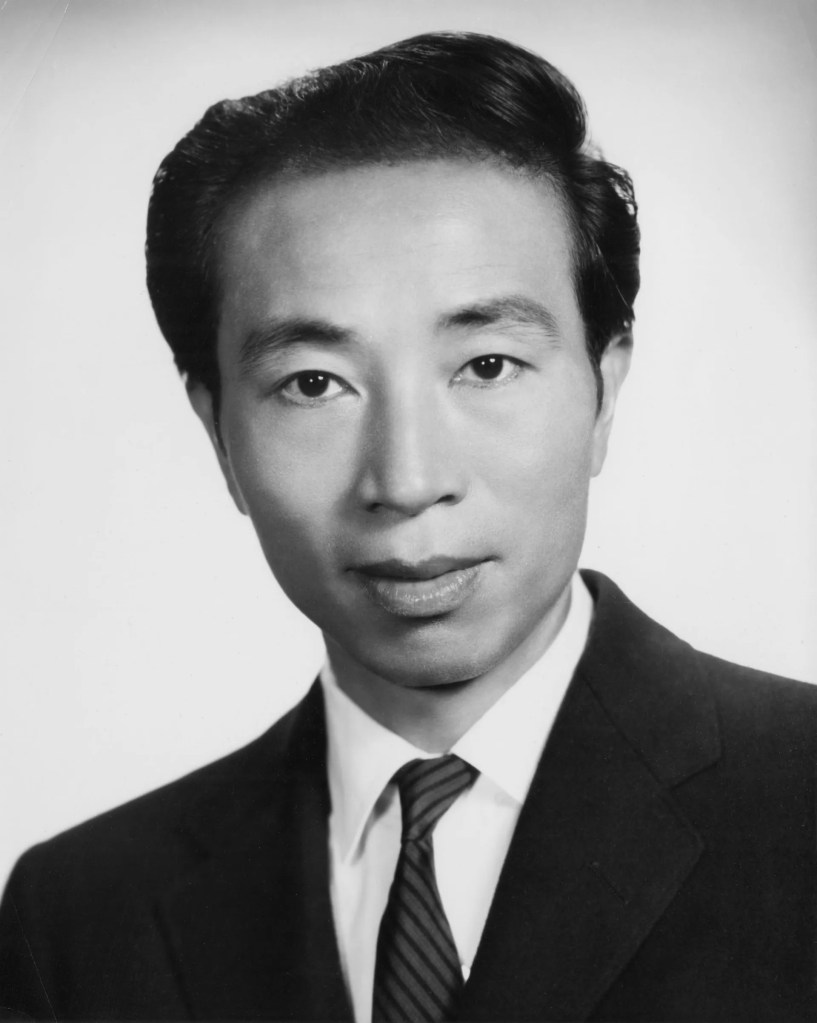
Stephen Cheng

It wasn’t until much later that Li learned that the song was actually recorded in Jamaica in 1967, in one of the small number of Chinese recording studios*****, some of which helped shape the sounds of key artists such as Dennis Brown and Augustus Pablo. Through his work tracing the history of early reggae, Li’s exhibition,’ A Phantom’s Vibe’, serves as a means of unearthing, the underrepresented history of the Chinese in Jamaica, subverting mainstream cultural hegemony.

*Hulme and Moss Side are districts of Manchester where many members of the city‘s Afro-Caribbean community live.

** Chinese people first started coming to Jamaica around 1850 when they arrived on the island mostly as indentured labourers, brought by the British from China to work on the sugar plantations to replace the unpaid labour of the island’s black population following the end of slavery. Indentured labour is a form of debt bondage whereby the labourer ‘agrees’ to work for no pay for a number of years to pay off the cost incurred in their migration to the Caribbean.

*** ‘Always Together’ is a reggae record recorded in 1967 in Jamaica, by the Chinese singer Stephen Cheng (misspelled as ‘Chang’ when the record was released). The song is unusual because although the title is in English, the song itself is sung in Chinese with the lyrics originating from “Alishan Girl,” a Taiwanese folk song, which dates back to the 1940s. The track was put together by Stephen Cheng and the Jamaican musician and producer Byron Lee (himself of a Jamaican Chinese background) when Cheng visited the island from his home in New York.

**** after hours parties often playing reggae in peoples homes or basements etc.

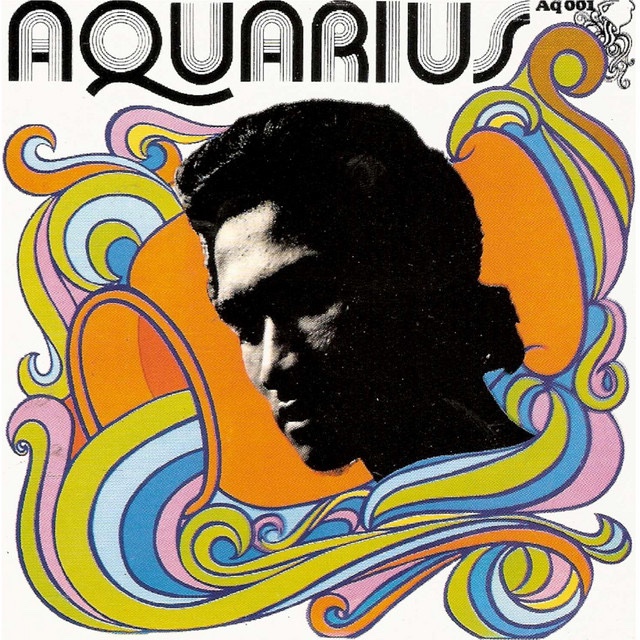
***** several Jamaicans with Chinese roots played a key part in the development of the island’s beloved popular music, reggae and it’s older sister, rock steady. They established some of the first record shops and studios on the island, providing a platform for emerging reggae artists to record and distribute their music. Jamaicans of Chinese origin in the music industry included Vincent and Patricia Chin who created the influential VP Records, Leslie Kong of Beverley’s Records (the producer of the legendary soundtrack to ‘The Harder They Come’), Herman Chin-Loy of Aquarius records (who produced what was arguably the first dub album, ‘Aquarius Dub’ in 1974) and the Hookim brothers who owned Channel One studios where they created the radical ‘rockers’ sound which dominated the Jamaican music scene in the late 1970’s.

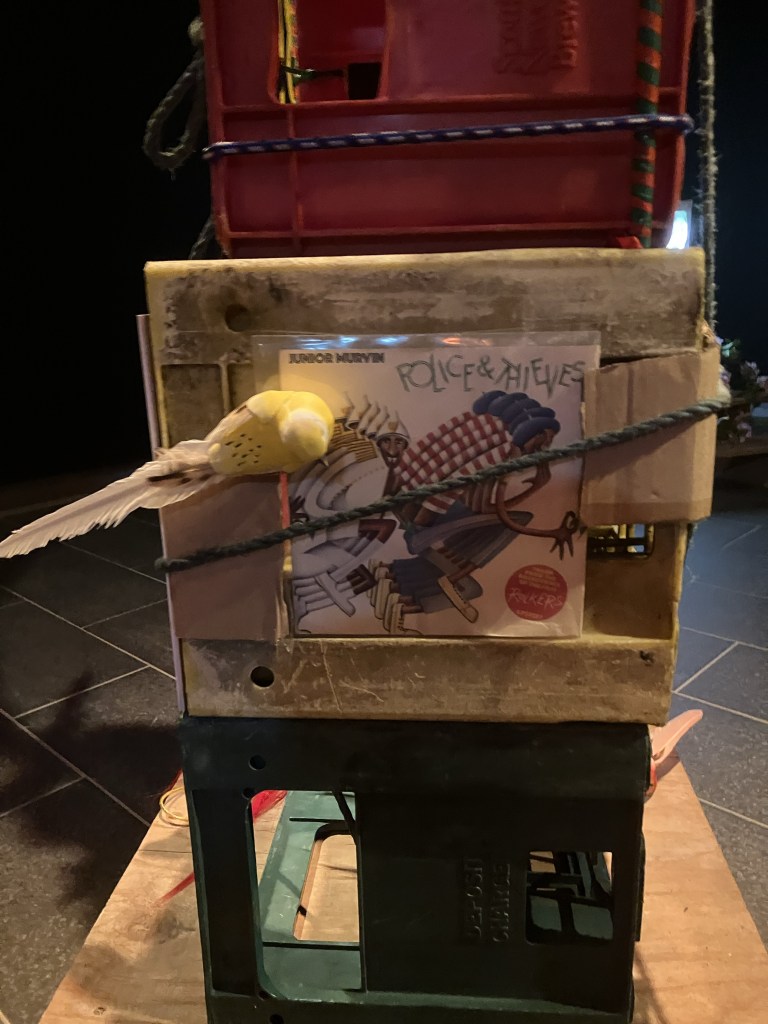
The Hookim brothers at Channel One produced this rockers classic in 1976
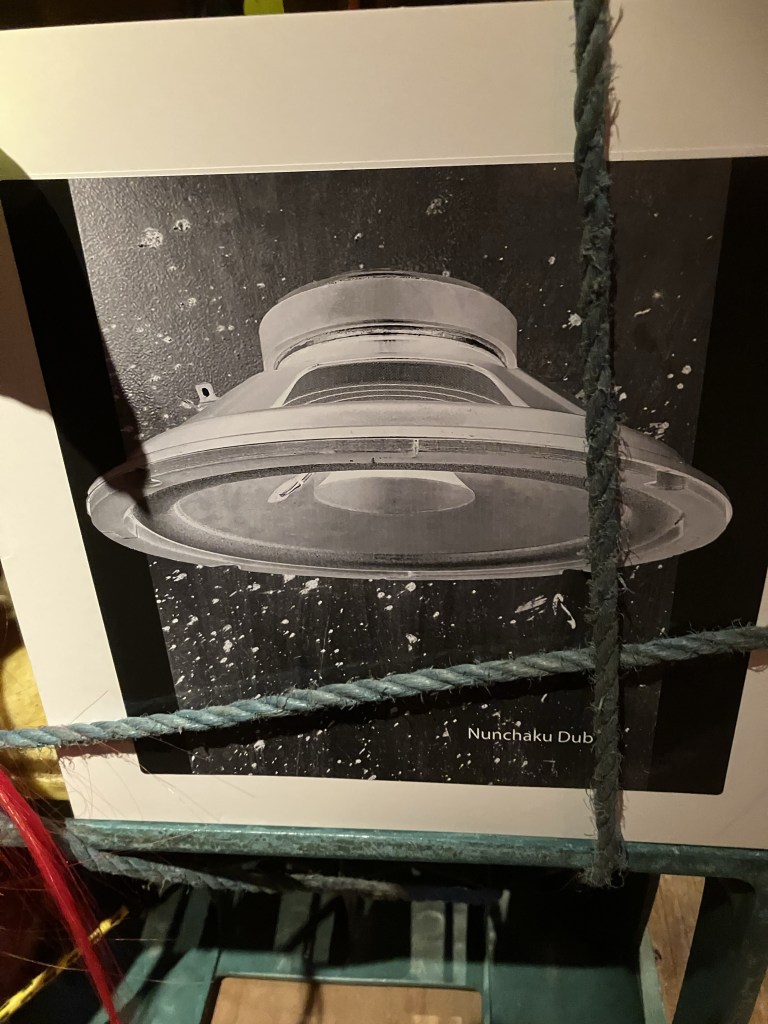
Herman Chin-Loy created arguably the first ever Dub album in 1974

The installation highlights how the music and culture of reggae have been adapted and reinterpreted in Hong Kong, and how they have provided a means for people to express their identity and resistance in the face of colonialism.

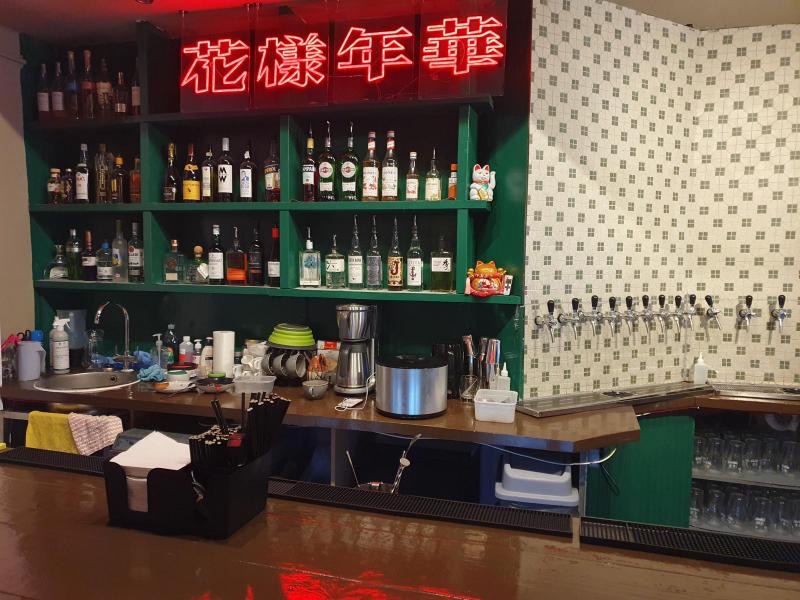
Harcourt bar in South Manchester

The Harcourt bar in southern Manchester is named after Harcourt Road in Hong Kong. This road is in turn named after Sir Cecil Harcourt, who was a British colonial administrator in Hong Kong in the early 20th century. The bar is inspired by Hong Kong culture and cuisine, and the menu features authentic Hong Kong street food. It has picked up justifiably rave reviews.

The bar was created and opened by a married couple from Hong Kong, Priscilla So and Brian Hung. They were inspired by their experience working in the craft beer industry, as well as their love of Hong Kong culture. The bar is designed to be a modern take on a traditional Hong Kong-style pub, with a focus on craft beer and Hong Kong-inspired food. The bar offers a variety of Hong Kong-style dishes, including bars snacks prawn toast and smashed cucumber as well as a wide selection of craft beers.

Before opening the bar, Brian took up a position as a barrel ageing manager for the independent Manchester based Cloudwater brewery. The bar wisely stocks, a range of award winning Cloudwater beers (see https://cloudwaterbrew.co).

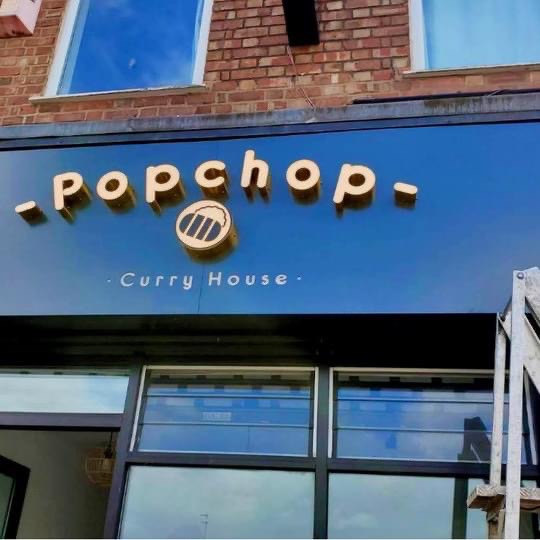
Popchop in East Manchester

The influence of emigres from Hong Kong on Manchester’s food scene continues apace with the likes of Popchop Curry House in the east of the city. Popchop serves up Hong Kong style curried meats and rice to a fanatical clientele. The owner came to Manchester from Hong Kong a couple of years ago, His recipes are based on his father’s renowned restaurant Sun King Yuen in the Wan Chai district of Hong Kong which is which is famous for its curry dishes.

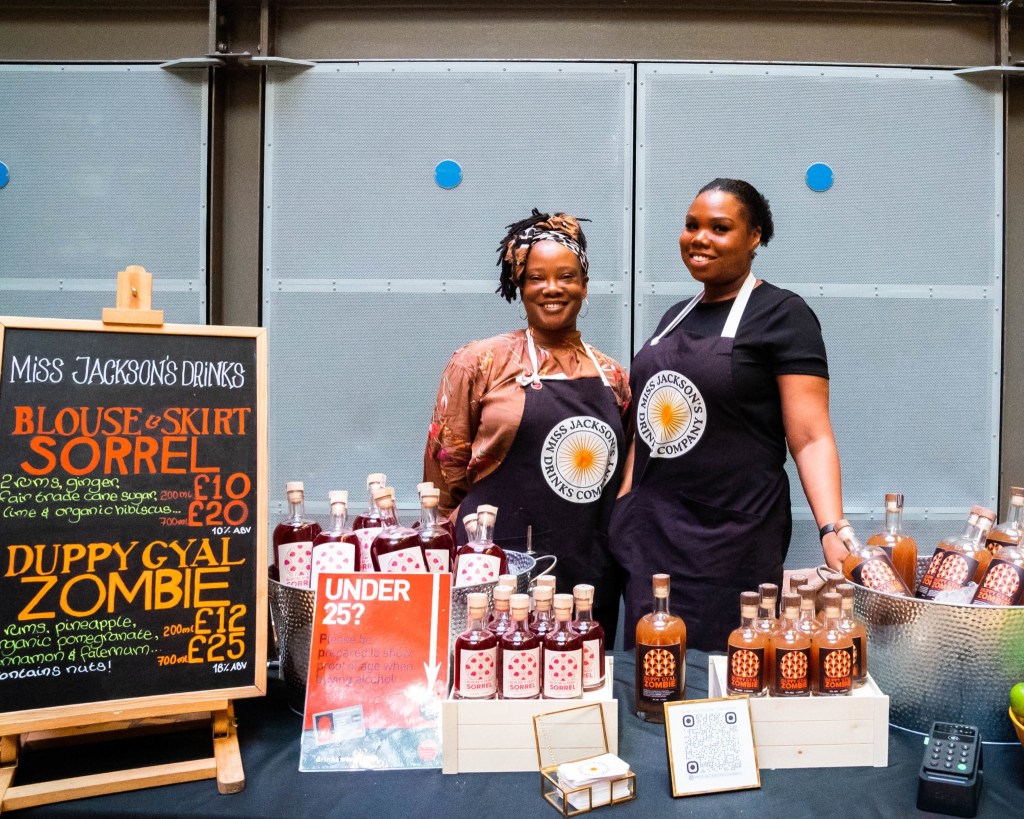
And turning to the Caribbean influence on food culture in the city we must mention Miss Jackson’s Drinks Company, a relatively new venture based in Manchester which was set up by two sisters.

‘Miss Jackson’s Drinks’

Their website at https://www.missjacksonsdrinks.com comments:

‘The story starts with us, two Jackson sisters from South Manchester. Inspired by our Caribbean heritage, we sustainably source the bright flavours of Jamaica and shake them down with premium spirits’

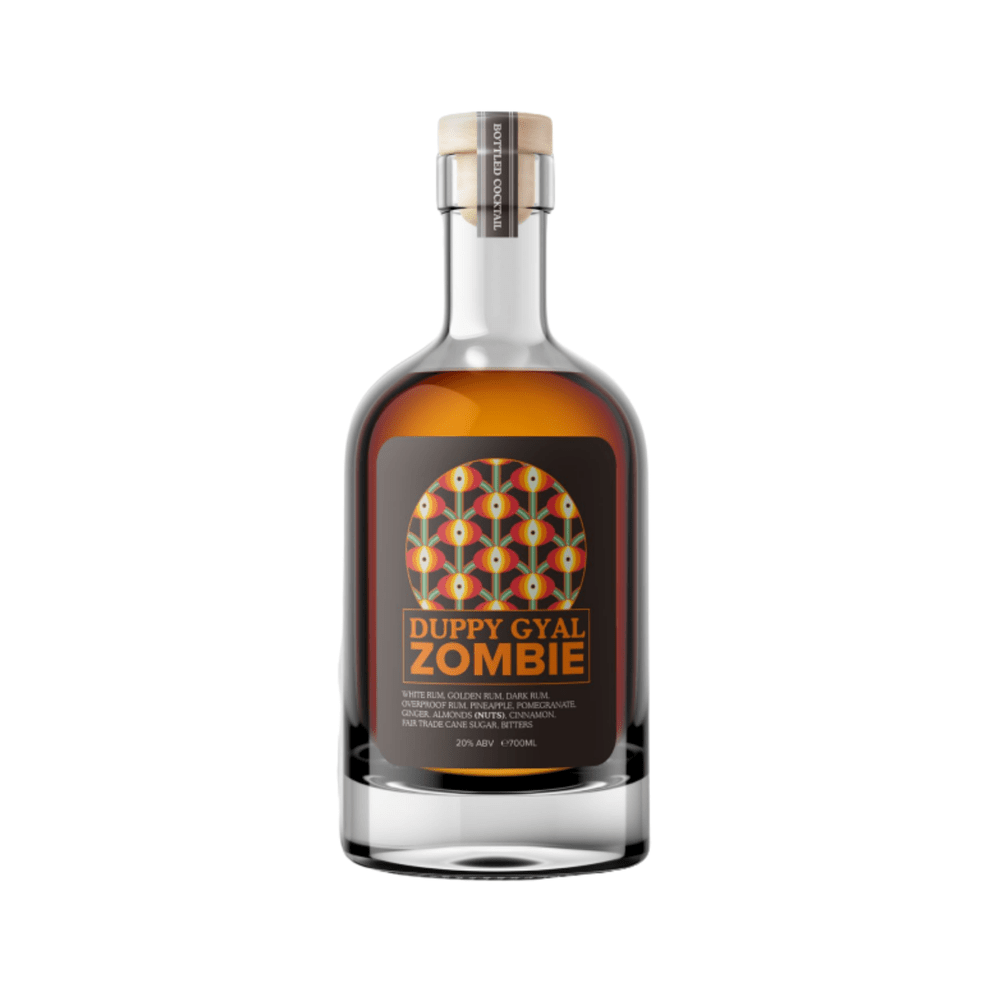
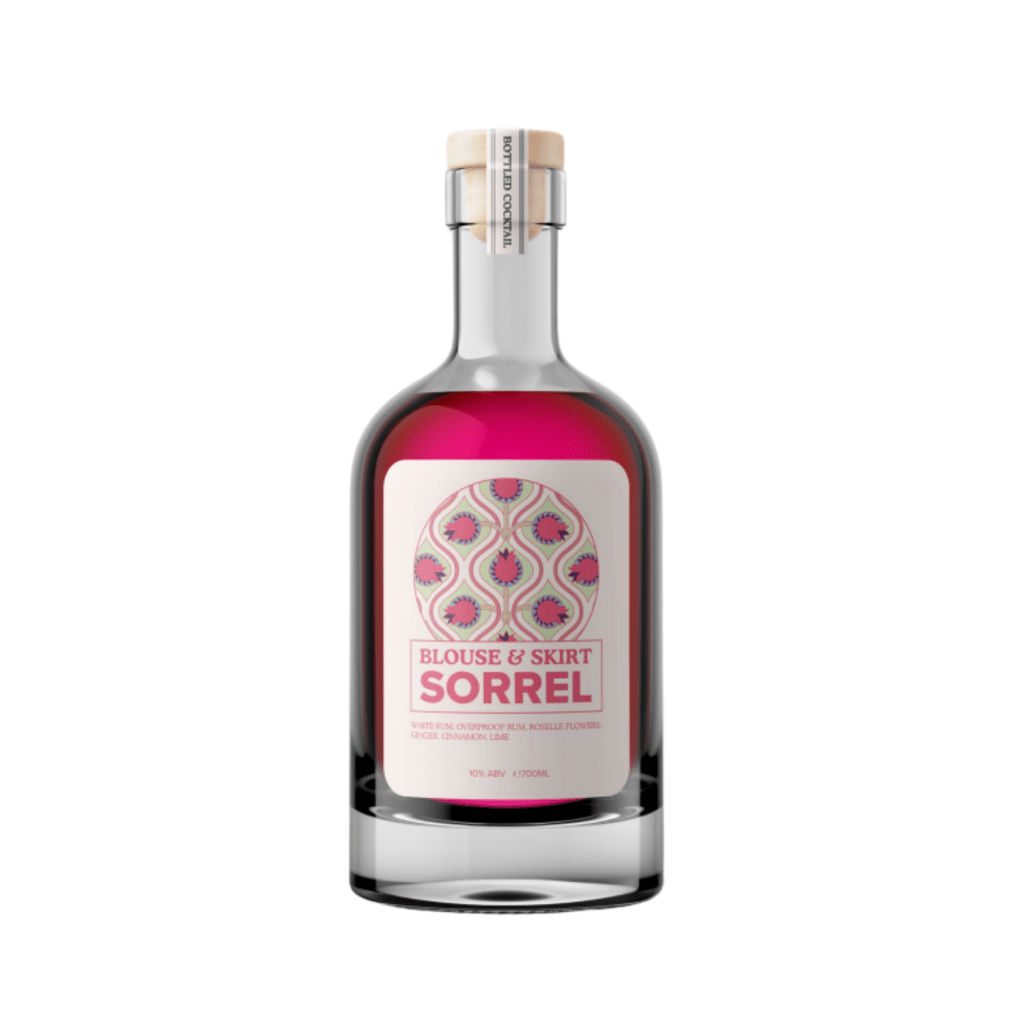
The sisters have created and marketed two liqueurs to date, Duppy Gyal Zombie and our favourite, Blouse and Skirt Sorrel.

Duppy Gyal Zombie

Duppy Gyal Zombie is a combination of different rums with limes, pomegranate juice, pineapple and bitters.

Blouse & Skirt Sorrel

Blouse and Skirt Sorrel is a combination of different rums, ginger, lime juice, cane sugar and of course, Sorrel. In Jamaica, ‘Sorrel’ are the dried flowers used to make a type of sweet hibiscus tea commonly made from the Roselle flower which is popular throughout the Caribbean and West Africa where the ‘red tea’ made from the flowers originates.

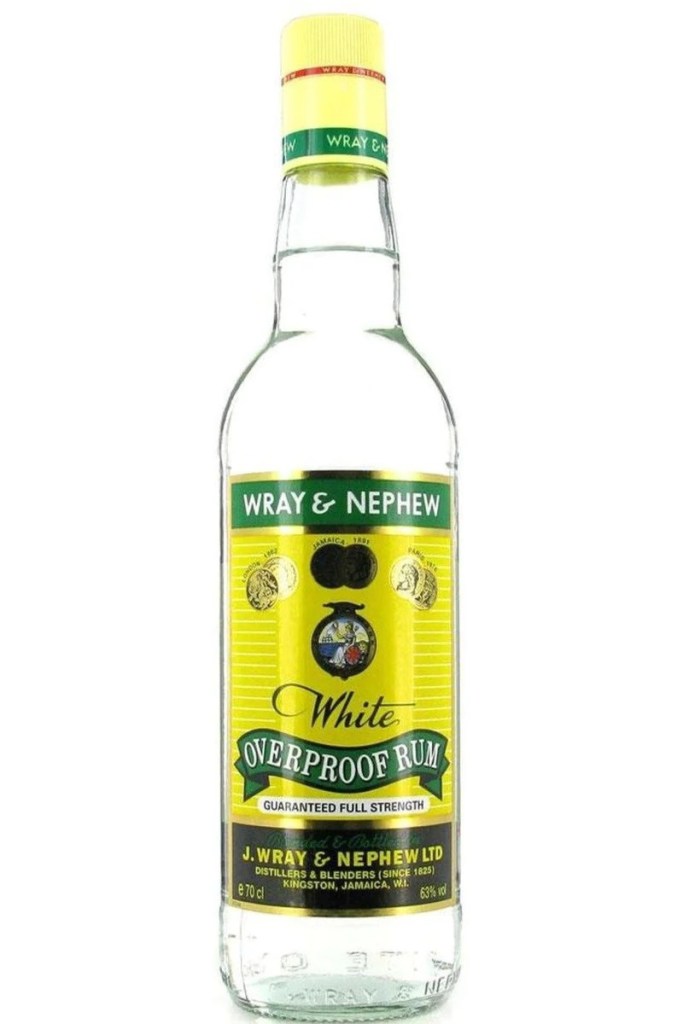
Overproof Jamaican rum

‘Take her to Jamaica where the rum come from

The rum come from, the rum come from

Take her to Jamaica where the rum come from

And you can have some fun’

THE BANDIT KING

Lampião, o Rei do Cangaço

Lampião

The Sertão is the name given to the vast arid hinterland of the North East of Brasil. Notable for its semi-arid conditions, poverty, cactus and scrub, the North East in general has had a vivid and important impact on Brasilian popular history and culture including of course the legend of Lampião, ‘O Rei do Cangaço’.

The backlands of North East Brasil

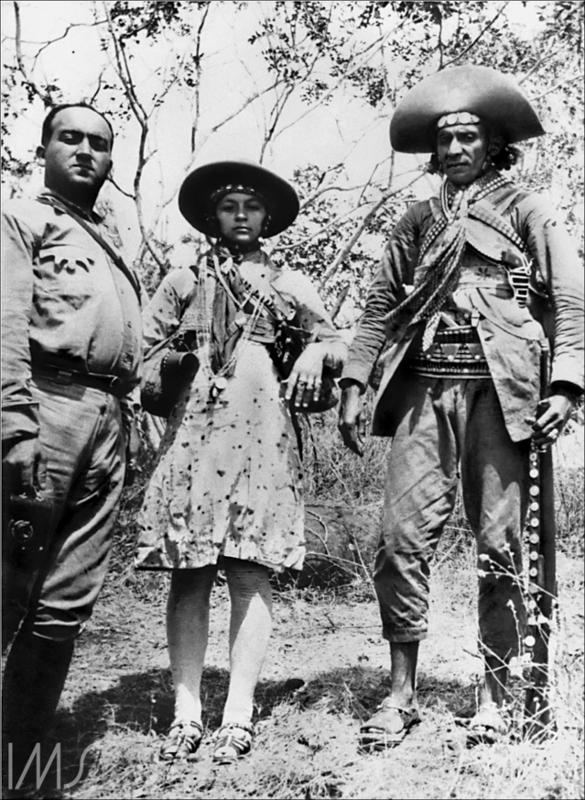
The Sertão was home to the ‘cangaços’, gangs of bandits who roamed the backlands of the North East in the earlier part of the last century attacking landowners and stealing from the wealthy in particular. They were known for their ferocity towards those they robbed and plundered as well as their apparent generosity towards the poor, despite widespread torture and murder of their victims. It is this role as ‘social bandits’ rather than as wild outlaws that the cangaçeiros  are best remembered in modern day Brazil. The best known of the cangaceiros was Virgulino Ferreira da Silva, known to everyone as ‘Lampião’. Together with his girlfriend and fellow gang member Maria Déia aka ‘Maria Bonita’ (‘Pretty Maria’) they roamed the Brazilian backlands with the gang from the 1920’s until their deaths in 1938,  four years after the deaths of their counterparts in the US, Bonnie Parker and Clyde Barrow, ‘Bonnie and Clyde’. Just like that Texan couple, Lampião and Maria would be eulogised in film and song across the ages.

Cangaços with Lampião and Maria Bonita in the centre

The first (and most interesting) film about Lampião and his gang (‘Lampião, o Rei do Cangaço’ – ‘Lampião, the King of the Bandits’) was made in 1937 by Benjamin Abrahão. He had been born in Lebanon but later moved to Brasil. He met Lampião in 1926 via Cícero Romão Batista aka ‘Padre Cícero’, the spiritual leader to the people of the North East of Brazil. A legendary figure in his own right, Padre Cícero was highly trusted by the deeply religious Lampião who he persuaded to allow Abrahão to meet and photograph the gang. Although very cautious, Lampião was intrigued by the possibility of meeting Abrahão, being photographed and having the chance to more widely publicise his highly stylised gang. Lampião was already image concious by this time, handing out business cards and images of the gang to admirers.

Abrahão, Maria Bonita and Lampião

Abrahão initially took photographs of a suspicious Lampião and his wary band and then when trust had been established, filmed them out in the Sertão. The resulting silent film ‘O Rei do Cangaço’ was originally two hours long but only less than 15 minutes of film stock remains.


The film was a great success upon its release. in Brasil but it was soon seized under the directions of the then President Getúlio Vargas and it more or less disappeared from view until 1955 when its remaining stock was restored and released nationwide, the film being only ten minutes long. Then in 2007, Cinemateca Brasileira (the national organisation responsible for the restoration and distribution of important audio visual material) restored and re-edited the available film stock and organised the release of some 14 minutes of film. It is this version, O Rei do Cangaço by Benjamin Abrahão, which can be seen on YouTube at https://www.youtube.com/watch?v=lmqd-ijH2cQ.

At a makeshift camp in the harsh Sertão the cangaçeiros are seen resting, using a sewing machine, praying at a makeshift altar, skinning and eating a cow and undertaking a mock skirmish etc.  Lampião is clearly visible as is another key member of the gang, the cruel Corisco. Maria Bonita is filmed combing Lampião’s hair in one scene.

This image has an empty alt attribute; its file name is r.b3058b472cb7124871eec66dbcc3e2a1.jpeg
Corisco

At least two women are seen with the gang in the film including Maria Bonita, Lampãio’s girlfriend as well as Dadá, the lover of Corisco. The film maker Benjamin Abrahão is also clearly visible in some scenes, eating and drinking with the gang.

This image has an empty alt attribute; its file name is r.77e20bb60fb74e9092d96f019f4599cf.jpeg
Corisco and Dadá

The Cangaceiros are also seen dancing in the film. The dance most closely associated with the gang is the Xaxado, a popular North Eastern style which is still performed today.

Xaxado

Abrahão’s photographs and film helped fix the stylised image of Lampião and the cangaceiros in Brasilian popular culture.

Lampião and his gang

Each member is wearing leather outfits of a hat, jacket and jodhpurs/shirts tough enough to protect them from the thorns of the caatinga (dry shrubs and brushwood typical of the dry hinterland of the Sertão). Studded ammunition belts criss cross eash chest. The hats are half moon shaped and decorated with metals stars, fleur de lis, maltese crosses and other designs. The rifle slings are studded with silver coins and highly decorated cloth bags are draped from each shoulder. Long neckerchiefs tied with a silver rings are draped around each neck. Dark glasses are sometimes worn. The effect is startling and original and whilst the alleged ‘Robin Hood’ nature of the gang will no doubt have assisted in creating the Lampião myth, one cannot help but feel that its overall strong visual aesthetic contributed as great an impact to its ultimate longevity and influence in the popular imagination. We can see this in the culture of Zoot suits in Los Angeles in the 1940’s, the startling images of the Sex Pistols in 1970’s London (in clothes by the ground breaking Seditionaries) and the elevated dress sense of the Sapeurs of the Congo.

Sex Pistols and Seditionaries clothing

The strongest influences on popular culture, whether in Brasil or elsewhere, do not come from the elite. As the English writer V.S. Pritchett once commentated noted, ”the past of a place survives in its poor.” Although this comment was made by following his travels in Spain it applies elsewhere, no more so than Brasil with its reverance of the legend of Lampião.

Visit the North East of Brasil and referances to Lampião and his gang are ubiquitos. Whether in popular songs and films, the names of restaurants and bars to the classic woodcut prints of the Borges family, the cangaço and his gang are everywhere.

Severino Borges print

As a postscript to the film (which views like an epitaph), both Lampião and Maria Bonita were cornered shortly thereafter by bounty hunters and killed with nine other members of the gang. They were then decapitated, their heads were put on public display in the city of Piranhas in the North East state of Alagoas (the city had been attacked several times by Lampião and his gang) before ending up at the State Forensic Institute in Salvador, Bahia where they remained until burial in 1969. A graphic photograph of the severed  heads surround by decorated hats, weapons, bags and bandoliers, framed by two sewing machines is readily visible on the internet but it is not exhibited here. 

Two other members of the gang, Corisco and his girlfriend Dadá, were amongst those who escaped but were cornered by the authorities not long thereafter. Corisco was killed in the attack and Dadá lost a leg from her wounds. She survived until her death in 1994, the last member of the gang to die.

With the deaths of Lampião and Corisco the phenomenon of cangaço, died out.

Filmmaker Glauber Rocha who spearheaded Brazil’s Cinema Novo in the early 1960’s was inspired by the story of Corisco and Dadá and featured representations of them in his ground breaking 1964 film Deus e o Diablo na Terra do Sol (known as ‘Black God, White Devil’ in English – you can see an old print of this film here https://www.youtube.com/watch?v=RyTnX_yl1bw). Just like the much romanticised Lampião and Maria Bonita, Corisco and Dadá became Bonnie and Clyde type figures in the Brazilian  popular imagination and culture.

The filmmaker Benjamin Abrahão was brutally murdered shortly after the films initial release. His assailant was never found. The film was seized by the authorities who did not approve of the fact that the film did not condemn the gang and its activities. Lampião and his gang were public enemies No. 1 for Vargas and his presidency.

Marseille and pastis

When we first mooted the idea of visiting Marseille to our Parisian colleagues we were met with cries of surprise (‘quelle horreur’) and concerned attempts by them to direct us elsewhere in France! We got the distinct impression that the city was considered a lot different and perhaps a lot less satisfactory than other key locations such as Paris, Lyon and Bordeaux. This only made a visit to the city a more attractive proposition for us and we were not disappointed.

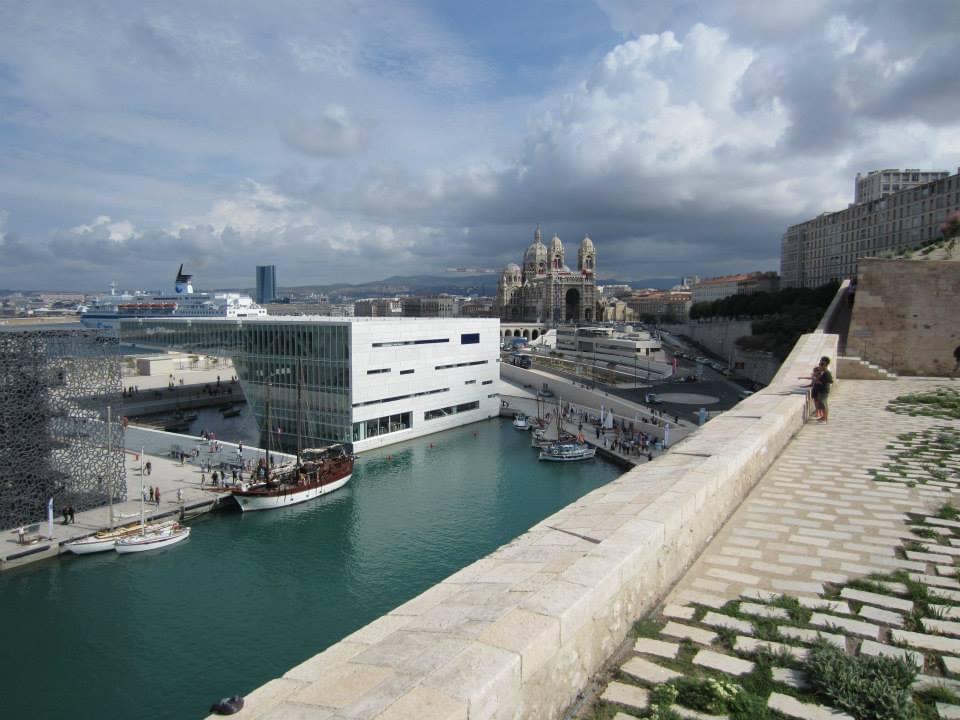
We don’t want to rely on the cliches of the ‘it’s like Naples or Liverpool’ kind (but see ‘Cities on the edge stand tall’  https://voxeurop.eu/en/cities-on-the-edge-stand-tall/) but we felt very at home walking in the streets of the Vieux Port and elsewhere. In particular, the families enjoying themselves at the ‘town beach’ at Plage des Catalans reminded us of a ‘day out at the seaside’ in the  North of England (with a lot more sunshine of course!).

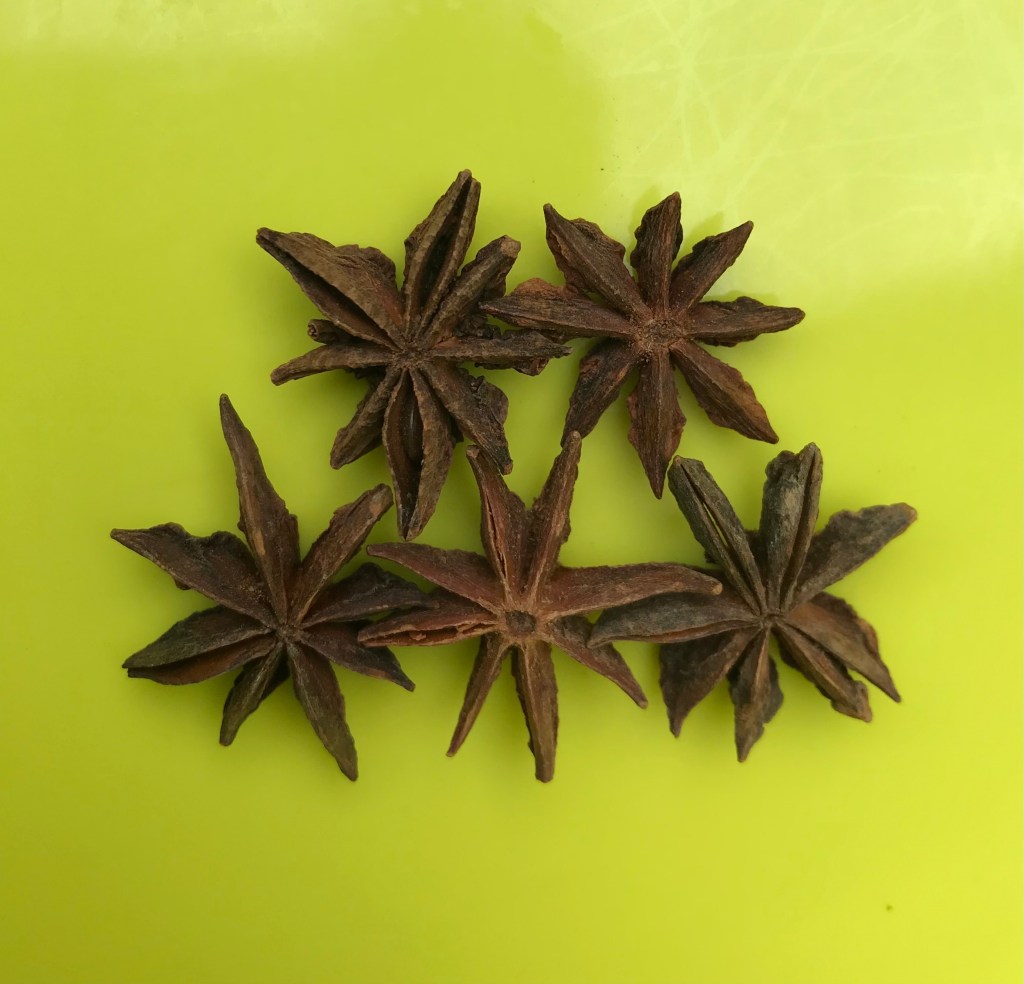
Marseille is the home of our favourite aperitif, pastis, a far more preferable drink in our opinion to other aniseed flavoured liquors such as sambuca, raki and the fearsome aguadiente of Colombia. Best drunk in combination with chilled water it is usually mixed in a ratio of around five parts of the latter to one part of the former. The liquor reacts with the water turning the spirit’s usual colour (which varies from brown to a golden shade), ‘milky’ in the reaction known as ‘louche’.

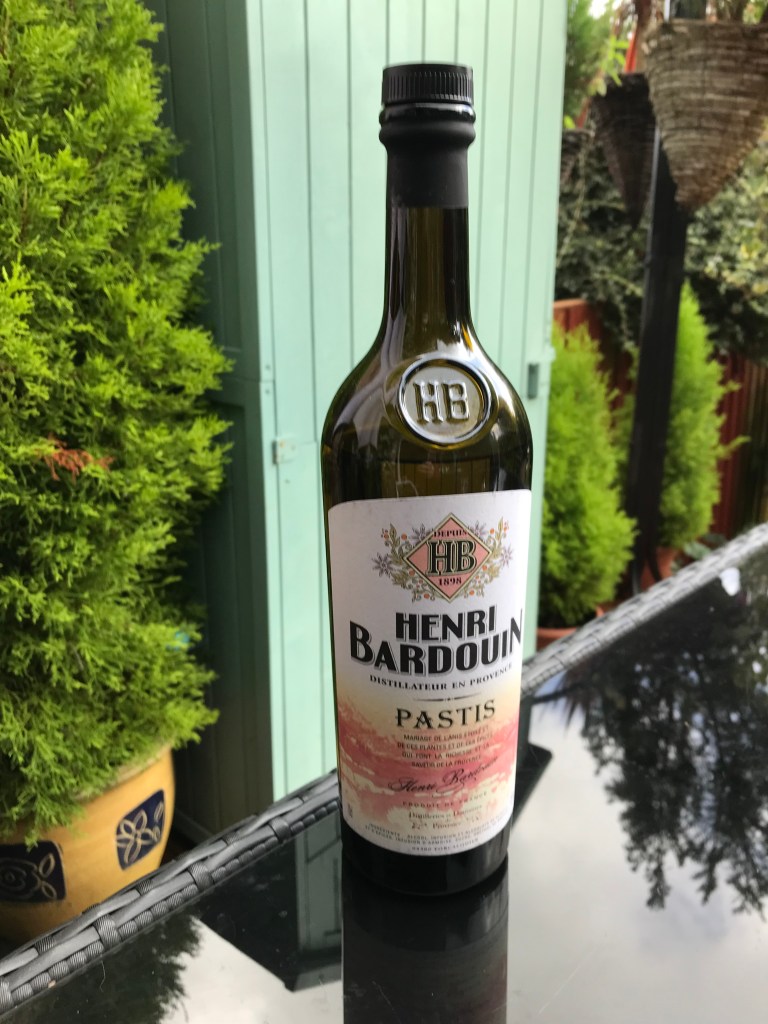
Pastis was first developed in Marseille by Paul Ricard in 1932 and today his brand along with its sister brand, ‘51’ are hugely popular and between them, probably the best selling in France. Although both of these drinks are fine, we prefer pastis produced by smaller producers of which there are several in Marseille and elsewhere in Provence. Our particular favourites are Henri Bardouin (https://www.distilleries-provence.com/en/cms/pastis) and Janot.

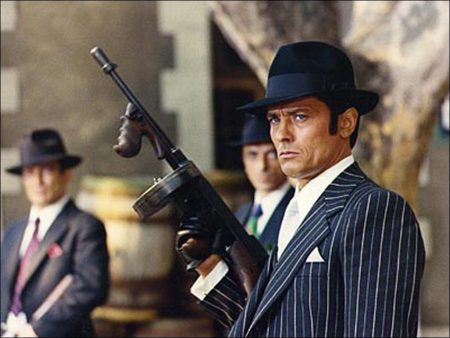
Pastis and its association with Marseille features in Deray’s fine 1970 gangster film ‘Borsalino’ with Alain Delon and Jean-Paul Belmondo. In the film the fictional distiller M. Boccace’s milky liqueur crops up in various bar scenes. The city’s atmospheric Le Panier district is prominent throughout. The film is great fun and well worth watching. Although set in the 1930’s, stylistically it kind of reminded us of Penn’s 1967 epic Bonnie and Clyde.

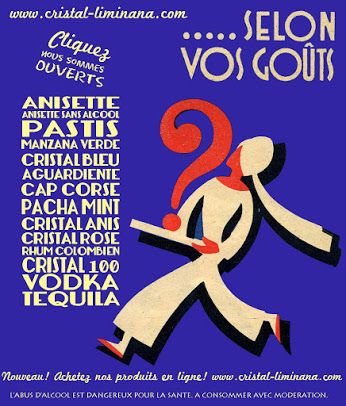
Marseille still has several smaller pastis producers. In particular we think that the superb pastis ‘Un Marseillais’ of the Cristal Limiñana distillery is worth mentioning (see https://cristal-liminana.com/en/).

As the name Limiñana suggests, it was two Spanish brother who started producing Anis, the Spanish aniseed flavoured liquer, in Algiers in 1884. The Anis was sold in Algeria under the name Cristal Anis. The Cristal Limiñana business was later founded in Marseille in 1962 by one of the brothers who had Algeria left for France following independence in 1962. The same distillery still produces Cristal Anis as well as the aforementioned ‘Un Marseillais’. You can tour the distillery (appointment only) by contacting infos@cristal-liminana.com in advance to arrange a suitable date.

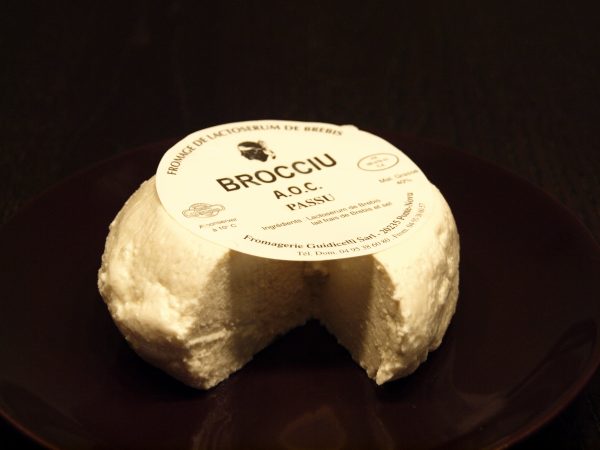
Although the most famous dish of the city is bouillabaisse, it was Corsican food and wine in Marseille that really caught our attention.

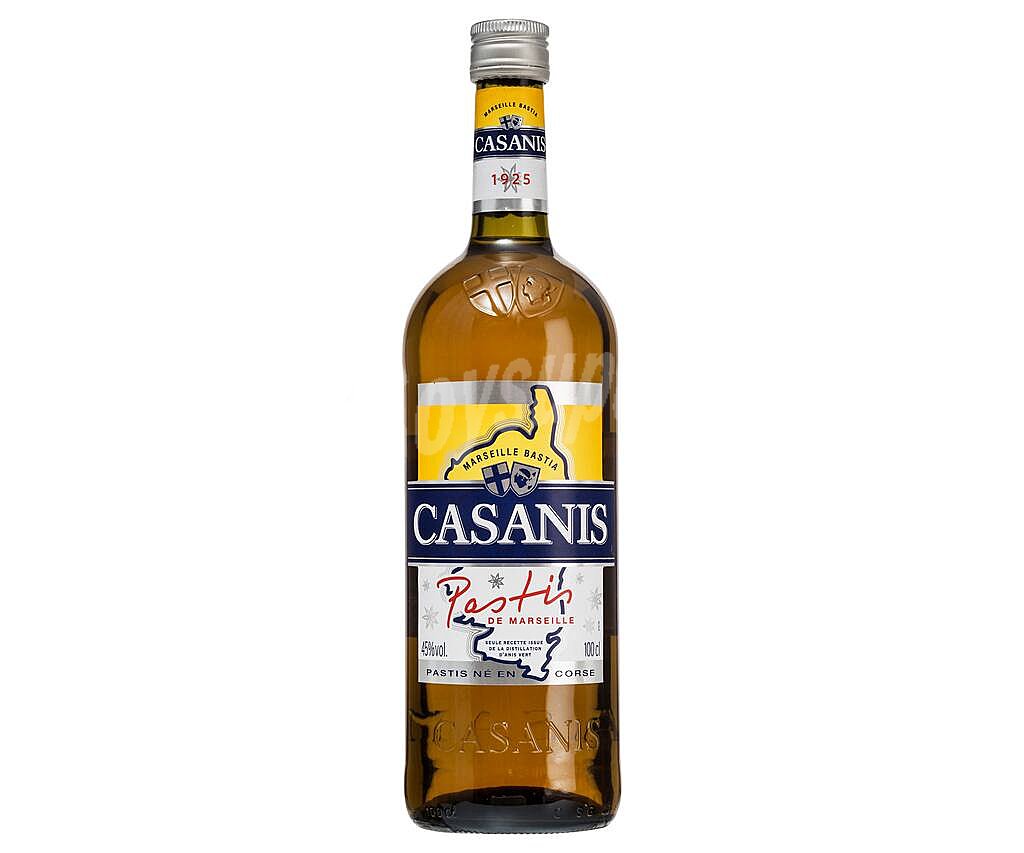
And of course, pastis. The brand Casanis was first distilled in Bastia, Corsica in 1925. The business was later transferred to Marseille where it is based today.

À votre santé!

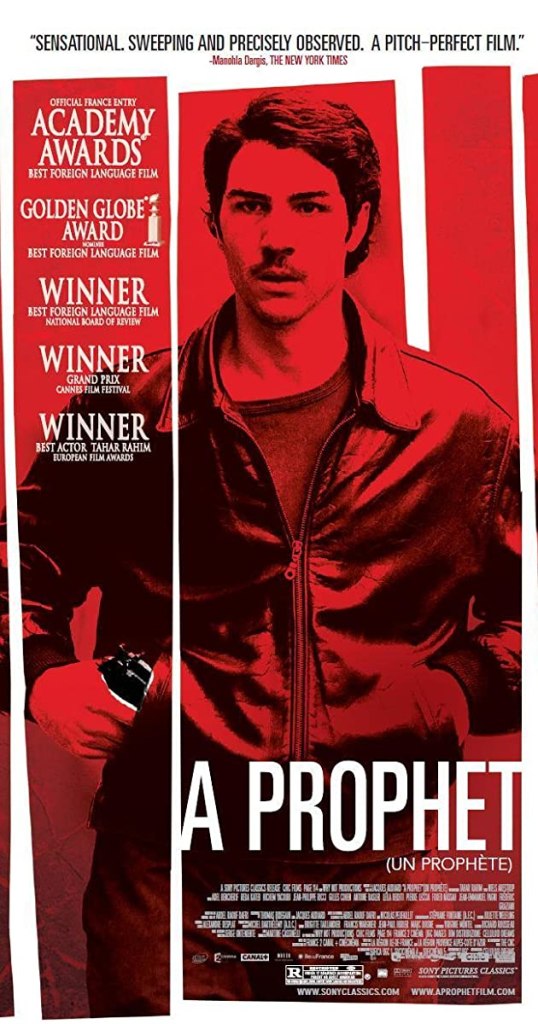
(And whilst we are on the subject of Marseille, we recommend the much lauded 2009 movie by Jacques Audiard ‘A Prophet’. The film highlights the crime and deprivation which still haunt the city).