
Munich, Art and Beer

The Haus der Kunst (‘House of Art’) is a contemporary art museum located on the corner of an intersection where Von-der-Tan Straße becomes Prinzregentenstraße in the city of Munich. Whilst the museum exhibits art of the present, the museum building itself dates from 1937 being originally built under the Nazi’s to house work that regime considered true ‘German Art’. Hubert Wim, a pro-Nazi artist explained at the time that the latter exhibition was about the “representation of the perfect beauty of a race steeled in battle and sport, inspired not by antiquity or classicism but by the pulsing life of our present-day events”.
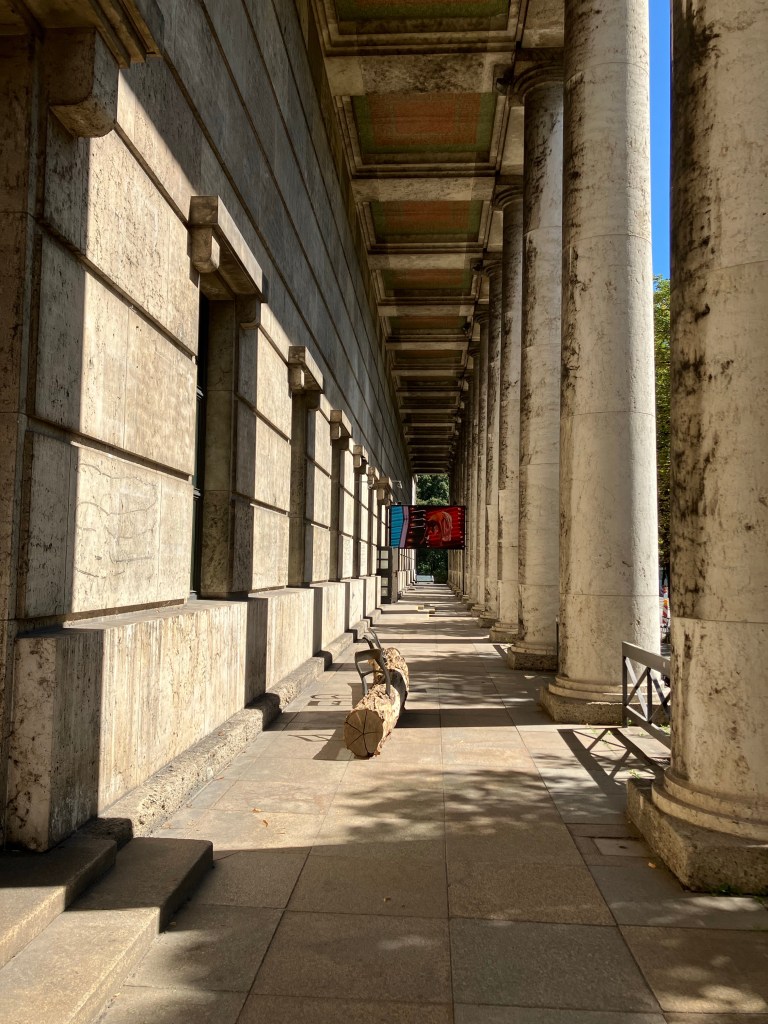
Haus der Kunst

In reality the Exhibition staged the kind of pompous, sterile rubbish beloved of fascists everywhere. Meanwhile across town at the Institute of Archeology in the nearby Hofgarden, the Nazi’s staged a counter presentation of work the regime hated, work which they felt evinced the ‘moral decay’ of the Weimar era. That exhibition was of ‘Entartete Kunst’ (‘Degenerate Art’) and it featured work drawn from the modernist spheres of Dada and Surrealism. The Exhibition’s raison d’être was the mockery and denigration of the avant-garde by linking it’s concepts with an alleged Jewish-Bolshevik plot to undermine the ‘wholesome family values’ of the Nazi state.
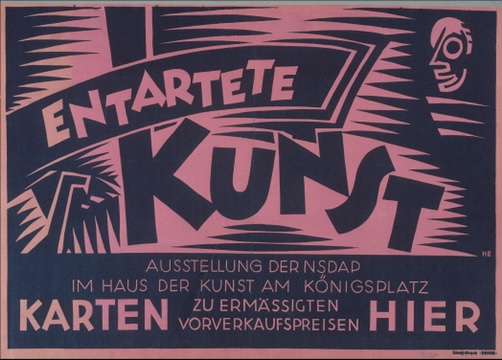
The exhibits at that exhibition were a small portion of the 16,000 art works seized at the time which the State deemed ‘degenerate’. Many of these works were then sold by the State overseas for “hard“ cash“ whilst some 5000 were burned in Berlin, mirroring the ritual destruction of thousands of literary works in book burnings across Germany a few years previously.

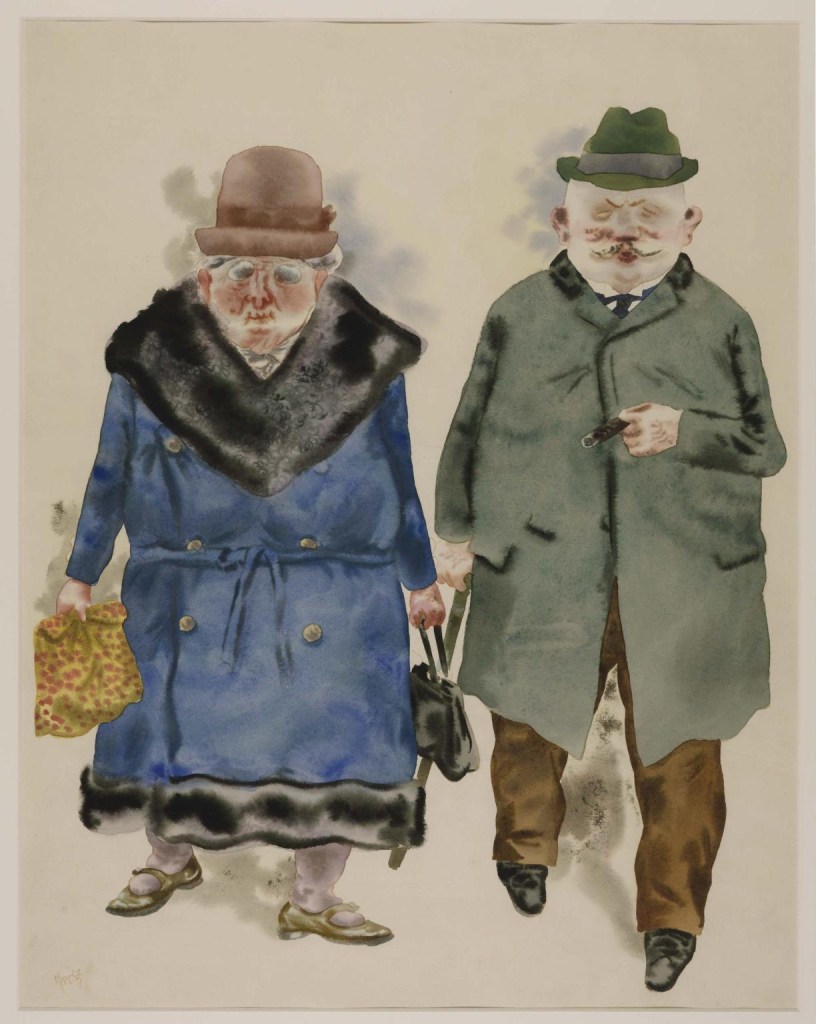
Paintings by artists of the calibre of Otto Dix, Marc Chagall, Wassily Kandinsky, Paul Klee, Emil Nolde, George Grosz went on show at the exhibition. The works were deliberately hung askew on the walls with adjacent graffiti mocking the artists and the subject matter of the paintings. The idea was to rubbish the art by presenting the paintings as morally and artistically worthless.
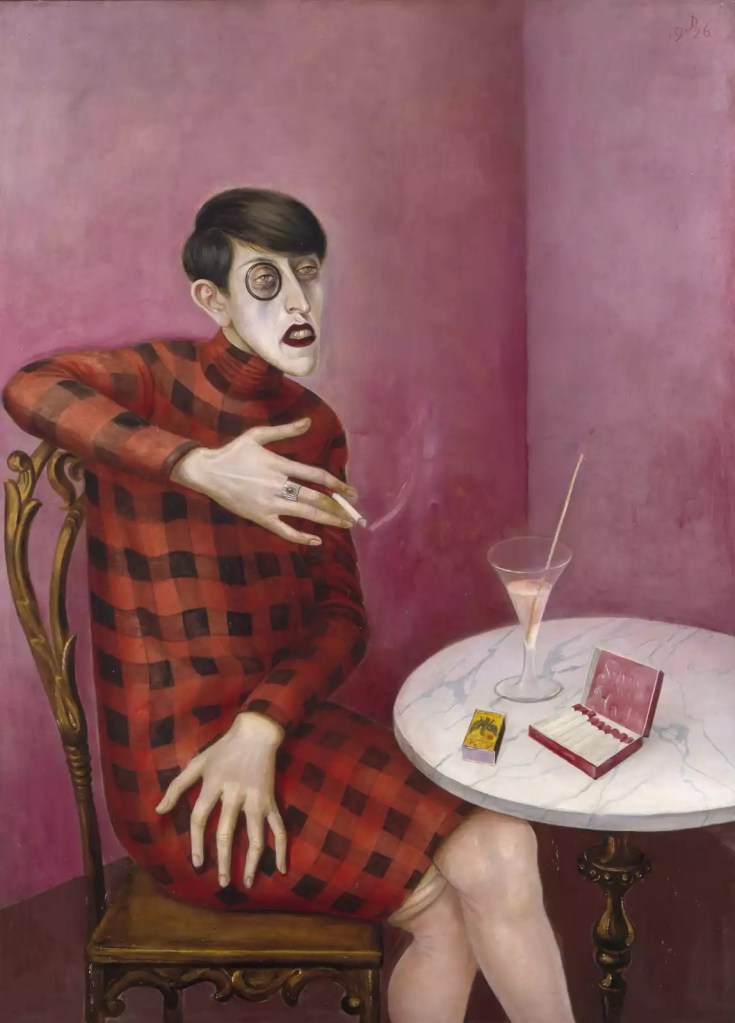
Portrait of the journalist Sylvia von Harden, 1926 by Otto Dix
‘A married couple’ 1930 by George Grosz

Unsurprisingly, given the quality of the artists whose work was on involuntary display, the Exhibition of Degenerate Art attracted significant crowds of visitors whilst across town the dismal counter event of the Nazi approved Great German Art Exhibition drew a far smaller crowd
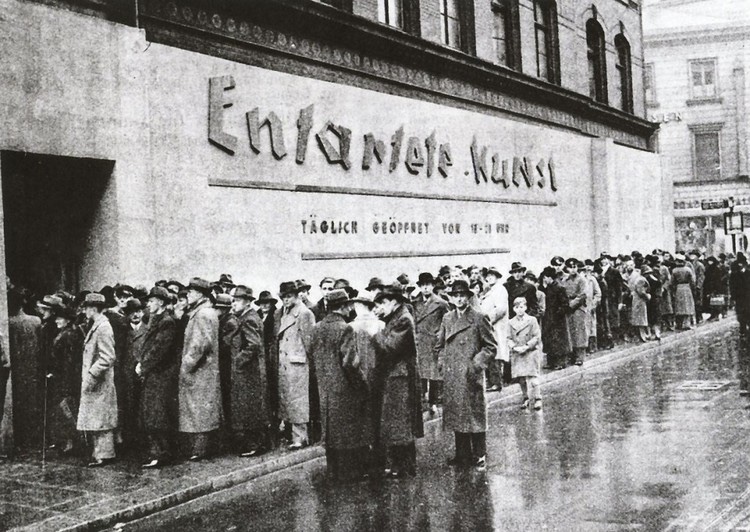
Queue for Entartete Kunst

Today, the Haus der Kunst looms somewhat forlorn and sullen on the Prinzregentenstraße in the centre of the city where it stands as a space for contemporary modern art, the exact opposite of it’s original function. In its interior it’s cool, spectral rooms and corridors eventually end up at the surprisingly elegant and atmospheric Golden Bar. The murals in the Golden Bar date from 1937 and it’s centrepiece chandelier came from the Hotel Savoy in Zurich.
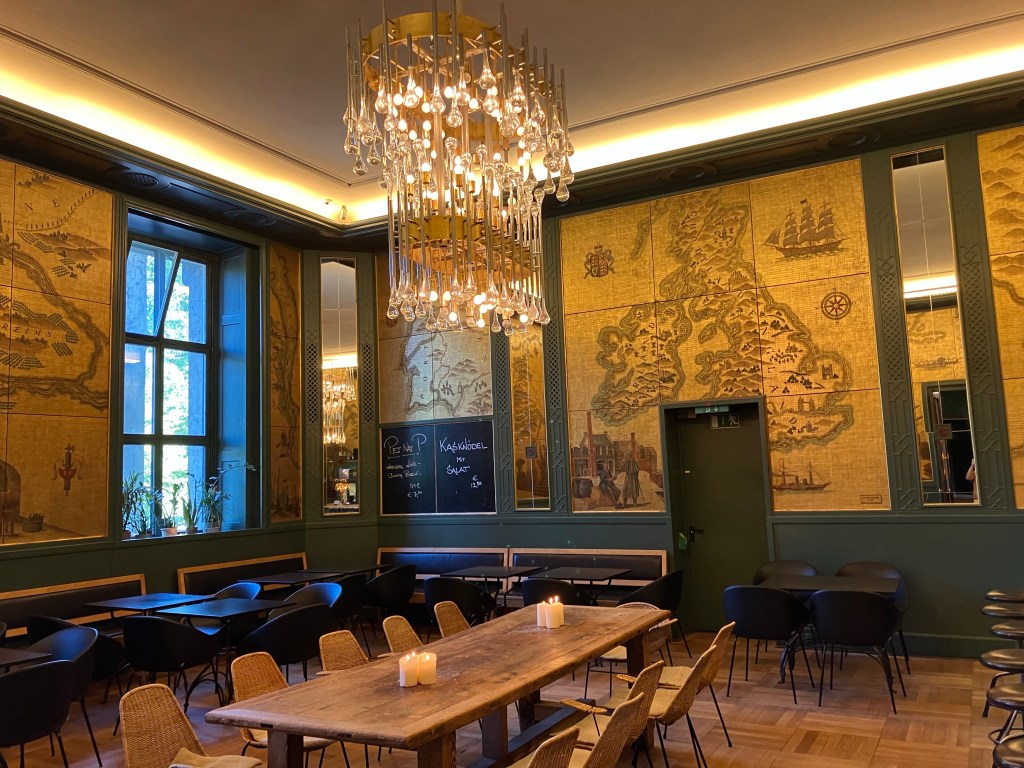
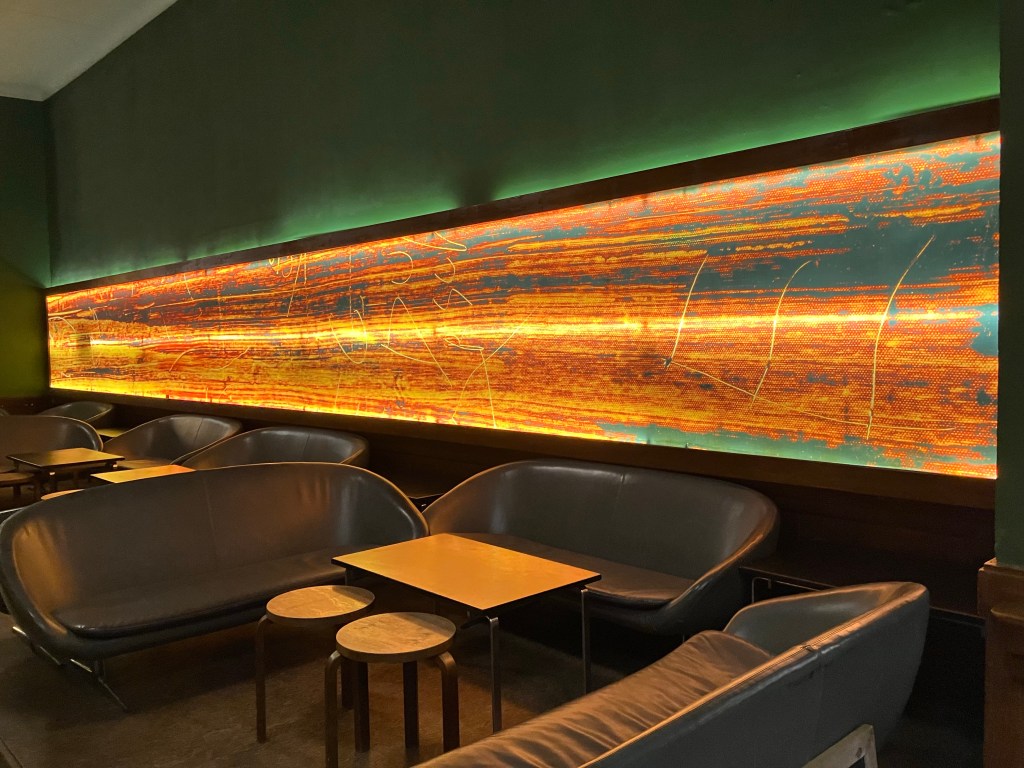
Beautifully renovated in 2010, the Golden Bar opens out on to a terrace whose columns are crowned with a lengthy banner of Yiddish slang, Meshugener, Alter Kocker, Pisher, Plosher….The banner is an art work named ‘The Joys of Yiddish’ by the American artist, Mel Bochner and it is now a permanent fixture, having originally been exhibited in 2013 and then reinstalled in 2021. The banner’s text is rendered in yellow letters on a black background, the same colours used for the ‘Star of David’ patches and armbands worn to identify and denigrate Jewish citizens.
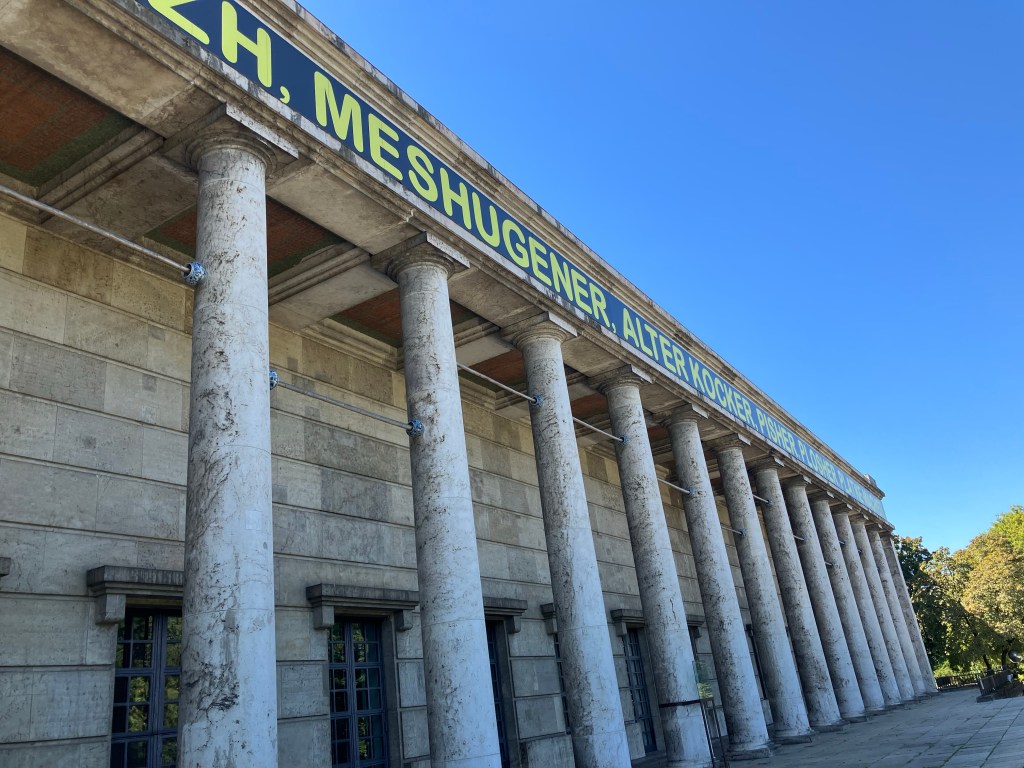
‘The Joys of Yiddish’

Modern Art survives in splendour in Munich and of the city’s many galleries a special mention should be made of the Pinakothek der Moderne, one of Europe’s largest collections of contemporary design, architectural and artistic installations.
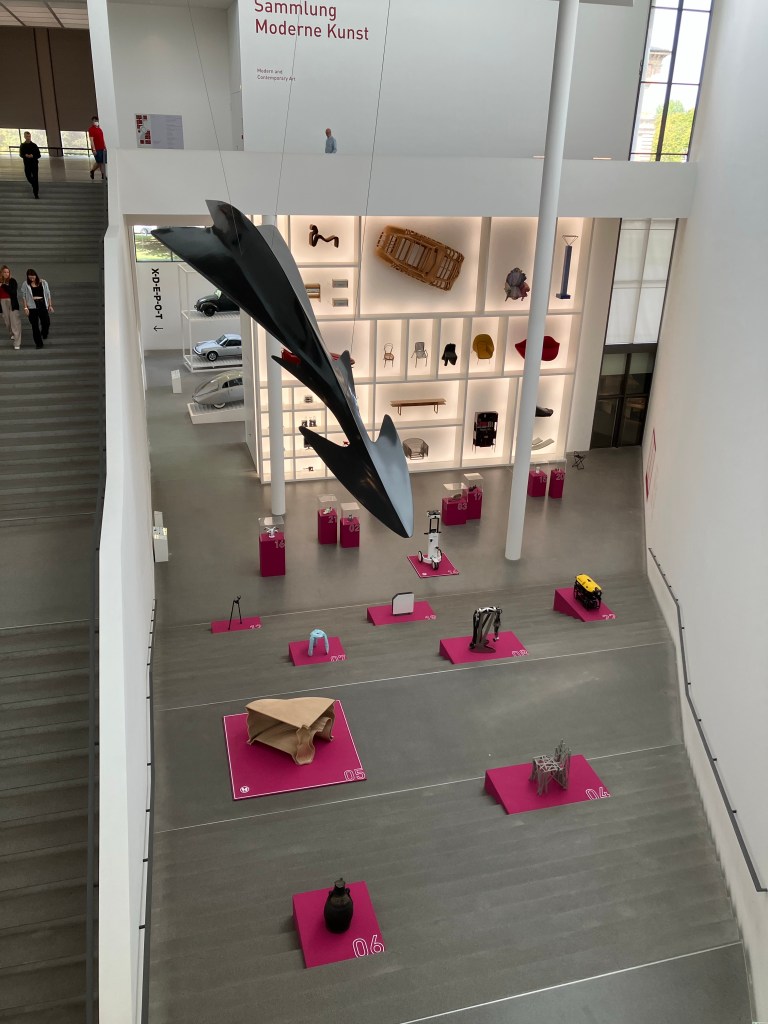
Classic designs at the Pinakothek der Moderne

The museum exhibits include a favourite of ours ‘Sledge’ by the artist Joseph Beuys as well as a reproduction of the iconic image of that artist titled ‘La rivoluzione siamo Noi’ (The Revolution is Us) produced for an exhibition in Naples 1971 featuring Beuys striding towards the camera in his trade mark fedora and fishing vest.
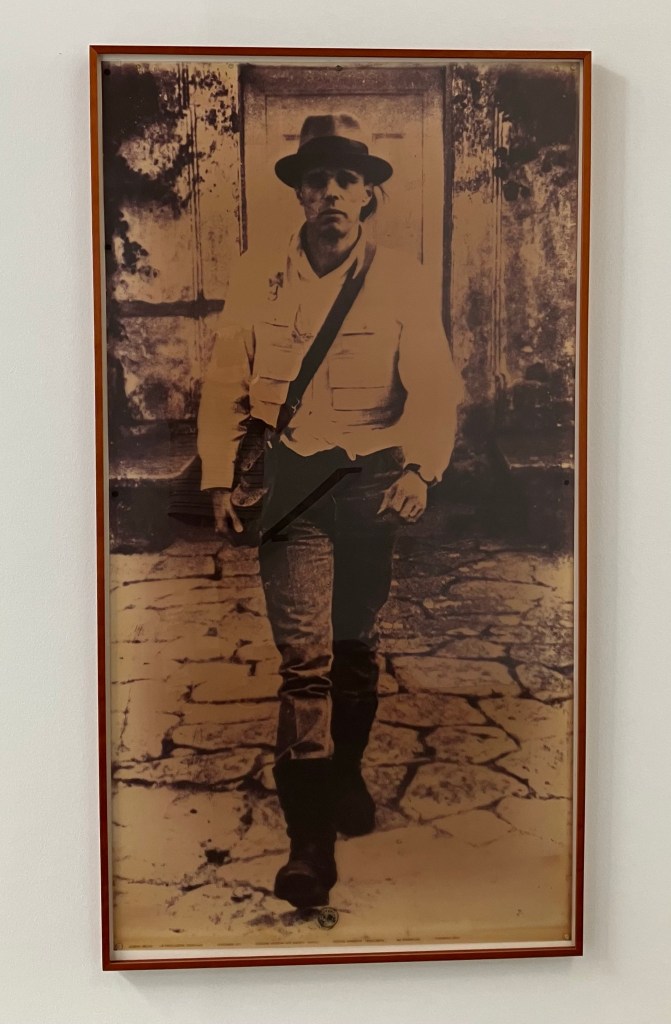
‘The Revolution is Us’

According to Beuys, his art was shaped by his experience as a Luftwaffe pilot during WW2 when the plane he was flying was attacked and shot down and he crashed into a Crimean landscape peopled by nomadic Tartars who saved him from freezing by wrapping his body in a heat retaining mix of felt and fat before taking him to safety on a sledge pulled by dogs. A wonderful story indeed and one upon which Beuys built his mythology. Nevertheless, as influential on Beuys though it may well have been, the story is probably little more than fiction.
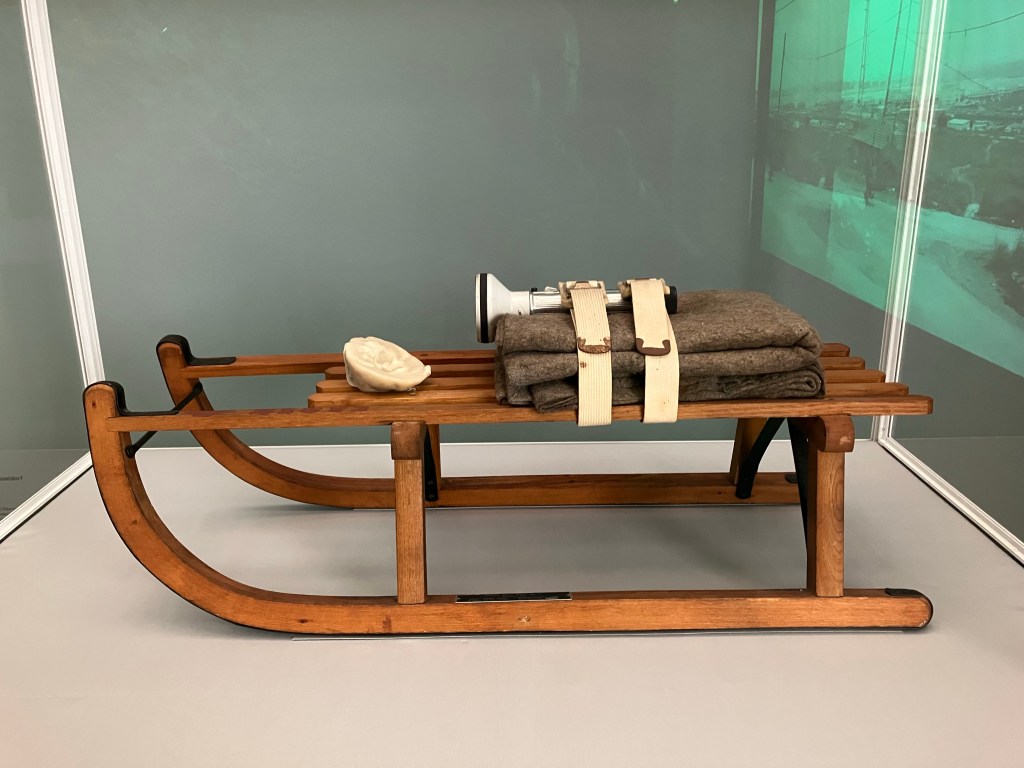
‘Sledge’ by Joseph Beuys

‘Patti Smith 1’, a large scale painting by the Swiss born artist Franz Gertsch also hangs at the Pinakothek der Moderne. The work is the first in a series of five paintings of the American poet/musician by Gertsch dating from 1977. Four of the five paintings in the series were created by Gertsch from a poetry reading Smith gave at Galerie Veith Turske in Cologne in 1977 on the anniversary of the death of Arthur Rimbaud. An illicit recording was made of the performance and later released on a cassette tape. An article Smith wrote for ‘Hit Parader’ magazine about her visit to the city at the time can be found here http://www.up-to-date.com/bowie/heroes/smith.html.

Patti Smith 1 by Franz Gertsch

Around the corner from the Pinakothek der Moderne is another modern art gallery, Museum Brandhorst with it’s distinctive ceramic exterior.
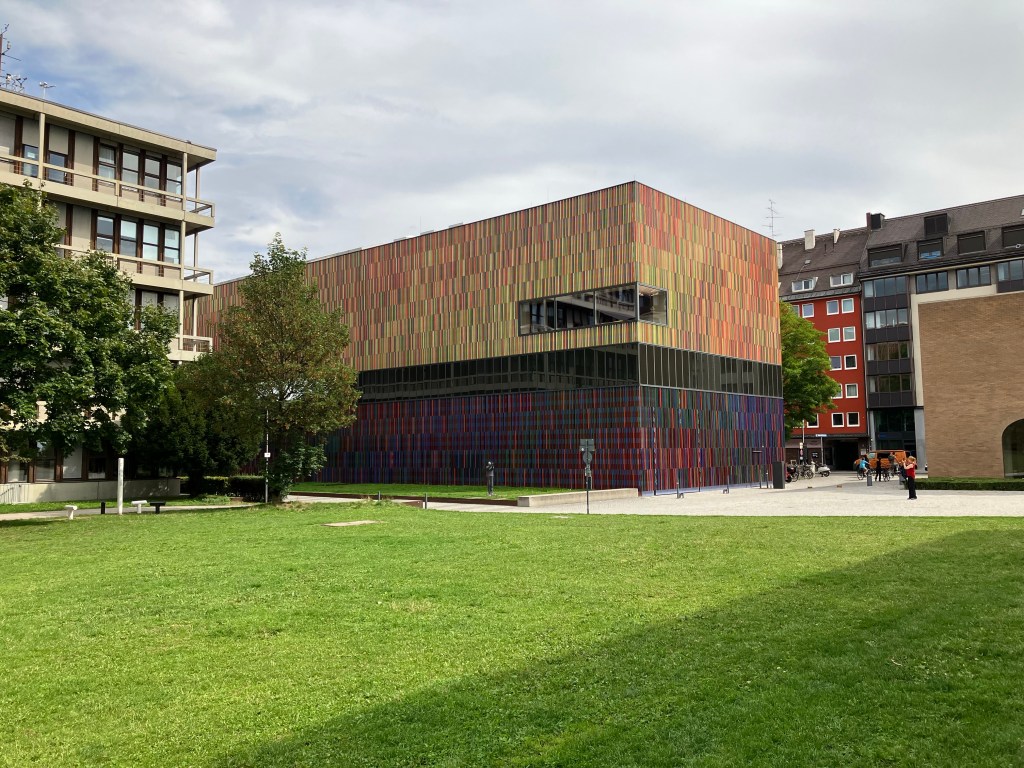
Museum Brandhorst

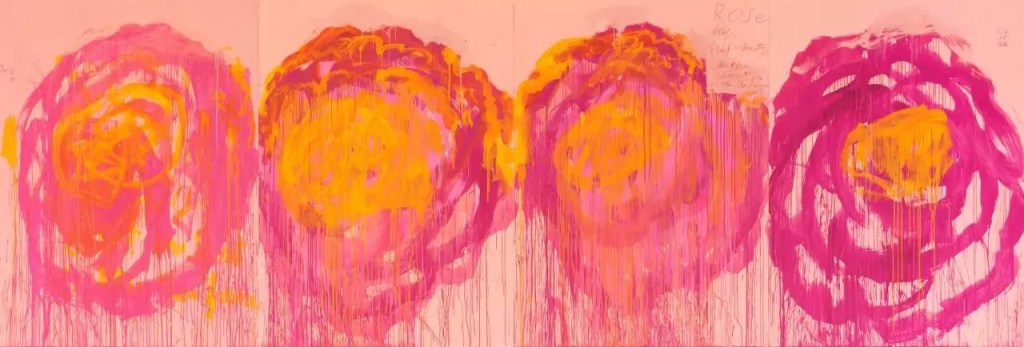
The museum has a permanent exhibition of the work of the late American artist, Cy Twombly, one of the largest collections of work by the artist in the world. In fact, the entire first floor of the museum is dedicated to his work. This is not so surprising as Twombly had a special relationship with Munich, a city where he exhibited frequently and of which he was exceptionally fond.
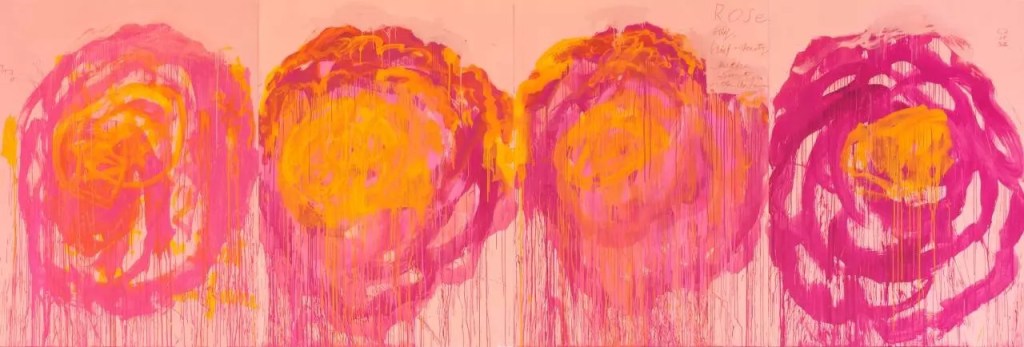
Untitled [Roses] by Cy Twombley

Behind the Brandhorst and back to the grounds of the Pinakothek der Moderne we found a welcome collection of food trucks and a hopeful dog at a cheese stall.
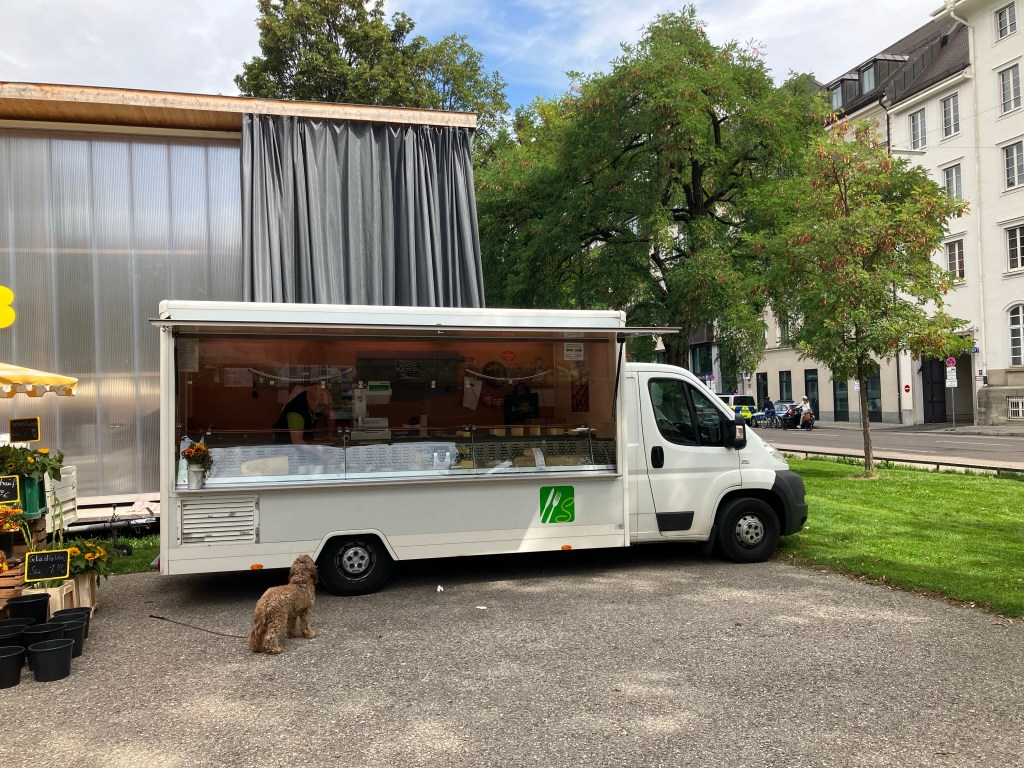
Cheese truck and hopeful dog

The dog should have made it’s way to the Viktualienmarkt a daily food market in the center of Munich near the St Peter’s church! Dating from the early 1800’s the market has over a 100 food and craft stalls as well as the city’s most central beer garden.
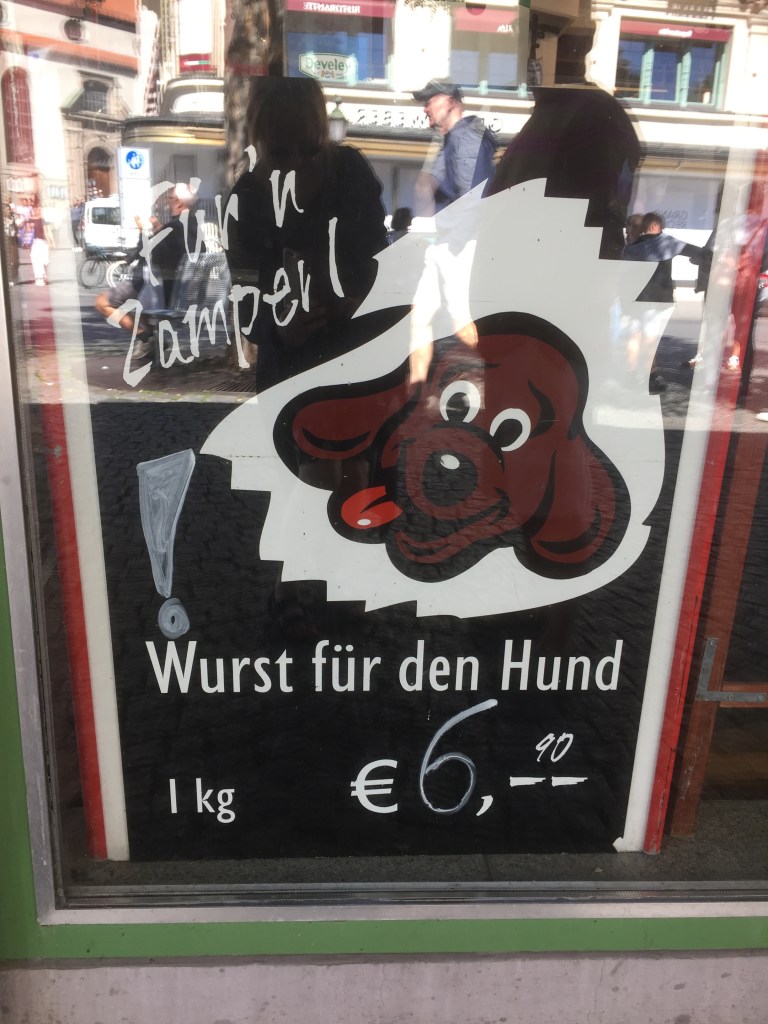
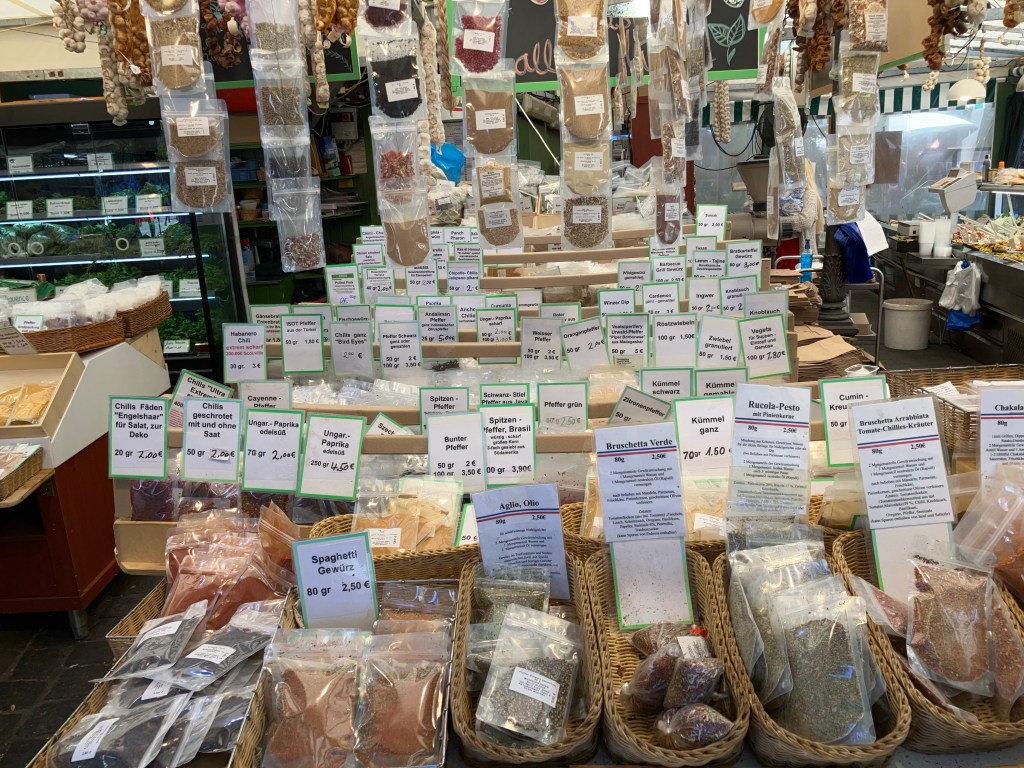
Sausage for the dog

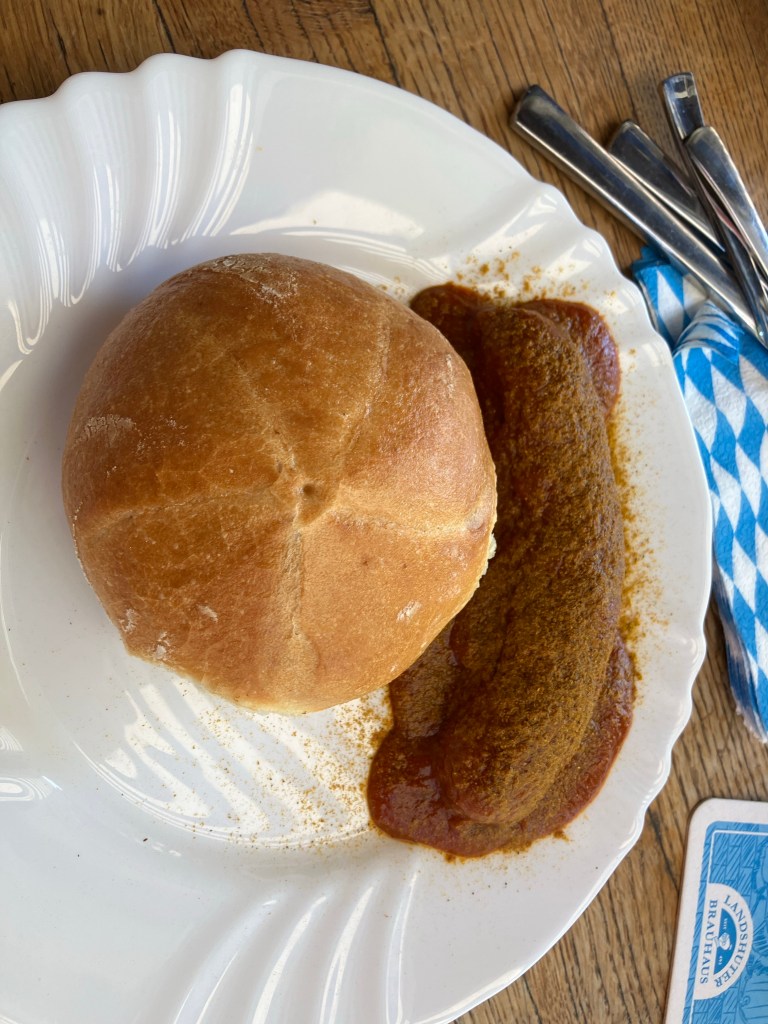
There is also a smaller beer garden at the ever popular Kleine Ochs’nbrater with its organic sausages, pretzels, fried potatoes, cabbage and, of course, wheat beer from the local Landshut brewery. Much as we loved the food, beer and busy ambience at this café, we felt that overall, the curry wurst in Berlin is generally better than the same dish in Munich.
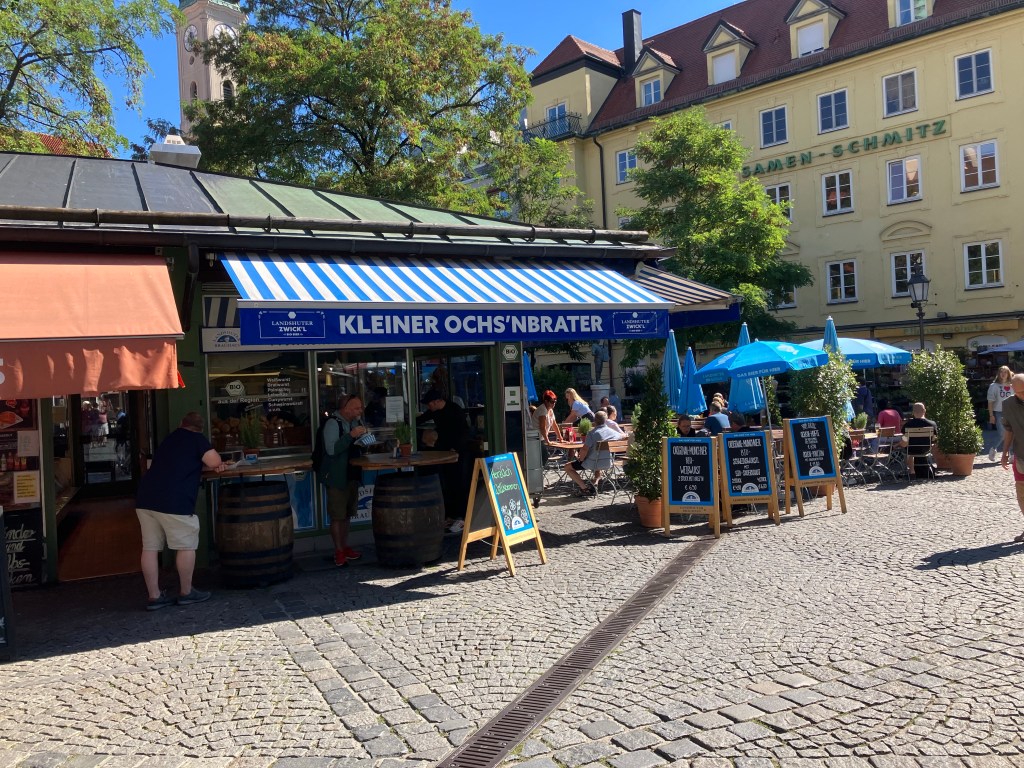
Kleine Ochs’nbrater
Curry Wurst

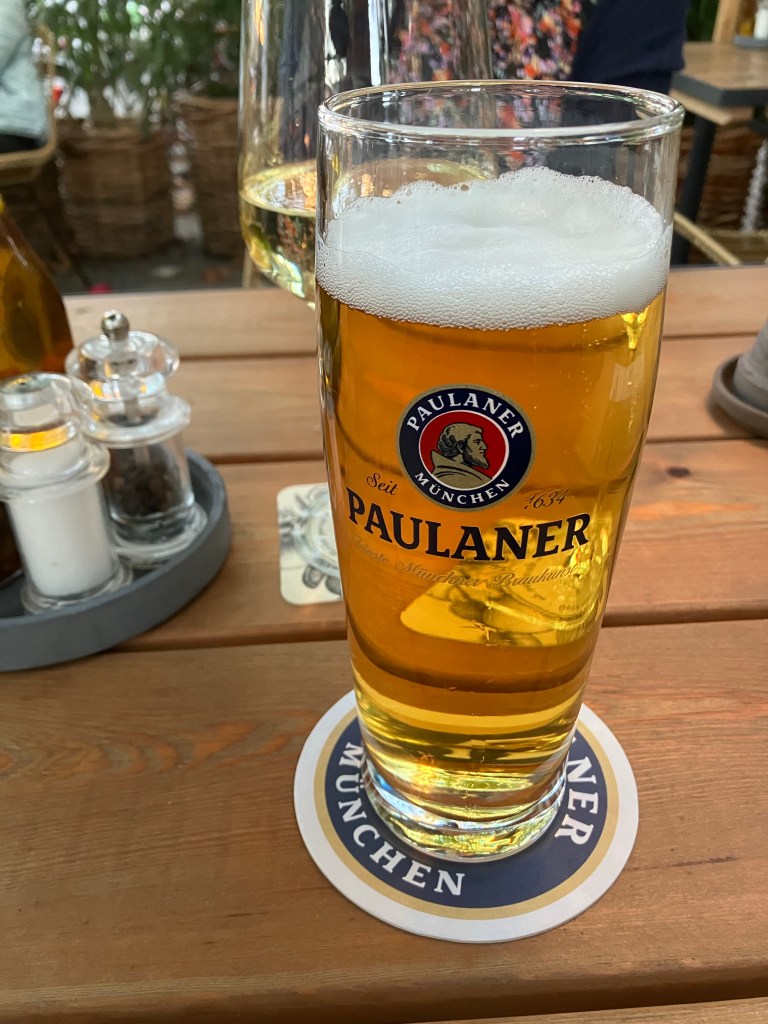
….but if beer is your drink of choice, you have come to the right place. Munich is indeed a beer drinkers paradise with some of the best breweries in the world within its environs. Our favourite ‘staple’ is the Paulaner Münchner Hell, a classic light beer dating from a brewery first established in 1684.
Modern craft breweries are also making their mark on the Munich beer scene with the Schiller brewery particularly noteworthy. The brewery is housed on their premises on the Scillerstraße which is near city’s main railway station. Their copper mash and brewing tuns are housed at the front of their premises whilst their beer is served with very traditional local food in the restaurant behind. Their beers range from light and dark brews to a classic wheat beer. Food includes sour vinegar dumplings, schnitzels, pork and potatoes.
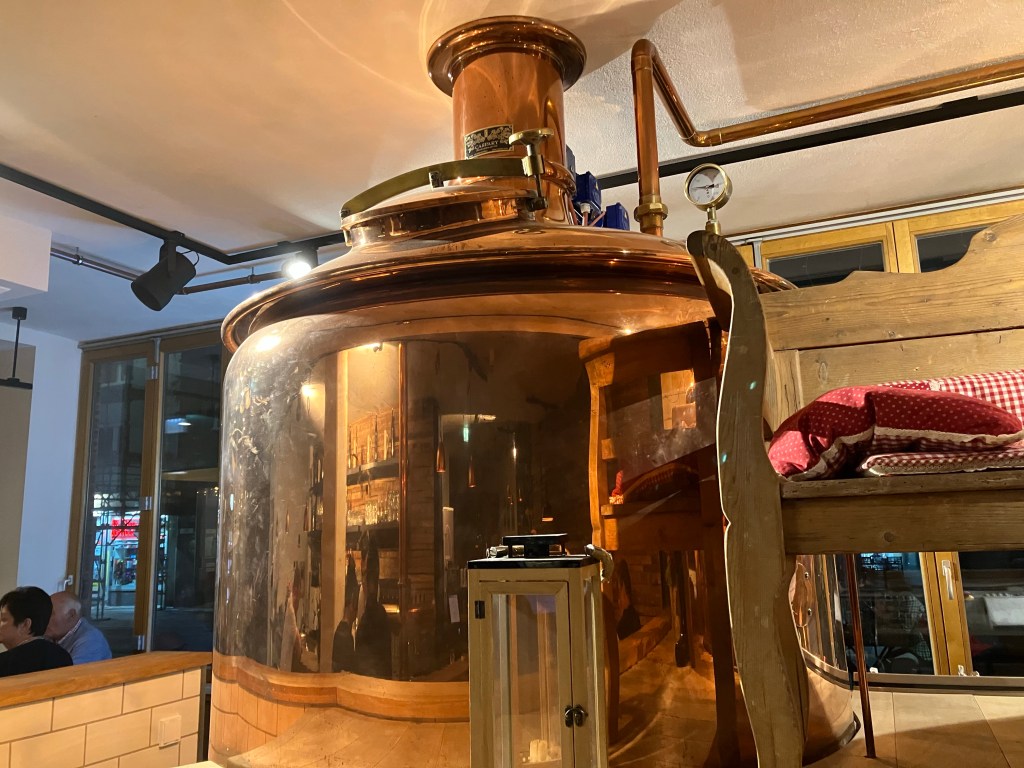
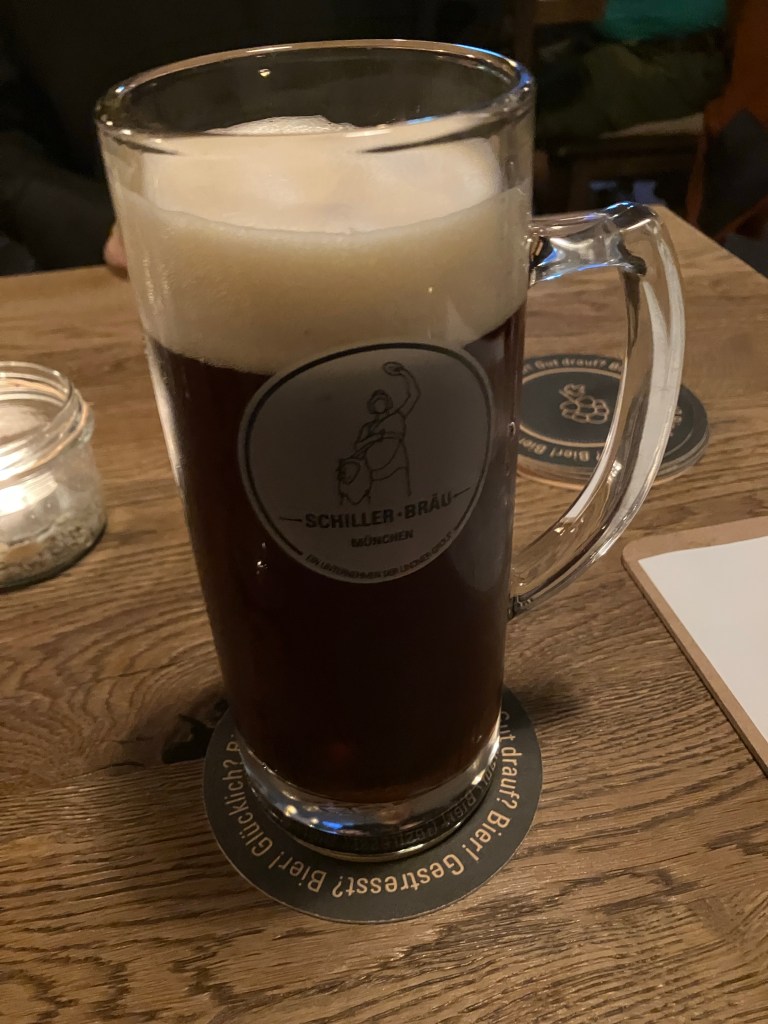
Schiller brewery

Finally, we will let another poet , T.S.Eliot, an influence on both Patti Smith and whose poem ‘The Waste Land’ was of particular interest to Cy Twombly. Elliot mentions two Munich locations in the extract from the poem below.

“April is the cruellest month, breeding
Lilacs out of the dead land, mixing
Memory and desire
Summer surprised us, coming over the Starnbergersee
With a shower of rain; we stopped in the colonnade,
And went on in sunlight, into the Hofgarten,
And drank coffee, and talked for an hour. “

T. S. Elliot, “The Waste Land,” 1922
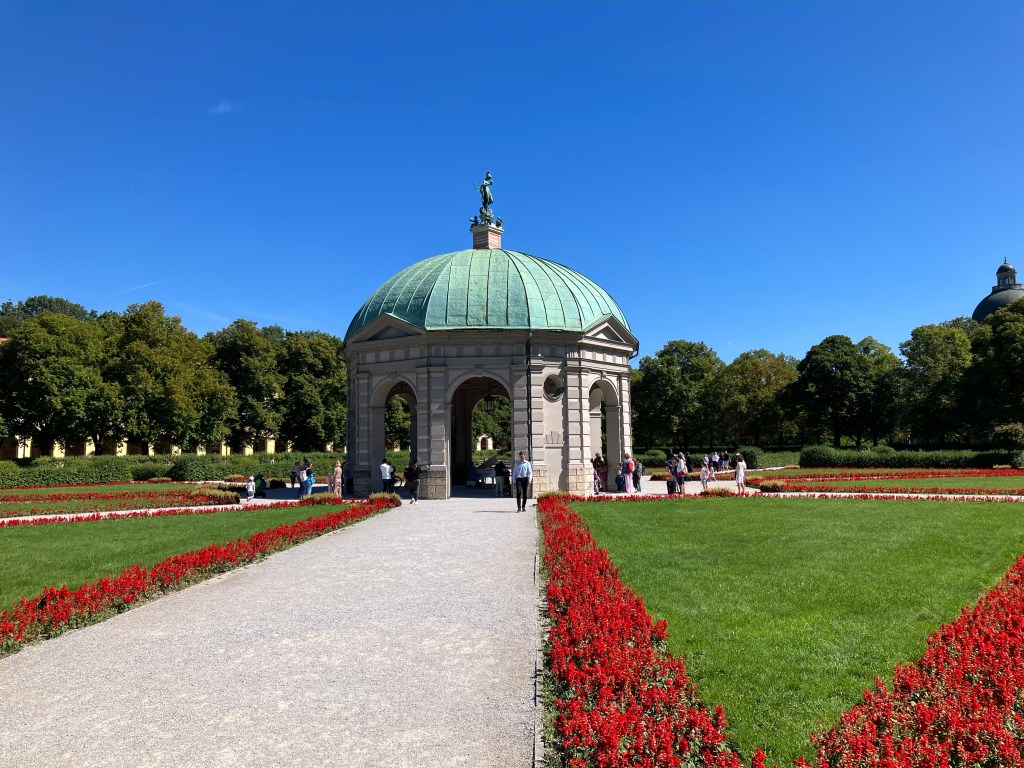
The Hofgarten in Munich

Althea McNish, Dim Sum and Phở

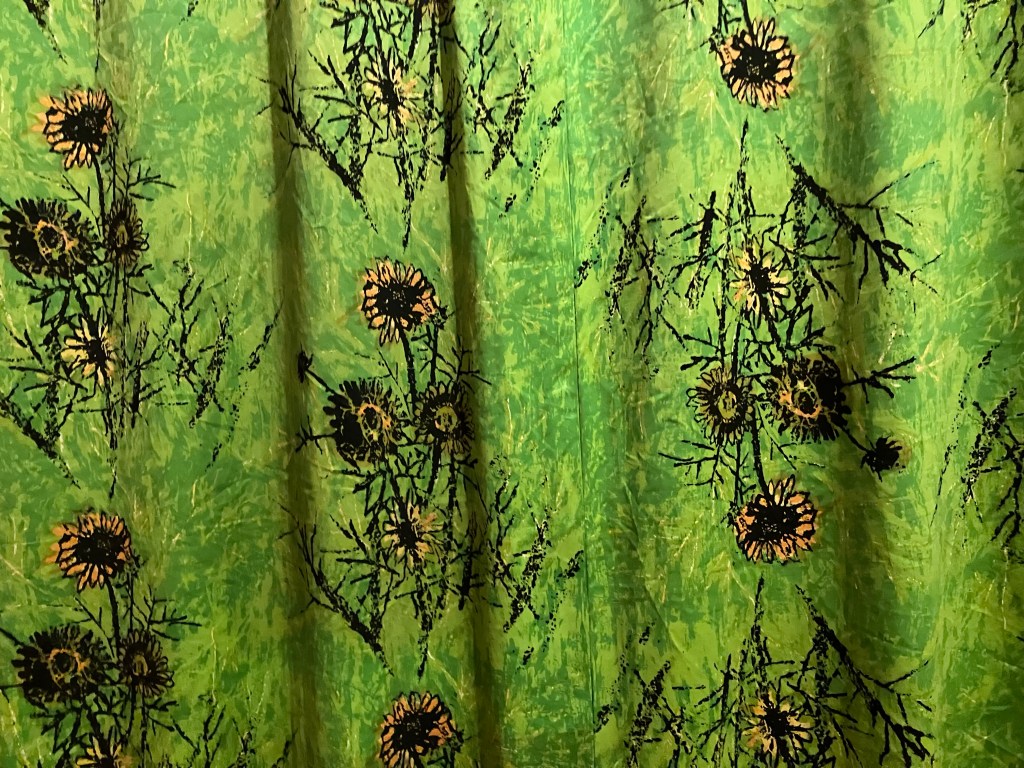
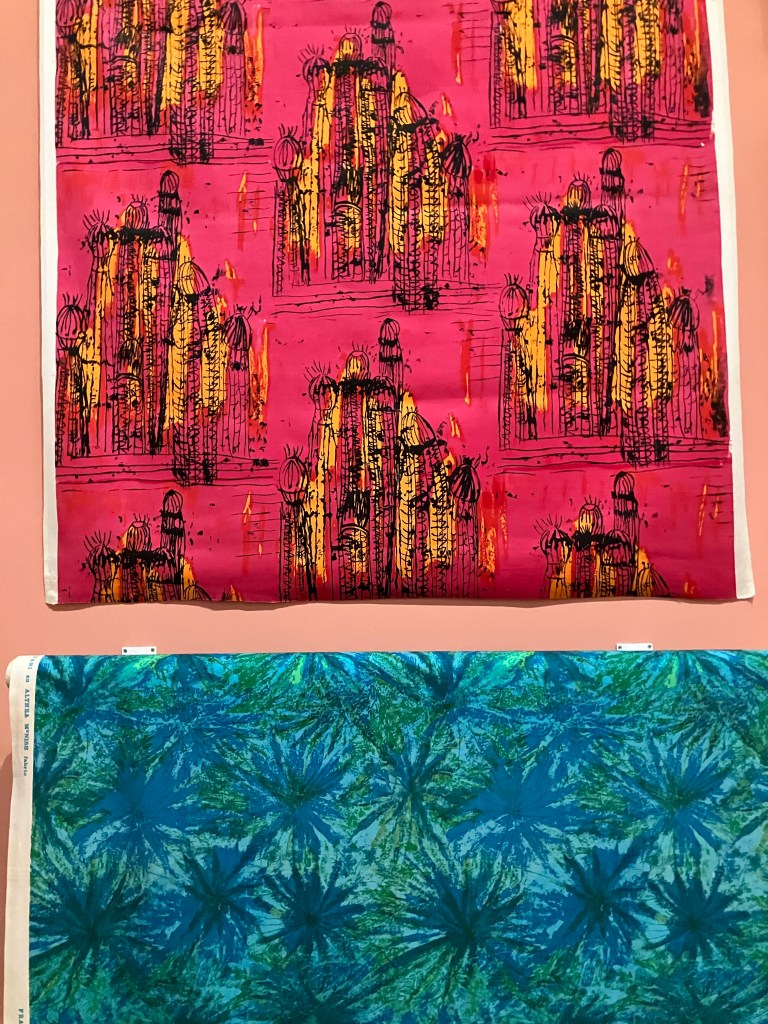
The Whitworth Art Gallery in Manchester in the north of England is currently showing an exhibition of the work of textile designer Althea McNish. Her designs were not only highly innovative, they were highly influential in helping to shape the look of Britain in the 1960’s and 70’s. If you grew up in that era, McNish’s work you will be readily familiar with the style of her work, especially in the numerous watered down copies found in the design of textiles for summer blouses and dresses, wallpapers and other household items in high street stores up and down the country. She even designed the fabrics for the late Queen Elizabeth II’s dresses for her tour of the Caribbean in 1966.

As Britain had once designed and created textiles for the clothing of women in its colonies in West Africa in the form of wax prints (and Manchester was central to this textile trade), so McNish (of the former colony of Trinidad) created designs for the textiles of Britain.

As an introduction to the life and work of Althea McNish, the Whitworth Art Gallery provides the following excellent summary in its exhibition notes:

Althea McNish (1924-2020) was one of the first designers of Caribbean
heritage to gain international recognition in the field of textile design andwould go on to become one of Britain’s most influential and innovativedesigners. Her painterly designs took natural botanical forms to the edgeof abstraction, using a riotous colour palette that overturned the staid rules of British post-war design.

Born in Port of Spain, Trinidad, McNish showed artistic promise from a
young age and became active in the Trinidadian art scene. Age 26, she
emigrated with her family to the UK, arriving in London on 9 November 1950.

McNish studied commercial graphics at The London School of Printing
and Graphic Arts and in 1954 won a scholarship to the Royal College of
Art where she studied textiles. Within days of graduating her career as a professional designer was launched when her designs were commissioned by Liberty and Zika Ascher. McNish would go on to develop a hugely successful design career spanning more than forty years in textile design, as well as commissions for commercial interiors. Teaching in higher education followed and she was an active member of professional design bodies. In 1976 she was awarded the Chaconia Gold medal of the Republic of Trinidad and Tobago for ‘meritorious service to art and design’.

McNish established her career at a time when many people in the UK
would have been familiar with the racist taunt to “go back home”. McNish subverted this prejudice, inserting her Caribbean identity directly into the British home through her popular wallpaper and fabric designs
.

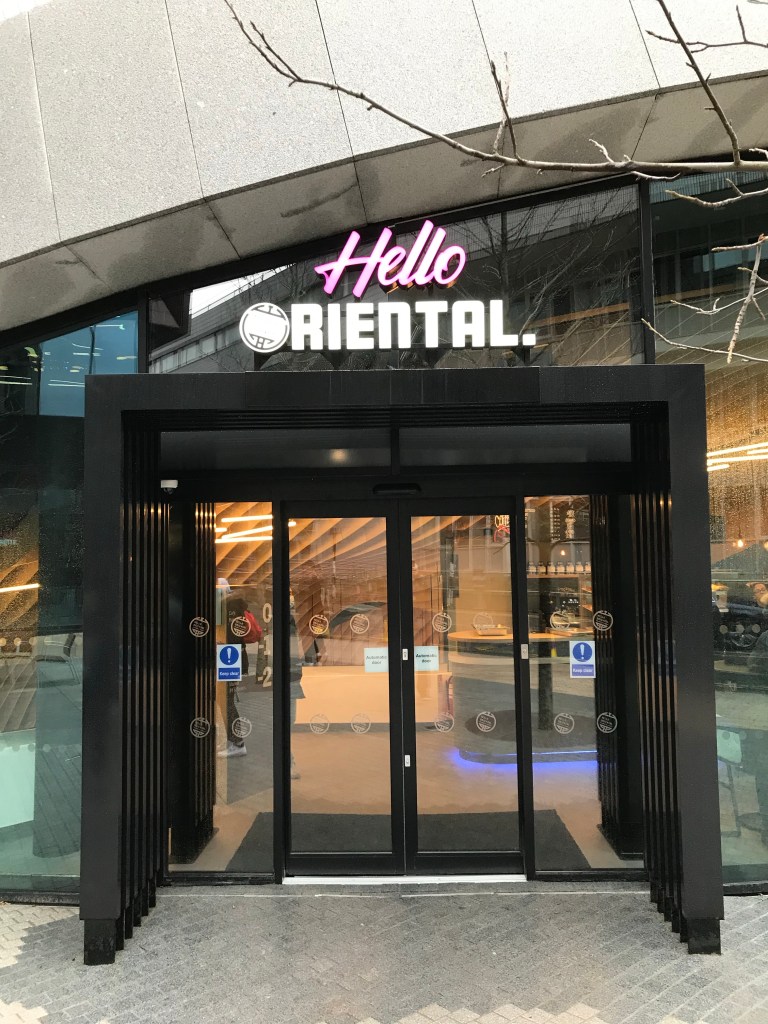
A few minutes walk from the Whitworth Art Gallery is the multi- million pound Circle Square development. A mixed use neighbourhood of accommodation, retail and leisure properties, the area is especially popular with Chinese students not least because of the presence of Hello Oriental, a three story market hall of Asian food. It’s ground floor houses a Chinese bakery, below that a Vietnamese restaurant and on the lowest floor a Chinese and Korean restaurant and mini mart. Hello Oriental is rightly popular especially with students and it is a welcome addition to the city’s excellent Asian food scene.

High Peak to the World’s End

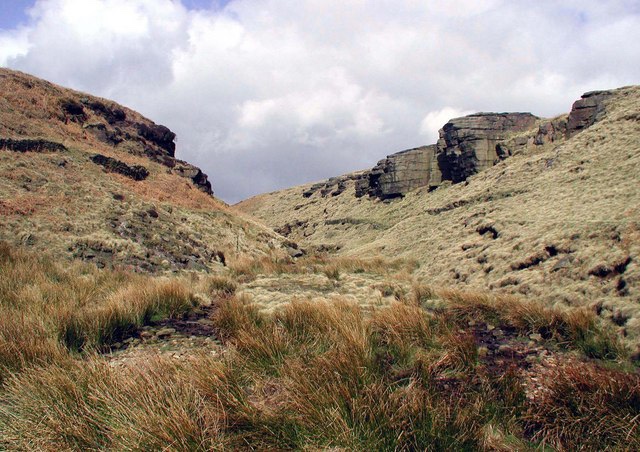
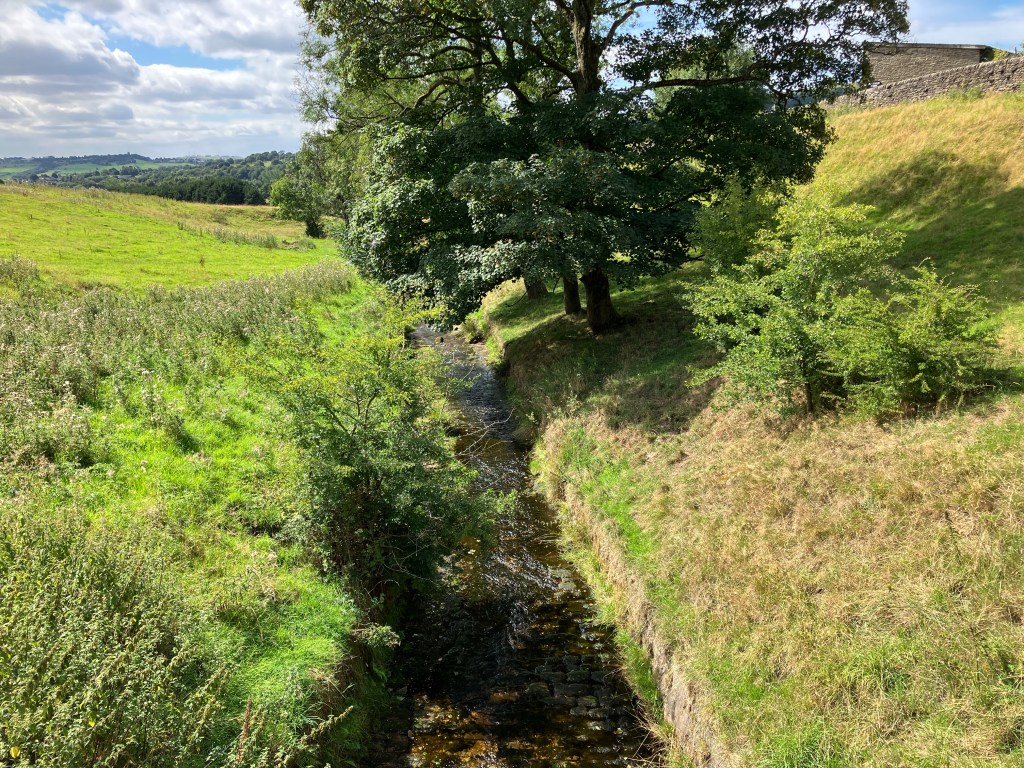
The village of Tintwhistle lies in the High Peak district in the county of Derbyshire in Northern England. The High Peak area is the more elevated section of the Dark Peak which is made of moorland and bogs. It’s limestone foundation is covered in sandstone and shale. In winter, with heavy rainfall and snow, the soil is almost always saturated with water and ice.

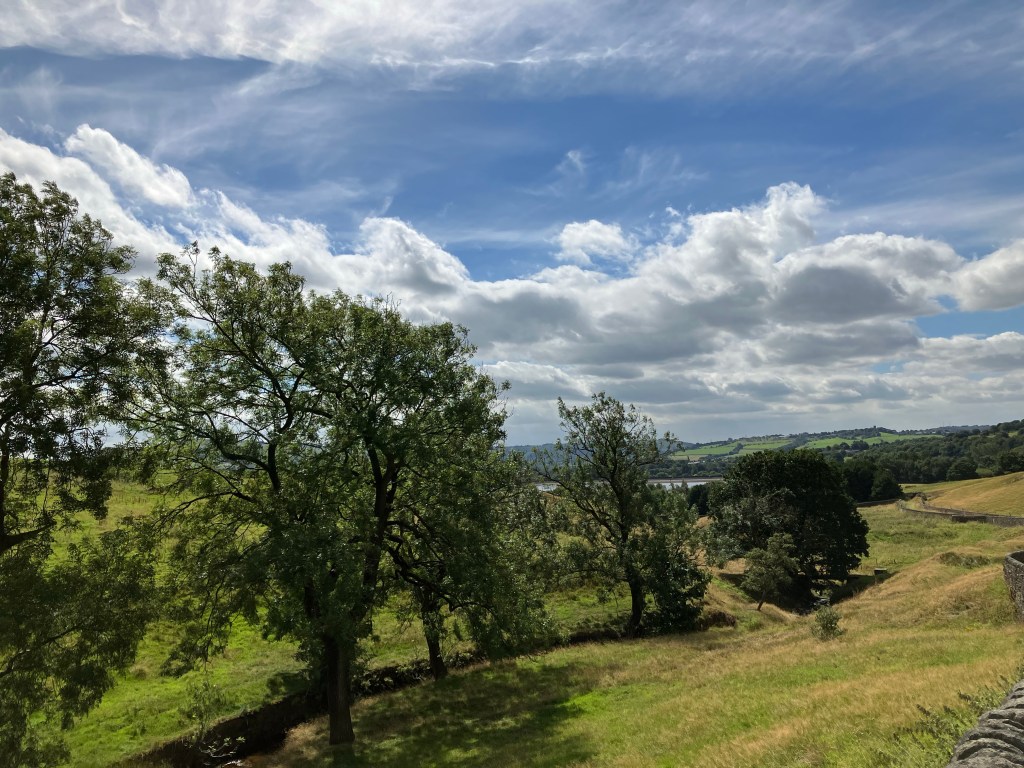
The countryside around the village is attractive but not a little wild and the fairly bucolic pastures soon give way to the moors themselves.

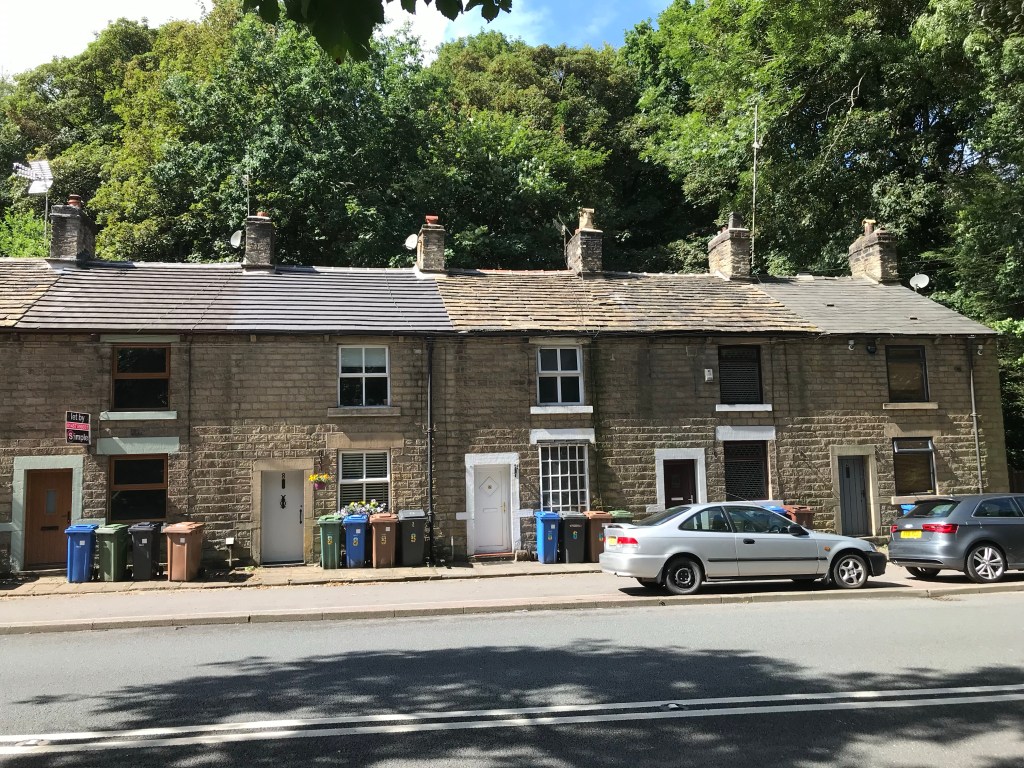
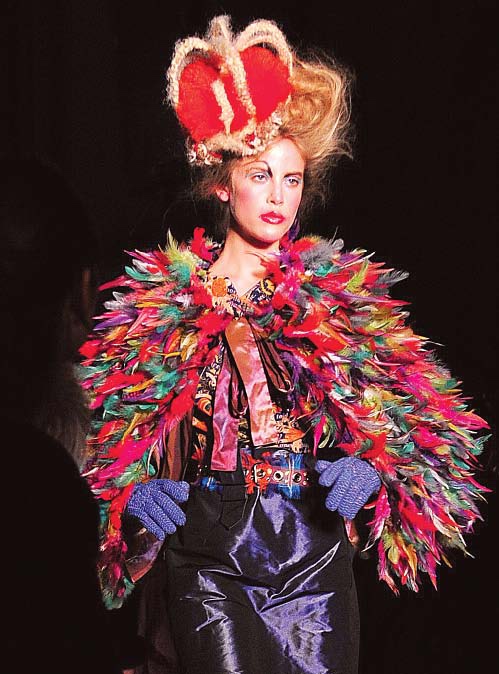
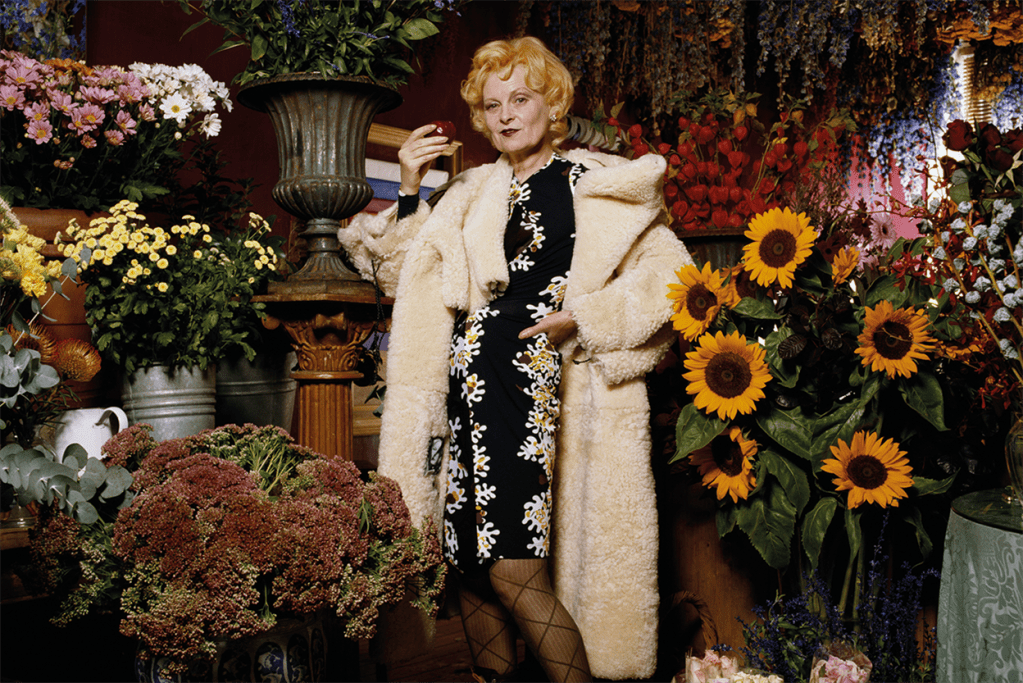
The most notable former resident of the village is the fashion designer and activist Vivienne Westwood. Westwood grew up in a row of stone cottages known as Millbrook located just outside the village on the main Manchester road. The village of Hollingsworth lies to the West, the town of Glossop to the South.

Westwood was born Vivienne Isabel Swire in Glossop. Her father was a storekeeper, her mother worked in the local cotton mill. The Millbrook cottages and the surrounding countryside was her playground. She went on to become the arguably best fashion designer (and certainly the most innovative) the UK has ever produced.

“Millbrook Cottages were at the bottom of an old quarry and from the earliest age my mother lifted me over our back wall to play in a dell where bluebells grew. As I grew up I was free to wander in a countryside which was beautiful and intimate until you got to the moors. After that it was wild and a little frightening”.

Although the city of Manchester (with its music clubs and art galleries) was not too far away, the Pennine area Westwood grew up in would have seemed culturally remote in the monochrome 1950’s.

“I lived in a part of the country that had grown up in the Industrial Revolution. I didn’t know about art galleries until I was 17. I’d never seen an art book, never been to the theatre.”

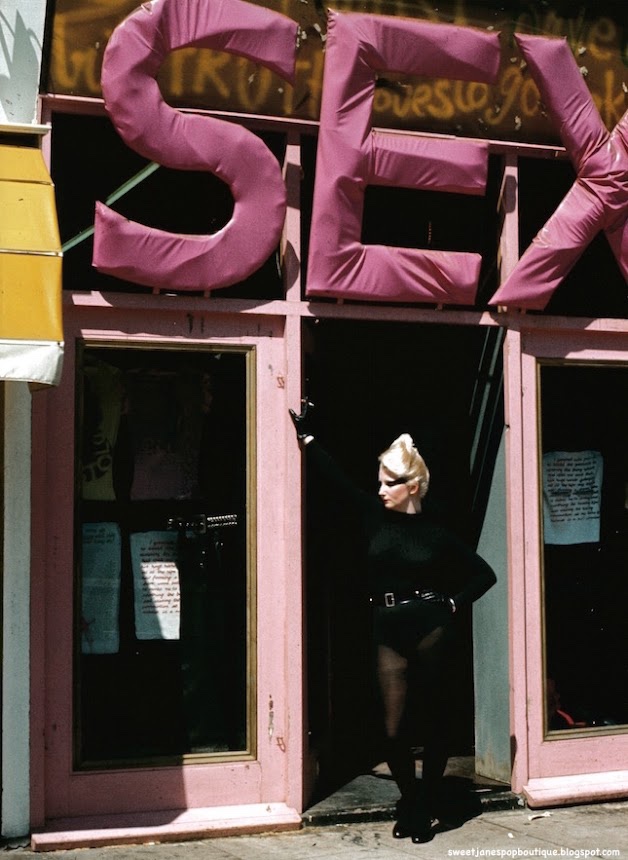
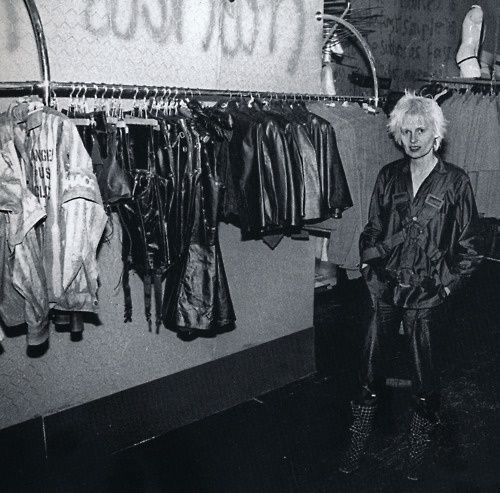
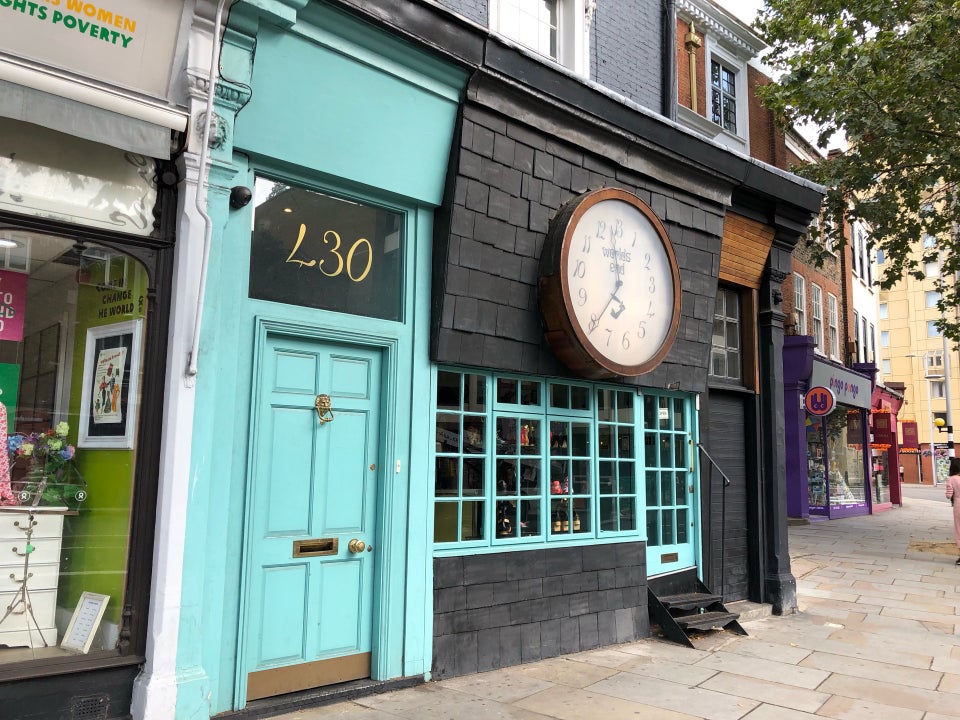
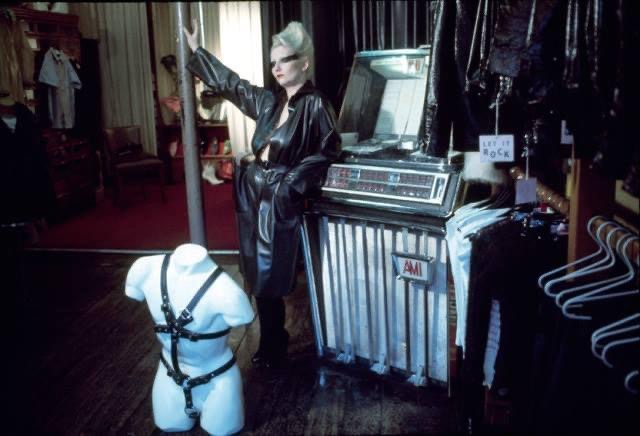
Westwood moved with her parents to London when she was 17 and she has lived in the city ever since. It is London, or rather her shop premises at 430 Kings Road, Chelsea that is for ever associated with her daring designs. From its rock’n’roll, fetish wear and punk roots in the 1970’s, the shop that was initially known as ‘Let it Rock’. It them became ‘Too Fast To Live, Too Young to Die’, then ‘Sex’, then ‘Seditionaries’ and finally ‘Worlds End’ as it is still known today. (World’s End is the name given to this eastern part of the district of Chelsea in London where the shop lies). With the changes of name, the designs and very nature of Westwood’s creations would abruptly change.

SEX at 430 Kings Road, Chelsea
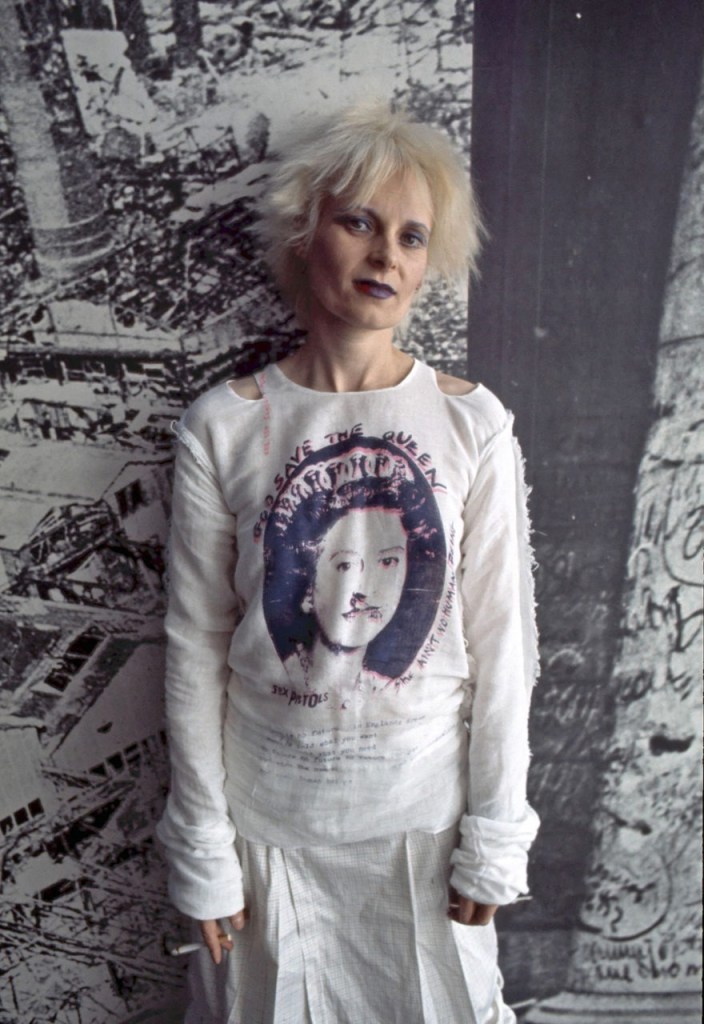
Vivienne Westwood in Seditionaries 1977
Worlds End storefront with the 13 hour clock face

In this year of the Queen’s Platinum Jubilee and her recent death, it is worth looking back at Westwood’s attitude to the Monarchy.

Initially, you could be forgiven for taking the view that Westwood was an out and out Republican. One of her initial designs featured a screen print of the famous Cecil Beaton portrait of the Monarch with a safety pin through her lips.

Her shop at 430 Kings Road helped clothe the Sex Pistols who stormed the UK music charts with their ultra controversial hit single ‘God save the Queen’ at the time of the latter’s Silver Jubilee in 1977.

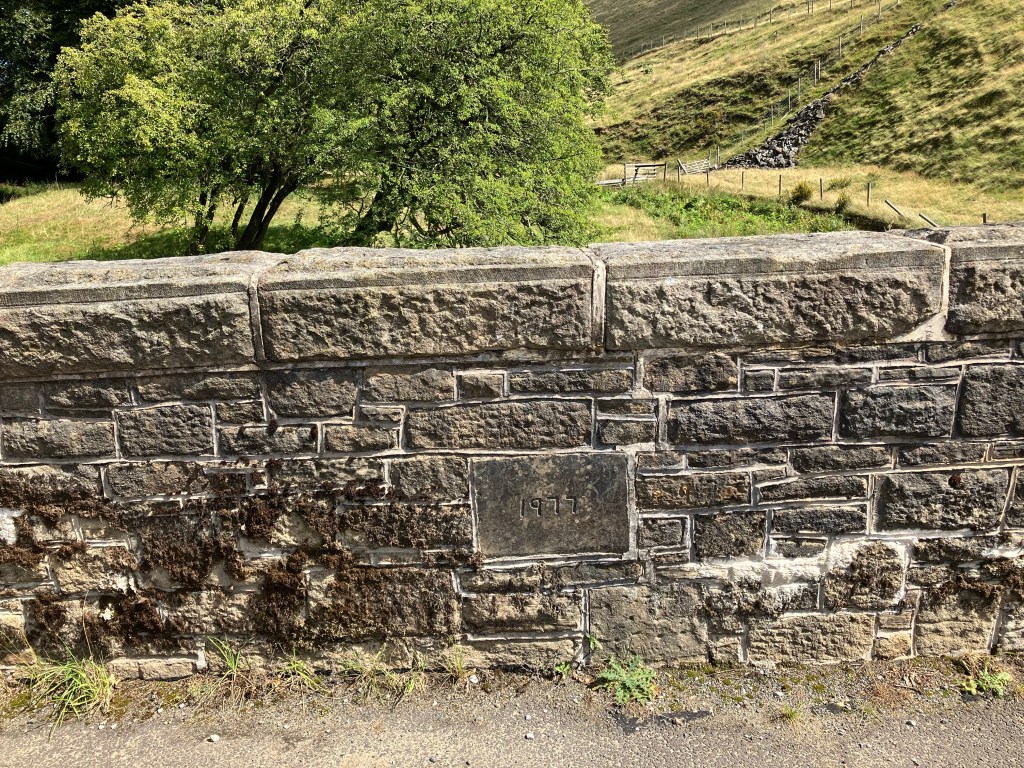
Bridge at Tintwistle built in 1977

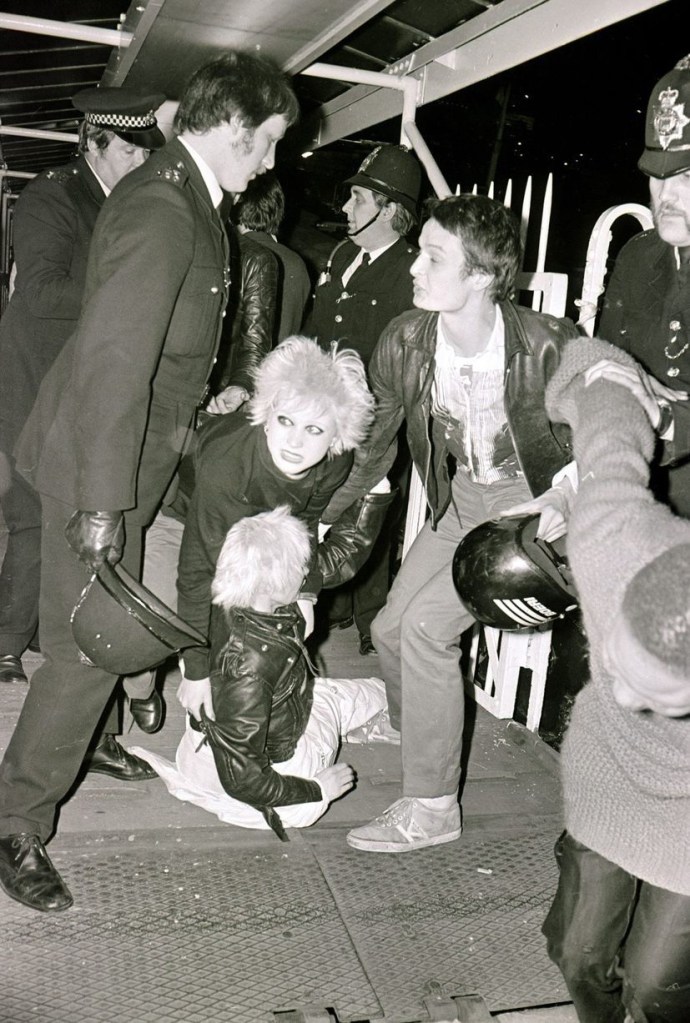
Westwood herself was arrested and detained on the day of the Jubilee celebrations in 1977 following a very infamous boat trip with the Sex Pistols and various luminaries on board. The group belted out their songs as they sailed along the Thames until they passed the Houses of Parliament when their boat was detailed by a flotilla of police officers who promptly arrested all and sundry, including Westwood.

Nevertheless, Westwood is very much a monarchist who holds the Queen and the Hereditary monarchy in high regard.

“ The Queen performs a national service. She holds the country together. She is a figurehead of international diplomacy. We all owe her our gratitude’’.

‘’I think that it is important that our Royal family is hereditary, the family members learn diplomacy by osmosis and develop a sense of duty to our country and the world.’’

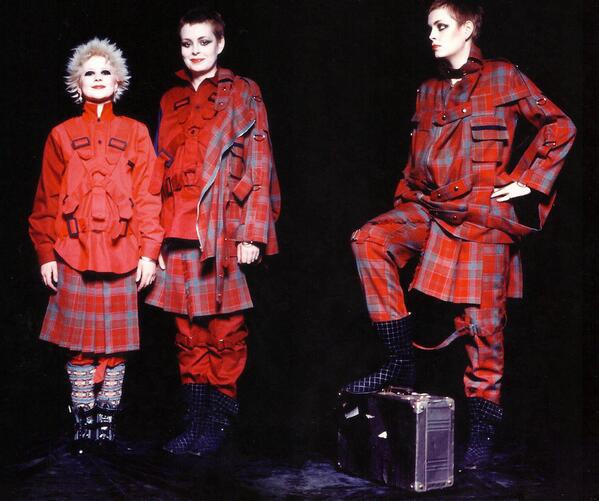
Westwood is very much an Anglophile and monarchist in her designs and she has often use royal images and traditional materials ranging from a Harris Tweed collection to worsted’s, tartan kilts and bondage jackets and to the choice of an Orb logo for her business logo.

Her notorious 70’s rubber clothing was stitched and assembled by obscure fetish wear manufacturers in the North of England who had been making garments in the material for their specialist customers for many years.

Westwood was born in Glossop, a town just South of her home in Tintwistle. Glossop is where she went to school. There was talk a few years ago about building a museum in the the town dedicated to her life and work but the idea was apparently rejected. A local graffiti artist, Deggy, recently created his own mural in the town in honour of Westwood.

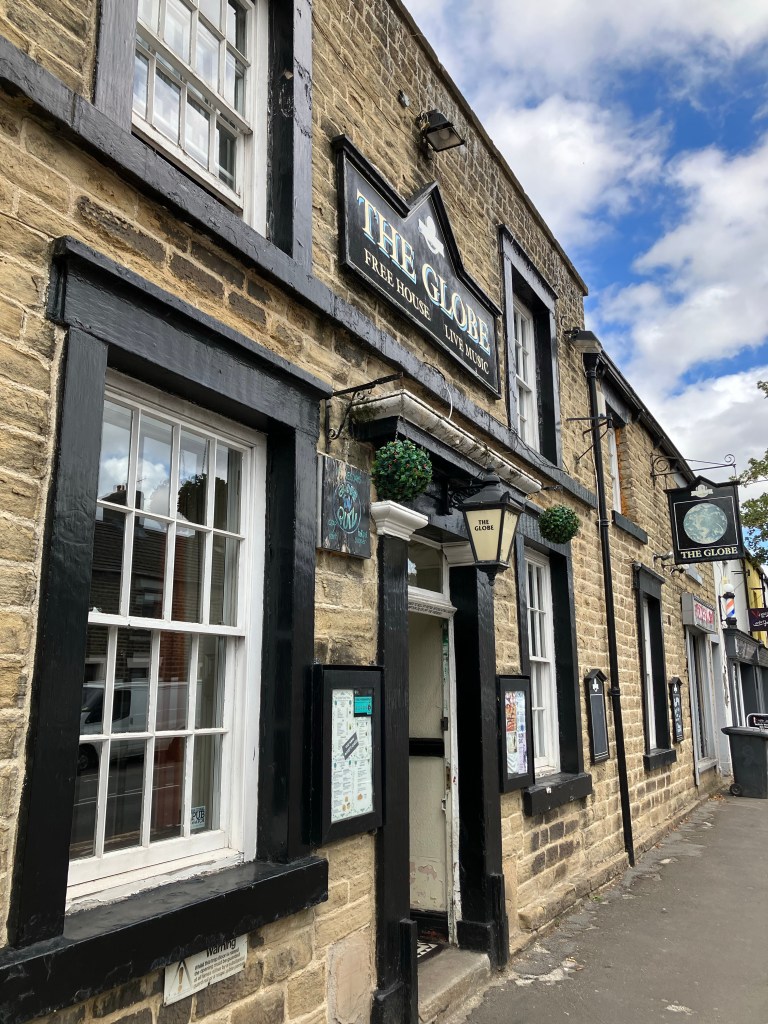
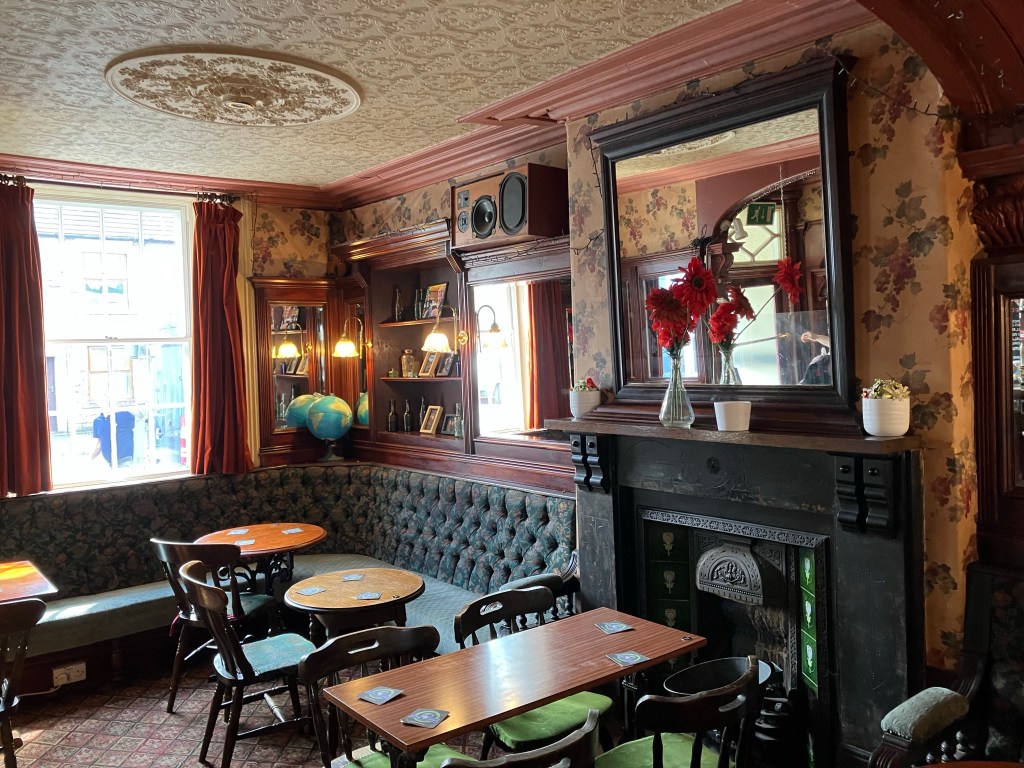
Glossop is a handsome town with loads of character and it is certainly worth a visit in its own right. Our favourite place is The Globe pub on the High Street

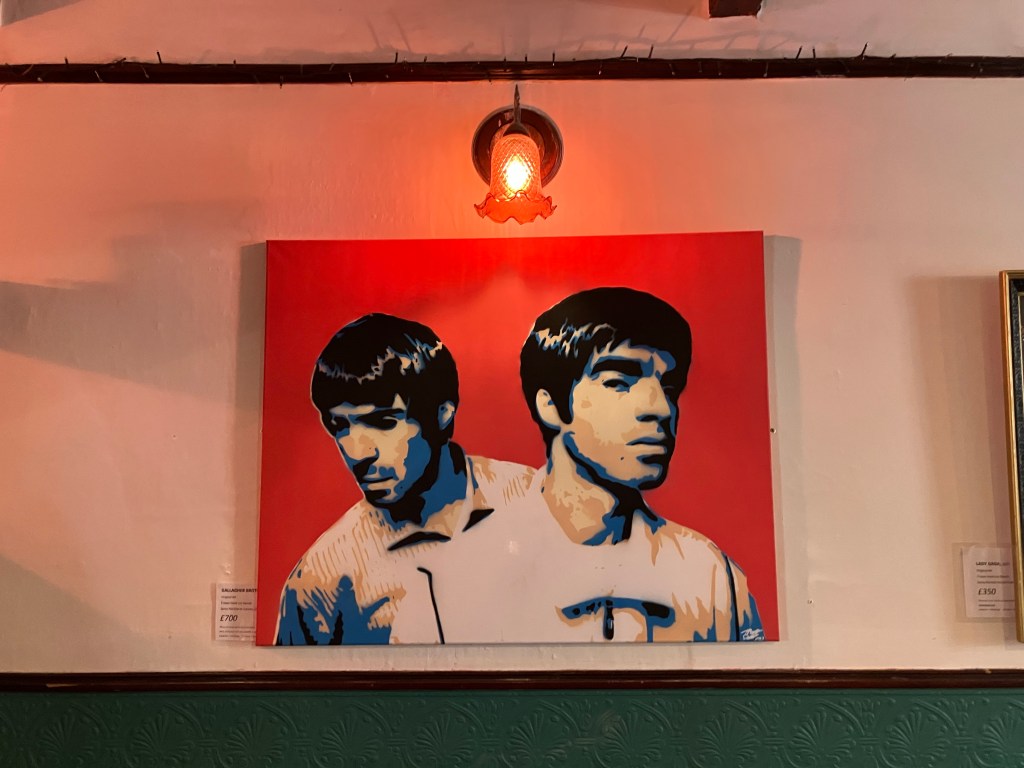
The pub is a well known music venue and it serves an exclusive Vegan menu of super cheap and very tasty bar classics. Recommended.

When it comes to beer, the local Distant Hills brewery and tap room is also a good bet.

In 1992 Westwood received an OBE from Queen Elizabeth II. The Queen made her a Dame in 2006.
Court Green, Plath, Patti and Beer

Patti Smith

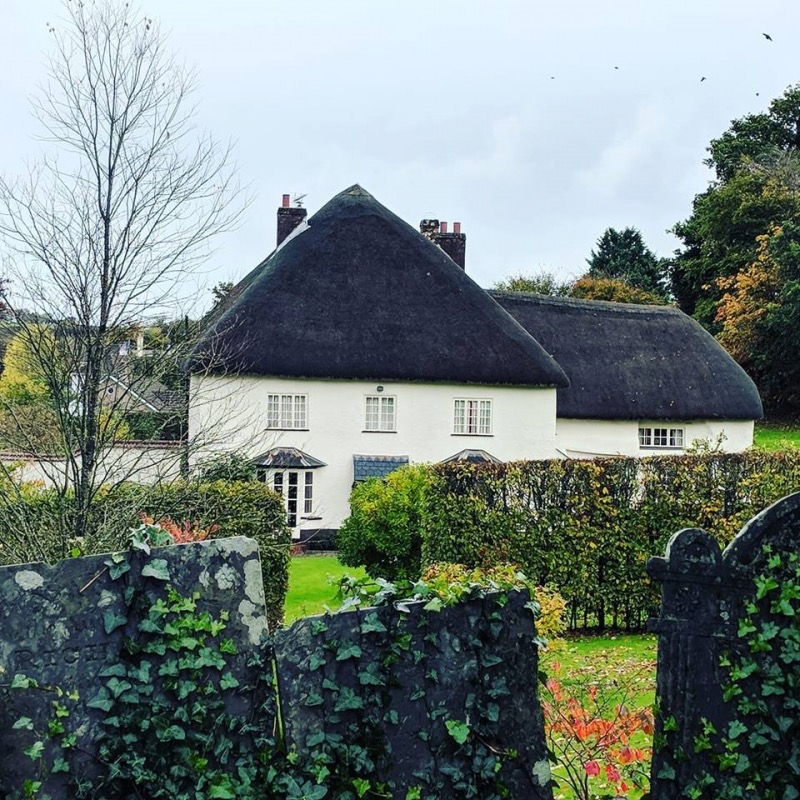
Court Green is a house in the county of Devon in the far south west of England. It was the home of poets Ted Hughes and Sylvia Plath. Plath wrote most of her celebrated Ariel collection of poems whilst living with Hughes at Court Green. When the couple separated, Plath moved to London with her two small children to the house where WB Yeats had once lived. It was here that she committed suicide in 1963.

Court Green

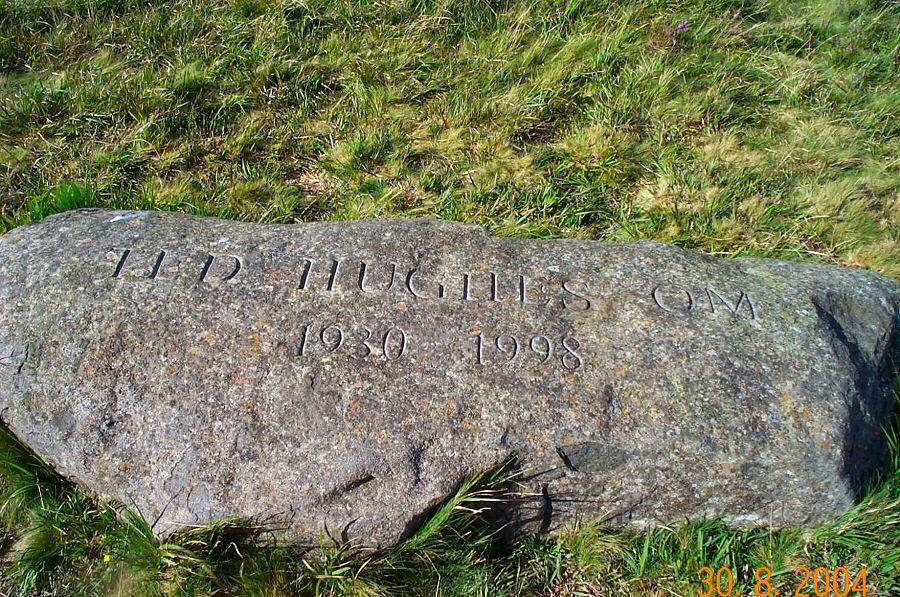
Hughes continued to live in the house until his death in 1998. A ‘secret’ stone memorial lays on a remote hillside on nearby Dartmoor. The memorial, especially requested by Hughes, lay undiscovered in its moorland location for years until it was uncovered by walkers. Although the memorial stone and its whereabouts were known to friends of Hughes, it’s exact location was kept secret to prevent it becoming a shrine to the poet.

Dartmoor memorial

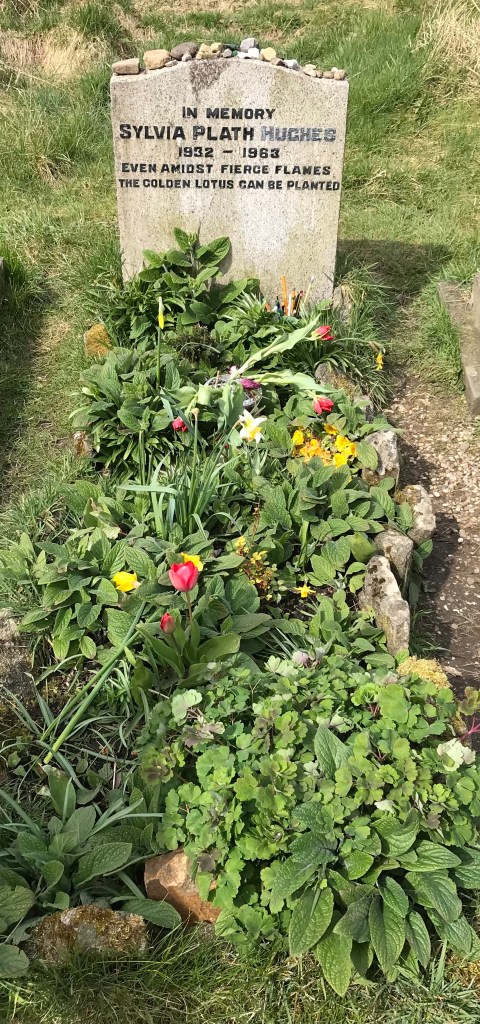
By way of a contrast, the grave of the poet’s former wife, Sylvia Plath is very much a shrine to the late author, attracting visitors from across the world.

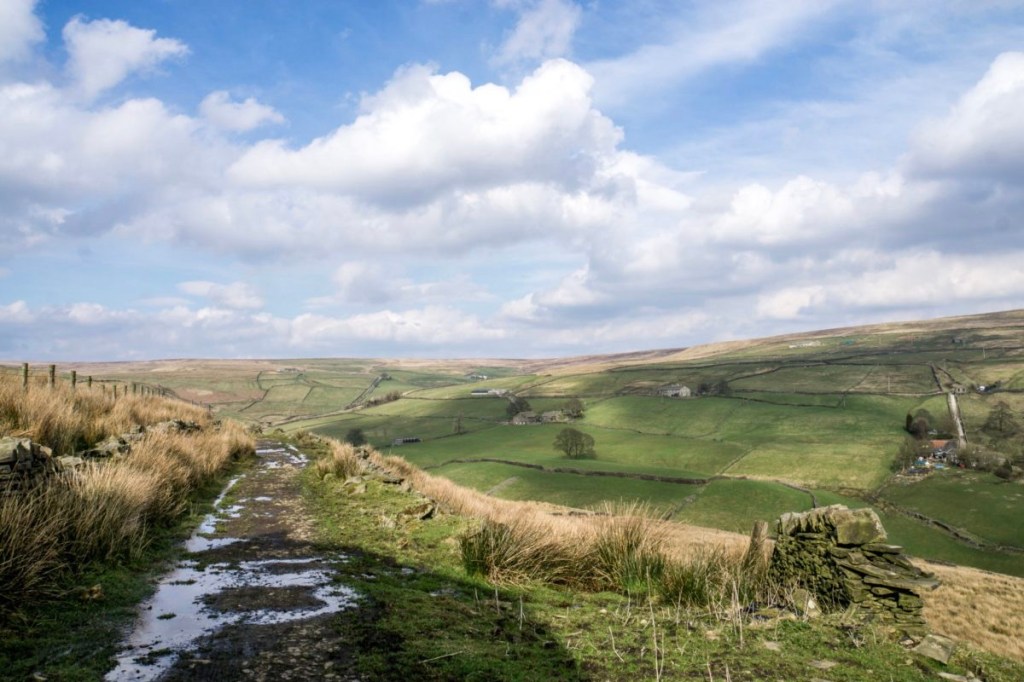
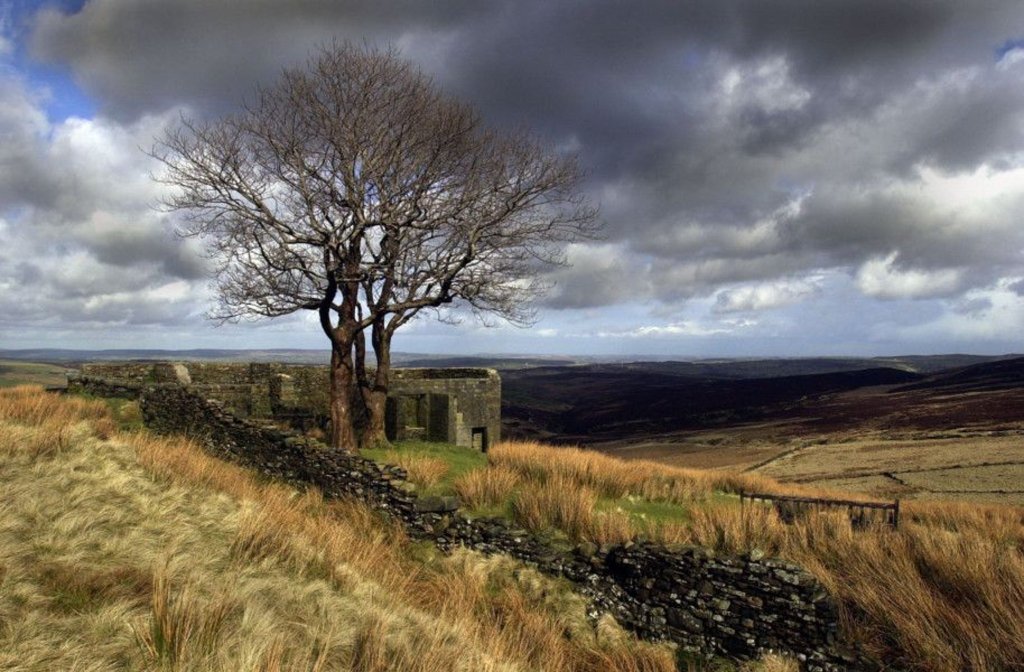
The moors around Heptonstall

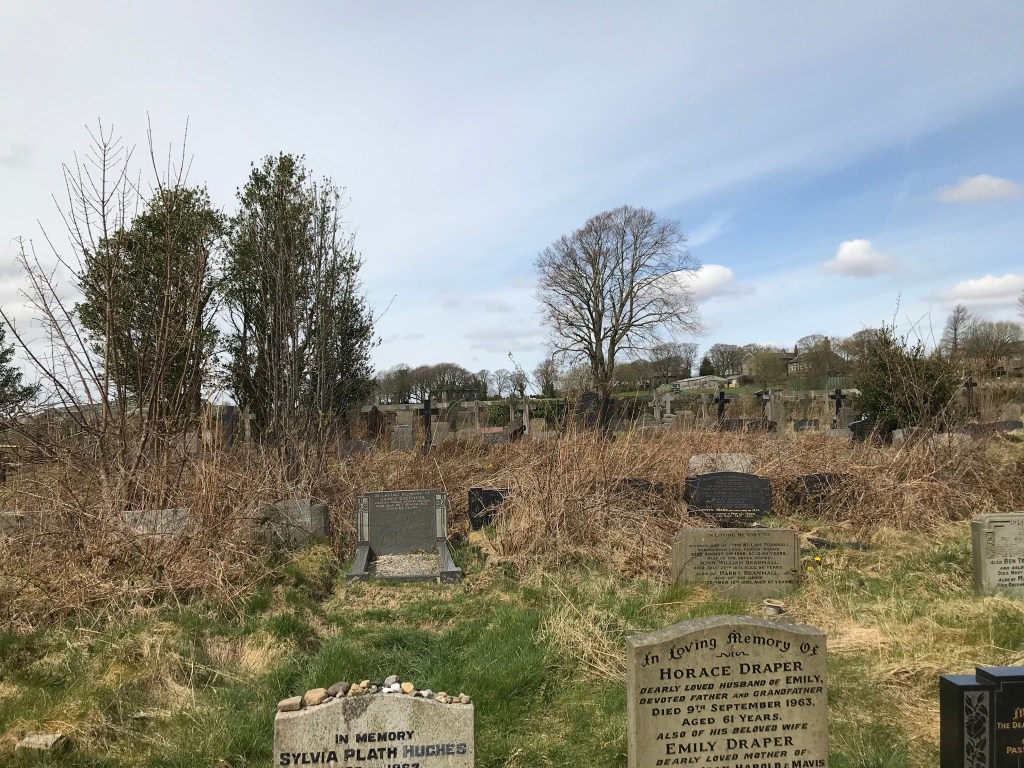
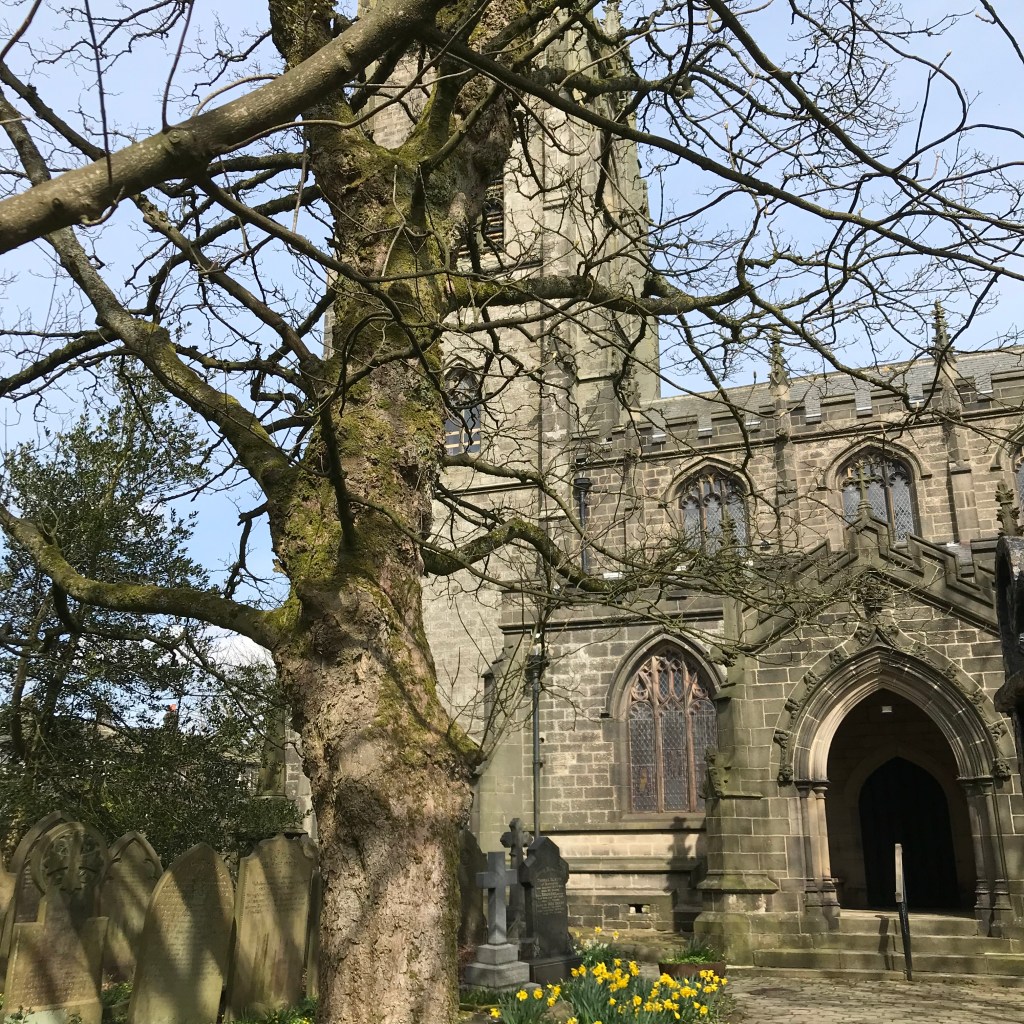
Sylvia Plath is buried in St. Thomas’ Churchyard in the village of Heptonstall in West Yorkshire. The village lies above the historic town of Hebden Bridge. It is surrounded by rugged moorland. Although she had separated from Hughes at the time of her death, they were not divorced. Hughes was from the village of Mytholmroyd near to Heptonstall, and he chose the latter as the site of her burial.

St Thomas’ church

Heptonstall is, a small, cobblestoned settlement of a couple of pubs, a post office , a gift shop and a great café for coffee and cakes. It is a mixed community made up of those from the locale and incomers to the area attracted by the village’s picturesque beauty.

Heptonstall houses

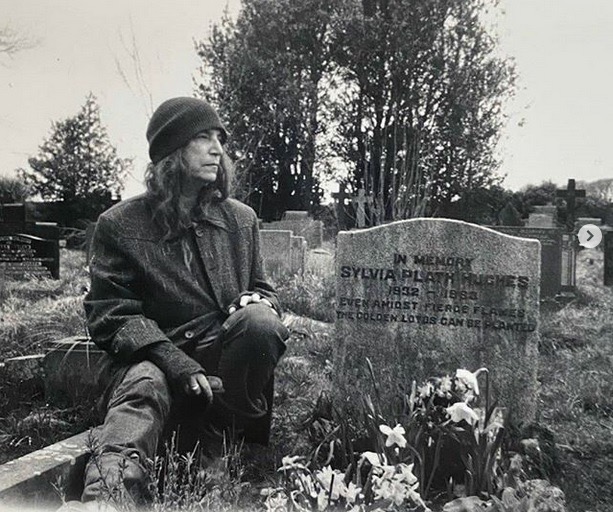
Sylvia Plath’s grave can be found in the New Cemetery which is to the left of the church. As you approach the headstones looking for her plot, an elderly gentleman called Stuart may well be waiting close by to guide you to the site. He is a charming, helpful individual who has lived in the village his whole life. He knew the Hughes family and although he did not know Sylvia Plath, his care in maintaining her grave and his assistance to the many admirers of her work who come from far and wide to visit the site, has earned him the gratitude of her surviving daughter Frieda (Plath’s son Nicolas committed suicide in Alaska in 2009). Stuart keeps a record of the number of visitors to the site and where they are from. As well as visitors from the UK, well wishers from all over the world (especially the US) make their way to the grave, many leaving a pen in a container under the headstone which has been left there for that purpose.

The jar full of pens is just about visible

When we visited, the full name Sylvia Plath Hughes was clearly visible on the headstone although the name Hughes appeared to be somewhat faded. Stuart explained that some admirers of the poet blamed Ted Hughes for her suicide and tried to deface the name Hughes on the headstone. Stuart had cleaned up their attempts and had been personally thanked by Frieda for his efforts apparently.

One American visitor is poet and musician Patti Smith who has made the journey to the grave several times. Her memoirs ‘M Train’ from 2015 recounts her three visits to Plath’s grave including one she made with her sister who was keen to visit nearby Brontë country, a location especially popular with Japanese visitors who are especially enamoured of the sisters.

Smith is reverential towards other great artists and her M Train memoir describes her visits to the Japanese gravestones of poet and ultra nationalist Yukio Mishima, Ryūnosuke Akutugawa, father of the Japanese short story, and the revered author Osamu Dazai. All three had committed suicide.

Schrader’s outstanding ‘Mishima: A Life in Four Chapters’

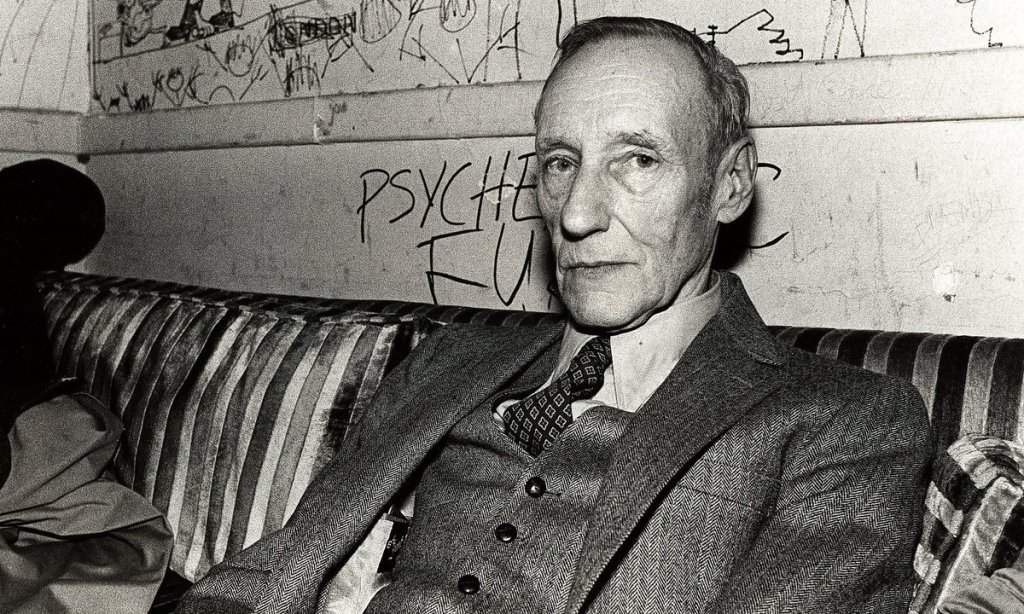
The grave of another American poet, Asa Benveniste also lies in the churchyard. His gravestone reads “Foolish Enough to Have Been a Poet”. Benveniste was not only a poet but a publisher as well. As the founder of the Trigram Press in London in 1965 he specialised in publishing the work of Beat Generation writers including William Burroughs and Gregory Corso.

William Burroughs

Patti Smith is a clear fan of the Beat writers. She told the Beatdom literary journal in 2012

‘I was very attached to William [Burroughs]. I knew Gregory, Gregory Corso, very well…

I was very privileged to know these people and I had different relationships with them all. Gregory was very, very important to me in my learning process of how to deliver poems live…and in my reading list.

But William was the one I was most attached to. I just adored him. I had sort of a crush on him when I was younger and he was very good to me.’

Asa Benveniste once ran a bookshop in the nearby town of Hebden Bridge, a cultural place in its own right. The town has an excellent venue in The Trades Club where many great performers (including Patti Smith) have played over the years.

The Trades Club

We do not know whether Patti Smith visited the grave of Asa Benveniste when she visited Heptonstall as she does not mention the poet’s grave in her writing to the best of our knowledge. 

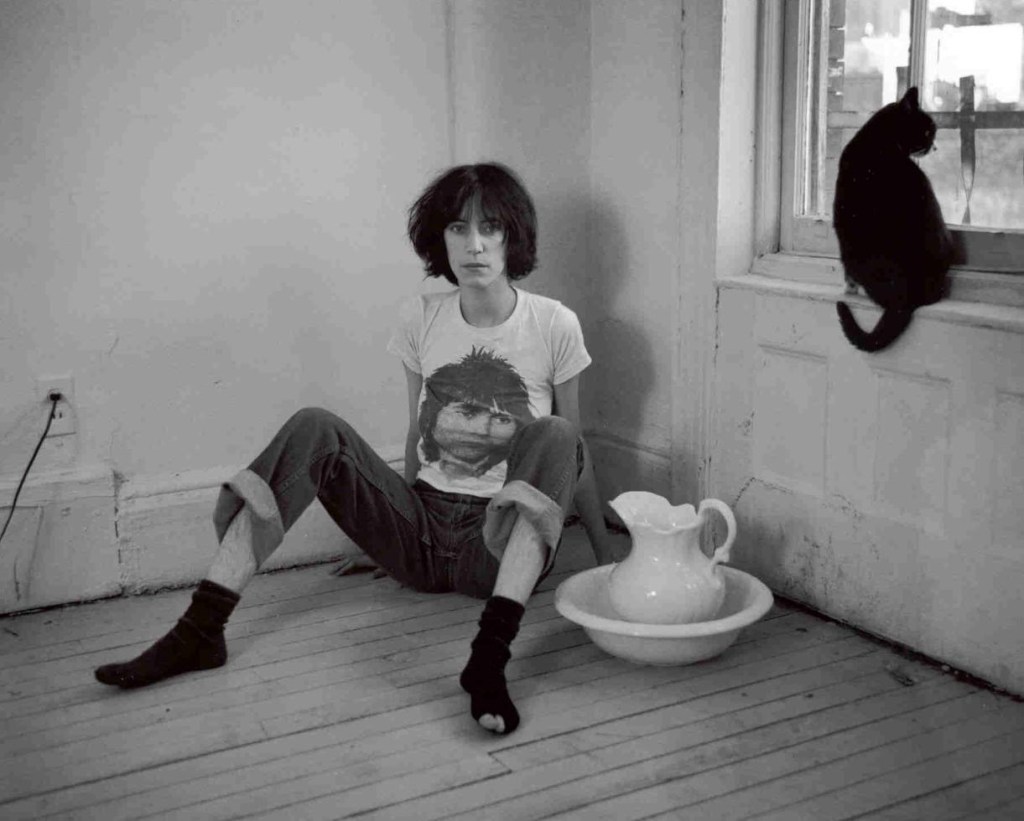
What we do know is that Patti Smith is, like us, a cat lover having kept the animals since childhood. 

Patti Smith in 1974. Photo by Robert Mapplethorpe

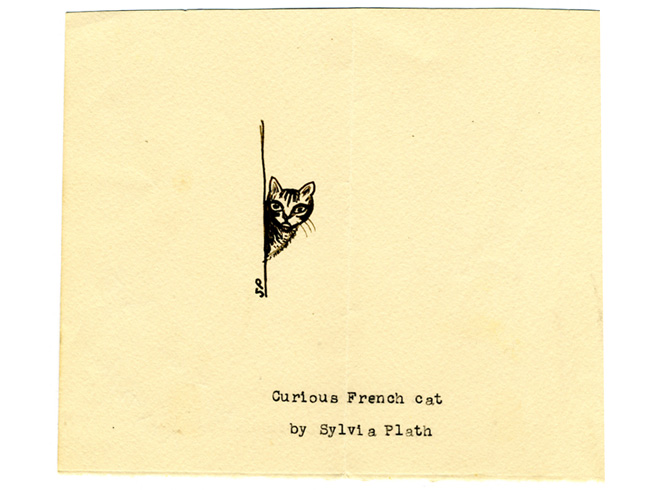
Sylvia Plath was certainly a feline admirer. As well as writing the poem ‘Ella Mason And Her Eleven Cats’ she created the following drawing in 1956.

The churchyard at St. Thomas’ is no stranger to cats. Whilst we stood before Plath’s headstone, a large black beastie who Stuart named as Otto was roaming through the graves a few feet away. When we approached him he slunk further into the brambles, his tail swishing behind him.

Otto is in this photo if you look hard

Sylvia Plath was both influenced by the wild Yorkshire moors and by the Brontë sisters and Wuthering Heights in particular. The Brontë family home was at Haworth, a few miles from Heptonstall.

Plath wrote the following in a letter to her mother in the US in 1956 after a visit to the moors and the Brontë home in Haworth in 1956.

I never thought I could like any country as well as the ocean, but these moors are really even better, with the great luminous emerald lights changing always, and the animals and wildness. Read Wuthering Heights again here and really felt it this time more than ever. 

After visiting the grave on an especially bleak winter’s day, Smith made the following comment in her excellent book M Train:

It was such a desolate place in winter, so lonely. Why had her husband buried her here? I wondered. Why not New England by the sea, where she was born, where salt winds could spiral over the name PLATH etched in her native stone?

In an extract from her Journals, Plath describes the moors in a way that only someone who loves them can:

…..across the slow heave, hill on hill from any other direction across bog down to the middle of the world, green-slimed, boots squelchy – brown peat – earth untouched except by grouse foot – bluewhite spines of gorse, the burnt-sugar bracken – all eternity, wildness, loneliness – peat-colored water – the house – small, lasting, pebbles on roof, name scrawls on rock – inhospitable two trees on the lee side of the hill where the long winds come, piece the light in a stillness. The furious ghosts nowhere but in the heads of the visitors & the yellow-eyed shag sheep.’

In 1961 Plath wrote her own poem entitled ‘Wuthering Heights’ an extract from which reads

The sky leans on me, me, the one upright

Among all horizontals.

The grass is beating its head distractedly.

It is too delicate

For a life in such company;

In 2013 Patti Smith played a small acoustic set at the Brontë schoolroom in Haworth in aid of the Brontë society. She is an enthusiastic admirer of the sisters as is her own sister, Linda who also visited at the time. She gave a ‘shout out’ to Wuthering Heights’ Heathcliff and Cathy at the gig apparently.

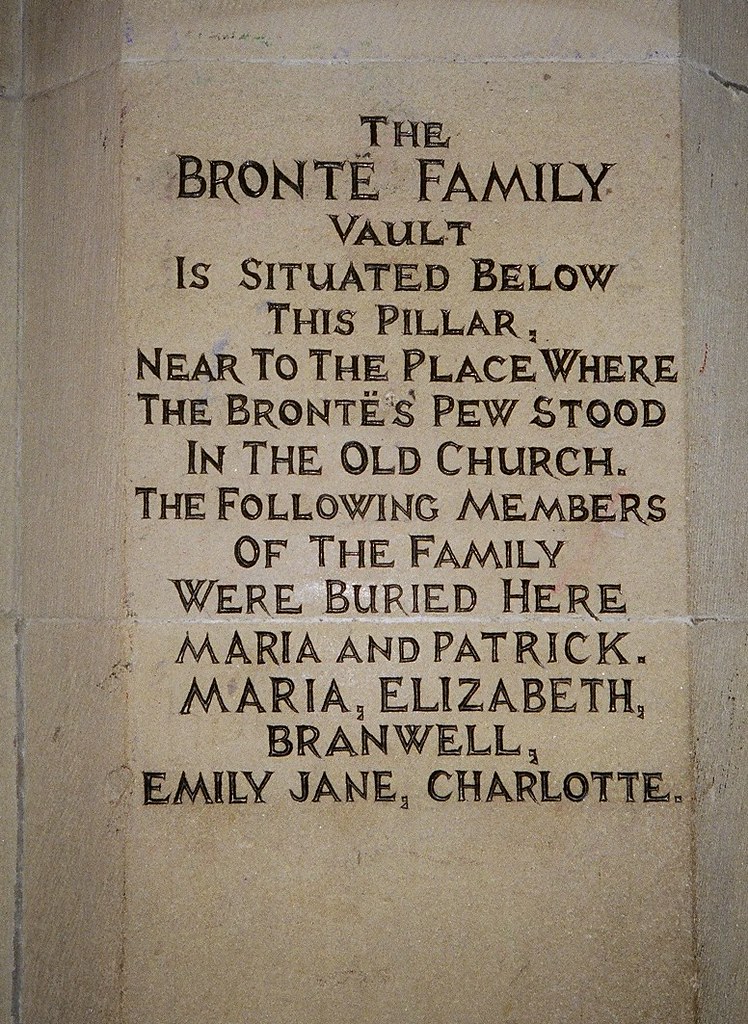
Emily Brontë is buried in the family vault at St. Michael and All Angels’ Church, Haworth.

St. Michael and All Angels’ Church, Haworth.

The village of Heptonstall and the adjacent town of Hebden Bridge are a part of the Upper Calder Valley which includes Cragg Vale which is situated high on the Pennine moorland.

Cragg Vale has two breweries, Vocation (www.vocationbrewery.com) and the Little Valley brewery (www.littlevalleybrewery.co.uk).

Our favourite brews locally are the Little Valley beers. The brewery has been around since 2005 when it was formed after a Dutch farmers son met a Geordie lady (i.e someone from Newcastle in the North East of England) whilst cycling in Kathmandu.

Their beers are 100% organic and better tasting for it in our opinion.

Little Valley beers

With all these words about poets, Japan, beer and cats, we thought we would ‘attempt’ a Haiku for you.

A Haiku

Wintry eventide

A tiny tabby cat purrs

Enjoying the beer

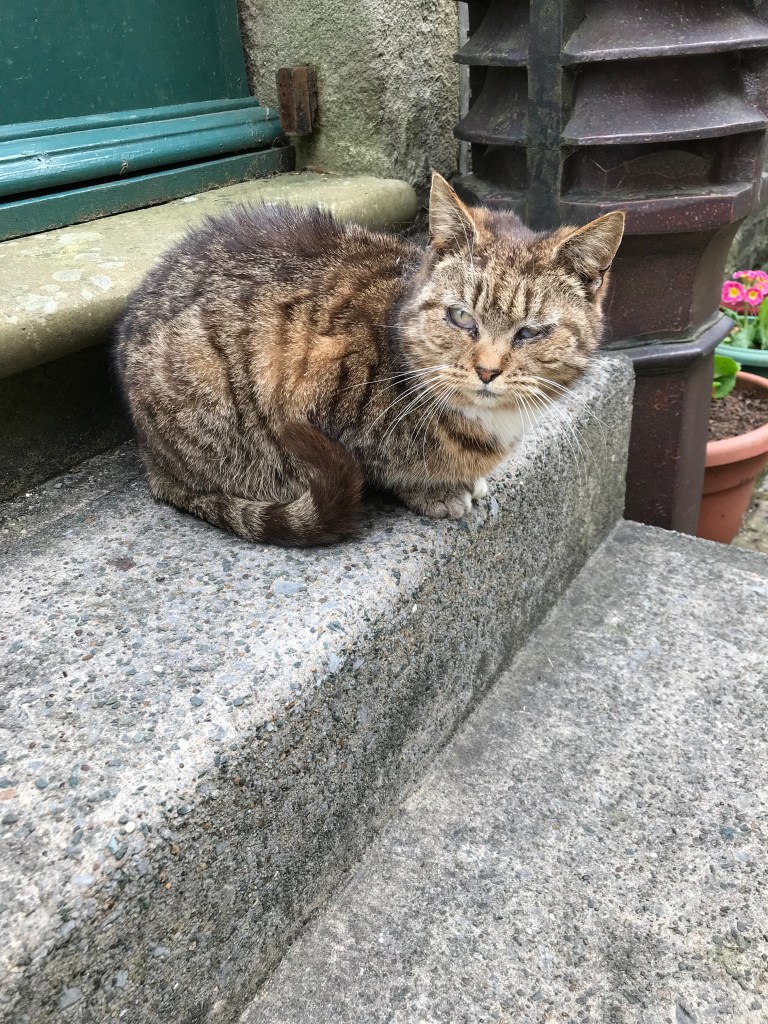
Another Heptonstall cat

Manchester, Refuge and Nico

The Kimpton Hotel & Restaurant Group is a San Francisco based chain specialising in unique boutique accommodation. Their ‘Clocktower’ hotel in Manchester in the North West of England is no exception. Housed in the Victorian era gothic architecture of the offices of the former Refuge Assurance Company, the distinctive terracotta facade of this imposing building together with the clocktower which gives the hotel its name, dominates this corner of the city.

The hotel lobby is especially impressive with its elegant glass dome and marbled walls and floors.

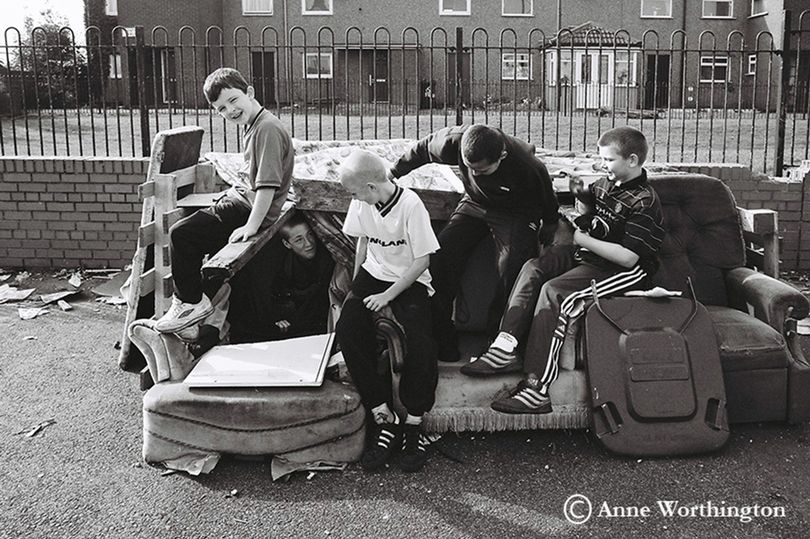
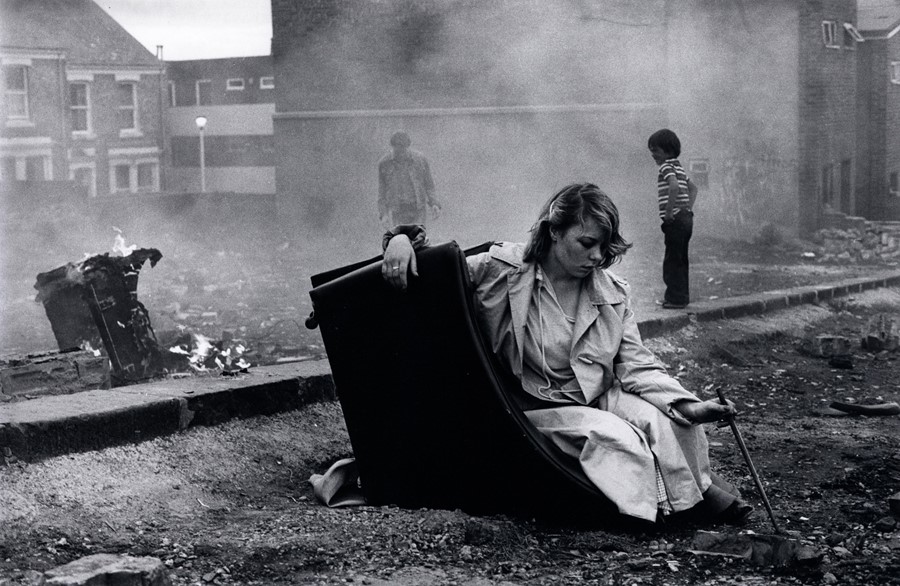
The Kimpton Clocktower often puts on small photographic exhibitions. As a part of the celebration of International Women’s Day on the 8th March, the hotel is currently hosting an exhibition of the works of photographers Anne Worthington (locally born) and the late Tish Murta who was from South Shields in the blighted North East of England. Both photographers captured the lives of ordinary people in poor communities. Worthington and Murta between them produced some of the best photographs nationally, photographs that are a long way from the society portraits of Cecil Beaton and Earl Snowdon and better for it in our opinion.

Anne Worthington photo of Manchester
Tish Murta photo of the NE of England

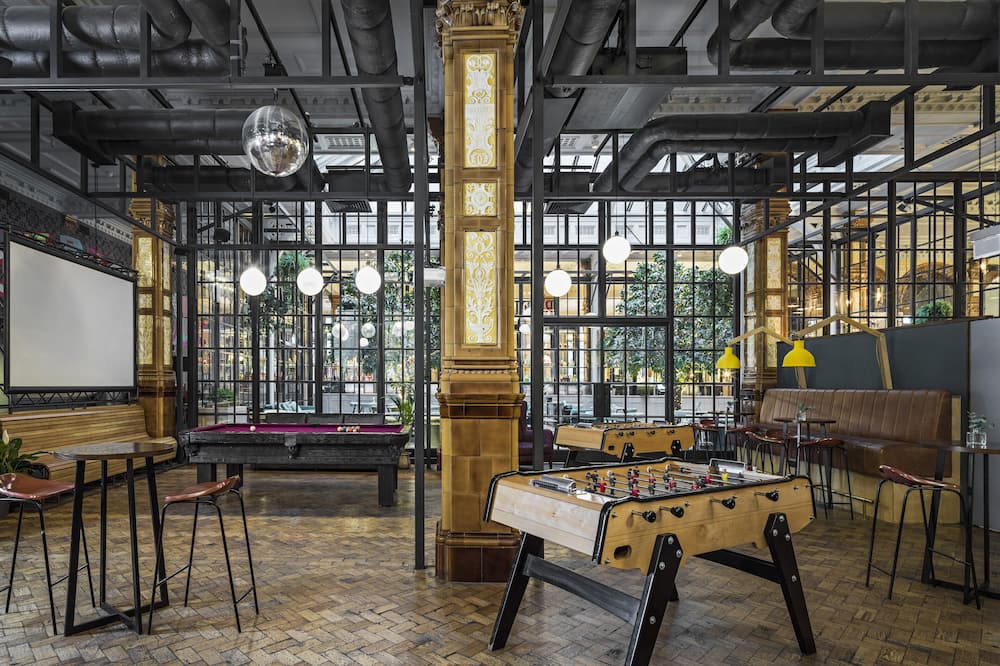
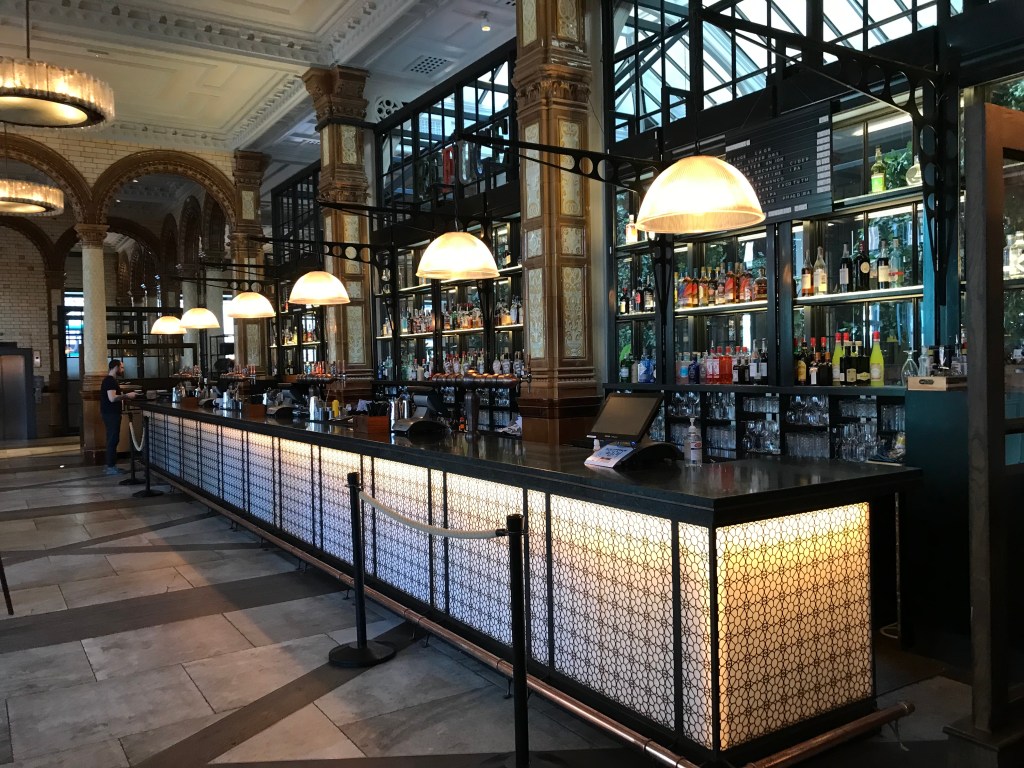
The hotel houses one of the most amenable spaces in the city,  ‘The Refuge’ with its restaurant specialising in an ever changing small plate menu, games room (the ‘Den’ with its football machines), an indoor Winter Garden (under glass – this is Manchester after all!), and a beautiful Public Bar.

The Den
The Public Bar

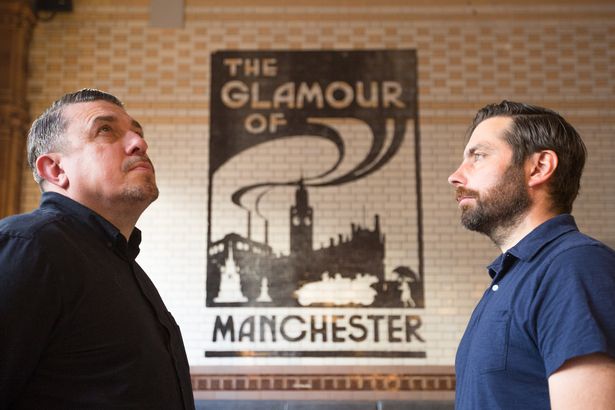
The Refuge was created when local DJ’s Justin Crawford and Luke Cowdrey, aka ‘The Unabombers’, joined forces with a business group and brought their own personality and expertise into the design and overall ‘feel of the recreational area of the hotel. They are also the force behind the popular Elektrik bar and Volta eatery, both situated in the south of the city

Luke and Justin at The Refuge

However, it was as ‘The Unabombers’ DJ duo that Luke and Justin made a name for themselves internationally. Their influential nights named ‘The Electric Chair’ were based just a few minutes walk away from where The Refuge is now situated, at a small below stairs venue known as the ‘Music Box’. The Electric Chair cemented the duo’s reputation for hosting a truly underground night which attracted with only the very best national and international DJ’s. We are not talking about any of the many dreadful ‘hands in the air, piano breakdown’ type DJ’s who were legion at the time but innovators such as François K, Danny Krivit and of course Joe Claussel.  Claussel from New York’s legendary Body & Soul was asked about The Electric Chair and commented: ‘I rarely play in the UK, but I can’t explain in words how great that party was. To me it’s all about energy and that place had one of the greatest energies I’ve experienced as a DJ anywhere.’ 

The legendary Joe Claussel

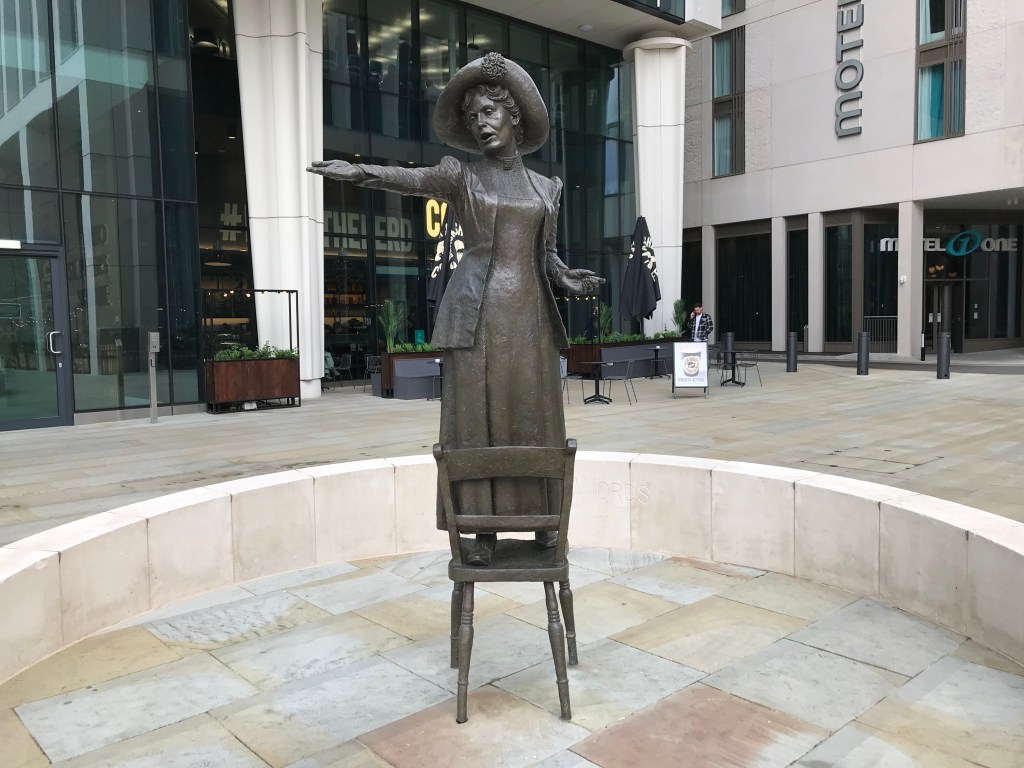
A short walk from the former Music Box venue will find you in the centrepiece of St Peter’s Square with its statue of suffragette and political activist Emmeline Pankhurst, named by TIME magazine in 1999 as one of the top 100 most important persons of the 20th Century. She was born in the nearby district of Moss Side and she is best remembered for organising the UK suffragette movement and helping women win the right to vote for parliamentary representation.

Emmeline Pankhurst

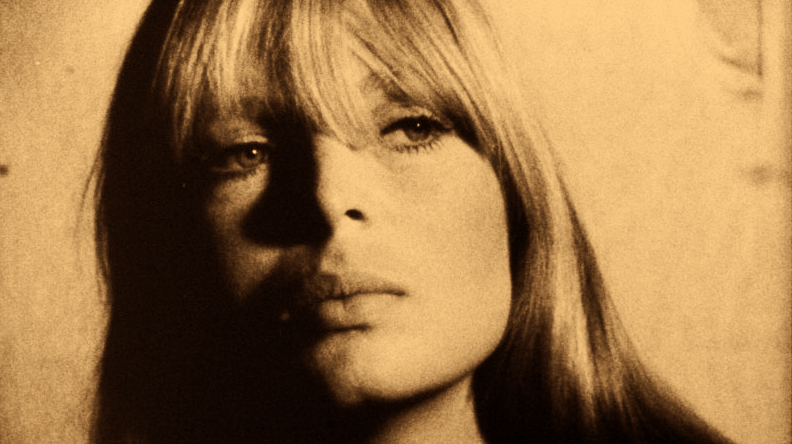
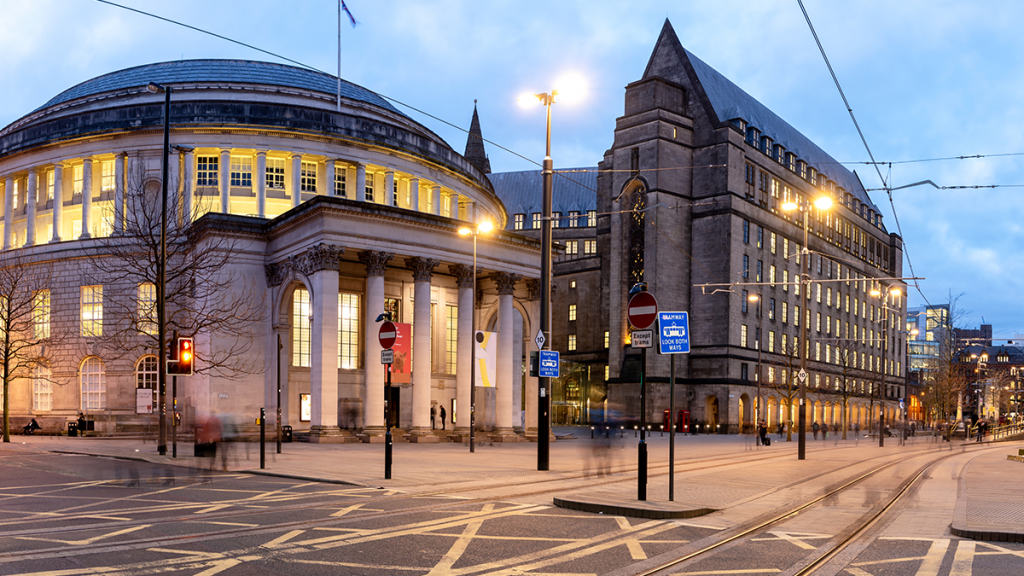
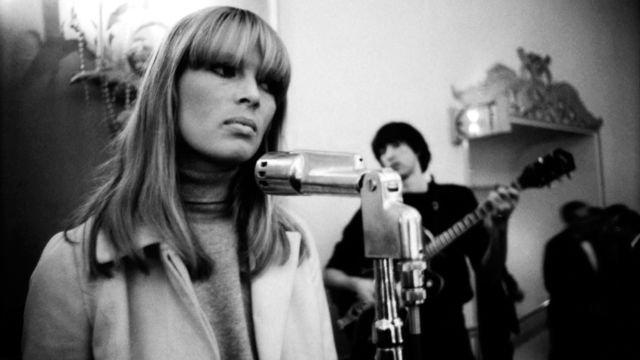
Across from Pankhurst’s statue is the city’s refurbished central library and theatre where another unique woman, Christa Päffgen aka Nico recorded her live album ‘Heroine’ in 1980 when she was living in the city. The album was released some 15 years after the concert was held to great acclaim. 

Central Library

Nico had been, of course, the muse of the film director Fellini, a model for Vogue and Chanel, an associate of Andy Warhol and a former girlfriend of French actor Alain Delon and singer Bob Dylan. Although an early member of the Velvet Underground in New York, in our opinion it is her remarkable (some would say ‘difficult’) solo work that is her greatest legacy with two albums in particular, The Marble Index in 1968 and Desertshore in 1970 being  exemplary works, quite unlike anything heard before or since. Strange and disquieting.

Frozen Warnings

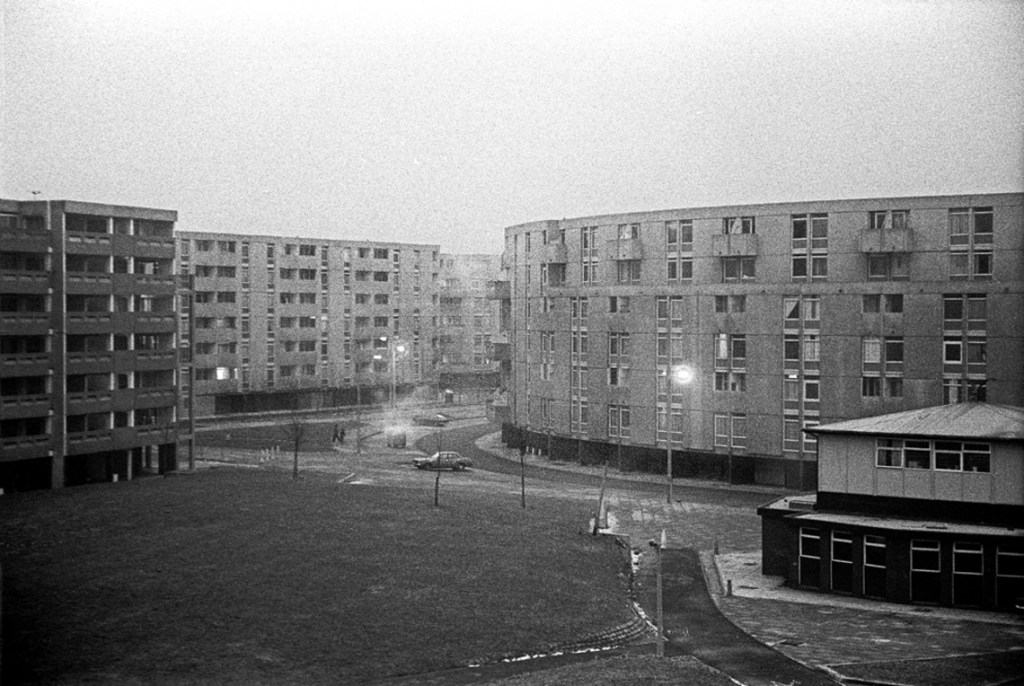
At the time Nico lived in Manchester the city was not in good state. It was grubby with high unemployment and pretty dilapidated. It was not an attractive place at the time.

Hulme district of Manchester – early 80’s

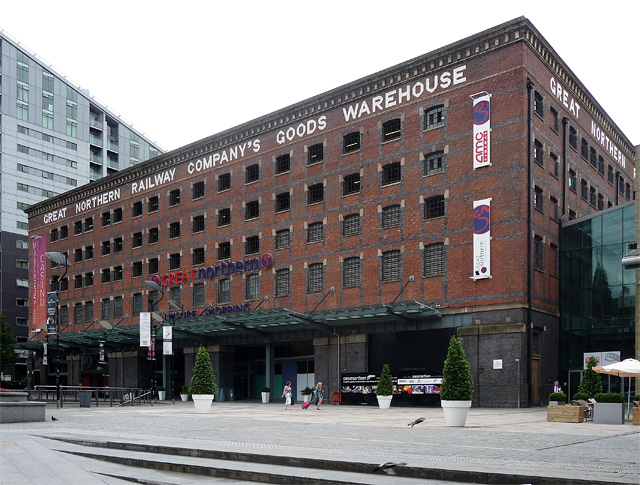
Local guitarist Martin Bramah who played with Nico commented however that “she didn’t see the grubby, industrial city I grew up in. She’d gaze at the Victorian architecture and say this is so romantic.” Her pianist at the time, James Young echoed her apparent affection for the city  noting ‘Nico liked Manchester. It was a dark gothic city and was in a state of semi-dereliction at the time; empty Victorian warehouses, factories closing down. She said it reminded her of Berlin, the ruined city of her youth.” 

A Manchester warehouse now

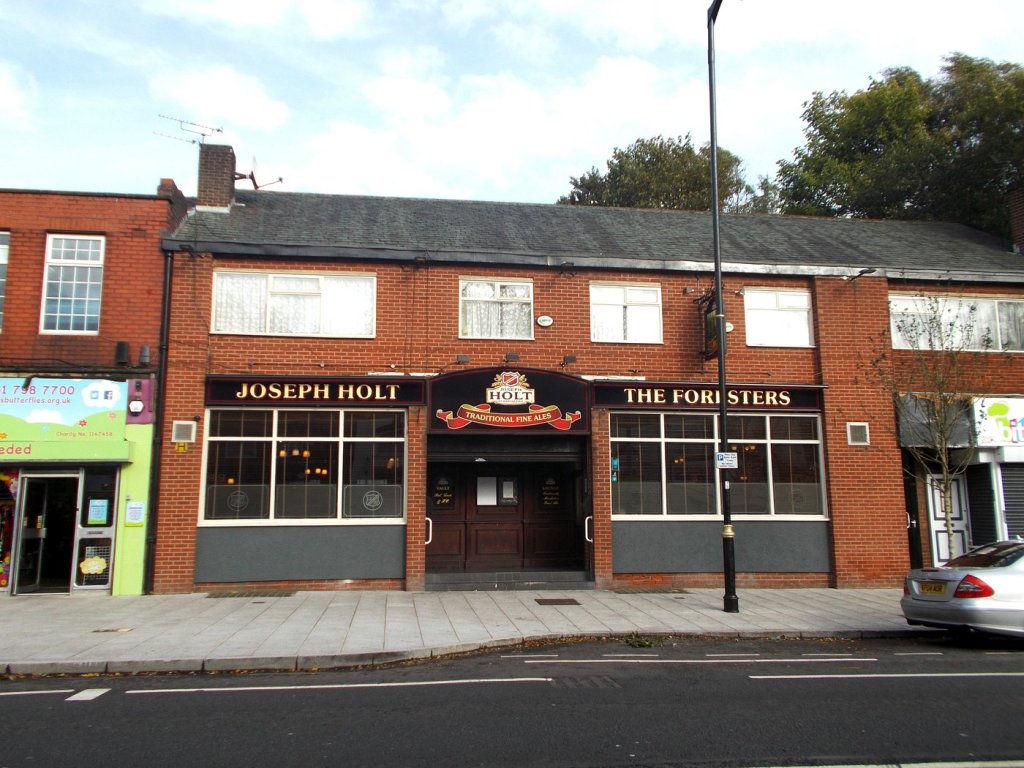
Nico enjoyed a beer and a game of pool with the locals pubs in Hulme and The Foresters in Salford being some of her haunts.

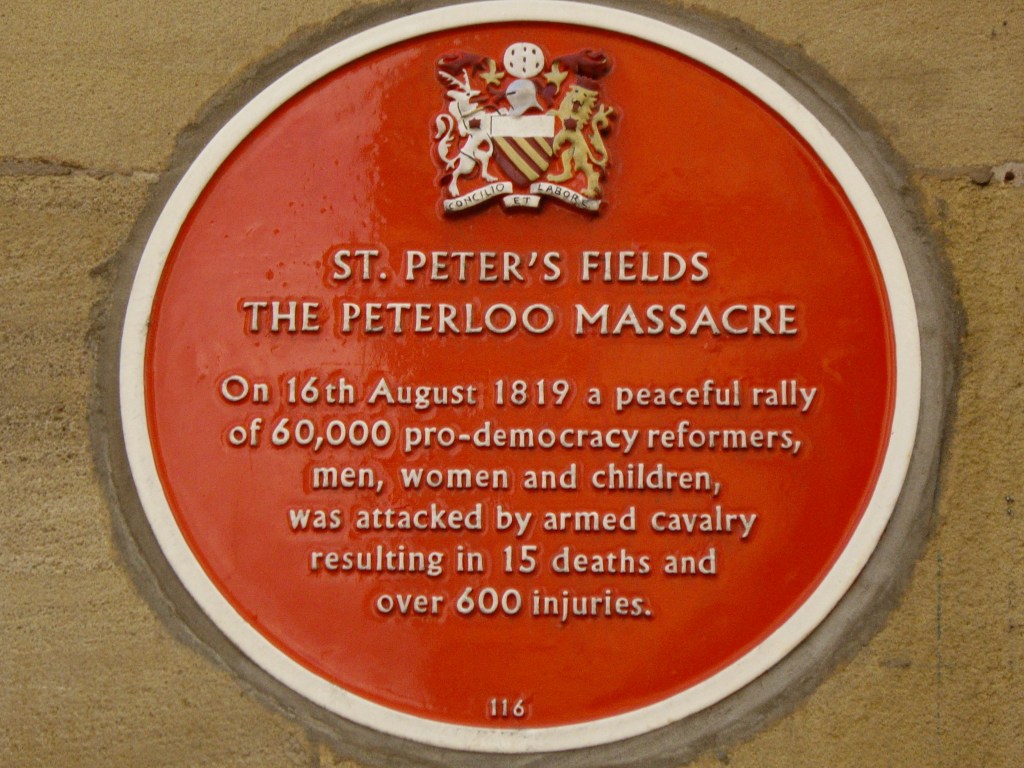
Across from the Central Library is a monument to the Peterloo massacre of 1819 when 15 protesters were murdered by cavalry as they charged into a crowd of around 60,000 people in St Peter’s Square who had gathered there to demand votes for all and the reform of parliamentary representation.

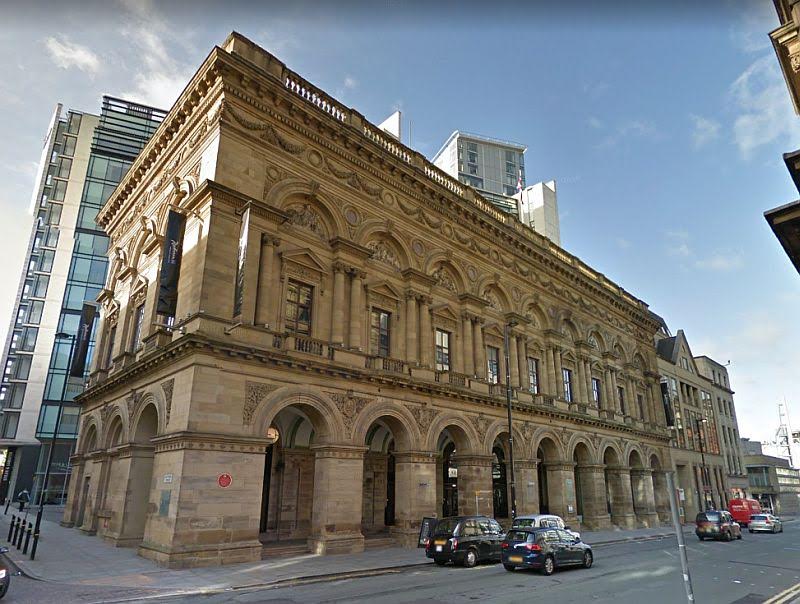
A few doors down is the site of the old Free Trade Hall now a Radisson hotel with its highly rated contemporary Japanese restaurant. The old Free Trade Hall is best remembered locally as a concert venue for everything from classical to popular music. The Hall was famously the venue for the cry of ‘Judas’ which greeted the formerly strictly acoustic Bob Dylan when he introduced his new electric band to the audience in 1966. The concert and the taunt of ‘Judas’ are immortalised on the bootleg recording The Bootleg Series, Vol. 4 released some 32 years after the event.

Free Trade Hall facade

The ‘Judas’ heckle at the Free Trade Hall:-

Judas!

We’ll leave the last word to Nico. Apparently when asked how she would like to be remembered, she remarked: “By a tombstone.”