When we first mooted the idea of visiting Marseille to our Parisian colleagues we were met with cries of surprise (‘quelle horreur’) and concerned attempts by them to direct us elsewhere in France! We got the distinct impression that the city was considered a lot different and perhaps a lot less satisfactory than other key locations such as Paris, Lyon and Bordeaux. This only made a visit to the city a more attractive proposition for us and we were not disappointed.
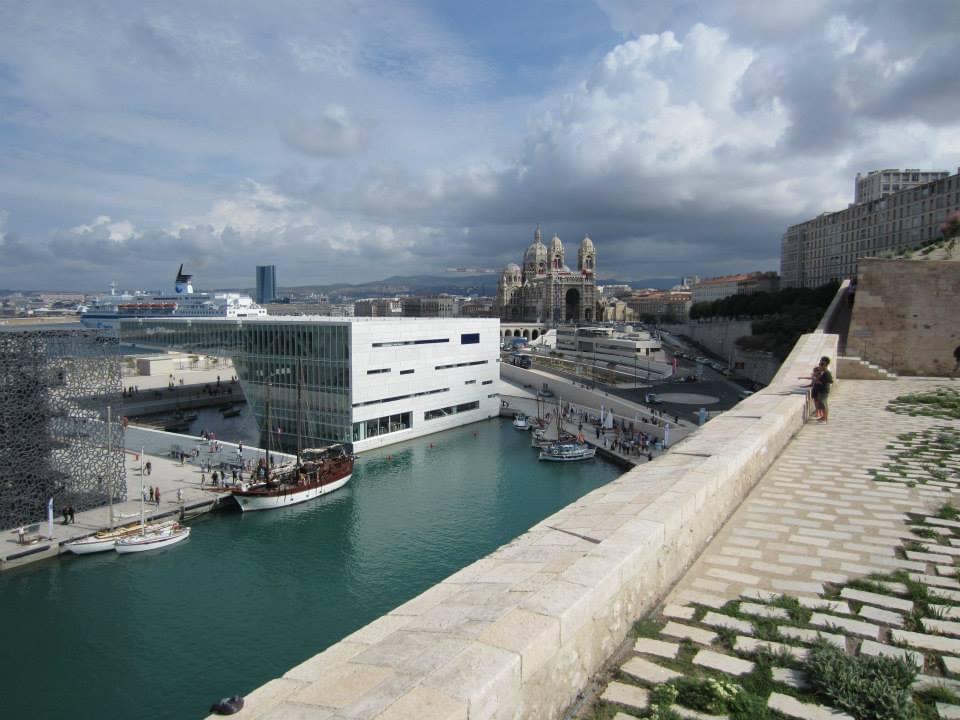
We don’t want to rely on the cliches of the ‘it’s like Naples or Liverpool’ kind (but see ‘Cities on the edge stand tall’ https://voxeurop.eu/en/cities-on-the-edge-stand-tall/) but we felt very at home walking in the streets of the Vieux Port and elsewhere. In particular, the families enjoying themselves at the ‘town beach’ at Plage des Catalans reminded us of a ‘day out at the seaside’ in the North of England (with a lot more sunshine of course!).
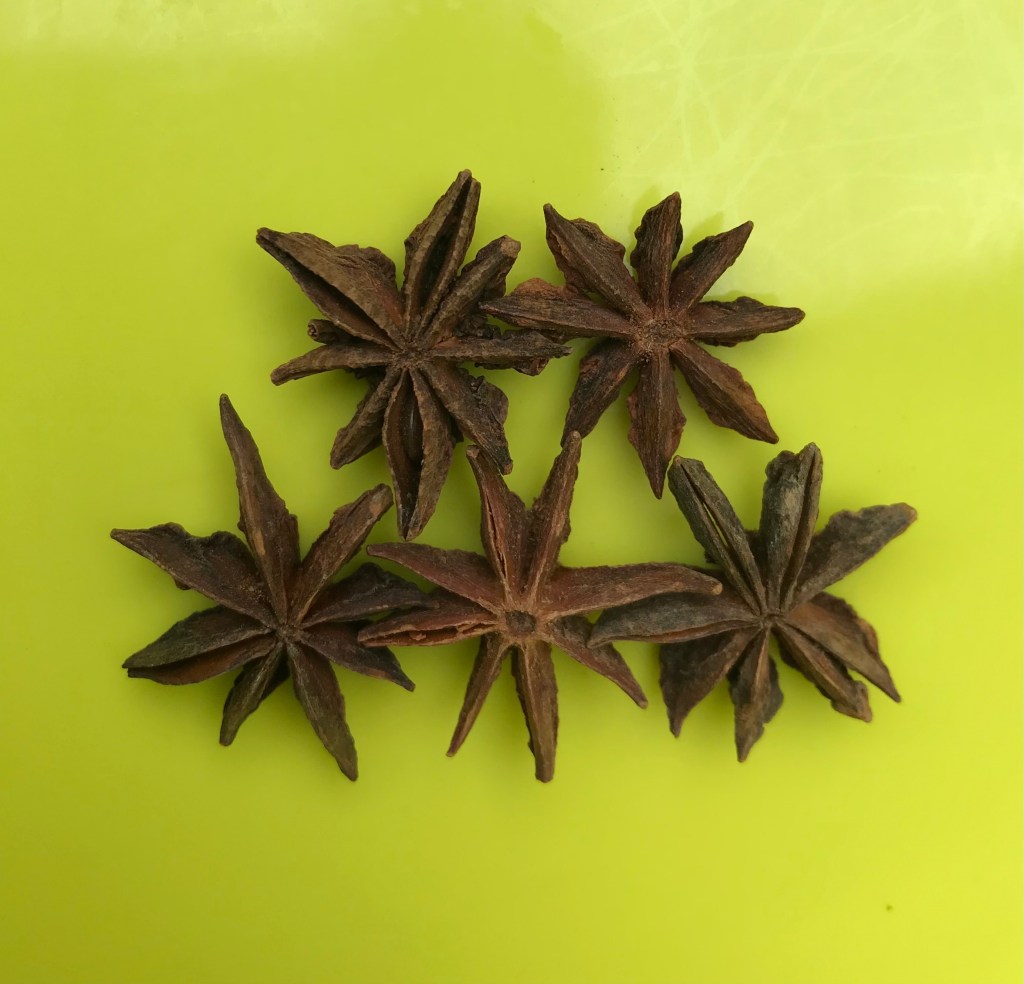
Marseille is the home of our favourite aperitif, pastis, a far more preferable drink in our opinion to other aniseed flavoured liquors such as sambuca, raki and the fearsome aguadiente of Colombia. Best drunk in combination with chilled water it is usually mixed in a ratio of around five parts of the latter to one part of the former. The liquor reacts with the water turning the spirit’s usual colour (which varies from brown to a golden shade), ‘milky’ in the reaction known as ‘louche’.
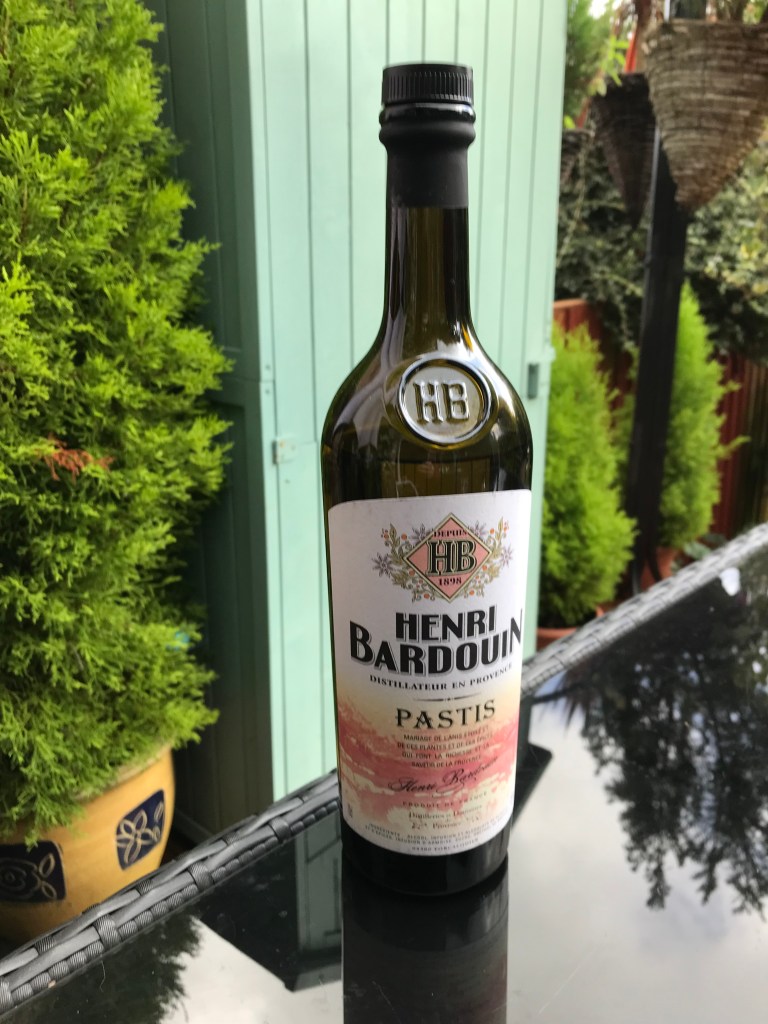
Pastis was first developed in Marseille by Paul Ricard in 1932 and today his brand along with its sister brand, ‘51’ are hugely popular and between them, probably the best selling in France. Although both of these drinks are fine, we prefer pastis produced by smaller producers of which there are several in Marseille and elsewhere in Provence. Our particular favourites are Henri Bardouin (https://www.distilleries-provence.com/en/cms/pastis) and Janot.
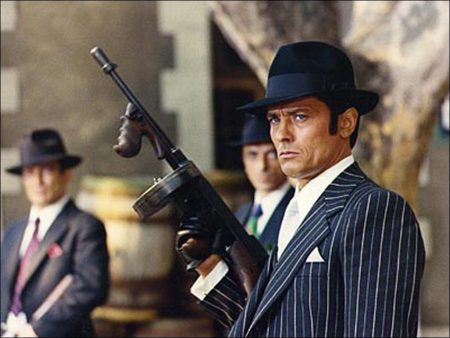
Pastis and its association with Marseille features in Deray’s fine 1970 gangster film ‘Borsalino’ with Alain Delon and Jean-Paul Belmondo. In the film the fictional distiller M. Boccace’s milky liqueur crops up in various bar scenes. The city’s atmospheric Le Panier district is prominent throughout. The film is great fun and well worth watching. Although set in the 1930’s, stylistically it kind of reminded us of Penn’s 1967 epic Bonnie and Clyde.
Marseille still has several smaller pastis producers. In particular we think that the superb pastis ‘Un Marseillais’ of the Cristal Limiñana distillery is worth mentioning (see https://cristal-liminana.com/en/).
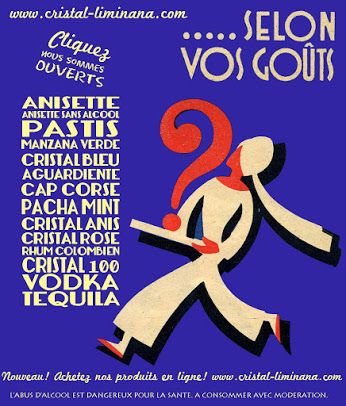
As the name Limiñana suggests, it was two Spanish brother who started producing Anis, the Spanish aniseed flavoured liquer, in Algiers in 1884. The Anis was sold in Algeria under the name Cristal Anis. The Cristal Limiñana business was later founded in Marseille in 1962 by one of the brothers who had Algeria left for France following independence in 1962. The same distillery still produces Cristal Anis as well as the aforementioned ‘Un Marseillais’. You can tour the distillery (appointment only) by contacting infos@cristal-liminana.com in advance to arrange a suitable date.
Although the most famous dish of the city is bouillabaisse, it was Corsican food and wine in Marseille that really caught our attention.
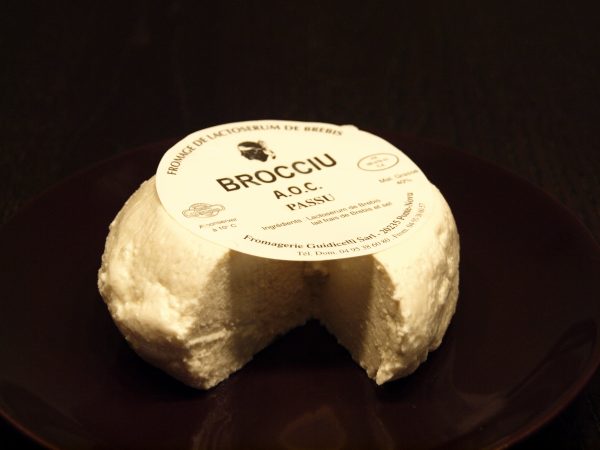
And of course, pastis. The brand Casanis was first distilled in Bastia, Corsica in 1925. The business was later transferred to Marseille where it is based today.
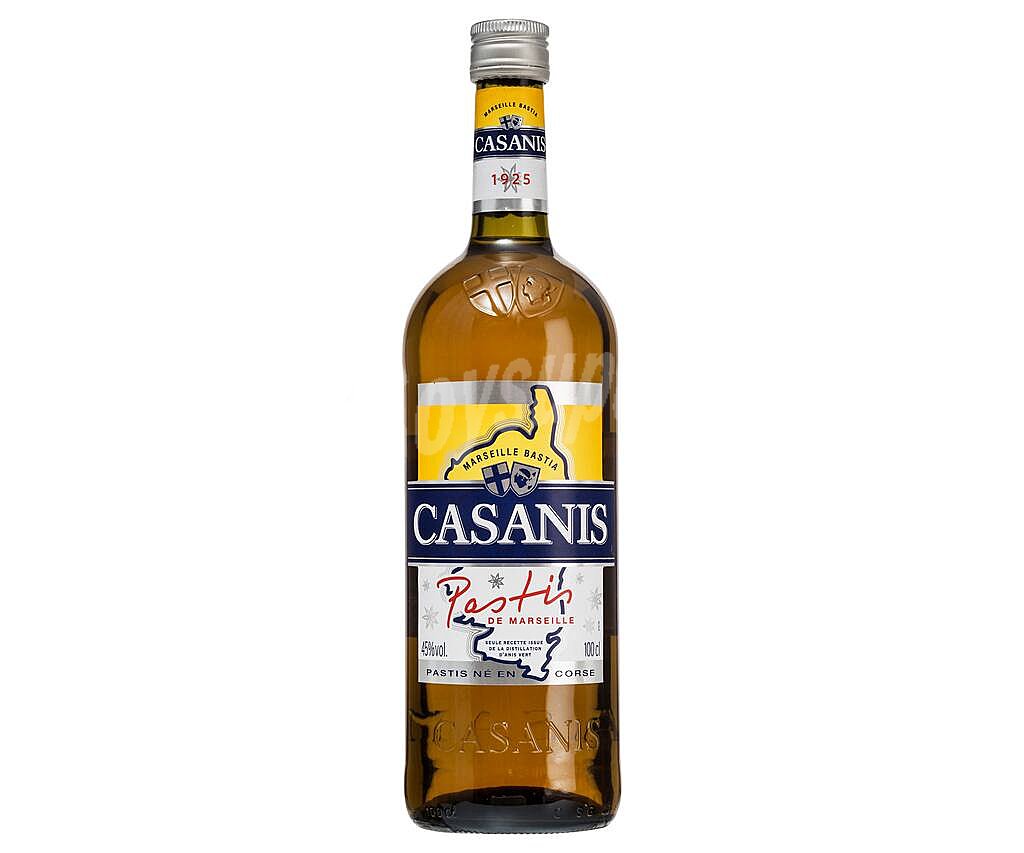
À votre santé!
(And whilst we are on the subject of Marseille, we recommend the much lauded 2009 movie by Jacques Audiard ‘A Prophet’. The film highlights the crime and deprivation which still haunt the city).



 FOOD, FILMS 'N' TINGS