
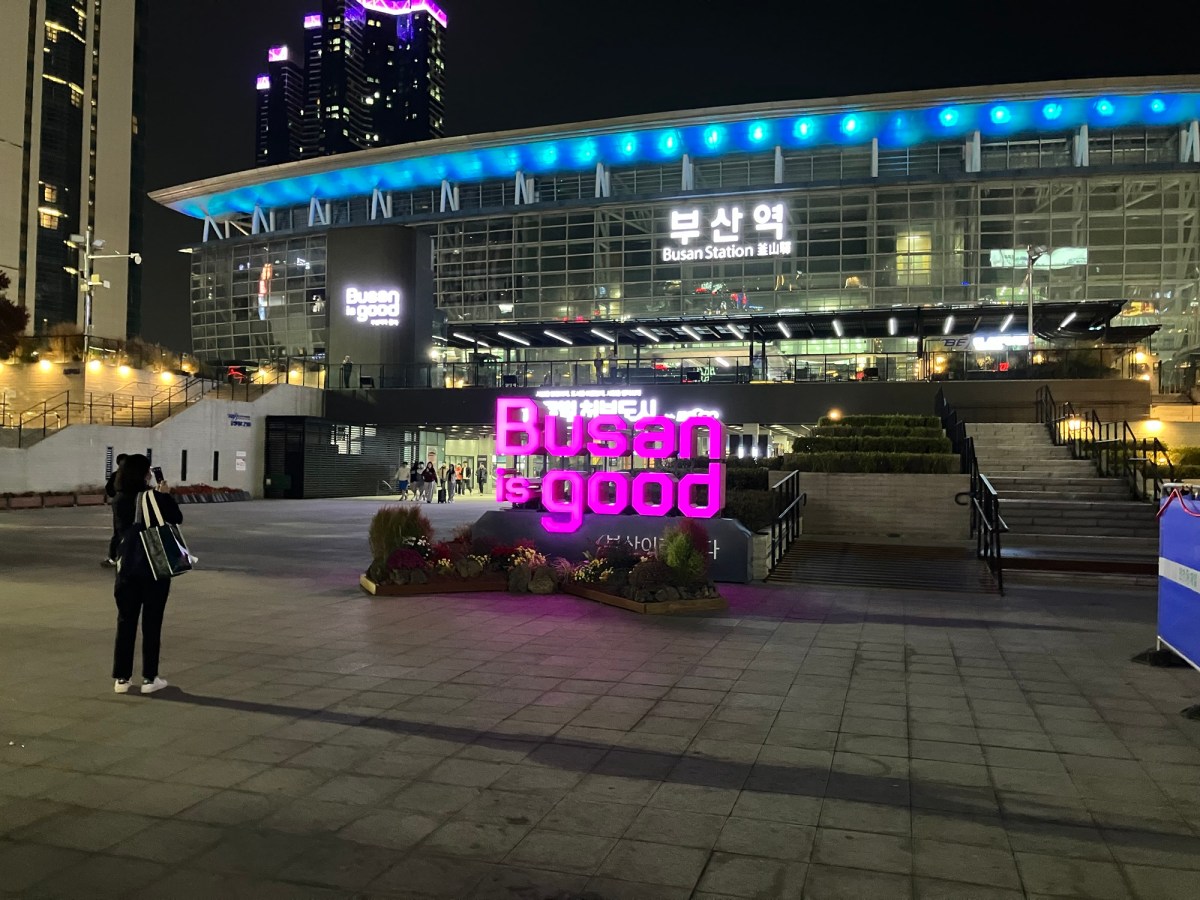
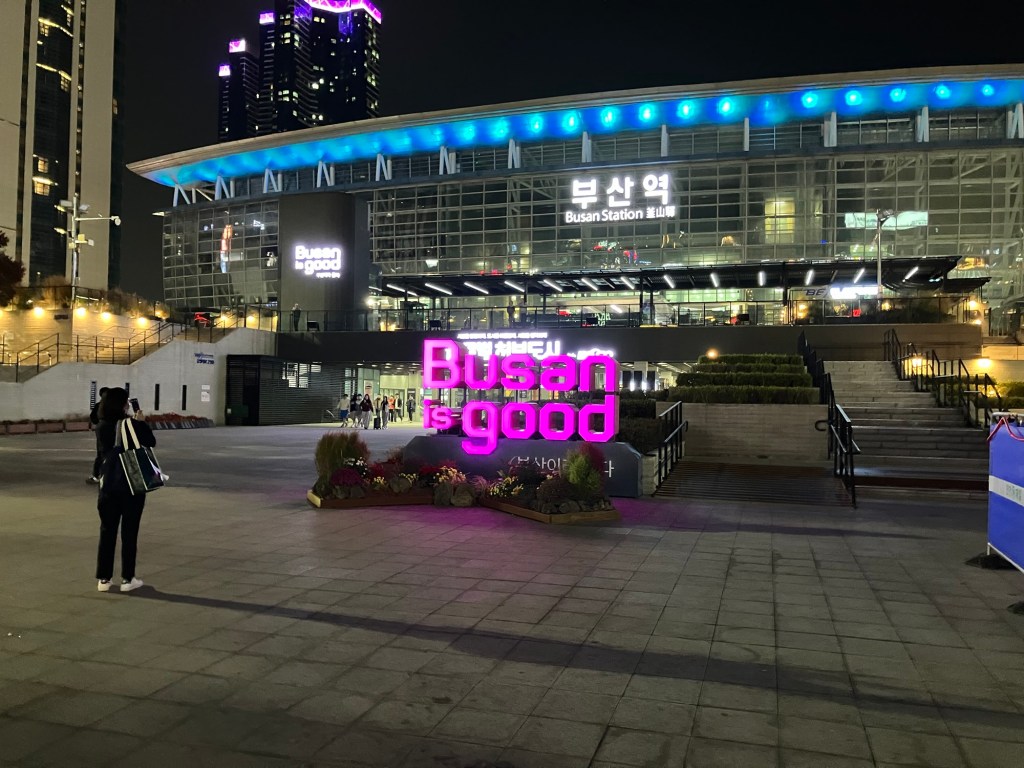
Arriving on the express train from the country’s crowded capital Seoul, the southern city of Busan immediately feels warmer and far more relaxed in comparison. Seoul, although highly rated as the metropolis it undoubtably is, seems sprawling, over crowded and far more work-a day in comparison to its southern sister. After the pace and intensity of the capital, Busan feels looser, more rugged, more communal and less stressed than the country’s mega city.
Busan is South Korea’s second-largest city and its most important port. Located on the southeastern tip of the Korean Peninsula, the city faces the Korea Strait and serves as the country’s gateway to the sea.
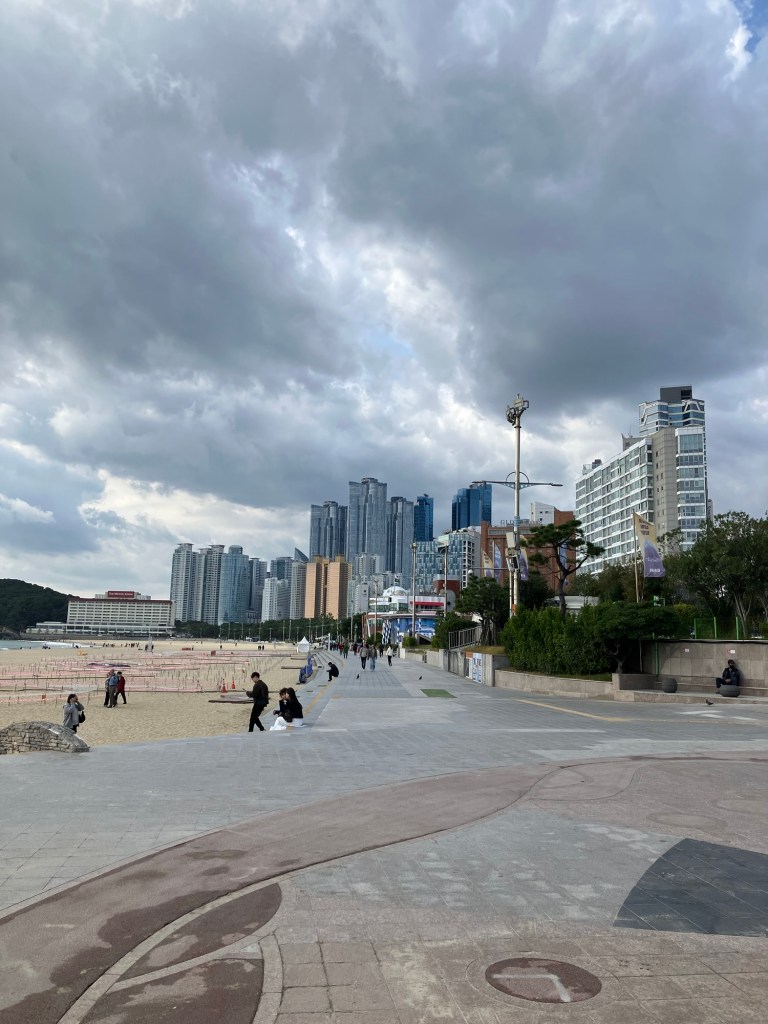
Japan’s third largest island Kyushu and the state capital, Fukuoka lies just over a 100 miles away and Busan is a particularly popular destination for discerning Japanese tourists as well as South Korean citizens who are drawn by its excellent beaches.
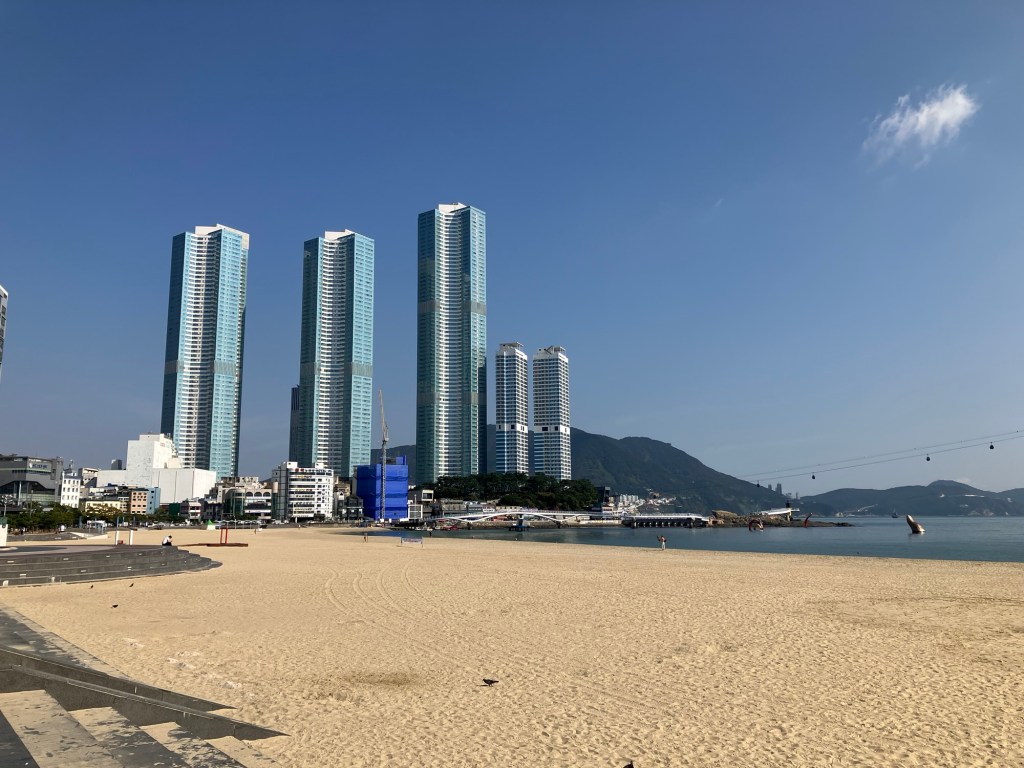
The city’s urban landscape is framed by rugged mountains and sandy beaches. Steep, forested hills descend into dense urban neighbourhoods, while rivers like the Nakdonggang—the longest in South Korea—flow into wide estuaries near the coast. This dramatic landscape gives the city its distinctive layered skyline.
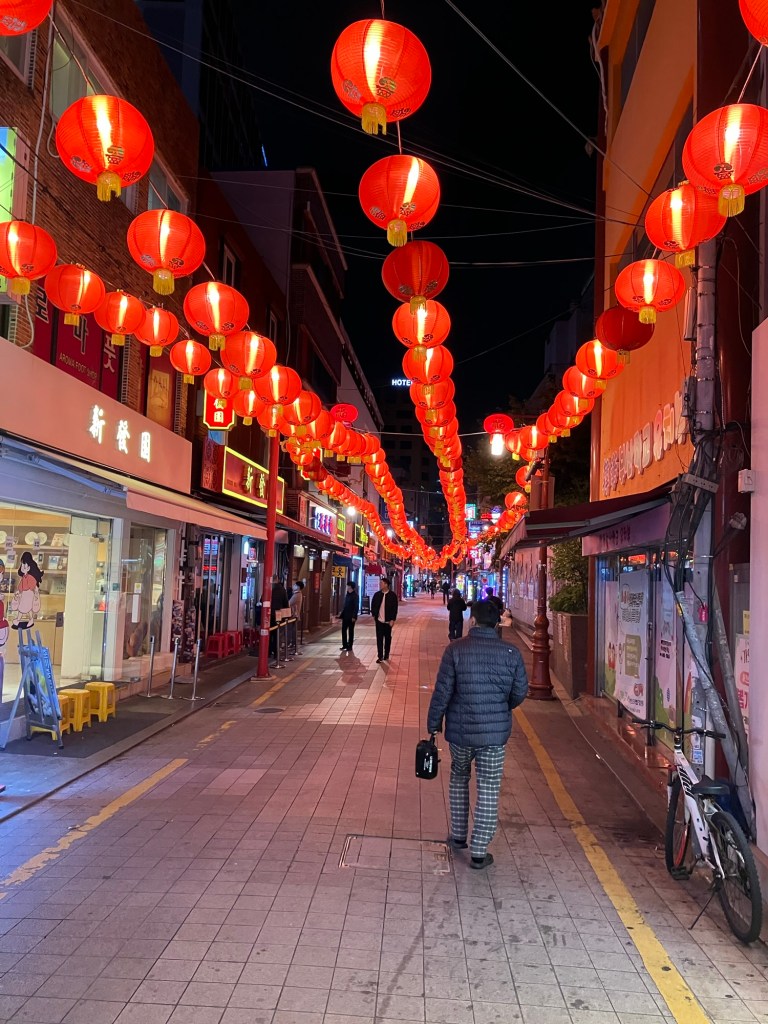
Busan is home to over 3 million people. Each district has its own character, from the bustling commercial hubs of Seomyeon and Haeundae to historic hillside communities like the city’s Chinatown whose gate faces the modern train station. The city’s coastal location has long attracted migrants, traders, and fishermen, contributing to a more open and pragmatic local identity compared to inland cities.
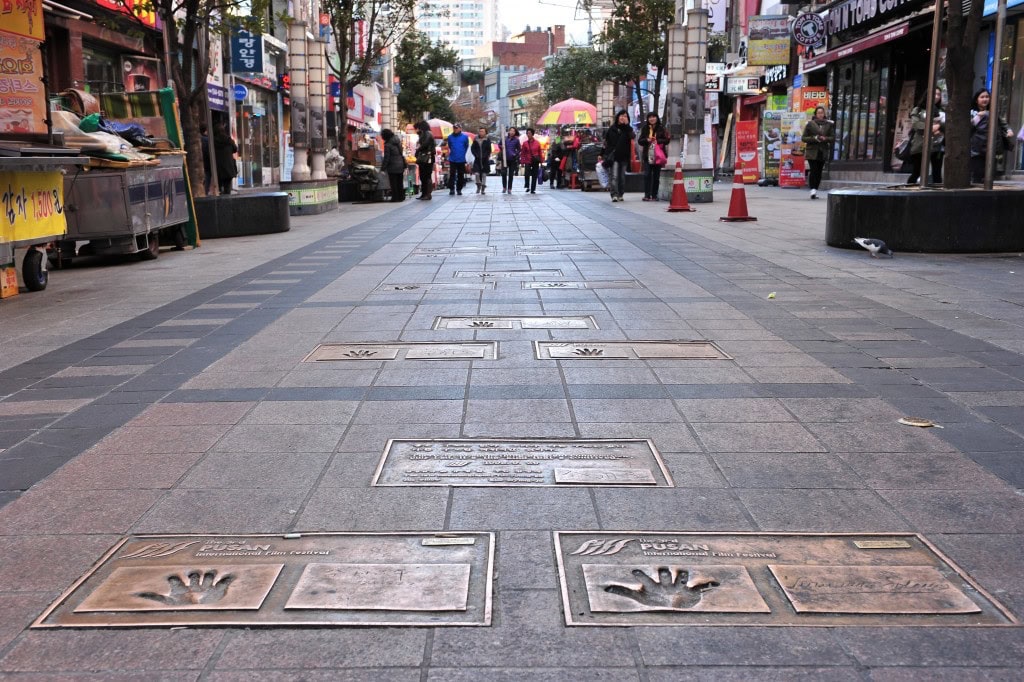
Culturally, Busan plays a crucial role in South Korea. It is best known internationally for the Busan International Film Festival (BIFF), Asia’s most influential film festival, which has positioned the city as a hub for cinema and creative industries (of which more later).
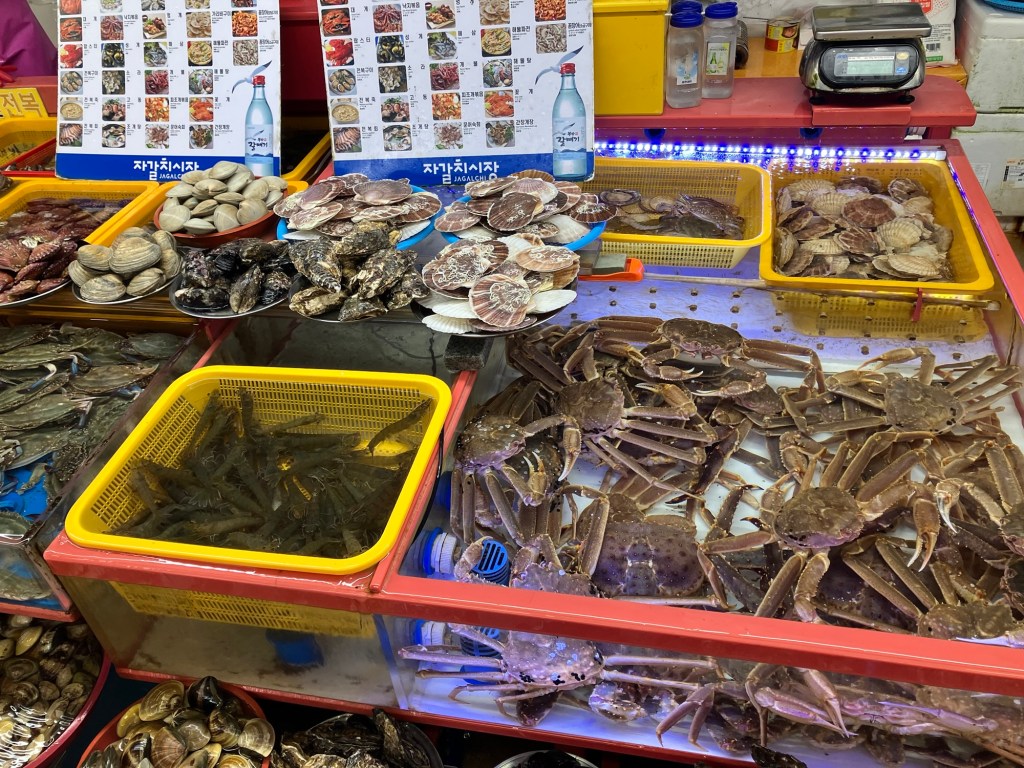
Food culture is a cornerstone of Busan’s identity. The city is famous for fresh seafood, bustling fish markets like Jagalchi, and regional noodle specialties and spicy fish cakes (‘Eomuk’). These everyday traditions reflect Busan’s working-port roots and strong connection to the sea.

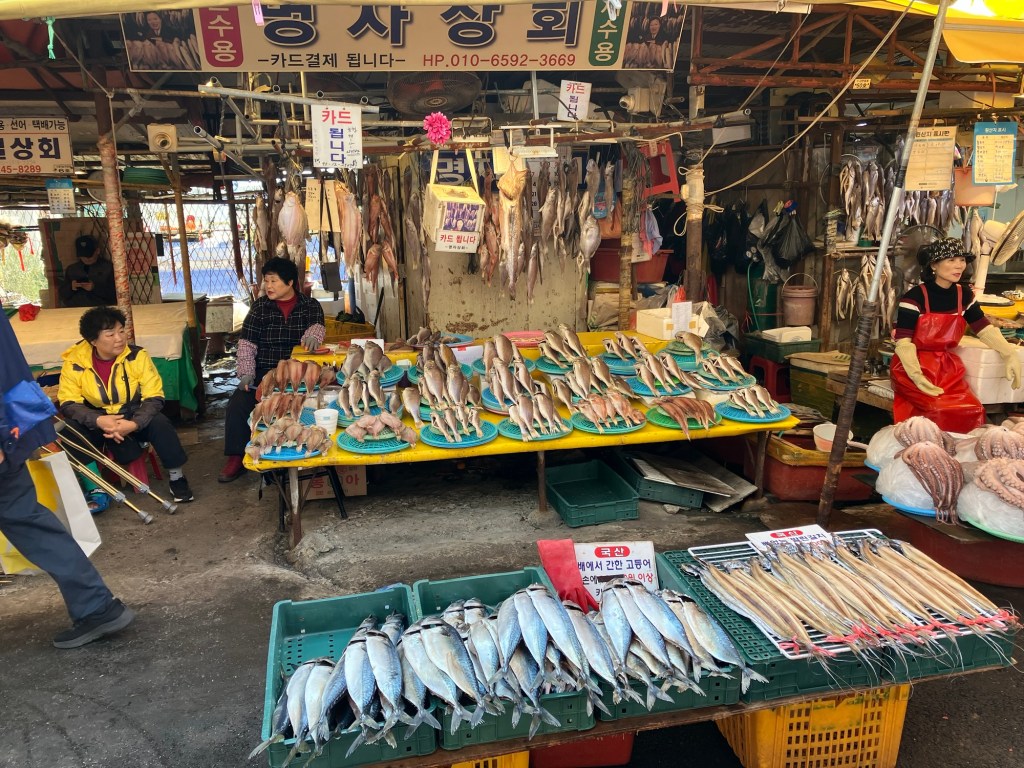
As a whole, Korean food seems based on resourcefulness and occasional scarcity in the use of most, if not all parts of a core ingredient whether animal (intestines, blood sausages) or vegetables such as mugwort for dishes such as rice cakes. Seafood can also be adventurous to some with dishes based on the still twitching i.e. newly severed, Octopus tentacles known as Sannakji to the visually odd sea pineapples known as Meongge and sea worms known locally as Gaebul. These, and other fish and seafood items are best experienced at the huge Jagalchi Fish Market, where the catch from the morning fleets arrives to be sold, wholesale and retail. Jagalchi is the country’s largest seafood market, offering a “market-to-table” experience where visitors buy fresh, live seafood on the first floor and have it prepared in restaurants on the second floor. Typical dishes would include Jangeo-gui (Grilled Eel), Saengseon-gui (grilled fish) and Maeuntang (a fiery fish stew).
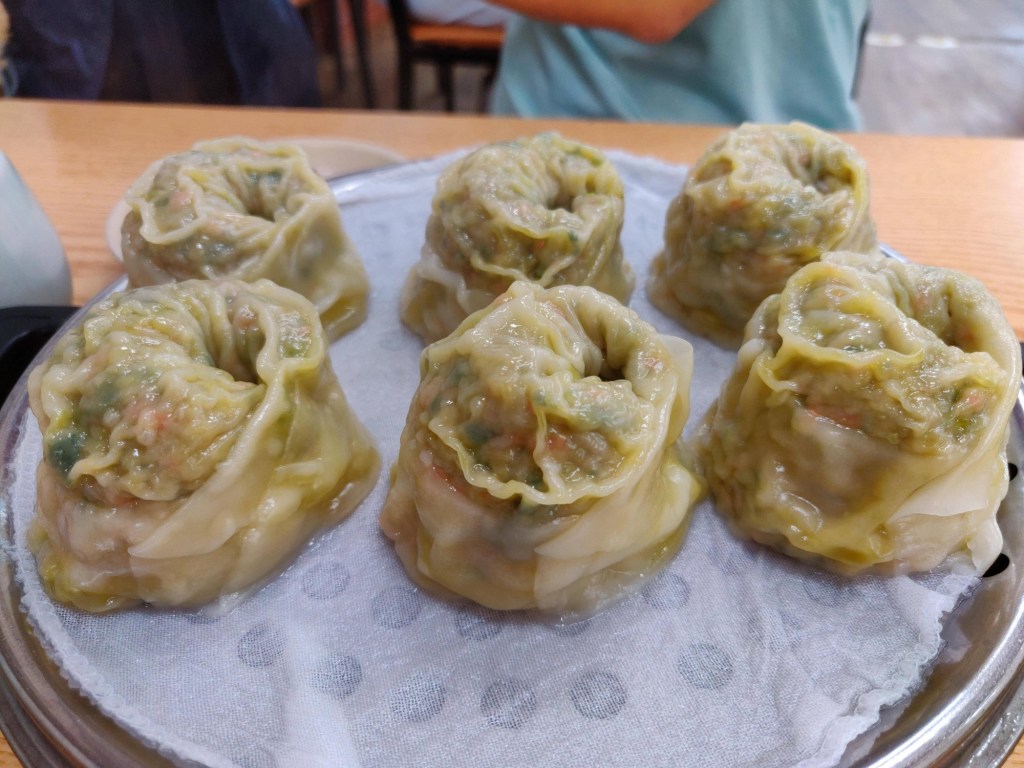
In addition to fish and seafood the city serves excellent Chinese dumplings at restaurants such as Shinbalwon (known for 60+ years of handmade, popular dumplings) and Janaseonghyang (famous for large, crispy fried dumplings, the restaurant was featured in the film ‘Old Boy’). Both restaurants are in Chinatown, opposite the main train station.
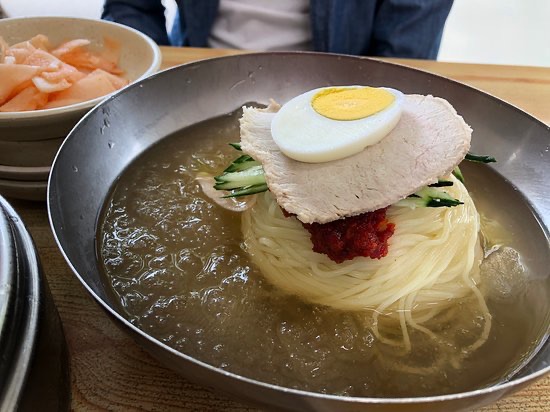
We tried Dwaeji Gukbap, a cloudy pork soup served with rice on the side and a tray of condiments including shrimp paste, chives, and pepper. We also ate Milmyeon, an icy broth for which the city is especially known. The dish is very popular way to both cool down and nourish during the foetid heat of a Korean summer. Milmyeon, made of wheat and potato starch noodles was born out of post-war scarcity in the 1950’s when , the more traditional buckwheat noodles were substituted for the latter. Post-war scarcity reshaped Korean cuisine. In the 1950s, wheat flour and starch from U.S. military aid were more accessible than traditional ingredients, while buckwheat remained familiar and adaptable. Milmyeon emerged as a pragmatic hybrid—stretching buckwheat noodles with American supplies to recreate Pyongyang-style cold noodles in the South.
In fact the years following the Korean War, food in South Korea was defined by scarcity. Farmland had been destroyed, supply chains were broken, and hunger was widespread. In this environment, U.S. Army rations—originally intended for American soldiers—began to play an unexpected role in Korean everyday life.
Canned goods such as Spam, hot dogs, corned beef, baked beans, powdered milk, and margarine entered local markets through U.S. military aid, nearby base economies, and informal resale. These foods were unfamiliar and highly processed, but they were calorie-dense, reliable, and available when traditional ingredients were not. Koreans adapted them using familiar seasonings like kimchi, garlic, gochujang, and chili flakes, creating entirely new dishes rather than simply copying American food.
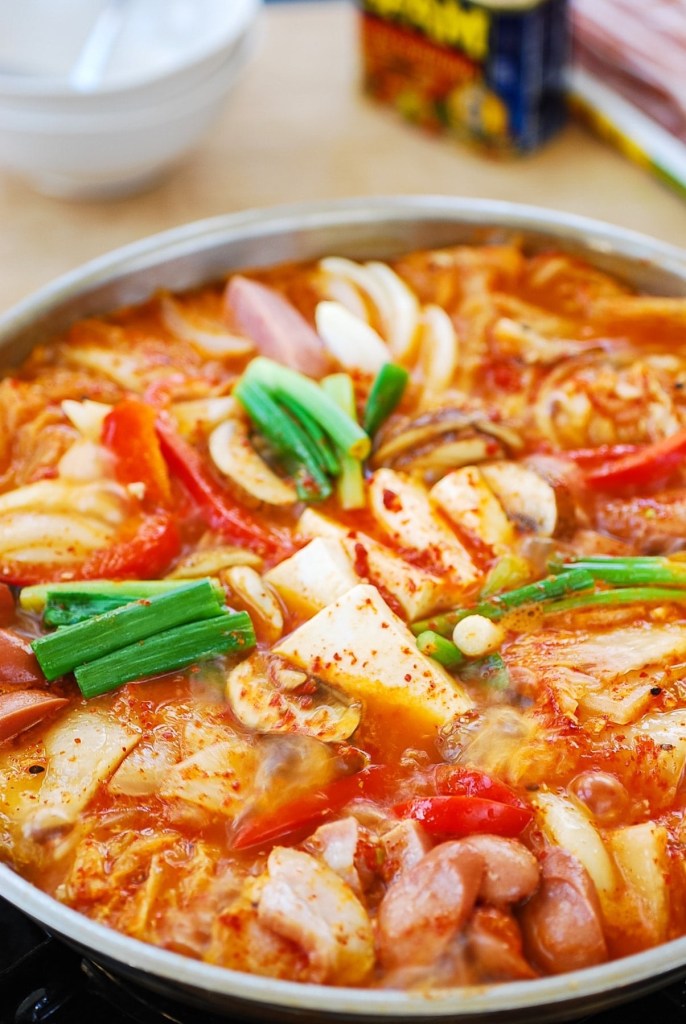
The most famous example is Budae Jjjigae, or “army base stew.” Made with Spam, sausages, canned beans, and noodles, combined with Korean spices and broth, the dish emerged as a practical solution to hunger. For decades, it carried associations of poverty and dependence on foreign aid. Today, however, Budae Jjigae is a popular comfort food, rebranded as a nostalgic classic and served in restaurants across Korea.
Beyond individual dishes, U.S. rations helped introduce new flavor profiles—saltiness, sweetness, fat, and dairy—that were less common in traditional Korean cuisine. They also familiarised consumers with processed and shelf-stable foods, contributing to the rise of instant noodles, factory-made sausages, and quick meals during Korea’s rapid industrialization from the 1960s onward.
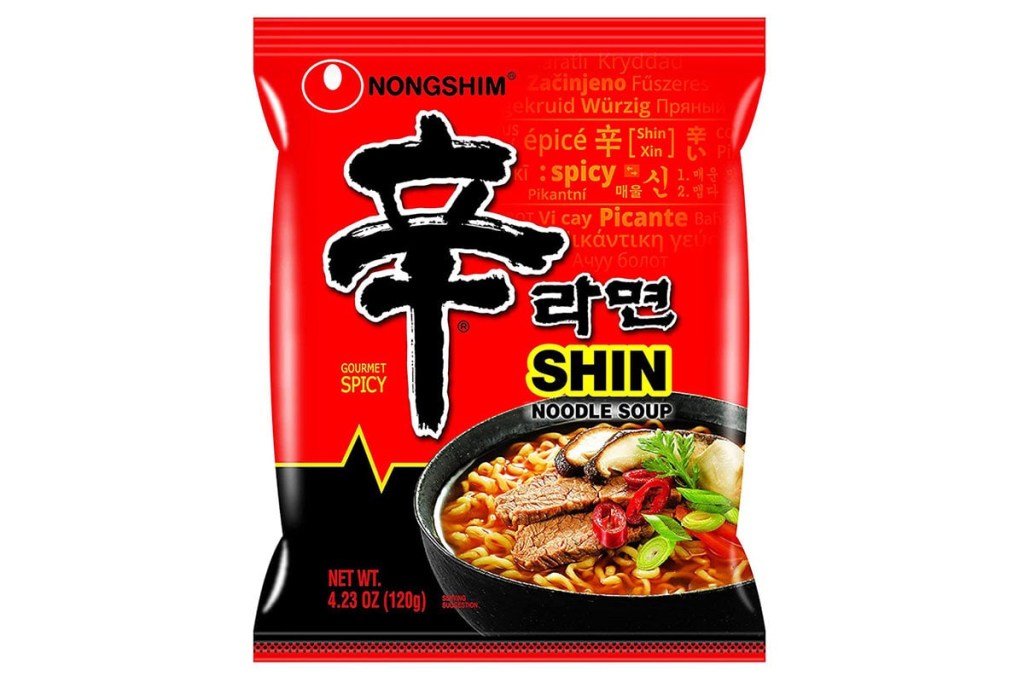
What began as wartime survival food ultimately became part of Korea’s modern culinary identity. The influence of U.S. Army rations reflects not imitation, but adaptation—showing how Korean cuisine absorbed hardship and transformed it into something enduring and distinctly its own.
When people talk about American influence in Korea, the conversation often stops at spam, PX snacks, and camptown diners. But the U.S. military presence left far deeper cultural footprints—especially in music and film — that still ripple through Korean popular culture today.
Beginning in the late 1940s and exploding after the Korean War, U.S. bases became unlikely incubators for Korean popular music. AFKN (American Forces Korea Network) radio blasted jazz, blues, country, and early rock ’n’ roll across the peninsula—sounds largely unavailable elsewhere. Korean musicians played in base clubs to earn steady pay, learning Western instruments, harmonies, and stagecraft firsthand. Groups like The Kim Sisters cut their teeth performing for American soldiers before becoming international acts, while artists such as Shin Joong-hyun, later called the “godfather of Korean rock,” absorbed psychedelic rock and soul through base gigs. This pipeline helped shape everything from Korean rock in the 1960s to the DNA of modern K-pop performance, the latter dominating Asia and much of the world.
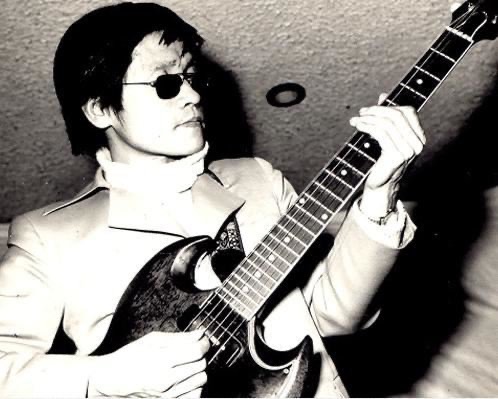
Shin Joong-hyun
Film influence was just as lasting. U.S. military bases regularly screened Hollywood movies—often on 16mm prints—exposing Korean directors, writers, and technicians to genres like noir, westerns, war films, and melodramas. These weren’t just entertainment; they were informal film schools. Editing rhythms, shot composition, and narrative tropes seeped into Korean cinema during its rebuilding years. American war films and later New Hollywood realism influenced how Korean filmmakers portrayed masculinity, conflict, and trauma. Even the dark humor and institutional critique seen decades later can trace a line back to works like MASH*—a U.S. film about Korea that Koreans watched with complicated fascination.

Beyond screens and stages, the U.S. army left behind a cultural transmission system: radios, projectors, records, and rehearsal spaces. Korea didn’t simply copy American culture—it absorbed, reworked, and ultimately transformed it, nowhere more so than in Film, a creative sector the country excels in.
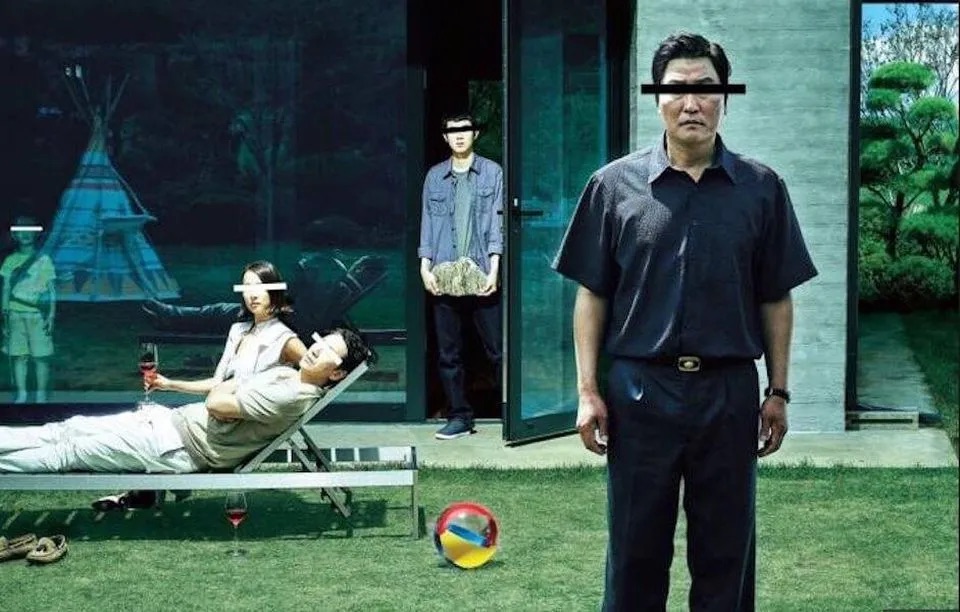
In recent years Korean cinema has enjoyed a remarkable surge in global visibility and influence, driven by both artistic achievements and broader cultural momentum. Films like Parasite helped break major international barriers by winning top accolades such as the Academy Award for Best Picture, establishing Korean filmmaking as a serious contender on the world stage rather than a niche curiosity. Korean films are now distributed widely, reaching audiences in over 130 countries, and directors such as Bong Joon-ho and Park Chan-wook are household names in global auteur circles.
A key part of this rise has been the Busan International Film Festival (BIFF). Founded in 1995, Busan has grown into one of Asia’s premier film festivals, acting as a bridge between Korean, Asian, and international cinema. It brings thousands of industry professionals, critics, and cinephiles together, showcasing hundreds of films each year — including world premieres and independent works that might otherwise struggle to gain attention.
Busan’s strategic evolution — such as introducing competitive sections, spotlighting Asian voices, and expanding market platforms like the Asian Contents & Film Market — has helped position Korean film within global industry networks. This exposure not only elevates Korean filmmakers but also fosters co-productions, distribution deals, and cultural dialogue across borders. BIFF has played a central role in raising Korean cinema’s international profile by serving as a high-visibility showcase, a business hub for industry deal-making, and a cultural meeting point that draws attention far beyond Korea’s domestic market.
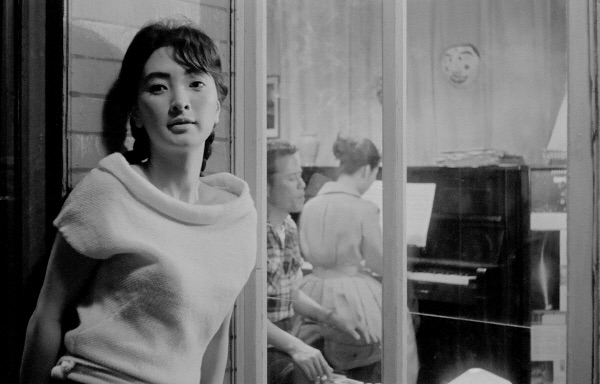
The following Korean films are recommended viewing in our opinion.
The Housemaid (1960) – Kim Ki-young
A manipulative housemaid gradually destroys the fragile middle-class family that hires her.
Oldboy (2003) – Park Chan-wook
A man imprisoned for 15 years without explanation is suddenly released and seeks revenge on whoever ruined his life.
Parasite (2019) – Bong Joon-ho
A poor family infiltrates the lives of a wealthy household through deception, exposing brutal class inequality.
Decision to Leave (2022) – Park Chan-wook
A detective investigating a suspicious death becomes emotionally entangled with the victim’s enigmatic wife.
Bleak Night (2010) – Yoon Sung-hyun (BIFF-discovered indie)
A father retraces his son’s final months and uncovers the toxic friendships that led to the boy’s tragic death.
The 31st Busan International Film Festival takes place from October 6th to 15th 2026.
부산은 좋아요

 FOOD, FILMS 'N' TINGS