
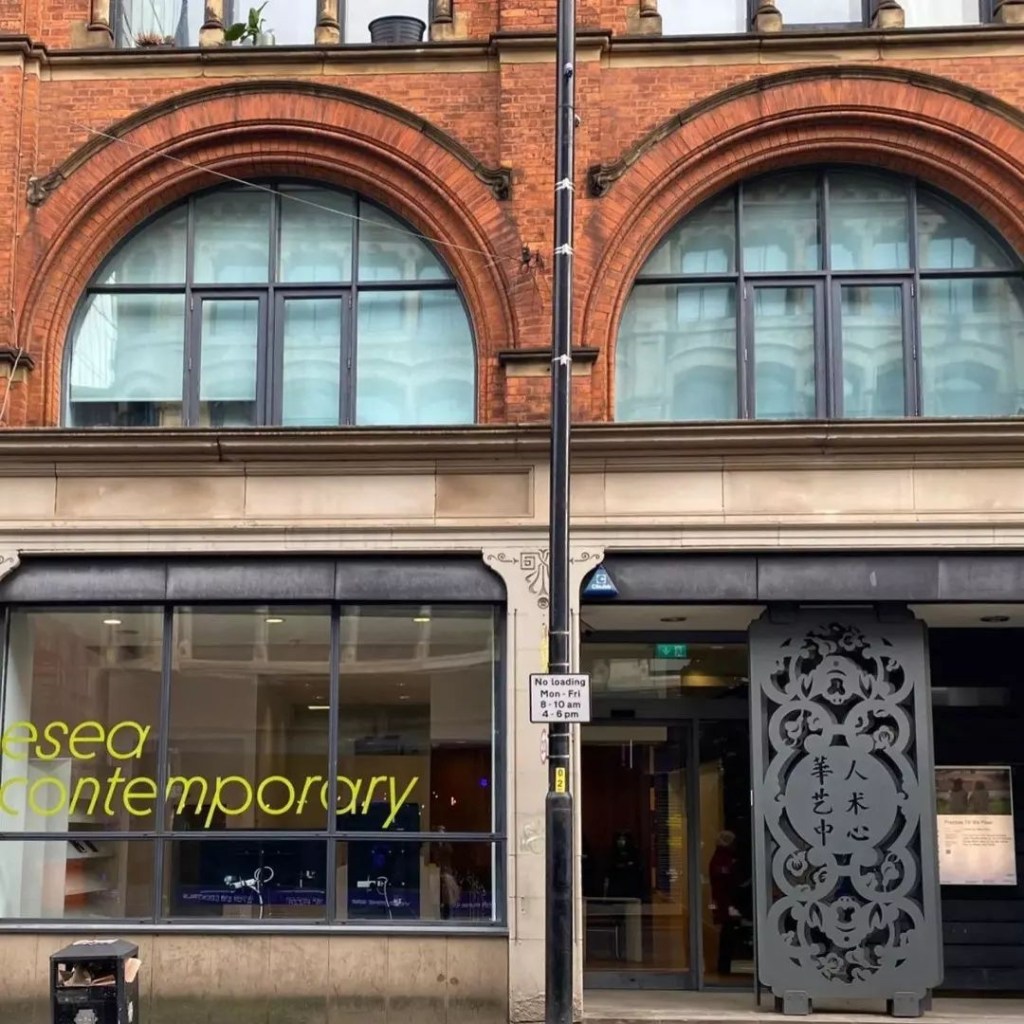
ESEA Contemporary is an art gallery in Manchester in the North of England that specializes in presenting and platforming artists and art practices that are informed by East and Southeast Asian (ESEA) cultural backgrounds. It is located in an award-winning building in the Northern Quarter part of the city and it is home to a diverse range of exhibitions, events, and educational programs that explore the unique perspectives and experiences of ESEA artists. ESEA Contemporary was previously known as the Centre for Chinese Contemporary Art, but it underwent a major rebranding in 2022 to better reflect the diverse range of cultures and identities represented by the artists it works with.
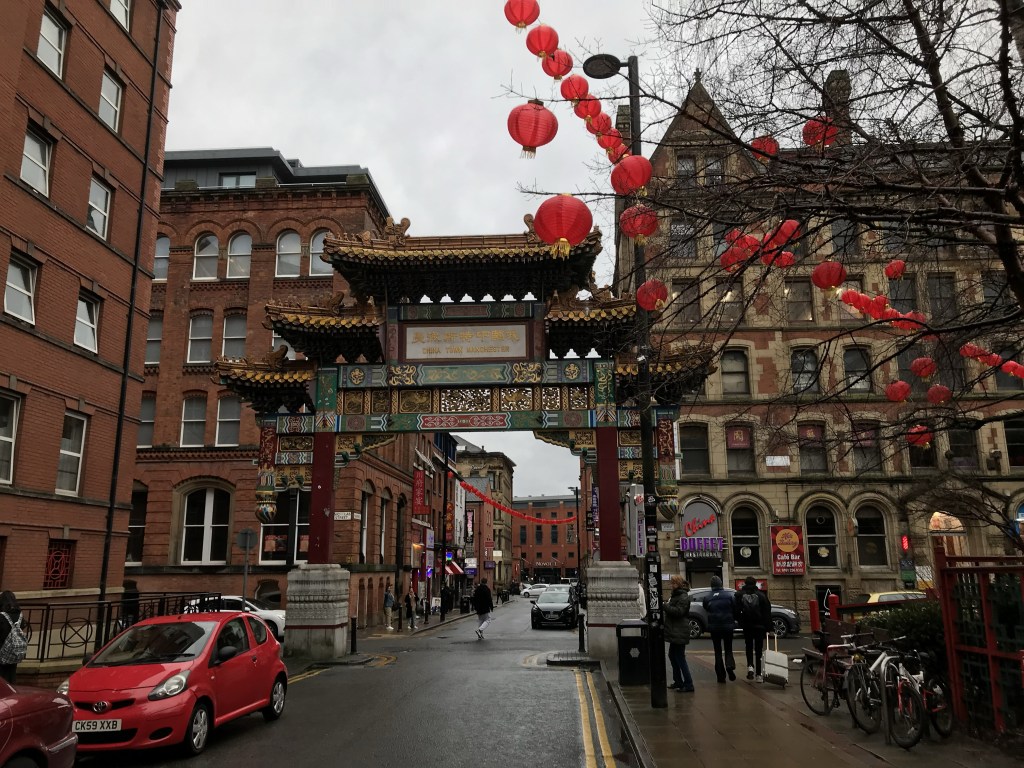
Manchester has a significant Chinese community, and it has been a hub for Chinese immigration to the UK for many years. The city’s Chinatown is one of the largest in Europe, and is home to many restaurants, shops, and cultural institutions. The Chinese community in Manchester is very diverse, with people from different regions of China and different generations, and they have made a significant contribution to the city’s culture and economy. There are also several Chinese community organizations and cultural events, such as the annual Chinese New Year celebrations, which help to promote Chinese culture and traditions in the city.
In addition, there has been significant Chinese investment in Manchester in recent years. China has been looking to expand its investment in the UK, and Manchester has been one of the key targets for investment. One of the largest investments has been in real estate development, with Chinese firms investing in luxury apartments, office buildings, and mixed-use developments in the city. Chinese companies have also invested in infrastructure projects, such as transportation and renewable energy, in the Manchester area. There has also been investment in the education sector, with Chinese companies supporting local universities and colleges.
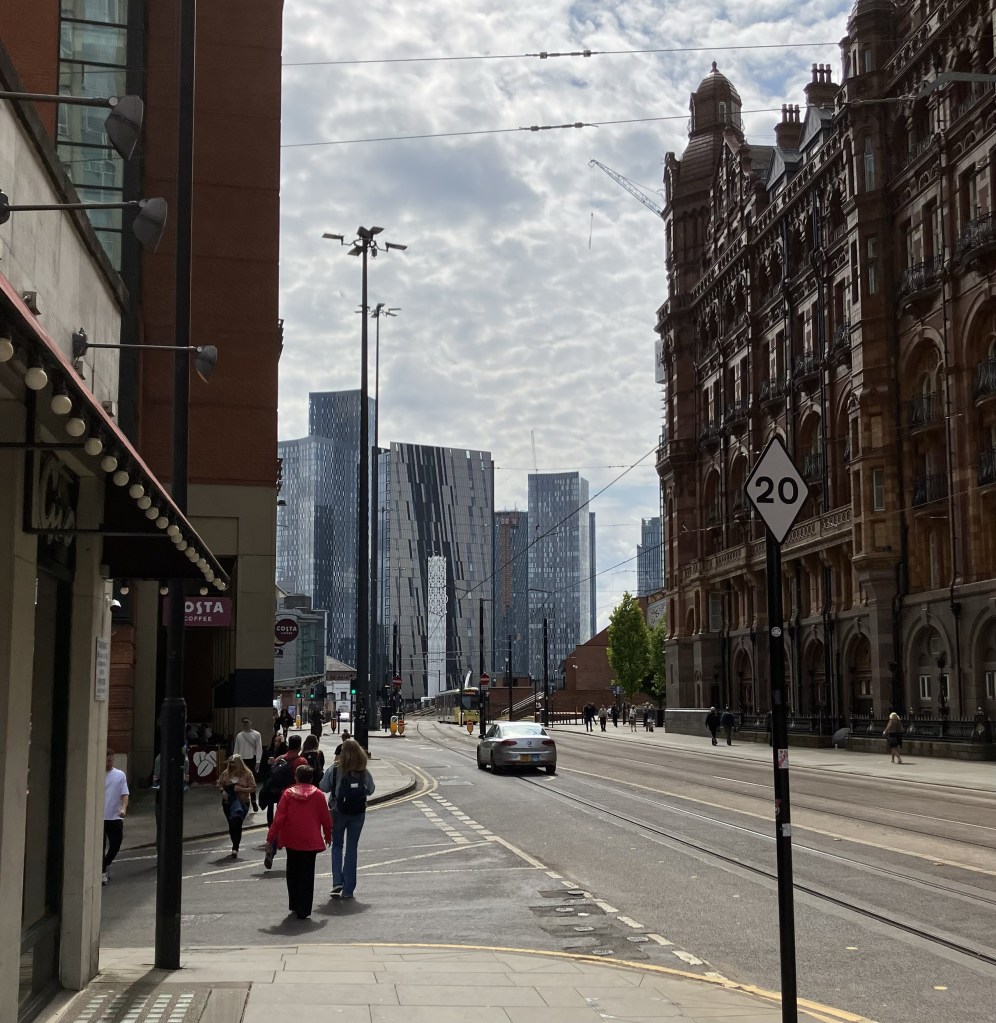
There had also been a significant influx of people from Hong Kong settling in Manchester in recent years. In fact, Manchester is now considered one of the top destinations for Hong Kong migrants in the UK. The UK government has also created a new visa scheme specifically for Hong Kong residents which has made it easier for them to move to the UK, including Manchester and other parts of the North West such as Liverpool, bringing their culture and art with them and enriching their adopted homeland accordingly.
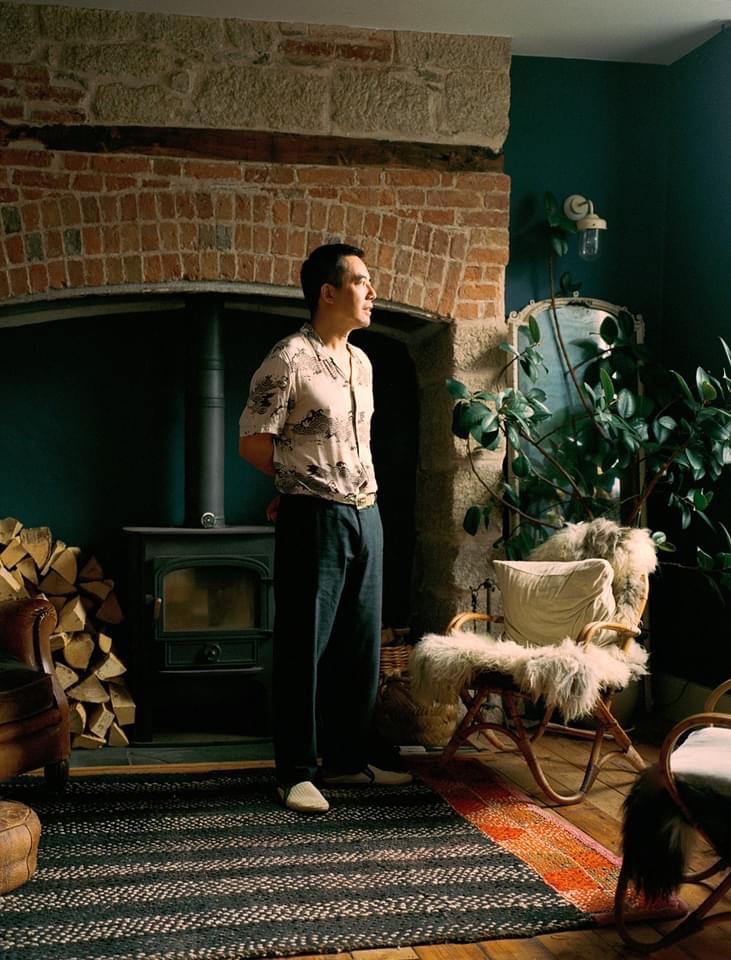
Dinu Li is an artist who was born in Hong Kong and who currently lives and works in Cornwall, UK. He graduated with a degree in photography from Liverpool John Moores University in 2001. Li’s work often explores the intersection of personal and cultural histories, and he works across a range of media, including moving image, photography, installation, and performance. He is particularly interested in how history and memory are constructed and how they can be reinterpreted through art. His work has been exhibited internationally, and he has had significant artistic recognition for his work.
Li is currently exhibiting at ESEA (‘A Phantom’s Vibe’).
The exhibition’s guide pamphlet provides the following background information:-
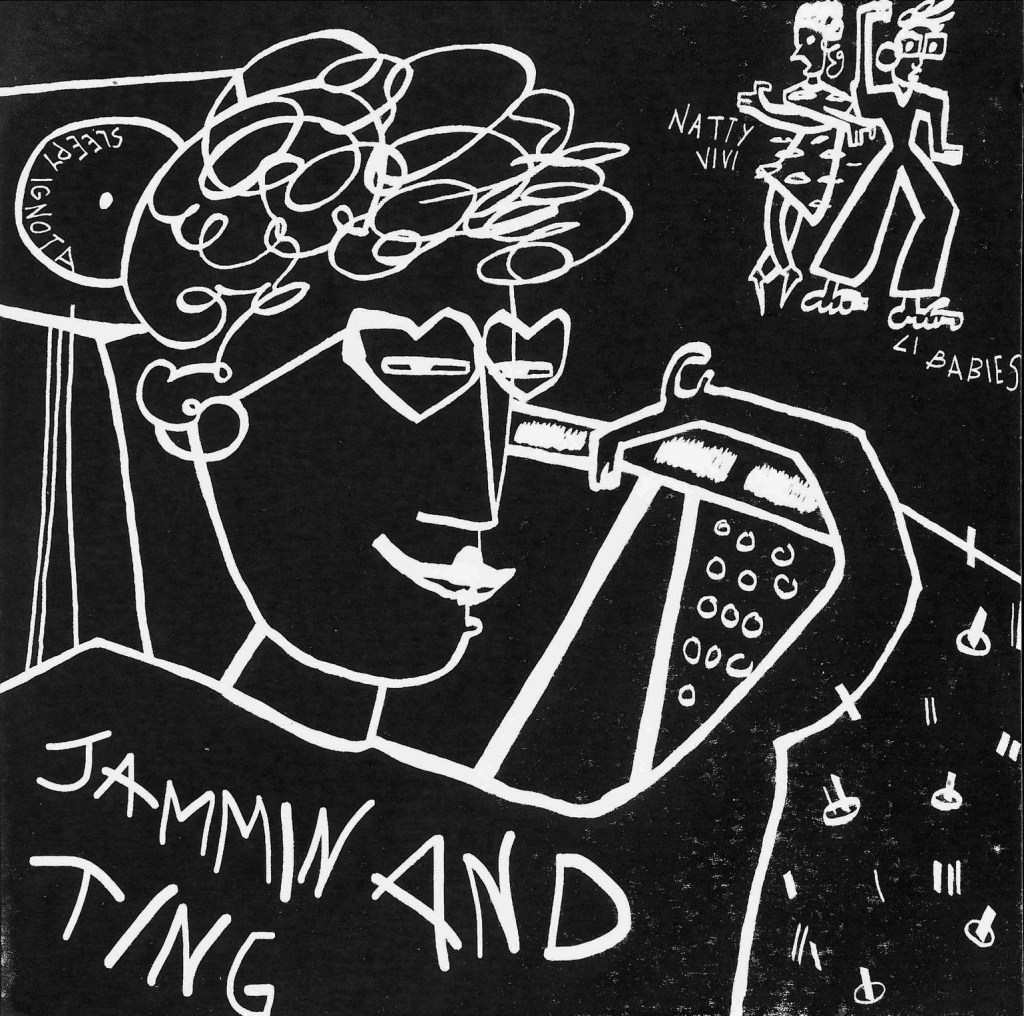
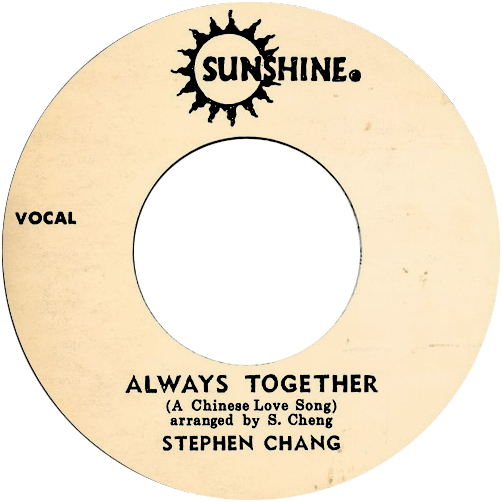
Li’s work in the exhibition, combines autobiographical allegories with a tapestry of cultural influences. Visitors are taken from the night markets of Hong Kong to the blues parties of Hulme* and Moss Side* via Jamaican recording studios, owned by the descendants of Chinese indentured labourers**. The reggae classic ‘Always Together’ *** runs through the heart of the exhibition, where music becomes a medium for cultures to meet, mix, and become hybrid.
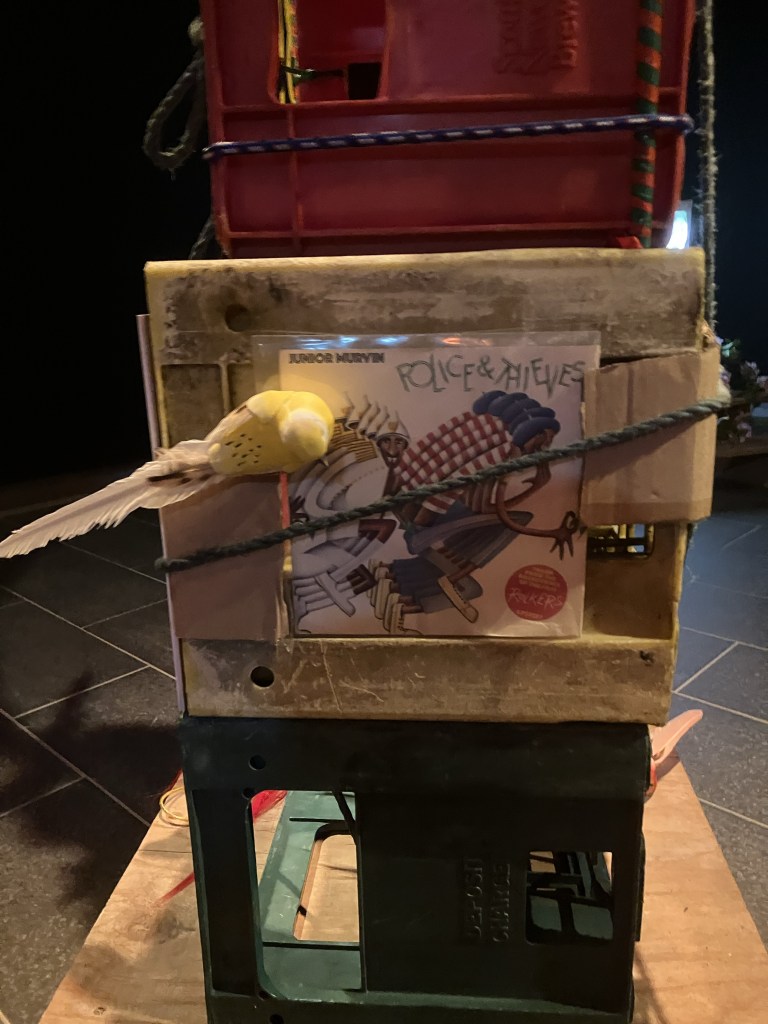
and Hong Kong
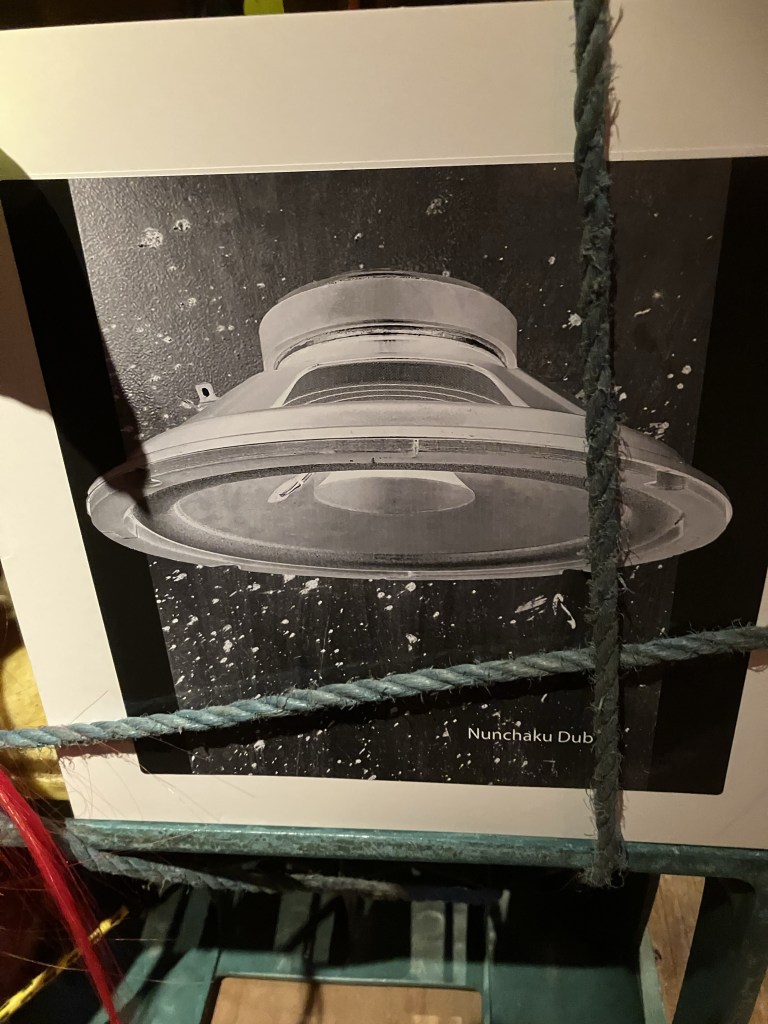
and Hong Kong
and Hong Kong
As a child wandering through the working – class districts of Hong Kong, Li overheard ‘ Always Together’*** by Stephen Cheng mistaking it for a Chinese folk classic. Years later, this song, unexpectedly, repaired, like a phantom at one of the inner–city blues parties**** Li frequented during his 1980s, Manchester youth, and decades after that, the song once again re-emerged on YouTube. The song soundtracks Dinu Li’s exhibition.
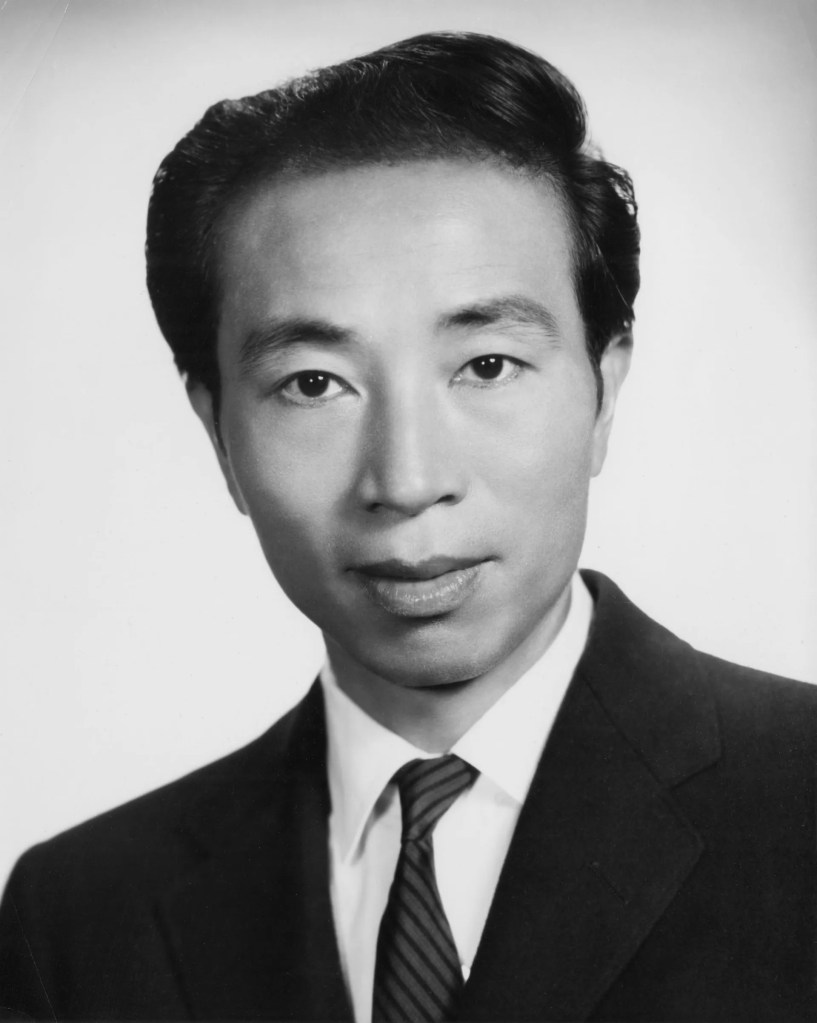
It wasn’t until much later that Li learned that the song was actually recorded in Jamaica in 1967, in one of the small number of Chinese recording studios*****, some of which helped shape the sounds of key artists such as Dennis Brown and Augustus Pablo. Through his work tracing the history of early reggae, Li’s exhibition,’ A Phantom’s Vibe’, serves as a means of unearthing, the underrepresented history of the Chinese in Jamaica, subverting mainstream cultural hegemony.
*Hulme and Moss Side are districts of Manchester where many members of the city‘s Afro-Caribbean community live.
** Chinese people first started coming to Jamaica around 1850 when they arrived on the island mostly as indentured labourers, brought by the British from China to work on the sugar plantations to replace the unpaid labour of the island’s black population following the end of slavery. Indentured labour is a form of debt bondage whereby the labourer ‘agrees’ to work for no pay for a number of years to pay off the cost incurred in their migration to the Caribbean.
*** ‘Always Together’ is a reggae record recorded in 1967 in Jamaica, by the Chinese singer Stephen Cheng (misspelled as ‘Chang’ when the record was released). The song is unusual because although the title is in English, the song itself is sung in Chinese with the lyrics originating from “Alishan Girl,” a Taiwanese folk song, which dates back to the 1940s. The track was put together by Stephen Cheng and the Jamaican musician and producer Byron Lee (himself of a Jamaican Chinese background) when Cheng visited the island from his home in New York.
**** after hours parties often playing reggae in peoples homes or basements etc.
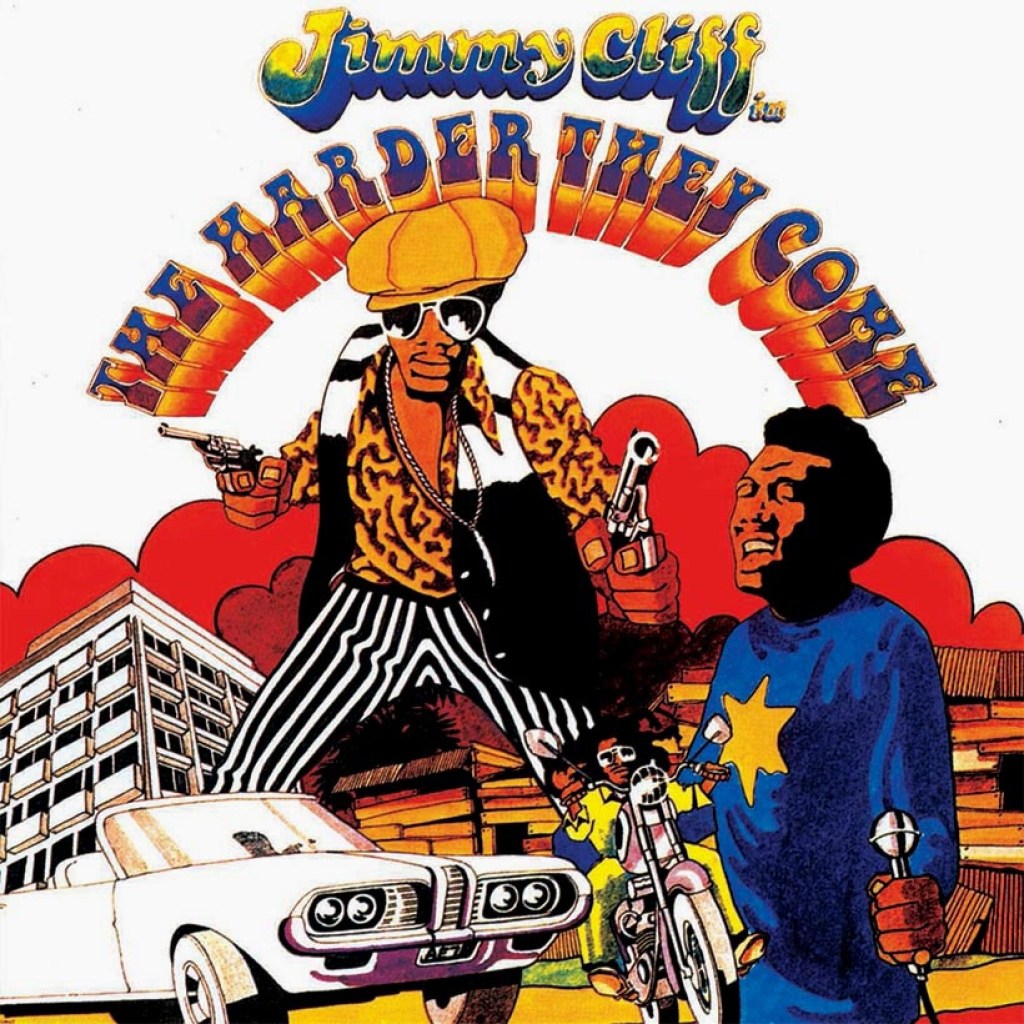
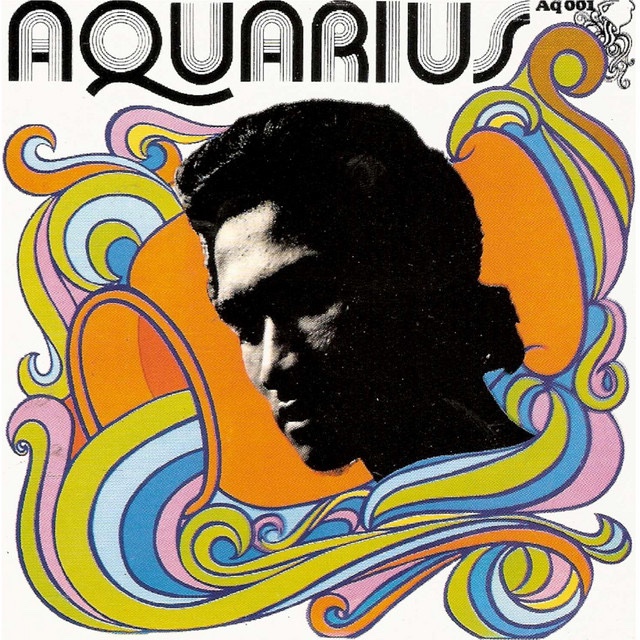
***** several Jamaicans with Chinese roots played a key part in the development of the island’s beloved popular music, reggae and it’s older sister, rock steady. They established some of the first record shops and studios on the island, providing a platform for emerging reggae artists to record and distribute their music. Jamaicans of Chinese origin in the music industry included Vincent and Patricia Chin who created the influential VP Records, Leslie Kong of Beverley’s Records (the producer of the legendary soundtrack to ‘The Harder They Come’), Herman Chin-Loy of Aquarius records (who produced what was arguably the first dub album, ‘Aquarius Dub’ in 1974) and the Hookim brothers who owned Channel One studios where they created the radical ‘rockers’ sound which dominated the Jamaican music scene in the late 1970’s.

The installation highlights how the music and culture of reggae have been adapted and reinterpreted in Hong Kong, and how they have provided a means for people to express their identity and resistance in the face of colonialism.
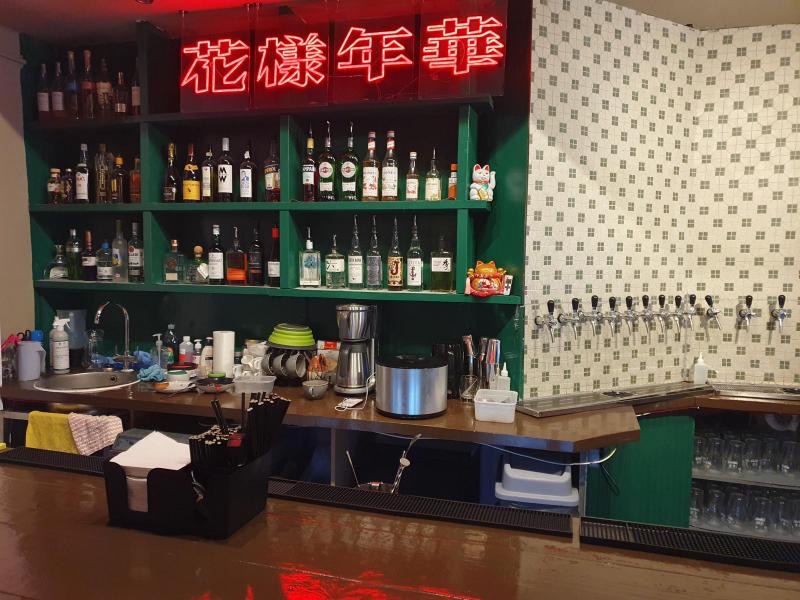
The Harcourt bar in southern Manchester is named after Harcourt Road in Hong Kong. This road is in turn named after Sir Cecil Harcourt, who was a British colonial administrator in Hong Kong in the early 20th century. The bar is inspired by Hong Kong culture and cuisine, and the menu features authentic Hong Kong street food. It has picked up justifiably rave reviews.
The bar was created and opened by a married couple from Hong Kong, Priscilla So and Brian Hung. They were inspired by their experience working in the craft beer industry, as well as their love of Hong Kong culture. The bar is designed to be a modern take on a traditional Hong Kong-style pub, with a focus on craft beer and Hong Kong-inspired food. The bar offers a variety of Hong Kong-style dishes, including bars snacks prawn toast and smashed cucumber as well as a wide selection of craft beers.
Before opening the bar, Brian took up a position as a barrel ageing manager for the independent Manchester based Cloudwater brewery. The bar wisely stocks, a range of award winning Cloudwater beers (see https://cloudwaterbrew.co).
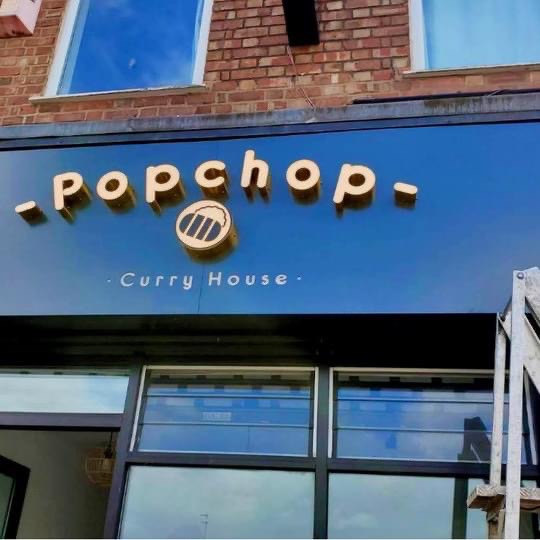
The influence of emigres from Hong Kong on Manchester’s food scene continues apace with the likes of Popchop Curry House in the east of the city. Popchop serves up Hong Kong style curried meats and rice to a fanatical clientele. The owner came to Manchester from Hong Kong a couple of years ago, His recipes are based on his father’s renowned restaurant Sun King Yuen in the Wan Chai district of Hong Kong which is which is famous for its curry dishes.
And turning to the Caribbean influence on food culture in the city we must mention Miss Jackson’s Drinks Company, a relatively new venture based in Manchester which was set up by two sisters.
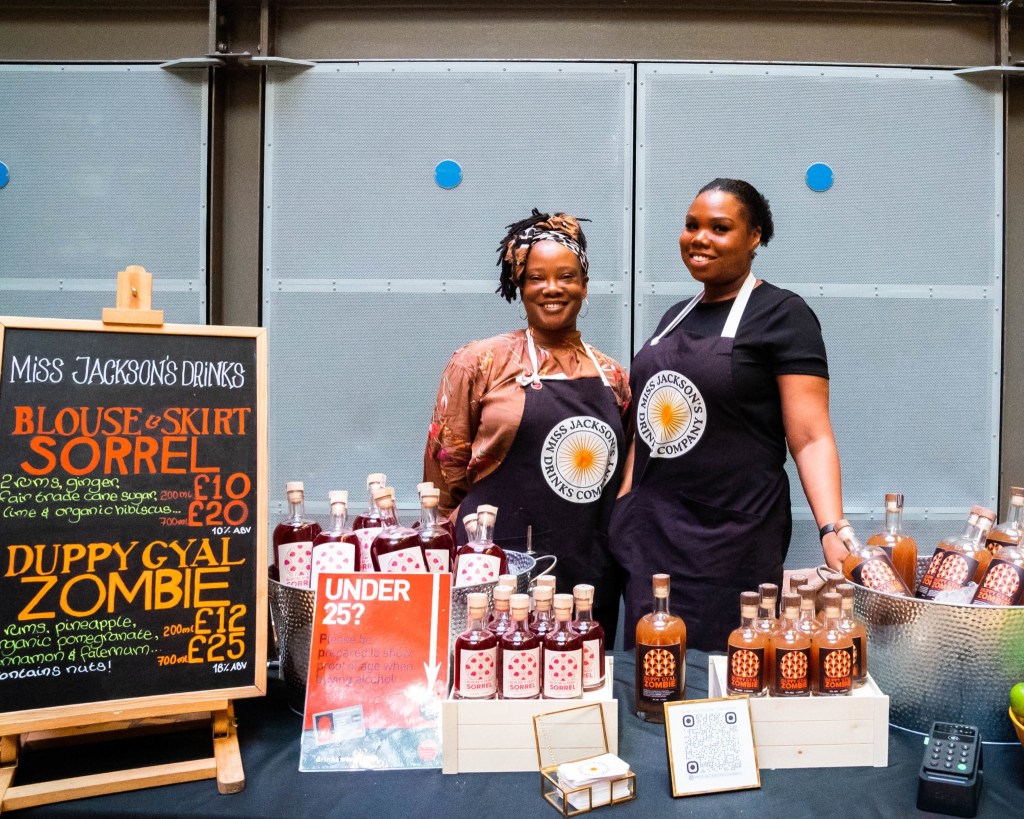
Their website at https://www.missjacksonsdrinks.com comments:
‘The story starts with us, two Jackson sisters from South Manchester. Inspired by our Caribbean heritage, we sustainably source the bright flavours of Jamaica and shake them down with premium spirits’
The sisters have created and marketed two liqueurs to date, Duppy Gyal Zombie and our favourite, Blouse and Skirt Sorrel.
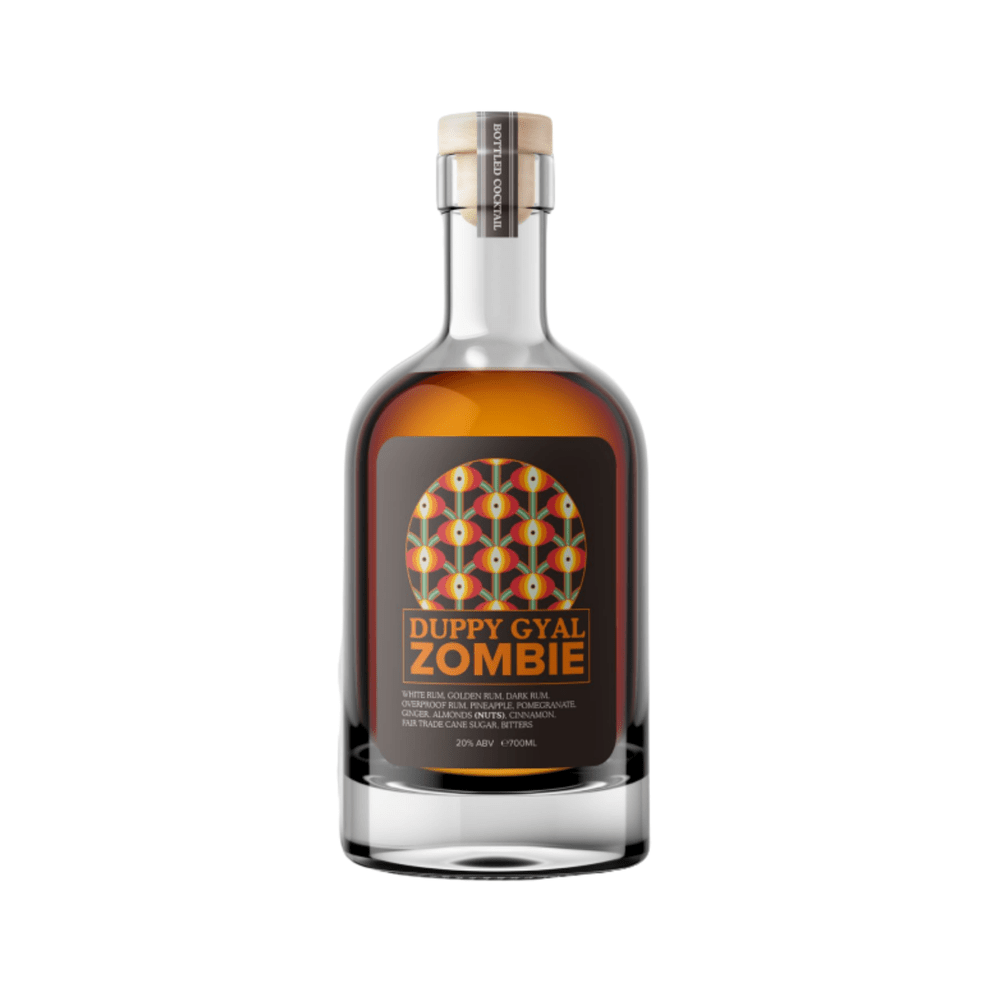
Duppy Gyal Zombie is a combination of different rums with limes, pomegranate juice, pineapple and bitters.
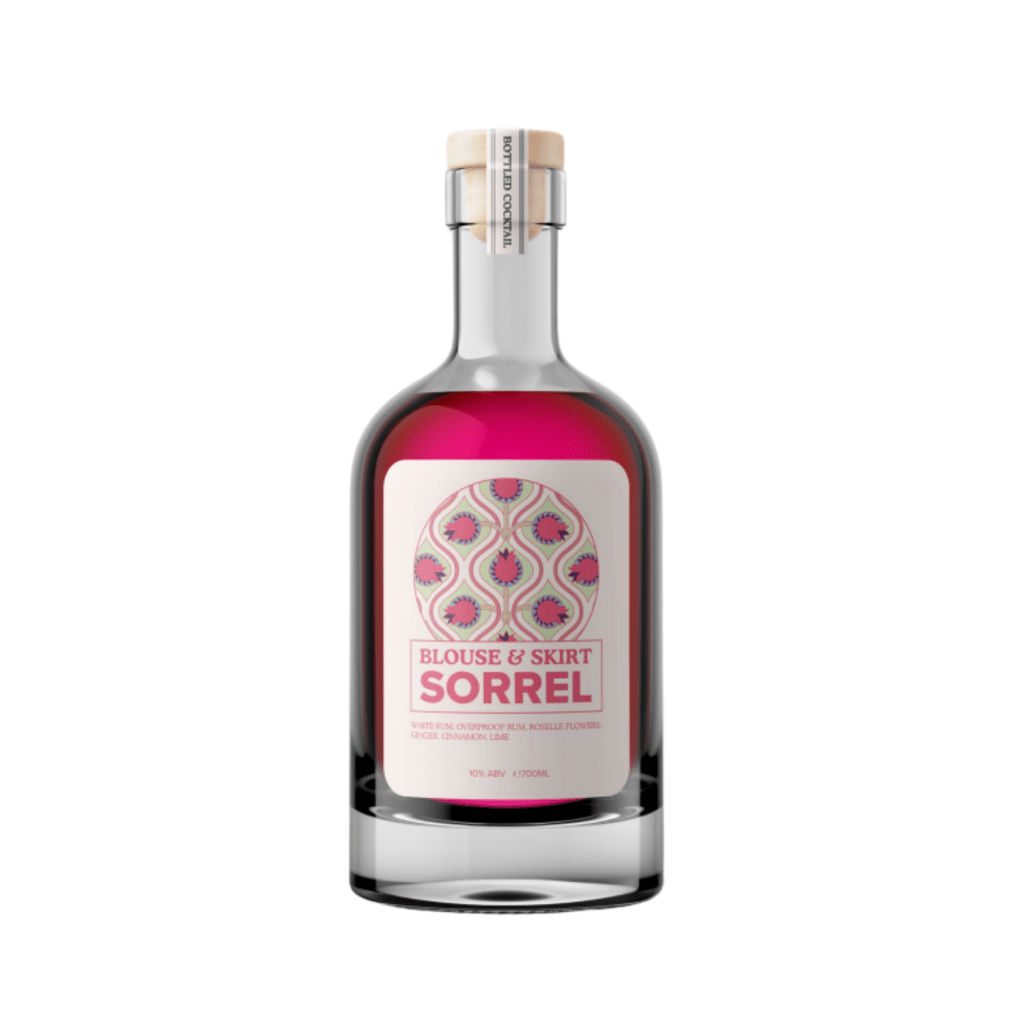
Blouse and Skirt Sorrel is a combination of different rums, ginger, lime juice, cane sugar and of course, Sorrel. In Jamaica, ‘Sorrel’ are the dried flowers used to make a type of sweet hibiscus tea commonly made from the Roselle flower which is popular throughout the Caribbean and West Africa where the ‘red tea’ made from the flowers originates.
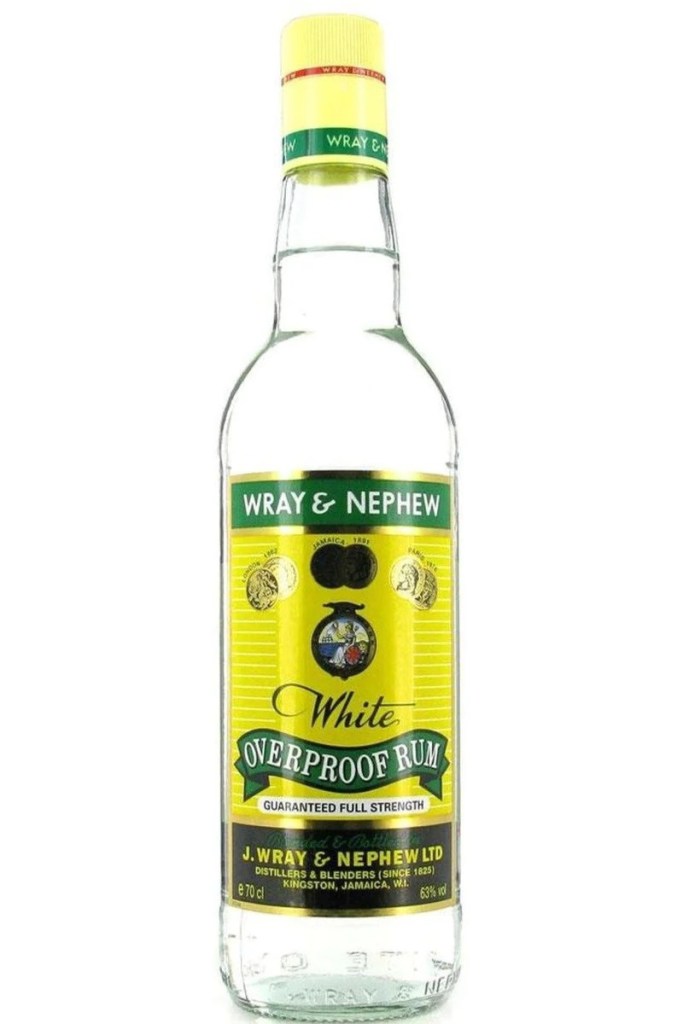
‘Take her to Jamaica where the rum come from
The rum come from, the rum come from
Take her to Jamaica where the rum come from
And you can have some fun’







 FOOD, FILMS 'N' TINGS