Liverpool. Art and Mowgli

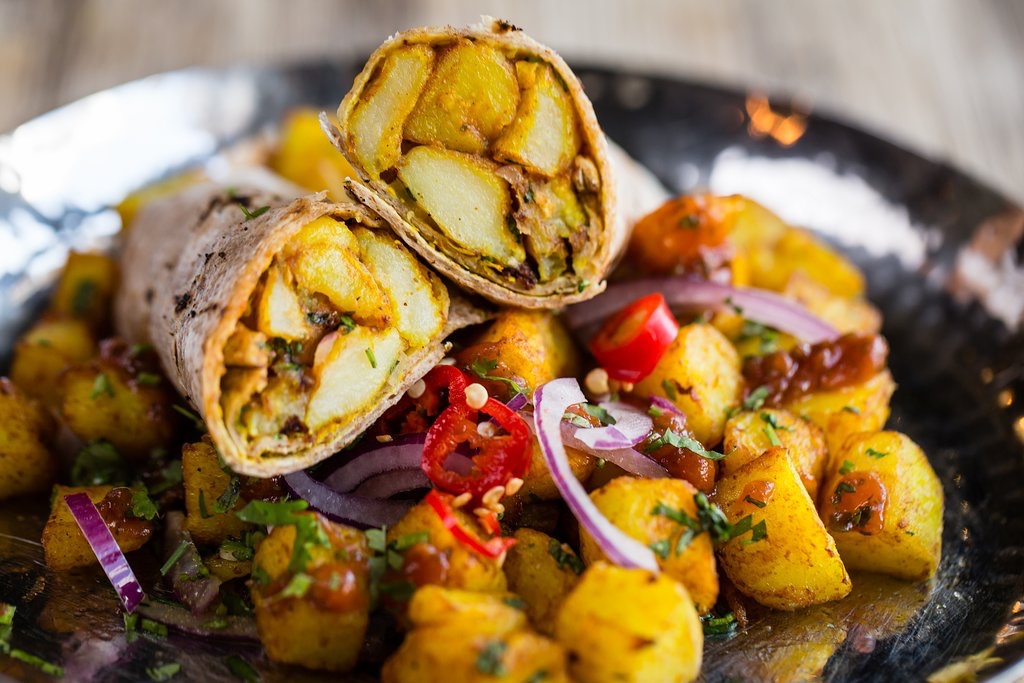
Chip butty at Mowgli

The city of Liverpool lies at the mouth of the Mersey river as it empties into Liverpool Bay, the Irish Sea and the Atlantic.

Liverpool was once known as the ‘second city of the British Empire’ because of it’s massive port, huge merchant fleet and the sheer volume of international trade that flowed in and out of the Mersey.

The names of docks in the city, of which there were 43, often had monarchal themes or the names of historical figures and events such as Victoria, Albert, Nelson, Waterloo and Trafalgar. These names resonate with a sense of privilege and entitlement, of glories past and of times lost which ultimately lie somewhat at odds with the city’s independent streak and its cosmopolitan and inclusive nature. Despite setbacks, the city has a clear sense of itself despite the contempt and neglect of successive establishment governments in London. ‘Managed decline’ was Goverment policy for the city in the 1980’s.
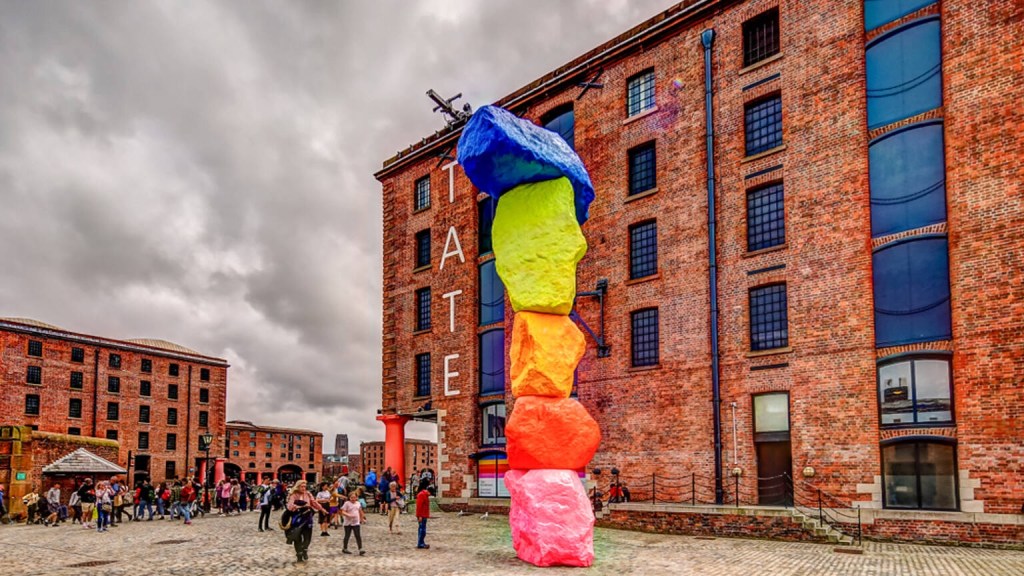
Tate Museum at the Albert Dock, Liverpool

The Tate Gallery Liverpool in the city’s restored Albert Dock was opened in 1988 by the Prince of Wales (now King Charles III) as the northern outpost of the Tate Gallery in London. Funding for the Tate Gallery came from the industrialist Henry Tate in 1889. Tate had made a considerable fortune from the refining of sugar in Liverpool derived from cane grown in the Caribbean. Slavery had been abolished by the time Tate came into sugar refining but the product was made using raw cane originally from former space plantations. After abolition of the slave trade in the UK in 1807, indentured (bonded) labourers from India and China cut the cane along with the descendants of slaves. Although Tate was neither a slave-owner or slave-trader, the business of sugar refining cannot be separated from the history of plantation slavery and the bonded labour which followed it’s abolition
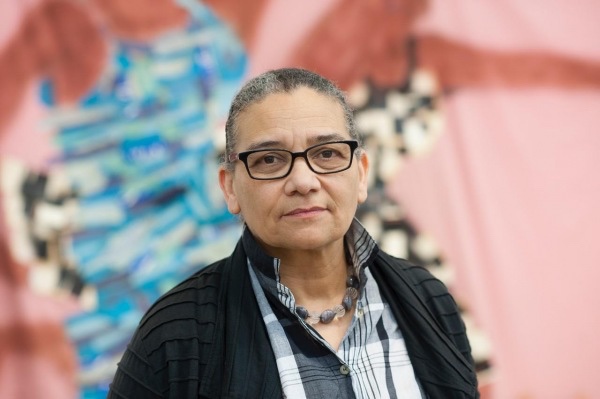
Lubaina Himid

The artist Lubaina Himid (https://www.royalacademy.org.uk/art-artists/name/lubaina-himid-ra-elect), although based further to the north of the City in Preston (she is a professor of Contemporary Art at the University of Lancashire), is nevertheless closely linked with Liverpool. Himid, born in Zanzibar which was then a colony of the United Kingdom where she was brought up. She left at an early age and was brought up in the UK where she ultimately graduated from the prestigious Royal College of Art.
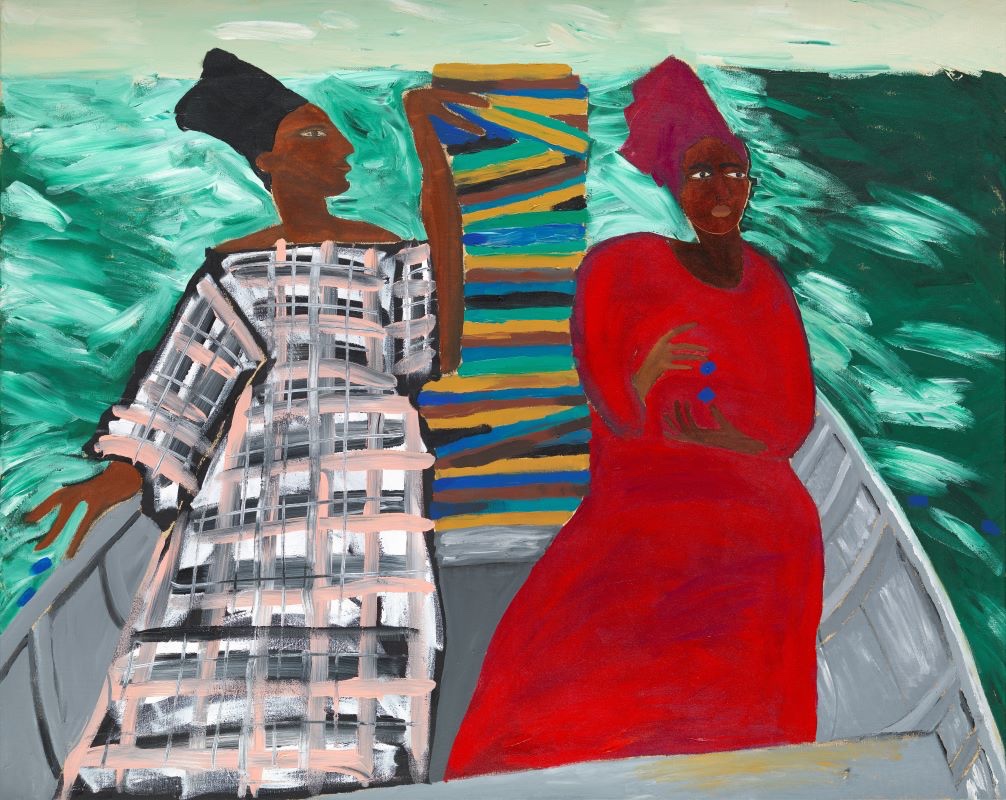
Between the Two my Heart is Balanced

A widely admired and established artist she has exhibited widely in Liverpool, (she is currently exhibiting at the city’s Biennial – ‘Between the Two my Heart is Balanced’) most notably at the International Museum of Slavery in 2017 when she gifted the museum an installation of 20 figures entitled ‘Naming the Money’. According to the Museum the installation ‘addresses how Europe’s wealthy classes spent their money and flaunted their power in the 18th and 19th centuries, by using enslaved African men and women. The highly individual sculptural figures, each with their own profession and life story, demonstrate how enslavement was disguised and glamorised’.
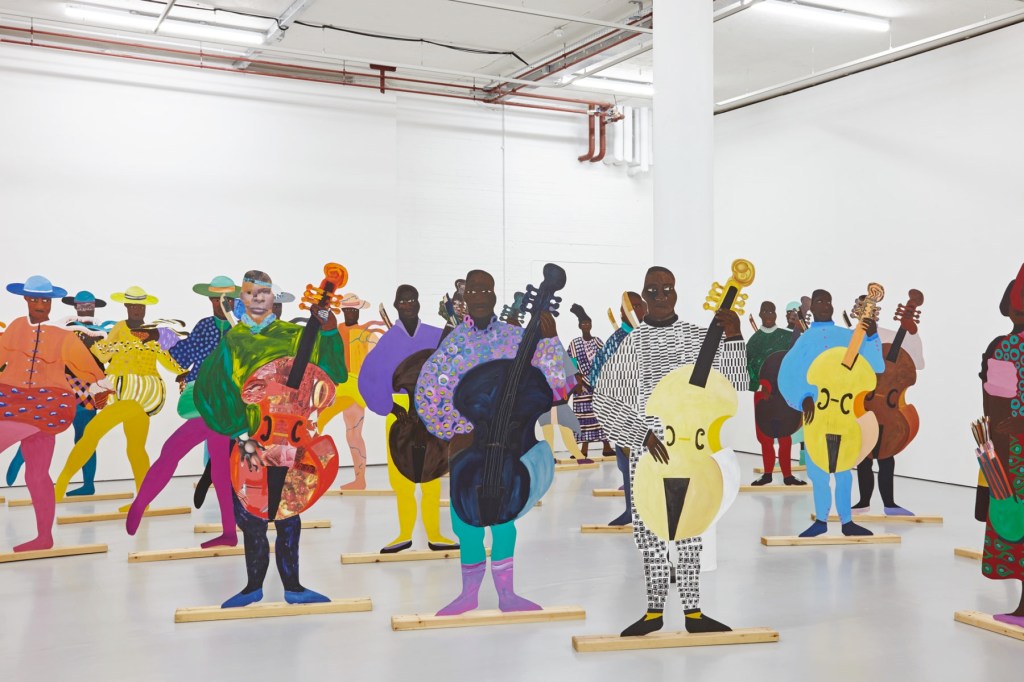
Naming the Money

Reviewing Naming the Money art critic Luisa Buck noted: “Himid’s work has long been concerned with black creativity, history and identity and this animated throng represents the Africans who were brought to Europe as slave servants. There are drummers, dog trainers, dancers, potters, cobblers, gardeners and players of the viola da gamba, all decked out in vivid versions of 17th century costume. Labels on their backs identify each individual, giving both their original African names and occupations as well those imposed by their new European owners, and these poignant texts also form part of an evocative soundtrack, interspersed with snatches of Cuban, Irish, Jewish and African music.”

Himid has also exhibited at the Tate Gallery Liverpool where her installation ‘The Carrot Piece’ from 1985 is on permanent display.
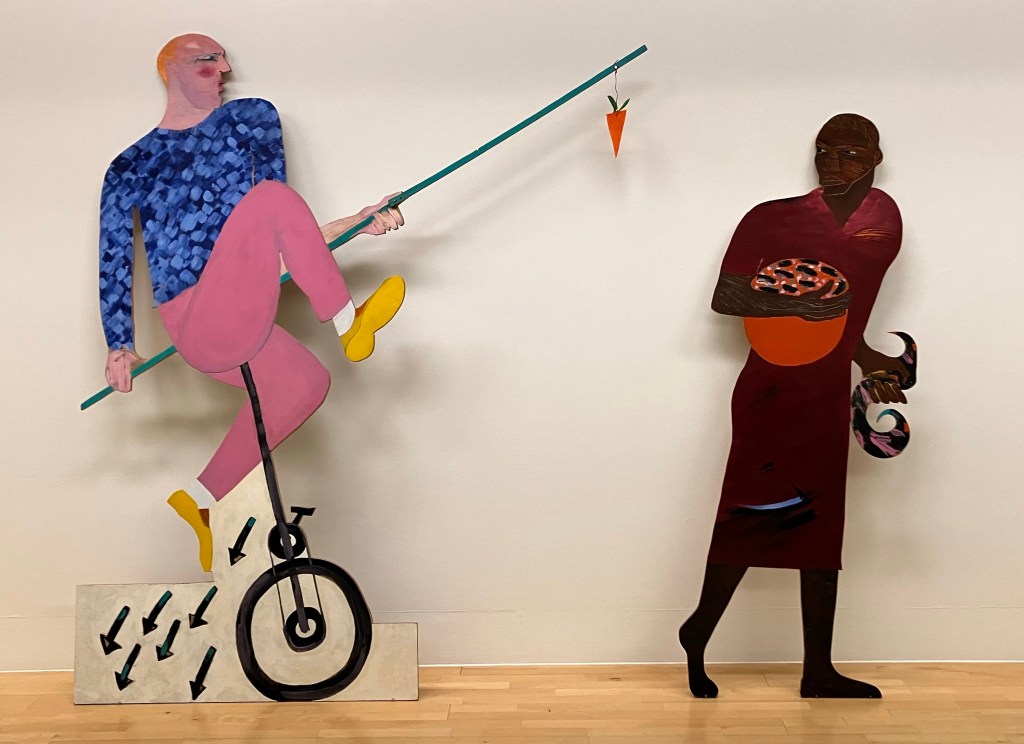
The Carrot Piece

As one can see, the white male figure is pursuing the black female figure and is trying to tempt her with a carrot on a stick, the latter device being a metaphor for the use of a combination of reward and punishment to induce a desired behaviour. Capture and surrender. The piece is political and Himid commented that the work was made at a time art galleries ‘needed to be seen’ to be including black people into their exhibitions but did so in a patronising and controlling manner. She commented ‘we as black women understood how we were being patronised … to be cajoled and distracted by silly games and pointless offers. We understood, but we knew what sustained us… and what we really needed to make a positive cultural contribution: self-belief, inherited wisdom, education and love.’

Himid was appointed an MBE (a ‘Member of the British Empire’) by the late Queen Elizabeth II in 2010 ‘for services to black women’s art’. In 2017 she won the prestigious Turner Prize winner, the first black woman to do so. She was promoted to a CBE (‘Commander of the British Empire) in 2018 for services to art.
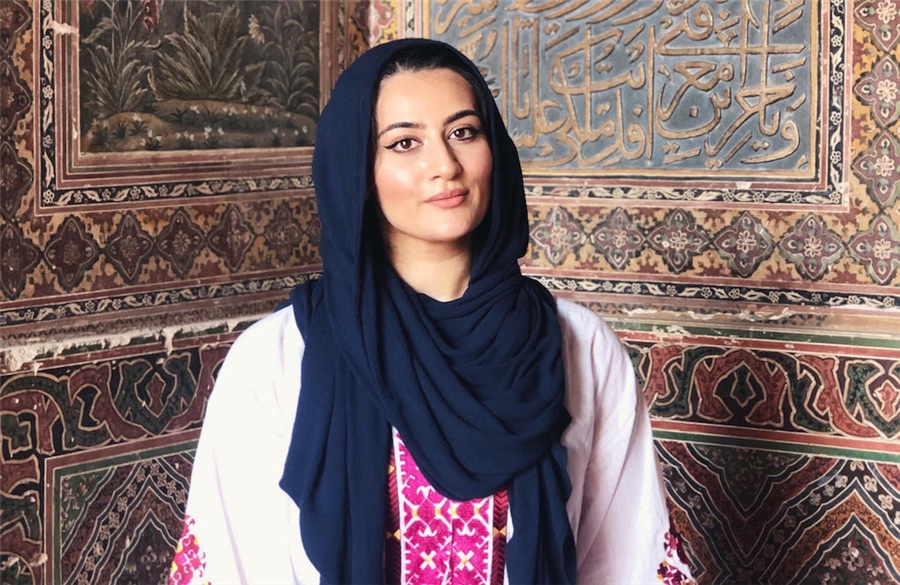
Maryam Wahid

As well as being Lubaina Himid’s home, Preston is currently the venue for the UK’s biggest outdoor photography festival with the works of several international photographers displayed in parks and on walls across the city. Included in the exhibition is a series of photographs by Birmingham based artist Maryam Wahid (https://www.maryamwahid.com) being stunning images from her project ‘The Hijab’, photographic portraits of women in Britain wearing and adopting the garment to their own style.
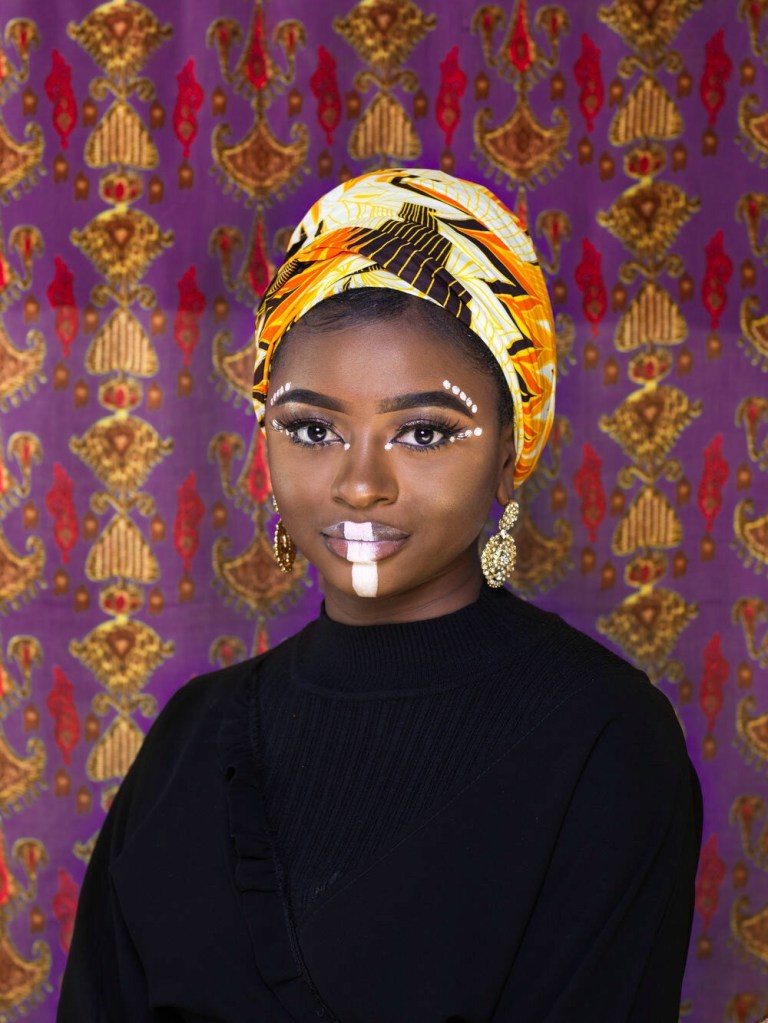
The Hijab by Maryam Wahid

The hijab is a covering for the hair and neck, often a head scarf worn by some Moslem woman as a mark of modesty. It is a most misunderstood garment which some countries in the West, such as France, Sweden and Austria have placed restrictions on.
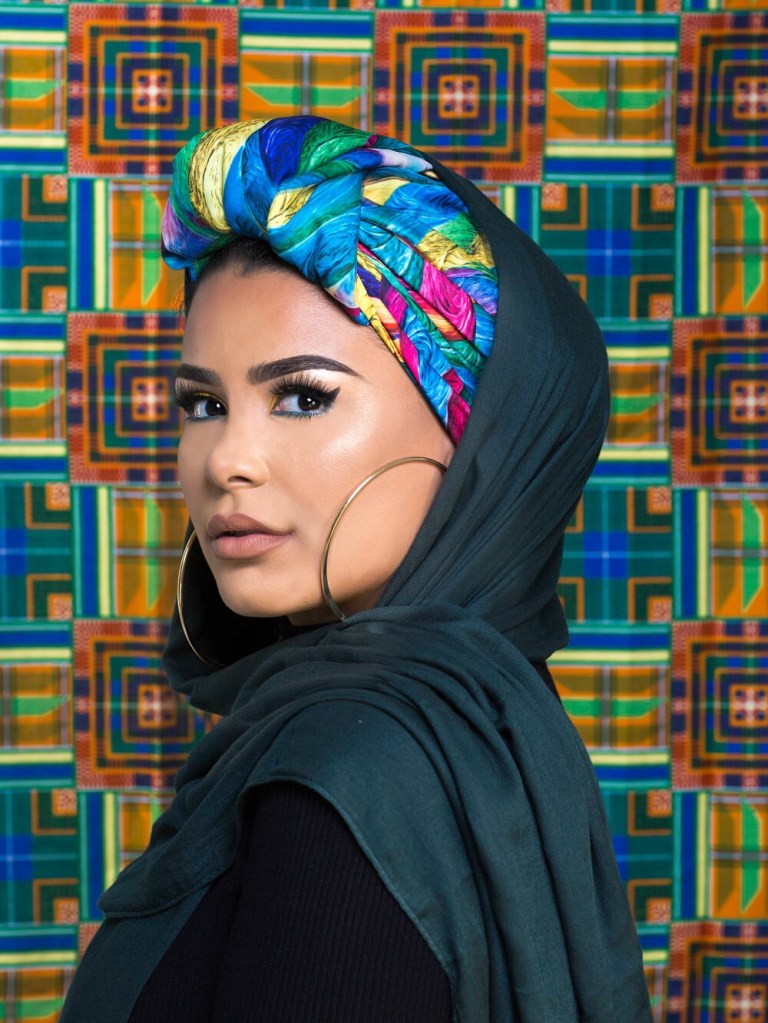
The Hijab by Maryam Wahid

Whilst modest attire by both men and women is a matter of Islamic law, the wearing of the hijab is not a required convention, it is not one of the *Five Pillars of the Faith. Whether or not a woman wears a hijab is more likely a matter of personal choice, at least in the West, despite the misplaced efforts of some governments to restrict and demonise it’s use in day to day dress.

*The Five Pillars are the core beliefs and practices of Islam:

• Profession of Faith (shahada). The belief that “There is no god but God, and Muhammad is the Messenger of God” is central to Islam. …

• Prayer (salat). …

• Alms (zakat). …

• Fasting (sawm). …

• Pilgrimage (hajj)

Wahid’s photographic project explores the different and highly individual ways the hijab is worn by Muslim women in the UK in a startling series of portraits, two of which are reproduced above.

Maryam Wahid with HRH

In 2020 Wahid was invited by Her Royal Highness The Duchess of Cambridge to judge the photography competition Hold Still 2020 for the National Portrait Gallery in London.
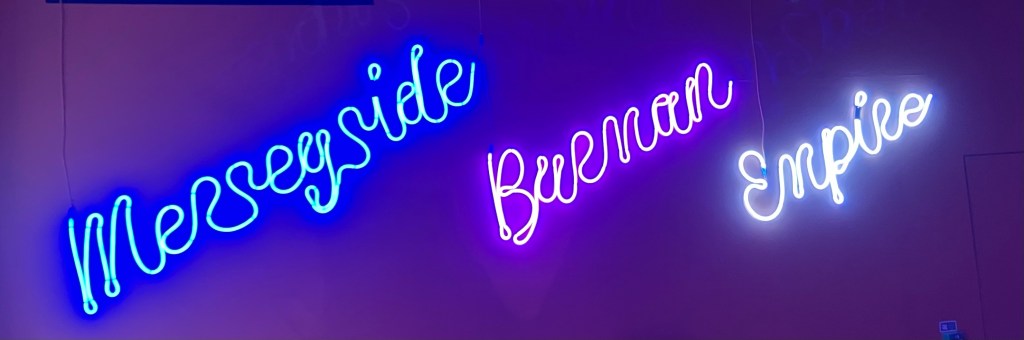
Merseyside Burman Empire

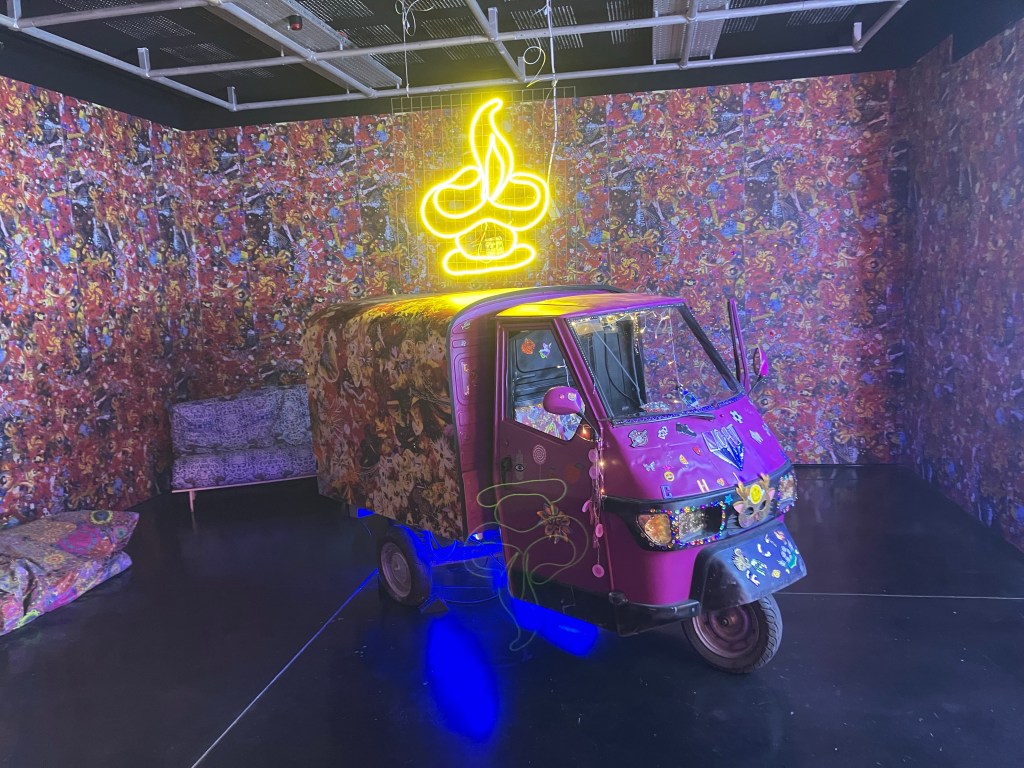
Back to Liverpool and FACT (https://www.fact.co.uk), a multi media arts venue near the city centre. FACT is currently exhibiting exciting new work by Chila Kumari Singh Burman (http://www.chila-kumari-burman.co.uk) entitled ‘Merseyside Burman Empire’. The ‘Empire’ is an imaginary living room covered in wallpaper decorated with stylised images of Indian women, Hindu deities, plastic jewellery. The installation also features several neon designs including a giant tiger. The centrepiece of the space is an ultra colourful tuk tuk.
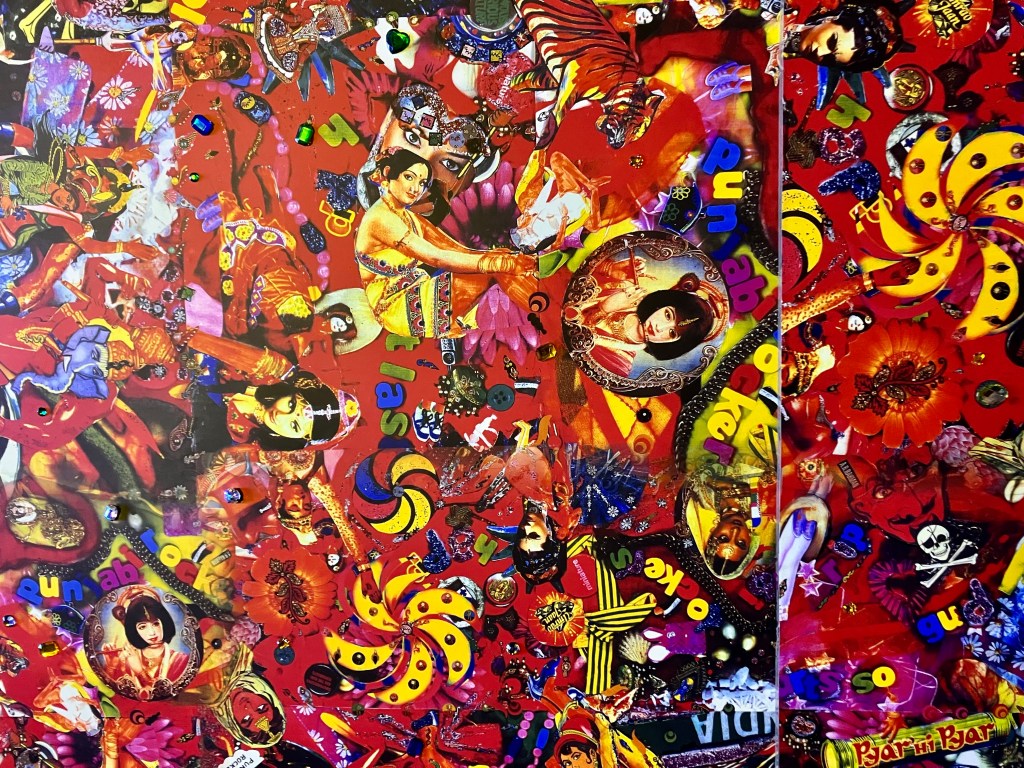
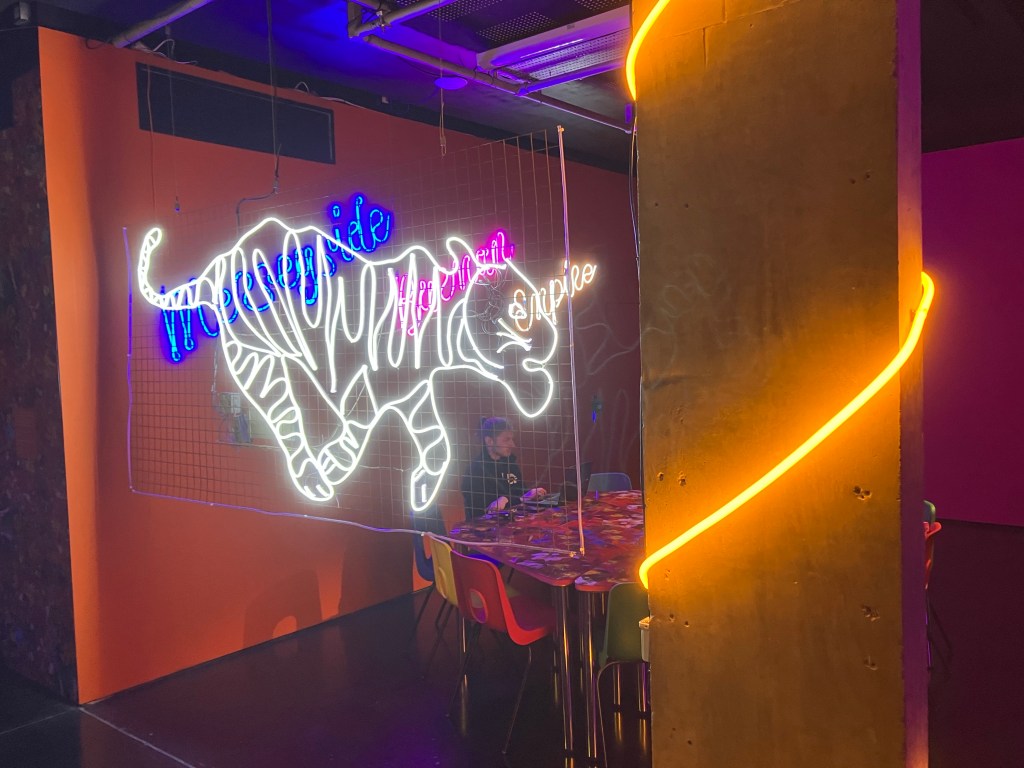
Wallpaper design
Neon Tiger
Tuk Tuk

Burman is very much a local artist as she was born in the docker’s suburb of Bootle to Punjabi- Hindu parents. She combines images from Indian and Western pop cultures and was recently appointed an MBE for her services to visual arts.
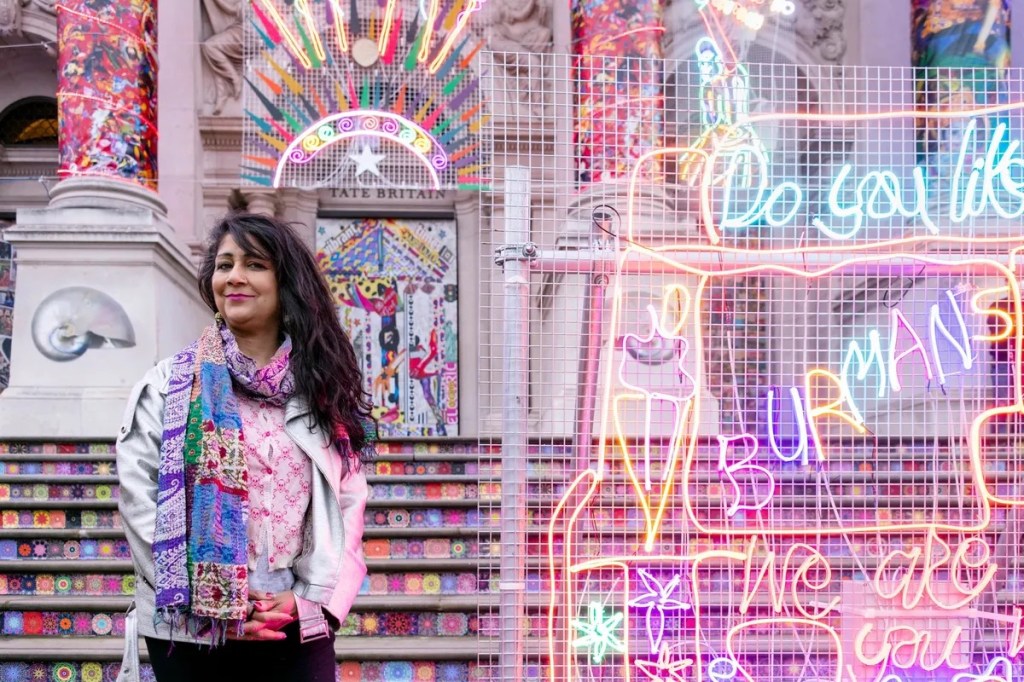
Chila Kumari Burman

Another woman with SE Asian forbears who is making a definable mark on the culture of the UK is Nisha Katona, A former Law graduate of Liverpool John Moores University, a Barrister for 20 years, a restauranteur, food writer, TV presenter and entrepreneur, Katona is a virtually unstoppable force in the re popularisation of Indian food in the UK. Traditionally, whilst the food served in British Indian restaurants was (and still is) massively popular, the food would often bear little relation to the food cooked in Indian homes – or from street vendors who will often specialise in creating one perfect dish. As anyone who has visited India will tell you,the best food in the country is served at home or on the street and Katona was determined to revolutionise the Indian food scene in the UK with ‘tiffins full of intense bright flavours’.

Nisha Katona

Originally from the town of Ormskirk just outside Liverpool, Katona opened her first restaurant in the city in 2014 under the now much loved brand name, ‘Mowgli’ with its distinctive logo of an Indian monkey. The food at a Mowgli restaurant is always fresh, nicely spiced and beautifully presented making the restaurant a firm favourite with couples and families. Each venue is individually designed by Katona herself and is subtlety different in appearance from other Mowgli restaurants. New branches are opening slowly and carefully throughout the UK. Nevertheless, it is Liverpool that is closest to Katona’s heart. She has been quoted as saying that she owes her success to the city.
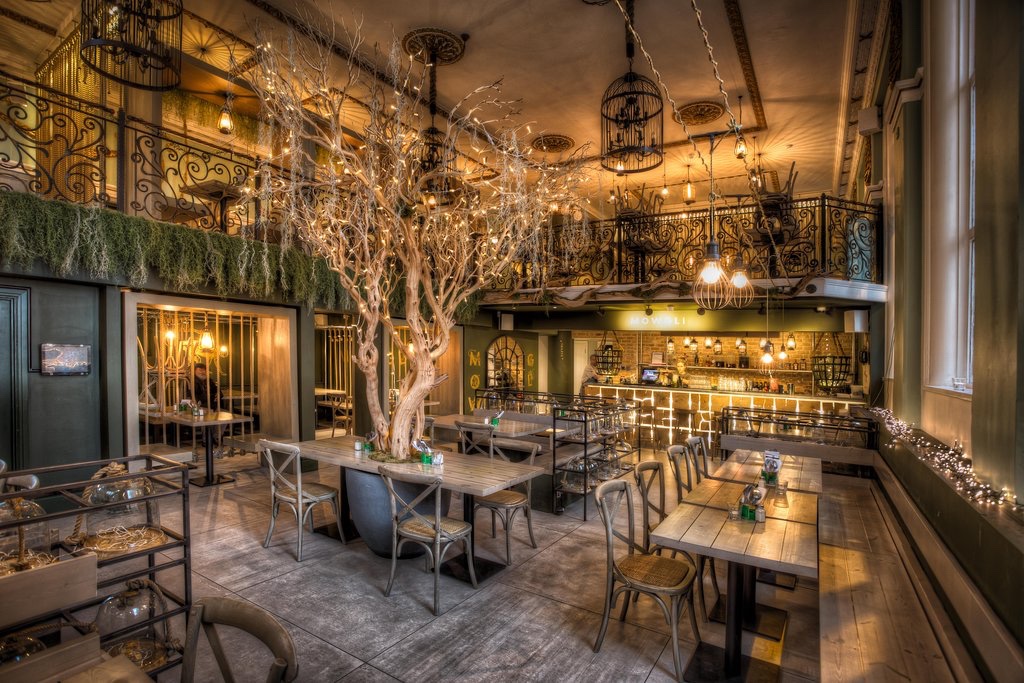
Mowgli, Liverpool

Everyone loves the food and atmosphere at Mowgli!
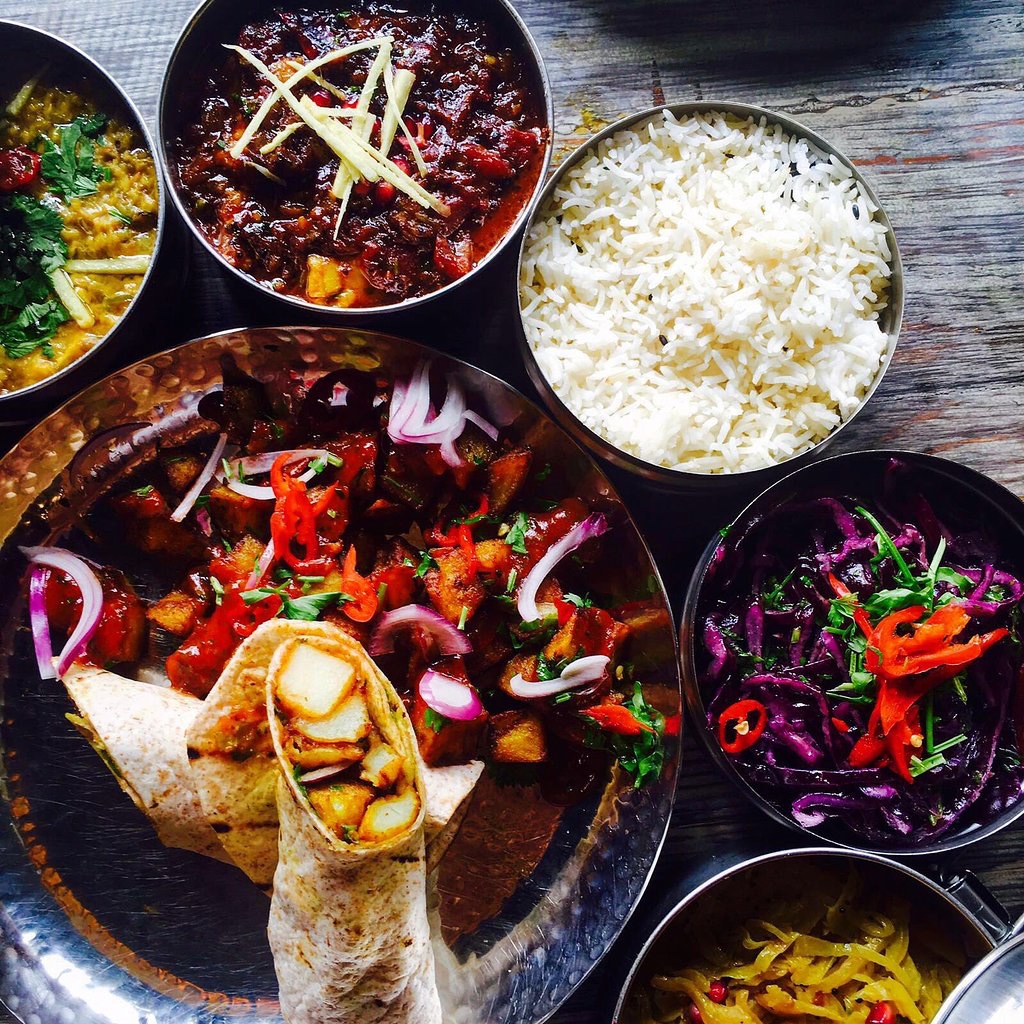
‘Intense bright flavours’

Finally, we are genuinely sorry to hear of the death of Jamie Reid, artist, Situationist and revolutionary thinker in Liverpool this week. Reid is perhaps best known for his work with the Sex Pistols in the 1970’s and for co-opting monarchal images into politically satirical situations.
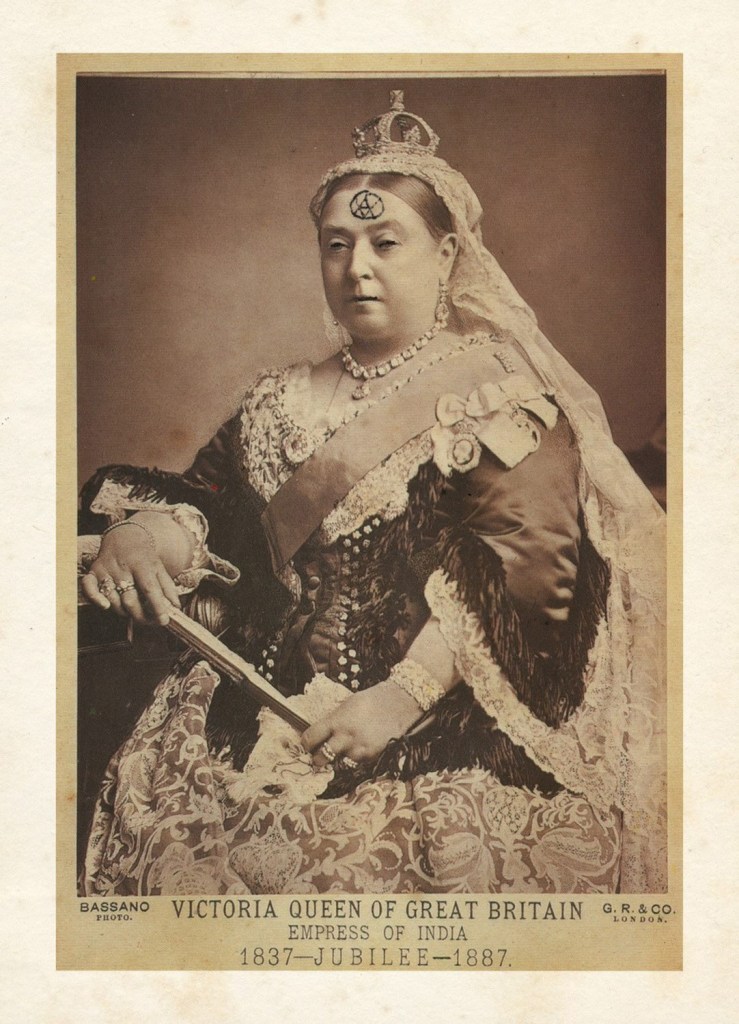
Dear old Queen Vic as anarchist Empress of India by Jamie Reid

‘Now we rise and we are everywhere’.
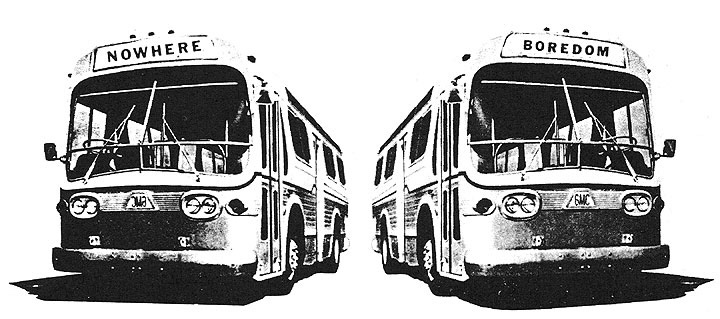
High Peak to the World’s End

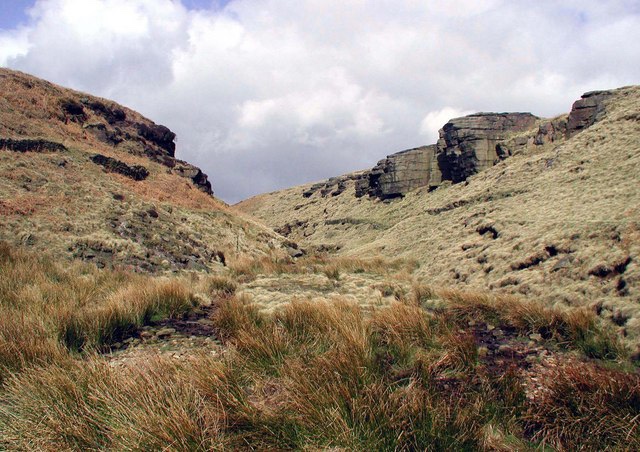
The village of Tintwhistle lies in the High Peak district in the county of Derbyshire in Northern England. The High Peak area is the more elevated section of the Dark Peak which is made of moorland and bogs. It’s limestone foundation is covered in sandstone and shale. In winter, with heavy rainfall and snow, the soil is almost always saturated with water and ice.

The countryside around the village is attractive but not a little wild and the fairly bucolic pastures soon give way to the moors themselves.

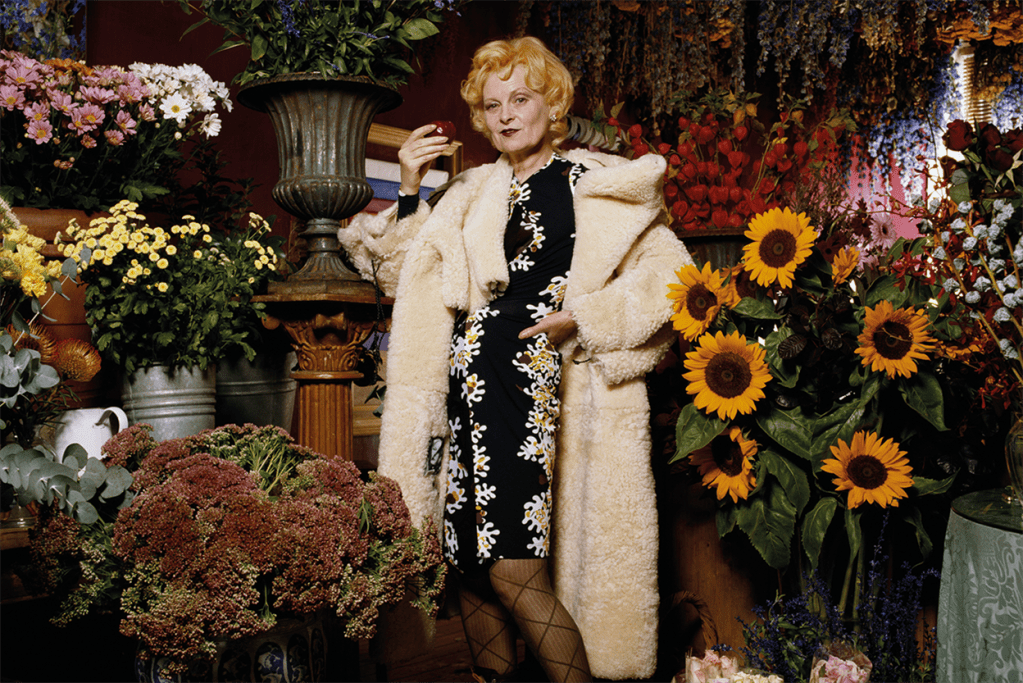
The most notable former resident of the village is the fashion designer and activist Vivienne Westwood. Westwood grew up in a row of stone cottages known as Millbrook located just outside the village on the main Manchester road. The village of Hollingsworth lies to the West, the town of Glossop to the South.

Westwood was born Vivienne Isabel Swire in Glossop. Her father was a storekeeper, her mother worked in the local cotton mill. The Millbrook cottages and the surrounding countryside was her playground. She went on to become the arguably best fashion designer (and certainly the most innovative) the UK has ever produced.

“Millbrook Cottages were at the bottom of an old quarry and from the earliest age my mother lifted me over our back wall to play in a dell where bluebells grew. As I grew up I was free to wander in a countryside which was beautiful and intimate until you got to the moors. After that it was wild and a little frightening”.

Although the city of Manchester (with its music clubs and art galleries) was not too far away, the Pennine area Westwood grew up in would have seemed culturally remote in the monochrome 1950’s.

“I lived in a part of the country that had grown up in the Industrial Revolution. I didn’t know about art galleries until I was 17. I’d never seen an art book, never been to the theatre.”

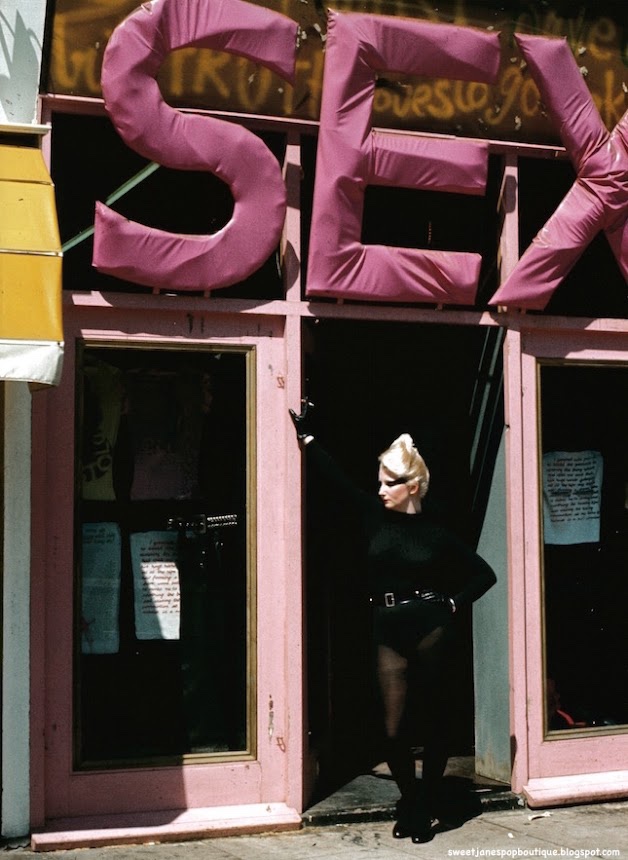
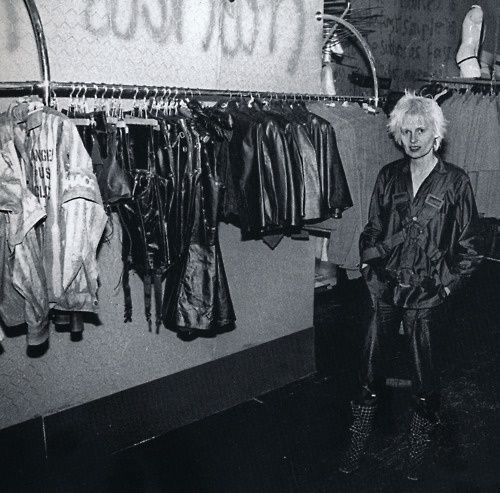
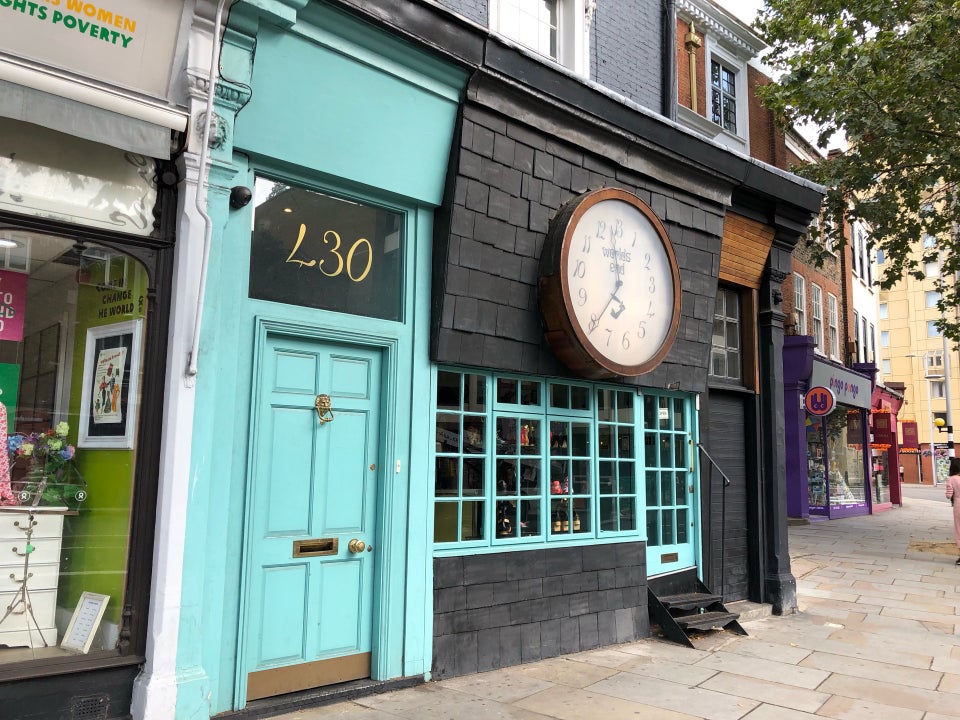
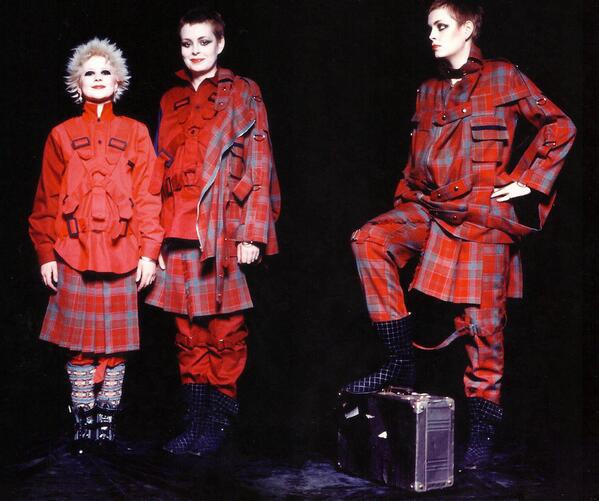
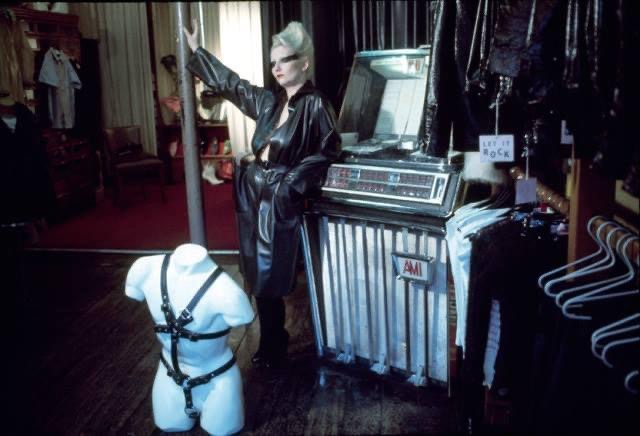
Westwood moved with her parents to London when she was 17 and she has lived in the city ever since. It is London, or rather her shop premises at 430 Kings Road, Chelsea that is for ever associated with her daring designs. From its rock’n’roll, fetish wear and punk roots in the 1970’s, the shop that was initially known as ‘Let it Rock’. It them became ‘Too Fast To Live, Too Young to Die’, then ‘Sex’, then ‘Seditionaries’ and finally ‘Worlds End’ as it is still known today. (World’s End is the name given to this eastern part of the district of Chelsea in London where the shop lies). With the changes of name, the designs and very nature of Westwood’s creations would abruptly change.

SEX at 430 Kings Road, Chelsea
Vivienne Westwood in Seditionaries 1977
Worlds End storefront with the 13 hour clock face

In this year of the Queen’s Platinum Jubilee and her recent death, it is worth looking back at Westwood’s attitude to the Monarchy.

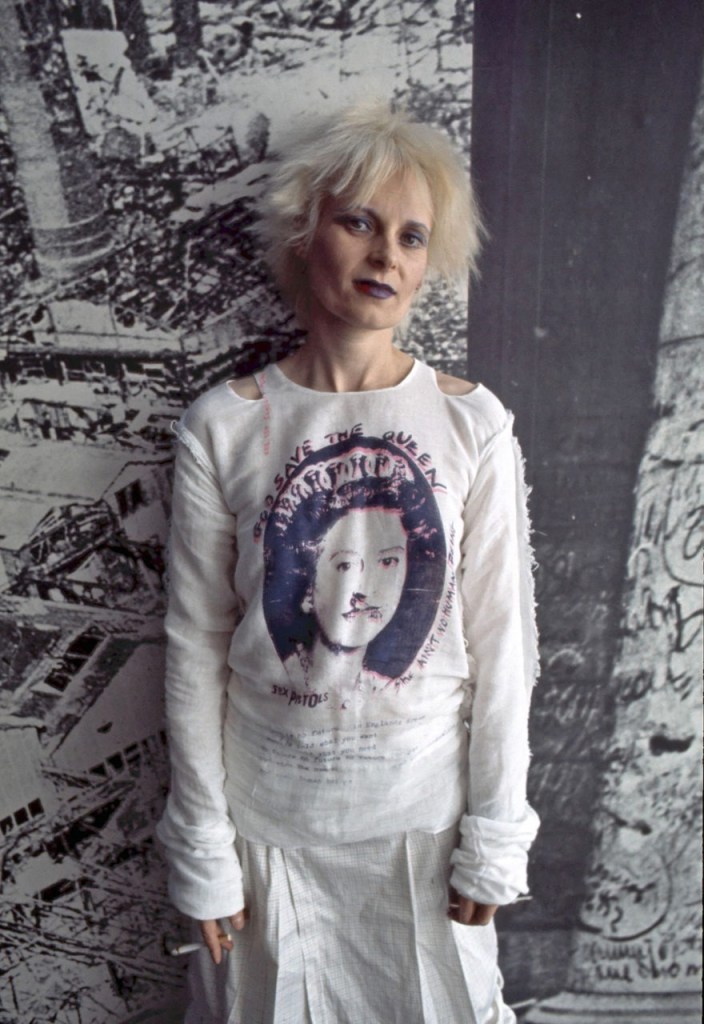
Initially, you could be forgiven for taking the view that Westwood was an out and out Republican. One of her initial designs featured a screen print of the famous Cecil Beaton portrait of the Monarch with a safety pin through her lips.

Her shop at 430 Kings Road helped clothe the Sex Pistols who stormed the UK music charts with their ultra controversial hit single ‘God save the Queen’ at the time of the latter’s Silver Jubilee in 1977.

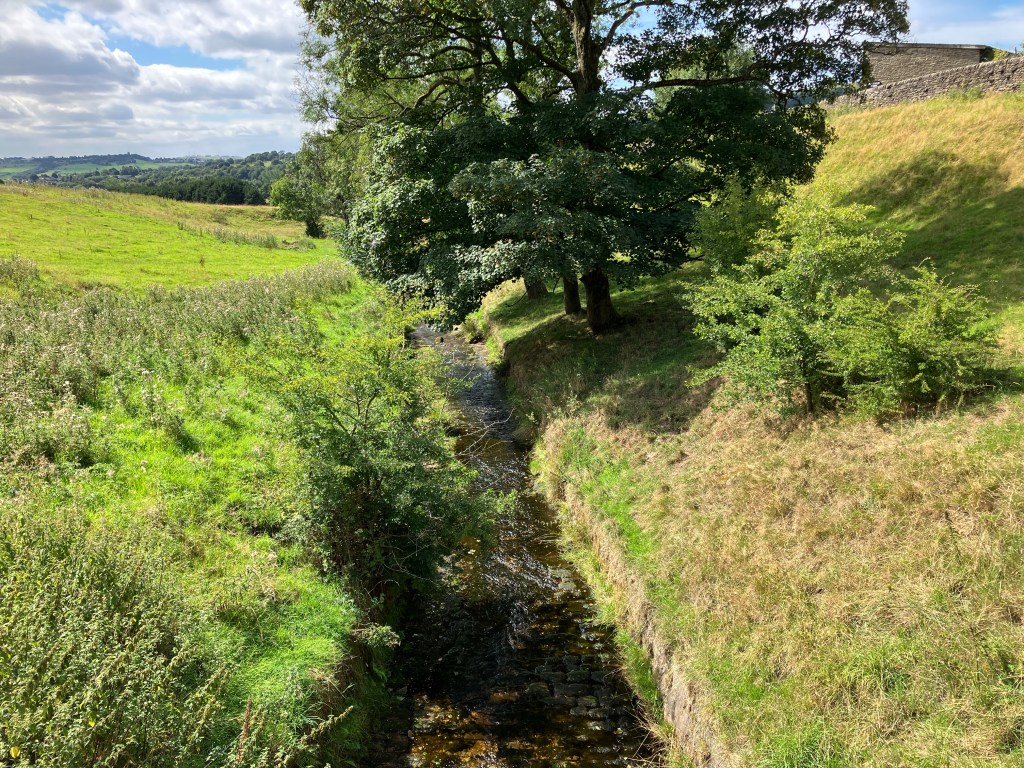
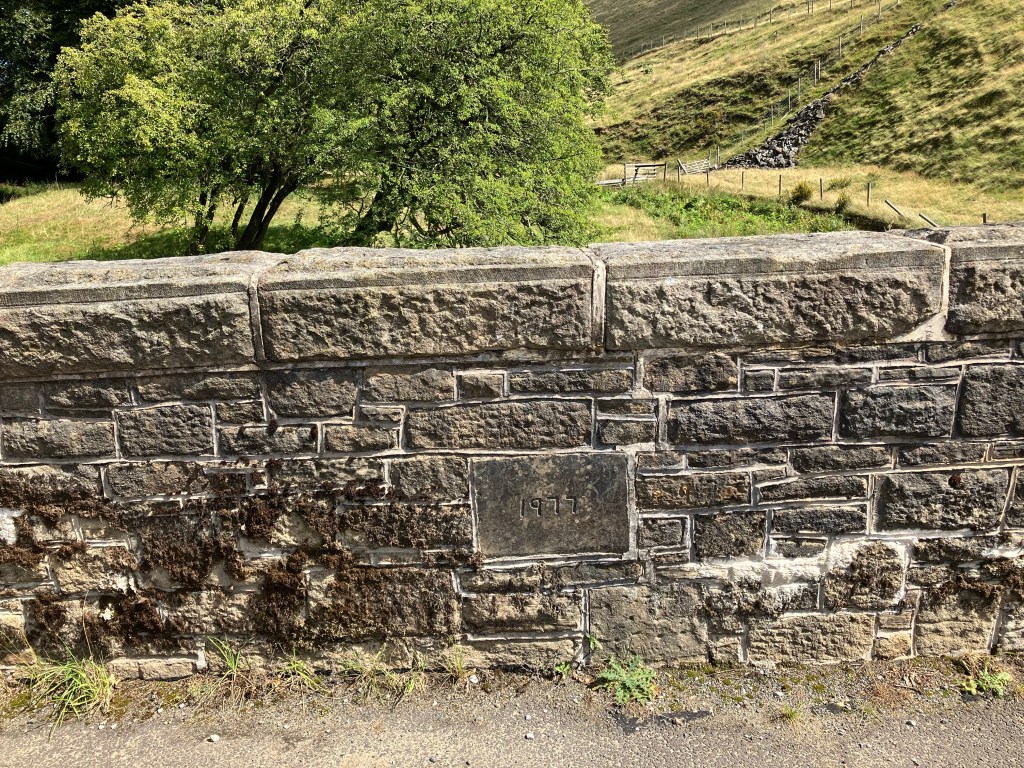
Bridge at Tintwistle built in 1977

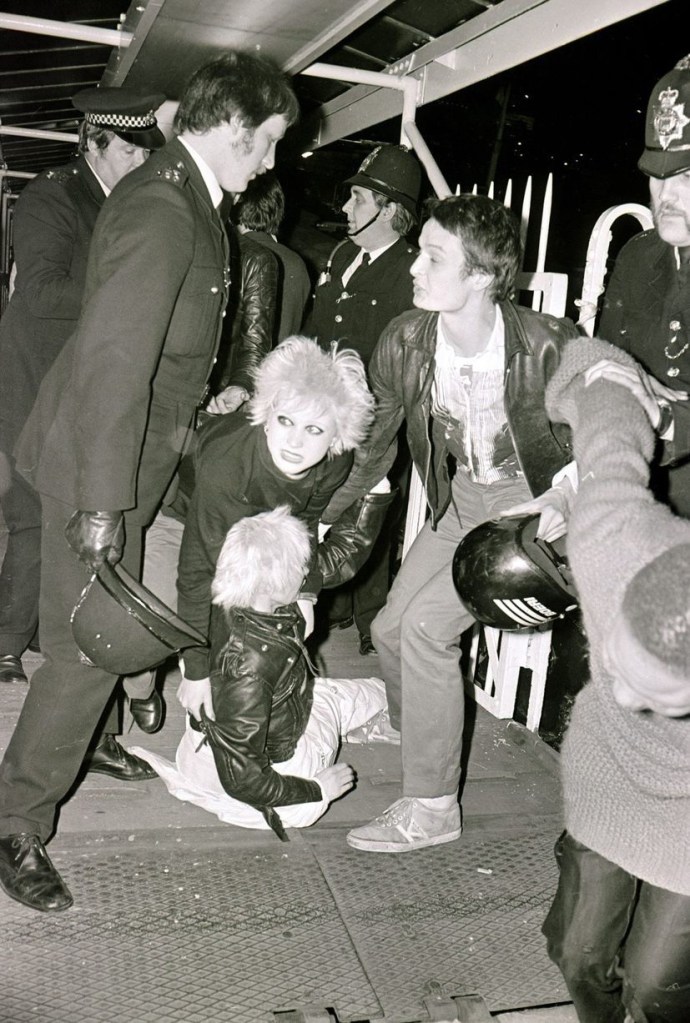
Westwood herself was arrested and detained on the day of the Jubilee celebrations in 1977 following a very infamous boat trip with the Sex Pistols and various luminaries on board. The group belted out their songs as they sailed along the Thames until they passed the Houses of Parliament when their boat was detailed by a flotilla of police officers who promptly arrested all and sundry, including Westwood.

Nevertheless, Westwood is very much a monarchist who holds the Queen and the Hereditary monarchy in high regard.

“ The Queen performs a national service. She holds the country together. She is a figurehead of international diplomacy. We all owe her our gratitude’’.

‘’I think that it is important that our Royal family is hereditary, the family members learn diplomacy by osmosis and develop a sense of duty to our country and the world.’’

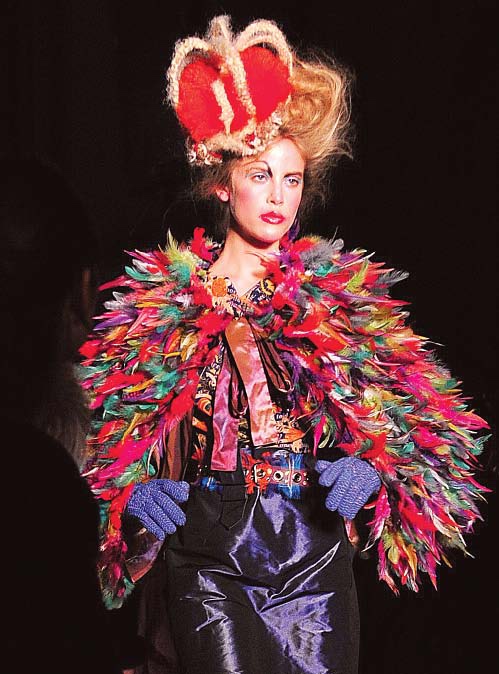
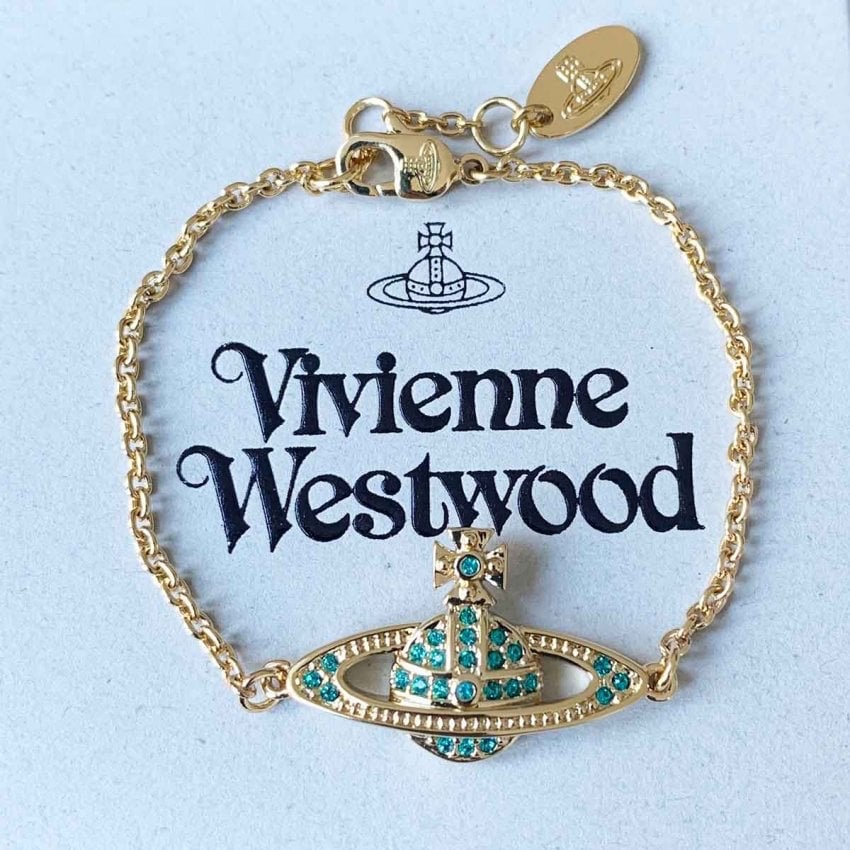
Westwood is very much an Anglophile and monarchist in her designs and she has often use royal images and traditional materials ranging from a Harris Tweed collection to worsted’s, tartan kilts and bondage jackets and to the choice of an Orb logo for her business logo.

Her notorious 70’s rubber clothing was stitched and assembled by obscure fetish wear manufacturers in the North of England who had been making garments in the material for their specialist customers for many years.

Westwood was born in Glossop, a town just South of her home in Tintwistle. Glossop is where she went to school. There was talk a few years ago about building a museum in the the town dedicated to her life and work but the idea was apparently rejected. A local graffiti artist, Deggy, recently created his own mural in the town in honour of Westwood.

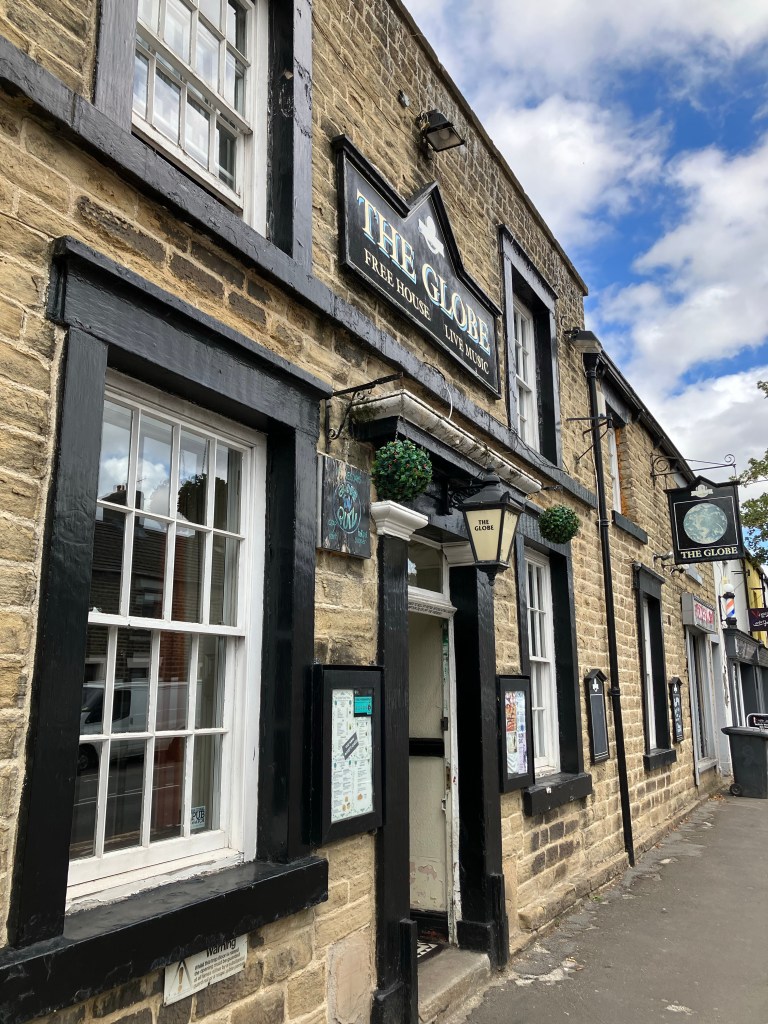
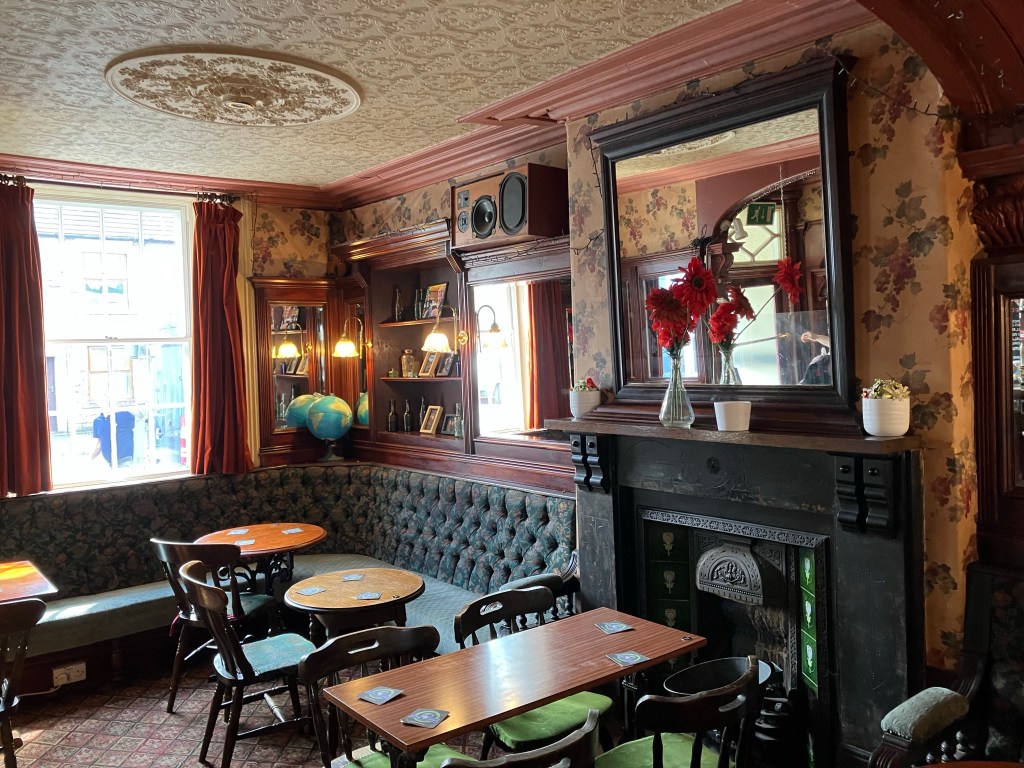
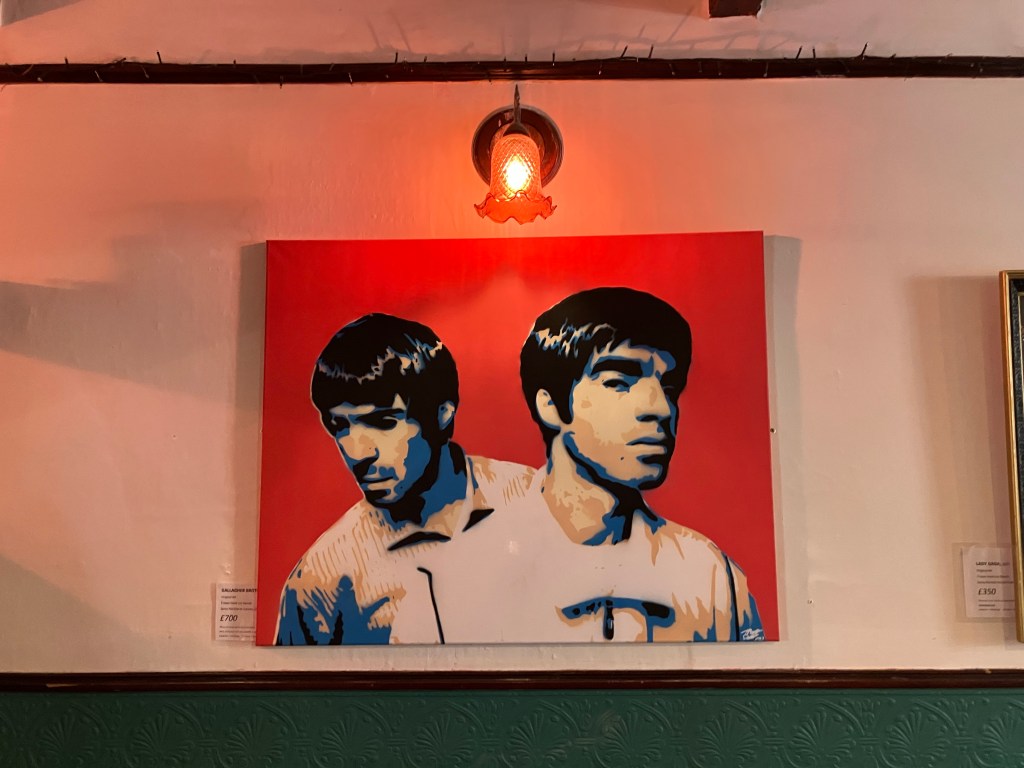
Glossop is a handsome town with loads of character and it is certainly worth a visit in its own right. Our favourite place is The Globe pub on the High Street

The pub is a well known music venue and it serves an exclusive Vegan menu of super cheap and very tasty bar classics. Recommended.

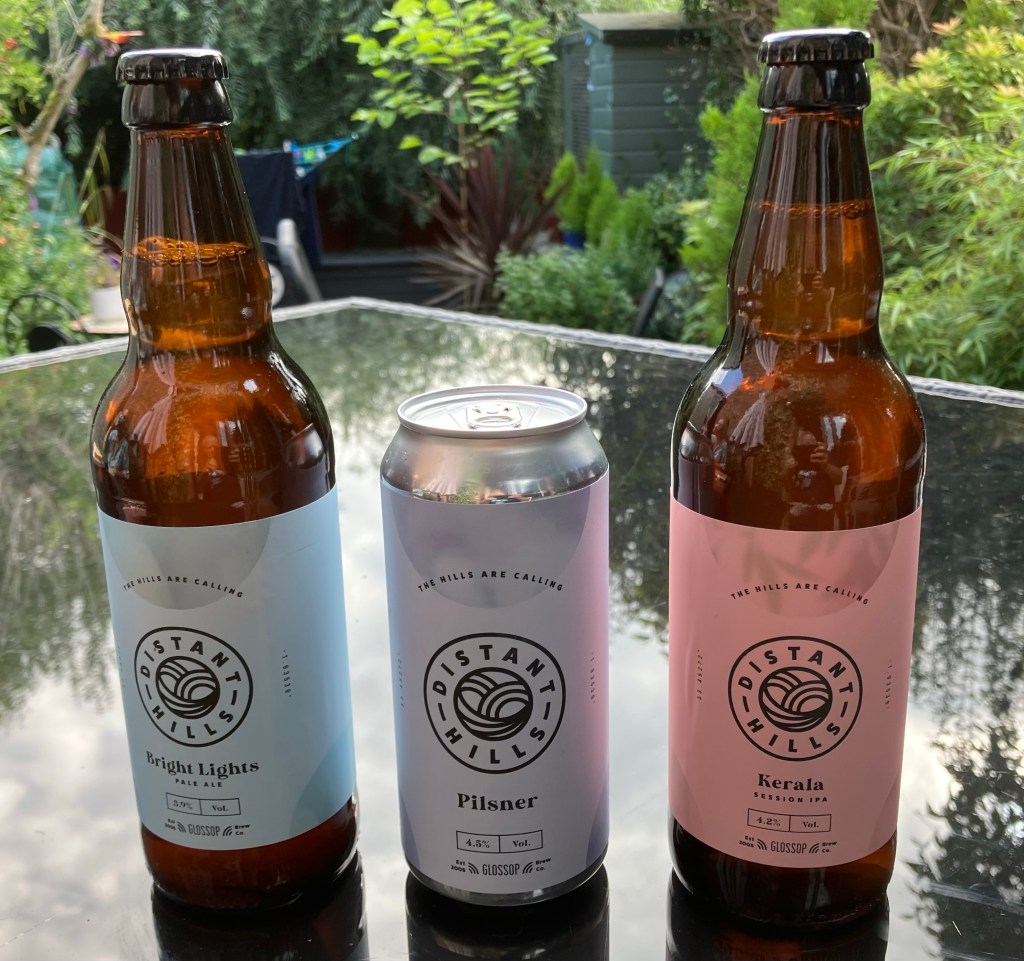
When it comes to beer, the local Distant Hills brewery and tap room is also a good bet.

In 1992 Westwood received an OBE from Queen Elizabeth II. The Queen made her a Dame in 2006.

THE BANDIT KING

Lampião, o Rei do Cangaço

Lampião

The Sertão is the name given to the vast arid hinterland of the North East of Brasil. Notable for its semi-arid conditions, poverty, cactus and scrub, the North East in general has had a vivid and important impact on Brasilian popular history and culture including of course the legend of Lampião, ‘O Rei do Cangaço’.

The backlands of North East Brasil

The Sertão was home to the ‘cangaços’, gangs of bandits who roamed the backlands of the North East in the earlier part of the last century attacking landowners and stealing from the wealthy in particular. They were known for their ferocity towards those they robbed and plundered as well as their apparent generosity towards the poor, despite widespread torture and murder of their victims. It is this role as ‘social bandits’ rather than as wild outlaws that the cangaçeiros  are best remembered in modern day Brazil. The best known of the cangaceiros was Virgulino Ferreira da Silva, known to everyone as ‘Lampião’. Together with his girlfriend and fellow gang member Maria Déia aka ‘Maria Bonita’ (‘Pretty Maria’) they roamed the Brazilian backlands with the gang from the 1920’s until their deaths in 1938,  four years after the deaths of their counterparts in the US, Bonnie Parker and Clyde Barrow, ‘Bonnie and Clyde’. Just like that Texan couple, Lampião and Maria would be eulogised in film and song across the ages.

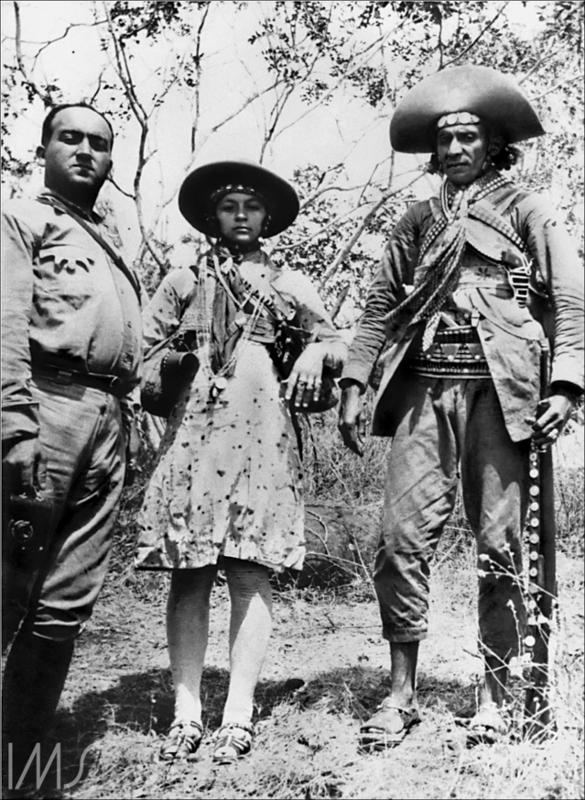
Cangaços with Lampião and Maria Bonita in the centre

The first (and most interesting) film about Lampião and his gang (‘Lampião, o Rei do Cangaço’ – ‘Lampião, the King of the Bandits’) was made in 1937 by Benjamin Abrahão. He had been born in Lebanon but later moved to Brasil. He met Lampião in 1926 via Cícero Romão Batista aka ‘Padre Cícero’, the spiritual leader to the people of the North East of Brazil. A legendary figure in his own right, Padre Cícero was highly trusted by the deeply religious Lampião who he persuaded to allow Abrahão to meet and photograph the gang. Although very cautious, Lampião was intrigued by the possibility of meeting Abrahão, being photographed and having the chance to more widely publicise his highly stylised gang. Lampião was already image concious by this time, handing out business cards and images of the gang to admirers.

Abrahão, Maria Bonita and Lampião

Abrahão initially took photographs of a suspicious Lampião and his wary band and then when trust had been established, filmed them out in the Sertão. The resulting silent film ‘O Rei do Cangaço’ was originally two hours long but only less than 15 minutes of film stock remains.


The film was a great success upon its release. in Brasil but it was soon seized under the directions of the then President Getúlio Vargas and it more or less disappeared from view until 1955 when its remaining stock was restored and released nationwide, the film being only ten minutes long. Then in 2007, Cinemateca Brasileira (the national organisation responsible for the restoration and distribution of important audio visual material) restored and re-edited the available film stock and organised the release of some 14 minutes of film. It is this version, O Rei do Cangaço by Benjamin Abrahão, which can be seen on YouTube at https://www.youtube.com/watch?v=lmqd-ijH2cQ.

At a makeshift camp in the harsh Sertão the cangaçeiros are seen resting, using a sewing machine, praying at a makeshift altar, skinning and eating a cow and undertaking a mock skirmish etc.  Lampião is clearly visible as is another key member of the gang, the cruel Corisco. Maria Bonita is filmed combing Lampião’s hair in one scene.

This image has an empty alt attribute; its file name is r.b3058b472cb7124871eec66dbcc3e2a1.jpeg
Corisco

At least two women are seen with the gang in the film including Maria Bonita, Lampãio’s girlfriend as well as Dadá, the lover of Corisco. The film maker Benjamin Abrahão is also clearly visible in some scenes, eating and drinking with the gang.

This image has an empty alt attribute; its file name is r.77e20bb60fb74e9092d96f019f4599cf.jpeg
Corisco and Dadá

The Cangaceiros are also seen dancing in the film. The dance most closely associated with the gang is the Xaxado, a popular North Eastern style which is still performed today.

Xaxado

Abrahão’s photographs and film helped fix the stylised image of Lampião and the cangaceiros in Brasilian popular culture.

Lampião and his gang

Each member is wearing leather outfits of a hat, jacket and jodhpurs/shirts tough enough to protect them from the thorns of the caatinga (dry shrubs and brushwood typical of the dry hinterland of the Sertão). Studded ammunition belts criss cross eash chest. The hats are half moon shaped and decorated with metals stars, fleur de lis, maltese crosses and other designs. The rifle slings are studded with silver coins and highly decorated cloth bags are draped from each shoulder. Long neckerchiefs tied with a silver rings are draped around each neck. Dark glasses are sometimes worn. The effect is startling and original and whilst the alleged ‘Robin Hood’ nature of the gang will no doubt have assisted in creating the Lampião myth, one cannot help but feel that its overall strong visual aesthetic contributed as great an impact to its ultimate longevity and influence in the popular imagination. We can see this in the culture of Zoot suits in Los Angeles in the 1940’s, the startling images of the Sex Pistols in 1970’s London (in clothes by the ground breaking Seditionaries) and the elevated dress sense of the Sapeurs of the Congo.

Sex Pistols and Seditionaries clothing

The strongest influences on popular culture, whether in Brasil or elsewhere, do not come from the elite. As the English writer V.S. Pritchett once commentated noted, ”the past of a place survives in its poor.” Although this comment was made by following his travels in Spain it applies elsewhere, no more so than Brasil with its reverance of the legend of Lampião.

Visit the North East of Brasil and referances to Lampião and his gang are ubiquitos. Whether in popular songs and films, the names of restaurants and bars to the classic woodcut prints of the Borges family, the cangaço and his gang are everywhere.

Severino Borges print

As a postscript to the film (which views like an epitaph), both Lampião and Maria Bonita were cornered shortly thereafter by bounty hunters and killed with nine other members of the gang. They were then decapitated, their heads were put on public display in the city of Piranhas in the North East state of Alagoas (the city had been attacked several times by Lampião and his gang) before ending up at the State Forensic Institute in Salvador, Bahia where they remained until burial in 1969. A graphic photograph of the severed  heads surround by decorated hats, weapons, bags and bandoliers, framed by two sewing machines is readily visible on the internet but it is not exhibited here. 

Two other members of the gang, Corisco and his girlfriend Dadá, were amongst those who escaped but were cornered by the authorities not long thereafter. Corisco was killed in the attack and Dadá lost a leg from her wounds. She survived until her death in 1994, the last member of the gang to die.

With the deaths of Lampião and Corisco the phenomenon of cangaço, died out.

Filmmaker Glauber Rocha who spearheaded Brazil’s Cinema Novo in the early 1960’s was inspired by the story of Corisco and Dadá and featured representations of them in his ground breaking 1964 film Deus e o Diablo na Terra do Sol (known as ‘Black God, White Devil’ in English – you can see an old print of this film here https://www.youtube.com/watch?v=RyTnX_yl1bw). Just like the much romanticised Lampião and Maria Bonita, Corisco and Dadá became Bonnie and Clyde type figures in the Brazilian  popular imagination and culture.

The filmmaker Benjamin Abrahão was brutally murdered shortly after the films initial release. His assailant was never found. The film was seized by the authorities who did not approve of the fact that the film did not condemn the gang and its activities. Lampião and his gang were public enemies No. 1 for Vargas and his presidency.