Author: Food ‘n’ tings

Japan, food and Bourdain
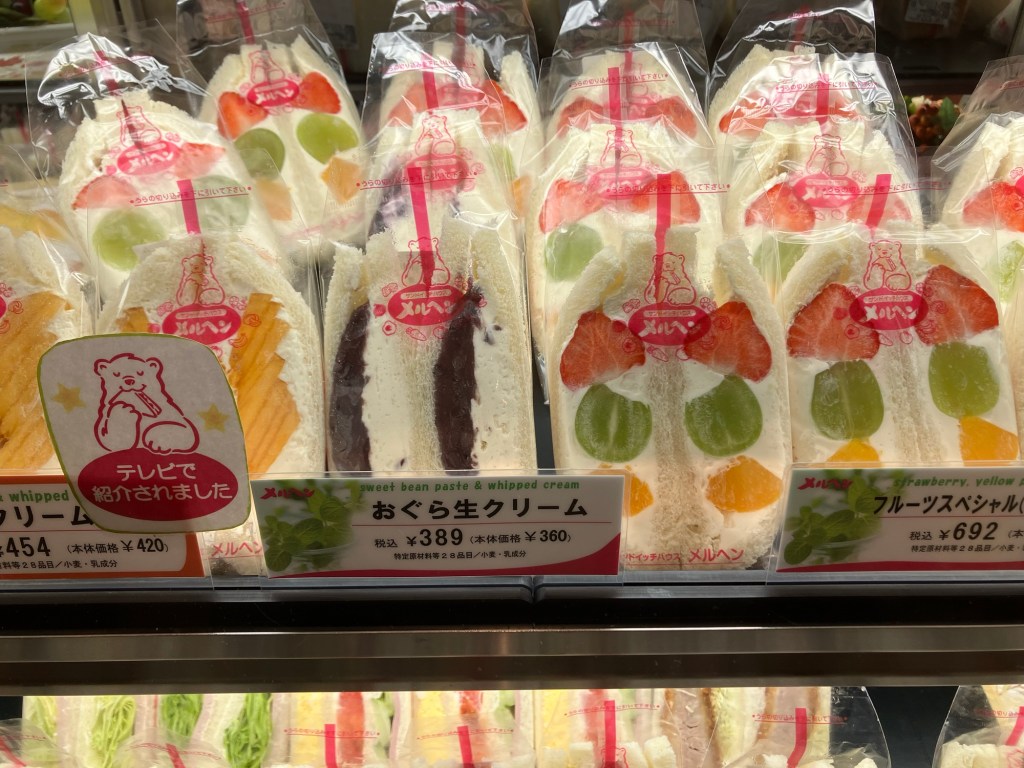
To some in the West, Japan can seem like a land of cliches, no more so than with preconcoeved notions of it’s food.
Here are some of the more common misconceptions
All Japanese food is sushi: While sushi is indeed a popular dish, Japanese cuisine is incredibly diverse and includes a wide range of dishes that have nothing to do with sushi, such as ramen, udon, soba, okonomiyaki, and more.
Japanese food is always healthy: While many Japanese dishes are indeed healthy, there are also plenty of indulgent and unhealthy dishes, like ramen with its high sodium content, or fried foods like tempura and katsu.
All Japanese food is raw: While raw fish and seafood are popular ingredients in Japanese cuisine and sushi itself is much beloved in the country, the average Japanese person doesn’t eat sushi as often as one would think. In fact, most Japanese people eat sushi about 2-3 times a month, although this can vary depending on personal preferences and the season and it is hardly a staple of the daily diet for most people.
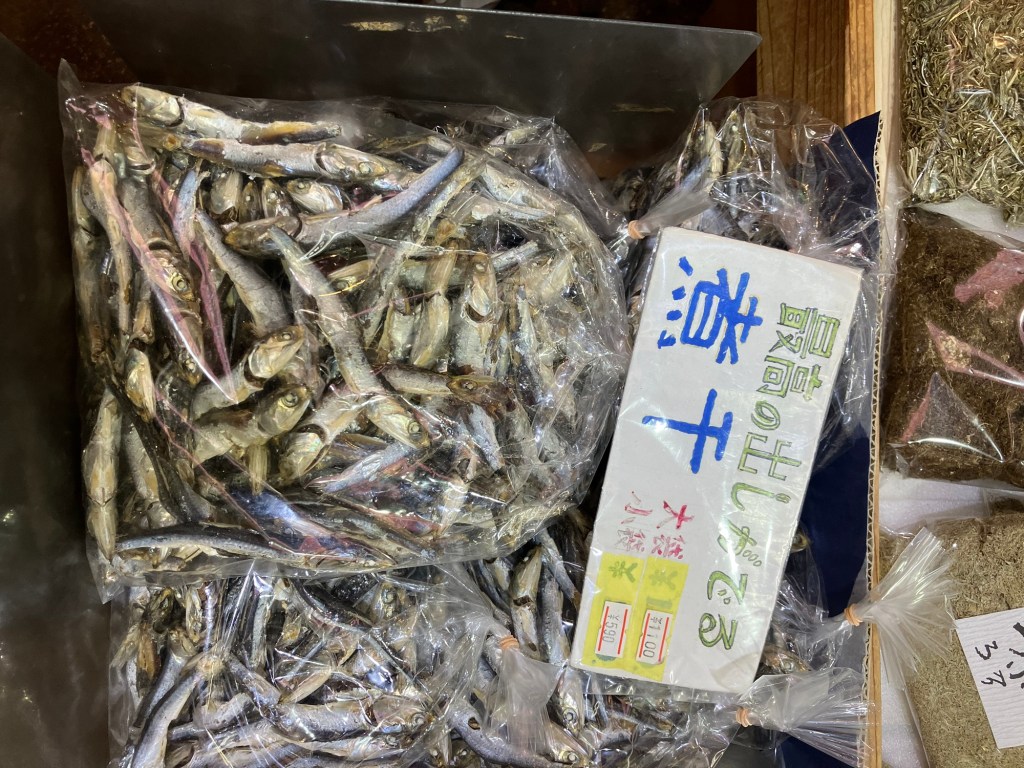
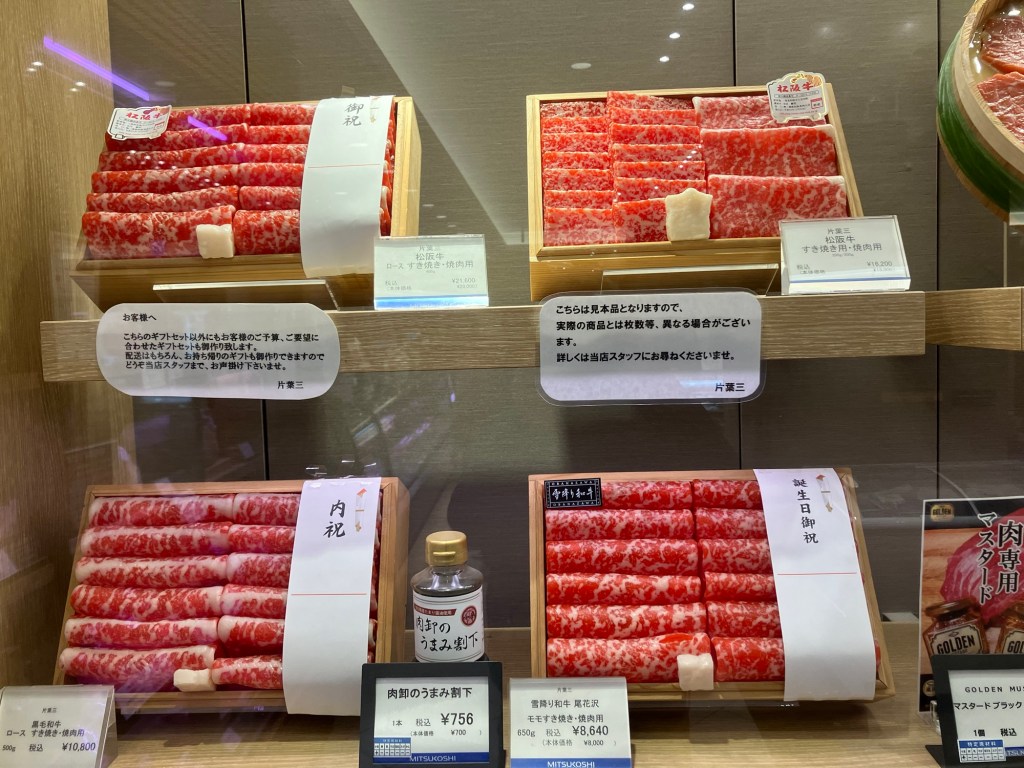
Westerners often perceive Japanese food, particularly high-end sushi and sashimi, to be expensive. This perception is fueled by the high prices found at upscale Japanese restaurants in Western countries, as well as media portrayals of luxurious Japanese dining experiences. Additionally, ingredients like fresh seafood and imported Japanese products can drive up the cost of Japanese cuisine outside of Japan.
However, in reality, everyday Japanese food in Japan is not necessarily expensive. In fact, many dishes like ramen, yakitori, and udon can be quite affordable, especially at local, non-touristy eateries. Street food and local markets also offer budget-friendly options for those looking to sample a variety of Japanese flavors without breaking the bank.

And do not forget convenience stores ( collectively ‘konbini’). Not only do they seem to sell everything you might need, they can also be a source of simple, tasty convenience food.
The three main convenience stores in Japan are:
* 7-Eleven: The largest convenience store chain in Japan, with over 20,000 stores. It’s often referred to by its nickname “Seben.”
* FamilyMart: The second-largest convenience store chain (and our personal favourite), with around 16,000 stores. It’s commonly nicknamed “Famima.”
* Lawson: The third-largest convenience store chain, with around 14,000 stores. It’s usually called “Losson.” Idolised by the late chef/presenter Anthony Bourdain for their divine egg mayonnaise sandwiches.
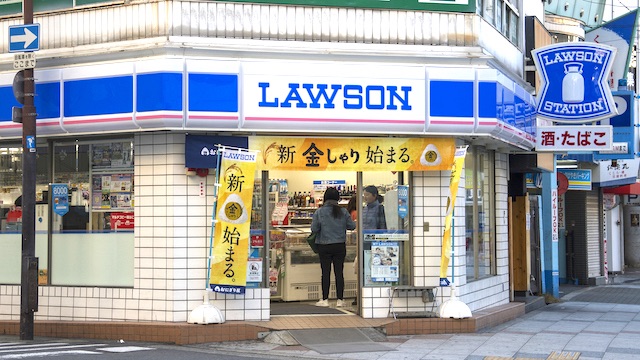
Japanese convenience stores are known for their wide range of food items, including:
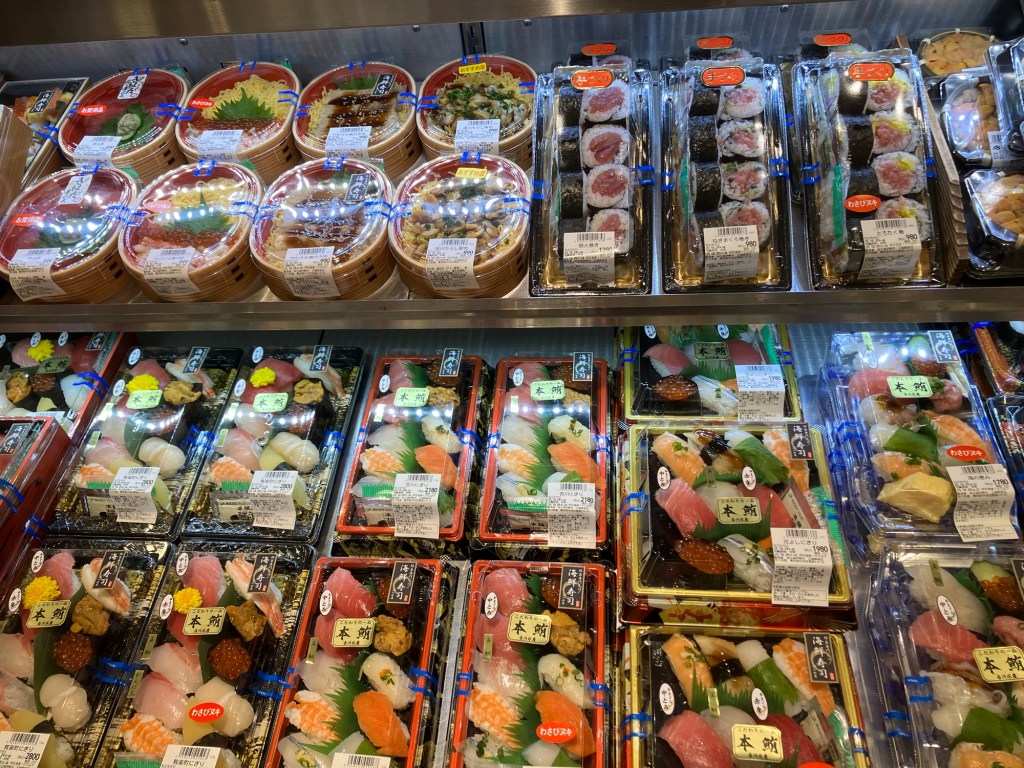
* Bento boxes: A variety of prepared meals, including sushi, noodles, and rice dishes. (Far better Bento boxes can be found in any decent department store food court or train station (‘Ekiben’).
* Onigiri: Triangular-shaped rice balls wrapped in seaweed.
* Sandwiches: Western-style sandwiches with fillings such as egg salad, tuna, and ham. Lawson stores were idolised by the late chef/presenter Anthony Bourdain for their egg mayonnaise sandwiches (good) although we prefer the Family Store take on this simple take out which are even better in our opinion.

* Oden: A type of Japanese hot pot that includes ingredients such as daikon, tofu, and fish cakes.
* Snacks: Japanese and Western snacks, such as chips, crackers, and candy.
So whilst the perception of Japanese food as expensive persists in Western countries, it’s important to remember that this is only one aspect of a diverse and multifaceted culinary landscape.
A good place to start is with typical daily meals. Whilst they may vary depending on the individual and the region, here’s a general overview of what an average Japanese person might eat in a day:
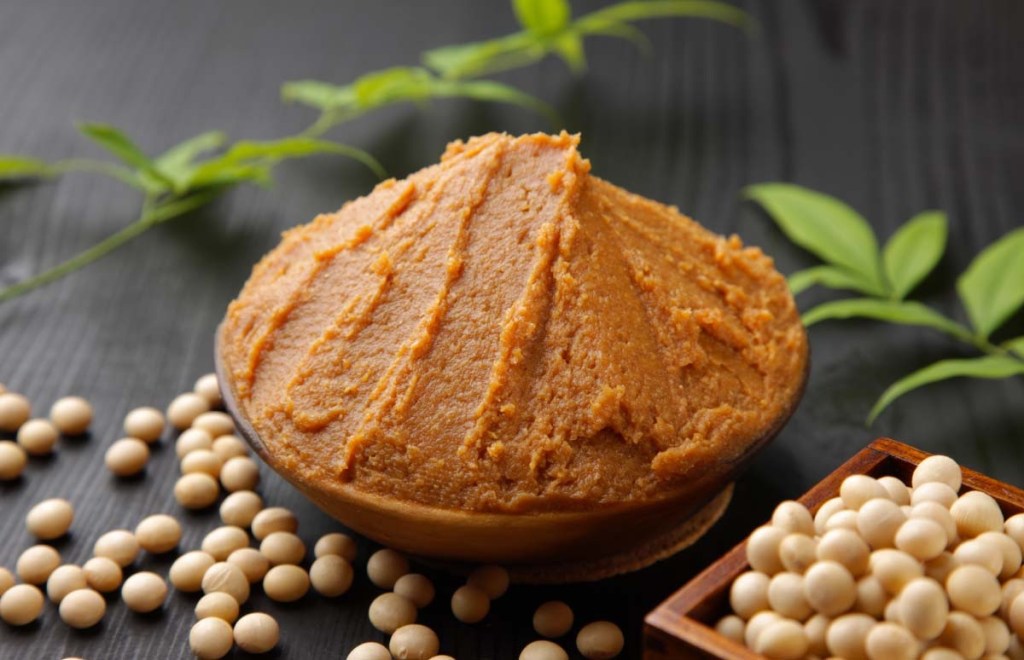
Breakfast: A traditional Japanese breakfast often includes steamed rice, miso soup*, grilled fish, pickled vegetables, and perhaps a piece of fruit.
*Miso soup is made from a stock called dashi, which is typically made from dried kelp (kombu) and dried fish flakes (katsuobushi). Miso paste, a fermented soybean paste, is added to the broth, lending its rich, savory flavor and cloudy appearance to the soup. In addition to the broth and miso paste, miso soup usually includes cubes of soft tofu and slices of green onion. Depending on regional and seasonal variations, other ingredients such as mushrooms, carrots, daikon radish, or clams can also be added to the soup.
Lunch: For lunch, a Japanese person might enjoy a bento box, which is a meal consisting of rice, vegetables, and protein (like fish or meat) arranged in a compartmentalized container. Another popular option is ramen or udon noodles.
Dinner: At dinner time, families might gather together to share a meal of various dishes, such as tempura, teriyaki, or sushi.
Let’s examine these three meals in more detail.
Tempura is a dish that consists of seafood, vegetables, or sometimes meat, lightly battered and deep-fried to create a crispy, golden-brown coating. Tempura is often served with a dipping sauce made from soy sauce, mirin, and sugar, and is sometimes accompanied by grated daikon radish or ginger.
Teriyaki is a cooking technique where food, typically chicken or other proteins like beef, pork, fish, or tofu, is grilled or broiled with a sweet and savory sauce. Teriyaki sauce is made from a mixture of soy sauce, mirin (a sweet rice wine), sugar, and sometimes sake or ginger. The food is usually marinated in the teriyaki sauce before cooking, then brushed with additional sauce while grilling or broiling to create a rich, sweet-salty flavor and a beautiful shine.
Sushi features vinegared rice (sushi-meshi) combined with various ingredients, such as raw fish, seafood, vegetables etc. The word “sushi” actually refers to the seasoned rice, rather than the raw fish that is often associated with it.
There are several types of sushi, including:
– Nigiri: A small, oblong mound of sushi rice topped with a slice of raw fish, seafood, or other ingredients.
– Maki: Rice and other ingredients rolled together inside a sheet of dried seaweed (nori) and sliced into bite-sized pieces.
– Sashimi: Sliced raw fish or seafood served without rice.
– Temaki: Similar to maki, but hand-rolled into a cone shape.
– Chirashi: Sushi rice topped with a variety of ingredients, similar to a rice bowl.
Sushi is typically served with soy sauce, wasabi, and pickled ginger.
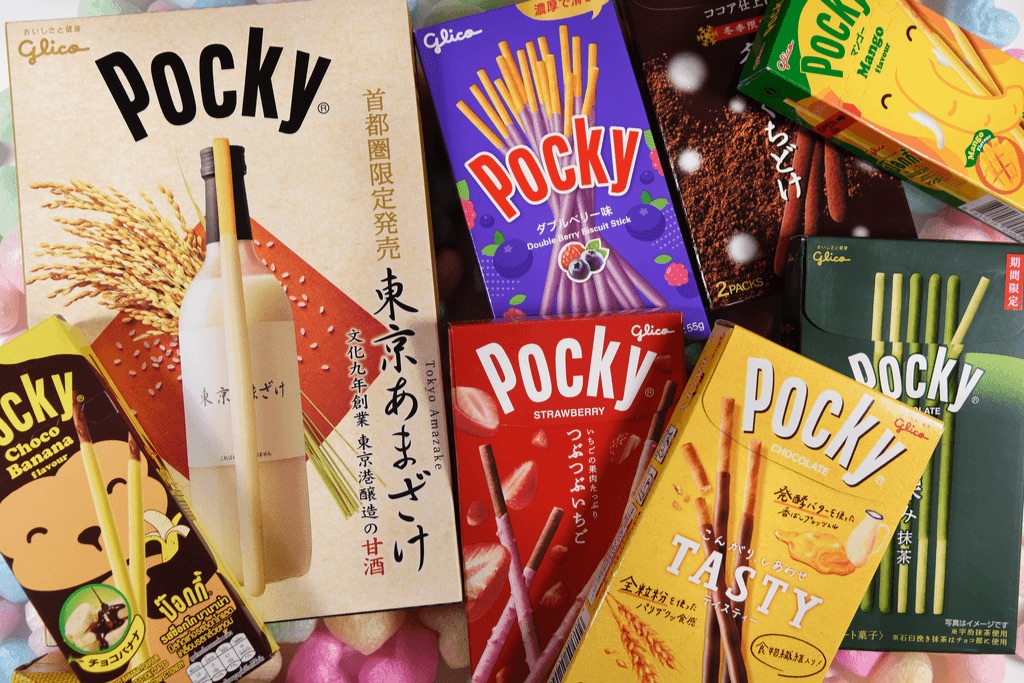
In between meals, Japanese people often enjoy snacks such as onigiri (rice balls) or pocky (chocolate-covered biscuit sticks).
(Please note that if you have not made it back home in time to sample dinner, it is maybe because you and your friends/colleagues have been drinking and eating at an izakaya. An izakaya is a type of Japanese bar that is similar to a pub or tapas bar. It’s an informal place where people can go after work to have drinks and snacks.The food served at izakayas is designed to be shared and typically goes well with beer. The menu can include a variety of dishes, such as yakitori (typically grilled chicken meat, offal and skin) gyoza, sashimi and nakazuke (fermented cucumber) and noodles.


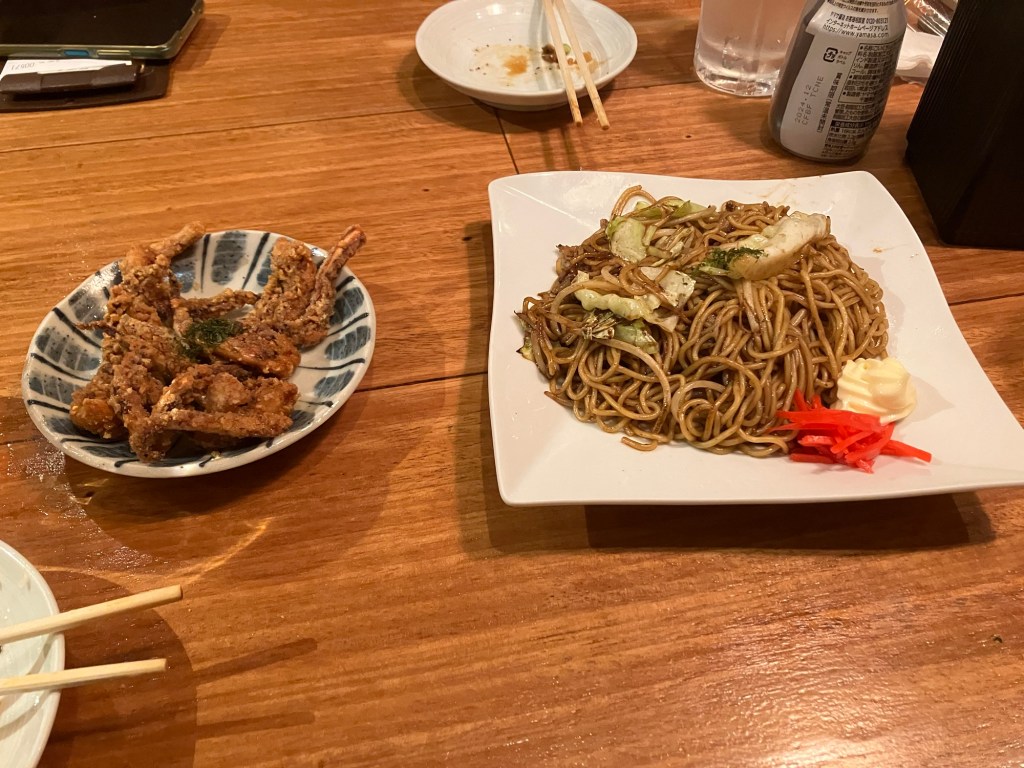
If you are ever in Japan, visiting an izakaya is a great way to experience the local culture and cuisine in a fun and relaxed setting.
Noodles are beloved in Japan and arguably second only to rice as a staple.
Dig in or rather slurp on!
Ramen: Thin, wheat-based noodles served in a savory broth that can be made from pork, chicken, fish, or vegetables. The broth is often flavored with soy sauce, miso, or salt, and is typically topped with sliced pork, soft-boiled egg, and green onions. Ramen is famous for its rich, complex flavors and regional variations.

Udon: Thick, chewy noodles made from wheat flour that can be served hot or cold. Udon noodles are usually served in a hot broth made from fish or meat stock, topped with ingredients like tempura, green onions, and slices of fried tofu. In the summer, chilled udon noodles are often served with a soy-based dipping sauce.

Soba: Thin, delicate noodles made from buckwheat flour that can be served hot or cold. Soba noodles are usually served with a dipping sauce made from soy sauce, mirin, and dashi, and are often garnished with sliced green onions and wasabi. In the winter, hot soba noodles are served in a clear broth.

Whilst the 1985 film “Tampopo” directed by Juzo Itami introduced Western audiences to ramen and the passion for noodles in Japan, it was arguably the late TV presenter, chef and raconteur extraordinaire Anthony Bourdain whose shows include ‘No Reservations’ and ‘Parts Unknown’ who really introduced a worldwide audience to the delights of Japanese cuisine. Bourdain was fascinated with the country and it’s food commenting:-
“I love Tokyo. If I had to eat only in one city for the rest of my life, Tokyo would be it. Most chefs I know would agree with me.”
“You can pick almost any restaurant in Japan and be almost sure you’ll get a great meal.”
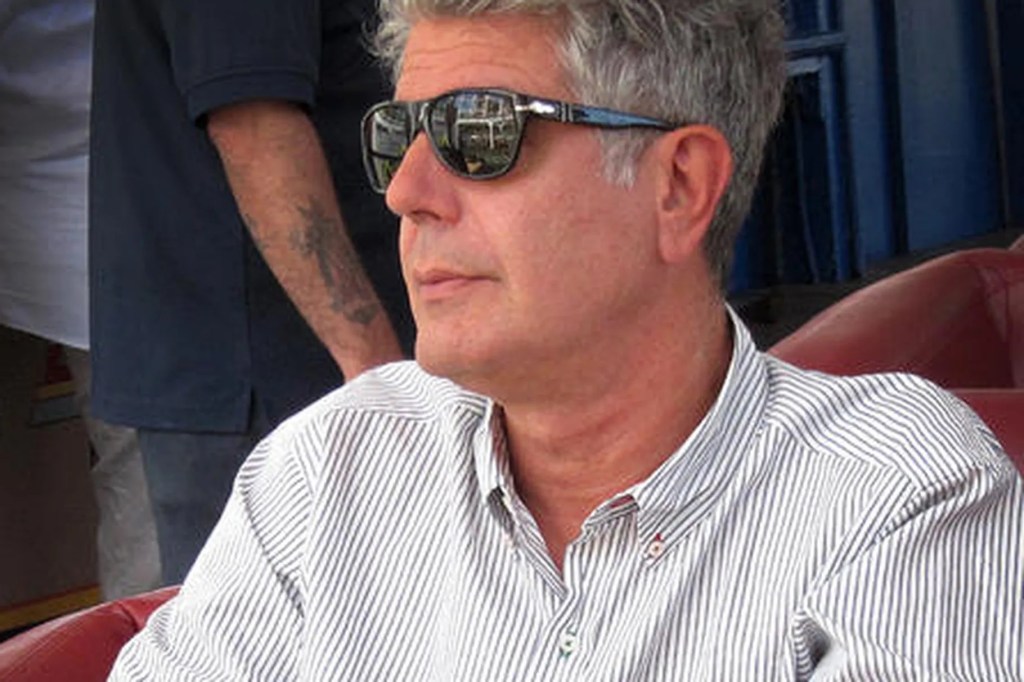
Bourdain’s appreciation for Japanese cuisine was clear, and he enjoyed exploring the many different flavors and textures of the country’s street food and high-end restaurants alike.
In 2013 Bourdain introduced ‘Parts Unknown’ which premiered on CNN. The concept behind the series was to take viewers on a journey around the world, exploring lesser-known destinations, their cultures, and their cuisines. The show was a departure from traditional travel and food shows, and it quickly gained a devoted following of fans who appreciated Bourdain’s honesty, humor, and willingness to challenge preconceived notions about different cultures. Japan and its food culture were celebrated in repeatedly in whole and part episodes of the series notably “Hokkaido” and “Masa’s Japan”.
The “Hokkaido” episode of “Parts Unknown” aired in 2017, and it featured Bourdain exploring that northernmost island its culture and its food. This was a part of Japan valley visited by those in the West and so his show was as illuminating as it was entertaining
The “Masa’s Japan” episode of Parts Unknown aired in 2016 and focused on Bourdain’s travels through Japan with legendary sushi chef Masayoshi “Masa” Takayama. During their journey, Bourdain and Masa explored the urban center of Kanazawa, Masa’s rural hometown of Nasushiobara, and the sushi restaurant in Tokyo where Masa began to learn his craft. The episode offered viewers a glimpse into Japan’s rich culinary history and culture, as well as the inspiring story of Masa’s journey from small-town boy to world-renowned chef. The episode reminded us of the 2011 documentary by David Gelb, “Jiro Dreams of Sushi” which follows the life and work of Jiro Ono, a master sushi chef who runs the renowned sushi restaurant Sukiyabashi Jiro in Tokyo.
Bourdain also travelled and reported from the Japanese island of Okinawa. One particular speciality from that island caught his eye was taco rice aka Okinawa taco.

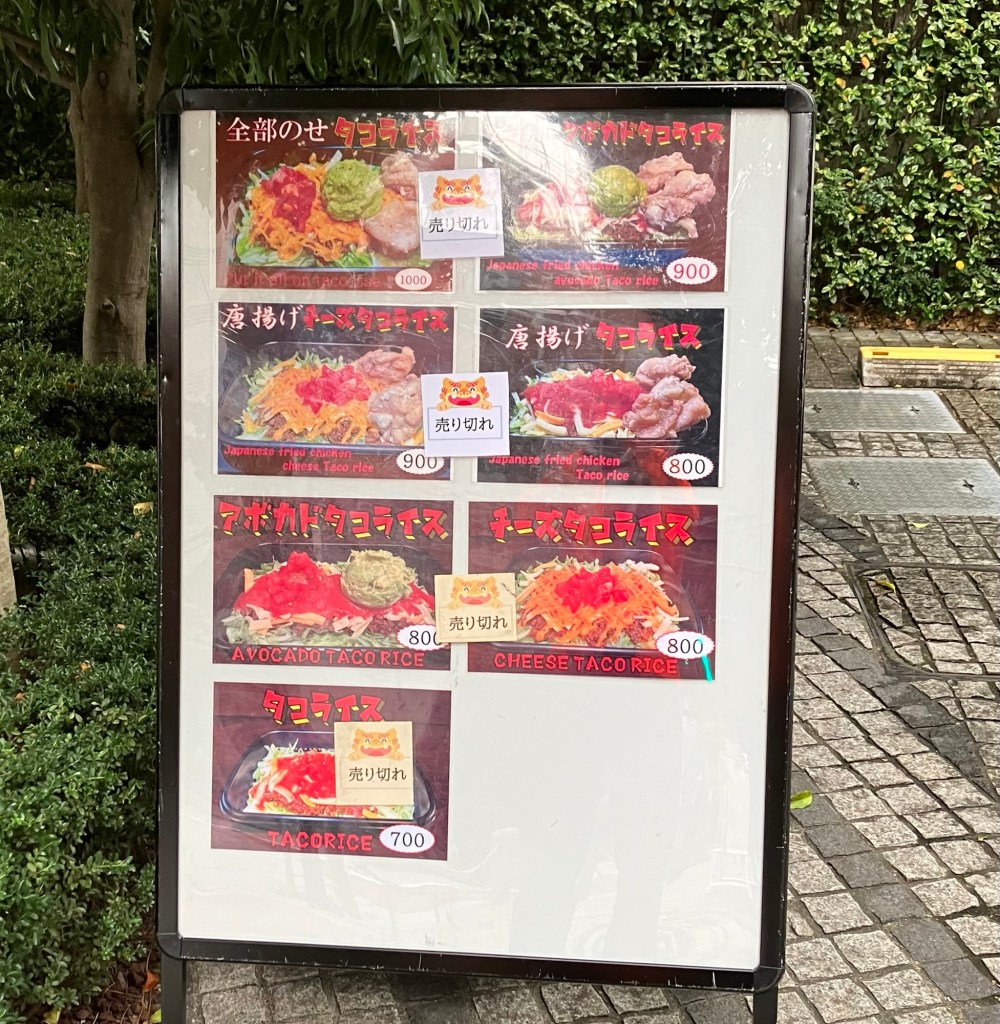
Taco rice, or “takoraisu” in Japanese, is a popular dish that originated in Okinawa, Japan. It’s a fusion of Mexican and Japanese cuisines, and it’s essentially a Tex-Mex taco served over a bed of steamed rice.
Taco rice is made with seasoned ground beef, lettuce, cheese, tomatoes, and fresh salsa served on top of steamed rice. It was first created in 1984 by a Japanese restaurant owner who wanted to cater to the American military stationed in Okinawa. The dish became a hit not only among the American military but also among the locals.
Taco rice is now a beloved comfort food in Japan and has spread beyond Okinawa to other parts of the country.
And when it comes to street foods in Japan, these are our three favourites:-
Takoyaki – fried batter balls filled with diced octopus and topped with takoyaki sauce, mayonnaise, and bonito flakes. Especially popular in Osaka.

Takoyaki sauce is a sweet and savory sauce that is made from a combination of ingredients such as Worcestershire sauce, mentsuyu (noodle soup base), ketchup, and sugar.
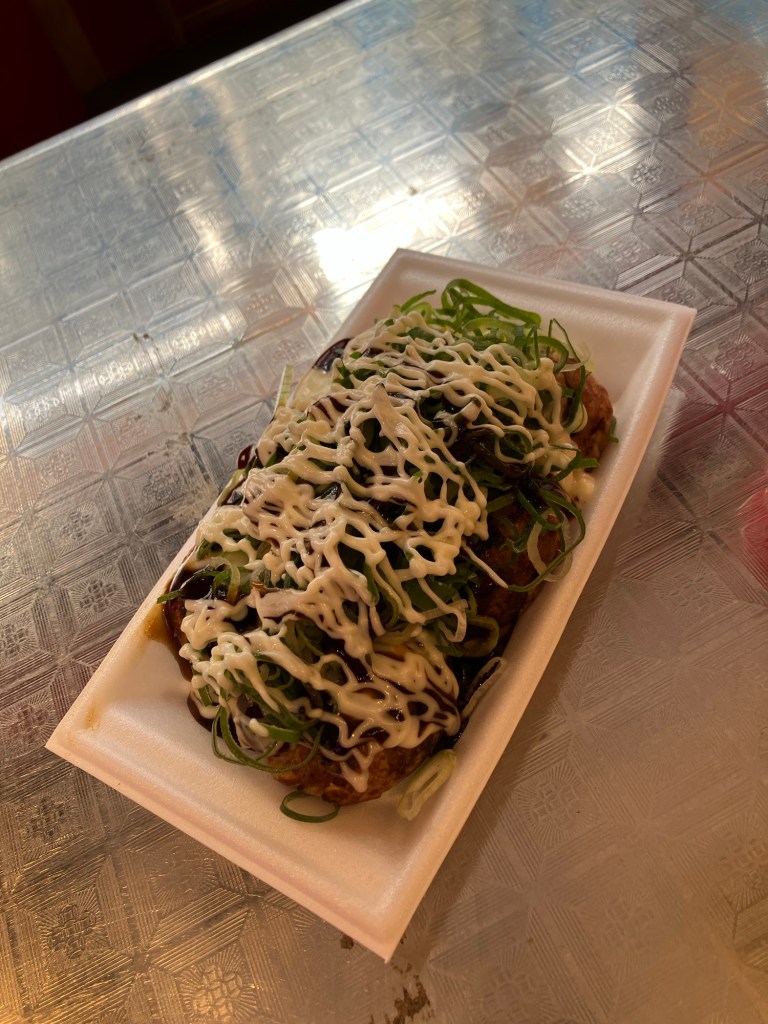
Okonomiyaki – a savory Japanese pancake that can be customized with a variety of ingredients, such as eggs, vegetables, seafood, and meat, and cooked on a hot griddle called a teppan.
There are several regional variations of okonomiyaki in Japan, with the most famous being the Osaka and Hiroshima styles. In Osaka, the ingredients are mixed into the batter and cooked together, while in Hiroshima, the ingredients are layered on top of a thin pancake.
Okonomiyaki is typically served with a sweet and savory sauce, mayonnaise, and bonito flakes.

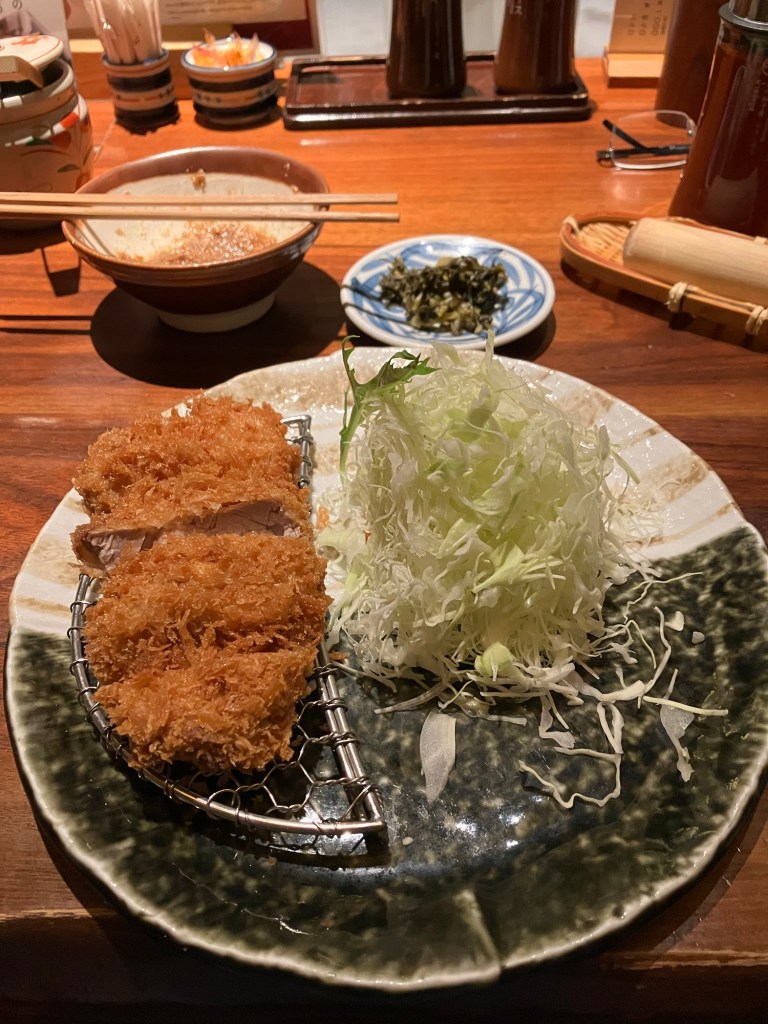
Menchi Katsu – popular throughout Japan and especially Tokyo’s Akasuka district. Menchi katsu is a Japanese ground meat cutlet that is coated in panko breadcrumbs and deep-fried until crispy and golden. It’s often served as a snack or as part of a bento box lunch. Typically served with shredded cabbage and a sweet and savoury dipping sauce.
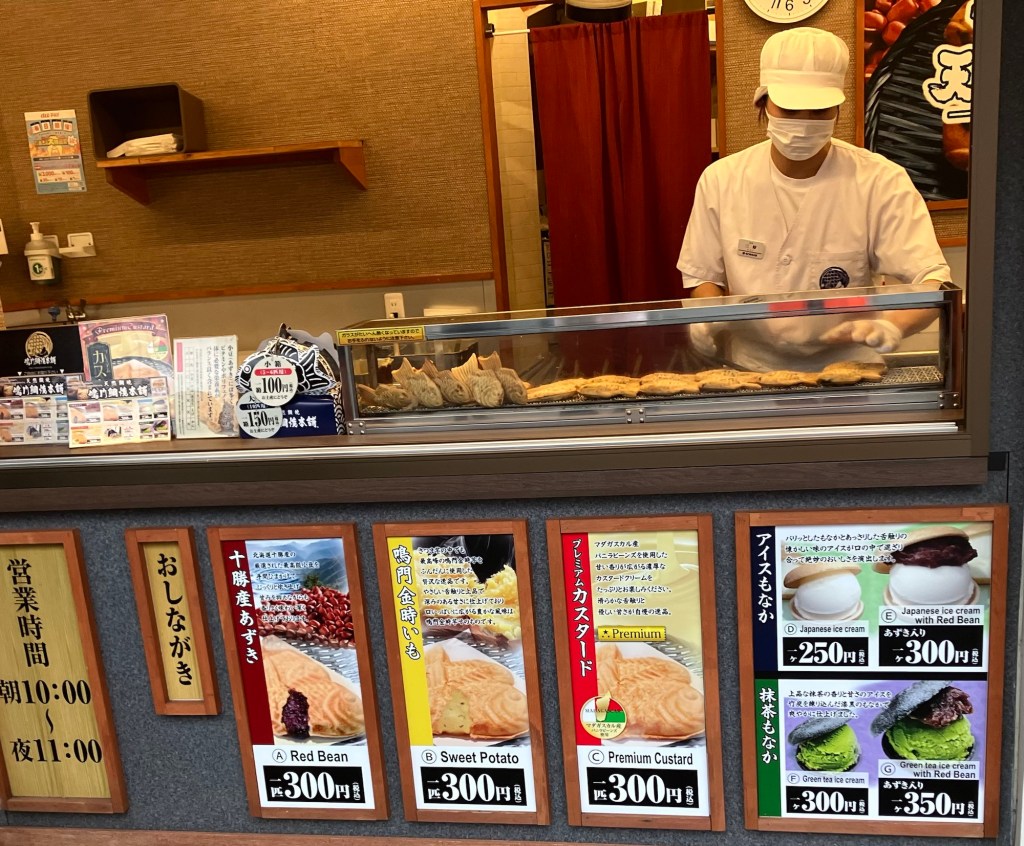
And for afters? Try Taiyaki, a fish-shaped pancake that is filled with sweet bean paste and is available anywhere and everywhere.
“Meshiagare” – bon appétit!
Share this:

Leipzig, Bach and Kaffee

Leipzig is a city located in the eastern part of Germany in the state of Saxony. Although badly bombed during WWW2 and unsympathetically rebuilt under Soviet rule, it is still an attractive city, popular with visitors (especially classical music aficionados) as during the 18th and 19th centuries it was a centre of learning and culture, with famous composers like Johann Sebastian Bach, Felix Mendelssohn, and Richard Wagner all working in the city.
Bach is particularly associated with the city. He spent the last 27 years of his life in Leipzig, from 1723 until his death in 1750. During this time, he held the prestigious position of Cantor, or Directore Chori Musici Lipsiensis, which meant he was responsible for directing the choir and music in the city’s churches.
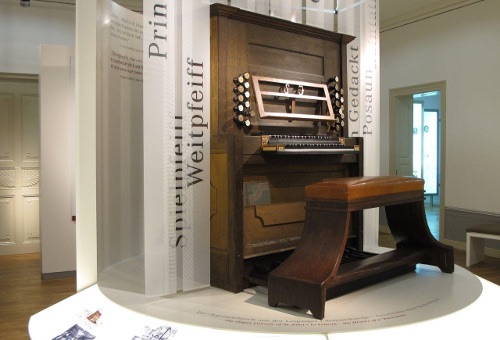
The Organ console from Johanniskirche, St. John’s Church, which Bach was known to have tested and played after its installation.
In addition to his work as Cantor, Bach was also a respected organist and harpsichordist. He was involved in the design and construction of several organs in Leipzig’s churches. In particular, St. Thomas Church (Thomaskirche) and St. Nicholas Church (Nikolaikirche) both have strong associations with Johann Sebastian Bach.
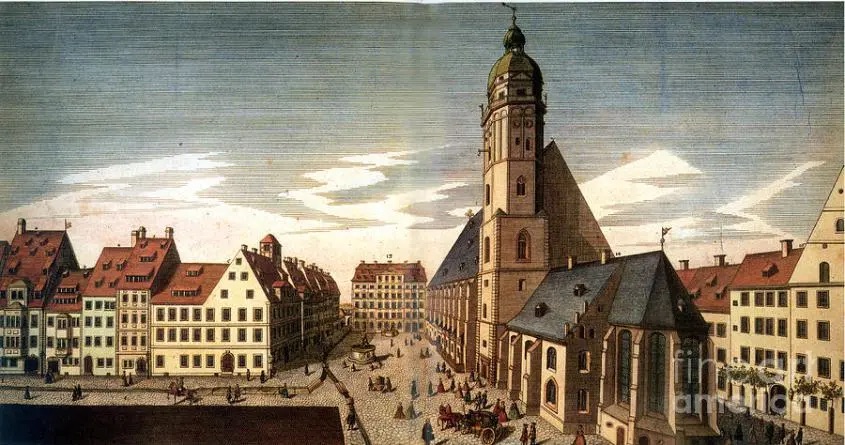
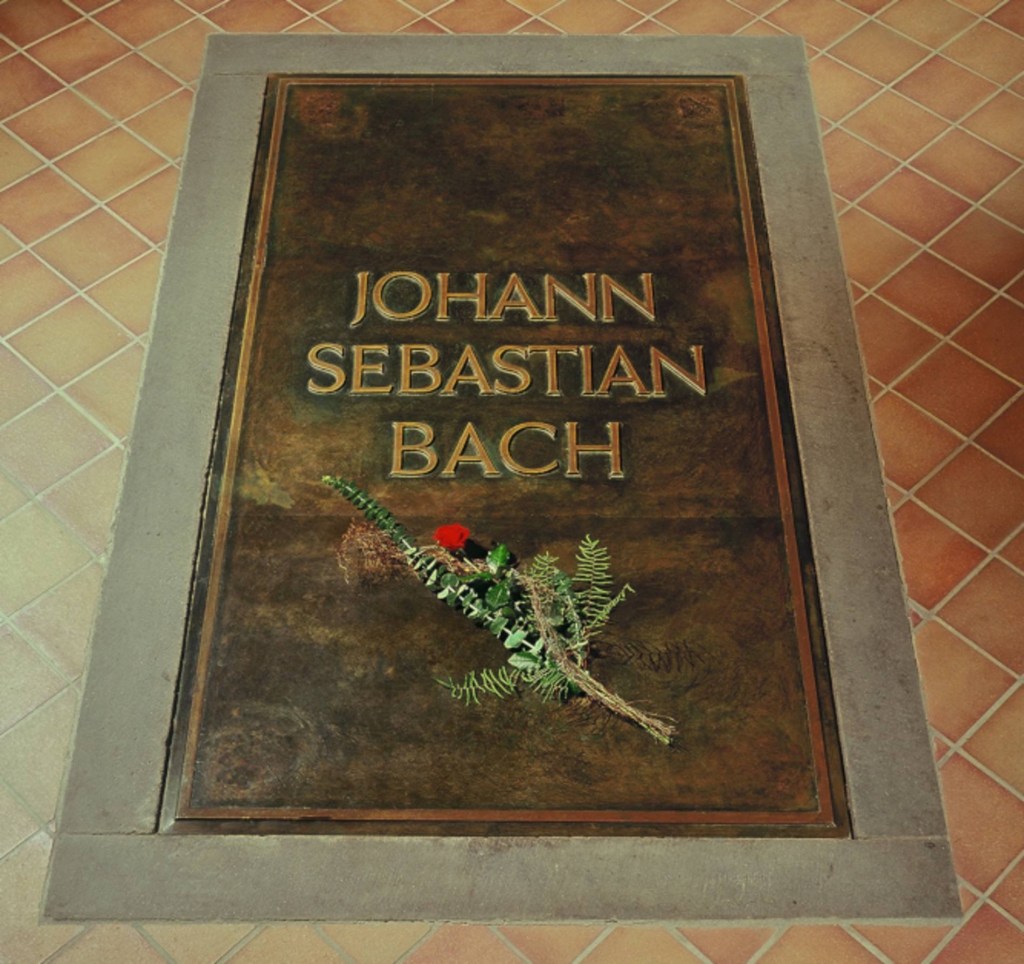
At St.Thomas Church, Bach served as the music Director (Thomascantor) from 1723 until his death in 1750. Many of his most famous works, including the St. Matthew Passion, were premiered at the church. He is buried in the church crypt and his grave is marked with his name as the sole inscription. ‘Joh. Sebast Bach’. The crypt was not the original resting place for his bones as his body was originally buried in an unmarked grave in the cemetery of St. John’s Church (Johanniskirche). The church , which was located just outside the city’s Grimma Gate, was destroyed by aerial bombing during WW2.
Over time, the exact location of Bach’s grave was lost, but in 1894, church officials decided to search for Bach’s remains during renovations at the church. According to local lore, Bach was buried “six paces from the south door of the church,” and excavators focused their search in that area. On October 22, 1894, diggers found a plot that matched the description and discovered Bach’s oak coffin, one of only twelve oak coffins buried at the church in the year of Bach’s death. The bones were transported in an open zinc casket on the back of a handcart to St.Thomas Church. The remains were later confirmed to be those of Bach through various analyses, and in 1950, 55 years after the discovery, Bach’s remains were reinterred at St. Thomas Church in Leipzig, to commemorate his role there as Cantor.
However it was St. Thomas Church which was to play a key role in the protests against the Soviet controlled German Democratic Republic (‘GDR’) in 1989. The protests began in September 1989 with a weekly prayer service at St. Nicholas Church. Protesters gathered in front of the church and marched to Augustusplatz, where they held peaceful candlelit demonstrations to demand democratic reforms and the right to travel freely. These peaceful demonstrations, known as the “Monday demonstrations,” grew in size and intensity over the following weeks, with tens of thousands of people taking to the streets to call for freedom and democracy.
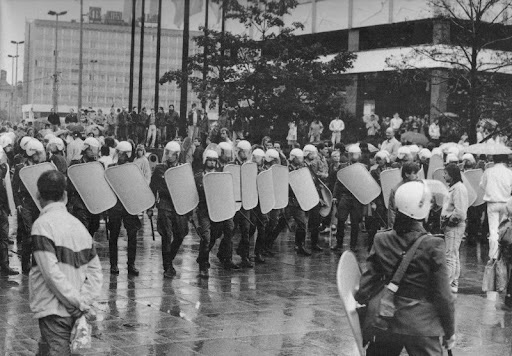
On October 9, 1989, the largest of these demonstrations took place, with over 70,000 people marching through Leipzig’s streets. The GDR security forces did not intervene, marking a turning point in the protests. Within weeks, the Berlin Wall fell, and the East German government collapsed.
Leipzig’s role in these events is often referred to as the “Peaceful Revolution” and is considered a key moment in the broader movement for freedom and democracy in Eastern Europe.
Leipzig played a crucial role in the fall of the GDR, as it was the site of peaceful protests that eventually led to the opening of East Germany’s borders and the end of communist rule.
Despite attempts by the East German authorities to suppress the protests, they continued to grow in size and spread to other cities across East Germany, leading to the eventual reunification of Germany.
Those original protesters in September 1989 had headed away from St. Nicholas Church to Augustusplatz, the most important public space in Leipzig. The square is surrounded by a jumble of disparate architectural styles culminating in the monolithic Opera House which stands at the northern end of the square.
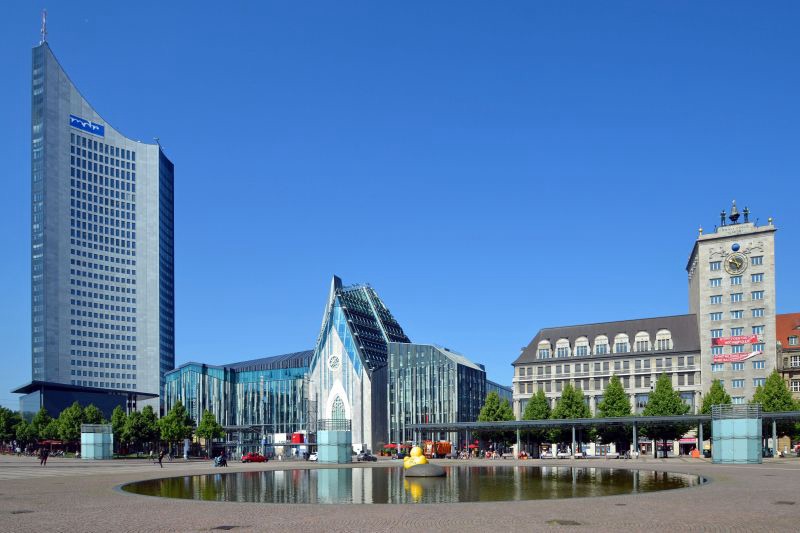
The history of the Leipzig Opera House is one of destruction and reconstruction. The original venue, known as the Oper am Brühl, was built in 1693 and opened its doors that year. Unfortunately, this original opera house was found to be in a dangerous state in 1719, leading to its closure in 1720 and demolition in 1729. A new venue was eventually built in 1842 (‘the Semperoper’) but this was destroyed by fire in 1869.
The original Leipzig opera house, known as the Oper am Brühl, was built in 1693 and opened its doors on May 8th of that year. Unfortunately, the original opera house was found to be in a dangerous state in 1719, leading to its closure in 1720 and demolition in 1729. It took a while for a new opera house to be built in the city, the Semperoper which was constructed in 1841 but destroyed by fire in 1869. A further opera house was created, the Neues Theater which served as the city’s premier music venue until it too was destroyed during the air raids of World War II in 1943.
The Neues Theater hosted many famous musicians and performers, including Richard Wagner, who premiered his opera “Die Meistersinger von Nürnberg” at the theater in 1868. Other notable musicians who performed at the Neues Theater included Giuseppe Verdi, Pyotr Ilyich Tchaikovsky, and Johannes Brahms.
After the destruction of the Neues Theater during the war, it was not until 1960 that a new opera house, the current Leipzig Opera, was built on Augustusplatz.
The Leipzig Opera House was the only new opera building constructed in East Germany during the 41 years of the GDR regime, and it remains an important, if somewhat unsightly, cultural landmark in the city today.
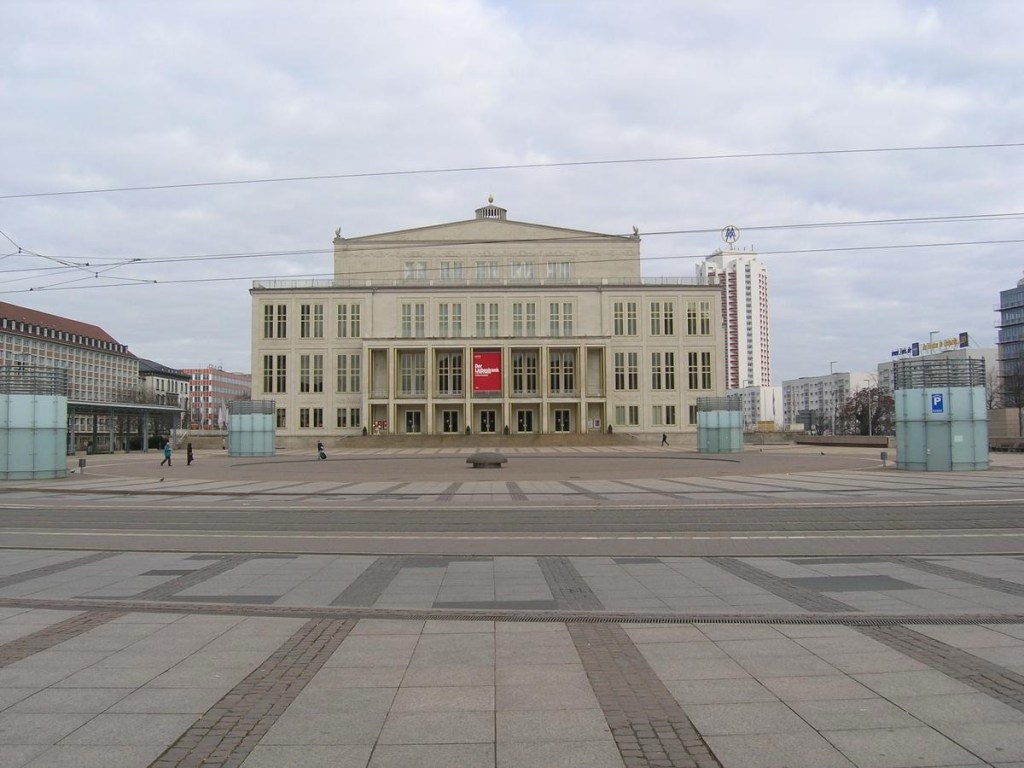
The opera house was designed in the socialist modernist (aka socialist realist) style that was prevalent in East Germany and elsewhere in the Soviet controlled territories of East and Central Europe during the 1950s and 1960s. Monumentality, uniformity, a functional design and simplicity are all key characteristics of the style, one you can see embodied not only in the opera house in Leipzig but also in the Palace of the Parliament in Bucharest, the Stadthalle in Chemnitz (formerly Karl-Marx Stadt) and the Palace of Culture and Science in Warsaw.
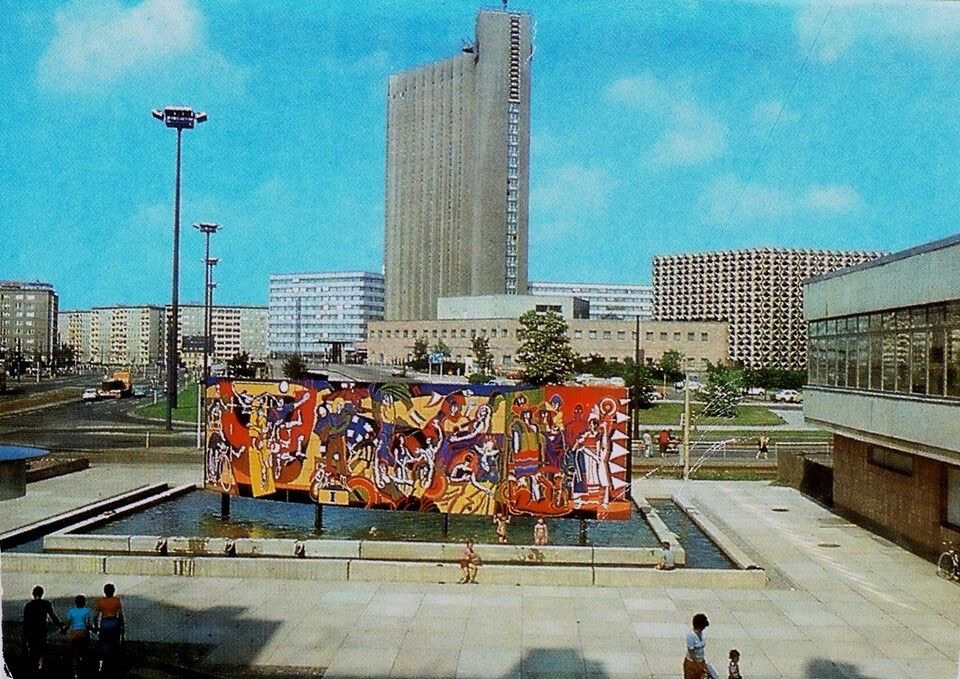
Leipzig declined as a city during the Communist years but is now very much on the up, especially with the young and creative who are flocking to a city dubbed the ‘new Berlin’ for its arts scene, cheap rents and overall ‘vibe’. To date it has avoided obvious gentrification with the negatives that process entails although how long the city can avoid the pitfalls of ‘hip’ popularity which have befallen other cities.
In particular, the city’s local authority has been especially supportive of the arts and it has helped to create an environment where creativity and innovation can flourish by providing funding and resources to help transform former industrial sites into creative hubs. It has also encouraged the development of new art galleries and exhibition spaces. As a result, the city is attracting artists from all over Germany and elsewhere in Europe with its affordable studio space. In particular, the Leipziger Baumwollspinnerei is especially noteworthy in this respect. It is a 10-hectare industrial site in the city’s Lindenau district where over 100 artists’ studios and eleven galleries and exhibition spaces, with approximately 120 independent artists creating their work on the site. Resident artists pay rent to have a studio or exhibition space at the Leipziger Baumwollspinnerei. The rents are comparatively low with some paying around 200 Euros per month for a shared studio. Other noteworthy creative spaces include the Taptenwerk, with its mix of galleries, workshops, Westwerk with its artist’s studios and Monopol, the former liqueur warehouse which now houses painters, actors, musicians with it’s pertinent motto of ‘leben, kunst and gutes karma’ (‘love, art and good culture’). Leipzig seems to be avoiding (at least for the present) the fate which has befallen other former creative hot spots such as London and New York when the onset of gentrification is so advanced, only the wealthy can afford to live in formerly bohemian neighbourhoods, where your neighbours are no longer writers per se but copywriters.

Alongside its art scene, Leipzig is home to a proud coffee house culture which, although far less vibrant than a city like Vienna, are still great places for both a kaffee and. Leipziger Lerche, a ubiquitous treat in the city of shortcrust pastry filled with crushed almonds, nuts and strawberry jam. Although Bach’s favourite coffee house in the city, Cafe Zimmermann (where several of his work including the Coffee Cantata were first performed) is no more, there are still around 11 popular cafes and coffee roasteries in the city.
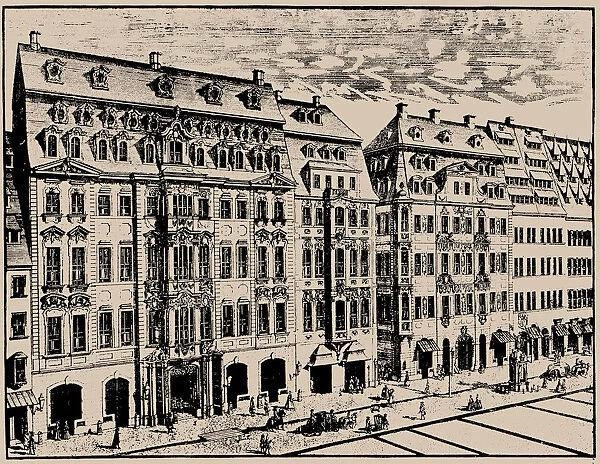
Our favourite coffee house is the Cafe Riquet in the centre of Leipzig, standing as it does between car parks. The surrounding area, like much of Leipzig, was heavily bombed during World War II. The cafe itself suffered significant damage, with large parts of the pagoda and first floor being burnt. However, the building was able to survive the war, and was eventually restored to its former glory.

The original Cafe Riquet in Leipzig was founded in 1745 by a French Huguenot named Jean George Riquet. He established Riquet & Co, a company that specialized in importing exotic items like tea, coffee, and chocolate. The owner later included a public coffee dispenser and the cafe grew from that. The current building, with its two elephant sculpture heads flanking the entrance, was built in 1908. The interior features ornate wooden carvings, vintage furniture and wooden panels that create a warm atmosphere and a place to linger, especially on a cold day.
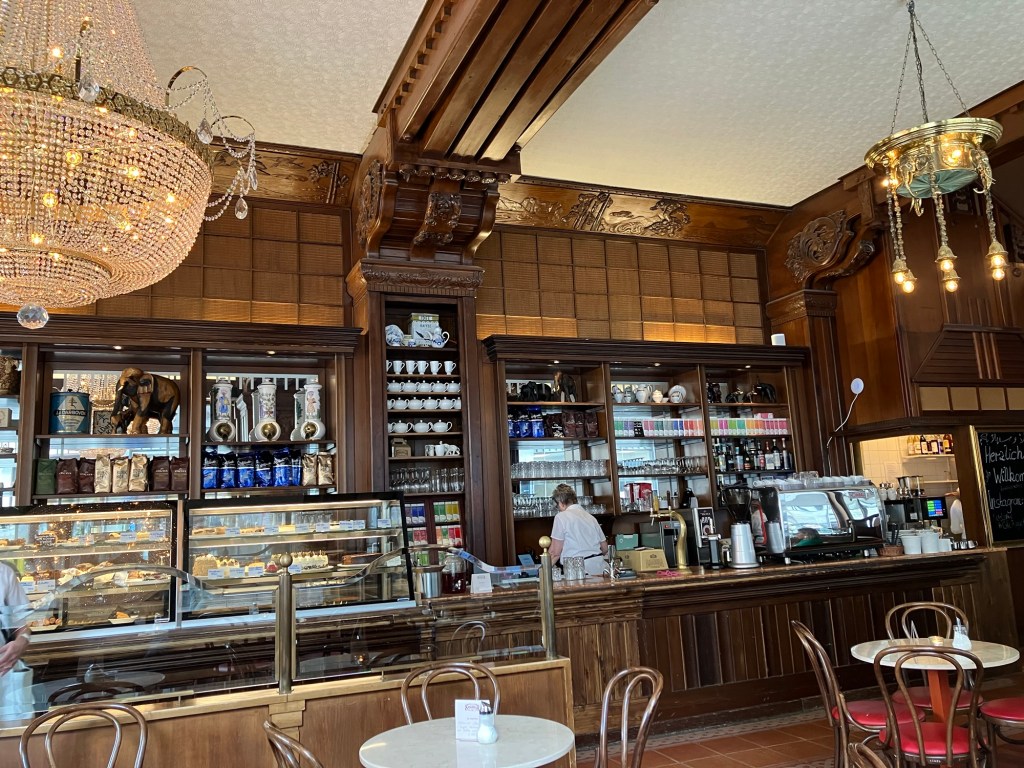
The café is known for its speciality coffee (variously Kaffee Riquet, Elefantenkaffee, and Pharisäer) and cakes, including, of course the Leipziger Lerche.
Food wise, whilst you can eat well in Leipzig (and the city has no shortage of Munich style beer halls), overall other German cities we have visited recently (e.g. Kőln, Hamburg and Munich) have a far more diverse restaurant scene in our opinion.
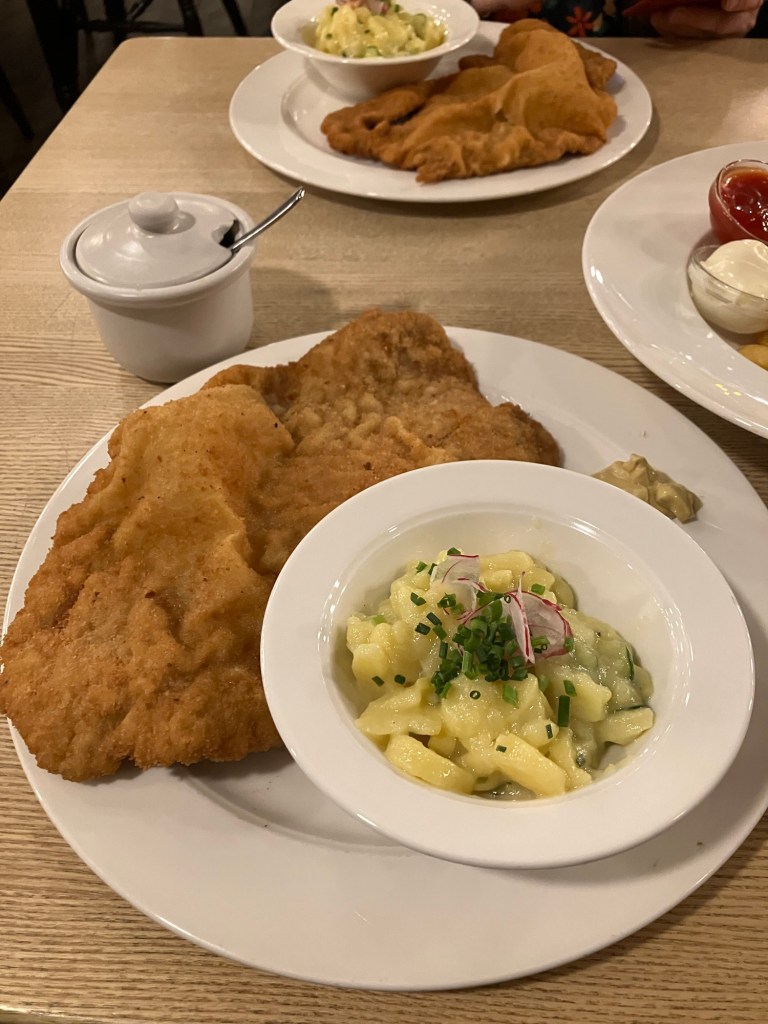
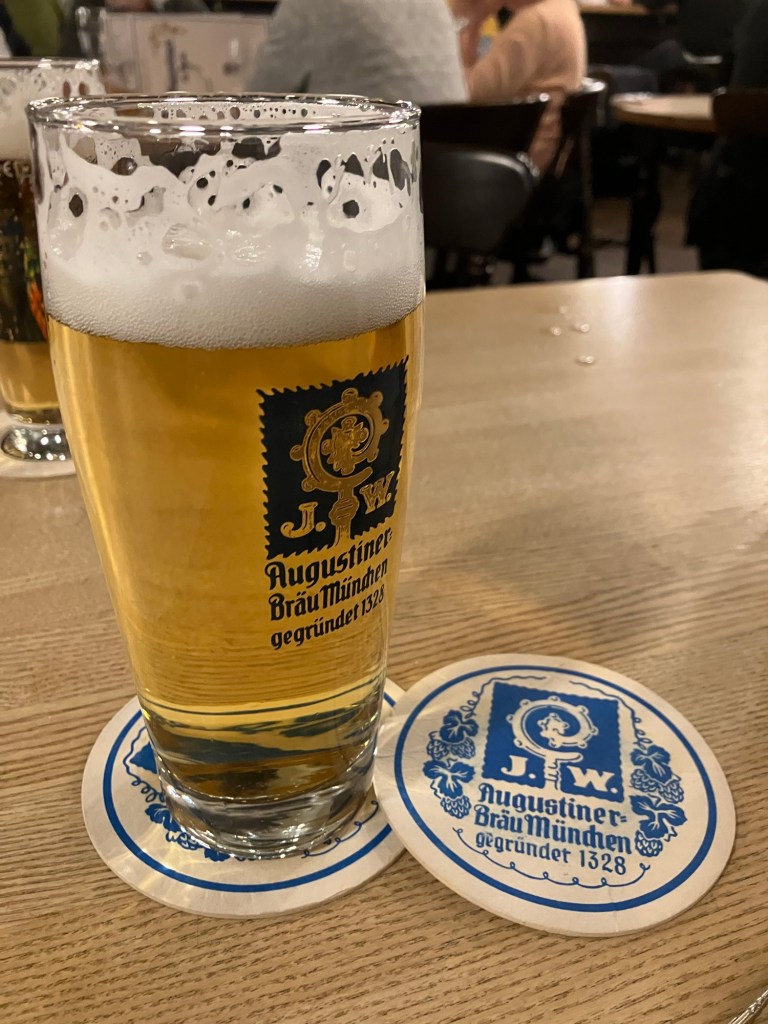
Still, if you want a schnitzel and a beer…..
Share this:

Wigan in Chester; Urbanites go to the movies
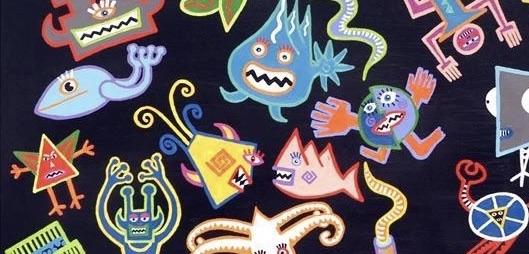
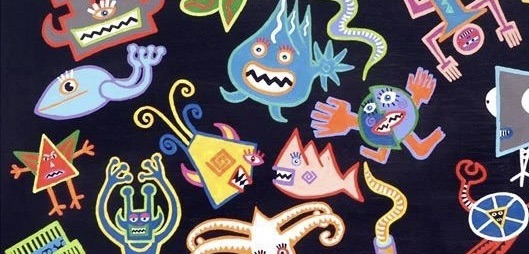
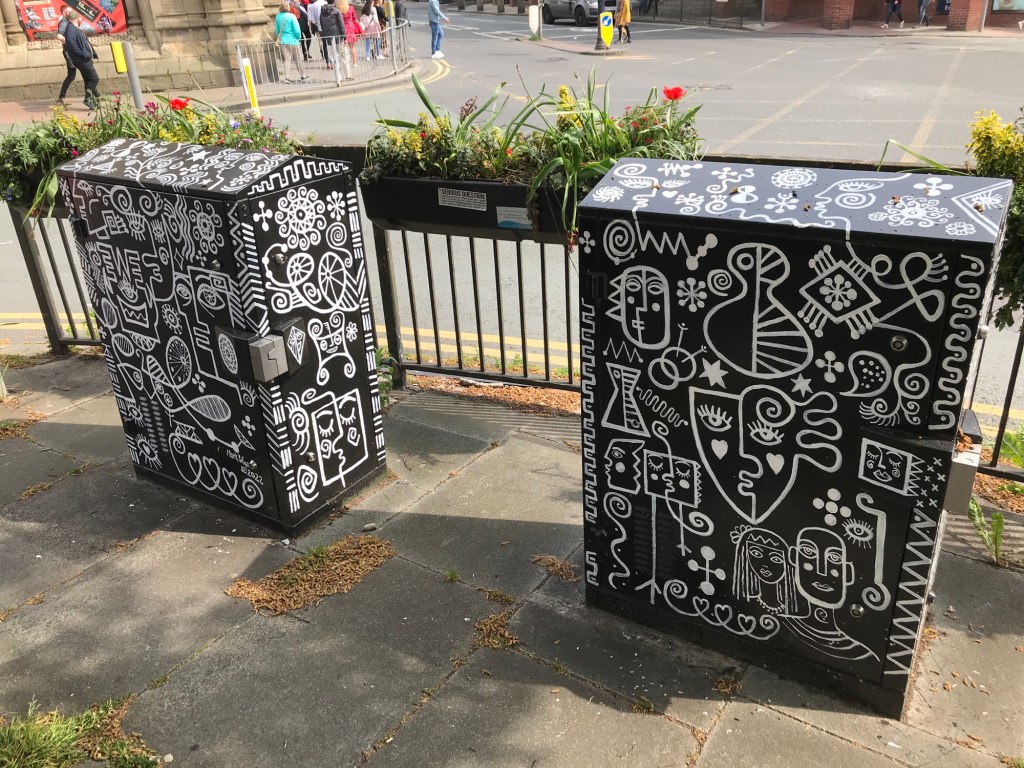
Mark Wigan is a UK-based artist and illustrator based in Chester in the North of England. He is internationally known for his interdisciplinary approach to his work, crossing fine art, illustration, and urban art into a visually stunning whole. He creates paintings, drawings, signed limited edition giclee prints, screen prints, and limited edition T-shirts. His immense creative output also includes set design for theatre and television, music videos and animations and a highly successful collaboration with Dr. Martens footwear.
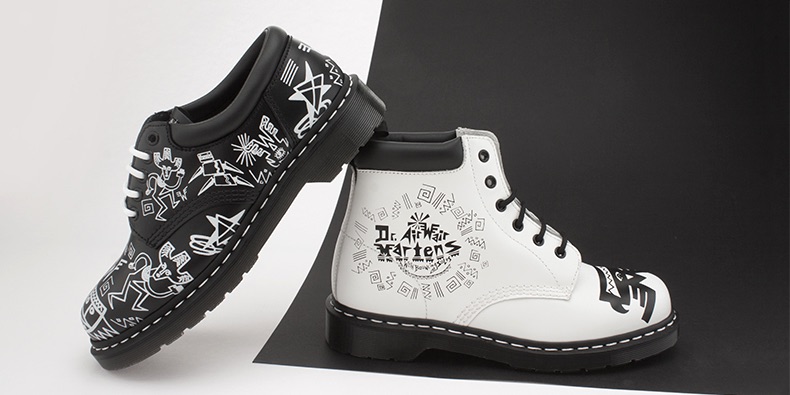
Wigan was born in the North of England and he grew up in that area. He studied at Hull School of Art and Design 1979 to 1982 then moved to London where his vivid designs soon found favour in the music, fashion and art scenes.
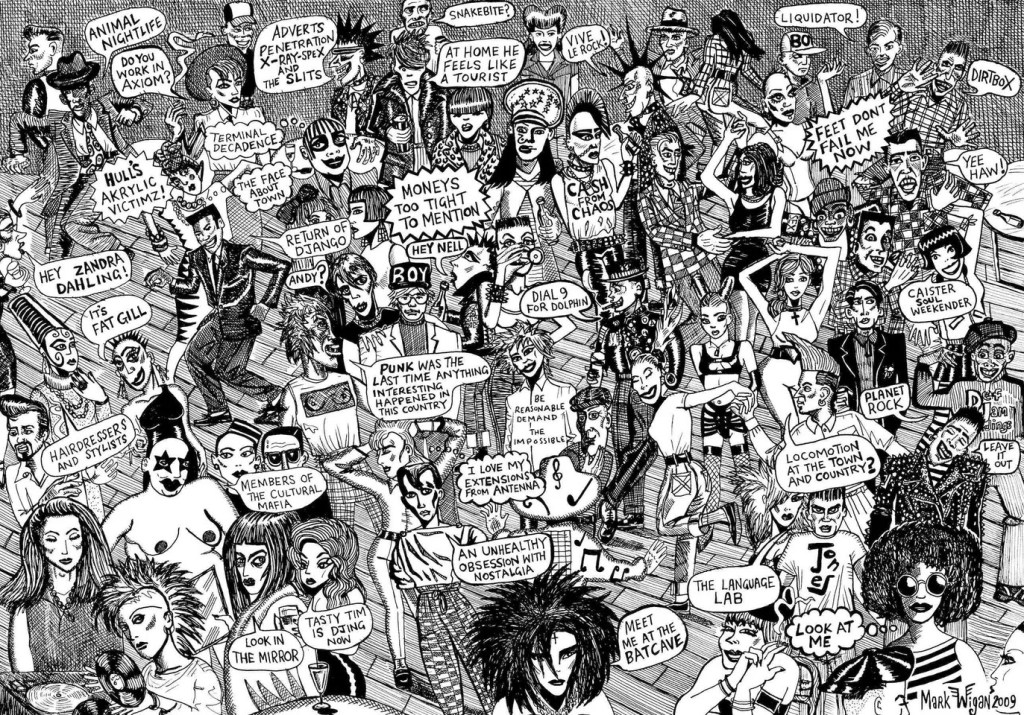
Wigan’s artwork is a true reflection of his unique and eclectic experiences. Heavily influenced by underground movements, Wigan took inspiration from distinct but allied cultures such as pop art, punk, graffiti art, skate culture and the evolving hip hop scene.

New York was the centre and often the birthplace of many of these sub cultures and it is not surprising that in 1986 Wigan visited the city and met with Andy Warhol and contemporary artists Jean Michel Basquiat and Keith Haring. Haring’s work in particular, whilst distinct from Wigan’s, shares the same boldness, vivid colours and stylised figures of the latter’s work.
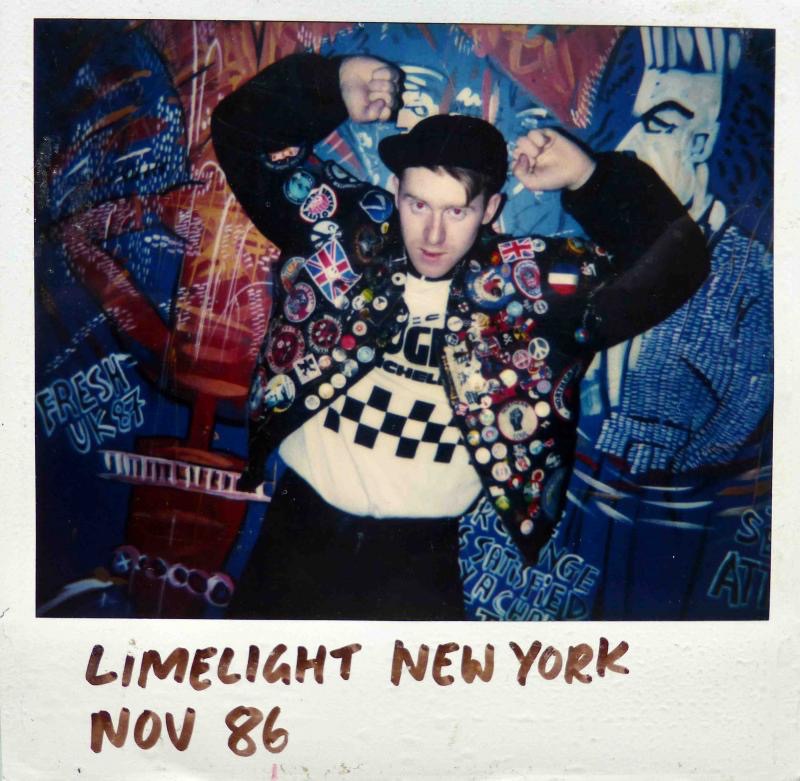
Wigan is as much known for his flyers and promotional materials for clubs and music events, album artwork and streetwear designs for fashion brands as for his commissioned art and paintings in exhibitions in galleries across the world.

Commenting on which are the most notable examples of his work is quite hard as his artistic output is so extensive. However, a particular favourite of ours were the murals he was commissioned to create on the wall and ceiling of the Scala cinema in King’s Cross, London. As visitors to the cinema during its heydays in the 1980’s, Wigan’s painted figures on the walls and ceiling often looked like members of the cinema’s underground audience whilst film titles scrawled across the walls announced the films they loved (‘Repo Man’ springs to mind). ‘Urbanites go to the movies’ as Wigan commented on one of the walls. The Scala was the perfect place for Wigan’s work, the cinema being truly one-of-a-kind. Wildly ‘alternative’, and deeply eclectic in its programming, it’s impact on London’s art scene and beyond is still felt to this day.
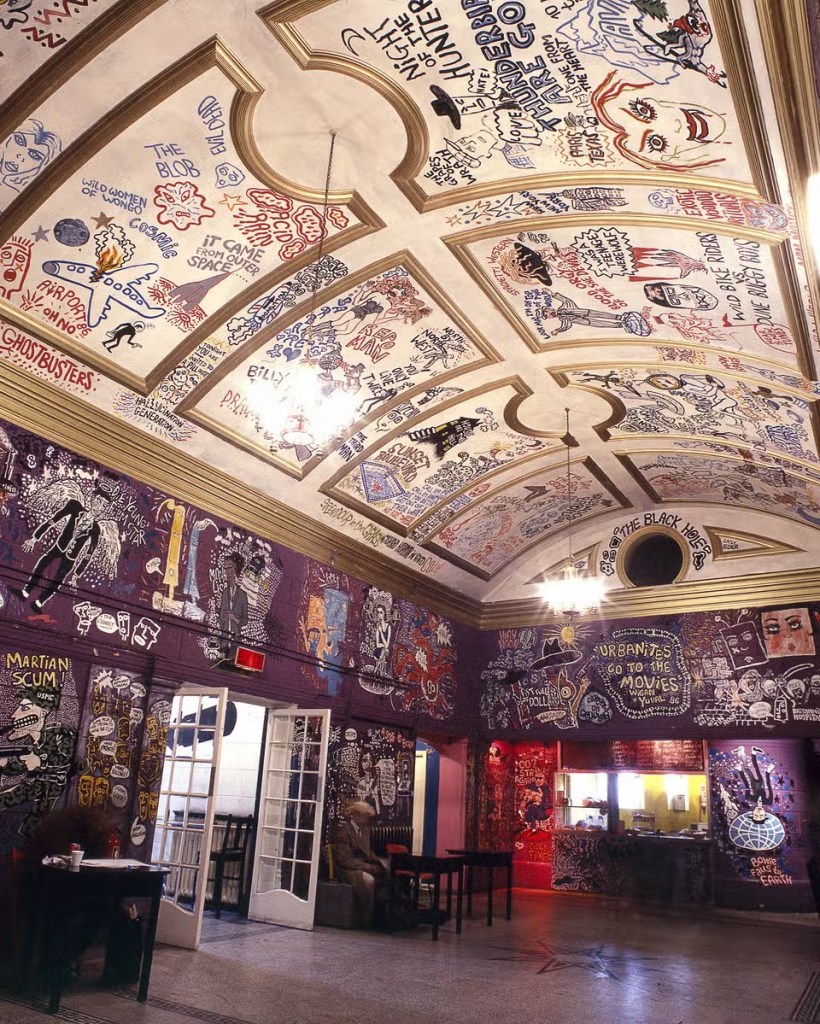
Now back in North West England, Wigan has gained a significant following on social media and has held several pop-up art shows in Chester including at the ōh Design Foundation in their gallery in the heart of the city.
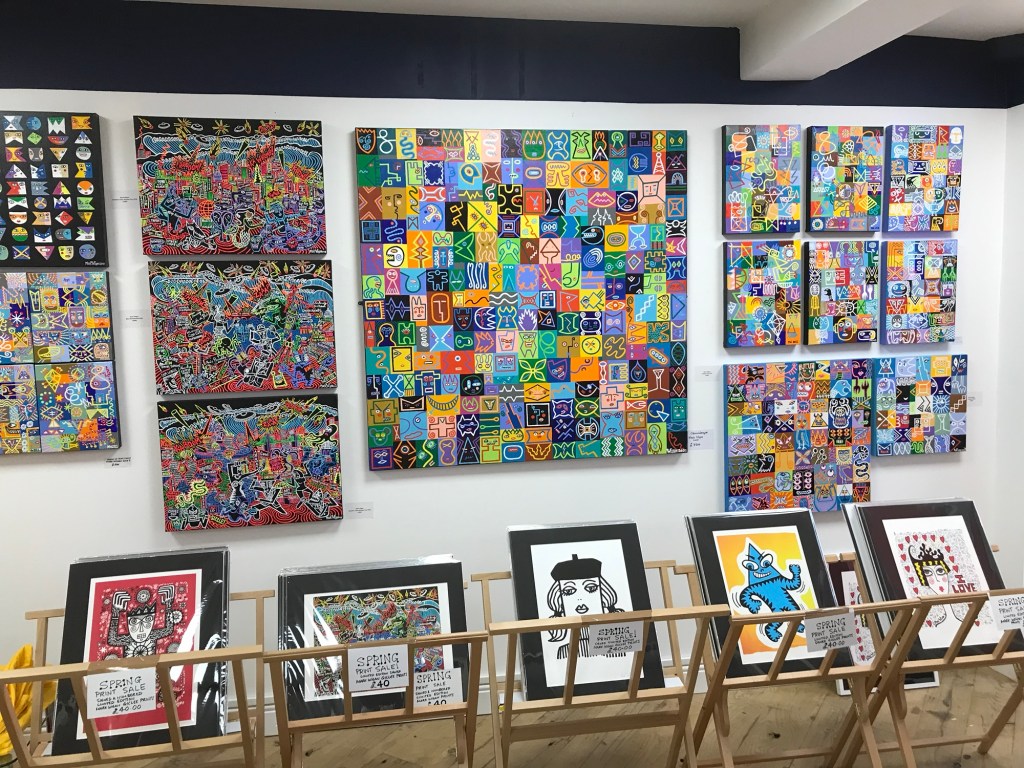
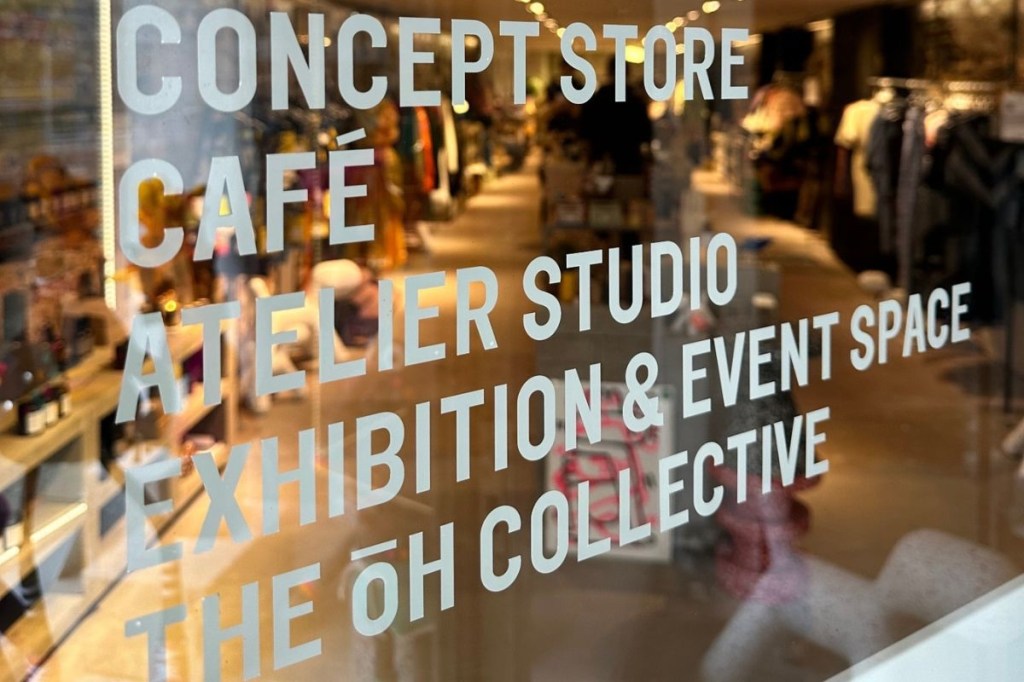
The ōH Design Foundation is a social enterprise based in Chester. The Foundation is all about supporting the creative industries in the city and acting as a hub and ‘pop up’ store for local creative work and as a launching pad for artists, designers, and entrepreneurs to showcase their creations. By providing a forum for local designers, the Foundation should help to stem the movement of local artistic talent away from the city to more established creative hubs such as Liverpool, Manchester and London. The city is certainly a more affordable space than the latter.
The ōH Design Foundation’s initiative to support local talent is mirrored in the city’s new Market Hall which opened in November 2023. Although there has been a central market in Chester for some 800 years, the old market was somewhat jaded and in a serious need of revamping. The new Market Hall is located in the heart of Chester, at Exchange Square off Northgate Street. It is a vital part of the Northgate development, a major regeneration project that is transforming the heart of the city. It is a multi-million pound scheme that includes the new Market Hall (with its emphasis on a cinema, restaurants, and shops).
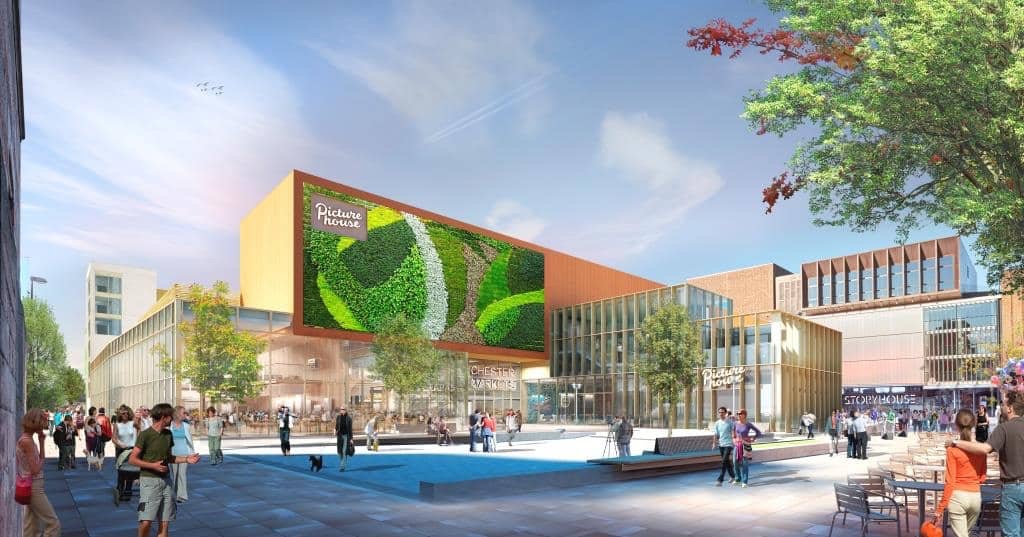
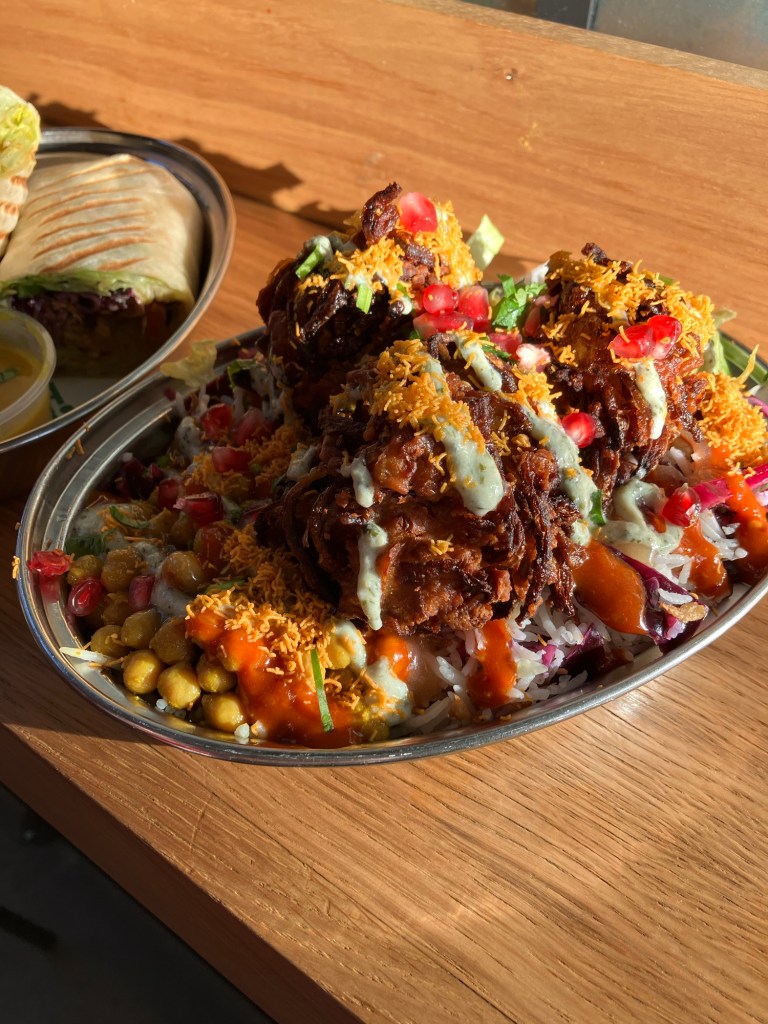
The ōH Design Foundation’s initiative to support local talent is mirrored in the city’s new Market Hall which opened in November 2023. Although there has been a central market in Chester for some 800 years, the old market was somewhat jaded and in a serious need of revamping. The new Market Hall is located in the heart of Chester, at Exchange Square off Northgate Street. It is a vital part of the Northgate development, a major regeneration project that is transforming the heart of the city. It is a multi-million pound scheme that includes the new Market Hall (with its emphasis on a cinema, restaurants, and shops). The heart of the new Market Hall is it’s food court, a central area of casual seating and food stalls serving an eclectic variety of different foods in an informal, sociable setting. Great food!
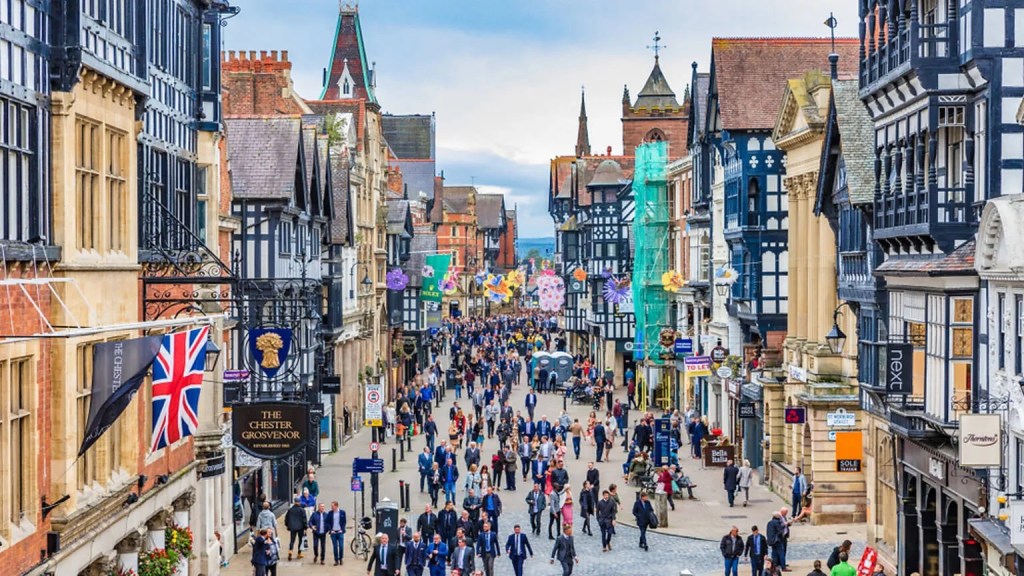
Chester, is an ancient city whose origins date back to the Roman era. The city grew in size and stature over the century’s as it flourished as a trading center and a port, and by the time of the Industrial Revolution (which started in nearby Manchester, the world’s first modern city), the city’s economy shifted towards industry and manufacturing, and the city’s population grew rapidly. As with most of the North of England, whilst mass industrialisation and the startling economic growth it brought is at an end, the city has continued to evolve, becoming an ever more popular tourist destination and a vibrant cultural center.
Share this:

Manchester, Hong Kong and Jamaica
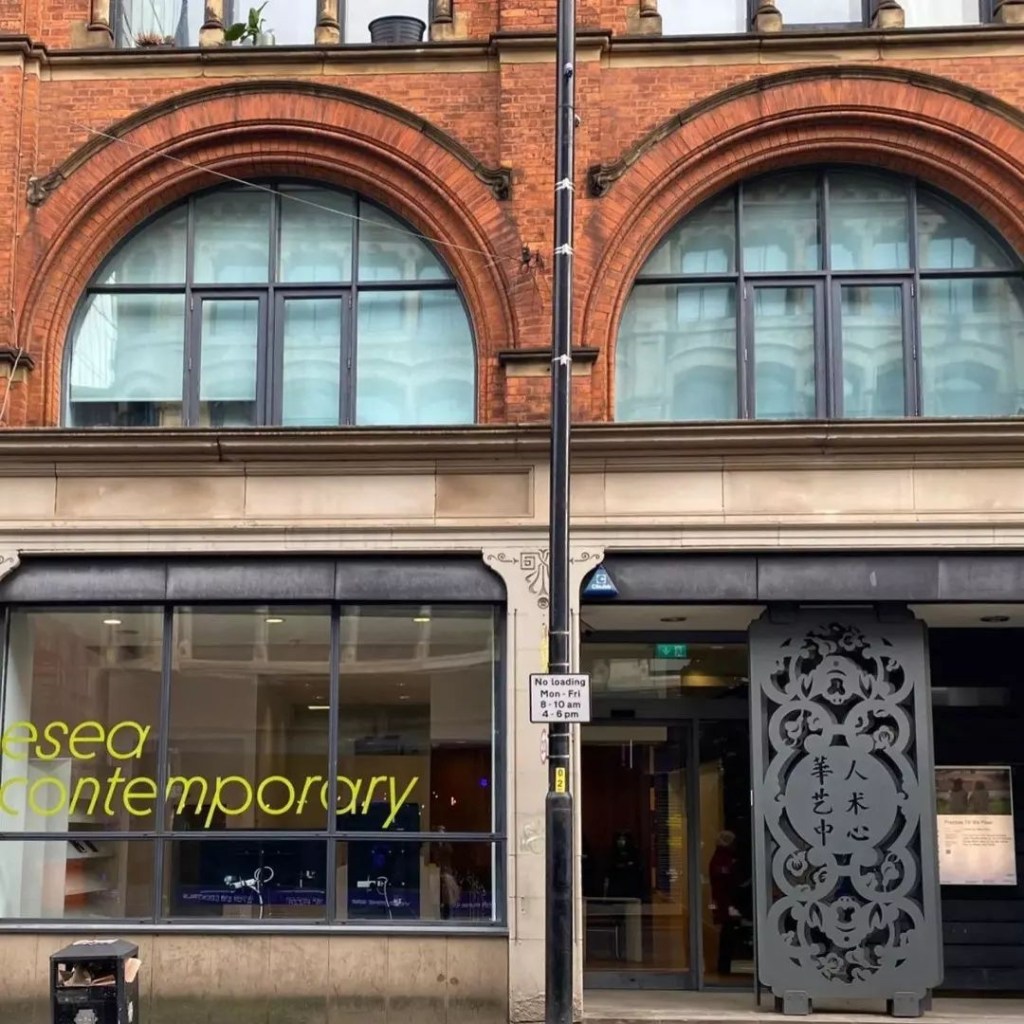
ESEA Contemporary is an art gallery in Manchester in the North of England that specializes in presenting and platforming artists and art practices that are informed by East and Southeast Asian (ESEA) cultural backgrounds. It is located in an award-winning building in the Northern Quarter part of the city and it is home to a diverse range of exhibitions, events, and educational programs that explore the unique perspectives and experiences of ESEA artists. ESEA Contemporary was previously known as the Centre for Chinese Contemporary Art, but it underwent a major rebranding in 2022 to better reflect the diverse range of cultures and identities represented by the artists it works with.
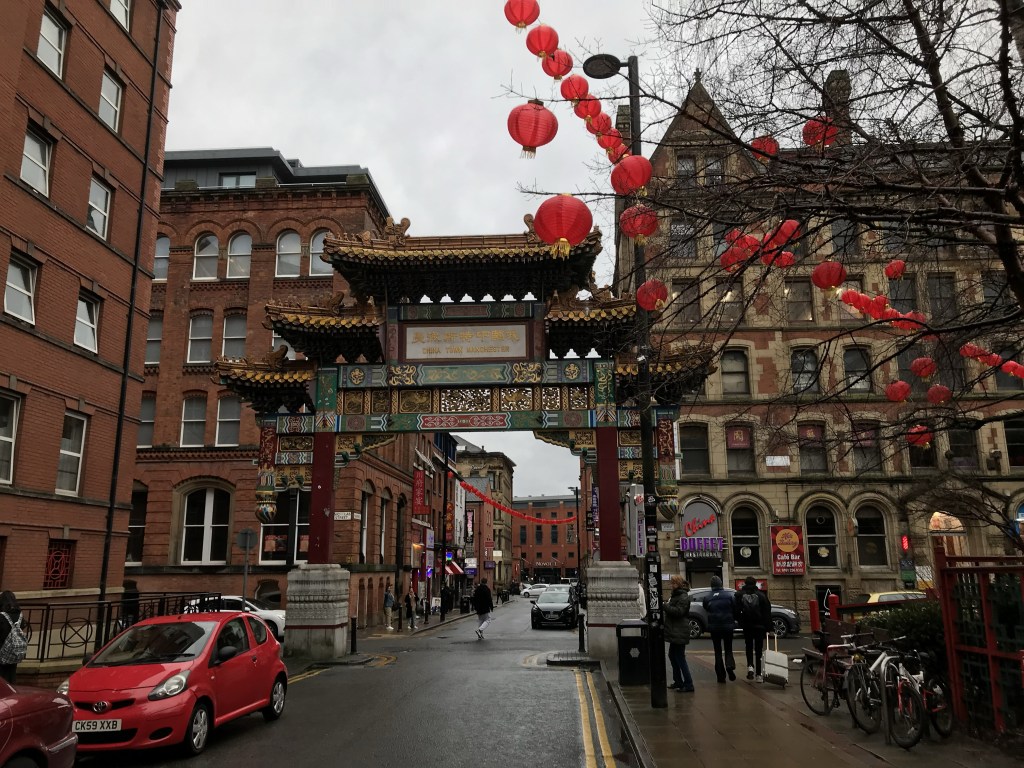
Manchester has a significant Chinese community, and it has been a hub for Chinese immigration to the UK for many years. The city’s Chinatown is one of the largest in Europe, and is home to many restaurants, shops, and cultural institutions. The Chinese community in Manchester is very diverse, with people from different regions of China and different generations, and they have made a significant contribution to the city’s culture and economy. There are also several Chinese community organizations and cultural events, such as the annual Chinese New Year celebrations, which help to promote Chinese culture and traditions in the city.
In addition, there has been significant Chinese investment in Manchester in recent years. China has been looking to expand its investment in the UK, and Manchester has been one of the key targets for investment. One of the largest investments has been in real estate development, with Chinese firms investing in luxury apartments, office buildings, and mixed-use developments in the city. Chinese companies have also invested in infrastructure projects, such as transportation and renewable energy, in the Manchester area. There has also been investment in the education sector, with Chinese companies supporting local universities and colleges.
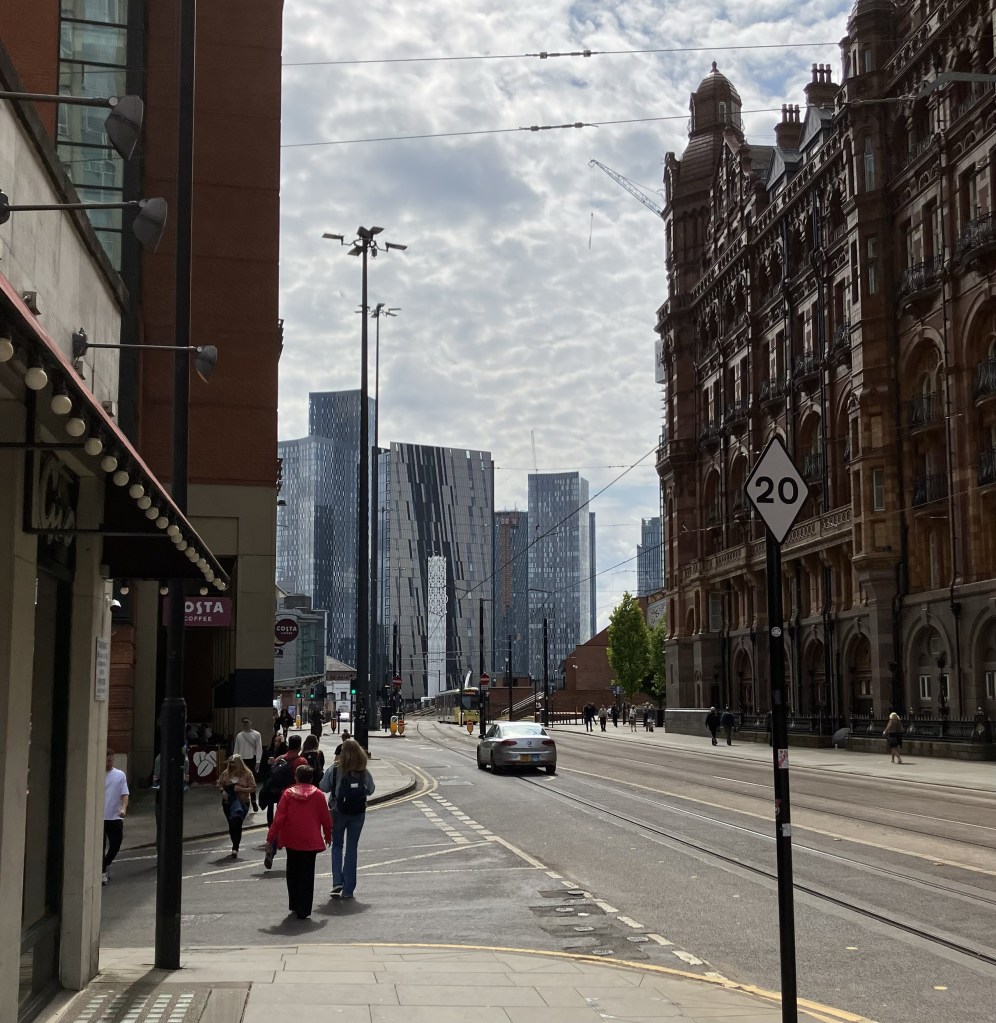
There had also been a significant influx of people from Hong Kong settling in Manchester in recent years. In fact, Manchester is now considered one of the top destinations for Hong Kong migrants in the UK. The UK government has also created a new visa scheme specifically for Hong Kong residents which has made it easier for them to move to the UK, including Manchester and other parts of the North West such as Liverpool, bringing their culture and art with them and enriching their adopted homeland accordingly.
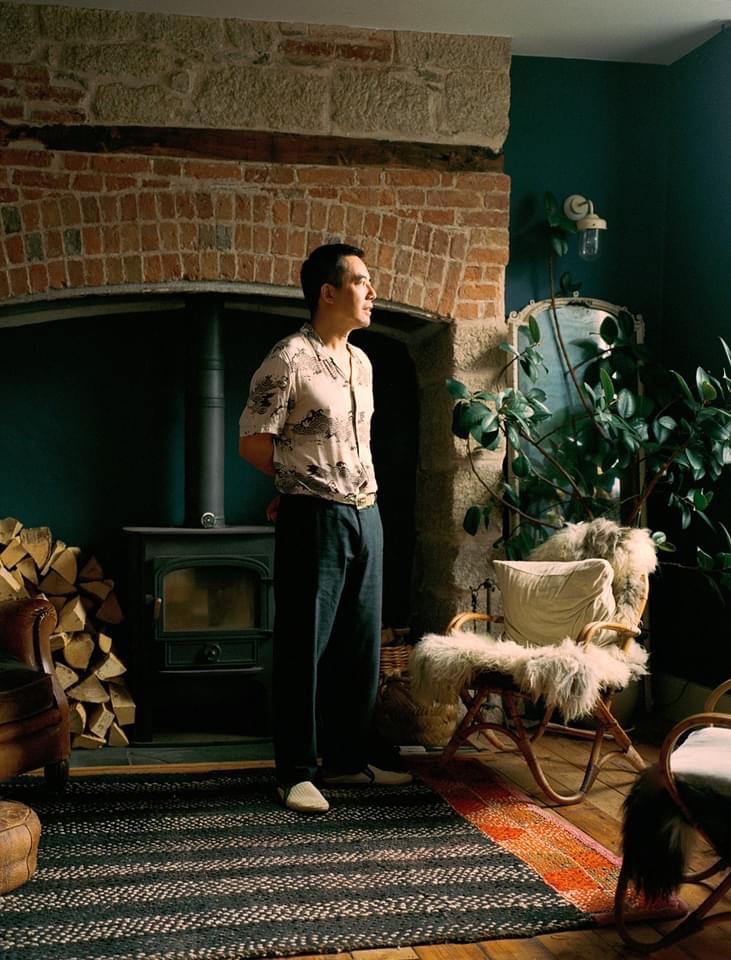
Dinu Li is an artist who was born in Hong Kong and who currently lives and works in Cornwall, UK. He graduated with a degree in photography from Liverpool John Moores University in 2001. Li’s work often explores the intersection of personal and cultural histories, and he works across a range of media, including moving image, photography, installation, and performance. He is particularly interested in how history and memory are constructed and how they can be reinterpreted through art. His work has been exhibited internationally, and he has had significant artistic recognition for his work.
Li is currently exhibiting at ESEA (‘A Phantom’s Vibe’).
The exhibition’s guide pamphlet provides the following background information:-
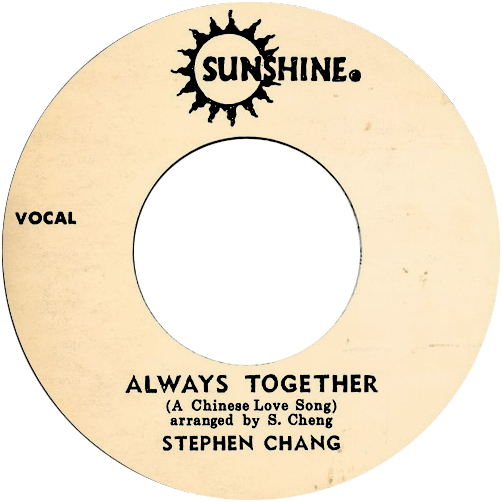
Li’s work in the exhibition, combines autobiographical allegories with a tapestry of cultural influences. Visitors are taken from the night markets of Hong Kong to the blues parties of Hulme* and Moss Side* via Jamaican recording studios, owned by the descendants of Chinese indentured labourers**. The reggae classic ‘Always Together’ *** runs through the heart of the exhibition, where music becomes a medium for cultures to meet, mix, and become hybrid.
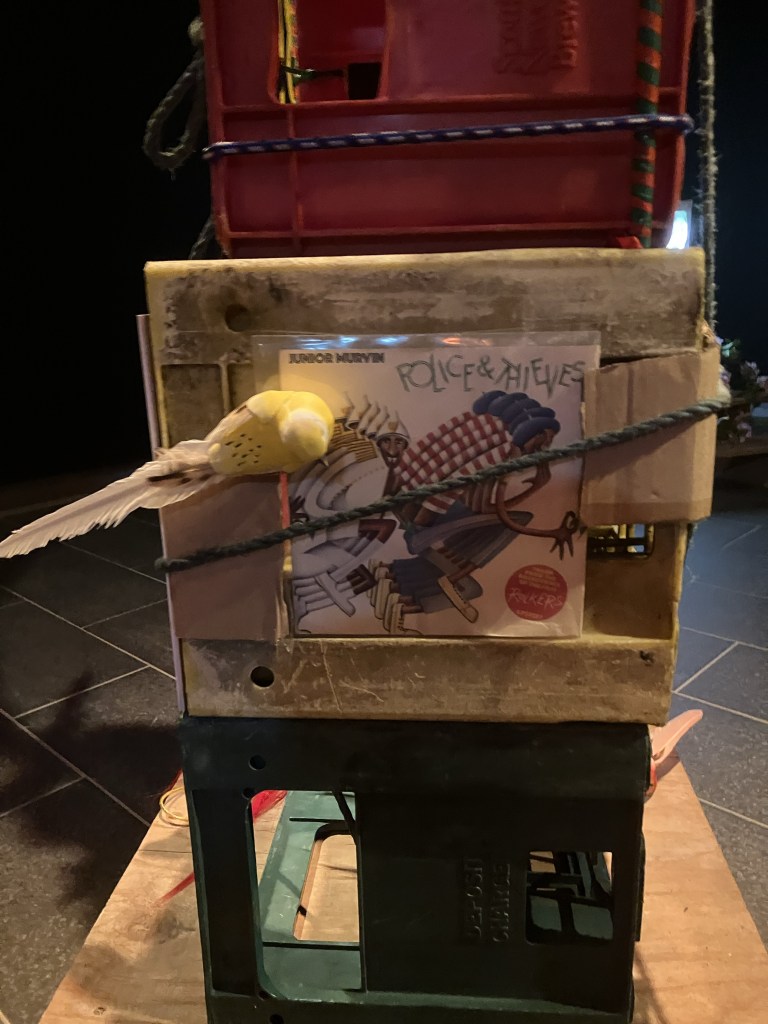
and Hong Kong
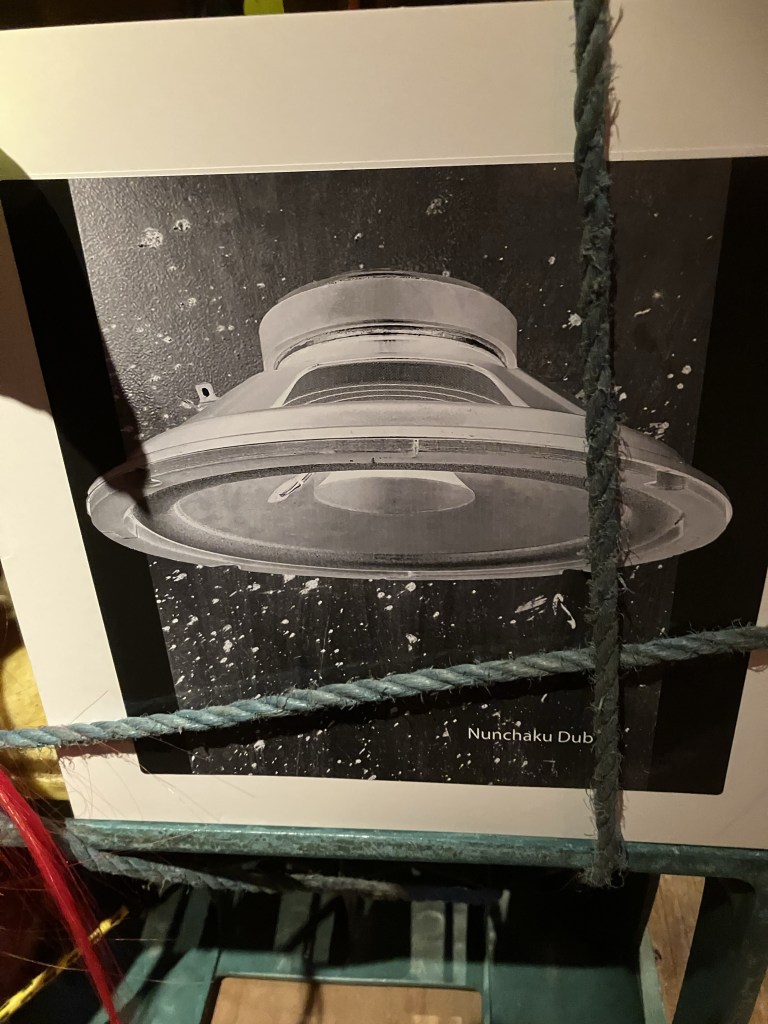
and Hong Kong
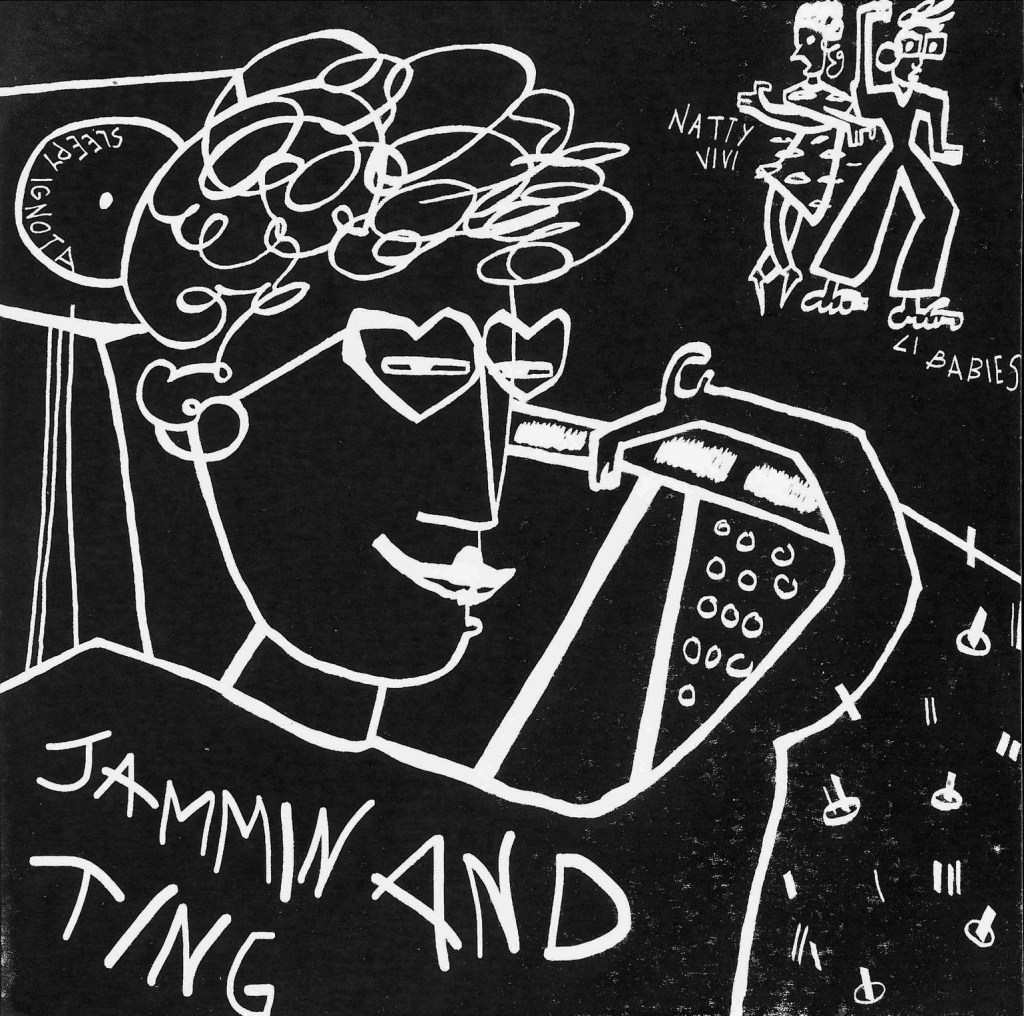
and Hong Kong
As a child wandering through the working – class districts of Hong Kong, Li overheard ‘ Always Together’*** by Stephen Cheng mistaking it for a Chinese folk classic. Years later, this song, unexpectedly, repaired, like a phantom at one of the inner–city blues parties**** Li frequented during his 1980s, Manchester youth, and decades after that, the song once again re-emerged on YouTube. The song soundtracks Dinu Li’s exhibition.
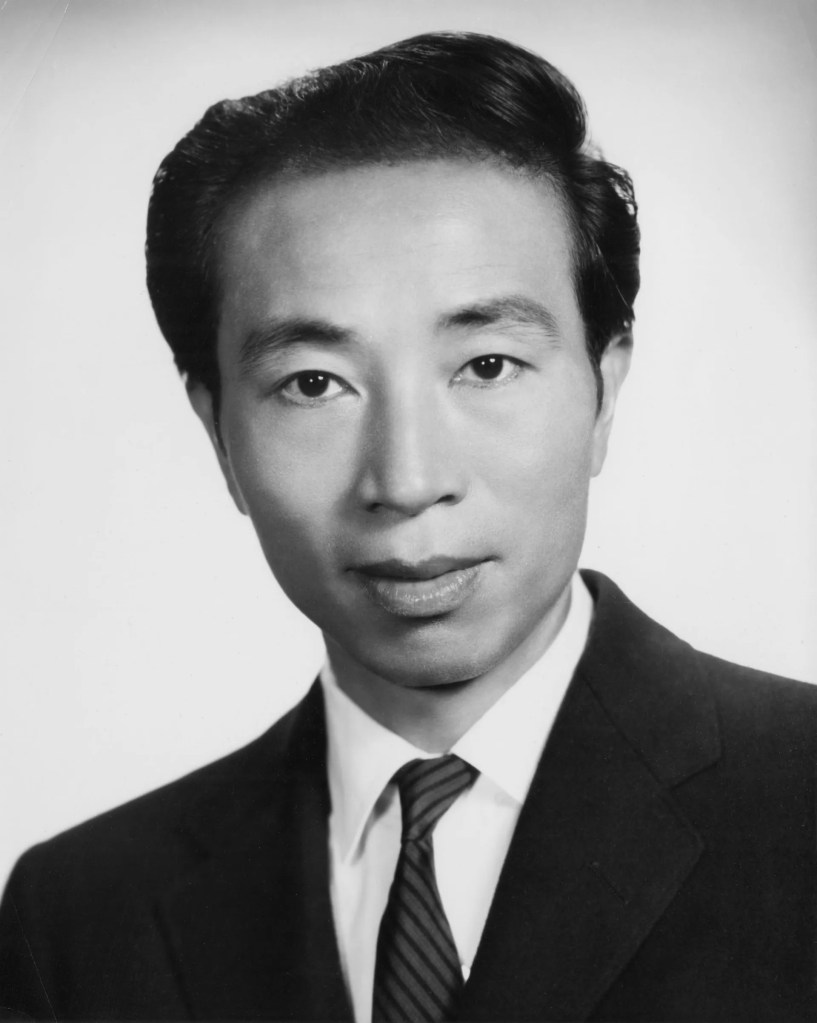
It wasn’t until much later that Li learned that the song was actually recorded in Jamaica in 1967, in one of the small number of Chinese recording studios*****, some of which helped shape the sounds of key artists such as Dennis Brown and Augustus Pablo. Through his work tracing the history of early reggae, Li’s exhibition,’ A Phantom’s Vibe’, serves as a means of unearthing, the underrepresented history of the Chinese in Jamaica, subverting mainstream cultural hegemony.
*Hulme and Moss Side are districts of Manchester where many members of the city‘s Afro-Caribbean community live.
** Chinese people first started coming to Jamaica around 1850 when they arrived on the island mostly as indentured labourers, brought by the British from China to work on the sugar plantations to replace the unpaid labour of the island’s black population following the end of slavery. Indentured labour is a form of debt bondage whereby the labourer ‘agrees’ to work for no pay for a number of years to pay off the cost incurred in their migration to the Caribbean.
*** ‘Always Together’ is a reggae record recorded in 1967 in Jamaica, by the Chinese singer Stephen Cheng (misspelled as ‘Chang’ when the record was released). The song is unusual because although the title is in English, the song itself is sung in Chinese with the lyrics originating from “Alishan Girl,” a Taiwanese folk song, which dates back to the 1940s. The track was put together by Stephen Cheng and the Jamaican musician and producer Byron Lee (himself of a Jamaican Chinese background) when Cheng visited the island from his home in New York.
**** after hours parties often playing reggae in peoples homes or basements etc.
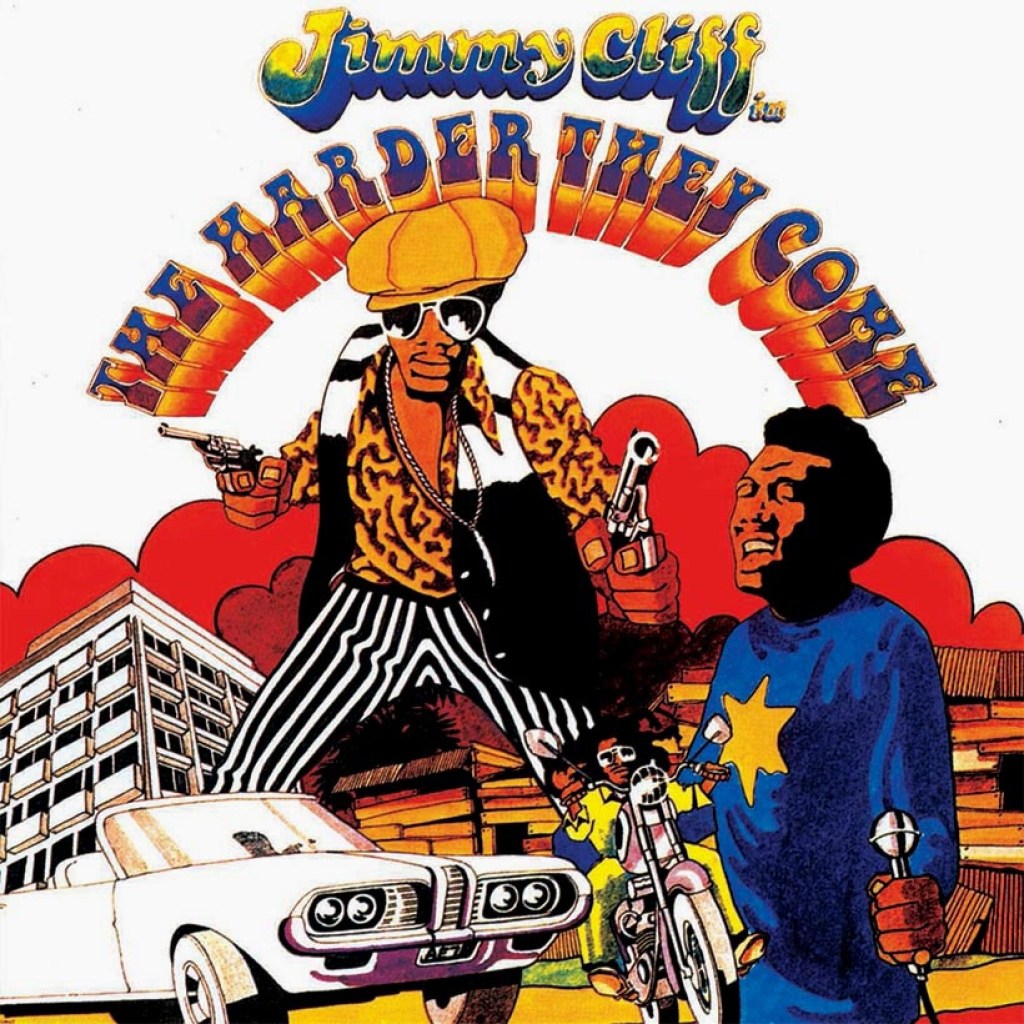
***** several Jamaicans with Chinese roots played a key part in the development of the island’s beloved popular music, reggae and it’s older sister, rock steady. They established some of the first record shops and studios on the island, providing a platform for emerging reggae artists to record and distribute their music. Jamaicans of Chinese origin in the music industry included Vincent and Patricia Chin who created the influential VP Records, Leslie Kong of Beverley’s Records (the producer of the legendary soundtrack to ‘The Harder They Come’), Herman Chin-Loy of Aquarius records (who produced what was arguably the first dub album, ‘Aquarius Dub’ in 1974) and the Hookim brothers who owned Channel One studios where they created the radical ‘rockers’ sound which dominated the Jamaican music scene in the late 1970’s.

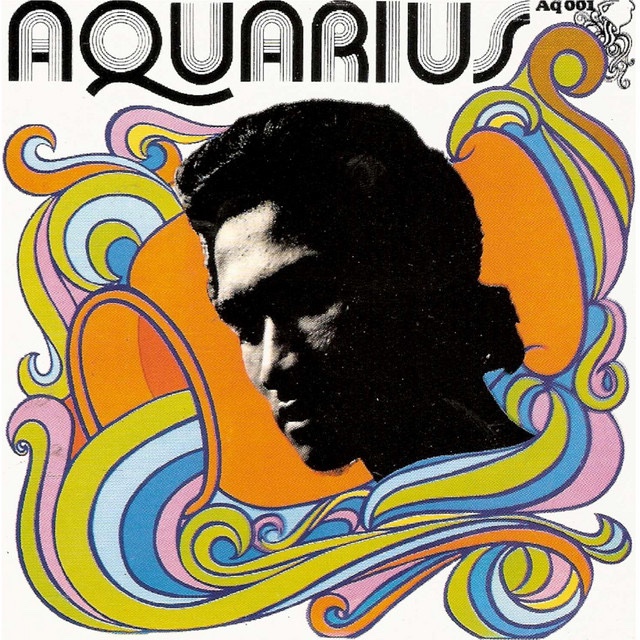
The installation highlights how the music and culture of reggae have been adapted and reinterpreted in Hong Kong, and how they have provided a means for people to express their identity and resistance in the face of colonialism.
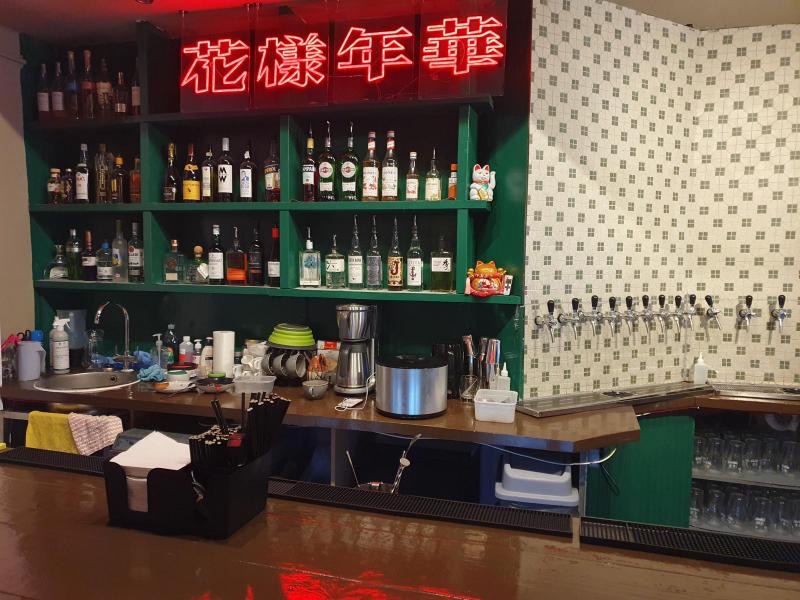
The Harcourt bar in southern Manchester is named after Harcourt Road in Hong Kong. This road is in turn named after Sir Cecil Harcourt, who was a British colonial administrator in Hong Kong in the early 20th century. The bar is inspired by Hong Kong culture and cuisine, and the menu features authentic Hong Kong street food. It has picked up justifiably rave reviews.
The bar was created and opened by a married couple from Hong Kong, Priscilla So and Brian Hung. They were inspired by their experience working in the craft beer industry, as well as their love of Hong Kong culture. The bar is designed to be a modern take on a traditional Hong Kong-style pub, with a focus on craft beer and Hong Kong-inspired food. The bar offers a variety of Hong Kong-style dishes, including bars snacks prawn toast and smashed cucumber as well as a wide selection of craft beers.
Before opening the bar, Brian took up a position as a barrel ageing manager for the independent Manchester based Cloudwater brewery. The bar wisely stocks, a range of award winning Cloudwater beers (see https://cloudwaterbrew.co).
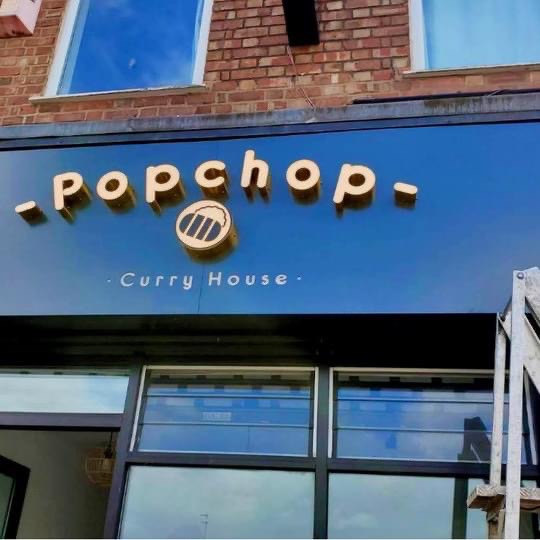
The influence of emigres from Hong Kong on Manchester’s food scene continues apace with the likes of Popchop Curry House in the east of the city. Popchop serves up Hong Kong style curried meats and rice to a fanatical clientele. The owner came to Manchester from Hong Kong a couple of years ago, His recipes are based on his father’s renowned restaurant Sun King Yuen in the Wan Chai district of Hong Kong which is which is famous for its curry dishes.
And turning to the Caribbean influence on food culture in the city we must mention Miss Jackson’s Drinks Company, a relatively new venture based in Manchester which was set up by two sisters.
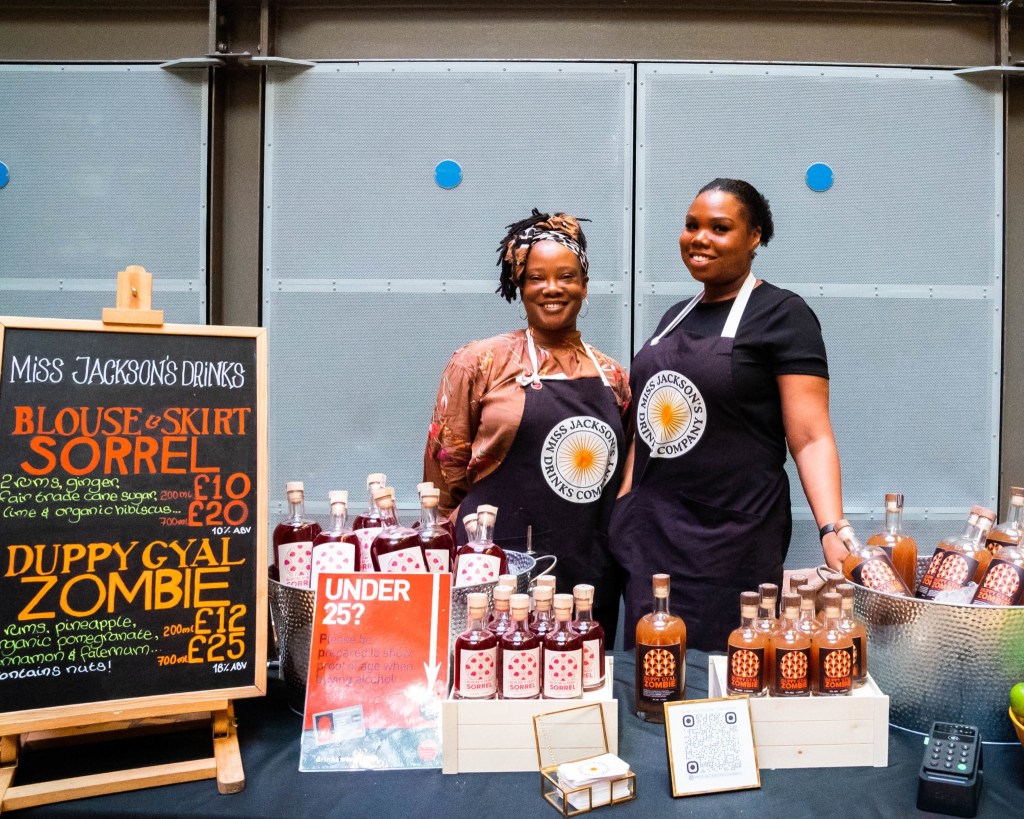
Their website at https://www.missjacksonsdrinks.com comments:
‘The story starts with us, two Jackson sisters from South Manchester. Inspired by our Caribbean heritage, we sustainably source the bright flavours of Jamaica and shake them down with premium spirits’
The sisters have created and marketed two liqueurs to date, Duppy Gyal Zombie and our favourite, Blouse and Skirt Sorrel.
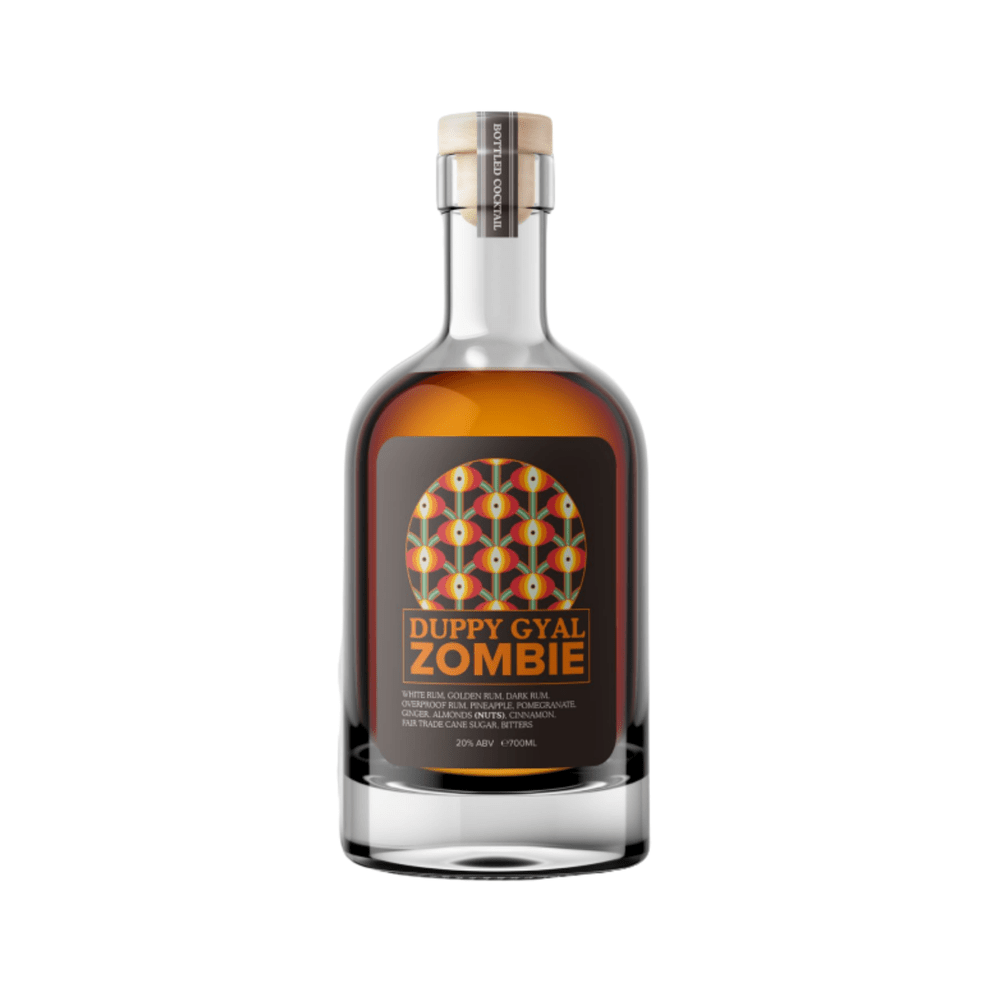
Duppy Gyal Zombie is a combination of different rums with limes, pomegranate juice, pineapple and bitters.
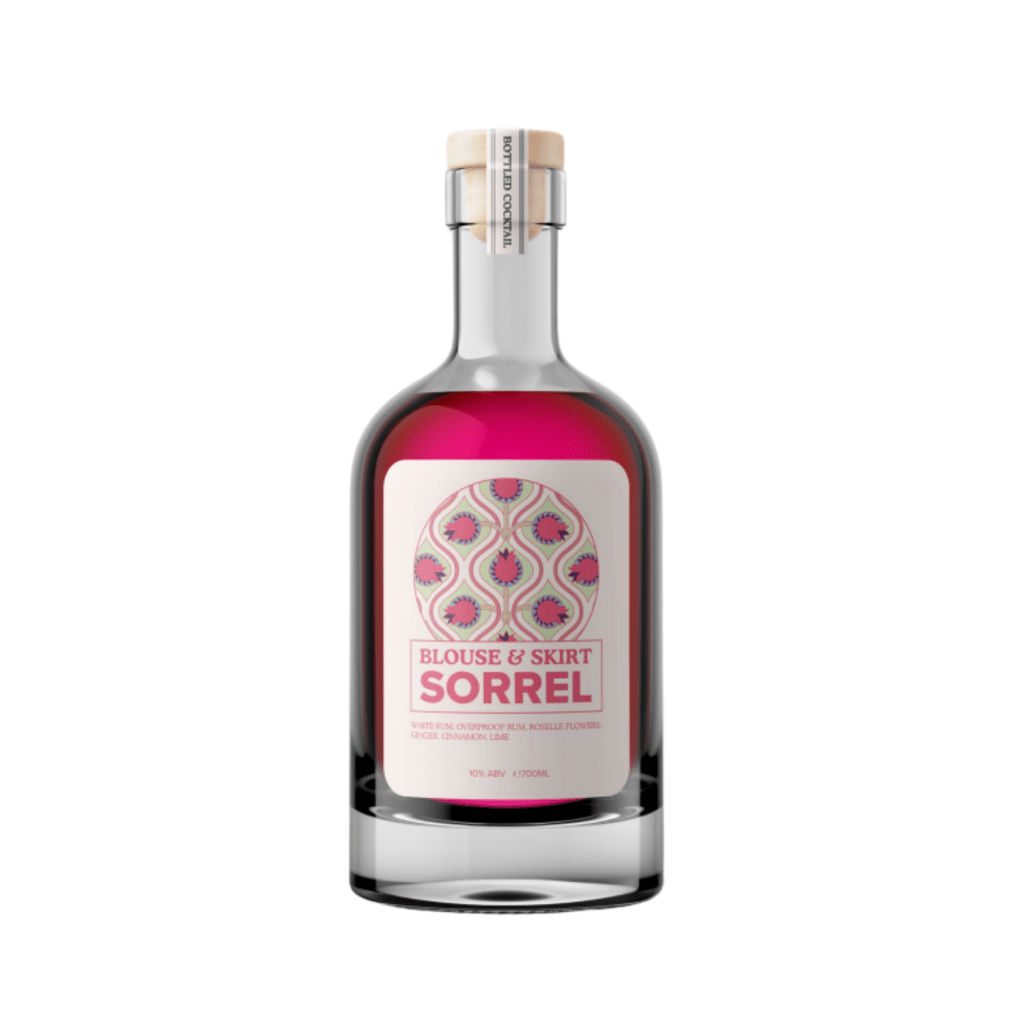
Blouse and Skirt Sorrel is a combination of different rums, ginger, lime juice, cane sugar and of course, Sorrel. In Jamaica, ‘Sorrel’ are the dried flowers used to make a type of sweet hibiscus tea commonly made from the Roselle flower which is popular throughout the Caribbean and West Africa where the ‘red tea’ made from the flowers originates.
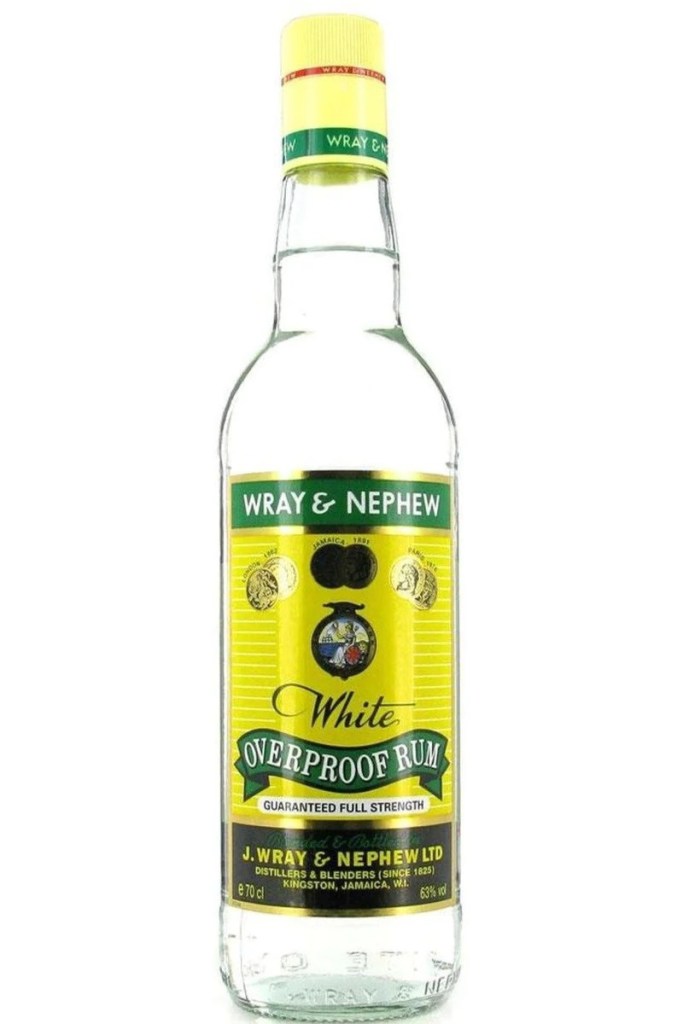
‘Take her to Jamaica where the rum come from
The rum come from, the rum come from
Take her to Jamaica where the rum come from
And you can have some fun’