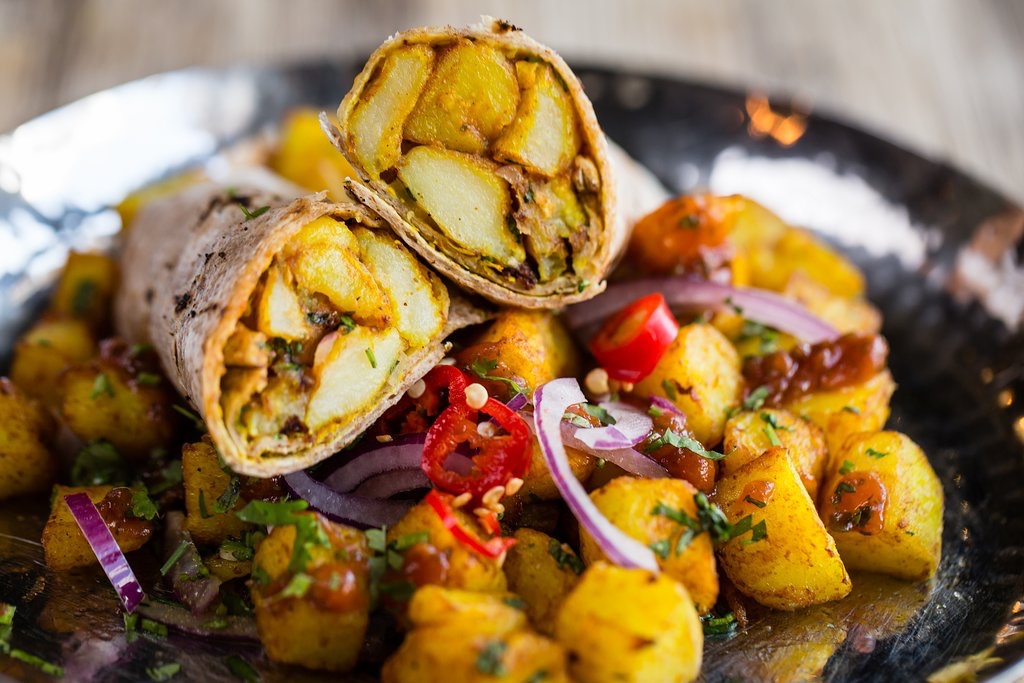
Liverpool. Art and Mowgli

Chip butty at Mowgli

The city of Liverpool lies at the mouth of the Mersey river as it empties into Liverpool Bay, the Irish Sea and the Atlantic.

Liverpool was once known as the ‘second city of the British Empire’ because of it’s massive port, huge merchant fleet and the sheer volume of international trade that flowed in and out of the Mersey.

The names of docks in the city, of which there were 43, often had monarchal themes or the names of historical figures and events such as Victoria, Albert, Nelson, Waterloo and Trafalgar. These names resonate with a sense of privilege and entitlement, of glories past and of times lost which ultimately lie somewhat at odds with the city’s independent streak and its cosmopolitan and inclusive nature. Despite setbacks, the city has a clear sense of itself despite the contempt and neglect of successive establishment governments in London. ‘Managed decline’ was Goverment policy for the city in the 1980’s.
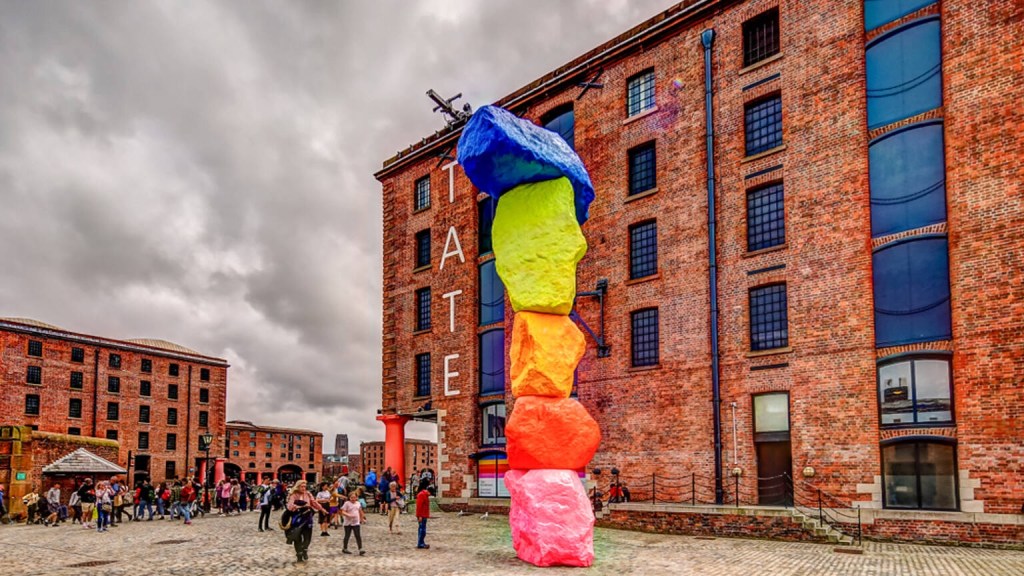
Tate Museum at the Albert Dock, Liverpool

The Tate Gallery Liverpool in the city’s restored Albert Dock was opened in 1988 by the Prince of Wales (now King Charles III) as the northern outpost of the Tate Gallery in London. Funding for the Tate Gallery came from the industrialist Henry Tate in 1889. Tate had made a considerable fortune from the refining of sugar in Liverpool derived from cane grown in the Caribbean. Slavery had been abolished by the time Tate came into sugar refining but the product was made using raw cane originally from former space plantations. After abolition of the slave trade in the UK in 1807, indentured (bonded) labourers from India and China cut the cane along with the descendants of slaves. Although Tate was neither a slave-owner or slave-trader, the business of sugar refining cannot be separated from the history of plantation slavery and the bonded labour which followed it’s abolition
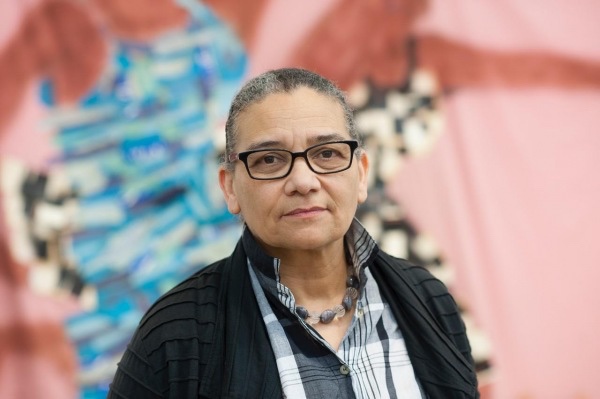
Lubaina Himid

The artist Lubaina Himid (https://www.royalacademy.org.uk/art-artists/name/lubaina-himid-ra-elect), although based further to the north of the City in Preston (she is a professor of Contemporary Art at the University of Lancashire), is nevertheless closely linked with Liverpool. Himid, born in Zanzibar which was then a colony of the United Kingdom where she was brought up. She left at an early age and was brought up in the UK where she ultimately graduated from the prestigious Royal College of Art.
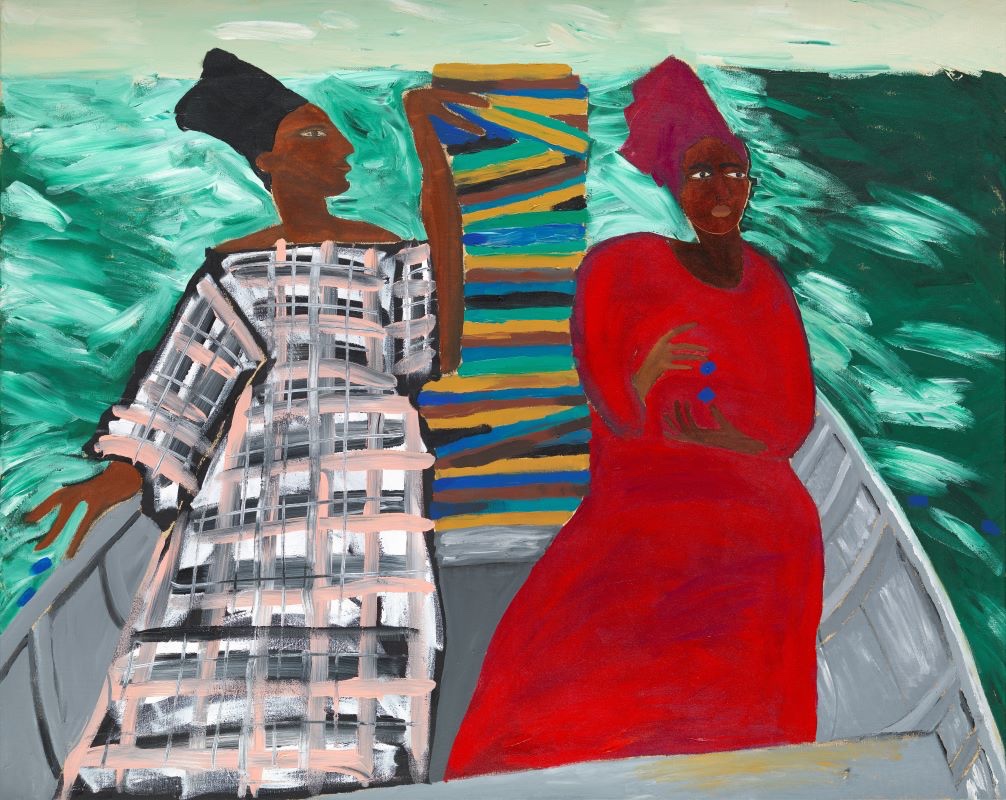
Between the Two my Heart is Balanced

A widely admired and established artist she has exhibited widely in Liverpool, (she is currently exhibiting at the city’s Biennial – ‘Between the Two my Heart is Balanced’) most notably at the International Museum of Slavery in 2017 when she gifted the museum an installation of 20 figures entitled ‘Naming the Money’. According to the Museum the installation ‘addresses how Europe’s wealthy classes spent their money and flaunted their power in the 18th and 19th centuries, by using enslaved African men and women. The highly individual sculptural figures, each with their own profession and life story, demonstrate how enslavement was disguised and glamorised’.
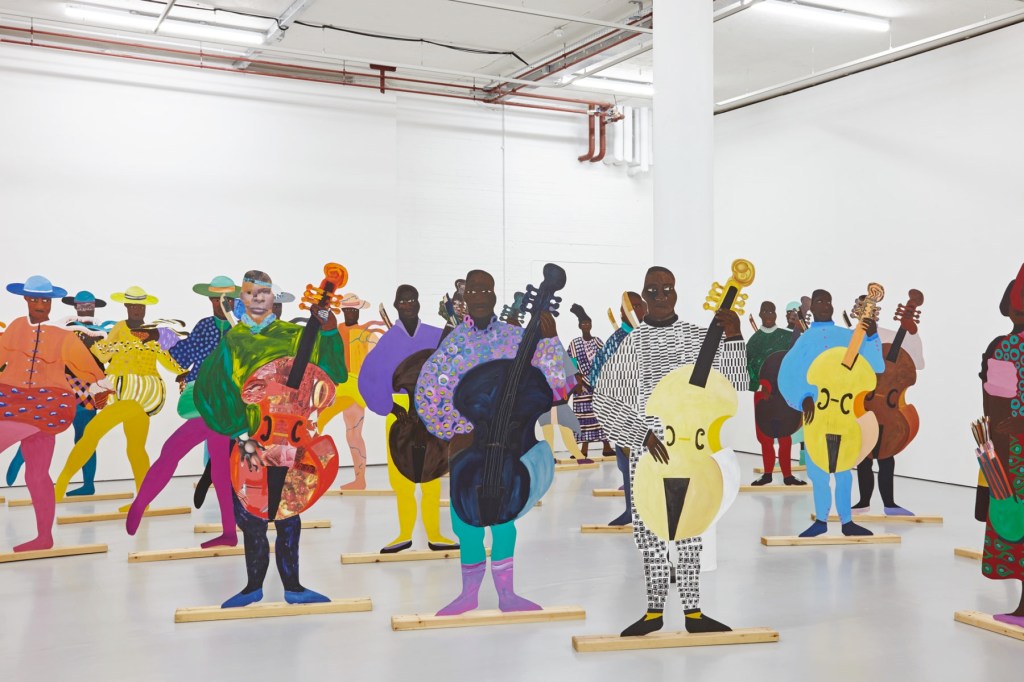
Naming the Money

Reviewing Naming the Money art critic Luisa Buck noted: “Himid’s work has long been concerned with black creativity, history and identity and this animated throng represents the Africans who were brought to Europe as slave servants. There are drummers, dog trainers, dancers, potters, cobblers, gardeners and players of the viola da gamba, all decked out in vivid versions of 17th century costume. Labels on their backs identify each individual, giving both their original African names and occupations as well those imposed by their new European owners, and these poignant texts also form part of an evocative soundtrack, interspersed with snatches of Cuban, Irish, Jewish and African music.”

Himid has also exhibited at the Tate Gallery Liverpool where her installation ‘The Carrot Piece’ from 1985 is on permanent display.
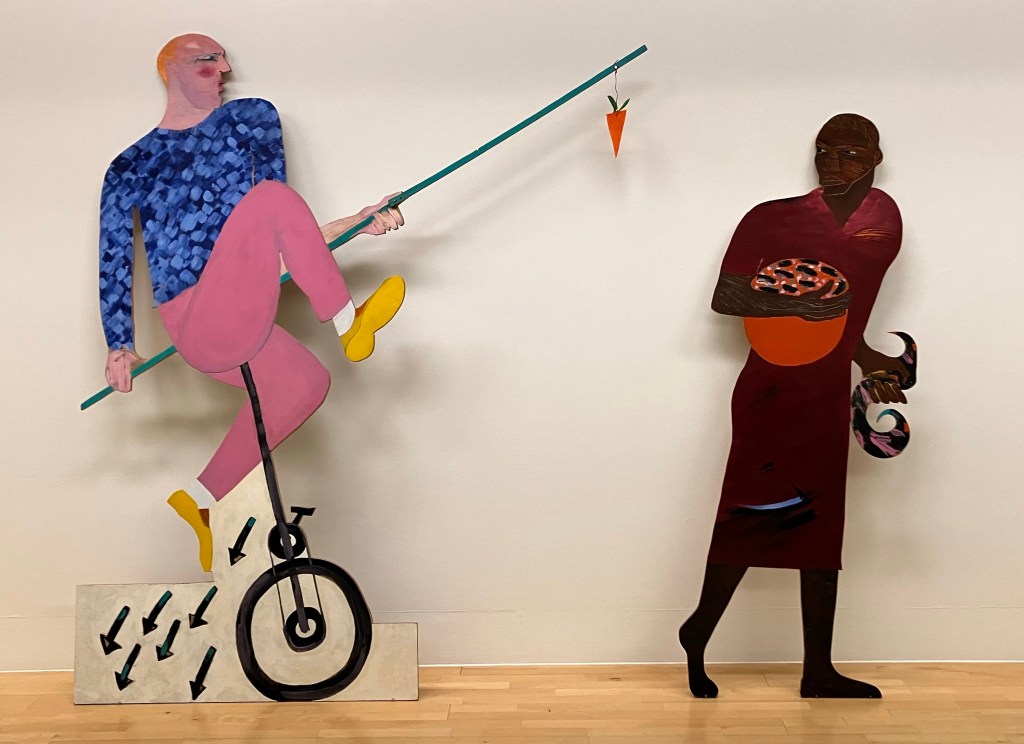
The Carrot Piece

As one can see, the white male figure is pursuing the black female figure and is trying to tempt her with a carrot on a stick, the latter device being a metaphor for the use of a combination of reward and punishment to induce a desired behaviour. Capture and surrender. The piece is political and Himid commented that the work was made at a time art galleries ‘needed to be seen’ to be including black people into their exhibitions but did so in a patronising and controlling manner. She commented ‘we as black women understood how we were being patronised … to be cajoled and distracted by silly games and pointless offers. We understood, but we knew what sustained us… and what we really needed to make a positive cultural contribution: self-belief, inherited wisdom, education and love.’

Himid was appointed an MBE (a ‘Member of the British Empire’) by the late Queen Elizabeth II in 2010 ‘for services to black women’s art’. In 2017 she won the prestigious Turner Prize winner, the first black woman to do so. She was promoted to a CBE (‘Commander of the British Empire) in 2018 for services to art.

Maryam Wahid

As well as being Lubaina Himid’s home, Preston is currently the venue for the UK’s biggest outdoor photography festival with the works of several international photographers displayed in parks and on walls across the city. Included in the exhibition is a series of photographs by Birmingham based artist Maryam Wahid (https://www.maryamwahid.com) being stunning images from her project ‘The Hijab’, photographic portraits of women in Britain wearing and adopting the garment to their own style.
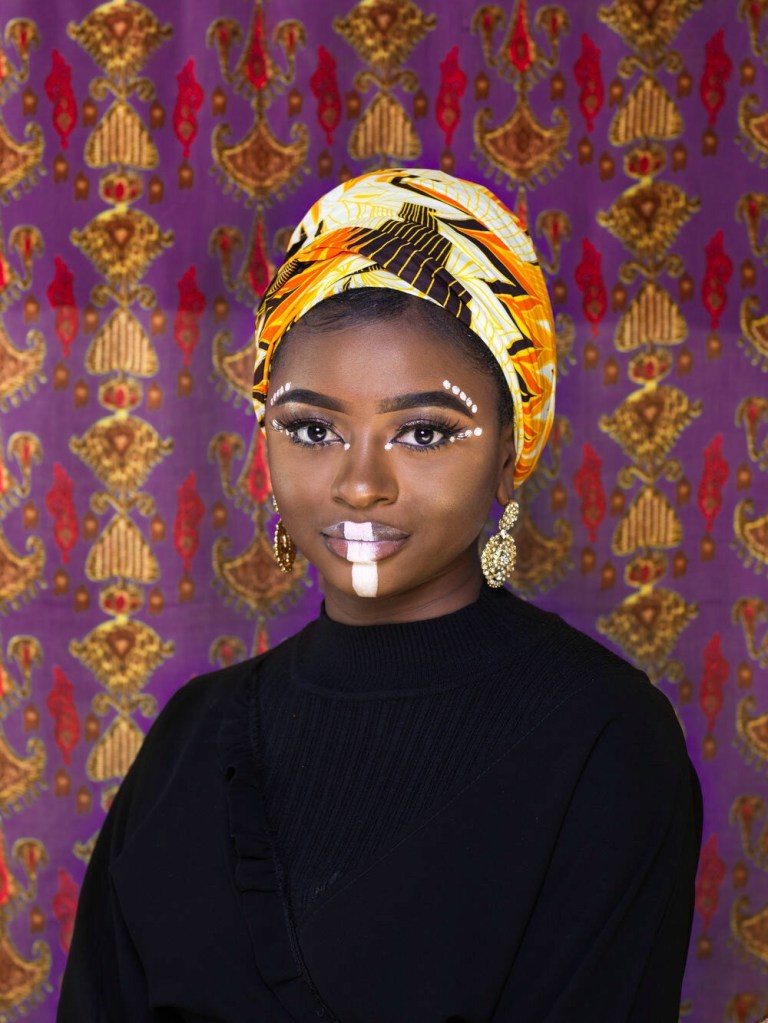
The Hijab by Maryam Wahid

The hijab is a covering for the hair and neck, often a head scarf worn by some Moslem woman as a mark of modesty. It is a most misunderstood garment which some countries in the West, such as France, Sweden and Austria have placed restrictions on.

The Hijab by Maryam Wahid

Whilst modest attire by both men and women is a matter of Islamic law, the wearing of the hijab is not a required convention, it is not one of the *Five Pillars of the Faith. Whether or not a woman wears a hijab is more likely a matter of personal choice, at least in the West, despite the misplaced efforts of some governments to restrict and demonise it’s use in day to day dress.

*The Five Pillars are the core beliefs and practices of Islam:

• Profession of Faith (shahada). The belief that “There is no god but God, and Muhammad is the Messenger of God” is central to Islam. …

• Prayer (salat). …

• Alms (zakat). …

• Fasting (sawm). …

• Pilgrimage (hajj)

Wahid’s photographic project explores the different and highly individual ways the hijab is worn by Muslim women in the UK in a startling series of portraits, two of which are reproduced above.
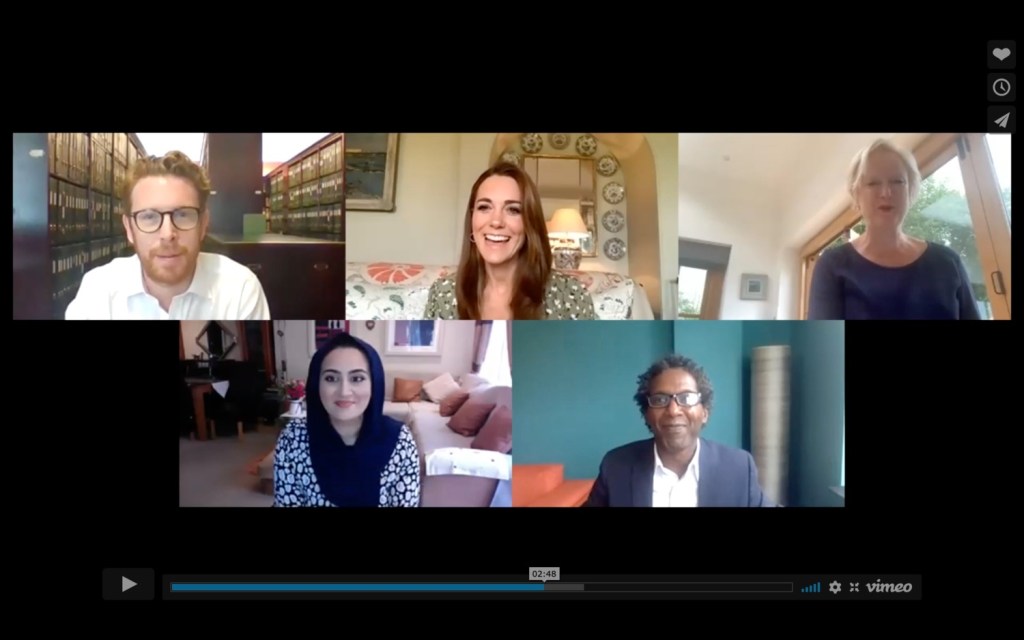
Maryam Wahid with HRH

In 2020 Wahid was invited by Her Royal Highness The Duchess of Cambridge to judge the photography competition Hold Still 2020 for the National Portrait Gallery in London.
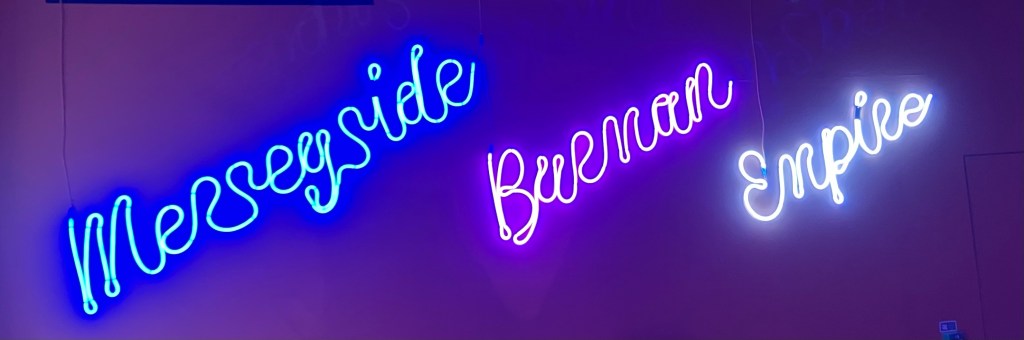
Merseyside Burman Empire

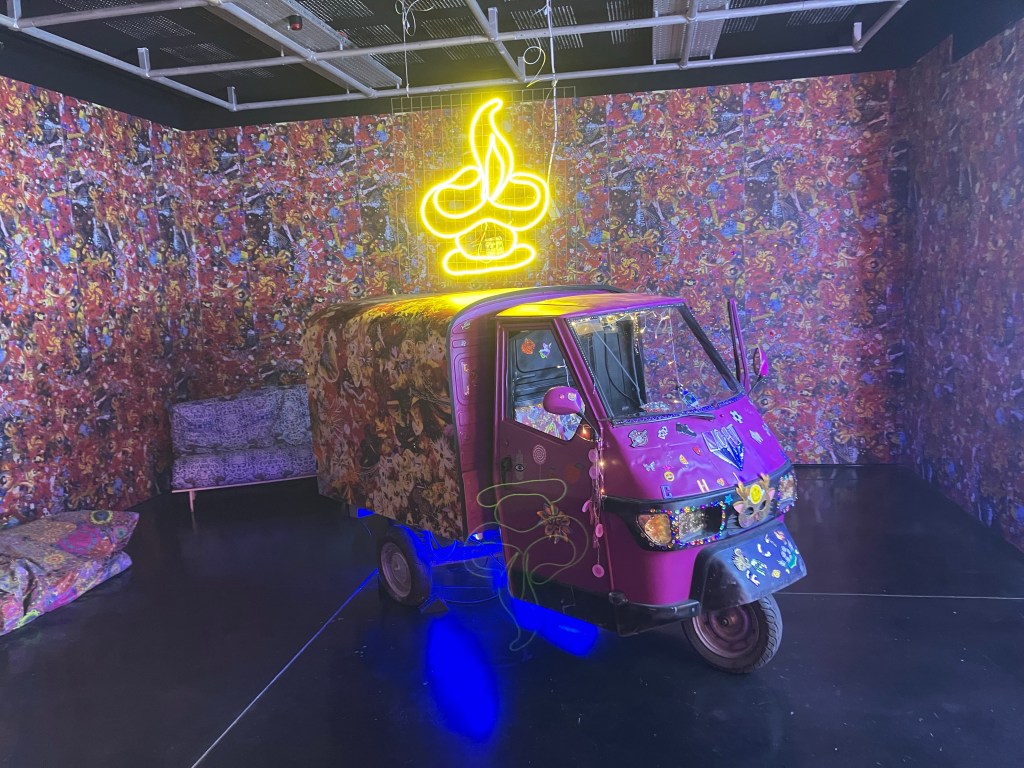
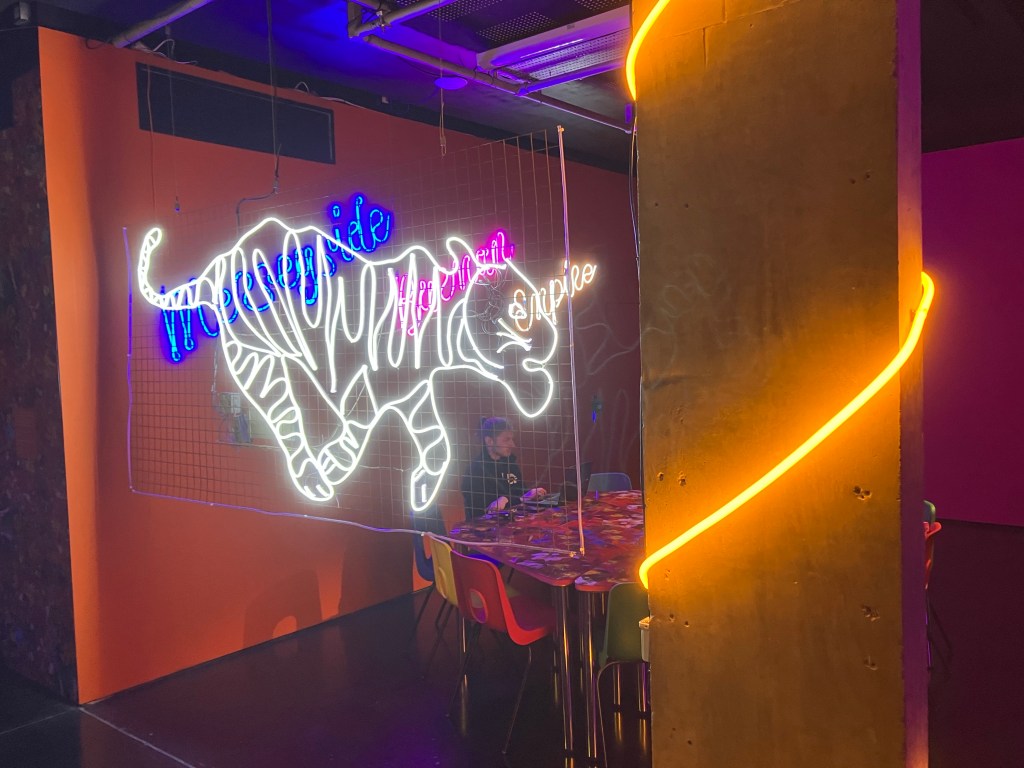
Back to Liverpool and FACT (https://www.fact.co.uk), a multi media arts venue near the city centre. FACT is currently exhibiting exciting new work by Chila Kumari Singh Burman (http://www.chila-kumari-burman.co.uk) entitled ‘Merseyside Burman Empire’. The ‘Empire’ is an imaginary living room covered in wallpaper decorated with stylised images of Indian women, Hindu deities, plastic jewellery. The installation also features several neon designs including a giant tiger. The centrepiece of the space is an ultra colourful tuk tuk.
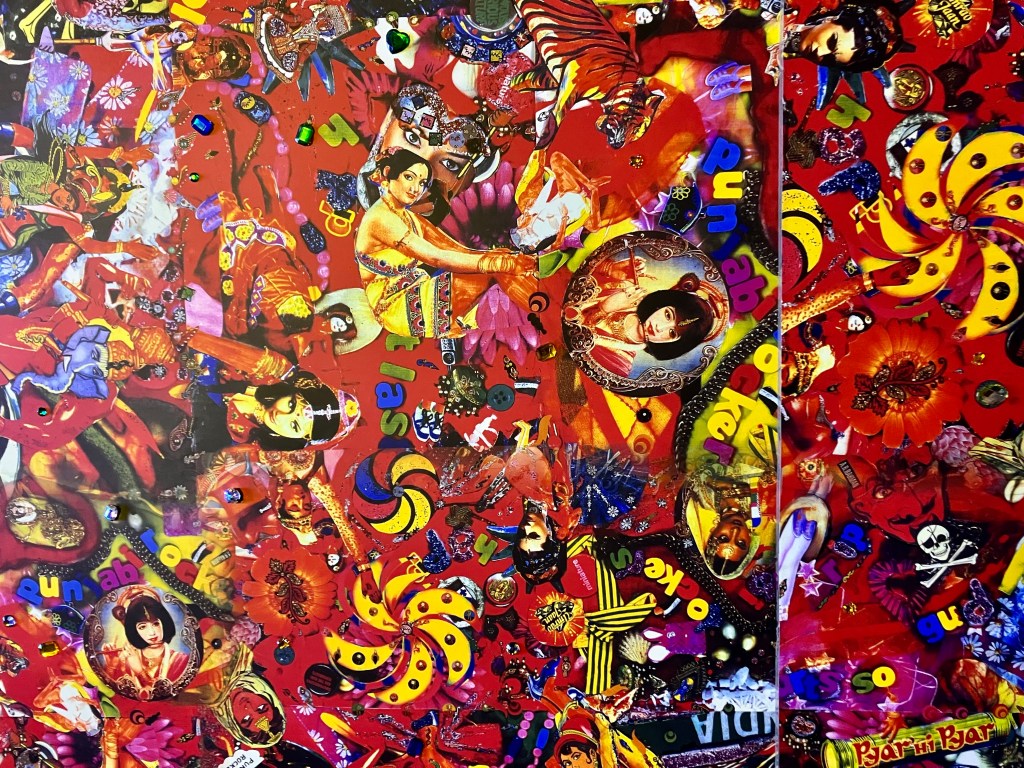
Wallpaper design
Neon Tiger
Tuk Tuk

Burman is very much a local artist as she was born in the docker’s suburb of Bootle to Punjabi- Hindu parents. She combines images from Indian and Western pop cultures and was recently appointed an MBE for her services to visual arts.
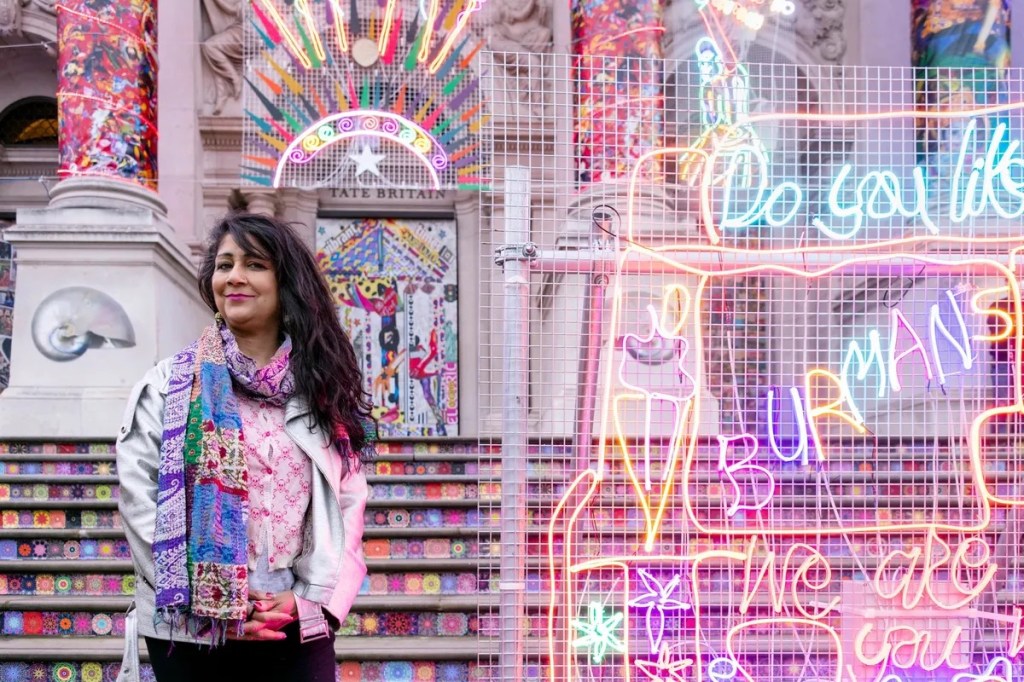
Chila Kumari Burman

Another woman with SE Asian forbears who is making a definable mark on the culture of the UK is Nisha Katona, A former Law graduate of Liverpool John Moores University, a Barrister for 20 years, a restauranteur, food writer, TV presenter and entrepreneur, Katona is a virtually unstoppable force in the re popularisation of Indian food in the UK. Traditionally, whilst the food served in British Indian restaurants was (and still is) massively popular, the food would often bear little relation to the food cooked in Indian homes – or from street vendors who will often specialise in creating one perfect dish. As anyone who has visited India will tell you,the best food in the country is served at home or on the street and Katona was determined to revolutionise the Indian food scene in the UK with ‘tiffins full of intense bright flavours’.

Nisha Katona

Originally from the town of Ormskirk just outside Liverpool, Katona opened her first restaurant in the city in 2014 under the now much loved brand name, ‘Mowgli’ with its distinctive logo of an Indian monkey. The food at a Mowgli restaurant is always fresh, nicely spiced and beautifully presented making the restaurant a firm favourite with couples and families. Each venue is individually designed by Katona herself and is subtlety different in appearance from other Mowgli restaurants. New branches are opening slowly and carefully throughout the UK. Nevertheless, it is Liverpool that is closest to Katona’s heart. She has been quoted as saying that she owes her success to the city.
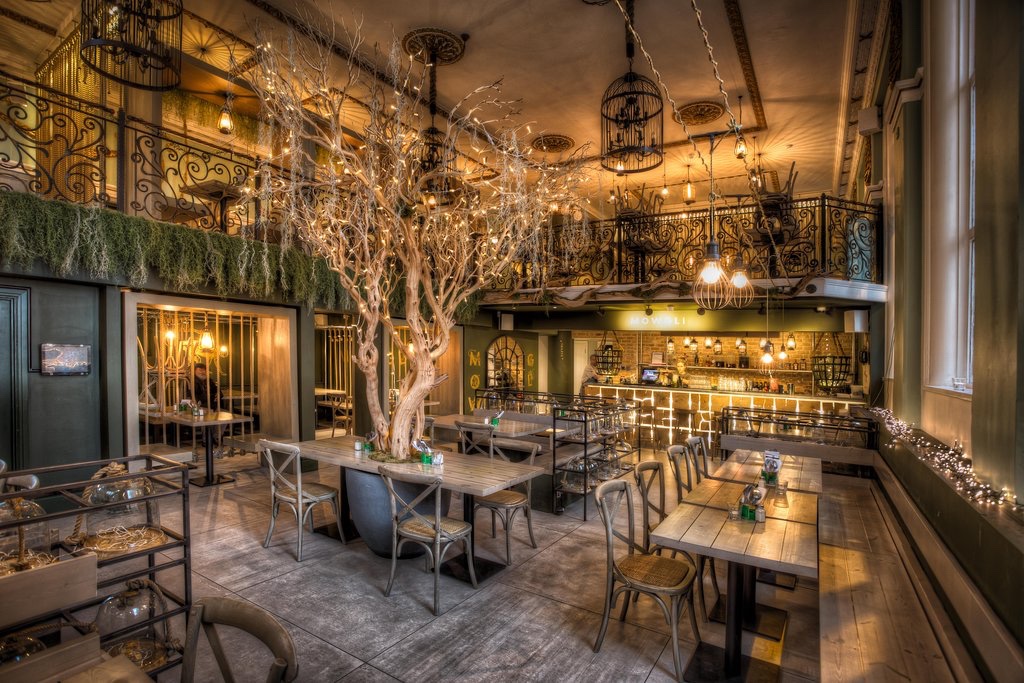
Mowgli, Liverpool

Everyone loves the food and atmosphere at Mowgli!
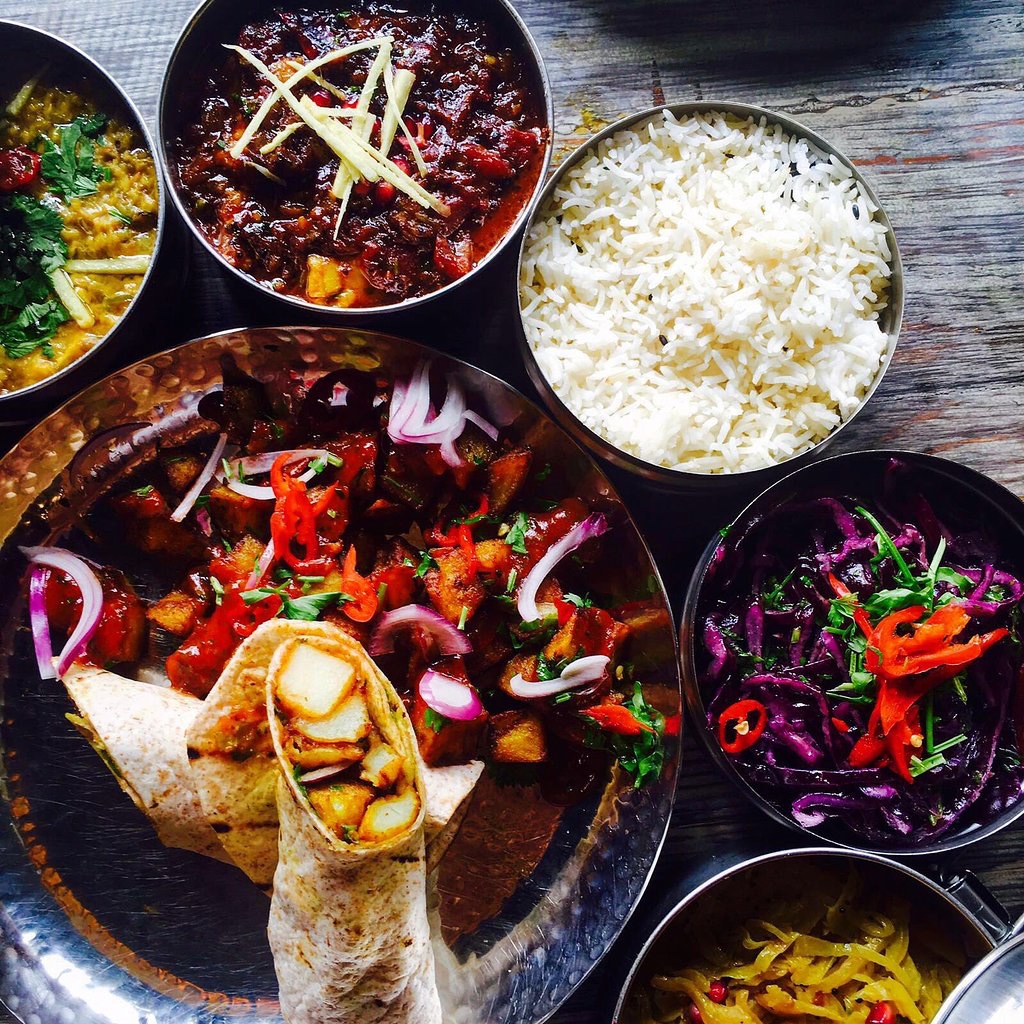
‘Intense bright flavours’

Finally, we are genuinely sorry to hear of the death of Jamie Reid, artist, Situationist and revolutionary thinker in Liverpool this week. Reid is perhaps best known for his work with the Sex Pistols in the 1970’s and for co-opting monarchal images into politically satirical situations.
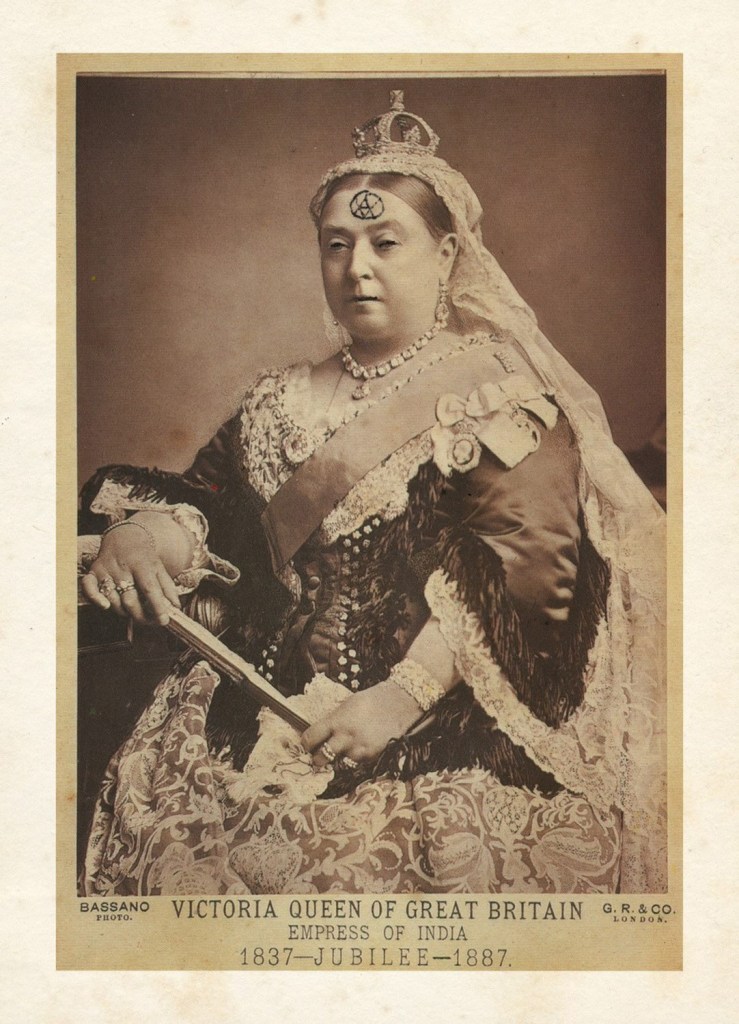
Dear old Queen Vic as anarchist Empress of India by Jamie Reid

‘Now we rise and we are everywhere’.
Köln, Kölsch and Cola

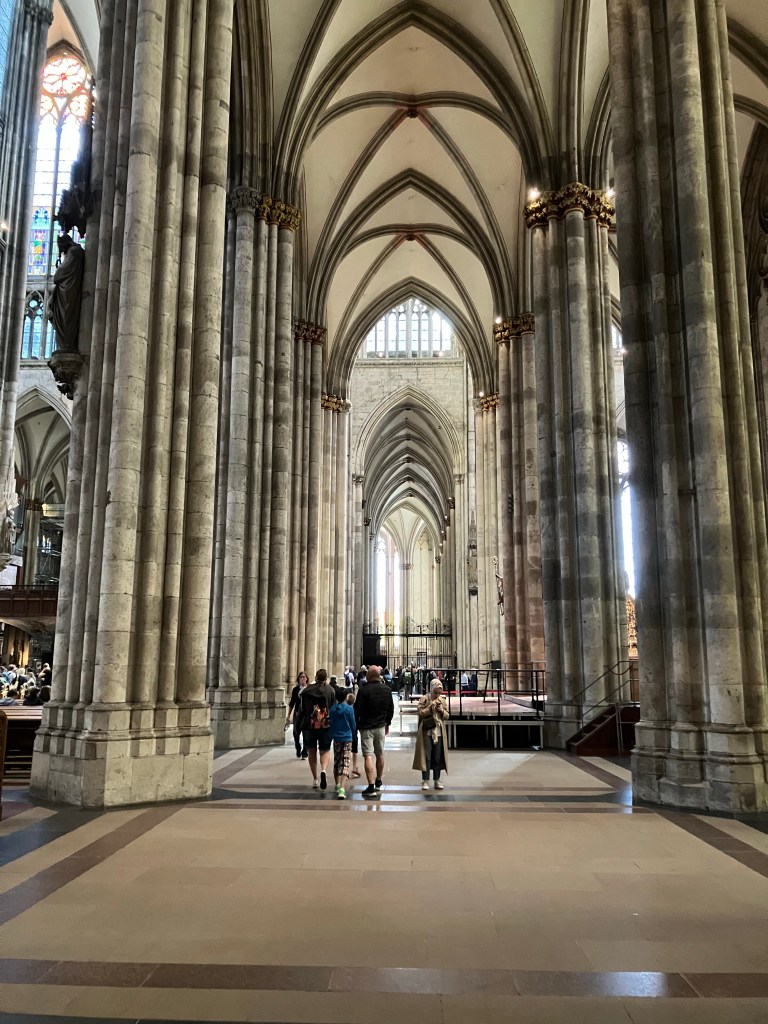
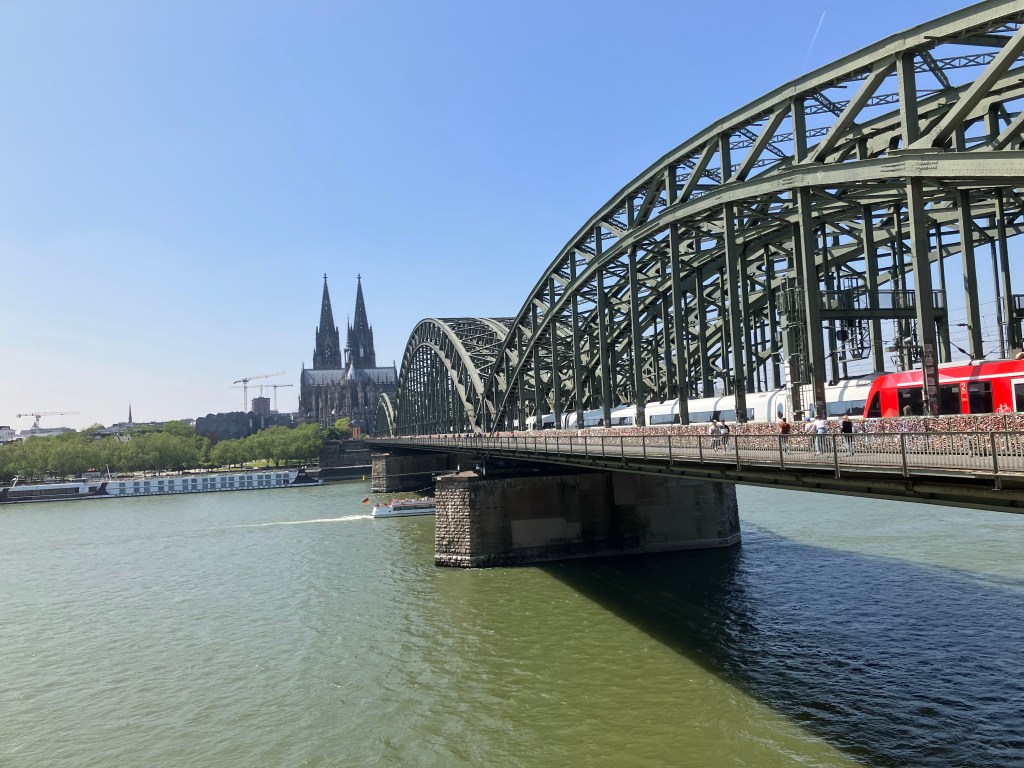
Cathedral and Hohenzollern bridge

Köln (aka ‘Cologne’) is the fourth largest city in Germany. Devastated by the extensive bombing campaigns of Allied aircraft during WW2, the city is essentially one of concrete, steel and glass and some what ‘thrown up’ in nature. So great was the bombing devastation that is some way past the interchange at Barbarossa Platz (where the southbound U Bahn to nearby Bonn rises to the surface), before you are amongst the older suburbs of turn of the century housing. Köln is, not a pretty city and there is, a fair amount of homelessness (even in the airport) and urban grime. Like Berlin or Hamburg, there is nothing neat or ‘twee’ about the place. Nevertheless, the city is friendly, cultural and full of character and it reminds us in a way of Manchester in the North of England.

Eigelstein Torburg in Köln

Three key city landmarks spring to mind. Most important amongst them is the Cathedral, the Kölner Dom, it’s outline of blackened sandstone visible from miles around. It is the largest Gothic church in Northern Europe and is Germany’s most visited landmark.

Dom

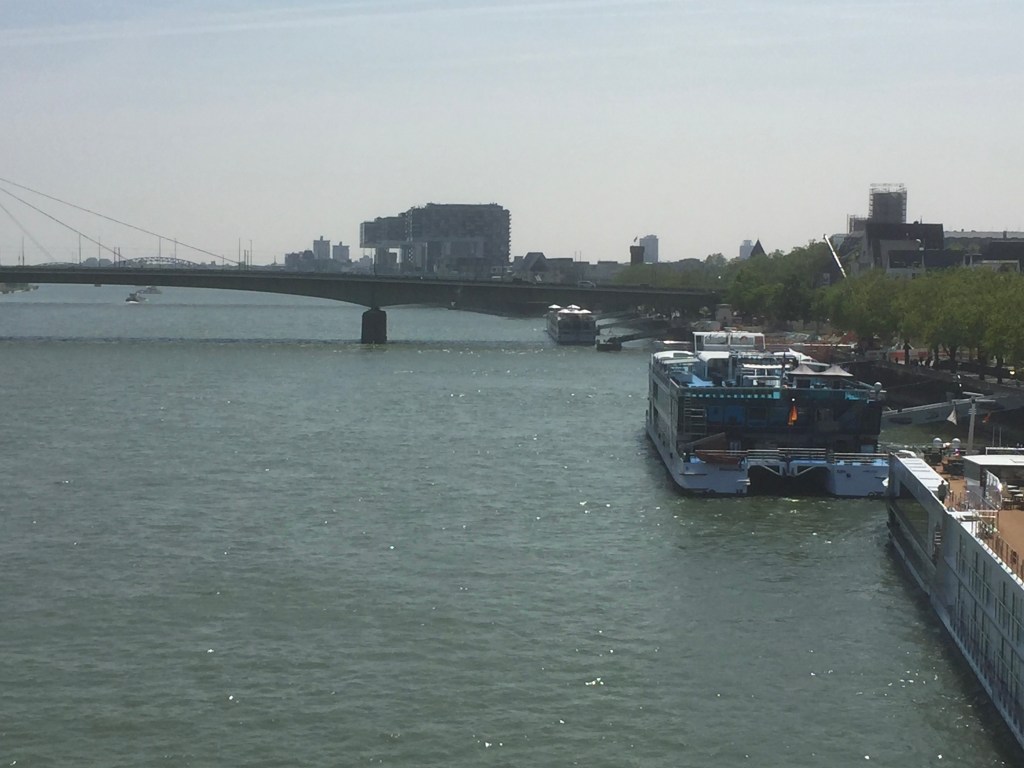
Second in importance in our opinion is the Hohenzollern bridge with its three distinctive arches. It runs east of the main train station and crosses the Rhine. It is used by both pedestrians and trains and with the exception of the walls of hideous ‘love padlocks’ which line the railway fences along the bridge, it is an otherwise pleasant way to walk across the Rhine to the other side.

Rhine view from the bridge

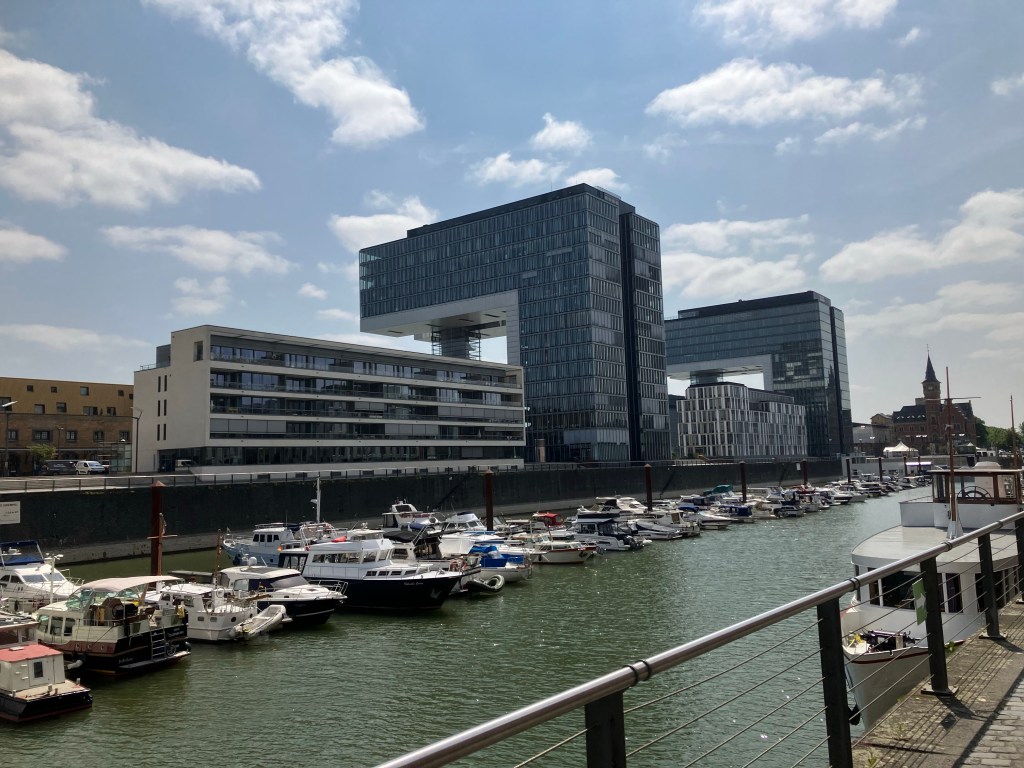
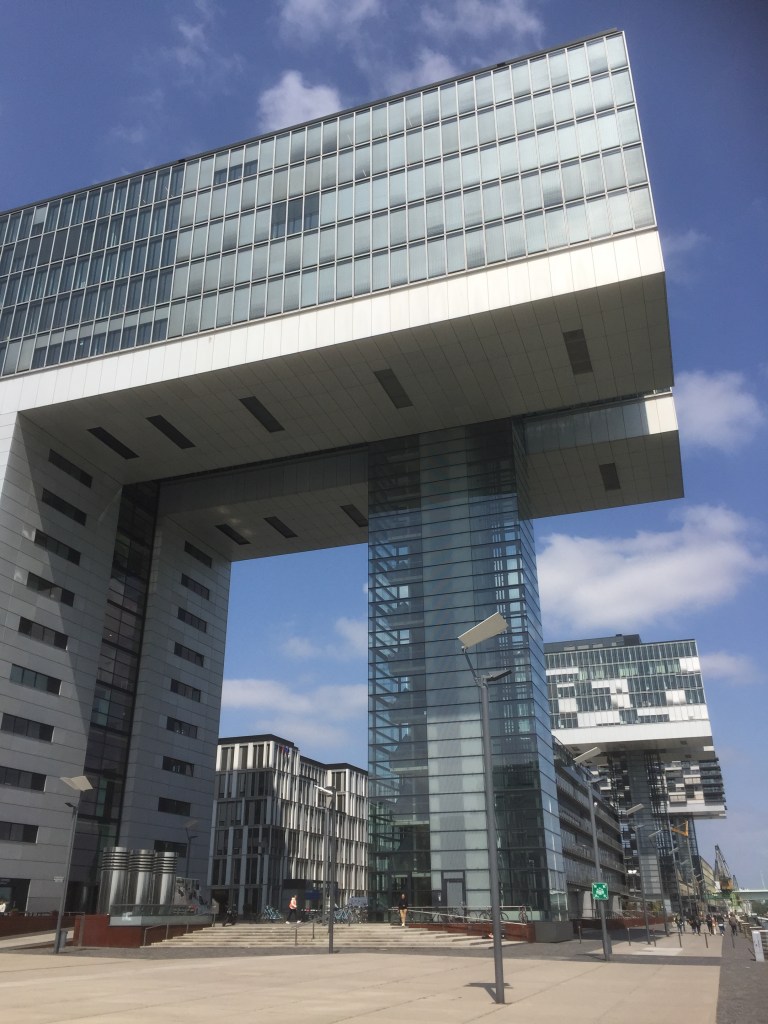
Clearly visible from the bridge are another city landmark, the three Kranhaus buildings of the Rhineauhafen urban regeneration area. The area was once a commercial harbour for loading and unloading goods from Rhine barges. Now the area’s most eye catching buildings, the three ‘Kranhaus’ loom over the river as if they were modern day harbour cranes of glass and steel.

Kranhaus
Kranhaus

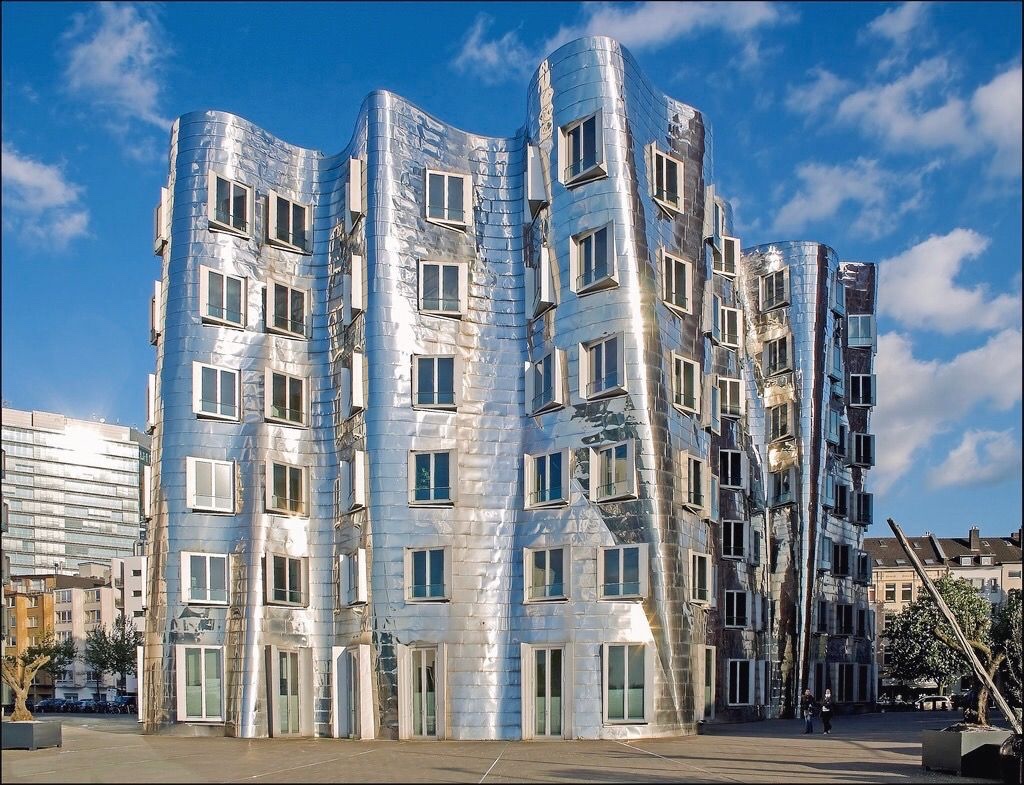
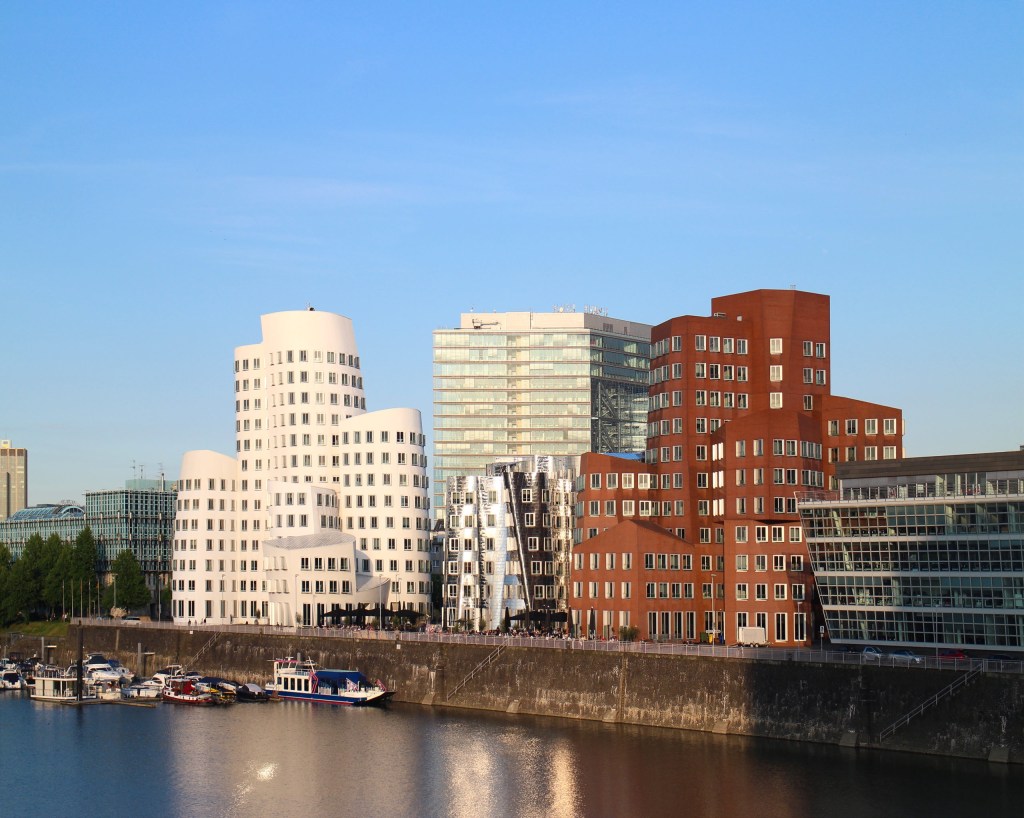
Rhineauhafen is a commercial and aesthetic success in our opinion as is the revitalised MedienHafen district of nearby Düsseldorf, another former harbour area now a media industry district distinguished and enlightened by impressive architecture including Frank Gehry’s Neuer Zollhof buildings

Neuer Zollhof
Neuer Zollhof

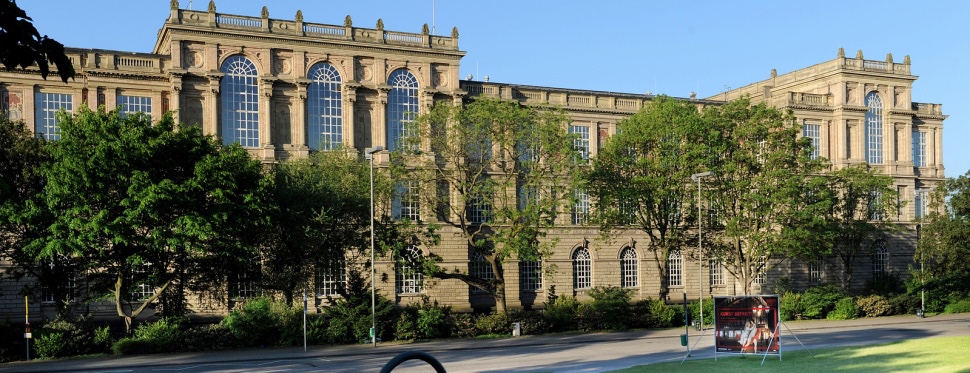
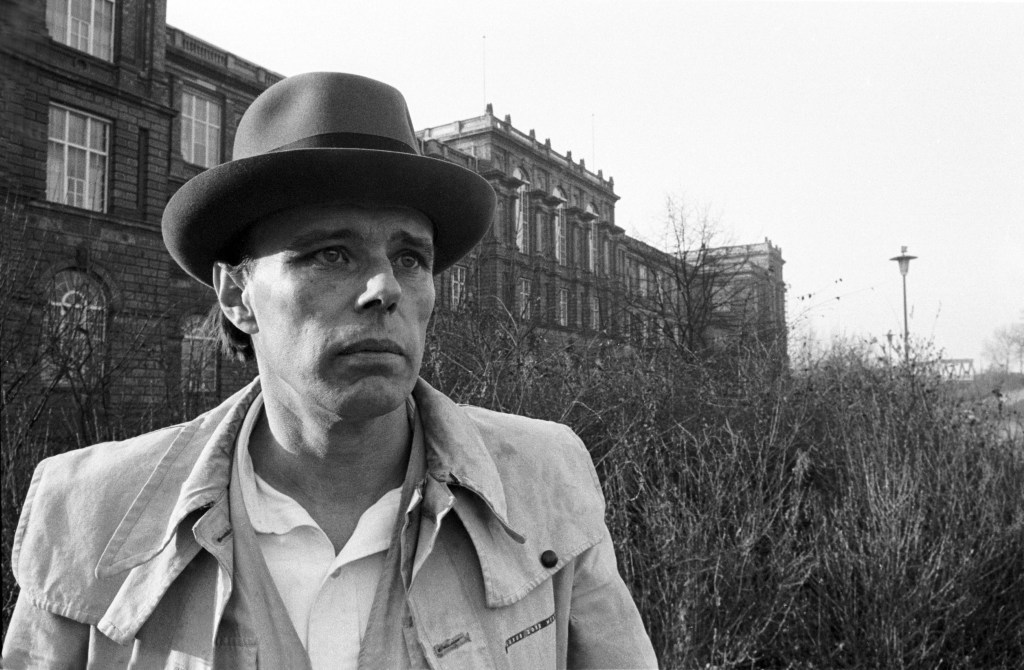
Düsseldorf is forever associated with the artist Joseph Beuys who was the professor of monumental sculpture at the city’s art college, the Kunstakademie. The artist Paul Klee had also taught at the Academy.

Kunstakademie, Düsseldorf
Joseph Beuys outside the Kunstakademie. ‘Wer nicht denken will, fliegt raus’.

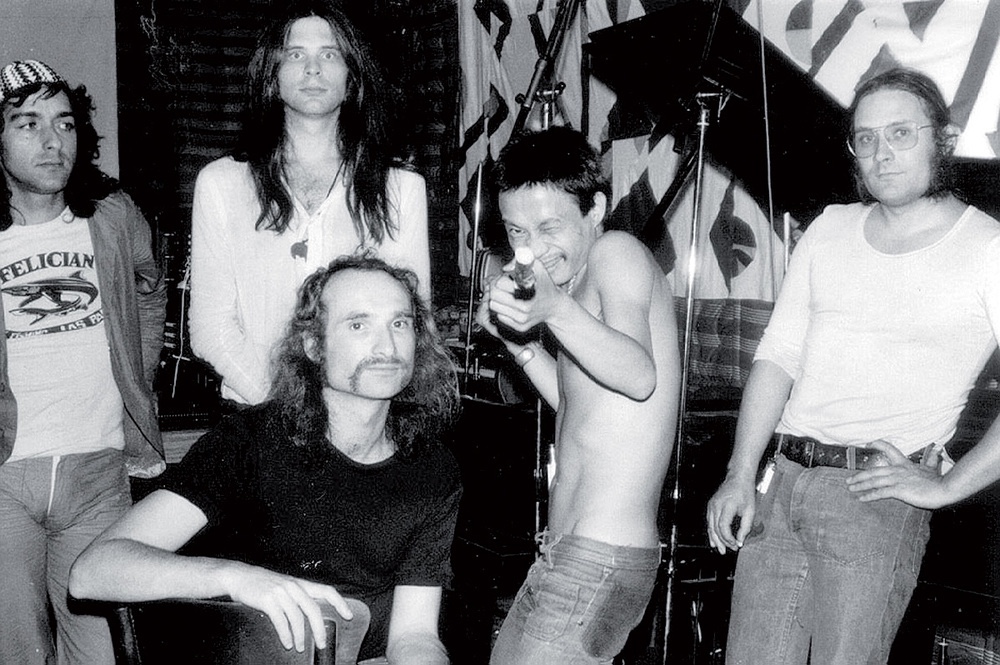
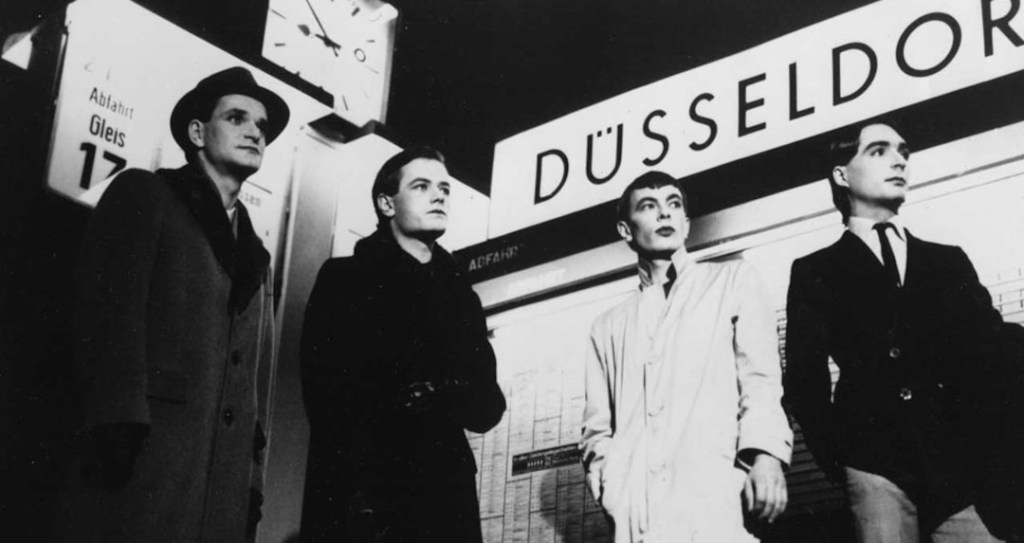
Kõln and Düsseldorf between them produced two of Germany‘s most innovative and influential music groups, Can from Köln and Kraftwerk from Düsseldorf. You cannot underestimate the influence the music of these two groups had on popular Western musical culture from Rock to Techno, from Hip Hop to Electronica. If you add Donna Summer (who was identified with the Munich scene) to the work of Can and Kraftwerk you more or less have the blueprint for the electronic dance music of the UK and USA which was to evolve in the 80s and 90s

Can
Kraftwerk

Kraftwerk even extended their influence to London’s ‘Ebony Steel Band’. They who covered Kraftwerk songs in their 2021 album ‘Pan Machine’. The album’s name is a pun on Kraftwerk’s 1978 album ‘Man Machine’, a ‘Pan’ being the nickname of the oil drums played in a Steel Band.
Man Machine
Pan Machine

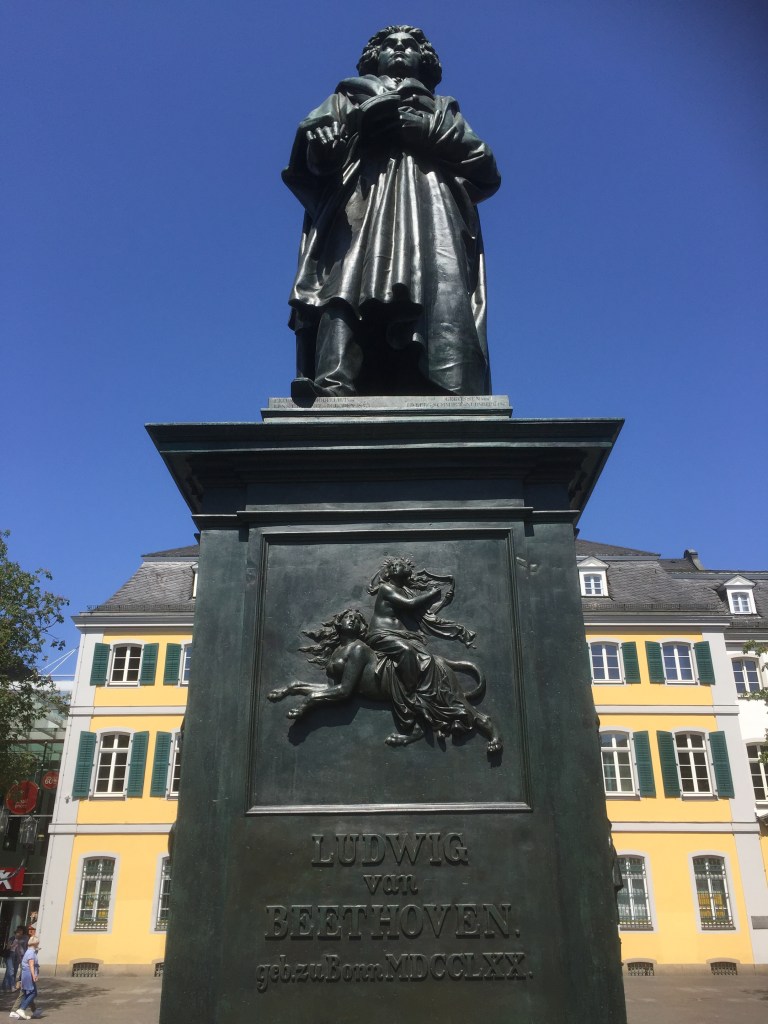
As for classical music, the nearby city of Bonn (easily reached from Köln by U- Bahn) is the birthplace of Beethoven. His family home, the Beethoven House, is the most popular attraction in the city for visitors.

Ludwig Van at home in Bonn

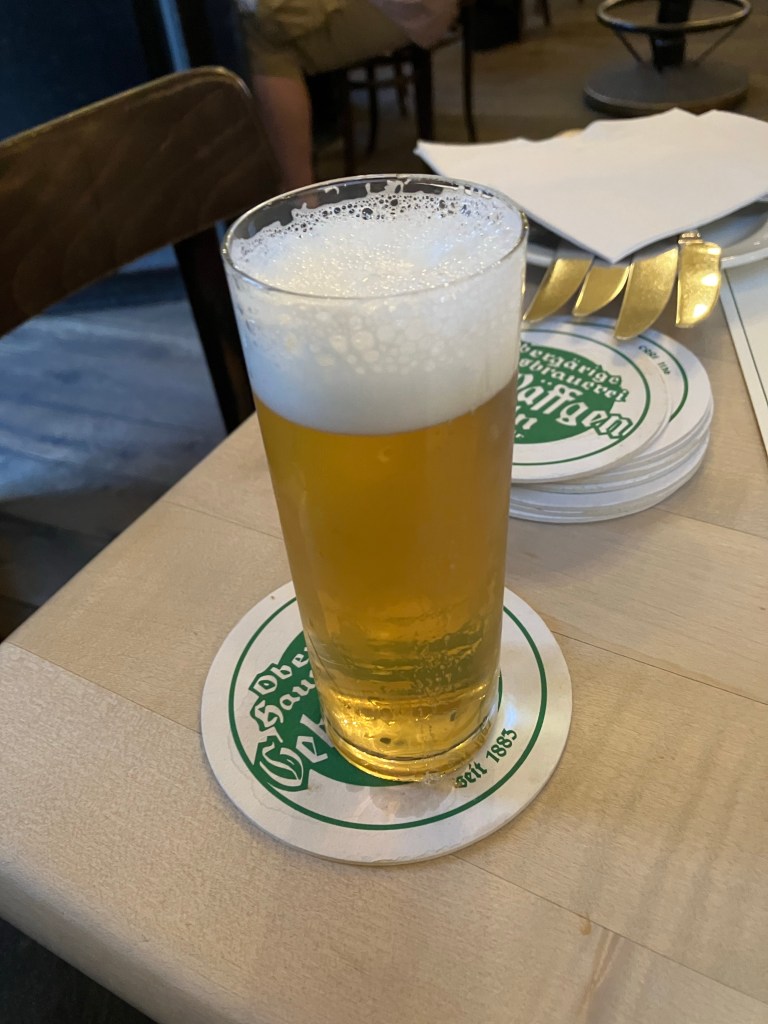
Köln is especially well known for two popular drinks, the first is a soda (‘afri cola’) and the second is the local style of beer known as ‘Kölsch’.
Kölsch

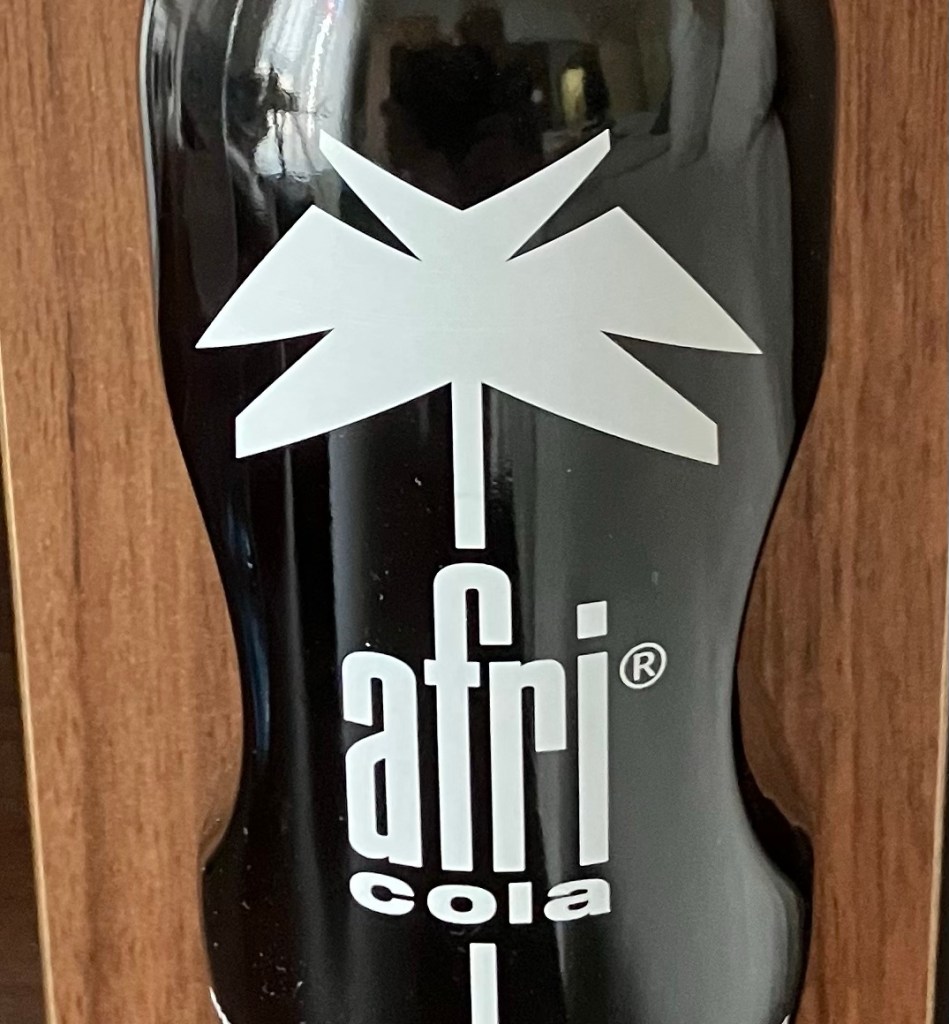
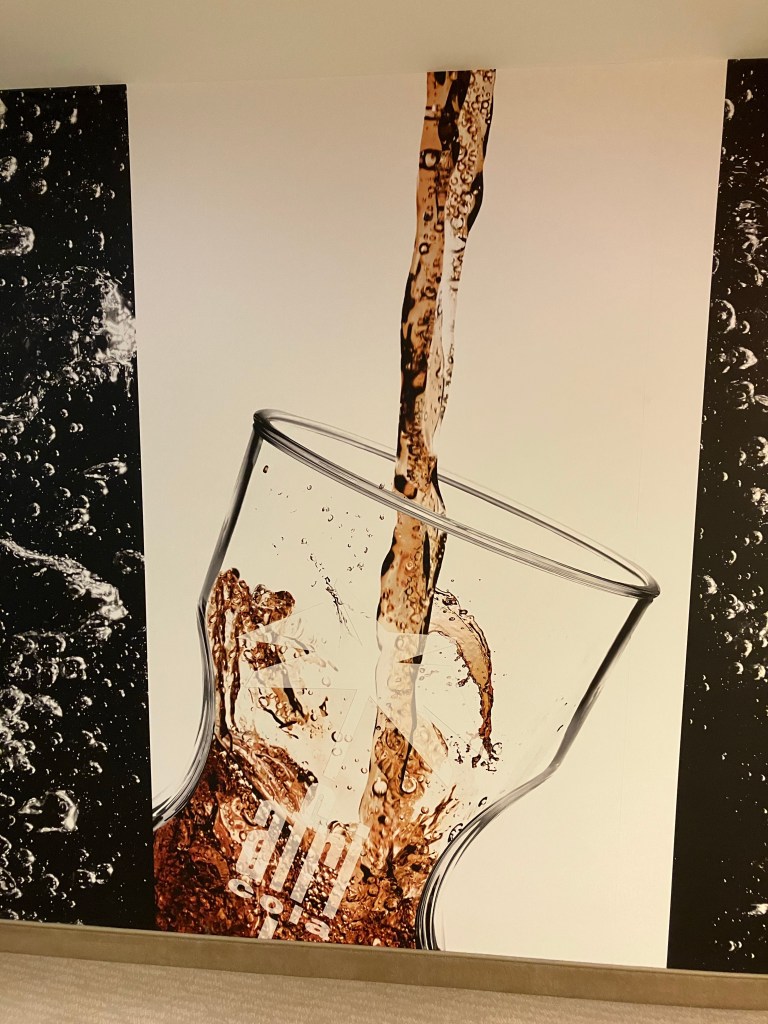
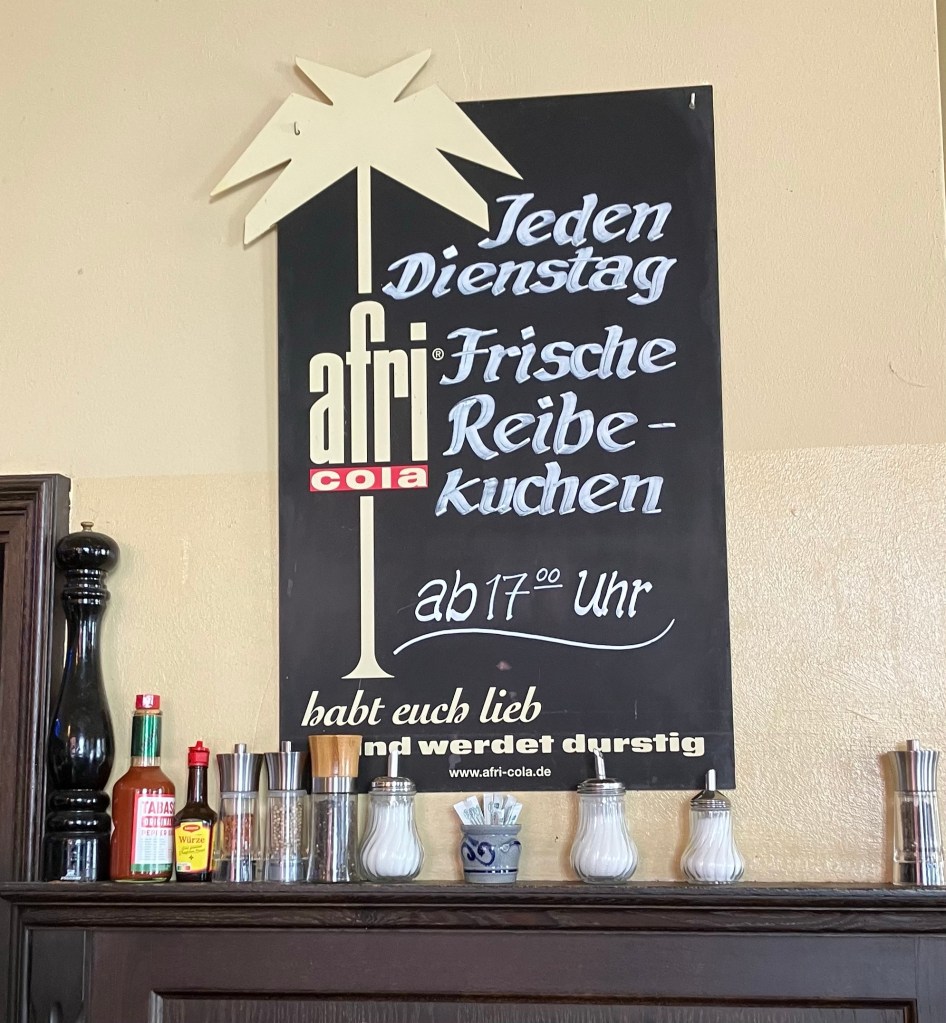
Afri cola is a very high caffeine (250m/L to Coca Cola’s 32 m/L), ‘old fashioned’ tasting local soda, first manufactured in Köln in 1931. The birthplace of the drink can be found in the grounds of the Courtyard by Marriot hotel on Dagobertstraße, north of the main train station. The original stoneware tanks used in the production process of the drink‘s syrups are housed in the hotel’s reception area, afri cola graphics adorn the walls.
The distinctive branding
Hotel mural

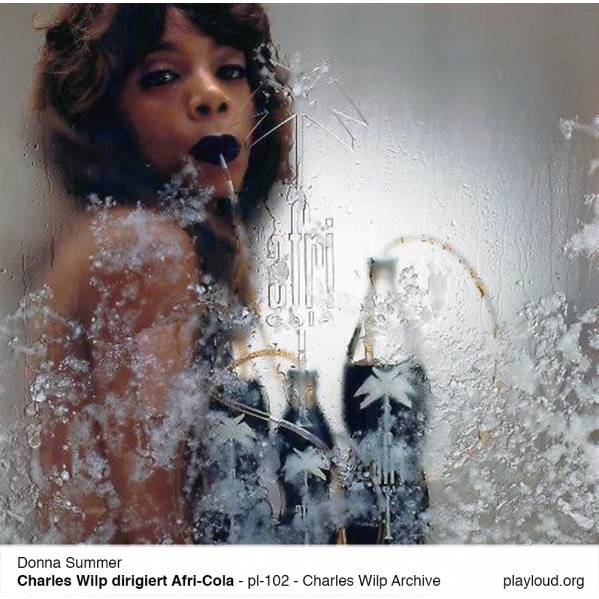
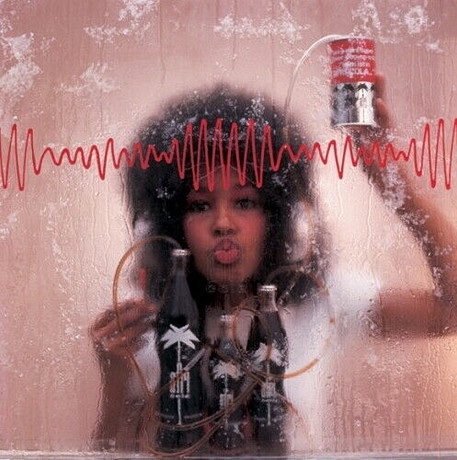
The drink’s popularity peaked in the 60’s when the brand was advertised on German TV via a ‘risqué’ TV commercial by Ad Director Charles Wilp whose 1968 creation for the brand featured super stars of the day Donna Summer, Marianne Faithfull, Amanda Lear, and Marsha Hunt as well as a leather clad biker and a moustachioed Vietnam era US soldier with the commercial set to a discordant sound track.

A young Donna Summer
The iconic Marsha Hunt

https://youtu.be/RW-_8okYW5I – follow the link to the 1968 advert, well worth watching.

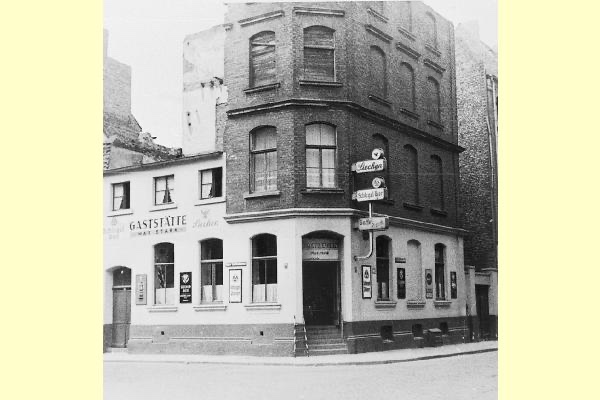
Although it had been hugely successful, the drink was more or less discontinued by the 1990’s. Foreign competition from the likes of Coca-Cola, a change in the recipe and a reduction in the caffeine content all contributed to the brands’s demise. However, the drink was revived thereafter with its original, taste, high caffeine content and logo resurrected. The drink is readily available all over the city including at an atmospheric bar/restaurant, the Gaststätte Max Stark on Unter Kahlenhausen, near the cola’s original source on Dagobertstraße.

afri cola in the Max Stark

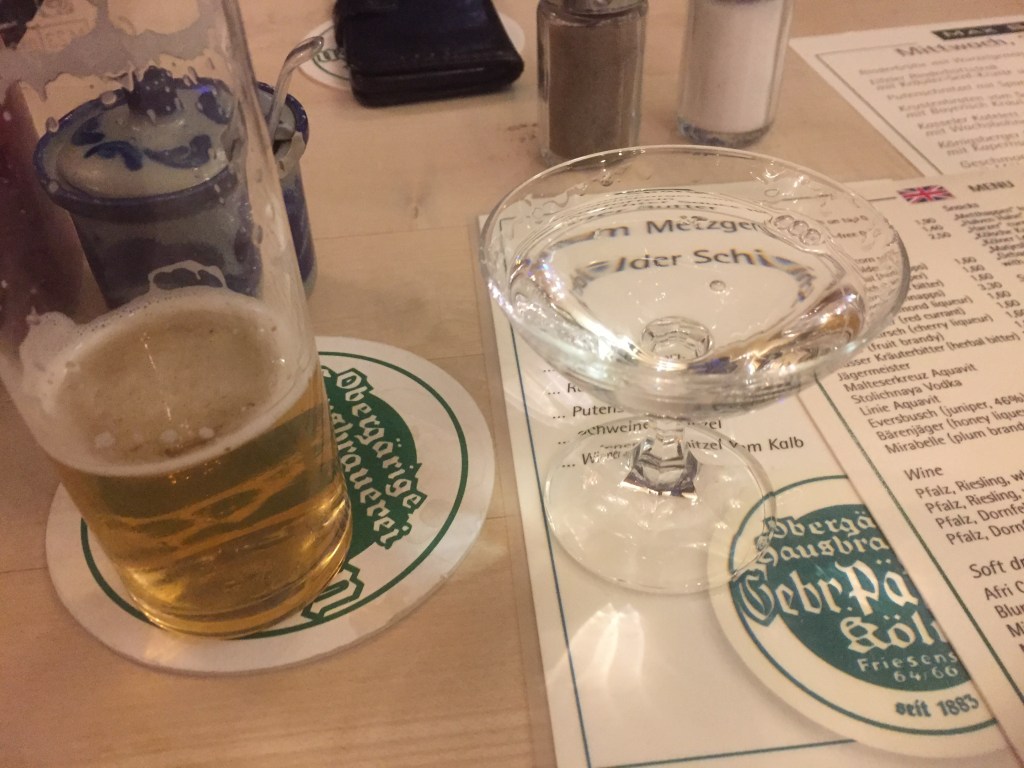
The Max Stark is also a great place to drink a glass of the city’s unique beer, Kölsch. a light, fine tasting drink. The term Kölsch is a protected designation of origin in the EU and it can only be used for a specific type of beer made within 50km of Köln and which has been brewed to a defined standard.

The Max Stark back in the day

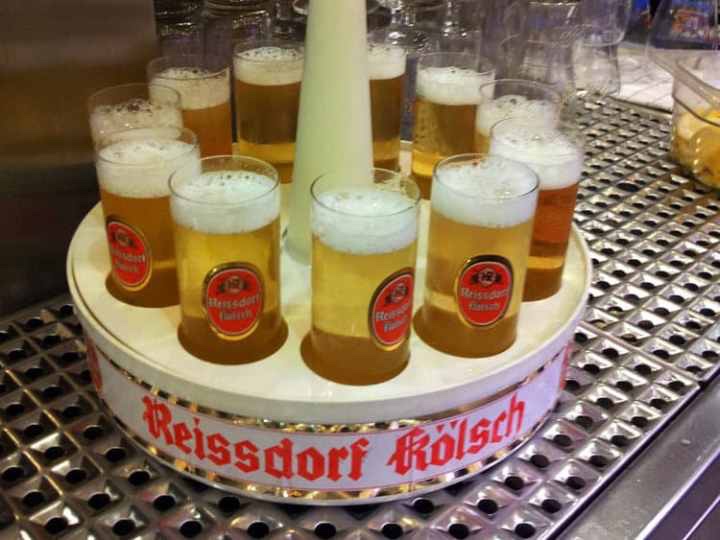
Kölsch is served in a tall, thin glass known as a ‘stange’ in small 200mm measures. The glasses keep the beer cold and help it to retain a frothy head.

Kölsch is traditionally served by rather ‘stern’ waiter known as a ‘kobe’ who circles the bar handing patrons glasses of Kölsch from a circular tray known as a ‘kranz’ . Each time a customer takes a beer the waiter marks a piece of card with the tally. As is the custom with the Brazilian currasqueria, the kobe will continue serving until the customer places a beer mat over the glass indicating that they have had enough.

Kölsch, stange and kranz

Inside, the bar is cool and dark. Older regulars line the tables to the left as you walk inside. To the right is the main restaurant area with it’s fulsome plates of German food and, of course, Kölsch.

Fill ‘er up!

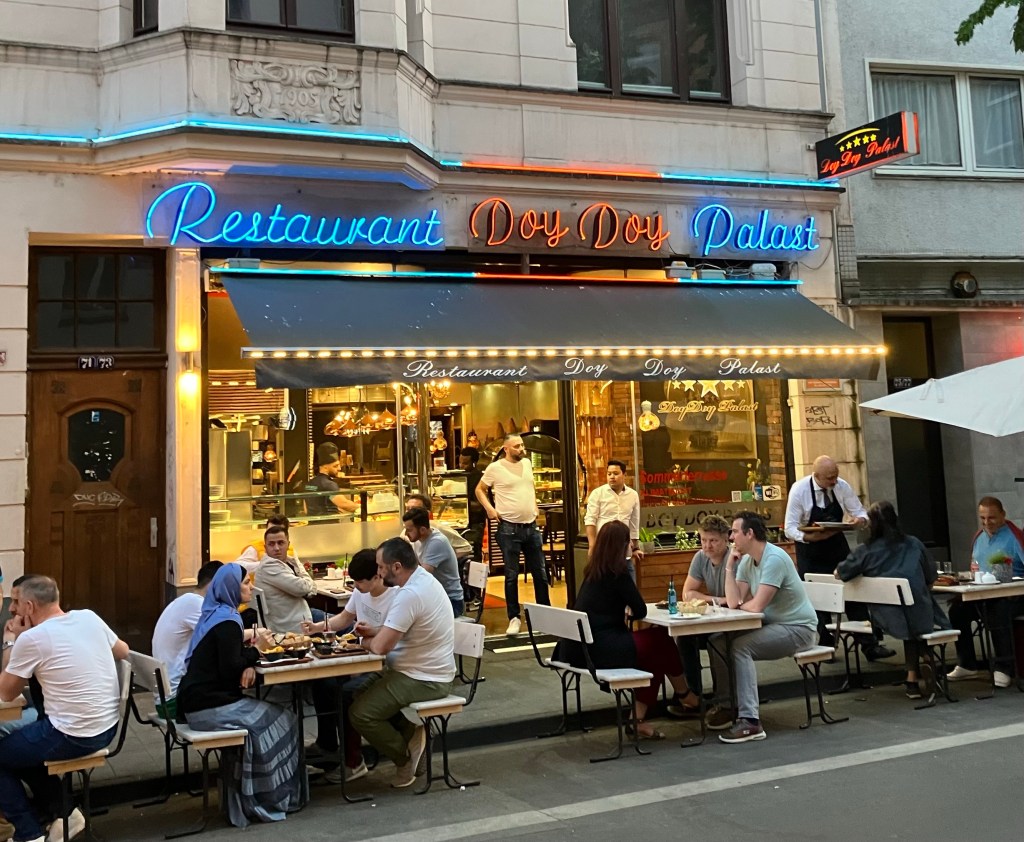
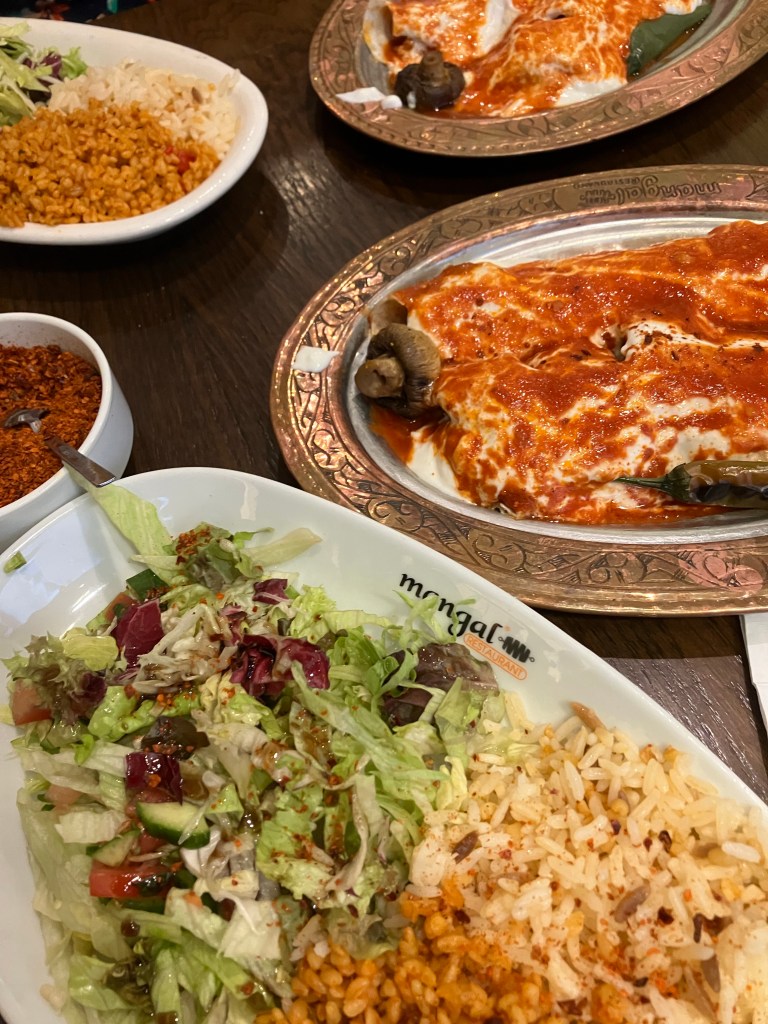
Nevertheless, in our opinion it is Turkish food that reigns supreme in the city.

Prost!

Munich, Art and Beer

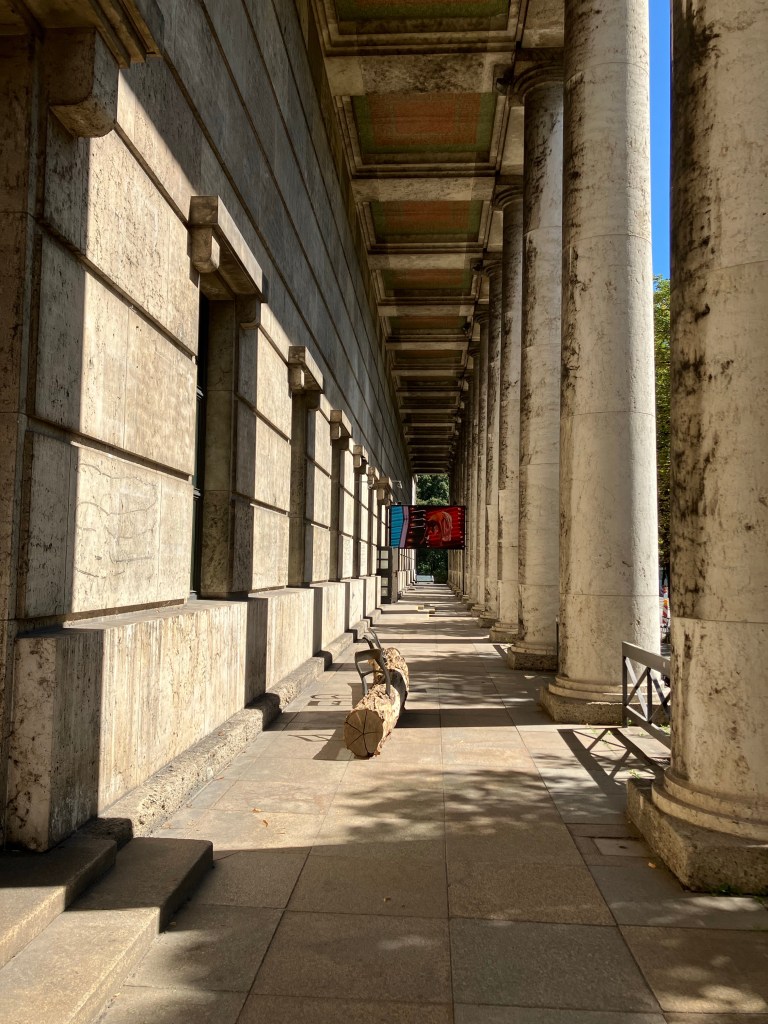
The Haus der Kunst (‘House of Art’) is a contemporary art museum located on the corner of an intersection where Von-der-Tan Straße becomes Prinzregentenstraße in the city of Munich. Whilst the museum exhibits art of the present, the museum building itself dates from 1937 being originally built under the Nazi’s to house work that regime considered true ‘German Art’. Hubert Wim, a pro-Nazi artist explained at the time that the latter exhibition was about the “representation of the perfect beauty of a race steeled in battle and sport, inspired not by antiquity or classicism but by the pulsing life of our present-day events”.

Haus der Kunst

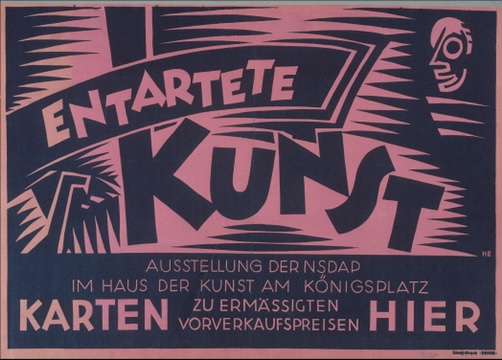
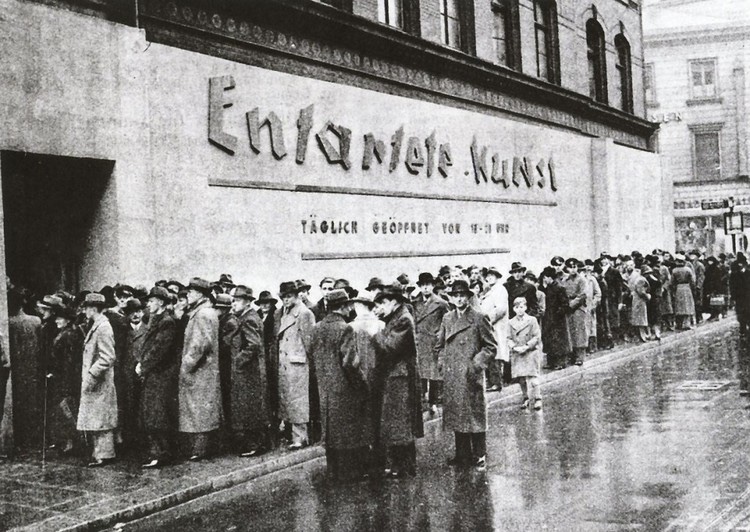
In reality the Exhibition staged the kind of pompous, sterile rubbish beloved of fascists everywhere. Meanwhile across town at the Institute of Archeology in the nearby Hofgarden, the Nazi’s staged a counter presentation of work the regime hated, work which they felt evinced the ‘moral decay’ of the Weimar era. That exhibition was of ‘Entartete Kunst’ (‘Degenerate Art’) and it featured work drawn from the modernist spheres of Dada and Surrealism. The Exhibition’s raison d’être was the mockery and denigration of the avant-garde by linking it’s concepts with an alleged Jewish-Bolshevik plot to undermine the ‘wholesome family values’ of the Nazi state.

The exhibits at that exhibition were a small portion of the 16,000 art works seized at the time which the State deemed ‘degenerate’. Many of these works were then sold by the State overseas for “hard“ cash“ whilst some 5000 were burned in Berlin, mirroring the ritual destruction of thousands of literary works in book burnings across Germany a few years previously.

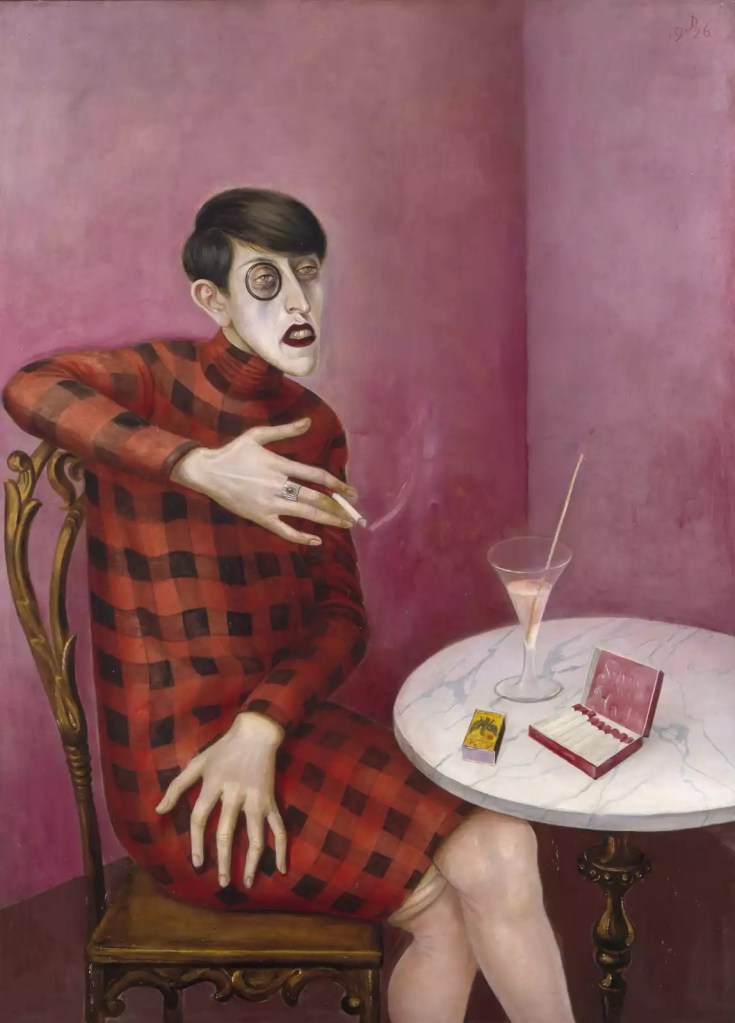
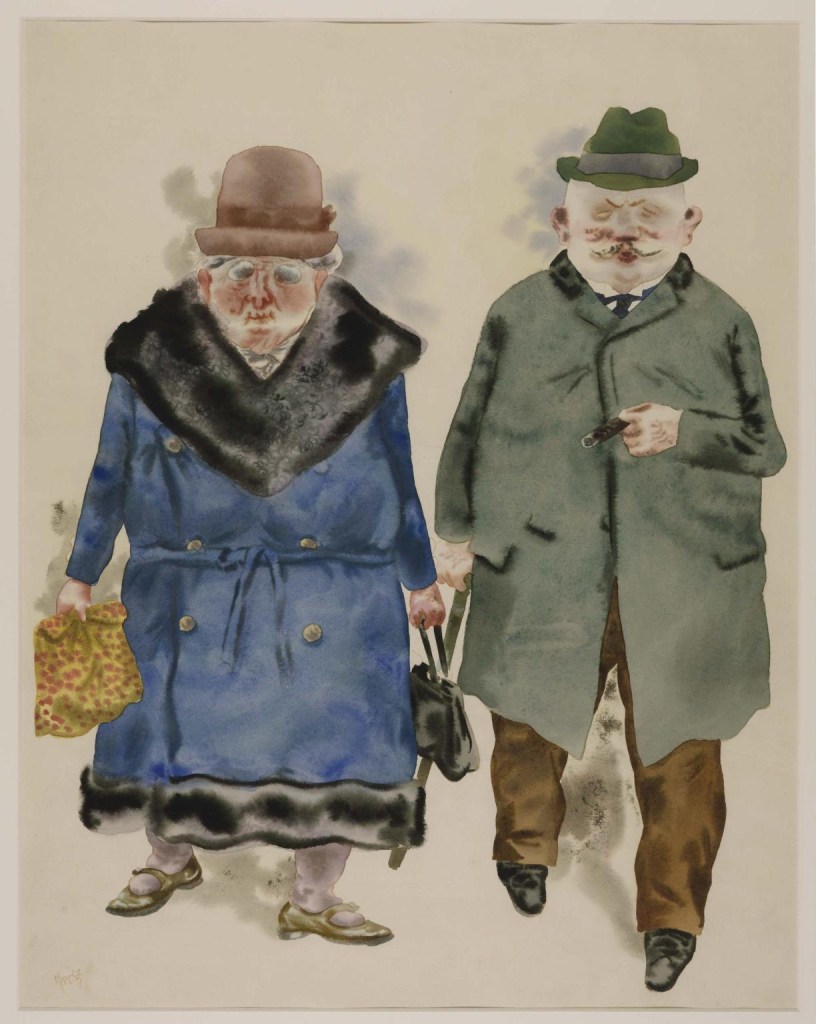
Paintings by artists of the calibre of Otto Dix, Marc Chagall, Wassily Kandinsky, Paul Klee, Emil Nolde, George Grosz went on show at the exhibition. The works were deliberately hung askew on the walls with adjacent graffiti mocking the artists and the subject matter of the paintings. The idea was to rubbish the art by presenting the paintings as morally and artistically worthless.

Portrait of the journalist Sylvia von Harden, 1926 by Otto Dix
‘A married couple’ 1930 by George Grosz

Unsurprisingly, given the quality of the artists whose work was on involuntary display, the Exhibition of Degenerate Art attracted significant crowds of visitors whilst across town the dismal counter event of the Nazi approved Great German Art Exhibition drew a far smaller crowd

Queue for Entartete Kunst

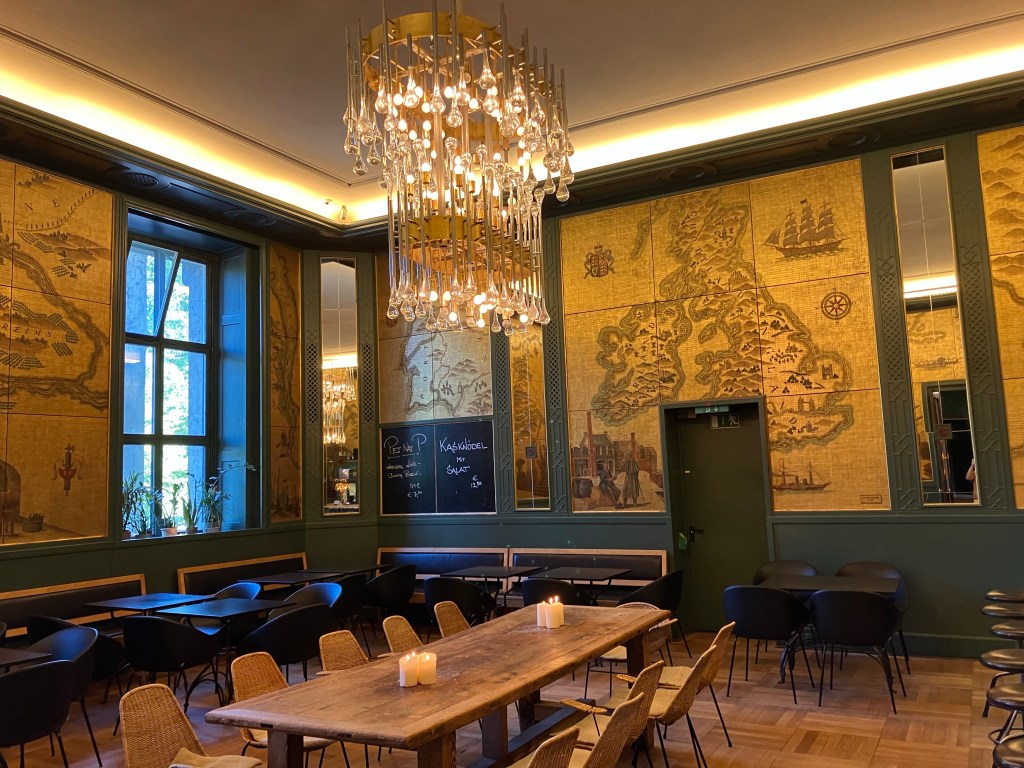
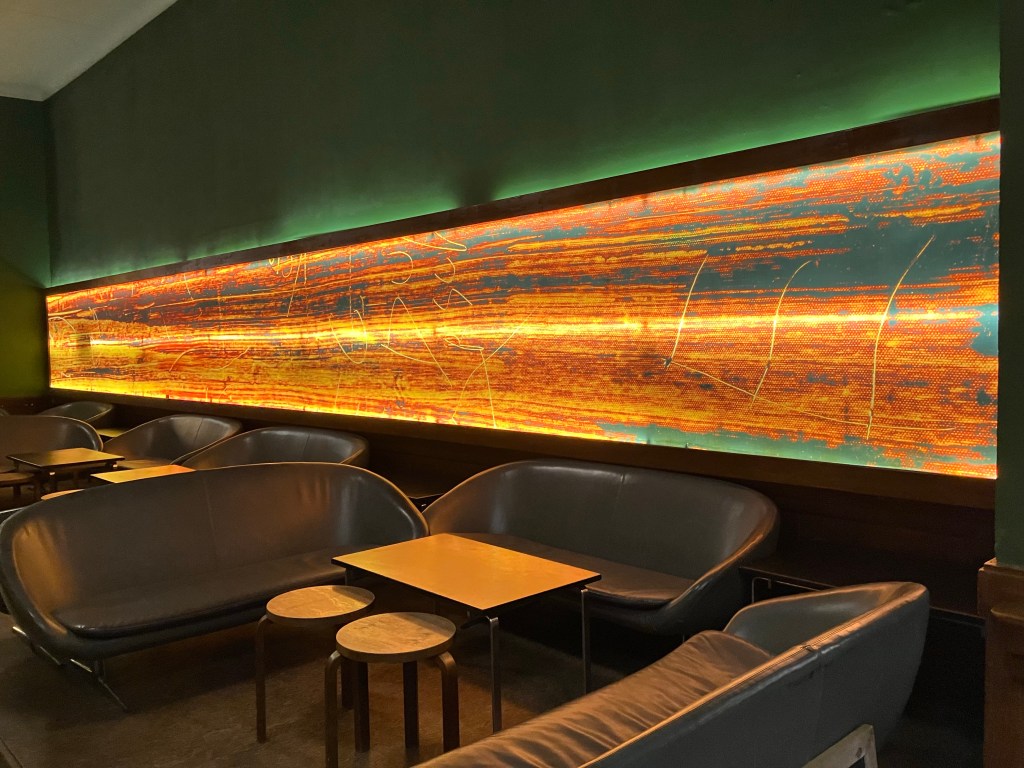
Today, the Haus der Kunst looms somewhat forlorn and sullen on the Prinzregentenstraße in the centre of the city where it stands as a space for contemporary modern art, the exact opposite of it’s original function. In its interior it’s cool, spectral rooms and corridors eventually end up at the surprisingly elegant and atmospheric Golden Bar. The murals in the Golden Bar date from 1937 and it’s centrepiece chandelier came from the Hotel Savoy in Zurich.

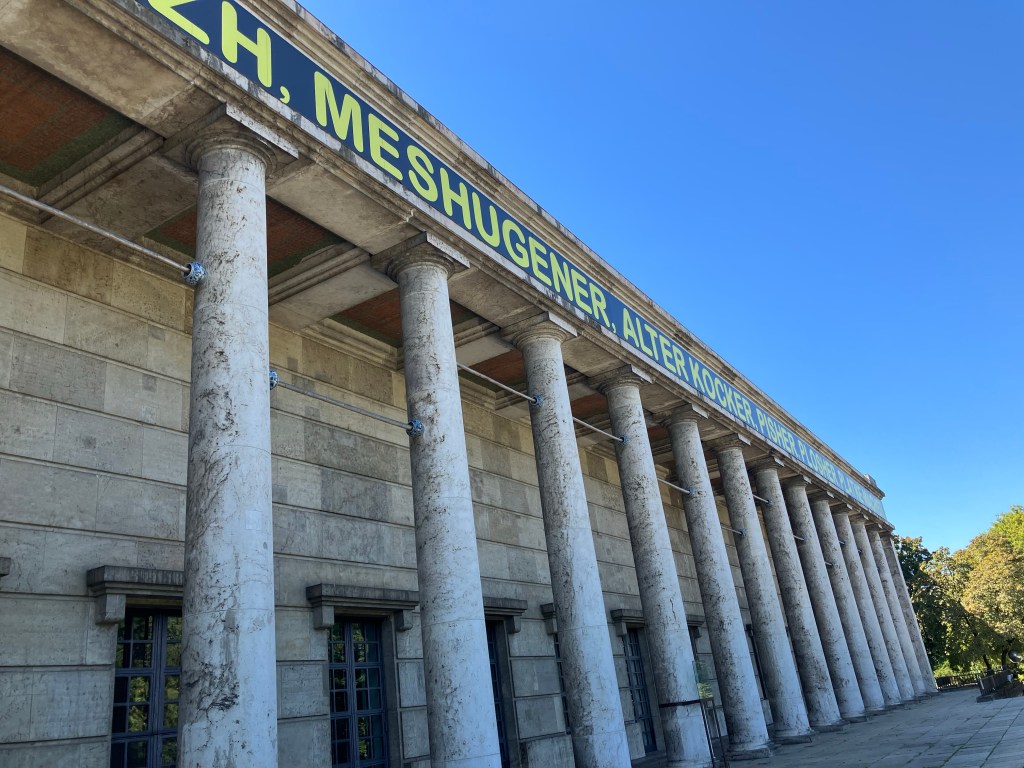
Beautifully renovated in 2010, the Golden Bar opens out on to a terrace whose columns are crowned with a lengthy banner of Yiddish slang, Meshugener, Alter Kocker, Pisher, Plosher….The banner is an art work named ‘The Joys of Yiddish’ by the American artist, Mel Bochner and it is now a permanent fixture, having originally been exhibited in 2013 and then reinstalled in 2021. The banner’s text is rendered in yellow letters on a black background, the same colours used for the ‘Star of David’ patches and armbands worn to identify and denigrate Jewish citizens.

‘The Joys of Yiddish’

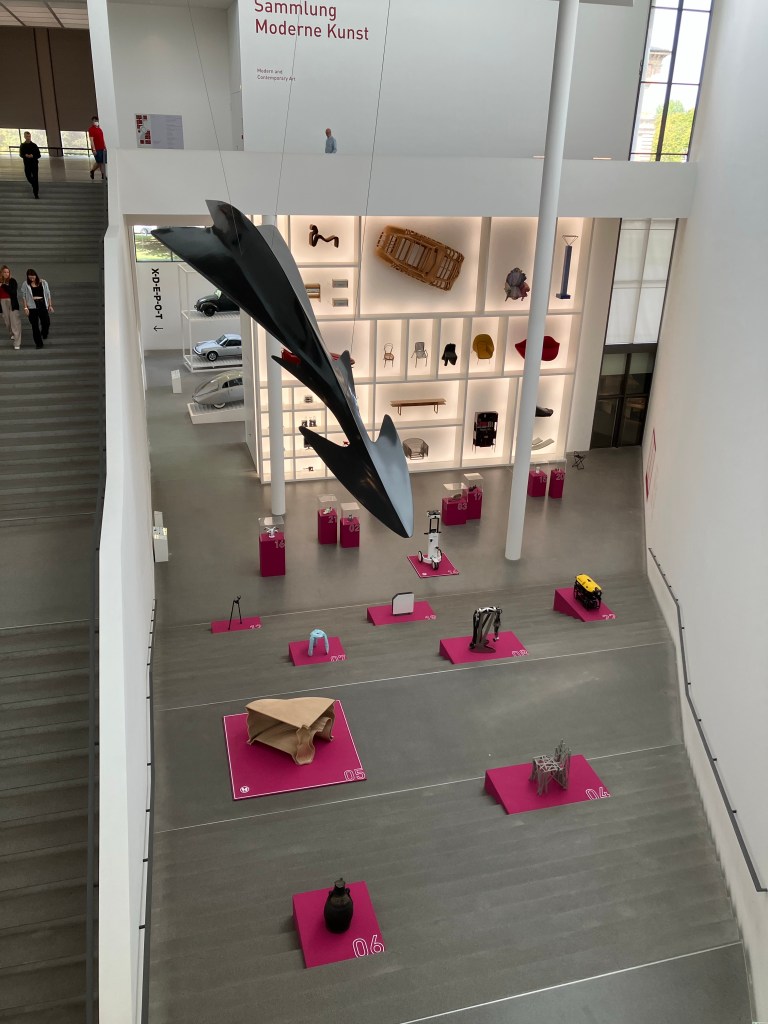
Modern Art survives in splendour in Munich and of the city’s many galleries a special mention should be made of the Pinakothek der Moderne, one of Europe’s largest collections of contemporary design, architectural and artistic installations.

Classic designs at the Pinakothek der Moderne

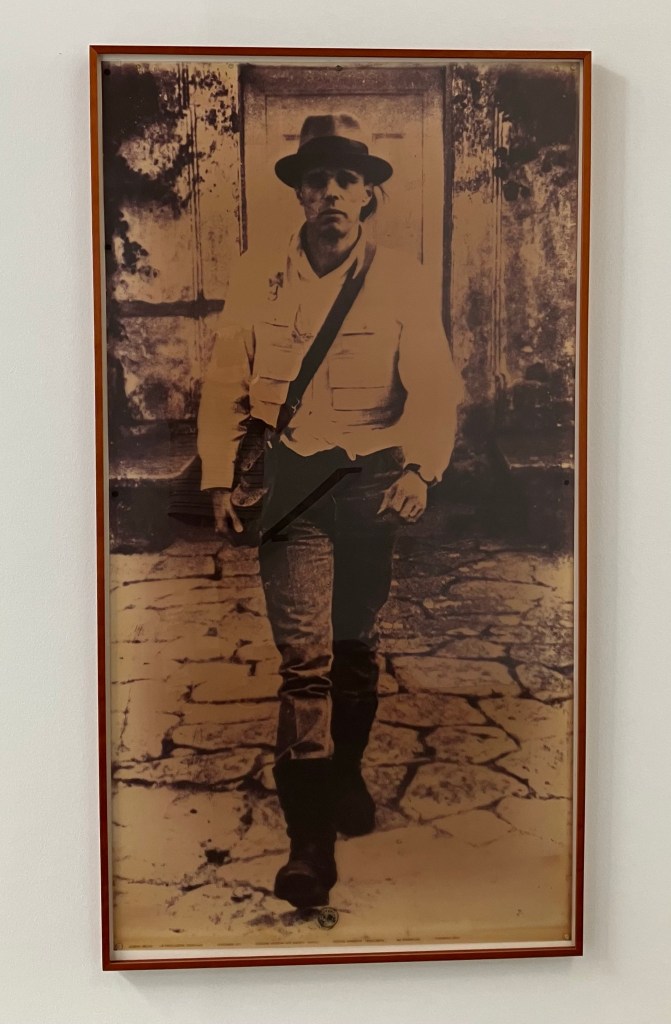
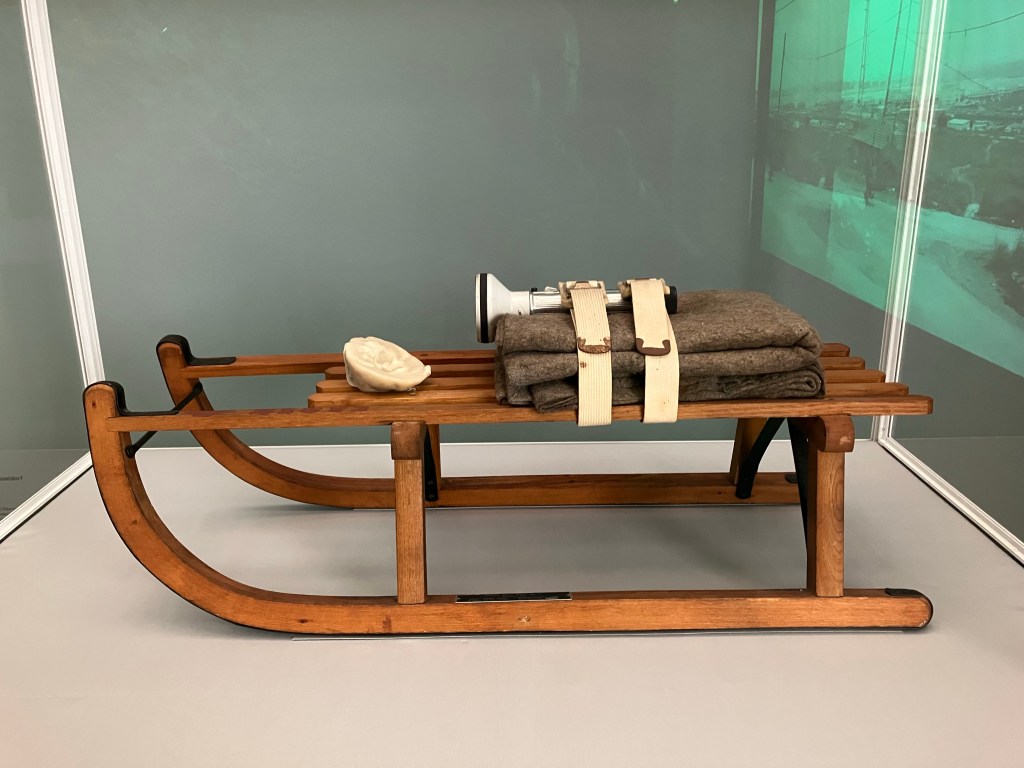
The museum exhibits include a favourite of ours ‘Sledge’ by the artist Joseph Beuys as well as a reproduction of the iconic image of that artist titled ‘La rivoluzione siamo Noi’ (The Revolution is Us) produced for an exhibition in Naples 1971 featuring Beuys striding towards the camera in his trade mark fedora and fishing vest.

‘The Revolution is Us’

According to Beuys, his art was shaped by his experience as a Luftwaffe pilot during WW2 when the plane he was flying was attacked and shot down and he crashed into a Crimean landscape peopled by nomadic Tartars who saved him from freezing by wrapping his body in a heat retaining mix of felt and fat before taking him to safety on a sledge pulled by dogs. A wonderful story indeed and one upon which Beuys built his mythology. Nevertheless, as influential on Beuys though it may well have been, the story is probably little more than fiction.

‘Sledge’ by Joseph Beuys

‘Patti Smith 1’, a large scale painting by the Swiss born artist Franz Gertsch also hangs at the Pinakothek der Moderne. The work is the first in a series of five paintings of the American poet/musician by Gertsch dating from 1977. Four of the five paintings in the series were created by Gertsch from a poetry reading Smith gave at Galerie Veith Turske in Cologne in 1977 on the anniversary of the death of Arthur Rimbaud. An illicit recording was made of the performance and later released on a cassette tape. An article Smith wrote for ‘Hit Parader’ magazine about her visit to the city at the time can be found here http://www.up-to-date.com/bowie/heroes/smith.html.

Patti Smith 1 by Franz Gertsch

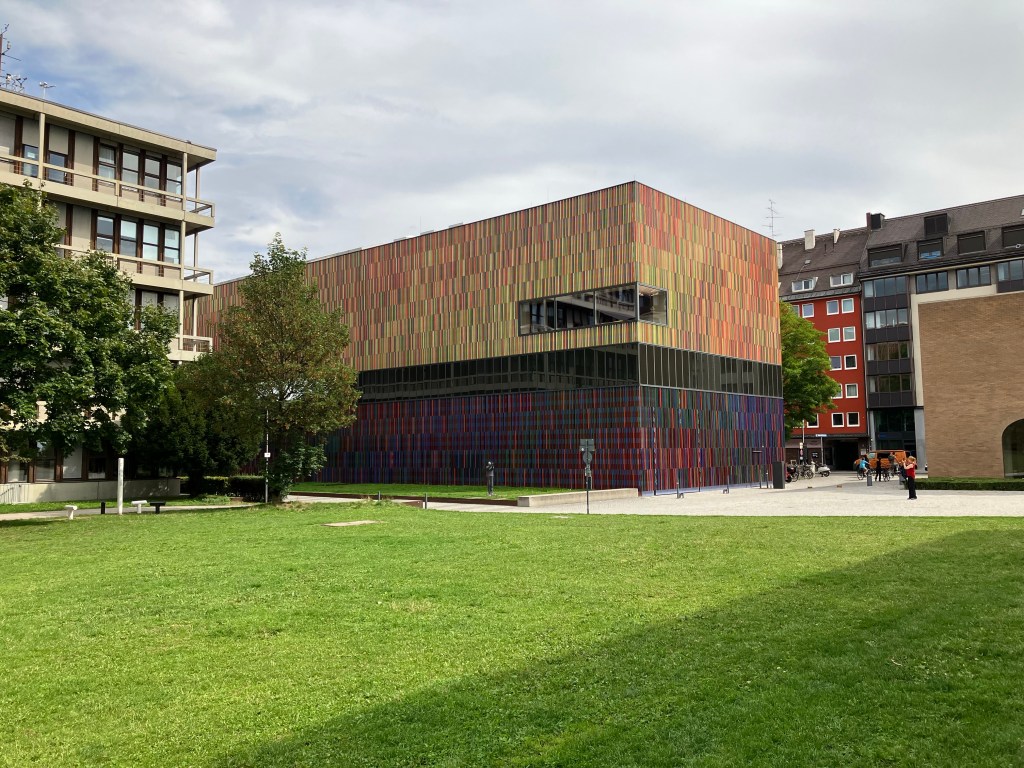
Around the corner from the Pinakothek der Moderne is another modern art gallery, Museum Brandhorst with it’s distinctive ceramic exterior.

Museum Brandhorst

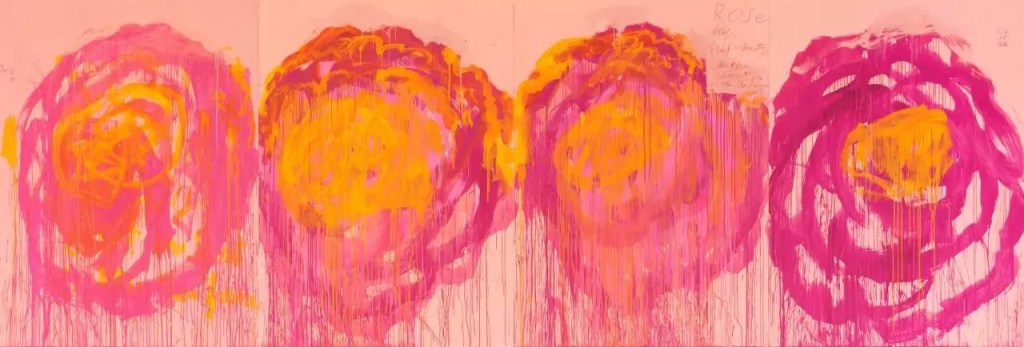
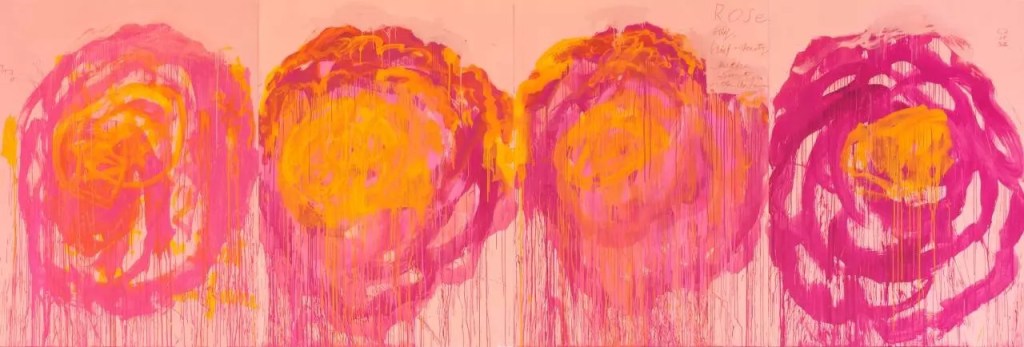
The museum has a permanent exhibition of the work of the late American artist, Cy Twombly, one of the largest collections of work by the artist in the world. In fact, the entire first floor of the museum is dedicated to his work. This is not so surprising as Twombly had a special relationship with Munich, a city where he exhibited frequently and of which he was exceptionally fond.

Untitled [Roses] by Cy Twombley

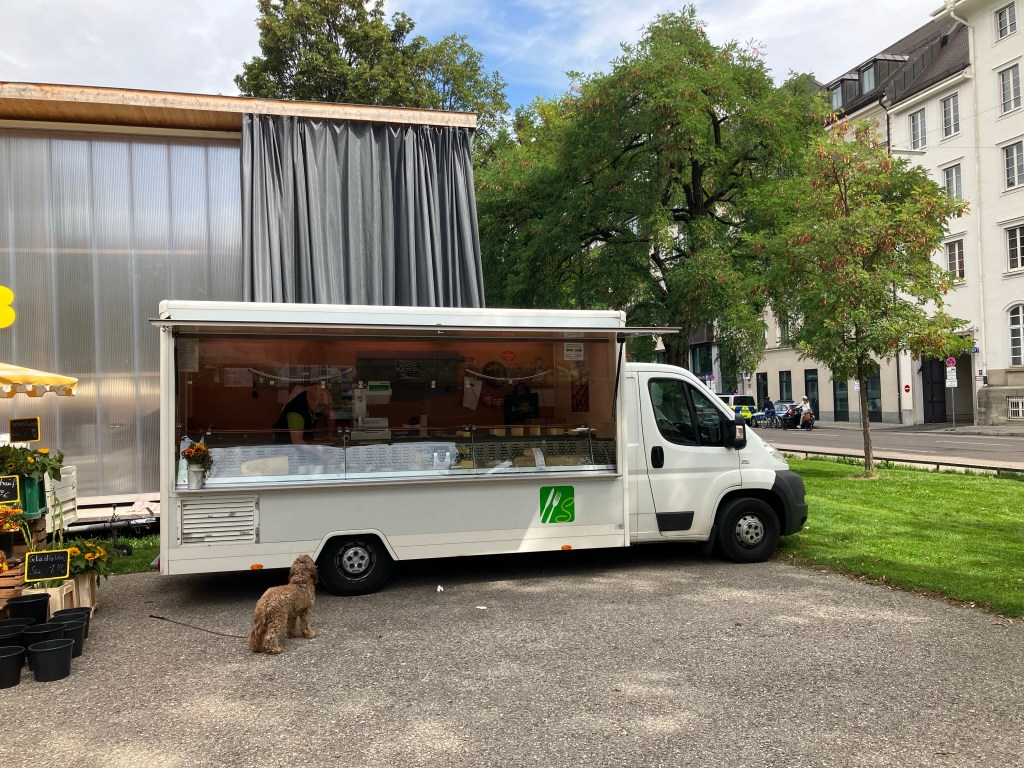
Behind the Brandhorst and back to the grounds of the Pinakothek der Moderne we found a welcome collection of food trucks and a hopeful dog at a cheese stall.

Cheese truck and hopeful dog

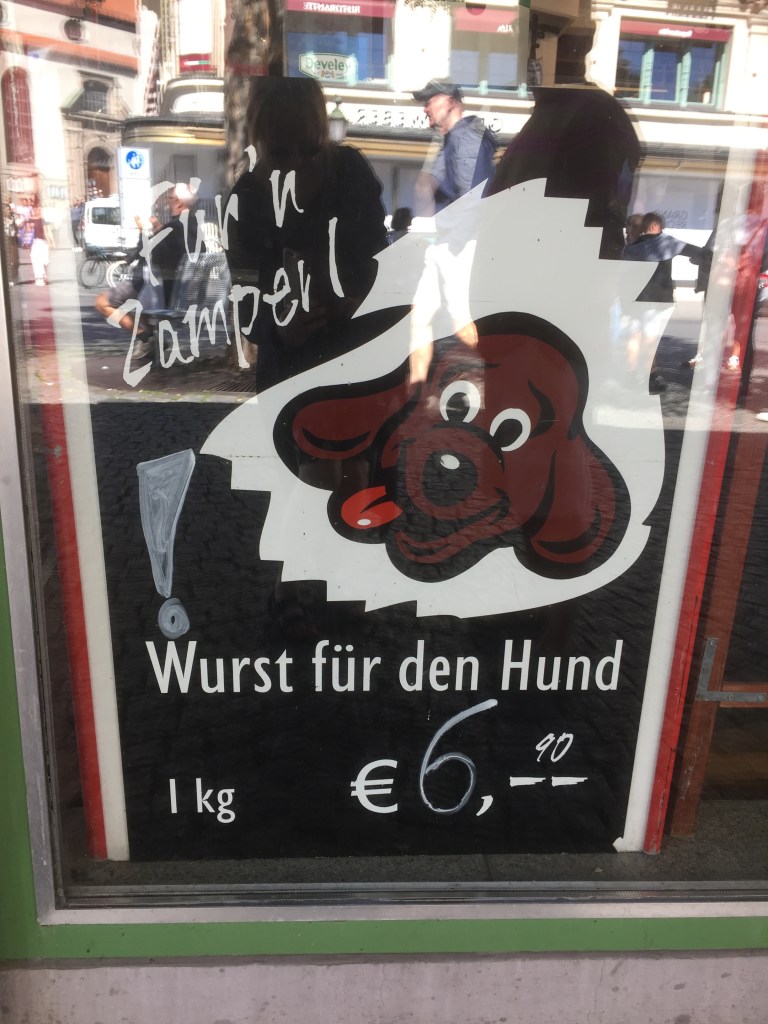
The dog should have made it’s way to the Viktualienmarkt a daily food market in the center of Munich near the St Peter’s church! Dating from the early 1800’s the market has over a 100 food and craft stalls as well as the city’s most central beer garden.

Sausage for the dog

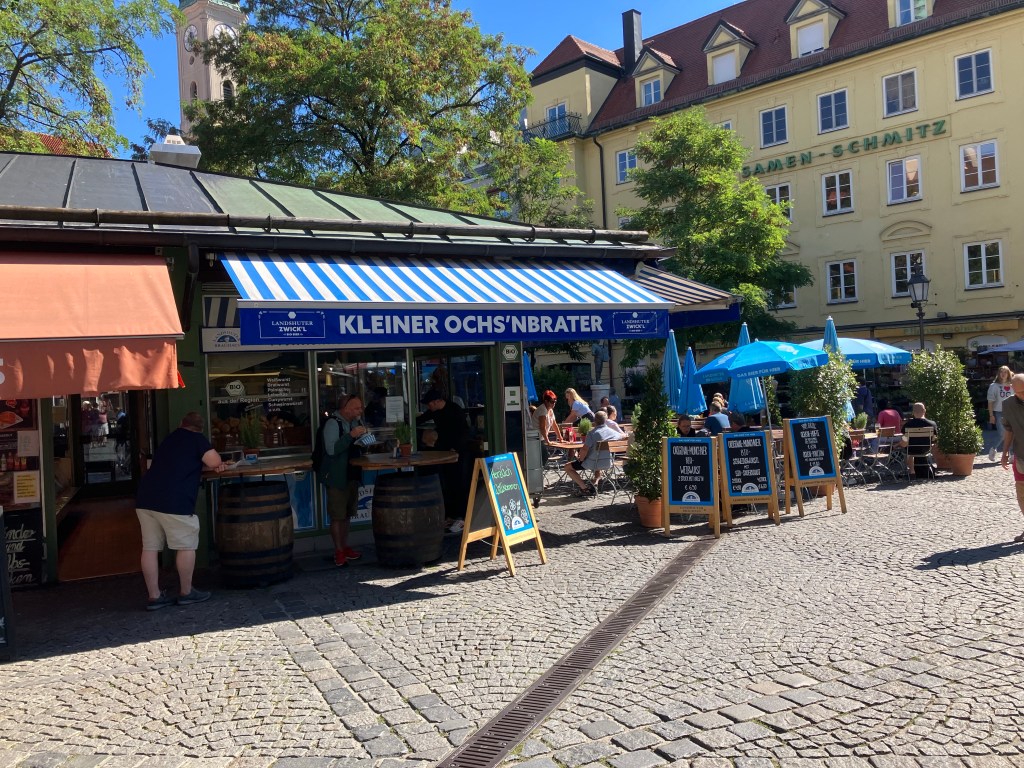
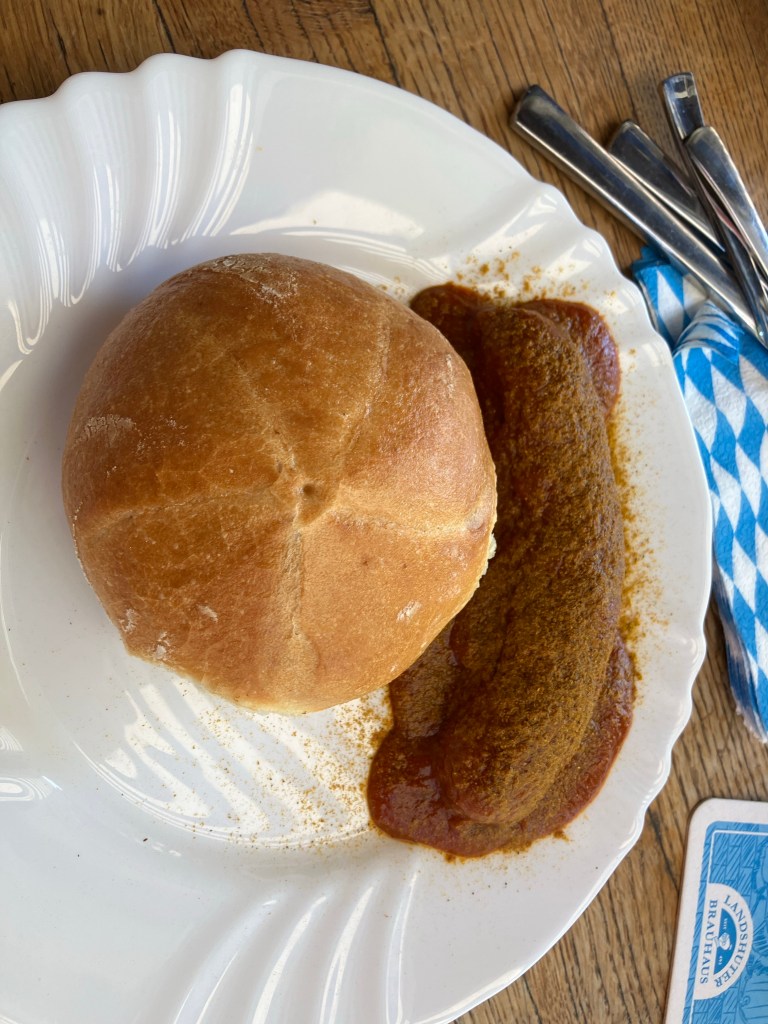
There is also a smaller beer garden at the ever popular Kleine Ochs’nbrater with its organic sausages, pretzels, fried potatoes, cabbage and, of course, wheat beer from the local Landshut brewery. Much as we loved the food, beer and busy ambience at this café, we felt that overall, the curry wurst in Berlin is generally better than the same dish in Munich.

Kleine Ochs’nbrater
Curry Wurst

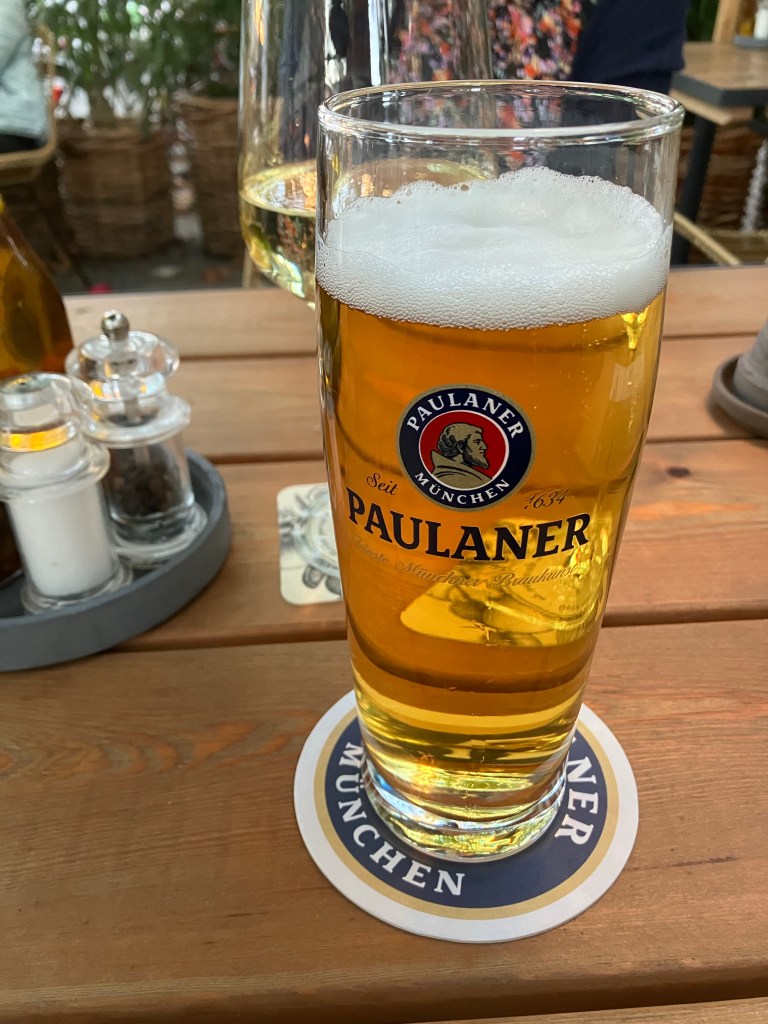
….but if beer is your drink of choice, you have come to the right place. Munich is indeed a beer drinkers paradise with some of the best breweries in the world within its environs. Our favourite ‘staple’ is the Paulaner Münchner Hell, a classic light beer dating from a brewery first established in 1684.

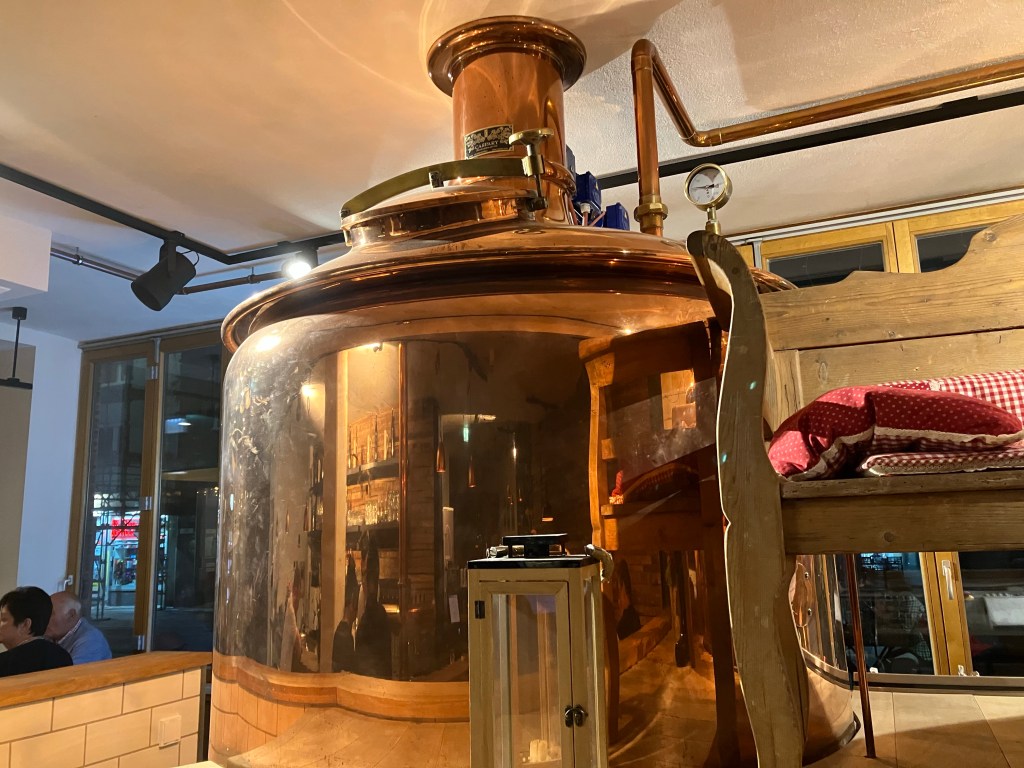
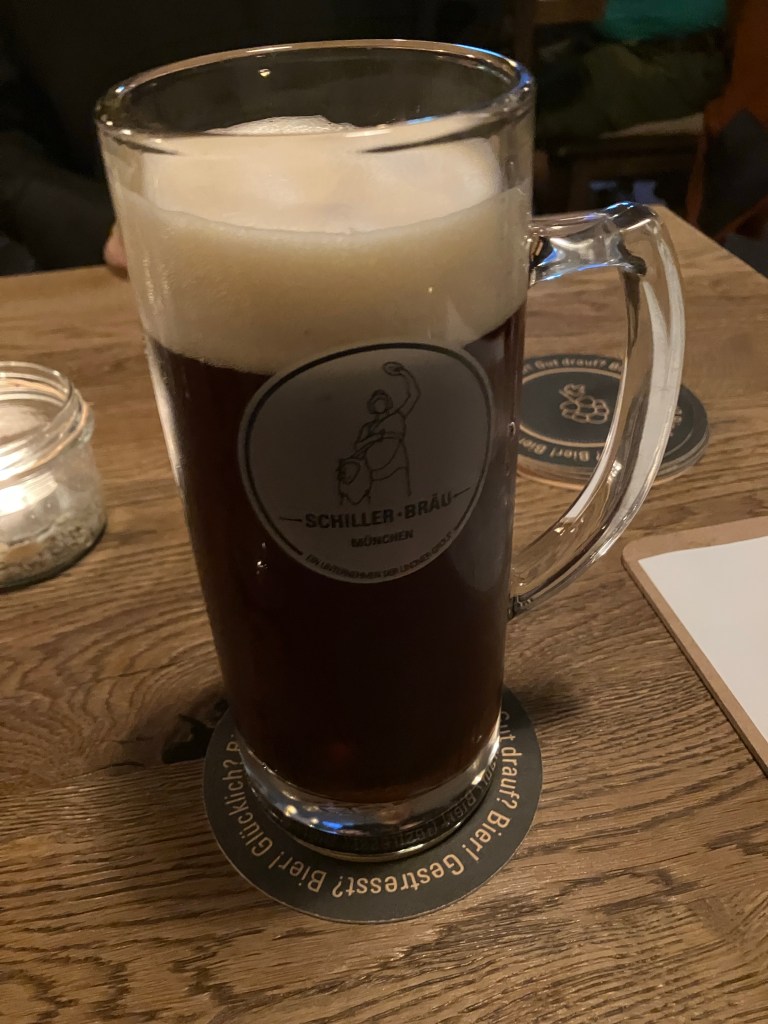
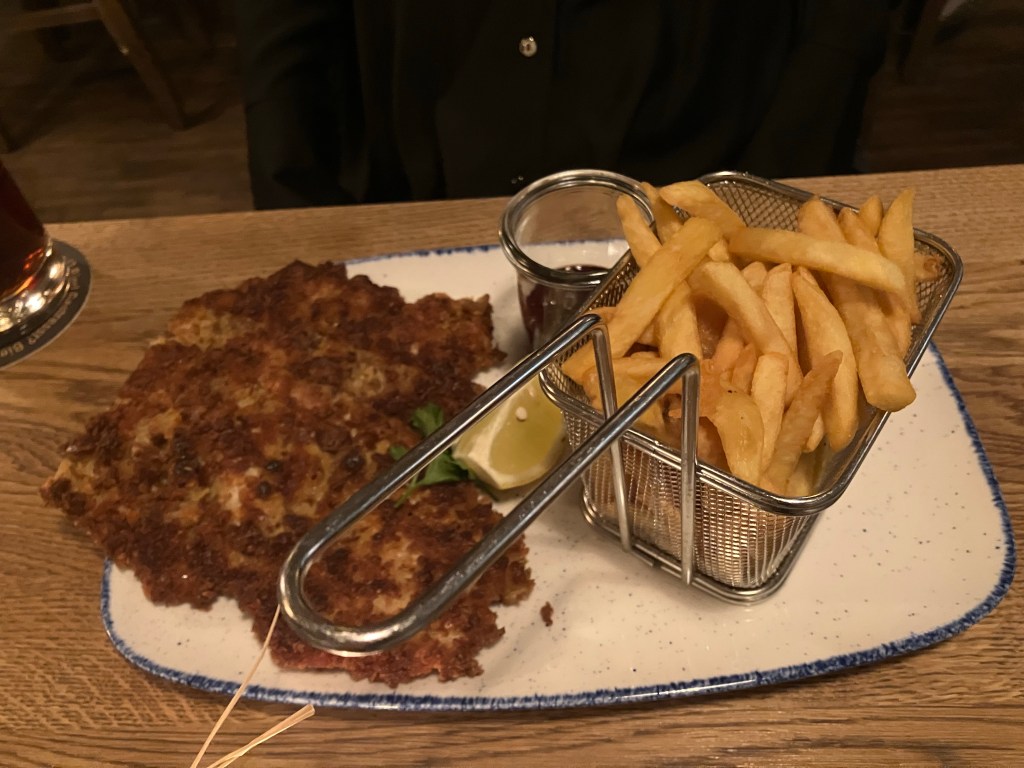
Modern craft breweries are also making their mark on the Munich beer scene with the Schiller brewery particularly noteworthy. The brewery is housed on their premises on the Scillerstraße which is near city’s main railway station. Their copper mash and brewing tuns are housed at the front of their premises whilst their beer is served with very traditional local food in the restaurant behind. Their beers range from light and dark brews to a classic wheat beer. Food includes sour vinegar dumplings, schnitzels, pork and potatoes.

Schiller brewery

Finally, we will let another poet , T.S.Eliot, an influence on both Patti Smith and whose poem ‘The Waste Land’ was of particular interest to Cy Twombly. Elliot mentions two Munich locations in the extract from the poem below.

“April is the cruellest month, breeding
Lilacs out of the dead land, mixing
Memory and desire
Summer surprised us, coming over the Starnbergersee
With a shower of rain; we stopped in the colonnade,
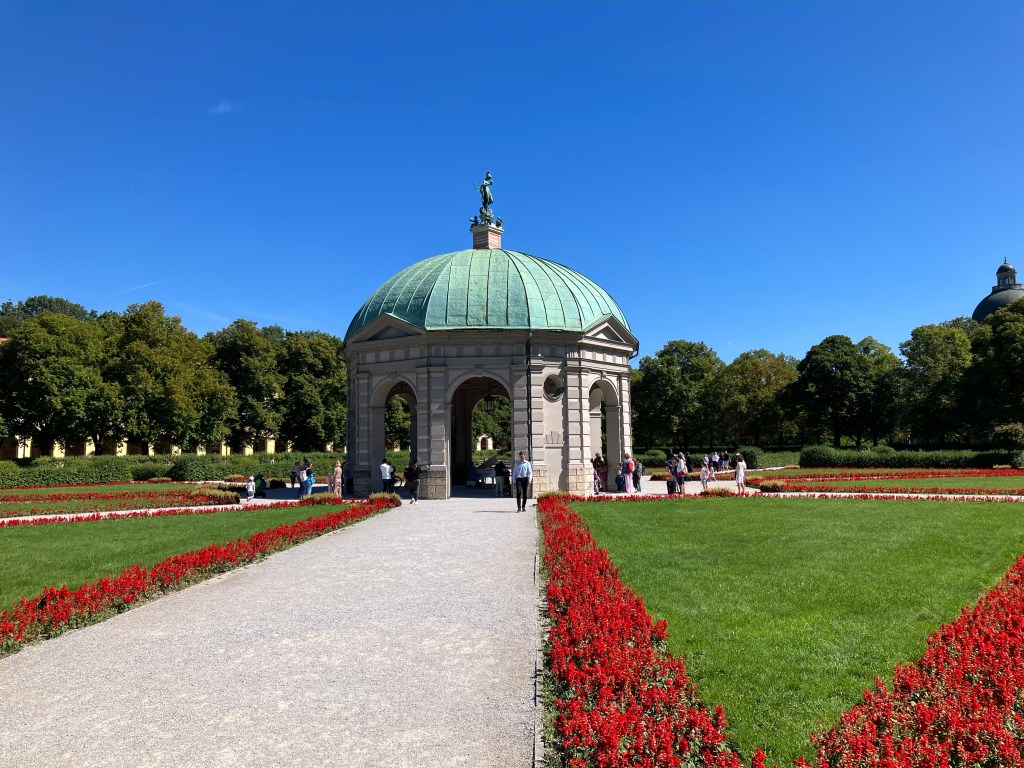
And went on in sunlight, into the Hofgarten,
And drank coffee, and talked for an hour. “

T. S. Elliot, “The Waste Land,” 1922

The Hofgarten in Munich

Althea McNish, Dim Sum and Phở

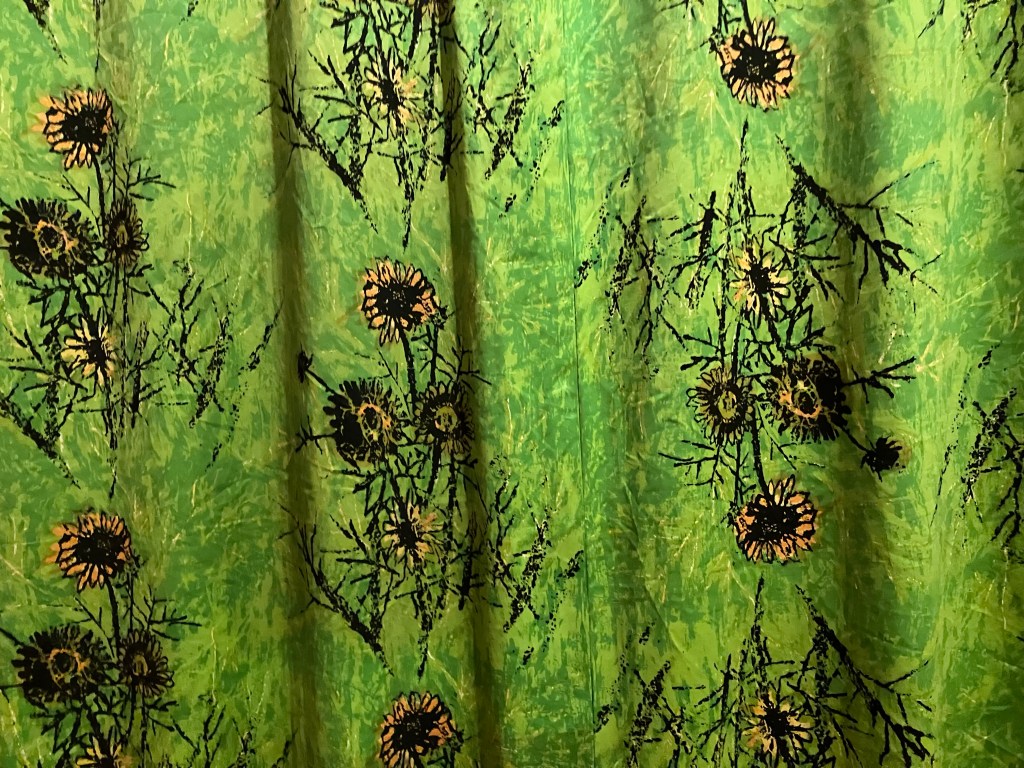
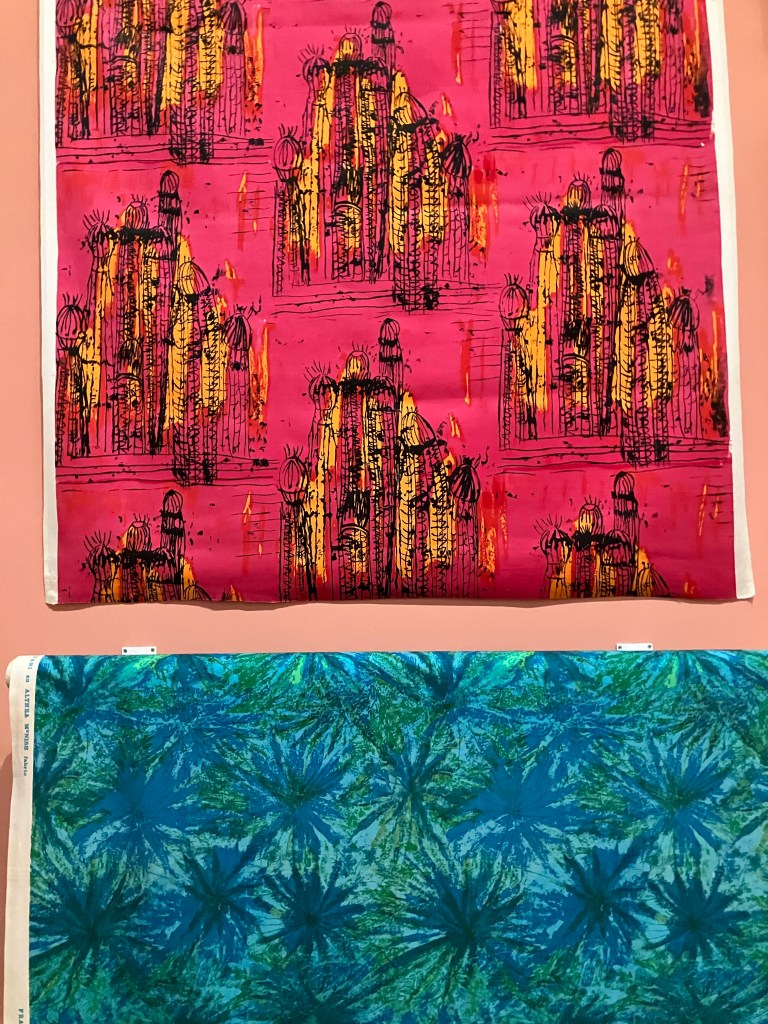
The Whitworth Art Gallery in Manchester in the north of England is currently showing an exhibition of the work of textile designer Althea McNish. Her designs were not only highly innovative, they were highly influential in helping to shape the look of Britain in the 1960’s and 70’s. If you grew up in that era, McNish’s work you will be readily familiar with the style of her work, especially in the numerous watered down copies found in the design of textiles for summer blouses and dresses, wallpapers and other household items in high street stores up and down the country. She even designed the fabrics for the late Queen Elizabeth II’s dresses for her tour of the Caribbean in 1966.

As Britain had once designed and created textiles for the clothing of women in its colonies in West Africa in the form of wax prints (and Manchester was central to this textile trade), so McNish (of the former colony of Trinidad) created designs for the textiles of Britain.

As an introduction to the life and work of Althea McNish, the Whitworth Art Gallery provides the following excellent summary in its exhibition notes:

Althea McNish (1924-2020) was one of the first designers of Caribbean
heritage to gain international recognition in the field of textile design andwould go on to become one of Britain’s most influential and innovativedesigners. Her painterly designs took natural botanical forms to the edgeof abstraction, using a riotous colour palette that overturned the staid rules of British post-war design.

Born in Port of Spain, Trinidad, McNish showed artistic promise from a
young age and became active in the Trinidadian art scene. Age 26, she
emigrated with her family to the UK, arriving in London on 9 November 1950.

McNish studied commercial graphics at The London School of Printing
and Graphic Arts and in 1954 won a scholarship to the Royal College of
Art where she studied textiles. Within days of graduating her career as a professional designer was launched when her designs were commissioned by Liberty and Zika Ascher. McNish would go on to develop a hugely successful design career spanning more than forty years in textile design, as well as commissions for commercial interiors. Teaching in higher education followed and she was an active member of professional design bodies. In 1976 she was awarded the Chaconia Gold medal of the Republic of Trinidad and Tobago for ‘meritorious service to art and design’.

McNish established her career at a time when many people in the UK
would have been familiar with the racist taunt to “go back home”. McNish subverted this prejudice, inserting her Caribbean identity directly into the British home through her popular wallpaper and fabric designs
.

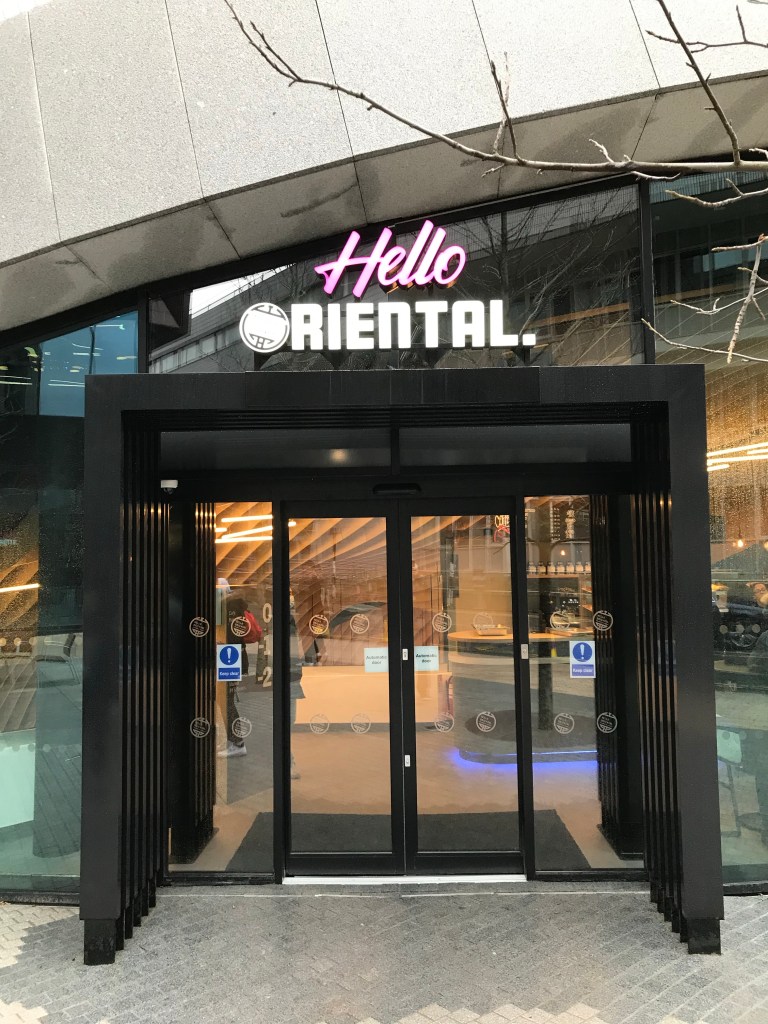
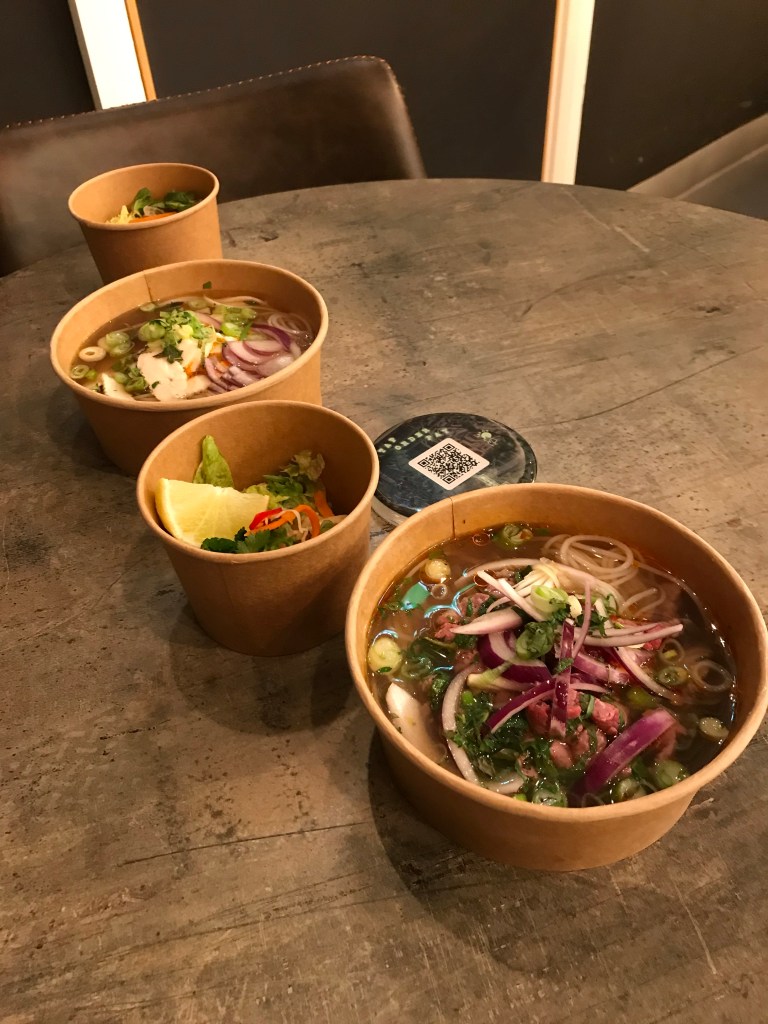
A few minutes walk from the Whitworth Art Gallery is the multi- million pound Circle Square development. A mixed use neighbourhood of accommodation, retail and leisure properties, the area is especially popular with Chinese students not least because of the presence of Hello Oriental, a three story market hall of Asian food. It’s ground floor houses a Chinese bakery, below that a Vietnamese restaurant and on the lowest floor a Chinese and Korean restaurant and mini mart. Hello Oriental is rightly popular especially with students and it is a welcome addition to the city’s excellent Asian food scene.

High Peak to Wolf Hall

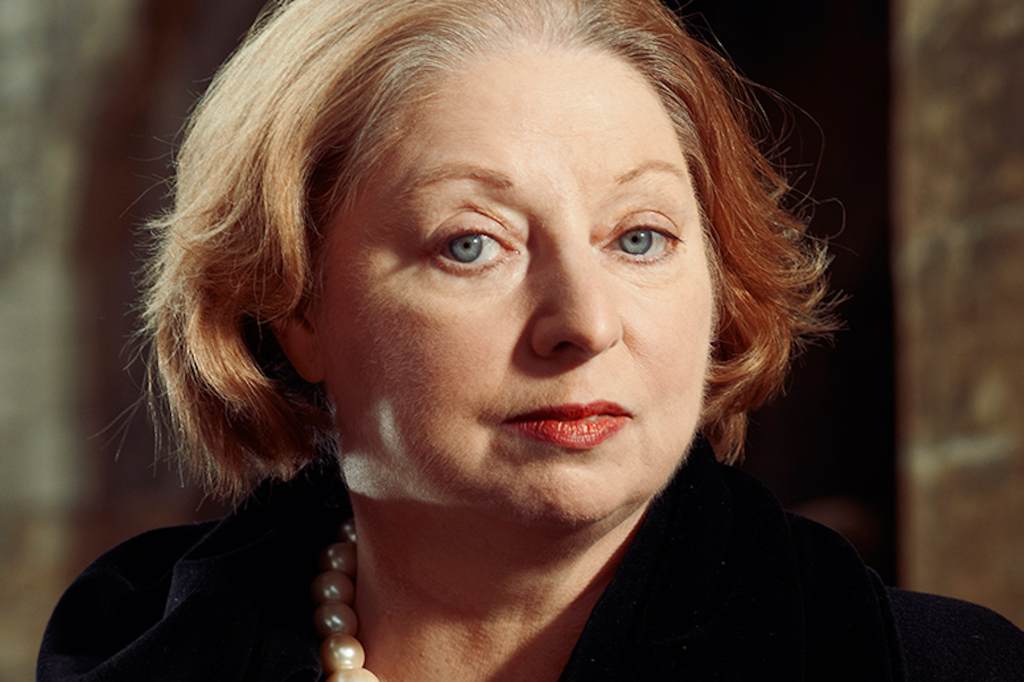
Hilary Mantel

A short walk from the house where Vivienne Westwood* grew up is the Derbyshire village of Hadfield.

The village lies on the edge of the moors in the High Peak district of Derbyshire. The town of Glossop lies to the south.

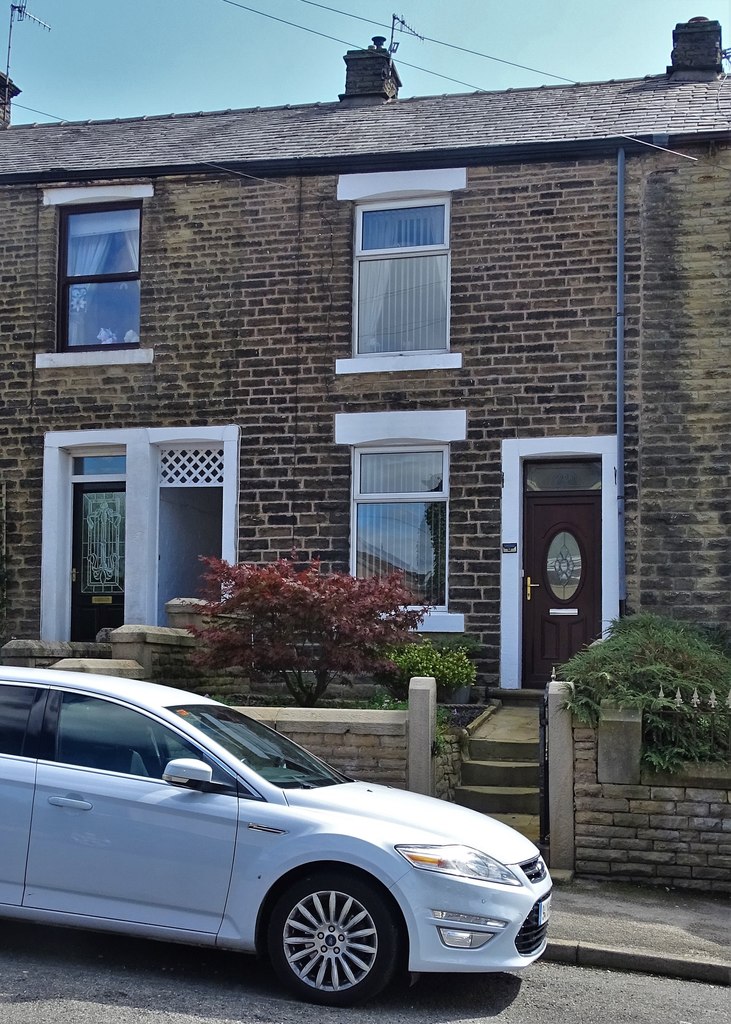
Hadfield was the childhood home of celebrated author Hillary Mantel.

(*for Westwood see the previous post ‘High Peak to the World’s End’)

Mantel’s childhood home

Mantel passed away recently leaving behind a stunning legacy of work including her multi-million selling Wolf Hall trilogy.

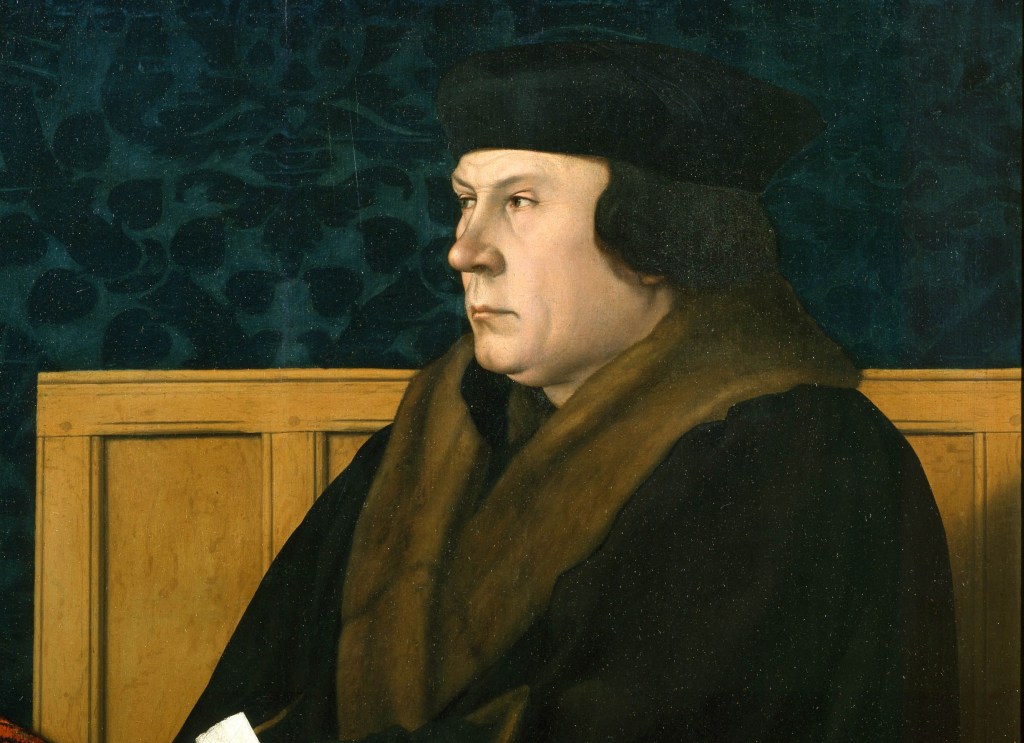
Thomas Cromwell whom readers of Wolf Hall will know

Mantel’s autobiography Giving Up The Ghost provides a sharp recollection of her childhood locale.

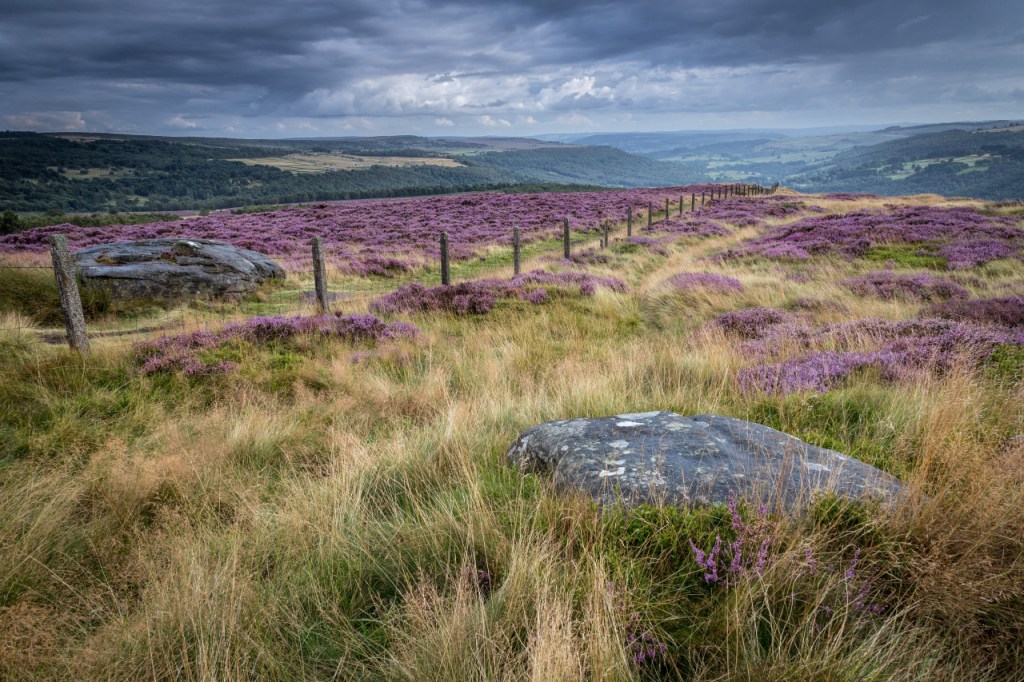
“…..the area where I grew up is on the fringes of the Peak District, a place of complex geology and inventive forms of human deprivation, of inhospitable uplands and steep-sided valleys. Tiny fields, bordered by drystone walls, lie like a worn blanket on a pauper: sharp angles of limestone protrude like bony spurs through a token covering of green. On high ground, in the deep winters of my early life, snow lasted till April. At the fringes of the Peak, where limestone gives way to sandstone, icy streams tumble over brown boulders. There are miles of moorland, flat, featureless, sodden—trackless, or traversed by ancient, faded bridleways.”

The High Peak

Another local, fashion designer Vivienne Westwood, was also cautious of the moors. She recollects:-

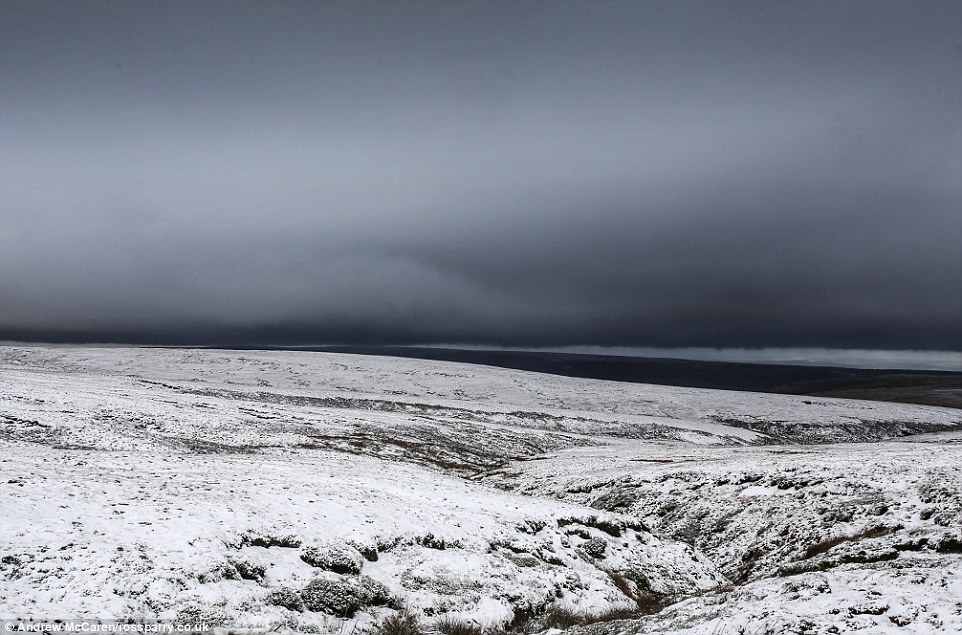
“As I grew up I was free to wander in a countryside which was beautiful and intimate until you got to the moors. After that it was wild and a little frightening. ”

The moors in Winter

Mantel’s most famous work, the Wolf Hall trilogy are largely set in and around the court of King Henry VIII.

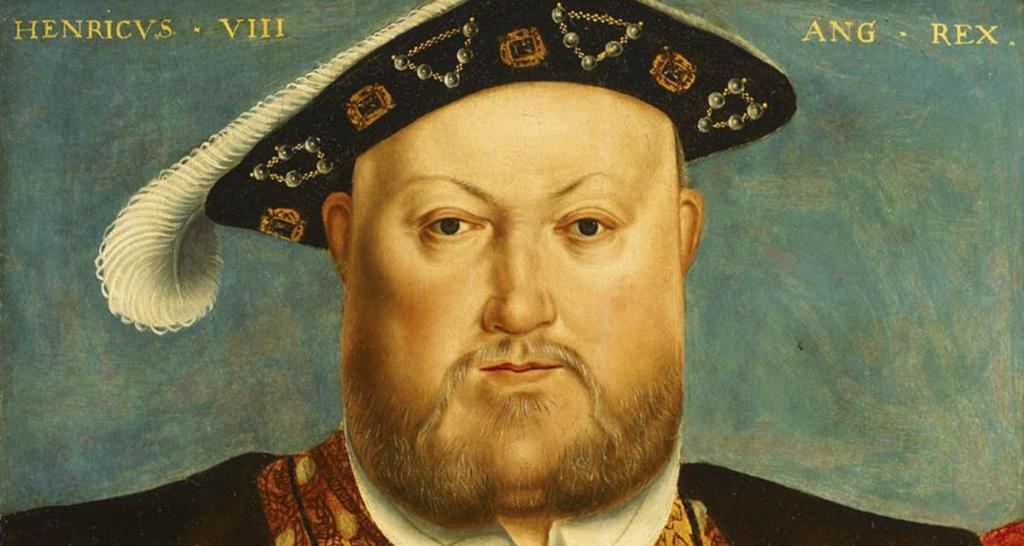
Henry VIII of the six wives

The first and most famous novel in the trilogy was named after the family seat of the Seymour family, Wolf Hall in Wiltshire. Jane Seymour, who became Henry VIII’s third wife, lived there with her family.

Henry and his then queen, Anne Boleyn, visited the Seymour family at Wolf Hall in the county of Wiltshire in 1535. Within 6 months of the visit Henry would marry Jane Seymour and Anne Boleyn  would be dead, executed for alleged adultery and incest. 

Anne Boleyn. A (very) distant relative

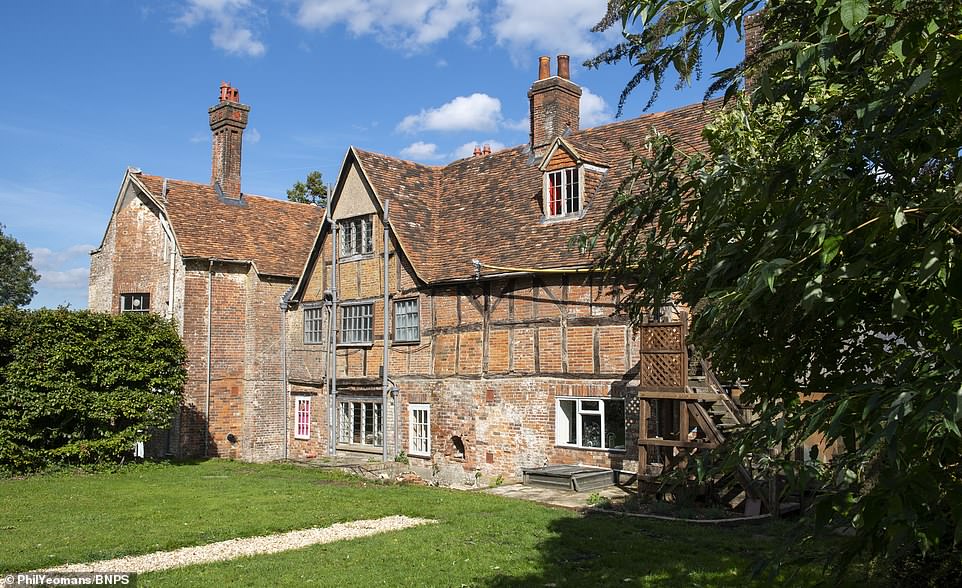
The original structure of Wolf Hall is largely gone and the remains were  incorporated into the current building.

Site of Wolf Hall in Wiltshire

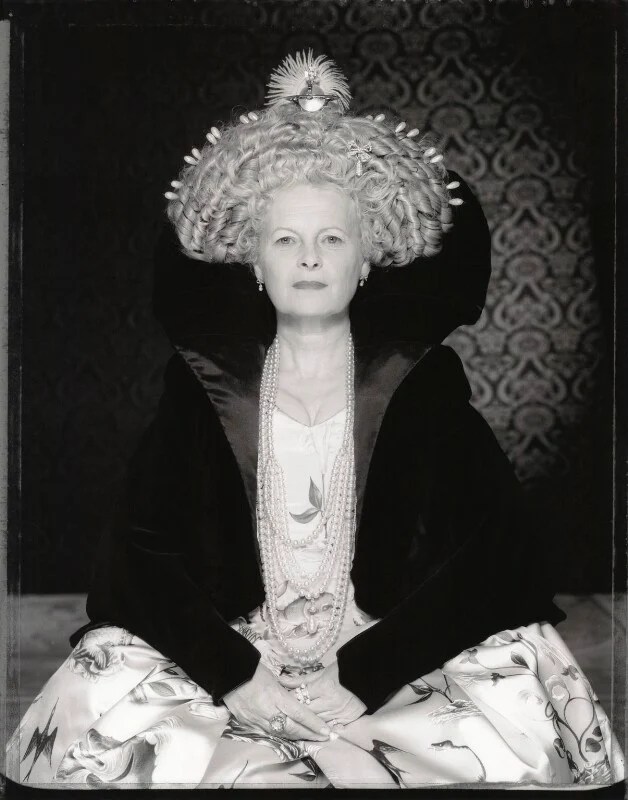
Westwood was once the subject of media inspired hatred after using an adapted image of Queen Elizabeth II in her fashion designs. She was roundly critised at the time for what were percieved as anti-monarchist sentiments. It is clear however from her later comments that she has great affection and respect for Elizabeth II.

England’s dreaming

Mantel was also respectful of the monarchy. Nevertheless she thought that the institution was now in its endgame and would not last too much longer. She was a fan of Meghan Markle whom she thought had been especially badly treated by the English media in particular.

Mantel and Markle

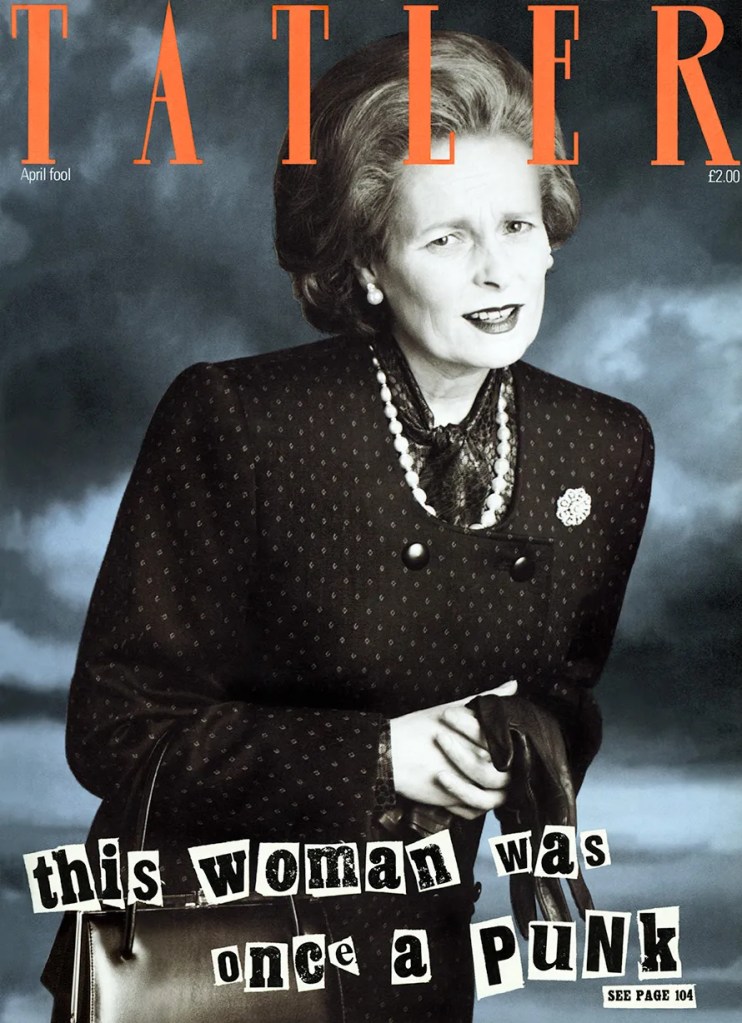
Neither Westwood nor Mantel were admirers of the late Prime Minister, Margaret Thatcher. Thatcher was apparently disliked by Queen Elizabeth II as well. Westwood imitated Thatcher on the cover of Tatler magazine as an ‘April fool’ in 1989.

‘I am an Antichrist’

Mantel was even more open in her dislike of the politician. ‘I can still feel that boiling detestation’ she once said of Thatcher. Her short story The Assassination of Margaret Thatcher was sparked by a coincidence in her own life when she spotted Thatcher from the window of her London flat as the latter walked in the garden of the grounds of the adjacent private hospital after undergoing an eye operation.

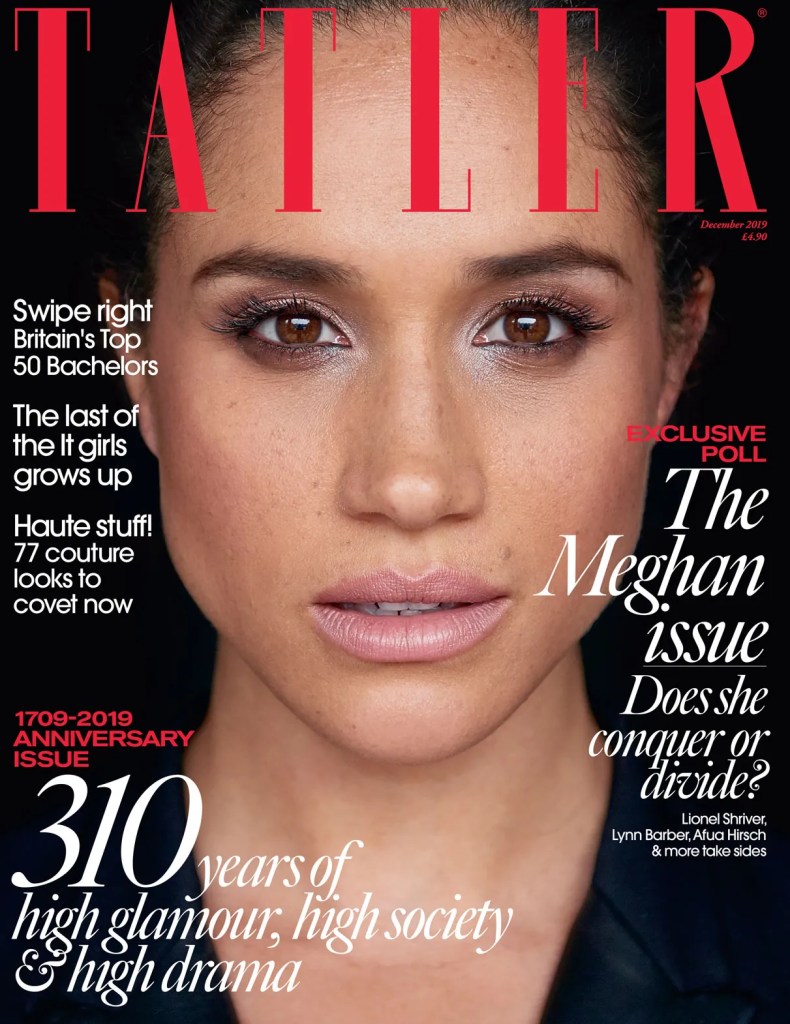
Twenty years later and another iconic cover for Tatler.

Markle on the cover of Tatler

Both Westwood and Mantel were made Dames by Queen Elizabeth II and Prince (now King) Charles respectively.