Leipzig, Bach and Kaffee

J.S. Bach

Leipzig is a city located in the eastern part of Germany in the state of Saxony. Although badly bombed during WWW2 and unsympathetically rebuilt under Soviet rule, it is still an attractive city, popular with visitors (especially classical music aficionados) as during the 18th and 19th centuries it was a centre of learning and culture, with famous composers like Johann Sebastian Bach, Felix Mendelssohn, and Richard Wagner all working in the city.

Bach is particularly associated with the city. He spent the last 27 years of his life in Leipzig, from 1723 until his death in 1750. During this time, he held the prestigious position of Cantor, or Directore Chori Musici Lipsiensis, which meant he was responsible for directing the choir and music in the city’s churches.
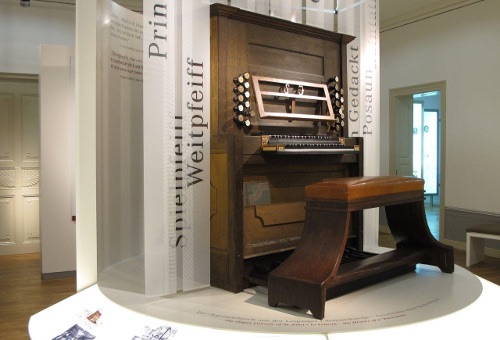
The Organ console from Johanniskirche, St. John’s Church, which Bach was known to have tested and played after its installation.

In addition to his work as Cantor, Bach was also a respected organist and harpsichordist. He was involved in the design and construction of several organs in Leipzig’s churches. In particular, St. Thomas Church (Thomaskirche) and St. Nicholas Church (Nikolaikirche) both have strong associations with Johann Sebastian Bach.
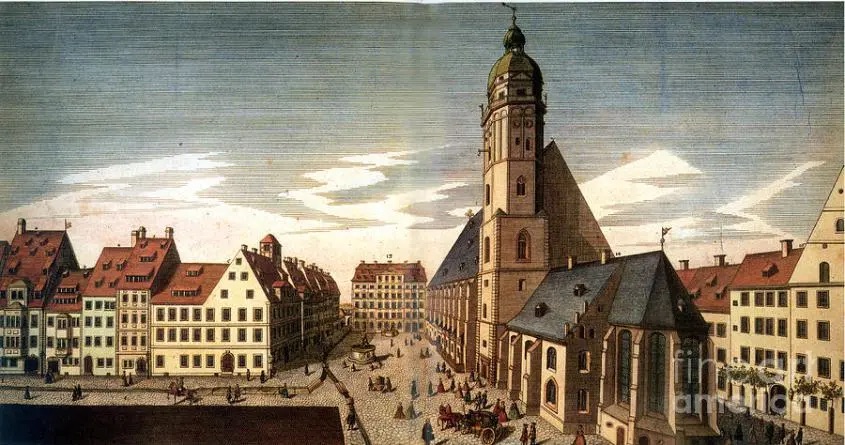
St. Thomas church

At St.Thomas Church, Bach served as the music Director (Thomascantor) from 1723 until his death in 1750. Many of his most famous works, including the St. Matthew Passion, were premiered at the church. He is buried in the church crypt and his grave is marked with his name as the sole inscription. ‘Joh. Sebast Bach’. The crypt was not the original resting place for his bones as his body was originally buried in an unmarked grave in the cemetery of St. John’s Church (Johanniskirche). The church , which was located just outside the city’s Grimma Gate, was destroyed by aerial bombing during WW2.

Over time, the exact location of Bach’s grave was lost, but in 1894, church officials decided to search for Bach’s remains during renovations at the church. According to local lore, Bach was buried “six paces from the south door of the church,” and excavators focused their search in that area. On October 22, 1894, diggers found a plot that matched the description and discovered Bach’s oak coffin, one of only twelve oak coffins buried at the church in the year of Bach’s death. The bones were transported in an open zinc casket on the back of a handcart to St.Thomas Church. The remains were later confirmed to be those of Bach through various analyses, and in 1950, 55 years after the discovery, Bach’s remains were reinterred at St. Thomas Church in Leipzig, to commemorate his role there as Cantor.
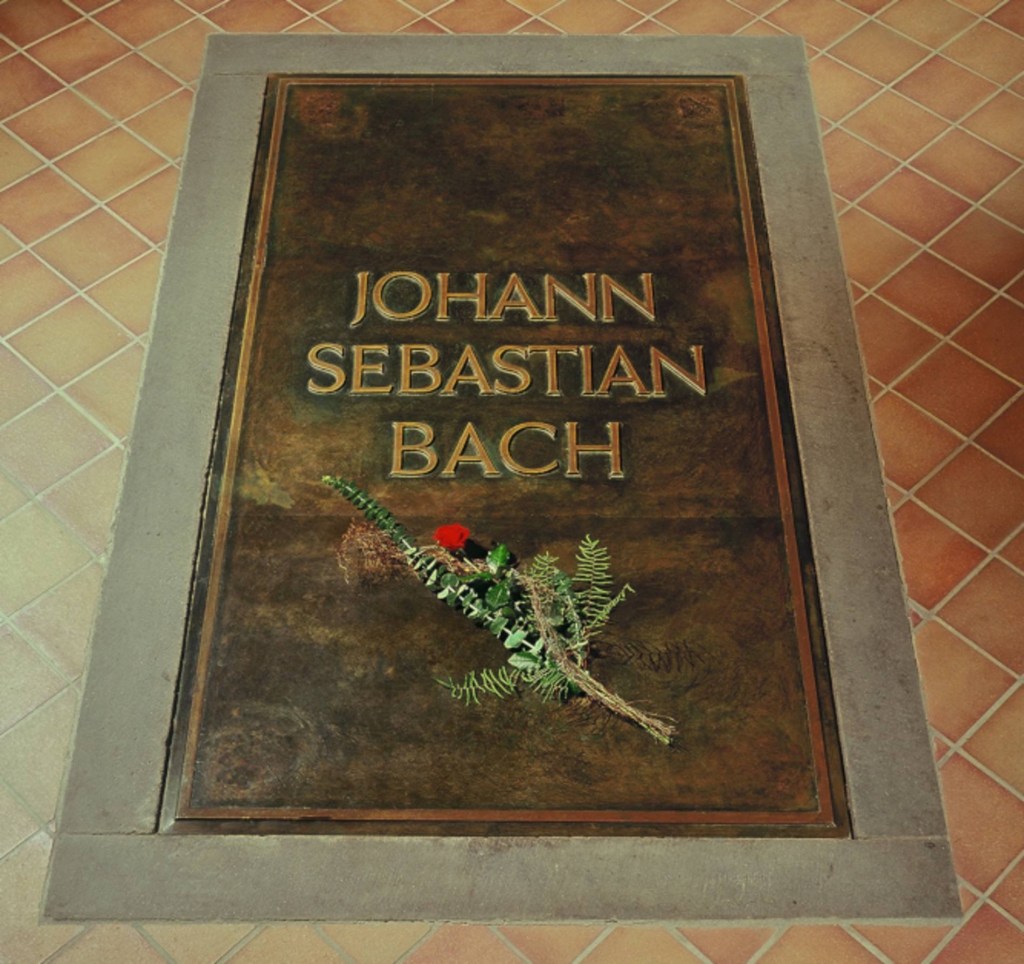
Here lies….

However it was St. Thomas Church which was to play a key role in the protests against the Soviet controlled German Democratic Republic (‘GDR’) in 1989. The protests began in September 1989 with a weekly prayer service at St. Nicholas Church. Protesters gathered in front of the church and marched to Augustusplatz, where they held peaceful candlelit demonstrations to demand democratic reforms and the right to travel freely. These peaceful demonstrations, known as the “Monday demonstrations,” grew in size and intensity over the following weeks, with tens of thousands of people taking to the streets to call for freedom and democracy.
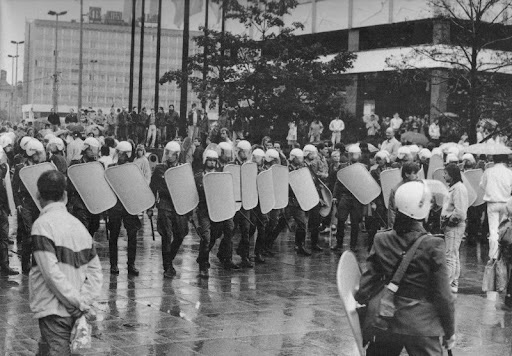
Leipzig demonstration

On October 9, 1989, the largest of these demonstrations took place, with over 70,000 people marching through Leipzig’s streets. The GDR security forces did not intervene, marking a turning point in the protests. Within weeks, the Berlin Wall fell, and the East German government collapsed.

Leipzig’s role in these events is often referred to as the “Peaceful Revolution” and is considered a key moment in the broader movement for freedom and democracy in Eastern Europe.

Leipzig played a crucial role in the fall of the GDR, as it was the site of peaceful protests that eventually led to the opening of East Germany’s borders and the end of communist rule.

Despite attempts by the East German authorities to suppress the protests, they continued to grow in size and spread to other cities across East Germany, leading to the eventual reunification of Germany.

Those original protesters in September 1989 had headed away from St. Nicholas Church to Augustusplatz, the most important public space in Leipzig. The square is surrounded by a jumble of disparate architectural styles culminating in the monolithic Opera House which stands at the northern end of the square.
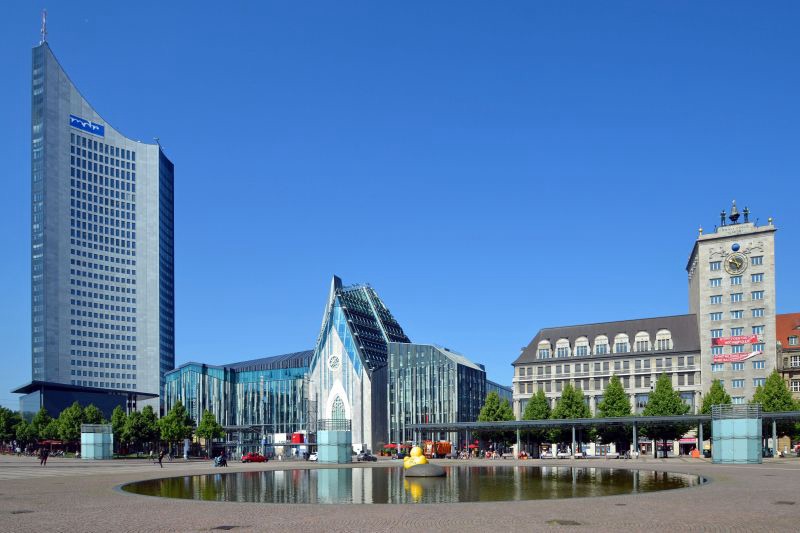
Augustplatz

The history of the Leipzig Opera House is one of destruction and reconstruction. The original venue, known as the Oper am Brühl, was built in 1693 and opened its doors that year. Unfortunately, this original opera house was found to be in a dangerous state in 1719, leading to its closure in 1720 and demolition in 1729. A new venue was eventually built in 1842 (‘the Semperoper’) but this was destroyed by fire in 1869.

The original Leipzig opera house, known as the Oper am Brühl, was built in 1693 and opened its doors on May 8th of that year. Unfortunately, the original opera house was found to be in a dangerous state in 1719, leading to its closure in 1720 and demolition in 1729. It took a while for a new opera house to be built in the city, the Semperoper which was constructed in 1841 but destroyed by fire in 1869. A further opera house was created, the Neues Theater which served as the city’s premier music venue until it too was destroyed during the air raids of World War II in 1943.

The Neues Theater hosted many famous musicians and performers, including Richard Wagner, who premiered his opera “Die Meistersinger von Nürnberg” at the theater in 1868. Other notable musicians who performed at the Neues Theater included Giuseppe Verdi, Pyotr Ilyich Tchaikovsky, and Johannes Brahms.

After the destruction of the Neues Theater during the war, it was not until 1960 that a new opera house, the current Leipzig Opera, was built on Augustusplatz.

The Leipzig Opera House was the only new opera building constructed in East Germany during the 41 years of the GDR regime, and it remains an important, if somewhat unsightly, cultural landmark in the city today.
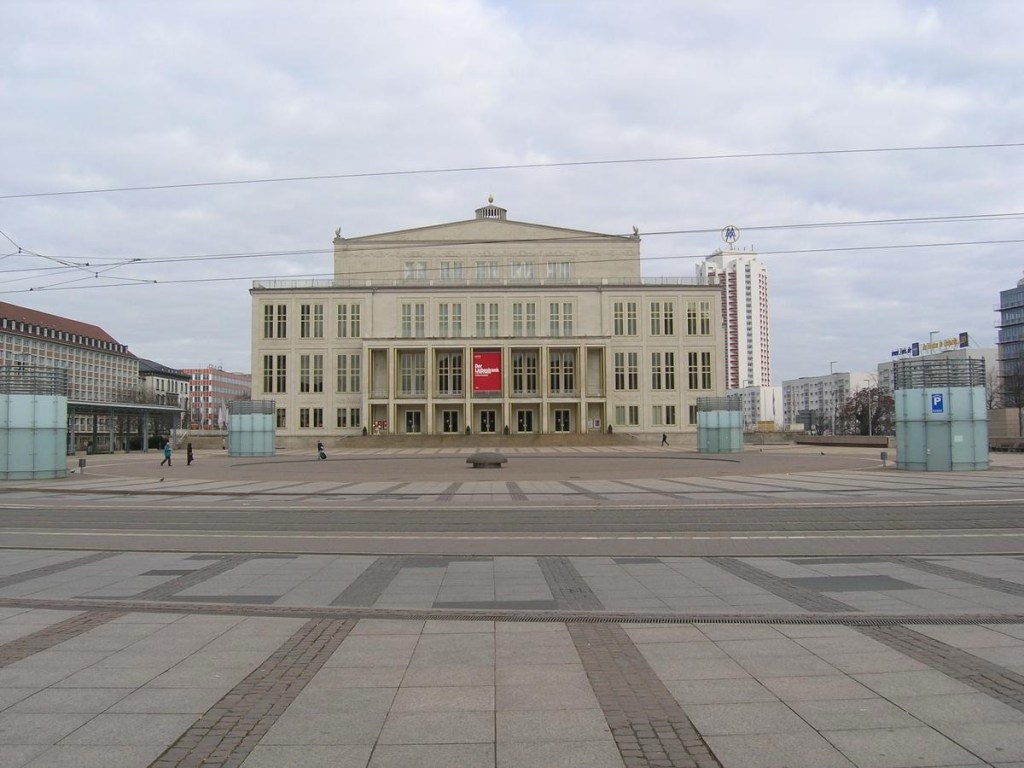
The Opera House in Leipzig

The opera house was designed in the socialist modernist (aka socialist realist) style that was prevalent in East Germany and elsewhere in the Soviet controlled territories of East and Central Europe during the 1950s and 1960s. Monumentality, uniformity, a functional design and simplicity are all key characteristics of the style, one you can see embodied not only in the opera house in Leipzig but also in the Palace of the Parliament in Bucharest, the Stadthalle in Chemnitz (formerly Karl-Marx Stadt) and the Palace of Culture and Science in Warsaw.
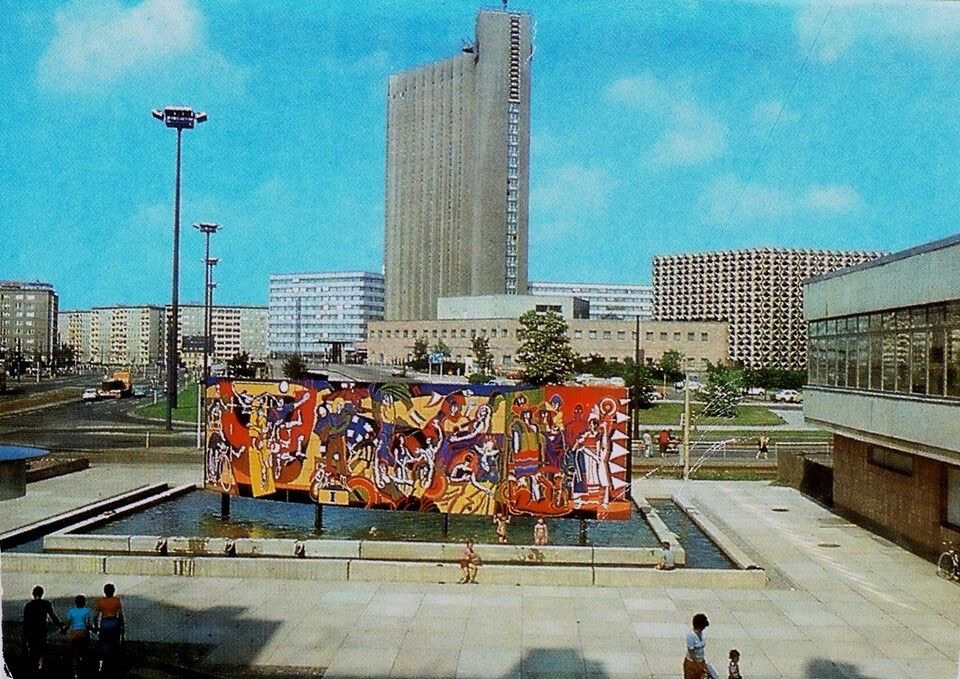
Old post card view of Chemnitz with the StadtHalle to the rear on the right

Leipzig declined as a city during the Communist years but is now very much on the up, especially with the young and creative who are flocking to a city dubbed the ‘new Berlin’ for its arts scene, cheap rents and overall ‘vibe’. To date it has avoided obvious gentrification with the negatives that process entails although how long the city can avoid the pitfalls of ‘hip’ popularity which have befallen other cities.

In particular, the city’s local authority has been especially supportive of the arts and it has helped to create an environment where creativity and innovation can flourish by providing funding and resources to help transform former industrial sites into creative hubs. It has also encouraged the development of new art galleries and exhibition spaces. As a result, the city is attracting artists from all over Germany and elsewhere in Europe with its affordable studio space. In particular, the Leipziger Baumwollspinnerei is especially noteworthy in this respect. It is a 10-hectare industrial site in the city’s Lindenau district where over 100 artists’ studios and eleven galleries and exhibition spaces, with approximately 120 independent artists creating their work on the site. Resident artists pay rent to have a studio or exhibition space at the Leipziger Baumwollspinnerei. The rents are comparatively low with some paying around 200 Euros per month for a shared studio. Other noteworthy creative spaces include the Taptenwerk, with its mix of galleries, workshops, Westwerk with its artist’s studios and Monopol, the former liqueur warehouse which now houses painters, actors, musicians with it’s pertinent motto of ‘leben, kunst and gutes karma’ (‘love, art and good culture’). Leipzig seems to be avoiding (at least for the present) the fate which has befallen other former creative hot spots such as London and New York when the onset of gentrification is so advanced, only the wealthy can afford to live in formerly bohemian neighbourhoods, where your neighbours are no longer writers per se but copywriters.

Leipziger Baumwollspinnerei

Alongside its art scene, Leipzig is home to a proud coffee house culture which, although far less vibrant than a city like Vienna, are still great places for both a kaffee and. Leipziger Lerche, a ubiquitous treat in the city of shortcrust pastry filled with crushed almonds, nuts and strawberry jam. Although Bach’s favourite coffee house in the city, Cafe Zimmermann (where several of his work including the Coffee Cantata were first performed) is no more, there are still around 11 popular cafes and coffee roasteries in the city.
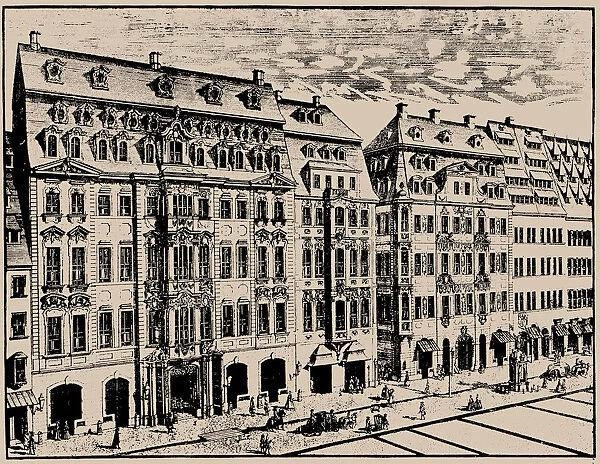
Cafe Zimmerman

Our favourite coffee house is the Cafe Riquet in the centre of Leipzig, standing as it does between car parks. The surrounding area, like much of Leipzig, was heavily bombed during World War II. The cafe itself suffered significant damage, with large parts of the pagoda and first floor being burnt. However, the building was able to survive the war, and was eventually restored to its former glory.

Cafe Riquet

The original Cafe Riquet in Leipzig was founded in 1745 by a French Huguenot named Jean George Riquet. He established Riquet & Co, a company that specialized in importing exotic items like tea, coffee, and chocolate. The owner later included a public coffee dispenser and the cafe grew from that. The current building, with its two elephant sculpture heads flanking the entrance, was built in 1908. The interior features ornate wooden carvings, vintage furniture and wooden panels that create a warm atmosphere and a place to linger, especially on a cold day.
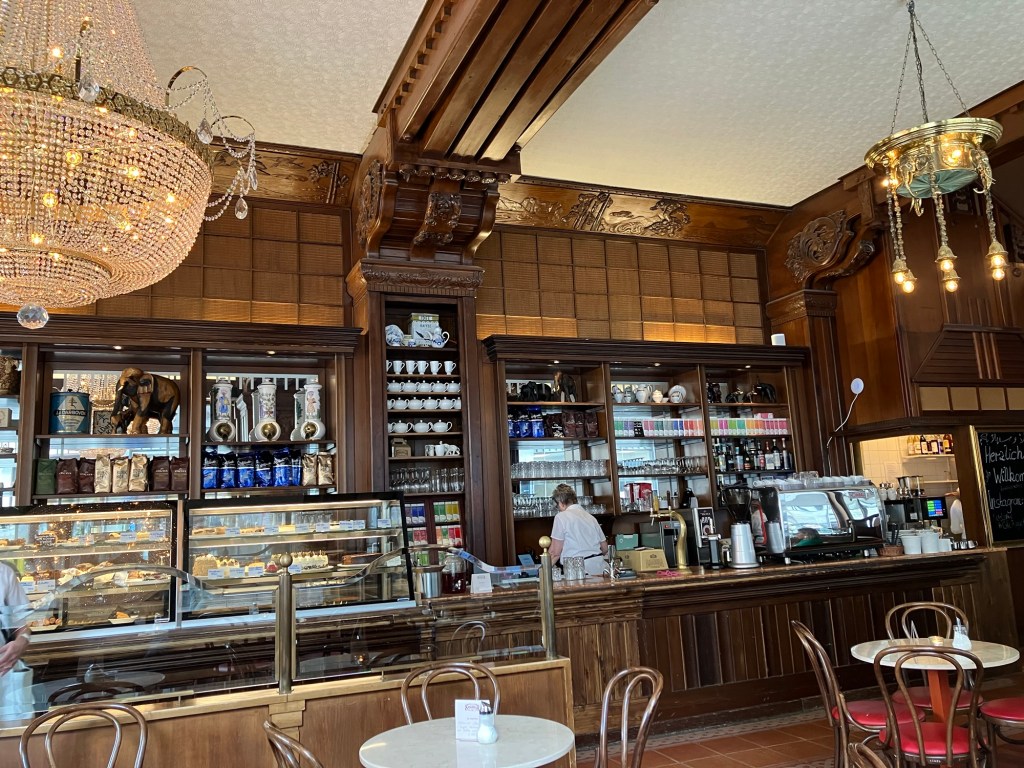
The interior

The café is known for its speciality coffee (variously Kaffee Riquet, Elefantenkaffee, and Pharisäer) and cakes, including, of course the Leipziger Lerche.

Food wise, whilst you can eat well in Leipzig (and the city has no shortage of Munich style beer halls), overall other German cities we have visited recently (e.g. Kőln, Hamburg and Munich) have a far more diverse restaurant scene in our opinion.

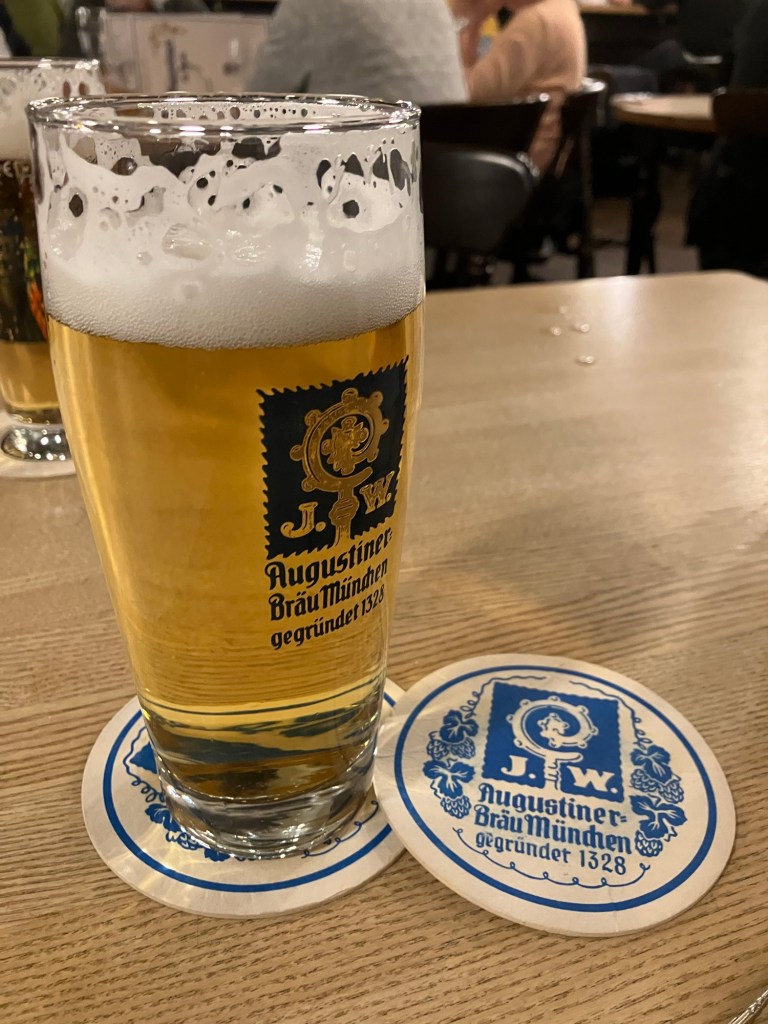
Still, if you want a schnitzel and a beer…..
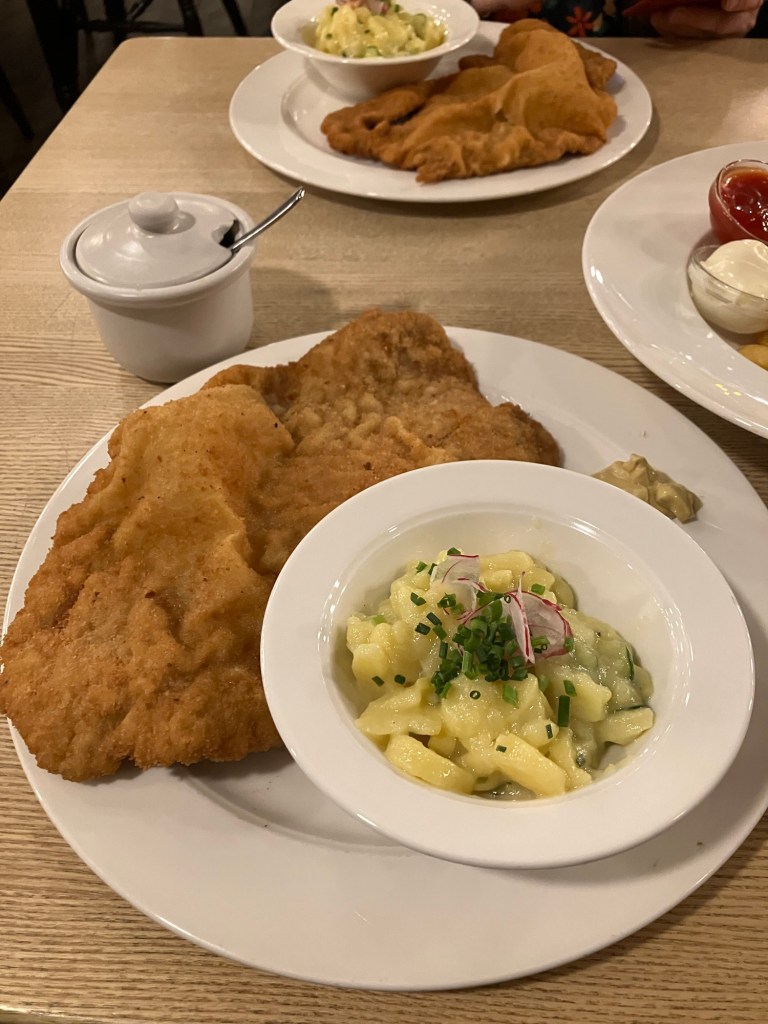
Schnitzel and potato salad
Prost!

Manchester, Hong Kong and Jamaica

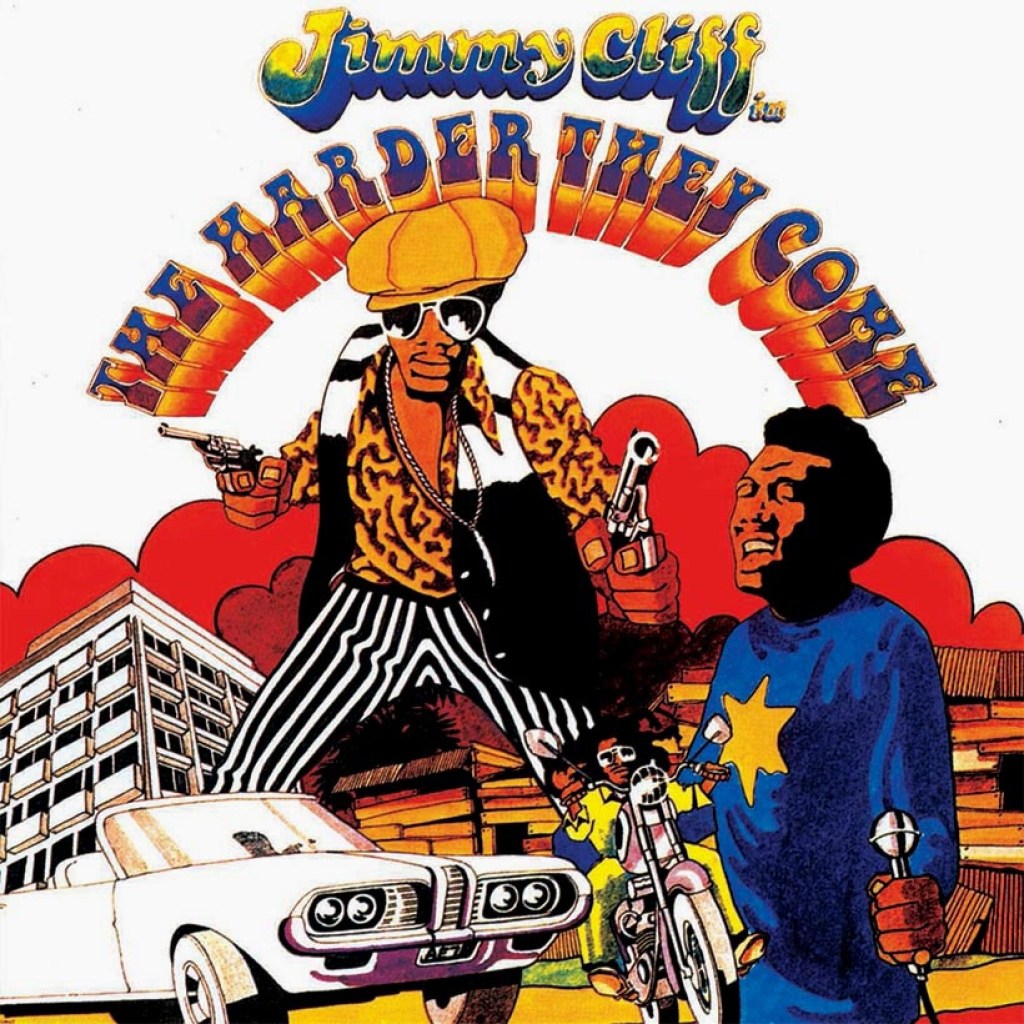
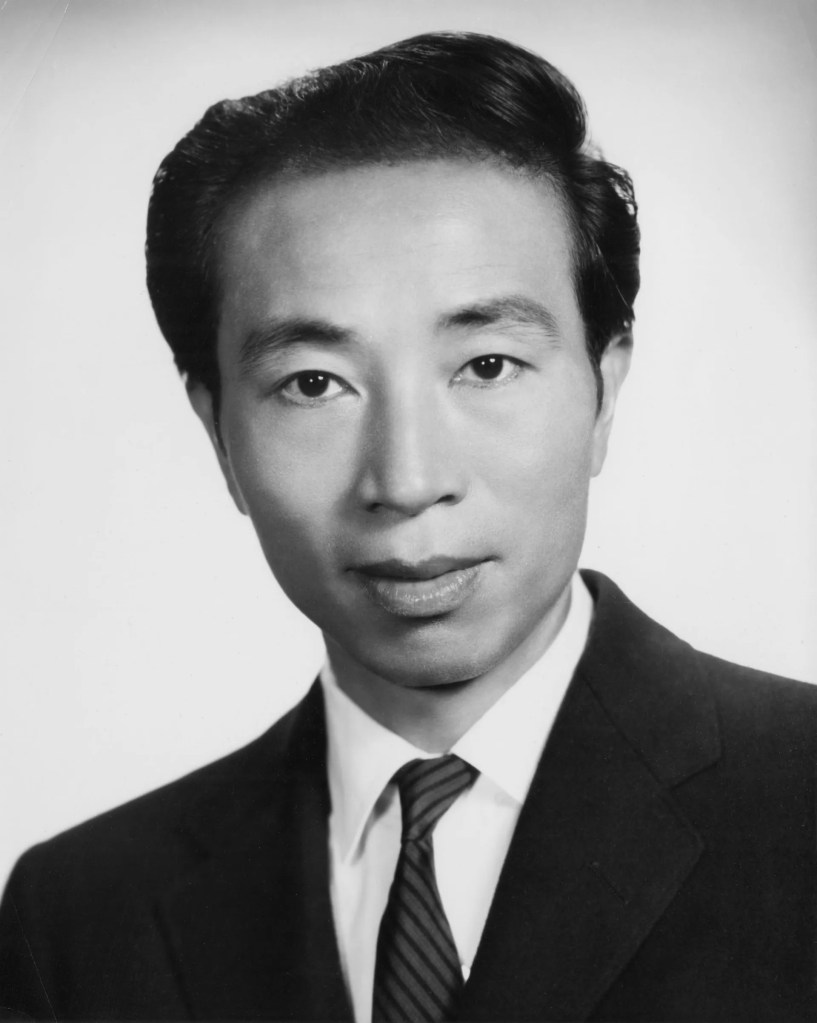
The soundtrack of this seminal Jamaican film was produced by Leslie Kong

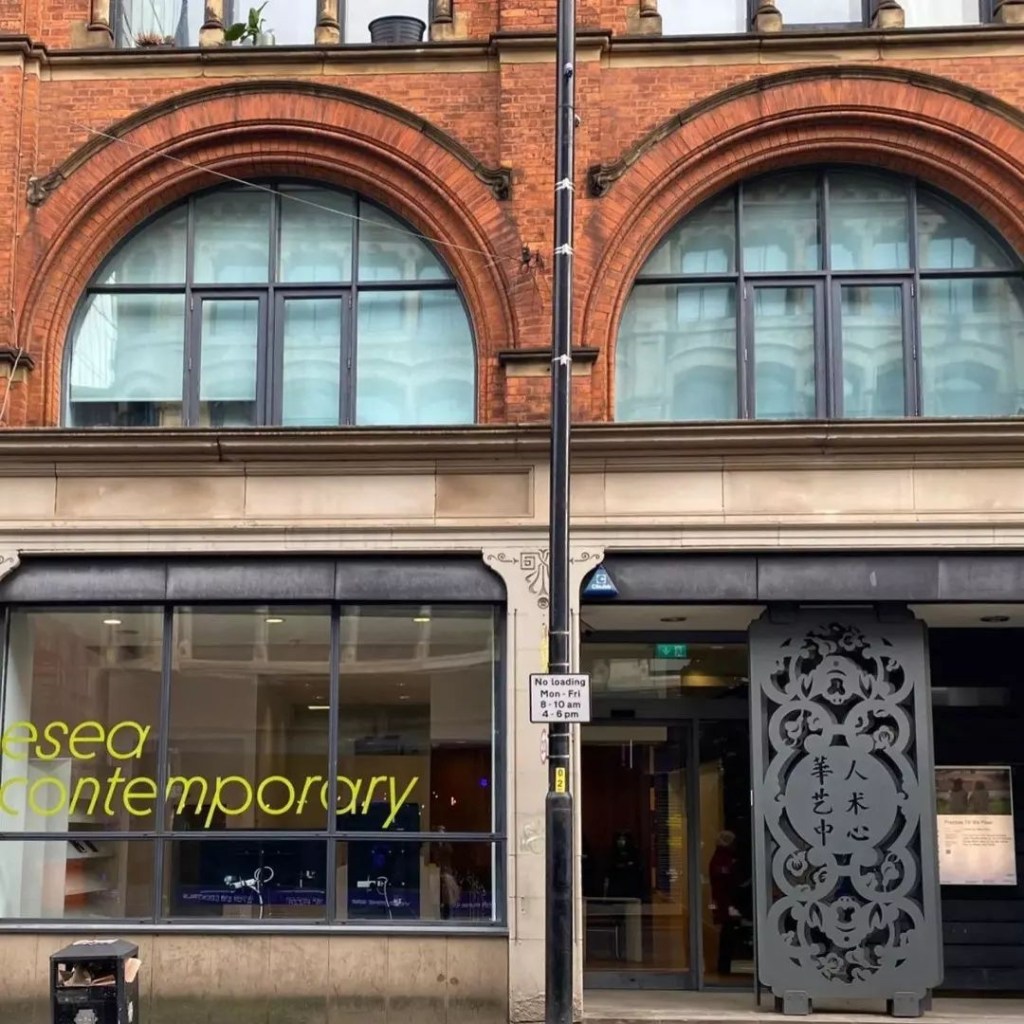
ESEA Contemporary is an art gallery in Manchester in the North of England that specializes in presenting and platforming artists and art practices that are informed by East and Southeast Asian (ESEA) cultural backgrounds. It is located in an award-winning building in the Northern Quarter part of the city and it is home to a diverse range of exhibitions, events, and educational programs that explore the unique perspectives and experiences of ESEA artists. ESEA Contemporary was previously known as the Centre for Chinese Contemporary Art, but it underwent a major rebranding in 2022 to better reflect the diverse range of cultures and identities represented by the artists it works with.
ESEA Contemporary Chinese Arts

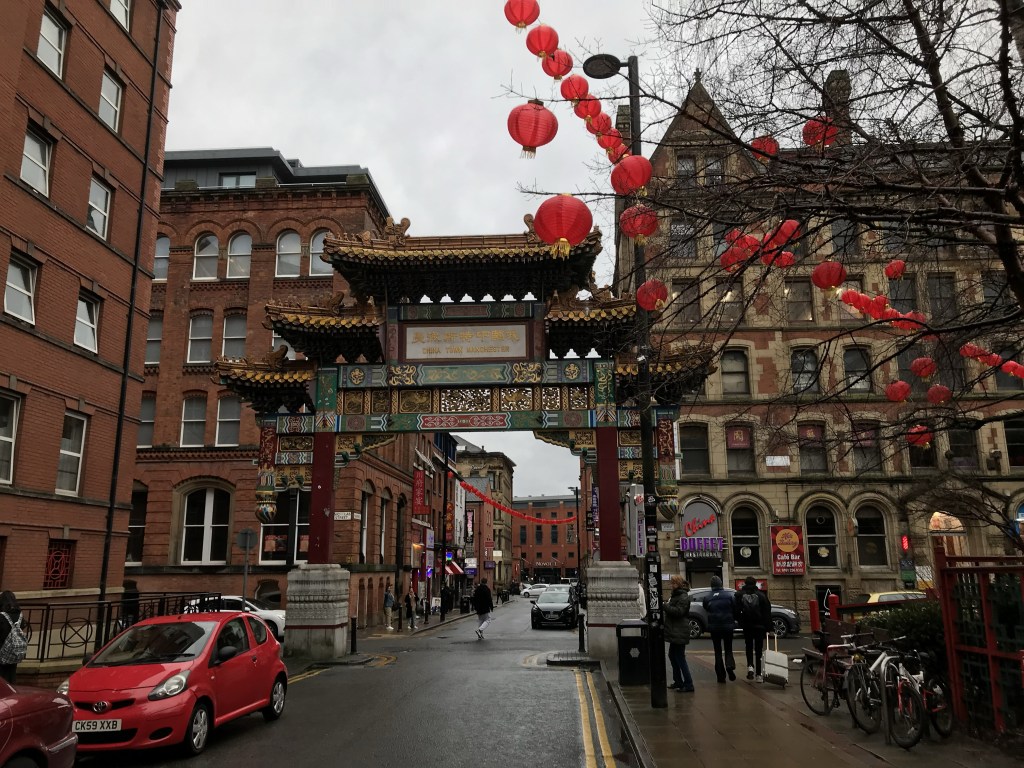
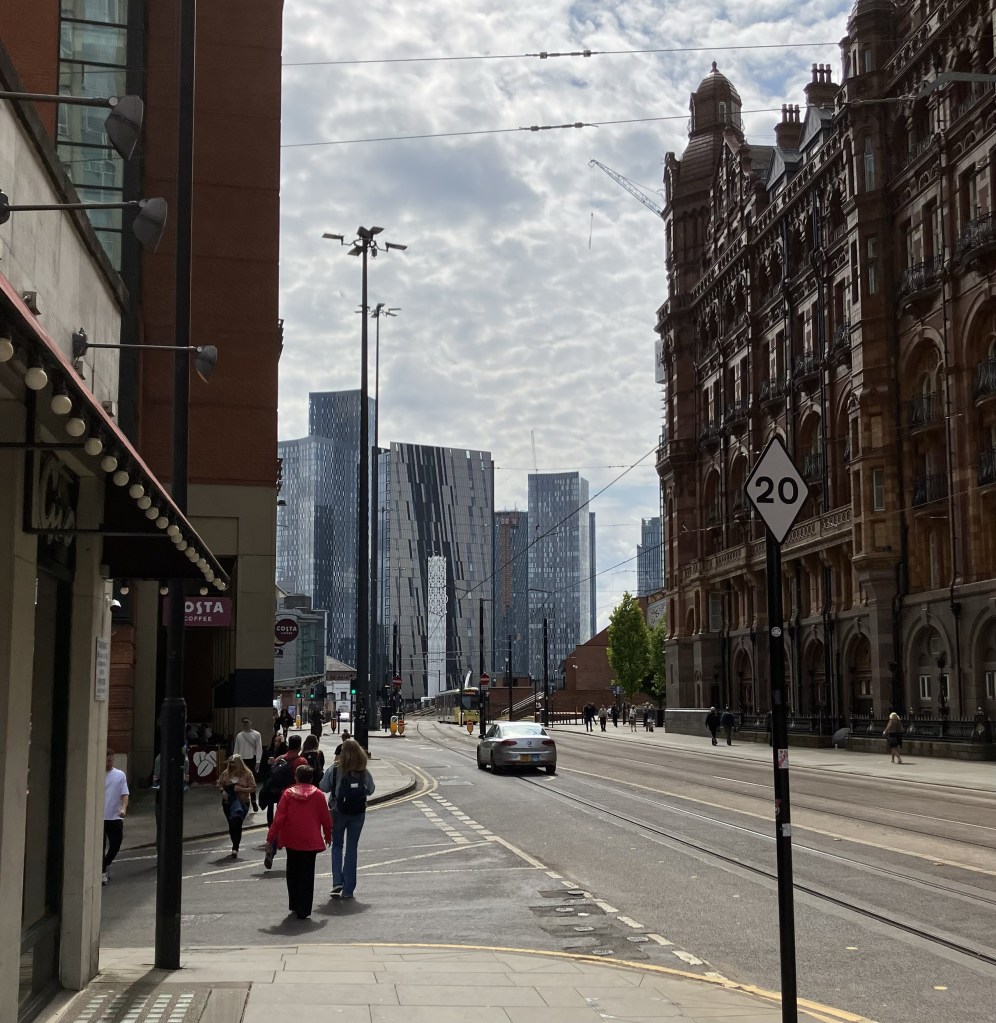
Manchester has a significant Chinese community, and it has been a hub for Chinese immigration to the UK for many years. The city’s Chinatown is one of the largest in Europe, and is home to many restaurants, shops, and cultural institutions. The Chinese community in Manchester is very diverse, with people from different regions of China and different generations, and they have made a significant contribution to the city’s culture and economy. There are also several Chinese community organizations and cultural events, such as the annual Chinese New Year celebrations, which help to promote Chinese culture and traditions in the city.

Chinatown in Manchester under the grey skies

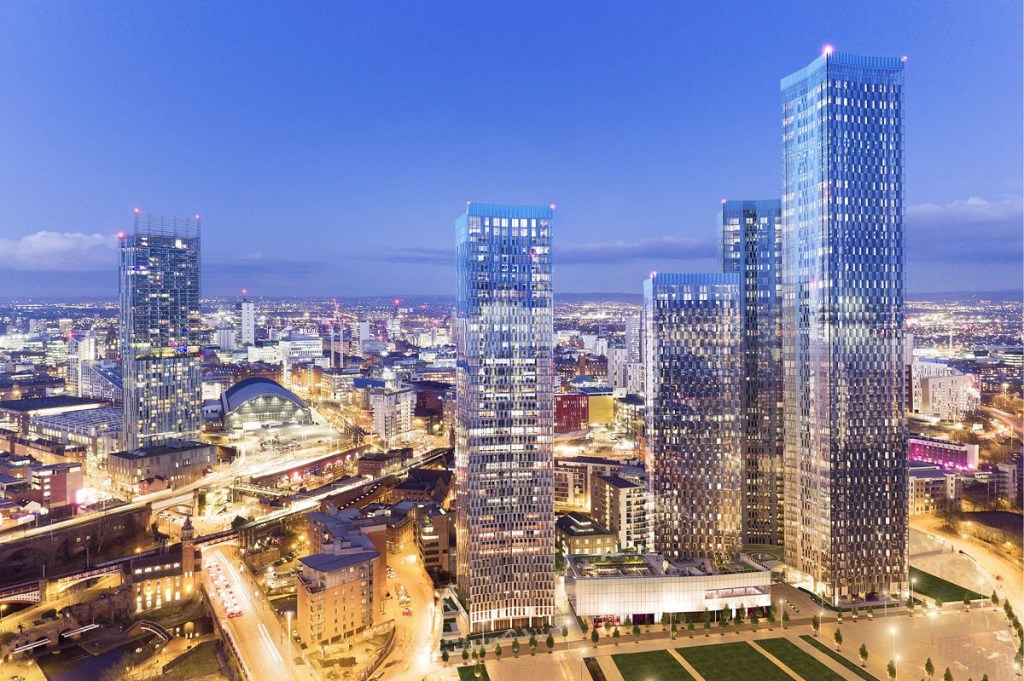
In addition, there has been significant Chinese investment in Manchester in recent years. China has been looking to expand its investment in the UK, and Manchester has been one of the key targets for investment. One of the largest investments has been in real estate development, with Chinese firms investing in luxury apartments, office buildings, and mixed-use developments in the city. Chinese companies have also invested in infrastructure projects, such as transportation and renewable energy, in the Manchester area. There has also been investment in the education sector, with Chinese companies supporting local universities and colleges.

A growing skyline

There had also been a significant influx of people from Hong Kong settling in Manchester in recent years. In fact, Manchester is now considered one of the top destinations for Hong Kong migrants in the UK. The UK government has also created a new visa scheme specifically for Hong Kong residents which has made it easier for them to move to the UK, including Manchester and other parts of the North West such as Liverpool, bringing their culture and art with them and enriching their adopted homeland accordingly.

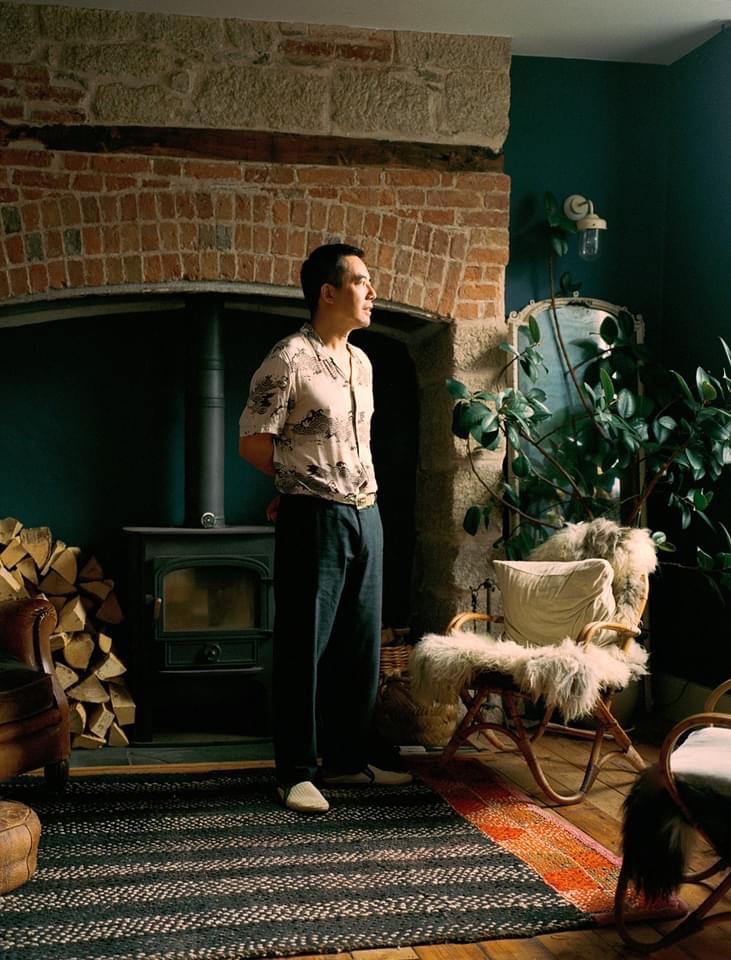
Artist Dinu Li

Dinu Li is an artist who was born in Hong Kong and who currently lives and works in Cornwall, UK. He graduated with a degree in photography from Liverpool John Moores University in 2001. Li’s work often explores the intersection of personal and cultural histories, and he works across a range of media, including moving image, photography, installation, and performance. He is particularly interested in how history and memory are constructed and how they can be reinterpreted through art. His work has been exhibited internationally, and he has had significant artistic recognition for his work.

Li is currently exhibiting at ESEA (‘A Phantom’s Vibe’).

The exhibition’s guide pamphlet provides the following background information:-

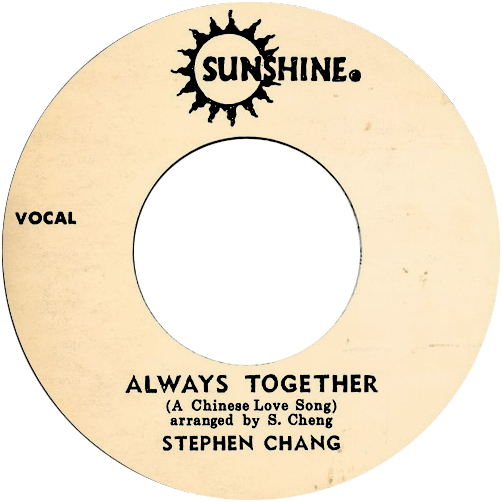
Li’s work in the exhibition, combines autobiographical allegories with a tapestry of cultural influences. Visitors are taken from the night markets of Hong Kong to the blues parties of Hulme* and Moss Side* via Jamaican recording studios, owned by the descendants of Chinese indentured labourers**. The reggae classic ‘Always Together’ *** runs through the heart of the exhibition, where music becomes a medium for cultures to meet, mix, and become hybrid.

Dinu Li, Reggae
and Hong Kong
Dinu Li, Reggae
and Hong Kong
Dinu Li, Reggae
and Hong Kong

As a child wandering through the working – class districts of Hong Kong, Li overheard ‘ Always Together’*** by Stephen Cheng mistaking it for a Chinese folk classic. Years later, this song, unexpectedly, repaired, like a phantom at one of the inner–city blues parties**** Li frequented during his 1980s, Manchester youth, and decades after that, the song once again re-emerged on YouTube. The song soundtracks Dinu Li’s exhibition.

Stephen Cheng

It wasn’t until much later that Li learned that the song was actually recorded in Jamaica in 1967, in one of the small number of Chinese recording studios*****, some of which helped shape the sounds of key artists such as Dennis Brown and Augustus Pablo. Through his work tracing the history of early reggae, Li’s exhibition,’ A Phantom’s Vibe’, serves as a means of unearthing, the underrepresented history of the Chinese in Jamaica, subverting mainstream cultural hegemony.

*Hulme and Moss Side are districts of Manchester where many members of the city‘s Afro-Caribbean community live.

** Chinese people first started coming to Jamaica around 1850 when they arrived on the island mostly as indentured labourers, brought by the British from China to work on the sugar plantations to replace the unpaid labour of the island’s black population following the end of slavery. Indentured labour is a form of debt bondage whereby the labourer ‘agrees’ to work for no pay for a number of years to pay off the cost incurred in their migration to the Caribbean.

*** ‘Always Together’ is a reggae record recorded in 1967 in Jamaica, by the Chinese singer Stephen Cheng (misspelled as ‘Chang’ when the record was released). The song is unusual because although the title is in English, the song itself is sung in Chinese with the lyrics originating from “Alishan Girl,” a Taiwanese folk song, which dates back to the 1940s. The track was put together by Stephen Cheng and the Jamaican musician and producer Byron Lee (himself of a Jamaican Chinese background) when Cheng visited the island from his home in New York.

**** after hours parties often playing reggae in peoples homes or basements etc.

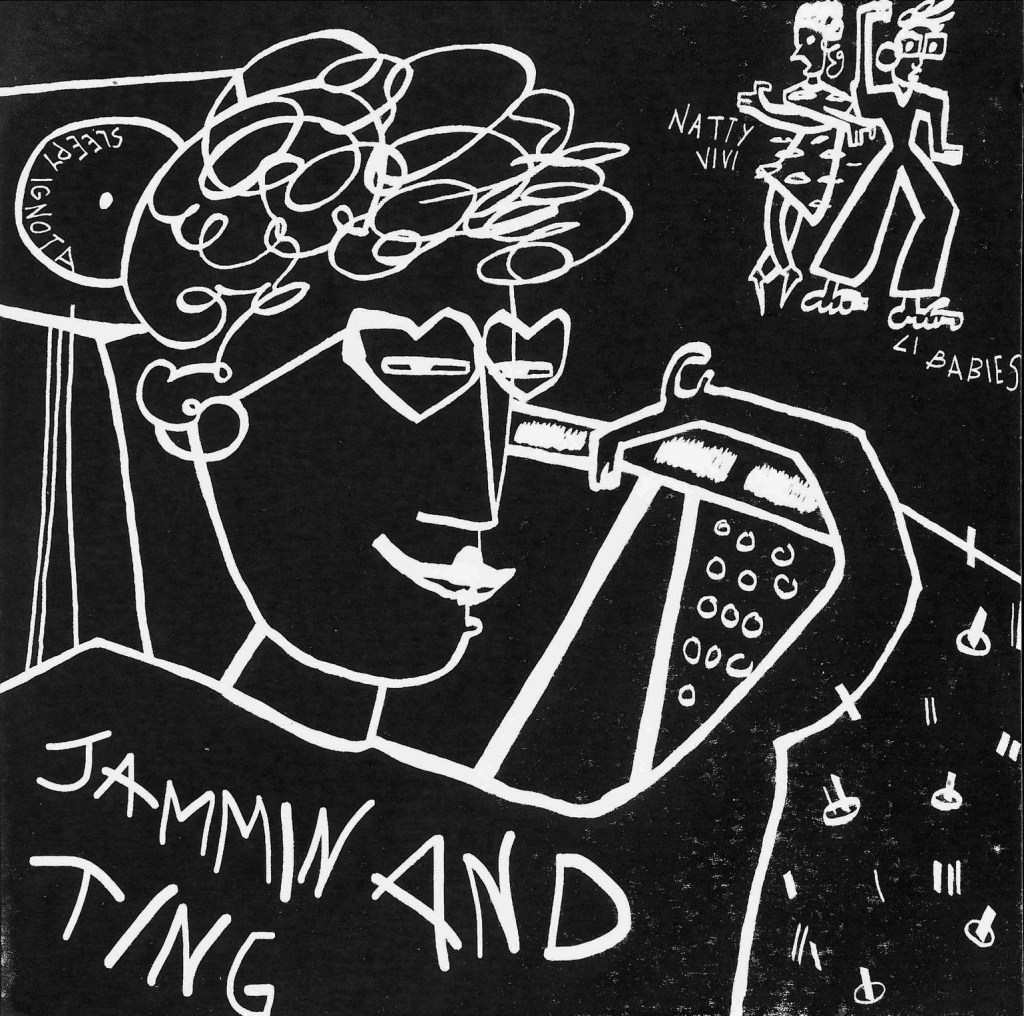
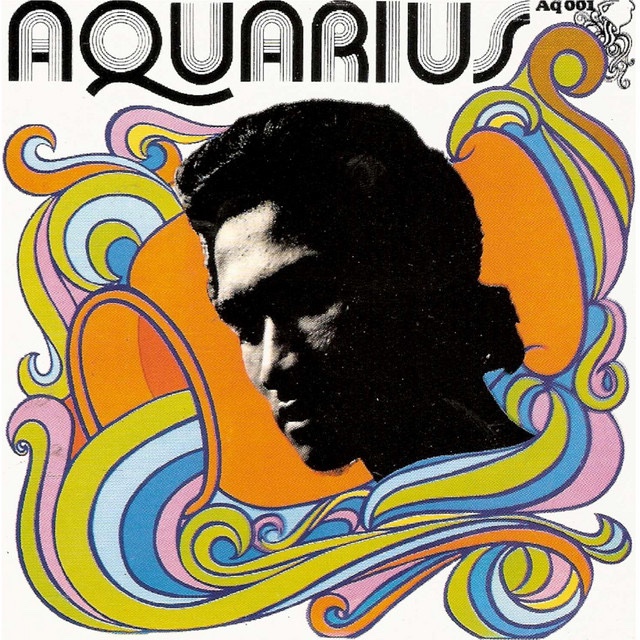
***** several Jamaicans with Chinese roots played a key part in the development of the island’s beloved popular music, reggae and it’s older sister, rock steady. They established some of the first record shops and studios on the island, providing a platform for emerging reggae artists to record and distribute their music. Jamaicans of Chinese origin in the music industry included Vincent and Patricia Chin who created the influential VP Records, Leslie Kong of Beverley’s Records (the producer of the legendary soundtrack to ‘The Harder They Come’), Herman Chin-Loy of Aquarius records (who produced what was arguably the first dub album, ‘Aquarius Dub’ in 1974) and the Hookim brothers who owned Channel One studios where they created the radical ‘rockers’ sound which dominated the Jamaican music scene in the late 1970’s.

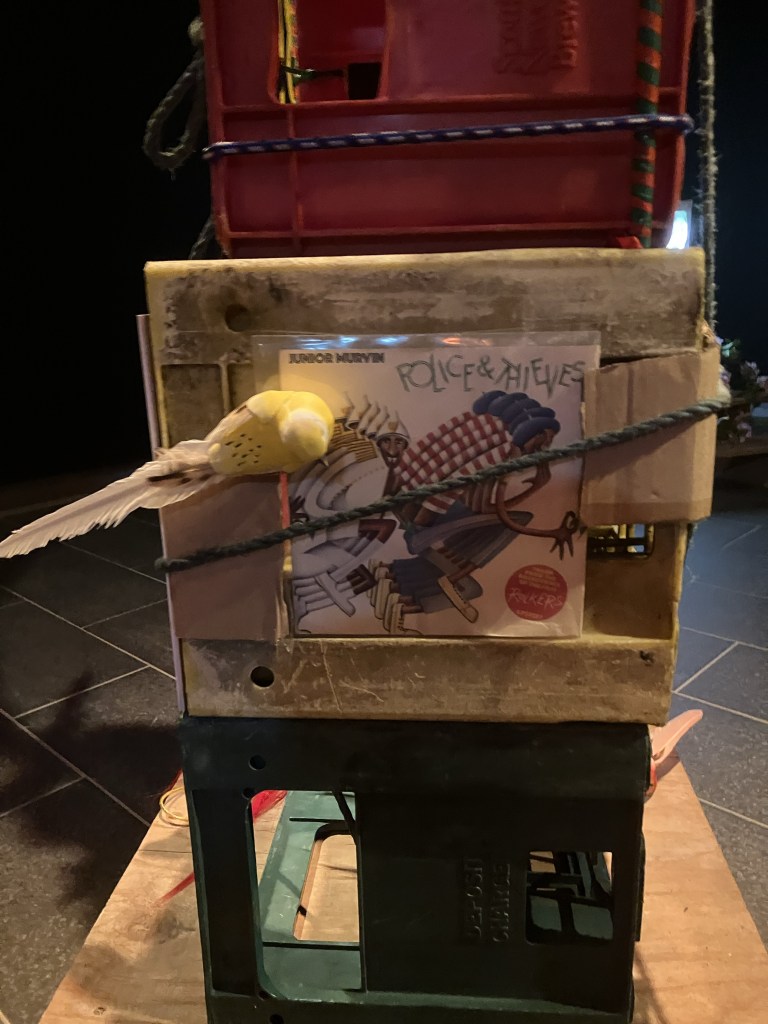
The Hookim brothers at Channel One produced this rockers classic in 1976
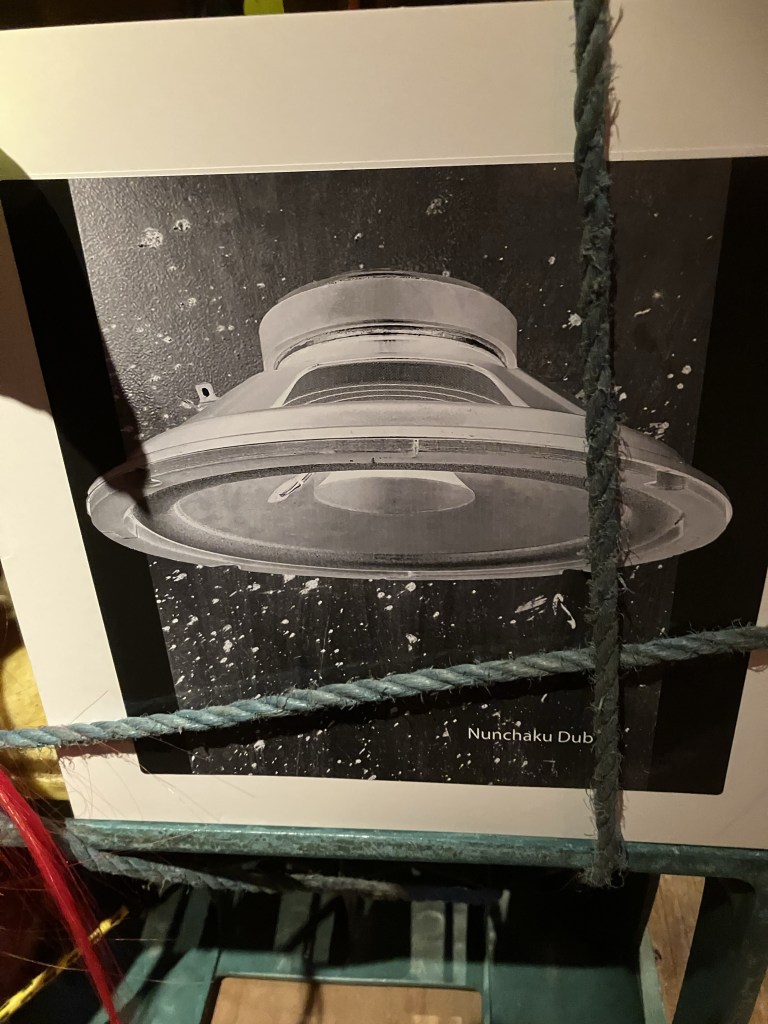
Herman Chin-Loy created arguably the first ever Dub album in 1974

The installation highlights how the music and culture of reggae have been adapted and reinterpreted in Hong Kong, and how they have provided a means for people to express their identity and resistance in the face of colonialism.

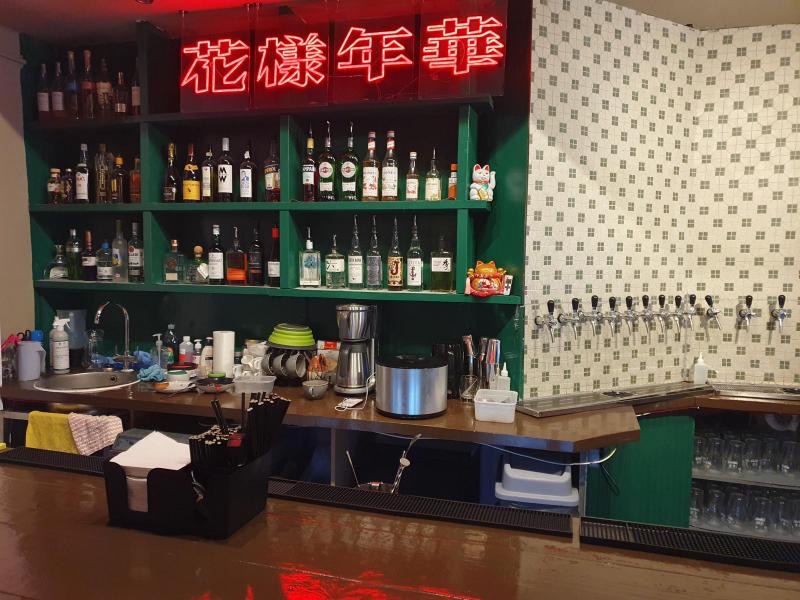
Harcourt bar in South Manchester

The Harcourt bar in southern Manchester is named after Harcourt Road in Hong Kong. This road is in turn named after Sir Cecil Harcourt, who was a British colonial administrator in Hong Kong in the early 20th century. The bar is inspired by Hong Kong culture and cuisine, and the menu features authentic Hong Kong street food. It has picked up justifiably rave reviews.

The bar was created and opened by a married couple from Hong Kong, Priscilla So and Brian Hung. They were inspired by their experience working in the craft beer industry, as well as their love of Hong Kong culture. The bar is designed to be a modern take on a traditional Hong Kong-style pub, with a focus on craft beer and Hong Kong-inspired food. The bar offers a variety of Hong Kong-style dishes, including bars snacks prawn toast and smashed cucumber as well as a wide selection of craft beers.

Before opening the bar, Brian took up a position as a barrel ageing manager for the independent Manchester based Cloudwater brewery. The bar wisely stocks, a range of award winning Cloudwater beers (see https://cloudwaterbrew.co).

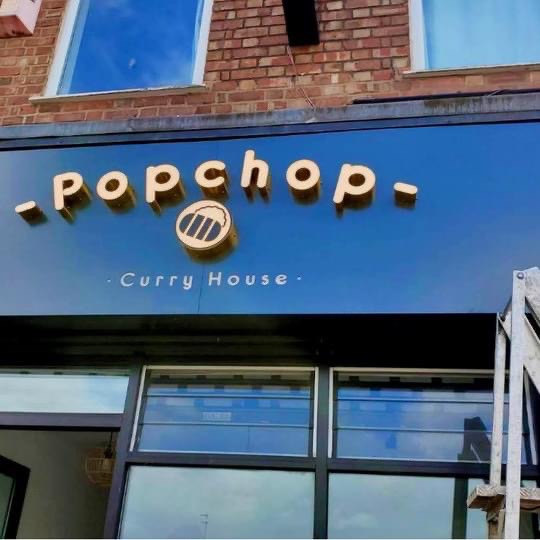
Popchop in East Manchester

The influence of emigres from Hong Kong on Manchester’s food scene continues apace with the likes of Popchop Curry House in the east of the city. Popchop serves up Hong Kong style curried meats and rice to a fanatical clientele. The owner came to Manchester from Hong Kong a couple of years ago, His recipes are based on his father’s renowned restaurant Sun King Yuen in the Wan Chai district of Hong Kong which is which is famous for its curry dishes.

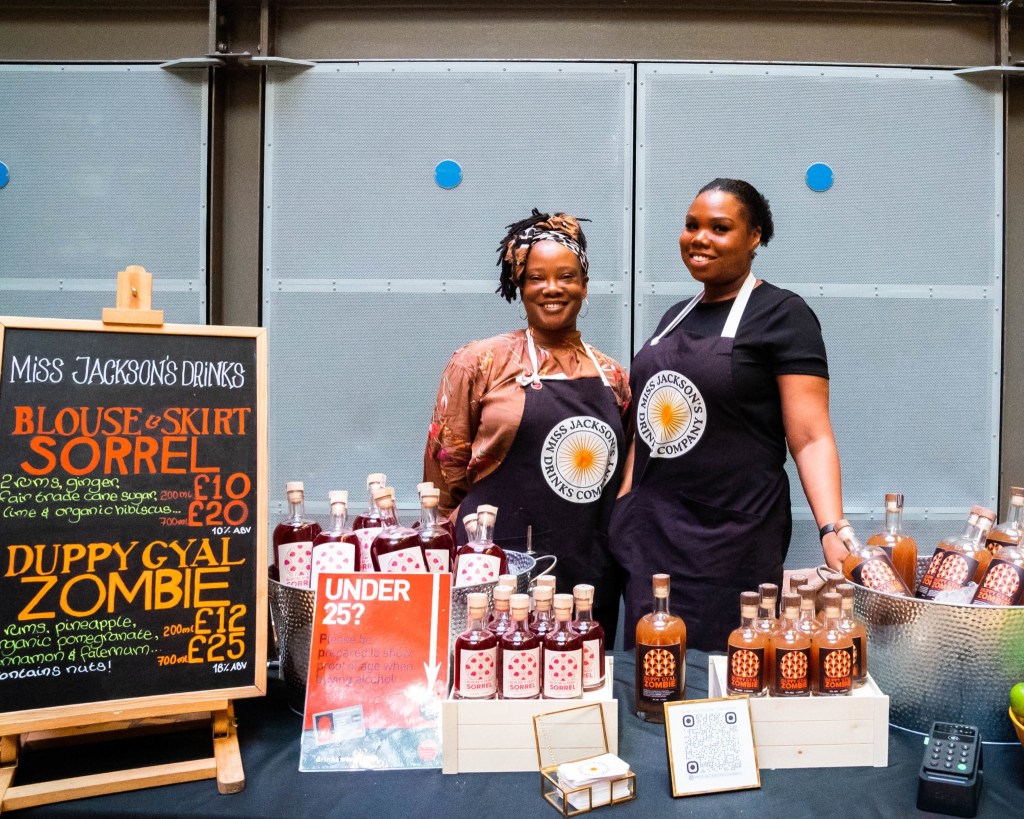
And turning to the Caribbean influence on food culture in the city we must mention Miss Jackson’s Drinks Company, a relatively new venture based in Manchester which was set up by two sisters.

‘Miss Jackson’s Drinks’

Their website at https://www.missjacksonsdrinks.com comments:

‘The story starts with us, two Jackson sisters from South Manchester. Inspired by our Caribbean heritage, we sustainably source the bright flavours of Jamaica and shake them down with premium spirits’

The sisters have created and marketed two liqueurs to date, Duppy Gyal Zombie and our favourite, Blouse and Skirt Sorrel.

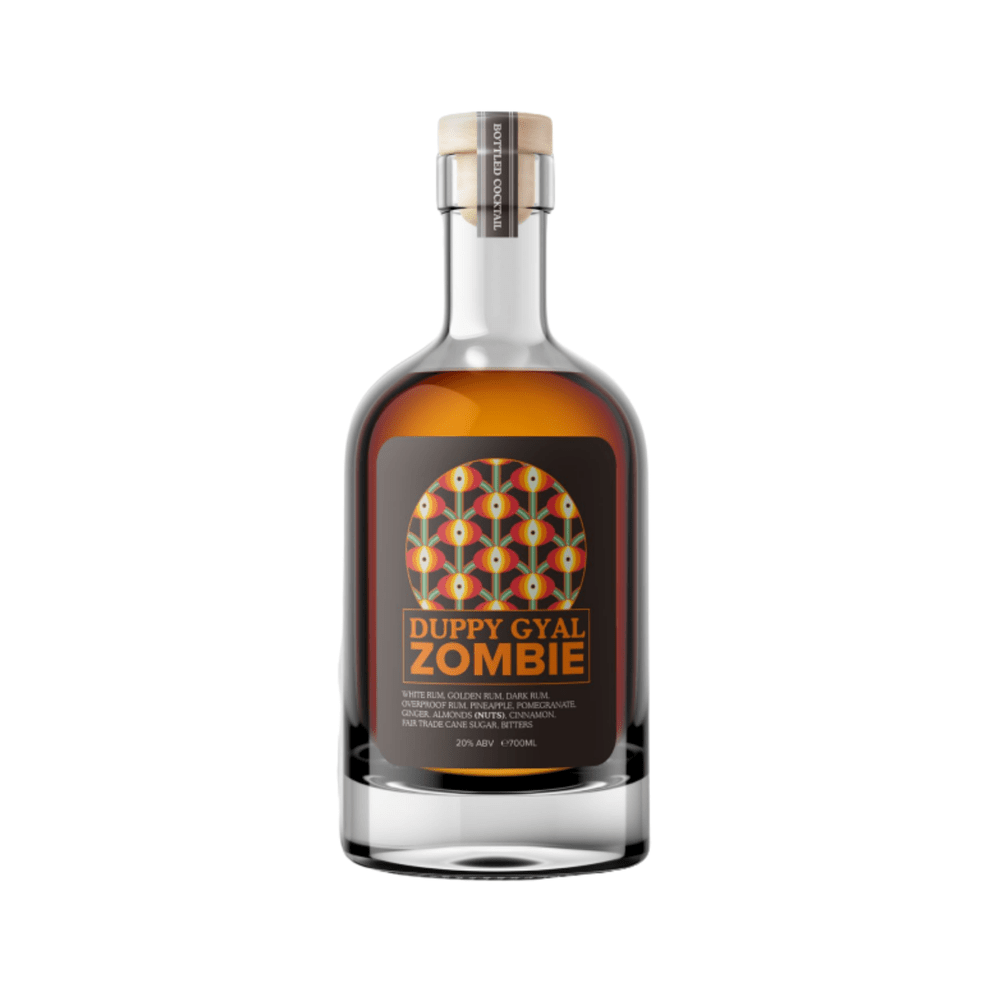
Duppy Gyal Zombie

Duppy Gyal Zombie is a combination of different rums with limes, pomegranate juice, pineapple and bitters.

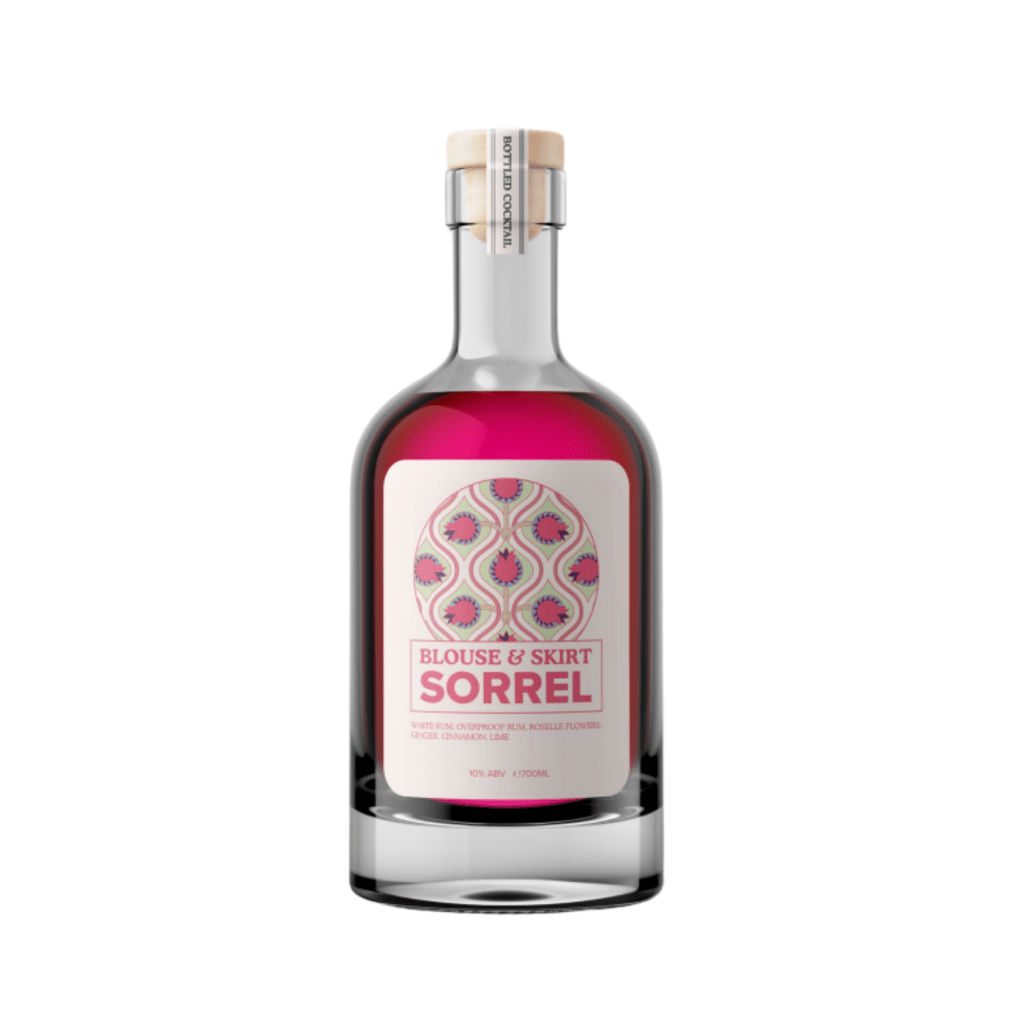
Blouse & Skirt Sorrel

Blouse and Skirt Sorrel is a combination of different rums, ginger, lime juice, cane sugar and of course, Sorrel. In Jamaica, ‘Sorrel’ are the dried flowers used to make a type of sweet hibiscus tea commonly made from the Roselle flower which is popular throughout the Caribbean and West Africa where the ‘red tea’ made from the flowers originates.

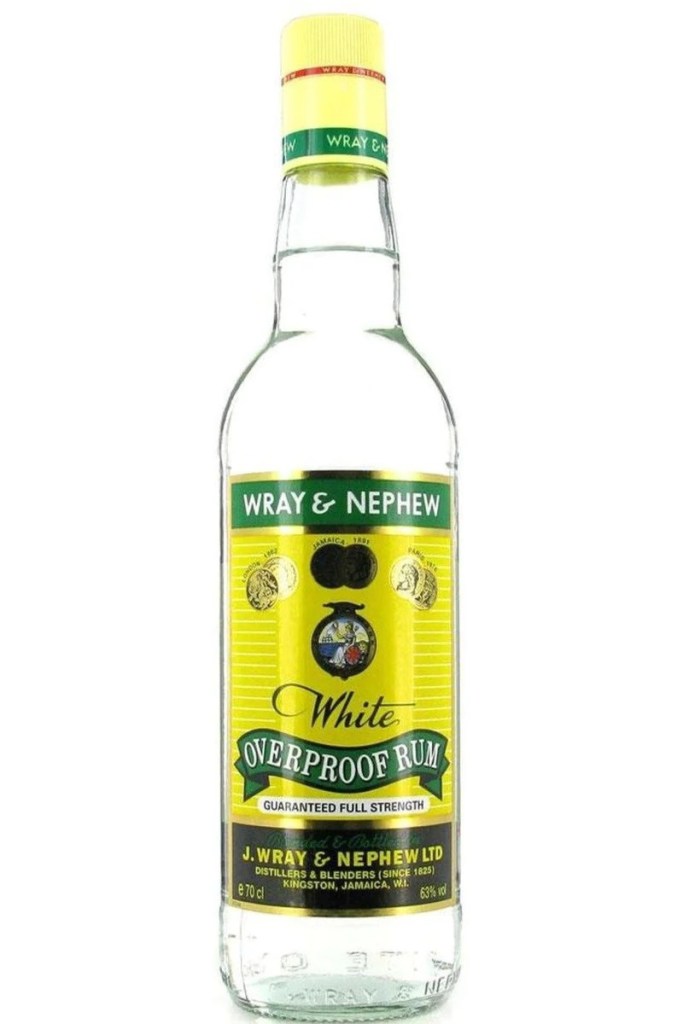
Overproof Jamaican rum

‘Take her to Jamaica where the rum come from

The rum come from, the rum come from

Take her to Jamaica where the rum come from

And you can have some fun’

Köln, Kölsch and Cola

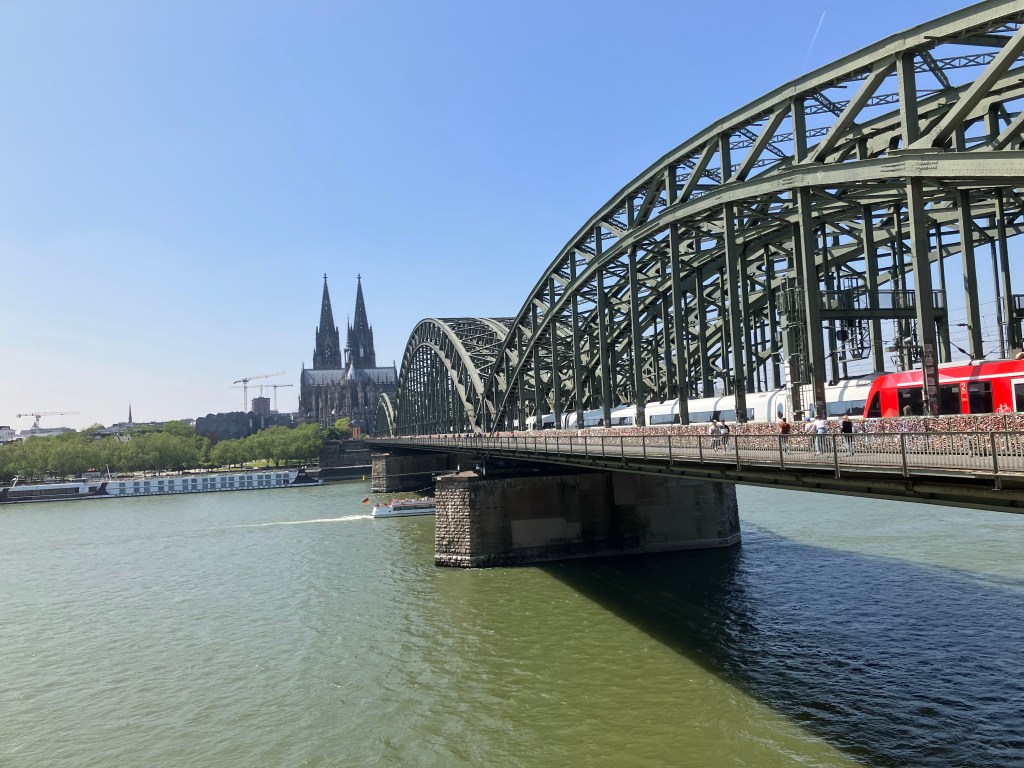
Cathedral and Hohenzollern bridge

Köln (aka ‘Cologne’) is the fourth largest city in Germany. Devastated by the extensive bombing campaigns of Allied aircraft during WW2, the city is essentially one of concrete, steel and glass and some what ‘thrown up’ in nature. So great was the bombing devastation that is some way past the interchange at Barbarossa Platz (where the southbound U Bahn to nearby Bonn rises to the surface), before you are amongst the older suburbs of turn of the century housing. Köln is, not a pretty city and there is, a fair amount of homelessness (even in the airport) and urban grime. Like Berlin or Hamburg, there is nothing neat or ‘twee’ about the place. Nevertheless, the city is friendly, cultural and full of character and it reminds us in a way of Manchester in the North of England.

Eigelstein Torburg in Köln

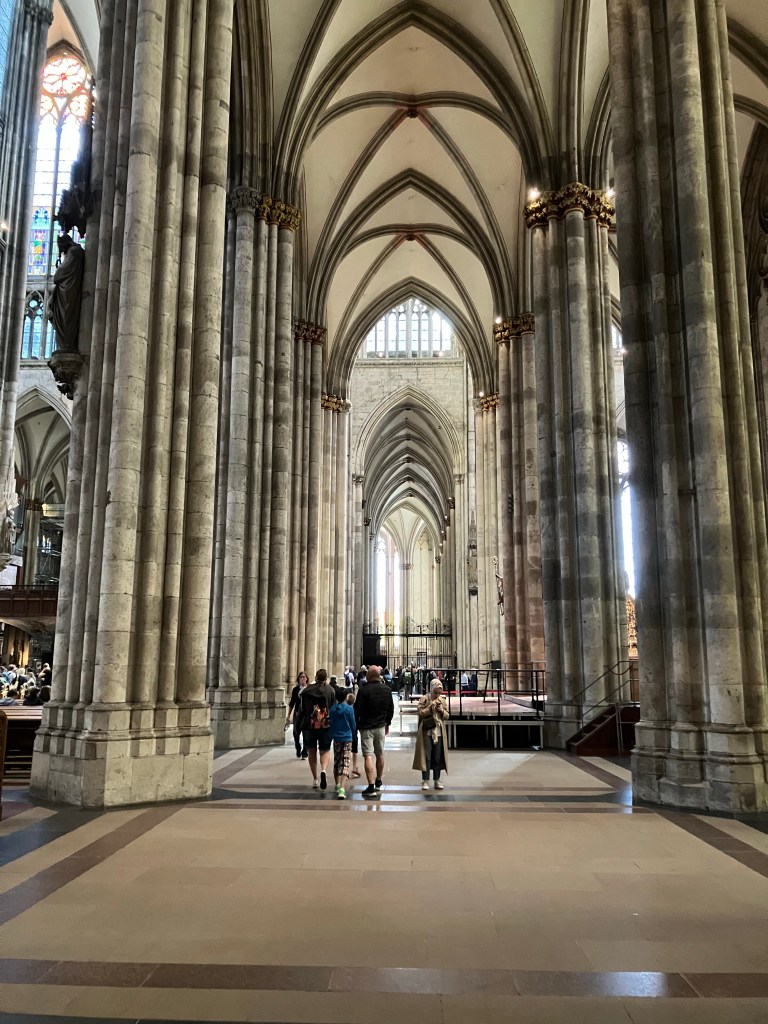
Three key city landmarks spring to mind. Most important amongst them is the Cathedral, the Kölner Dom, it’s outline of blackened sandstone visible from miles around. It is the largest Gothic church in Northern Europe and is Germany’s most visited landmark.

Dom

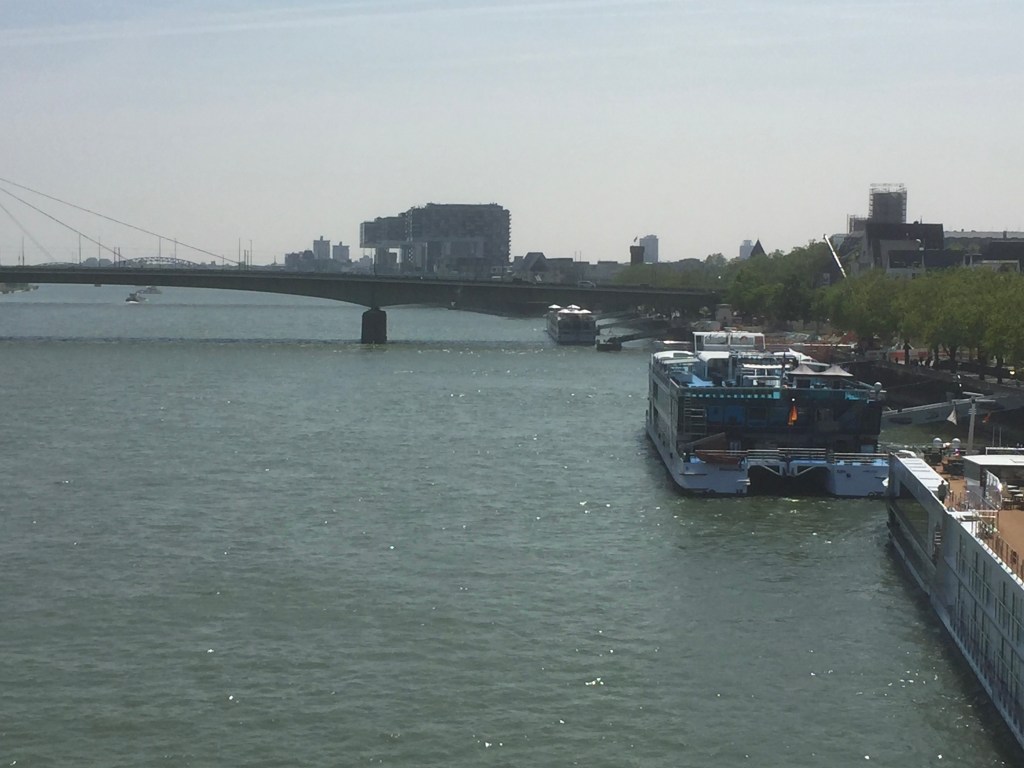
Second in importance in our opinion is the Hohenzollern bridge with its three distinctive arches. It runs east of the main train station and crosses the Rhine. It is used by both pedestrians and trains and with the exception of the walls of hideous ‘love padlocks’ which line the railway fences along the bridge, it is an otherwise pleasant way to walk across the Rhine to the other side.

Rhine view from the bridge

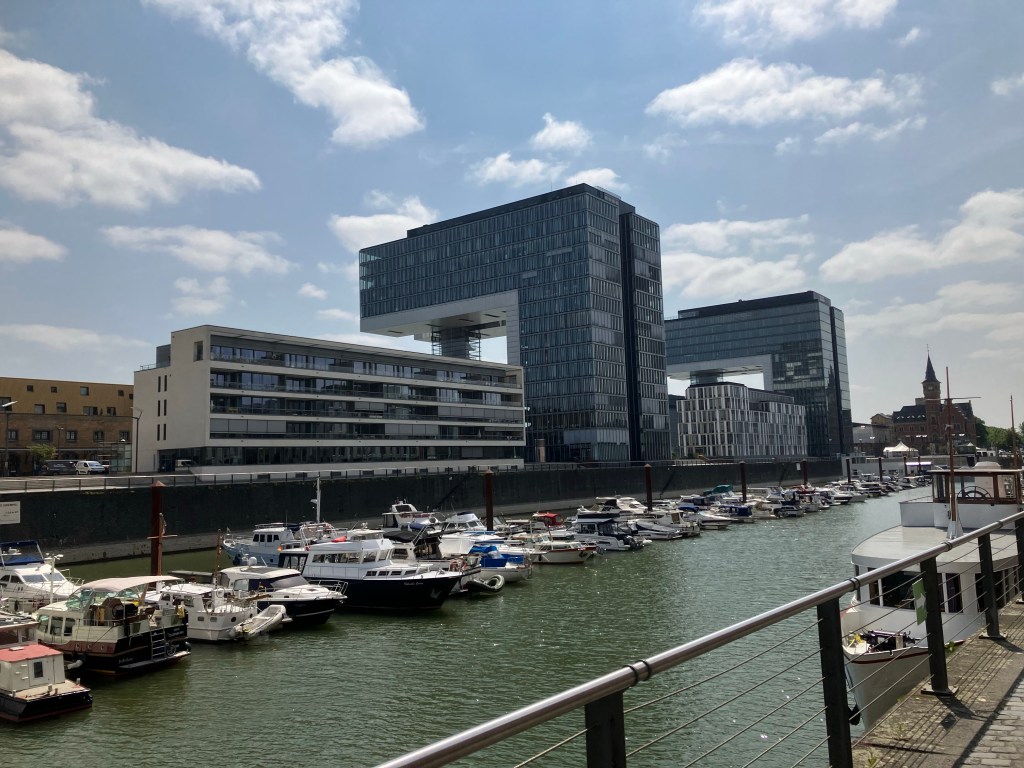
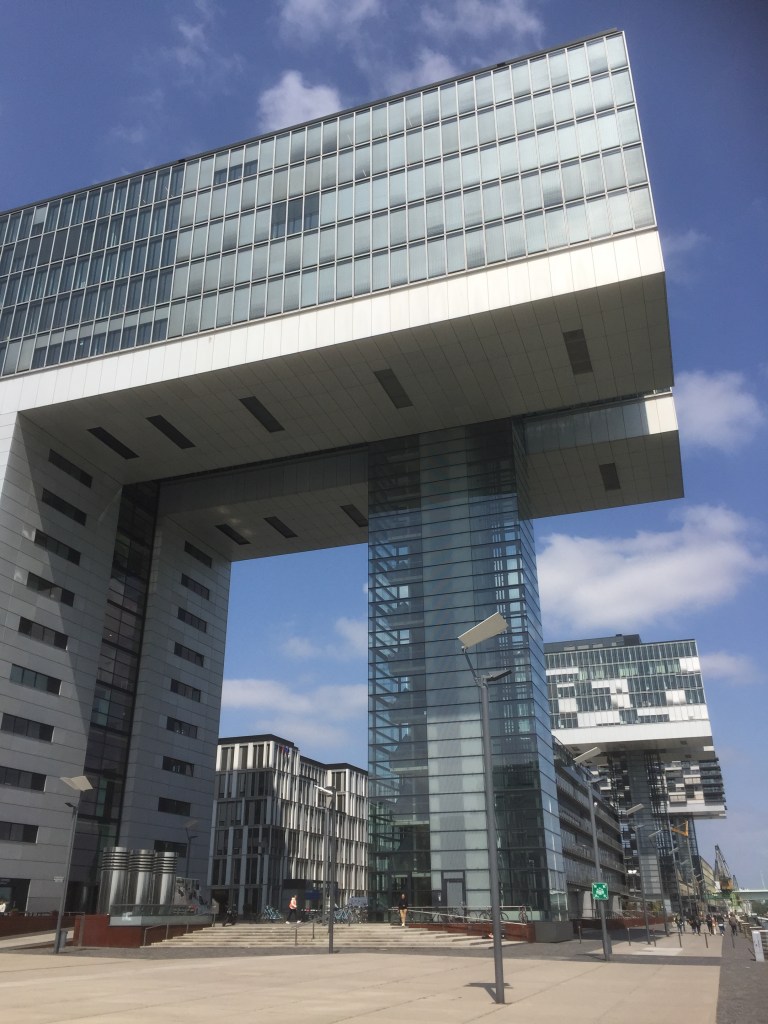
Clearly visible from the bridge are another city landmark, the three Kranhaus buildings of the Rhineauhafen urban regeneration area. The area was once a commercial harbour for loading and unloading goods from Rhine barges. Now the area’s most eye catching buildings, the three ‘Kranhaus’ loom over the river as if they were modern day harbour cranes of glass and steel.

Kranhaus
Kranhaus

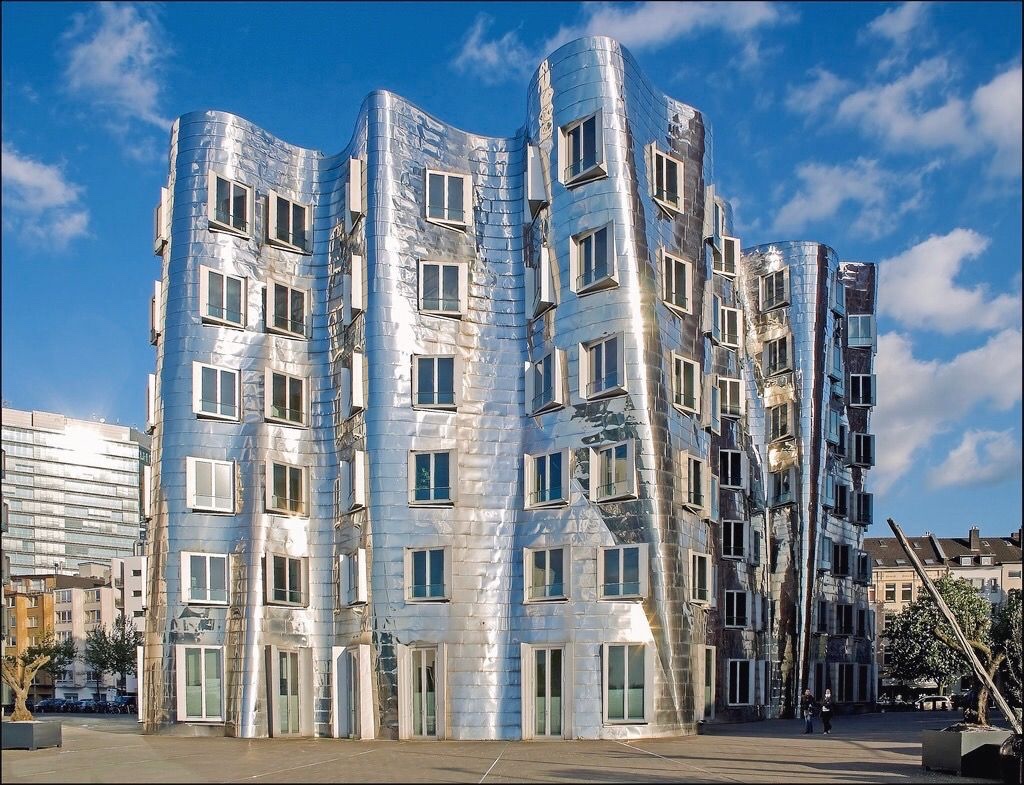
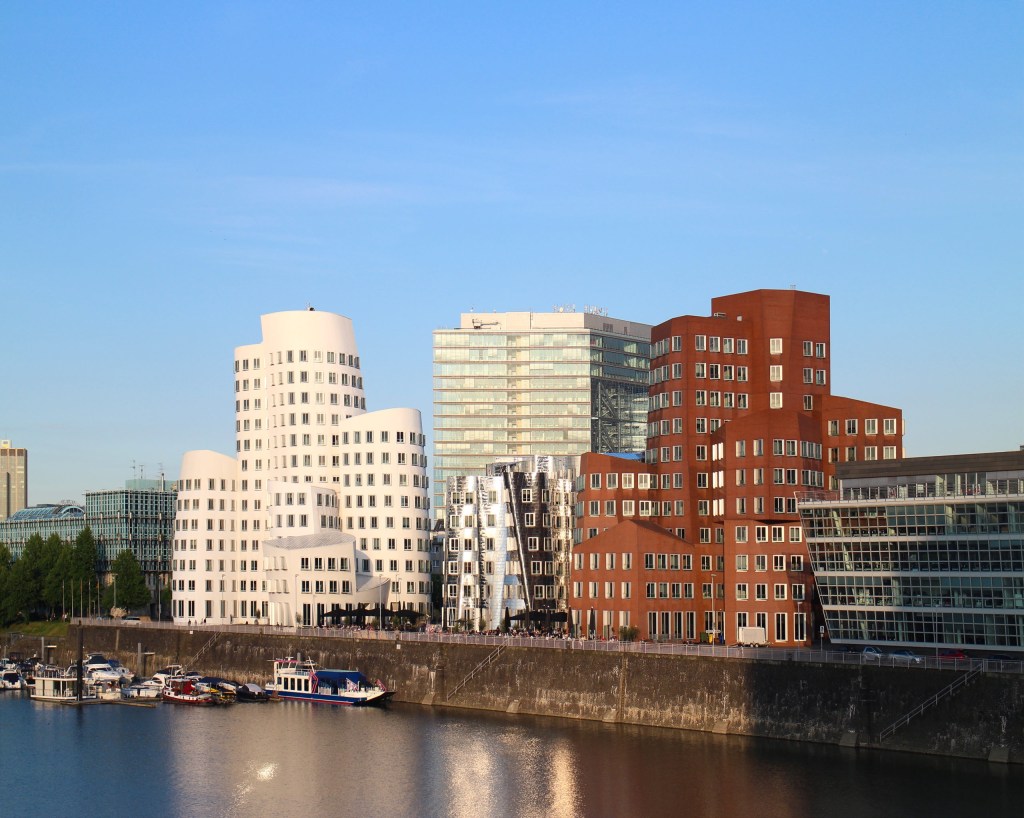
Rhineauhafen is a commercial and aesthetic success in our opinion as is the revitalised MedienHafen district of nearby Düsseldorf, another former harbour area now a media industry district distinguished and enlightened by impressive architecture including Frank Gehry’s Neuer Zollhof buildings

Neuer Zollhof
Neuer Zollhof

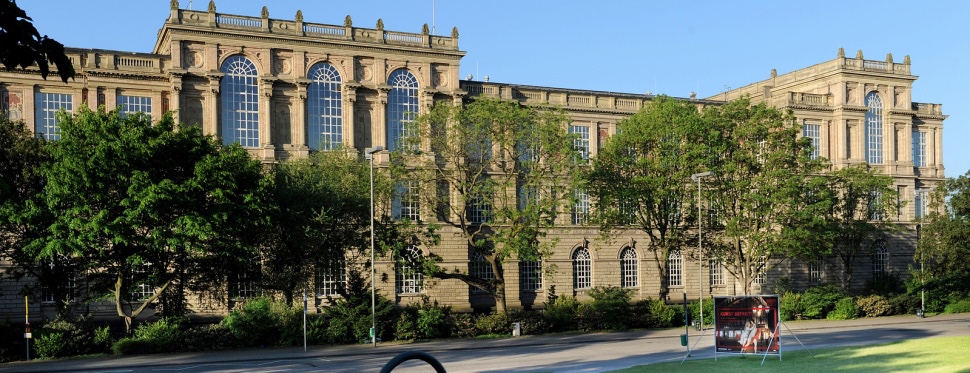
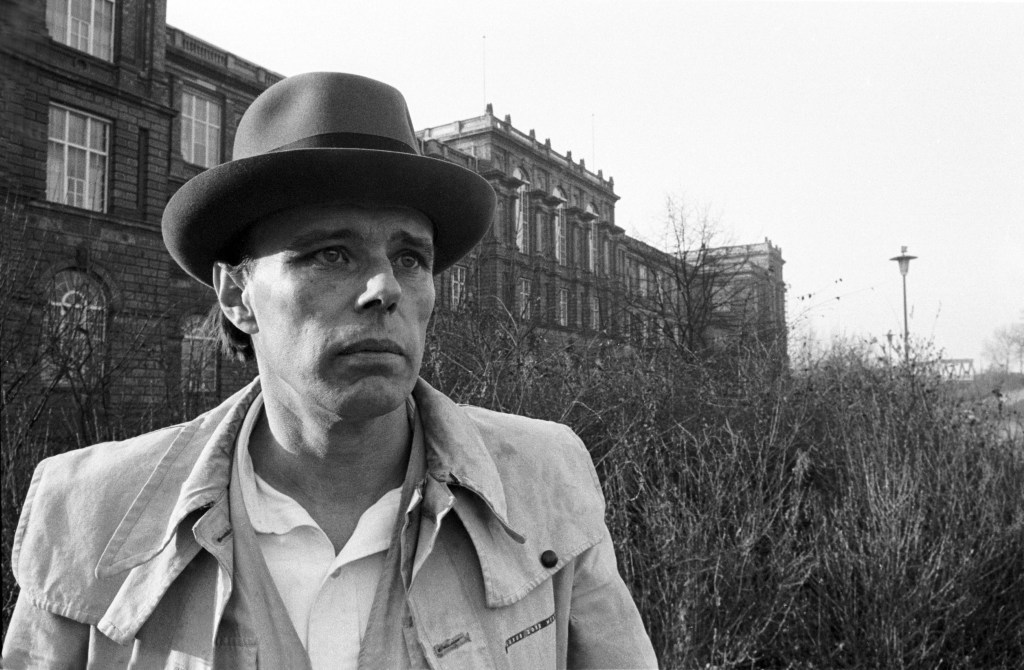
Düsseldorf is forever associated with the artist Joseph Beuys who was the professor of monumental sculpture at the city’s art college, the Kunstakademie. The artist Paul Klee had also taught at the Academy.

Kunstakademie, Düsseldorf
Joseph Beuys outside the Kunstakademie. ‘Wer nicht denken will, fliegt raus’.

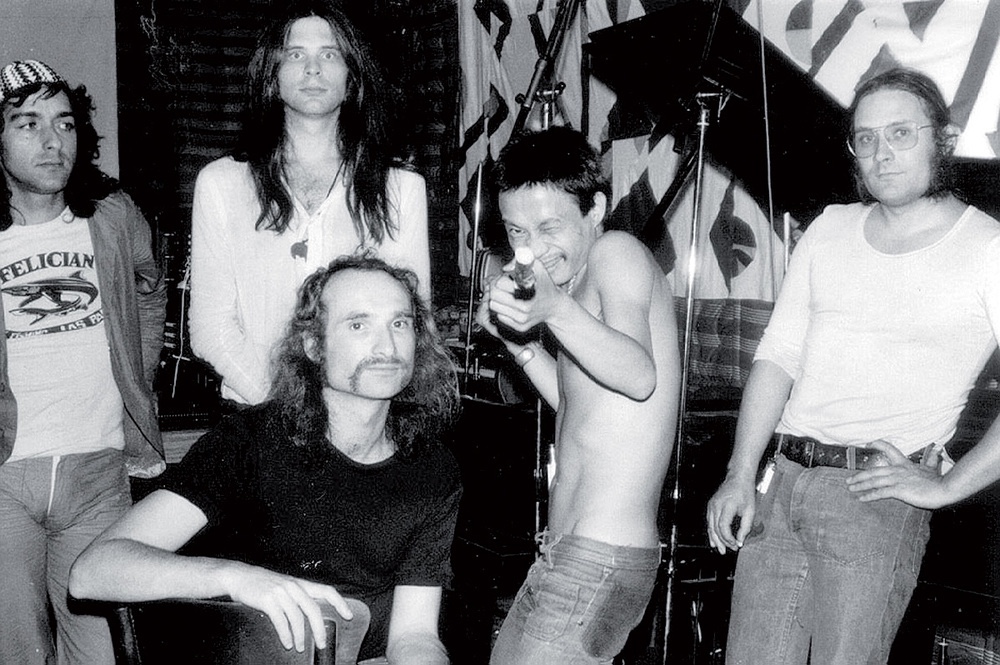
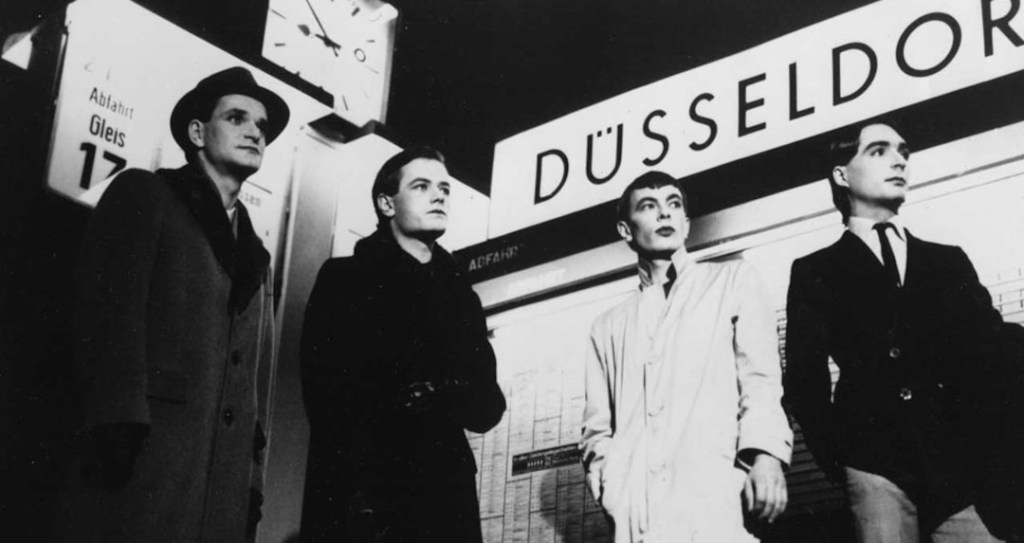
Kõln and Düsseldorf between them produced two of Germany‘s most innovative and influential music groups, Can from Köln and Kraftwerk from Düsseldorf. You cannot underestimate the influence the music of these two groups had on popular Western musical culture from Rock to Techno, from Hip Hop to Electronica. If you add Donna Summer (who was identified with the Munich scene) to the work of Can and Kraftwerk you more or less have the blueprint for the electronic dance music of the UK and USA which was to evolve in the 80s and 90s

Can
Kraftwerk

Kraftwerk even extended their influence to London’s ‘Ebony Steel Band’. They who covered Kraftwerk songs in their 2021 album ‘Pan Machine’. The album’s name is a pun on Kraftwerk’s 1978 album ‘Man Machine’, a ‘Pan’ being the nickname of the oil drums played in a Steel Band.

Man Machine
Pan Machine

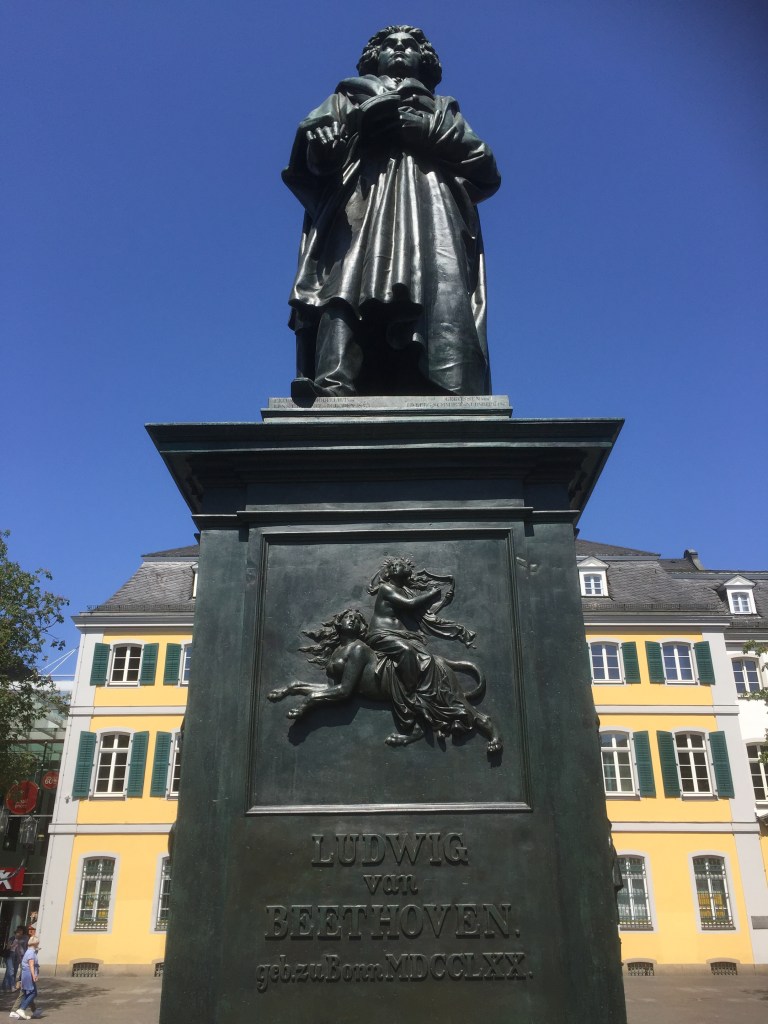
As for classical music, the nearby city of Bonn (easily reached from Köln by U- Bahn) is the birthplace of Beethoven. His family home, the Beethoven House, is the most popular attraction in the city for visitors.

Ludwig Van at home in Bonn

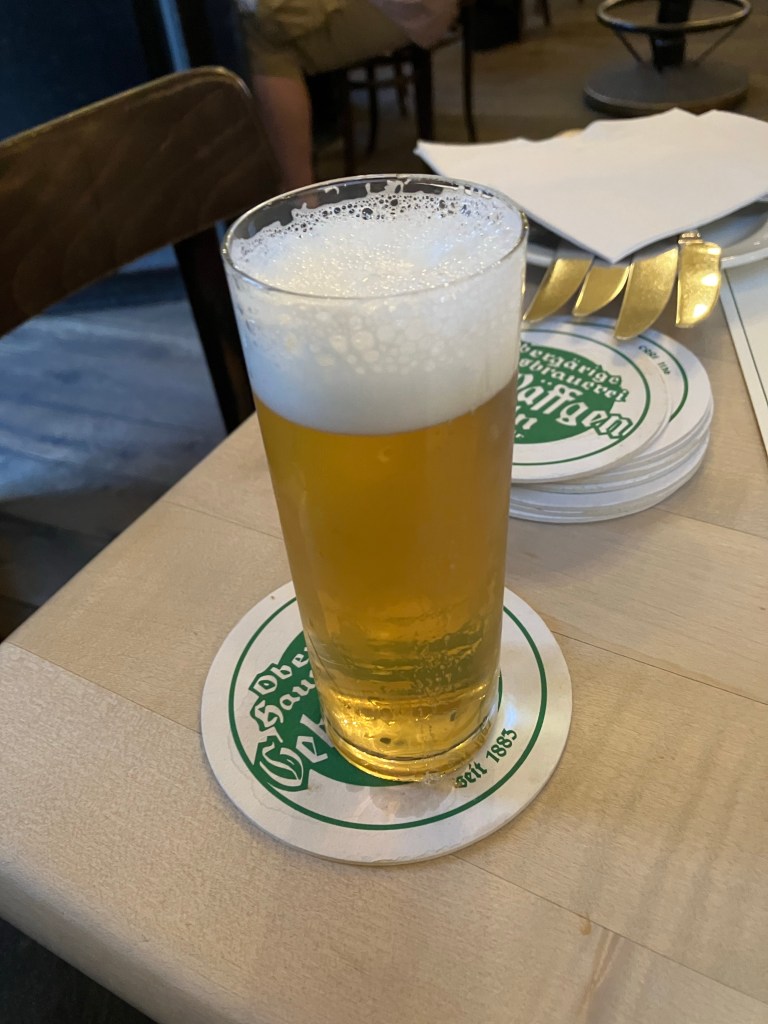
Köln is especially well known for two popular drinks, the first is a soda (‘afri cola’) and the second is the local style of beer known as ‘Kölsch’.

Kölsch

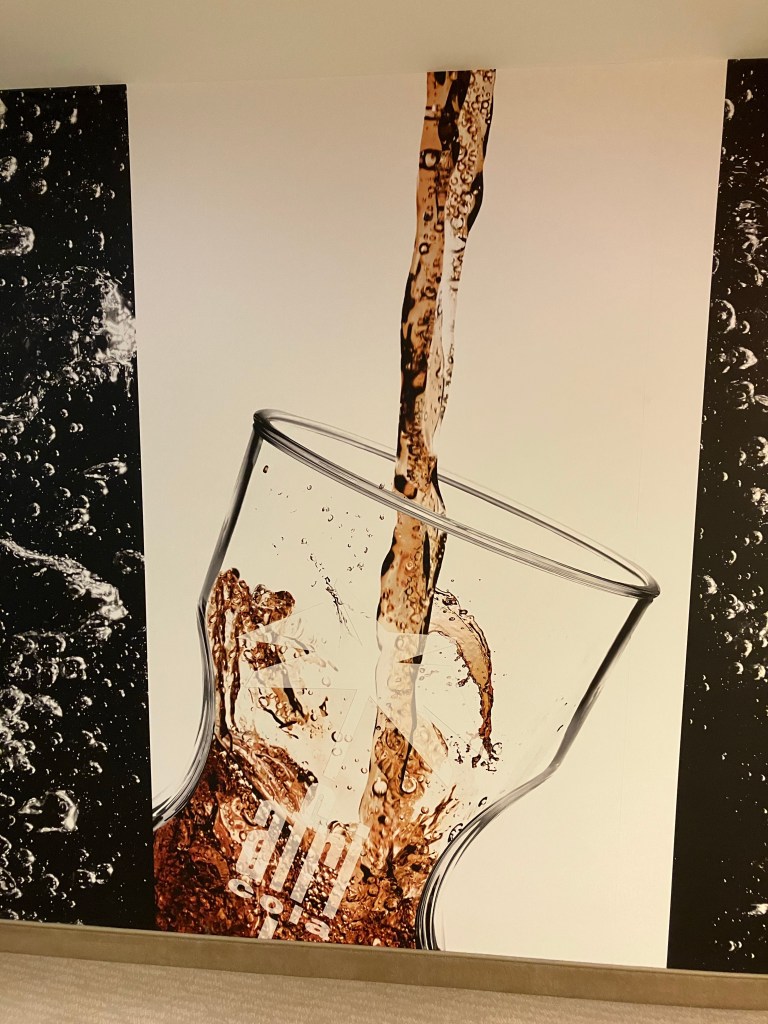
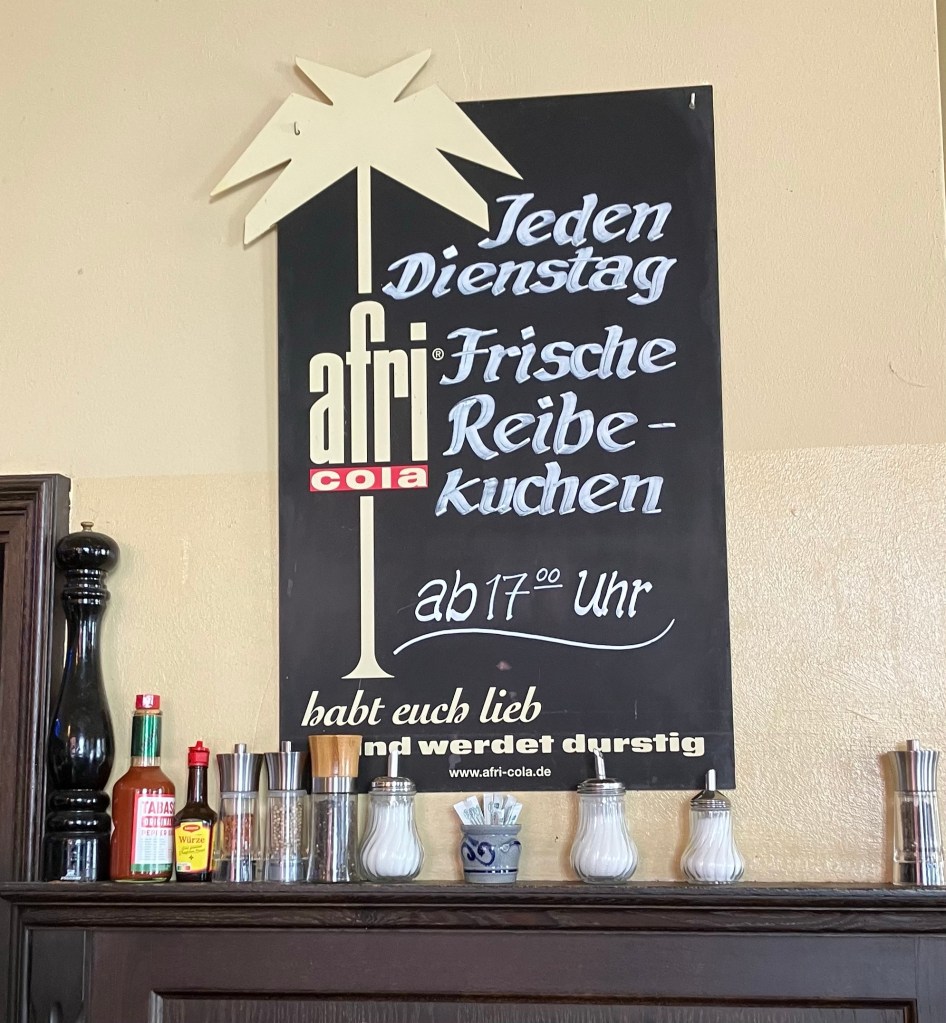
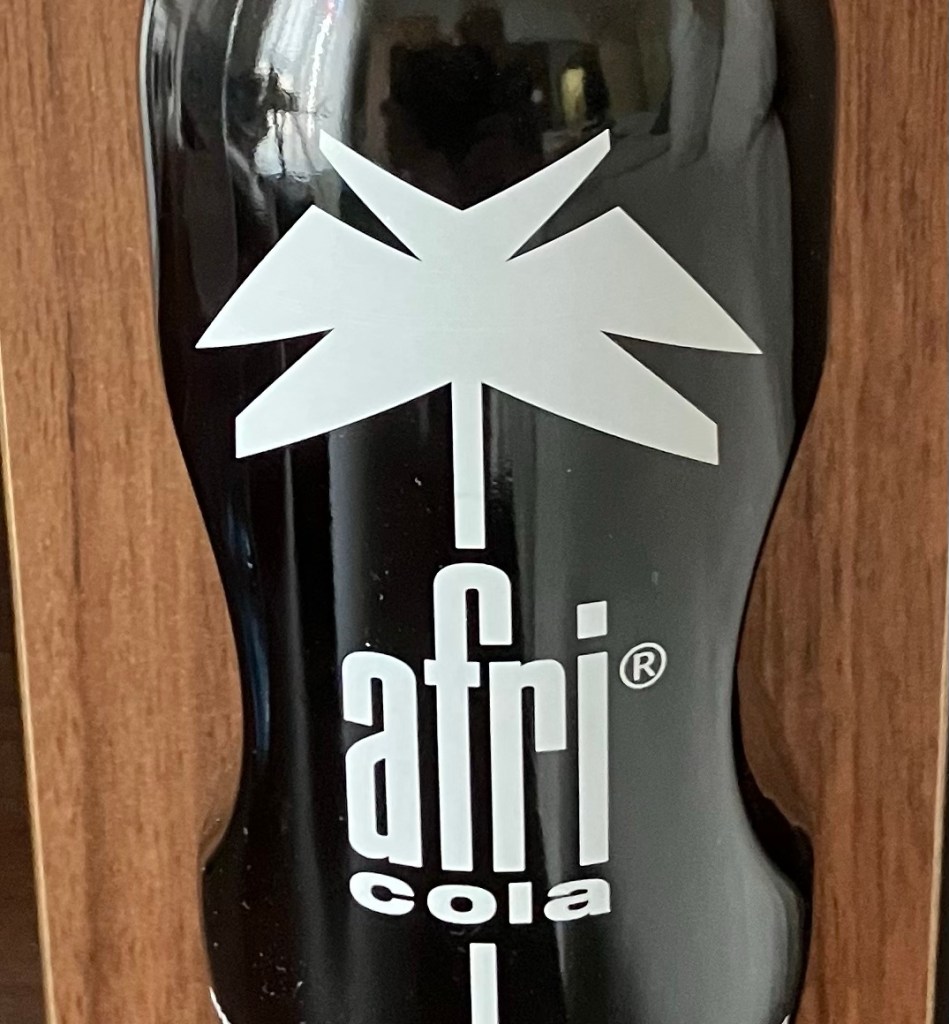
Afri cola is a very high caffeine (250m/L to Coca Cola’s 32 m/L), ‘old fashioned’ tasting local soda, first manufactured in Köln in 1931. The birthplace of the drink can be found in the grounds of the Courtyard by Marriot hotel on Dagobertstraße, north of the main train station. The original stoneware tanks used in the production process of the drink‘s syrups are housed in the hotel’s reception area, afri cola graphics adorn the walls.

The distinctive branding
Hotel mural

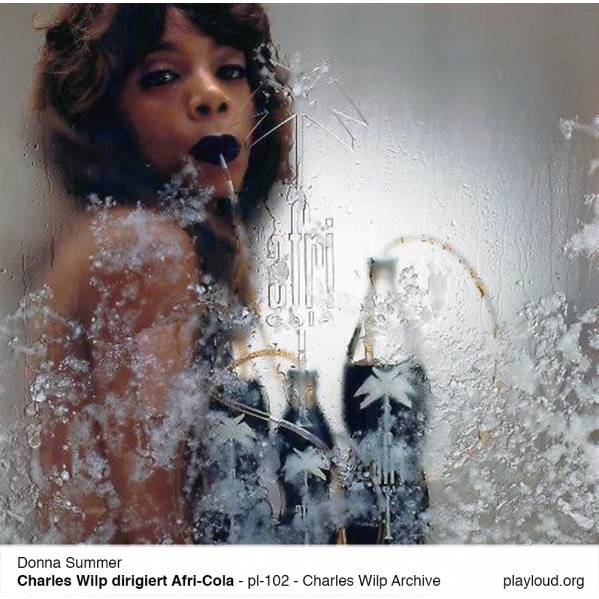
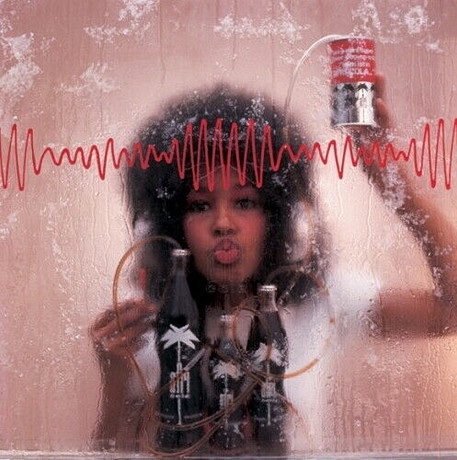
The drink’s popularity peaked in the 60’s when the brand was advertised on German TV via a ‘risqué’ TV commercial by Ad Director Charles Wilp whose 1968 creation for the brand featured super stars of the day Donna Summer, Marianne Faithfull, Amanda Lear, and Marsha Hunt as well as a leather clad biker and a moustachioed Vietnam era US soldier with the commercial set to a discordant sound track.

A young Donna Summer
The iconic Marsha Hunt

https://youtu.be/RW-_8okYW5I – follow the link to the 1968 advert, well worth watching.

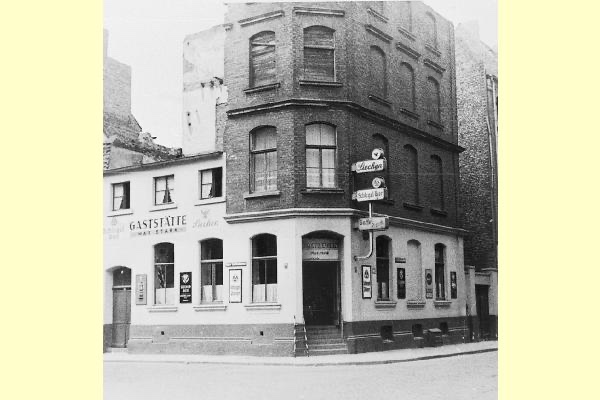
Although it had been hugely successful, the drink was more or less discontinued by the 1990’s. Foreign competition from the likes of Coca-Cola, a change in the recipe and a reduction in the caffeine content all contributed to the brands’s demise. However, the drink was revived thereafter with its original, taste, high caffeine content and logo resurrected. The drink is readily available all over the city including at an atmospheric bar/restaurant, the Gaststätte Max Stark on Unter Kahlenhausen, near the cola’s original source on Dagobertstraße.

afri cola in the Max Stark

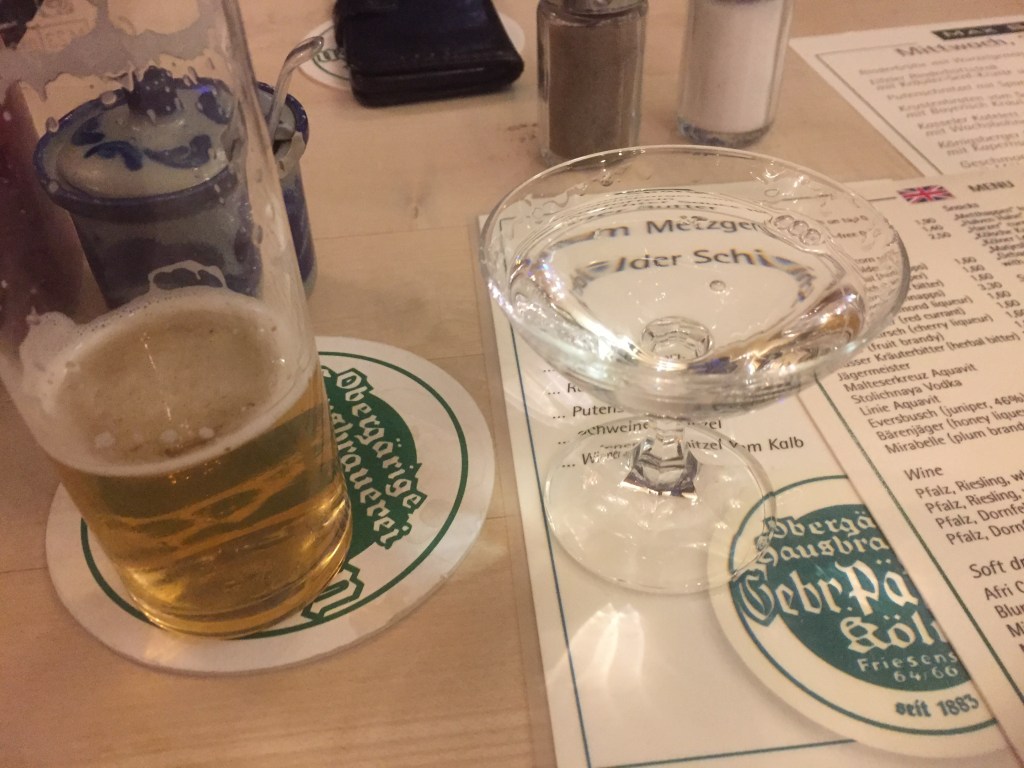
The Max Stark is also a great place to drink a glass of the city’s unique beer, Kölsch. a light, fine tasting drink. The term Kölsch is a protected designation of origin in the EU and it can only be used for a specific type of beer made within 50km of Köln and which has been brewed to a defined standard.

The Max Stark back in the day

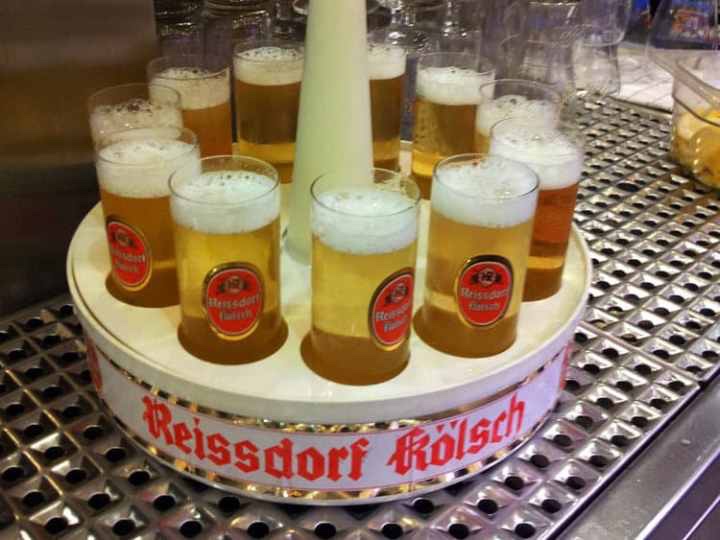
Kölsch is served in a tall, thin glass known as a ‘stange’ in small 200mm measures. The glasses keep the beer cold and help it to retain a frothy head.

Kölsch is traditionally served by rather ‘stern’ waiter known as a ‘kobe’ who circles the bar handing patrons glasses of Kölsch from a circular tray known as a ‘kranz’ . Each time a customer takes a beer the waiter marks a piece of card with the tally. As is the custom with the Brazilian currasqueria, the kobe will continue serving until the customer places a beer mat over the glass indicating that they have had enough.

Kölsch, stange and kranz

Inside, the bar is cool and dark. Older regulars line the tables to the left as you walk inside. To the right is the main restaurant area with it’s fulsome plates of German food and, of course, Kölsch.

Fill ‘er up!

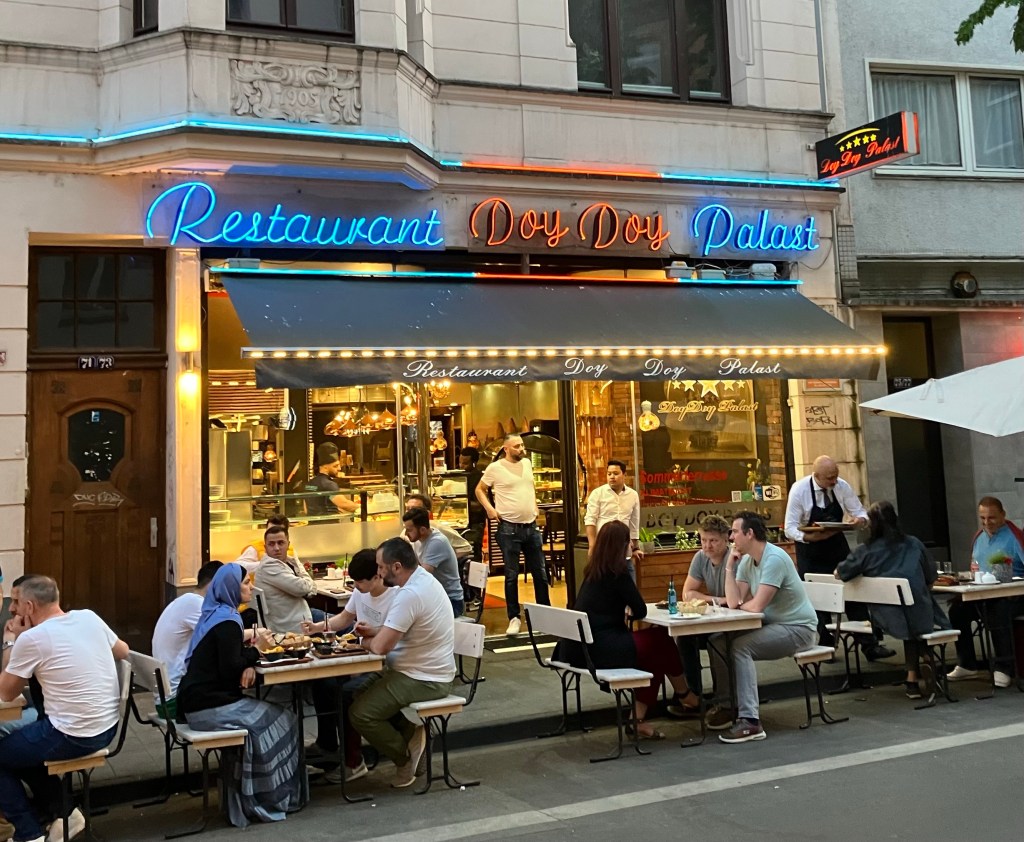
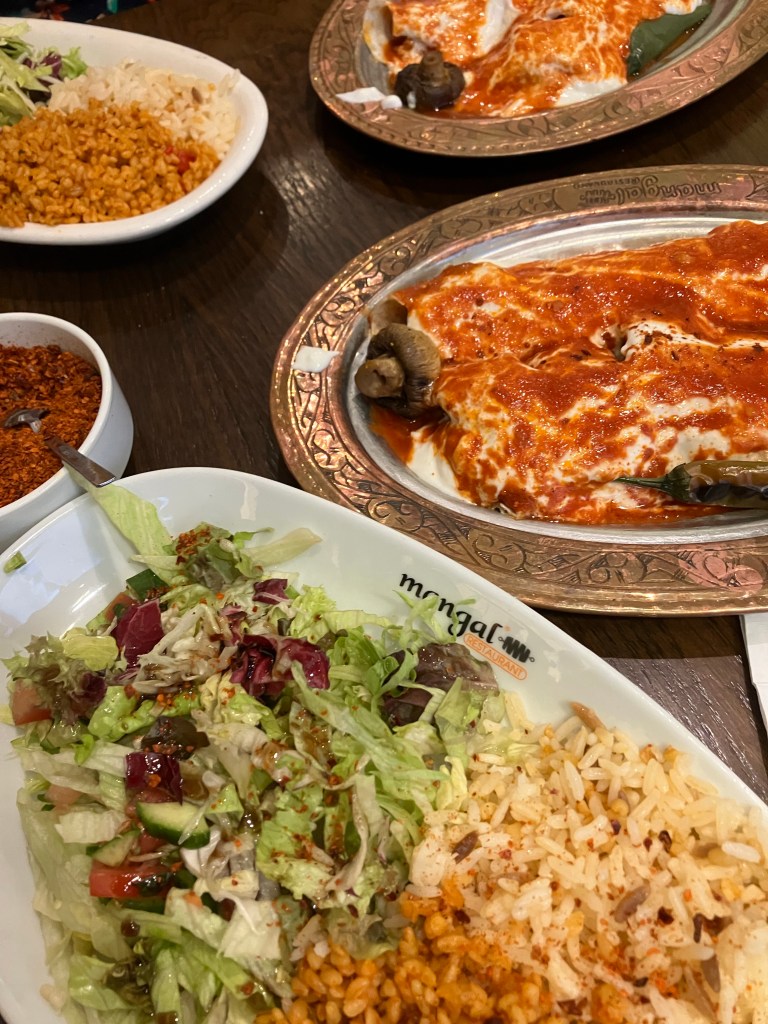
Nevertheless, in our opinion it is Turkish food that reigns supreme in the city.

Prost!

Manchester, icons and thali

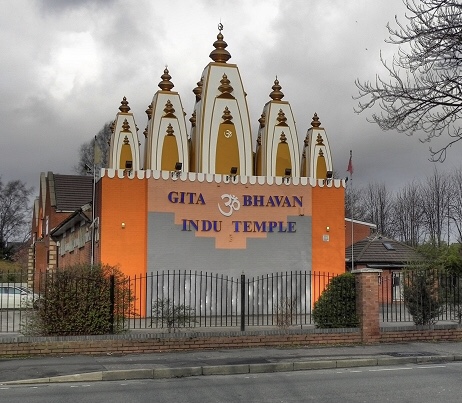
Gita Bhavan Hindu Temple in Chorlton

Chorlton is a suburb of the Northern English city of Manchester. The district has become increasingly identified with left leaning young professional couples and their families. It is also home to one of Manchester’s biggest gay communities. 

Rightly or wrongly, Chorlton is regarded as a bohemian enclave with its independent bars and restaurants, vegan supermarket (the workers co-operative ‘Unicorn’) and unusual boutiques.

The suburb is a great place to eat and drink and whilst we could fill several columns on the local culinary scene, we will be more specific by concentrating solely on some of the Indian food (especially vegetarian) to be found in the locale.

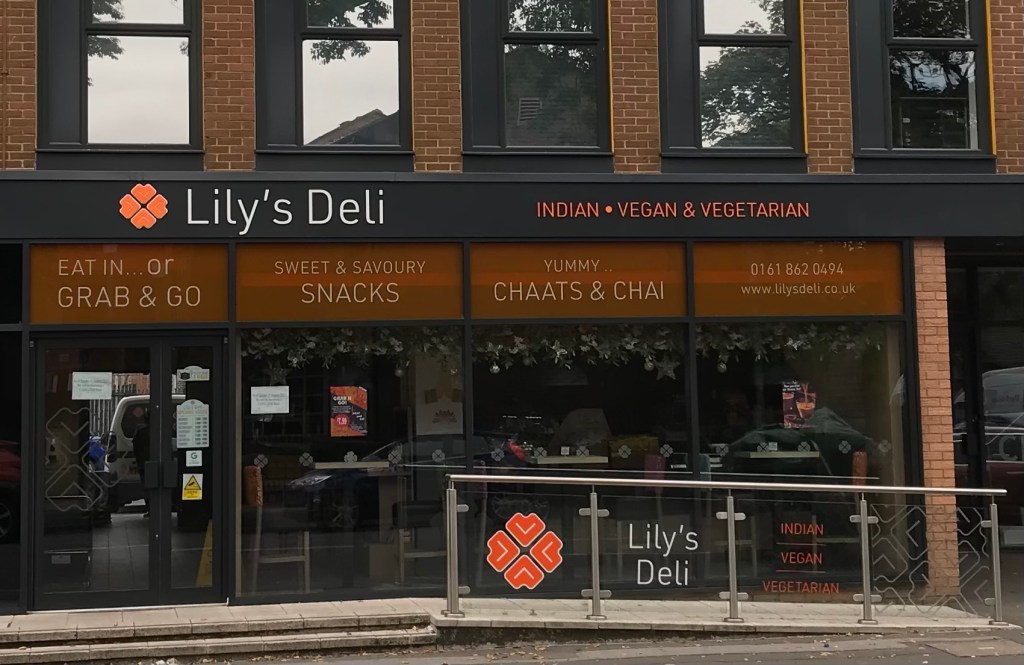
Lily’s in Chorlton

Lily’s deli on Manchester Road in Chorlton is an outlet of the award winning Lily’s Vegetarian Indian restaurant in Ashton-under-Lyne, a town which is just to the east of Manchester. The Chorlton deli is the first of two outlets in the city, the other being in the very trendy inner area of Ancoats.

Lily’s stocks an impressive range of Indian groceries and spices as well and spicy snacks such as dal vada, chakli, bonda, battered chillis and their famous ‘atomic bombs’, potato’s coated in batter injected with a fiery masala. Not for the faint hearted!

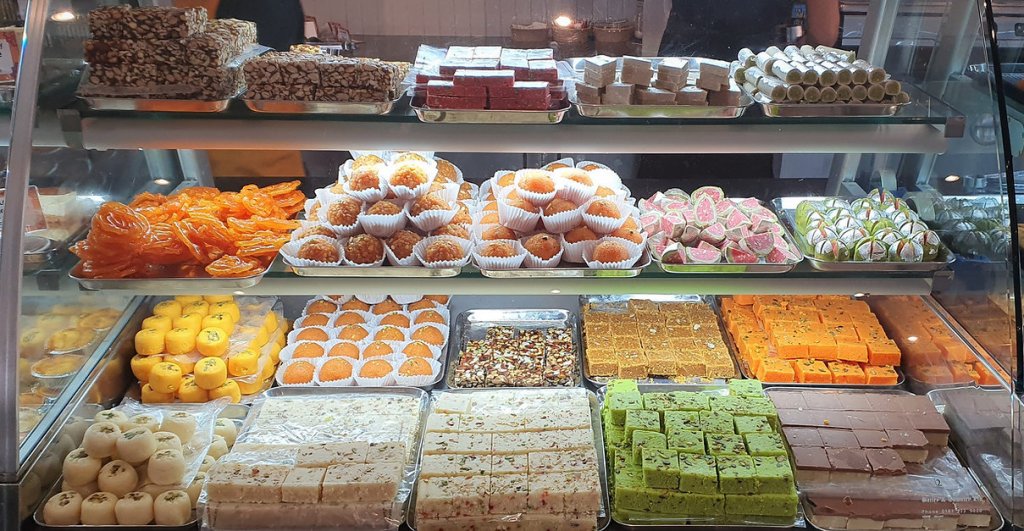
They also make and sell Indian cakes and their barfi flavoured with figs or dates is our favourite.

Barfi and much more at Lily’s

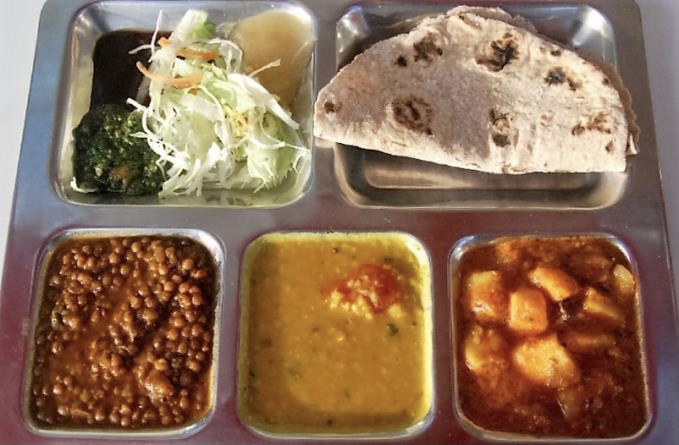
A short walk from Lily’s deli is the Chappati Café which serves great value thalis on Indian trays with the menu changing daily. Recommended.

Thali at Chappati Café

A further short walk from the Chappati Café is the small but beautifully decorated restaurant called Roti. The restaurant has the only Indo/Scots menu in Manchester. As well as Indian street food favourites, Roti also serves its own version of the Scottish staple ‘mince and tatties’ (spiced meat in chole potatoes), haggis pakora and even scotch egg (boiled egg wrapped in pork seasoned with chaat masala). Although the restaurant serves a full selection of alcoholic and non-alcoholic drinks, we were surprised to see that Irn Bru, Scotland’s best loved soda, was missing from the list!

Roti interior

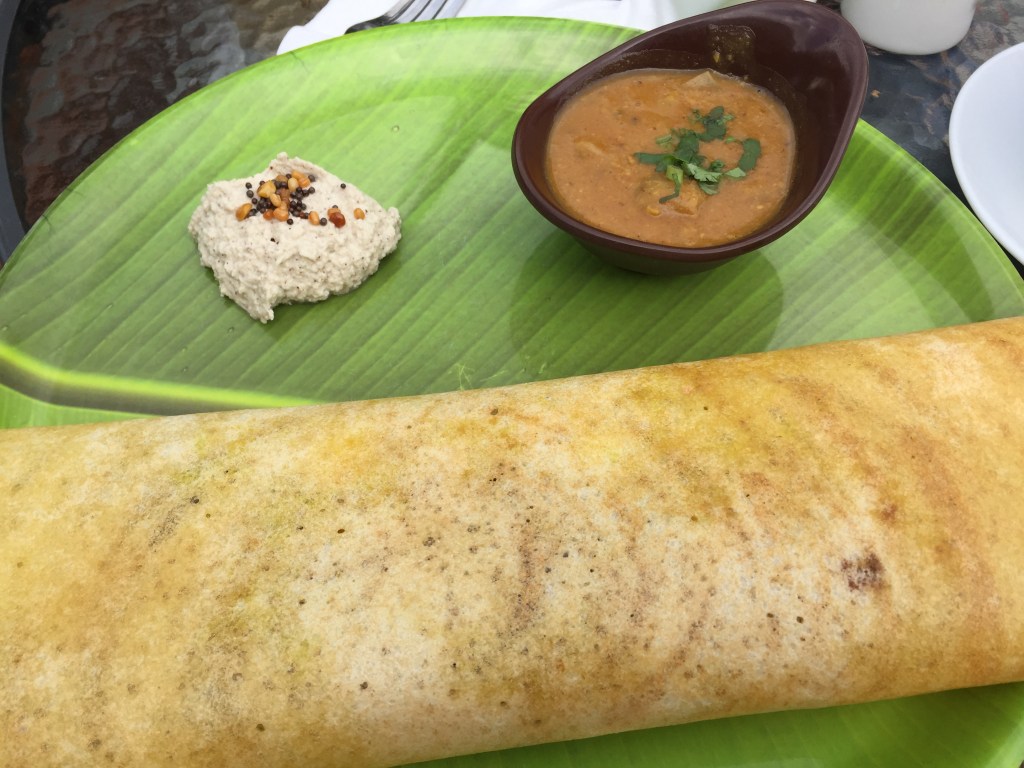
Further away from Roti and opposite the vast Southern Cemetery (of which, more below) is Amma’s Canteen. The restaurant serves fresh, home cooked style Southern Indian dishes including their much loved Dosa, a thin ‘pancake’ made from a batter of fermented rice and lentils stuffed with spicy goodness.

Masala Dosa at Amma’s Canteen

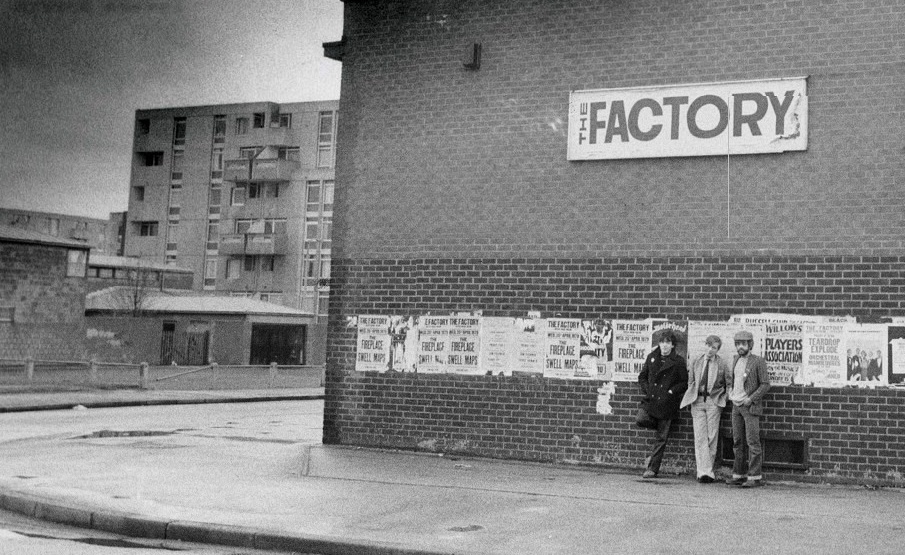
As noted above, the vast Southern Cemetery lies across the way from Amma’s Canteen. It is the second largest cemetery in Europe and the final resting place of important local figures such as the legendary Manchester United manager, Sir Matt Busby and the iconic Tony Wilson, the co-creator of the influential music label Factory Records. Wilson did more than almost anyone in putting the city’s popular culture on the map. Even a decade and a half after his death in 2007, he is still having a positive effect on the city in our opinion. 

Wilson (centre) in a suitably grim Manchester backdrop in the 1970’s

Anyone who is familiar with the recent history of Manchester, the city’s rise from the grim post industrial decay of the 1970s into the modern, vibrant environment it is today, will be aware of the part Wilson played in invigorating the popular culture of the world’s first modern city.

Radical and still changing

Designer Peter Saville who worked closely with Wilson commented ‘Tony created a new understanding of Manchester; the resonance of Factory goes way beyond the music. Young people often dream of going to another place to achieve their goals. Tony provided the catalyst and context for Mancunians to do that without having to go anywhere’.

In a small nation, too often in thrall to its capital, Wilson more than anyone else in his generation, emphasised the fact that great art and culture was not the sole preserve of London but was very much alive elsewhere in the country and in the North in particular.

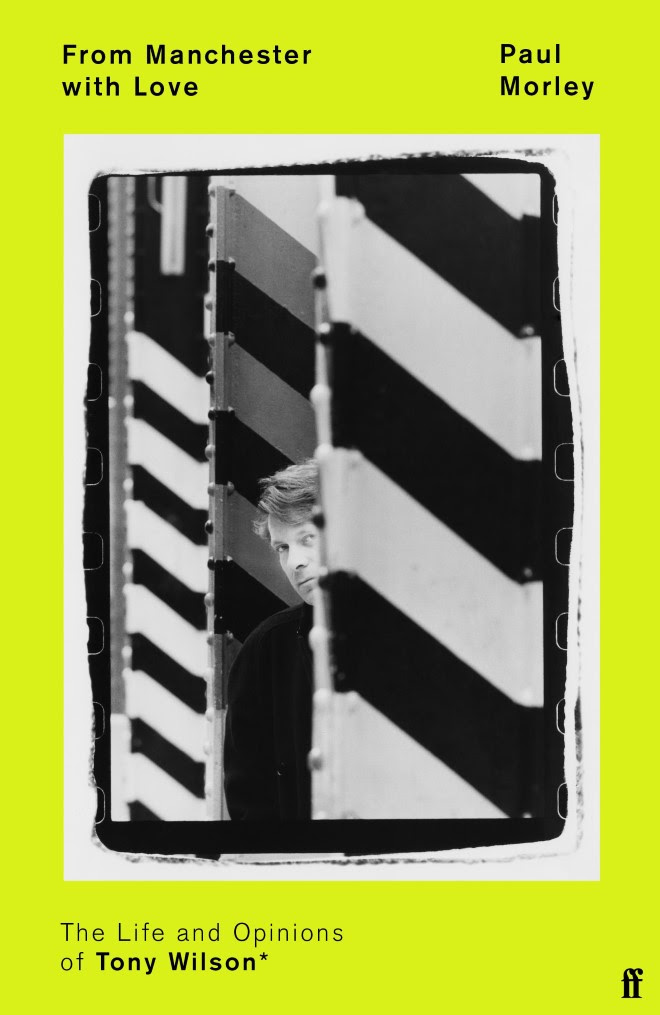
Writer Paul Morley, himself born in the city, analysed Wilson’s life and legacy in incredible detail in his book ‘From Manchester with love’.

Lengthy but illuminating

Saville designed Wilson’s black granite headstone with architect Ben Kelly . The headstone sits in repose amongst the crosses and columns of its neighbours in the Southern Cemetery.

Inscription on Wilson’s headstone

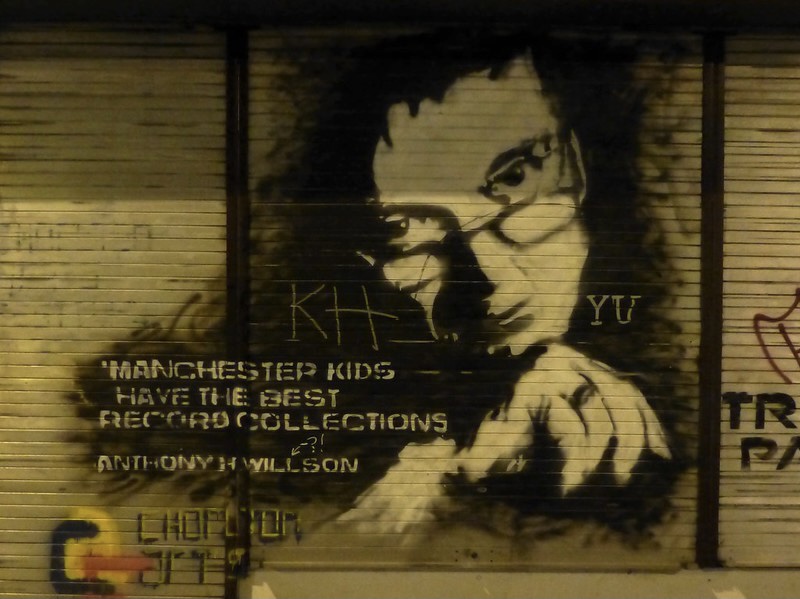
Several examples of graffiti art featuring Tony Wilson have cropped up in the city including the following in Chorlton with its quote from the man himself (although sadly, ‘Wilson’ was incorrectly spelt in this instance).

So it goes

Across the road from the Wilson mural is a stencil of the iconic Quentin Crisp by celebrated artist Stewy (www.stewy.uk).

The openly gay Quentin Crisp was a writer, humorist and actor who was famously played by the late actor John Hurt in the 1975 autobiography which was broadcast on national TV in the UK to great acclaim under the title ‘The Naked Civil Servant’. 

Crisp has only a somewhat tenuous link with Chorlton, the suburb being the place where he died in 1999 after staying with a friend there. He was cremated at the Southern Cemetery.

The Naked Civil Servant himself

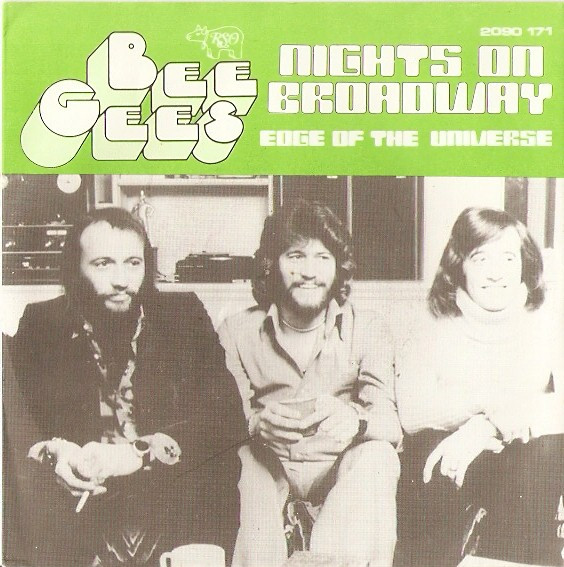
Stewy’s stencil of Quentin Crisp is on the corner of Keppel Road in Chorlton. Keppel Road was where the Gibb brothers (better known as the Bee Gees) once lived and where they first practiced their harmonies together.

The brothers would, of course, go on to immense success globally. They were especially popular in the US and their mainstream take on disco music sold by the millions.

The brothers Gibb

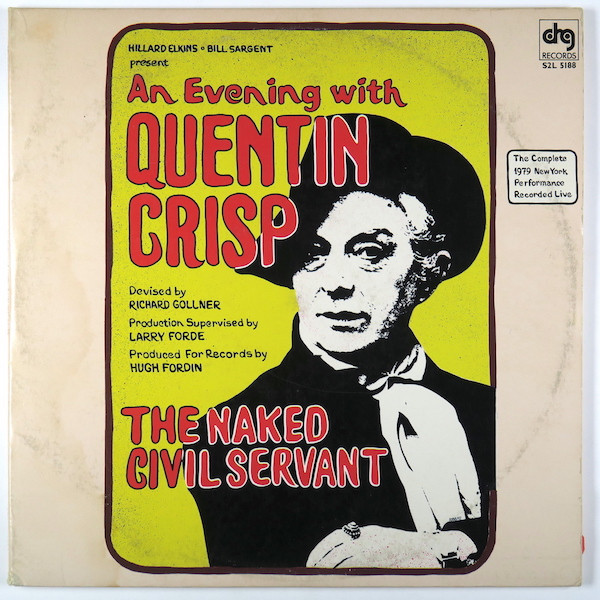
Crisp was also a success in the US and in New York in particular. The city was where his Broadway show ‘An evening with Quentin Crisp’ was staged to great acclaim.

Soundtrack to the show.

Stewy also created a stencil artwork of Tony Wilson in the city as well as one of the ‘Bard of Salford’ (Salford being the city across the river from Manchester) John Copper Clarke, to whom Wilson gave his first break on TV. 

The bard himself

We’ll leave John Cooper Clarke with the last word.

Kung Fu International

Liverpool. Art, Poets and Pubs

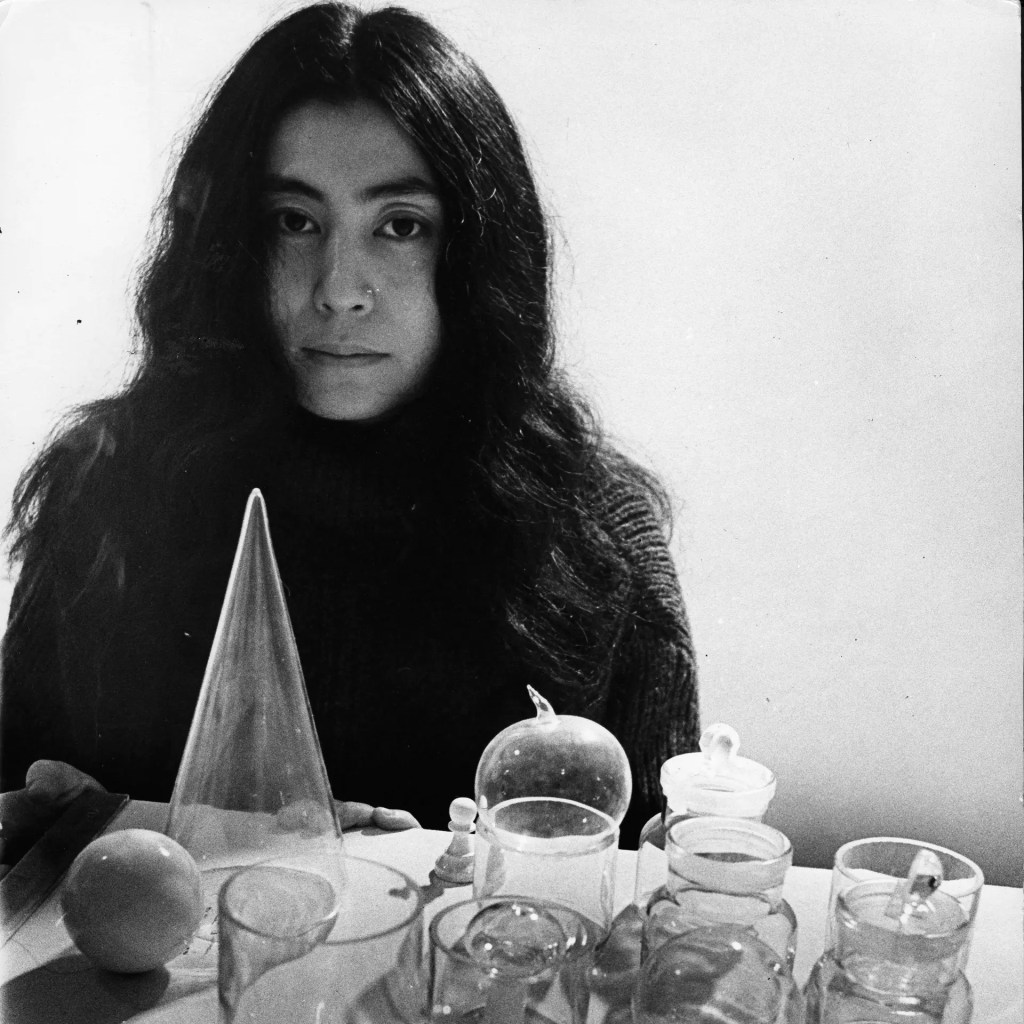
Yoko Ono at the Bluecoat Gallery, Liverpool in 1967

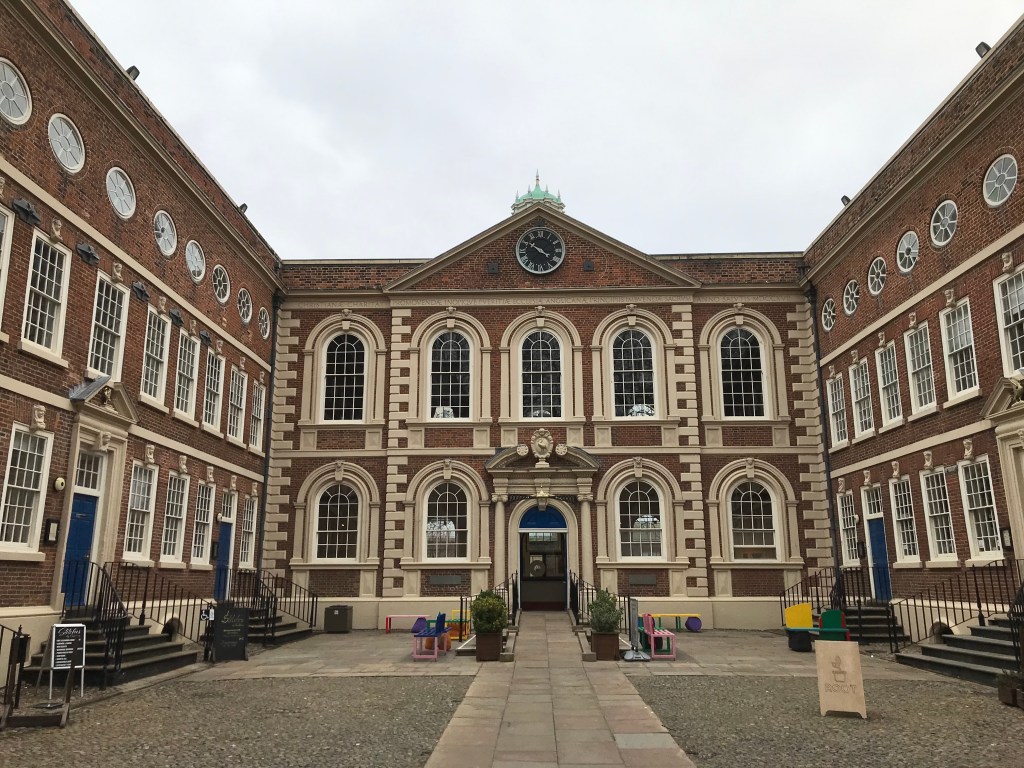
The Bluecoat gallery in Liverpool in the North West of England is a beautiful contemporary arts centre set in a 300 years old building. The gallery is centrally based and although it is surrounded by dull retail stores, it is an oasis of calm and a great place to while away some time. As well as the gallery, there is a cafe, a book store and the contemporary houseplant shop ‘Root’.

Bluecoat gallery

At the reception you are greeted by a commissioned work by the artist Babak Ganjei.

Past, present and future acknowledged

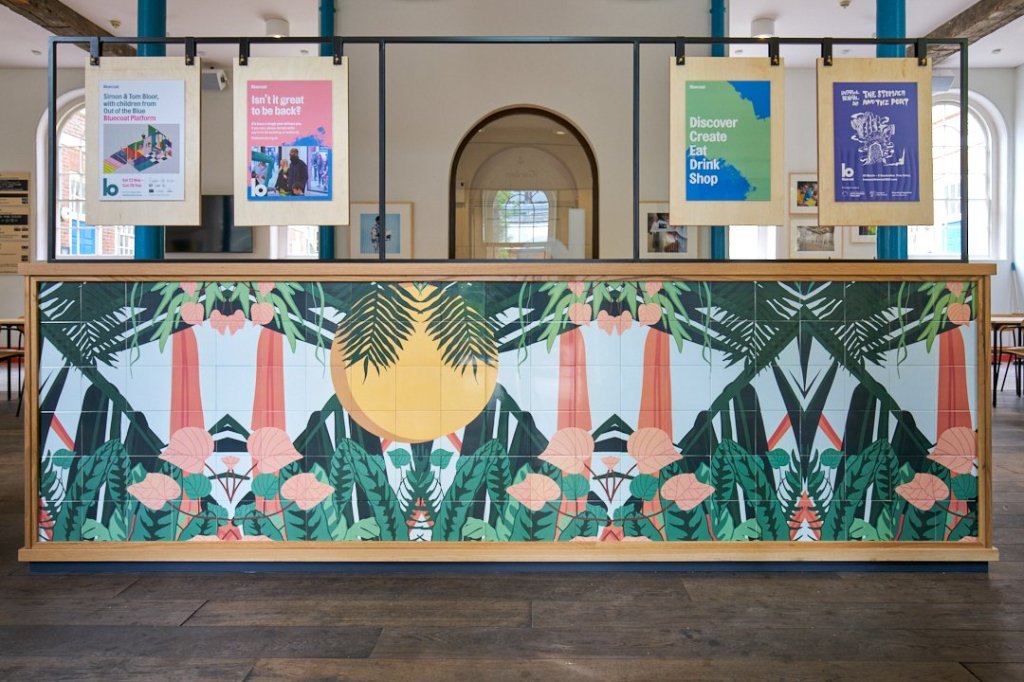
Another commissioned work on display in the foyer is the frieze ‘Summer’ by local artist Sumuyya Khader.

Summer by Sumuyya Khader

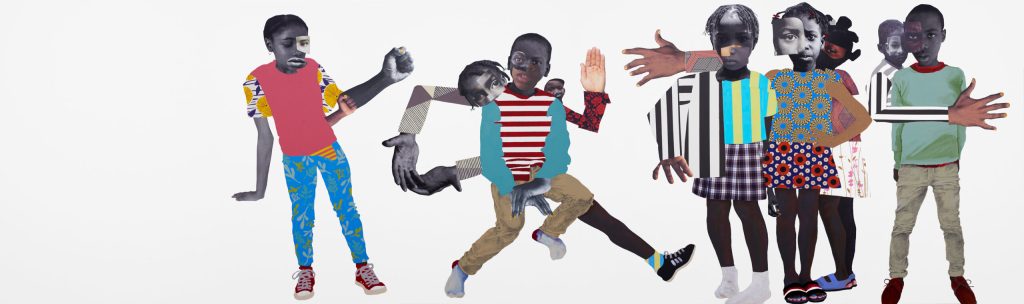
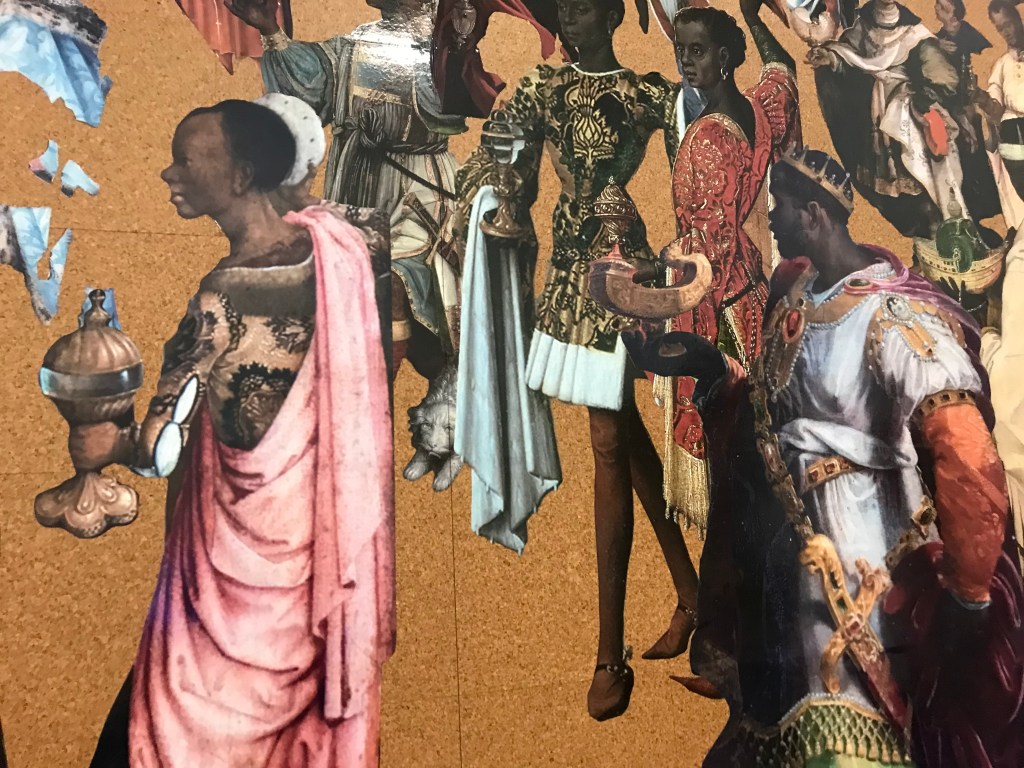
Sumuyya Khader (exhibiting under the programme title ‘Always Black Never Blue’) was one of three artists featured in the gallery on the day we visited along with London based Rosa-Johan Uddoh (‘Practice Makes Perfect’) and Deborah Roberts (‘A Look Inside’).

Deborah Roberts – ‘A Look Inside’
‘Balthazar’ – Rosa-Johan Uddoh

As noted above, the exhibition introduced us to the work of Sumuyya Khader. This was her first UK solo show in a public gallery. Khader has a studio in Liverpool 8 (of which more later) and runs Granby Press (named after the area’s most important and iconic thoroughfare, Granby Street), a community based printing project .

Her LinkedIn entry notes

Currently in conversations to develop a Black culture & history centre in the L8 area of Liverpool. A space for past, present and future with a focus on education and support‘.

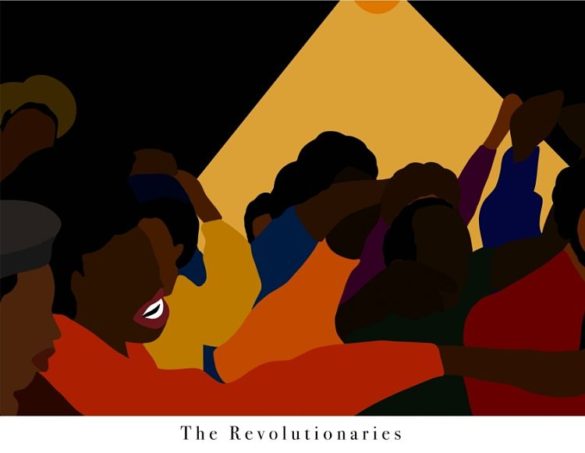
We managed to buy a print of one of Sumuyya Khader’s works from her online shop at https://www.sumuyyakhader.com. The print we ordered, ‘The Revolutionaries’ is inspired by the film director Steve McQueen’s film, ‘Lovers Rock’, part of a series of five films he made under the title ‘Small Axe’ (‘if you are the big three, we are the small axe’ sang Bob Marley) charting the lives of Black Britains from the 60s to the 80s. The films were recently shown by the BBC.

‘Lovers Rock’ is a film of a London house party in the 1970’s. Reggae is the party’s soundtrack. The most memorable moment in the film is the that where the guests are seen dancing to Janet Kay’s lovers rock hit ‘Silly Games’ and then singing the song as an acapella. The thundering reggae instrumental ‘Kunte Kinte Dub’ (credited to The Revolutionaries, the house band at the Channel 1 recording studio in Jamaica) follows not long afterwards. The Dub provokes joy and excitement in the partygoers with its trade mark synth line and bellowing foghorn introduction, the scene ultimately influencing the content and title of Khader’s work above.

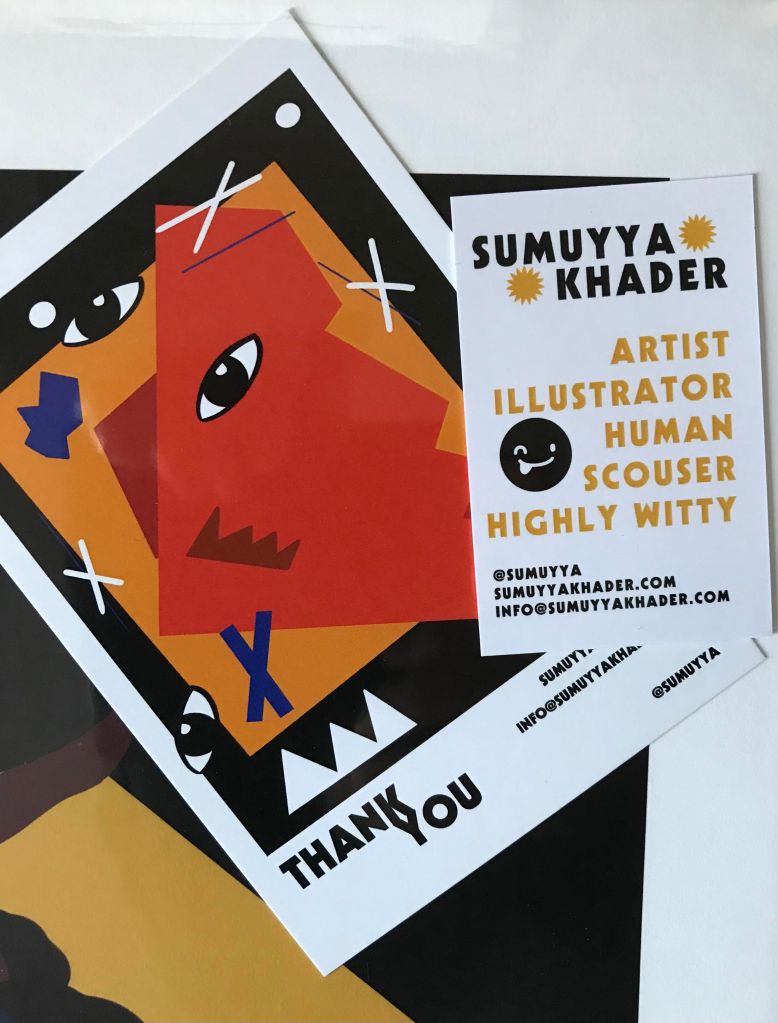
‘Scouser.Highly witty’

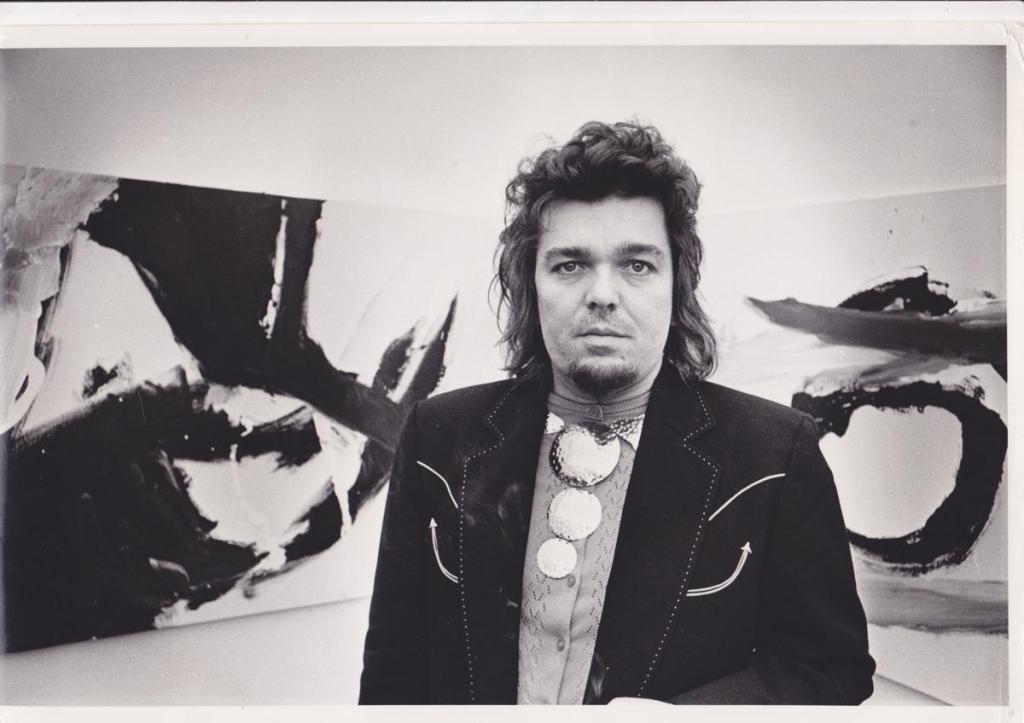
The Bluecoat has a venerable reputation for staging innovative artists. Looking at a list of past exhibitors at the gallery we came across an entry for Don Van Vliet, better known as R&B legend Captain Beefheart. The Captain was a ‘total artist’, a painter, singer, writer and performer. His exhibition at the Bluecoat, way back in 1972, was the first time the Captain’s painting had been publicly exhibited anywhere in the world.

Captain Beefheart at the Bluecoat in 1972

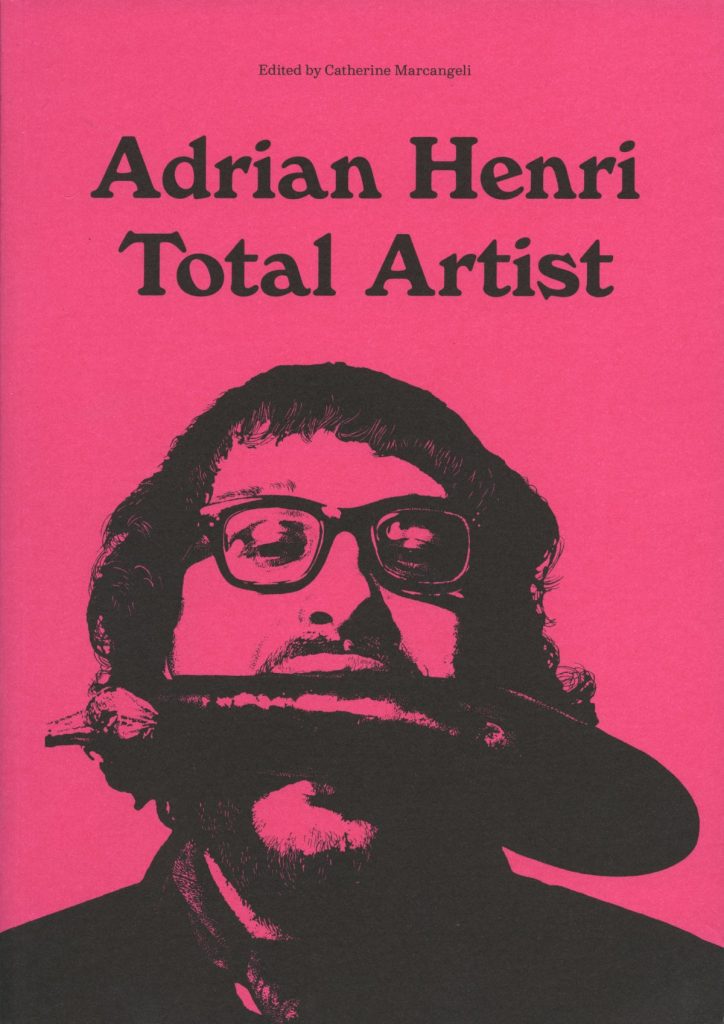
Another ‘total artist’ who embraced music, art, writing and performance, was local innovator Adrian Henri. Henri is probably best known as one of the Liverpool poets who came to prominence in the 1960’s and the founder of the poetry-rock group Liverpool Scene. Henri and his compatriots, Roger McGough and Brian Patten brought the influential ‘Mersey Beat’ poetry to the UK and beyond by using the same language, the same people and their lives as the Beatles were using in their songs. As well as poetry and performance, Henri was an established artist who exhibited several times at the Bluecoat.

An aubergine, presumably from Granby Street

Henri lived for much of his life in Liverpool 8, amidst the crumbling Georgian streets near the Art College and Anglican cathedral. As he noted ‘I cannot imagine what it would have been like to be a poet and not live here; or, indeed, whether I would have become a poet at all’.

His work ‘Autobiography’ lists the names of streets in the in and around Liverpool 8.

Rodney St pavement stretching to infinity

Italian garden by the priest’s house

seen through the barred doorway on Catherine St

pavingstones worn smooth for summer feet

St James Rd my first home in Alan’s flat

shaken intolerable by Cathedral bells on Sundays

Falkner Sq. Gardens heaped with red leaves to kick in autumn

Gambier Terrace loud Beatle guitars from the first floor

Sam painting beckoning phantoms hiding behind painted words bright colours in the flooded catfilled basement

Granby Street bright bazaars for aubergines and coriander

Blackburne House girls laughing at bus-stops in the afternoon

Blackburne Place redbrick Chirico tower rushing back after love at dinnertime. 

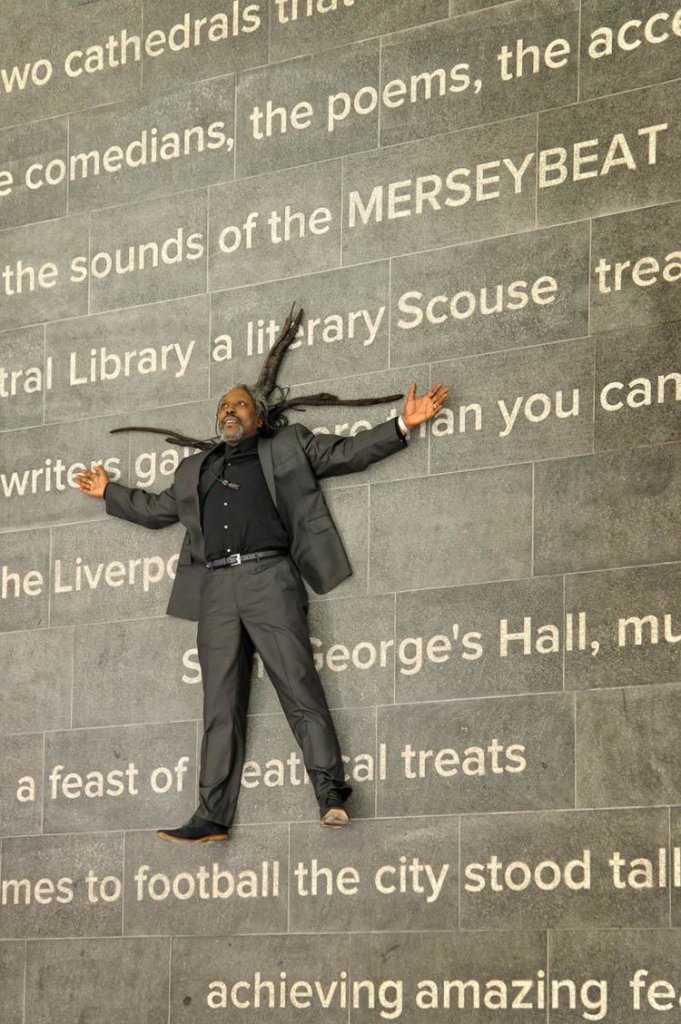
Another poet, another ‘total artist’ of Liverpool 8 is the writer and performer Levi Tafari. 

Levi Tafari

Born in Liverpool 8 to Jamaican parents Levi Tafari’s Wikipedia entry notes:-

Tafari self-identifies as an Urban Griot (the griot being the traditional consciousness raiser, storyteller, newscaster and political agitator)’.

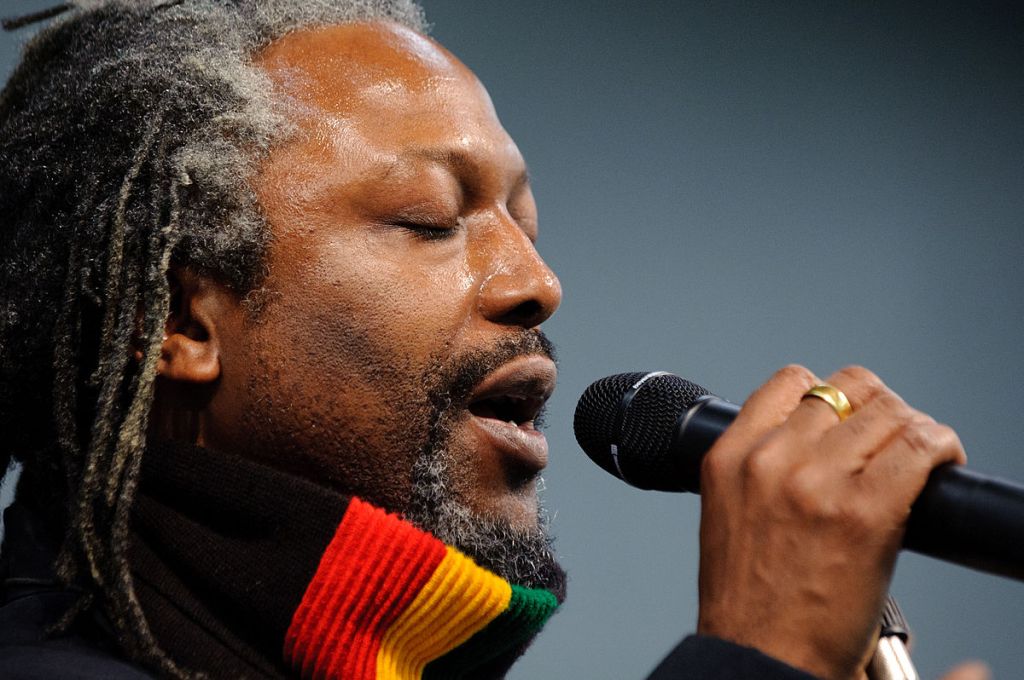
As Tafari himself says ‘Liverpudlians are affectionately known as scousers, and scouse is a stew made of many ingredients’. He is a formally trained French chef and an alumni of the Liverpool 8 Writers Workshop. He is an established poet and performer who has taken his work all over the world.

Levi Tafari

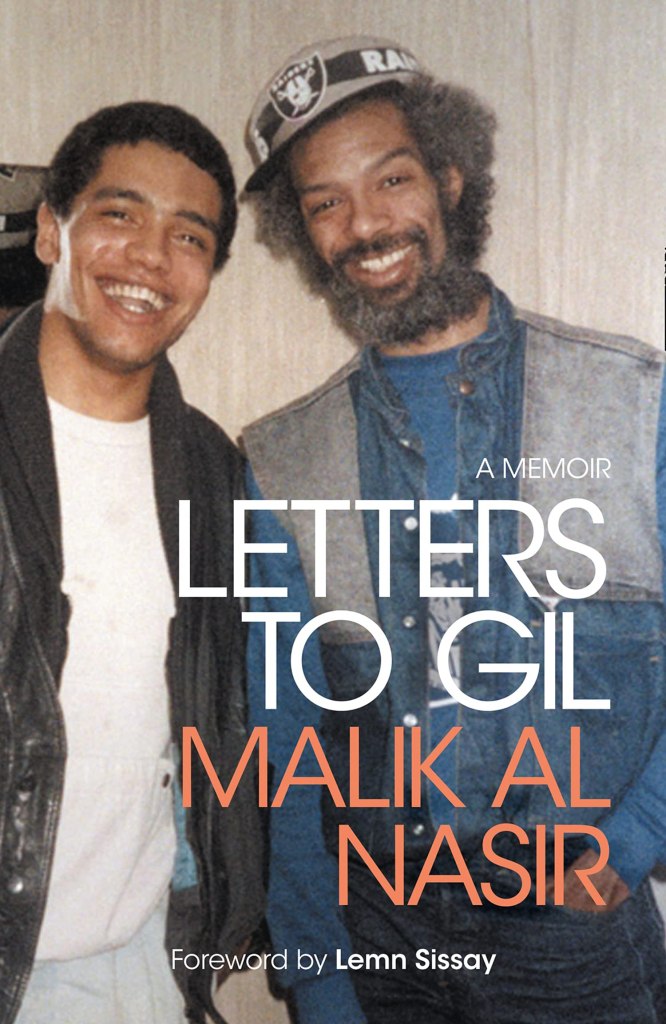
Another Liverpool 8 poet and artist is Malik Al Nasir. After a tough early start in life he met the legendary writer, poet, musician, activist and ‘total artist’ Gil Scott Heron, the legendary influence behind rap (and much else) on a visit to the city. Gil took Malik under his wing and encouraged and mentored him through a masters degree and into a life of poetry and creativity.

Malik Al Nasir’s powerful memoir ‘Letters to Gil’ explores his ‘story of surviving physical and racial abuse and discovering a new sense of self-worth under the wing of the great artist, poet and civil rights activist Gil Scott-Heron’. The forward to the book is by another noted poet, Manchester born Lemn Sissay.

Malik and Gil

Liverpool is still a great city for characterful pubs. Pubs have been closing en masse throughout the UK during the past few years. Many have been successfully turned into ‘gastro pubs’ combining quality food, drink and hopefully ambiance. Nevertheless, there are still ‘traditional’ boozers left, especially in Liverpool and we’ll mention a few here (even if they serve decent food along with the drinks!).

Adrian Henri is there to help us. His ‘Poem for Liverpool 8’ mentions some of the pubs he frequented in the city although all of the following are on their way to Liverpool 8 from the city centre rather than in the district itself.

drunk jammed in the tiny bar in The Cracke

drunk in the crowded cutglass Philharmonic

drunk in noisy Jukebox O’Connor’s

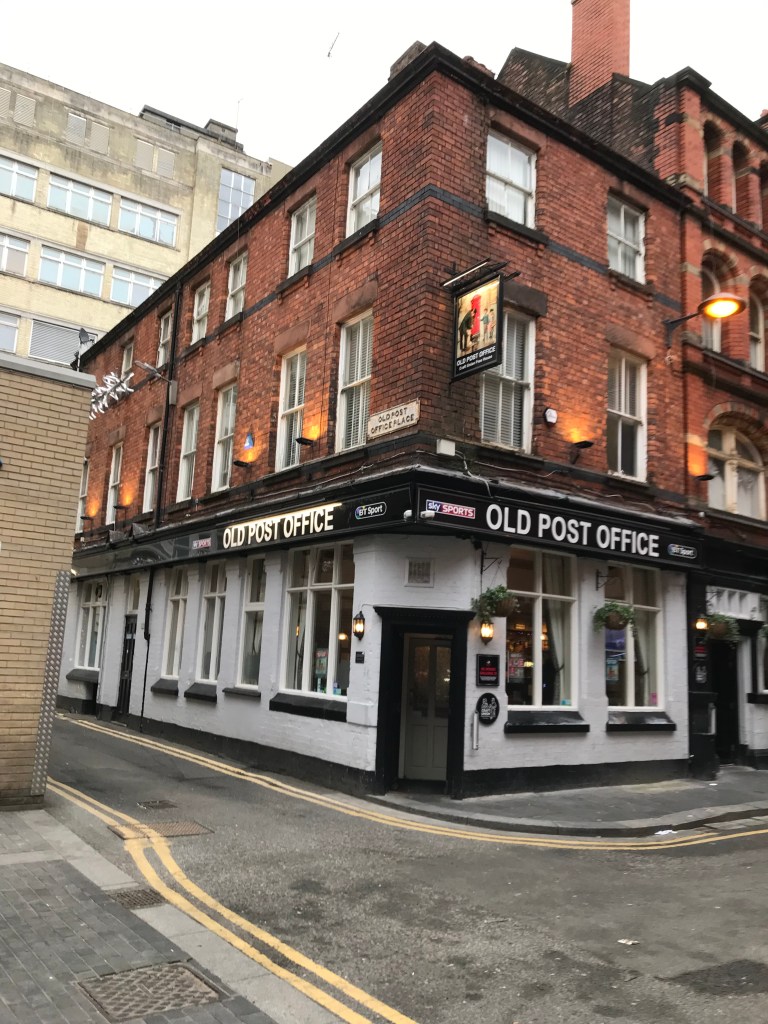
As you leave the Bluecoat, immediately to your right is the venerable ‘Old Post Office’ public house. The Old Post Office is an old fashioned ‘does what it says on the tin’ Victorian pub and it is a delightful place to while away an hour or two.

Mine’s a lager top

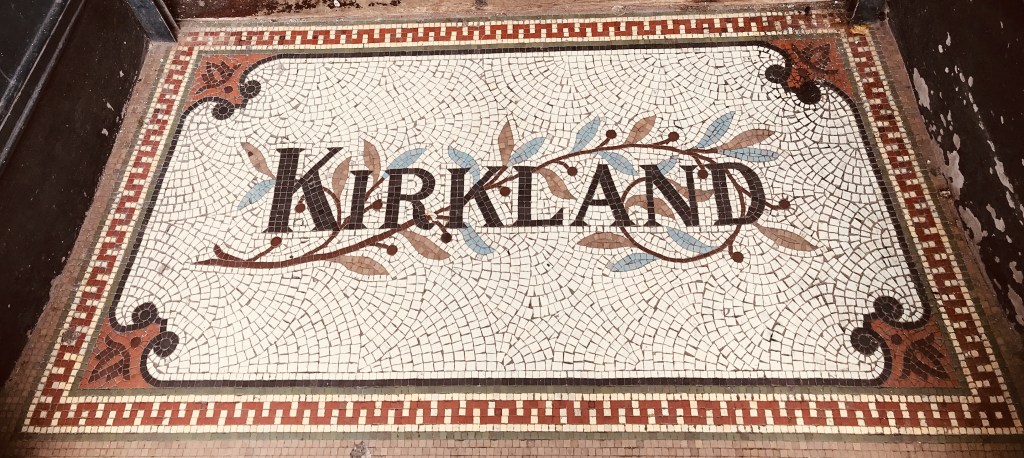
Other great pubs follow as you move away from the city centre itself. Around a 10 minutes walk from the Bluecoat as you walk up Hardman Street towards the Philharmonic Hall and Georgian terraces, is the Fly in the Loaf bar (although we always refer to it by its old name of ‘Kirklands’). With its long interior bar, tiled floor and mosaicked entrance, it was a formerly called Kirklands Bakery as the external signage notes saying  ‘Vienna Bakery – Bakers to the Queen – Kirkland Bros – Scotch Confectioners’ and ‘By Royal Appointment’ (to Queen Victoria no less!). Although the bar may not be as consequential as it was in the 70s and 80s when it was a preferred haunt of local footballers and celebrities, it is still a great place for a drink and ambiance!

Tiled entrance to the Fly in the Loaf and the old name of the bakery

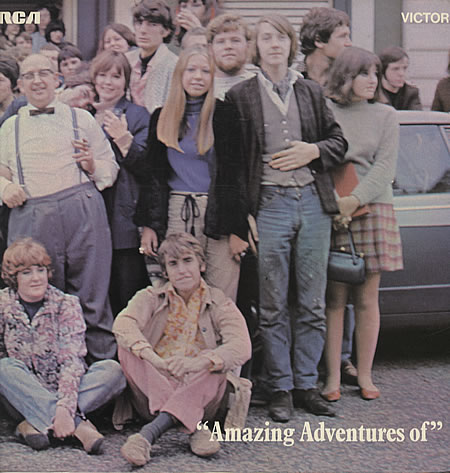
On the other side of the road to the Fly in the Loaf was an old bar called O’Connor’s Tavern which had been both a synagogue and then a morgue in a previous existence. The Tavern had a legendary jukebox and was popular with the Mersey Poets including of course, Adrian Henri. Henri once met Yoko Ono at the Bluecoat where she was exhibiting (in 1967, she returned to the gallery in 2008) and took her for a drink at O’Connors. Regulars of the Tavern, including the landlord are featured on the cover of The Liverpool Scene album ‘Amazing Adventures of’.

The Liverpool Scene with Adrian Henri

O’Connors is long gone and the site has changed hands several times since those days. Showing our age, we remember it when it was a wood lined bar called ‘Chaucers’.

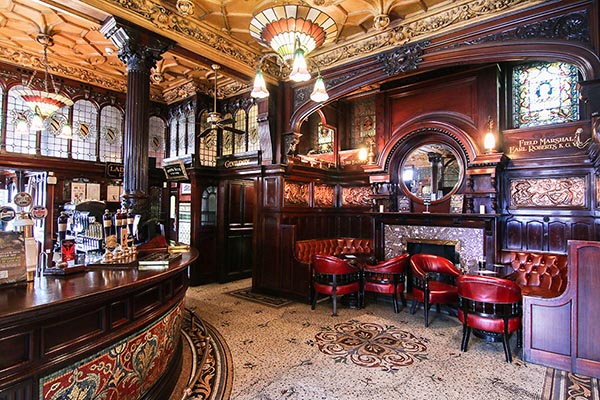
A short walk further up the hill will bring you to The Philharmonic pub (‘the Phil’) surely one of the UK’s most spectacular ‘boozers’. The Phil is a Grade 1 listed building and if you ever get the chance to visit Liverpool, do stop for a drink here.

The Phil

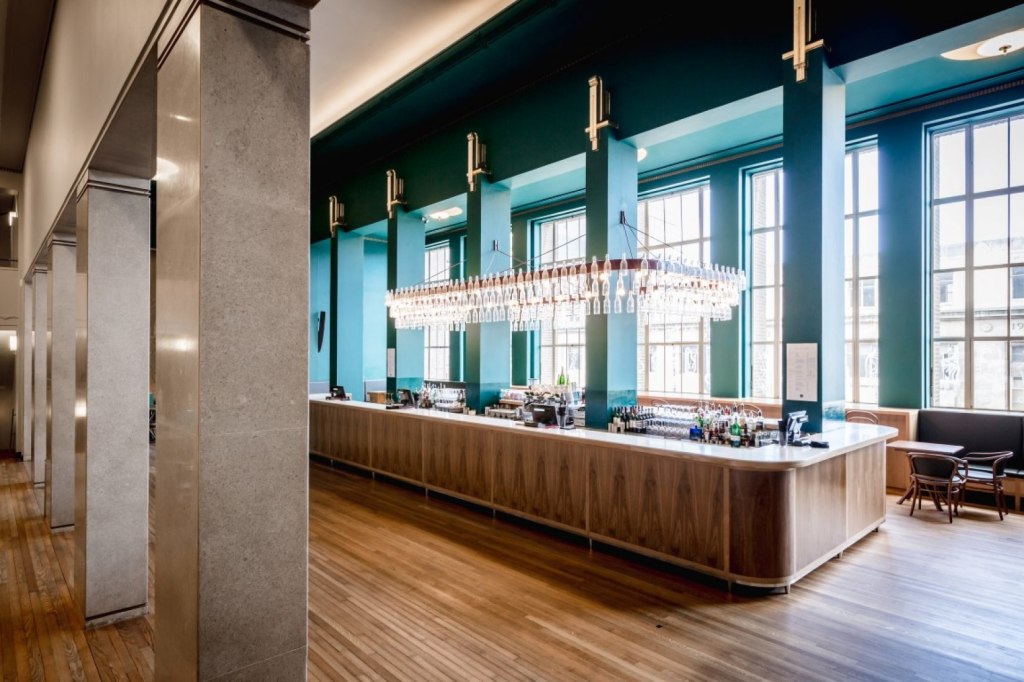
Across the road from The Phil is the Philharmonic Hall. Although a concert venue (and in particular, we remember seeing jazz poet Gil Scott Heron perform there), the Hall’s upstairs bar is an Art Deco masterpiece and worth a visit in its own right.

Philharmonic Hall bar

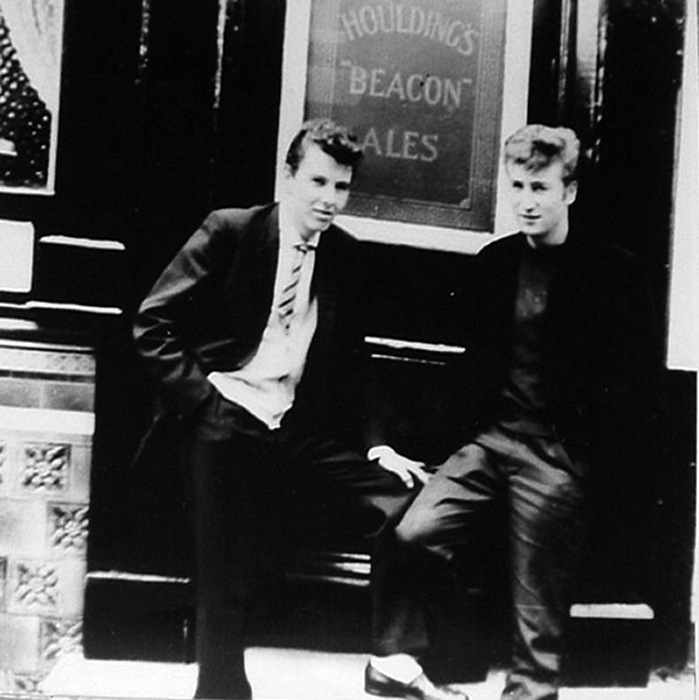
Another short walk away from the Hall takes you to ‘Ye Cracke’, a legendary pub not only frequented by Adrian Henri and John Lennon but by generations of students from the nearby Art College.

John Lennon outside Ye Cracke in 1958

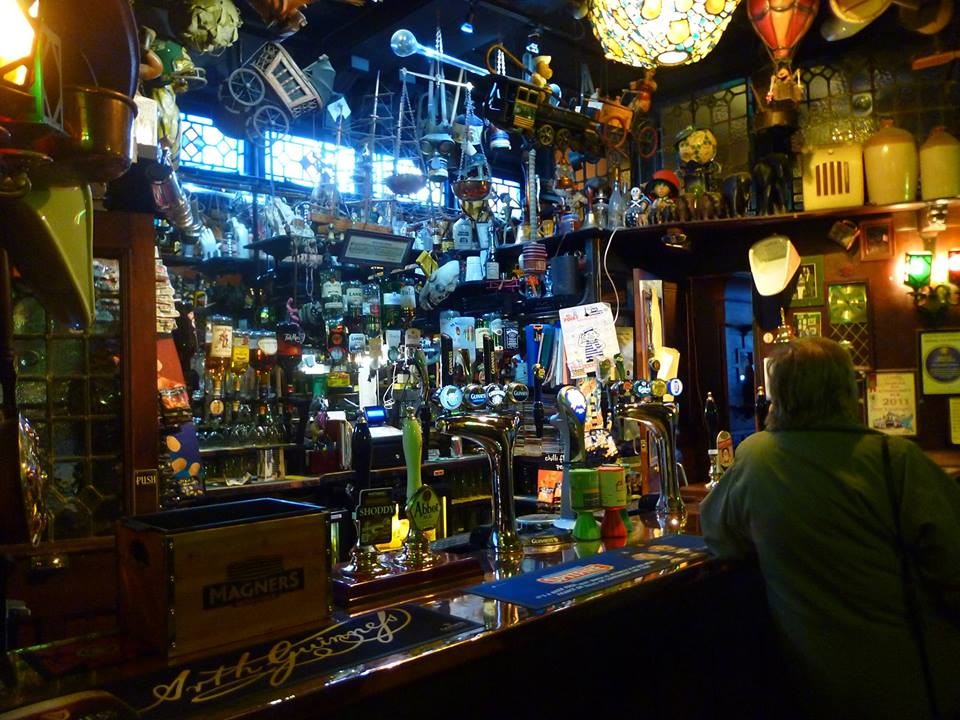
Away from Ye Cracke and into the outskirts of Liverpool 8 proper is Peter Kavanghs pub. Our personal favourite in the UK, we’ve never seen such a great mix of people drinking in one bar before. Ambiance galore!

Peter Kavanaghs

We’ll leave Gil Scott Heron to have the last word.

‘A good poet feels what his community feels.

Like if you stub your toe, the rest of your body hurts’.