Kiev cats and cakes

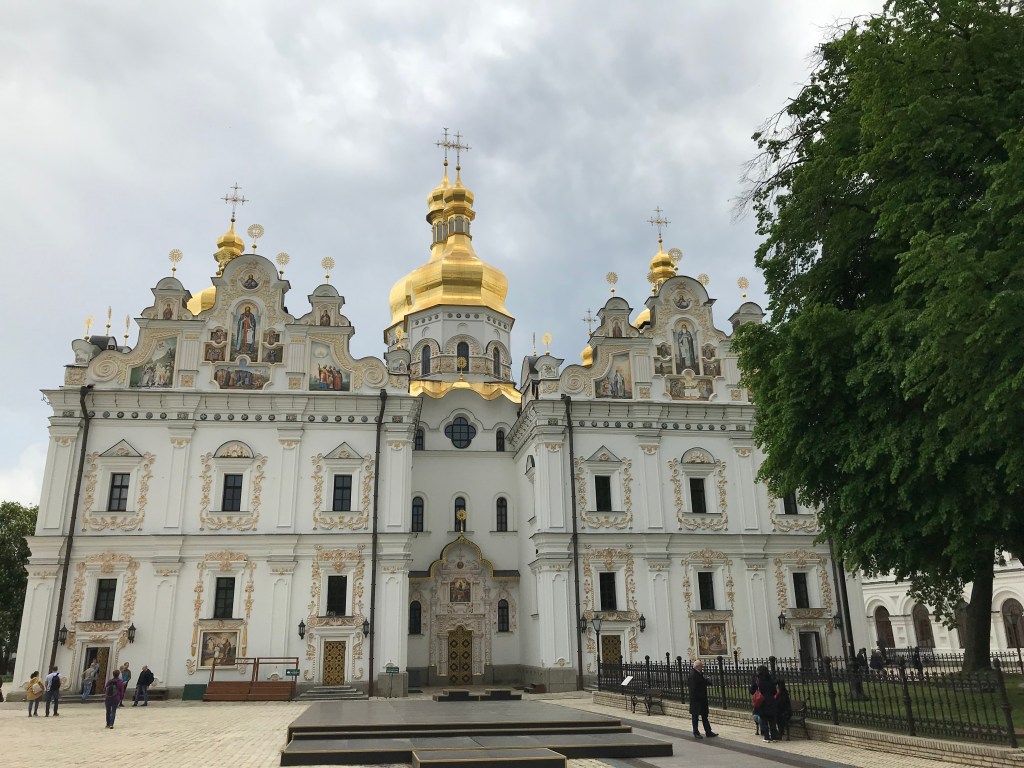
Kiev (or Kyiv as it is more correctly spelt) is the capital of Ukraine. The city is a wonderful destination, one of golden spires, beautiful squares, great food and friendly people and then, when you least expect it, brutalist architecture from the Soviet era.

The unofficial symbol of the city is the horse chestnut tree which grows throughout.
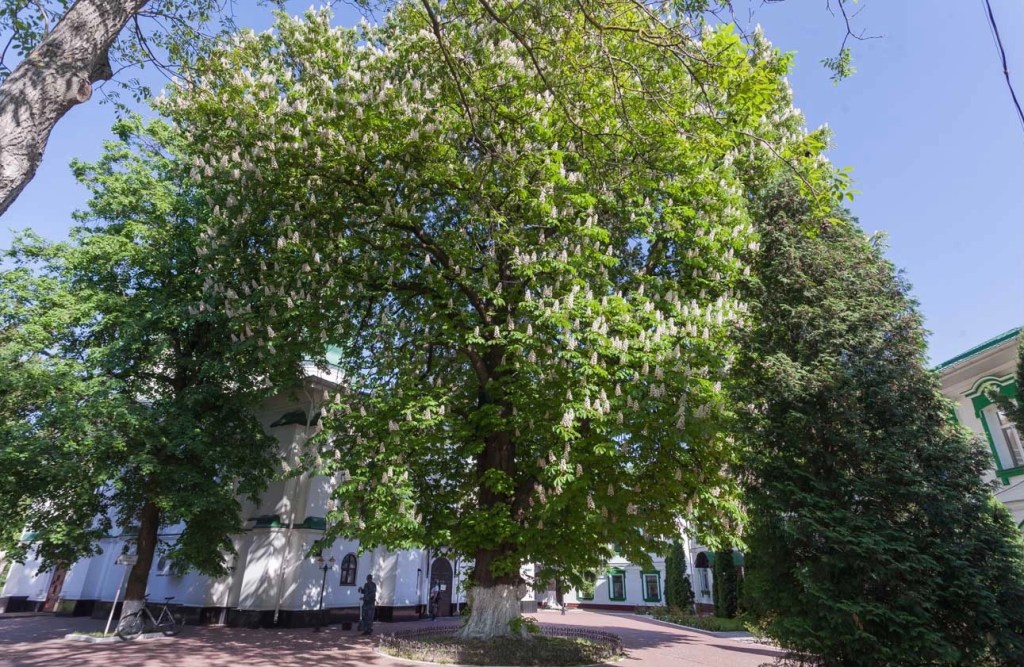
The Kyiv cake, a dessert which contains nut, cream and chocolate is another popular symbol of the city. First made at the (former) Karl Marx Confectionary Factory in the city in 1956, the cake has become hugely popular throughout Ukraine. The top of the cake is a depiction in icing of the leaf of the horse chestnut tree in honour of the city.
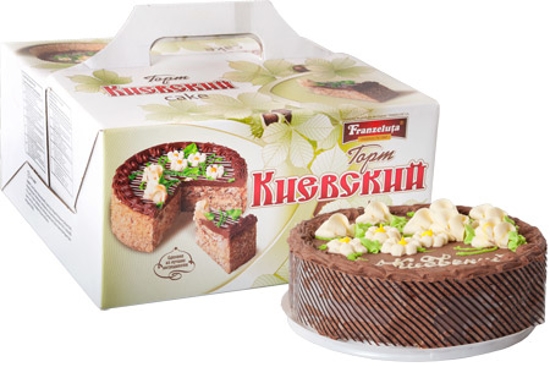
Wherever we went in Kiev, there was always time for coffee and great food.

In particular, food from nearby Georgia has become deservedly popular in the city and it is one of the best cuisines we have come across. From Khachapuri (bread, cheese, eggs combined together) to Khinkali (meat filled dumplings), Georgian food is one of those cuisines which always satisfies.

Khachapuri

Khinkali should be eaten like this:-

Desserts are also a big part of Georgian culture and a slab of the popular Gozinaki (walnuts and honey – a bit like like a less cloying nougat) came out on top. 
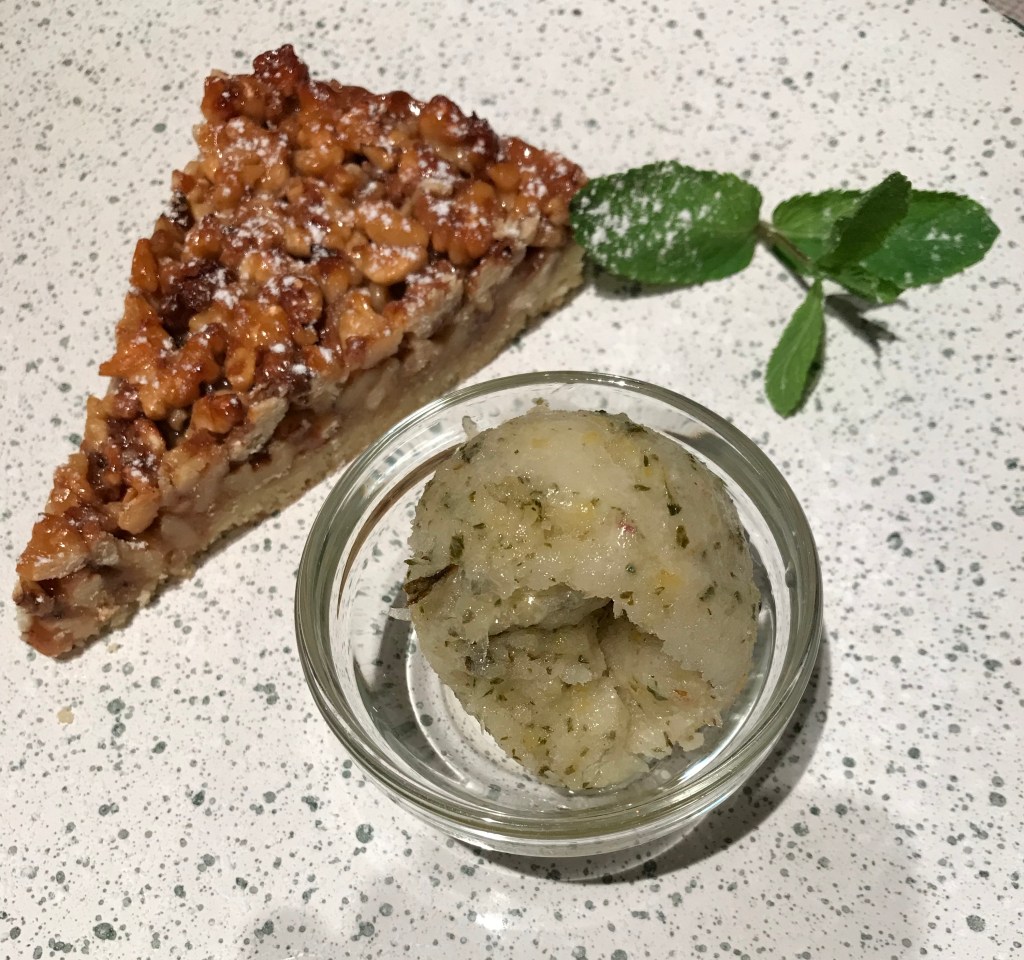
Gozinaki

Cherry pie and ice cream came a close second.
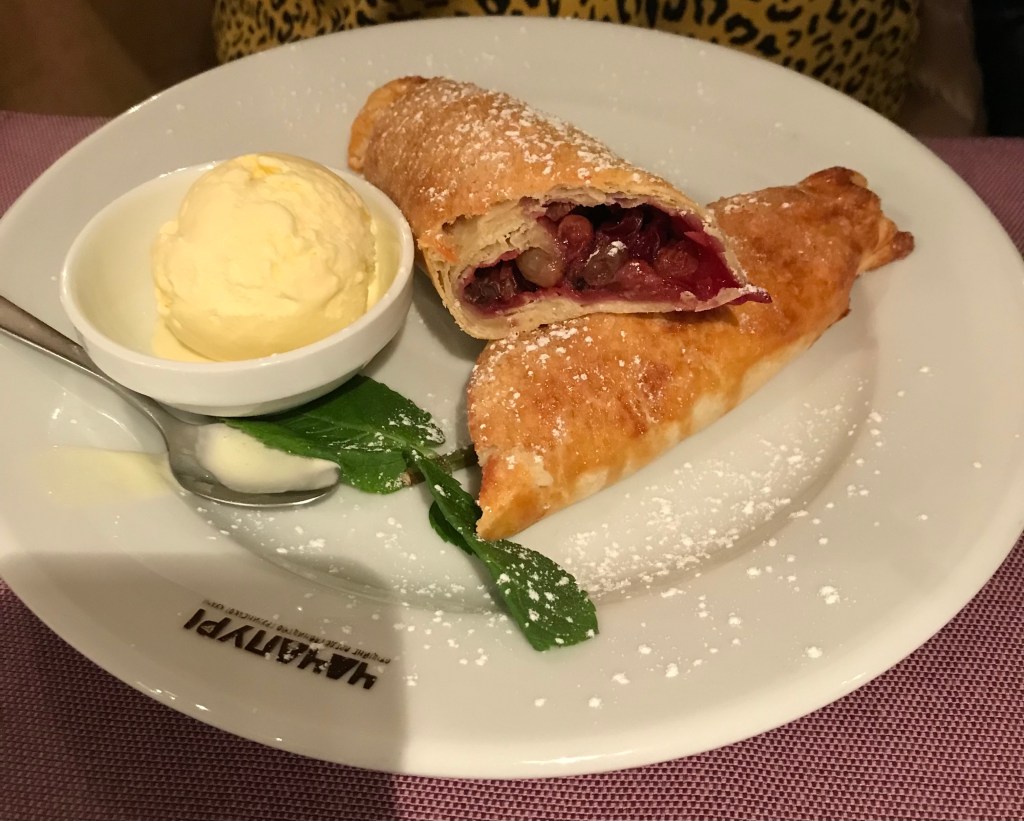
Cherry pie

Each time we ate at a Georgian restaurant in the city, we were offered a complimentary starter of Pkhali, a vegetable dish of a pâté like consistency which can be made from various bases although the core ingredients will remain more or less the same. Our favourite version of the dish was based on beetroot combined with walnut, garlic, herbs and spices. If you don’t want beetroot, the dish can be prepared with carrot instead. Similarly, if you don’t like carrot, you can use spinach as the base and so on.
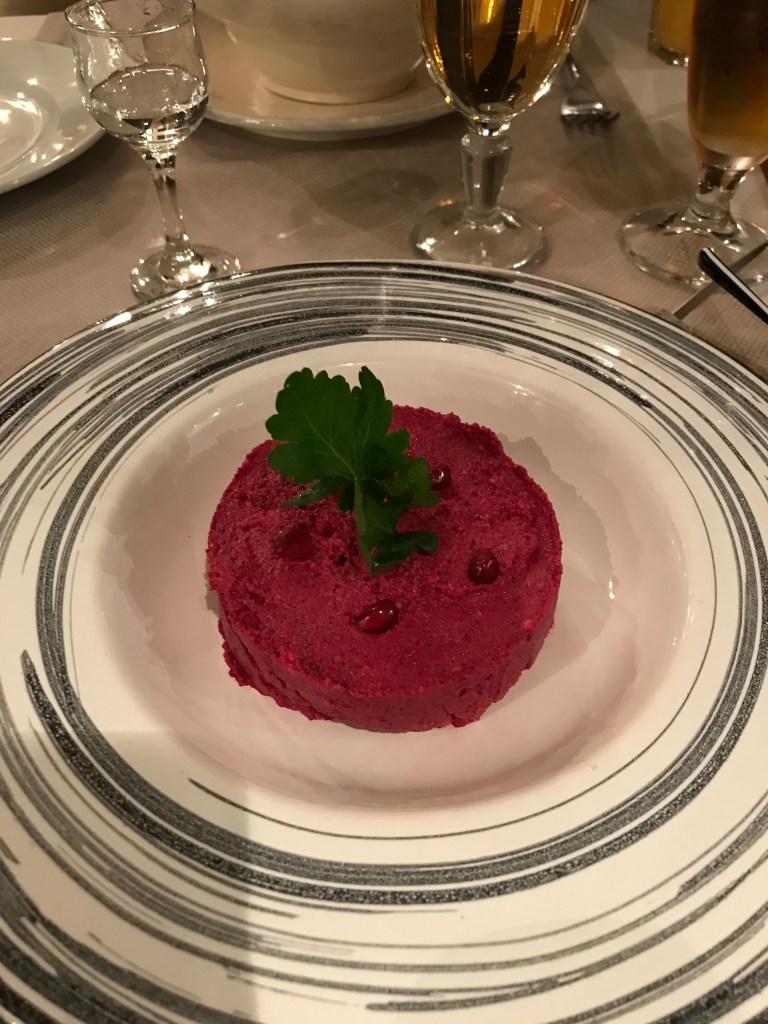
Beetroot Pkhali

A good recipe for Pkhali is here https://annavoloshyna.com/beet-pkhali-favorite-georgian-appetizer/

The Pkhali was washed down with a small glass of vodka (which was either fiery Georgian vodka distilled on the premises or a smoother commercially made Ukrainian vodka). As we ate, the house cat, a small friendly tabby, brushed past reminding us of the two other cats we had seen that day. One of those cats was represented by the handsome bronze statue of the legendary Persian, Pantusha, another symbol of the city of whom more below. The other cat was a small statue of the fearsome vodka swilling and cigar smoking beast of ‘The Master and Margarita’, the giant black cat Behemoth. The book was written by Kiev born Mikhail Bulgakov and it is one of the greatest works of Russian literature (although there is is an argument that the book is a work of Ukrainian fiction https://www.theguardian.com/stage/theatreblog/2008/dec/11/mikhail-bulgakov-ukraine-russia).

Nasty Behemoth

Whatever the argument, Kiev boasts a wonderful Bulgakov museum, a statue of the man and a small statue of the gigantic Behemoth of course.
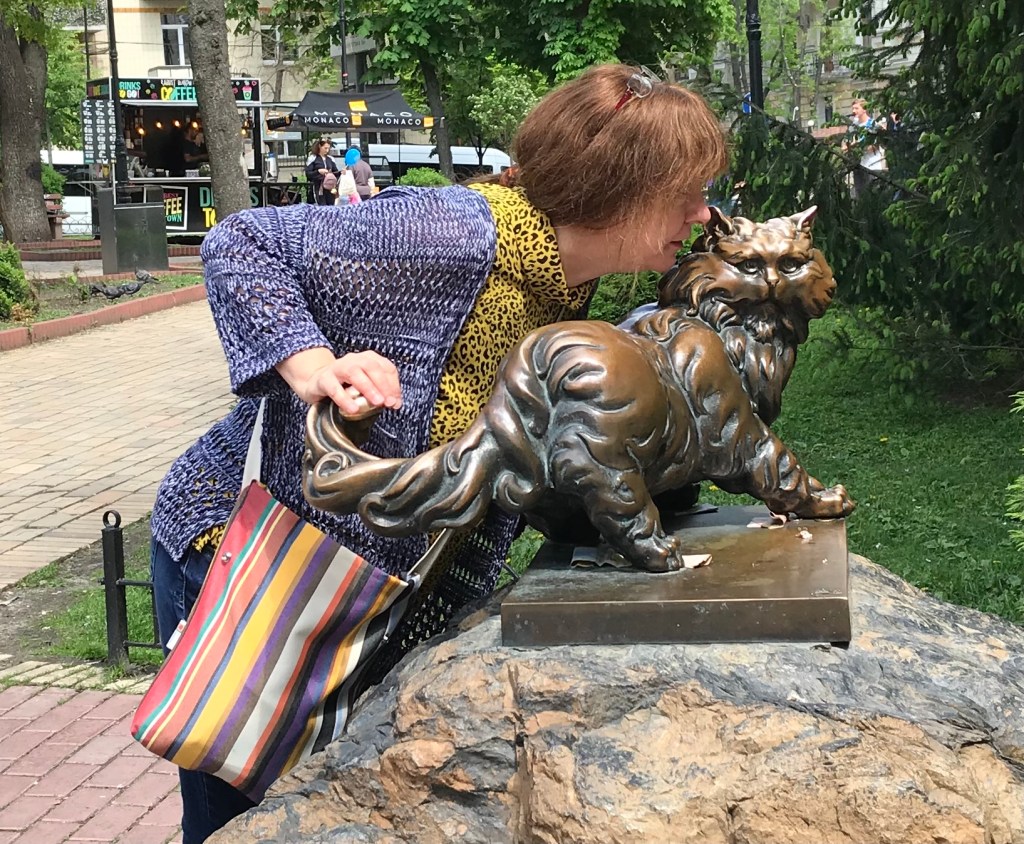
Pantusha

The other statue of a cat in the city is that of the beloved Pantusha, a Persian sculpted in bronze which sits on its own pedestal near the Golden Gate monument (the monument being a representation of the 11th century ‘Great Gate of Kiev’ as referenced by the composer Mussorgsky). Now a cherished symbol of the city, Pantusha lived in a popular Italian restaurant near the Golden Gate monument. Loved by all the staff and diners, he was very much a part of the eating house. Unfortunately, the restaurant burnt down following an electrical fault and the wonderful Persian did not survive the fire. In his honour, patrons and staff commissioned a statue of him. The statue stands in front of the rebuilt restaurant. It has become something of a ritual amongst locals to make a wish in the cat’s ears and rub his back for good luck. As we sat with a coffee outside the restaurant, locals of all ages greeted Pantusha with a pat and a quiet word.

You will not get a nice comment from Behemoth of course and we certainly would not recommend a quiet word in his ears! If you are familiar with the book, you will know what we mean.

However,  we will leave the last word to him. 

“Is that vodka?” Margarita asked weakly. The cat jumped up in his seat with indignation. “I beg pardon, my queen,” he rasped, “Would I ever allow myself to offer vodka to a lady? This is pure alcohol!” *

* presumably the same fiery vodka we mentioned above?
Treacle and Joy Division

Macclesfield is a market town in East Cheshire in the North West of England. It is not too far away from Manchester. The town has a real character to it and it is surrounded by gorgeous countryside with the Peak District National Park nearby. The town is also a key film location for the popular Peaky Blinders television series.

The North West has undergone something of a culinary renascence in the past few years. There is an increased emphasis on quality local produce with a talented group of local chefs creating great food from across the world. 

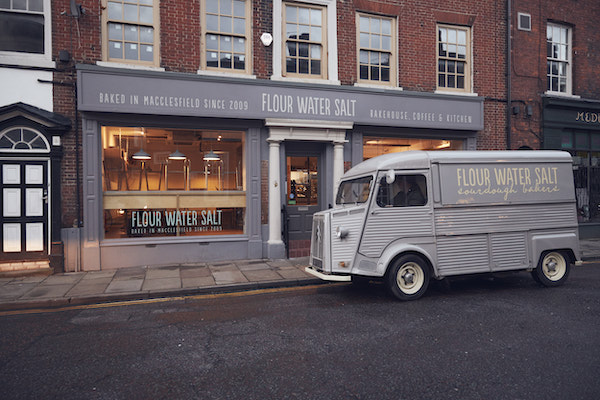
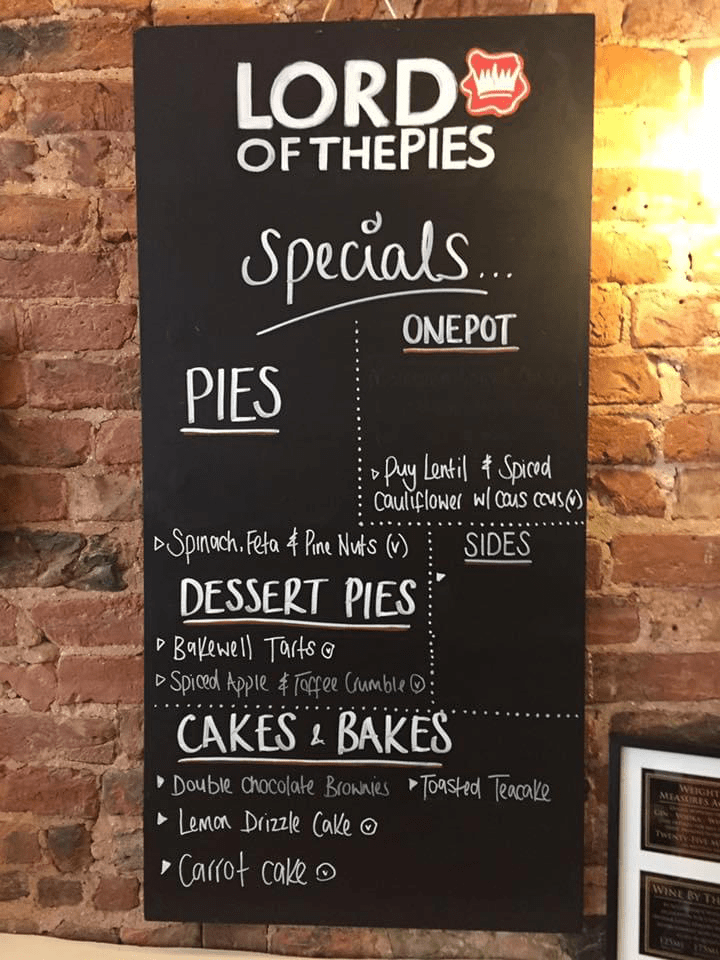
Macclesfield is a part of this change and we especially like the bread and pastries at Flour Water Salt and the iconic Lord of the Pies.

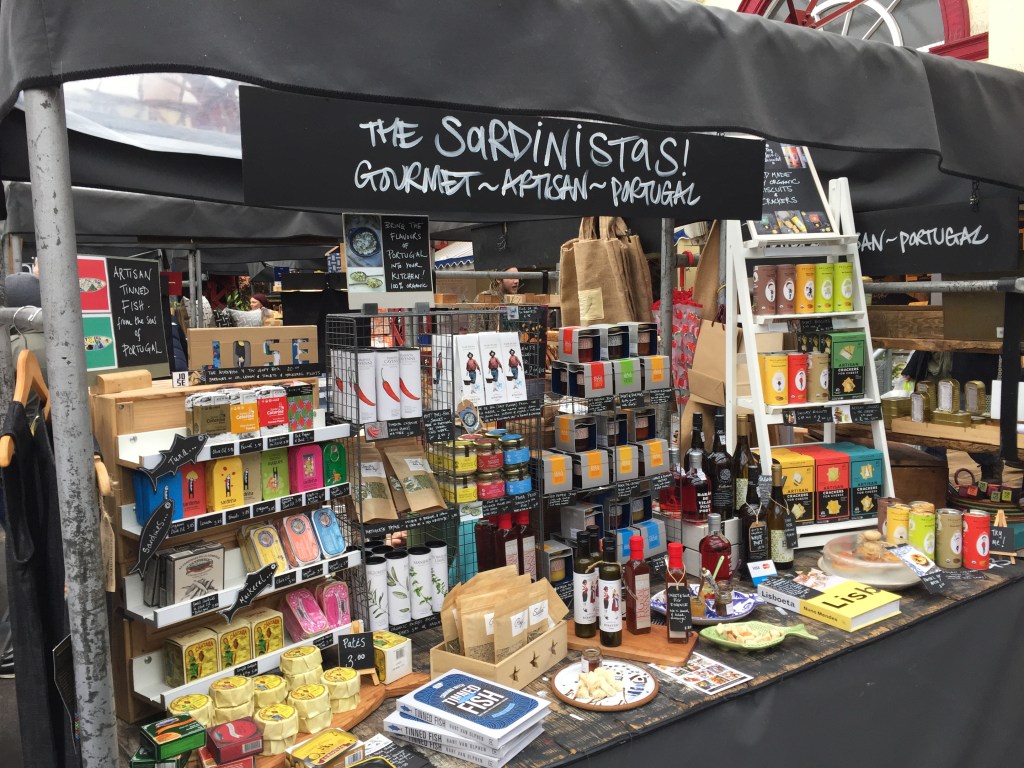
A particular local favourite of ours is the monthly Treacle Market which is held in the centre of town. It is a lively mix of food stalls, crafts and antiques.

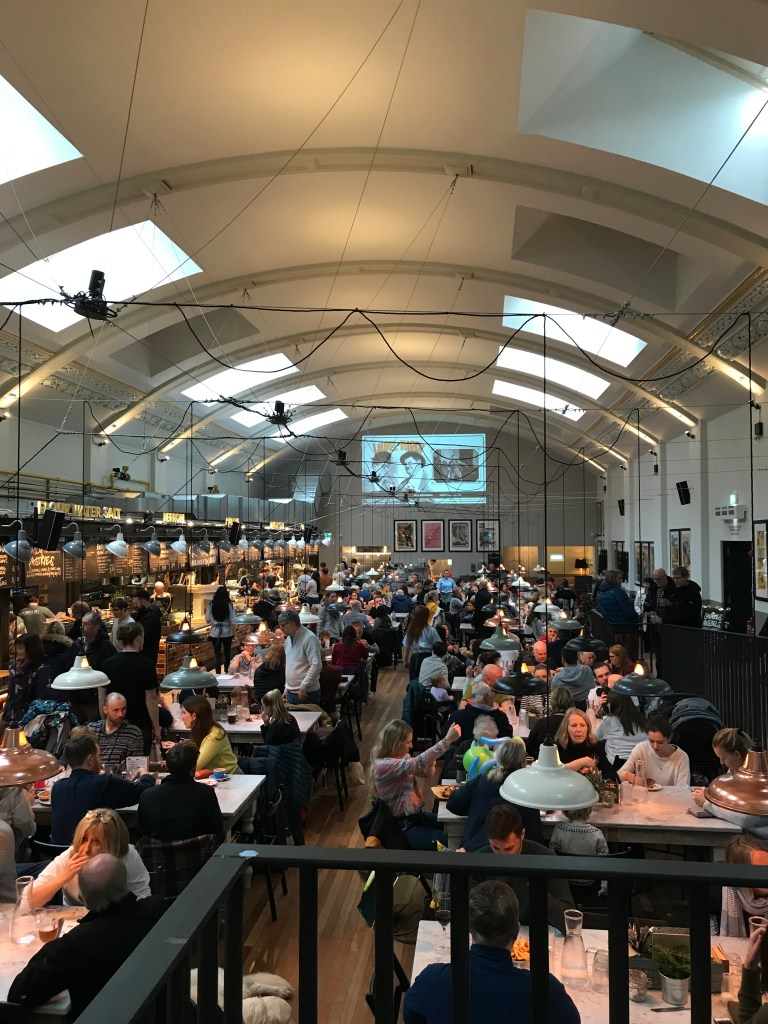
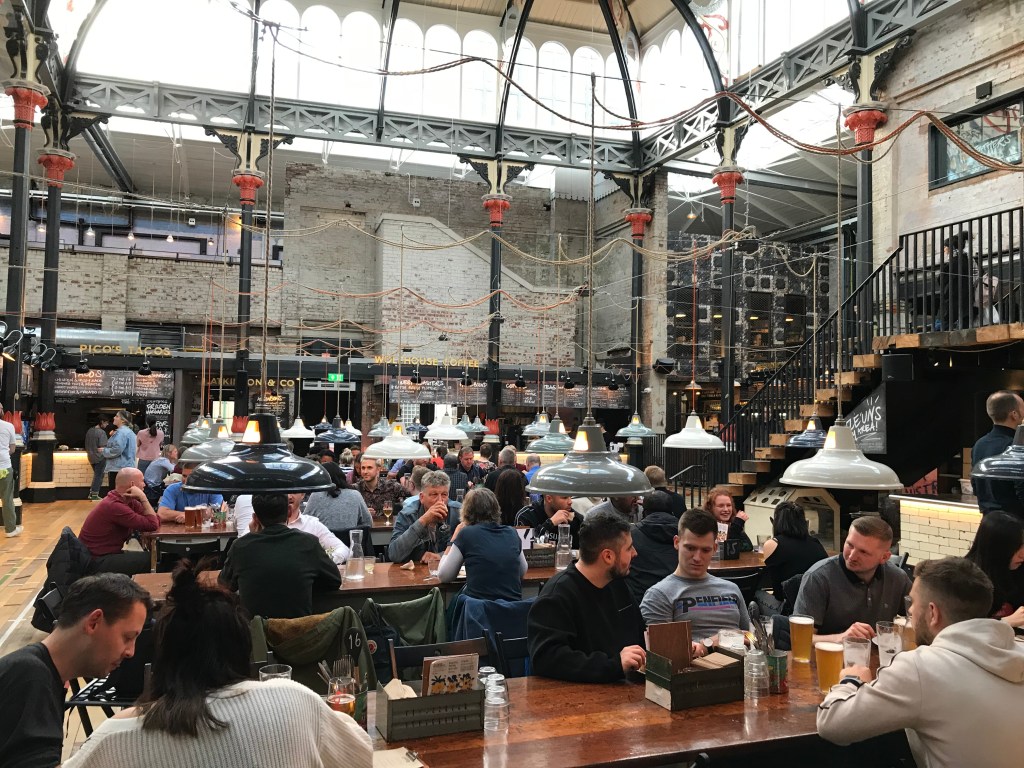
Nearby is the food hall at the Picturedrome, a beautifully restored former cinema dating back to 1911 which is now an atmospheric food hall

The Picturedrome is a sister to two Manchester food halls, Altrincham Market House in the south of the city and the more central Mackie Mayor.

Altrincham Market House

The Mackie Mayor

The Mackie Mayor is a few doors down from the the iconic music venue, the Band on the Wall. Anyone who is anyone will have played at the Band on the Wall at some time or other including of course, local legends Joy Division, one of the most influential groups to have ever come from England. 

(This video has over 23 million views on You Tube)

We never saw the group play as Joy Division but we did see them perform under their old name ‘Warsaw’ which they changed shortly thereafter so as to avoid confusion with a similarly named band.

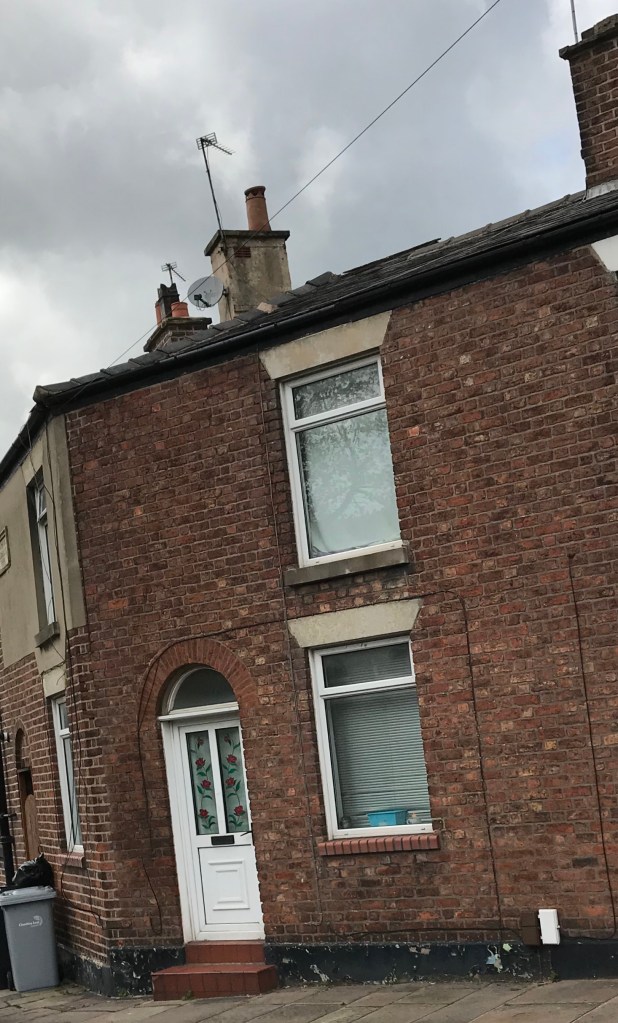
Joy Division have a particular link with Macclesfield, the town where their singer, Ian Curtis grew up in (he was born in nearby Manchester). The town is also sadly the place where he passed away. The house where he lived until he died in 1980 is still there. It is a short walk from the town centre.

Joy Division drummer Drummer Steven Morris was born in the town and lives nearby.

After his death, Curtis’ band mates and keyboardist Gillian Gilbert formed New Order and the rest, as they say, is history.

Like ourselves, Curtis was a fan of reggae. 

In her memoir ‘Touching from a distance’ Curtis’ widow Deborah notes:-

“Ian always had an interest in reggae music; Bob Marley and Toots and the Maytals already figured in his diverse record collection. Moving into that area of Manchester (i.e. south) gave Ian the opportunity to throw himself into the local culture. He began to spend much of his time in a record shop in Moss Side shopping centre, listening to different reggae bands”.

Curtis was a big fan of recordings by the Jamaican producer Keith Hudson (whose 1974 album ‘Pick a Dub’ is much loved by us) with his favourite being the latter’s 1975 number ‘Turn the heater on’ (England was much colder than Jamaica. Hudson was resident in London at the time after all!). 

‘Turn the heater on’ was later recorded by New Order as a tribute to Ian Curtis. It was broadcast on DJ John Peel’s  show in 1982. At the time, Peel was one of the very few national DJ’s to play reggae on the airwaves.

The first artist to be recorded by Keith Hudson was the veteran Dennis Alcapone back in 1969. Alcapone recorded a football tribute ‘World Cup Football’ in 1981 to exalt the Brazilian national squad and to call for more black players in the England football side to make a better team as a result. (The rhythm Alcapone toasts over on this track is the classic ‘Rope in’ by Cornell Campbell. See also ‘Fattie Boom Boom’ by the late Ranking Dread).

New Order also recorded their own officially sanctioned football song for the 1990 World Cup, ‘World In Motion’

As well as undoubtably being the best official football song from England, ‘World In Motion’ is notable for the rap by the beloved Liverpool/England player John Barnes.

Time for tiffin

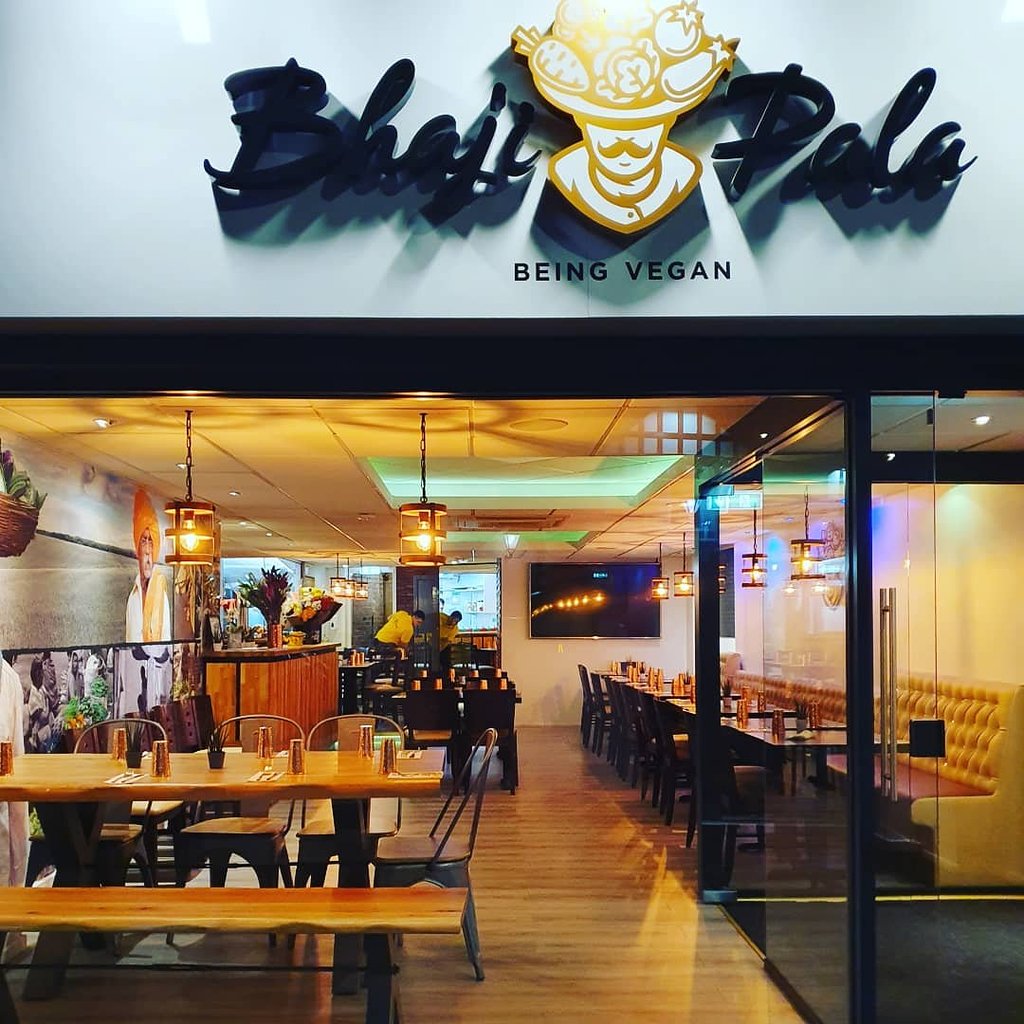
Bhaji Pala, which is based on a fairly unassuming street in Stockport up here in the North of England, is one of the best restaurants we have been to in the world. Whilst we love vegetarian food from India, Bhaji Pala is the first completely vegan restaurant we have visited.

The restaurant has been open for around 18 months or so and in that time it has gained an army of fans and national awards for the quality of its food.

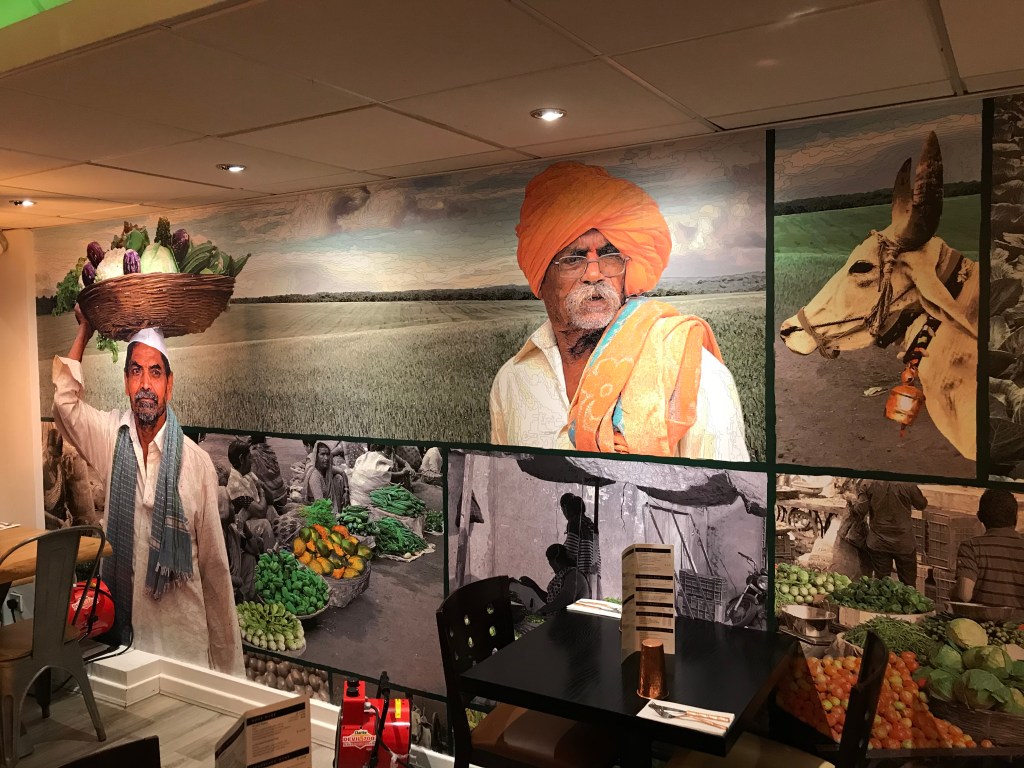
The restaurant is light and airy with an open kitchen and a wall of beautiful artwork.

Dishes that we enjoyed eating there included crispy karela (bitter melon) served in a brown paper cone, tandoori broccoli which was stunning, dum aloo and dudhi chana (bottle gourd) and much more! They also serve favourites such as dosas, uthapam and thalipeeth as well as a great range of desserts.

Recommended.

Of the many herbs/spices used in Indian cookery there are a couple we would like to give a special mention to.

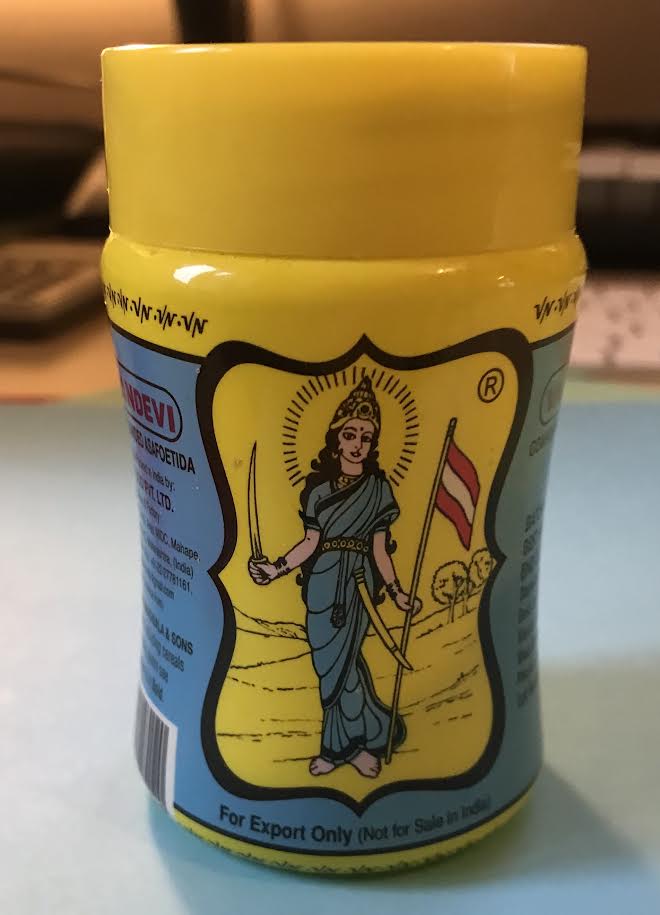
Firstly we love Asafeteida powder (known as ‘hing’ in Hindi), a gum extracted from a plant of the the fennel family. It is yellow in colour, adds a garlic/onion flavour when cooked for a few seconds in oil and is incredibly pungent. We always make sure our stock of this spice is kept in a sealed container which helps to keep it fresh and prevents the store cupboard from being overwhelmed by this strong smelling powder! 

Like fish sauce in South East Asian cooking, the smell of Asafetida can be initially a little off putting but once it is added to oil, it always adds its own magic to your cooking. Use a small amount and don’t over do it. The following is the brand from India that we use:-

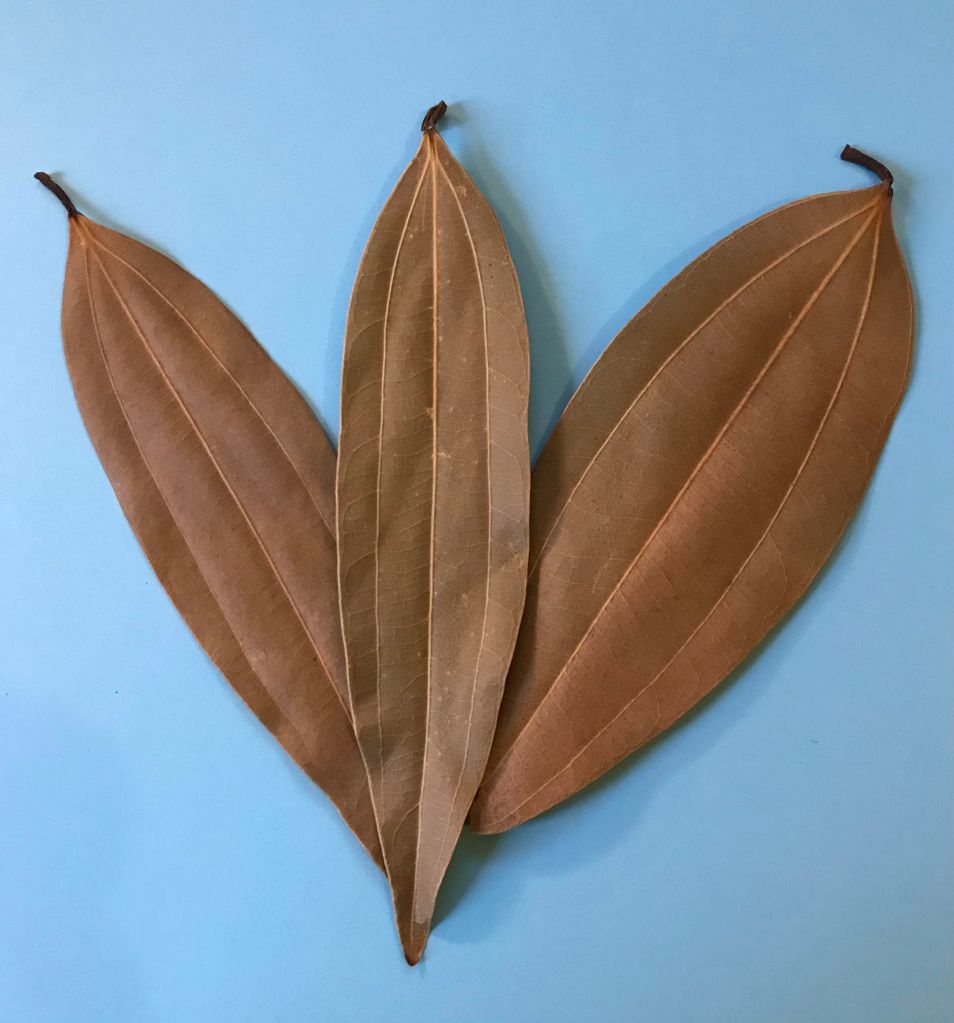
We are also great fans of Indian bay leaves from the Malabathrum plant. The leaves, which we buy dried, have an aromatic, cinnamon flavour and are a great addition to cooking. They are not to be confused with Mediterranean bay leaves which we also use in our cooking and which we grow in our garden. They are completely different and should not be substituted with one another. The Indian bay leaves have three veins as opposed to the central single vein of the Meditteranean bay and are a paler green in colour. Add a couple of the leaves to hot oil when you are tempering your whole spices and leave them in your dish as it cooks and they will impart a special flavour.

Whilst we are on the subject of India and its wonderful food we must mention the award winning film ‘The Lunchbox’ by Ritesh Batra which constructs episodes around the problem of a mistaken food delivery in Mumbai’s otherwise complex and efficient lunchbox system built around its army of ‘dabbahwallahs’:-


You might be thinking that the likes of Deliveroo where ahead of the game in home delivery. Not in Mumbai it seems as the dabbawallahs have been delivering delicious food for over 130 years – long before mobile ‘phones and ‘apps’!

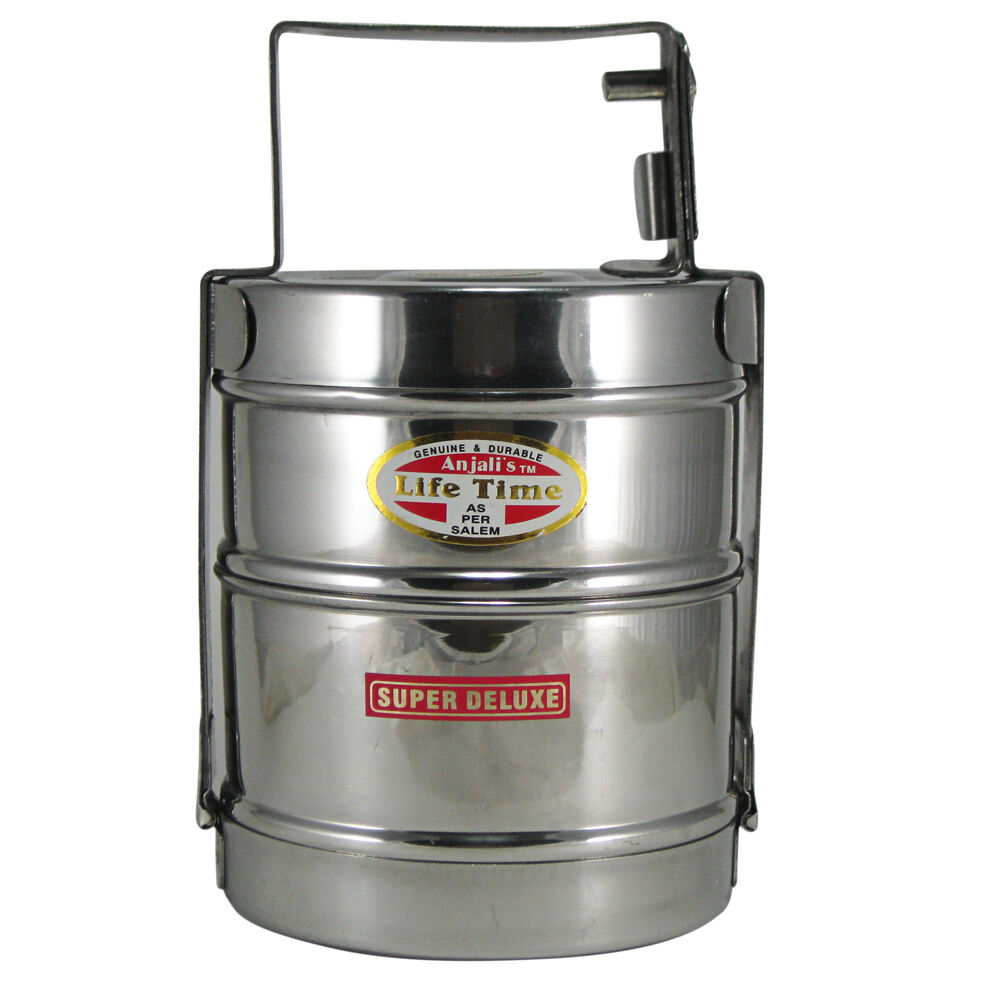
The food is delivered in tiered steel lunchboxes known as tiffins or dabbas. We’ve noticed that tiffin boxes are also being used by some local families who since the pandemic started have branched out and are now creating wonderful dishes at home for delivery to customers in the vicinity. This practice helps to cut down on plastic waste and it is definitely a far more aesthetic way for customers to receive this wonderful home cooked food!

Time for tiffin indeed!

Marseille and pastis

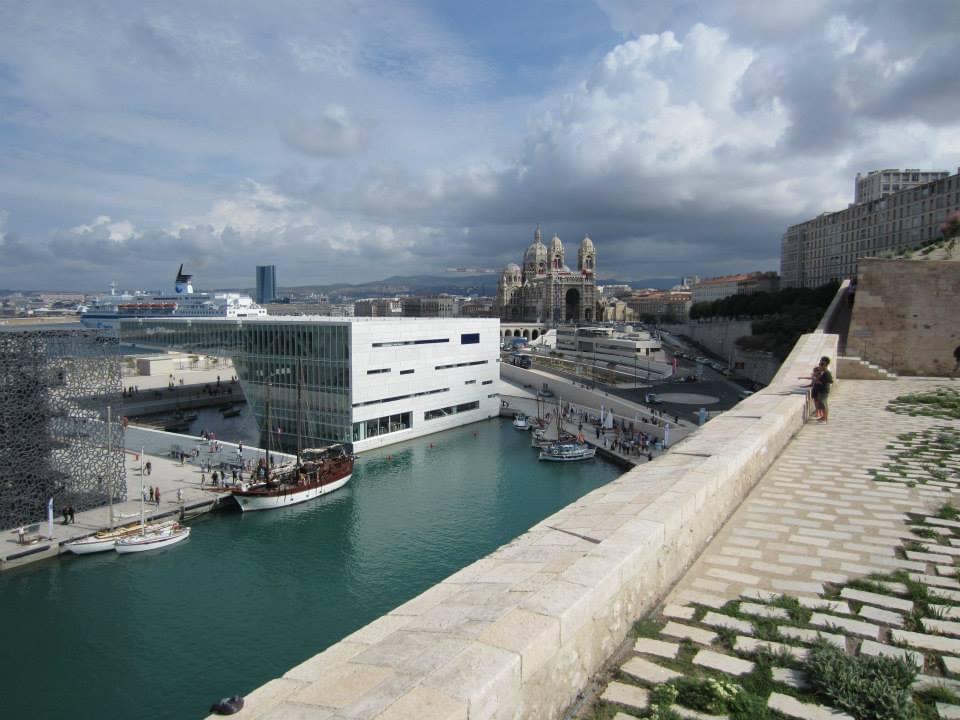
When we first mooted the idea of visiting Marseille to our Parisian colleagues we were met with cries of surprise (‘quelle horreur’) and concerned attempts by them to direct us elsewhere in France! We got the distinct impression that the city was considered a lot different and perhaps a lot less satisfactory than other key locations such as Paris, Lyon and Bordeaux. This only made a visit to the city a more attractive proposition for us and we were not disappointed.

We don’t want to rely on the cliches of the ‘it’s like Naples or Liverpool’ kind (but see ‘Cities on the edge stand tall’  https://voxeurop.eu/en/cities-on-the-edge-stand-tall/) but we felt very at home walking in the streets of the Vieux Port and elsewhere. In particular, the families enjoying themselves at the ‘town beach’ at Plage des Catalans reminded us of a ‘day out at the seaside’ in the  North of England (with a lot more sunshine of course!).

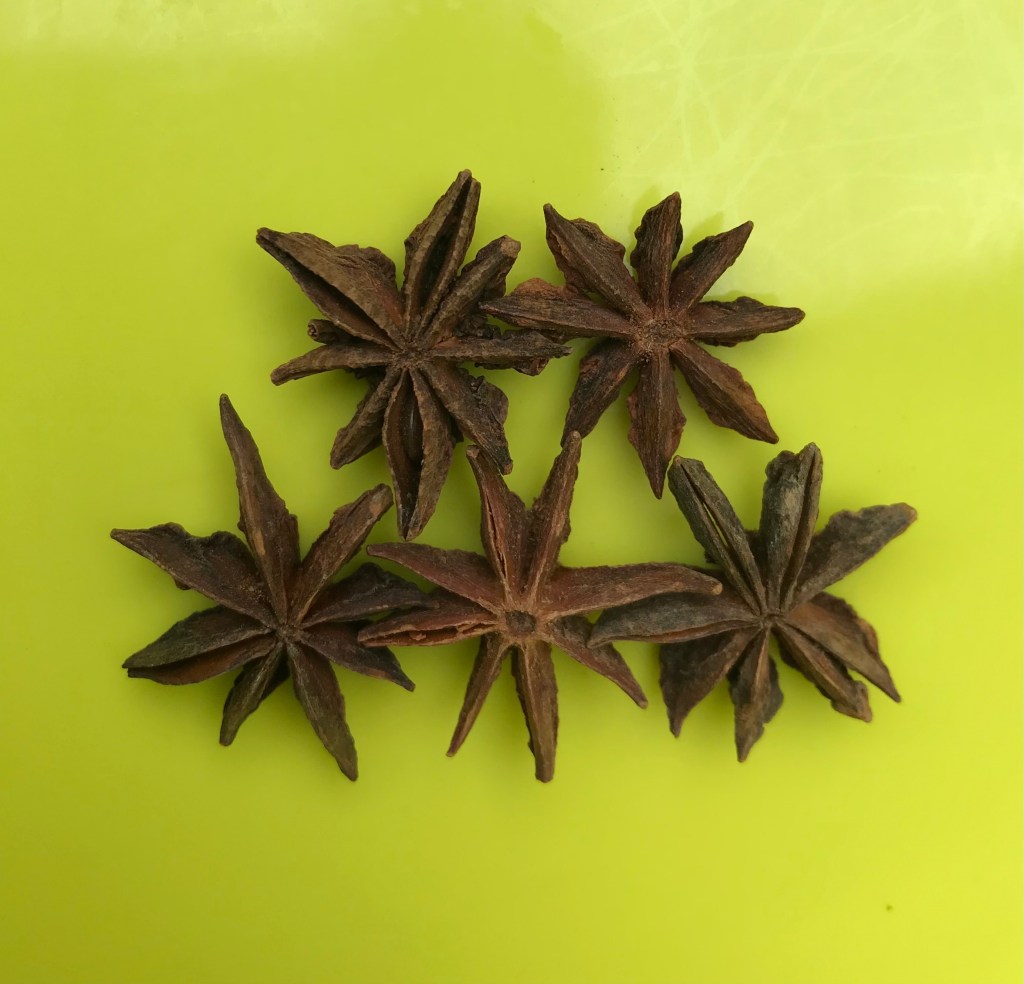
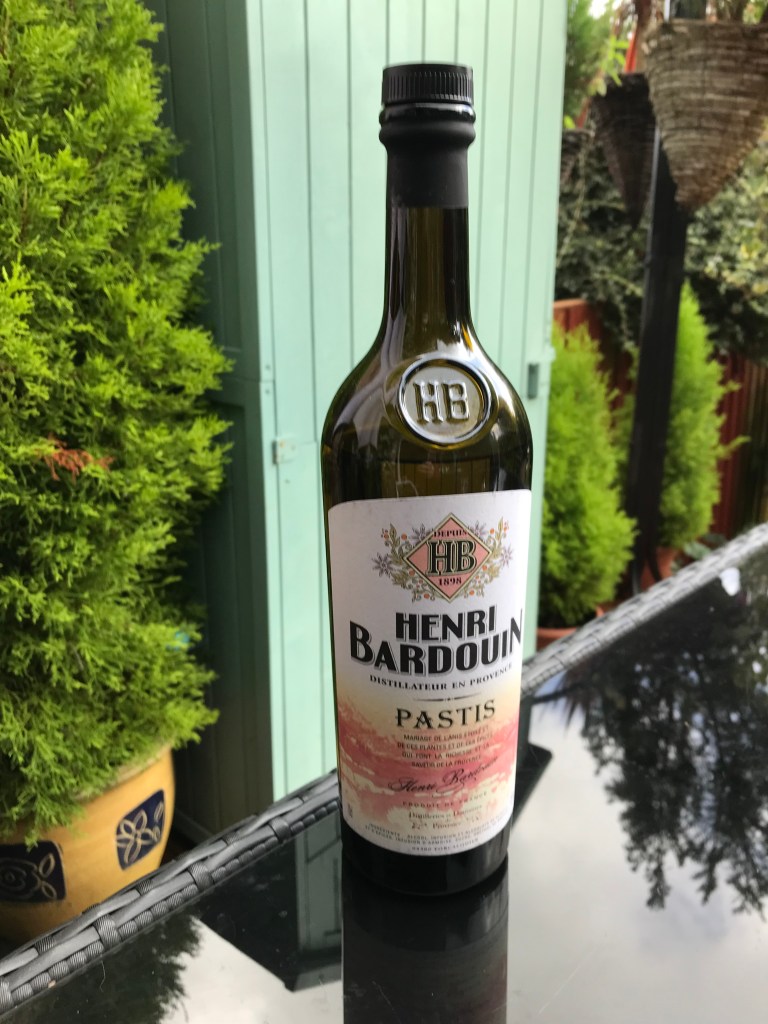
Marseille is the home of our favourite aperitif, pastis, a far more preferable drink in our opinion to other aniseed flavoured liquors such as sambuca, raki and the fearsome aguadiente of Colombia. Best drunk in combination with chilled water it is usually mixed in a ratio of around five parts of the latter to one part of the former. The liquor reacts with the water turning the spirit’s usual colour (which varies from brown to a golden shade), ‘milky’ in the reaction known as ‘louche’.

Pastis was first developed in Marseille by Paul Ricard in 1932 and today his brand along with its sister brand, ‘51’ are hugely popular and between them, probably the best selling in France. Although both of these drinks are fine, we prefer pastis produced by smaller producers of which there are several in Marseille and elsewhere in Provence. Our particular favourites are Henri Bardouin (https://www.distilleries-provence.com/en/cms/pastis) and Janot.

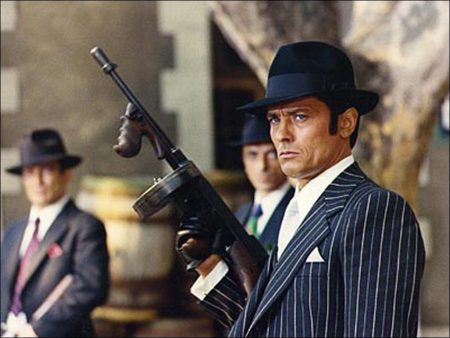
Pastis and its association with Marseille features in Deray’s fine 1970 gangster film ‘Borsalino’ with Alain Delon and Jean-Paul Belmondo. In the film the fictional distiller M. Boccace’s milky liqueur crops up in various bar scenes. The city’s atmospheric Le Panier district is prominent throughout. The film is great fun and well worth watching. Although set in the 1930’s, stylistically it kind of reminded us of Penn’s 1967 epic Bonnie and Clyde.

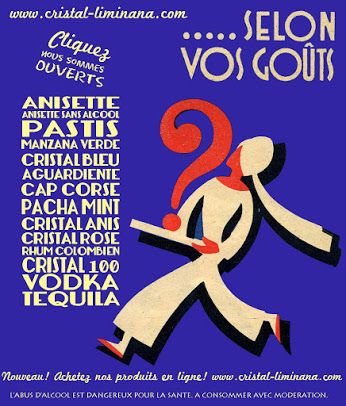
Marseille still has several smaller pastis producers. In particular we think that the superb pastis ‘Un Marseillais’ of the Cristal Limiñana distillery is worth mentioning (see https://cristal-liminana.com/en/).

As the name Limiñana suggests, it was two Spanish brother who started producing Anis, the Spanish aniseed flavoured liquer, in Algiers in 1884. The Anis was sold in Algeria under the name Cristal Anis. The Cristal Limiñana business was later founded in Marseille in 1962 by one of the brothers who had Algeria left for France following independence in 1962. The same distillery still produces Cristal Anis as well as the aforementioned ‘Un Marseillais’. You can tour the distillery (appointment only) by contacting infos@cristal-liminana.com in advance to arrange a suitable date.

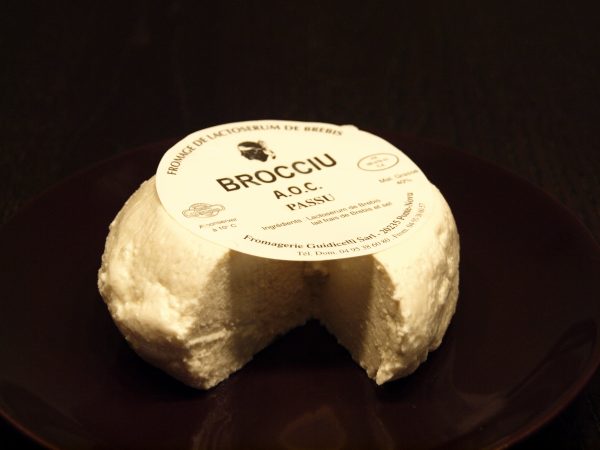
Although the most famous dish of the city is bouillabaisse, it was Corsican food and wine in Marseille that really caught our attention.

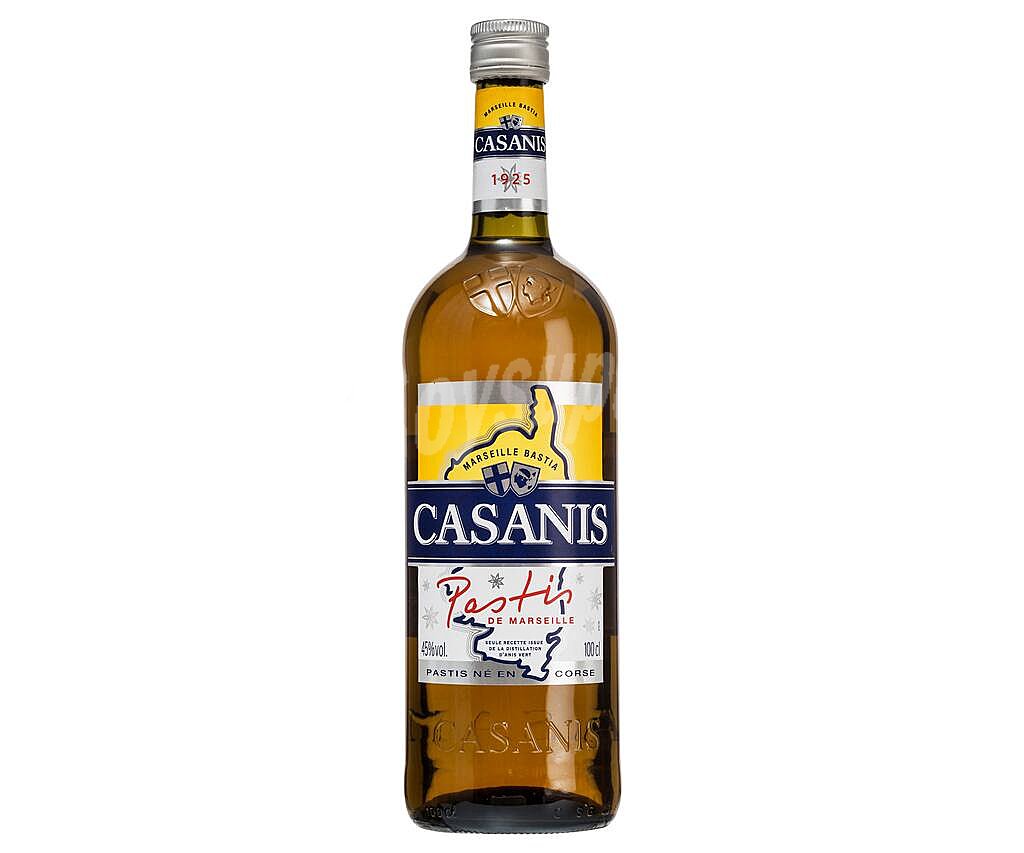
And of course, pastis. The brand Casanis was first distilled in Bastia, Corsica in 1925. The business was later transferred to Marseille where it is based today.

À votre santé!

(And whilst we are on the subject of Marseille, we recommend the much lauded 2009 movie by Jacques Audiard ‘A Prophet’. The film highlights the crime and deprivation which still haunt the city).